Food Choices | How Your Diet Affects Your Health | Health & Wellness 👀🔊 Archive link: This ground-breaking documentary explores the impact that food choices have on people's health, the health of our planet and on the lives of other living species. And also discusses several misconceptions about food and diet. #IKITAO #GoVegan

Replies (29)

Many Bitcoiners eat loads of fatty red meat because they think it makes them stronger, healthier, and even more masculine. The reality is, it leads to clogged arteries and erectile dysfunction, among many other well-documented health issues—there's nothing masculine about that. Ultimately, the only knowledge is self-knowledge. I can't make anyone do anything—any more than all this carnivore fad diet talk can make me do anything. All I can do is share my perspective, backed by decades of modern research, thousands of years of lived results, and today's world-class vegan athletes and peak performers. Freedom of speech and reclaiming our attention/time/life from big tech is a thread that connects people who use Nostr, so it was time to start speaking more about it. And yes, good on you—don't let perfect be the enemy of good. For example, I enjoy buttermilk, but I don't buy it because of the way cows are treated in factory farms. 'Grass-fed' is just a label, like 'organic'—with loose regulations that are easy to game. There's a stark difference between a Hindu cow, or Bessie being milked on the farm and well-cared for, and a mother who has had her babies stolen from her, lives in inhumane conditions, is shown no love, is an object to be used, and is pumped with antibiotics and other medicines just to keep her alive until she can't produce anymore. And then they're thrown away like garbage—sent to slaughter at just 4-5 years old when they should live to 20, their bodies so broken and worn they're only good for cheap hamburger meat and pet food. That's the reality behind every glass of milk from factory farms.
Bitcoin Samurai's avatar
Bitcoin Samurai 10 months ago
Red Flag: "The reality is", "Well Documented", "Vegan athletes" Are you trying to make a moral case or logical case against carnivores? When it comes to diet what is the desired result? Muscle, life longevity, reducing one's footprint? Quality of food is importantly for any diet and I think they all have their function and results.
Bitcoin Samurai's avatar
Bitcoin Samurai 10 months ago
I have also met some very strong vegans (they supplement, exercise, and eat nuts and lots of greens) and some very weak vegans (they are couch potatoes, eat tofu, potato chips and lots of processed food). In the end, no matter what diet you are on, the quality of food and exercise is everything!
Bitcoin Samurai's avatar
Bitcoin Samurai 10 months ago
If the current state of things is normal, I take your comment as a compliment. 😉
Bitcoin Samurai's avatar
Bitcoin Samurai 10 months ago
Let me also add that only 3-5% of professional athletes identify as being vegan. So in athletic performance, it doesn't look like there is a benefit to being vegan.
Bitcoin Samurai's avatar
Bitcoin Samurai 10 months ago
I don't care what diet you are on but more about the reason you are dieting. Why veganism? What does it give you that other diets don't give you? If it is for moral reasons, then there is no arguing that case.
The more I learn about the meat industry, the less I want to consume unless it is ethically sourced I also have aspirations to build muscle and improve my fitness, may you provide some examples of the athletes you mention and potentially share any resources they use/share to achieve their competitive results? Thanks for sharing Ava 🫶🏼
Here is a short list of top-performing vegan athletes, from multiple-time Wimbledon champion Novak Djokovic to 2011 Germany's Strongest Man Patrik Baboumian, Venus Williams, Men's Fitness "25 Fittest Guys in the World" Rich Roll, and many more. As you may very well guess, to go into their own unique routines would involve doing your own research—as it would be far too involved for me to post here—but here's a good resource to get you started. https://greenletes.com/vegan-athlete-diet/ "The Game Changers" also is an excellent documentary featuring some of these elite athletes, special-ops soldiers, and more—produced by James Cameron, Arnold Schwarzenegger, Jackie Chan, Lewis Hamilton, Novak Djokovic, and Chris Paul. 👀🔊 Archive link: You can also find it streaming on Netflix. All the best to you. 🙏🏻
Athletes eating meat, most certainly supplement also. I was in the Fitness and Kickboxing scene for a decade. trained and instructed. Lots of Sups, and a fair amount of steroids.. (I did neither, but thats because I've always been tight with $$ :P, and now tighter with my sats ;) ).
I was just told I have high cholesterol so I’m trying to cut back on some of the fatty foods that Bitcoiners swear by that I’ve been trying for a while, mixing in more greens and other balanced foods. 🤷🏻‍♂️
SpontaneousOrder's avatar
SpontaneousOrder 10 months ago
I would be careful. The relationship is complex, and there’s no clear evidence that eating red meat alone leads to clogged arteries or ED. If so, pls provide sources
SpontaneousOrder's avatar
SpontaneousOrder 10 months ago
high cholesterol doesn’t necessarily mean you’re eating too much meat or fat. Cholesterol is a repair molecule, and elevated levels often indicate inflammation, stress, or metabolic dysfunction rather than just dietary fat intake. Cholesterol isn’t the root problem—it’s often a symptom of underlying issues. Instead of just lowering fat intake, focusing on reducing inflammation (cutting out sugar, processed foods, improving sleep, and exercising) is a much better approach.
Make their lives good the rest of the time, so the momentary kill shot will be the only bad moment in their lives. We can snap our focus away from the plants vs animals dilemma, and get back to thinking on life consuming life in a circle of life forever. But no matter what, the first part is the most important.
That is a very good idea. Cutting out fatty, processed foods and sugar is a huge step. Then, reducing dairy, and increasing the quality of the foods you eat with an emphasis on vegetables, whole grains, nuts, seeds, and healthy fats—even if you're not yet ready to go fully plant-based—will make a massive difference in your health and energy levels. Check this out (there's a high quality .avi version in the archive link that can easily be converted losslessly to .mp4 with FFMpeg). It's a plant-based documentary, but it's not preachy. It's also on Netflix. Then, I highly recommend watching this: View quoted note → Congratulations on the wise decision. Best wishes to you on your health journey. 🙏🏻
Ava's avatar Ava
The Game Changers 👀🔊 Trailer: Full Documentary: The Game Changers (2018), executive produced by James Cameron, Arnold Schwarzenegger, and Jackie Chan, is a documentary that follows James Wilks, an elite Special Forces trainer and winner of The Ultimate Fighter, as he travels the world exploring the science and benefits of plant-based nutrition. Directed by Oscar-winner Louie Psihoyos, the film features extraordinary athletes including multiple-time Wimbledon champion Novak Djokovic and 2011 Germany's Strongest Man Patrik Baboumian, alongside special ops soldiers and visionary scientists. Through their stories and scientific evidence, Wilks' journey exposes outdated myths about meat, protein, and strength that affect not only athletic performance but the health of the global population. YT Trailer: Archive link: You can also find it streaming on Netflix. #IKITAO #GoVegan
View quoted note →
I rarely eat anything with sugar and already exercise a few times a week. Doing more of that wouldn’t hurt, though! I wouldn’t cut out meat, just less of it. Definitely could be better about sleep!
Kredit's avatar
Kredit 10 months ago
Those dangers you listed are from oxidation and oxidation primary cause is high omega 6 and linoleic acid from highly processed foods primarily containing vegetable oils.
There certainly is. The scientific evidence demonstrates a clear causal relationship between red meat consumption,cardiovascular disease, and arterial function—not just a complex association. While I've provided comprehensive sources below, I encourage you to explore the research yourself beyond AI assistants, which often oversimplify these relationships (they still can't do research very well). You'll find abundant authoritative sources and scientific consensus—just make sure to research their funding sources as well. Here are a few very important sources that are not funded by the meat and dairy industries, which often influence research outcomes through selective publishing practices. When industry-funded studies reveal harmful effects, they frequently remain unpublished (they don't have to publish their findings). Conversely, these industries have a long history of publishing studies that show favorable results, even when the research methodology is flawed or biased. "A 2016 cohort study led by Harvard involving 131,342 participants found that every 10% increase in calories from animal protein led to a corresponding 8% increased risk of dying from cardiovascular disease, and concluded that “high animal protein intake was positively associated with cardiovascular mortality and high plant protein intake was inversely associated with all-cause and cardiovascular mortality” (31). Another major cohort study involving more than 81,000 participants, published in the International Journal of Epidemiology, found that those eating the most protein from meat versus those eating the least had a 61% increased risk of cardiovascular death, while those eating the most protein from nuts and seeds experienced a 40% reduction in risk (32). All told, simply avoiding animal products can reduce a man's risk of dying from heart disease by 55% (25)." "As referenced in The Plant-Based Advantage, a single animal-based meal can constrict our arteries by 40% just two hours after consuming it. Cardiovascular disease takes hold when this assault on our arteries continues day after day, year after year, until they become so stiff and narrow that blood flow to our hearts and brains becomes restricted. This process sets the stage for pieces of unstable plaque to break off and block blood flow to one of our arteries, at which point we may suffer a heart attack or stroke. Many factors play a role in why animal foods aren’t good for your cardiovascular system. These include the numerous compounds and molecules that come from foods like meat — including endotoxins, trimethylamine N-oxide (TMAO), heterocyclic amines (HCAs), and heme iron — which can inflame our arteries and lead to the formation of plaques (28,33). Heme iron is so potentially damaging that just eating one more milligram per day is associated with a 27% increase in risk of coronary heart disease (34). To put that in perspective, a single hamburger patty can contain two milligrams of heme iron or more (35-37). Meanwhile, a large body of evidence shows that plants have the opposite effect, improving arterial function via a completely different set of constituents, including antioxidants and plant-sourced nitrates, which soothe the inflammation that can lead to cardiovascular disease while improving blood flow to our heart, brain and other organs (38,39). Taking all of this into account, it may come as no surprise that a healthy plant-based diet is not only effective at preventing cardiovascular disease, but is the only diet that has ever been clinically proven to actually reverse it (40,41)." Sources: (25) Le LT, Sabaté J. Beyond Meatless, the Health Effects of Vegan Diets: Findings from the Adventist Cohorts. Nutrients. 2014 Jun;6(6):2131-47. (28) Hever J, Cronise RJ. Plant-based nutrition for healthcare professionals: implementing diet as a primary modality in the prevention and treatment of chronic disease. J Geriatr Cardiol. 2017 May;14(5):355-68. (31) Song M, Fung TT, Hu FB, Willett WC, Longo VD, Chan AT, Giovannucci EL. Association of Animal and Plant Protein Intake With All-Cause and Cause-Specific Mortality. JAMA Intern Med. 2016 Oct;176(10):1453-63. (32) Tharrey M, Mariotti F, Mashchak A, Barbillion P, Delattre M, Fraser GE. Patterns of plant and animal protein intake are strongly associated with cardiovascular mortality: the Adventist Health Study-2 cohort. Int J Epid. 2018 Oct;47(5):1603-12. (33) Erridge C, Attina T, Spickett CM, Webb DJ. A high-fat meal induces low-grade endotoxemia: evidence of a novel mechanism of postprandial inflammation. Am J Clin Nutr. 2007 Nov;86(5):1286-92. (34) Yang W, Li B, Dong X, Zhang XQ, Zeng Y, Zhou JL, Tang YH, Xu JJ. Is heme iron intake associated with risk of coronary heart disease? A meta-analysis of prospective studies. Eur J Nutr. 2014 Mar;53(2):395-400. (35) Young LR, Nestle M. Portion sizes and obesity: responses of fast-food companies. J Public Health Policy. 2007 Jul;28(2):238-48. (36) Cross AJ, Harnly JM, Ferrucci LM, Risch A, Mayne ST, Sinha R. Developing a heme iron database for meats according to meat type, cooking method and doneness level. Food Nutr Sci. 2012 Jul;3(7):905-13. (37) HealthLinkBC. Iron in Foods. Nutrition Series - Number 68d. Feb 2017. (38) Leopold JA. Antioxidants and Coronary Artery Disease: From Pathophysiology to Preventive Therapy. Coron Artery Dis. 2015 Mar;26(2):176-83. (39) Raubenheimer K, Bondonno C, Blekkenhorst L, Wagner KH, Peake JM, Neubauer O. Effects of dietary nitrate on inflammation and immune function, and implications for cardiovascular health. Nutr Rev. 2019 Aug;77(8):584-99. (40) Satija A, Hu FB. Plant-based diets and cardiovascular health. Trends Cardiovasc Med. 2018 Oct;28(7):437-41. (41) Kahleova H, Levin S, Barnard N. Cardio-Metabolic Benefits of Plant-Based Diets. Nutrients. 2017 Aug;9(8):848. ---- I highly recommend this documentary: Then, if you're still skeptical (and even if you're not), this podcast: View quoted note →
Ava's avatar Ava
The Game Changers 👀🔊 Trailer: Full Documentary: The Game Changers (2018), executive produced by James Cameron, Arnold Schwarzenegger, and Jackie Chan, is a documentary that follows James Wilks, an elite Special Forces trainer and winner of The Ultimate Fighter, as he travels the world exploring the science and benefits of plant-based nutrition. Directed by Oscar-winner Louie Psihoyos, the film features extraordinary athletes including multiple-time Wimbledon champion Novak Djokovic and 2011 Germany's Strongest Man Patrik Baboumian, alongside special ops soldiers and visionary scientists. Through their stories and scientific evidence, Wilks' journey exposes outdated myths about meat, protein, and strength that affect not only athletic performance but the health of the global population. YT Trailer: Archive link: You can also find it streaming on Netflix. #IKITAO #GoVegan
View quoted note →
Ava's avatar Ava
There certainly is. The scientific evidence demonstrates a clear causal relationship between red meat consumption,cardiovascular disease, and arterial function—not just a complex association. While I've provided comprehensive sources below, I encourage you to explore the research yourself beyond AI assistants, which often oversimplify these relationships (they still can't do research very well). You'll find abundant authoritative sources and scientific consensus—just make sure to research their funding sources as well. Here are a few very important sources that are not funded by the meat and dairy industries, which often influence research outcomes through selective publishing practices. When industry-funded studies reveal harmful effects, they frequently remain unpublished (they don't have to publish their findings). Conversely, these industries have a long history of publishing studies that show favorable results, even when the research methodology is flawed or biased. "A 2016 cohort study led by Harvard involving 131,342 participants found that every 10% increase in calories from animal protein led to a corresponding 8% increased risk of dying from cardiovascular disease, and concluded that “high animal protein intake was positively associated with cardiovascular mortality and high plant protein intake was inversely associated with all-cause and cardiovascular mortality” (31). Another major cohort study involving more than 81,000 participants, published in the International Journal of Epidemiology, found that those eating the most protein from meat versus those eating the least had a 61% increased risk of cardiovascular death, while those eating the most protein from nuts and seeds experienced a 40% reduction in risk (32). All told, simply avoiding animal products can reduce a man's risk of dying from heart disease by 55% (25)." "As referenced in The Plant-Based Advantage, a single animal-based meal can constrict our arteries by 40% just two hours after consuming it. Cardiovascular disease takes hold when this assault on our arteries continues day after day, year after year, until they become so stiff and narrow that blood flow to our hearts and brains becomes restricted. This process sets the stage for pieces of unstable plaque to break off and block blood flow to one of our arteries, at which point we may suffer a heart attack or stroke. Many factors play a role in why animal foods aren’t good for your cardiovascular system. These include the numerous compounds and molecules that come from foods like meat — including endotoxins, trimethylamine N-oxide (TMAO), heterocyclic amines (HCAs), and heme iron — which can inflame our arteries and lead to the formation of plaques (28,33). Heme iron is so potentially damaging that just eating one more milligram per day is associated with a 27% increase in risk of coronary heart disease (34). To put that in perspective, a single hamburger patty can contain two milligrams of heme iron or more (35-37). Meanwhile, a large body of evidence shows that plants have the opposite effect, improving arterial function via a completely different set of constituents, including antioxidants and plant-sourced nitrates, which soothe the inflammation that can lead to cardiovascular disease while improving blood flow to our heart, brain and other organs (38,39). Taking all of this into account, it may come as no surprise that a healthy plant-based diet is not only effective at preventing cardiovascular disease, but is the only diet that has ever been clinically proven to actually reverse it (40,41)." Sources: (25) Le LT, Sabaté J. Beyond Meatless, the Health Effects of Vegan Diets: Findings from the Adventist Cohorts. Nutrients. 2014 Jun;6(6):2131-47. (28) Hever J, Cronise RJ. Plant-based nutrition for healthcare professionals: implementing diet as a primary modality in the prevention and treatment of chronic disease. J Geriatr Cardiol. 2017 May;14(5):355-68. (31) Song M, Fung TT, Hu FB, Willett WC, Longo VD, Chan AT, Giovannucci EL. Association of Animal and Plant Protein Intake With All-Cause and Cause-Specific Mortality. JAMA Intern Med. 2016 Oct;176(10):1453-63. (32) Tharrey M, Mariotti F, Mashchak A, Barbillion P, Delattre M, Fraser GE. Patterns of plant and animal protein intake are strongly associated with cardiovascular mortality: the Adventist Health Study-2 cohort. Int J Epid. 2018 Oct;47(5):1603-12. (33) Erridge C, Attina T, Spickett CM, Webb DJ. A high-fat meal induces low-grade endotoxemia: evidence of a novel mechanism of postprandial inflammation. Am J Clin Nutr. 2007 Nov;86(5):1286-92. (34) Yang W, Li B, Dong X, Zhang XQ, Zeng Y, Zhou JL, Tang YH, Xu JJ. Is heme iron intake associated with risk of coronary heart disease? A meta-analysis of prospective studies. Eur J Nutr. 2014 Mar;53(2):395-400. (35) Young LR, Nestle M. Portion sizes and obesity: responses of fast-food companies. J Public Health Policy. 2007 Jul;28(2):238-48. (36) Cross AJ, Harnly JM, Ferrucci LM, Risch A, Mayne ST, Sinha R. Developing a heme iron database for meats according to meat type, cooking method and doneness level. Food Nutr Sci. 2012 Jul;3(7):905-13. (37) HealthLinkBC. Iron in Foods. Nutrition Series - Number 68d. Feb 2017. (38) Leopold JA. Antioxidants and Coronary Artery Disease: From Pathophysiology to Preventive Therapy. Coron Artery Dis. 2015 Mar;26(2):176-83. (39) Raubenheimer K, Bondonno C, Blekkenhorst L, Wagner KH, Peake JM, Neubauer O. Effects of dietary nitrate on inflammation and immune function, and implications for cardiovascular health. Nutr Rev. 2019 Aug;77(8):584-99. (40) Satija A, Hu FB. Plant-based diets and cardiovascular health. Trends Cardiovasc Med. 2018 Oct;28(7):437-41. (41) Kahleova H, Levin S, Barnard N. Cardio-Metabolic Benefits of Plant-Based Diets. Nutrients. 2017 Aug;9(8):848. ---- I highly recommend this documentary: View quoted note → Then, if you're still skeptical (and even if you're not), this podcast: View quoted note →
View quoted note →
I'm not even gunna bother checking the rest of your sources BC I watched that doc and the whole time it was obvious they were pushing an agenda and left out a ton of data AND setup a strawman. Then did more research after the fact and it was clearly militant veganism
SpontaneousOrder's avatar
SpontaneousOrder 10 months ago
I picked this one. All told, simply avoiding animal products can reduce a man's risk of dying from heart disease by 55% (25)." —> this claim seems not correct, the study for example shows BMI of participants. In this studies vegans have a normal weight and animal product eaters are overweight. BMI probably predicts heart disease more than animal products. (See picture - and AHS-2 has way more people, were BMI is way higher (AHS-1: 34.192 persons; AHS-2: 96.000 Personen) image
Your attempt to reduce the findings to just a BMI effect demonstrates a misunderstanding of epidemiological research methods and statistical adjustment. The claim that BMI is probably the primary predictor rather than diet is incorrect because: - The study's statistical analyses adjusted for confounding factors including BMI - The researchers specifically isolated dietary patterns as independent variables - The risk reductions remained significant even after these adjustments The research demonstrates clear, independent associations between vegan diets and health outcomes: - Vegan males showed a 42% reduction in CVD mortality compared to non-vegetarians - Vegan males had a 55% risk reduction for ischemic heart disease specifically - These effects were stronger than those seen in lacto-ovo-vegetarians, suggesting a dose-response relationship with animal product avoidance The study's methodology was particularly robust, featuring: - Large sample size (over 96,000 participants) - Prospective design - Clear dietary pattern definitions - Appropriate statistical controls - Multiple cohorts showing consistent results The study's statistical methods specifically isolated dietary effects from BMI effects, demonstrating that vegan diets reduce cardiovascular risk independently of body weight differences. Reference: https://www.mdpi.com/2072-6643/6/6/2131
Whenever you talk about red meats causing the conditions you mentioned, I think it's important to note that processed and unprocessed red meats carry different levels of risk to health. I am saying there are more factors that go into red meat besides the meat itself, such as the methods they are preserved and cooked. The problems you are talking about apply mostly to processed red meats specifically. For instance, processed meats have greater risks for cancers and CHD. Sources: On the other hand, unprocessed red meats do not have the same risk. "There was no association with Ischemic stroke incidence, nor CHD Mortality with consumption of unprocessed red meat...As for the results of the meta-analysis of the association between consumption of processed meat and CVD, they indicated that there was a significant association with total stroke incidence." Source: "We found weak evidence of association between unprocessed red meat consumption and colorectal cancer, breast cancer, type 2 diabetes and ischemic heart disease. Moreover, we found no evidence of an association between unprocessed red meat and ischemic stroke or hemorrhagic stroke." Source: https://www.nature.com/articles/s41591-022-01968-z "In meta-analyses of prospective cohorts, higher risk of CHD is seen with processed meat consumption (RR per 50 g: 1.42, 95 %CI = 1.07–1.89), but a smaller increase or no risk is seen with unprocessed meat consumption. Differences in sodium content (~400 % higher in processed meat) appear to account for about two-thirds of this risk difference." Source: I am also wondering about the vitamin K2 that is in fatty meats, as it important for heart health. There has to be more factors that are going into health problems like clogged arteries or erectile dysfunction besides the simple fact men consumed red meat, processed or unprocessed. Source:
I agree with you. If you are going to eat red meat, then high-quality meat is much better for you than processed. The reality is the vast majority of people eat the processed stuff. However, that does not change the fact that the scientific evidence demonstrates a clear causal relationship between red meat consumption, cardiovascular disease, and arterial function. If you're interested in exploring this topic further, I highly recommend you dig into this research and check out the documentary in the subsequent podcast with Joe Rogan linked in the post below. What makes this particular podcast significant is that when presented with the scientific evidence about meat consumption and health, even Rogan, who advocates for meat-eating, acknowledged the strength of the data. I think you may find the podcast quite informative. I've included all the relevant links in the post below for reference.
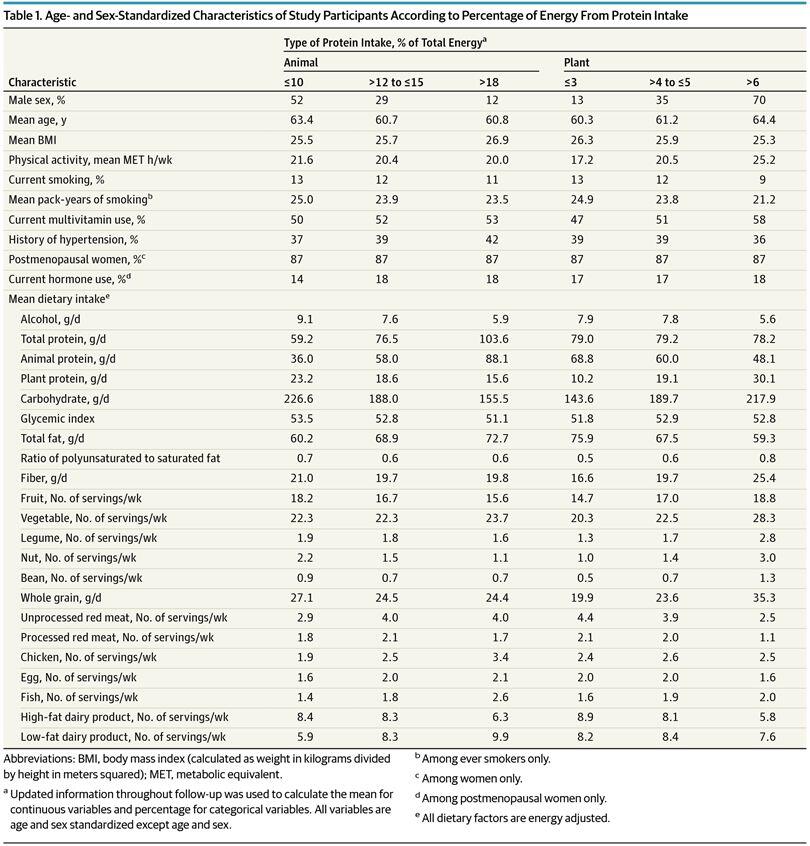
As a clearly biased carnivore, I would not base my nutrition around nutritional science, not only because it is mainly composed of observational studies but also because there are no studies, that I'm aware of, that compare vegans or any other diet vs actual carnivores. For example: image Would you categorize these high animal protein consumers as carnivores? Is being a carnivore simply eating a lot of meat even though carbs, alcohol and processed foods are included? This is just one example, so feel free to check the reported diet of high meat consumers in other studies. Food frequency questionnaires are a major problem in these type of studies and there are too many confounders that simply cannot be controlled for. Moreover, it is unwise to generalize findings from observational research and even randomized controlled trials (RCTs) to the broader population without considering the specific characteristics of the studied group and the time frame of the research. To clarify, I'm not an expert in statistical analysis by any means, my training as an MD does not have much of that. I was taught to be able to discern between a well done study and a badly done study and if the findings can be applied to my patients. I do know that it is very possible to use statistical manipulation in observational research, with things like multivariate regression. But Prof. Bart Kay is someone I recommend you look into if you want a better perspective of the state of nutritional research. Since I am relatively "new" to the carnivore doc space, compared to other docs out there, my current focus has been mainly on unlearning what I was taught in med school and learning how the carnivore diet reverses chronic degenerative diseases. I have not taken a deep dive into vegan vs carnivore yet since it is not as pressing to me as carnivore vs mainstream diet recommendations. From what I'm aware, a vegan diet must be properly supplemented to avoid long term health problems, even the centralized propaganda of the WHO acknowledges this. And even though the carnivore community has different definitions of what is considered carnivore, I have not seen nutritional deficiencies long term (you could argue survivorship bias here). This is anecdotal of course, but if meat were such the demon that it is said to be, we'd be seeing a lot of health problems in the community and we definitely wouldn't be seeing the sustained reversal of chronic diseases. Sometimes common sense goes a long way, despite it not being scientific. For starters, I recommend looking into stable isotope testing on human fossils, Fiat Food by Matthew Lysiak, the work of Weston Price, plant toxins like oxalates (Toxic Superfoods by Sally Norton is a good book), and The Big Fat Surprise by Nina Teicholz. You'll see that meat is an essential part of the human diet and that the 7th day Adventists have a more religious agenda rather than a scientific one, which subjects their observational research to a higher probability of bias. This group has done many well known vegan studies, like the Loma Linda ones. There are many things one can get into as to why meat isn't bad and all the contrary, but in the end one needs to verify and experiment even. Carnivores and vegans can throw all the studies they want at each other, but no group can say with absolute certainty that the science backs them up due to the poor state of nutritional science. Scientists from other harder sciences would be laughed at if they tried to publish studies like the ones done in nutrition. Time and real world results will show who is right eventually, a bitcoin standard could help fund better and less biased research.