The UK spends billions not producing energy, then allows people to freeze.
The conversation is about cutting energy use. Almost no one is talking about creating energy abundance.
That's the difference between decline and prosperity. The U.K. government are solving the wrong problem.
Great conversation with @Luke de Wolf on @npub18uap...2m3g about this.
Susie Violet
npub1hwgw0uznr49t4gullpgfz4m5xnakl5a0l88m3k382xv7ys0tfmlsd503sg
npub1hwgw...03sg
Bitcoin Journalist
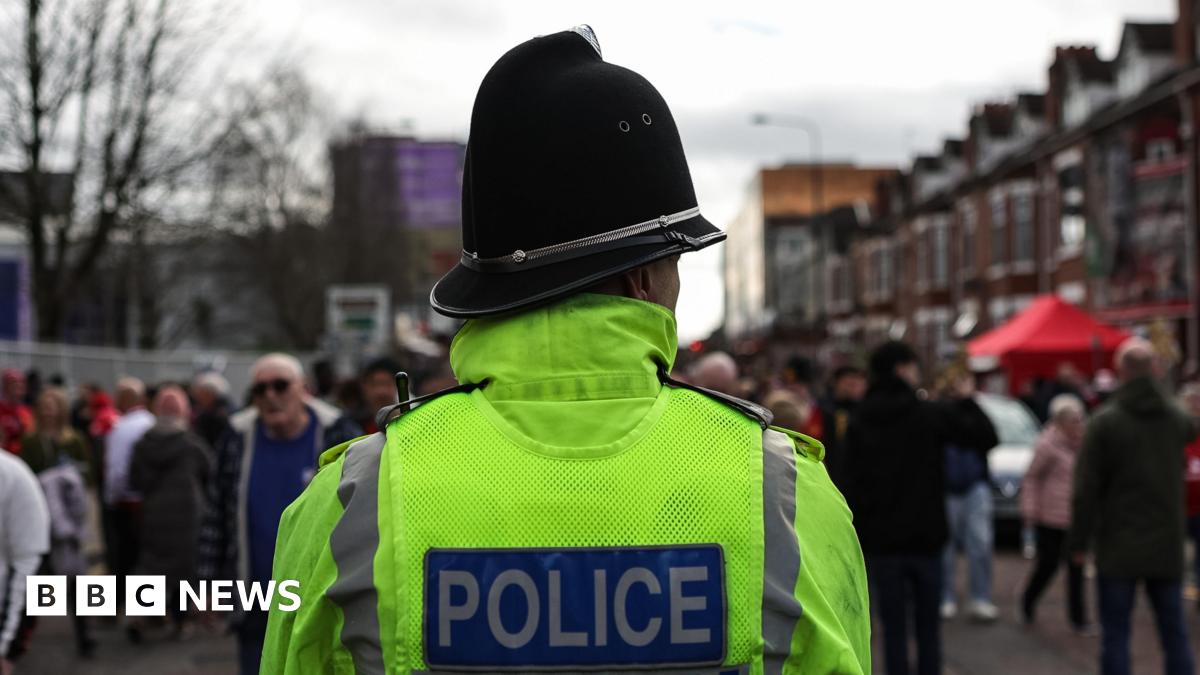
Officers would ‘no longer be policing perfectly legal tweets,’ the UK Home Secretary said.
If you needed one sentence to sum up the madness of UK politics and policing, this is it.
In 2023 alone they made 12,183 arrests for online 'communications offences'. Around 33 a day with fewer than 10% resulting in a sentence.
Meanwhile detection rates for real crime collapsed. Police made over 65,000 arrests since 2017 for 'offensive or menacing' messages sent via phone, email and social media, while real crime went unsolved.
It's a relief they're finally admitting it was a waste but why was this allowed to continue for so long?
The irony is that it’s this that feels criminal.


BBC News
Government to overhaul non-crime hate incident rules after review
The Home Office says updated guidance will end the policing of "everyday arguments" online.

Digital ID was debated in Parliament, in a Westminster Hall debate opened by Robbie Moore MP on behalf of the Petitions Committee and triggered by a petition signed by nearly three million people.
The response from MPs across parties was overwhelmingly NO.
Across all parties, Conservatives, Labour backbenchers, Liberal Democrats, Greens, the SNP, Reform and Independents raised the same core concerns:
• Moves Britain toward a surveillance state
• Irreversible centralisation of personal data
• Major cyber security risk
• Serious risk of mission creep• Not in the manifesto and no democratic mandate
• Constituents do not want it
• Would become mandatory in practice
• Harms the most vulnerable and the digitally excluded
• Creates a two tier society
Reading from a constituent's message, Jeremy Corbyn, an independent MP, said:
"Digital ID is a deeply illiberal idea that threatens privacy, autonomy and the open access we should be standing for.
It risks creating a two tier Britain where access to basic services, healthcare, housing, employment, even voting, depends on whether someone has the right app, paperwork or digital trail."
Reflecting the vast cross party consensus in the debate, Corbyn endorsed an intervention from Andrew Griffith MP warning about civil liberties, the presumption of innocence and surveillance concerns, saying "he's making an important point," before going on to warn that digital ID is "being pushed by commercial interests" and urging Parliament to "say no to the government, as we have said no before."
In the debate, opposition to the proposals spanned both the political right and left.
Speaker after speaker warned that once this infrastructure exists, it will expand into work, housing, banking, benefits and public services, regardless of today's assurances.
What this debate showed very clearly is that left versus right is no longer the most meaningful divide.
The real divide is libertarian versus authoritarian.
MPs from across the political spectrum lined up on the liberty side. That matters, particularly in a country with a growing reputation for restricting free speech and quietly sleepwalking into authoritarianism.
It also raises uncomfortable questions ... If no one wants this, and Parliament agrees it is dangerous, why is it being pushed so hard?
Jeremy Corbyn was clear about the role of commercial interests, a concern reinforced by policy advocacy from groups such as the Tony Blair Institute and Visa, which has openly argued for the introduction of digital ID's.
Others also raised concerns about lobbying, infrastructure vendors, payments firms, and ID adjacent technology providers.
This petition and debate offered a rare moment of reassurance in our parliamentary system. MPs listened, understood the risks, and spoke up.
Is Saylor building his own central bank?
His Bitcoin MENA keynote mapped out something far bigger than balance sheet accumulation. He described a full monetary engine built on bitcoin reserves, corporate credit and synthetic digital dollars.
Here is how it works and why it matters in my latest Forbes piece.


Forbes
Saylor’s Plan To Build A Bitcoin Powered Shadow Central Bank
Saylor’s bitcoin based monetary engine built on reserves, credit and digital money that could act like a stablecoin, supported by a plan to buy a...
One year ago today, I became CEO of Bitcoin Policy UK.
Since then, our small team of volunteers has achieved what most well funded organisations struggle to do, in one of the toughest environments for UK businesses.
Individuals and companies are leaving the country at a record pace, and the policy space is dominated by pay to play dynamics and crypto lobbying money.
Despite that, we have delivered. What we have accomplished together:
- Helped secure Bitcoin’s recognition as property in UK law.
- Responded to government consultations, submitted detailed policy papers, and held constructive conversations with MPs, Lords, regulators, and civil-service teams.
- Launched our new website
- Distributed our 2025 Manifesto to all 650 MPs and expanded our research across energy, tax, financial inclusion, and infrastructure.
- Hosted events on Human Rights, Bitcoin in Business, and Bitcoin for Institutions.
- Had a presence and a main hall stall at the 2025 Labour Party Conference, opening new Bitcoin conversations.
- Partnered with 11 organisations and hosted multiple BPUK events that connected the bitcoin industry with policymakers, energy experts, and regulators.
- Appeared in multiple podcasts, interviews, and media articles
-Set up mining proof of concepts
-Launch our 'On the Record' podcast.
- Spoke at industry events around the world.
- Designed and delivered the ‘Contact My MP’ App, helping supporters reach their representatives directly and raising the bar for political engagement in the Bitcoin space.
All of this has been achieved by a team of outstanding volunteers with no full time staff, very modest funding, and no compromise to our values. We have been pushing uphill in a system where influence is usually bought.
We have moved the dial and proven that the UK does have a place in Bitcoin’s future, provided we continue to fight for it.
Year one was foundations.
Year two is where we build strength and momentum.
Thank you to everyone who has supported us, shared our work, and contributed time, expertise, or energy. BPUK exists because the community wants it to.
Here’s to the next chapter.
A special thanks to my amazing team: Freddie New Dr Cristina Llamas-Rey Russell Rukin Nick Bowick Jeremy Cline Juniper Jason Jason Sami Shams and others who prefer to stay behind the scenes.
@Bitcoin Policy UK @npub1wl39...znlx @npub1nwxe...yk7u @npub1lxue...0rj8


Africa is showing the world what Bitcoin is actually for.
At the African Bitcoin Conference in Mauritius, you see it up close. When banks fail and currencies collapse, people build their own solutions.
Real innovation is happening in Africa while the Western world sleeps.
My latest Forbes article:
@White Noise


Forbes
Africa Turns To Bitcoin For Real Financial Solutions
Across Africa, developers, educators and communities are using bitcoin to solve long standing problems in payments, energy and financial access.
The cracks in the fiat system are becoming impossible to ignore.
I spoke with Archie from @npub15h5n...tl4k about why governments can’t print trust, how central banks are panicking as debt spirals deepen, and why Bitcoin is becoming the escape hatch for a world losing faith in money.
We also disussed the new global order, hyperinflation, and the end of monetary privacy, and why Bitcoiners saw this collapse coming....
With a special guest appearance from Ozzy.
Watch the full conversation on @npub18uap...2m3g.


Had an amazing time in Prague and got to visit SatoshiLabs, home of Trezor and @npub1mftv...rkl3 .
Recorded a brilliant pod with Marcel about Bitcoin Dada, Grafton about Vexl, and Efrat about her ‘You’re The Voice’ podcast.
Always great hanging out with Isabella, a phenomenal freedom fighter and educator for Get Based, as dedicated as ever.
It was a lovely surprise bumping into Nick Anthony from the Cato Institute.
All these incredible people had one thing in common:
Bitcoin as freedom money.
Thank you to the Trezor team for being so welcoming and awesome.
@Efrat Fenigson @Grafton @npub1aftm...dcke


Harvard economist Matthew Ferranti has published a peer reviewed study showing that central banks preparing for sanctions risk should hold more than just gold. His model demonstrates that adding Bitcoin to reserves strengthens resilience when access to traditional assets is threatened.
For the first time, a peer reviewed economics journal is treating Bitcoin as a credible reserve asset rather than speculation.
What took them so long?
A reminder that money can be weaponised, while Bitcoin remains neutral, borderless, and open to everyone.
At the Financial Times Digital Asset Summit, the UK’s Economic Secretary to the Treasury, Emma Reynolds said Bitcoin “isn’t for us.” Ferranti’s study shows why the government must start researching Bitcoin’s role in reserves.
This is the kind of research @Bitcoin Policy UK has consistently urged the Treasury and Parliament to conduct.
Read the full paper:
https://www.sciencedirect.com/science/article/pii/S0261560625001688


Runaway US debt is on target to hit $40T by Christmas.
In the UK, the Office for Budget Responsibility flags us as one of the most indebted advanced economies.
As Reuters put it: “Britain’s economic problems are home-grown and a solution looks a long way off.”
Inflation saves the state, Bitcoin saves you.
https://www.reuters.com/commentary/breakingviews/britains-economic-woes-are-sadly-home-grown-2025-09-05/


Office for Budget Responsibility
The UK’s fiscal position in international context - Office for Budget Responsibility
The UK’s fiscal position is increasingly vulnerable, by both historical and international standards. In this box, we considered the drivers of fi...

Is this how freedom ends in the UK?
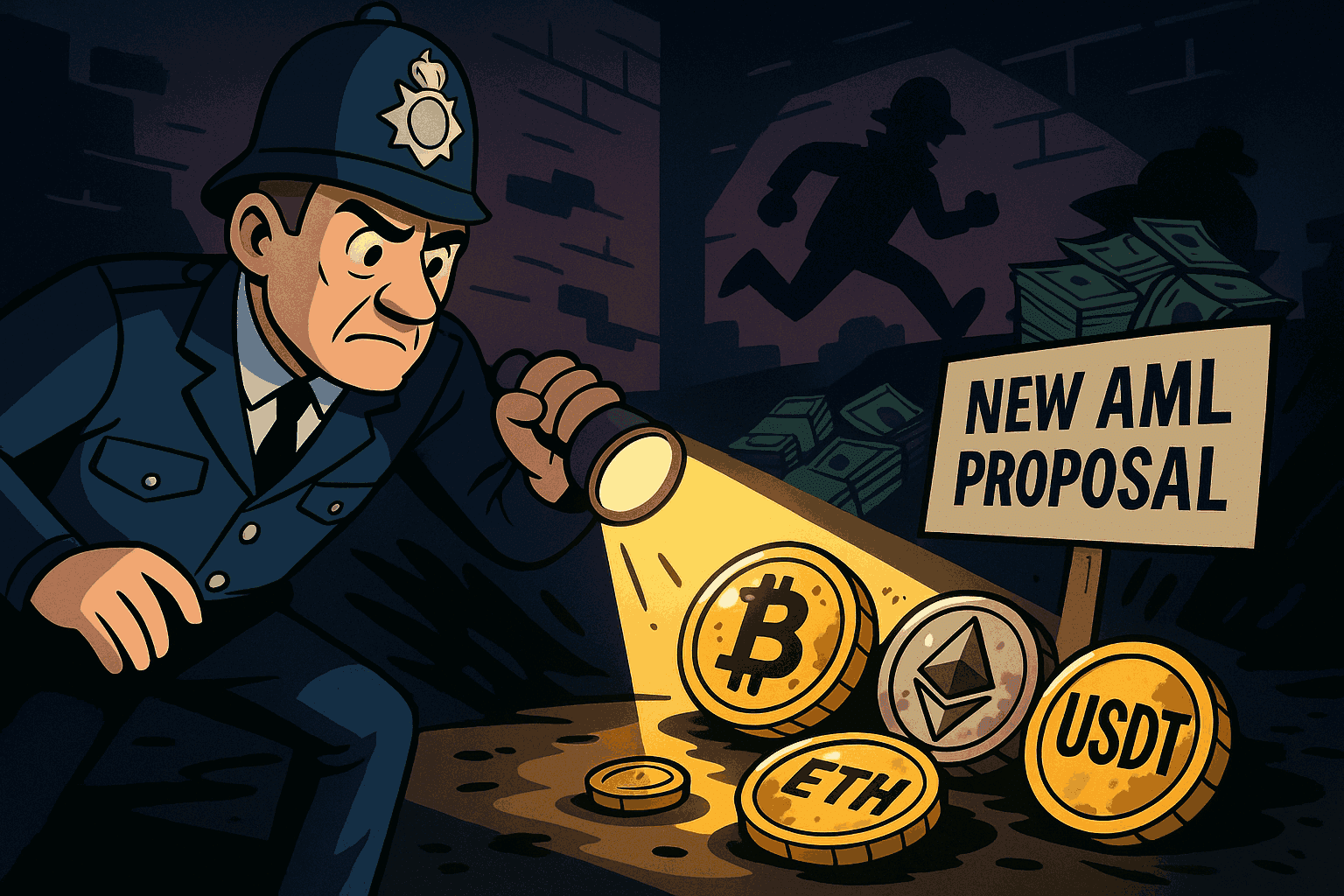
The UK’s latest “crypto AML rules” slash ownership disclosures from 25% to 10%, pulling more people into disclosure regimes and expanding banking surveillance.
These measures are framed as fighting crime. But similar rules in tradfi have existed for years and haven’t stopped fraud or money laundering.
What they do create are honeypots of personal data, risks for law-abiding people, and deeper state oversight. This is about normalising authoritarian tools, not AML or safety.
Decades of KYC and financial surveillance show how control creeps in rule by rule. That same authoritarian logic already governs speech, from the Online Safety Bill to Graham Linehan’s Heathrow detention over tweets.
And now digital IDs are back on the table, linking finance, identity and turning everyday access into a system of control.
Add in programmable money and street surveillance, and you have a panopticon, a 1984 scenario darker than Orwell imagined.
The UK has offically sleepwalked into authoritarianism.

Passle
UK drafts changes to Money Laundering Regulations
The UK Government has shared draft legislation amending the Money Laundering Regulations, including changes to cryptoasset regulation, customer due...

GOV.UK
The draft Money Laundering and Terrorist Financing (Amendment and Miscellaneous Provision) Regulations 2025 - Policy note

99Bitcoins
New UK Crypto AML Rules Target Ownership, Banking, and Trusts
The UK is updating its crypto AML rules with stricter checks on ownership, banking partners, and trust registration. Feedback open until Sept.
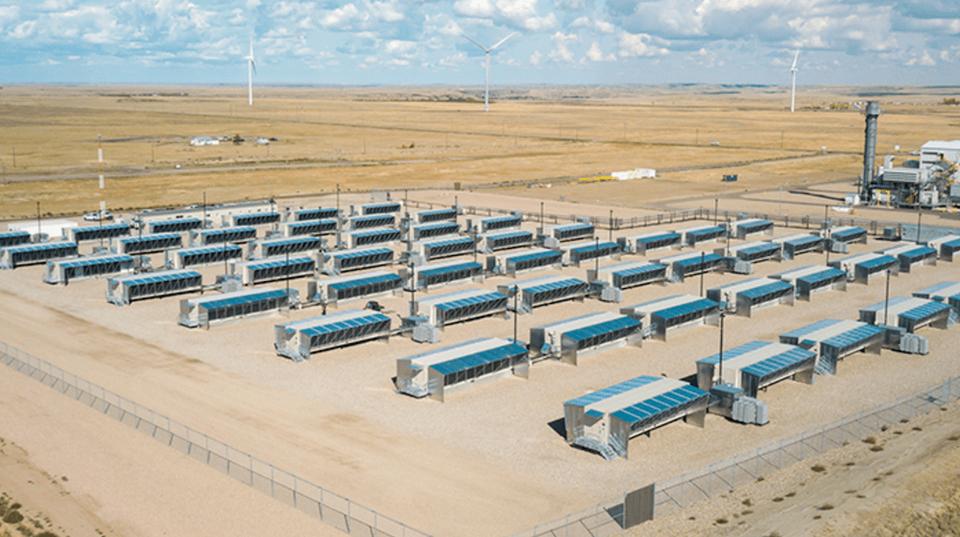
Energy bills are climbing again in the UK while billions are being paid out in curtailment costs. Flexible load solutions that could help stabilise the grid are being ignored.
According to the Financial Times, in the 2024–25 financial year. NESO spent £2.7 billion in total balancing costs in 2024–25, with wind curtailment a major contributor.
This curtailment happened because the grid could not handle the excess electricity.
https://ft.com/content/221d5b5d-ae51-4a6c-8516-b3b906d3ff89
Recent coverage paints a clear picture.
YahooFinance and CoinDesk report on Hut 8’s efforts to monetise energy assets, showing how miners are aligning with the energy sector to provide stability and unlock new revenue streams.
Our UK briefing paper at @Bitcoin Policy UK shows exactly how Bitcoin mining could do the same here.
Flexible load can absorb excess renewable generation, reduce curtailment costs, and lower bills for households and businesses.
https://img1.wsimg.com/blobby/go/aea8e937-fd18-400f-afd9-c3513112c757/downloads/d3850229-208c-4385-9b86-2e82fd55cc6c/UK%20Power%20Grid%20Bitcoin%20Mining%20as%20a%20Demand%20Side%20.pdf
The UK energy crisis is not going away. It is time to stop ignoring solutions that are already working elsewhere.
H/t to Progressive Bitcoin UK for today’s newspaper headlines.

Hut 8 Maps 'Path to Monetization' of Energy Assets as Bitcoin Mining Carve-Out Nears: Benchmark

Hut 8 (HUT) Maps Out 1.53GW Expansion as Bitcoin (BTC) Mining Carve-Out Nears: Benchmark
Benchmark analyst Mark Palmer hiked his Hut 8 price target to $36 from $33, while reiterating his buy rating on the stock.

Another solo Bitcoin miner has hit a block, with #910,440 reportedly earning around $371,000 through CKpool.
This adds to a series of rare solo wins seen in 2025.
These stories show that solo miners have a chance to succeed and serve as a reminder that Bitcoin remains open to anyone, reflecting the ongoing promise of decentralised mining.
Read the full article here:


CoinMarketCap Academy
Bitcoin Solo Miner Scores $371K Block Reward Against All Odds | CoinMarketCap
A solo Bitcoin miner has successfully mined block 910,440 through Solo CK pool, earning 3.137 BTC worth approximately $371,000.

BTCHEL in Helsinki was the first major Bitcoin event in the Nordics.
Across the panels there were discussions on mining, decentralisation, regulation, energy, and the growing role of Nostr in building a censorship resistant future.
Moments like this show the growing global momentum for Bitcoin as money, a network, a technology and a movement.
Jeff Booth said the change that is happening now is so profound it can’t be measured in our current reality.
One of the closing remarks by Knut on the future of Bitcoin summed it up best:
“Let’s hope Bitcoin changes you more than you can change Bitcoin. Let’s hope that’s also true for politicians too.”
BTCHEL will be back next year and I highly recommend it. ⚡️
Special thanks to Luke, Knut and the whole team for making BTCHEL such a huge success.
@npub1w2eg...pmgp @npub1wxgp...svzl @Rachel @Joe Nakamoto @Jeff Booth @npub1jt97...la9y @Luke de Wolf


If you like Bitcoin, beef, and mining… you’ll love this!
Hashdried Proof of Beef
Chris the Butcher from Helsinki knew nothing about Bitcoin and is now drying his beef using the heat from mining.
Thank you, Chris, for showing how it’s done!
@npub1w2eg...pmgp
The Financial Times published a piece this week titled “Why struggling companies are loading up on bitcoin.”
At first glance it looks like a story about corporate adoption of the world’s leading digital asset. Read beyond the headline and a problem emerges. The article uses “Bitcoin” and “crypto” interchangeably, which gives the impression they are the same thing.
The article includes high profile Bitcoin cases like MicroStrategy alongside firms acquiring other tokens such as Ether or Solana. It reports total figures for “crypto purchases” while presenting the trend as companies “loading up on bitcoin.” Warnings about systemic risk refer to companies holding crypto assets far above their revenues but do not distinguish between Bitcoin and other assets, which changes how the data can be interpreted.
The difference matters because Bitcoin is not “crypto.”
Bitcoin is a decentralised, fixed supply network with 16 years of uptime and a clear monetary policy. Crypto is a catch all for millions of tokens with very different levels of security, regulation, liquidity and purpose.
A company adding bitcoin to its treasury as a long term reserve asset is not the same as one speculating on illiquid, high volatility altcoins. The risk profile, motives and signal to the market are different.
When journalists blur these lines, the analysis loses its foundation. Readers are left with an oversimplified narrative that only holds together if Bitcoin and crypto are treated as one category. If an argument depends on merging those two worlds, it is not analysis. It is misdirection, and it is harmful.
Many policymakers read mainstream articles like this, take the narrative at face value and form their views about bitcoin without consulting subject matter experts or reviewing primary data.
This is how flawed coverage can end up influencing lawmaking.
In 2018 the UK Treasury Select Committee’s report on “crypto-assets” grouped Bitcoin and altcoins into a single category, a framing that mirrored mainstream coverage at the time. That framing then became part of the political record and aligned with the concerns later cited by the FCA when it introduced a ban on crypto derivatives for retail investors.
In the EU, early drafts of the MiCA legislation included language that would have effectively banned proof of work networks such as Bitcoin by subjecting them to strict environmental standards. These provisions reflected the narrative common in mainstream coverage at the time, which portrayed Bitcoin’s energy use without context.
Media driven misconceptions about Bitcoin have already influenced regulation. If coverage like this continues to shape political understanding, the effort required to undo the damage will only grow, and Bitcoin will be regulated on fiction rather than fact, as it appears to have been so far.
I am glad Bitcoin is getting attention from mainstream media, but not like this.
Brandolini’s Law says it takes ten times the effort to correct misinformation as it does to produce it. If that pattern continues, the cost of fixing the damage will be enormous and the policy mistakes even more so.
Read the full article:
https://www.ft.com/content/8a160bd3-c96d-468a-8052-b0aae43e5aea
We are throwing away clean energy while bills keep rising.
Bitcoin mining can be a 24/7 buyer of last resort, turning wasted power into revenue, stabilising the grid and lowering bills without taxpayer subsidies.
We’ve told the government and National Grid’s Future Energy Scenarios team. They aren’t listening.
Read our paper on Bitcoin Mining as a Demand Side Flexible Response:
https://img1.wsimg.com/blobby/go/aea8e937-fd18-400f-afd9-c3513112c757/downloads/d3850229-208c-4385-9b86-2e82fd55cc6c/UK%20Power%20Grid%20Bitcoin%20Mining%20as%20a%20Demand%20Side%20.pdf


Back from Baltic Honeybadger and feeling more inspired than ever.
I moderated the State & Bitcoin panel and spent time with brilliant builders and educators tackling real problems and turning them into practical solutions.
What struck me most is that we are all championing bitcoin in our own ways yet united in purpose.
If you want signal you will find it at Baltic Honeybadger.
@Hodl Hodl ⚡️


When did criticising policy make you a target of the state?
Why is a secret government unit policing public opinion?
What exactly is happening behind the scenes in government?
A secretive government unit, empowered by the Online Safety Act, is quietly flagging and suppressing online criticism of immigration policy. It operates behind closed doors. It is unelected. It is unaccountable. And it is being used to control the narrative under the guise of safety.
A front page Telegraph exposé, titled "Exposed: Labour’s plot to silence migrant hotel critics"reveals disturbing details .
https://www.telegraph.co.uk/news/2025/07/31/exposed-labour-plot-silence-migrant-hotel-critics/
The article uncovers that a secretive Whitehall unit called NSOIT (the National Security and Online Information Team), formerly known as the Counter Disinformation Unit, has been used by Labour ministers in the Department for Science, Innovation and Technology (DSIT) to flag and monitor social media posts that criticised migrant hotels, asylum seekers, or raised concerns about “two-tier policing.”
According to internal government emails dated August 3 - 4, 2024, during the peak of the Southport riots, officials actively flagged posts with “concerning narratives,” warning that they might inflame public tensions. These posts were then forwarded to platforms like TikTok, many of them labelled as urgent, despite simply reporting factual information such as hotel locations or referring to asylum seekers as “undocumented fighting-age males”.
One flagged example involved a user sharing a Freedom of Information (FOI) rejection letter regarding migrant hotel sites. Another was a video captioned “Looks like Islamabad but it’s Manchester,” flagged for fuelling racial stereotypes, yet still not unlawful under current speech laws.
Although the government insists it did not request content removals, civil liberties advocates, including Big Brother Watch and the Free Speech Union, argue that this behaviour amounts to censorship of lawful dissent, carried out by unelected officials with no statutory oversight, using the infrastructure created by the Online Safety Act.
This has the fingerprints of the 77th Brigade all over it, covert monitoring, narrative control, and a quiet war on the public's right to speak freely.
This is not safety. It’s censorship and control.
The newly released White House Digital Assets Report represents a clear policy shift. For the first time, Bitcoin is treated as something distinct, quoted, cited, and understood on its own terms.
Satoshi is referenced, the whitepaper is cited, and Bitcoin is positioned as the foundation of the digital asset ecosystem.
The report outlines Bitcoin’s peer-to-peer structure, its operation without intermediaries, and its role in financial innovation. It goes further than past U.S. publications in explaining what sets Bitcoin apart from the wider crypto sector.
It also mentions the Strategic Bitcoin Reserve. While details remain limited, the fact that Bitcoin is being considered a strategic asset, separate from other digital assets, insicates a clear shift in policy tone.
For Bitcoiners, this is progress. The framing is more deliberate. The tone is more respectful. And the message is clear: Bitcoin is being taken seriously.
The groundwork is laid. What matters now is whether policymakers engage with Bitcoin on its own terms and begin treating it as a serious strategic asset.
Meanwhile, in the UK, spot Bitcoin ETFs remain unavailable, and Economic Secretary Emma Reynolds has dismissed the idea of a national Bitcoin reserve:
“We don’t believe that’s the right approach for our market… that’s not the path we plan to take.”
They say when the U.S. acts, the rest of the world follows. Let’s hope that’s true for the UK, because Bitcoin offers the kind of hope we badly need in a dysfunctional, collapsing system.
Read the report here:


The White House
Fact Sheet: The President’s Working Group on Digital Asset Markets Releases Recommendations to Strengthen American Leadership in Digital Financial Technology
USHERING IN THE GOLDEN AGE OF CRYPTO: When President Trump took office in January, he promised to make America the “crypto capital of the world....