
Immersion mining with canola oil to concentrate maple sap more quickly
I'm using a single S9 hash board immersed in canola oil to heat maple sap to increase the effectiveness of the reverse osmosis sap concentration system.
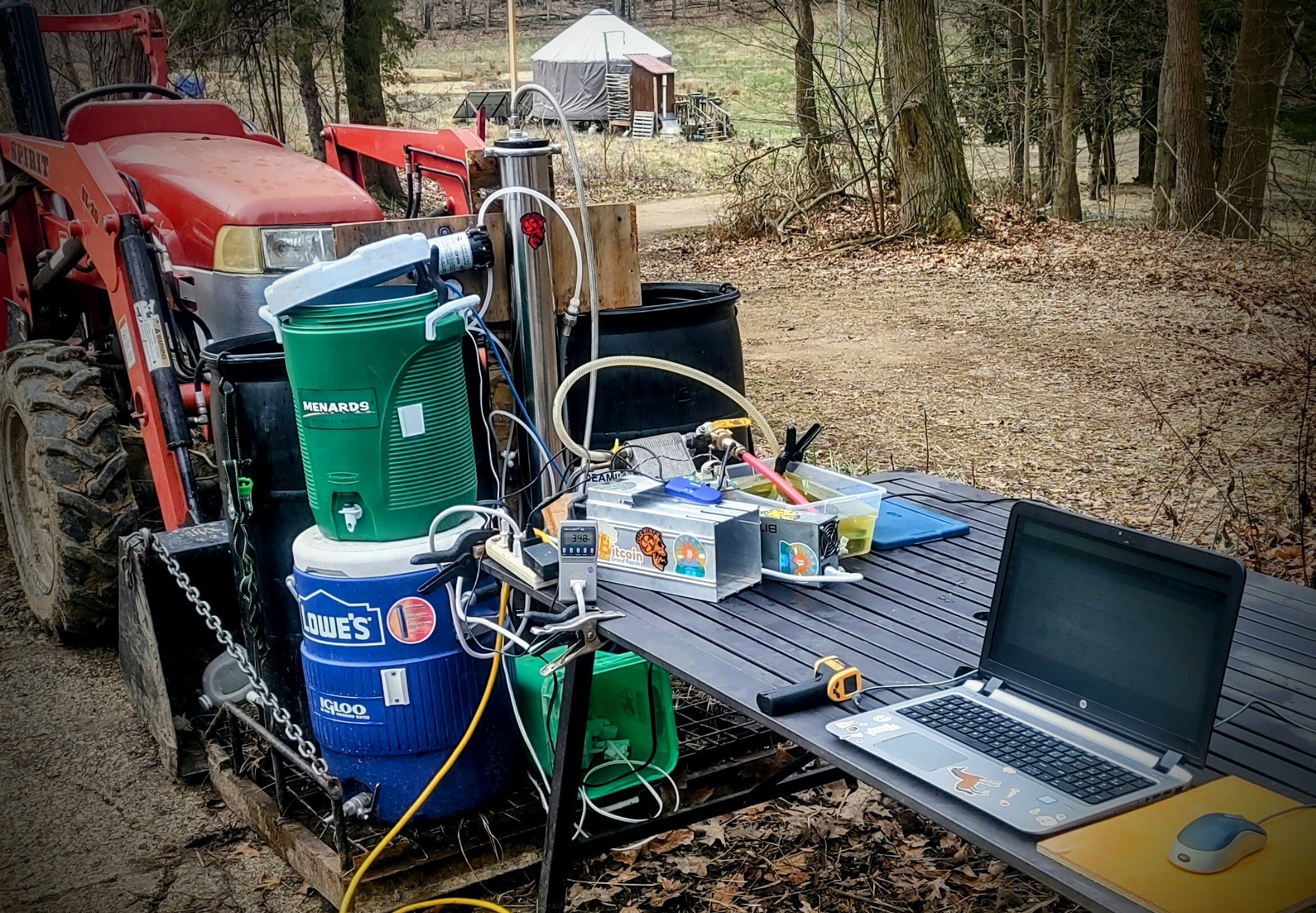 The weather conditions this season have caused the maple sap to be cold and stay cold which drastically slows down the ability of the RO system to filter water out of it. I ran into a bottle neck where there is more sap than I can keep up with concentrating so I needed to come up with something quickly!
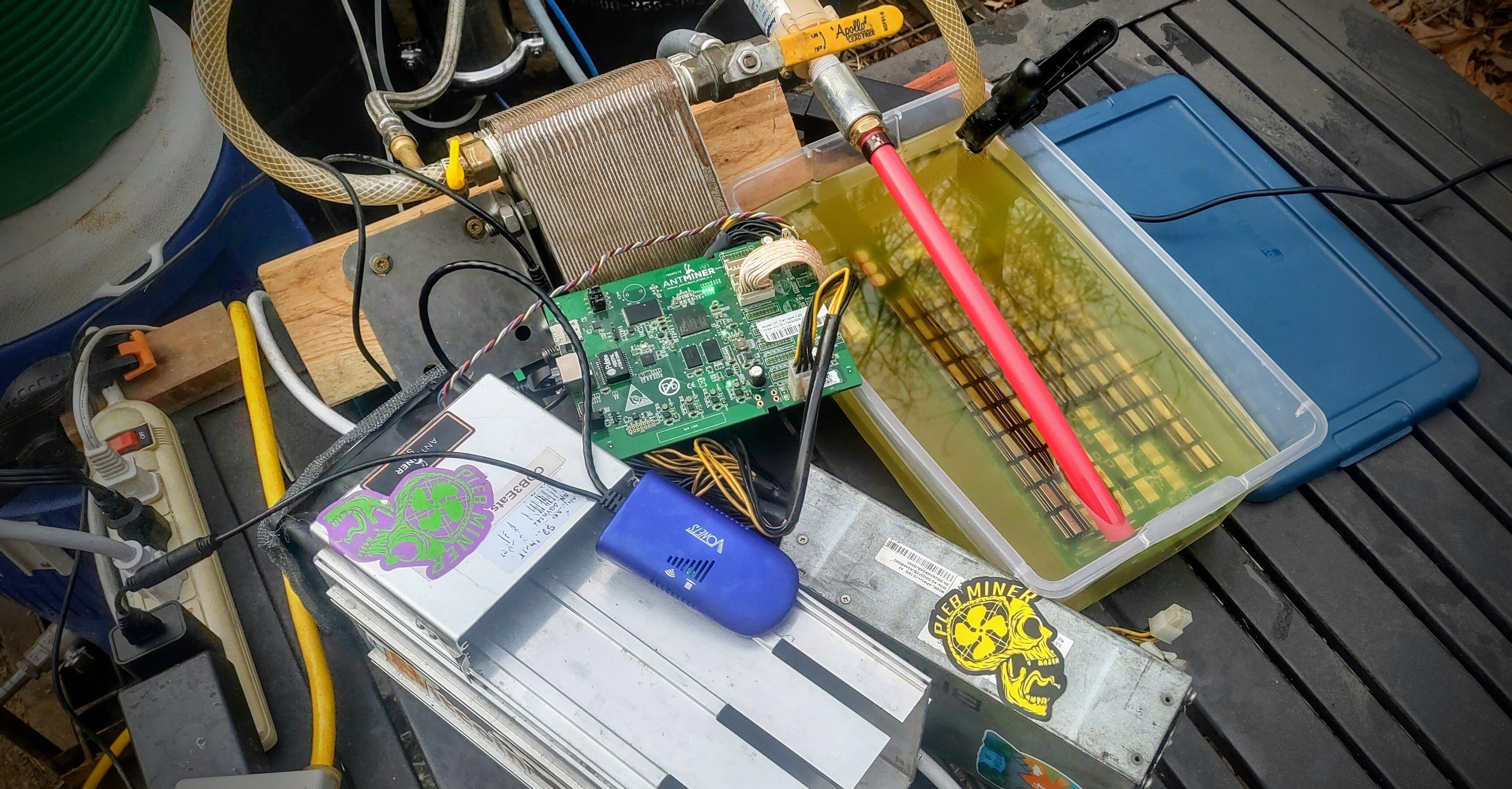 Ideally if the temperature of the sap is 77°f the filter will operate most effectively without damaging the RO membrane. Of course, my mind immediately turned to Bitcoin mining for the heating solution. What I came up with was an immersion system using the homebrew equipment I already had to heat the sap just before it entered the RO. This would allow the majority of the sap to stay cool keeping it from spoiling and still remove the most water possible.
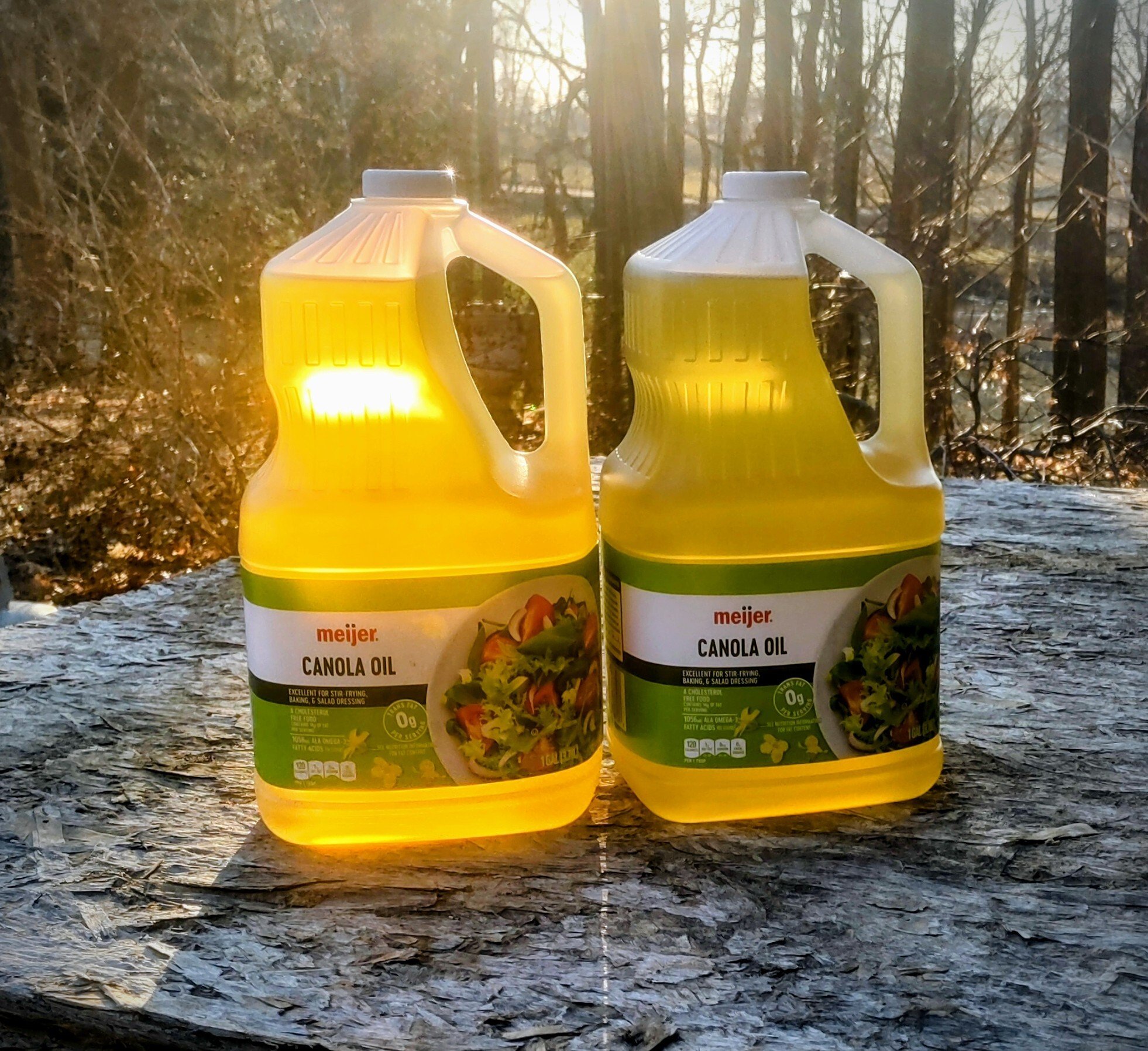
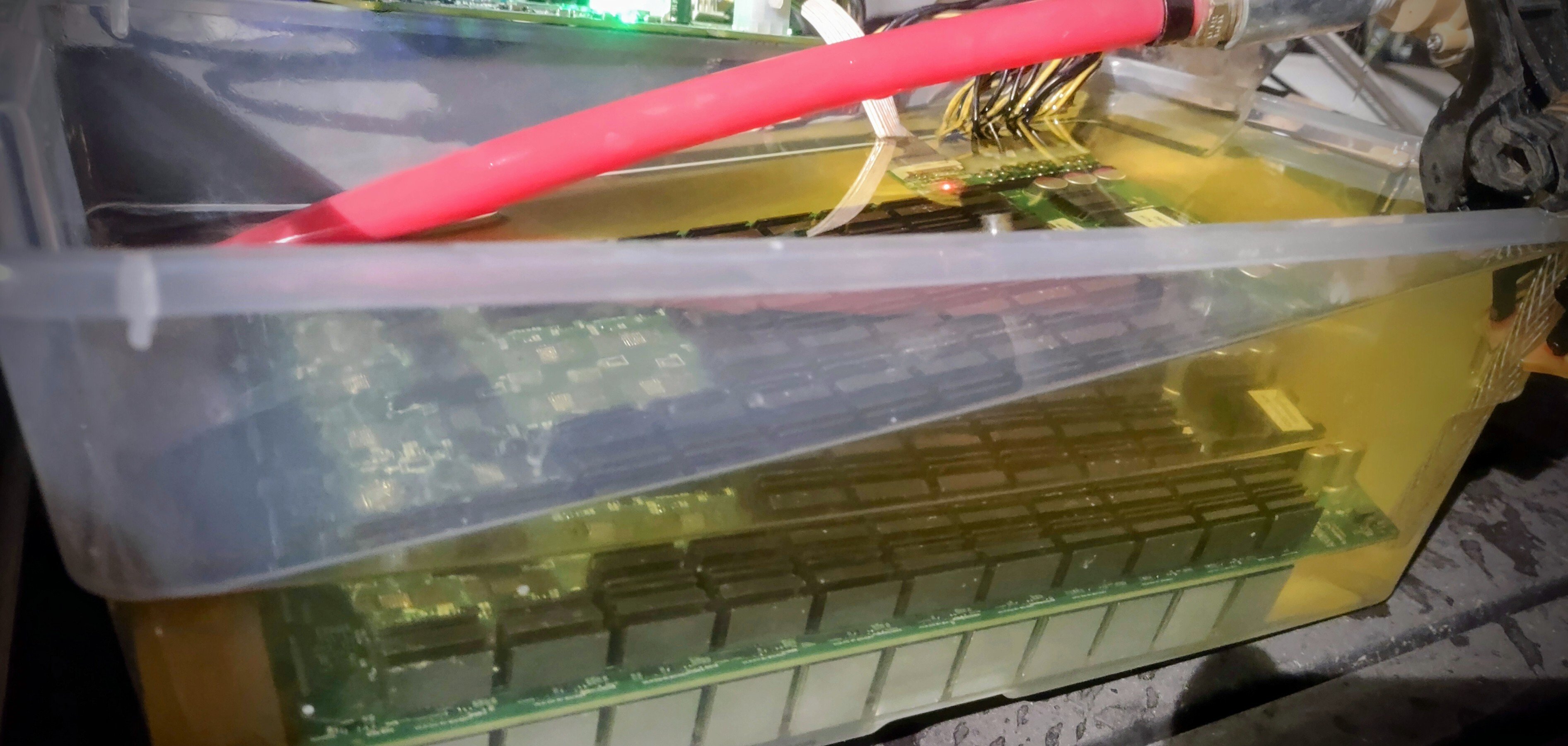 The only thing I didn't have for the immersion system was the dielectric fluid. I had no idea where to find the proper fluid nor did it make sense to pay the high cost for it. The application for this system is very specific and I will only need it until April. I had been joking about using canola oil as dielectric fluid for almost a year but for this situation it seemed like the perfect fit. Canola oil is 70% cheaper than bitcool before shipping and was immediately available!
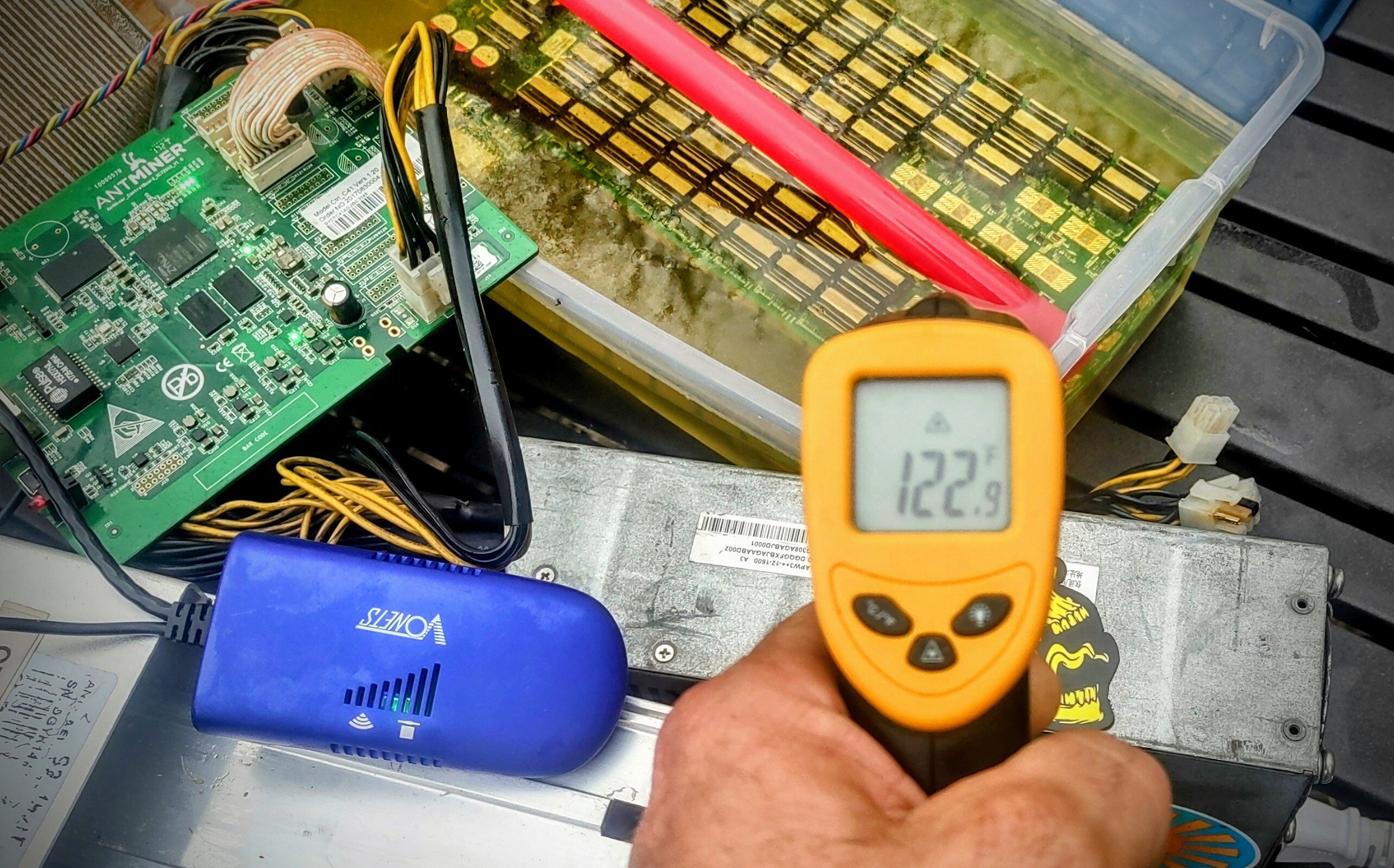
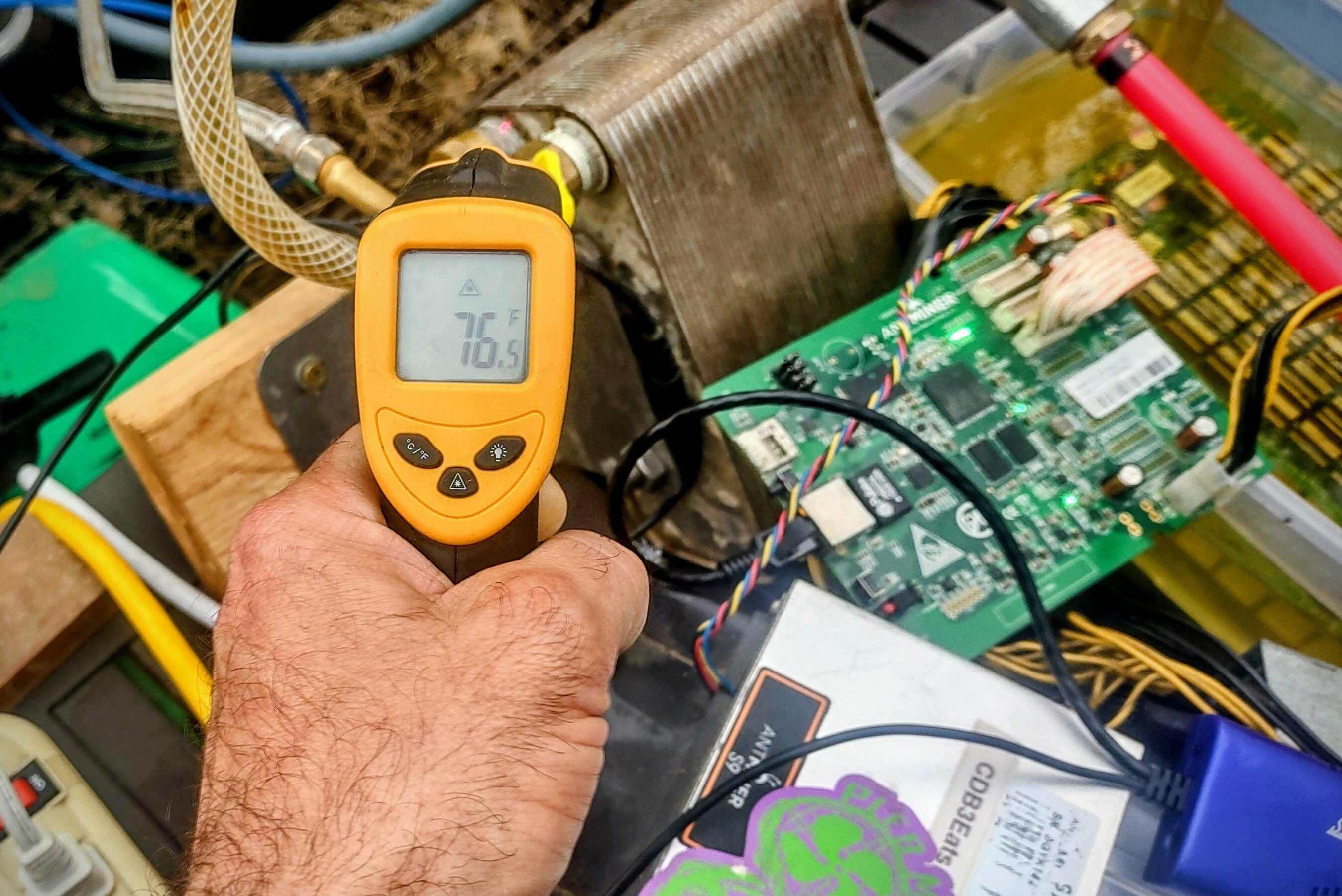 Amazingly, I put everything together and it worked very well without major adjustments. I tip-toed the voltage and frequency of the single S9 hashboard up slowly to find the right balance in temperatures between the two fluid loops. Ultimately, I ended up with an overclocked board drawing over 600w! By the time I got the system setup and dialed in I was already half way through concentrating this collection of sap. The next collection will offer more concrete data on what this system is capable of. For now, even with the worst S9 board I have, I'm getting a 15% rebate on the total power usage of the whole process and it's definitely concentrating sap more quickly. All for ~$10 of canola oil... 👀
#homesteading #permaculture #permies #plebminer #meshtadel #grownostr #immersionmining #seedoil #homemining #homeminer #bitcoin #bitcoinmining #maplesyrup #maplesugaring #reverseosmosis
View quoted note →
Amazingly, I put everything together and it worked very well without major adjustments. I tip-toed the voltage and frequency of the single S9 hashboard up slowly to find the right balance in temperatures between the two fluid loops. Ultimately, I ended up with an overclocked board drawing over 600w! By the time I got the system setup and dialed in I was already half way through concentrating this collection of sap. The next collection will offer more concrete data on what this system is capable of. For now, even with the worst S9 board I have, I'm getting a 15% rebate on the total power usage of the whole process and it's definitely concentrating sap more quickly. All for ~$10 of canola oil... 👀
#homesteading #permaculture #permies #plebminer #meshtadel #grownostr #immersionmining #seedoil #homemining #homeminer #bitcoin #bitcoinmining #maplesyrup #maplesugaring #reverseosmosis
View quoted note →
The weather conditions this season have caused the maple sap to be cold and stay cold which drastically slows down the ability of the RO system to filter water out of it. I ran into a bottle neck where there is more sap than I can keep up with concentrating so I needed to come up with something quickly!
Ideally if the temperature of the sap is 77°f the filter will operate most effectively without damaging the RO membrane. Of course, my mind immediately turned to Bitcoin mining for the heating solution. What I came up with was an immersion system using the homebrew equipment I already had to heat the sap just before it entered the RO. This would allow the majority of the sap to stay cool keeping it from spoiling and still remove the most water possible.


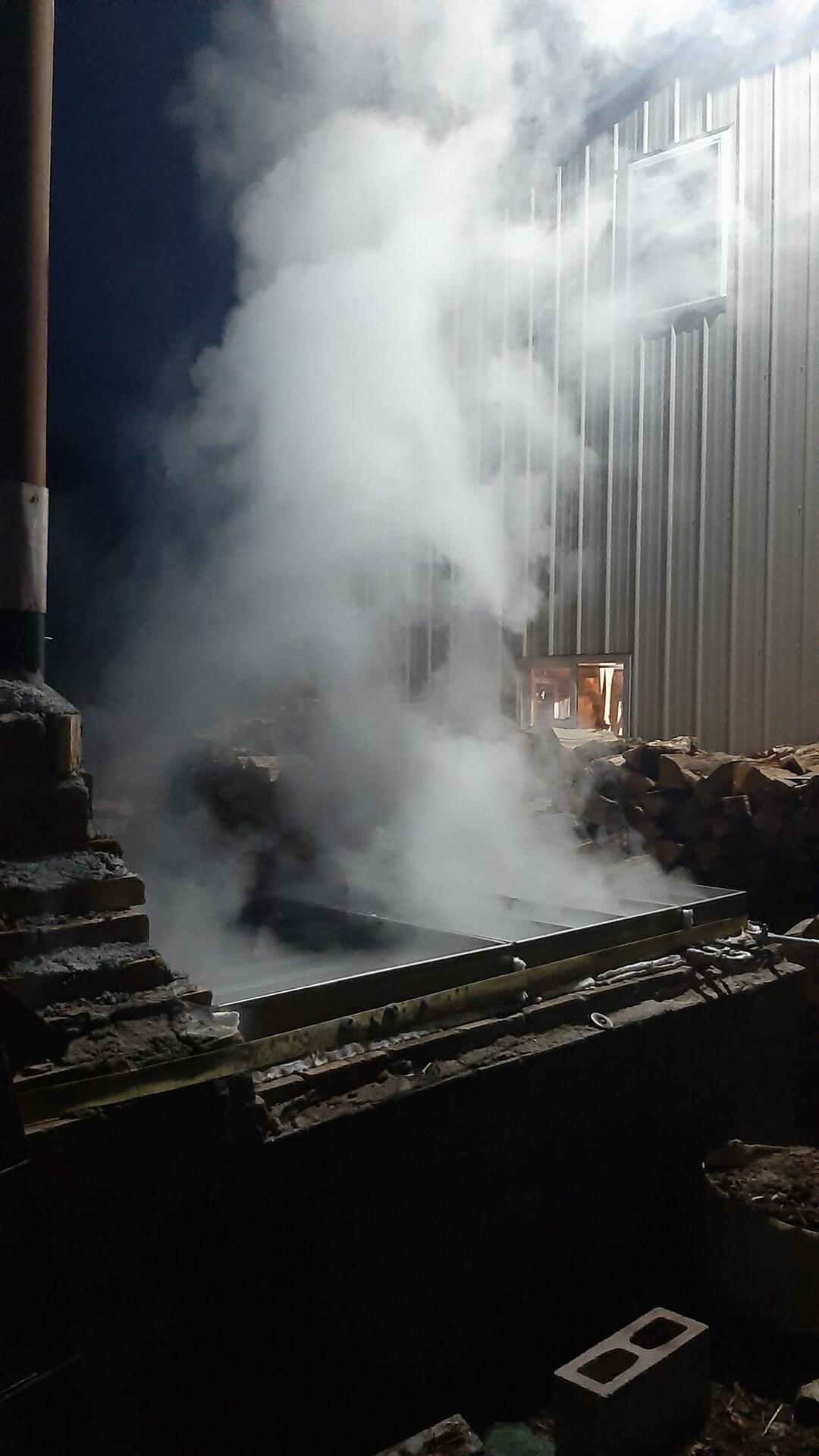











 This reverse osmosis maple sap concentration system utilizes an immersion Bitcoin mining heating loop to improve the efficiency of the system by heating the maple sap before it passed through a reverse osmosis filter. The immersion mining system uses canola oil as the dielectric fluid!
Now that I've had a chance to run several hundred gallons of sap through the system I've have everything pretty dialed in. Depending on the ambient temperature and sap temperature the system is able to concentrate the sap 30-50% faster than before without the immersion mining heating loop. Additionally, the sap is getting concentrated to 7 brix in one pass vs 6 brix which means removing even more water before boiling than before.
This reverse osmosis maple sap concentration system utilizes an immersion Bitcoin mining heating loop to improve the efficiency of the system by heating the maple sap before it passed through a reverse osmosis filter. The immersion mining system uses canola oil as the dielectric fluid!
Now that I've had a chance to run several hundred gallons of sap through the system I've have everything pretty dialed in. Depending on the ambient temperature and sap temperature the system is able to concentrate the sap 30-50% faster than before without the immersion mining heating loop. Additionally, the sap is getting concentrated to 7 brix in one pass vs 6 brix which means removing even more water before boiling than before.