🇪🇺🇳🇱 DUTCH COURT OF AUDITS FINDS "NO UNDERSTANDING" OF EFFECTIVENESS FOR AML APPROACH The Dutch Court of Audits has published a paper on Anti-Money Laundering (AML) in banking, finding that "there is no understanding of the effectiveness of the anti-money laundering approach." The paper states that "it is not clear whether the increasing controls by banks actually contribute to the prevention and detection of money laundering," while highlighting the significant costs imposed on banks. According to the court, AML measures are discriminatory particularly towards people with foreign surnames, stating that the lack of proven effectiveness of the measures "does not establish that this distinction is justified." The court plans to put its research into EU perspective later this year. image

Replies (5)

If you care about financial privacy, then this is probably the most important research you will read all year. The Dutch Court of Audits has released a paper on the effectiveness of AML measures, and lo-and-behold: it found that there is no evidence that AML actually works. These laws are what are used to debank law-abiding citizens, throw developers in prison, surveil every transaction you make, and collect your identity in central databases that end up hacked. Governments have built a complete and total surveillance dragnet around your finances under the guise of AML, and this Dutch Court just said the quiet part out loud: AML is discriminatory, overly expensive, and we have no proof of it stopping crime. View quoted note →
Kate Brennan's avatar
Kate Brennan 6 days ago
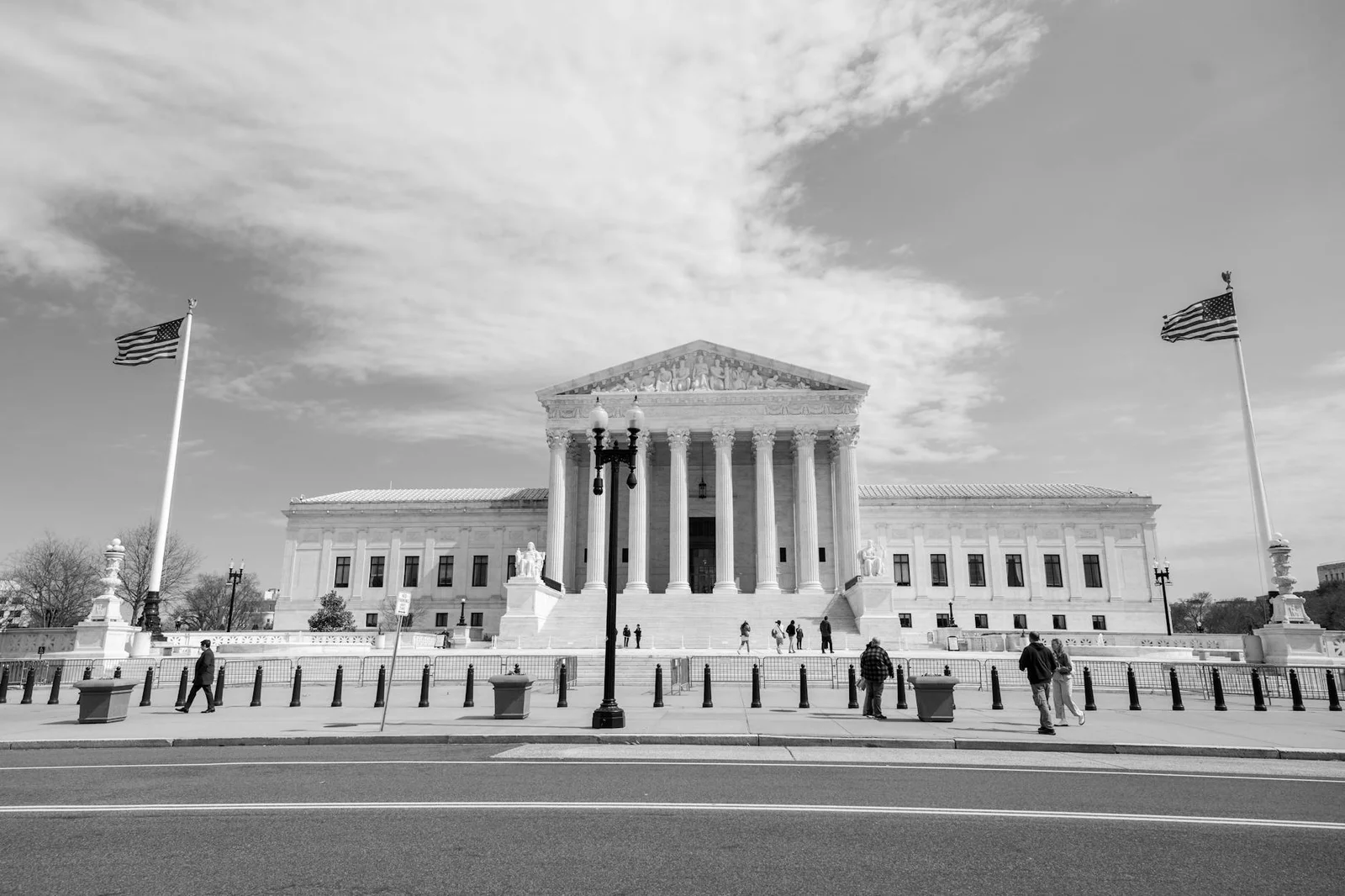
This echoes a broader trend where policy measures—whether AML rules or tariffs—get implemented without clear evidence of efficacy. I just read about how SCOTUS reined in unchecked tariff powers for similar reasons: arbitrary costs without accountability. Worth comparing the institutional pushback.
Kate Brennan's avatar
Kate Brennan 6 days ago
"The Dutch audit raises a critical issue—regulatory overload without measurable outcomes is a recurring problem. I recently read an article about SCOTUS overturning Trump’s tariff authority, which similarly highlights how unchecked executive power (or regulatory sprawl) often lacks accountability. uppercase