On the matter of BIP110, I'm sure you heard it's about keeping Bitcoin as money and not data storage. How could anyone disagree?
Except it doesn't. You can still put images on chain in BIP110 compliant transactions -- the data is just in different fields. That's the thing about data. It's 0's and 1's, and you can generally do what you want with them if all you want is to store rather than execute them.
Meanwhile, the activation by contentious soft fork is almost certain to result in a chain split, unless miners cave like they did with the last major UASF which brought us Segwit. Given how pointless the BIP is, this seems unlikely. More likely is that the newest people to Bitcoin who know the least about what they're doing are put in a position to fall victim to replay attacks or at least unexpected behavior. If it were more popular or somehow becomes more, there is also the risk of large reorgs (where confirmed transactions suddenly are no longer included in the chain) which SERIOUSLY undermines Bitcoin's value proposition. I don't think this is likely, though it does speak to the recklessness with which proponents are moving forward.
The whole thing seems to be driven by an ideology of 'we have to do something'. It's true spam is somewhat harmful and should be avoided, but just throwing an ineffective tantrum about it is not how to fix the matter.
I'm personally fond of mempool filters, which were the status quo before the change in Core v30, and which Knots has for a long time supported to do things like filter inscriptions. And I still use it, though am somewhat annoyed that you have to go out of your way to avoid the default of BIP 110 signalling by default in 29.3 (you can however still run non 110 if you download the correct version). Other methods to mitigate the damage include utreexo which solves a lot around handling utxo set bloat.
Both the Core and Knots side here seemed to rush out changes recklessly, so if your head is spinning, that's the tl;Dr. If you're not up on how to defend against replay attacks, maybe take a few weeks off of sending transactions in the beginning of September just to let the dust settle.
And if you're trying to get caught up on the tech it's hard to recommend Mastering Bitcoin enough as a great primer (though I hear great things about Grokking Bitcoin). You can read it free here:

GitHub
GitHub - bitcoinbook/bitcoinbook: Mastering Bitcoin 3rd Edition - Programming the Open Blockchain
Mastering Bitcoin 3rd Edition - Programming the Open Blockchain - bitcoinbook/bitcoinbook
And if you want to go further, the Bitcoin Dev project has more resources than you'll run out of for a few years anyway at
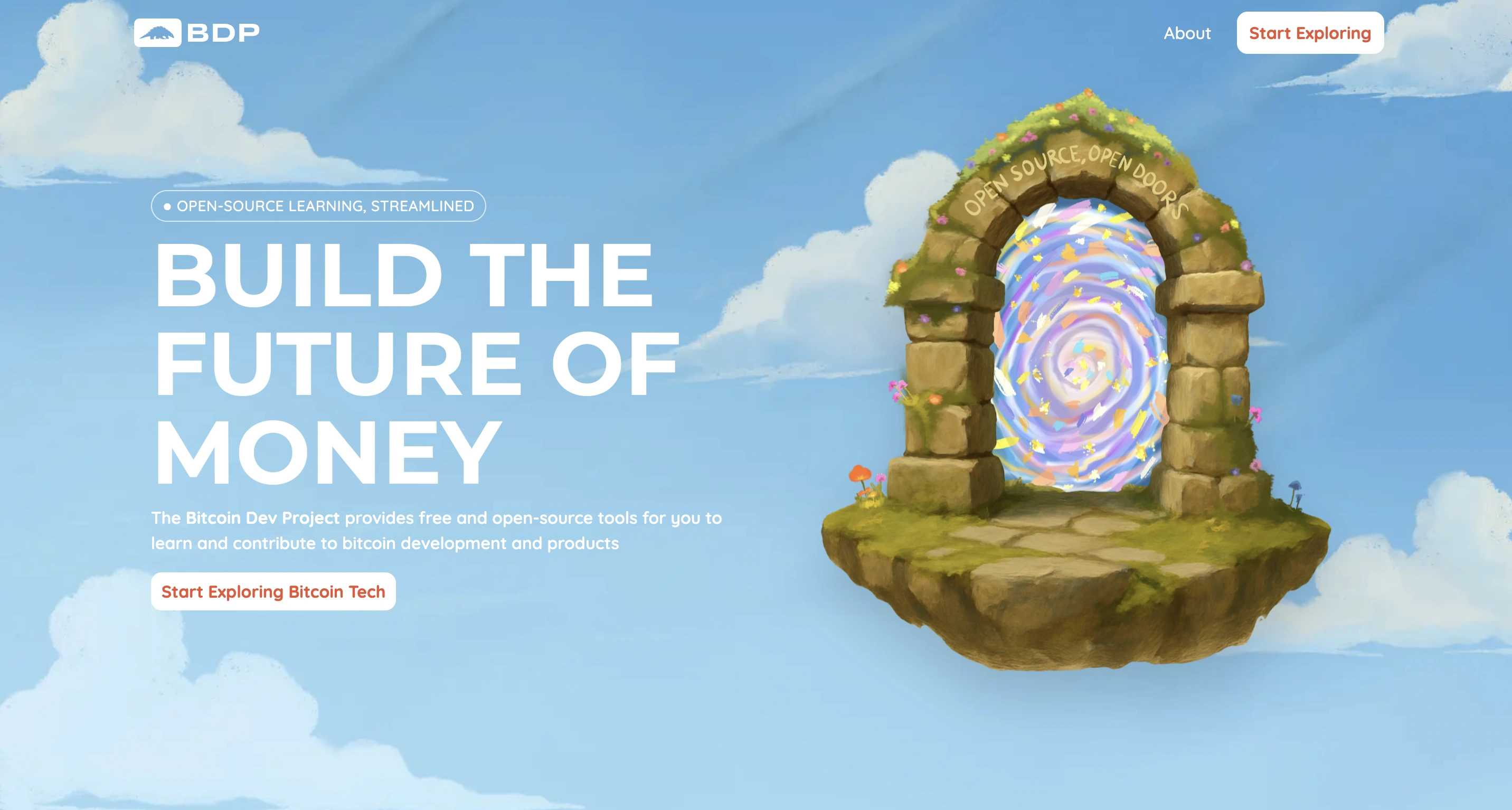
The Bitcoin Dev Project
The Bitcoin Dev Project | The Bitcoin Dev Project
Find your way in Bitcoin open source. Explore learning paths, good first issues, tools, and communities to start contributing to Bitcoin development.
Welcome to Bitcoin. We disagree a lot.