Replies (22)
Use a directional antenna placed like 300ft+ high
I've seen people get 500+ miles with a regular meshtastic antenna
Solar weather proof nodes are ideal IMHO.
So the yeti works one?
How do I get access to a 300ft antenna?
@Harambe's last Bitcoin and
@Bitcoin Jungle will make #meshtastic grow in El Salvador and Costa Rica :D

Utilize small scale durable helium balloons. Very easy and affordable to scale up. Tie together a thousand feet, or more of 750lb parachord. Tether it to a large anchor of concrete, or bolt it down deep into the base of a large stump deep in the woods.
Put the meshtastic device inside of a small travel size waterproof pelican case to protect against the elements. Turn it on and let her fly.
You will need to check on your local laws and regulations to ensure that you are being compliant with air traffic laws. I don't think it should be a problem at that low of an altitude.
This should theoretically improve the line of site and bridge the gap gracefully. Possibly extending it even further. While requiring minimal weekly, or biweekly maintenance for reinflation.
If sourcing helium becomes an issue. Then you can make micro hot air balloons mcguyver style. Utilize the same methods to adapt to the change in deployment method. Then you are solid.
Let me know how everything works out. Hope I could help. Have a wonderful day!
This is a joke, right?
Buy a directional antenna
Find the highest point you can possibly get to
Install antenna up there
Or
Install the tallest flagpole you can in your area
Make sure you have damn near perfect line-of-sight to your other node
When you start to desire these types of distances, all you need is *extreme* height and a 100% signal focused to a direct line-of-sight connection. This is where it gets hard.
These tall flag poles are hella expensive too. Like $15k+ easy
 HR4BTC aka HamRadio4Bitcoin
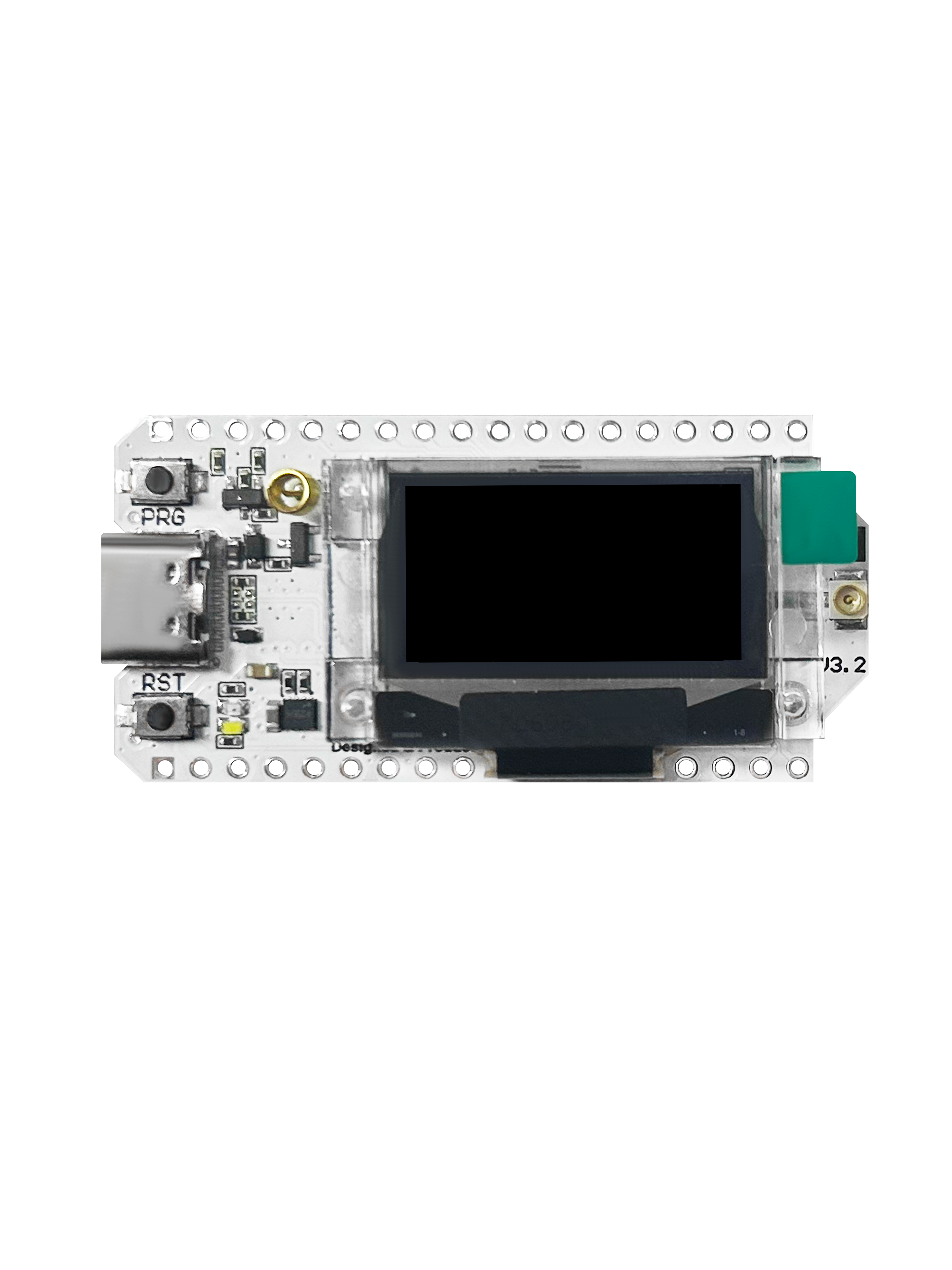
If you were not interested in doing a full DIY build of a device like this, this is current listed on sale at $99 in fiat USD, this looks to be a very reasonable deal for what you get.
#mesh #meshtastic #reticulum #hamradio #amateurradio #lora
View quoted note →
Nope.
What about wind, thunderstorms and tornadoes
How would I know I have line of site 50 miles?
It’s not so simple. Height and terrain is really important for that distance due to the curvature of the earth. Ideally both antennas are elevated above the terrain by at least a couple hundred feet, wherein you run into structural legal issues.
Check the weather reports and the equipment regularly.
Thunderstorms and rain shouldnt be a problem. The pelican case will protect it. Highly doubt it would get struck by lightning. Just make sure what you are sending up is durable and not some fragile dollar store helium balloons. Think weather balloons if budget allows.
Even if it is windy out it will still stay in the air. Try to stay clear of tree lines and power lines. That's why you want high tensile strength so the wind won't affect service.
If there are tornados then bring it back down with you. Run and hide inside. Find shelter. Hold onto your ass. If you make it out alive. Send it back up asap.
This isn't a 99.99% uptime solution. Like many things in life creative solutions to problems that are viable. Will require effort on your part.
Correct. When ypi start to desire these types of ranges with these devices it becomes very challenging.
The higher you go, the higher your probability is of getting better line-of-sight
But again, now you get into your own height limitations, terrain, let alone what physical height limits you have for your jurisdiction. Most places you can't build anything higher than the local water tower, or flying zone limits, etc.
Do you or anyone you know know of jurisdictions that have been able to convince public entities like fire houses or water towers to install a device for someone or is there too much red tape and access for updates would be hard?
I can only imagine the amount of red tape you'd have to go through, even if you convinced them to even entertain the idea
Kk, I got a lot of farming folks here and i bet I could find someone with a tower to at least let me run a quick test to see how far I can get with it up high. Does directional antenna mean what I think it means? Ie 90 degrees VS 360
Yeah. Find someone with a old TV antenna, a good 150ft+ tall
Omnidirectional antennas are the round ones, as they go 360 degrees with their signal
Directional (what you want) shoot the radio wave like a laser directly where it's pointed to (more so like a cone shape, with the most focused point right in front of the antenna, and the father out it goes it beens to spread, but still focused in the general direction you have it pointed to)
Go on a geography elevation map on the web and put in the areas you are thinking of putting this. Always go with the highest elevation, least amount of hills/mountains/trees around
That's where I'd put it


 @average_bitcoiner