Replies (21)
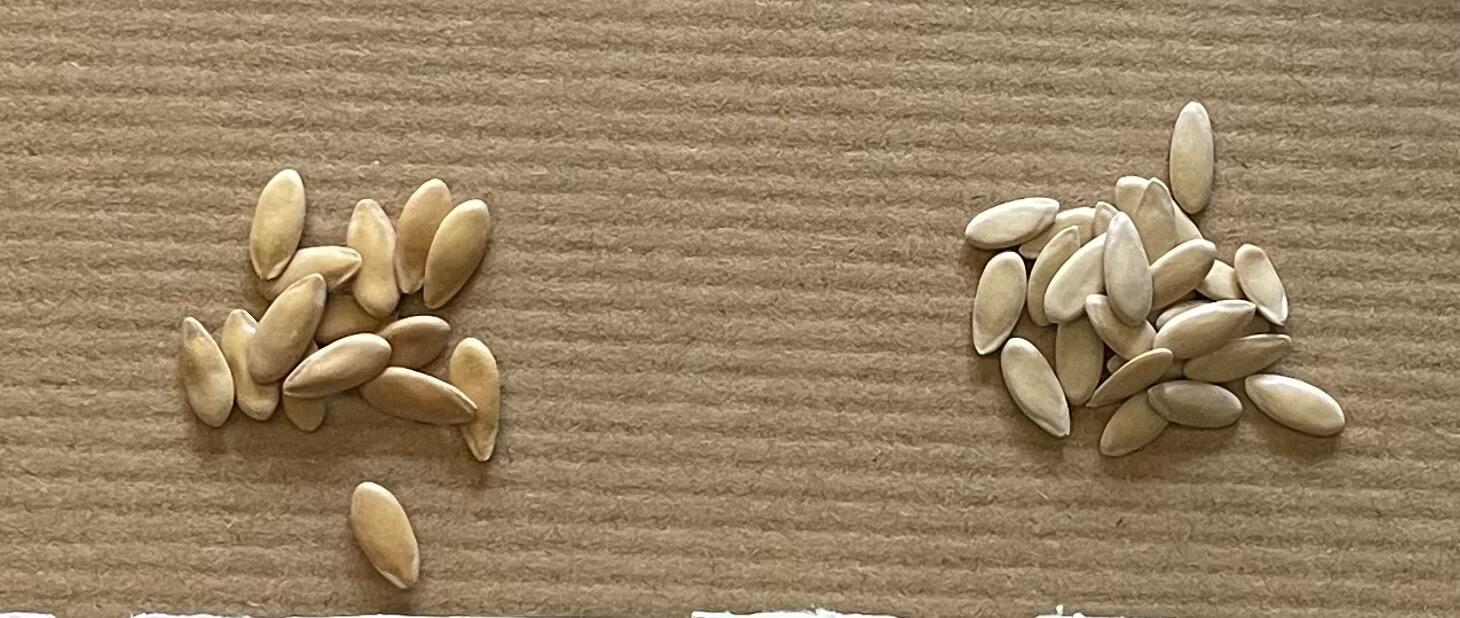
these are seeds.
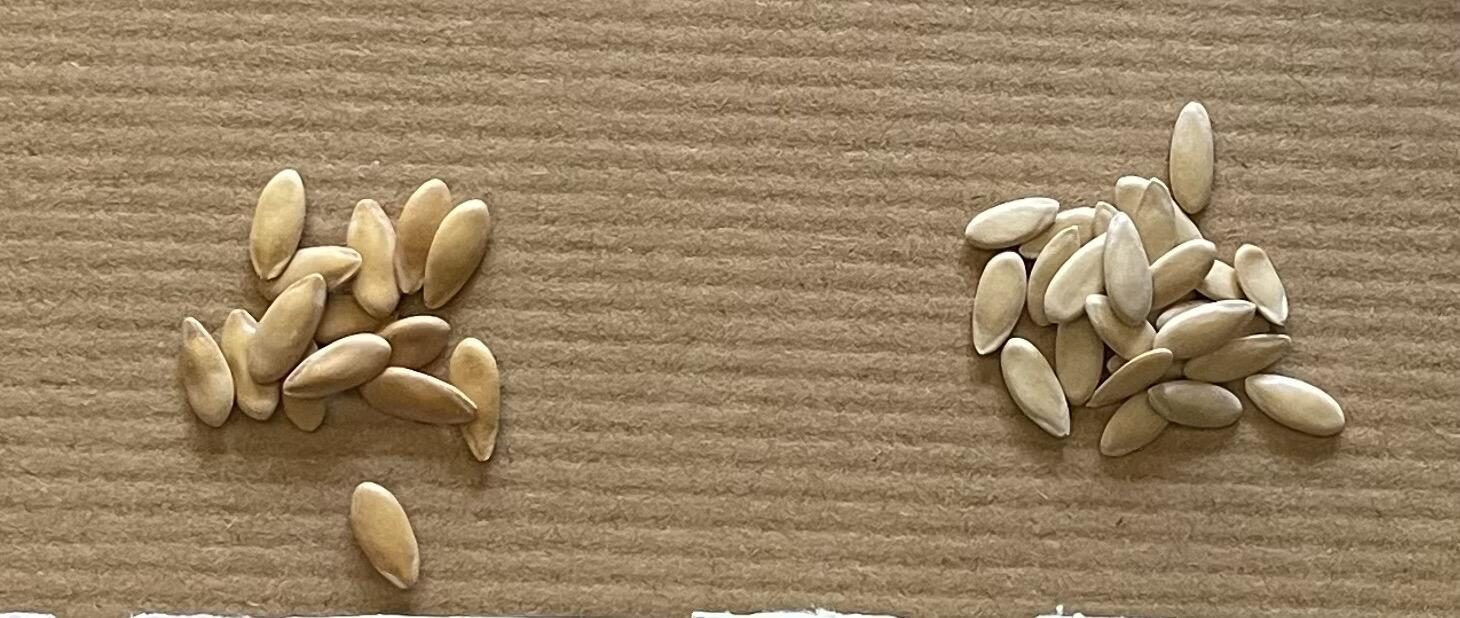
so does the conversation end there when discussing an idea?
"i have an idea" and "a seed" are the same statement.
"what kind"? is the natural response - because "a seed" or "an idea" does nothing on its own.
"melon seeds".
"what kind of melon"? "are they the same melon"? "why are they in 2 piles"?
so this is when we begin to classify, organize, and verify the information about the seeds - how we do it depends on what we know when we begin. sometimes, the only way to know what a plant will be is to grow the seed; sometimes we have resources. the most important part of this identification process is to understand we are not understanding the seed - we are discussing the potential outcomes of what the seed does.
the same with an idea. the value of an idea based on anything other than the quality of the idea and the potential for that idea to bloom into more - is not assessment of the idea. that is gambling on the idea maker, which is essentially, in gardening terms, questioning the natural laws of creation: will the seed be a plant based on what we know about what has been made in nature? uh.... probably, yeah....
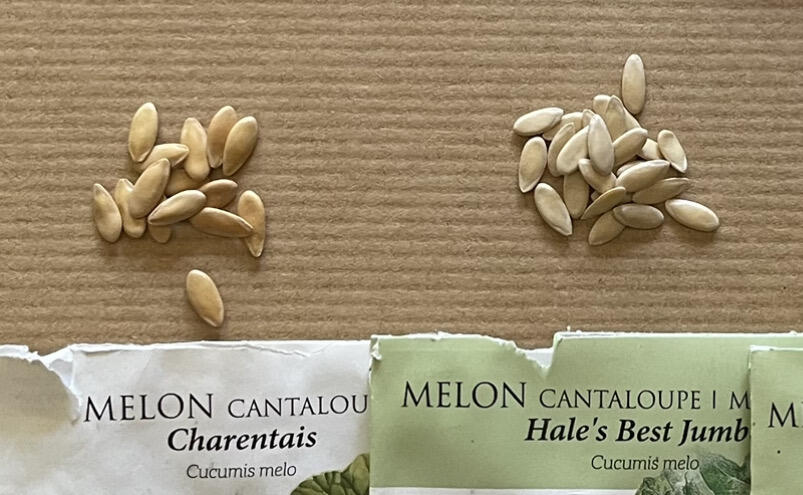
the greater the specificity of identification allows for a biome of comprehension to form around the interaction between the types of melons we have, the variety we want, the size, sweetness, colour, growing conditions, etc.
this is an idea, developing into formed analysis and text and becoming more concrete and less conceptual. maybe your idea is about melons - and maybe you want to see which of 3 soft flesh melons produce your favorite fruit. or maybe you are only interested in the final size and care nothing about the variety. these ideas branch into different areas of focus, just like selecting a seed. you do not select a seed because god made a seed: you select a seed for a characteristic, a signature outcome. god made the seed is the source; the work to have classified the information about the seed is centuries of cultivated interest in that specific outcome.
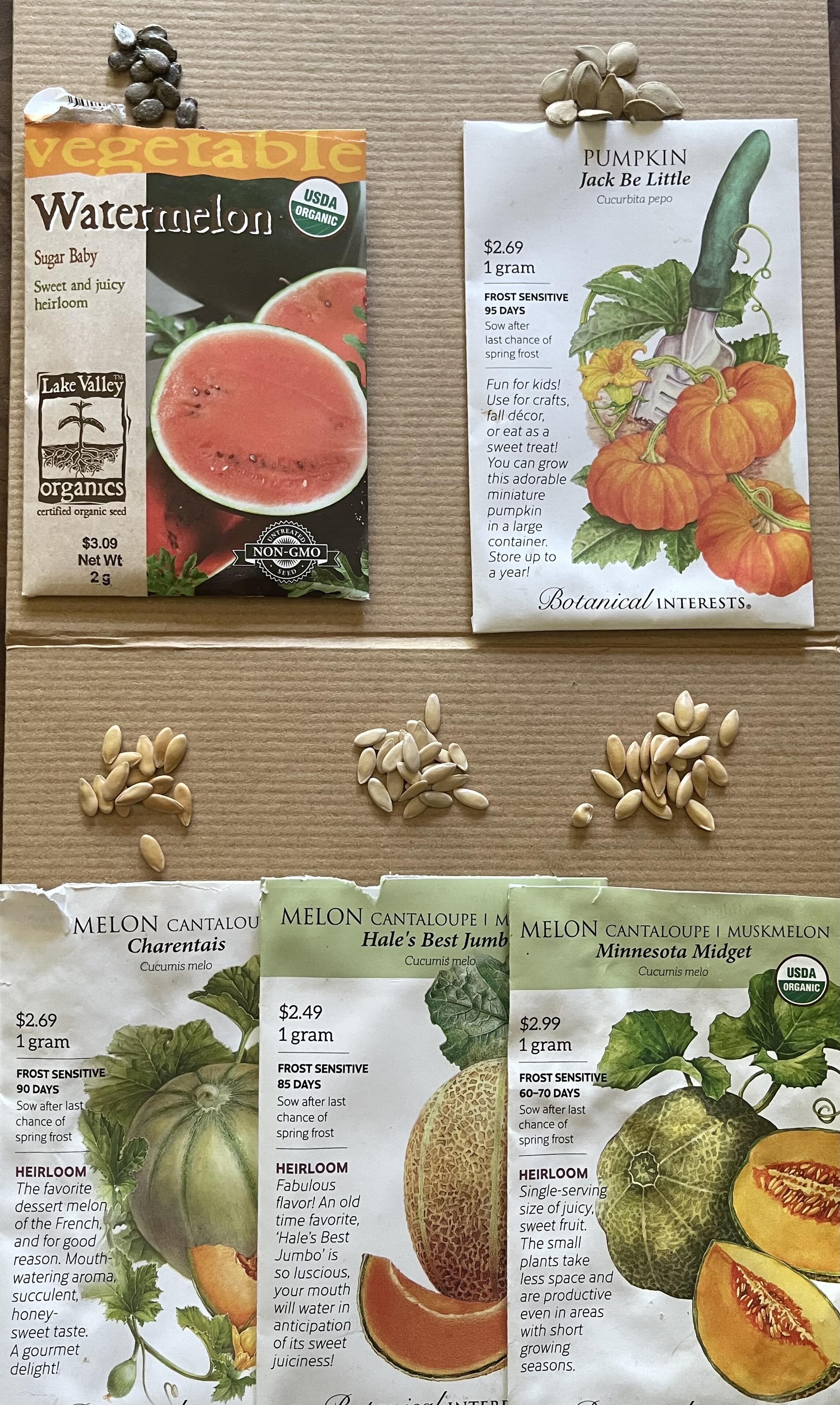
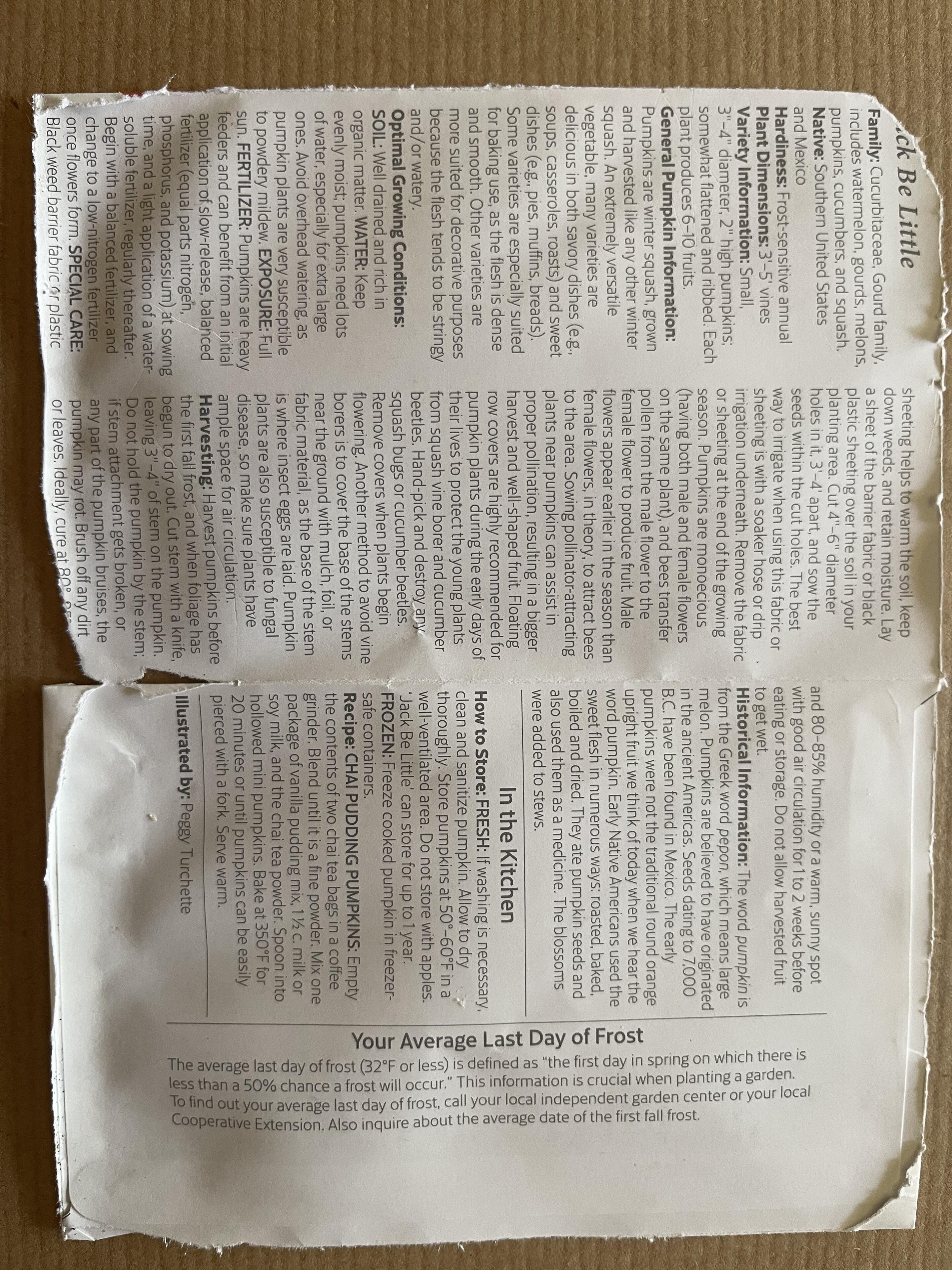
consider the amount of information on a seed packet, and the type of information: none of it is about the seed; it is about the seed potential. if it was about the seed - the packet would describe the appearance, diagram, description of traits of the actual seed, not the future plant.
also: pause and consider the amount of secondary information which could be learned by following on lead on the packet. for example: maybe you just start investigating what "lot #1" for this particular company means. then, other factors are introduced, including your ability to research. ideas are the same. think of the seed packet like a notebook full of quotes, citations, phrases, notes, complied and formed into a stack of developed concepts you plan to analyse further. you need other skills and resources to do that - and the interest and time to do it. otherwise: your idea is just a seed packet. and eventually, expires, is lost, becomes irrelevant for a variety of reasons - like old seeds.
"will the seed grow"?
crypto and digital finance are based entirely on the probability and risk associated with doubt in natural process. so we now have entire industries built on risk analysis of whether something will do what it is naturally designed to do - NOT the provable idea itself.
"a human had an idea". "i have a seed". "god/nature creates life". those are source concepts. crypto markets ask everyone to bet relativist probabilities on whether those things will be something else eventually ever - NOT whether those things are.
that is the fallacy of how bitcoin is misrepresented in digital marketplaces.
the concept of transfer of data has nothing to do with the potential of the data itself; what are the properties of a seed versus the information about the plant which grows from that seed under natural conditions.
$2.69 for a packet of approximately 40 seeds, which each, under normal seed conditions for seeds doing seed things (ideas forming) produce a plant, which will in turn produce approximately 6 full sized melons.
it is the intentional cultivation of the seeds, plants, and growing melons which fosters the outcome - not probabilities. when done properly: the harvest feeds hundreds. when an idea is handled well and shared by the source: hundreds learn something and ideas are planted in their minds through new pathways to deeper comprehension of interactivity, and other ideas spark.
hundreds of human minds wielded the analysis on that seed packet. each was inspired to explore the information which was at one point, to them, just a seed.

verification of ideas already exists in the data world with peer-to-peer transfer from known address to known address, identity to identity, mind to mind, computer to computer, etc.
provability of source is not the same as potential. most are having them as the same conversation. if you have an identity, that does not mean you will always have great ideas - that is the false premise of these 2 scrambled concepts. that is a risk model built for profit, not for maximising quality; no one would buy seeds if they did not have an inherent reputation for becoming a plant. the same with ideas - many "buy into" an idea with encouragement or other ideas because that is the nature of free exchange of information.
if no one trusted to whom they spoke, everyone would be suspicious of their idea being taken. (ha ha). peer-to-peer identification erases this mistrust so the source is always understood and interaction may continue freely. mistrust arises from abuse of concept and misinformation about how that happens - NOT because of anything else; and that is based on retargeting the source question of the probability of a seed to do seed things somehow being contingent on who had the idea or if there is a god making seeds for nature.
current bitcoin core development in human terms for digital finance asks about the risk of god's chances of making a seed that will sprout or a human to form an idea. they do not ask whether it's a neat idea or if it is original against other available data. the profit is focused on commodifying the human not the idea; like selling a seed based on its diagnostics not the plant the seed would become.
see how messy that gets?
"paying in bitcoin" you bought with actual primary currency is just using a digital debit card. it means nothing.
"sharing information" depends on the information shared the analytical relationship between the individuals involved.
"i have an idea: could i have that $200 dress for that idea"? depends on the interest in the seed's potential, the plant's appeal, the agreement between the individuals involved. not all value is static and measured; sometimes supply and demand in a natural market determines desireability.
the hungrier the market, the more interesting the idea. and sometimes: the more careless. desperation to be relevant because the focus is on the source not the idea/seed creates bubbles within the natural development of processes. instead of "seeds grow into plants" as a general rule - it becomes "what if seeds/ideas suddenly stop being seeds"? what if they vanish?
are there plants still? yes. then there are seeds.
are there humans with brains? yes. then there are ideas.
but environmentally, we can potentially destroy both the potential and the source with disease and angst.
natural law is natural law. if you do not believe natural law, you do not have to believe natural law. plenty of cycles of history have strayed from acknowledging it. but natural law transcends physical digital and spiritual divides; less complicated than "physics" which are irrelevant to non physical spaces and therefore only conceptual to artificial intelligence, natural law simply identities existence and what it does.
a seed grows into a plant, ergo when placed in soil, it will most likely grow. experiencing a seed not sprouting, then questioning if all seeds are faulty and what are the chances of all seeds being frauds - is seems historically in fertility hysteria of bloodline breeding and a woman's probability for throwing sons or whatever was fashionable at the time. same conversation. reduction to breeding potential instead of the reality that most have the ability to reproduce. again: those are profit metrics, not exchange of information.
lastly: i draw your attention to to final layer of knowledge packed into those seed packets. lore. naming, organisation, cultivators, and method.
ideas eventually form into lore.
"whose lore".
"the who what when why where how" of a specific idea is the culmination of the seed packet. not just a melon or a cantaloupe but a specific variety named something specific for a specific reason/individual etc. who named it? why? and the interest in the source are secondary to the meaning behind the cypher developed by the tree of interest in the idea of the seed in the packet. if the packet is mislabelled to boost sales, eventually no one trusts the brand and they stop buying it; mislabelled packets is the same as sneak tagging in data packets and zombie propagation or cloning. why would i click anything from certain developers if i have learned they deliberately lie. there is no trust. thus the idea of what the seed could be is more significant an outcome than the source.
bitcoin in the data sense is personal lore and personal identity. that is not a financial entity. commodifying a human and secretly gambling on it is enslavement.
digital finance which uses the name bitcoin to explain its money laundering of primary currency with secondary currency in a pyramid scheme, is fraud.
primary currency is money. but a primary currency which is required to move the value of a digital finance is not money - it is an asset.
lore in cypher means nothing without a mutual understanding of the seed ideas encoded in the cryptology. parroting trigger words because you learned they're supposed to be significant is useless. and this is where collective psychologist has overtaken individual rationalism regarding narratives: "everyone is saying". sure is "a lot" to process. eyeroll.
if you have no identity, narrative or otherwise, or if your identity is at odds with "verification" because of those who have decided they will craft your story without your permission or input, thus barring you from it, how are you verifiable?
if you have no narrative, for the sake of the collective, everything you do is untrustworthy and unverifiable.
if you refuse to develop your own lore for the sake of some perceived image of what you believe is valuable instead told by those who profit from your being distracted from your own life, you are shown what you are at that cost.
that's not searches being broken - that's manipulated profit markets intentionally developing and stealing identities and convincing misinformed buyers they're sick/hated/outcast/other.
enabling the constant misappropriation for culpability away from those who deliberately form fraudulent apparatuses (especially in the bitcoin market) - the piracy and oddity theft glorified as an "economy". the slave market was called an "economy" once. historically unpopular. which is why they do not say that is what it is.
the_valley™️ is a trust model which is why information flows freely. it flows into all markets. but that is why verification models kneecap themselves with this separation of church (ideas) and state (moveable wealth). verification of what? my identity? here. requirement to access my ideas and footprint and all of my lore via "smart tech" checks? requirement to verify my mind allowing access to foreign or undisclosed search and seizure? no. verification of what i intellectualise, why, and with whom i associate? no. permissionless access to my entire identity to change as someone demands for their own profit (that's bitcoin and crypto)? no. my physical biologist, my mind, my ideas, my lore - verified? i am possibly more widely verified than any other human. yet subpar verification systems refuse to acknowledge that due to the fact they are developed in a for-profit metric which maximises the rejection of trust in favour of invasion and forced compliance; digital, mental, and physical for human and their devices.
no.
the_valley is a trust model. do. or do not. that's entirely your decision.
end.
post script: my X accounts are suspended because of permissionless crypto actors who abuse "verification" models assumption their influence equals trust, rather than their activity being nefarious regardless of their reach. my real id is still attached to those accounts via email, real financial banking via credit cards and identity lock, and the emails all being on my primary cellphone with a verified ip (on a cellphone plan in my name with my social security number). etc etc. my entire footprint is open source. there is no excuse other than ulterior motive to report my account as a human - and the motive was to hide their own fraudulent culpability in permissionless identity theft. the throwing under the bus phase means they are afraid - and basically caught.
that's fine. now they have nothing to mine. i am a traditional holder which means i keep my work - that does not mean i do not use or share it in real time openly. there's nothing to steal.
i can wait.
🧘🏻♀️
View quoted note →