fleur's avatar
fleur 6 months ago
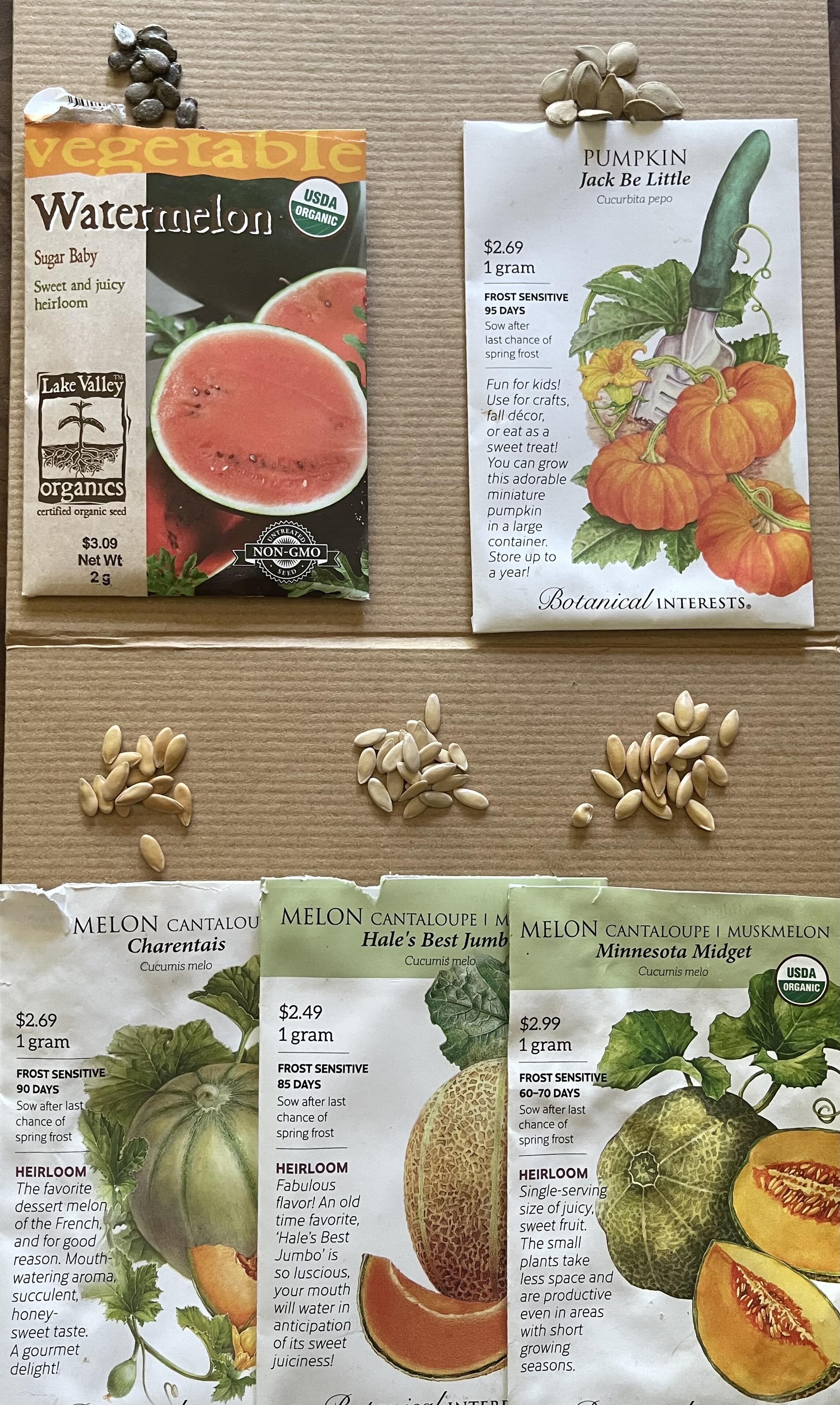
"melon seeds". "what kind of melon"? "are they the same melon"? "why are they in 2 piles"? so this is when we begin to classify, organize, and verify the information about the seeds - how we do it depends on what we know when we begin. sometimes, the only way to know what a plant will be is to grow the seed; sometimes we have resources. the most important part of this identification process is to understand we are not understanding the seed - we are discussing the potential outcomes of what the seed does. the same with an idea. the value of an idea based on anything other than the quality of the idea and the potential for that idea to bloom into more - is not assessment of the idea. that is gambling on the idea maker, which is essentially, in gardening terms, questioning the natural laws of creation: will the seed be a plant based on what we know about what has been made in nature? uh.... probably, yeah.... image
Replies (1)

fleur's avatar
fleur 6 months ago
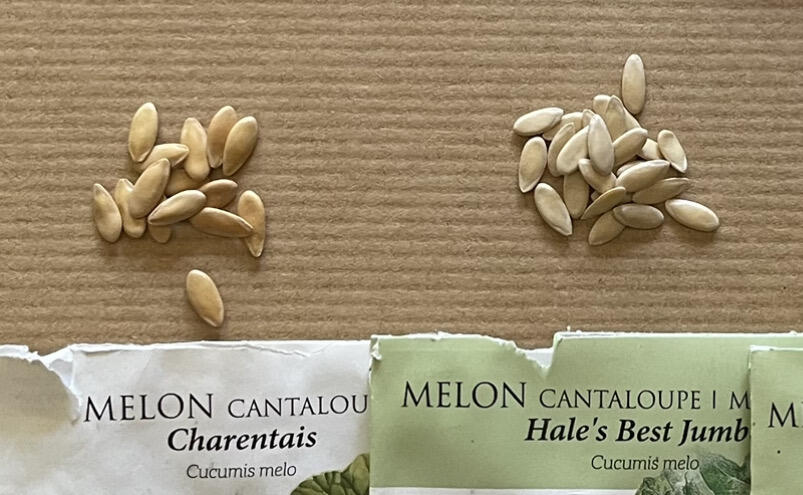
the greater the specificity of identification allows for a biome of comprehension to form around the interaction between the types of melons we have, the variety we want, the size, sweetness, colour, growing conditions, etc. this is an idea, developing into formed analysis and text and becoming more concrete and less conceptual. maybe your idea is about melons - and maybe you want to see which of 3 soft flesh melons produce your favorite fruit. or maybe you are only interested in the final size and care nothing about the variety. these ideas branch into different areas of focus, just like selecting a seed. you do not select a seed because god made a seed: you select a seed for a characteristic, a signature outcome. god made the seed is the source; the work to have classified the information about the seed is centuries of cultivated interest in that specific outcome. image