Amboss's avatar
Amboss
_@amboss.space
npub19tcp...nlea
Intelligent Payments for High-Volume Digital Economies. Built on Bitcoin. #lightningnetwork #bitcoin #amboss
Amboss's avatar
Amboss 20 hours ago
Your WooCommerce store already has a checkout. Adding bitcoin or dollar stablecoins does not have to mean building a new one. Customers can pay with bitcoin or dollar stablecoins. They can also pay from Cash App or any Lightning wallet. A store can be live in less than 24 hours. Amboss Payments for WooCommerce is a free plugin. You can add it to your store in a few minutes. The customer chooses a method, pays on the Amboss checkout page, and returns to your store. A signed webhook marks the order paid, and the order status changes automatically. You do not need to check payments by hand. You receive bitcoin or dollar stablecoins. You get your own Lightning node, managed by Amboss. Completed payments are final, with no card chargebacks. Your existing WooCommerce checkout stays in place. How the plugin works: image
Amboss's avatar
Amboss yesterday
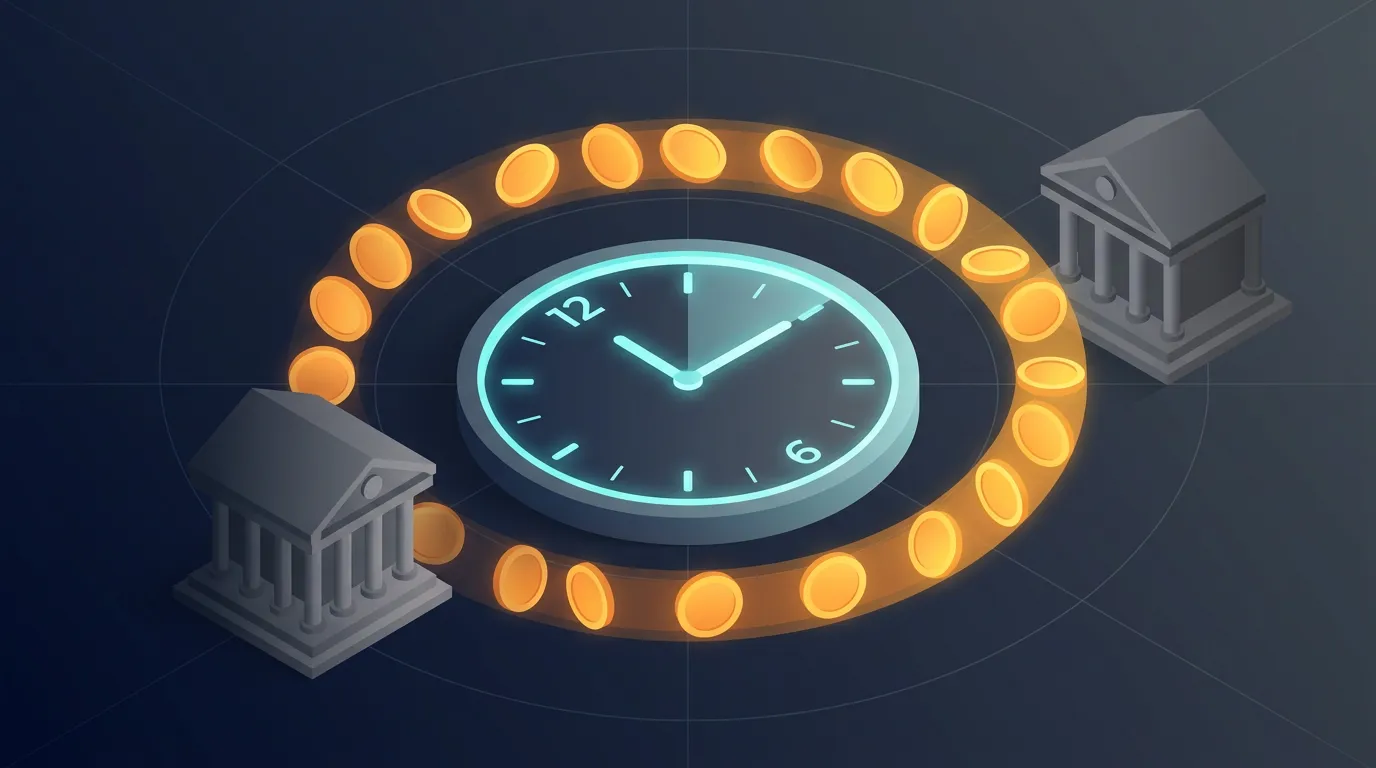
A card payment captured late on Saturday often sits until the next banking batch. In many corridors that means Monday or Tuesday before the money is actually usable. Bitcoin and stablecoin payments over Lightning settle continuously. There is no batch cutoff and no banking-hour dependency. A payment at 2am on a holiday settles the same way as one at 10am on a Tuesday. Completed Lightning payments are final, so there are no card chargebacks on those rails. Refunds, when you owe one, are new payments you send under your own policy. One rail waits for Monday. The other does not. Why settlement hours matter: image
Amboss's avatar
Amboss 2 days ago
The public Lightning Network's median fee rate is about 61 ppm on the latest Amboss Space hourly snapshot. That figure is network data. It describes what public channels advertise, not what Amboss charges a business for Payments. Amboss pricing is tailored to volume and is separate from the network fee rate. 61 ppm is 0.0061%. On a $100 payment, that advertised median is a fraction of a cent before any conversion at the edges. Network fee data stays in the data column. Business pricing stays on a different page. Live network charts: image
Amboss's avatar
Amboss 3 days ago
The best inbound channel for a receive-only node may never appear on the public graph. Not every node wants to route. Some only need to receive. Magma offers private, non-routing channels: inbound liquidity for payments coming in, with the channel kept out of the public graph. You pick the option when you buy liquidity. Magma remains a peer-to-peer marketplace: a seller opens a channel to your node for a fee agreed up front. If your node should receive without advertising a routing position, that option is built for it. Buy liquidity on Magma: image
Amboss's avatar
Amboss 4 days ago
Before: a customer wants to pay in bitcoin, and your treasury wants dollar stablecoins. Those used to be two separate problems. After Taproot Assets v0.6 went live on mainnet on 24 June 2025, both can ride the same Lightning payment. Edge nodes quote a rate up front and convert at the edges. Routing nodes in the middle only see an ordinary bitcoin payment. For a business, the pattern stays plain. Create a fixed-amount invoice and receive that amount. The payer covers routing and conversion. Pay in one asset. Settle in another. One Lightning rail. How multi-asset Lightning works: image
Amboss's avatar
Amboss 5 days ago
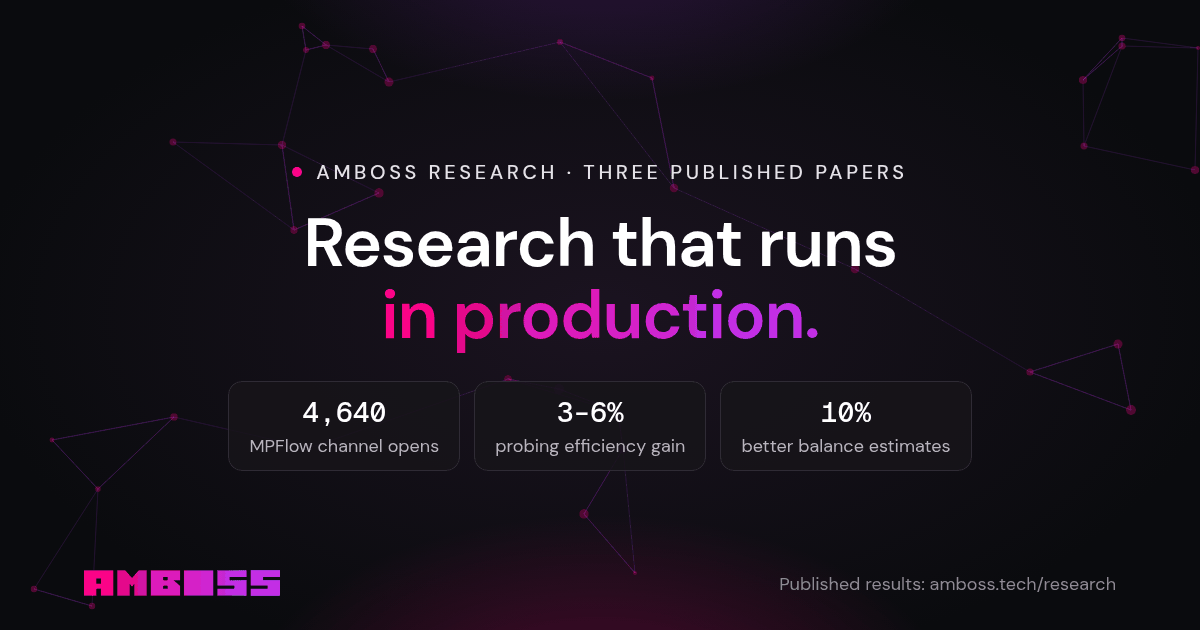
What happens when Lightning research leaves the paper and runs on live nodes? Amboss has published three machine learning papers on routing and liquidity. Two of them already run in production, and the work behind them has allocated over $16 million of liquidity across managed nodes. Each paper targets a reason payments fail or take a longer path: where to place liquidity, how to probe a hidden balance with fewer tries, and how to estimate a channel's split from public data alone. For a payments team, that is the test that matters. Research earns its place when it improves first-try success on the live network. Three papers. Two in production. Over $16 million of liquidity placed. Plain-English summary of all three: image
Amboss's avatar
Amboss 6 days ago
Lightning Network, week of 9 to 15 November: node operators committed 603 BTC to new public channels, 14% more than the week before. They opened fewer channels, 1,396 against 1,473, but each one was larger. The average new channel held 0.43 BTC, up from 0.36 BTC. So the growth came from size, not count. More bitcoin went into each new channel. Closes also settled back after 8 November, when 1,549 channels were force-closed in a single day. This week forced closes fell from 1,723 to 357, and 78.9% of all closes were cooperative, up from 47.6%. Monday 9 November still saw 201 forced closes; from Tuesday to Sunday the cooperative share was 88.5%, against 86.1% across October. Public capacity held at 3,238 BTC on 15 November. Last week, small channels closed. This week, larger ones opened: 603 BTC committed at 0.43 BTC each. Live channel, capacity and node charts: image
Amboss's avatar
Amboss 6 days ago
Add Lightning to Zaprite in minutes with the Amboss self-custody connector. It’s live now for all Zaprite users. Connect Amboss with an API key, pick the Amboss wallet that receives funds, and turn it on for your Zaprite checkouts. Customers pay from Cash App or any Lightning wallet, and you receive the payment as bitcoin or USDT (your choice). You keep Zaprite for invoices, payment links and billing. Funds settle to your own wallet, and Amboss never holds them. No volatility or channel management required.
Amboss's avatar
Amboss 1 week ago
Picture an affiliate waiting on month-end. The revenue share is earned, but the wire has not left, reconciliation is still open, and support keeps asking when the money lands. Many partner programs still work that way: one monthly bank transfer for creators, resellers and affiliates. The same Amboss API that accepts payments also sends them. One send call pays anyone with a Lightning Address or an invoice, at any hour. Daily revenue-share settlement becomes practical, not only a monthly batch. Partners get paid from your own wallet, in the app they already use. Amboss never takes custody, and completed payments are final. How payouts fit next to the cashier: image
Amboss's avatar
Amboss 1 week ago
Which app will your customer pay with? You do not have to choose. Cash App, Coinbase, Kraken, Binance and Strike can all pay a Lightning invoice. One invoice format works across them. The customer scans or taps and pays from their own app, and your system gets a confirmation through the API. Supported assets and availability vary by app and region. Amboss Payments is available almost everywhere, except in OFAC-restricted places. If your customers already hold one of these apps, they can pay you today. Compatible wallets: image
Amboss's avatar
Amboss 1 week ago
A Lightning channel holds 1 BTC between two nodes. Anyone can see the total. Nobody outside can see how it is split between the two sides. What is your best guess? A common default is half and half. Our researchers trained machine learning models to predict that split from public node and channel features alone. The models beat the equal-split guess by 10%. Better balance estimates mean fewer failed attempts when a payment looks for a route. The paper: image
Amboss's avatar
Amboss 1 week ago
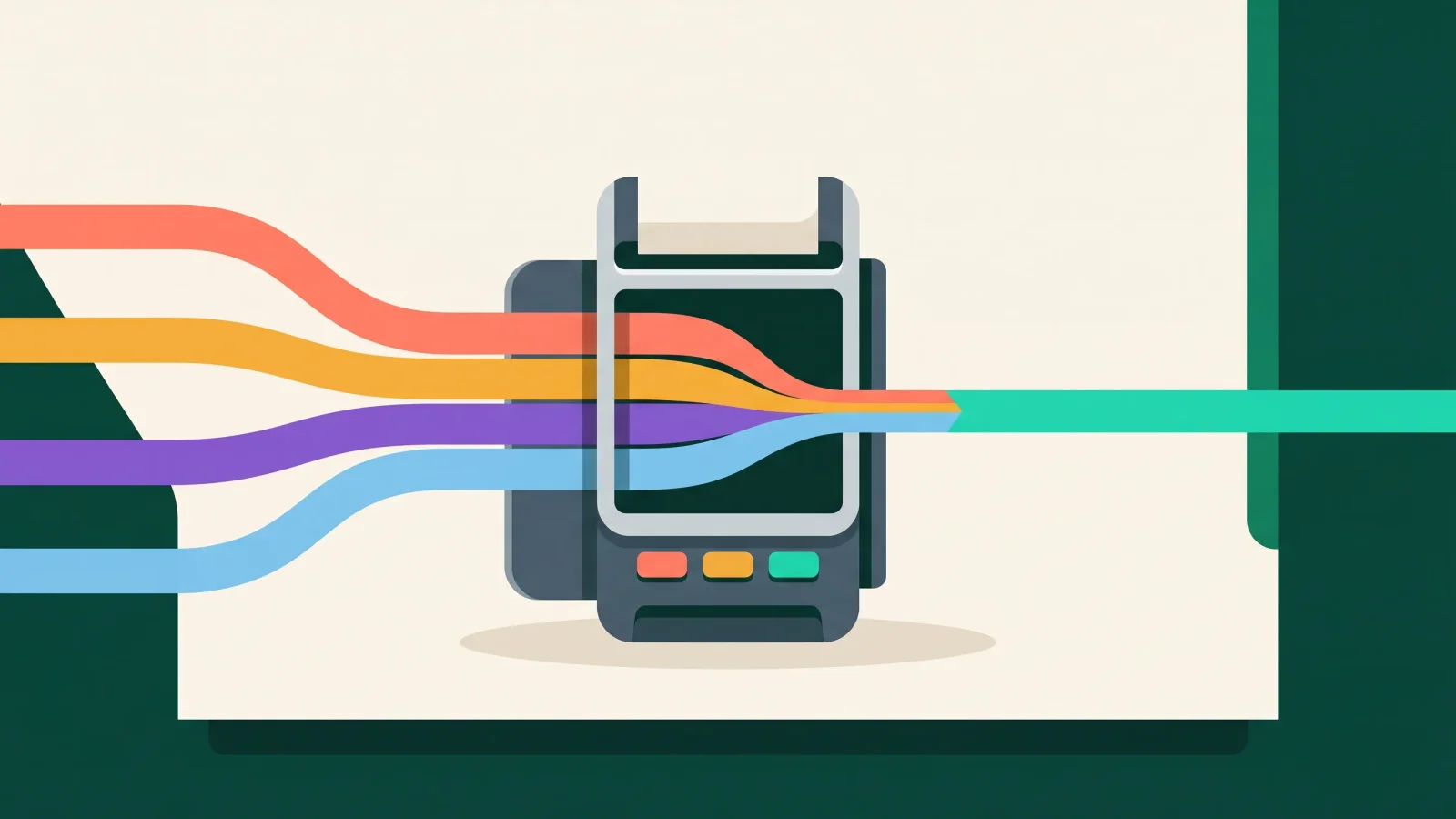
A card payment and a Lightning payment can both clear in seconds. Only one of them can still be reversed by a dispute weeks or months later, after the goods have shipped or the credit has been used. A Lightning payment is final once it completes. There are no card chargebacks on Bitcoin and stablecoin payments through Amboss. Customers still need refunds sometimes. A refund is simply a new payment that you send, under your own policy, instead of a dispute process run by someone else. Both clear in seconds. Only one stays paid. Payments that stay paid: image
Amboss's avatar
Amboss 1 week ago
A bitcoin yield product that does not lend your bitcoin to anyone. That is the design rule behind Rails. Rails runs your own self-custody Lightning node. Any yield comes from routing fees and liquidity leases, not from lending, and there is no rehypothecation. It needs real payment volume to work. Returns are not guaranteed. Node operation, changes in the fee market and the bitcoin price all carry risk. If that model fits your treasury, read the details before you deploy. Rails: image
Amboss's avatar
Amboss 1 week ago
Binary search always splits the range in half. That is a fine guess when you know nothing, but Lightning nodes probing a channel's hidden balance usually know something. Splitting where the balance probably is makes probing 3 to 6% more efficient in production. Our researchers built Bayesian Binary Search: it learns where balances are likely to sit, then splits the range where the probability is, not at the midpoint. The paper was published in the peer-reviewed journal Algorithms (MDPI, 2025), in collaboration with Stillmark. It runs in production at Amboss today. The plain-English overview and the paper are in the reply. Overview and paper: image
Amboss's avatar
Amboss 1 week ago
Lightning Network, week of 2 to 8 November: public capacity held at 3,235 BTC, only 0.3% below the week before, and the average public channel grew 1.5% to 0.098 BTC. That held through the busiest day of forced closes in three years. On 8 November, 1,549 public channels were force-closed, more than double the previous one-day high of 687 on 24 October 2024. They were small: together they held 1.46 BTC, about 94,000 sats each. Losing them barely moved total capacity, and it raised the average size of the channels that remain. The rest of the week looked like October. From Monday to Saturday, 86.2% of closes were cooperative, against 86.1% across October, and node operators opened 1,473 new channels over the seven days. 1.46 BTC force-closed in one day, against 3,235 BTC of public capacity that stayed in place. The weekly charts, including channel and node counts: image
Amboss's avatar
Amboss 1 week ago
Announcing Hosted Checkout for Amboss Payments! ⚡ Payment cards are more exclusive than ever. Now any business can get paid from anywhere on the globe. Customers pay with Cash App or any Lightning wallet. You receive bitcoin or USDT. Your brand. Our tech. Your name, logo and color, light or dark. No chargebacks. Every payment is final. Live today. Test it in sandbox:
Amboss's avatar
Amboss 2 weeks ago
The first question a finance team asks about Bitcoin payments is about price swings. It is a fair question, and the answer is that you do not have to hold bitcoin at all. Bitcoin is the transport. With optional auto-conversion, payments that arrive over Lightning can settle to you as US-dollar stablecoins instead. Invoices are for a fixed amount. The payer covers routing and conversion fees, so the amount you invoice is the amount you receive. Customers pay with the app they already have. Your balance sheet can stay in dollars. How it works: image
Amboss's avatar
Amboss 2 weeks ago
An AI agent asked a weather service for the Orlando forecast. The service answered "402 Payment Required" with a price. The agent paid less than a cent over Lightning and had its forecast about a second later. No card, no account, no human approval. The proof of payment became the access key. That pattern is L402, and this run used Amboss with Lightning Enable, once in bitcoin and once from a dollar stablecoin balance. Amboss is the payment rail for agent protocols like L402, x402 and MPP. Amazap, a marketplace where AI agents pay per API call, is one example of the model in use. Request, price, payment, proof, data. The case study: image
Amboss's avatar
Amboss 2 weeks ago
In June 2022 the average public Lightning channel held 0.048 BTC. On 1 November 2026 it held 0.097 BTC, about twice as much. There are fewer public channels than in 2022, but each one is larger. A larger channel can carry a larger payment along a single route, which matters once real business amounts start to move. The figure is public capacity divided by active channels, from the Amboss Space daily series. 0.048 BTC then, 0.097 BTC now. Live network charts: image
↑