Susie Violet's avatar
Susie Violet
npub1hwgw0uznr49t4gullpgfz4m5xnakl5a0l88m3k382xv7ys0tfmlsd503sg
npub1hwgw...03sg
Bitcoin Journalist
Susie Violet's avatar
Susie 1 year ago
“Zaps are wonderful.” – @Ben Arc on Mr. Obnoxious⚡ Yes, they are!! 🙌
Susie Violet's avatar
Susie 1 year ago
As requested by BBC Complaints, I sent the information by post—amused by dusting off my printer, finding an A4 envelope & queuing at the post office. While the picture shows me dropping it in a postbox for fun, it was actually sent by recorded delivery. View quoted note → image
Susie Violet's avatar
Susie 1 year ago
Going old-school with BBC Complaints—after 10 months of back-and-forth, they now want me to send details by post because their web form has a 2,000-character limit.  Clearly, they’re not ready for Bitcoin. It would be comical if it weren’t so serious.  Here’s a timeline so far: 
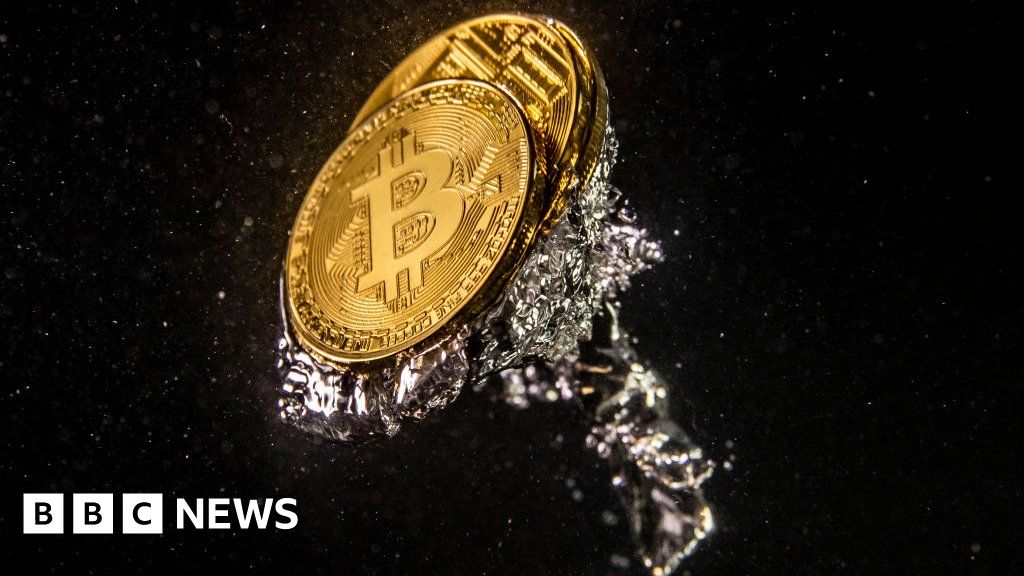
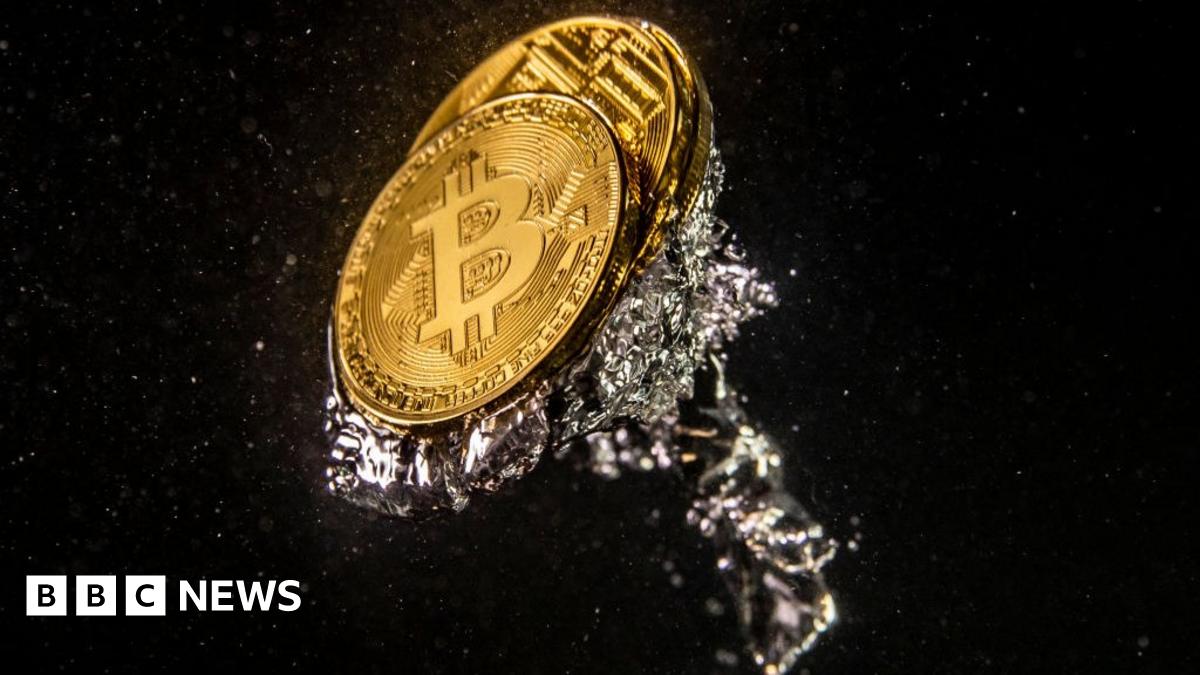
27 Nov 2023: It all started when the BBC published an article that confused transactions with payments and exaggerated Bitcoin’s water usage by 1,000x. This misleading report has caused ongoing issues. More details here: 5 Dec 2023: I filed a Freedom of Information (FOI) request asking for details on the editorial process and fact-checking for the article. 21 Dec 2023: The BBC denied my FOI request, citing the journalism exemption in the FOI Act. 10 Jan 2024: I appealed the BBC's decision. They refused an internal review for FOI requests related to "journalism," so I reached out again, asking for guidance to break the impasse. The BBC's response? Contact the Information Commissioner's Office (ICO). 19 Mar 2024: Submitted a complaint to the ICO, which handles data protection and FOI issues in the UK, requesting they overturn the BBC's denial of my FOI request because it was in the public interest. ICO Case Reference: IC-295774-D0L0. 19 Mar 2024: Emailed Joe Tidy, the BBC’s Crypto Correspondent, regarding inaccuracies in a Bitcoin article. Joe confirmed he passed my email to Chris Vallance. I offered to assist in fact-checking for accurate coverage. 21 Mar 2024: I reached again to Joe Tidy and now the BBC Press Office, offering them the chance to comment about the misrepresentation of Bitcoin. I specifically referenced the BBC article and asked for their response by 28 March 2024. 18 Jun 2024: The ICO completed their investigation into my FOI complaint regarding the BBC’s article on Bitcoin. They concluded that the BBC is exempt under the "journalism, art, and literature" derogation, meaning they aren't obliged to disclose the requested info.  19 Jun 2024: I emailed Chris Vallance, the author of the BBC article "Every Bitcoin payment 'uses a swimming pool of water,'" to address inaccuracies. After hitting barriers via other channels, I requested a discussion about the editorial process. He never responded. 25 Jun 2024: Received a response from Monica Soriano on behalf of Chris Vallance, redirecting me to BBC Editorial Complaints. This was the first time I’d been told of this option. My previous attempts via webforms yielded no case references and seemed to disappear into cyberspace. 26 Jul 2024: Submitted a complaint to BBC Editorial Complaints via the phone because teh webform was asking for my address. I was told I would receive a response within 10 working days Ref: CAS-7858989-Z7B7B5. 4 Jul 2024: The BBC Complaints team informed me via email that my complaint has been referred to the relevant people and they’re still looking into it. They’ve asked for more patience while they continue their review. 25 Jul 2024: The BBC Complaints team apologised for not meeting their response timeline. They suggested escalating the matter to Ofcom while they continue to look into the complaint. 21 Aug 2024: Escalated my complaint to Ofcom after continued delays from the BBC. Ofcom acknowledged receipt but noted they typically don’t provide individual outcomes. Another deadend.  13 Sep 2024: Received another update from the BBC Complaints team. Due to a high volume of cases, they’ve informed me it will take longer than the usual 20 working days to reply. More waiting, still no resolution in sight. 19 Sep 2024: Received a response from Linda Lewis, a senior journalist at the BBC. She apologised for the delayed reply and defended the article on Bitcoin's water usage, citing their editorial process and impartiality. Despite my concerns, they stand by their reporting. Still no resolution. 22 Sep 2024 - Responded to the BBC Complaints team, questioning why they ignored the evidence I submitted and chose to rely on a discredited source to verify already discredited information. Still seeking accountability. https://x.com/DecentraSuze/status/1837789045126037657 26 Sep 2024:
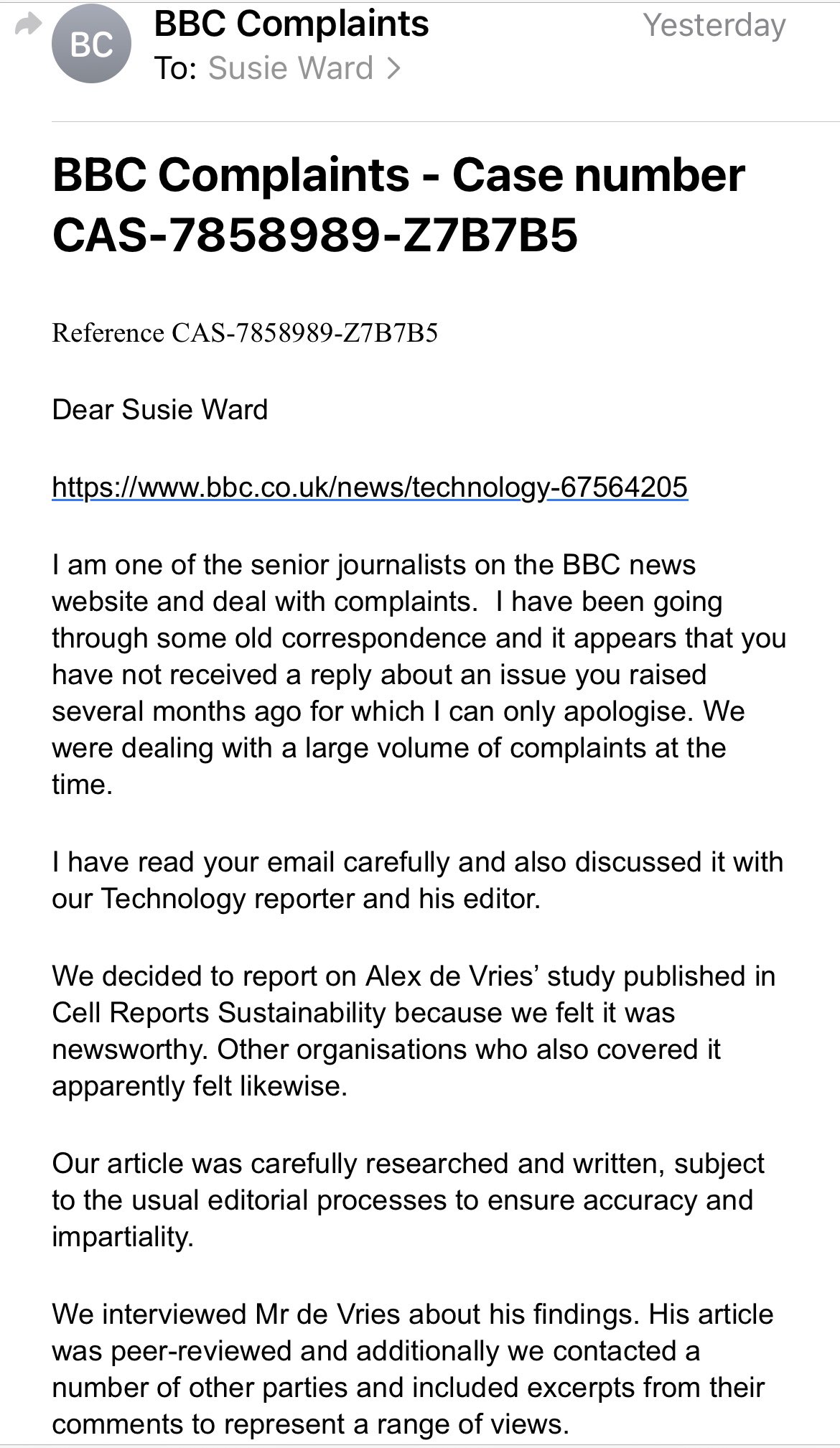
Partnered with the Digital Assets Research Institute to submit a formal rebuttal. The rebuttal addressed every point raised by the BBC and Alex de Vries, calling for a retraction or, at the very least, an acknowledgment of the misleading claims. 28 Sep 2024: On a Saturday evening, I received an email from BBC Complaints, asking me to submit further details by post. After 10 months of back-and-forth, they now claim they  can’t access external Google Drives. This is 2024, and they want me to send information through the post! Here’s the irony: After 10 months of delays over a tech issue (Bitcoin), the BBC—a major media outlet—has asked me to send details by post! While Bitcoin pushes tech frontiers, the BBC is stuck using snail mail because their web form can’t handle more than 2,000 characters. This journey to hold the BBC accountable has been long and exhausting, including countless phone calls not in the timeline, but it's a fight worth continuing. Transparency and accountability from a public broadcaster are vital. The battle isn’t over yet—who knows how long it’ll drag on. Watch this space. View quoted note →
Susie Violet's avatar
Susie 1 year ago
In ongoing efforts to promote accuracy in media reporting on Bitcoin, I've partnered with the Digital Assets Research Institute (DARI) to draft a detailed rebuttal to a misleading BBC article published on 30 November 2023. The BBC’s formal response to my complaint showed a disappointing disregard for the substantial evidence and expert analysis provided. To understand the context behind their dismissive reply, you can read the full text here: The article by Chris Vallance from November 2023 relied heavily on Alex de Vries-Gao commentary, which lacks a foundation in solid research. The lack of rigor in the BBC’s approach and their reliance on a single, debunked perspective—such as de Vries’s—compromises the integrity of their reporting and spreads misinformation. DARI’s experts crafted a rebuttal addressing each of the BBC's and de Vries’s points with precision. We're asking for a retraction of any claims based on de Vries’s debunked work, or at the very least, a public acknowledgment of our concerns. The claim that "every Bitcoin payment uses a swimming pool of water" is not just scientifically inaccurate, but also misleading. These types of claims lack methodological soundness. It has been incredibly challenging to raise this concern, as the BBC has continuously tied me up in bureaucracy. We’re urging the BBC to correct their narrative and provide a more balanced view of Bitcoin's environmental impact. Media accountability and accurate reporting should remain at the forefront of the Bitcoin conversation. https://www.forbes.com/sites/digital-assets/2024/09/09/new-research-shows-bitcoin-mining-cuts-carbon-emissions/
Susie Violet's avatar
Susie 1 year ago
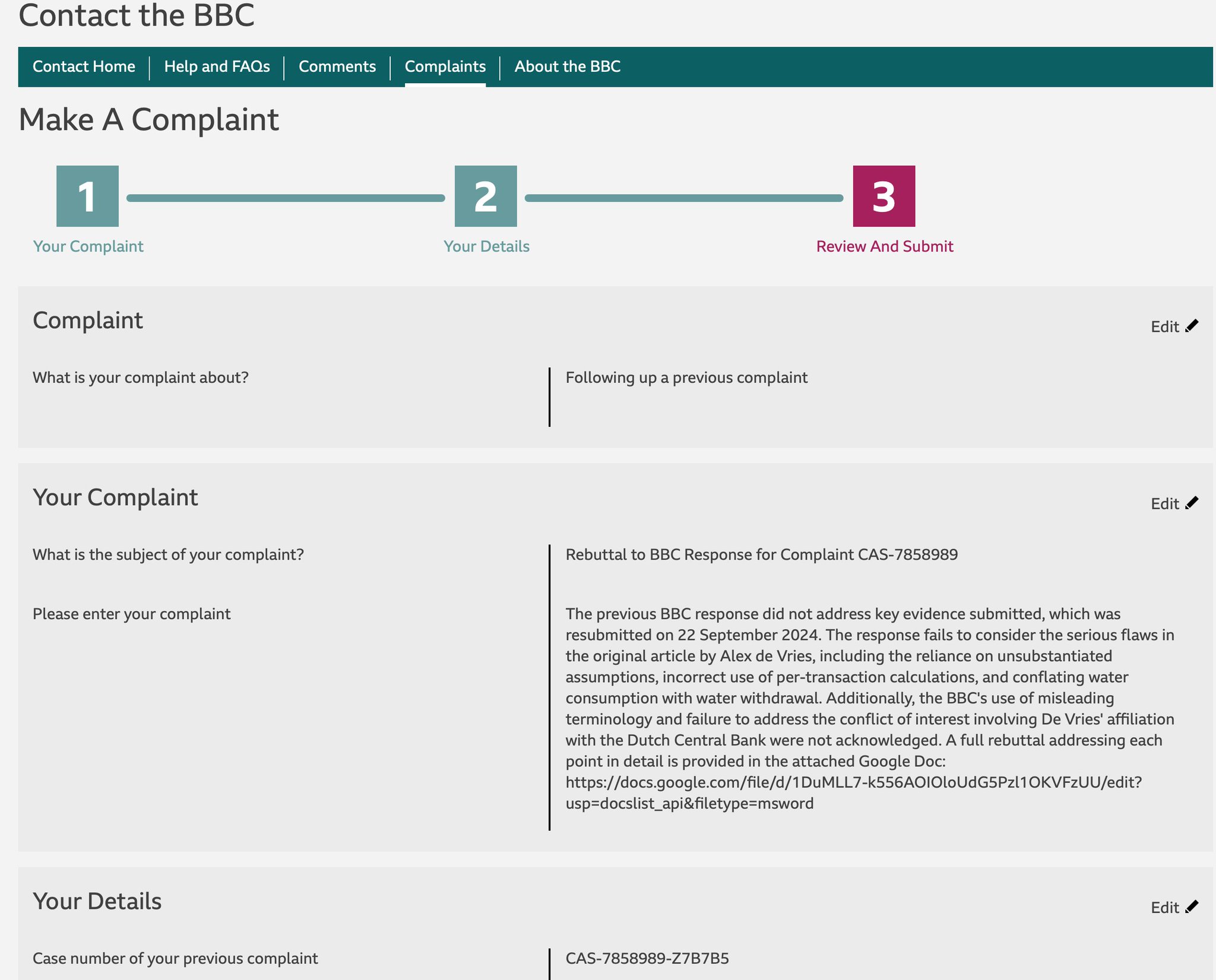
Following up with BBC. Evidence previously overlooked has been resubmitted, and further research will be provided in collaboration with the Digital Assets Research Institute to push for a necessary retraction. I have requested that the case remain open. View quoted note → image
Susie Violet's avatar
Susie 1 year ago
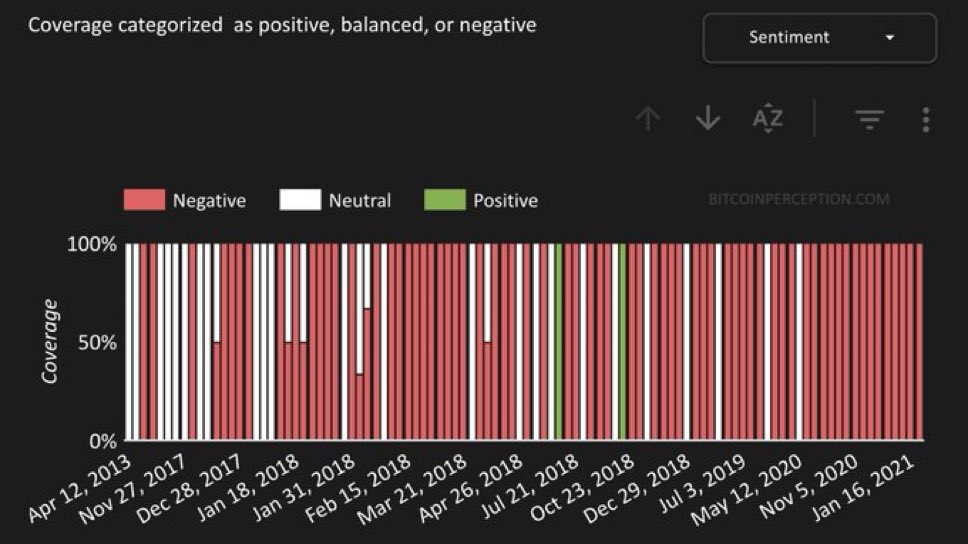
I've had a response from the BBC, and they're doubling down, further proving how difficult it is to hold the BBC accountable for their misinformation. Here’s a short summary on their response: Flawed Metrics: The BBC relies on Alex de Vries' debunked "per transaction" metric to assess Bitcoin's environmental impact, despite Cambridge University disproving this methodology as early as 2018. The BBC ignored credible research that highlights the fundamental flaws in de Vries' study, failing to fact-check before publishing. https://x.com/DecentraSuze/status/1834671256299257876  Misleading Headline: The BBC admitted to using "payment" and "transaction" interchangeably in their headline, allegedly to make it more accessible to readers. However, this distinction is critical—confusing the two leads to gross overestimation of Bitcoin's water use by a factor of 1000x or more. This misrepresentation is not a small error; it's misinformation. https://www.bbc.co.uk/news/technology-67564205  Undisclosed Conflict of Interest: De Vries works for the Dutch Central Bank, which has a vested interest in discrediting Bitcoin, yet the BBC did not disclose this conflict. Central banks stand to lose from decentralised finance systems, making de Vries’ affiliation highly relevant and worth disclosing. The BBC dismissed this concern outright. Impartiality in Question: Despite claiming impartiality, the BBC consistently fails to provide balanced reporting on Bitcoin. This article is just one of many examples, amplifying flawed studies while ignoring counter-evidence and perpetuating a one-sided narrative. Broken Complaint Process: Beyond the article’s provable flaws, which have been dismissed by the editorial complaints team, I can’t even respond to the email I received. The BBC’s process forces me to deliver responses over the phone, making it more difficult to address these serious issues. Accountability feels impossible. https://x.com/DecentraSuze/status/1834669804923322843  This isn’t just about bitcoin. It’s about journalistic standards and the integrity of the information that the public relies on. We need to demand better fact-checking, transparency, and accountability from organisations like the BBC. The links they have provided in support of their response are provided below: https://doi.org/10.1016/j.jclepro.2023.137268 https://www.sciencedirect.com/science/article/pii/S2949790623000046 https://www.esma.europa.eu/sites/default/files/2024-07/ESMA75-453128700-1229_Final_Report_MiCA_CP2.pdf https://www.bbc.co.uk/editorialguidelines/guidelines 
Susie Violet's avatar
Susie 1 year ago
If you haven't seen Dirty Coin The Movie, I recommend that you do. For those unfamiliar, it's a bitcoin mining documentary that investigates the often misunderstood industry. The film dissects environmental debates, energy consumption myths, and the behind-the-scenes realities of mining operations. It is beautifully crafted and appeals to a wide audience, not just for its cinematic beauty, but for the compelling story it tells and the thought-provoking issues it addresses. I've seen it twice and I'll see it for a third time in November. There are screenings worldwide; here is a schedule if you want to see if there is a screening near you. 🎬 Dirty Coin Upcoming Screenings: 📍 Washington D.C. 🗓 Sept 23, 2024 🎟 📍 NYC 🗓 Sept 25, 2024 🎟 📍 Baxter 🗓 Sept 28, 2024 🎟 📍 Montreal 🗓 Oct 02, 2024 🎟 📍 Amsterdam 🗓 Oct 08, 2024 🎟 📍 South Carolina 🗓 Oct 17, 2024 🎟 It's so worth a watch, and it won the Best Movie award at the Bitcoin Film Festival in Warsaw earlier this year. https://www.forbes.com/sites/digital-assets/2024/04/24/bitcoin-halving-party-unites-art-and-tech-at-warsaw-bitcoin-filmfest/ @Dirty Coin: The Bitcoin Mining Documentary This is not a paid promotion, I’m just a huge fan of the film! 😁⚡️💕
Susie Violet's avatar
Susie 1 year ago
I absolutely loved penning my column, “MyTwo Sats,” for CityAM. It was a dream come true to rant about the complexities of money, economics, and how bitcoin could fix it. It was aimed at London’s city workers—from bankers to brokers. I also had the privilege of collaborating with an incredibly talented (and anonymous) bitcoin artist who transformed my words into art. This article explores the critical link between energy and money—a foundational aspect of any economy. By reconnecting money to real-world assets like energy, bitcoin is proposing a theoretical fix and offering a practical pathway to sustainable, fair economic practices. But I know you guys already get it; hopefully, a few more people in the City of London will catch on now too. image
Susie Violet's avatar
Susie 1 year ago
I submitted a freedom of information request on 5 December 2023. After months of dead ends, the BBC finally referred me to Editorial Complaints on 25 June 2024. I reached out the next day, and was told it would take 10 working days. After following up last week, I was informed it could take an additional four weeks. This is the article: And this is how misinformation spreads. I just want a retraction.
Susie Violet's avatar
Susie 1 year ago
Just wanted to share an exciting update! For those who don’t know me, I’m the Co-founder, Director, and Head of Mining & Energy at Bitcoin Policy UK. The UK is embarrassingly behind the curve when it comes to bitcoin adoption and mining. To help change that, we’ve been quietly collecting S9s for a top-secret project. We’re reviewing sites across the UK to develop innovative business models using bitcoin mining. Our aim is to raise funds to create proof-of-concept projects that use stranded energy to power local agriculture and factories. If you’ve got a few sats to spare, we’d greatly appreciate the support by donating to our Geyser Fund. 🧡⚡️ @Geyser
Susie Violet's avatar
Susie 1 year ago
The Silent Attack on British Democracy? My Reflections from the Front Line of the CBDC Debate As the co-founder, director, and Head of Mining and Energy at Bitcoin Policy UK, I've monitored the development of Central Bank Digital Currencies through countless panels and forums over the last 18 months. Historically, my calls for a balanced debate on CBDCs were met with scepticism, often dismissed by both The Digital Pound Foundation and the Bank of England, which refused to engage. However, a shift occurred recently. In July, the Digital Pound Foundation invited my co-founder and Head of Policy, Freddie New ( @npub1wl39...znlx ), to speak at one of their panels. Freddie brought fresh insights to the panel, including Chaumian eCash, emphasising the need for a balanced debate. Our latest event, "CBDCs: The Silent Attack on British Democracy?" held at The Legatum Institute, brought these issues into sharper focus. David Rennie from the Digital Pound Foundation attended—an act of bravery given the room's unanimous scepticism towards CBDCs. Previously, we had been sidelined from such discussions by the Foundation. David, while a proponent of CBDCs, shares many of our privacy concerns, acknowledging the issues of media manipulation and the commoditisation of personal data. His openness to our perspectives on privacy was refreshing, though I find it slightly naïve. Individuals like David are well-intentioned, even if influenced by centralised control. David stressed that the UK's CBDC design is still under discussion. He values programmability and believes it is essential for addressing issues like money laundering. While we diverge on the necessity and potential overreach of CBDCs, finding common ground on many aspects, differing primarily in our faith in the governance systems, was reassuring. Last night's event reinforced that meaningful dialogue is possible. We must recognise the nuanced positions of individuals like David, navigating complex issues with genuine intent for public good. David supports a digital pound that is well-designed in terms of its technical, operational, and governance structures. Although I remain sceptical given the track record of other countries and the apparent lack of understanding from our institutions, it gave me hope to see his good intentions. We will continue to advocate for a financial framework that respects individual liberties and addresses the risks of centralisation. The journey is long, but the dialogue at events like these ensures that all voices, however critical, are part of shaping the future of our financial systems. CBDCs still concern me deeply, and I will do everything in my power to oppose them. It was reassuring to know there are well-intentioned people on the other side, however misguided. Through all these discussions and conferences, one thing remains crystal clear to me: Bitcoin is inevitable, and I have no doubt it. None of the proposed solutions even come close to matching its potential. ⚡️