Money enabled division of labor and trade. The example in economic books explaining "Coincidence of wants" with bartering e.g. shoes for a loaf of bread are silly and backwards. The profession of the shoemaker did not exist before the invention of money. There was no such bartering.
dgy
dgy@stacker.news
npub1zqm7...aryh
Programmer, Bitcoiner & Cypherpunk
Well, I guess there will be no zapping for the movie "God Bless Bitcoin" from my side. If you want to donate you would have to fill out a form at BitPay (they still exist?), really? That's seems from another era...
Why is Musk crying the loudest about the CrowdStrike incident? Maybe because that may cast a damming light on other very centralized system with single points of failure e.g. Tesla?
It is somehow ironic that a billion computers were knocked out by a software that should protect them from being knocked out by malicious software. In this case buggy code is equivalent to malicious code.
Listened to the last "Coin Stories Podcast" by @nat brunell with @Jeff Booth and I fully agree that Bitcoin is money. Defining it as "digital commodity" is just mental gymnastic in order to appeal to existing legal frameworks in certain countries. Jurisdictions in which Bitcoin is treated as money and in which there are no capital gain taxes on Bitcoin like El Salvador, Switzerland etc. will flourish.
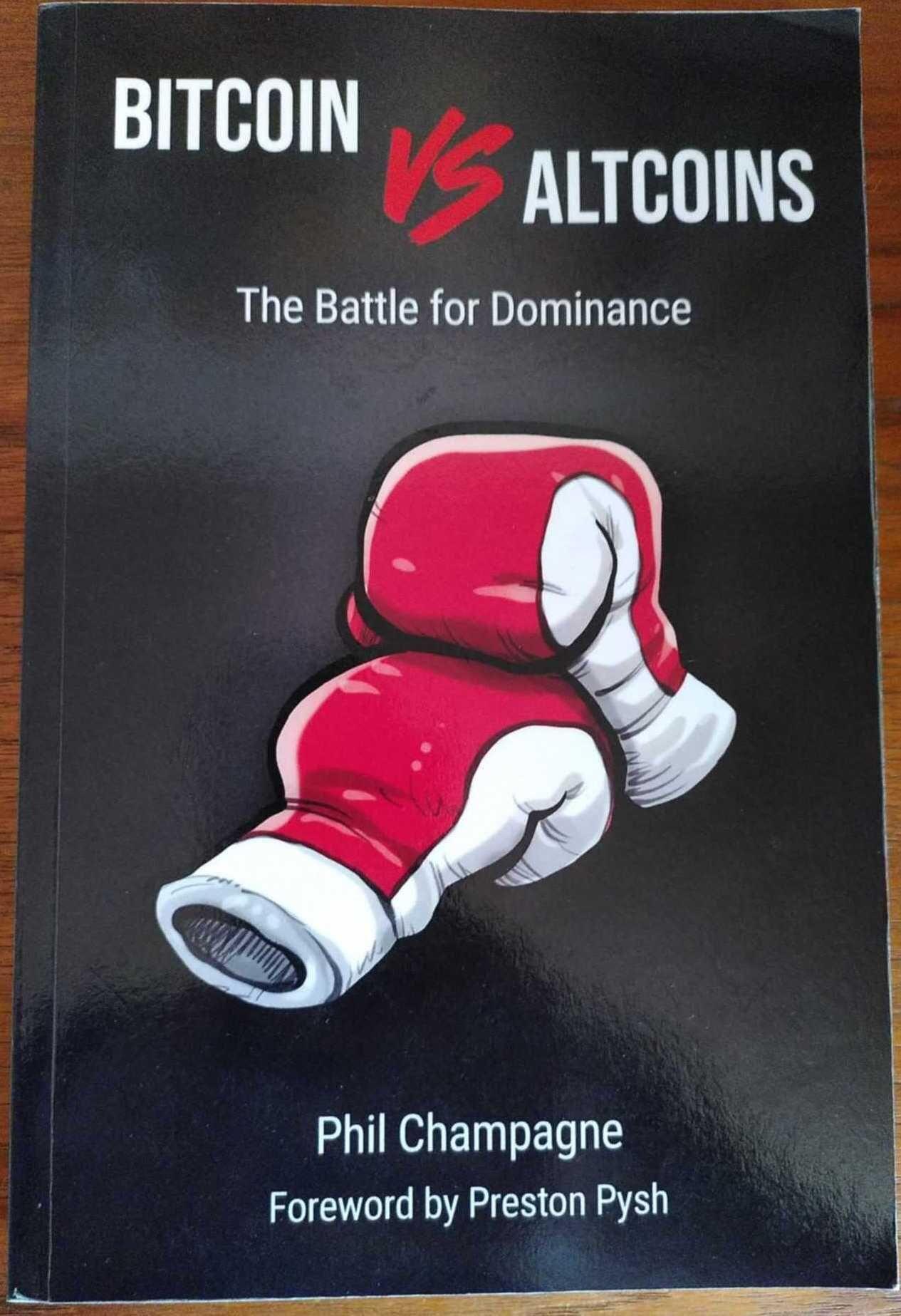
By reading "Bitcoin vs Altcoins" by Phil Champagne one may get the impression that this boxing match is not won by bitcoin in the first round by knockout ;-)


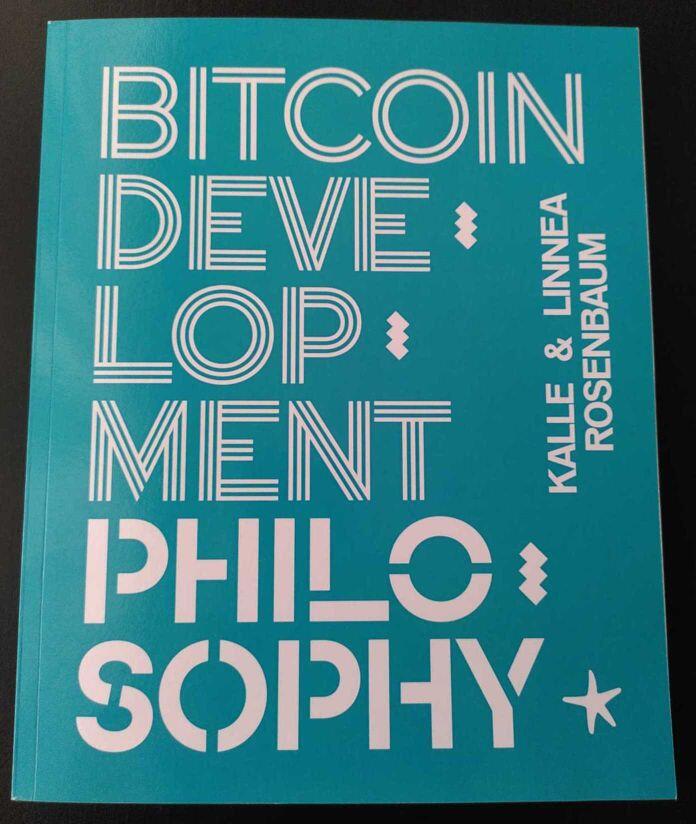
"Bitcoin Development Philosophy" by @kalle describes the core principles of software development in the bitcoin ecosystem such as decentralization, trustlessness etc. Principles that all developers in the space should be aware of. 

The fate of the company DigiCash should be a warning to all Bitcoin companies that overeagerly comply with regulations. Diluting any of Bitcoins inherent principles makes your company just another fiat company.
Is the fact that one can not delete a message in Nostr really hindering the adoption as some people are suggesting? Do traditional social media platform really delete your messages on request or do they only tell you that they did it and still use the information against you? The fact that you want to delete something is a perfect information about yourself and helps to create an even better personal profile. Your followers may not see it and therefore it just adds to the information asymmetry.
The important question has not been asked in "Privacy Is Power" by Carissa Véliz:
Why? Why did the tech companies started collecting so many user data as possible to monetize them?
Because there was no internet native cash money at that time. A money that one could also use for very small amounts and from everywhere in the world.
Now we have.
Bitcoin helps to fix the privacy problem as well.
My conclusion after reading "Tor: From the Dark Web to the Future of Privacy" by Ben Collier:
The interconnection between Bitcoin and Tor has not fully be identified in this book.
The main goals of the cypherpunks (public key encryption, anonymous communication, cyber cash) are all connected and have to work together to reach at an anonymous, censorship resistance value transfer protocol through cyberspace. However there is one non-technical element that has to be understood: Money has to be verifiable scarce and there can only be one in the end: Bitcoin.
Therefore Web3 and the broader term "cryptocurrency" are buzz words and distractions.
Tor on the other hand is integrated in many Bitcoin apps and some are exclusively running over Tor e.g. Bisq. It is happening.
I finally got my copy of the number one comic in the bitcoin space: #TheLittleHODLer by @Lina Seiche 

I recently upgraded electrs on my node by cross compiling from source. Thanks for the good documentation :-)
One thing I was missing when reading "100 Java Mistakes and How to Avoid Them" by Tagir Valeev is the mentioning of Lombok. With the latter one can avoid many mistakes as well and code generated with Lombok is always up-to-date. IDE generated code may become outdated and may be verbose in plain sight.
@Brian De Mint Where can we buy your new book with Bitcoin?
A bitcoin developer doesn't necessarily have to be a bitcoiner because being a committer to a widely used FOSS project always looks good as a line item on the CV.
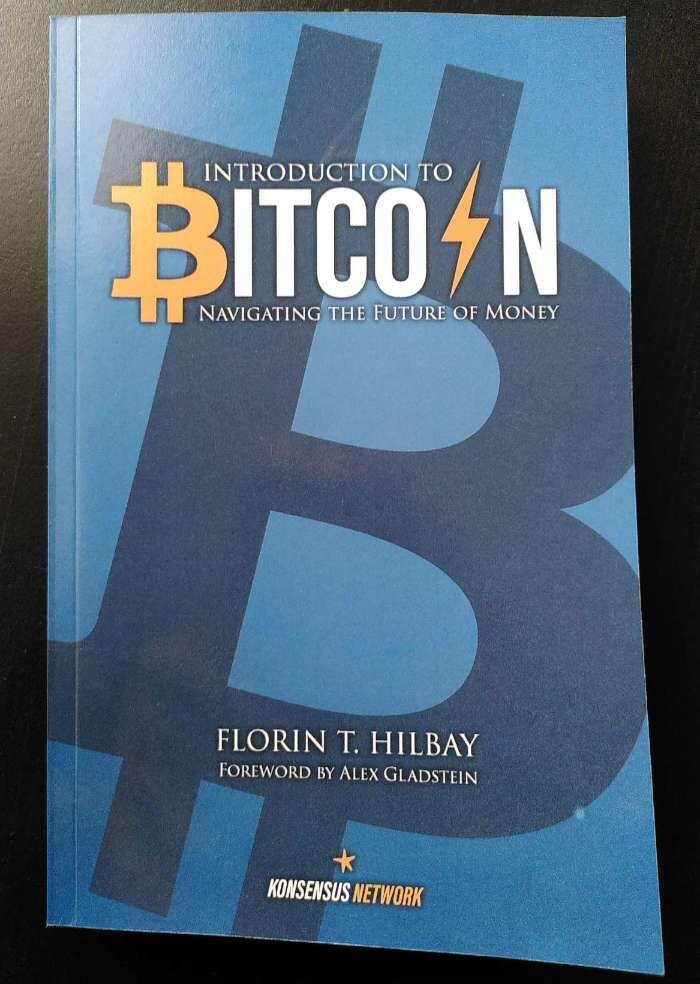
"Introduction to Bitcoin" by @Florin Hilbay is a up to date introduction to bitcoin also covering the lightning network and Nostr. It is also hinting at the implication that the fusion of the communication and the money protocol will bring to world.


As we now have "Konsenus Network", "The Saif House" etc. for some time it seems an anachronism in 2024 to sell bitcoin related books solely at places that do not accept bitcoin directly. It is somehow a contradiction as if the author does not believe himself what he is writing about.
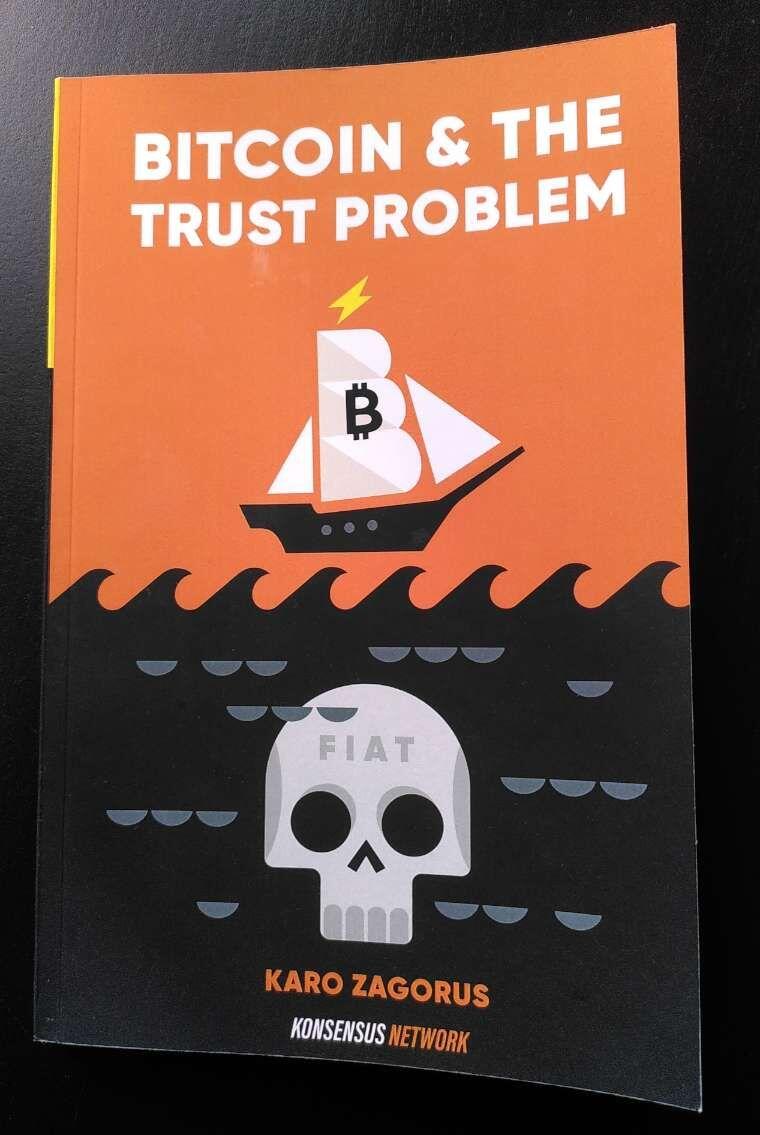
"Bitcoin and The Trust Problem" by @Karo Zagorus discusses Bitcoin from a social perspective. It explains the problem with the crumbling trust in the existing social systems and the emerging new social layers from Bitcoin like pseudonymity, maximalism etc.


The violet pilling (aka nostr onboarding) did not yet reached its peek. There are still people from the bitcoin community complaining on podcasts about bad customer support and hacked twitter accounts.