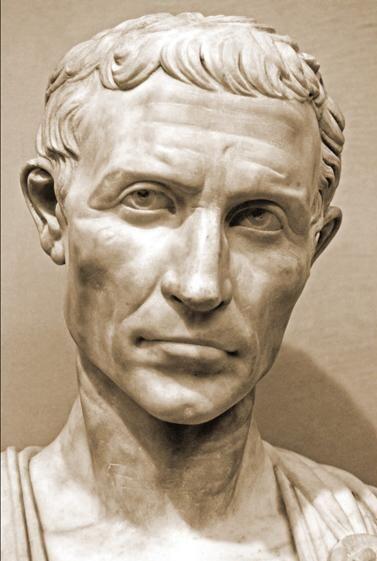
In 26 or 27 AD, Pontius Pilate became the fifth governor of the Roman province of Judaea, serving under Emperor Tiberius. His reign lasted until 36 or 37 AD.  It's likely that Pontius Pilate took over the privilege of collecting the temple tax, and that he shared some of it with the high priests. A good deal of money was stored at the temple, where it could be loaned by the wealthy to the poor who were in danger of losing their land to debt. The high priests establishment co-operated with the aristocracy in the exploitation of the poor.  I assume that Pontius Pilate probably was paid a tax of the income from the money lending business. 4/13 image
Replies (2)

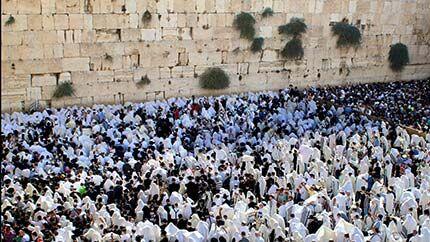
The Jewish people each year celebrates the Passover, also called Pesach, which lasts for seven days. It's a major Jewish holiday that celebrates the biblical story of the Israelites' escape from slavery in Egypt. Many Jewish traditionally travel to Jerusalem to celebrate the Passover, where they in the time of Jesus had to pay the tax - a half shekel per person - when they visited the temple. 5/13 image
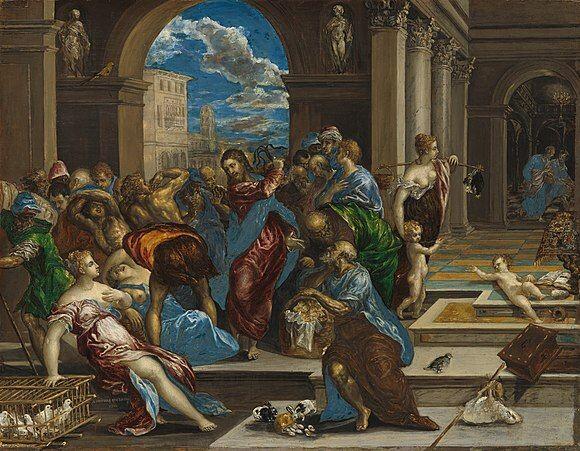
In the year 33 AD Jesus came to Jerusalem. The city was packed with pilgrims who had come for the celebration of the Passover. It has been estimated that they numbered 300,000 to 400,000. Jesus visited the temple. He saw a courtyard filled with livestock, merchants, and money changers, who exchanged the standard Greek and Roman money for Tyrian shekels. The money changers received a profit, of which a solid share likely were collected by the high priests on behalf of Pontius Pilate. I assume that, with the enormous masses of visitors, the profits from the money changing must have been massive. According to the gospel of Matthew: "Jesus went into the house of God, and cast out all them that sold and bought in the temple, and overthrew the tables of the money changers, and the seats of them that sold doves, And said unto them, My house shall be called the house of prayer; but ye have made it a den of thieves." Jesus's actions most likely prompted the authorities' decision to later have Jesus arrested. 6/13 image