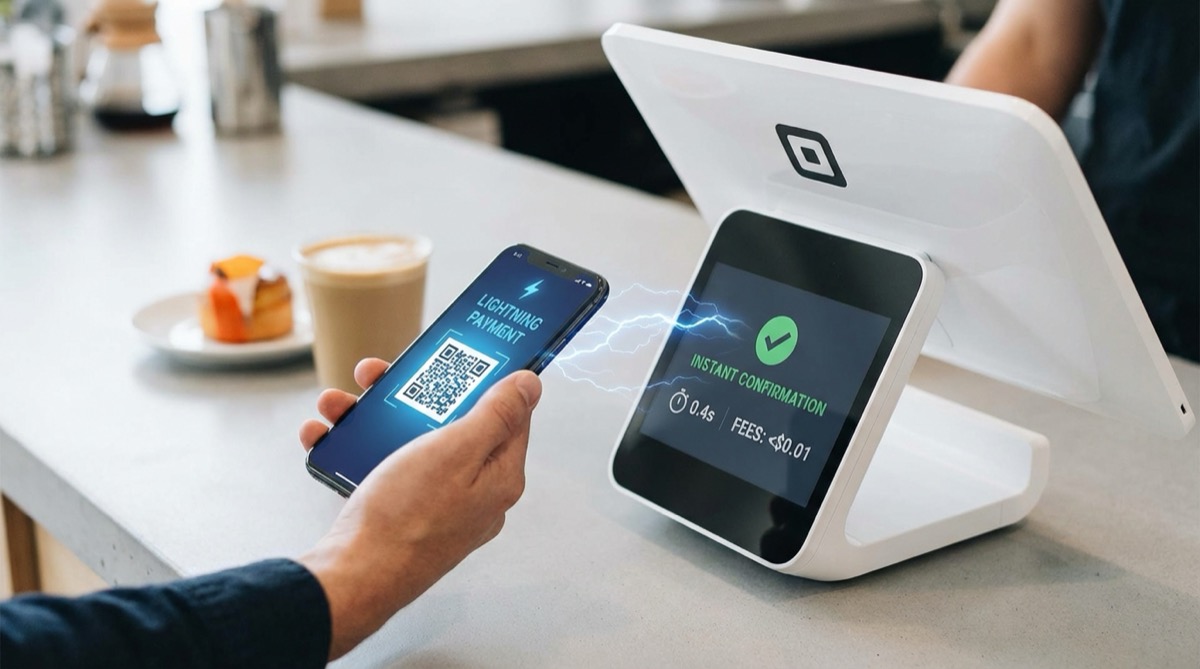
OK, can one of you bitcoiners help me out here? If someone has some sats in a lightning wallet and they want to use them to pay a company who only accepts on-chain transactions... Do they have to find someone to trade the lightning sats for on-chain sats as if it were an altcoin trade? Assume they don't run their own lightning node, they're using LNBits, hosted by someone else. Is there some service that can do this for people, ideally with minimal trust involved? I'm asking for a group who is new at this and jumped straight into lightning, but njalla doesn't accept lightning, only on-chain (with no plans to start accepting lightning). So some solution that involes 20 steps, installing a desktop app, and jumping through a bunch of hoops is a non-starter. Going to a clearnet website, zapping someone, and having the on-chain address get paid, that'd be doable. Better if the software just handled this for a nice UX, but that seems unlikely based on what I've read.

Replies (16)

Well it looks like my phoenix wallet recognizes unchained addresses, and looks like it will pay to them. (Can’t check my Zeus wallet atm) I was under the assumption that any ln can pay to a on chain address?
And in retrospect, it makes some sense. In order to get money from ln to on-chain, either a channel would have to get closed, or there would need to be an on-chain wallet sitting around with funds in it (as opposed to dumping all the funds into channels). It just seems like there should be a way to solve this problem that solves this, or at least hides the complexity.
Maybe? I don't know what splicing is, but if it cooperatively moves part of the channel funds to a new address and reduces the channel size accordingly, that'd make sense. It looks like, from a technical perspective, it is possible in a trustless way: It turns out boltz wasn't just an altcoin swapping thing, but it also allowed trading BTC in lightning for BTC on-chain. But as someone else in this thread mentioned, they're gone. There's reportedly software called Loop, which Loop Bitcoin service is a self-hosted thing that will solve this problem (I didn't look into the technical details, but presumably it works the same as bolz, with the hash lock).
I'll put it on my list of things to check out. The simplicity seems like it might be something they'd be comfortable with.
↑