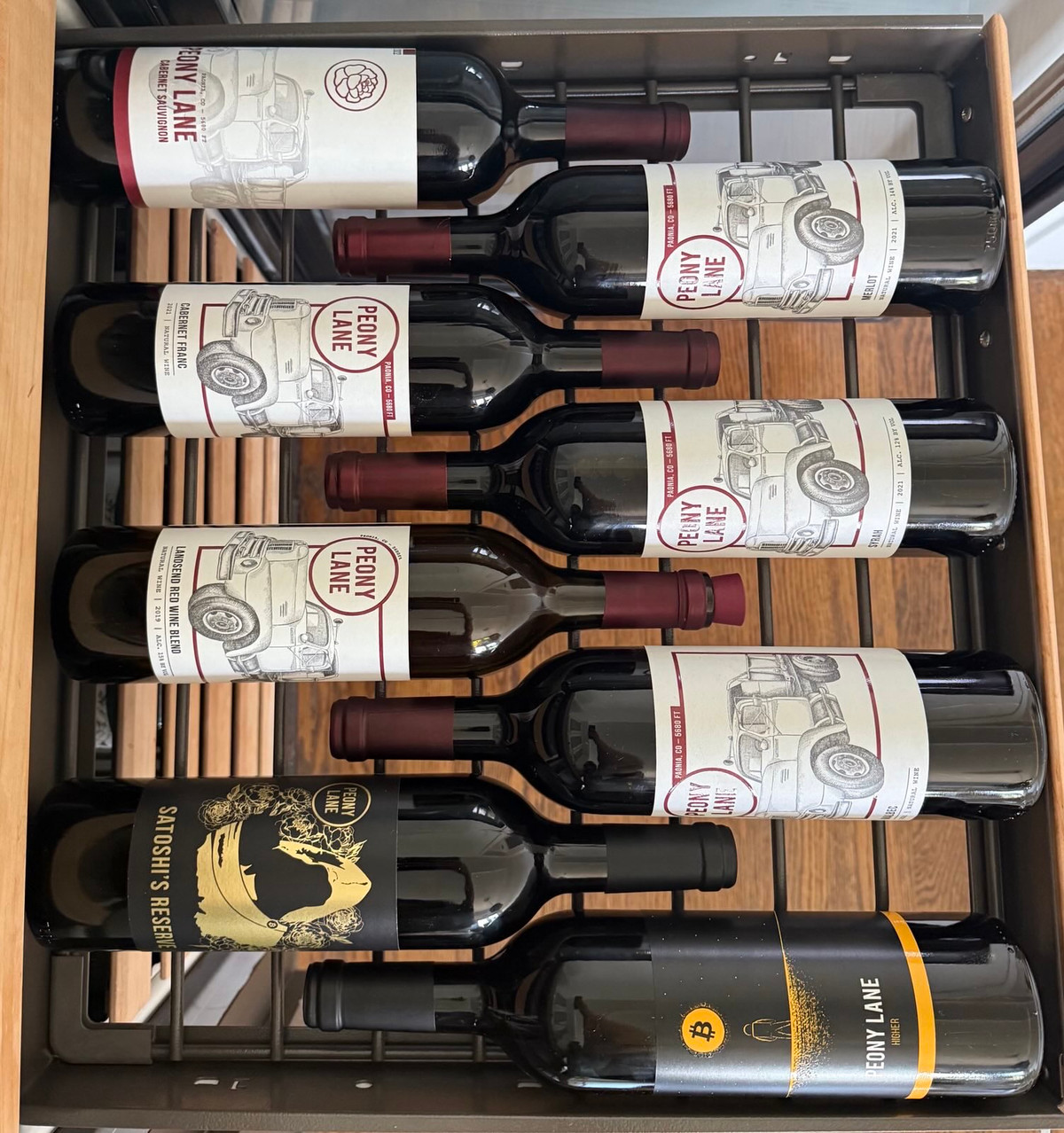
Oak aging brings more dramatic shifts, but most of a wine’s quiet evolution happens once it’s already in the bottle.
Wine is almost always evolving.
Corks aren’t sealed air-tight. Tiny amounts of oxygen slip through over the years, softening tannins and deepening aromas. This slow, steady exchange lets tannins bind together, softens edges, and builds the depth that only time can create. When it happens too fast, freshness fades and the wine flattens before it’s ready.
Different closures change the pace.
A traditional cork lets in a little air.
A synthetic cork often lets in more than you’d want.
A screw cap allows almost none.
If you’re holding wine for the long run, store it cool, dark place on its side.
If you don’t have a way to do that, just find a good reason to pop that cork.
Wine only gets better with age when it’s being treated right.