I haven't looked too deeply into it yet, so I may be talking complete bullshit here, but so far my impression is that Pubky is 3 things:
1. signed entries published on a DHT that associate a pubkey with an HTTP server
2. HTTP servers that can host any file
3. a superstructure for reading content from these HTTP servers and turning them into a global social network
It's a very elegant structure that sound very compelling to me, but ultimately I don't see how it improves much upon anything Nostr has, and it has significant downsides and unsolved (hidden) problems that Nostr either solves or is trying to solve right now.
2 is cool, but not a very hard problem to solve once you have a way to find these user servers (and, also importantly, someone to host these servers mostly for free). Blossom is doing a similar job with files as first-class citizens.
2 is also not very useful by itself. To make a social network you need a way to efficiently pull content from user servers and display them to users. There is where they came up with 3, which sounds very similar to Bluesky's central big server which they call "Relay". It's a centralized system that cannot possibly become decentralized. It looks like Pubky has accepted that as the only way to do things, and they seem to be planning on hosting one such big server.
1 is trying to be the most decentralized, censorship-resistant system ever for putting out information about public keys -- and we may discuss if it achieves that or not (I am personally very skeptical that DHTs can scale, even though nostr:npub1jvxvaufrwtwj79s90n79fuxmm9pntk94rd8zwderdvqv4dcclnvs9s7yqzis going to boldly claim that this is not a topic worth discussing because "Mainline has already proven itself with its bazillion nodes and centuries of existence" truth remains that Torrents do not work without trackers, and no one knows what will happen with the DHT if it has to store billions of records from people all over the world --
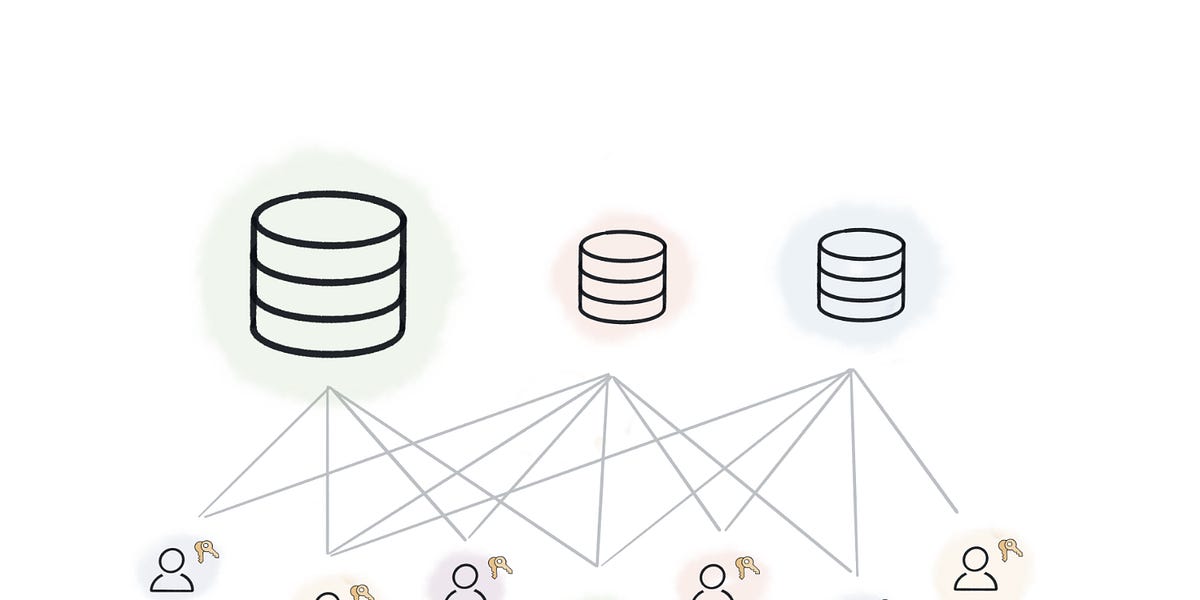
Nature's many attempts to evolve a Nostr
P2P and federated protocols converge toward becoming Nostr, but with extra steps
is one scenario), but all of this mega-decentralization is completely useless if you don't have a decentralized way to load content from people you follow and have to rely on a giant central server hosted by one big corporation.
Pubky's idea seems to be that centralization on content distribution is unavoidable, so they aren't even trying. The idea of Nostr is that such thing isn't unavoidable, so we are trying.