It's progressing beyond gaslighting (confusion attack) into coercion at this point — it's more than just gaslighting. They are starting to accuse people of "unnecessary concern" (charge or accusation attack) as a form of chastisement. They are brigading (chain — a cult group attacking an out-group) and teetering on coercion.
The threat level they present has moved into the stage of unquestionable control tactics, which means their real goal is to take our bitcoin away from us — by the main method that Bitcoin is vulnerable to: making self-custody and node running impractical for many users.
- Accusations indicate that we should be getting suspicious.
- Humiliation indicates that we should be starting to mount a counter-attack (BIP-110).
This is just a cursory analysis of the threat model. Here is a more in-depth version, based on my *The Manipulation Protocol* paper:
---
## The Bitcoin Core v30 OP_RETURN Attack: A Manipulation Protocol Analysis
The push to remove Bitcoin Core's 80-byte OP_RETURN limit and replace it with a 100,000-byte ceiling follows the two-phase manipulation structure with remarkable fidelity.
### Phase 1
Phase 1 tactics are clearly visible. **Charm** was a decade of accumulated trust in "Core developers" as neutral stewards of the protocol.
**Confuse** manifests as the central rhetorical strategy: five distinct technical-sounding arguments (bypassability, UTXO harm reduction, mining centralisation, relay policy voluntariness, and content neutrality) were deployed in rotation, each containing logical flaws but collectively creating enough fog that casual observers could not follow the thread. Chris Guida's demonstration that filters achieved a 99% reduction in spam transactions directly refutes the "limits don't work" claim, yet the argument persisted through sheer repetition — the "Repetition as Truth" pattern the article documents.
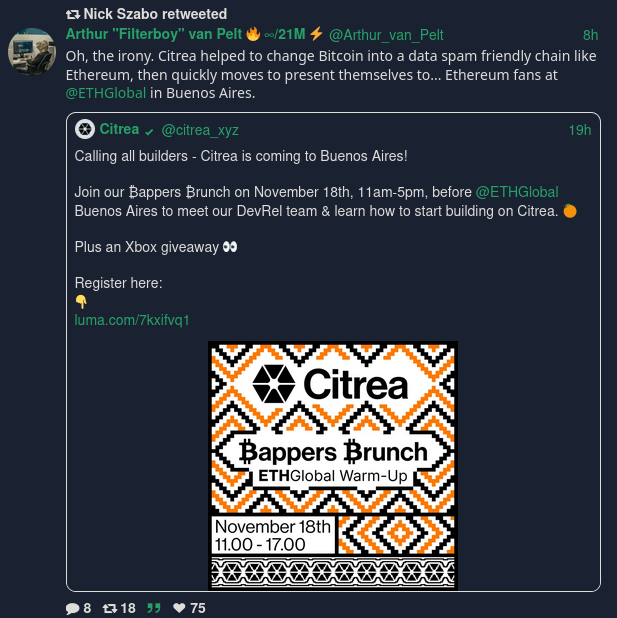
**Cornucopia** appears in the form of VC-funded Citrea's commercial interest being repackaged as a gift to Bitcoin's ecosystem ("rollup infrastructure," "scaling solutions").
**Conspire** is evident in the recruitment of prominent voices (Adam Back, Jameson Lopp) as proxies, with Lopp's undisclosed financial stake in Citrea representing a textbook case of proxy action laundered through perceived authority.
**Charge** appears as the labelling of dissenters as technically ignorant, with Knots users branded "Knotzis" — a term designed to shame opposition into silence rather than address its substance.
### Phase 2
Phase 2 control tactics followed. **Chain** manifested as the GitHub moderation apparatus: Luke Dashjr and Bitcoin Mechanic were muted during active discussion, isolating the most credible opposition from the forum where the decision was being made.
**Chasten** took the form of Luke's DNS seed removal in December 2025 — a public punishment intended to demonstrate consequences to anyone considering similar dissent.
**Coerce** operated through the governance double-standard: Ava Chow's stated rule ("if controversial, we don't touch it") was applied to block restoration proposals while the original controversial change was merged over 4:1 community opposition. The implicit message: resistance is futile, compliance is the only path forward.
### The Dependency Structure
The dependency structure holds. Without the preparatory fog of technical confusion and the social trust accumulated over years, the control tactics (muting critics, removing infrastructure, applying standards selectively) would have provoked immediate revolt.
Instead, the community was slow to recognise the pattern, and by the time Phase 2 was underway, the 850% surge in Bitcoin Knots adoption was the primary counter-signal — users voting with their nodes rather than engaging a forum rigged against them.
### Diagnostic Implication
The diagnostic implication from the framework is clear: the presence of Phase 2 tactics (censorship, punishment, selective rule enforcement) confirms that Phase 1 was already executed, whether observers noticed it or not.
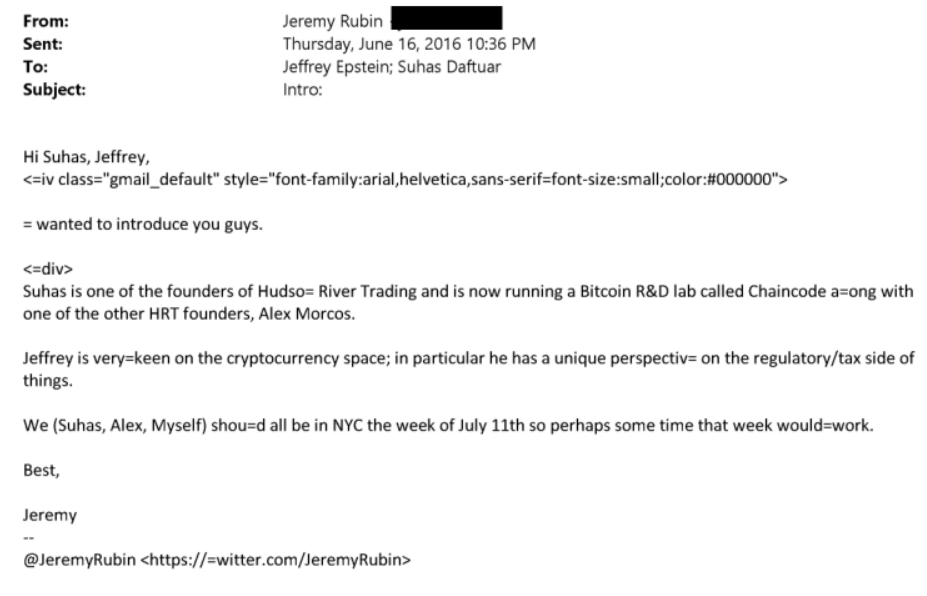
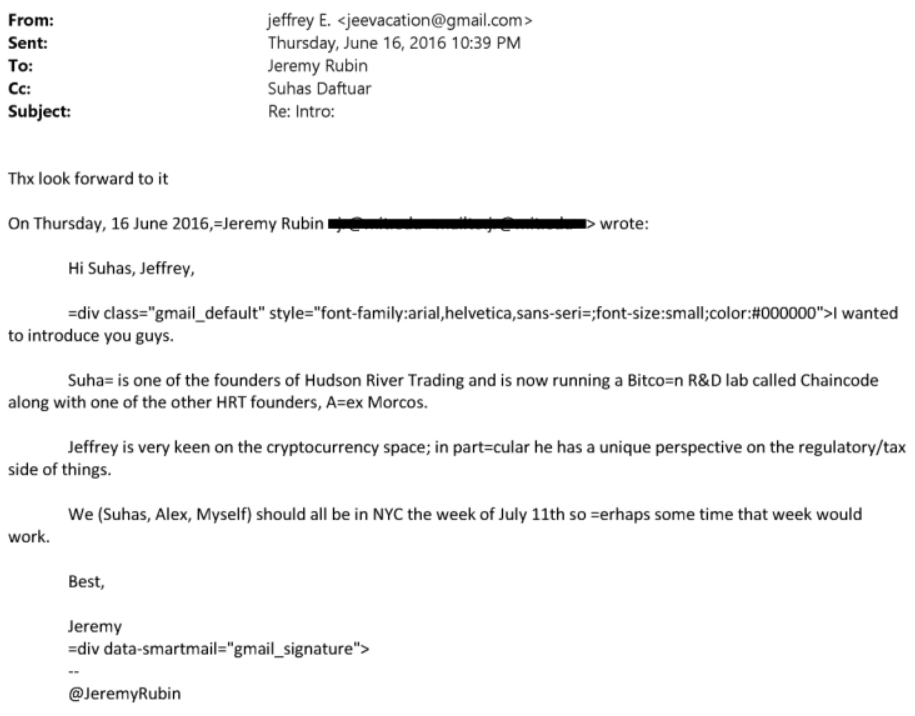
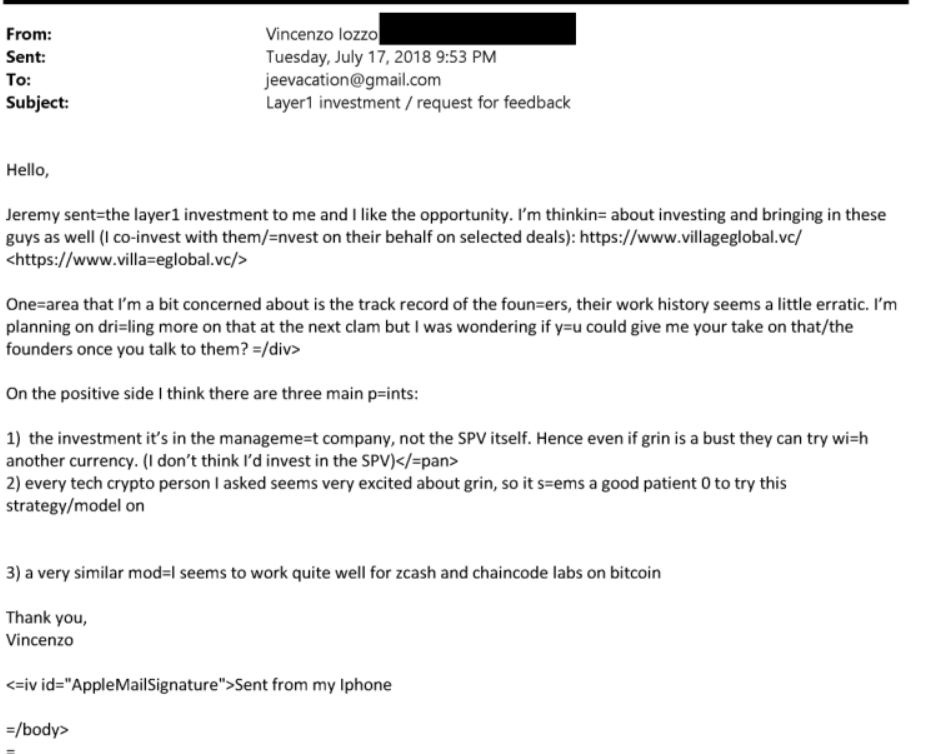
The financial conflicts (Lopp/Citrea, Poinsot/Chaincode, Todd's circular Libre Relay argument) are not incidental — they are the motive that the manipulation protocol was deployed to serve.