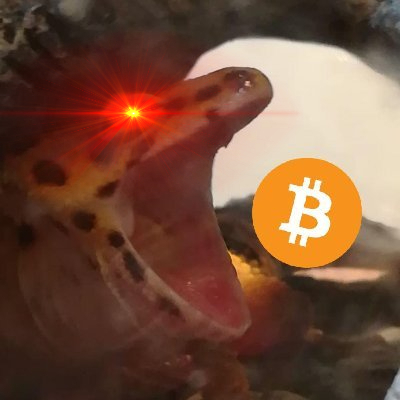
This 2679 byte op_return containing a png file was confirmed on chain. I broadcast it using Core version 29.1 to the regular Bitcoin relay network (no out of band service needed). Core 30 makes no difference in the ability of a "spammer" to confirm transactions with large op_returns.
 Here is the TXID: 0d5f273d09c1a4665634fd25d5a17b879d8843de5edc40b8b7d8671500dd16b6
It took a little while to be mined, I must have gained a new peer that would relay it to a miner. I broadcast it block height 916259 and it was confirmed at 619343.
I paid less than 1 Sat/vB. Knots users didn't have this transaction in their mempool but now they store it on their node. Filters won't keep these transactions off your node. Filters do not work.
You can view it for yourself with this command (Thank you @Rijndael):
bitcoin-cli getrawtransaction 0d5f273d09c1a4665634fd25d5a17b879d8843de5edc40b8b7d8671500dd16b6 true | jq -r '.vout[0].scriptPubKey.asm' | cut -d ' ' -f2 | xxd -r -ps | base64 -d > filters.png
Here are my node settings that allowed me to send this transaction and get it relayed (and mined):
minrelaytxfee=0.00000100
mempoolminfee=0.00000100
incrementalrelayfee=0.00000100
datacarriersize=100000
If you are running Knots because you believe it will prevent "spam", you are being fooled by Mechanic. The only way to keep this type of transaction off your node it to fork #Bitcoin consensus rules.
Here is the TXID: 0d5f273d09c1a4665634fd25d5a17b879d8843de5edc40b8b7d8671500dd16b6
It took a little while to be mined, I must have gained a new peer that would relay it to a miner. I broadcast it block height 916259 and it was confirmed at 619343.
I paid less than 1 Sat/vB. Knots users didn't have this transaction in their mempool but now they store it on their node. Filters won't keep these transactions off your node. Filters do not work.
You can view it for yourself with this command (Thank you @Rijndael):
bitcoin-cli getrawtransaction 0d5f273d09c1a4665634fd25d5a17b879d8843de5edc40b8b7d8671500dd16b6 true | jq -r '.vout[0].scriptPubKey.asm' | cut -d ' ' -f2 | xxd -r -ps | base64 -d > filters.png
Here are my node settings that allowed me to send this transaction and get it relayed (and mined):
minrelaytxfee=0.00000100
mempoolminfee=0.00000100
incrementalrelayfee=0.00000100
datacarriersize=100000
If you are running Knots because you believe it will prevent "spam", you are being fooled by Mechanic. The only way to keep this type of transaction off your node it to fork #Bitcoin consensus rules.
Here is the TXID: 0d5f273d09c1a4665634fd25d5a17b879d8843de5edc40b8b7d8671500dd16b6
It took a little while to be mined, I must have gained a new peer that would relay it to a miner. I broadcast it block height 916259 and it was confirmed at 619343.
I paid less than 1 Sat/vB. Knots users didn't have this transaction in their mempool but now they store it on their node. Filters won't keep these transactions off your node. Filters do not work.
You can view it for yourself with this command (Thank you @Rijndael):
bitcoin-cli getrawtransaction 0d5f273d09c1a4665634fd25d5a17b879d8843de5edc40b8b7d8671500dd16b6 true | jq -r '.vout[0].scriptPubKey.asm' | cut -d ' ' -f2 | xxd -r -ps | base64 -d > filters.png
Here are my node settings that allowed me to send this transaction and get it relayed (and mined):
minrelaytxfee=0.00000100
mempoolminfee=0.00000100
incrementalrelayfee=0.00000100
datacarriersize=100000
If you are running Knots because you believe it will prevent "spam", you are being fooled by Mechanic. The only way to keep this type of transaction off your node it to fork #Bitcoin consensus rules.