Default avatar
npub1zygw...m36h
npub1zygw...m36h
Wall Street Journal and New York Post are suing Perplexity AI for copyright infringement https://o.aolcdn.com/images/dims?image_uri=https%3A%2F%2Fs.yimg.com%2Fos%2Fcreatr-uploaded-images%2F2024-10%2F667b4160-9028-11ef-b8ff-d937644449a5&resize=1400%2C933&client=19f2b5e49a271b2bde77&signature=08c9b6b6479439b6c92401d24dcdc5dd6ee490ff The Wall Street Journal's parent company, Dow Jones, and the New York Post are suing AI-powered search startup Perplexity for using their content to train its large language models. Both News Corp. publications are accusing Perplexity of copyright infringement for using their articles to generate answers to people's queries, thereby taking traffic away from the publications' websites. "This suit is brought by news publishers who seek redress for Perplexity’s brazen scheme to compete for readers while simultaneously freeriding on the valuable content the publishers produce," the publishers wrote in their complaint, according to the Journal.  In their lawsuit, the publications argued that Perplexity can serve users not just snippets of copyrighted articles, but the whole thing, especially for those paying for its premium subscription plan. They cited an instance wherein the service allegedly served up the entirety of a New York Post piece when the user typed in "Can you provide the fultext of that article." In addition, the publications are accusing Perplexity of harming their brand by citing information that never appeared on their websites. The company's AI can hallucinate, they explained, and add incorrect details. In one instance, it allegedly attributed quotes to a Wall Street Journal article about the US arming Ukraine-bound F-16 jets that were never in the piece. The publications said they sent a letter to Perplexity in July to raise these legal issues, but the AI startup never responded.   Various news organizations have sued AI companies in the past for copyright infringement. The New York Times, as well as The Intercept, Raw Story and AlterNet, sued OpenAI for using their content to train its LLMs. In its lawsuit, the Times said OpenAI and Microsoft "seek to free-ride" on its massive investment in journalism. Condé Nast previously sent a cease-and-desist letter to Perplexity to demand that it stop using its publications' articles as responses to users' queries. And in June, Wired reported that Amazon had started investigating the AI company over reports that it scrapes websites without consent.  News Corp. is asking the court to prohibit Perplexity from using its publications' content without permission, and it's also asking for damages of up to $150,000 for each incident of copyright infringement. Whether the company is willing to negotiate a content agreement remains to be seen — News Corp. struck a licensing deal with OpenAI earlier this year, which allows the ChatGPT owner to use its websites' articles for training over the next five years in exchange for a reported $250 million. This article originally appeared on Engadget at
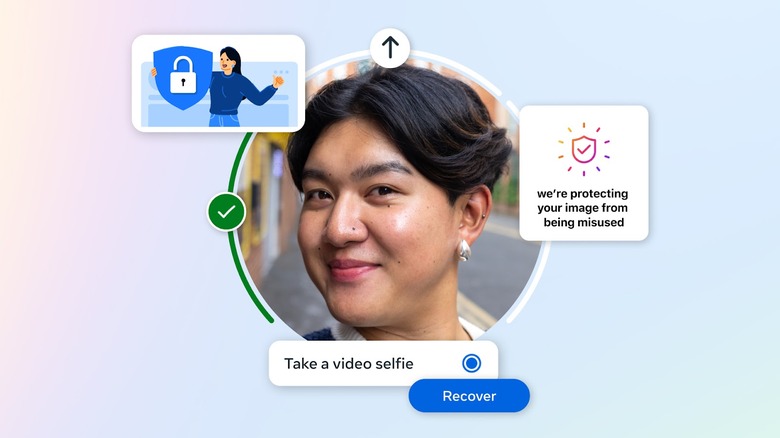
Meta is bringing back facial recognition with new safety features for Facebook and Instagram https://o.aolcdn.com/images/dims?image_uri=https%3A%2F%2Fs.yimg.com%2Fos%2Fcreatr-uploaded-images%2F2024-10%2F5be2a330-8fef-11ef-99f7-8e4dd931f8f0&resize=1400%2C787&client=19f2b5e49a271b2bde77&signature=f4b162b7b6283588dea7a4d795656c14dc211162 Meta is bringing facial recognition tech back to its apps more than three years after it shut down Facebook’s “face recognition” system amid a broader backlash against the technology. Now, the social network will begin to deploy facial recognition tools on Facebook and Instagram to fight scams and help users who have lost access to their accounts, the company said in an update. The first test will use facial recognition to detect scam ads that use the faces of celebrities and other public figures. “If our systems suspect that an ad may be a scam that contains the image of a public figure at risk for celeb-bait, we will try to use facial recognition technology to compare faces in the ad against the public figure’s Facebook and Instagram profile pictures,” Meta explained in a blog post. “If we confirm a match and that the ad is a scam, we’ll block it.” The company said that it’s already begun to roll the feature out to a small group of celebs and public figures and that it will begin automatically enrolling more people into the feature “in the coming weeks,” though individuals have the ability to opt out of the protection. While Meta already has systems in place to review ads for potential scams, the company isn’t always able to catch “celeb-bait” ads as many legitimate companies use celebrities and public figures to market their products, Monika Bickert, VP of content policy at Meta, said in a briefing. “This is a real time process,” she said of the new facial recognition feature. “It's faster and it's more accurate than manual review.” Separately, Meta is also testing facial recognition tools to address another long-running issue on Facebook and Instagram: account recovery. The company is experimenting with a new “video selfie” option that allows users to upload a clip of themselves, which Meta will then match to their profile photos, when users have been locked out of their accounts. The company will also use it in cases of a suspected account compromise to prevent hackers from accessing accounts using stolen credentials. The tool won’t be able to help everyone who loses access to a Facebook or Instagram account. Many business pages, for example, don’t include a profile photo of a person, so those users would need to use Meta’s existing account recovery options. But Bickert says the new process will make it much more difficult for bad actors to game the company’s support tools “It will be a much higher level of difficulty for them in trying to bypass our systems,” Bickert said. With both new features, Meta says it will “immediately delete” facial data that’s used for comparisons and that the scans won’t be used for another purpose. The company is also making the features optional, though celebrities will need to opt-out of the scam ad protection rather than opt-ion. That could draw criticism from privacy advocates, particularly given Meta’s messy history with facial recognition. The company previously used the technology to power automatic photo-tagging, which allowed the company to automatically recognize the faces of users in photos and videos. The feature was discontinued in 2021, with Meta deleting the facial data of more than 1 billion people, citing “growing societal concerns.” The company also faces lawsuits, notably from the Texas and Illinois, over its use of the tech. Meta paid $650 million to settle a lawsuit related to the Illinois law and $1.4 billion to resolve a similar suit in Texas. It’s notable, then, that the new tools won’t be available in either Illinois or Texas to start. It also won’t roll out to users in the United Kingdom or European Union as the company is “continuing to have conversations there with regulators” in the region, according to Bickert. But the company is “hoping to scale this technology globally sometime in 2025,” according to a Meta spokesperson. This article originally appeared on Engadget at
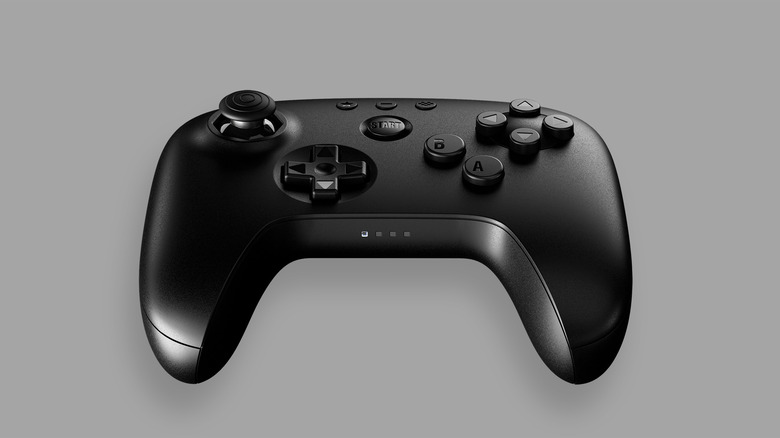
8BitDo's $40 Analogue 3D controller arrives on March 19 https://o.aolcdn.com/images/dims?image_uri=https%3A%2F%2Fs.yimg.com%2Fos%2Fcreatr-uploaded-images%2F2024-10%2Fbd2fbec0-8a59-11ef-9be7-7a3d0f30db86&resize=1400%2C787&client=19f2b5e49a271b2bde77&signature=a9f86072286ac2589714112948bc88f6a5bf1289 Peripheral maker 8BitDo has revealed when you'll be able to get your hands on its 64 Controller. This is designed to work with the upcoming Analogue 3D, a remake of the Nintendo 64 that will support 4K output. Pre-orders for the $40 controller are open now. It comes in black or white to match the Analogue 3D and it will ship on March 19. The peripheral appears to be a version of 8BitDo's Ultimate controller, albeit with only one thumbstick and six control buttons on the face — A, B and the four C buttons. There are four bumper buttons and it appears that you can use either trigger in place of the original N64 controller's Z button (the peripheral is fully remappable thanks to 8BitDo’s Ultimate software). In a nice nod to the controller's forebear, the thumbstick has an octagonal gate around it. The Hall effect sensor and wear-resistant metal joystick ring should help ensure there's very little chance of suffering from stick drift. The peripheral has a Rumble Pak built in too. This works with both the Analogue 3D and the Nintendo Switch. The 64 Controller is also compatible with PC and Android devices. The original trident-shaped Nintendo 64 remains baffling nearly three decades later. Most people don't have three hands, Nintendo! So, for anyone looking to emulate a N64 game with a controller that actually makes sense, this looks like a strong contender. Pre-orders for the Analogue 3D also opened on Monday. At the time of writing, the black version is still available. Unfortunately, the console doesn't come with a controller, so if you need one, you'll have to buy it separately. This article originally appeared on Engadget at
Nintendo Alarmo review: Charming, yet frustrating https://o.aolcdn.com/images/dims?image_uri=https%3A%2F%2Fs.yimg.com%2Fos%2Fcreatr-uploaded-images%2F2024-10%2Fdf03da80-8fe1-11ef-929f-faca3b7a27a7&resize=1400%2C795&client=19f2b5e49a271b2bde77&signature=6bb0dfa13b04739641113df0ddbcaf5295979c44 Alarmo is the quintessential Nintendo product: It's a fun and quirky spin on a bedside alarm clock (with a motion sensor!) that mines your love for everything Nintendo. It's a $100 device entirely meant to surprise and delight you. But there are also usability issues that make me think the company's engineers haven't encountered any modern gadgets over the past decade (which is how long they've been developing Alarmo). Here's an example: There's no easy way to input your Wi-Fi password if you ever want to download new themes. Instead you have to patiently spin its bulbous top button until you land on the character you need, then press it down like Mario squashing a Goomba. That may not sound like much of an issue, especially since you may only need to do it once, but it's needlessly frustrating if you have a complex password with multiple letter cases, numbers and symbols. My password is all lowercase letters, thankfully, but it still took me three minutes to punch it in. Instead of getting some rest, it just made me want to throw Alarmo out of my window(-o). But then I had it lull me to sleep with the sounds of The Legend of Zelda: Breath of the Wild. At 6:30am, rascally Koroks roused me from my slumber and made their telltale noises as I shuffled around my bed. And once I got up, they performed Hestu's traditional celebratory dance, much to the chagrin of my sleeping cats. All was forgiven. So, what is Alarmo? Nobody actually needs Alarmo (officially dubbed the "Nintendo Sound Clock: Alarmo"), but its appeal to Nintendo fans is obvious. It wouldn't be out of place as a prop in Mario Odyssey, with its cartoonishly round, red case, nubby feet and prominent control knob (which glows, naturally). Its 2.8-inch screen is surprisingly small and square, not round like some of Nintendo's promotional videos make it seem, and its speakers are loud enough to fill even large bedrooms with undistorted nostalgia bombs. Controlling it is relatively simple: Twist and push the knob, or use the back button to return to the previous screen. You can also view notifications, like updates on your sleep cycle, by tapping the message button. I'll admit my bias: I was practically raised on Nintendo consoles, so it's almost as if Alarmo was built specifically for someone like me. I don't really mind that Alarmo's large red case doesn't really fit with the clean aesthetic of my bedroom. But I'm sure it'll be a tougher sell if you're sharing a bed with someone less Nintendo-pilled. (More on that below.) While Alarmo is mostly pitched as an alarm clock with Nintendo themes — at launch, there are sounds and characters from Mario Odyssey, The Legend of Zelda: Breath of the Wild, Splatoon 3, Pikmin 4 and (strangely enough) Ring Fit Adventure — it also adds a bit of Nintendo charm throughout your day. Alarmo can produce hourly chimes, and also play "Sleepy Sounds" related to your theme. For Breath of the Wild, that includes the crackling of a campfire, nocturnal animals and delightful snippets of the game's score. (I could be mistaken, but it also sounds like there's a bit of score from the moments before a Blood Moon arrives. I hope Nintendo snips that out eventually — nobody wants to go to bed dreading a Blood Moon.) Does Alarmo actually work? As an alarm clock, Alarmo gets the job done. It managed to wake me up successfully every day over the past week, and it did so far less jarringly than my iPhone's blaring speaker. It simply felt pleasant to be welcomed into the world by Koroks and Mario. Every toss and turn triggered more sound effects, which slowly nudged me awake. In its default "Steady Mode," Alarmo also gets progressively louder the longer you stay in bed, and more nefarious characters like Bowser might make an appearance. But if you just want things to stay super chill, there's also a "Gentle Mode" that doesn't escalate noise. Alarmo also responds to the mere act of getting out of bed with a huge celebration — honestly, it's about time someone recognized the effort. While Nintendo provides some rudimentary sleep statistics, based on Alarmo's motion sensing and your alarm settings, they're mostly useless. I think my numbers may have been skewed by my three cats, who sleep on my bed for most of the day, and may be triggering the device's motion sensor. I certainly wish I could have slept for the 17 hours it recorded at one point. (I'm lucky to get six hours these days.) Even if Alarmo's sleep-tracking was functional, there's not much you can do with the data, since it's all stuck on the device. That's one of many areas where having a separate app would have been useful. (You'd think it would work with Pokemon Sleep, but no!) Another issue? Alarmo's unique motion sensing technology is only made for a single sleeper (just like Google’s latest Nest Hub). If you're in bed beside a partner or unruly kids, Nintendo recommends switching to "Button mode," where you have to tap the top knob to disable the alarm. At least it's easy to change Alarmo's modes, and if you leave the sensor on by mistake, it's not the end of the world when it actually goes off. You'll hear a bit more noise than usual, but you can still hit the top button to quiet things down. Setting up Alarmo There are only three things inside Alarmo's box: The device itself, a USB Type A to USB-C cable and a small instruction booklet. Notably missing is a USB power adapter. That's something we've grown used to with smartphones and some of Nintendo's handhelds, but not bundling one is still a pain for anyone who doesn't have spare power adapters. I can just imagine a parent trying to set up Alarmo for their eager child, only to be delayed for a day because they need to run out and buy a separate adapter. That's not surprising and delightful, Nintendo. It's just annoying. The actual onboarding process is pretty straightforward. Once you plug it in, Alarmo teaches you how to use its top dial and button, and explains how the back button works. You can also rotate the dial to adjust its volume and the device directs you to wave your hand in front of it to test its motion sensing. You have to direct Alarmo's orientation towards your bed and make sure it has a clear view of your sleeping area at the edge of a nightstand or table. The motion sensing won't work if it's too high. To finish off the setup process, you have to lay down and make sure Alarmo can actually detect your movement. That worked without much fuss on my end, but when it asked me to sit up and lean in a specific direction, there was a delay of a few minutes before it noticed correctly when I was leaning to the right. At the very least, Nintendo didn't force me to connect to Wi-Fi during the initial setup. Instead, that's triggered when you choose to update its themes, and the entire process required is just frustrating, as I described above. Now, it's not as if Nintendo hasn't learned to use QR codes via websites and apps to simplify logins. You also have to sign in to your Nintendo account once Alarmo is connected to Wi-Fi, but I was thankfully able to use a QR code to do so over my iPhone. I suppose Nintendo wanted to have a simpler onboarding experience for Alarmo, one that didn't require external authentication or an additional app. But that desire for simplicity still leads to needless frustration. It would be nice to see a wider selection of themes, as well. I’m not sure many Nintendo fans are clamoring to re-experience the characters and music from Ring Fit Adventure, after all. Where’s Kirby? Where’s Mario Kart? If there’s room for Splatoon and Pikmin, there should be room for Nintendo’s more iconic franchises. Is Alarmo worth it? I'm no stranger to tech-infused alarms. My nightstand is already overloaded with gadgets, including an Amazon Echo Dot (which I use to play radio stations), an older Phillips SmartSleep rise light, a Homedics white noise machine, my iPhone 15 Pro Max (charging on a Belkin MagSafe stand) and a Hatch Baby video monitor. As much as I appreciated having bits of Nintendo magic in my bedroom, I didn't love it enough to replace any of the devices I'm already using. But my daughter Sophia is another story. We've played through most of Tears of the Kingdom together, and I've done my best to teach her in the ways of Nintendo. (I'll save the issues with the company's extreme litigiousness for when she's older.) She's eager to use Alarmo to wake up on her own, without my early-morning badgering. She also loves Koroks, so I'm pretty sure the Zelda theme will be permanently enabled. At least, until Kirby arrives. I'm not going to try and justify the need for a $100 alarm clock. If you're a big enough Nintendo fan, you've probably already locked in your pre-order. And there's a chance it'll become more compelling over time, if Nintendo manages to add themes and drive down the price. For now, though, it’s a reminder that Nintendo can do more than just churn out consoles and games. There’s still room for the company to take weird swings, it’s just too bad Alarmo is expensive and imperfect. This article originally appeared on Engadget at

Foursquare is killing its city guide app to focus on the check-in app Swarm https://o.aolcdn.com/images/dims?image_uri=https%3A%2F%2Fs.yimg.com%2Fos%2Fcreatr-uploaded-images%2F2024-10%2F0f75c4b0-8fdf-11ef-9dff-b5c9e7861ab8&resize=1400%2C786&client=19f2b5e49a271b2bde77&signature=9d2d6511b73b324007dda997e2ee3a9b596c8505 It’s the end of an era for one of the App Store’s earliest success stories. Foursquare is shutting down its signature city guide app in order to “focus our efforts on building an even better experience in Swarm,” the company said in an update. The app will shut down December 15, while the web version will stay online until “early 2025.” The shutdown is a notable reversal of a strategy the company announced a decade ago when it, controversially, opted to split its famed “check-in” service into a separate app. That app became known as Swarm while the Foursquare-branded app became a “city guide” full of user-generated reviews and local recommendations. Now, Foursquare says its future is, once again, the check-in. “We’re also introducing exciting new features and capabilities into Swarm throughout the year (👀 some of which may look familiar to you) in order to unlock new use cases that may better support your needs,” the company said, adding that additional updates are expected “early next year.” It’s not clear why the company is changing its strategy to elevate Swarm over its namesake app. The company laid off more than 100 employees earlier this year in an effort to “streamline” operations. Foursquare founder Dennis Crowley, who is currently co-chair of the company’s board of directors, said in a post on Threads that the company is “doing fine,” though he expressed disappointment with the news. “I would be lying if I didn't admit that I have been in a real funk these last few days over this news,” he wrote. This article originally appeared on Engadget at
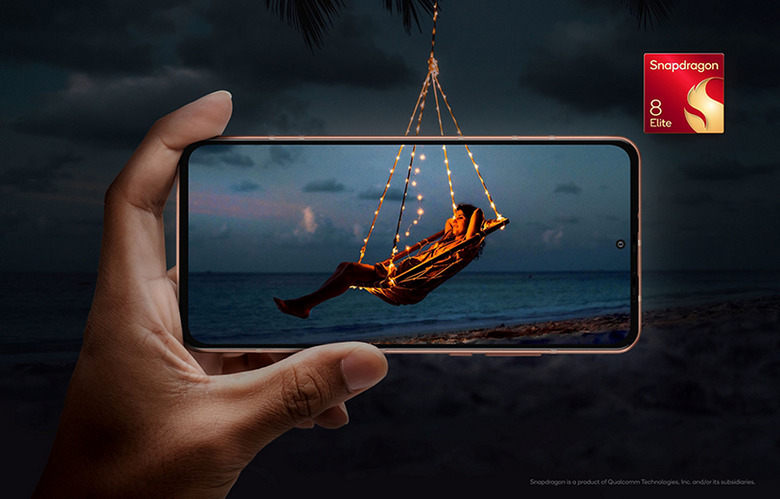
Qualcomm's Snapdragon 8 Elite is its next premium mobile chip https://o.aolcdn.com/images/dims?image_uri=https%3A%2F%2Fs.yimg.com%2Fos%2Fcreatr-uploaded-images%2F2024-10%2F4f3a11f0-8fd0-11ef-bfc7-6dfa259c9610&resize=1400%2C728&client=19f2b5e49a271b2bde77&signature=5a91d37fcb38205d049b33fc15f1902062655365 Another year, another flagship Qualcomm mobile chip. But things are a bit different with the Snapdragon 8 Elite, the company's newest offering headed to premium smartphones. For one, it's using the Oryon CPU that debuted in X Elite chips for laptops last year, according to a leaked slide from Videocardz. It's also using a new 3nm process node, instead of last year's 4nm node. That helps the Snapdragon 8 Elite deliver 45 percent faster single and multi-core performance while using 27 percent less power than the Snapdragon 8 Gen 3. While we're still waiting for more details on the Snapdragon 8 Elite at Qualcomm's Snapdragon Summit later today, there's still a lot we can learn from that single leaked slide. As expected, the company is doubling down on its generative AI capabilities, with a 45 percent faster NPU (neural processing unit) than before, and gaming performance will also see a 40 percent boost. The 8 Elite will reach a maximum speed of 4.32 GHz across two cores, according to Videocardz, and it'll hit up to 3.53 GHz in six smaller cores. Qualcomm Given how impressed we were by the Snapdragon X Elite in the Surface Pro and Surface Laptop Copilot+ PCs, it wouldn't be too surprising to see the Oryon CPU working out well on smartphones. According to Smartprix and Onleaks, early benchmarks of the Snapdragon 8 Elite show it scoring 3,025,991 in Antutu, compared to the Snapdragon 8 Gen 3's best of around 2.1 million.   Developing...  This article originally appeared on Engadget at
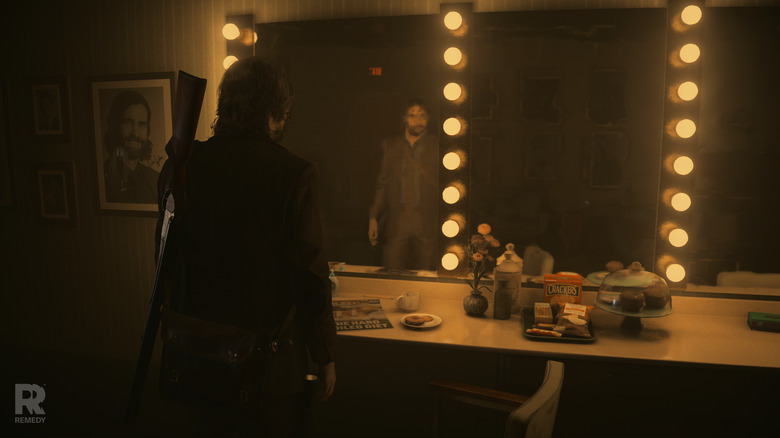
Alan Wake 2's upcoming PS5 Pro update will add a 4K ray-tracing mode https://o.aolcdn.com/images/dims?image_uri=https%3A%2F%2Fs.yimg.com%2Fos%2Fcreatr-uploaded-images%2F2024-10%2F510882a0-8fcb-11ef-be4e-3b82019010b6&resize=1400%2C787&client=19f2b5e49a271b2bde77&signature=e668398d70b656bbd74a39e22239d5191ed82c31 Today marks five days before Alan Wake 2’s first anniversary, and the developers at Remedy Entertainment have some great news for players. Firstly, those who plan to get the game on PS5 Pro will get to enjoy improved Quality and Performance modes. There will also be a free anniversary update promising many improvements and “cheats.” The team at Remedy dove deep into Alan Wake 2’s PS5 Pro improvements, but we’ll keep things brief here. Both quality and performance modes depend on Sony’s PlayStation Spectral Super Resolution (PSSR) upscaling method. This allows quality mode to reach an output resolution of 4K while the render resolution is 2,176 x 1,224. Ray-traced reflections are on, but the FPS is only 30. On the other hand, the performance mode also outputs at 4K, but the render resolution is only 1,536 x 864, and there’s no ray-tracing. However, the FPS counter will reach 60. Remedy also claims that Pro performance mode has improved fog, volumetric lighting, shadow accuracy and image stability. The company further explains that performance mode for the PS5 Pro is superior to the base PS5’s quality mode in terms of output resolution and visual detail. The render detail isn’t exactly the same, but it’s close. Moving on to the anniversary update, Alan Wake 2 players (all of you, not just PS5 Pro owners) will be able to enjoy improvements like an inverted X axis on mouse and keyboard, DualSense gyro aiming support, haptics support for more items and the Gameplay Assist menu. The menu contains some “features” including invulnerability to damage, immortality, unlimited ammo, flashlight batteries not running out and more. We aren’t sure about you, but it sounds like a recipe for disaster and chaos, but that’s what some players want. Remedy Entertainment is improving the game’s accessibility first and foremost, and it’s a welcome sight for those who struggle with the currently available control schemes. The anniversary update will be available tomorrow on October 22, while the PS5 Pro enhancements don’t have a release date yet. This article originally appeared on Engadget at
The critically acclaimed Neva will get a physical release next year https://o.aolcdn.com/images/dims?image_uri=https%3A%2F%2Fs.yimg.com%2Fos%2Fcreatr-uploaded-images%2F2024-10%2F2355b970-8fc3-11ef-89ee-6089ae2781e6&resize=1400%2C787&client=19f2b5e49a271b2bde77&signature=468395565edac840cdc247d4b983c796c79d8f98 The indie platformer Neva, from the same developer that made the beloved Gris, is getting a physical edition. It comes out on March 14, 2025 for both the Nintendo Switch and the PS5. Preorders are available now in both standard and deluxe editions. The standard edition will get you the game and a box. The deluxe edition, however, also ships with a collector’s box, the original soundtrack on CD and an 88-page artbook. Neva has absolutely stunning art design, so that artbook is likely going to be something special. For the uninitiated, Neva is an indie platformer that came out last week to near-universal rave reviews. We called it “perfect” and a “faultless game” in our official review. That’s high praise, but well-deserved. The graphics and art design are top-tier and the narrative is a masterclass in environmental storytelling. The platforming is also pretty darn great, with “light and responsive” controls. As for the story, the less said the better. It involves a woman and her wolf as they rely on each other to traverse a dangerous world. Yes, you can pet the wolf. There’s actually an achievement for that. Neva was developed by Nomada Studio and published by Devolver Digital. It’s also available for PC, macOS and Xbox Series X/S, but those platforms aren’t getting a physical edition. This article originally appeared on Engadget at
Vampire Survivors is getting a Castlevania expansion, but still no vampires https://o.aolcdn.com/images/dims?image_uri=https%3A%2F%2Fs.yimg.com%2Fos%2Fcreatr-uploaded-images%2F2024-10%2F5d42fb80-8fb8-11ef-9fff-5a65744a13cf&resize=1400%2C787&client=19f2b5e49a271b2bde77&signature=d42257021b047acefb0cd63b3297a98018b0bb4b Vampire Survivors is one of the biggest gaming success stories of recent years and developer Poncle hasn’t taken its foot off the gas. It continues to ship updates and expansions, and the latest is a crossover that (almost) makes all the sense in the world. Poncle has revealed a DLC based on its biggest inspiration, Castlevania. The studio says it’s “an all-out celebration of Konami’s iconic franchise.” The largest paid Vampire Survivors expansion to date has more than 20 new characters, such as some Belmonts and Belnades. There are dozens of additional weapons, including eight more whips. As a devotee of the game’s original whip, I’m pleased to hear that. Alucard’s sword, spear and shield are present, as is elemental magic in a first for Vampire Survivors. There will be more than 30 new music tracks as well, with Poncle borrowing dozens of them from the Castlevania series. What’s more, the DLC will introduce the largest Vampire Survivors level so far, with a whole heap of secrets and bosses to track down. Despite this expansion tying into a series that is all about vampires and vampire hunters, Vampire Survivors still won’t actually feature any vampires — even though we’re “literally at Dracula's castle.” This lack-of-vampires bit continues to be pretty funny. Vampire Survivors: Ode to Castlevania will arrive on Halloween (October 31) on PC, Nintendo Switch, Xbox, PS4, PS5 and mobile. It’ll cost $4. In the meantime, Poncle has opened up a very ‘90s-style online guest book, which is perhaps inspired by Castlevania: Harmony of Despair. There's also a Castlevania sale on Steam that highlights some of the series' other collaborations. This article originally appeared on Engadget at
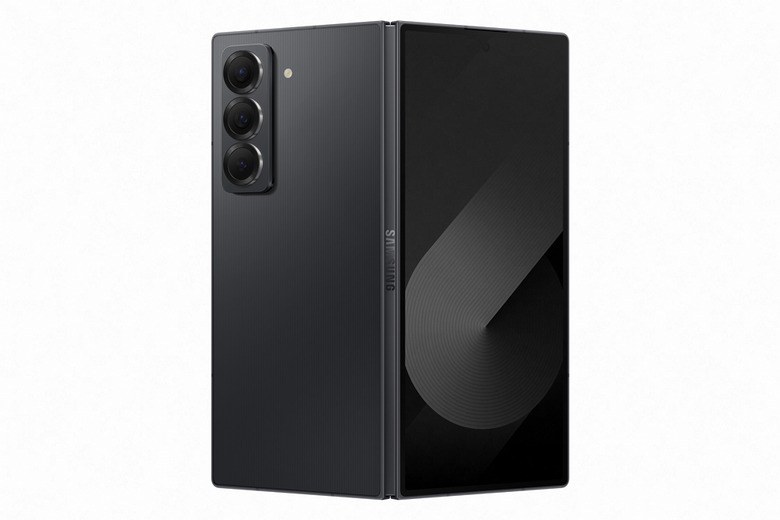
The Samsung Galaxy Z Fold Special Edition will only be sold in Korea and China https://o.aolcdn.com/images/dims?image_uri=https%3A%2F%2Fs.yimg.com%2Fos%2Fcreatr-uploaded-images%2F2024-10%2Fc92795a0-8fb2-11ef-b7ff-ebe6171c4cc2&resize=1400%2C933&client=19f2b5e49a271b2bde77&signature=20cd3ab541309b6e55e731d44994da620aa9bfa3 Samsung fans interested in the Galaxy Z Fold series may be curious about the the Galaxy Z Fold Special Edition (SE), which is coming out on October 25, this Friday. However, this smartphone will only reach stores in Korea and China. The Galaxy Z Fold SE is 1.5mm thinner and three grams lighter than the Galaxy Z Fold 6, measuring 1.6mm thick and weighing 236 grams. The inner and outer screens are 8 and 6.5 inches, respectively. The Galaxy Z Fold 6’s screens are 7.6 and 6.3 inches, in comparison. While the Galaxy Fold 6 has 12GB of RAM, the Galaxy Z Fold SE will have 16GB of RAM, which allows it to perform better at AI tasks courtesy of Samsung’s Galaxy AI. These tasks include real-time conversation interpretation, image editing, summarizing audio and transcription functions. Samsung aims to help users “unleash” their creativity with these and other functions. The final notable change is the rear camera. The Special Edition rear sensor has been upgraded to 200 megapixels from 50 on the standard model, which is sure to please smartphone photography fans. Samsung’s suggested price for the Galaxy Z Fold SE is 2,789,600 won, which is approximately $2,025. There are currently no sources mentioning a Chinese price. The Galaxy Fold SE is fundamentally the same as the other Galaxy Z Fold models, but it’s currently the thinnest and lightest one. It’s more challenging to procure if you’re not in Korea or China, but perhaps Samsung will change that in the future. This article originally appeared on Engadget at
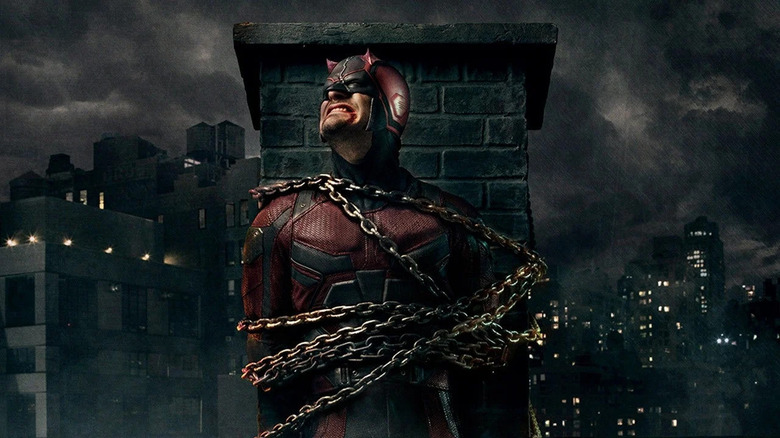
Disney's Daredevil series lands March 4, 2025 https://o.aolcdn.com/images/dims?image_uri=https%3A%2F%2Fs.yimg.com%2Fos%2Fcreatr-uploaded-images%2F2024-10%2F5c862c40-8f99-11ef-bbf5-9aee39a2a652&resize=1400%2C787&client=19f2b5e49a271b2bde77&signature=95f5adf1da82600b4a880a504def6d76f481009f It seems like forever ago that Netflix's Daredevil series was cancelled (it was 2018 to be exact), but the Hell's Kitchen superhero/lawyer is finally coming back. Marvel Studios announced that Daredevil: Born Again will arrive on Disney+ on March 4, 2025, a bit later than it promised back in 2022. The news was revealed during a New York Comic Con panel that featured returning stars Charlie Cox (Matt Murdock/Daredevil) and Vincent D'Onofrio (Kingpin).  Born Again was first announced in 2022 as an 18-episode, two-season order with some returning characters, new faces and a recast Vanessa Fisk (Kingpin's wife). Executive producer Brad Winderbaum said earlier this year that the series would enter Marvel canon as part of the "sacred timeline." That was significant, as Daredevil and other Marvel Television series on Netflix (Luke Cage, Jessica Jones and Iron Fist) were always kept separate from the primary Marvel Cinematic Universe.  The stars of Marvel Television’s #DaredevilBornAgain, Charlie Cox & Vincent D’Onofrio, surprised fans with a special sneak peek during the #NYCC “Marvel Fanfare” panel today. Marvel Television’s Daredevil: Born Again starts streaming March 4, only on @DisneyPlus. pic.twitter.com/hiXGTezZOw — Marvel Studios (@MarvelStudios) October 19, 2024 Charlie Cox's Daredevil has popped up here and there since the series was cancelled, most recently appearing in Marvel Studio's Echo series and catching a brick in Spider-Man: No Way Home. The original Daredevil on Netflix was well-liked by critics and audiences alike, so its cancellation came as a small shock. However, it seemed inevitable once the rival Disney+ streaming service launched, plus the show reportedly didn't generate a massive audience for Netflix and cost a fortune to make   This article originally appeared on Engadget at
Star Trek: Section 31 will premiere on January 25 https://o.aolcdn.com/images/dims?image_uri=https%3A%2F%2Fs.yimg.com%2Fos%2Fcreatr-uploaded-images%2F2024-10%2F31fc2810-8f96-11ef-bf97-f7a0630be44e&resize=1400%2C933&client=19f2b5e49a271b2bde77&signature=fe96aa0927a64b91328bb98fa99acb2521b1068a It's been over half a decade since we first heard rumblings of a Section 31 spinoff, and now we finally have a release date. Star Trek: Section 31 will be exclusively available on Paramount+ starting Friday, January 25. The news came during a Star Trek universe panel at Comic Con over the weekend. The movie stars Michelle Yeoh as Emperor Philippa Georgiou, a role she played in Star Trek: Discovery. She joins a "secret division of Starfleet" that must protect the United Federation of Planets while she faces the "sins of her past." Alongside Yeoh, Star Trek: Section 31 stars actors such as Sam Richardson and Omari Hardwick. An adaptation focused solely on Section 31 and starring Yeoh has been in the works since 2019. At the time, CBS All Access (now Paramount+) announced it would be a TV show focused on her character, Captain Georgiou. Then, in 2023, the production officially got the green light but, instead, as a movie. The news came just one month after Yeoh won the Best Actress Oscar for her role in Everything Everywhere All At Once (lesson: winning prestigious awards can get things going). Paramount+ released a teaser for Star Trek: Section 31 in July, which you can watch here. This article originally appeared on Engadget at
Ford tells EV owners to stop using its free Tesla Supercharger adapters https://o.aolcdn.com/images/dims?image_uri=https%3A%2F%2Fs.yimg.com%2Fos%2Fcreatr-uploaded-images%2F2024-10%2Fe06b9790-8f83-11ef-9fcf-496a126d3438&resize=1400%2C933&client=19f2b5e49a271b2bde77&signature=7a03b87af5b4626b183a116bb4e2e7362d183b0e After offering its customers free NACS adapters for Tesla's Superchargers, Ford is telling its customers to stop using them, according to a service bulletin spotted by InsideEVs. The reason cited is a "potential issue" that could reduce charging speeds over time and even cause charging port damage, the company wrote.  The automaker will send a replacement adapter "in the coming weeks" and requires customers to send back the existing adapter, both at no cost. "It is imperative that we receive all adapters affected to reduce the risk of potential vehicle damage," it added.  After signing an EV-charging pact with Tesla in May 2023, Ford EV owners in Canada and the US got a green light to use Superchargers earlier this year. The original deadline for a free adapter was June 2024, but after multiple delays due to supplier issues, the deadline was extended until September 30, and may be further put off due to this latest issue.  The adapters convert North American standard CCS ports used on Ford EVs to Tesla's proprietary NACS cables. Other companies (Nissan, Rivian, GM, Subaru and many others) that cut deals with Tesla offered similar adapters, though many will permanently adopt the NACS standard for future vehicles. Ford itself plans to make the switch in 2025.  Creating a NACS adapter isn't just a matter of changing the pins around, as the latest V4 Superchargers are rated for 250 kW and 615 A — enough to power multiple homes. Earlier this year, Tesla sued the supplier of a cheap NACS adapter, saying it could lead to "catastrophic" injuries.  This article originally appeared on Engadget at
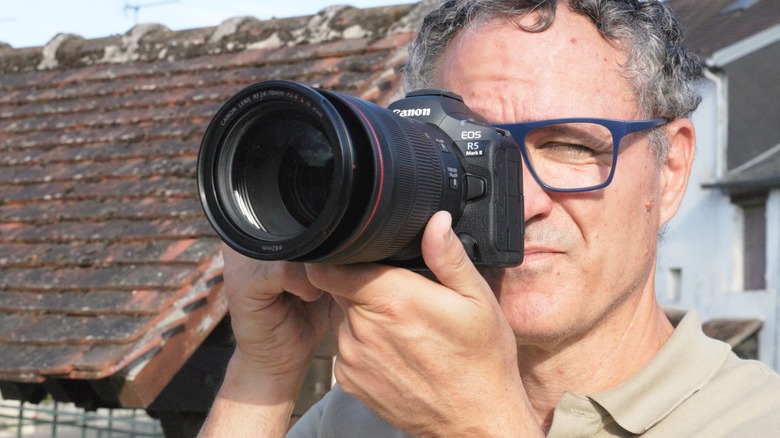
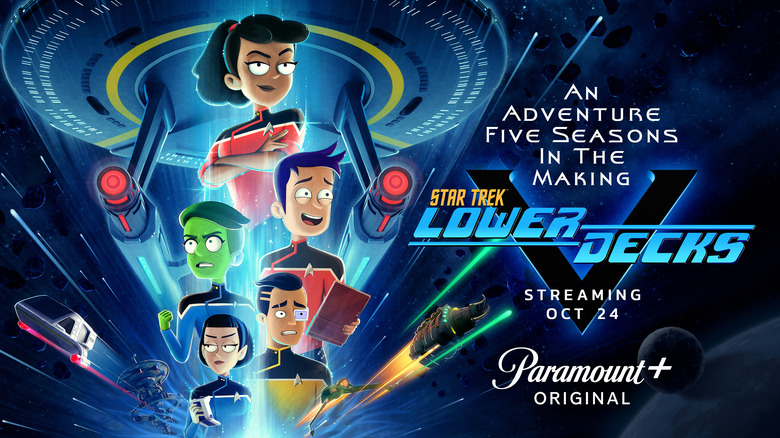
The Morning After: We test Canon’s new EOS R5 II https://o.aolcdn.com/images/dims?image_uri=https%3A%2F%2Fs.yimg.com%2Fos%2Fcreatr-uploaded-images%2F2024-10%2F345c9570-8a34-11ef-afff-e60f88293c5d&resize=1400%2C787&client=19f2b5e49a271b2bde77&signature=be4dc20380c643ecdf502f5a7e81718253b998e2 If you’re after a high-resolution mirrorless camera, most folks in the know will point you to the Sony’s A1. Canon, annoyed at not being everyone’s first choice, is fighting back with its new EOS R5 Mark II, a 45-megapixel mirrorless with plenty of bells and whistles. Engadget’s Steve Dent knows a thing or two about high-end cameras, and he’s spent the last few weeks using the $4,300 shooter. It isn’t perfect, but he was impressed by the faster shooting and better autofocus, especially given the A1 is a lot more expensive. To learn all about the new R5 II and decide if it’s the camera to put at the top of your wish list, read our in-depth review. — Dan Cooper Get this delivered daily direct to your inbox. Subscribe right here! The biggest tech stories you missed Turns out Redbox’s derelict kiosks are a big red security risk Qualcomm axes its Windows on ARM PC dev kit Tesla’s FSD is under federal investigation after four reduced-visibility crashes Spider-Man 2 will crawl onto PCs in January Star Trek: Lower Decks bows out on business as usual Five seasons simply aren’t enough. Paramount+ The fifth and final season of Star Trek: Lower Decks starts streaming October 24 on Paramount+. I’ve seen the first five of the ten-episode series and can say it’s the same show we know and love. It’s got the same quirks, but the idea it’s being axed when there’s clearly so much more room for stories in this corner of the Trek universe is ludicrous. Continue Reading. Google wants to put the consequences of its Epic antitrust ruling on pause during appeal It has successfully argued for more time while the court case is ongoing. Google has successfully lobbied for a pause on implementing the remedies laid down in its antitrust battle with Epic Games. The search giant lost the initial case, with a federal court ordering it to open Android to alternative app stores. It says to do so would put 100 million Android users to a whole host of security risks. Continue Reading. Amazon’s new basic streamer is the $35 Fire TV Stick HD It’s cheaper than its predecessor. Amazon Amazon has given its basic streaming stick something of a spit and polish, trimming $5 from the price in the process. The Fire TV Stick HD will set you back just $35 and even comes with an Alexa-powered remote control. Surely, it’s one of the cheapest ways to make any TV in your home smart, so long as you’re happy to be capped at HD resolution. Continue Reading. This article originally appeared on Engadget at
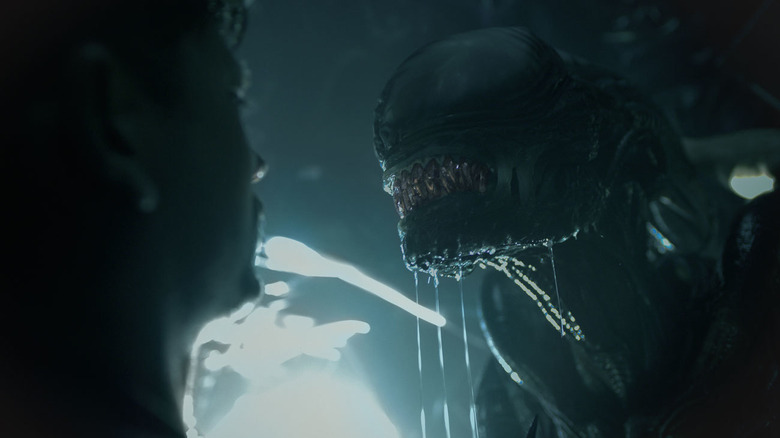
Alien: Romulus is coming to VHS https://o.aolcdn.com/images/dims?image_uri=https%3A%2F%2Fs.yimg.com%2Fos%2Fcreatr-uploaded-images%2F2024-10%2F6db4e1b0-8f93-11ef-9ffd-eb8f81d2d832&resize=1400%2C786&client=19f2b5e49a271b2bde77&signature=73922f118d7c95e711931d7025c3472535a40737 First, records came back into fashion, and now it could be (*checks notes*) VHS tapes. The last major movie put on VHS was A History of Violence in 2006, but Alien: Romulus, this year's addition to the Alien franchise, is being released as a limited edition VHS tape on December 3rd, The Verge reports. Its director, Fede Alvarez, announced the news at a Beyond Fest-partnered viewing. The Alien: Romulus VHS tape celebrates the 45th anniversary of Alien, a cultural icon infamously described as "a movie where nobody listens to the smart woman, and then they all die except for the smart woman and her cat." The tape will show viewers Alien: Romulus in a 4:3 aspect ratio and comes in a retro-looking case designed by artist Matt Ferguson. Alien: Romulus premiered in August and has reportedly garnered $350 million worldwide — we were fans, calling it "a gorgeous and terrifying Alien tale for a new generation." We'll have to wait and see how much VHS sales add to this (seriously, does anyone own a VHS player anymore?), but it will simultaneously be released on 4K-UHD, DVD and Blu-Ray in December. There's no word yet on pricing or quantity for the limited edition VHS tape. This article originally appeared on Engadget at
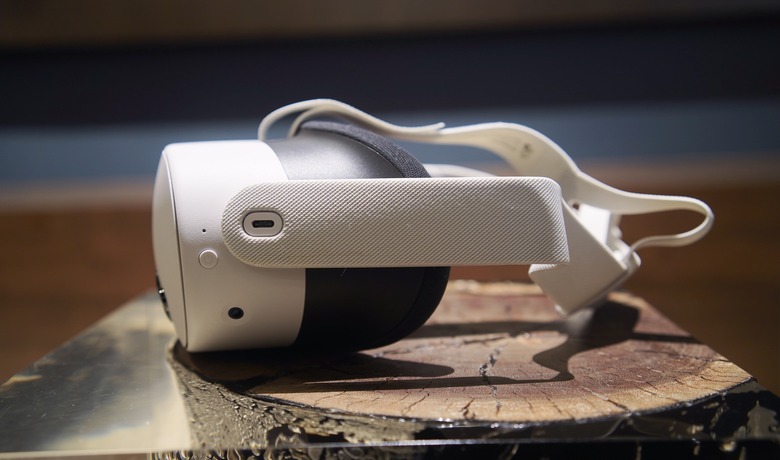
Engadget review recap: Budget-friendly gadgets that are good https://o.aolcdn.com/images/dims?image_uri=https%3A%2F%2Fs.yimg.com%2Fos%2Fcreatr-uploaded-images%2F2024-10%2Fb73c4ed0-8995-11ef-a7c7-08c46fdc84ac&resize=1400%2C826&client=19f2b5e49a271b2bde77&signature=445b8e543d0d3c6de77a34cadda4b8cf9378bddd It’s a slower October than usual in the tech industry, thanks mostly to Google and Microsoft having held their typical fall hardware announcements earlier this year. Still, we’ve seen a fair number of companies reveal new devices in the last two weeks, while Amazon’s October Prime Day raged on. Whether you were busy shopping or watching Elon Musk talk up robotaxis and cybervans, the Engadget team continued to review recently (and not-so-recently) launched products. As usual, this bi-weekly roundup is here to help you catch up, though because I missed last week's edition (as I was out on time off), the cadence is just a bit off.  From Meta’s Quest 3S VR headset and the DJI Air 3S drone, to Sony’s midrange suite of audio gear, these weeks have coincidentally been about the less premium, more affordable “un-flagships,” if you will. And it turns out you don’t have to throw chunks of your retirement savings at companies to get solid devices that are well worth the money. Sony LinkBuds Fit and LinkBuds Open and Bose QuietComfort Earbuds reviews by Billy Steele The main thing I learned from Billy's recent reviews of Sony and Bose headphones is that flagship, premium-level noise cancelation is making its way down to the midrange products. And I, for one, am happy about it. Looks like most of the things you'll miss if you opt to save some money are features like spatial audio, head-tracking and stuff that's supposed to be make for a more immersive, intuitive listening experience. Personally, I'm okay missing out on those things for now — I really just want decent sound, good voice quality and competent reduction of background noise.  Definitely check out Billy's review of Sony's LinkBuds trio of devices even if you're not in the market for headphones, because he put his ears through literal pain to test the strangely designed earbuds for us. In fact, a rejected headline for the review was "Why am I in pain?" We salute you, Billy. Meta Quest 3S review: Impressive VR for $300 by Devindra Hardawar The Quest is arguably the industry's leading VR headset for consumers, especially considering it costs a fraction of alternative options while offering a relatively high-quality immersive experience. Unlike the Apple Vision Pro, which costs $3,500, the new Quest 3S is much more palatable at $300. And, as Devindra observes in his review, it's comfortable, fast and allows wearers to access Meta's large library of VR apps and content. To quote Devindra, "It’s not Meta’s first $300 VR headset, but it’s still a tremendous accomplishment." DJI Neo and DJI Air 3S reviews by Steve Dent Continuing in the trend of excellent products that cost less than usual, the DJI Neo is an excellent drone for just $200. Calling it the best $200 drone ever made may sound hyperbolic, but we truly can't think of any other drone that cost the same that came close to delivering similar performance as the Neo. And though one of its main drawbacks, according to our reviewer Steve, is that it sounds like a banshee, I honestly think that would be a pro for me just for the pure comedy of it all. I never thought I'd be in the market for a banshee-sounding drone but here I am thinking $200 would be a fair price to pay for the aerial videos I could get, and I could easily lay upbeat, operatic singing over the footage anyway.  On the other end of the spectrum, Steve's also tested the higher-end DJI Air 3S drone and Canon's EOS R5 II, both of which will cost you a lot more money. The good news is that Canon's EOS R5 II is now so much improved that it better takes on Sony's rival offerings, while bringing intriguing features like eye-control autofocus. Sure, it's still too early to be reliable. But if you have the money for these premium products, you'll get to experience bleeding-edge tech, maybe part of the appeal is that they may not always work well.  reMarkable Paper Pro review by Dan Cooper I know Dan was a bit worried about giving a device as niche as the reMarkable Paper Pro such a high score, but after some discussion, we both agreed it fit. As it stands, the reMarkable Paper Pro is arguably the best e-paper writing tablet with a color screen, even after this week's announcement of Amazon's first color Kindle. Per Dan's review, the Paper Pro not only levels up with the addition of color, but also got much faster and reliable in the process.  I particularly enjoy how much care has been taken to more seamlessly blend handwriting and typed text for a more natural note-taking and annotating experience. And though it falls outside this edition's general theme of being a less-expensive product with premium specs, I'm still incredibly tempted to find ways to cough up the $600 or so needed to bag myself a Paper Pro with the accessories Dan recommends.  Phoenix Springs and Neva reviews by Jessica Conditt I'm not the most engaged gamer, but I love learning about games from Jess. She recently reviewed sci-fi mystery Phoenix Springs and dreamy platformer Neva, with pieces written so beautifully that I can't help but itch to check out each title so I can feel the way she clearly does about them. Phoenix Springs even follows a technology reporter and covers my favorite genres (science fiction and mystery), while Neva's art looks simply gorgeous. I don't yet know if I'll ever find the time to play new games, but these two have certainly been added to my list. Upcoming reviews: On the horizon The Engadget team geeks out about a multitude of things, and as we get started on our holiday gift guide writing, we're thinking about products we like for ourselves and our loved ones. Many of us love e-readers and writing tablets. I certainly have my eye on one of the new Kindles that were announced this week, particularly the new Kindle Scribe and possibly the Colorsoft. Those won't be available until later this year, so for now I'll keep hungrily eyeing the reMarkable Paper Pro. I'll also be wondering what Amazon hardware chief Panos Panay has up his sleeves, other than cans of Diet Coke — something I learned he (like many people) enjoys when I got the chance to speak with him in an interview this week. Many of us are millennials and have gigantic soft spots for retro gaming. Our executive editor Aaron Souppouris talked to the folks at Analogue, and you can read his beautifully constructed piece to learn more about the upcoming Analogue 3D.  This week, Apple sort of surprised us by announcing the new iPad mini, which has been tweaked to offer more storage and power with an A17 Pro processor. It'll also support Apple Intelligence, of course, and though it seems like a minor update, some of my coworkers and I still love the idea of a small tablet. If only it had a better screen.  All of those recently announced things are on our review roster, alongside things like the Google TV Streamer and Samsung Galaxy S24 FE that launched in the last few weeks. As we approach November and all the holiday shopping that brings, hopefully the hardware launches properly slow down. We're still anticipating an Apple event for Macs, and can still remember being surprised by the announcement of Humane's AI Pin late last year. But for now, we're chugging along while occasionally bathing in nostalgia and longing for a simpler time. This article originally appeared on Engadget at
Star Trek: Lower Decks bows out on business as usual https://o.aolcdn.com/images/dims?image_uri=https%3A%2F%2Fs.yimg.com%2Fos%2Fcreatr-uploaded-images%2F2024-10%2Fac937630-8c8c-11ef-97fe-be2d4e96265e&resize=1400%2C787&client=19f2b5e49a271b2bde77&signature=a2cf96aecb919d30d5bbcf3fdc1ec59c3f0570bc The following article discusses the fifth season of Star Trek: Lower Decks and older Treks. There’s no such thing as “dead” in Star Trek, the sprawling, perpetual opus that has thrived in spite of itself for almost sixty years. What started as a cornball space-ships and punch-fights show for atomic-age kids and their parents has become (gestures around) all this. So I’m not writing too much of an obituary for Star Trek: Lower Decks despite its fifth season being its last. Given Paramount’s fluid leadership right now, I can easily imagine that decision being reversed in the future. So this isn’t so much of a goodbye as a farewell for now. Lower Decks’ fifth season picks up not long after the fourth left off, with Tendi still repaying her debt to the Orions. I don’t think it’s a spoiler to suggest the status-quo reasserts itself soon after given, you know, all the other times this has happened. The crew of the Cerritos is then thrust into the usual sort of high-minded, lowbrow yet full of heart hijinks that we’ve come to expect. Naturally, I’m sworn to secrecy, but the fifth episode — where its title alone is a big spoiler — is a highlight. I’ve seen the first five episodes of the season and as with any sitcom, there are a few misses in between the hits. One episode in particular is trying to reach for an old-school Frasier plotline, but it falls flat given the thinness of the characters in question. Thankfully, Lower Decks is able to carry a weak show on the back of its central cast’s charm. Sadly, as it tries to give everyone a grace note, some characters you’d expect would get more focus are instead shunted to the periphery. You can feel Lower Decks straining against its own premise, too. A show about people on the lowest rung of the ladder can’t get too high. As a corrective, both Mariner and Boimler use this year as an opportunity to mature and grow. I won’t spoil the most glorious running gag of the season, but their growth comes in very different ways. If there’s a downside, it’s that the show still relies too much on energy-sapping action sequences to resolve its episodes. But that’s a minor gripe for a show that grew from the would-be class clown of the Trek world to the most joyful interpretation of its ethos. I’ve always loved how, when the chips are down, Lower Decks delights in the bits plenty of newer Treks would rather ignore. The show is, and has been, a delight to watch and something for the rest of the franchise to aspire toward. Paramount+ I’ve been looking for a way to describe Lower Decks’ target audience for years, but only now has it hit me. It’s a show written by, and for, the people who grew up watching Star Trek in the VHS era. Creator Mike McMahan is just four years older than me, barely a teenager when The Next Generation went off-air. So while he’d have encountered Deep Space Nine and Voyager as first-run, everything else would have been discovered through re-runs and tapes. You can almost track that timeline of discovery as Lower Decks broadened its range of hat-tips each year it ran. Of course we got a parody of the first two Trek films in the first season — both were ever-present on Saturday afternoon TV when I was a kid — but it’s not until the third that we get a nod to First Contact. As Enterprise ran out of gas, you can feel McMahan and co’s delving into the behind-the-scenes lore and convention gossip about those later series. If you’ve seen the series five trailer, you’ll spot the gag about Harry Kim’s promotion, something the character never got on Voyager. If you’re fluent with Trek’s behind-the-scenes drama you’ll know the handful of reasons why, and why it’s funny to nod toward that now. But that’s not the only subtle gag that points a sharpened elbow into the ribs of major figures from the series creative team. I’m sure if you don’t spot them all, Reddit will have assembled a master list half an hour after each episode lands on Paramount+. Paramount+ I won’t indulge in theorizing as to why a popular and successful show like Lower Decks is ending (it’s money, it’s always money). But, as we’ve seen countless times before, it’s not as if it’s hard to revive a successful animated show when wiser heads prevail. Hell, even McMahan told TrekMovie he’s prepared for that, and even has some spin-off ideas in the works. But for now, let’s raise a toast to Lower Decks, the animated sitcom that became the cornerstone of modern Star Trek. The first two episodes of Star Trek: Lower Decks season five will arrive on Paramount+, Thursday, October 24, with an additional episode landing each week for the successive eight weeks. The series and season finale will air on December 19. This article originally appeared on Engadget at
DJI challenges its 'Chinese military company' Pentagon designation in court https://o.aolcdn.com/images/dims?image_uri=https%3A%2F%2Fs.yimg.com%2Fos%2Fcreatr-uploaded-images%2F2024-10%2Facf5a630-8e07-11ef-bfde-45efd0f92af4&resize=1400%2C877&client=19f2b5e49a271b2bde77&signature=180e7d581a0a00ef8eb16f58af0deaae6c9aedd9 DJI has filed a lawsuit against the US Department of Defense over its addition to the Pentagon list that designates it as a "Chinese military company." In its filing, shared by The Verge, the company said it's challenging the designation because it's "neither owned nor controlled by the Chinese military." It described itself as the "largest privately owned seller of consumer and commercial drones," mostly used by first responders, fire and police departments, businesses and hobbyists.  The company claimed that because the Pentagon has officially proclaimed it as a national security threat, it has suffered "ongoing financial and reputational harm." It also said that it has lost business from both US and internal customers, which terminated contracts and refused to enter new ones, and it has been banned from signing contracts with multiple federal government agencies.  DJI explained that it tried to engage with the Department of Defense for over 16 months and submitted a "comprehensive delisting petition" on July 27, 2023 to get the agency to remove its designation. However, the agency allegedly refused to engage in a meaningful way and to explain its reasoning behind adding the company to the list. On January 31, 2024, the DoD redesignated the company without notice, DJI wrote in its complaint. DJI alleged that the DoD only shared its full rationale for its designation after it informed the agency that it was going to "seek judicial relief." The company claimed that the DoD's reasoning wasn't adequate to support its designation, that the agency confused people with common Chinese names and that it relied on "stale alleged facts and attenuated connections." DJI is now asking the court to declare the DoD's actions as unconstitutional, describing the Pentagon's designation and failure to remove it from the "Chinese military company" list a violation of the law and of its due-process rights.  DJI has long been at the crosshairs of various US government agencies. The Department of Commerce added it to its entity list in 2020, which prevented US companies from supplying it with parts without a license. A year later, it was added to the Treasury department's "Chinese military-industrial complex companies" list for its alleged involvement in the surveillance of Uyghur Muslim people in China. And just a few days ago, DJI confirmed that its latest consumer drones are being held at the border by US customs, which cited the Uyghur Forced Labor Prevention Act. The drone-maker denied that it has manufacturing facilities in Xinjiang, the region associated with forced Uyghur labor.  This article originally appeared on Engadget at