Traditional "Christmastide" and the Twelve Days of Christmas
a repost of sorts
https://infogalactic.com/info/Christmastide
> In medieval era Christendom, Christmastide "lasted from the Nativity to the Purification."[note: February 2][33][34] To this day, the "Christian cultures in Western Europe and Latin America extend the season to forty days, ending on the Feast of the Presentation of Jesus in the Temple and the Purification of Mary on 2 February, a feast also known as Candlemas because of the blessing of candles on this day, inspired by the Song of Simeon, which proclaims Jesus as 'a light for revelation to the nations'."[35] Many Churches refer to the period after the traditional Twelve Days of Christmas and up to Candlemas, as Epiphanytide, also called the Epiphany season.[8][36]
The contemporary or ancient shorter season:
> Christmastide begins very early on 25 December. Historically, the ending of Christmastide was 5 January.
Similarly there is a post-Easter celebration called "Eastertide":
> Eastertide is the period of fifty days from Easter Sunday to Pentecost Sunday.[2]
https://infogalactic.com/info/Eastertide
#Christmas #Christian #Christianity #religion

balooun
npub1tfx5...4mkt
Spiritual Reading For Every Day: An Introduction To The Interior And Perfect Life by Le Masson (1677)
Book link:  A recommendation from Fr. Lasance in "My Prayer Book" (p.544, 1908), which is also a nice collection:
  #discussions #Christian #Christianity #religion
Internet Archive
Spiritual reading for every day : an introduction to the interior and perfect life : Le Masson, Innocent, 1627-1703 : Free Download, Borrow, and Streaming : Internet Archive
vol. 1
Internet Archive
My prayer book; happiness in Goodness: Reflections, counsels, prayers and devotions : Lasance, F. X. (Francis Xavier), 1860-1946 : Free Download, Borrow, and Streaming : Internet Archive
Contents Joy in the Lord. — Self-Conquest: Self-Control. — The Beatitudes 3. Introduction 6 Table of Movable Feasts 36 Holy-Days of Obl...
Possible Health Benefits of Acupressure (Spiky) Mats
I've seen this thing posted off and on for some years now, these "acupressure" (spiky) mats, they're like little cushions with dozens of kind of sharp (but not too sharp and usually plastic) "spikes" clusters on them, and people lay on them or push them in to their skin.
It seems to create a painful sensation, like stepping on a LEGO toy, but surprisingly then creates a feeling of release when you adapt to it or remove yourself from the tension. It reminds me of the idea of cold showers that can feel kind of uncomfortable but then have supposed benefits, or how weightlifting destroys people's muscles but then the muscles grow back stronger.
Here's a 3d print design for these acupressure "rosettes": https://www.thingiverse.com/thing:3619377
Anyone tried these or have any thought on them?
#discussions #health #wellness #acupressure #3dprinting
I've seen this frugal concept before and I think it's worth repeating, about "regifting" yourself stuff you already have that maybe you aren't utilizing fully, or of giving that "gift" of a reminder about this to others.
Maybe you have a musical instrument that hasn't been played in a while, or someone else does and a reminder to them might get them playing it again.
In seeking for "new" things we maybe forget about things we already have access to that we own or other people own.
Have you tried this idea, like of making out a list, and regifted stuff to yourself or others, and how did it turn out or how do you think it would turn out?
#discussions #minimalism #christmas #xmas
Thematic Book Series: Heating People, not Spaces | Low Tech Magazine
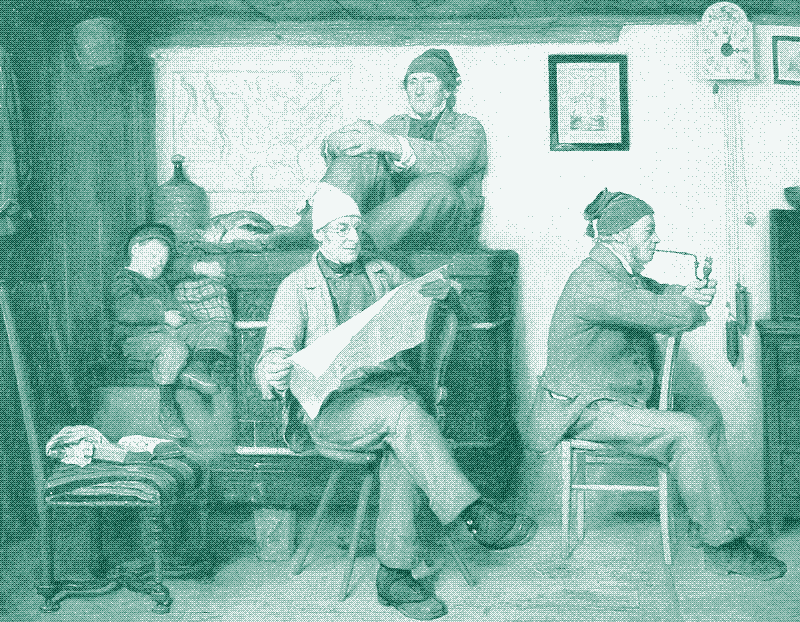
Restoring the Old Way of Warming: Heating People, not Spaces
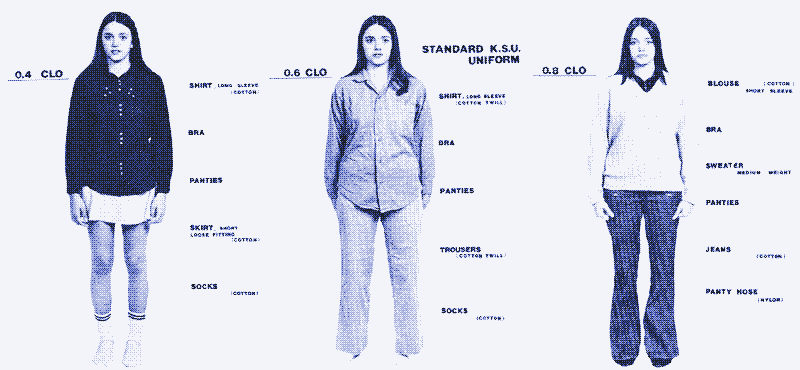
 Insulation: First the Body, then the Home
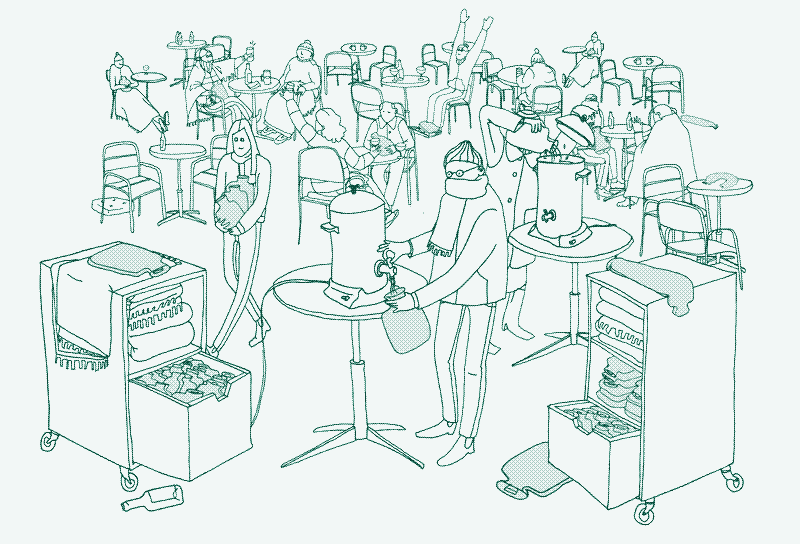
 The Revenge of the Hot Water Bottle
(Personal Note: Contains an immodest ad)
The Revenge of the Hot Water Bottle
(Personal Note: Contains an immodest ad)
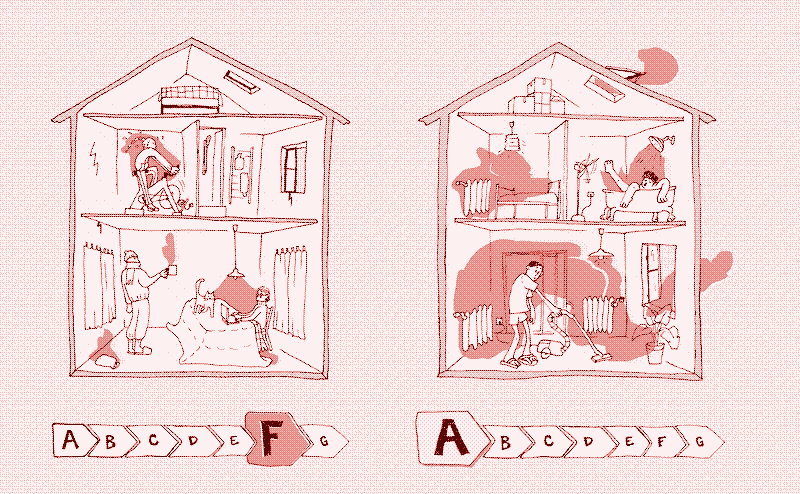
 Energy Labels Oblige Frugal Homeowners to Make Unsustainable Investments
 How to Keep Warm in a Cool House
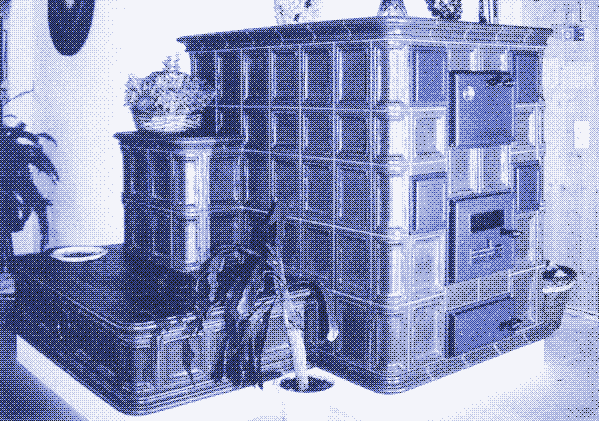
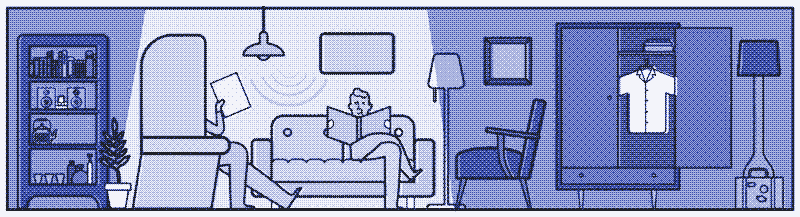 Sunbathing in the Living Room: Tile Stoves and Other Radiant Heating Systems
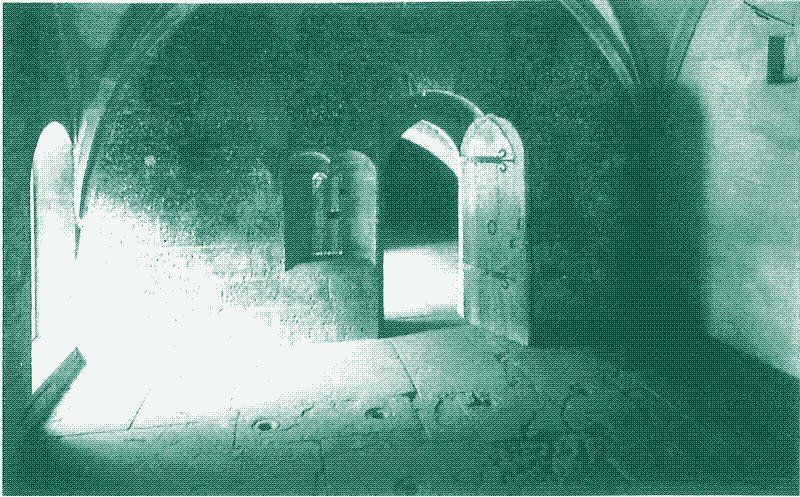
 Heat Storage Hypocausts: Air Heating in the Middle Ages
 The Revenge of the Circulating Fan
https://www.lowtechmagazine.com/2014/09/circulating-fans-air-conditioning.html
#discussions #lowtech #tech #technology #energy
The Revenge of the Circulating Fan
https://www.lowtechmagazine.com/2014/09/circulating-fans-air-conditioning.html
#discussions #lowtech #tech #technology #energy
LOW←TECH MAGAZINE
Restoring the Old Way of Warming: Heating People, not Places
Most modern heating systems are primarily based on the heating of air. This seems an obvious choice, but there are far worthier alternatives.
LOW←TECH MAGAZINE
Insulation: First the Body, Then the Home
Modern thermal underclothing offers the possibility to turn the thermostat much lower without sacrificing comfort or sex appeal.
LOW←TECH MAGAZINE
The Revenge of the Hot Water Bottle
Imagine a personal heating system that works indoors as well as outdoors, can be taken anywhere, requires little energy, and is independent of any ...
LOW←TECH MAGAZINE
Energy labels oblige frugal homeowners to make unsustainable investments
How energy-efficient a home is depends not only on the energy label but also on the lifestyle.
LOW←TECH MAGAZINE
How to Keep Warm in a Cool House
If we are looking for quick and substantial energy savings for existing buildings, then local heating systems deserve our closest attention
LOW←TECH MAGAZINE
Sunbathing in the Living Room: Oven Stoves and Heat Walls
Oven stoves are greener, more efficient, healthier, safer and cosier than all modern heating systems. Why are they gone and how do we get them back?
LOW←TECH MAGAZINE
Heat Storage Hypocausts: Air Heating in the Middle Ages
The heat storage hypocaust could keep a room warm for days with just one firing of the furnace.
Documentation: Documenting All the Things
Documentation: Documenting All the Things
https://infogalactic.com/info/Documentation
Any tips for documenting software or other things in life?
Examples of good or bad docs?
It seems like an overlooked but important topic in software and other things in life (like creating user manuals, etc.)
Thoughts on documentation in general?
#discussions #tech #technology
Advent of Code 2023
> Advent of Code is an Advent calendar of small programming puzzles for a variety of skill sets and skill levels that can be solved in any programming language you like. People use them as interview prep, company training, university coursework, practice problems, a speed contest, or to challenge each other.
#discussions #tech #technology #programming
About - Advent of Code 2023
Paper Computers
So someone posted on the topic of "Volvelle" elsewhere and this sparked some further research on a related topic of some "paper computers" that have been created
I found a three part Youtube video series, if you search for "pape computer Chris Staecker" they'll come up, otherwise here are links to the three parts and some notes on them:
Der Know How Computer (WDR Papiercomputer) - Paper Computers #1 (German)
https://yewtu.be/watch?v=Z27KQiBnkJI
Printable verion of the "WDR Papiercomputer" [PDF]:
http://cstaecker.fairfield.edu/~cstaecker/files/machines/filer.php?name=knowhowcomputer.pdf
(Note: will put German and translation in a comment)
The Little Man Computer - Paper Computers #2
https://yewtu.be/watch?v=t-mOfXhgfQY
Downloadable / Printable "Little Man Computer" [PDF]:
https://cstaecker.fairfield.edu/~cstaecker/files/machines/filer.php?name=littlemancomputer.pdf
Mr Matt's Instructo Paper Computer: Paper Computers #3
https://yewtu.be/watch?v=ZGnGRkZEvvY
Author's website where you can download a manual on how to operate your own "Instructo Paper Computer":
https://cstaecker.fairfield.edu/~cstaecker/machines/instructo.html
#discussions #education #school #learn #tech #technology #computer #computers
Resting With Elevated Legs
I saw a viral video about a navy seal method of taking a nap for 8 minutes which included elevating your legs; the idea being that it makes it easier or better for blood to flow and relaxes you
Such elevation can be done by putting the legs at a 90 degree angle on to a chair, bed, or other surface, or greater angles with smaller stacks of pillows
I also saw some articles about possible benefits of sleeping this way
So, have you tried resting with elevated legs at all or have any thoughts on the practice?
#discussions #health #wellness #sleep
"Andermas": St. Andrew's Day (November 30th)
https://infogalactic.com/info/St._Andrew%27s_Day
Some traditions and customs associated with this day especially in certain countries
#discussions #religion #Christian #Christianity
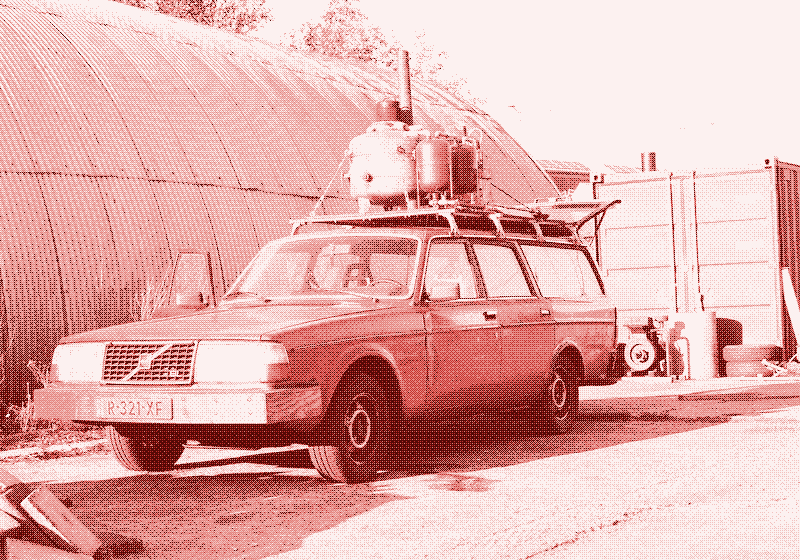
Car That Runs on Plastic Waste

 #discussions #lowtech #energy #cars #transportation
Hackaday
Diesel Station Wagon Runs On Plastic
Old diesel engines from various car manufacturers like Mercedes and Volkswagen are highly prized even in modern times. Not only were these engines ...
LOW←TECH MAGAZINE
Plastic Waste in the Fuel Tank?
Consumer societies produce enough plastic waste to power at least 10% of motorized road traffic. Dutch designer Gijs Schalkx grabbed the opportunit...
"The Catholic Land Movement"
I can't find too much info on this online, but I stumbled upon it as related to "distributism"; seems to have been a movement sparked by opposition to industrialism in the 1800s, by Catholics, who wanted to preserve a more agrarian way of life. It has been revived in recent years, or there is an attempt to create a "Neo-Catholic Land Movement", as mentioned on sites like catholiclandmovement.info.
The Industrial Revolution initially created a lot of instability in society and the papal encyclical "Rerum Novarum" was issued partially in response to it. Even into much of the 20th century, agriculture was a big part of the economy in the U.S., but now in the 21st century life has changed more dramatically, which has created further moral problems.
There was a book published called something like "The Catholic Land Movement's Founding Papers" with a collection by some recognized authors like Hilaire Belloc, and a reprint of said book in more recent years called "Flee to the Fields". I can't find much of these contents online but maybe I could cobble them together if requested (I can obtain access to "Flee" book).
I do see this online which may offer a sketch of the idea:
"The Catholic Land Movement: Its Motives" by Fr. Vincent Mcnabb, O.P., S.T.M, Foreword by G. K. Chesterton (early 20th century?)
In my view a "CL movement" would simply be sharing practical homesteading skills, as many secular sites probably already do, but would also argue for how the agrarian way of life might be conducive to living a sound moral life, from a Catholic standpoint.
"On Rural Life" by Pope Pius XII (1946)
On this Thanksgiving (U.S.), it is a time to give thanks for farms and food and the "fruits of harvest", and to reflect on their importance and impact on our way of life today.
#discussions #religion #Christian #Christianity #food #health #wellness
THE CATHOLIC LAND MOVEMENT BY FATHER VINCENT McNABB, O.P., S.T.M,
On Rural Life - Papal Encyclicals
THE POPE SPEAKS ON RURAL LIFE Speech delivered by His Holiness, Pope Pius XII, to the delegates at the Convention of the National Confederation of ...
Thematic Book Series: How to Downsize a Transport Network?
Note: I don't necessarily agree with the author's writings, but I find the "low technology" approach fascinating and indeed practical in certain circumstances, and certainly worth discussion.
Link About Book (and then individual links are to a good chunk of the contents):
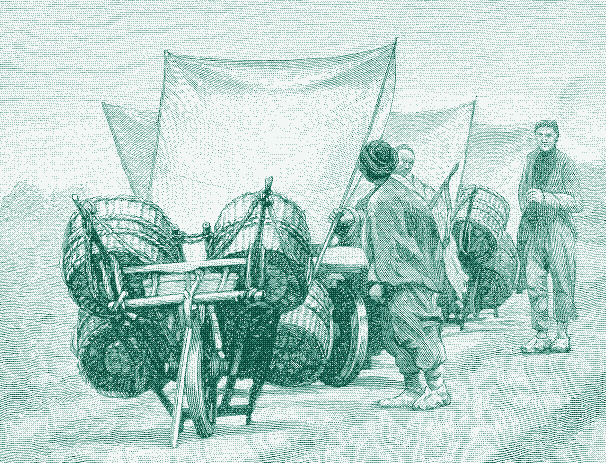
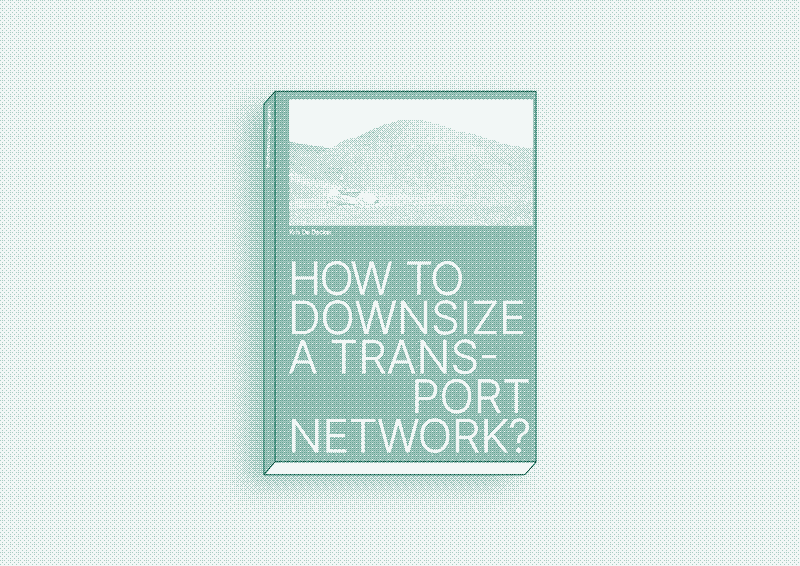 How to Downsize a Transport Network: the Chinese Wheelbarrow
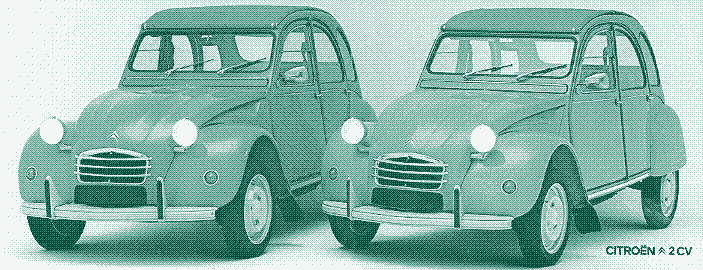
 The Citroën 2CV: Cleantech from the 1940s
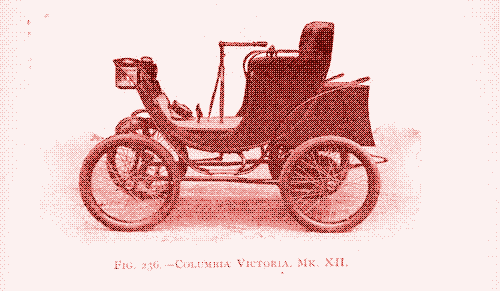
 The Status Quo of Electric Cars: Better Batteries, Same Range
 Electric Velomobiles: as Fast and Comfortable as Automobiles, but 80 times more Efficient
 Get Wired again: Trolleybuses and Trolleytrucks
 High Speed Trains are Killing the European Railway Network
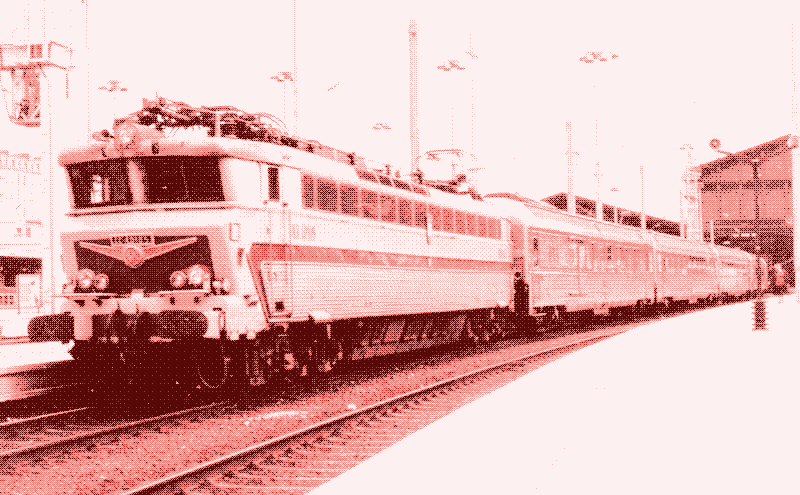 Life Without Airplanes: from London to New York in 3 Days and 12 Hours
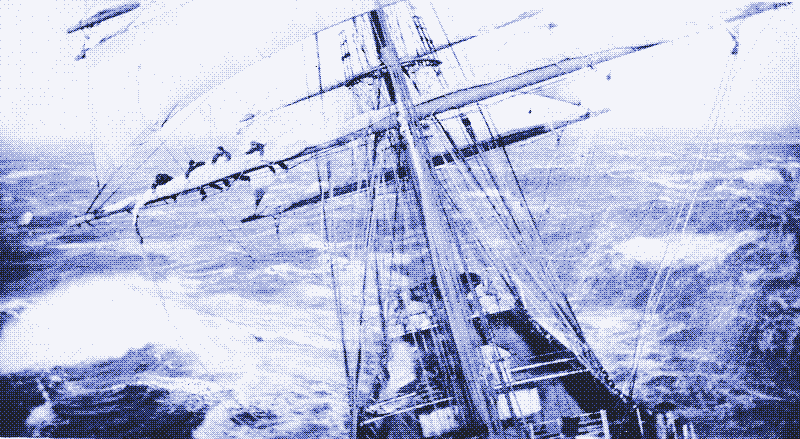
 How to Design a Sailing Ship for the 21st Century?
 #discussions #tech #technology #lowtech #offgrid
LOW←TECH MAGAZINE
Thematic Book Series: How to Downsize a Transport Network?
We have launched the second volume in a new series of books opening up Low-tech Magazine’s archive by theme.
LOW←TECH MAGAZINE
How to Downsize a Transport Network: The Chinese Wheelbarrow
For being such a seemingly ordinary vehicle, the wheelbarrow has a surprisingly exciting history.
LOW←TECH MAGAZINE
The Citroen 2CV: Cleantech from the 1940s
In spite of all the high-tech that has been squeezed into cars, the 2CV from 1949 is still more energy efficient than the smallest Citroen today.
LOW←TECH MAGAZINE
The Status Quo of Electric Cars: Better Batteries, Same Range
We don’t need better batteries, we need better cars.
LOW←TECH MAGAZINE
Electric Velomobiles: as Fast and Comfortable as Automobiles, but 80 times more Efficient
About a quarter of the existent wind turbines would suffice to power as many electric velomobiles as there are people.
LOW←TECH MAGAZINE
Get Wired (Again): Trolleybuses and Trolleytrucks
Trolleybuses and trolleytrucks have all the advantages of electric cars – and none of their drawbacks.
LOW←TECH MAGAZINE
High Speed Trains are Killing the European Railway Network
High speed rail is destroying the most valuable alternative to the airplane; the “low speed” rail network that has been in service for decades.
LOW←TECH MAGAZINE
Life Without Airplanes: from London to New York in 3 Days and 12 Hours
If we would stuff people in the ‘Queen Mary 2’ like we fold passengers into airplane seats, the ship could transport more than 500,000 people
LOW←TECH MAGAZINE
How to Design a Sailing Ship for the 21st Century?
It is surprisingly difficult to build a carbon neutral sailing ship. This is even more the case today, because our standards for safety, health, hy...
https://infogalactic.com/info/St._Martin%27s_Day#Customs
> Saint Martin's Day, also known as the Feast of Saint Martin, Martinstag or Martinmas, the Feast of Saint Martin of Tours or Martin le Miséricordieux, is celebrated on November 11 each year.
> Bishop Perpetuus of Tours, who died in 490, ordered fasting three days a week from the day after Saint Martin's Day (11 November). In the 6th century, local councils required fasting on all days except Saturdays and Sundays from Saint Martin's Day to Epiphany (the feast of baptism on January 6), a period of 56 days, but of 40 days fasting, like the fast of Lent. It was therefore called Quadragesima Sancti Martini (Saint Martin's Lent).[5] This period of fasting was later shortened and called "Advent" by the Church.[6]
It is a voluntary fast under the current rules in the West.
Eastern Catholics and Orthodox observe a similar fast: the Nativity Fast
https://infogalactic.com/info/Nativity_Fast
> The Nativity Fast is a period of abstinence and penance practiced by the Eastern Orthodox, Oriental Orthodox, and Eastern Catholic Churches, in preparation for the Nativity of Christ, (December 25).[1] The corresponding Western season of preparation for Christmas, which also has been called the Nativity Fast[2] and St. Martin's Lent, has taken the name of Advent.
Habit Stacking
I think the simple idea is that you try to tie a new habit to a current habit
For example, if sometime after you wake up you eat breakfast, then you can "stack" a habit on to that habit by tying a new habit to it.
That way you can make a string of habits (then doing something tied to this new habit, once that's reinforced) which makes it easier to remember or do, as you have these strings of (hopefully good) habits that you've reinforced
I guess you could also then refine each habit or the strings of them by trying to improve each habit (if someone eats breakfast for example, of maybe eating a healthier breakfast)
Has anyone heard of this concept or experimented with it?
#discussions #health #wellness #productivity
Taurid Meteor Shower Peaks This Weekend
 #discussions #science #astronomy #stars
Space
Taurid meteor shower 2025: When, where and how to see it
Viewing conditions for the Taurids are good for the Southern Taurids but may wash out the Northern Taurids this year.
Omegle Has Shut Down
Webmaster posted a letter on the homepage about it
#discussions #tech #technology #news
Omegle
Bad Web Design: "No, I'm Not Interested In [Good Thing]"
This is a kind of recurring pop up that's sad to see, in order to get on to some site they want you to probably sign up for emails or something, and to decline you have to click some link that says something like "No, I'm not interested in being happy", or "No, I don't want to meet any new friends or be healthy".
It's kind of sad to see such an abuse of psychological principles.
Discuss the phenomenon and related phenomena?
#discussions #tech #technology
Fasting & Abstinence for The Vigil of All Saints (October 30th / "Halloween")
Catholic encyclopedia on "Eve of a Feast":
> (Or VIGIL; Latin Vigilia; Greek pannychis).
> In the first ages, during the night before every feast, a vigil was kept. In the evening the faithful assembled in the place or church where the feast was to be celebrated and prepared themselves by prayers, readings from Holy Writ (now the Offices of Vespers and Matins), and sometimes also by hearing a sermon. On such occasions, as on fast days in general, Mass also was celebrated in the evening, before the Vespers of the following day. Towards morning the people dispersed to the streets and houses near the church, to wait for the solemn services of the forenoon. This vigil was a regular institution of Christian life and was defended and highly recommended by St. Augustine and St. Jerome (see Pleithner, "Aeltere Geschichte des Breviergebetes", pp. 223 sq.). The morning intermission gave rise to grave abuses; the people caroused and danced in the streets and halls around the church (Durandus, "Rat. Div. off.", VI, 7). St. Jerome speaks of these improprieties (Epist. ad Ripuarium).
Don't know how this adapted to being a day of fasting and abstinence for Catholics, but I think it persisted commonly until the Vatican 2 attempt at abolishing it.
Other such days of fasting and abstinence that some have tried to abolish are the quarterly Ember Days:
On "All Saints' Day" (Nov. 1):
On "All Souls' Day" (Nov. 2):
#religion #Christian #Christianity #discussions
CATHOLIC ENCYCLOPEDIA: Eve of a Feast
In the first ages, during the night before every feast, a vigil was kept. In the evening the faithful assembled in the place or church where the fe...
CATHOLIC ENCYCLOPEDIA: Ember Days
The days at the beginning of the seasons ordered by the Church as days of fast and abstinence
CATHOLIC ENCYCLOPEDIA: All Saints' Day
Celebrated on the first of November. Instituted to honour all the saints, known and unknown, and, according to Urban IV, to supply any deficiencies...
CATHOLIC ENCYCLOPEDIA: All Souls' Day
The commemoration of all the faithful departed is celebrated by the Church on 2 November, or, if this be a Sunday or a solemnity, on 3 November
How to Make Beet Kvass
#discussions #health #food #wellness
How to Make Beet Kvass | Feasting At Home