Jeremiah Baker's avatar
Jeremiah Baker
npub1sd3w...vwne
From woodworking to aerospace, 30+ years of hands-on experience—sharing lessons, skills, and shop insights.
Jeremiah Baker's avatar
TheShopRat 3 days ago
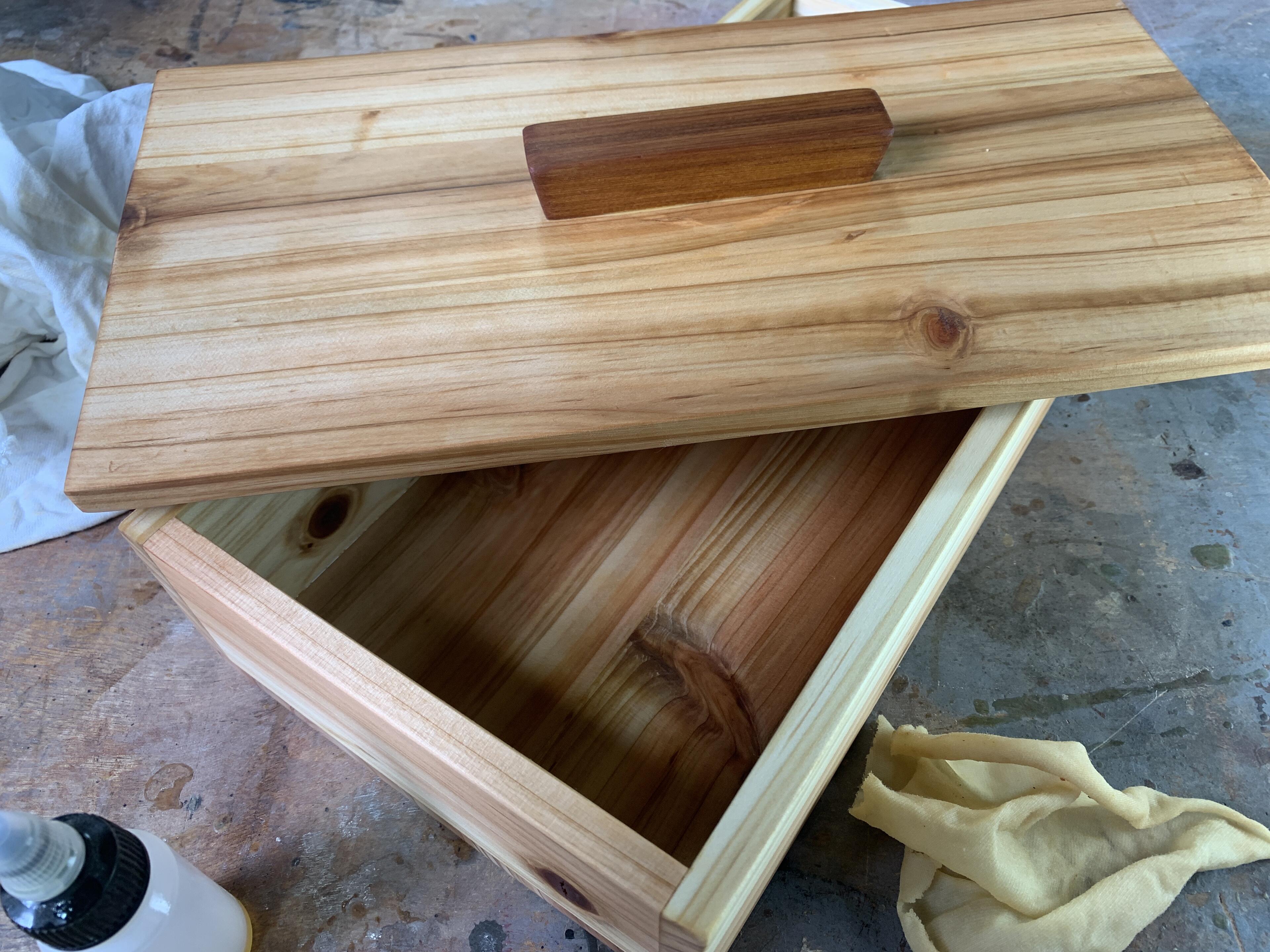
I’ve been spending a lot of time behind the scenes developing the first guided fabrication experience for Fabricator’s Field Guide. It’s designed for people who want to learn practical shop skills, whether they’re adults starting out on their own or homeschool families looking for meaningful, hands-on learning. The cedar box is the starting point, but the real work is building the learning system around it. The manual is coming together with step-by-step instructions, photos, practical notes, and checks along the way. I’m also working on videos to demonstrate techniques that are difficult to explain with words and pictures alone. A lot of thought goes into the sequence. Not just how to complete each operation, but how to help someone understand the process, recognize problems, and learn to correct them. The goal is to develop practical skills that carry over to whatever someone wants to make next. The box is just the beginning. There’s still some polishing to do, but the first experience is getting close. #FabricatorsFieldGuide #grownostr #woodworking #homeschool image
Jeremiah Baker's avatar
TheShopRat 4 days ago
I had a question about repairing an antique chair with a loose joint. The joint itself was still intact. It was just the old glue that had failed. This is pretty common with older furniture. My recommendation was to use a two-part epoxy to put it back together. Epoxy is easy to work with and has gap-filling properties, which makes it a good choice for older joints where the wood and mating surfaces may not fit together as tightly as they once did. Epoxy comes in different cure times. Five-minute epoxy is convenient, but sometimes a slower-setting version gives you more time to work and get everything positioned properly. I’d clean up the joint with some sandpaper, remove the loose glue and debris, then apply the epoxy and reassemble it. I’m talking about common, everyday antiques here, not highly prized or historically significant furniture where traditional restoration methods would be more appropriate. Done properly, you’ll end up with a very strong joint. #FabricatorsFieldGuide #grownostr #woodworking #diy image
Jeremiah Baker's avatar
TheShopRat 5 days ago
I had a question yesterday about filling scratches in new pine doors. The scratches were probably too deep to sand out, and the doors were going to be stained. He needed a way to repair them. I recommended an epoxy-based wood filler. I’ve used products like Minwax High Performance Wood Filler in the past. It’s similar to Bondo, but formulated for wood. It’s easy to sand, holds up well, and takes paint exceptionally well. It can also be stained, although you should expect the repairs to show. Wood filler doesn’t absorb stain the same way as the surrounding wood. It’s one of those products absolutely worth keeping around the shop. It can save a piece of work that would otherwise be difficult to repair. #FabricatorsFieldGuide #grownostr #woodworking
Jeremiah Baker's avatar
TheShopRat 6 days ago
Almost every morning I get a question from one of my fellow engineers. He’s a younger guy with lots of questions about woodworking. This was today’s question: Do you need to test an old piece of furniture for lead if it has old paint on it? My answer was no. If you’re going to remove the old finish and refinish the piece, I wouldn’t bother testing it. You should, however, assume the old paint could contain lead and take the proper precautions. If you’re sanding, respiratory protection and lead-safe practices are important. He was planning to use a chemical paint stripper, so I gave him another tip. After brushing on the stripper and letting the finish bubble up, use some old sawdust or wood shavings to rub into the contours of the chair. It helps absorb and pull out the gummy residue, especially in those curved and detailed areas that are difficult to clean with a scraper. #FabricatorsFieldGuide #grownostr #woodworking #diy
Jeremiah Baker's avatar
TheShopRat 1 month ago
I’ve been working on something I’ve wanted to build for a long time: a way for people to develop practical skills and learn to make things with their own hands. Fabricator’s Field Guide is about learning by doing. Each project is designed to help you build real skills, understand the process, and gain the confidence to take on more ambitious projects. You don’t need prior woodworking experience or your own tools. Module 1 provides the materials and essential tools, along with detailed instructions and instructional videos to guide you through building a simple cedar box from start to finish. I’m putting the finishing touches on the first project now. If you’d like to be among the first to purchase it when it’s ready, you can join the waitlist below… #FabricatorsFieldGuide #grownostr image
Jeremiah Baker's avatar
TheShopRat 1 month ago
One of the most useful things a child can learn from building something… Is that problems are often solvable. A piece doesn’t fit. A measurement is wrong. Something isn’t straight. You don’t necessarily have to abandon the project. You can investigate, adjust, and try again. That experience builds practical problem-solving skills, but it also teaches a broader lesson… That a mistake doesn’t have to be the end of the story. #FabricatorsFieldGuide #grownostr #education
Jeremiah Baker's avatar
TheShopRat 1 month ago
Why do I need to learn fractions? It’s a fair question if all you ever do is work problems on paper. But start measuring a board, and fractions suddenly have a purpose. You’re working with halves, quarters, eighths, and sixteenths because the physical world demands it. Academic knowledge and practical experience aren’t competing forms of education. They’re two ways of understanding the same world. We need both. #FabricatorsFieldGuide #grownostr #education
Jeremiah Baker's avatar
TheShopRat 1 month ago
When I first started woodworking, I thought dovetails were really important… I thought if you wanted to build boxes and furniture, you needed to learn how to cut dovetails. More than 30 years later, I’ve never cut a dovetail. And I’ve built a lot of things. That’s one of the things I’ve learned about woodworking. Some of the things you think are essential when you’re starting out aren’t nearly as important as you think they are. Learn how to measure. Mark. Cut. Join. Glue. Finish. Build things. The fancy stuff can wait… #FabricatorsFieldGuide #grownostr #woodworking #DIY image
Jeremiah Baker's avatar
TheShopRat 1 month ago
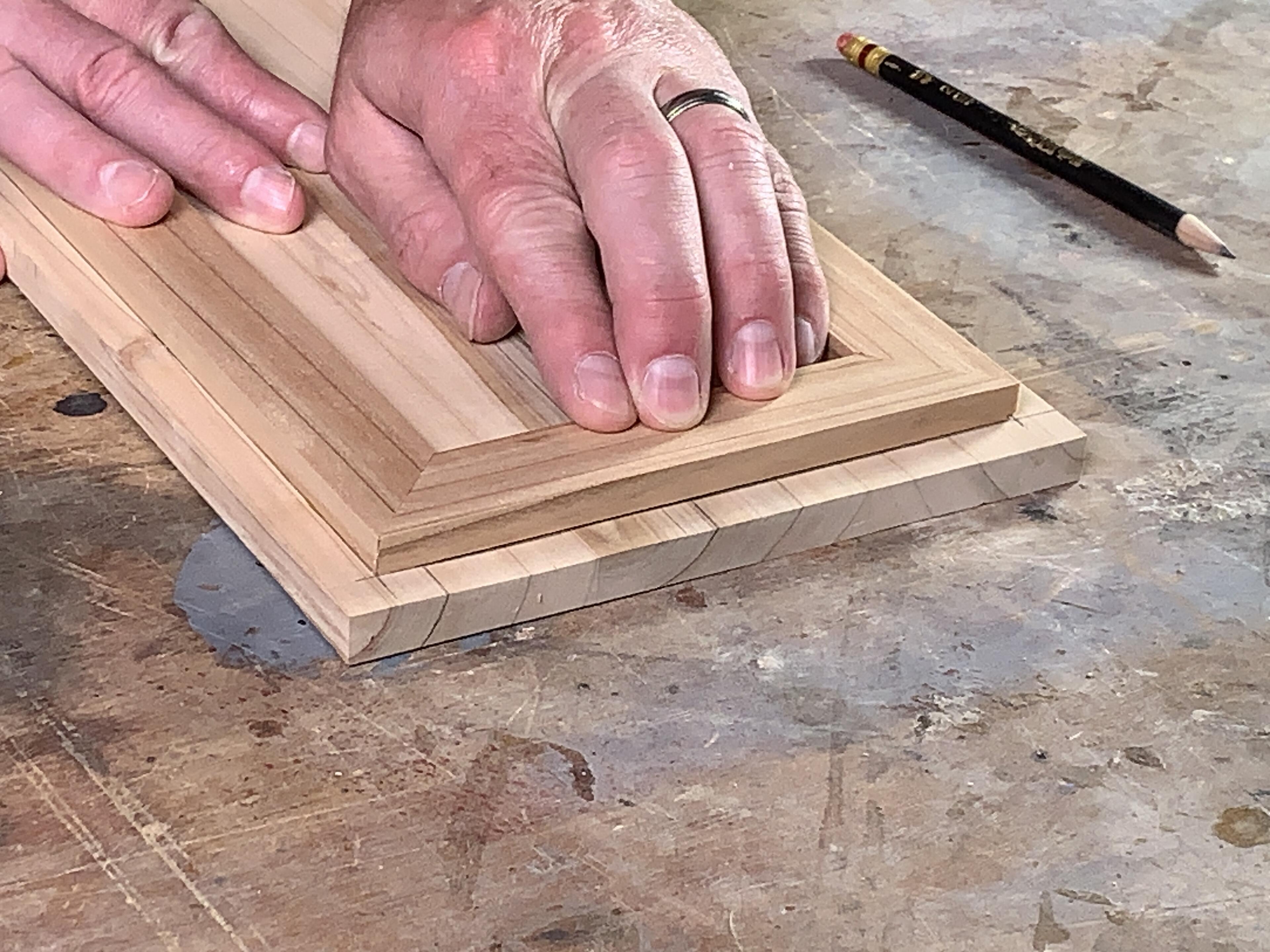
I haven’t posted much lately… I’ve been pretty focused on writing and testing the first hands-on project for Fabricator’s Field Guide. It’s a curated build for beginners to learn real shop skills by doing the work. I’m working through the manual and the short videos that go with it, going back through the build and asking, “Would this make sense if I’d never done this before?” That led me to change how I’m teaching the mitered cleats. It’s a slower process, but the fit is better and the process is easier to understand. I’m trying to take 30-plus years of hands-on experience and put the lessons that matter into one build, so a beginner has a place to start and doesn’t have to figure it all out alone… #FabricatorsFieldGuide #grownostr #woodworking #DIY #proofofwork image
↑