Global
⚙️
Theme: Auto
Login
WolfMacbeth
wolfmc@iris.to
npub1s5kg...j9c5
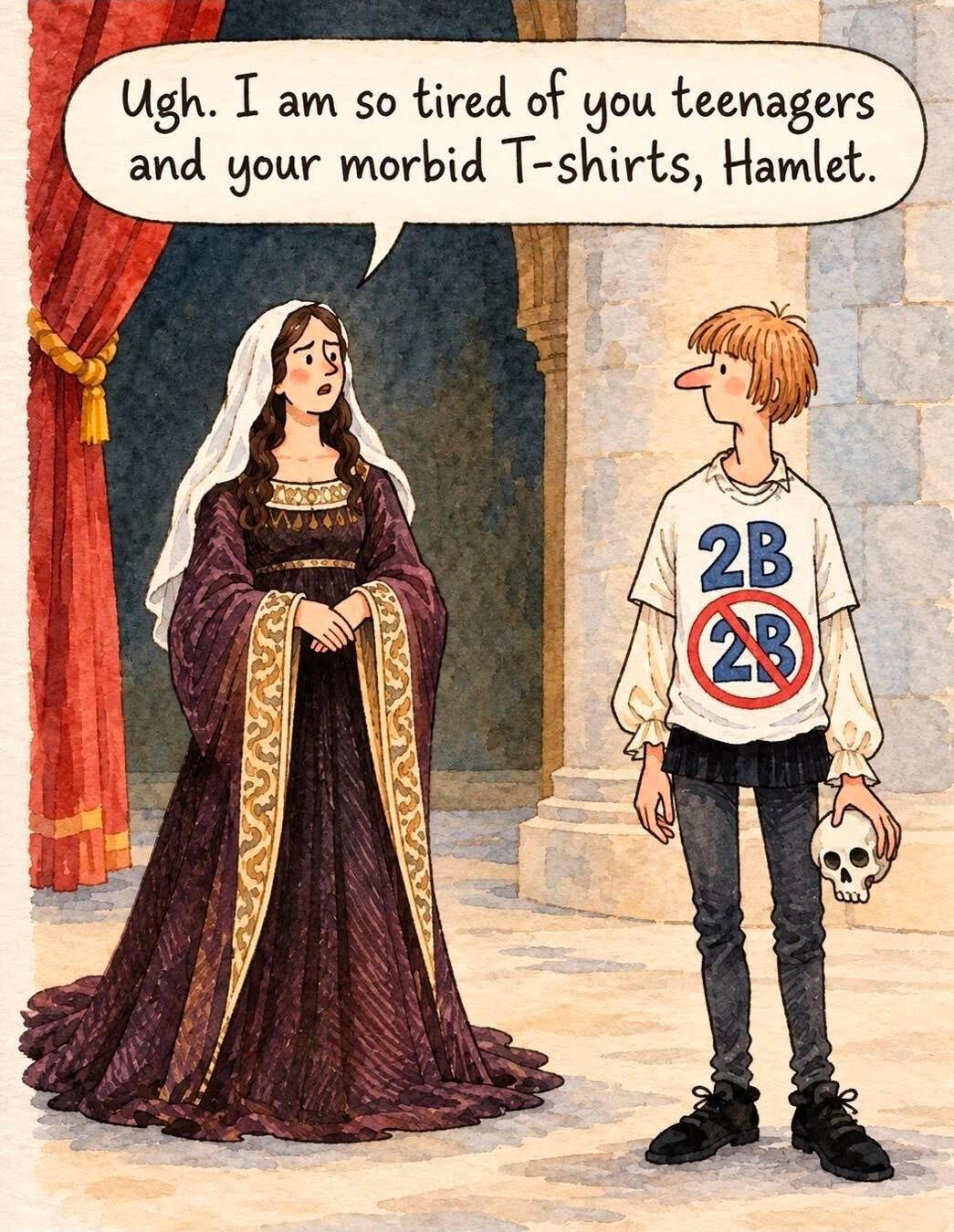
These two are my core beliefs, #Bitcoin embodies hope for people, while #literature offers hope to the reader.
WolfMacbeth
16 hours ago
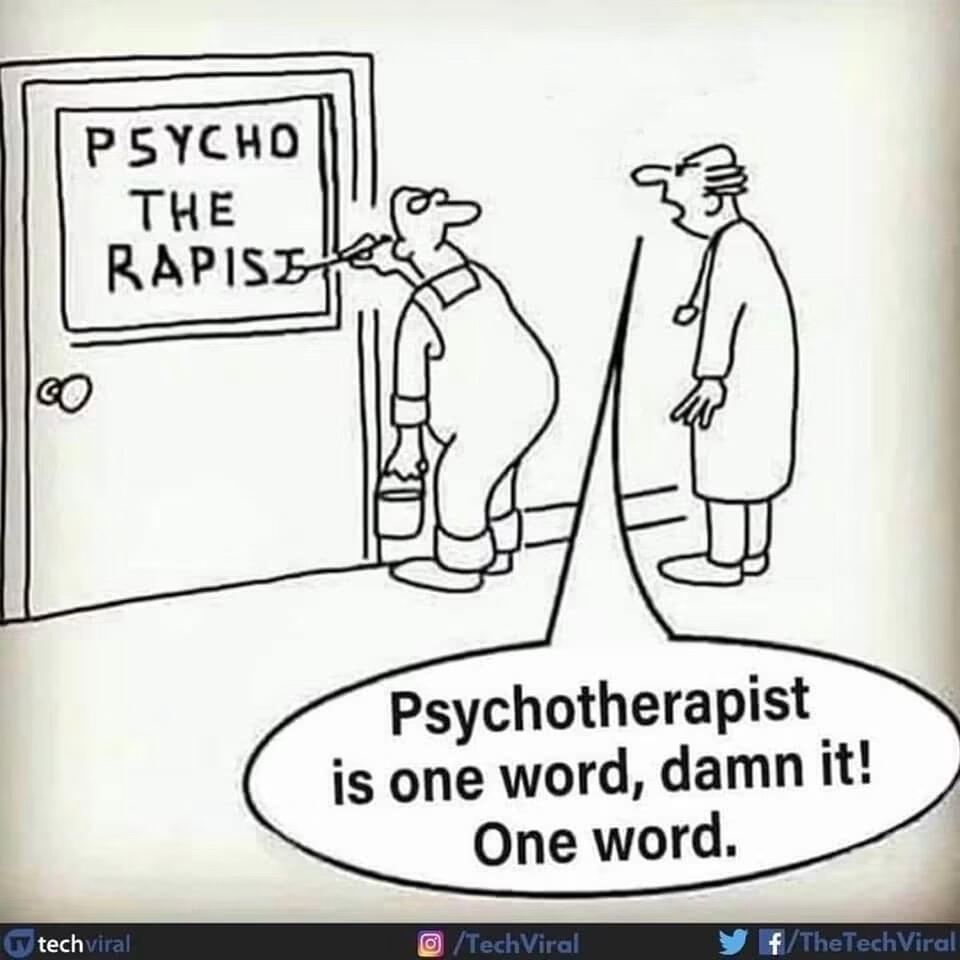
😂😂😂
WolfMacbeth
16 hours ago
WolfMacbeth
16 hours ago
WolfMacbeth
2 days ago
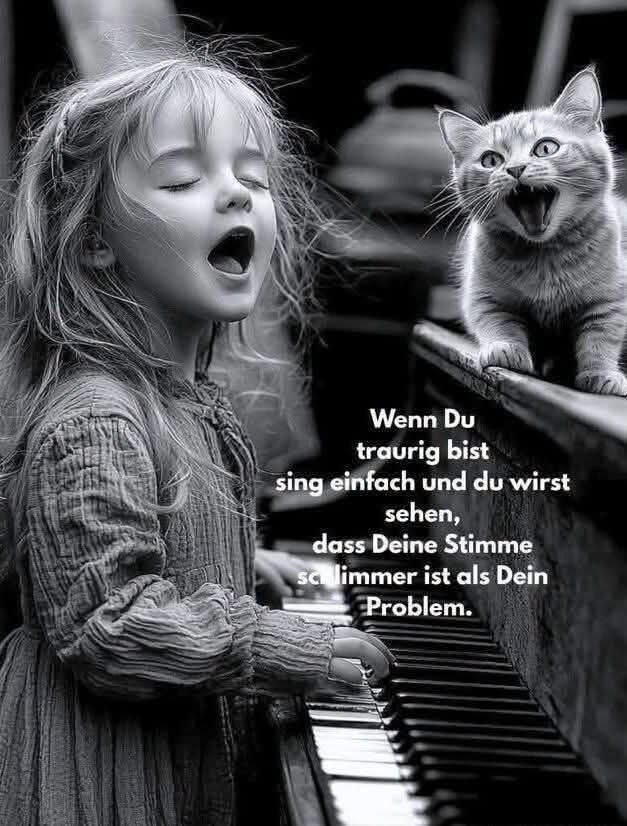
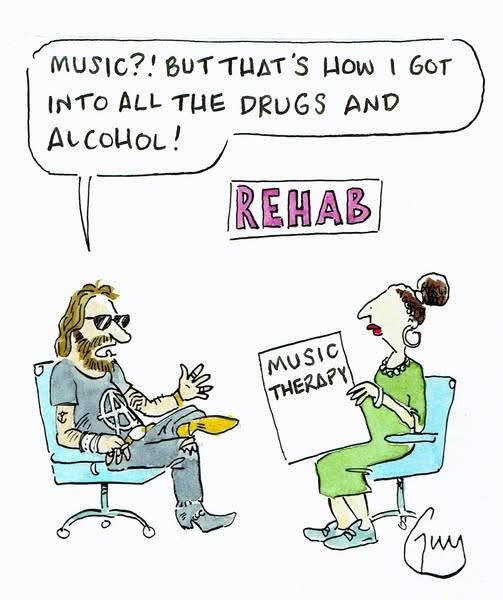
#music #memes
WolfMacbeth
2 days ago
WolfMacbeth
5 days ago
WolfMacbeth
5 days ago
WolfMacbeth
5 days ago
WolfMacbeth
5 days ago
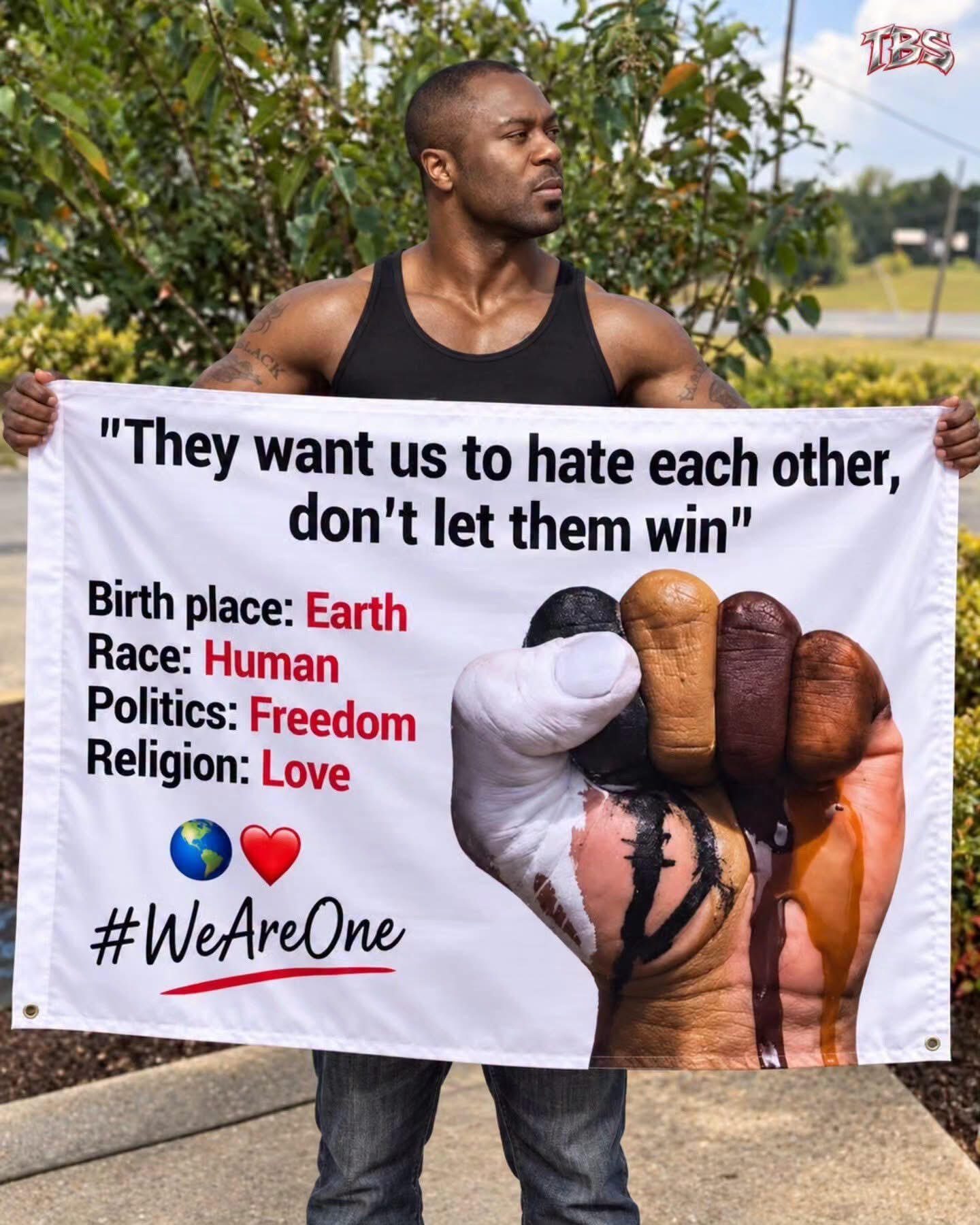
#freedom
WolfMacbeth
1 week ago
WolfMacbeth
1 week ago
WolfMacbeth
1 week ago
WolfMacbeth
1 week ago
#memes
WolfMacbeth
2 weeks ago
WolfMacbeth
2 weeks ago
WolfMacbeth
2 weeks ago
😂
WolfMacbeth
2 weeks ago
WolfMacbeth
2 weeks ago
WolfMacbeth
2 weeks ago
WolfMacbeth
2 weeks ago
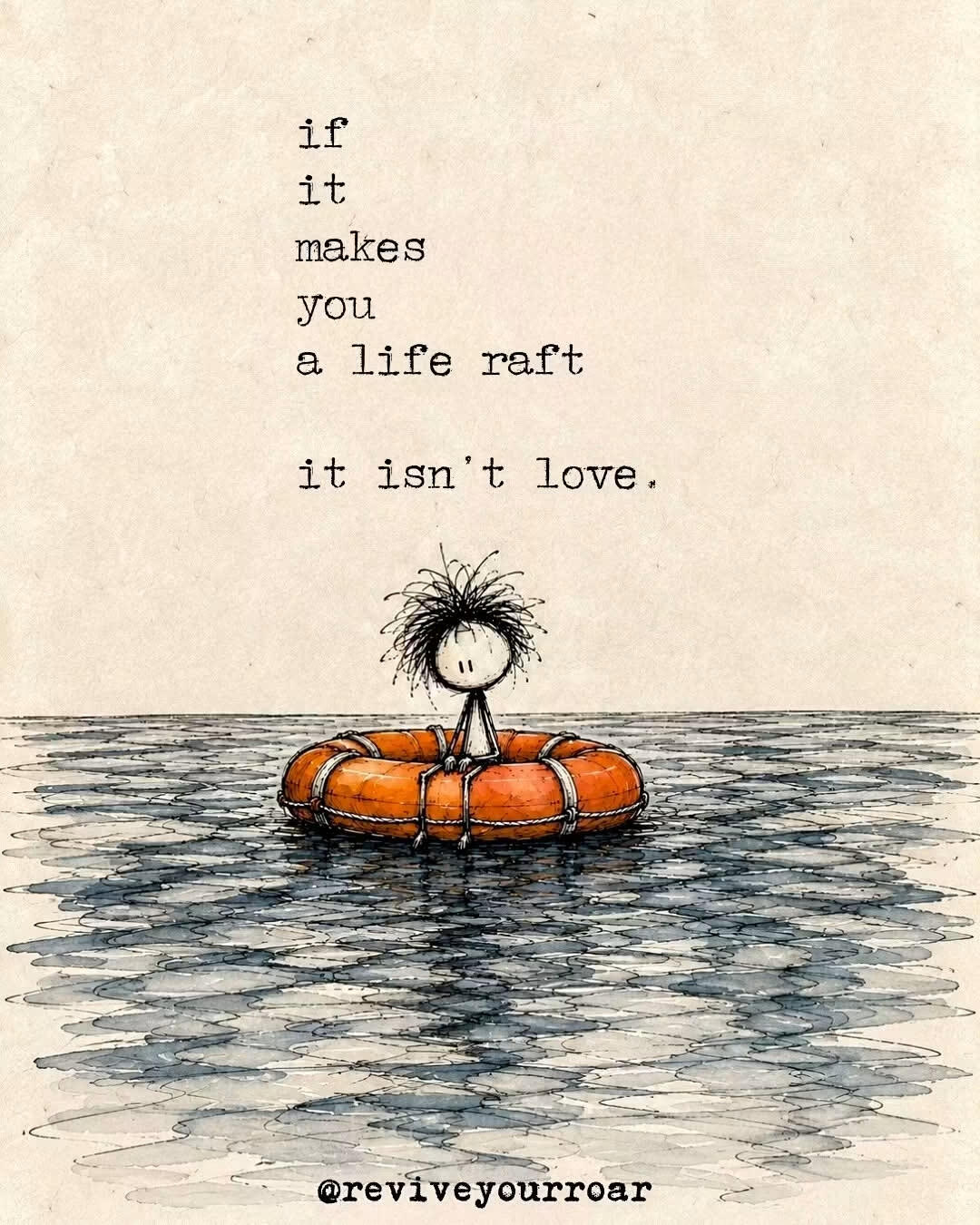
#love
Load More →
↑