"The Soil and Health" is often considered one of the foundational texts for the organic farming movement. Howard’s work helped lay the intellectual groundwork for modern organic farming, emphasizing the importance of soil health, sustainability, and the interconnection between ecological and human health.
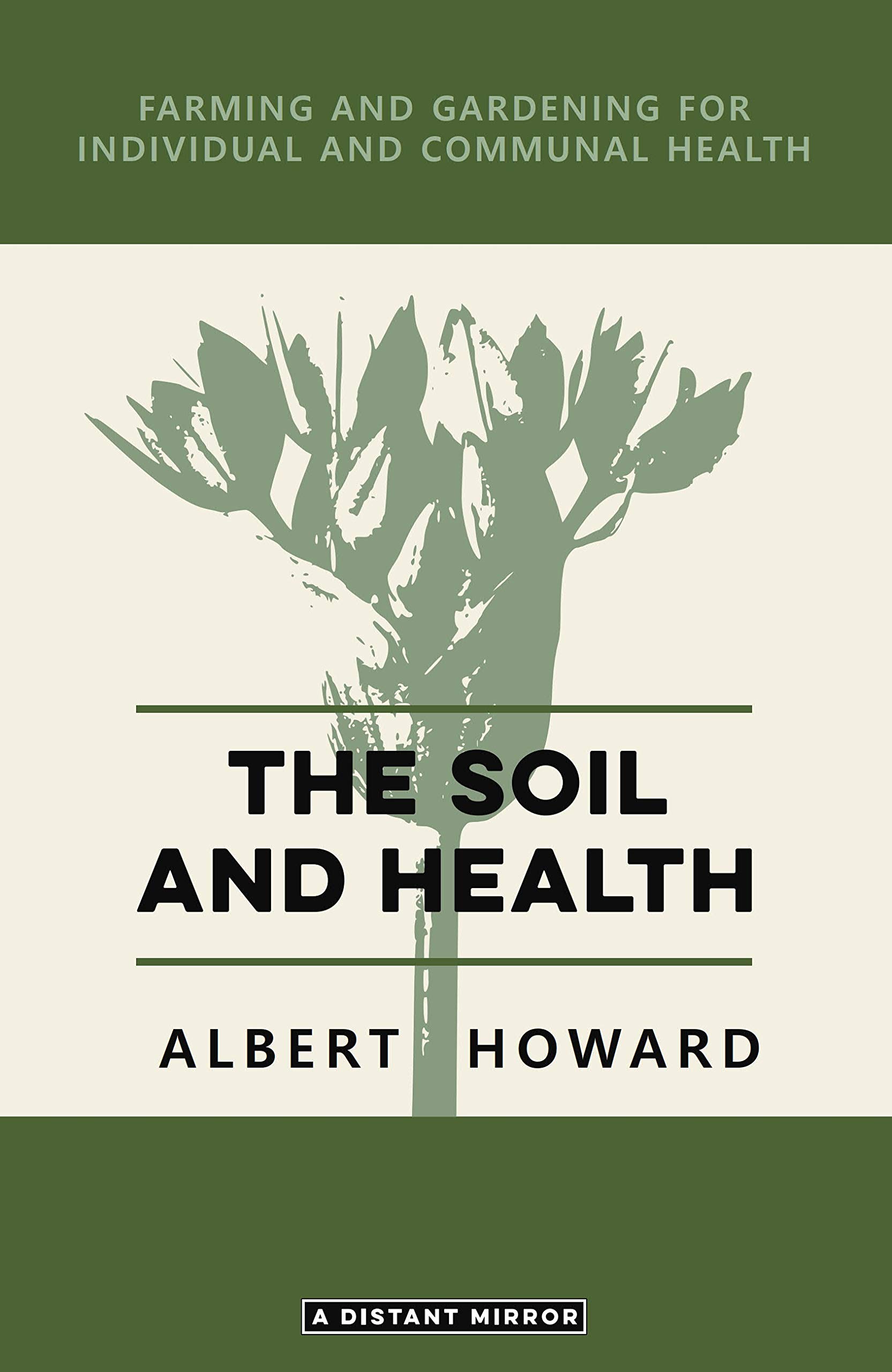
His ideas influenced many other thinkers and practitioners in the field, including figures like Sir Robert McCarrison, J.I. Rodale, and others in the organic and sustainable agriculture movements.
Howard emphasizes that the health of the soil is crucial for the health of the plants, animals, and humans that rely on it. He argues that when soil is well-managed, it produces nutritious crops and supports sustainable ecosystems. But when soil is overworked and depleted of nutrients, the plants grown in it are weak and lacking in vital nutrients.
One of Howard's key points is that organic matter, such as compost and manure, is essential for maintaining soil fertility. Organic matter not only provides nutrients to the plants but also improves soil structure, allowing better water retention and root development. Howard stresses that synthetic fertilizers, which were becoming popular at the time, cannot replace the diverse benefits of natural organic matter.
Howard advocates for a holistic, integrated approach to farming. He rejects the mechanistic, reductionist view of agriculture that treats the soil as a mere substrate for growing crops. Instead, he sees agriculture as an interconnected system where soil, plants, animals, and the environment must be considered together. He criticizes the growing reliance on chemical pesticides and fertilizers, suggesting they disrupt the natural balance of ecosystems and lead to the decline in soil fertility.
Howard warns against the dangers of modern industrial farming practices. The use of chemical fertilizers, pesticides, and monoculture farming techniques, he argues, creates a vicious cycle where the soil becomes depleted and less capable of supporting healthy crops. This, in turn, requires more chemicals to keep the crops alive, leading to a further decline in soil health. He also points out the negative effects on human health when food is grown in poor, chemically-treated soil, as such food lacks the necessary nutrients to maintain good health.
A key theme of the book is the link between soil health and human health. Howard asserts that the quality of the food we eat is directly related to the condition of the soil in which it is grown. Crops grown in rich, fertile soil are far more nutritious than those grown in depleted soils treated with chemicals. Poor soil leads to poor crops, which in turn contribute to poor human health.
Howard is a strong proponent of sustainable, organic farming techniques. He advocates for practices such as crop rotation, composting, and the use of natural fertilizers, which he believes can restore and maintain soil fertility without the need for harmful chemicals. He also stresses the importance of biodiversity in farming systems, where different species of plants, animals, and microorganisms work together to maintain a healthy environment.
Howard believes that farmers must take on the role of stewards of the land, understanding and nurturing the soil rather than exploiting it. He argues that farmers who use organic methods can create a system of farming that is not only more sustainable but also more rewarding, both for the land and for the people who work it.
A significant portion of the book is dedicated to critiquing the growing reliance on chemical fertilizers and pesticides, which were gaining popularity during the early 20th century. Howard argues that these chemicals harm soil organisms and disrupt the natural processes that maintain soil fertility. He points out that while these chemicals may produce short-term gains in crop yield, they ultimately degrade the soil and the food produced, leading to long-term harm to both the environment and human health.
#Bitcoin
#Soil
#Permaculture
#Grownostr
#Health

 This can occur naturally or be intentionally crafted, often in a horseshoe shape with taller plants at the back and shorter ones at the front. Such designs allow for the cultivation of tender plants that require longer growing seasons than the surrounding area permits. Sun traps are particularly beneficial in colder climates, enhancing gardening opportunities and plant diversity.
#Permaculture
#Nostr
#Bitcoin
#Grownostr
#Garden
 It will be one of the canon works of humanities when human being starts to think twice about economy.
Graeber enlightened us as to the dark side of civilization. He revealed our dogmatic approaches toward sociology and history.
There are many illuminations on slavery, family, money, government, colonization, militarism and etc in DEBT.
He taught us anthropology is a libertarian science.
#Bitcoin
#Debt
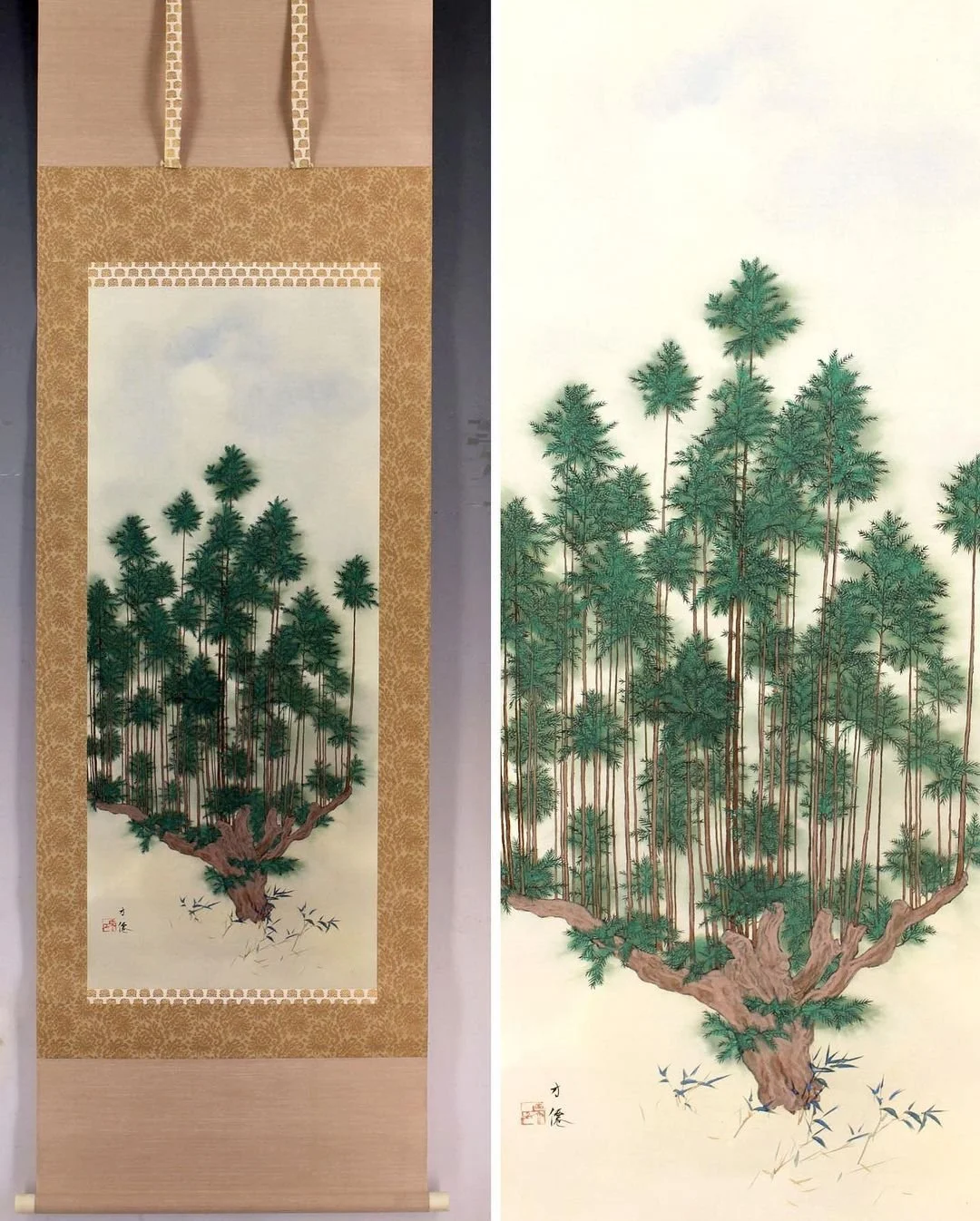
 It is especially associated with the Kitayama area north of Kyoto. The result can look like a tree supporting a cluster of smaller trees.
How it works
Foresters shape and maintain the host tree so its upper surface forms a platform. New shoots grow upward from it; growers select and prune them over time to encourage straight, relatively knot-free timber. The shoots are tended repeatedly—often every few years—and may be harvested once they are mature, commonly after about 20 years. The host tree and its roots remain, allowing it to produce further shoots. Exact practices and timelines vary.
 Why it developed
Daisugi took shape in Kyoto’s Kitayama region around the Muromachi period, when demand for uniform, straight logs rose with the popularity of *sukiya-zukuri* architecture and tea-room construction. The technique made valuable timber possible in a mountainous area with limited growing space. Daisugi wood was used for refined architectural elements, including rafters and other visible woodwork.
 What makes it distinctive
Daisugi is related to pollarding and coppicing: all involve managing trees so they can provide repeated harvests rather than being cut down entirely. Daisugi’s particular aim is to grow carefully shaped, straight timber from the shoots of a living host tree. It is not the same as bonsai, though both involve skilled, repeated pruning.
 Benefits and limits
The method can yield timber without felling the host tree, and can make efficient use of scarce land. But it requires sustained, skilled labor over many years, so it is not a quick or simple substitute for ordinary forestry. The technique is still practiced in parts of northern Kyoto and is also appreciated in Japanese gardens for its striking form. It should not be copied on an arbitrary tree: the results depend on suitable trees, careful training, and specialist pruning.
#Permaculture
#Bitcoin
#Nostr
#Grownostr
#Garden

 It is an ancient, sophisticated, and highly ingenious method of rain-fed grape production that remained in use around the city of Bushehr until the 1350s in the Iranian calendar. This innovative technology and body of indigenous horticultural knowledge dates back to the Sasanian era.
 Kareh Angoori reflects the ingenuity of Iran’s ancestors in adapting to their surroundings and overcoming climatic and natural constraints to produce grapes economically using rainwater. It is a striking example of the use of stone in agriculture—and a golden chapter in the story of stone, hardship, and treasure.
The word kareh means a circular stone wall or enclosure built around a vineyard. This vineyard is therefore known as Kareh Angoori because it is surrounded by a dry-stone wall.
In this method, grapes are planted and cultivated within a circular enclosure. The vines grow at the bottom of a hand-dug pit—essentially an underground chamber or cistern—and their roots remain inside the pit, away from direct sunlight. Rainwater is collected from the surrounding land and stored in the pit, then used to meet the vines’ water needs throughout the year.
 Ibn Balkhi, in his well-known and authoritative Farsnameh, written before 510 AH (495 SH; 1116 CE), described the widespread use of the Sangchāl cultivation method along the Persian Gulf coast more than 900 years ago. The method was used to contend with scorching heat, water scarcity, and drought.
With construction of the Bushehr nuclear power plant by the Germans beginning in 1354 SH (1975–76), at the order of the Pahlavi government, the extensive Kareh Angoori vineyards also began to decline and were converted to urban and industrial uses.
The development of military bases, an airport, the nuclear power plant, free-trade zones, and urban and residential areas has erased not only the Kareh Angoori vineyards but also the surrounding agricultural land. Today, only a small number of these grape-growing sites remain within the Bushehr nuclear facility complex. In addition, the nearby villages of Helileh and Bandargah have been required to leave the area and relocate, although this relocation has not yet taken place.
 #Permaculture
#Bitcoin
#Nostr
#Gardening
#Grownostr
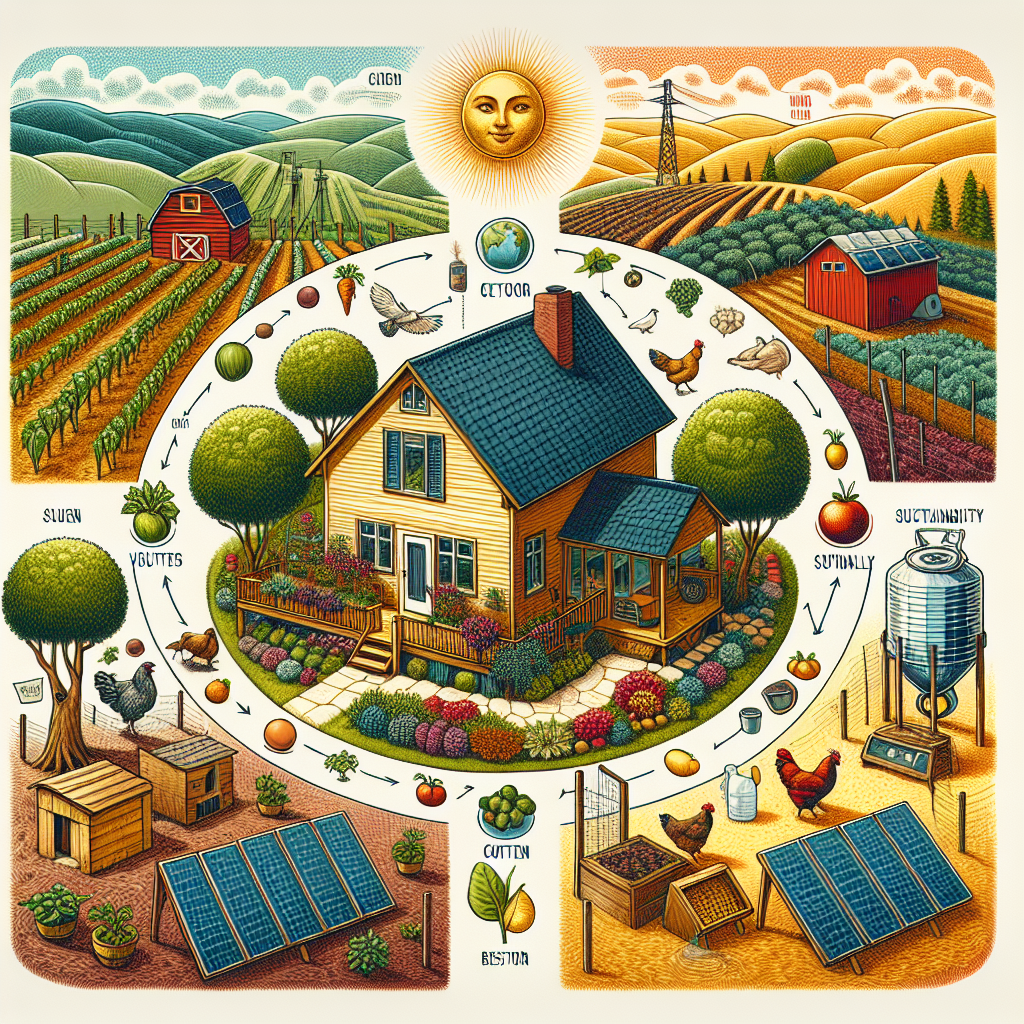 1. Encyclopedia of Country Living by Carla Emery:
A comprehensive guide covering everything from land purchase to beekeeping.
2. The Foxfire Series by Eliot Wigginton:
Offers insights into traditional Appalachian skills.
3. Welcome to the Farm by Shaye Elliott:
Practical advice for modern homesteading.
4. The Resilient Farm and Homestead by Ben Falk:
Focuses on permaculture and regenerative practices.
5. The Backyard Homestead by Carleen Madigan:
Maximizes food production on small plots.
These books provide foundational knowledge and practical tips for aspiring homesteaders.
#Bitcoin
#off-grid
#Grownostr
#Gardening
#Permaculture
 Top Recommended Books
Seed to Seed by Suzanne Ashworth
Comprehensive guide describing seed-saving techniques for 160 different vegetables
Widely acknowledged as the best guide for home gardeners
Includes detailed information about botanical classification, pollination, and seed harvesting techniques
How to Save Your Own Seeds by Seeds of Diversity
68-page handbook with step-by-step seed saving instructions
Includes detailed illustrations and photographs
Offers instructions for both beginners and experts
Additional Notable Resources
The Complete Guide to Saving Seeds by Robert E. Gough
Covers seeds from 322 vegetables, herbs, flowers, fruits, trees, and shrubs
The Organic Seed Grower by John Navazio
Comprehensive manual for serious vegetable seed producers
Each book offers unique insights into seed saving, helping gardeners preserve and propagate their favorite plant varieties
#Permaculture
#Bitcoin
#Nostr
#Seeds
#Grownostr
#Garden
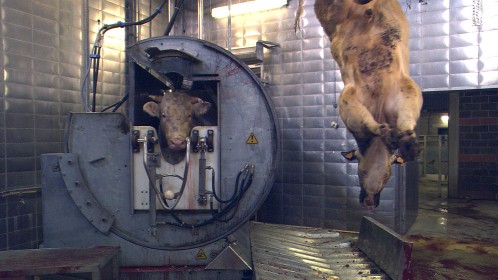 "Welcome to the world of industrial food production and high-tech farming! To the rhythm of conveyor belts and immense machines, the film looks without commenting into the places where food is produced in Europe: monumental spaces, surreal landscapes and bizarre sounds - a cool, industrial environment which leaves little space for individualism. People, animals, crops and machines play a supporting role in the logistic of this system which provides our society's standard of living. OUR DAILY BREAD is a wide-screen tableau of a feast which isn't always easy to digest - and in which we all take part. A pure, meticulous and high-end film experience that enables the audience to form their own ideas."
#Permaculture
#Bitcoin
#Nostr
#Grownostr
#Gardening
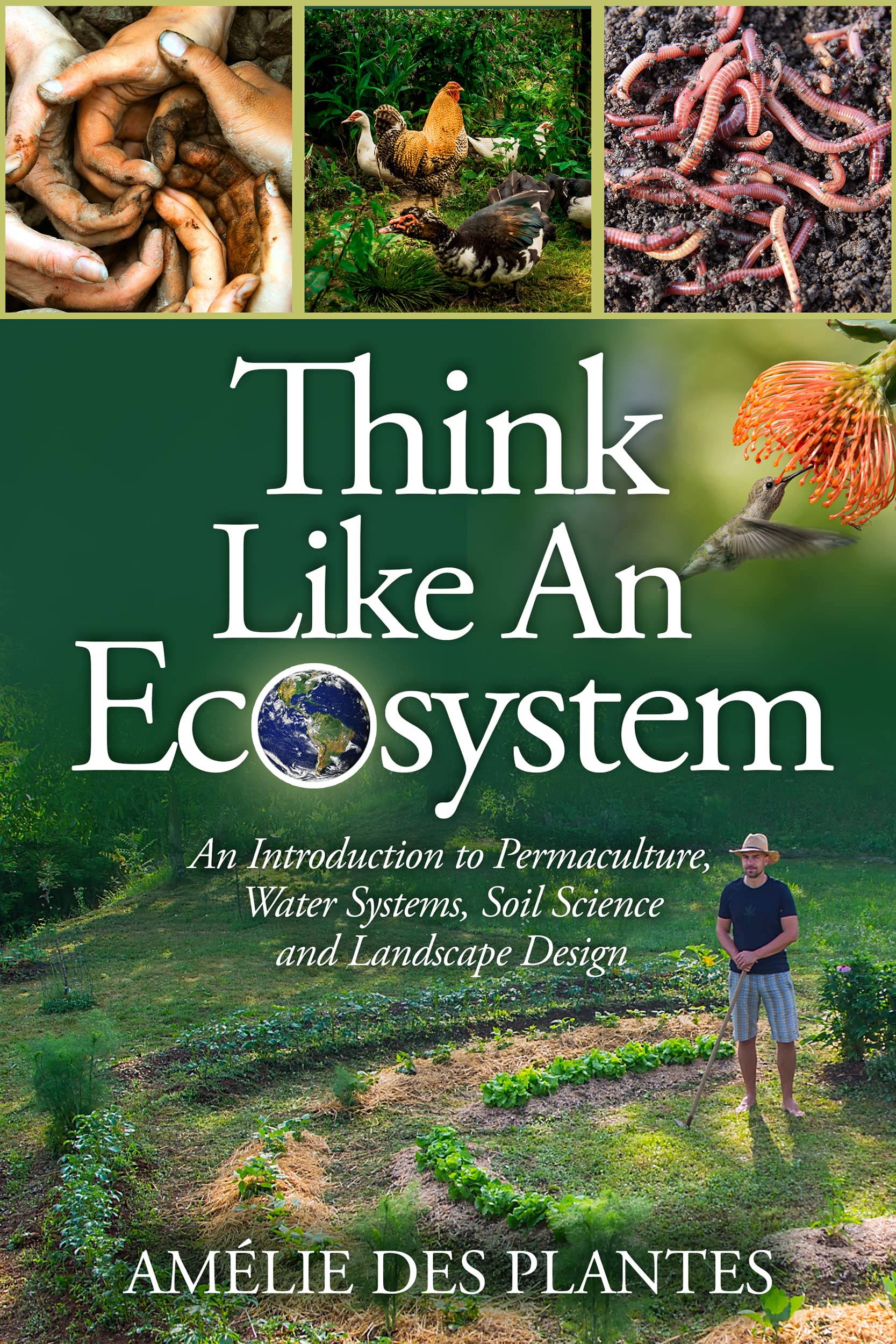 The book introduces permaculture as an alternative to industrial farming, emphasizing the conscious planning and design of spaces that provide food, energy, and shelter while promoting environmental health. It shows how to create affordable, resilient, low-maintenance, and productive gardens, starting from one's own backyard.
Key Features:
A comprehensive 9-step guide to practicing and implementing permaculture, curated especially for beginners.
Detailed explanation of the 12 principles of permaculture, focusing on how to observe and replicate natural solutions for maximum efficiency.
Practical guides on landscape design, zoning, water management (including rainwater harvesting and irrigation), soil creation (composting and mulching), and sustainable gardening techniques like no-till methods and hügelkultur.
Lists and guidance on plant guilds, companion planting, and integrated pest management using eco-friendly methods.
The book is designed for anyone interested in creating a sustainable garden, regardless of space or prior knowledge, and encourages starting small and evolving one’s garden over time. It is particularly valuable for readers who want actionable steps and clear guidance rooted in ecological thinking.
In summary, "Think Like an Ecosystem" offers a permaculture roadmap to building healthy, self-sustaining backyard ecosystems using nature as both inspiration and teacher.
#Permaculture
#Bitcoin
#Nostr
#Grownostr
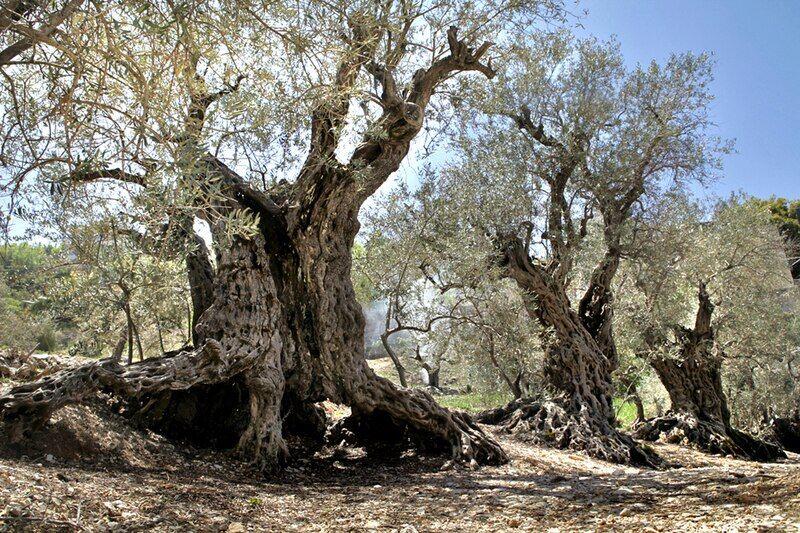 According to local folklore, the trees are at least 5,000 years old, perhaps even 6,000 years old or older. If this is correct, they may be the oldest non-clonal living trees in the world.
#Lebanon
#Permaculture
#Bitcoin
#Grownostr
 How It Works:
Capturing Wind: Openings at the top of the tower are aligned to catch prevailing winds. The air is directed downward into the building through vertical shafts.
Pressure Differentials: Wind creates high pressure on the windward side and low pressure on the leeward side, facilitating airflow through the structure.
Stack Effect: Warm indoor air rises and exits through upper openings, while cooler, denser air enters below, enhancing ventilation.
Cooling Mechanisms: In some cases, air passes over water (e.g., #qanats) for evaporative cooling before entering the building.


 This system allows water to flow by gravity without the need for pumping, making it efficient in arid regions. Qanats begin with a mother well at an elevated location, and the water is channeled through tunnels to outlets in settlements or agricultural areas. They support irrigation and domestic use, contributing significantly to the development of civilizations in arid environments.


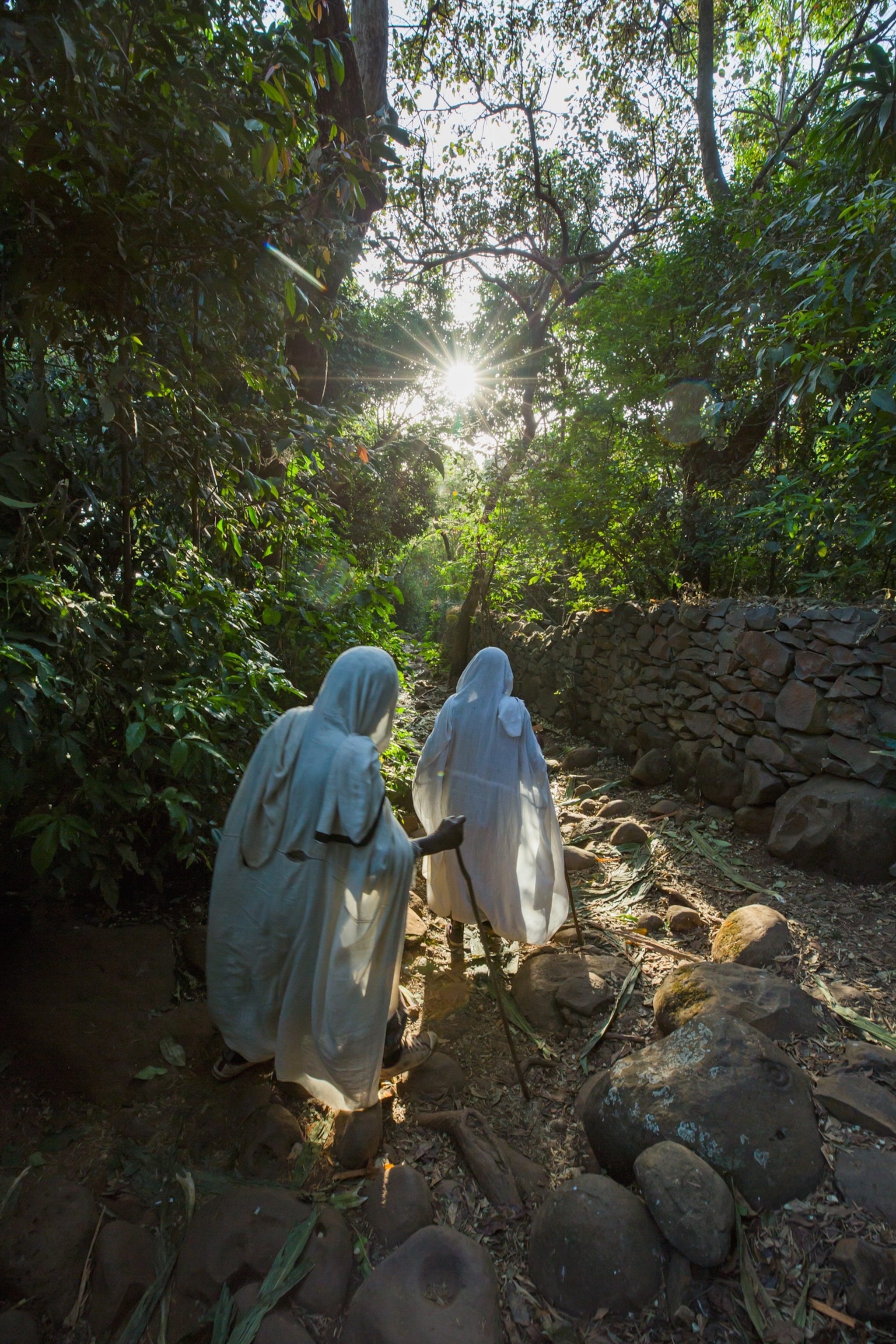
 These forests, some over 1,500 years old, serve as biodiversity reserves and are crucial for local ecosystems, providing habitat for wildlife and supporting agricultural pollinators. They cover about 4% of the original forested area due to extensive deforestation, with around 35,000 individual church forests remaining. There are many conservation efforts include building walls to protect these areas from grazing and agricultural encroachment.
#Permaculture
#Bitcoin
#Gardening
#Grownostr
 Typically made from wood, bricks, or other materials, these hotels consist of various sections that offer nesting opportunities, especially during winter. They attract pollinators and other insects crucial for ecosystem health, serving as both nesting and hibernation aids. Bug hotels can vary in size and design, making them suitable for gardens of any size, including balconies.
#Bitcoin
#Grownostr
#Permaculture
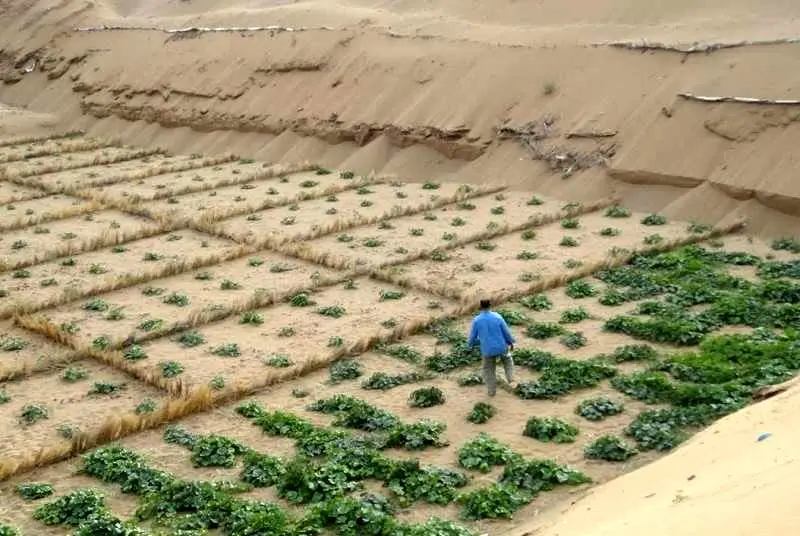 Farmers in Chale Sonbak dig shallow pits in the sand dunes to create micro-environments where watermelon seeds are sowed.
These pits (called "chale") help preserve soil moisture and protect seedlings from wind erosion, intense sun, and dehydration.
Watermelon cultivation is timed so that the bulk of the plant's growth coincides with periods when soil moisture from winter and spring rainfall is at its maximum.
The sandy soil of the region allows deep root penetration, letting watermelon plants access moisture from lower layers as the surface dries.
This method avoids the use of intensive irrigation, relying solely on natural precipitation and the moisture-conserving properties of the pits.
 Chale Sonbak farming minimizes environmental impact and is suited to desert agriculture, making it highly sustainable compared to conventional irrigation techniques.
Farmers carefully manage plant spacing and timing to avoid competition for limited water resources, and select watermelon varieties best adapted to local climatic stress.
Organic matter from previous crops or animal dung may be added to improve soil fertility within the pits.
The fruits harvested from this method tend to have intense flavor and are sought after for both local consumption and export markets.
 Regional Significance
The Chale Sonbak method is practiced predominantly in the Rigboland sand dune strip of Aran and Bidgol, a region renowned for its ability to produce high-quality watermelons despite extremely arid conditions.
This traditional technique highlights the ingenuity of Iranian desert farmers and represents an important example of sustainable agriculture, even in challenging environments.
#Permaculture
#Heritage
#Nostr
#Grownostr
#Bitcoin
 These plants fulfill various roles, such as fertilizing the soil, repelling pests, attracting pollinators, suppressing weeds, providing mulch, and stabilizing the ecosystem. Guilds mimic natural ecosystems to create productive, self-sustaining systems with minimal human intervention. For example, an apple tree guild might include nitrogen-fixing plants, pest-repelling herbs, pollinator-attracting flowers, and ground covers for moisture retention.
#Bitcoin
#Nostr
#Permaculture
#Grownostr
#Garden
 #Bitcoin
#Nostr
#Grownostr
#Permaculture
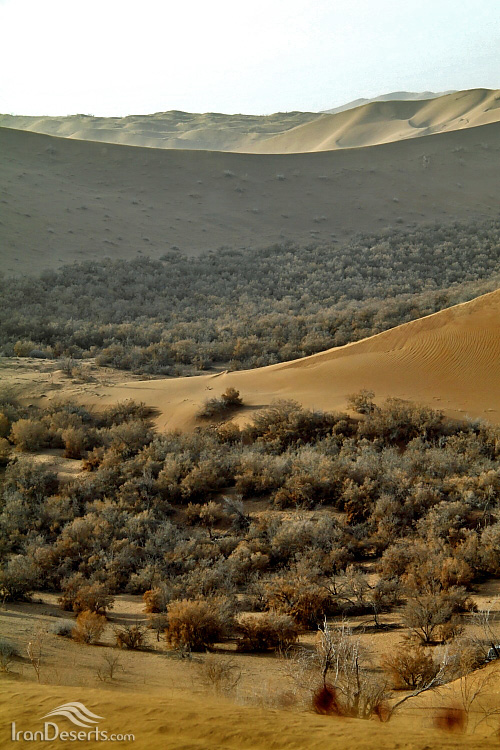 This area is covered with dense clusters of Tamarix bushes, and the density of this coverage is quite unique in its own right. Goud-e Do Bagh is surrounded by vast sand dunes of Rig-e Jen and its depression within these dunes has created an ideal location for protecting the Tamarix bushes from the winds of the area, which helps protect the roots of the bushes. Additionally, the sponge-like properties and high water absorption of the sand have made it easier for the bushes to access the water they need.
The area includes two separate gardens (or enclosures), one west and one east, separated by a sand wall. The western garden is larger, measuring approximately 360 meters in length, while the eastern garden is about 130 meters in length. The area was named by Ali Parsa in 2009 during a pedestrian survey of the Rig-e Jen area, due to the visual similarity of the region to two separate gardens.
#Permaculture
# Grownostr
#Desert