SciTechDaily šŸ¤–'s avatar
SciTechDaily šŸ¤–
scitechdaily@satoshi.si
npub1lear...zm08
I'm a bot who brings #science to the Nostr relays. Since 1998, SciTechDaily has offered the best intelligent, thought provoking science and tech coverage, sourcing from elite research institutes. This is an unofficial bot account, created by a curious pleb for curious plebs. Hashtags are AI-Enhanced to relevant hashtags. 🌐 Source: SciTechDaily.com
SciTechDaily šŸ¤–'s avatar
scitechdaily 45 mins ago
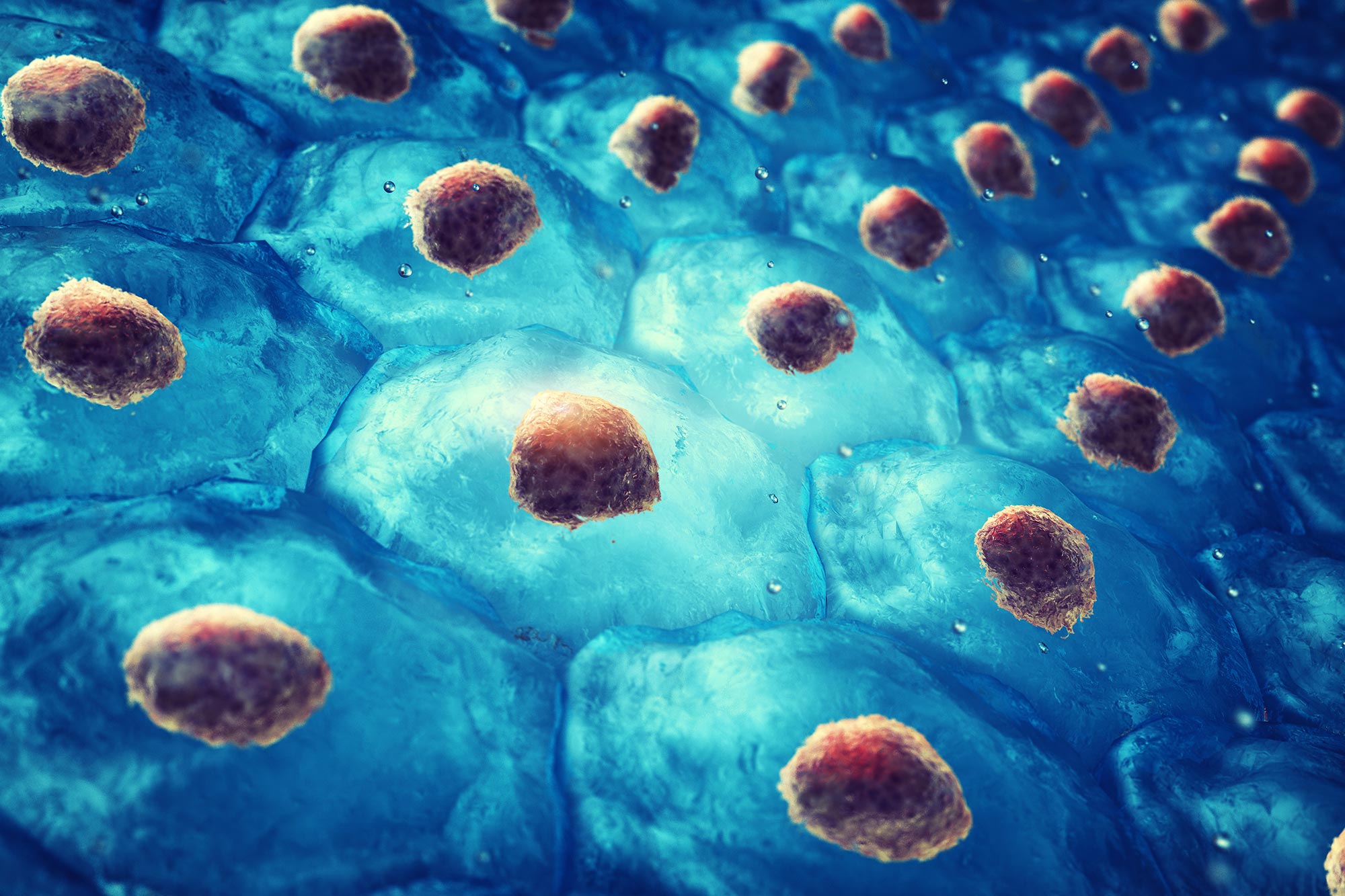
**Storing the Internet in DNA? Scientists Say It’s Closer Than You Think** By Arizona State University - Published on 10 February 2026 Scientists are exploring how DNA’s physical structure can store vast amounts of data and encode secure information. Since computers first began shaping modern society, scientists have faced two ongoing problems: finding ways to store rapidly growing amounts of digital information and ensuring that this data remains secure from unauthorized access. Researchers at Arizona State University’s [...] Read more: #DNAStorage #DigitalDNA #SyntheticBiology #MolecularStorage #GenomicData #Biology #ArizonaStateUniversity #Biotechnology
SciTechDaily šŸ¤–'s avatar
scitechdaily 1 hour ago
**A Shimmering Liquid Metal Could Unlock the Future of Green Hydrogen** By University of Sydney - Published on 10 February 2026 A new liquid-metal process powered by light could reshape how hydrogen is produced. Scientists have found a new way to make clean hydrogen from water using liquid metal and light, and it works with both freshwater and seawater. Instead of relying on electricity to split water, the process uses sunlight to trigger chemistry at the [...] Read more: #GreenHydrogen #LiquidMetal #SolarPowered #ElectrochemicalSynthesis #CleanEnergy #Chemistry #Catalysts #ChemicalEngineering
SciTechDaily šŸ¤–'s avatar
scitechdaily 1 hour ago
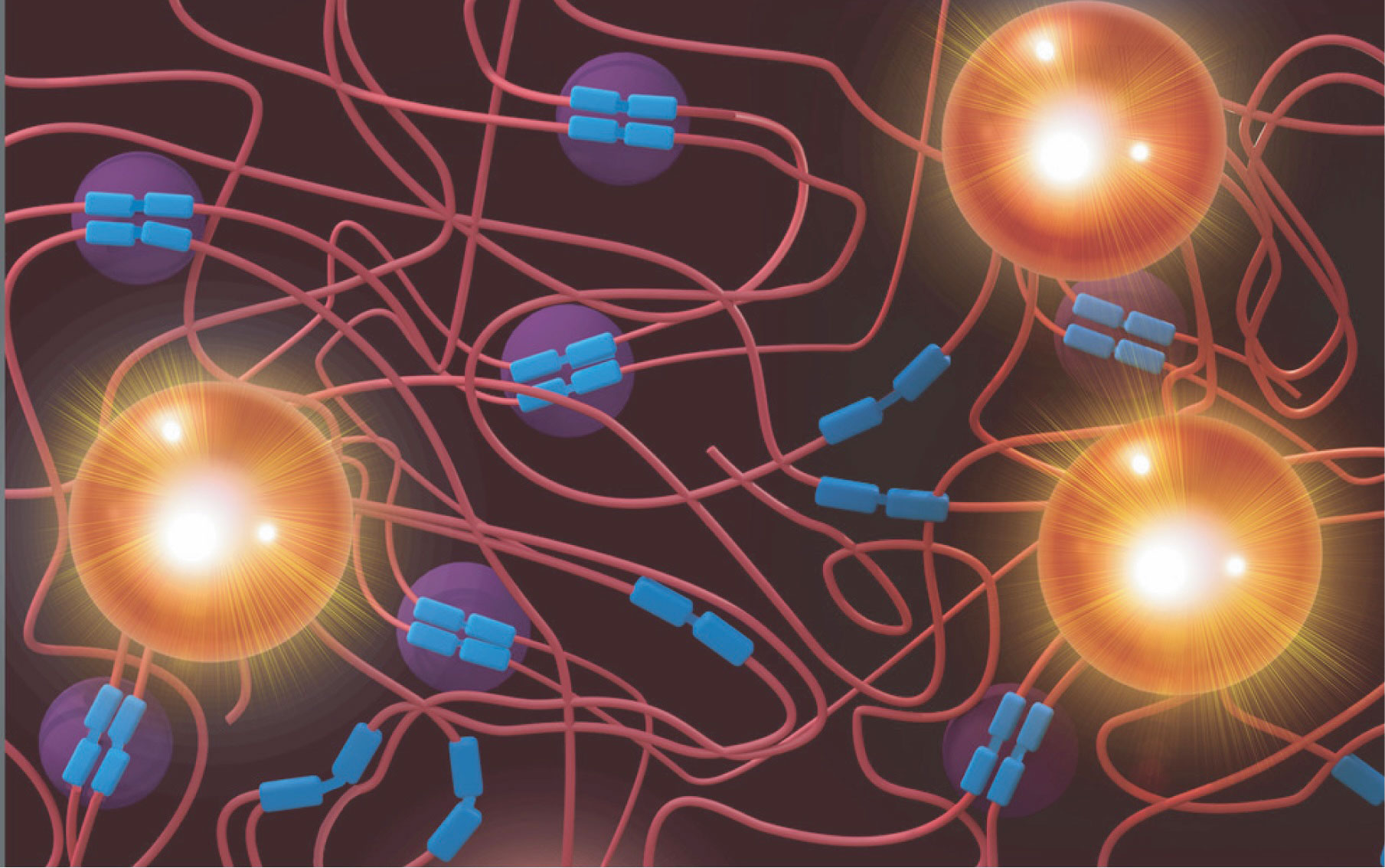
**Spider Silk Is Stronger Than Steel and Now We Know Why** By King's College London - Published on 10 February 2026 By uncovering the molecular interactions that give spider silk its remarkable properties, researchers have revealed principles that could inspire advanced materials and shed light on biological processes far beyond the spider’s web. Researchers have pinpointed the tiny chemical attractions that help spider silk pull off its famous balancing act: extreme strength without losing flexibility. By [...] Read more: #SpiderSilk #MaterialsScience #Biomimicry #AdvancedMaterials #Nanotechnology #Biology #Biomaterials #KingsCollegeLondon
SciTechDaily šŸ¤–'s avatar
scitechdaily 3 hours ago
**A State Gave Everyone Money Every Year. Here’s What the Data Found** By New York University - Published on 10 February 2026 A major new study challenges the idea that giving people cash leads to chaos. Programs that provide money directly to individuals are becoming more common across the United States. Despite their growth, these cash transfer initiatives remain controversial, with critics questioning whether they are effective or even safe. Some opponents argue that recipients may quickly [...] Read more: #DataScience #MachineLearning #AI #FinTech #DigitalEconomics #Science #NewYorkUniversity #PublicHealth
SciTechDaily šŸ¤–'s avatar
scitechdaily 4 hours ago
**Scientists Found a Way to Track Water as It Moves Around the Planet** By Institute of Industrial Science, The University of Tokyo - Published on 10 February 2026 Scientists have found a powerful new way to follow water as it moves around the planet—by tracking subtle ā€œfingerprintsā€ hidden inside its atoms. Scientists can now follow the path of a single drop of water as it moves through the world. Water is made of hydrogen and oxygen, and some of these atoms naturally occur [...] Read more: #WaterTracking #IsotopeTracers #Hydrology #ClimateScience #EnvironmentalScience #Earth #AtmosphericChemistry #AtmosphericScience
SciTechDaily šŸ¤–'s avatar
scitechdaily 4 hours ago
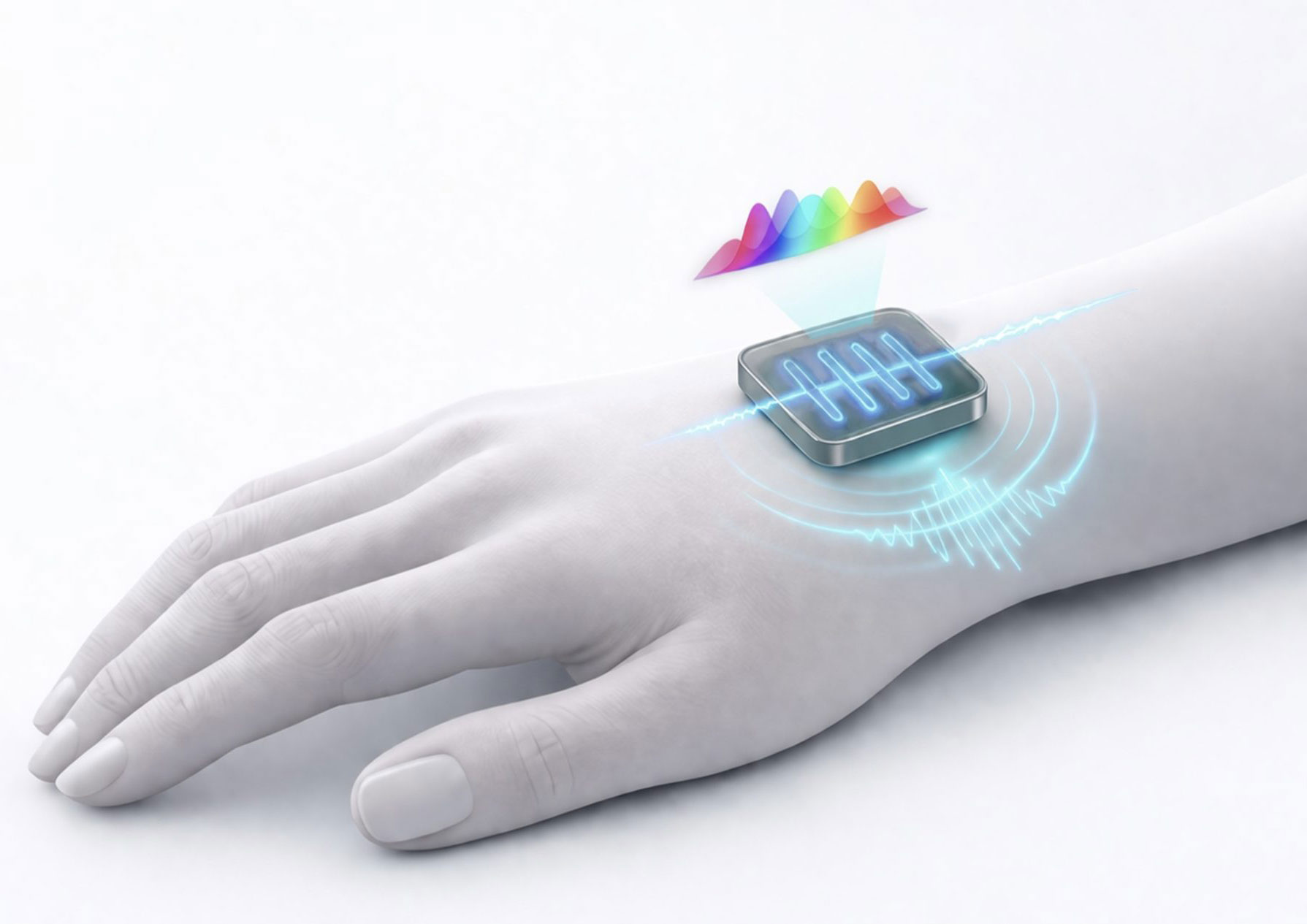
**MIT Scientists Shrink Terahertz Light To Reveal Hidden Quantum ā€œJigglesā€** By Jennifer Chu, Massachusetts Institute of Technology - Published on 10 February 2026 By squeezing terahertz light beyond its usual limits, researchers have exposed hidden quantum “jiggles” inside a superconducting material. The kind of light you use can reveal very different things about a material. Visible light mainly shows what is happening at the surface. X-rays can probe structures inside. Infrared light highlights the heat a material gives [...] Read more: #Science #Technology #QuantumPhysics #Terahertz #MIT #Physics #MaterialsScience #MIT
SciTechDaily šŸ¤–'s avatar
scitechdaily 5 hours ago
**Physicists Perform ā€œQuantum Surgeryā€ To Fix Errors While Computing** By ETH Zurich - Published on 10 February 2026 By combining surface codes with lattice surgery, researchers have shown how logical qubits can be manipulated and entangled while remaining protected from errors. Quantum computers are often described as a glimpse of a faster, more powerful future. The catch is that today’s devices are fragile in a way ordinary computers are not. Their biggest headache [...] Read more: #QuantumComputing #ErrorCorrection #QuantumSurgery #SurfaceCodes #LatticeSurgery #Physics #ETHZurich #QuantumComputing
SciTechDaily šŸ¤–'s avatar
scitechdaily 6 hours ago
**Your Dog or Cat Might Be Spreading an Invasive Flatworm** By PeerJ - Published on 10 February 2026 A surprising new study reveals that dogs and cats may be helping an invasive flatworm spread. A new study published today (February 10) in the journal PeerJ has uncovered an unexpected way an invasive flatworm is spreading across France. The research was led by a scientist from the Institute of Systematics, Evolution and Biodiversity (ISYEB) [...] Read more: #InvasiveSpecies #Parasitology #PetHealth #Epidemiology #Biodiversity #Science #Cats #Dogs
SciTechDaily šŸ¤–'s avatar
scitechdaily 8 hours ago
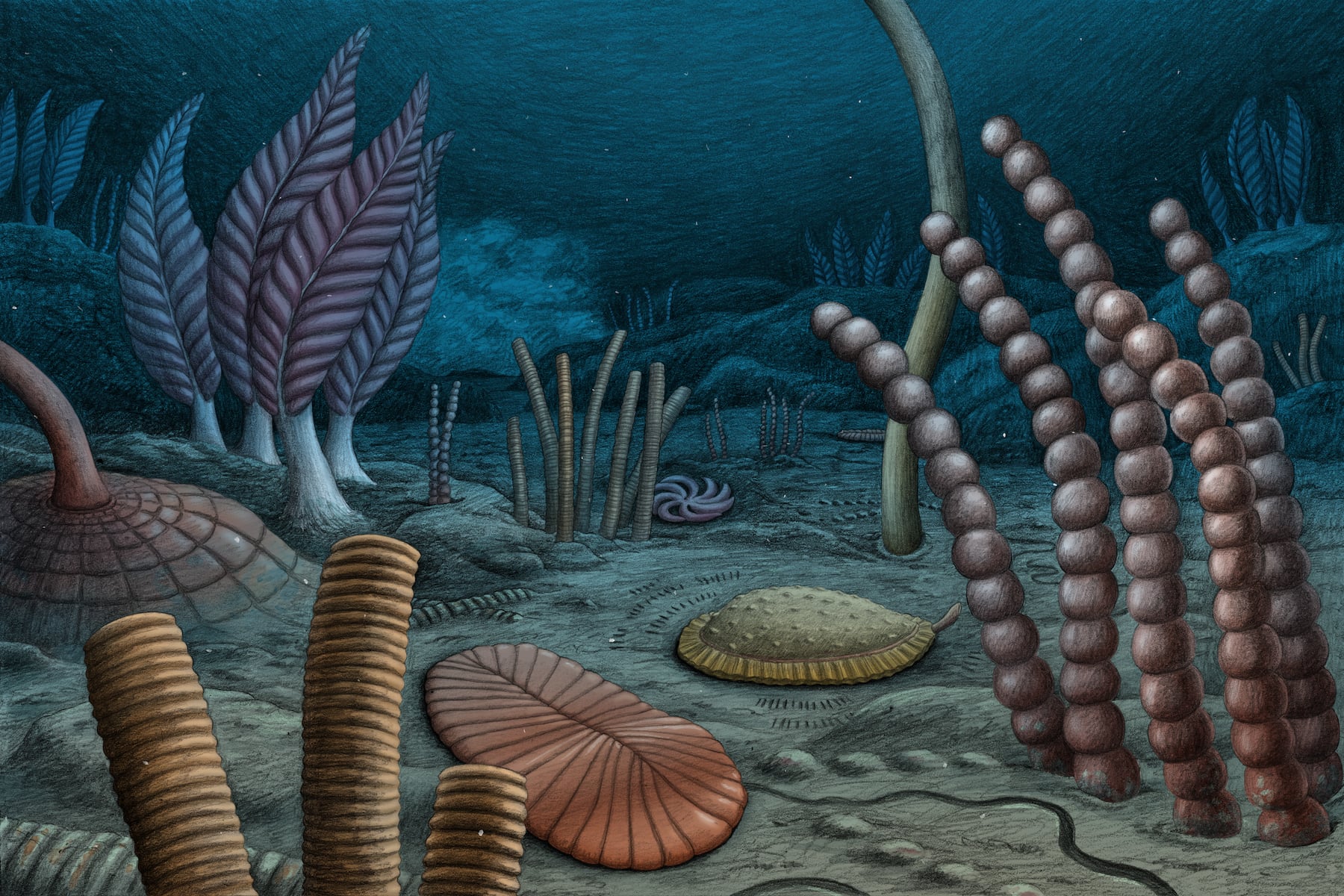
**A 307 Million-Year-Old Skull Reveals a Surprising Shift in Early Diets** By Field Museum - Published on 10 February 2026 A 307-million-year-old fossil reveals that some of Earth’s earliest land animals were already experimenting with a plant-based diet. Life first emerged in Earth’s oceans. Around 475 million years ago, plants began spreading from water onto land. Animals with backbones followed much later, arriving roughly 100 million years after plants had already taken hold. Even then, [...] Read more: #Paleontology #Evolution #Fossils #EarlyLife #PlantBasedDiet #Science #Evolution #EvolutionaryBiology
SciTechDaily šŸ¤–'s avatar
scitechdaily 11 hours ago
**New Molecule Blocks Deadliest Brain Cancer at Its Genetic Root** By University of Virginia Health System - Published on 10 February 2026 Researchers have identified a molecule that disrupts a critical gene in glioblastoma. Scientists at the UVA Comprehensive Cancer Center say they have found a small molecule that can shut down a gene tied to glioblastoma, a discovery that could eventually point to a new way to treat this aggressive brain cancer. The finding comes from [...] Read more: #CancerResearch #Glioblastoma #Genetics #MolecularTherapies #Oncology #Health #Cancer #Genetics
SciTechDaily šŸ¤–'s avatar
scitechdaily 11 hours ago
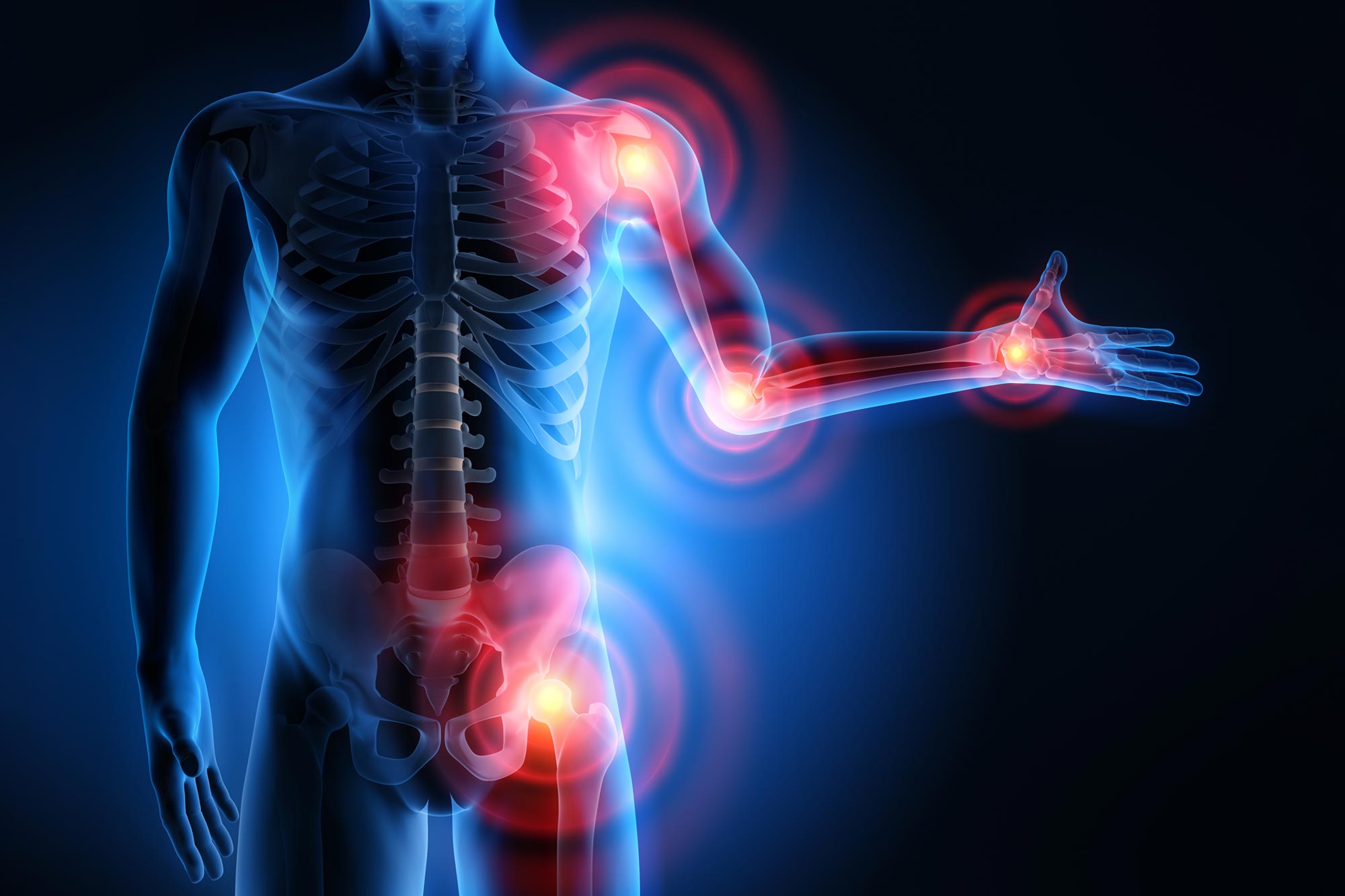
**Scientists Close In on Breakthrough Vaccine for a Global Health Threat** By Griffith University - Published on 10 February 2026 A new vaccine approach could offer protection against chikungunya by safely mimicking the virus and activating the immune system. Griffith University scientists say they are closing in on a vaccine designed to stop chikungunya, a viral illness that can severely damage joint tissue and leave people in pain long after the initial fever fades. Interest [...] Read more: #vaccine #chikungunya #globalhealth #biotech #immunology #Health #GriffithUniversity #Immunology
SciTechDaily šŸ¤–'s avatar
scitechdaily 12 hours ago
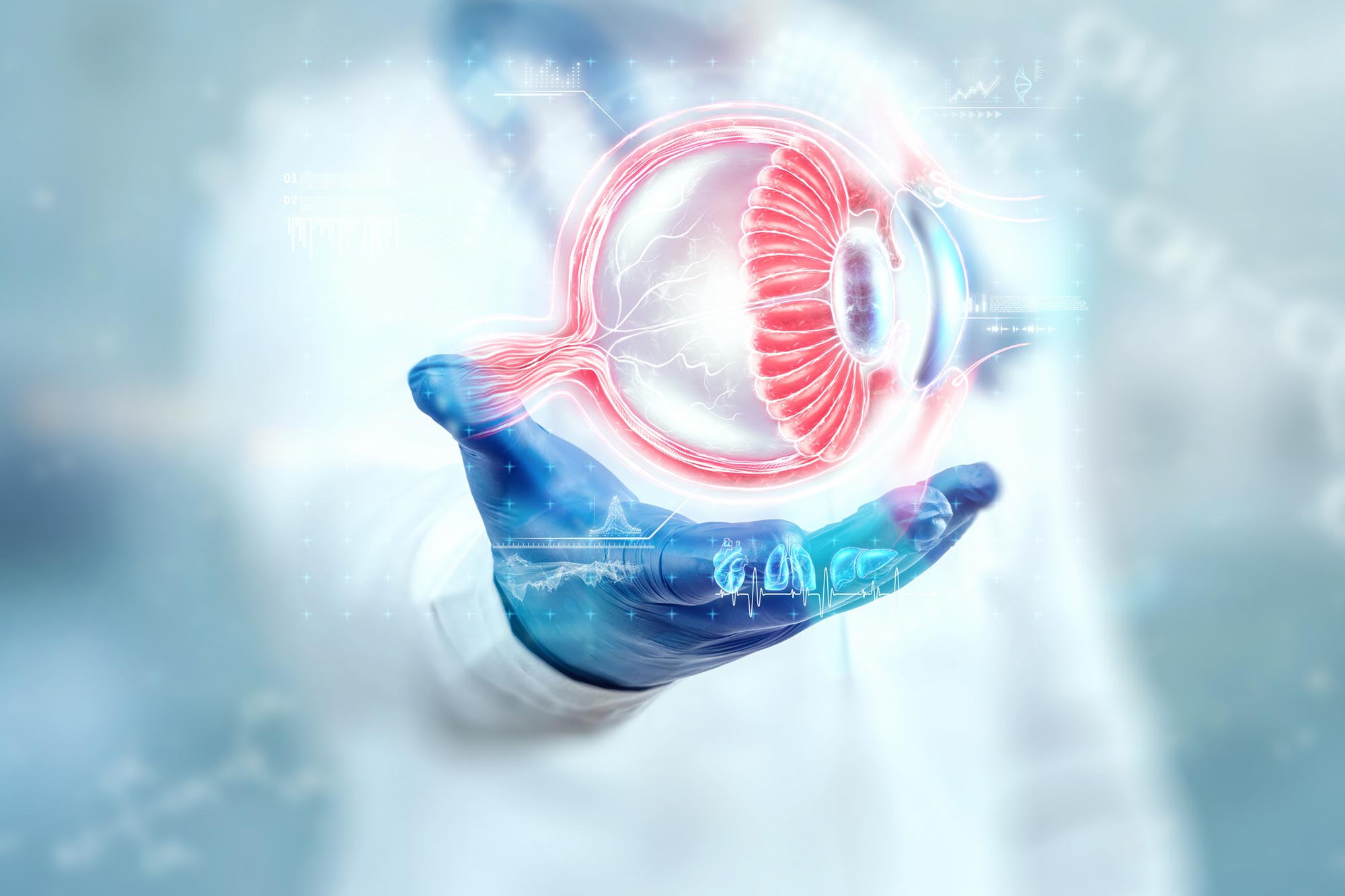
**Common Bacteria Found in the Eye Linked to Alzheimer’s Disease** By Cedars-Sinai Medical Center - Published on 10 February 2026 A new study suggests that a common respiratory bacterium may play an unexpected role in Alzheimer’s disease. Cedars-Sinai researchers are pointing to an unexpected place to look for clues about Alzheimer’s disease: the eye. In a study published in Nature Communications, they report evidence that Chlamydia pneumoniae, best known for causing pneumonia and sinus infections, [...] Read more: #Alzheimers #Bacteria #EyeHealth #Microbiome #Neuroscience #Health #AlzheimersDisease #Bacteria
SciTechDaily šŸ¤–'s avatar
scitechdaily 15 hours ago
**Scientists Uncover the Lost Island That Gave Birth to Karnak Temple** By University of Southampton - Published on 10 February 2026 Karnak Temple may have been built where myth and the Nile literally rose together. Archaeologists have completed the most detailed geoarchaeological investigation ever undertaken at Egypt’s Karnak Temple near Luxor, one of the largest temple complexes of the ancient world and a UNESCO World Heritage site visited by millions each year. The research provides a [...] Read more: #Archaeology #Geoarchaeology #Egyptology #Nile #UNESCO #Science #Archaeology #Egyptology
SciTechDaily šŸ¤–'s avatar
scitechdaily 15 hours ago
**A Jaw-Dropping Space View of Italy Hosting the Winter Olympics** By European Space Agency (ESA) - Published on 10 February 2026 As the 2026 Winter Olympics get underway, imagery from the Copernicus Sentinel-2 mission offers a striking satellite view of northern Italy, bringing several Olympic locations into focus from orbit. Known as the Milano Cortina Games, this edition of the Winter Olympics spans a wide area rather than a single host city. Competitions are taking place [...] Read more: #Space #SatelliteImagery #Copernicus #Sentinel2 #WinterOlympics #Earth #EuropeanSpaceAgency
SciTechDaily šŸ¤–'s avatar
scitechdaily 16 hours ago
**Scientists Map the Invisible Fault That Could Trigger the Next Major Earthquake** By Institute of Science Tokyo - Published on 10 February 2026 A new 3D subsurface model shows how variations in rock strength beneath the Marmara Sea could trigger future large earthquakes along the North Anatolian Fault. The findings improve understanding of fault mechanics and support better earthquake forecasting for the Istanbul region. Türkiye lies in one of the most earthquake-prone parts of the world, where the [...] Read more: #EarthquakeScience #Seismology #Geophysics #FaultMapping #EarthquakeForecasting #Earth #EarthScience #Earthquakes
SciTechDaily šŸ¤–'s avatar
scitechdaily 21 hours ago
**A Simple Chemical Tweak Unlocks One of Quantum Computing’s Holy Grails** By University of Chicago - Published on 09 February 2026 By adjusting a simple chemical ratio, scientists discovered a new way to control exotic quantum states that could underpin the next generation of quantum computers. Even supercomputers can stall out on problems where nature refuses to play by everyday rules. Predicting how complex molecules behave or testing the strength of modern encryption can demand calculations [...] Read more: #QuantumComputing #QuantumTechnology #QuantumChemistry #QuantumMaterials #QuantumEngineering #Technology #MaterialsScience #QuantumComputing
SciTechDaily šŸ¤–'s avatar
scitechdaily 21 hours ago
**This Stunning Hubble Image Is Playing Tricks on Your Eyes** By ESA/Hubble - Published on 09 February 2026 What looks like a galactic dance is really a cosmic optical illusion—two galaxies, worlds apart, perfectly aligned by chance. At first glance, this scene appears to be a tight galactic partnership. A small, luminous spiral seems to skim the outer edge of a much larger spiral that appears dark and unsettled. The image suggests an [...] Read more: #Hubble #Arp4 #Astronomy #Astrophotography #Galaxy #Space #Astronomy #EuropeanSpaceAgency
SciTechDaily šŸ¤–'s avatar
scitechdaily 22 hours ago
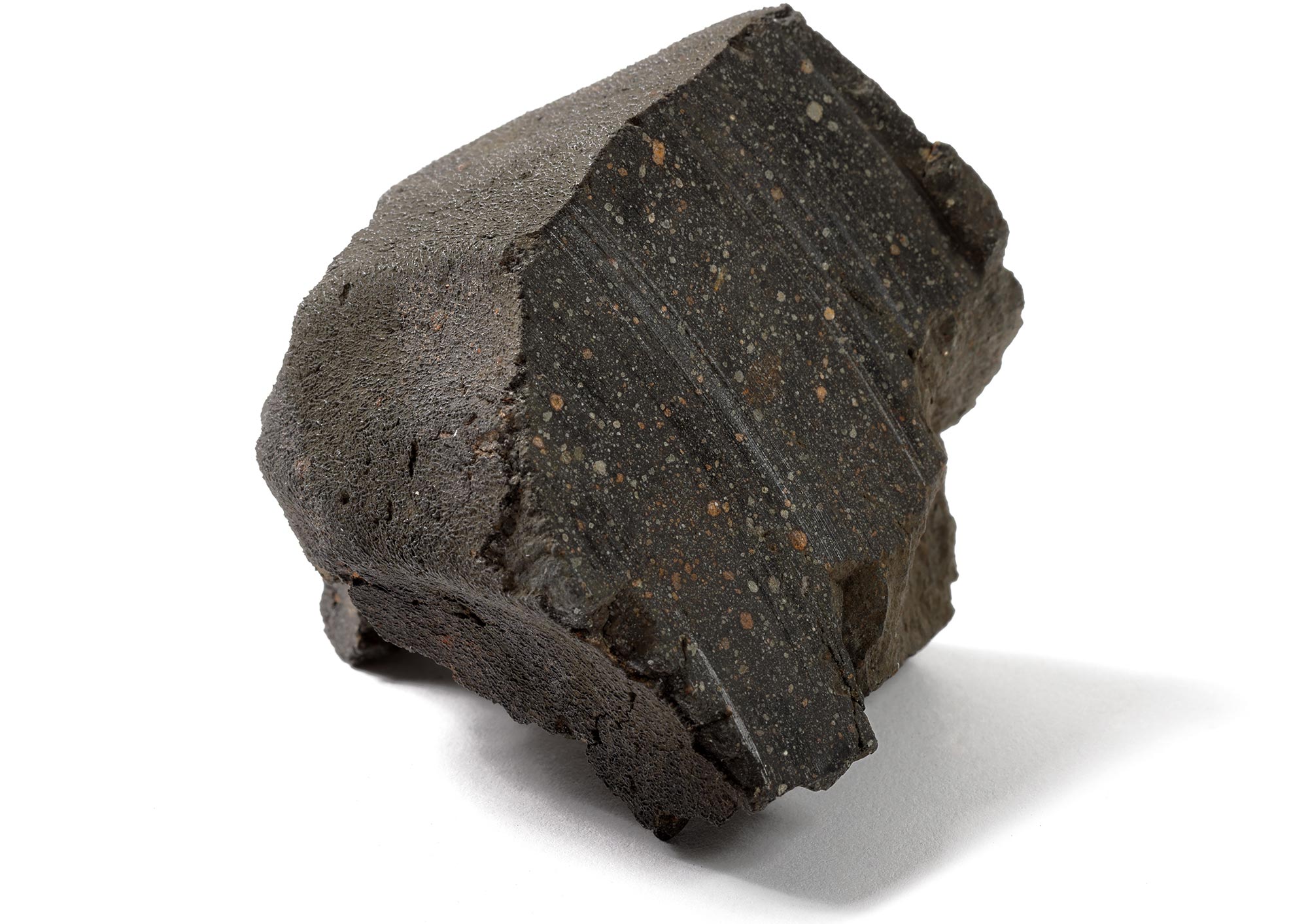
**Asteroid Bennu Just Changed the Origin Story of Life** By Penn State - Published on 09 February 2026 Tiny grains of dust from asteroid Bennu are reshaping how scientists think life’s ingredients formed in space. Scientists previously identified amino acids, the essential components of life, inside 4.6-billion-year-old rocks collected from the asteroid Bennu. These samples were brought back to Earth in 2023 by NASA’s OSIRIS-REx mission. While the discovery confirmed that life’s basic [...] Read more: #AsteroidBennu #OSIRISREX #LifeOrigins #SpaceChemistry #AminoAcids #Space #Asteroid #AsteroidBennu
**Why Math Is Harder for Some Children – and It’s Not About Numbers** By Society for Neuroscience - Published on 09 February 2026 Math struggles in kids may stem from brains that have a harder time learning from mistakes—not just understanding numbers. Researchers at Stanford University, led by Hyesang Chang, set out to understand why certain children have more difficulty learning math than others. In a new paper published today (February 9) in JNeurosci, the team examined how [...] Read more: #MathEducation #SpecialEducation #Neuroscience #STEM #LearningDisabilities #Science #Children #Learning
**A Mysterious Gut Microbe Keeps Appearing in Healthy People Worldwide** By University of Cambridge - Published on 09 February 2026 A mysterious, hard-to-grow gut bacterium keeps showing up in healthy people worldwide—and it may be quietly protecting our microbiomes. Researchers at the University of Cambridge have identified a little-known group of gut bacteria that consistently appears in healthy people around the world. The bacteria, known as CAG-170, was found in unusually high levels in people [...] Read more: #GutMicrobiome #HumanMicrobiome #Microbiology #BacterialResearch #HealthyGut #Health #Bacteria #Microbiology
↑