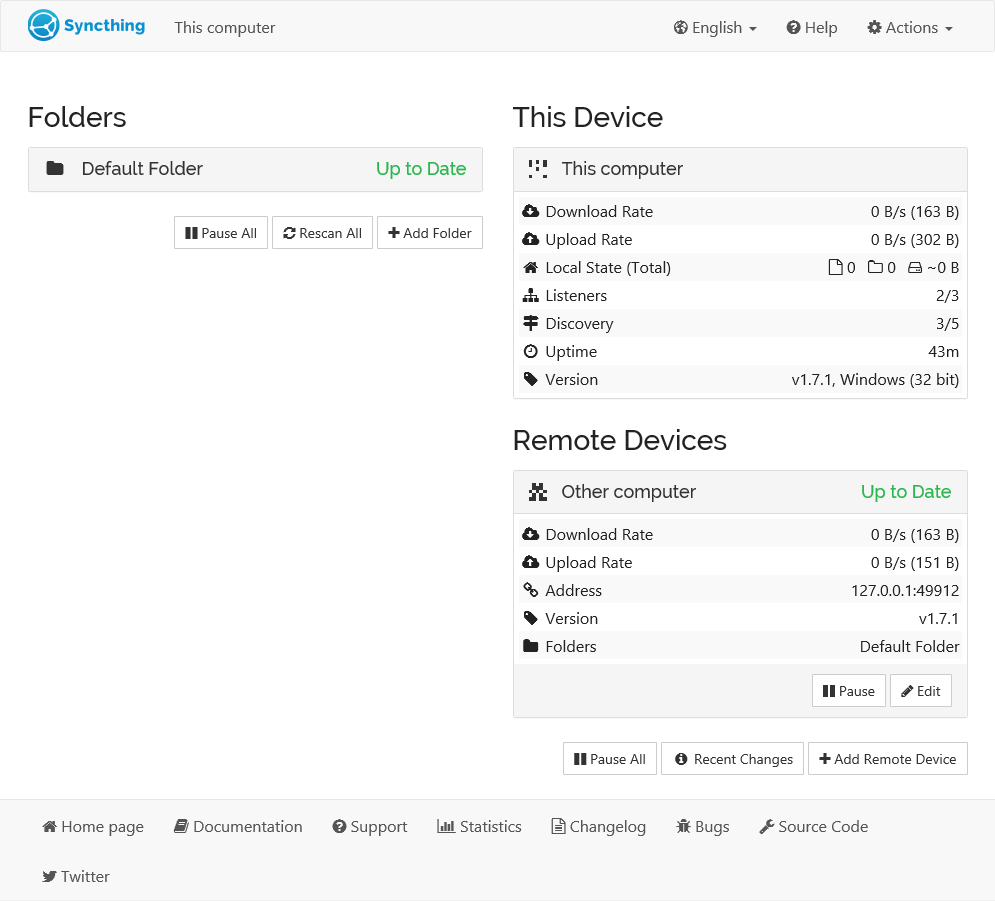
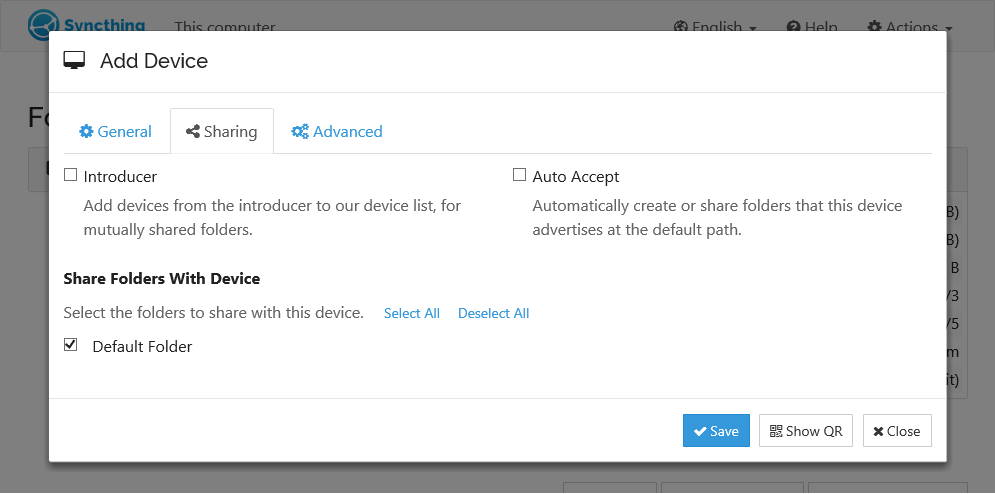
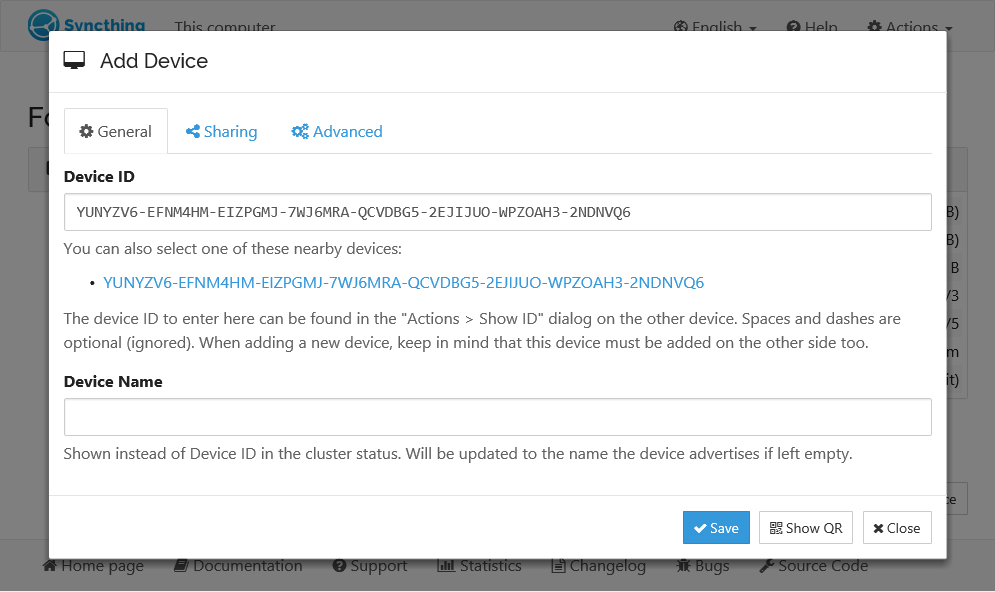
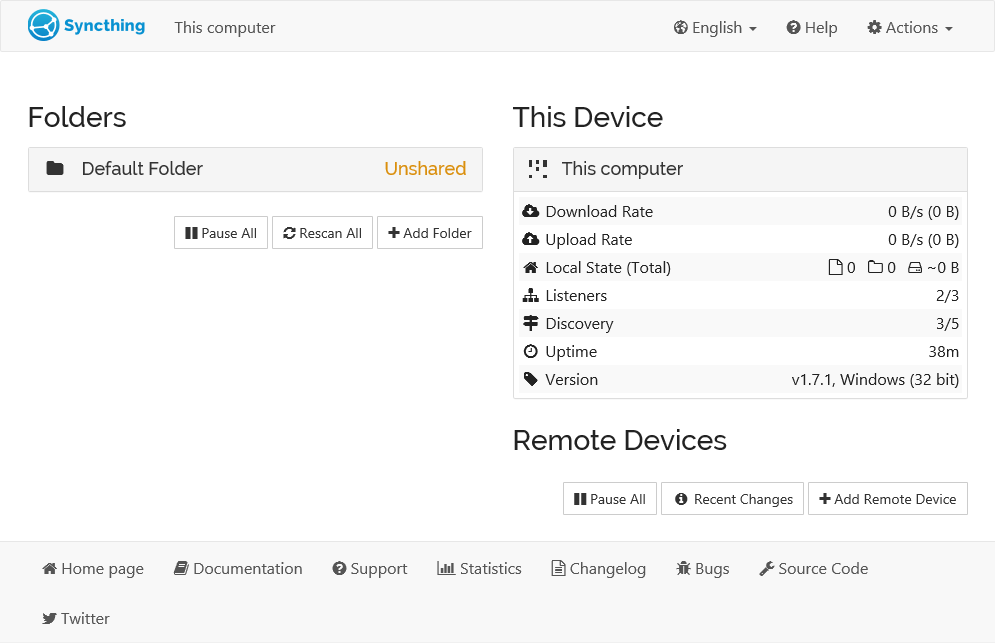
Syncthing is a peer-to-peer file synchronization software that relies on direct communication between devices.
You have to filter out junk information in order to maintain your sanity 🧠. Rational thought cannot coexist with a flood of junk information, so shutting it out is a way of protecting yourself 🛡️.
Just as taking medication while drinking alcohol can harm your health 💊🍷, the key is to keep the alcohol separate. Of course, this is only an example 🙂.
Leaving your country’s currency is extremely important.
ETH is around $2,523, only about 51% of its all-time high of $4,954. I still expect it to decline and plan to buy at $2,220.
I’m not optimistic about Ethereum’s price right now, so I plan to wait.
⏳Buying Ethereum at a lower price could significantly reduce the risk, and I also need time to raise the funds. 💰📉
ETH currently has approximately 122 million coins in circulation and no fixed maximum supply.
Damus is an open-source Nostr social client mainly used for posting updates, following users, sending private messages, and sending tips through the Bitcoin Lightning Network. Nostr uses public and private keys to manage user identities, and content can be published to multiple relay servers, so users do not have to rely on a single social media platform. However, Damus itself is only a client, and the Nostr network still relies on relay servers to distribute and store information. When using Damus, users should protect their private keys and pay attention to the protocols and client support associated with its private messaging features.
Damus is a decentralized social media app based on the Nostr protocol 🌐, primarily designed for iPhone and iPad users 📱. It offers features similar to traditional social media platforms, including posting updates ✍️, following users 👥, liking and reposting content ❤️🔁, and sending private messages 💬.
sol eth ++
zec --
做人不缺爱,做爱不缺人....
Electrum is a lightweight, non-custodial Bitcoin wallet where users maintain full control of their own private keys, and it supports multisignature wallets.
Using a 2-of-3 multisig wallet as an example: there are three signers, and any two of them are required to sign a transaction.
Creation process:
A opens Electrum on their device → File → New/Restore → Multi-signature wallet → selects 2 of 3 → Create a new seed. A generates and securely backs up the seed phrase, sets a wallet password, and obtains their own master public key (xpub).
B and C repeat the same process on their own devices, each creating and backing up their own seed phrase, setting a password, and obtaining their own xpub.
Multisig wallet setup:
A’s wallet configuration includes: A’s own seed phrase + B’s and C’s xpubs.
B’s wallet configuration includes: B’s own seed phrase + A’s and C’s xpubs.
C’s wallet configuration includes: C’s own seed phrase + A’s and B’s xpubs.
After configuration, all three wallets should generate the same receiving addresses. Verify that the addresses match exactly to confirm the multisig setup is correct.
Security notes:
Seed phrases, private keys, and wallet passwords must never be shared.
xpubs can only be used to generate addresses and view balances; they cannot be used to spend BTC directly.
Transaction process:
A creates a transaction and signs it first, then exports the partially signed Bitcoin transaction (PSBT) and sends it to B through a file or QR code.
B imports the transaction, verifies the recipient address and amount, and adds the second signature.
Once the transaction has two valid signatures, it can be broadcast to the Bitcoin network by either party.
The multilayer outsourcing and profit-skimming structure in the IT industry has caused many projects to go through five, six, or even more layers of subcontracting, leaving the actual developers at the bottom with only meager incomes while bearing enormous workloads and pressure. Even with the rise of AI technology, this situation has not fundamentally improved — AI still makes frequent mistakes, cannot truly replace developers in solving complex problems, and its high cost often creates additional burdens instead.
If a government continually attempts to solve problems through exploitation, targeting landlords and capitalists, or cracking down on hackers, it will ultimately achieve nothing.
No one is obligated to share their own technology and resources, and one should never expect to solve problems through robbery.
Rather than forcing others to give, one should reflect on why they are unwilling to cooperate in the first place.
Mining costs generally do not decrease and may even increase. Electricity costs do not decline as a result of the halving, and power prices are rising in many regions around the world.
Date: April 20, 2024
Block Reward: 6.25 → 3.125 BTC
Price at Halving: $63,971
Date: May 11, 2020
Block Reward: 12.5 → 6.25 BTC
Price at Halving: $8,821
Date: July 9, 2016
Block Reward: 25 → 12.5 BTC
Price at Halving: $650
Date: November 28, 2012
Block Reward: 50 → 25 BTC
Price at Halving: $12
During a halving, the number of bitcoins that enter circulation roughly every 10 minutes, known as block rewards, is reduced by half. For instance, in May 2020, the block reward dropped from 12.5 to 6.25 BTC, marking the third halving in Bitcoin's history. The fourth halving in 2024 saw block rewards drop to 3.125 BTC. The 2028 halving will see them reduced even further, to 1.5625 BTC.
The halving mechanism was integrated into Bitcoin's protocol by its pseudonymous creator, Satoshi Nakamoto, to control the supply of bitcoins. This reduction in the number of bitcoins that are created is expected to continue until the total number of bitcoins in circulation reaches its maximum limit of 21 million, which is predicted to happen near the year 2140.
Date: April 20, 2024
Block Reward: 6.25 → 3.125 BTC
Price at Halving: $63,971
Date: May 11, 2020
Block Reward: 12.5 → 6.25 BTC
Price at Halving: $8,821
Date: July 9, 2016
Block Reward: 25 → 12.5 BTC
Price at Halving: $650
Date: November 28, 2012
Block Reward: 50 → 25 BTC
Price at Halving: $12
Cordn is a protocol for private group messaging. cordn-web is its open-source client — a fully functional app combining MLS end-to-end encryption, Nostr-based identity, and coordinator-based delivery you can use as a hosted service or run yourself. No emails or phone numbers, just keys.

GitHub
Cordn-msg
Cordn-msg has 3 repositories available. Follow their code on GitHub.