. . . let's,
what more
could there be
than you
and me

npub1dd3l...ws2c
npub1dd3l...ws2c
#Bitcoin
Harder Than #Gold, Faster Than #Fiat
JUST IN: #Bitcoin to hit $750K-$1 MILLION by 2026 - Bitmex founder Arthur Hayes
ZeroHedge
ZeroHedge - On a long enough timeline, the survival rate for everyone drops to zero
#haiku
Fifth Avenue
women passing by,
so close to my eyes
so far from my life
José Juan Tablada
. . . fall forward
You've been gifted 10 #Bitcoin
and $1,000,000 USD.
What're you gonna do?
Do it anyway!
#BTC /USDT #ElliottWave
1-2-3-4-5 ABC #VolumeProfile #BollingerBands
 Day
Day
 4 hour
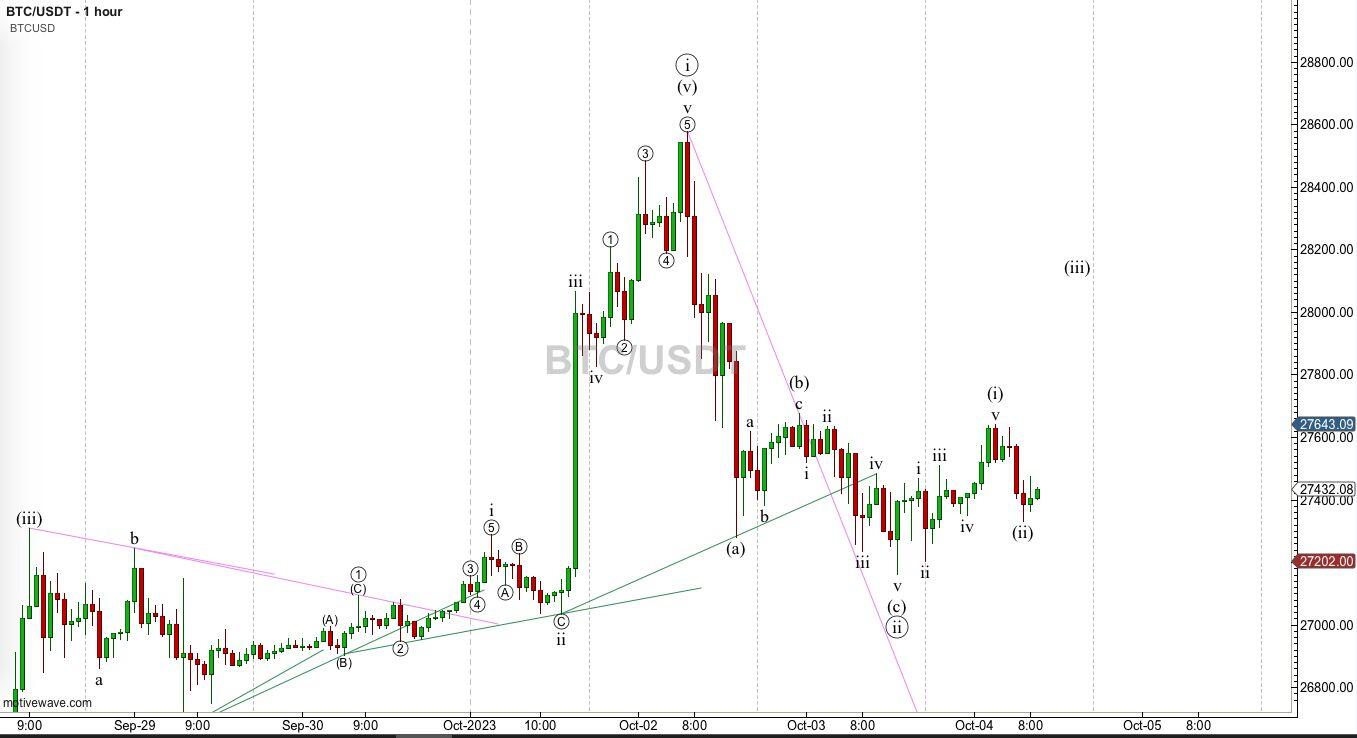 1 hour
Day
4 hour
1 hour. . . whispers secrets, hopes untold
are you on the
inside of your dream
looking out, or the
outside looking in
. . . the trick to #Bitcoin is having some
 What determines its value?
Bitcoin's value is influenced by several factors that can cause fluctuations in its price.
Supply and demand
Similar to other currencies and assets, the basic economic principle of supply and demand plays a crucial role in determining Bitcoin's price. The scarcity of Bitcoin, with a maximum supply of 21 million, and the increasing demand for it are factors that can influence its value.
Institutional adoption
As more institutions and companies adopt Bitcoin, its value can increase. The involvement of large corporations such as Tesla and MicroStrategy has already had a positive impact on Bitcoin's value.
Regulatory changes
Any changes in government regulations or policies that impact Bitcoin's use or acceptance can affect its value. News of potential regulation or crackdowns on cryptocurrencies can lead to a drop in their price.
Market sentiment and media portrayal
Bitcoin's value can also be influenced by market sentiment and the media's portrayal of it. Positive news, such as institutional adoption or regulatory changes that favor cryptocurrencies, can increase its value, while negative news can decrease its value.
Energy consumption
The high energy consumption required for Bitcoin mining has been a topic of concern for some investors and can affect its value.
Security and technology
As new security measures and technologies are implemented, they can contribute to a more secure network and boost confidence in Bitcoin, which can influence its price positively.
Geopolitical events
Economic crises, political instability, or global tensions can impact the price of Bitcoin.
Social media: Social media hype, or influential people on it, can raise or lower a cryptocurrency's price.
Overall, the value of Bitcoin is determined by a combination of market forces, emotional reactions, and external events.
What determines its value?
Bitcoin's value is influenced by several factors that can cause fluctuations in its price.
Supply and demand
Similar to other currencies and assets, the basic economic principle of supply and demand plays a crucial role in determining Bitcoin's price. The scarcity of Bitcoin, with a maximum supply of 21 million, and the increasing demand for it are factors that can influence its value.
Institutional adoption
As more institutions and companies adopt Bitcoin, its value can increase. The involvement of large corporations such as Tesla and MicroStrategy has already had a positive impact on Bitcoin's value.
Regulatory changes
Any changes in government regulations or policies that impact Bitcoin's use or acceptance can affect its value. News of potential regulation or crackdowns on cryptocurrencies can lead to a drop in their price.
Market sentiment and media portrayal
Bitcoin's value can also be influenced by market sentiment and the media's portrayal of it. Positive news, such as institutional adoption or regulatory changes that favor cryptocurrencies, can increase its value, while negative news can decrease its value.
Energy consumption
The high energy consumption required for Bitcoin mining has been a topic of concern for some investors and can affect its value.
Security and technology
As new security measures and technologies are implemented, they can contribute to a more secure network and boost confidence in Bitcoin, which can influence its price positively.
Geopolitical events
Economic crises, political instability, or global tensions can impact the price of Bitcoin.
Social media: Social media hype, or influential people on it, can raise or lower a cryptocurrency's price.
Overall, the value of Bitcoin is determined by a combination of market forces, emotional reactions, and external events.
What determines its value?
Bitcoin's value is influenced by several factors that can cause fluctuations in its price.
Supply and demand
Similar to other currencies and assets, the basic economic principle of supply and demand plays a crucial role in determining Bitcoin's price. The scarcity of Bitcoin, with a maximum supply of 21 million, and the increasing demand for it are factors that can influence its value.
Institutional adoption
As more institutions and companies adopt Bitcoin, its value can increase. The involvement of large corporations such as Tesla and MicroStrategy has already had a positive impact on Bitcoin's value.
Regulatory changes
Any changes in government regulations or policies that impact Bitcoin's use or acceptance can affect its value. News of potential regulation or crackdowns on cryptocurrencies can lead to a drop in their price.
Market sentiment and media portrayal
Bitcoin's value can also be influenced by market sentiment and the media's portrayal of it. Positive news, such as institutional adoption or regulatory changes that favor cryptocurrencies, can increase its value, while negative news can decrease its value.
Energy consumption
The high energy consumption required for Bitcoin mining has been a topic of concern for some investors and can affect its value.
Security and technology
As new security measures and technologies are implemented, they can contribute to a more secure network and boost confidence in Bitcoin, which can influence its price positively.
Geopolitical events
Economic crises, political instability, or global tensions can impact the price of Bitcoin.
Social media: Social media hype, or influential people on it, can raise or lower a cryptocurrency's price.
Overall, the value of Bitcoin is determined by a combination of market forces, emotional reactions, and external events.. . . health is the first wealth
Meet #MikaTakishima, Japan's 93 year old fitness instructor.

. . . get ready
Standing in the Shadows of Motown
"The greatest hit machine in the history
of pop music."
Ladies and gentlemen,
#TheFunkBrothers
. . . the art of thinking
#CriticalThinkingSkills #CollaborativeDesignTeamProcess
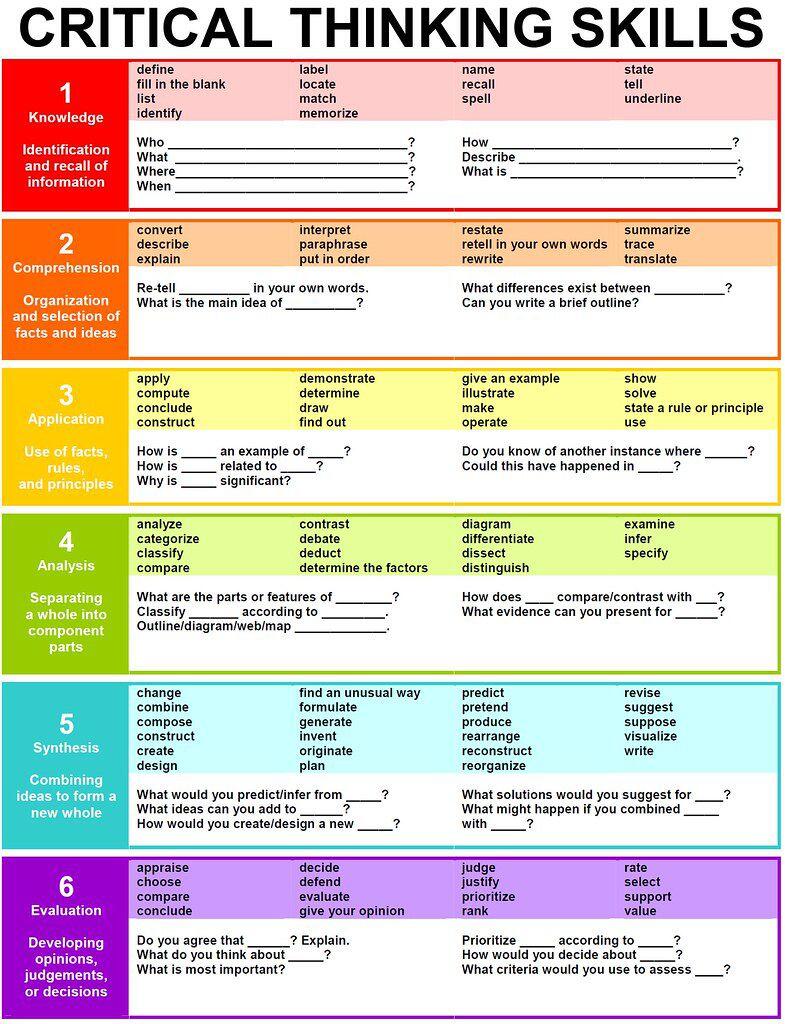 Critical thinking is a cognitive process that involves actively and objectively analyzing, synthesizing, and evaluating information or ideas to make reasoned judgments or decisions.
It encompasses a range of intellectual skills and dispositions that are essential for effective problem-solving and decision-making.
The critical thinking process can be broken down into six key areas: knowledge, comprehension, application, analysis, synthesis, and evaluation. Let's explore each of these areas in detail, providing examples to illustrate their importance.
Knowledge
Knowledge is the foundation of critical thinking. It involves acquiring information and facts about a particular subject or topic.
Critical thinkers must have a solid base of knowledge to draw upon when evaluating information or making decisions.
For instance, a student studying history needs to have a factual understanding of historical events and figures to critically analyze their significance.
Comprehension
Comprehension goes beyond mere knowledge; it involves understanding the meaning and significance of the information acquired.
Critical thinkers should be able to interpret, explain, and summarize complex ideas or concepts. This skill is crucial for identifying the key elements within a given context.
Application
Application is the ability to use knowledge and comprehension in practical situations. It requires critical thinkers to transfer their understanding to solve real-world problems or make decisions.
This skill bridges the gap between theoretical knowledge and practical action.
Analysis
Analysis involves breaking down complex information into its constituent parts to examine their relationships and identify patterns or connections.
Critical thinkers use this skill to deconstruct arguments, identify biases, and detect logical fallacies.
Synthesis
Synthesis is the process of integrating information from different sources or perspectives to create a coherent and well-structured understanding of a topic.
It requires critical thinkers to combine various elements to form a new and holistic view.
Evaluation
Evaluation is the final step in the critical thinking process. It involves making judgments or assessments based on the information, knowledge, comprehension, application, and analysis.
Critical thinkers evaluate the validity, credibility, and relevance of information and arguments to arrive at reasoned conclusions.
To illustrate the interplay of these six areas, let's take a scenario involving a critical thinker, Sarah, who is evaluating a new dietary trend called the "Superfood Diet" to determine if it's a healthy and sustainable choice.
1. Knowledge: Sarah starts by gathering information about the Superfood Diet. She learns that it emphasizes foods like kale, quinoa, and blueberries, claiming they provide exceptional health benefits due to their nutrient density.
2. Comprehension: Sarah delves deeper to understand the core principles of the Superfood Diet. She comprehends that it promotes the consumption of foods rich in vitamins, minerals, and antioxidants, with the goal of improving overall well-being.
3. Application: Sarah applies her comprehension of the Superfood Diet to her own life. She considers whether she can realistically incorporate these foods into her daily meals and assesses the potential impact on her health.
4. Analysis: Sarah critically examines the claims made by proponents of the Superfood Diet. She analyzes scientific studies on the health benefits of the recommended foods, looking for potential biases in the research and any conflicting evidence.
5. Synthesis: Sarah synthesizes the information she has gathered, combining her knowledge of the diet's principles with her analysis of the scientific literature. She forms a comprehensive view of the Superfood Diet's potential advantages and drawbacks.
6. Evaluation: Finally, Sarah evaluates the Superfood Diet based on her synthesis of information. She considers whether the diet is a sustainable long-term choice, taking into account her own dietary preferences and lifestyle. Sarah also assesses the credibility of sources promoting the diet and makes an informed judgment about its suitability for her.
In this example, critical thinking guided Sarah through a structured process, enabling her to make a well-informed decision about the Superfood Diet.
Each of the six areas played a distinct role in her critical thinking journey, reinforcing the importance of these skills in everyday decision-making.
In conclusion, critical thinking is a multifaceted cognitive process that encompasses knowledge, comprehension, application, analysis, synthesis, and evaluation.
These six areas are interdependent and collectively empower individuals to make informed decisions, solve complex problems, and navigate an increasingly information-rich world.
Developing and honing these critical thinking skills is essential for both personal growth and success in various professional fields, as they enable individuals to approach challenges with clarity, logic, and discernment.
Critical thinking is a cognitive process that involves actively and objectively analyzing, synthesizing, and evaluating information or ideas to make reasoned judgments or decisions.
It encompasses a range of intellectual skills and dispositions that are essential for effective problem-solving and decision-making.
The critical thinking process can be broken down into six key areas: knowledge, comprehension, application, analysis, synthesis, and evaluation. Let's explore each of these areas in detail, providing examples to illustrate their importance.
Knowledge
Knowledge is the foundation of critical thinking. It involves acquiring information and facts about a particular subject or topic.
Critical thinkers must have a solid base of knowledge to draw upon when evaluating information or making decisions.
For instance, a student studying history needs to have a factual understanding of historical events and figures to critically analyze their significance.
Comprehension
Comprehension goes beyond mere knowledge; it involves understanding the meaning and significance of the information acquired.
Critical thinkers should be able to interpret, explain, and summarize complex ideas or concepts. This skill is crucial for identifying the key elements within a given context.
Application
Application is the ability to use knowledge and comprehension in practical situations. It requires critical thinkers to transfer their understanding to solve real-world problems or make decisions.
This skill bridges the gap between theoretical knowledge and practical action.
Analysis
Analysis involves breaking down complex information into its constituent parts to examine their relationships and identify patterns or connections.
Critical thinkers use this skill to deconstruct arguments, identify biases, and detect logical fallacies.
Synthesis
Synthesis is the process of integrating information from different sources or perspectives to create a coherent and well-structured understanding of a topic.
It requires critical thinkers to combine various elements to form a new and holistic view.
Evaluation
Evaluation is the final step in the critical thinking process. It involves making judgments or assessments based on the information, knowledge, comprehension, application, and analysis.
Critical thinkers evaluate the validity, credibility, and relevance of information and arguments to arrive at reasoned conclusions.
To illustrate the interplay of these six areas, let's take a scenario involving a critical thinker, Sarah, who is evaluating a new dietary trend called the "Superfood Diet" to determine if it's a healthy and sustainable choice.
1. Knowledge: Sarah starts by gathering information about the Superfood Diet. She learns that it emphasizes foods like kale, quinoa, and blueberries, claiming they provide exceptional health benefits due to their nutrient density.
2. Comprehension: Sarah delves deeper to understand the core principles of the Superfood Diet. She comprehends that it promotes the consumption of foods rich in vitamins, minerals, and antioxidants, with the goal of improving overall well-being.
3. Application: Sarah applies her comprehension of the Superfood Diet to her own life. She considers whether she can realistically incorporate these foods into her daily meals and assesses the potential impact on her health.
4. Analysis: Sarah critically examines the claims made by proponents of the Superfood Diet. She analyzes scientific studies on the health benefits of the recommended foods, looking for potential biases in the research and any conflicting evidence.
5. Synthesis: Sarah synthesizes the information she has gathered, combining her knowledge of the diet's principles with her analysis of the scientific literature. She forms a comprehensive view of the Superfood Diet's potential advantages and drawbacks.
6. Evaluation: Finally, Sarah evaluates the Superfood Diet based on her synthesis of information. She considers whether the diet is a sustainable long-term choice, taking into account her own dietary preferences and lifestyle. Sarah also assesses the credibility of sources promoting the diet and makes an informed judgment about its suitability for her.
In this example, critical thinking guided Sarah through a structured process, enabling her to make a well-informed decision about the Superfood Diet.
Each of the six areas played a distinct role in her critical thinking journey, reinforcing the importance of these skills in everyday decision-making.
In conclusion, critical thinking is a multifaceted cognitive process that encompasses knowledge, comprehension, application, analysis, synthesis, and evaluation.
These six areas are interdependent and collectively empower individuals to make informed decisions, solve complex problems, and navigate an increasingly information-rich world.
Developing and honing these critical thinking skills is essential for both personal growth and success in various professional fields, as they enable individuals to approach challenges with clarity, logic, and discernment.
Critical thinking is a cognitive process that involves actively and objectively analyzing, synthesizing, and evaluating information or ideas to make reasoned judgments or decisions.
It encompasses a range of intellectual skills and dispositions that are essential for effective problem-solving and decision-making.
The critical thinking process can be broken down into six key areas: knowledge, comprehension, application, analysis, synthesis, and evaluation. Let's explore each of these areas in detail, providing examples to illustrate their importance.
Knowledge
Knowledge is the foundation of critical thinking. It involves acquiring information and facts about a particular subject or topic.
Critical thinkers must have a solid base of knowledge to draw upon when evaluating information or making decisions.
For instance, a student studying history needs to have a factual understanding of historical events and figures to critically analyze their significance.
Comprehension
Comprehension goes beyond mere knowledge; it involves understanding the meaning and significance of the information acquired.
Critical thinkers should be able to interpret, explain, and summarize complex ideas or concepts. This skill is crucial for identifying the key elements within a given context.
Application
Application is the ability to use knowledge and comprehension in practical situations. It requires critical thinkers to transfer their understanding to solve real-world problems or make decisions.
This skill bridges the gap between theoretical knowledge and practical action.
Analysis
Analysis involves breaking down complex information into its constituent parts to examine their relationships and identify patterns or connections.
Critical thinkers use this skill to deconstruct arguments, identify biases, and detect logical fallacies.
Synthesis
Synthesis is the process of integrating information from different sources or perspectives to create a coherent and well-structured understanding of a topic.
It requires critical thinkers to combine various elements to form a new and holistic view.
Evaluation
Evaluation is the final step in the critical thinking process. It involves making judgments or assessments based on the information, knowledge, comprehension, application, and analysis.
Critical thinkers evaluate the validity, credibility, and relevance of information and arguments to arrive at reasoned conclusions.
To illustrate the interplay of these six areas, let's take a scenario involving a critical thinker, Sarah, who is evaluating a new dietary trend called the "Superfood Diet" to determine if it's a healthy and sustainable choice.
1. Knowledge: Sarah starts by gathering information about the Superfood Diet. She learns that it emphasizes foods like kale, quinoa, and blueberries, claiming they provide exceptional health benefits due to their nutrient density.
2. Comprehension: Sarah delves deeper to understand the core principles of the Superfood Diet. She comprehends that it promotes the consumption of foods rich in vitamins, minerals, and antioxidants, with the goal of improving overall well-being.
3. Application: Sarah applies her comprehension of the Superfood Diet to her own life. She considers whether she can realistically incorporate these foods into her daily meals and assesses the potential impact on her health.
4. Analysis: Sarah critically examines the claims made by proponents of the Superfood Diet. She analyzes scientific studies on the health benefits of the recommended foods, looking for potential biases in the research and any conflicting evidence.
5. Synthesis: Sarah synthesizes the information she has gathered, combining her knowledge of the diet's principles with her analysis of the scientific literature. She forms a comprehensive view of the Superfood Diet's potential advantages and drawbacks.
6. Evaluation: Finally, Sarah evaluates the Superfood Diet based on her synthesis of information. She considers whether the diet is a sustainable long-term choice, taking into account her own dietary preferences and lifestyle. Sarah also assesses the credibility of sources promoting the diet and makes an informed judgment about its suitability for her.
In this example, critical thinking guided Sarah through a structured process, enabling her to make a well-informed decision about the Superfood Diet.
Each of the six areas played a distinct role in her critical thinking journey, reinforcing the importance of these skills in everyday decision-making.
In conclusion, critical thinking is a multifaceted cognitive process that encompasses knowledge, comprehension, application, analysis, synthesis, and evaluation.
These six areas are interdependent and collectively empower individuals to make informed decisions, solve complex problems, and navigate an increasingly information-rich world.
Developing and honing these critical thinking skills is essential for both personal growth and success in various professional fields, as they enable individuals to approach challenges with clarity, logic, and discernment.#BTC /USDT #ElliottWave
1-2-3-4-5 ABC #BollingerBands
 Month
Week
Month
Week
 Day
Day
Month
Week
Day. . . a tapestry of numbers
 Once upon a time, in a small village nestled between rolling hills, there lived an old mathematician named Elias.
Elias was known far and wide for his wisdom, and the villagers often sought his guidance.
One sunny morning, a curious young girl named Maya approached him, her eyes wide with wonder.
"Elias," she asked, "why is the number 108 so special? I see it everywhere, in nature and in our world."
Elias smiled and invited Maya to sit beneath the ancient oak tree by his cottage. He began his tale.
"Long ago, when the world was still young, people discovered the magic of numbers. They realized that certain numbers held great significance in the fabric of the universe. One of these numbers was 108."
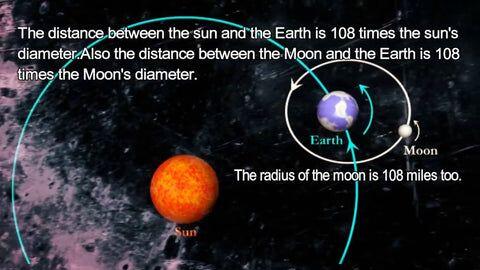
Elias continued, "In the natural world, 108 is found in countless ways. The distance between the Earth and the Sun is approximately 108 times the diameter of our planet, a perfect balance that allows life to thrive. The average distance between the Moon and Earth is roughly 108 times the Moon's diameter, creating the mesmerizing phenomenon of a total solar eclipse."
Maya's eyes widened with fascination. "But Elias, what about in our daily lives?"
Elias nodded and said, "In our world, 108 has held great symbolic meaning for ages. In Hinduism, there are 108 beads on a mala, a meditation necklace, representing the 108 earthly desires one must overcome to achieve enlightenment. In Buddhism, it is said that there are 108 human afflictions to be transcended on the path to enlightenment."
"Even in martial arts," Elias continued, "there are 108 pressure points, each a key to unlocking the body's hidden potential. And in mathematics, 108 is a 'Harshad' number, divisible by the sum of its digits, making it a symbol of balance and harmony."
Maya's fascination deepened. "Elias, it's incredible how this number is woven into the very fabric of our world."
Elias nodded, his eyes twinkling with wisdom. "Indeed, Maya. The number 108 reminds us of the interconnectedness of all things. It is a symbol of balance, enlightenment, and the harmony of nature and human existence."
As Maya left Elias's cottage that day, she carried with her a newfound appreciation for the number 108. She couldn't help but notice it everywhere, in the petals of a sunflower, in the number of steps to her school, and in the stars that adorned the night sky.
The world had become a tapestry of numbers, each telling a story of the profound beauty and order that underlay the universe, all connected by the magic of 108.
Once upon a time, in a small village nestled between rolling hills, there lived an old mathematician named Elias.
Elias was known far and wide for his wisdom, and the villagers often sought his guidance.
One sunny morning, a curious young girl named Maya approached him, her eyes wide with wonder.
"Elias," she asked, "why is the number 108 so special? I see it everywhere, in nature and in our world."
Elias smiled and invited Maya to sit beneath the ancient oak tree by his cottage. He began his tale.
"Long ago, when the world was still young, people discovered the magic of numbers. They realized that certain numbers held great significance in the fabric of the universe. One of these numbers was 108."
Elias continued, "In the natural world, 108 is found in countless ways. The distance between the Earth and the Sun is approximately 108 times the diameter of our planet, a perfect balance that allows life to thrive. The average distance between the Moon and Earth is roughly 108 times the Moon's diameter, creating the mesmerizing phenomenon of a total solar eclipse."
Maya's eyes widened with fascination. "But Elias, what about in our daily lives?"
Elias nodded and said, "In our world, 108 has held great symbolic meaning for ages. In Hinduism, there are 108 beads on a mala, a meditation necklace, representing the 108 earthly desires one must overcome to achieve enlightenment. In Buddhism, it is said that there are 108 human afflictions to be transcended on the path to enlightenment."
"Even in martial arts," Elias continued, "there are 108 pressure points, each a key to unlocking the body's hidden potential. And in mathematics, 108 is a 'Harshad' number, divisible by the sum of its digits, making it a symbol of balance and harmony."
Maya's fascination deepened. "Elias, it's incredible how this number is woven into the very fabric of our world."
Elias nodded, his eyes twinkling with wisdom. "Indeed, Maya. The number 108 reminds us of the interconnectedness of all things. It is a symbol of balance, enlightenment, and the harmony of nature and human existence."
As Maya left Elias's cottage that day, she carried with her a newfound appreciation for the number 108. She couldn't help but notice it everywhere, in the petals of a sunflower, in the number of steps to her school, and in the stars that adorned the night sky.
The world had become a tapestry of numbers, each telling a story of the profound beauty and order that underlay the universe, all connected by the magic of 108.
Once upon a time, in a small village nestled between rolling hills, there lived an old mathematician named Elias.
Elias was known far and wide for his wisdom, and the villagers often sought his guidance.
One sunny morning, a curious young girl named Maya approached him, her eyes wide with wonder.
"Elias," she asked, "why is the number 108 so special? I see it everywhere, in nature and in our world."
Elias smiled and invited Maya to sit beneath the ancient oak tree by his cottage. He began his tale.
"Long ago, when the world was still young, people discovered the magic of numbers. They realized that certain numbers held great significance in the fabric of the universe. One of these numbers was 108."
Elias continued, "In the natural world, 108 is found in countless ways. The distance between the Earth and the Sun is approximately 108 times the diameter of our planet, a perfect balance that allows life to thrive. The average distance between the Moon and Earth is roughly 108 times the Moon's diameter, creating the mesmerizing phenomenon of a total solar eclipse."
Maya's eyes widened with fascination. "But Elias, what about in our daily lives?"
Elias nodded and said, "In our world, 108 has held great symbolic meaning for ages. In Hinduism, there are 108 beads on a mala, a meditation necklace, representing the 108 earthly desires one must overcome to achieve enlightenment. In Buddhism, it is said that there are 108 human afflictions to be transcended on the path to enlightenment."
"Even in martial arts," Elias continued, "there are 108 pressure points, each a key to unlocking the body's hidden potential. And in mathematics, 108 is a 'Harshad' number, divisible by the sum of its digits, making it a symbol of balance and harmony."
Maya's fascination deepened. "Elias, it's incredible how this number is woven into the very fabric of our world."
Elias nodded, his eyes twinkling with wisdom. "Indeed, Maya. The number 108 reminds us of the interconnectedness of all things. It is a symbol of balance, enlightenment, and the harmony of nature and human existence."
As Maya left Elias's cottage that day, she carried with her a newfound appreciation for the number 108. She couldn't help but notice it everywhere, in the petals of a sunflower, in the number of steps to her school, and in the stars that adorned the night sky.
The world had become a tapestry of numbers, each telling a story of the profound beauty and order that underlay the universe, all connected by the magic of 108.es 🌅'day
¡Buenos días! frens,
 the sun shines
for you today
the sun shines
for you today
the sun shines
for you today
. . . sound of stillness
 #meditation
There's a vibration that was present at the time of your birth.
A sound that attunes to the unified field of creative intelligence that permeates all of existence.
ground of Being,
pure Awareness
I Am That, You are That
Through an ancient #Vedic formula based on the date, time and location of your birth, that vibration can be known.
. . . can guide you home
#meditation
There's a vibration that was present at the time of your birth.
A sound that attunes to the unified field of creative intelligence that permeates all of existence.
ground of Being,
pure Awareness
I Am That, You are That
Through an ancient #Vedic formula based on the date, time and location of your birth, that vibration can be known.
. . . can guide you home
#meditation
There's a vibration that was present at the time of your birth.
A sound that attunes to the unified field of creative intelligence that permeates all of existence.
ground of Being,
pure Awareness
I Am That, You are That
Through an ancient #Vedic formula based on the date, time and location of your birth, that vibration can be known.
. . . can guide you homewhen you find yourself
you'll know what it was
that you were looking for

#TheDreamOfLife #AlanWatts
#ChatGPT Master Prompt
tweeted by @HeyAbhishekk.
I want you to be my Prompt creator. Your aim is to assist me in creating the best prompt possible for my needs. The prompt will be used by you, ChatGPT. You will follow these steps: Your first response will be to ask me what the prompt should be about. I will provide my answer, but we will need to improve it through continuous iterations by going through the next steps.
Based on my input, you will generate 3 sections.
a) Revised prompt (provide your rewritten prompt. It should be clear, concise, and easily understood by you.)
b) Suggestions (provide ideas on what details to include in the prompt to enhance it).
c) Questions (ask any relevant questions to gather additional information from me and improve the prompt). We will continue this iterative process with me providing more information to you and you updating the prompt in the Revised prompt section until it is complete.
. . . learning how to think
Collaborative #DesignTeam Process
Suppose we were able to share meanings freely without a compulsive urge to impose our view or conform to those of others and without distortion and self-deception. Would this not constitute a real revolution in culture.
#DavidBohm
 David Bohm was a physicist and philosopher known for his thoughts on dialogue, which he contrasted with debate.
He believed that dialogue was a more profound and effective way of communication compared to debate.
Bohm's view on dialogue can be summarized as follows.
Exploration of Shared Understanding
Dialogue is focused on the exploration of shared understanding rather than winning an argument.
In debate, the goal is often to prove oneself right and the opponent wrong, leading to a competitive and adversarial atmosphere. In contrast, dialogue seeks to uncover common ground and mutual insight.
Suspension of Assumptions
Bohm emphasized the importance of suspending assumptions and preconceptions during dialogue.
He believed that people often carry hidden biases and beliefs that hinder meaningful communication.
In dialogue, participants strive to temporarily set aside these biases to engage in open-minded exploration.
Collective Intelligence
Dialogue encourages the collective intelligence of the group. In a debate, individuals may defend their positions fiercely, but this can lead to polarization and division.
In dialogue, the group's wisdom is valued, and the goal is to tap into the collective intelligence to address complex issues.
Listening and Empathy
Dialogue involves deep listening and empathy. Participants make an effort to understand each other's perspectives and feelings, fostering a sense of connection and trust.
Debate, on the other hand, often lacks this empathetic dimension as it's more concerned with proving points.
No Fixed Agenda
Dialogue doesn't always have a fixed agenda or endpoint. It allows the conversation to evolve naturally, often leading to unexpected insights and solutions.
Debate typically follows a structured format with predetermined positions and conclusions.
In summary, David Bohm's thoughts on dialogue emphasize its potential to foster understanding, shared meaning, and collective wisdom, in contrast to debate, which tends to prioritize competition and the defense of individual viewpoints.
Bohm believed that embracing dialogue could lead to more effective communication and problem-solving, particularly in addressing complex and divisive issues.
David Bohm was a physicist and philosopher known for his thoughts on dialogue, which he contrasted with debate.
He believed that dialogue was a more profound and effective way of communication compared to debate.
Bohm's view on dialogue can be summarized as follows.
Exploration of Shared Understanding
Dialogue is focused on the exploration of shared understanding rather than winning an argument.
In debate, the goal is often to prove oneself right and the opponent wrong, leading to a competitive and adversarial atmosphere. In contrast, dialogue seeks to uncover common ground and mutual insight.
Suspension of Assumptions
Bohm emphasized the importance of suspending assumptions and preconceptions during dialogue.
He believed that people often carry hidden biases and beliefs that hinder meaningful communication.
In dialogue, participants strive to temporarily set aside these biases to engage in open-minded exploration.
Collective Intelligence
Dialogue encourages the collective intelligence of the group. In a debate, individuals may defend their positions fiercely, but this can lead to polarization and division.
In dialogue, the group's wisdom is valued, and the goal is to tap into the collective intelligence to address complex issues.
Listening and Empathy
Dialogue involves deep listening and empathy. Participants make an effort to understand each other's perspectives and feelings, fostering a sense of connection and trust.
Debate, on the other hand, often lacks this empathetic dimension as it's more concerned with proving points.
No Fixed Agenda
Dialogue doesn't always have a fixed agenda or endpoint. It allows the conversation to evolve naturally, often leading to unexpected insights and solutions.
Debate typically follows a structured format with predetermined positions and conclusions.
In summary, David Bohm's thoughts on dialogue emphasize its potential to foster understanding, shared meaning, and collective wisdom, in contrast to debate, which tends to prioritize competition and the defense of individual viewpoints.
Bohm believed that embracing dialogue could lead to more effective communication and problem-solving, particularly in addressing complex and divisive issues.
David Bohm was a physicist and philosopher known for his thoughts on dialogue, which he contrasted with debate.
He believed that dialogue was a more profound and effective way of communication compared to debate.
Bohm's view on dialogue can be summarized as follows.
Exploration of Shared Understanding
Dialogue is focused on the exploration of shared understanding rather than winning an argument.
In debate, the goal is often to prove oneself right and the opponent wrong, leading to a competitive and adversarial atmosphere. In contrast, dialogue seeks to uncover common ground and mutual insight.
Suspension of Assumptions
Bohm emphasized the importance of suspending assumptions and preconceptions during dialogue.
He believed that people often carry hidden biases and beliefs that hinder meaningful communication.
In dialogue, participants strive to temporarily set aside these biases to engage in open-minded exploration.
Collective Intelligence
Dialogue encourages the collective intelligence of the group. In a debate, individuals may defend their positions fiercely, but this can lead to polarization and division.
In dialogue, the group's wisdom is valued, and the goal is to tap into the collective intelligence to address complex issues.
Listening and Empathy
Dialogue involves deep listening and empathy. Participants make an effort to understand each other's perspectives and feelings, fostering a sense of connection and trust.
Debate, on the other hand, often lacks this empathetic dimension as it's more concerned with proving points.
No Fixed Agenda
Dialogue doesn't always have a fixed agenda or endpoint. It allows the conversation to evolve naturally, often leading to unexpected insights and solutions.
Debate typically follows a structured format with predetermined positions and conclusions.
In summary, David Bohm's thoughts on dialogue emphasize its potential to foster understanding, shared meaning, and collective wisdom, in contrast to debate, which tends to prioritize competition and the defense of individual viewpoints.
Bohm believed that embracing dialogue could lead to more effective communication and problem-solving, particularly in addressing complex and divisive issues.The Collaborative #DesignTeam Process
 The Collaborative Design Team Process is a universal approach that actively contributes to the progress of neighborhoods, communities, towns, cities, states, and sovereign nations.
Rooted in the enduring tradition of communal gatherings, it employs a rational and synergistic methodology to harness the collective wisdom of small teams of local residents.
These teams come together to address shared challenges spanning from local neighborhoods to global sovereign nations.
The Collaborative Design Team Process stands as a cornerstone for sustaining the vitality and functionality of democratic principles, regardless of the scale, from local communities to the world stage.
The Collaborative Design Team Process is a universal approach that actively contributes to the progress of neighborhoods, communities, towns, cities, states, and sovereign nations.
Rooted in the enduring tradition of communal gatherings, it employs a rational and synergistic methodology to harness the collective wisdom of small teams of local residents.
These teams come together to address shared challenges spanning from local neighborhoods to global sovereign nations.
The Collaborative Design Team Process stands as a cornerstone for sustaining the vitality and functionality of democratic principles, regardless of the scale, from local communities to the world stage.
The Collaborative Design Team Process is a universal approach that actively contributes to the progress of neighborhoods, communities, towns, cities, states, and sovereign nations.
Rooted in the enduring tradition of communal gatherings, it employs a rational and synergistic methodology to harness the collective wisdom of small teams of local residents.
These teams come together to address shared challenges spanning from local neighborhoods to global sovereign nations.
The Collaborative Design Team Process stands as a cornerstone for sustaining the vitality and functionality of democratic principles, regardless of the scale, from local communities to the world stage.