Reclaim The Net's avatar
Reclaim The Net
Reclaim_The_Net@reclaimthenet.org
npub1ukq5...s4c6
Free expression. Digital rights. Privacy. Media bias. News and solutions.
Reclaim The Net's avatar
reclaimthenet 3 hours ago
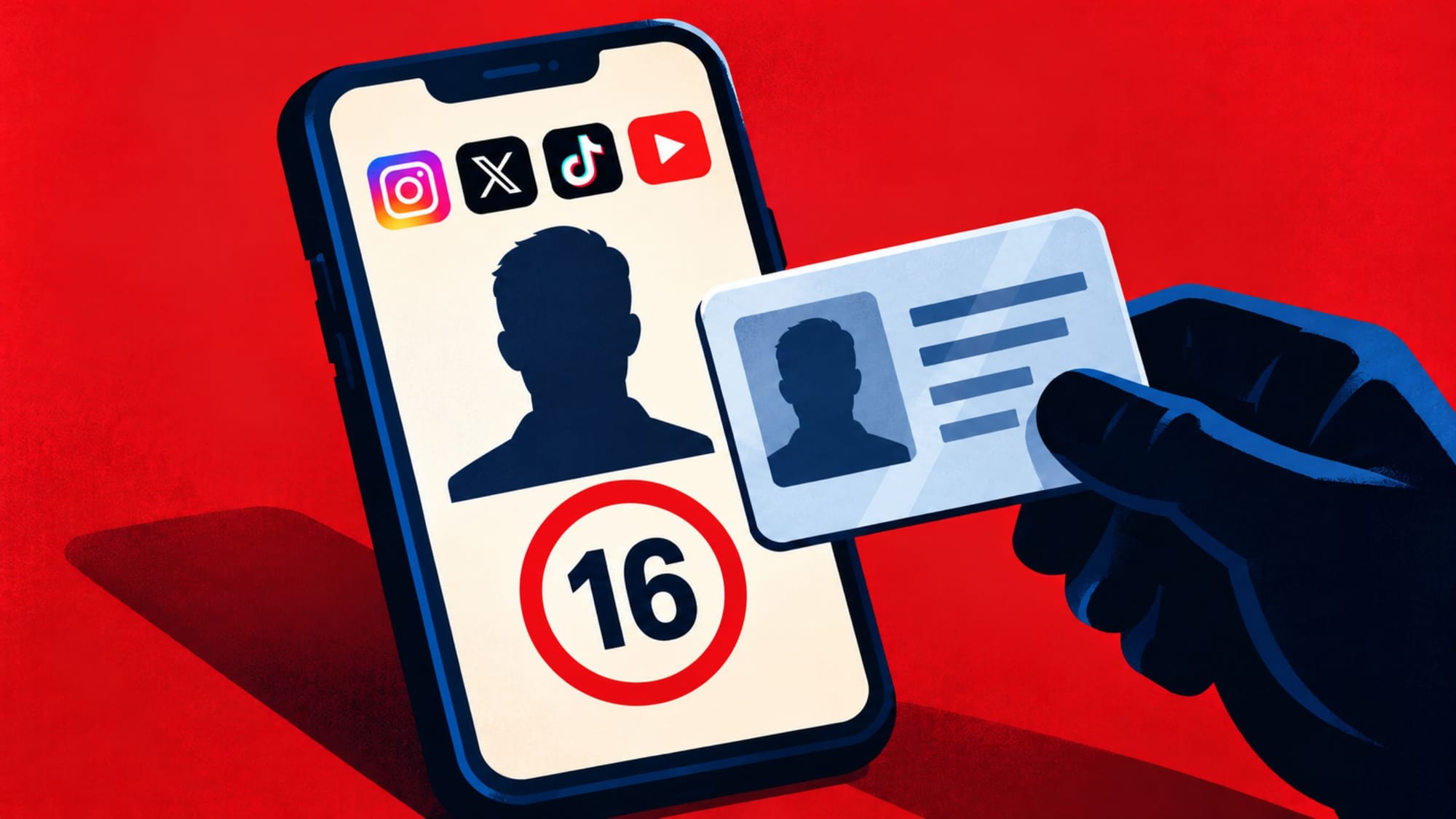
Apple is building tools to support the digital ID agenda. Apple’s iOS 27.2 gives users in the UK, Australia, Brazil and Singapore a new way to prove their age: a face scan. You turn your head right, left, up, and down while a model guesses how old you are. In Texas, your age range is now shared with developers and you can’t switch that off. Apple opposed the Texas law at first but now its chairman, Tim Cook, is praising the EU’s age check proposal. The real problem is that the age gate now lives inside the operating system, and every government that wants one will find it already built.
Reclaim The Net's avatar
reclaimthenet 22 hours ago
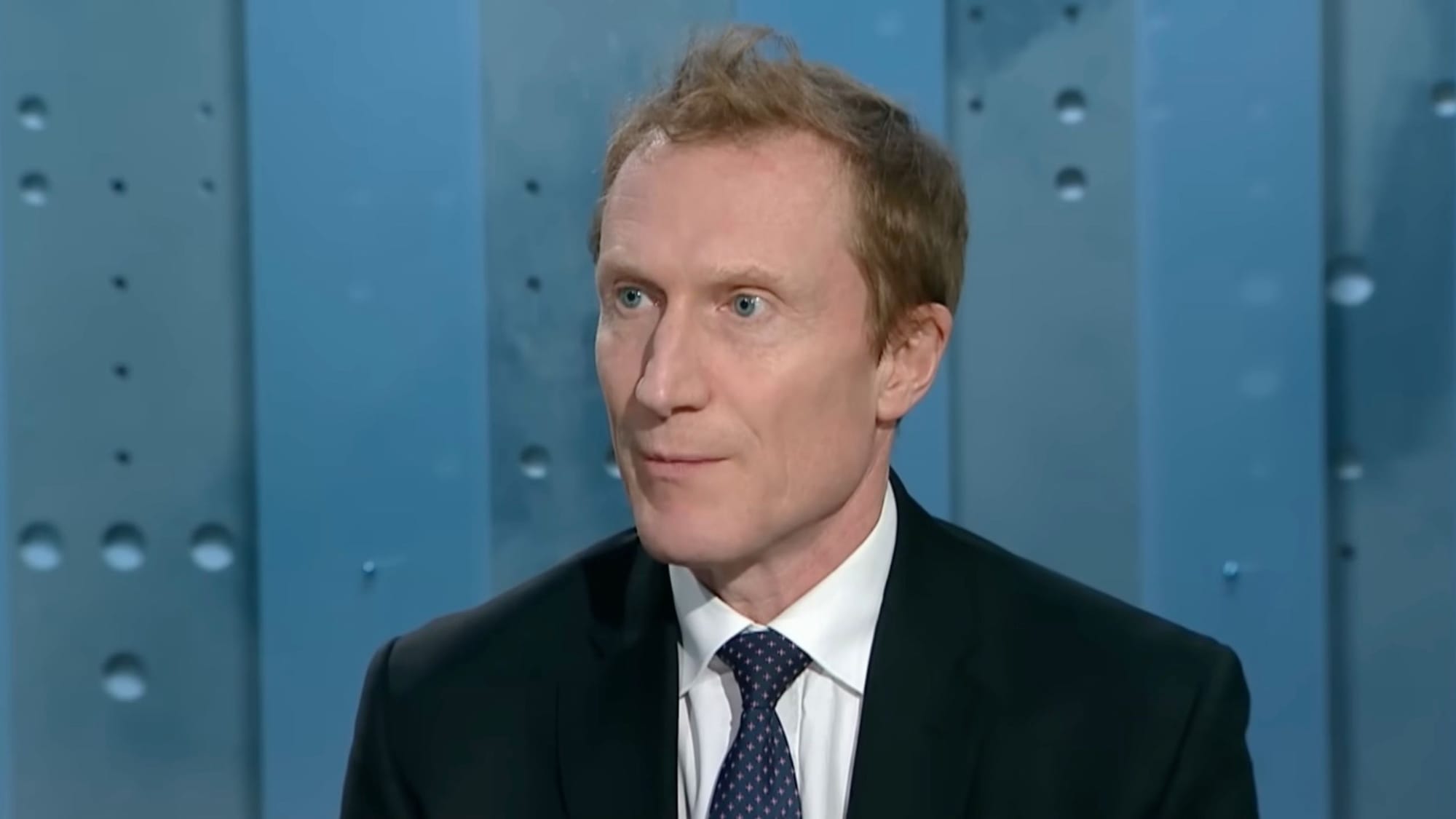
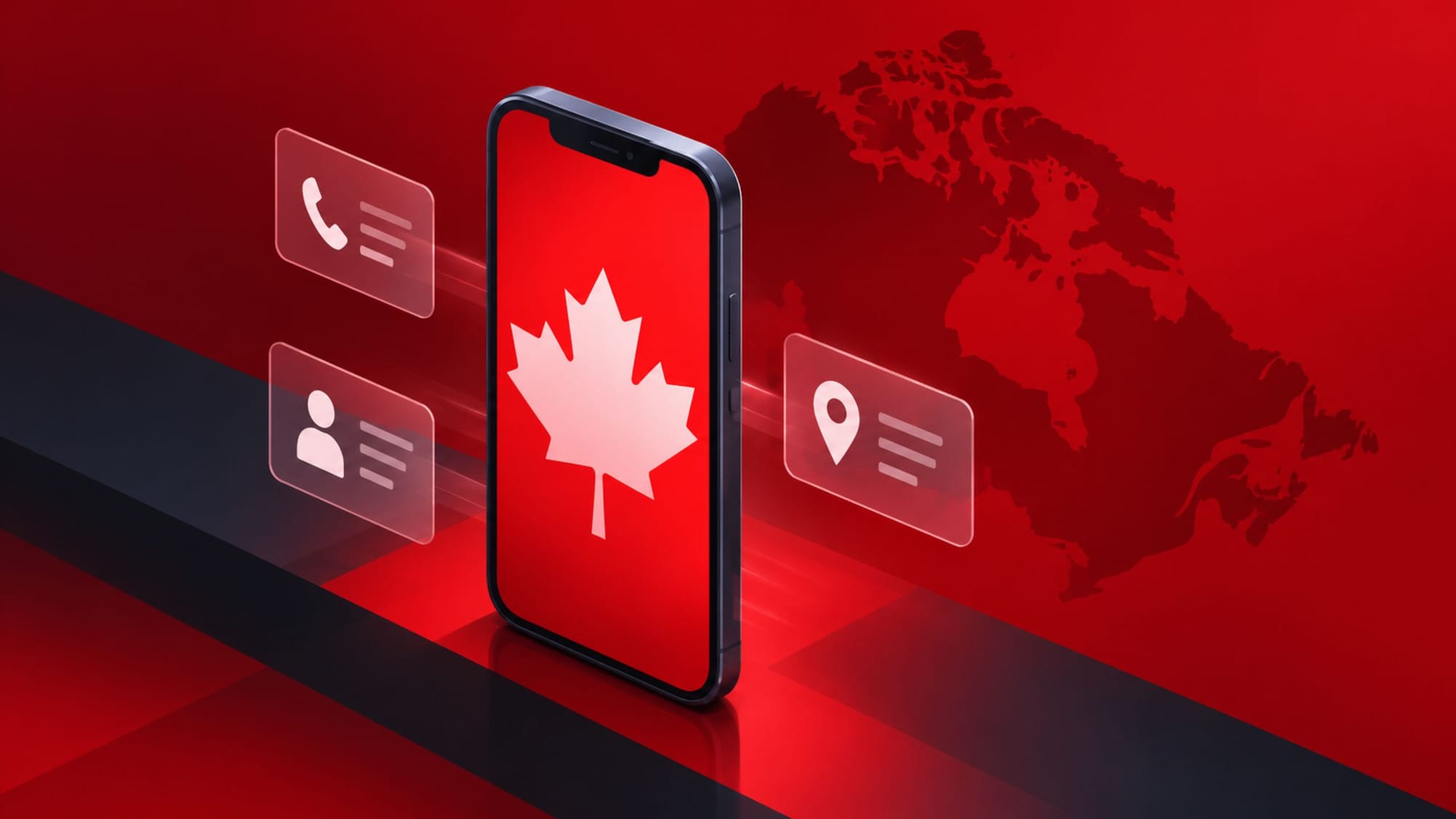
Canada sold C-34 as a simple ban on under-16s using social media. Now Identity Minister Marc Miller says cabinet can extend it to Roblox and Discord through an Order in Council, with no vote in Parliament required. The bill was written to allow exactly this. Meta wants the scope widened too. When the government and Meta agree on internet policy, users should check their wallets and their passports. To keep kids off these platforms, every user has to prove their age. That means adults handing over government ID or a face scan to play a video game. Discord already leaked 70,000 ID images through a support vendor last October. Ottawa’s plan is to make the pile bigger.
Poland has sent its president a bill that lets a telecoms regulator order websites blocked at the request of police, prosecutors, tax officials, copyright holders, or any internet user. Sites that refuse go on a domain register, and internet providers have 48 hours to wipe them from DNS. That register is exempt from freedom of information law. The Senate moved “political affiliation” cases from judges to regulators so they can be blocked without delay. The person who posted the content gets 24 hours to respond. The law states plainly that there is no appeal. Nawrocki vetoed this in January and compared it to the Ministry of Truth. The government split the blocking powers into a separate bill and sent them straight back. Now he has to say it again.
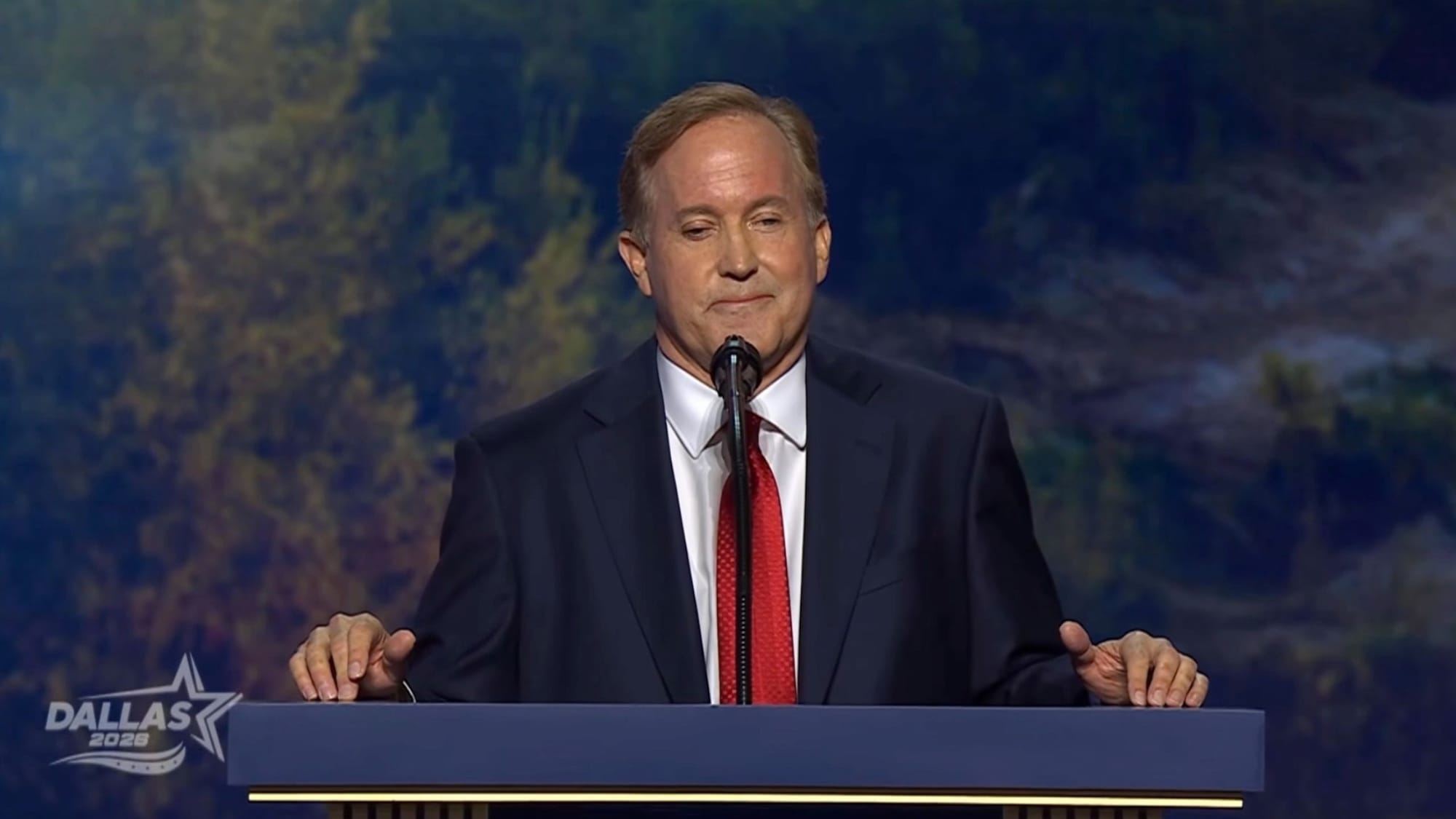
Texas is suing OpenAI because ChatGPT collects too much sensitive data about Texans. AG Ken Paxton's fix is to force every user to hand over ID before they can use it. He also wants a court-approved evaluator to sign off on every new model before Texans are allowed to talk to it. The state says it's worried about private conversations...so it wants each one tied to a verified name.
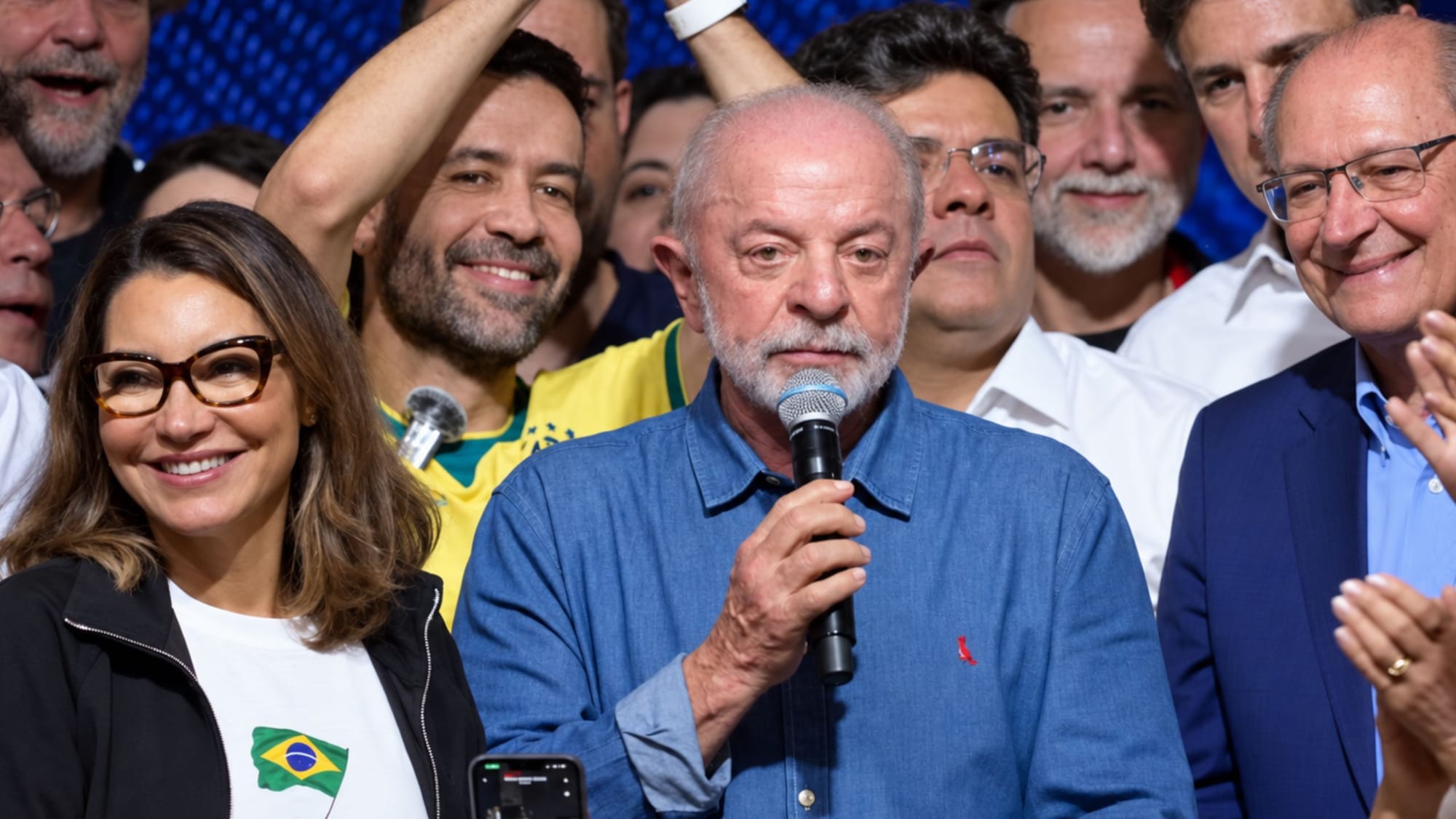
Lula celebrated his election win by announcing he will no longer allow himself to be “interpreted by journalists acting in bad faith.” From now on, he plans to speak to Brazilians directly, many times a day. In the same speech, he promised to regulate the tech platforms where Brazilians speak to each other. That promise comes from a government that has already made Brazilians prove their age with ID or a face scan, turned VPN use into an aggravating factor in crimes, and sued Discord after the First Lady called for it to be blocked “by any means.” Lula wants a direct line to the public. He is less keen on the public having one back.
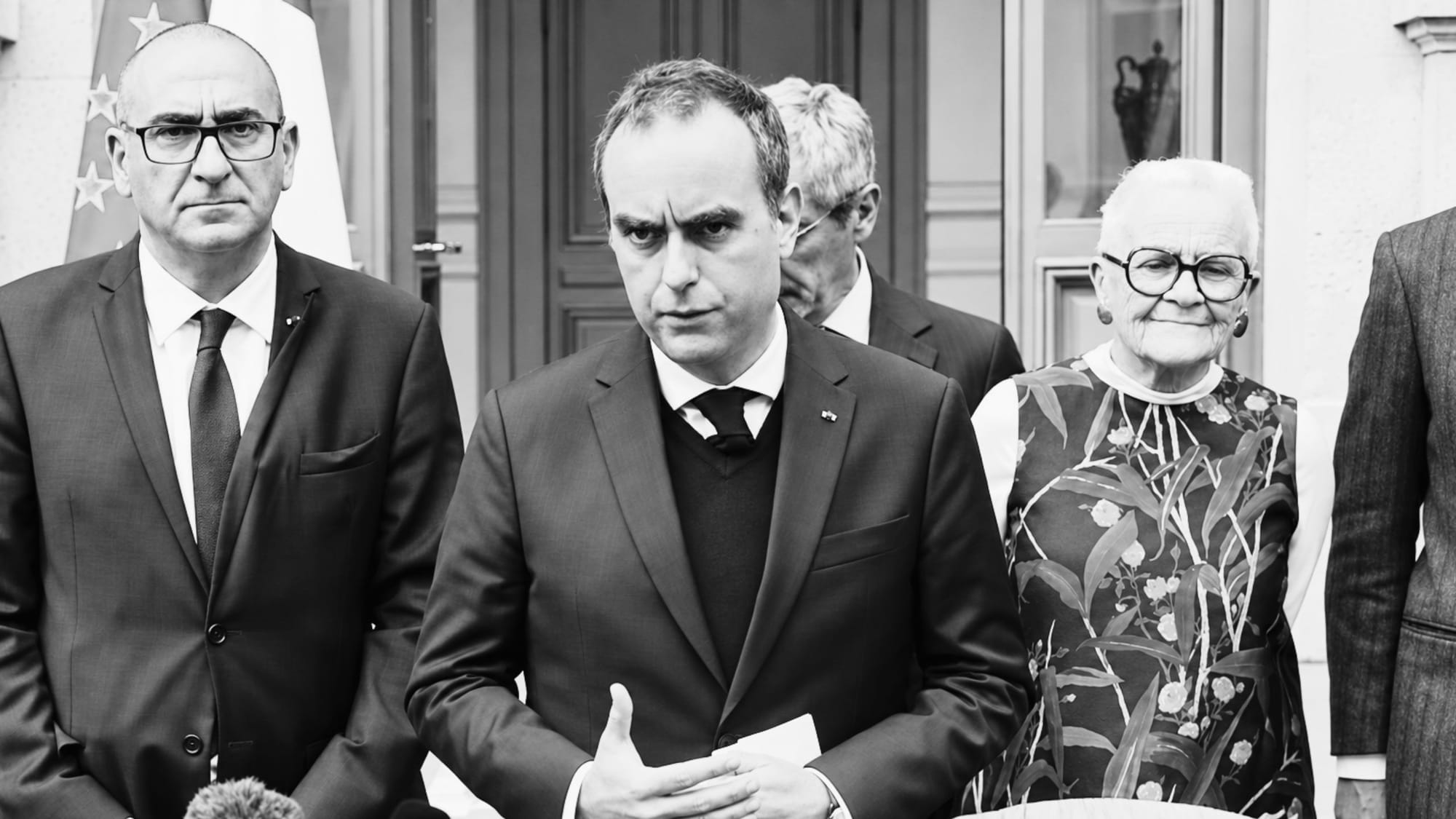
France’s Prime Minister sent a letter to Orange, SFR, Free and Bouygues telling them to prepare to block TikTok, Snapchat, Instagram and X for up to 12 hours if protests flared again. He asked them to keep it confidential. The government wanted the order delivered privately to each company, with nothing in the official journal. The public would get a press release 30 minutes before the block went live. It was the operators’ lawyers who asked whether shutting down four platforms nationwide was necessary or proportionate. Orange insisted on a formal, signed order. France’s top administrative court ruled the 2024 TikTok block in New Caledonia illegal last year. The government drew up a bigger one anyway. Staff were on call all weekend. Nobody pulled the switch this time, but they built it ready for the next one.
Canada’s Bill C-22 would force telecoms and messaging apps to keep six months of metadata on every citizen, whether or not they’re suspected of anything. Cabinet will decide who has to comply and how, with the first regulations due up to two years after it becomes law. Companies can be fined $250,000 a day for not obeying secret ministerial orders. The minister insists it isn’t about surveilling honest Canadians. Signal would rather leave the country than find out, and Windscribe is packing too. The bill is now with a Senate committee, which is the last place anyone can change it.
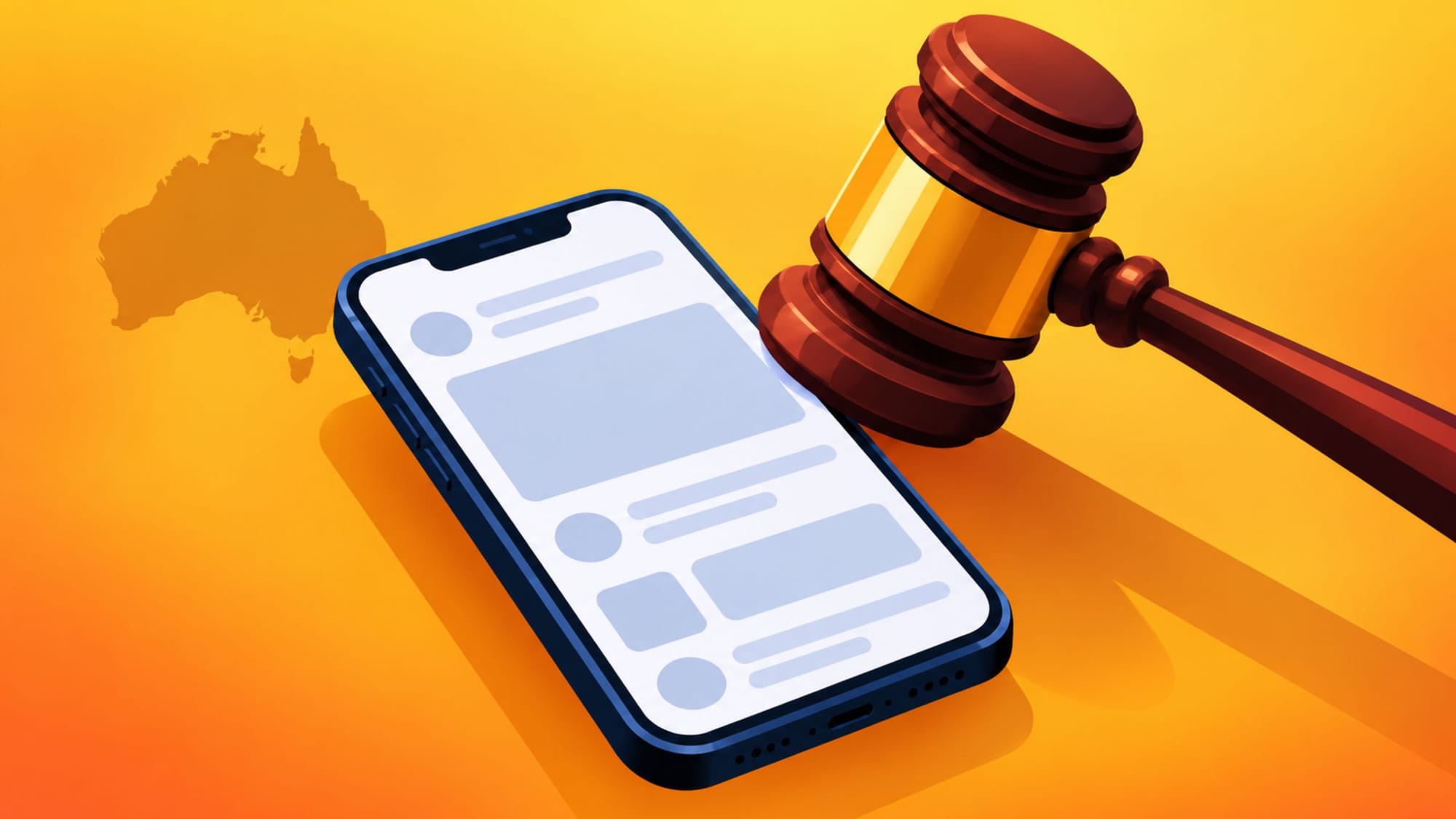
Australia has its first class action against Meta over “addictive design.” Eight plaintiffs say Facebook and Instagram harmed them as children. The details are sealed, but the theory is familiar. In the US this year, every case built on the addiction argument ended with Meta agreeing to check users’ ages. A New Mexico judge called age verification “the key.” A multistate settlement now requires it for every Facebook and Instagram account in the settling states.
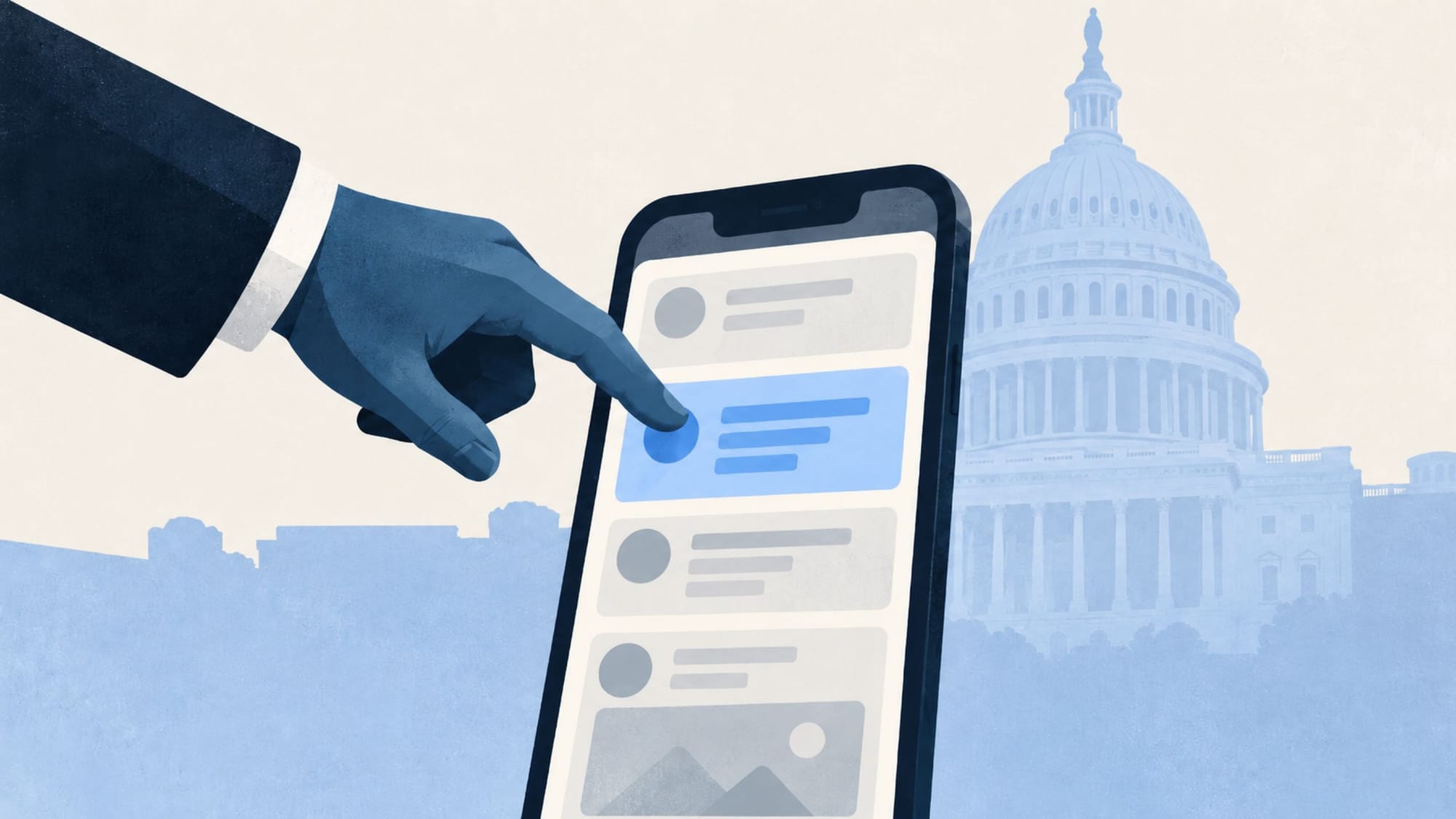
Four senior Democrats just wrote to 25 tech companies, including Rumble, SpaceX, and Truth Social, demanding they remove more “false, misleading, or inauthentic” election content before the midterms. They want independent "fact checkers," dedicated reporting tools for election officials, and notices sent to users who engaged with flagged posts. AI chatbots should only cite state election offices, “top trusted news organizations,” and approved civil society groups. The letter never says who decides what counts as misleading. It also name-checks the FTC, which is a strange thing to mention if this is just friendly advice. In March the government signed a consent decree admitting that calling speech “misinformation” doesn’t strip its constitutional protection. Lawmakers can’t order the removals, so they’re pressuring the platforms to do it. The lawmakers get the censorship and the companies take the blame.
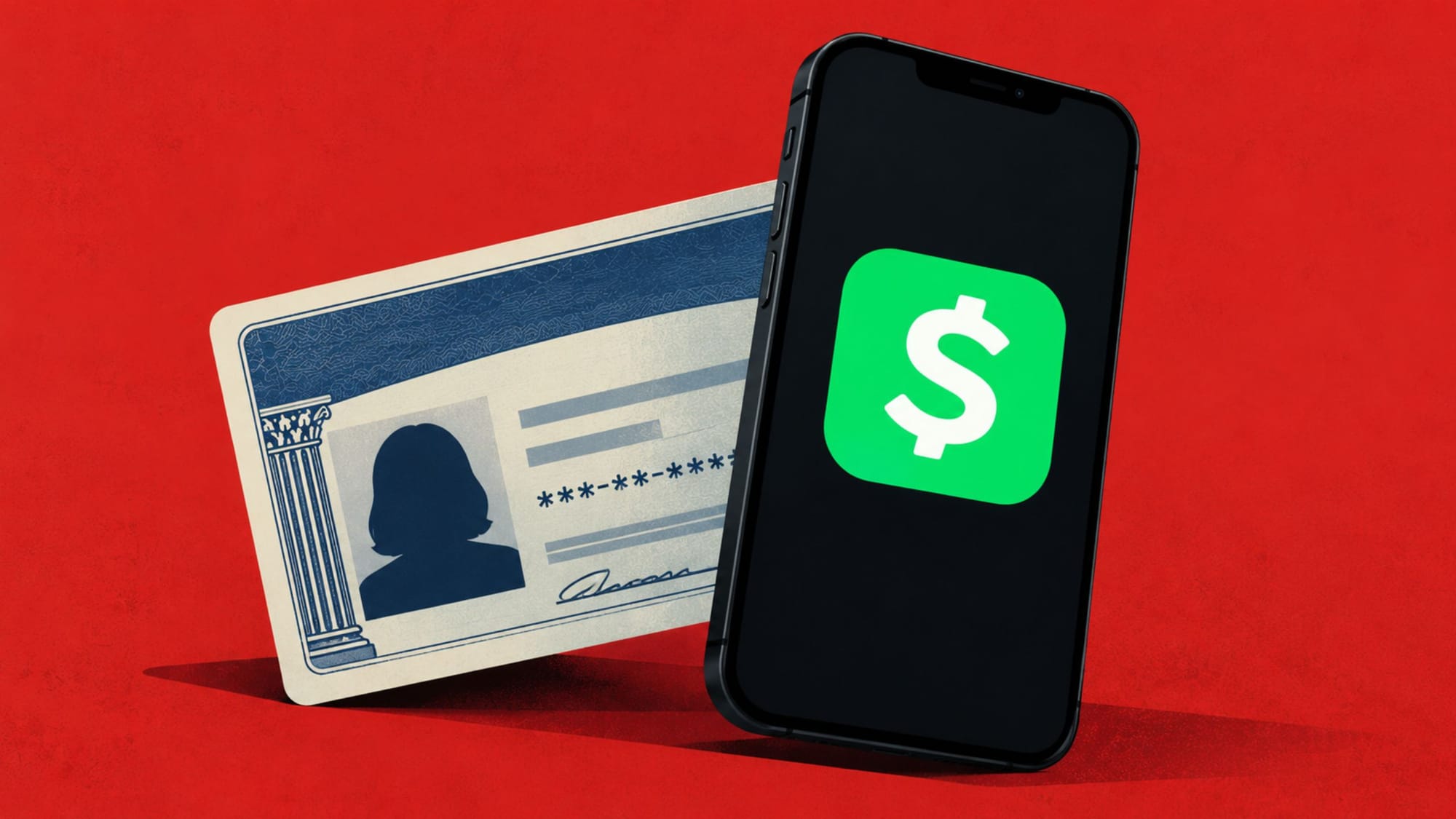
Governments keep telling us ID checks will make the internet safer. Here is what an ID check actually did for a woman in Pennsylvania. Cash App demanded Social Security numbers to stop fraud. Hers leaked in a data breach, a scammer opened an account with it, and the police arrested her for his crime. She spent three nights in jail. Cash App now refuses to show her the account because she can’t prove it’s hers, which is exactly what she has been telling them. Every ID check builds another vault of stolen identities waiting to happen. The more of them we’re forced through, the easier fraud gets, and the people paying for it are the ones who did everything they were told.
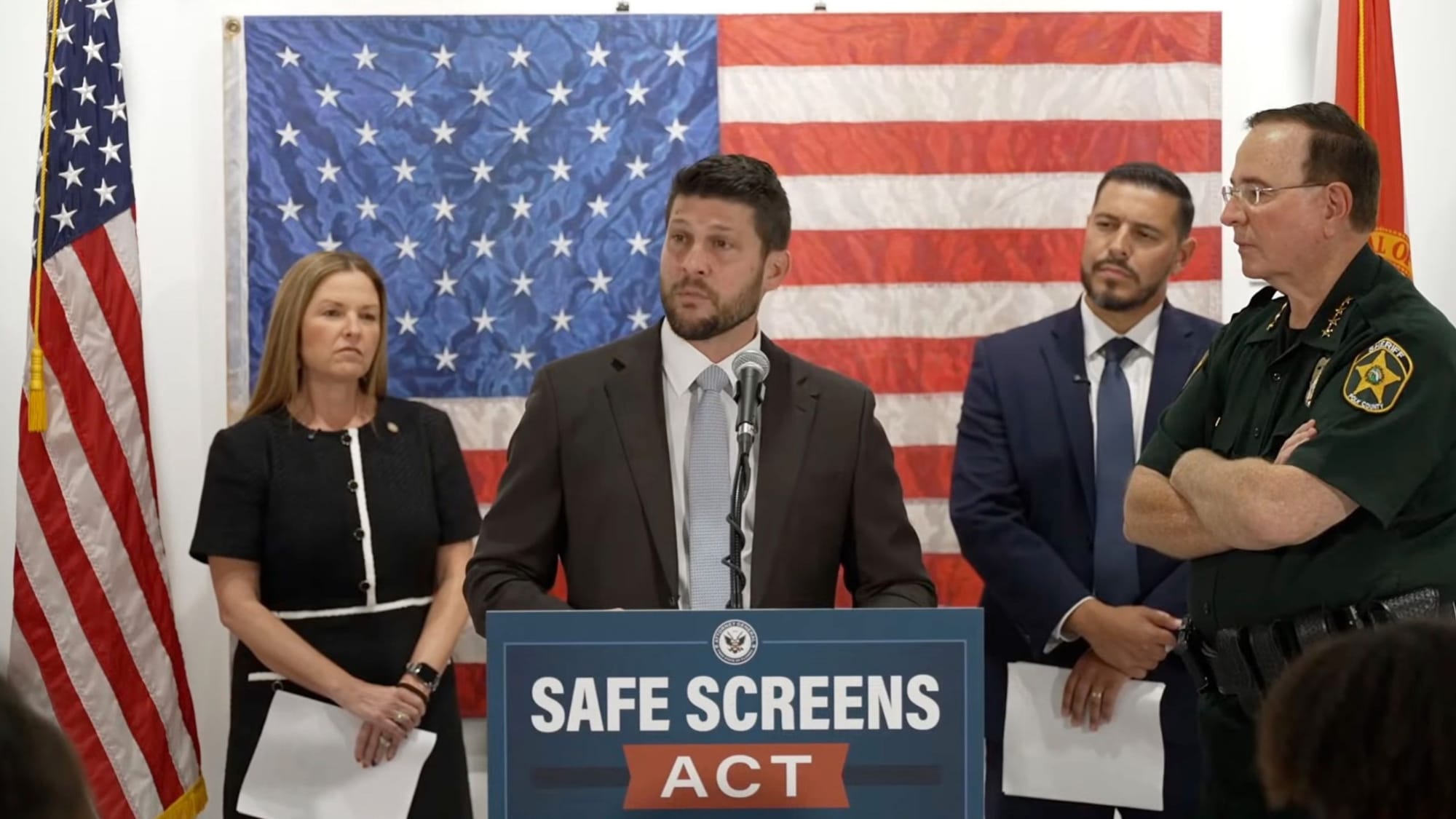
Florida is now the most aggressive state in America when it comes to pushing digital ID. It already bans social media for anyone under 14, and a federal appeals court just let that law take effect. In September, the Attorney General asked a court to force age verification on ChatGPT. In October, he went after Meta for the same thing. Then Discord was sued for not scanning private messages thoroughly enough. Now he wants age checks built into your phone’s operating system and the app store itself. Every app download in the state would start with proving how old you are. He promises the checks will be privacy-protective. He has not said how. Discord’s last experiment with ID checks leaked over 70,000 government IDs.
The 90s is back... This weekend, the Australian media’s response to a man charged with causing serious injury to an MP is to suggest a culprit is…Grand Theft Auto. Just based on the fact that he played one of the most popular games ever made. The same game hundreds of millions of people have played without running anyone over. This is the worst form of journalism: pure insinuation manufactured to call for control of media and entertainment. image
Be a small town politician. A child puts bunny ears on your photo and comments on how you dress. So mad you report it to the police. Cops show up at the child's house. Causes international outrage. Now the bunny pic is in the New York Post. And your Google results are just rabbit ears forever. image
France’s interior minister said this week that social networks are becoming a "real problem" and that the government has the option of suspending them. Within a day, the French had made bitchat the number one social networking app in the country. Bitchat runs over Bluetooth, hops from phone to phone, and needs no internet, no phone number, and no central server. You can’t switch it off at the network level because it doesn’t use the network.
New Mexico just won $25 billion from Meta, and most coverage will call it a privacy case. (Facebook told users they were in control while handing their data to partners, then redefined “misuse” so it never had to tell 2,000 apps’ worth of victims.) The rest of the verdict is something else. The jury also punished Meta for saying it didn’t profit from “misinformation” and “hate speech,” which turns the case into a fine for not deleting posts fast enough. The math is worse. The state multiplied each statement by every Facebook user or resident in New Mexico, and nobody had to prove a single person saw it, relied on it, or was harmed. When every unremoved post can become a per-head penalty, platforms will learn one lesson, and it is to delete more.
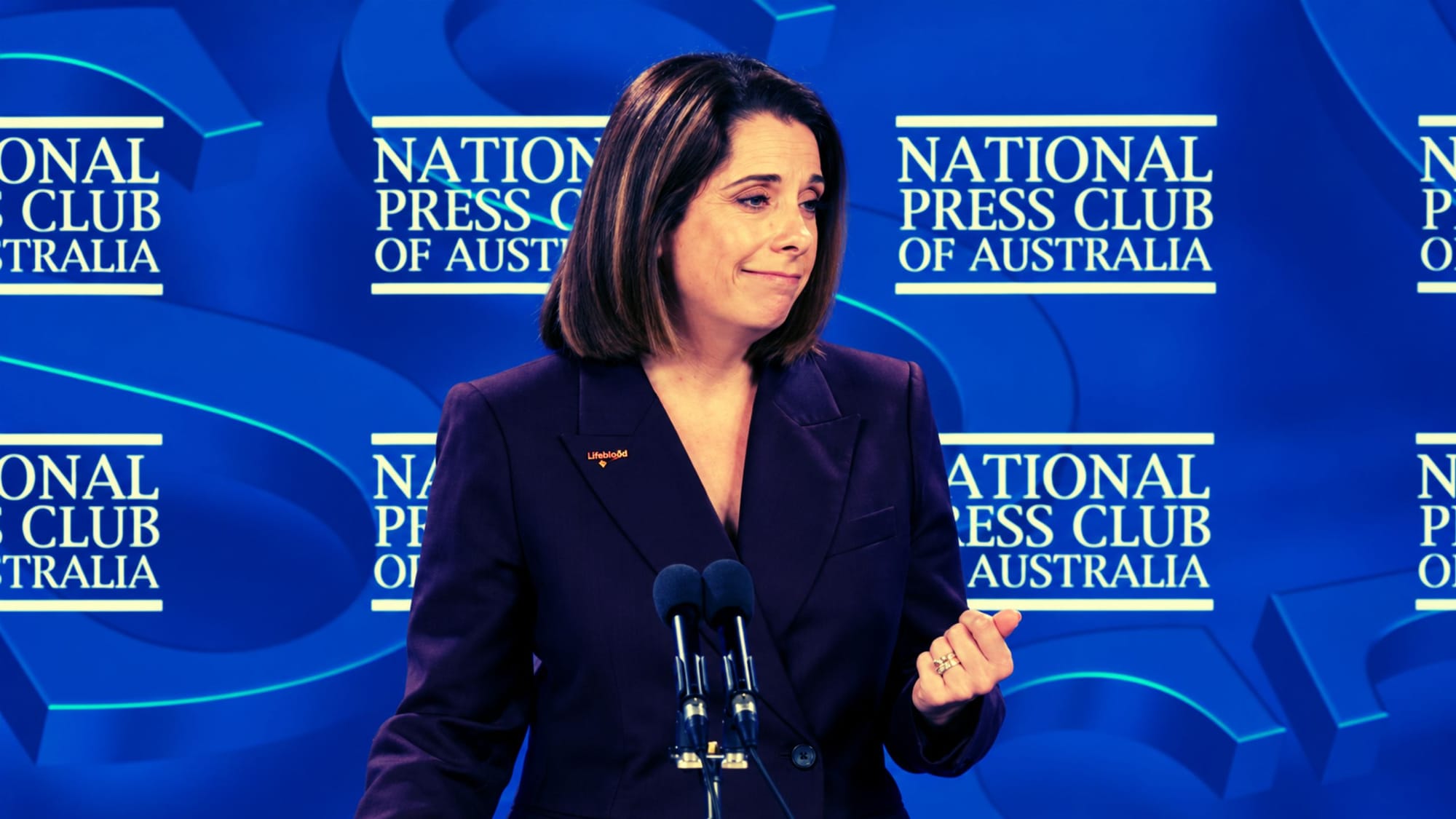
Australia’s Communications Minister Anika Wells is lobbying governments around the world to adopt her Digital Duty of Care bill as a model. It isn’t law yet, and it may not survive the Senate. The 90-page text never mentions free speech once, lets regulators run fake “sock puppet” accounts, and tells platforms the cost of compliance must not be taken into account. Fines reach A$109.2 million. To keep under-16s away from feeds and likes, every user will have to prove their age first. Meanwhile, her existing under-16 ban is so widely ignored that she is preparing to sue five platforms over it. Exporting a disgraced law that doesn’t even work at home is a bold sales strategy.
France had riots, so a minister summoned TikTok, Meta, YouTube, X, Snapchat and Discord to an emergency meeting. They left promising to remove more content, act faster on livestreams and hand user data to police. Gabriel Attal wants the power to block platforms during unrest, despite France’s top court ruling his TikTok ban in New Caledonia illegal. There are no new laws or court orders. The government just needed a crisis to implement its agenda.
The UK speech regulator's chief executive, Dame Melanie Dawes, told MPs this week that the regulator won’t be able to recover every Online Safety Act fine. Nine of the eleven fines it has issued remain unpaid. 4chan was fined £520,000 plus £800 a day, and its lawyer replied with a picture of an AI-generated hamster. When Ofcom wrote again, he sent another hamster. In July, Ofcom closed a case against an American forum it had fined £950,000 because it had run out of legal routes. Then it asked the government for more powers. In the same hearing, Dawes said the UK’s under-16 social media ban will be “much more draconian” for Meta than its US settlement. Those were her words. The only way to keep under-16s off a platform is to check the age of every adult on it.
Georgia can now make every social media user in the state verify their age before they post a single word. Parents of anyone under 16 may have to hand over their government ID or a payment card number to approve the account. The Eleventh Circuit never ruled that the law is constitutional. It ruled that NetChoice brought the wrong kind of challenge and didn’t list enough of its own members. That procedural slip is now enough to put an ID check in front of millions of adults. The law was sold as protecting kids, but in practice it ends anonymous accounts for everyone in Georgia.
Gabriel Attal, France’s former Prime Minister and Macron’s Renaissance party candidate for the 2027 presidency, blocked TikTok across New Caledonia in 2024. France’s highest administrative court later ruled the block illegal because it was total and open-ended. Now he wants the power back, this time described as “temporary” and “targeted,” aimed at whatever territory the riots happen to be in. He also wants facial recognition and AI run on surveillance footage and on videos people post online, so that within 48 hours of unrest starting, suspects are being found at their homes. He says the goal is to “set an example.”
↑