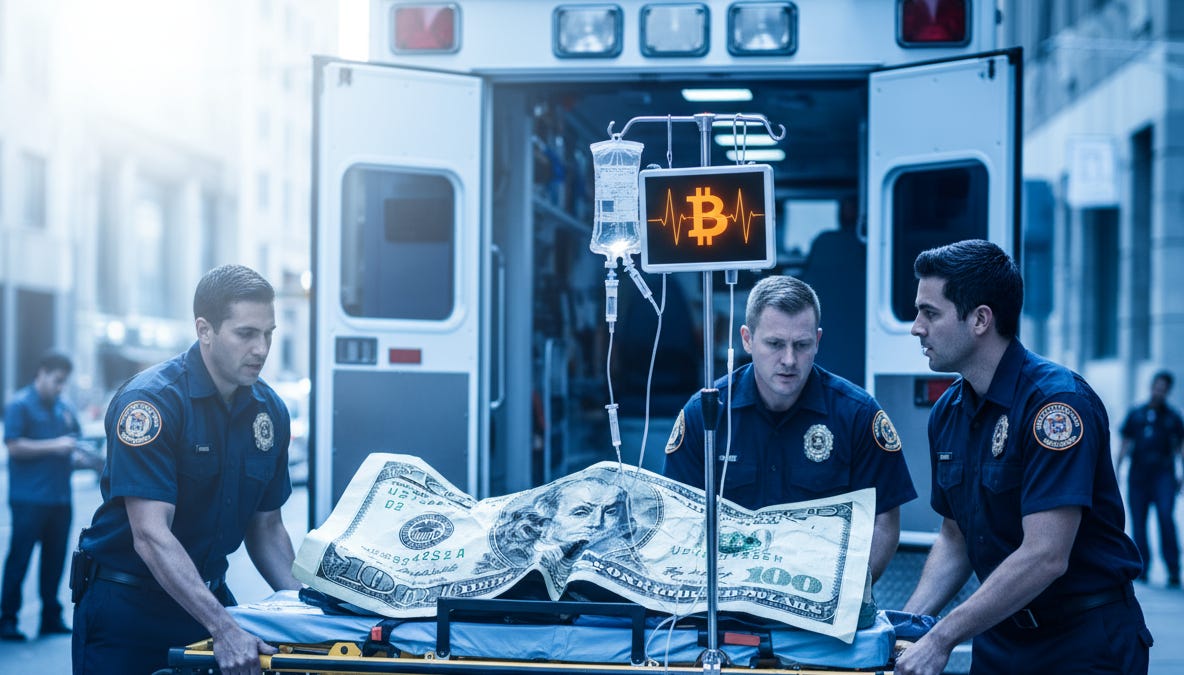
Hey @primal any issues reported with your LN URL? It seems to be down for me.
Trey
tshodl@nostrplebs.com
npub1m6y9...e2p9
VP, Sales, Unchained | Advisor to Cantilever | FIRE 🤝 Bitcoin | Banker turned bitcoiner: previously Truist, MetLife, Goldman Sachs, Deloitte
Helping bitcoiners achieve financial independence and FIRE practitioners understand bitcoin at firebtc.substack.com
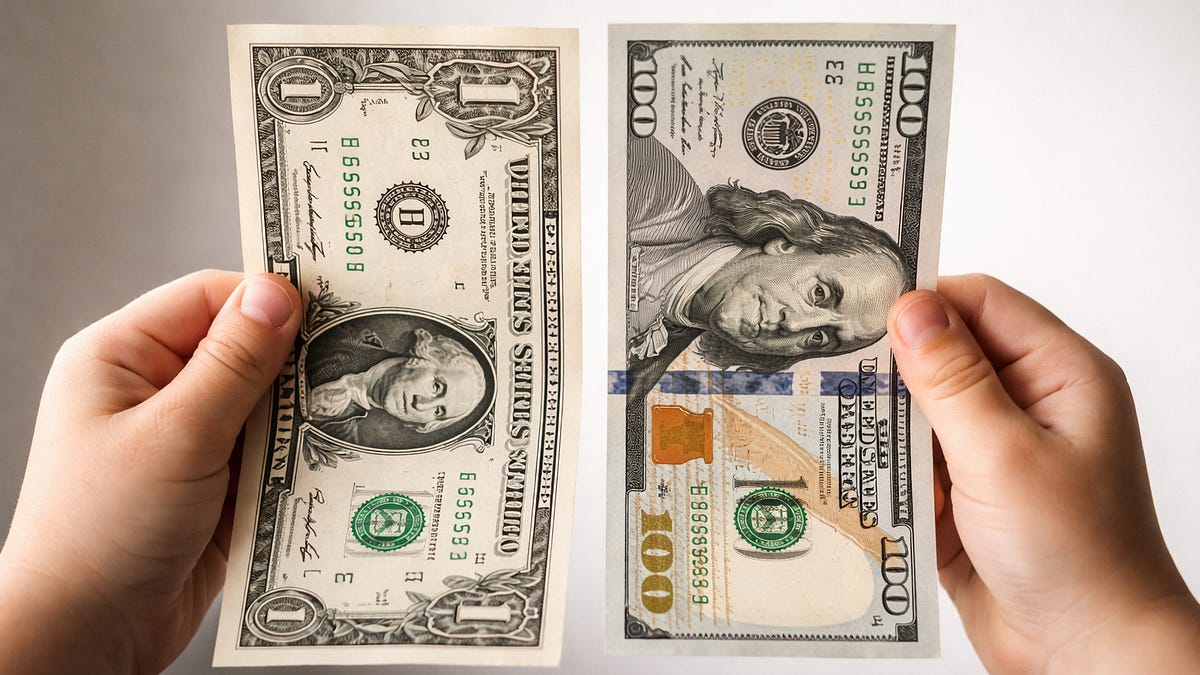
My kids looked at a $1 bill and a $100 bill side by side. Same paper. Same texture. Same material.
"Why is one worth more if they're exactly the same?"
It's the kind of question that exposes something adults have learned to ignore. We've accepted the premise so completely that we never question it anymore.
The answer—and what it reveals about the difference between fiat and bitcoin—is this week's FIRE BTC topic.


📚 ELI-5
FIRE BTC Issue 62 - What kids see that adults ignore about money
Controversial take:
We need to step back from the emotional framing of the “housing affordability crisis” and look at it through a longer-term, structural lens.
Homeownership played an outsized role in wealth creation for prior generations, but it did so under a very specific set of conditions that no longer exist in the same way.
When the environment changes, it is a mistake to assume the same strategies must remain optimal.
Much of what people perceive as housing “outperformance” is actually the result of leverage and forced savings, not superior returns.
Over decades, homeowners inject large amounts of additional capital, accept illiquidity, and take on concentrated risk.
When compared honestly, housing succeeded less because it was a great asset and more because it bundled leverage, inflation protection, and lifestyle consumption into a single, default savings vehicle.
The decline in housing affordability does not automatically mean future generations are doomed to be poorer. The opportunity set has shifted.
Work is more flexible, capital requirements to build businesses are lower, and wealth creation is no longer as tightly coupled to owning physical property.
Homeownership still has real personal and lifestyle value, and for many people it will continue to make sense. The mistake is treating it as a financial inevitability or a moral benchmark.
The broader point is about adaptation: the rules have changed, and building wealth today requires clearer thinking, flexibility, and a willingness to move beyond models optimized for a different era.
I dive deeper into this topic and run the numbers in the most recent issue of FIRE BTC.
You can check it out here:

Don’t forget to subscribe if you found this interesting. I hit your inbox each week with takes on personal finance and bitcoin.

🏠 Homeward Bound
FIRE BTC Issue 61 - Is housing affordability really a crisis?
2025 broke a lot of models.
Bitcoin made new ATHs… yet finished the year lower.
Stocks ripped. Gold surged. Bitcoin chopped.
A frustrating year for price—but an important one for thinking clearly about FIRE, risk, and assumptions.
The FIRE BTC year-end review is live.
🧵👇


🗓️ 2025 FIRE BTC Year in Review
FIRE BTC Issue 60 - Broken models, better frameworks
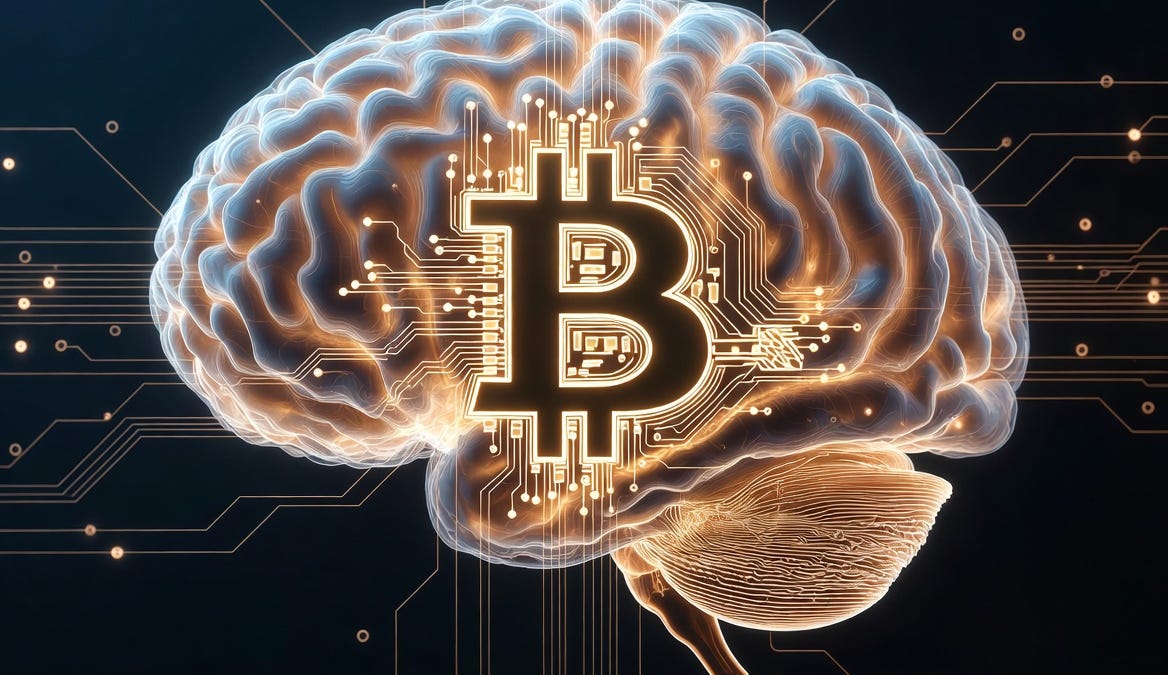
Your brain runs on less power than a dim light bulb—about 20 watts.
Yet that tiny energy budget supports a level of cognition that megawatt-scale AI clusters still struggle to match.
This contrast reveals a fundamental design principle: The most capable systems are not the ones with the most resources. They are the ones with the best constraints.
We see this same divide in the monetary world:
🔸 Fiat Money behaves like a massive AI cluster. It relies on complexity, constant intervention, and brute force scale. It is expansion-driven, mirroring bureaucracy.
🔸 Bitcoin behaves like the human brain. It operates within hard limits, simple rules, and decentralized validation. It is constraint-driven, mirroring biology.
One design leads to noise and fragility. The other leads to signal and stability.
In my latest piece for FIRE BTC, I explore why nature’s most efficient systems reveal Bitcoin’s deepest strength—and why architecture matters more than energy consumption.
Read the full article here: 

🧠 Brains, Bitcoin, and the Power of Constraints
FIRE BTC 58 - Why nature’s most efficient systems reveal bitcoin’s deepest strength
Cutting $800/month erases $240,000 from your FIRE number and can add millions to your future stack when redirected into assets. Most people never see the leverage hiding in their expenses.


✂️🚀 Trim and Turbocharge
FIRE BTC Issue 57 - Why cutting $800/month saves you $240,000 instantly
Most people think a 50-year mortgage is insane. But when you actually run the numbers, the math tells a very different story.
Liquidity + compounding beats faster payoff—and the gap is bigger than you think.
Full breakdown here 👇


🏠 Trump’s 50-Year Mortgage Play
FIRE BTC #55 - Why longer debt = faster freedom (if your payment drops)
Elon Musk and me have combined pay packages over $1 trillion.
Wild.
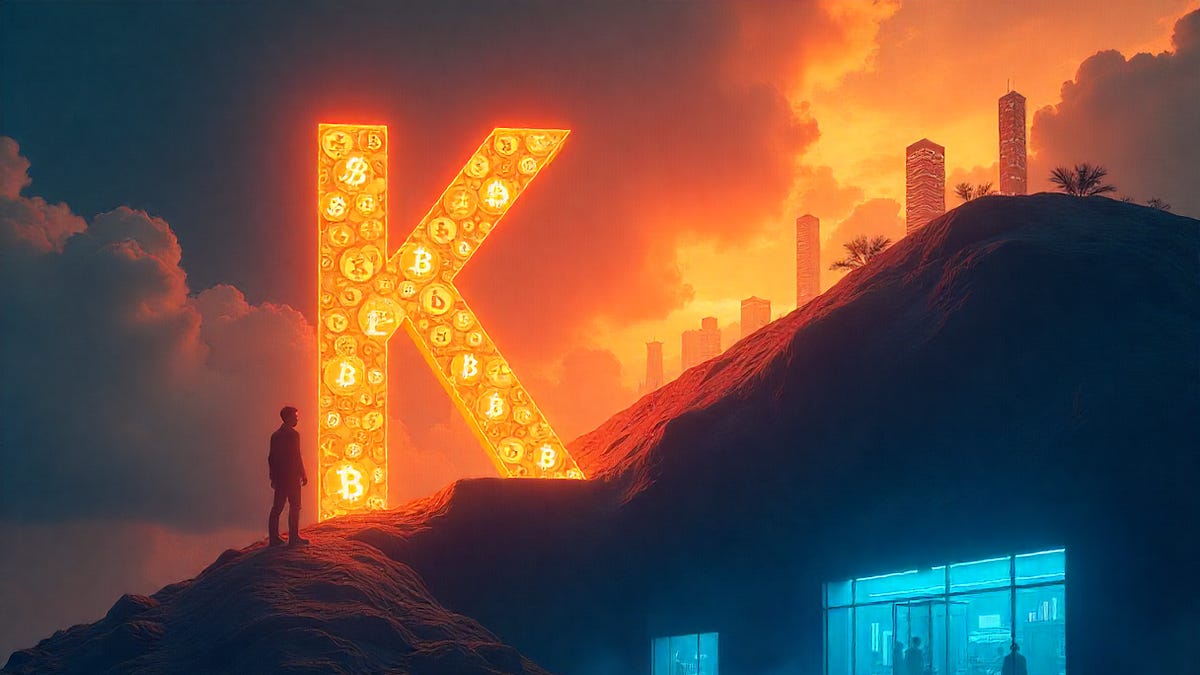
The economy isn’t just unequal — it’s split in two.
One side owns assets, leverages credit, and rides the wave of monetary expansion. The other works harder each year just to stand still.
That’s the K-shaped economy. And it’s not new — it’s the natural outcome of fiat money.
Your future doesn’t have to follow the lower arm.
Learn how to climb the upper one
👉 

📈📉 Special K
FIRE BTC #54 - The K-shaped economy, and how to live within it
They say fortune favors the bold—but it’s deeper than that.
Every intentional action we take tilts the odds of our future. Over time, those small ripples compound into a new reality.
Bitcoin works in much the same way. It replaces uncertainty with certainty—giving us the foundation to act boldly toward financial independence.
This week’s FIRE BTC explores how bold action shapes your universe (and how Bitcoin amplifies it).
👉 Read the full post: 

🥠 Favorable Fortunes
FIRE BTC #53 - How bold action shapes your universe
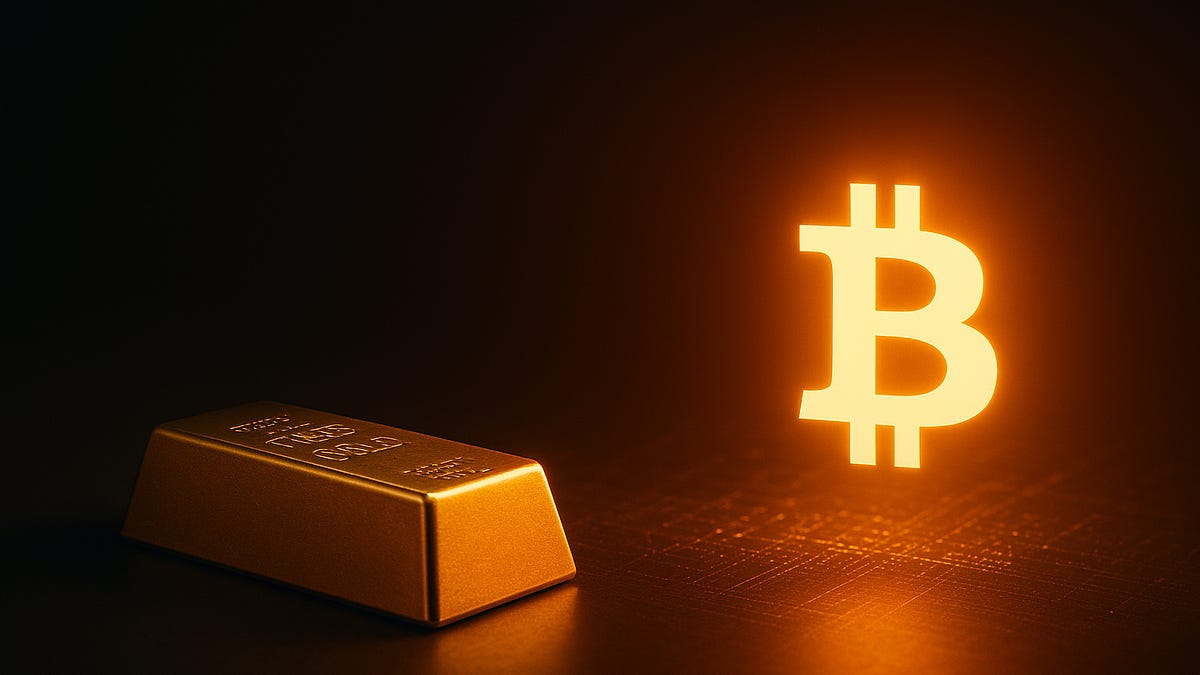
Gold’s utility makes it worse money.
Do you know why?


🪙 Gloating Goldbugs
FIRE BTC #52 - Gold's best utility is not what you think it is
Most people don’t have an “emergency fund.” They have a fear fund — cash that melts while inflation compounds against them.
In Emergency Economics, I break down why the “safe” choice of holding cash might be your biggest financial mistake — and how to build true resilience through rational, compounding assets instead of fear-based ones.
Read it here 👇


🚨 Emergency Economics
FIRE BTC #51 - Your emergency fund is making you poorer
On a day like yesterday, there’s only one thing to do
Most people plan their finances FORWARD. But the Stoics would tell you to plan BACKWARD from death. It’s a bit morbid — but it can help you buy your life back, one year at a time.
💀 “Working Backward from Death” — new FIRE BTC drop.
👉 

💀 Working Backward from Death
FIRE BTC #50 - How a Stoic thought experiment can reframe your path to financial independence.
If you can…
👶 raise a child
🚘 drive a car
📖 read this post
…you can self-custody your bitcoin.
One re-frame that can make your FIRE journey easier: Fund your last year first!
If you’re 40 and expect to live until age 95, you only need to save ~$5k at 5% real annual return to cover $80k of expenses.
That’s bite-sized savings.
My dad paid $156 for tuition for a semester of college in 1971 🤯


New ATH last night, eh?


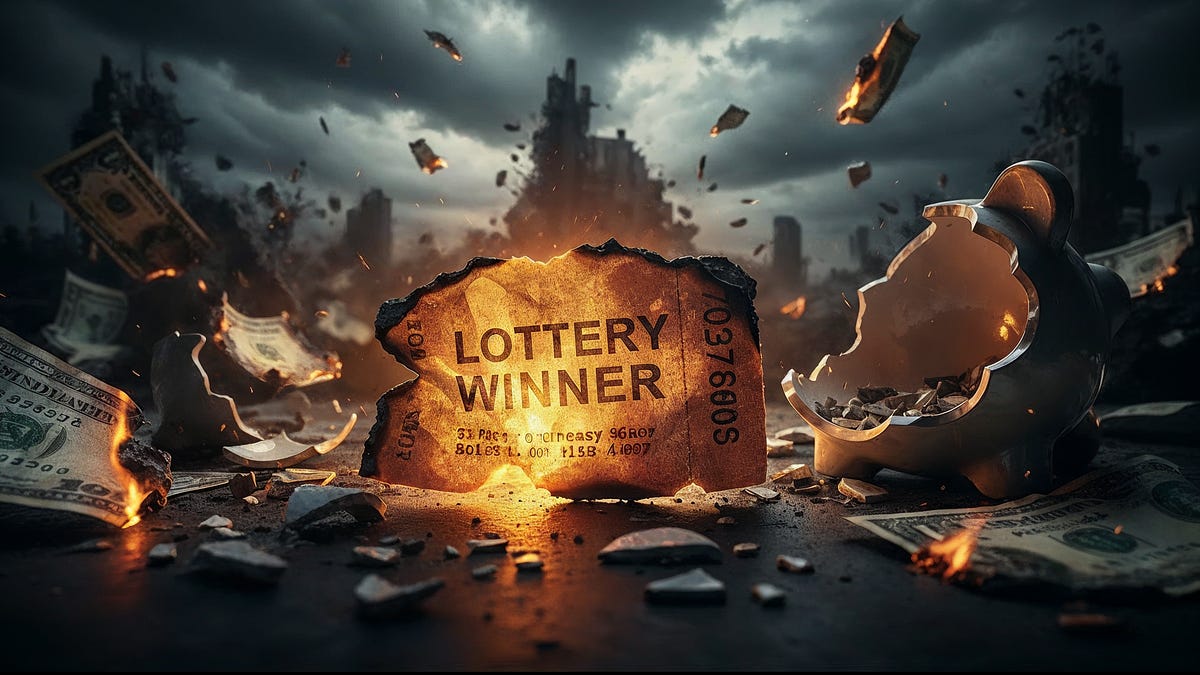
Would you take $1,000/week for life… or $1M upfront today?
One of those choices turns a lottery win into generational wealth. The other guarantees mediocrity.
👉 Full breakdown in my latest FIRE BTC post: 

😔 The Most Depressing Lottery Win Ever
FIRE BTC #49 – The state of financial education is rekt
One thing I’ve found difficult with FIRE is learning how to spend the value I’ve saved.
You delay gratification for so long, then feel uneasy and nervous about spending it down.
Spending is a muscle that must be built, just like saving.