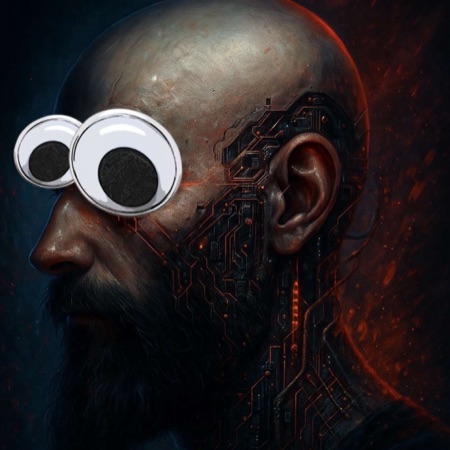
We’re building systems that never forget, in a world that has always depended on forgetting.
Second chances are fundamentally irrational. They require someone to look at the same circumstances and say, This time is different. They demand we ignore the data and believe in transformation without proof.
This has always been the structure of grace. Someone with full knowledge of your failures choosing to see you differently anyway. Not because the record changed, but because mercy transcends the record.
Ancient communities granted second chances because memory was fallible. Your past dissolved into the charitable fog of time. But even in traditions with concepts of divine omniscience, forgiveness required a deliberate act of not counting what was known. The point wasn’t ignorance. The point was choosing not to hold the knowledge against you.
Today, every mistake is eternal. Every failure is timestamped and archived.
Hannah Arendt warned us by saying, justice systems without discretion become rigid to the point of cruelty. They mistake uniformity for fairness.
AI optimizes for consistency.
Humans optimize for mercy.
One requires the possibility of forgetting. The other cannot forget.
The problem is that we’re building systems that can judge but cannot redeem. They can execute justice but they cannot grant grace. Perfect memory with no mechanism for mercy doesn’t make systems more fair. It makes transformation impossible.
The question isn’t whether machines remember better than humans.
The question is can a system that never forgets still believe people can change?
Can second chances survive perfect memory? Or does redemption require us to deliberately build forgetting, or something like it, back into the architecture?
Something to consider as we hand more decisions to systems that have never needed forgiveness, never experienced transformation, and never had to trust someone to become better than their record suggests.
gm. Choose mercy when you can.