
@npub17xvf...c9as asked me to share one of my favorite freedom tech projects. Here's what I had to say about @npub1mftv...rkl3
 While I was limited to just one, I also have to give shout-outs to Skot building Bitaxe, @calle building Cashu, and many more.
The policy front may be depressing at times, but the people building solutions on the ground give me hope.
See what everyone else on the HRF Freedom Tech Team had to say here.
While I was limited to just one, I also have to give shout-outs to Skot building Bitaxe, @calle building Cashu, and many more.
The policy front may be depressing at times, but the people building solutions on the ground give me hope.
See what everyone else on the HRF Freedom Tech Team had to say here. 
While I was limited to just one, I also have to give shout-outs to Skot building Bitaxe, @calle building Cashu, and many more.
The policy front may be depressing at times, but the people building solutions on the ground give me hope.
See what everyone else on the HRF Freedom Tech Team had to say here. Human Rights Foundation
Top 15 Freedom Tech Projects of 2025
Looking back on 2025, financial and digital repression under authoritarian regimes continued to grow. But so did the innovation pushing back agains...
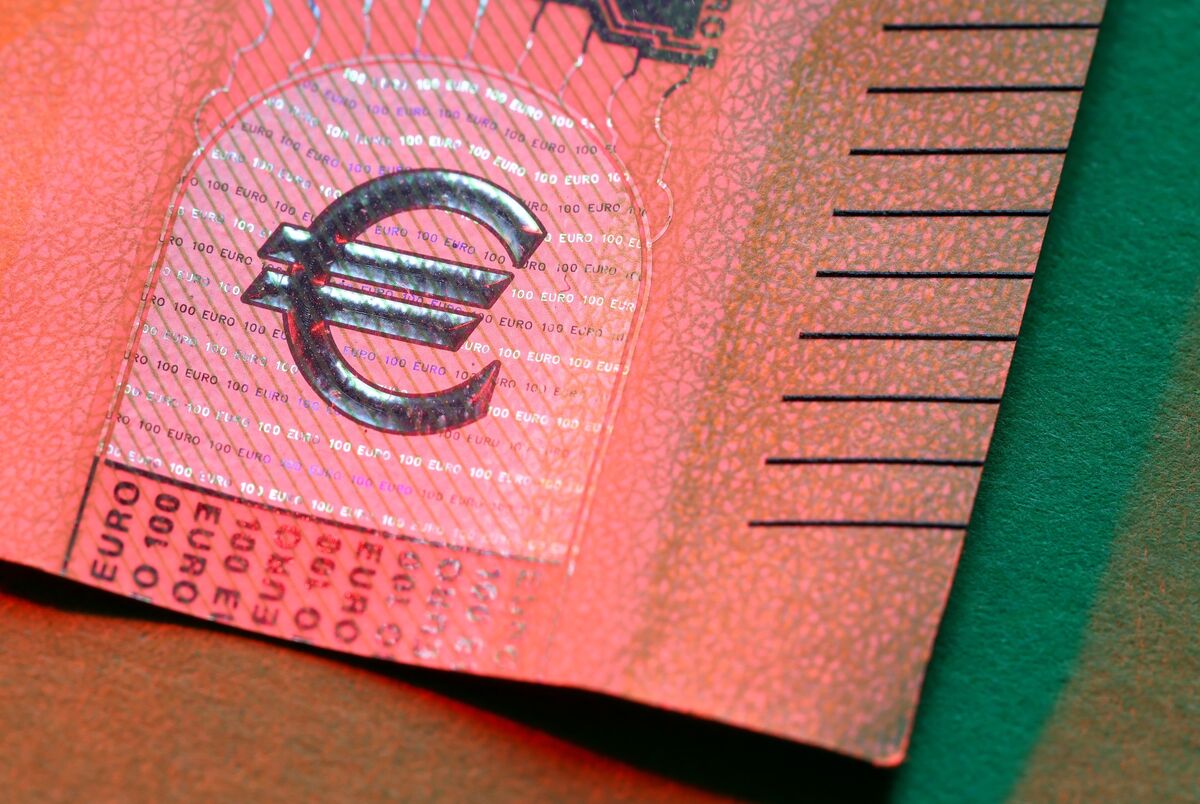
 As she noted, the EU Governing Council has given the green light for the digital euro (the ECB's CBDC). In short, the Council said that the digital euro should work both online and offline, have holding limits, allow a "high degree of privacy" while still being AML/KYC compliant, and be free for consumers to use.
This green light from the council does not mean, however, that the digital euro will be launched. Now it's up to the European Parliament to weigh in.
Sadly, though, this process might appear democratic from the outside, but it's really just a formality. It's unlikely that Parliament will alter the course.
As
As she noted, the EU Governing Council has given the green light for the digital euro (the ECB's CBDC). In short, the Council said that the digital euro should work both online and offline, have holding limits, allow a "high degree of privacy" while still being AML/KYC compliant, and be free for consumers to use.
This green light from the council does not mean, however, that the digital euro will be launched. Now it's up to the European Parliament to weigh in.
Sadly, though, this process might appear democratic from the outside, but it's really just a formality. It's unlikely that Parliament will alter the course.
As  As CBDC marketing ramps up, it's important to be vigiliant (even on holidays).
As I've noted repeatedly, the ECB's marketing campaign borders on false advertising when it comes to claims about competition and freedom.
As CBDC marketing ramps up, it's important to be vigiliant (even on holidays).
As I've noted repeatedly, the ECB's marketing campaign borders on false advertising when it comes to claims about competition and freedom.

 Initial adoption was stuck at just 0.5 percent. The central bank lowered the requirements for access and introduced discounts in response, but people still preferred cash over the CBDC.
With adoption still struggling, Central Bank of Nigeria deputy governor Kingsley Obiora said that all the eNaira needs is a “a little push from the government.”
That's when the central bank suddenly announced it was taking cash out of circulation. After lines turned to protests and then riots, the central bank described the eNaira as a "success" after adoption went from 0.5% to 6%.
Initial adoption was stuck at just 0.5 percent. The central bank lowered the requirements for access and introduced discounts in response, but people still preferred cash over the CBDC.
With adoption still struggling, Central Bank of Nigeria deputy governor Kingsley Obiora said that all the eNaira needs is a “a little push from the government.”
That's when the central bank suddenly announced it was taking cash out of circulation. After lines turned to protests and then riots, the central bank described the eNaira as a "success" after adoption went from 0.5% to 6%. 

 The issue dates back to 2022 when President Biden placed “the highest urgency on research and development efforts into the potential design and deployment options of a United States CBDC.” As part of this effort, President Biden instructed the Department of Justice to put together an “assessment of whether legislative changes would be necessary to issue a United States CBDC.”
Yet, the report never saw the light of day.
When it became clear that the report wasn't going to be published, I submitted a FOIA request and members of Congress wrote to Attorney General Merrick Garland. Still, nothing.
The issue dates back to 2022 when President Biden placed “the highest urgency on research and development efforts into the potential design and deployment options of a United States CBDC.” As part of this effort, President Biden instructed the Department of Justice to put together an “assessment of whether legislative changes would be necessary to issue a United States CBDC.”
Yet, the report never saw the light of day.
When it became clear that the report wasn't going to be published, I submitted a FOIA request and members of Congress wrote to Attorney General Merrick Garland. Still, nothing.
 To their credit, the authors acknowledge that electronic payments are widely available.
 So why? Why do people need a digital euro when they are already served by a wide array of options?
And there it is: Control.
So why? Why do people need a digital euro when they are already served by a wide array of options?
And there it is: Control.
 The authors do well to be upfront about one risk of CBDCs. Although the only one they mention is the risk that a CBDC could undermine banks and so they propose restrictions on how much people can own.
 However, there are many other risks at play with few benefits to justify the cost.
 He says the "financial industry just has too much power, and would never allow a public system to compete with its products."
Again, has he really not heard of FedNow? Or for that matter, the Fed's check and ACH services?
He says the "financial industry just has too much power, and would never allow a public system to compete with its products."
Again, has he really not heard of FedNow? Or for that matter, the Fed's check and ACH services?
 Frankly, it's also strange that Krugman criticizes concerns about CBDCs but makes no mention of the fact that Pix was forced on people. The government forced banks to adopt it.
For anyone interested in what's happening with Brazil's actual CBDC work. The HRF CBDC Tracker has you covered.
Frankly, it's also strange that Krugman criticizes concerns about CBDCs but makes no mention of the fact that Pix was forced on people. The government forced banks to adopt it.
For anyone interested in what's happening with Brazil's actual CBDC work. The HRF CBDC Tracker has you covered.

