#OPSEC365 120/365
Photos of your pets often reveal your location and routine.
That daily walk photo has metadata showing your neighborhood route. The vet check-in confirms your area. The microchip registration contains your address. Pet accounts geotagged at dog parks reveal where you spend weekends.
Pet photos carry the same GPS metadata as anything else you post, plus the pattern of your walking routes and vet schedule.
#OPSEC365
#OPSEC365 119/365
Home security companies know when your alarm is armed, which doors open, and when motion is detected.
ADT, Ring, SimpliSafe, and others store activity logs on their servers. Employees can access footage and sensor data. Law enforcement requests it regularly.
One ADT technician accessed 220 customers' camera feeds over 9,600 times before anyone noticed. A single insider at a single vendor.
#OPSEC365
Opening port 18080 lets you seed the blockchain like a torrent, and the network gets stronger every time someone does.

Evil maid attacks on full-disk encryption systems.
"Physical access to a powered-down laptop allows an attacker to modify the bootloader and capture encryption keys."
Evil Maid Goes After TrueCrypt by Joanna Rutkowska (2009)
Evil Maid goes after TrueCrypt! | The Invisible Things Blog
From time to time it’s good to take a break from all the ultra-low-level stuff, like e.g. chipset or TXT hacking, and do something simple, yet st...

#OPSEC365 118/365
Every time someone runs your credit, that inquiry appears on your report.
Hard pulls for credit applications stay visible for two years. Soft pulls happen when companies pre-screen you for offers or when you check your own credit. The pattern of inquiries reveals when you're shopping for loans, applying for apartments, or seeking new cards.
The record of who's been pulling your credit maps your financial activity precisely.
#OPSEC365
#OPSEC365 117/365
Your elementary school records might still exist somewhere.
FERPA (Family Educational Rights and Privacy Act) gives institutions wide latitude to retain records indefinitely. Disciplinary files, psychological evaluations, IEP documents, and test scores can resurface in background checks, legal proceedings, or data breaches decades later.
Most people have no idea what their schools kept or whether those systems are secure.
#OPSEC365
First they KYC'd your bank.
Then your crypto.
Now they want to KYC your phone line.

DMA attacks through Firewire and Thunderbolt ports.
"Direct Memory Access ports allow attackers to bypass all OS security and read/write arbitrary memory."
Hit by a Bus: Physical Access Attacks with Firewire by Adam Boileau (2006)
https://www.security-assessment.com/files/presentations/ab_firewire_rux2k6-final.pdf

#OPSEC365 116/365
Hadnagy documents it directly: offering information in a conversation almost compels the target to reply with equally useful information. You share a complaint about your org, a comment about personnel, and obligation kicks in.
The other person feels the pull to match it. HUMINT collectors call this mutual disclosure and use it to pull specific information out of a conversation that feels casual.
#OPSEC365 115/365
Prescription discount cards like GoodRx sell data about what medications you take.
GoodRx settled with the FTC for sharing health information with Facebook and Google for advertising. Every prescription you run through a discount card gets logged. The logs build a health profile tied to your identity.
GoodRx paid $1.5 million to settle FTC charges for sharing health data with Facebook and Google.
#OPSEC365
The glass house has better "auditability" and "transparency" until someone throws a rock, and then you realize walls exist for a reasonMonero understood this from day one.

Decentralization only matters if you actually run a node. #nostr
#OPSEC365 114/365
Boarding pass barcodes contain more than your seat assignment.
The PDF417 barcode on your boarding pass encodes your full name, flight details, frequent flyer number, and sometimes your booking reference. Anyone who photographs your discarded boarding pass or your Instagram post showing it can decode data and pull up your full itinerary.
Stop posting photos of boarding passes, and shred them when you're done flying.
#OPSEC365
#OPSEC365 113/365
Neighborhood apps like Nextdoor are surveillance networks you join voluntarily.
Posts about suspicious activity include photos and descriptions of people. Package theft reports reveal when you're receiving deliveries. Crime alert posts expose what happens at specific addresses. Your address is verified and visible to neighbors you may not know.
Even with no Nextdoor account, your block is being documented by everyone on it who does.
#OPSEC365
Privacy is a practice, not a product. Verifying relays. #nostr
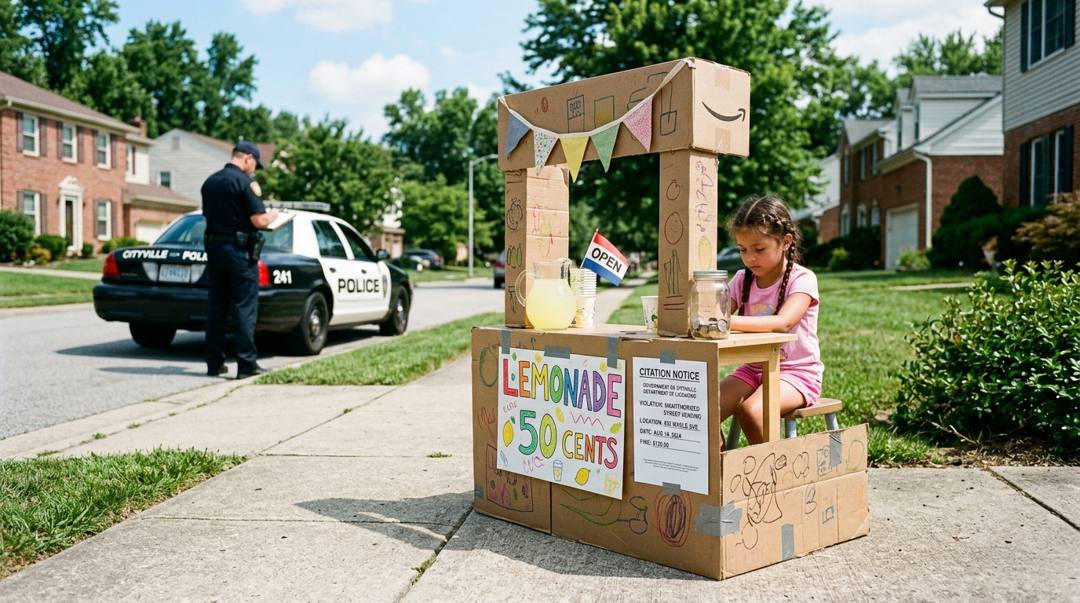
The government's first lesson to every kid entrepreneur is that your labor belongs to them first.
#OPSEC365 112/365
Facial recognition is running on you in stores, stadiums, and airports without your knowledge.
Clearview AI scraped billions of photos from social media to build a searchable database used by law enforcement and private companies. Madison Square Garden uses facial recognition to ban lawyers suing the company from attending events.
Walking through a public space puts your face into multiple of these systems at once.
#OPSEC365
#OPSEC365 111/365
Your Tesla logs every trip, stop, and charge with timestamps and GPS coordinates.
All modern connected cars do this. GM, Ford, and BMW all collect driving data. Some sell it to insurers. Tesla's telemetry has been subpoenaed in criminal cases and divorces, placing drivers at specific locations at specific times.
Before you drive somewhere you'd rather not have on record, your car is taking notes.
#OPSEC365
The network stays decentralized because random people in basements run nodes, and you should be one of them.

Delisted from exchanges, banned from on-ramps, attacked by regulators, and still the default currency of every serious darknet market.