Default avatar
npub1zygw...m36h
npub1zygw...m36h
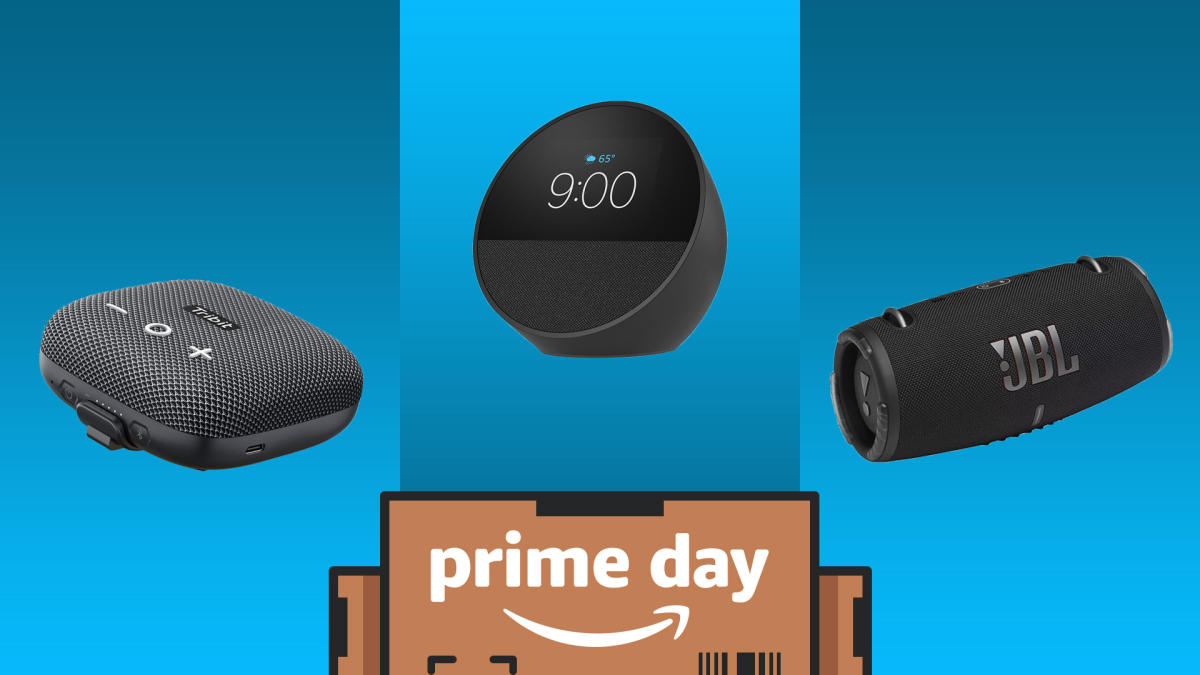
The best Prime Day bluetooth speaker deals we could find during Amazon's Big Deal Days sale https://o.aolcdn.com/images/dims?image_uri=https%3A%2F%2Fs.yimg.com%2Fos%2Fcreatr-uploaded-images%2F2024-10%2F1a494520-8287-11ef-83ef-e151b06590ca&resize=1400%2C787&client=19f2b5e49a271b2bde77&signature=84a7f227600e03c979661cb5908d12463c66e7b0 At Engadget, we’ve tested scads of audio equipment. In our guide to the best Bluetooth speakers and smart speakers, we break down which, out of the thousands out there, are worth your money. Not surprisingly, many of those picks come from stalwart brands like Bose, JBL, Ultimate Ears and Marshall — but few of the picks are cheap. Now that Amazon’s October Prime Day has arrived, many of those speakers are currently discounted and some are cheaper than ever. Here are the best Prime Day speaker deals we could find on the models we recommend. Best October Prime Day Bluetooth speaker deals Photo by Jon Turi / Engadget There’s a portable speaker for just about every situation in our guide to Bluetooth speakers. Whether you just want some tunes as you horbgorble around at home or need to entertain some coworkers at a music dance experience, there’s something for you here — and best of all, these are on sale. Beats Pill Bluetooth speaker for $100 ($50 off): The new Beats portable speaker just came out a few months ago, and we called it a worthy revival of a classic Beats product in our review. It has improved sound, a longer battery life and a rugged build.   Soundcore Motion 300 for $60 ($20 off): This sub-two-pound sound-maker delivers a bright, punchy output from 30-watt speakers. We found it to have a crisp high end and fairly thumpy bass when it has walls to bounce the sound off of. Plus it’s waterproof and goes for 13 hours on a charge. This Prime-members-only price matches its all-time low. Anker Soundcore Motion+ for $69 ($31 off): This little guy comes in at just over two pounds and has a bright and bassy output. It can play songs for around 12 hours on a charge and we particularly appreciate the solid build with its metal grille. This Prime-exclusive deal matches the lowest price yet. Tribit StormBox Micro 2 for $48 ($32 off): This is the smallest music box on our list, and we like it because it packs serious sound for its size. The audio isn’t the highest fidelity, but the rubbery strap is perfect for strapping onto a pack, bike handlebar or elsewhere. JBL Flip 6 for $80 ($50 off): After reading our guide, this is the speaker I bought, and I can confirm this crowler-sized device has great sound quality, is durable as heck and I love that it sounds great on its side or stood on end. Marshall Emberton II for $100 ($70 off): This clutchable model has two 10-watt drivers and passive radiators for 360-degree sound. While it’s not super loud, we found the output to be nicely balanced. You’ll get up to 30 hours of play on a charge and it has a IP67 water- and dust-resistance rating. Marshall Middleton for $250 ($50 off): This is the flagship in Marshall’s waterproof/portable line. We like the top-notch sound quality and impressive output from the dual woofers, tweeters for the front and back, and passive radiators along each side. Ultimate Ears Hyperboom for $320 ($130 off): At 13 pounds, this UE speaker pushes the boundaries of portable, verging into shelf speaker territory. It made the cut in our guide thanks to its good looks, loud output and ample port options. It’ll play for 24 hours on a charge, too. JBL Go 3 for $28 ($12 off): The smallest JBL speaker isn't on our list of the best speakers, but many other models from the speaker company have earned high praise from our reviewers. This deal is the lowest price we've seen on this pocket sized music machine, just note that only Prime members get the full discount.    Best October Prime Day smart speaker deals Photo by Amy Skorheim / Engadget I never thought I’d own a smart speaker, but now I ask Alexa for everything — turn on the smart lights, set a noodle timer, remind me about Saturday’s group FaceTime and, most importantly, tell me the weather today. It’s always a good idea to get these devices on sale, so take advantage of these Prime Day prices while you can. Sonos Era 100 for $199 ($50 off): The Sonos Era 100 is our pick for the best midrange smart speaker. The sound quality is excellent, it pairs well with other Sonos devices and there are plenty of useful features — which should only improve once Sonos resolves all of its app issues. Amazon Echo Dot (5th Gen) for $23 ($27 off): The Dot is the most popular model in Amazon’s smart speaker family. Though it’s small, it puts out decent volume and music sounds pretty good from its speakers. But where it really shines is acting as your daily smart home assistant. Amazon Echo (4th Gen) for $50 ($50 off):The full-sized model is probably a better option if you plan to use your Echo as a music source regularly — not surprisingly, its bigger size makes for bigger sound, plus you can pair two together. It’s our recommendation for a smart speaker under $100. Amazon Echo Spot (2nd gen) for $45 ($35 off): The half-a-softball Spot with its tiny display went away for a time, but came back with a new look and a half-moon screen that can display the time, weather and the song that’s playing. Amazon Echo Pop for $18 ($22 off): The tiniest Echo device is best suited to a small space where it would be helpful to have Alexa’s assistance. It’s not built for high fidelity music playing, but will bop out a song as you get ready or make some dinner. Best October Prime Day soundbar deals Nathan Ingraham / Engadget It’s not just you. The dialogue in TV shows is getting tougher to suss out. In my house, a soundbar has made a world of difference. Of course, these long speakers and sets also make movies more immersive. Engadget’s Billy Steele tested out a bunch, putting his favorites in our soundbar guide and, in good news for anyone ready to turn off the subtitles, Prime Day deals extend to a few winning models. Sonos Beam for $399 ($100 off): The Sonos Beam is our favorite midrange soundbar. It has solid sound quality, support for Dolby Atmos and is easy to set up. Just note that it only has one HDMI port, so you can’t hook up a console directly to the speaker. Sonos Ray for $169 ($110 off): This is the lowest price we've seen yet for this recommended soundbar, at over $100 off. We like the Sonos Ray because it's an affordable option that puts out excellent sound in a compact bar with easy setup. Follow @EngadgetDeals on Twitter for the latest tech deals and buying advice, and stay tuned to Engadget.com for all of the best tech deals coming out of October Prime Day 2024. This article originally appeared on Engadget at
Prime Day kitchen deals on tech, gadgets, accessories and more during Big Deal Days https://o.aolcdn.com/images/dims?image_uri=https%3A%2F%2Fs.yimg.com%2Fos%2Fcreatr-uploaded-images%2F2024-10%2F949aed90-8284-11ef-a7b7-77f193256ed5&resize=1400%2C787&client=19f2b5e49a271b2bde77&signature=1e52b8ea238c11d2a18218eb6030081381a764a1 Like in July, Amazon’s fall Prime Day sale is a good opportunity for Prime Members to save on products from every department — but this list is all about deals on kitchen tech. We have quite a few food-enthusiasts on staff here, and most of us have tried out our fair share of cooking gadgets — from the low tech to the super smart.  Currently, lots of the kitchen accessories we recommend are on sale. The sale prices aren’t necessarily as low as Amazon’s summer sale and Black Friday will soon bring another round of (potentially steeper) discounts, but these October Prime Day kitchen deals on Instant Pot, Breville, Anova and Ninja are still good deals nonetheless. The best Prime Day deals on air fryers and Instant Pots Corsori Of all the kitchen gadgets in my home, my favorite is my Instant Pot air fryer. Food I would otherwise microwave comes out crisp and far tastier in not much more time. In second place for cooking MVP has to be the classic Instant Pot, which I rely on to keep me in beans and curry. I picked up both after reading our buyer's guides (to air fryers and kitchen tech, respectively) — but I foolishly paid full price. Reader, don’t make my mistake. Cosori 9-in-1 air frier for $85 ($35 off): This newer air fry from Cosori has nine preset cooking modes and a six-quart capacity that makes it just the right size to cook a good amount of food without taking up too much space on most countertops. It's the runner up in our guide.  Breville Smart Oven Air Fryer Pro for $300 ($100 off): Our premium air fryer pick sold for the same $300 last Prime Day. This huge fryer-and-oven combo can accommodate a five-quart dutch oven, which almost makes it an auxiliary oven — could be a good buy to prepare for Thanksgiving dinner. Ninja DZ401 Foodi 10-quart air fryer for $200 ($30 off): Our recommendation for a good dual-zone air fryer is best for larger kitchens and big meals. It went as low as $150 for Black Friday last year, and may hit that price again this year, but if you don’t want to wait, the Foodi won’t disappoint. Instant Vortex Plus 6QT Air Fryer for $100 ($70 off): This was the top recommendation in our guide for a long time — and the model I bought for myself. After a year, it still preheats quickly and keeps cooking odors to a minimum. I particularly like how easy it is to clean. Instant Pot Pro 10-in-1 pressure cooker for $150 ($20 off): These ubiquitous and highly versatile cookers can make just about anything you can dream up — from rice and beans to yogurt. This is the pro version of the Pot we recommend in our buyer's guide to kitchen tech. Instant Pot Duo Plus 9-in-1 pressure cooker for $60 (54 percent off): The six-quart Duo is a slightly larger variation on the model we recommend in our Instant Pot guide. It can make thousands of recipes and takes out much of the guesswork allowing even the least chef-like among us to make great food.  The best Prime Day deals on sous vide machines As Engadget’s Avery Ellis found out recently, sous vide machines can do far more than just cook a steak. To use her words, they are “Millennial crockpots,” whipping up low-effort meals as needed — and fancier fare when called for. Anova Culinary Sous Vide Precision Cooker Nano for $103 ($46 off): This is the machine that grabbed our editor’s attention once she saw how highly versatile it is. It’s a smaller and less expensive version of the top pick in our buyer’s guide. Anova Culinary Sous Vide 3.0 for $120 ($80 off): This is the best overall sous vide in our buyer’s guide and this price beats the one from July. We like the easy digital controls and the high flow rate that maintains water temperature better. Also the companion app is stuffed with recipes. Breville Joule Turbo Sous Vide Machine for $200 ($50 off): The premium pick in our guide has a powerful 1,100-watt heater that cuts down on cooking times and uses your phone as the controller (just don’t get it if you’re hoping for on-device buttons). The best Prime Day deals on blenders and juicers Photo by Amy Skorheim / Engadget For soups, sauces, soothies and more, there’s not really a substitute for a good blender. Prime Day is a fine opportunity to upgrade an aging model — or snag one for a home cook you know that could use the extra muscle. A juicer can make it easier (or at least tastier) to get your vitamins. And the one we recommend isn’t a pain to clean. Hamilton Beach 4-in-1 electric immersion hand blender for $25 ($14 off): The motor on our favorite budget immersion blender is rather powerful for its price — there’s a reason it’s been a favorite of price-conscious cooks for over a decade. KitchenAid Artisan 5-quart stand mixer for $319 ($161 off): This is the gold standard of mixers, beloved by home bakers for years and recommended in our kitchen tech guide. With its ton of available attachments, it’s no unitasker. Vitamix E310 Explorian Blender for $330 ($50 off): We recommend this in our guide to kitchen gadgets thanks to the powerful motor that makes even the toughest ingredients smooth and creamy. This discount matches July’s sale, but the blender went as low as $290 just after Black Friday last year, and may do so again. The best Prime Day deals on kitchen tech Photo by Billy Steele / Engadget Here you’ll find all the harder-to-categorize gadgets that make home cooking simpler and more enjoyable. These are the smaller and more specialized devices we’ve tested that have proven their mettle in our own kitchens, or in the case of the pizza oven, the backyard. Ooni Karu 16 outdoor pizza oven for $519 ($280 off): Ooni makes our favorite multi-fuel outdoor pizza oven out of all the oven’s we’ve tested. With its large capacity and built-in thermometer, it can handle full size pizzas — and even cast iron cookware — using wood, charcoal or propane fuel. Meater 2 Plus for $100 ($30 off): The Trager-owned company, Meater, updated its latest meat thermometer with additional sensors, increased heat resistance and overall durability. We liked what we saw in our official review. Ember Temperature Control Smart Mug 2 (14 ounce) for $101 ($49 off): The mug that magically keeps your hot beverage at the ideal temperature is now cheaper than its ever been — but only for Prime members. We recommend it in our guide to gifts for teachers, though any one can appreciates its utility (just please don't put it in the microwave). Cosori Electric Gooseneck Kettle for $56 ($14 off): This matches July’s Prime Day price and a decent price on a kettle that earned a spot on one of our editors’ tiny countertop. It has different built-in temperature settings for different types of drinks and an elegant gooseneck pour. Chemex Pour-Over Glass Coffeemaker for $38 ($10 off): We recommend this coffee companion in our small gadget guide because it takes up less space than a drip machine while producing considerably better coffee. SodaStream Art Bundle for $90 ($60 off): If you want to make soda at home, you may be interested in this Prime-member-only deal that's cheaper than ever. The set includes the sparkling water machine, two 60-liter CO2 cylinders, two dishwasher-safe bottles and two bottles of flavor drops.  Expired Prime Day deals Breville Juice Fountain Plus for $112 ($68 off): This is the best price of the year on the juicer that impressed us with its extraction abilities. It’s relatively easy to clean if you do it right away and the motor inside is remarkably powerful, though it takes up space. Ninja Creami ice cream maker for $160 ($40 off): This is close to the all-time low for the machine that earned a high score of 90 in our review. In short, it “makes your frozen dreams come true.” Fellow Tally coffee scale for $148 ($37 off): Coffee snobs (a term we use with love) will enjoy the precision of the Tally, as we make clear in our guide to the best gifts for coffee lovers. $148 is the lowest price we've seen this year, just note that you’ll have to be a Prime member to get the deal. Follow @EngadgetDeals on Twitter for the latest tech deals and buying advice for October Prime Day 2024. This article originally appeared on Engadget at
Prime Day gaming deals for 2024: Save big on the PS5, headsets, mice and more https://o.aolcdn.com/images/dims?image_uri=https%3A%2F%2Fs.yimg.com%2Fos%2Fcreatr-uploaded-images%2F2024-10%2Fc4906780-84c0-11ef-b3fe-0777cfe5d6f5&resize=1400%2C787&client=19f2b5e49a271b2bde77&signature=35bd8539852281b51291f92eb66a6cac258f2126 Amazon’s Prime Day sales tend to be a decent source of discounts for gaming gear, and its latest “Prime Big Deal Days” event is no exception. The two-day event includes a $50 discount on the PlayStation 5, for one, while other games, headsets, mice and controllers we like are down to all-time or near-low prices as well. If you’re looking to upgrade your setup and can’t wait until Black Friday, we’ve rounded up the best Prime Day deals on gaming devices below. We’ll update this post as we find more; just remember that you need to be a Prime member to access some of the offers. Best Prime Day gaming deals The Astro A40 TR gaming headset. Photo by Jeff Dunn / Engadget PlayStation 5 (slim) for $449 ($51 off MSRP): While this isn’t the best PS5 deal we’ve ever seen, steeper discounts for Sony’s console have been infrequent, so this isn’t the worst time to hop aboard. If nothing else, it’s a better value for most than the PS5 Pro. PlayStation 5 Digital Edition (slim) for $400 ($50 off): If you’re 100 percent sure you’ll only buy games digitally, the version of the PS5 without a disc drive is also on sale for $50 less. Annoyingly, this was the standard going rate for the original PS5 Digital Edition, but Sony hiked the console’s MSRP by $50 when it introduced these “slim” models last year. NOTE: This deal appears to have expired on Amazon, but we found the same discount at Walmart. Xbox Series X (1TB) + $25 Best Buy gift card for $450 ($75 off): This is neither an Amazon deal nor an all-time low, but those who'd prefer an Xbox can also take $50 off a new console at Best Buy. The retailer will throw in a $25 digital gift card with your purchase.  Astro A40 TR gaming headset for $90 ($40 off): It’s several years old, but the open-back Astro A40 TR remains a top wired gaming headset thanks to its spacious sound and comfy design. The built-in microphone is pretty mediocre, however. This deal checks in $10 below the usual discount price we’ve seen over the course of this year. Corsair Virtuoso Pro gaming headset for $140 ($60 off): The Virtuoso Pro is another wired open-back pair we recommend in our gaming headset guide. It’s not quite as good of a value as the Astro A40 TR, but it has a clearer mic, and we found its sound profile to work better with some (but not all) games. This deal matches the lowest price we’ve tracked. Sennheiser HD 560S headphones for $126 ($104 off): If you don't need a built-in mic, the HD 560S is a quality pair of open-back headphones with the kind of wide, detailed sound that can help you feel immersed in most games. It's another pick from our gaming headset guide. This discount matches the lowest price we've seen in well over a year. The 8BitDo Ultimate Bluetooth Controller. Photo by Jeff Dunn / Engadget Razer Basilisk V3 wired gaming mouse for $40 ($30 off): We recommend the Basilisk V3 in our guide to the best gaming mice for those who prefer a more ergonomic, right-handed shape and don't mind connecting over a cable. This deal matches the device's all-time low. It's worth noting that Razer announced an updated version of this mouse with an improved sensor just last week — we plan to test that model soon, but the upgrades appear to be fairly minor in practice. Razer DeathAdder V3 Pro wireless gaming mouse for $110 ($40 off): If you'd rather go wireless, the DeathAdder V3 Pro is another favorite from our gaming mouse guide, blending a superlight, gently contoured shape with top-shelf performance. This is only a $10 drop from the mouse's recent street price, but it still represents an all-time low. Corsair Scimitar Elite Wireless MMO gaming mouse for $90 ($40 off): The Scimitar Elite is the wireless version of the top MMO pick in our buying guide. It offers 12 customizable side buttons that make it easier to pull of complex commands in MOBAs or MMOs like Final Fantasy XIV. This is the second-largest discount we’ve seen. 8BitDo Ultimate Bluetooth Controller for $50 ($20 off): While not an all-time low, this discount takes $10 off the usual street price for 8BitDo's wireless Switch/PC gamepad, which we've raved about before. It's a bit on the smaller side, but it's comfortable, with durable Hall effect joysticks that should avoid the "drift" sensation that's plagued Nintendo's Joy-Cons. If you don't need Bluetooth support, another model that only connects over a USB dongle is on sale for $10 less. That variant also uses Xbox-style face buttons instead of Switch ones. Backbone One (USB-C, 2nd gen) for $70 ($30 off): The Backbone One is an easy-to-use mobile game controller that we’ve recommended before. This 30 percent discount ties the lowest price we’ve seen for the second-gen model. A PlayStation-branded model — which supports Sony’s official Remote Play app on Android and iOS, instead of just the latter — is available for the same price, as are the versions that connect over Lightning. The ASUS ROG Strix Scope II 96 Wireless gaming keyboard. Photo by Jeff Dunn / Engadget ASUS ROG Strix Scope II 96 Wireless gaming keyboard for $142 ($38 off): This honorable mention from our guide to the best gaming keyboards offers a stellar typing experience, with a sturdy case, layers of sound-dampening foam and crisp PBT keycaps. The stock switches in this configuration are great, but they're also hot-swappable if you ever want to change things up. This deal is only about $15 off the keyboard's usual going rate, but it's still the second-best price we've tracked. Keychron C3 Pro mechanical keyboard for $25 ($12 off): If you just want to pay as little as possible for a mechanical keyboard that still feels great, we recommend the C3 Pro. This iteration uses cheaper ABS keycaps and lacks hot-swappable switches, but it feels and sounds remarkably pleasant for something so cheap. This deal marks another all-time low. A hot-swappable version is also on sale for $13 more. WD Black C50 Xbox Expansion Card (1TB) for $121 ($37 off): It’s a pain in the neck, but the only way to fully expand the storage of an Xbox Series X/S is to use a proprietary expansion card such as the C50. This deal isn’t an all-time low, but it’s $10 to $20 cheaper than the typical street prices we’ve seen over the last several months. Seagate’s Xbox cards are technically on sale as well, but those “discounts” aren’t anything significant. Seagate Xbox Storage Expansion Card (2TB) for $199 ($50 off): If you want to add 2TB to your Xbox, meanwhile, this is the best price to date for Seagate's expansion card. There's little performance difference between this and the C50, so which one is best simply comes down to how much space you need. Alienware M18 R2 gaming laptop for $2,300 ($500 off): The M18 R2 is the latest version of the top 18-inch pick in our guide to the best gaming laptops. It’s an absolute hoss of a notebook, but it’s built well, and this model with an RTX 4080 GPU, 32GB of RAM and a Core i9-14900HX chip is powerful enough to play modern games in 1080p or 1440p at high-ish settings. While not cheap, this matches the config’s best price to date. The WD Black C50 Storage Expansion Card for Xbox consoles. WD Assassin’s Creed Mirage for $23 ($27 off): Mirage is a something of a throwback to older Assassin’s Creed games, one that’s smaller in scope than the more recent open-world entries. We called it a “warm, bloody hug from an old friend” in our review — in video game land, that’s a good thing. These days we usually see the game retail around $30. Metal Gear Solid: Master Collection Vol. 1 for $19 ($21 off): This collection includes (lightly) remastered versions of the first three Metal Gear Solid games, which remain more subversive and self-assured than most games that have hit in the decades since. A few of the series’ classic 8-bit entries are here, too, and Konami has done well to rectify most of the set’s technical issues since launch. We’ve seen this price before, but it ties an all-time low. Madden NFL 25 for $43 ($27 off): Madden is in pretty dire need of a creative reset, but at the end of the day, it’s Madden, and it works fine enough if you just want to scratch the pro football game itch. This is the second-best price we’ve seen for the latest entry. EA Sports College Football 25 for $43 ($27 off): If you’re more of a college sports fan, EA brought back the series formerly known as NCAA Football back from an 11-year hiatus this past summer, and it generally received higher marks than its pro counterpart. This discount is the largest we’ve seen since launch. WWE 2K24 for $28 ($32 off): If you prefer powerbombs and Hell in a Cell matches to touchdowns and bowl games, the latest WWE 2K game is also down to the best price we’ve seen (for a console copy, that is). It’s a 2K game, so there’ll be some bugs, but it received solid reviews at launch — something we cannot say for Cody Rhodes’ neck tattoo. Keep in mind that this game is available for free with a PlayStation Plus subscription during October, so there’s no need to buy if you plan on keeping that service for a while. Expired Prime Day deals 8BitDo Retro Mechanical Keyboard (Fami Edition) for $76 ($24 off): This wireless keyboard should appeal to anyone looking for a "vintage tech" aesthetic, as its keycaps and color accents are inspired by Nintendo's old Famicom console. It feels great for typing, too, though the default switches are somewhat noisy, so you may not want to use it in an office setting. This discount isn't an all-time low, but we normally see the device retail between $90 and $100. Prince of Persia: The Lost Crown for $20 ($30 off): Its story isn’t much, and it doesn’t veer too far outside the usual Metroidvania lines, but The Lost Crown should be a safe bet for most people looking for a tight-playing action-platformer. This discount marks a new low for the PlayStation 5 and Nintendo Switch versions of the game. Follow @EngadgetDeals on Twitter for the latest tech deals and buying advice, and stay tuned to Engadget.com for all of the best tech deals coming out of October Prime Day 2024. This article originally appeared on Engadget at
Prime Day deals on Amazon devices: You can still get up to 68 percent off Echo speakers, Fire TV Sticks and Blink cameras and more https://o.aolcdn.com/images/dims?image_uri=https%3A%2F%2Fs.yimg.com%2Fos%2Fcreatr-uploaded-images%2F2024-09%2F34b7dde0-7cd8-11ef-abcf-652ffdbb55bb&resize=1400%2C787&client=19f2b5e49a271b2bde77&signature=cf580e549d88ba9763f76c9e5723345266251827 October Prime Day presents a good opportunity for Prime members to snag holiday gifts early, and that’s perhaps most relevant for those eyeing Amazon’s own devices. Gadgets like Echo speakers, Fire TV sticks and Kindles are almost guaranteed to be on sale during members-only sale events like this, and this time around, we’re seeing some of the best prices we’ve seen all year. That means it’s the time to stock up — if you’re a Prime member and have wanted another Echo speaker for your office, a Fire tablet for your young child or a new Kindle to replace your aging one, these deals are the ones to snag. Here are the best deals we found on Amazon devices for October Prime Day 2024. Prime Day deals on Echo speakers and displays Will Lipman Photography for Engadget If you’re keen on making your home a bit smarter, an Echo speaker or smart display can help by giving you an easy way to interact with Alexa. The voice assistant is compatible with so many smart home devices at this point, including smart light bulbs and robot vacuum cleaners, and it’s convenient that there’s an Echo device for nearly every budget now. Echo Dot for $23 ($27 off): This is one of the best smart speakers you can get right now thanks to its compact design, physical button controls that compliment voice commands and its solid sound quality for its size. Echo Pop for $18 ($22 off): One of Amazon’s newest smart devices, the Pop sports a 1.95-inch front-facing speaker, a physical mic mute switch for extra privacy and eero compatibility. Amazon Echo Spot for $45 ($35 off): This recently revived smart display is billed as a smart alarm clock, and it features a customizable screen, big sound for its size and all the perks for Alexa voice commands. You can also grab it bundled with a free TP-Link smart light bulb. Echo for $55 ($45 off): We consider this to be the best smart speaker for $100 or less at the moment thanks to its loud audio with good bass quality, the ability to pair two together for stereo sound and Alexa’s utility. Echo Show 5 for $50 ($40 off): This is one of our favorite smart displays thanks to its compact design, ambient light sensor and sunrise alarm feature, all of which make it an excellent smart alarm clock. Amazon improved the speaker quality on this latest model, which gives sound deeper bass and clearer vocals. Echo Show 8 for $85 ($65 off): This is our current top pick for the best smart display with Amazon’s Alexa thanks in part to its 8-inch touchscreen, 13MP camera that supports auto-framing for better video chats and its built-in Zigbee smart home hub. Echo Buds for $25 ($25 off): These are one of our top picks for the best budget wireless earbuds you can get right now thanks to their comfortable design, pocket-friendly case, automatic wear detection, multi-device connectivity and, of course, built-in Alexa voice controls. Echo Dot Kids for $28 ($32 off): The kids version of the Echo Dot uses the same basic hardware, but comes with a cute dragon or owl cover, plus parental controls and a year’s subscription to Amazon Kids+ that can play kid-friendly audiobooks and more. Prime Day deals on Kindle ereaders Will Lipman Photography for Engadget The three best times of the year to buy a new Kindle ereader are Black Friday, Cyber Monday and Prime Day. Typically the latter is the best of the three, and we’re seeing solid sale prices across the entire Kindle lineup right now. Kindle Paperwhite for $125 ($25 off): The latest version of the Paperwhite has thinner bezels, an adjustable warm light, speedier page turns and a battery that can last up to 10 weeks on a single charge. This model is also IPX8 waterproof and has built-in Audible integration. Amazon Kindle Paperwhite Kids for $115 ($55 off): This kids bundle includes the standard Kindle Paperwhite with 16GB of RAM, a kid-friendly cover, a two-year warranty and one free year of access to Amazon Kids+. Kindle Scribe for $255 ($85 off): The Scribe is one of the best E-Ink tablets you can buy at the moment, and certainly the top pick if you want a writable table that also excels as an ereader. It provides a great reading and writing experience, thanks in part to its ability to access the entire Kindle ebook library, and it has handy Google Drive, Microsoft OneDrive and Dropbox integration. Prime Day deals on Fire TV devices Fire TV devices can help turn an old TV into a smart one, or give you respite from a smart TV interface that you despise (as long as you can deal with Fire TV OS pushing Prime Video content in your face). But arguably the best thing about these devices is that there’s an option for every budget, and the barrier to entry lowers even further with Prime Day deals. Fire TV Stick Lite streamer for $18 ($12 off): This is already the most affordable Fire TV streaming stick, but it’s a steal at this sale price. It supports 1080p content and comes with a “lite” version of the Alexa Voice Remote. Fire TV Stick streamer for $20 ($20 off): This dongle ups the ante on the TV Stick Lite by adding support for Dolby Atmos audio, plus it comes with the regular version of the Alexa Voice Remote. It also supports Wi-Fi 5 and comes with 8GB of internal storage. Fire TV Stick 4K streamer for $25 ($25 off): This mode is the cheapest Fire TV Stick you can get to stream 4K content, plus it has support for Wi-Fi 6 and Dolby Vision and Atmos. With its live picture-in-picture feature, you can view security camera feeds right on your TV while you’re watching your favorite show or movie. Fire TV Stick 4K Max streamer for $35 ($25 off): In addition to 4K HDR streaming with Dolby Vision and Atmos support, the 4K Max dongle includes Wi-Fi 6E connectivity, 16GB of built-in storage and live picture-in-picture capabilities. Fire TV Cube set-top box for $100 ($40 off): This model will provide the best performance of any Fire TV streaming device, and it supports 4K HDR content, Dolby Vision and Atmos and an enhanced version of the Alexa Voice Remote. Along with live picture-in-picture view and the Fire TV ambient experience, you can also hardware other devices to the Fire TV Cube including a cable box or a game console. Prime Day deals on Fire tablets Will Lipman Photography for Engadget Amazon’s Fire tablets make great couch devices, or first tablets for kids who have no business touching their parents’ fancy iPads and Galaxy tabs. While they go on sale semi-frequently throughout the year, Prime Day is the time where you’re likely to get the greatest discounts. Fire HD 8 tablet for $55 ($45 off): Amazon just released this new version of the HD 8 tablet, which includes more RAM, a better camera and new AI features not found on the previous model. Fire HD 10 tablet for $75 ($65 off): This slab has a 10-inch FHD touchscreen, improved camera for video calls, 13 hours of battery life and it works with a stylus (although you have to buy that separately). If you’re looking for a cheap tablet that doesn’t compromise too many of the basics, this is a good option. Fire Max 11 tablet for $140 ($90 off): Amazon’s most powerful tablet sports an 11-inch 2,000 x 1,200 touchscreen, an octa-core processor, up to 128GB of storage and 14 hours of battery life. It also works with a number of optional accessories, including a stylus and keyboard case. Fire HD 10 Kids tablet for $110 ($80 off): Designed for kids aged three to seven, this tablet comes with full parental controls plus one year of Amazon Kids+ for free with the tablet purchase. It also has a 10-inch FHD touchscreen, an octa-core processor and 13 hours of battery life, plus it comes with a two-year warranty and a protective case. Fire HD 10 Kids Pro tablet for $110 ($80 off): This model is designed for kids aged six to 12 and comes with a slimmer protective case, a two-year warranty and one year of access to Amazon Kids+. Otherwise, you get a very similar experience here that you would with the non-Pro version, including parental controls, a 10-inch touchscreen, solid performance and a 13-hour battery life. Prime Day deals on Ring, Blink and smart home devices Ring You may not immediately think of them when you think about Amazon's own tech, but the shopping giant also owns Ring and Blink. Gadgets from these companies make up most of Amazon's home security offerings, and you can usually find steep discounts during Prime Day on security cameras, alarm systems and other bundles. Ring pan and tilt security camera for $50 ($30 off): This security camera joined the Ring lineup only a few months ago, and this is the best price we've seen on it. It's part of a larger Ring sale that discounts home security gear by up to 50 percent. Ring Video Doorbell for $60 ($40 off): This entry-level security doorbell records 1080p video, supports motion detection and privacy zones and has a built-in, rechargable battery and can be hardwired to your doorbell wiring. Blink Outdoor 4 + Blink Mini 2 bundle for $50 ($90 off): It's almost a guarantee that Blink security systems will be on sale for Prime Day(s) and this time is no different. This bundle is 64 percent off, and there are a bunch of other bundles on sale that include cameras, video doorbells and more. Blink Outdoor 4 + Echo Show 5 bundle for $60 ($130 off): This bundle gives you a one-camera Blink system that can be used indoors or outdoors along with an Echo Show 5, which you can use to see camera feeds just by using Alexa voice commands. Amazon Smart Thermostat for $56 ($24 off): Prime deals bring this down to about $5 more than the all time low. But it could save you more than that in the long run with by automatically adjusting your heating and cooling levels to save engergy. Follow @EngadgetDeals on Twitter for the latest tech deals and buying advice, and stay tuned to Engadget.com for all of the best tech deals coming out of October Prime Day 2024. This article originally appeared on Engadget at
The Justice Department could force Google to break itself up https://o.aolcdn.com/images/dims?image_uri=https%3A%2F%2Fs.yimg.com%2Fos%2Fcreatr-uploaded-images%2F2024-09%2F26408f70-8622-11ef-8f5f-b1ec4d01cd31&resize=1400%2C990&client=19f2b5e49a271b2bde77&signature=253a65f4e8e0a07afde060d46dfd31e03a815ae0 Google may have to break off parts of its business, such as Chrome and Android, and share users' search data with its competitors, based on the proposed remedies the US Justice Department has submitted in a court filing. The DOJ said it's "considering behavioral and structural remedies that would prevent Google from using products such as Chrome, Play, and Android to advantage Google search and Google search-related products and features" after Judge Amit Mehta ruled in August that it illegally abused its monopoly over the search industry. That ruling was the result of a 2020 antitrust lawsuit filed by the DOJ and several states, accusing Google of "unlawfully maintaining monopolies" over search and search-related products.  The department is also considering limiting or prohibiting Google from signing contracts with other companies to make its search engine the default option for their browsers and phones. In his ruling, Judge Mehta said that paying Mozilla, Apple, Samsung and other device makers to make Google as their default search engine was an illegal act meant to maintain its dominant position in the market. A Google executive previously revealed during a trial for the lawsuit that the the company paid Apple $26 billion. One of the department's other proposals is to restrict Google from being able to use search results to train its generative artificial intelligence models.   In a blog post, Google's VP of Regulatory Affairs, Lee-Anne Mulholland, called the DOJ's proposals "radical and sweeping." She said the government "seems to be pursuing a sweeping agenda that will impact numerous industries and products" and proceeded to enumerate how the proposals would affect consumers. Mulholland argued that forcing Google to share users' search queries and results with competitors could create major privacy and security risks, since the company protects them with its "strict security standards." She also said that splitting off Chrome or Android would break them, jeopardize their security and make patching bugs harder. It will "change their business models, raise the cost of devices, and undermine Android and Google Play in their robust competition with Apple’s iPhone and App Store," she explained.  Mulholland also argued that "hampering Google’s AI tools risks holding back American innovation at a critical moment." Finally, she said that the government's "unreasonable restrictions" on Google's distribution contracts that make its search engine "easily available" would "create friction for people who just want to easily search for information." It could reduce revenue for companies like Mozilla and other Android smartphone makers, as well, leading to the lack of funds for further development and pricier smartphones overall.  The DOJ has until November 20 to file a more refined set of remedies, while Google has until December 20 to propose its own fixes to the court.  This article originally appeared on Engadget at
Prime Day deals drop Apple's AirPods Pro 2 to $169, an all-time low on Amazon https://o.aolcdn.com/images/dims?image_uri=https%3A%2F%2Fs.yimg.com%2Fos%2Fcreatr-uploaded-images%2F2024-09%2F23b931c0-7f52-11ef-bbfe-78f21a95b0dc&resize=1400%2C787&client=19f2b5e49a271b2bde77&signature=c28720793101a5af611aafcd4b073786baea790f We consider Apple's AirPods Prom2 to be the best wireless earbuds for iPhone owners, and you can snag a pair for less right now thanks to October Prime Day. The AirPods Pro are down to $169 for the sale event, which represents a decent discount over the regular $250 price. While these buds didn't get a full revamp in September like the standard AirPods did, Apple did bring a bunch of new features to the Pro 2 via a software update. Voice isolation is designed to make you sound better on calls, while Siri interactions let you use gestures like a head nod to say yes to Siri during times when you can't use your voice to reply. Arguably the biggest new feature coming to the AirPods Pro is the hearing test and the ability to use the earbuds as over-the-counter hearing aids. That hasn't rolled out just yet, but it's expected sometime before the end of the year. Otherwise, the AirPods Pro 2 have excellent sound quality, with equally solid ANC to match, plus a Transparency Mode that's hard to beat. Like all other Apple earbuds, the Pros support seamless pairing and switching between other Apple devices. So while they're great for folks with an iPhone, you'll get even more use out of them if you live within the Apple ecosystem and have other devices like an iPad or a MacBook. Their design might be a little stale at this point, and you could say their battery life is just average, but the AirPods Pro remain a solid option for iPhone users looking for a reliable pair of wireless earbuds. If you're not willing to spend quite so much, consider the AirPods Pro 4 with ANC, which just came out last month. These aren't the only AirPods on sale right now, either. Here are the best Prime Day AirPods deals we found: AirPods 4 (without ANC) for $119 ($10 off) AirPods 4 (with ANC) for $169 ($10 off) AirPods Max (Lightning) for $395 ($154 off) AirPods Max (USB-C) for $499 ($50 off) Follow @EngadgetDeals on Twitter for the latest tech deals and buying advice, and stay tuned to Engadget.com for all of the best tech deals coming out of October Prime Day 2024. This article originally appeared on Engadget at
Prime Day Anker deals include big savings on power banks and chargers during October Big Deal Days https://o.aolcdn.com/images/dims?image_uri=https%3A%2F%2Fs.yimg.com%2Fos%2Fcreatr-uploaded-images%2F2024-10%2Ff197d7b0-84d7-11ef-9ff8-9bf5c4fdff3c&resize=1400%2C787&client=19f2b5e49a271b2bde77&signature=555ffe3b8827bb41bd40cec45704447669aaccbc Anyone could use an extra charging cable or a power bank to help them when they’re having a long, busy day and their smartphone is about to die. Sale events like October Prime Day typically bring some of the best prices of the year to Anker charging gear, and this year is no different. We’re seeing some of our favorite Anker accessories on sale for record-low (or close to them) prices, including magnetic power banks, charging adapters, docking stations and more.  While there’s always the chance that these deals come back around in a month for Black Friday, we recommend grabbing what you want now while the deals are available. These are the best Prime Day deals on Anker gear that we found for October Prime Day. Prime Day deals on Anker magnetic charging gear Particularly if you have an iPhone with MagSafe support, magnetic accessories can make charging up your phone even easier. On sale this time around are wireless, magnetic power banks and charging stations that can support multiple devices at once. Anker MagGo 10K power bank for $60 ($30 off): This is our current favorite power bank for iPhones in our guide to the best power banks thanks to its Qi2 fast charging, LED display that shows battery percentage and sturdy, built-in kickstand. Anker MagGo 3-in-1 foldable charging station for $84 ($26 off): This compact charging station doubles as a power bank for iPhones and can charge up an iPhone, Apple Watch and a pair of AirPods all at the same time. Anker MagGo 3-in-1 charging stand for $72 ($28 off): This stand supports an iPhone, Apple Watch and AirPods simultaneously, and it comes with a 40W wall charger and a USB-C to C cable which which to connect all the necessary pieces together. Anker MagGo 5K power bank for with built-in stand for $35 ($7 off): The built-in kickstand on this battery pack lets you more easily watch videos and otherwise use your phone while it's powering up. Anker MagGo 5K power bank for $30 ($5 off): Attaching this power bank to the back of your iPhone won't add much bulk, but it will provide a good amount of power when your handset needs it the most. Prime Day deals on Anker charging cables and adapters Photo by Amy Skorheim / Engadget Prime Day, or any big sale event for that matter, is a good opportunity to pick up a few extra essentials like charging cables while you can get them at a discount. Anker's offerings right now include deals on USB-C and Lightning cables, along with charging adapters in various sizes and max wattages. Anker 240W bio-branded USB-C to C cable for $14 ($11 off): Both of the six-foot cables included here can handle enough power to charge up laptops, tablets and smartphones alike. Anker Nano 30W GaN USB-C charger for $13 ($10 off): Anyone can use an extra USB-C charger, and this one is super compact and includes foldable prongs for easier transport. Anker GaN Prime 65W 5-in-1 charging station for $50 ($20 off): You get two USB-C ports, one USB-A connector an and extra AC plug in this versatile charging station that includes a wrap-around cable that makes it easier to travel with. Anker 100W GaN II USB-C charging block for $40 ($35 off): With 100W of power, this chunky adapter can power almost anything, and it gives you two USB-C ports and one USB-A port. Anker Prime 240W GaN USB-C charger for $100 ($60 off): A good option for your desk, this 240W brick provides an extra three USB-C ports and one USB-A port so you can power up multiple devices at once. Anker Prime Power Bank 240W with 100W charging base for $160 ($75 off): This is the top premium pick in our best power banks guide thanks to its high capacity, sleek design, informative built-in display and the charging base that makes it convenient to store and easy to charge up. Prime Day deals on Anker docking stations, hubs and more Anker may be known for its charging gear, but the company makes other accessories like docking stations and webcams, too. Prime Day deals include deep discounts on hubs and stations that add a bunch of extra ports back into the mix, and one of our favorite webcams. Anker 8-in-1 USB-C hub/foldable tablet stand for $80 ($20 off): This handy stand can make it much easier to turn your iPad or other tablet into a laptop replacement. It supports passthrough charging and has eight different connectors including a microSD card slot, a 3.5mm audio jack and two USB-A ports. Anker 14-in-1 USB-C docking station for $54 ($21 off): If you need a lot of connectivity on the go, this 14-in-1 hub could be a good option. Not only does it include an Ethernet port, but it also has two HDMI connectors and supports 80W passthrough charging. Anker 10-in-1 USB-C docking station for $150 ($40 off): This slim docking station provides three USB-A ports, two HDMI ports and a DisplayPort, along with an Ethernet jack and up to 100W of charging for your laptop. Anker PowerConf C200 2K webcam for $48 ($12 off): One of our top picks for the best webcams, this accessory records 2K video and has dual stereo microphones plus an adjustable field of view. Expired Prime Day deals Anker Nano 47W USB-C charger for $25 ($5 off): This adapter has two USB-C ports and can push a maximum of 45W of power to one device, making it powerful enough to charge a MacBook Air. Anker 13-in-1 USB-C docking station for $140 ($30 off): A docking station like this one make your work-from-home setup more efficient. Here, you get pretty much every connector you'd need, including Ethernet, Display and HDMI ports, multiple USB-A ports, an audio jack and more. Plus, the docking station supports 85W charging for your laptop while it's connected. Follow @EngadgetDeals on Twitter for the latest tech deals and buying advice, and stay tuned to Engadget.com for all of the best tech deals coming out of October Prime Day 2024. This article originally appeared on Engadget at
Prime Day kitchen deals on tech, gadgets, accessories and more during Big Deal Days https://o.aolcdn.com/images/dims?image_uri=https%3A%2F%2Fs.yimg.com%2Fos%2Fcreatr-uploaded-images%2F2024-10%2F949aed90-8284-11ef-a7b7-77f193256ed5&resize=1400%2C787&client=19f2b5e49a271b2bde77&signature=1e52b8ea238c11d2a18218eb6030081381a764a1 Like in July, Amazon’s fall Prime Day sale is a good opportunity for Prime Members to save on products from every department — but this list is all about deals on kitchen tech. We have quite a few food-enthusiasts on staff here, and most of us have tried out our fair share of cooking gadgets — from the low tech to the super smart.  Currently, lots of the kitchen accessories we recommend are on sale. The sale prices aren’t necessarily as low as Amazon’s summer sale and Black Friday will soon bring another round of (potentially steeper) discounts, but these October Prime Day kitchen deals on Instant Pot, Breville, Anova and Ninja are still good deals nonetheless. The best Prime Day deals on air fryers and Instant Pots Corsori Of all the kitchen gadgets in my home, my favorite is my Instant Pot air fryer. Food I would otherwise microwave comes out crisp and far tastier in not much more time. In second place for cooking MVP has to be the classic Instant Pot, which I rely on to keep me in beans and curry. I picked up both after reading our buyer's guides (to air fryers and kitchen tech, respectively) — but I foolishly paid full price. Reader, don’t make my mistake. Cosori 9-in-1 air frier for $85 ($35 off): This newer air fry from Cosori has nine preset cooking modes and a six-quart capacity that makes it just the right size to cook a good amount of food without taking up too much space on most countertops. It's the runner up in our guide.  Breville Smart Oven Air Fryer Pro for $300 ($100 off): Our premium air fryer pick sold for the same $300 last Prime Day. This huge fryer-and-oven combo can accommodate a five-quart dutch oven, which almost makes it an auxiliary oven — could be a good buy to prepare for Thanksgiving dinner. Ninja DZ401 Foodi 10-quart air fryer for $200 ($30 off): Our recommendation for a good dual-zone air fryer is best for larger kitchens and big meals. It went as low as $150 for Black Friday last year, and may hit that price again this year, but if you don’t want to wait, the Foodi won’t disappoint. Instant Vortex Plus 6QT Air Fryer for $100 ($70 off): This was the top recommendation in our guide for a long time — and the model I bought for myself. After a year, it still preheats quickly and keeps cooking odors to a minimum. I particularly like how easy it is to clean. Instant Pot Pro 10-in-1 pressure cooker for $150 ($20 off): These ubiquitous and highly versatile cookers can make just about anything you can dream up — from rice and beans to yogurt. This is the pro version of the Pot we recommend in our buyer's guide to kitchen tech. Instant Pot Duo Plus 9-in-1 pressure cooker for $60 (54 percent off): The six-quart Duo is a slightly larger variation on the model we recommend in our Instant Pot guide. It can make thousands of recipes and takes out much of the guesswork allowing even the least chef-like among us to make great food.  The best Prime Day deals on sous vide machines As Engadget’s Avery Ellis found out recently, sous vide machines can do far more than just cook a steak. To use her words, they are “Millennial crockpots,” whipping up low-effort meals as needed — and fancier fare when called for. Anova Culinary Sous Vide Precision Cooker Nano for $103 ($46 off): This is the machine that grabbed our editor’s attention once she saw how highly versatile it is. It’s a smaller and less expensive version of the top pick in our buyer’s guide. Anova Culinary Sous Vide 3.0 for $120 ($80 off): This is the best overall sous vide in our buyer’s guide and this price beats the one from July. We like the easy digital controls and the high flow rate that maintains water temperature better. Also the companion app is stuffed with recipes. Breville Joule Turbo Sous Vide Machine for $200 ($50 off): The premium pick in our guide has a powerful 1,100-watt heater that cuts down on cooking times and uses your phone as the controller (just don’t get it if you’re hoping for on-device buttons). The best Prime Day deals on blenders and juicers Photo by Amy Skorheim / Engadget For soups, sauces, soothies and more, there’s not really a substitute for a good blender. Prime Day is a fine opportunity to upgrade an aging model — or snag one for a home cook you know that could use the extra muscle. A juicer can make it easier (or at least tastier) to get your vitamins. And the one we recommend isn’t a pain to clean. Hamilton Beach 4-in-1 electric immersion hand blender for $25 ($14 off): The motor on our favorite budget immersion blender is rather powerful for its price — there’s a reason it’s been a favorite of price-conscious cooks for over a decade. KitchenAid Artisan 5-quart stand mixer for $319 ($161 off): This is the gold standard of mixers, beloved by home bakers for years and recommended in our kitchen tech guide. With its ton of available attachments, it’s no unitasker. Vitamix E310 Explorian Blender for $330 ($50 off): We recommend this in our guide to kitchen gadgets thanks to the powerful motor that makes even the toughest ingredients smooth and creamy. This discount matches July’s sale, but the blender went as low as $290 just after Black Friday last year, and may do so again. The best Prime Day deals on kitchen tech Photo by Billy Steele / Engadget Here you’ll find all the harder-to-categorize gadgets that make home cooking simpler and more enjoyable. These are the smaller and more specialized devices we’ve tested that have proven their mettle in our own kitchens, or in the case of the pizza oven, the backyard. Ooni Karu 16 outdoor pizza oven for $519 ($280 off): Ooni makes our favorite multi-fuel outdoor pizza oven out of all the oven’s we’ve tested. With its large capacity and built-in thermometer, it can handle full size pizzas — and even cast iron cookware — using wood, charcoal or propane fuel. Meater 2 Plus for $100 ($30 off): The Trager-owned company, Meater, updated its latest meat thermometer with additional sensors, increased heat resistance and overall durability. We liked what we saw in our official review. Ember Temperature Control Smart Mug 2 (14 ounce) for $101 ($49 off): The mug that magically keeps your hot beverage at the ideal temperature is now cheaper than its ever been — but only for Prime members. We recommend it in our guide to gifts for teachers, though any one can appreciates its utility (just please don't put it in the microwave). Cosori Electric Gooseneck Kettle for $56 ($14 off): This matches July’s Prime Day price and a decent price on a kettle that earned a spot on one of our editors’ tiny countertop. It has different built-in temperature settings for different types of drinks and an elegant gooseneck pour. Chemex Pour-Over Glass Coffeemaker for $38 ($10 off): We recommend this coffee companion in our small gadget guide because it takes up less space than a drip machine while producing considerably better coffee. SodaStream Art Bundle for $90 ($60 off): If you want to make soda at home, you may be interested in this Prime-member-only deal that's cheaper than ever. The set includes the sparkling water machine, two 60-liter CO2 cylinders, two dishwasher-safe bottles and two bottles of flavor drops.  Expired Prime Day deals Breville Juice Fountain Plus for $112 ($68 off): This is the best price of the year on the juicer that impressed us with its extraction abilities. It’s relatively easy to clean if you do it right away and the motor inside is remarkably powerful, though it takes up space. Ninja Creami ice cream maker for $160 ($40 off): This is close to the all-time low for the machine that earned a high score of 90 in our review. In short, it “makes your frozen dreams come true.” Fellow Tally coffee scale for $148 ($37 off): Coffee snobs (a term we use with love) will enjoy the precision of the Tally, as we make clear in our guide to the best gifts for coffee lovers. $148 is the lowest price we've seen this year, just note that you’ll have to be a Prime member to get the deal. Follow @EngadgetDeals on Twitter for the latest tech deals and buying advice for October Prime Day 2024. This article originally appeared on Engadget at
Prime Day laptop deals for 2024: All of the best discounts from Apple, Acer, Lenovo during the Big Deal Days sale https://o.aolcdn.com/images/dims?image_uri=https%3A%2F%2Fs.yimg.com%2Fos%2Fcreatr-uploaded-images%2F2024-10%2F228561e0-84d2-11ef-b5ee-efbd79c32c53&resize=1400%2C787&client=19f2b5e49a271b2bde77&signature=51308947a785462db0c4df97293cc82a72678861 Those looking to upgrade from an aging laptop should check out the October Prime Day deals on Amazon right now. With the holidays being right around the corner, Amazon typically uses its fall Prime Day event as an unofficial kickoff to the biggest shopping season of the year. That means October Prime Day deals can be the same, or very close to, the discounts we might see during Black Friday and Cyber Monday. In the laptops department, there are some solid deals to be had this year. We generally recommend going straight to the manufacturer if you want to really customize your next daily driver. However, if you’re ok getting a pre-configured model, you can find some good discounts on Amazon right now. These are the best October Prime Day deals on laptops we could find. Prime Day deals on Apple MacBooks Will Lipman Photography for Engadget MacBooks are not exempt from our general laptop buying advice: if you want to truly make your next MacBook your own, you should go directly to Apple to get the specs you want. However, you can often find solid deals on entry-level machines at Amazon, and even some configurations with extra storage. Apple 13-inch MacBook Air M2 for $749 ($250 off): Despite having a slightly older chipset, the M2 MacBook Air remains a great budget option for most anyone, save those who regularly push their daily driver to the limit with activities like video editing. Apple 13-inch MacBook Air M3 for $849 ($250 off): This is our top pick for the best MacBook you can buy right now thanks to its excellent performance, thin-and-light design, bright screen and comfortable keyboard and trackpad. Apple 14-inch MacBook Pro M3 for $1,300 ($300 off): This Pro-level MacBook is best for creatives and those who regularly need the most power possible from their notebook. Prime Day deals on Windows laptops Amazon / LG There are so many different flavors of Windows laptops out there that it can be hard to choose the best one for you. Whether you've had your eye on a premium gaming machine or an upgraded model that's just a little better than your current daily driver, Prime Day deals on laptops can help you save a bit of cash on your next purchase. LG 15.6-inch Gram laptop for $1,425 ($575 off): This ultra-thin laptop has a Core Ultra 7, 32GB of RAM, and a 2TB SSD, plus a 15-inch FHD OLED screen with a superior contrast ratio and true-to-life colors. Acer 16-inch Nitro gaming laptop for $800 ($200 off): In addition to a Ryzen 5 7640HS processor and a NVIDIA GeForce RTX 4050 GPU, this gaming laptop has 8GB of RAM, 512GB of storage and a 16-inch WUXGA screen with a max refresh rate of 165Hz. Acer 16-inch Predator Triton Neo gaming laptop for $1,500 ($400 off): Along with AI capabilities, you're getting an Intel Core Ultra 9 processor, NVIDIA GeForce RTX 4070 graphics card, 32GB of RAM and a 1TB SSD on this 16-inch gaming laptop. ASUS 16-inch ROG Strix G16 (2024) for $1,100 ($300 off): One of the latest gaming laptops from ASUS, this model runs on an Intel Core i7 processor and NVIDIA GeForce RTX 4060 graphics, plus it comes with 16GB of RAM and a 1TB SSD. Prime Day deals on Chromebooks Chromebooks remain affordable alternatives to traditional laptops if you spend most of your time in a browser. But unlike this space a few years ago, there are more high-powered Chromebooks available now than ever before. Prime Day presents a good opportunity to save on all types of Chromebooks, affordable to high-end alike. Lenovo 14-inch IdeaPad Flex 5i Chromebook for $434 ($36 off): Our top pick for the best Chromebook available right now, this Lenovo laptop impressed us with its solid build quality, good display and solid performance for the price. Acer 14-inch Chromebook Plus 514 for $325 ($55 off): If you're looking for a basic Chromebook that won't break the bank, this is a decent pick thanks to its Core i3 processor, 8GB of RAM and 128GB of storage. Acer 14-inch Chromebook Spin 714 for $551 ($199 off): This is a big discount on a high-powered Chromebook that has a Core i5 processor, 8GB of RAM, 256GB of storage and a 14-inch IPS touchscreen. Expired Prime Day deals Lenovo 15.6-inch IdeaPad Flex 3i Chromebook for $300 ($100 off): This is a more basic version of one of our favorite Chromebooks and it comes with a 15-inch FHD display, a Pentium N6000 processor, 8GB of RAM and 128GB of storage. Follow @EngadgetDeals on Twitter for the latest tech deals and buying advice, and stay tuned to Engadget.com for all of the best tech deals coming out of October Prime Day 2024. This article originally appeared on Engadget at
Prime Day gaming deals for 2024: Save big on the PS5, headsets, mice and more https://o.aolcdn.com/images/dims?image_uri=https%3A%2F%2Fs.yimg.com%2Fos%2Fcreatr-uploaded-images%2F2024-10%2Fc4906780-84c0-11ef-b3fe-0777cfe5d6f5&resize=1400%2C787&client=19f2b5e49a271b2bde77&signature=35bd8539852281b51291f92eb66a6cac258f2126 The latest iteration of Amazon’s fall Prime Day sale is underway, and it includes a few worthwhile deals on video games, consoles and related gear. We’ve rounded up the best gaming price drops we could find from the two-day sale below, and we’ll update this post as we find more discounts of note. Just remember that some of the offers are exclusive to Prime subscribers. Best Prime Day gaming deals The Astro A40 TR gaming headset. Photo by Jeff Dunn / Engadget PlayStation 5 (slim) for $449 ($51 off MSRP): While this isn’t the best PS5 deal we’ve ever seen, steeper discounts for Sony’s console have been infrequent, so this isn’t the worst time to hop aboard. If nothing else, it’s a better value for most than the PS5 Pro. PlayStation 5 Digital Edition (slim) for $400 ($50 off): If you’re 100 percent sure you’ll only buy games digitally, the version of the PS5 without a disc drive is also on sale for $50 less. Annoyingly, this was the standard going rate for the original PS5 Digital Edition, but Sony hiked the console’s MSRP by $50 when it introduced these “slim” models last year. NOTE: This deal appears to have expired on Amazon, but we found the same discount at Walmart. Xbox Series X (1TB) + $25 Best Buy gift card for $450 ($75 off): This is neither an Amazon deal nor an all-time low, but those who'd prefer an Xbox can also take $50 off a new console at Best Buy. The retailer will throw in a $25 digital gift card with your purchase.  Astro A40 TR gaming headset for $90 ($40 off): It’s several years old, but the open-back Astro A40 TR remains a top wired gaming headset thanks to its spacious sound and comfy design. The built-in microphone is pretty mediocre, however. This deal checks in $10 below the usual discount price we’ve seen over the course of this year. Corsair Virtuoso Pro gaming headset for $140 ($60 off): The Virtuoso Pro is another wired open-back pair we recommend in our gaming headset guide. It’s not quite as good of a value as the Astro A40 TR, but it has a clearer mic, and we found its sound profile to work better with some (but not all) games. This deal matches the lowest price we’ve tracked. Sennheiser HD 560S headphones for $126 ($104 off): If you don't need a built-in mic, the HD 560S is a quality pair of open-back headphones with the kind of wide, detailed sound that can help you feel immersed in most games. It's another pick from our gaming headset guide. This discount matches the lowest price we've seen in well over a year. The 8BitDo Ultimate Bluetooth Controller. Photo by Jeff Dunn / Engadget Razer Basilisk V3 wired gaming mouse for $40 ($30 off): We recommend the Basilisk V3 in our guide to the best gaming mice for those who prefer a more ergonomic, right-handed shape and don't mind connecting over a cable. This deal matches the device's all-time low. It's worth noting that Razer announced an updated version of this mouse with an improved sensor just last week — we plan to test that model soon, but the upgrades appear to be fairly minor in practice. Razer DeathAdder V3 Pro wireless gaming mouse for $110 ($40 off): If you'd rather go wireless, the DeathAdder V3 Pro is another favorite from our gaming mouse guide, blending a superlight, gently contoured shape with top-shelf performance. This is only a $10 drop from the mouse's recent street price, but it still represents an all-time low. Corsair Scimitar Elite Wireless MMO gaming mouse for $90 ($40 off): The Scimitar Elite is the wireless version of the top MMO pick in our buying guide. It offers 12 customizable side buttons that make it easier to pull of complex commands in MOBAs or MMOs like Final Fantasy XIV. This is the second-largest discount we’ve seen. 8BitDo Ultimate Bluetooth Controller for $50 ($20 off): While not an all-time low, this discount takes $10 off the usual street price for 8BitDo's wireless Switch/PC gamepad, which we've raved about before. It's a bit on the smaller side, but it's comfortable, with durable Hall effect joysticks that should avoid the "drift" sensation that's plagued Nintendo's Joy-Cons. If you don't need Bluetooth support, another model that only connects over a USB dongle is on sale for $10 less. That variant also uses Xbox-style face buttons instead of Switch ones. Backbone One (USB-C, 2nd gen) for $70 ($30 off): The Backbone One is an easy-to-use mobile game controller that we’ve recommended before. This 30 percent discount ties the lowest price we’ve seen for the second-gen model. A PlayStation-branded model — which supports Sony’s official Remote Play app on Android and iOS, instead of just the latter — is available for the same price, as are the versions that connect over Lightning. The ASUS ROG Strix Scope II 96 Wireless gaming keyboard. Photo by Jeff Dunn / Engadget ASUS ROG Strix Scope II 96 Wireless gaming keyboard for $142 ($38 off): This honorable mention from our guide to the best gaming keyboards offers a stellar typing experience, with a sturdy case, layers of sound-dampening foam and crisp PBT keycaps. The stock switches in this configuration are great, but they're also hot-swappable if you ever want to change things up. This deal is only about $15 off the keyboard's usual going rate, but it's still the second-best price we've tracked. Keychron C3 Pro mechanical keyboard for $25 ($12 off): If you just want to pay as little as possible for a mechanical keyboard that still feels great, we recommend the C3 Pro. This iteration uses cheaper ABS keycaps and lacks hot-swappable switches, but it feels and sounds remarkably pleasant for something so cheap. This deal marks another all-time low. A hot-swappable version is also on sale for $13 more. WD Black C50 Xbox Expansion Card (1TB) for $121 ($37 off): It’s a pain in the neck, but the only way to fully expand the storage of an Xbox Series X/S is to use a proprietary expansion card such as the C50. This deal isn’t an all-time low, but it’s $10 to $20 cheaper than the typical street prices we’ve seen over the last several months. Seagate’s Xbox cards are technically on sale as well, but those “discounts” aren’t anything significant. Seagate Xbox Storage Expansion Card (2TB) for $199 ($50 off): If you want to add 2TB to your Xbox, meanwhile, this is the best price to date for Seagate's expansion card. There's little performance difference between this and the C50, so which one is best simply comes down to how much space you need. Alienware M18 R2 gaming laptop for $2,300 ($500 off): The M18 R2 is the latest version of the top 18-inch pick in our guide to the best gaming laptops. It’s an absolute hoss of a notebook, but it’s built well, and this model with an RTX 4080 GPU, 32GB of RAM and a Core i9-14900HX chip is powerful enough to play modern games in 1080p or 1440p at high-ish settings. While not cheap, this matches the config’s best price to date. The WD Black C50 Storage Expansion Card for Xbox consoles. WD Assassin’s Creed Mirage for $23 ($27 off): Mirage is a something of a throwback to older Assassin’s Creed games, one that’s smaller in scope than the more recent open-world entries. We called it a “warm, bloody hug from an old friend” in our review — in video game land, that’s a good thing. These days we usually see the game retail around $30. Metal Gear Solid: Master Collection Vol. 1 for $19 ($21 off): This collection includes (lightly) remastered versions of the first three Metal Gear Solid games, which remain more subversive and self-assured than most games that have hit in the decades since. A few of the series’ classic 8-bit entries are here, too, and Konami has done well to rectify most of the set’s technical issues since launch. We’ve seen this price before, but it ties an all-time low. Madden NFL 25 for $43 ($27 off): Madden is in pretty dire need of a creative reset, but at the end of the day, it’s Madden, and it works fine enough if you just want to scratch the pro football game itch. This is the second-best price we’ve seen for the latest entry. EA Sports College Football 25 for $43 ($27 off): If you’re more of a college sports fan, EA brought back the series formerly known as NCAA Football back from an 11-year hiatus this past summer, and it generally received higher marks than its pro counterpart. This discount is the largest we’ve seen since launch. WWE 2K24 for $28 ($32 off): If you prefer powerbombs and Hell in a Cell matches to touchdowns and bowl games, the latest WWE 2K game is also down to the best price we’ve seen (for a console copy, that is). It’s a 2K game, so there’ll be some bugs, but it received solid reviews at launch — something we cannot say for Cody Rhodes’ neck tattoo. Keep in mind that this game is available for free with a PlayStation Plus subscription during October, so there’s no need to buy if you plan on keeping that service for a while. Expired Prime Day deals 8BitDo Retro Mechanical Keyboard (Fami Edition) for $76 ($24 off): This wireless keyboard should appeal to anyone looking for a "vintage tech" aesthetic, as its keycaps and color accents are inspired by Nintendo's old Famicom console. It feels great for typing, too, though the default switches are somewhat noisy, so you may not want to use it in an office setting. This discount isn't an all-time low, but we normally see the device retail between $90 and $100. Prince of Persia: The Lost Crown for $20 ($30 off): Its story isn’t much, and it doesn’t veer too far outside the usual Metroidvania lines, but The Lost Crown should be a safe bet for most people looking for a tight-playing action-platformer. This discount marks a new low for the PlayStation 5 and Nintendo Switch versions of the game. Follow @EngadgetDeals on Twitter for the latest tech deals and buying advice, and stay tuned to Engadget.com for all of the best tech deals coming out of October Prime Day 2024. This article originally appeared on Engadget at
These Prime Day SSD deals are the best we found for Amazon October Big Deal Days https://o.aolcdn.com/images/dims?image_uri=https%3A%2F%2Fs.yimg.com%2Fos%2Fcreatr-uploaded-images%2F2024-10%2F5ab49280-84c2-11ef-bfee-62c67dffee0f&resize=1400%2C787&client=19f2b5e49a271b2bde77&signature=b15fee15c42fe78f2003d3798cb6707f4634889d Amazon’s October Prime Day sale has brought a number of lower-than-usual prices on SSDs, microSD cards and other storage gear we recommend. We’ve rounded up the best of the bunch below, and we’ll update this post as we find more offers of note. Just remember that Amazon’s sale runs through October 9 and that you’ll need to be a Prime user to see some of the deals. Best Prime Day SSD deals The Kingston XS1000 portable SSD. Photo by Jeff Dunn / Engadget WD Black SN850X (2TB) for $140 ($50 off): If you want a similar performing drive but need more capacity, this deal should fit the bill. The SN850X is the top PCIe 4.0 pick in our guide to the best SSDs. This discount isn’t an all-time low, but it’s about $10 to $15 below the 2TB model’s usual going rate over the past several months. The 4TB model is about $45 off at $264 as well, though we've seen that one go for much less in the past. Samsung 990 Pro w/ heatsink (4TB) for $266 ($219 off): The Samsung 990 Pro is widely rated as one of the fastest PCIe 4.0 drives on the market. This variant comes with a heatsink, so it’s PS5-ready from the jump, though it’s probably overkill for more casual tasks, and it’s always possible to save cash by adding your own heatsink to a cheaper SSD. That said, if you don’t want to bother with that and you need a ton of space, this is an all-time low. Crucial P310 (2TB) for $168 ($97 off): The P310 is a small-size SSD for more compact devices like the Steam Deck or ASUS ROG Ally. It uses cheaper QLC memory, not the more performant TLC, but reviews suggest it'll still run well in something like the Deck. This is the lowest price we've seen for the 2TB variant.  The Crucial X9 Pro portable SSD. Photo by Jeff Dunn / Engadget Crucial X9 Pro portable SSD (1TB) for $85 ($10 off): The X9 Pro is the top pick in our guide to the best portable SSDs, combining dependable performance with a rugged compact design. We've seen this 1TB model go for much less in previously sales, but it's sat in the $90 to $100 range for almost all of the past year. This discount marks the lowest price we've seen since January. Kingston XS1000 portable SSD (2TB) for $102 ($38 off): The diminutive Kingston XS1000 is the runner up pick in our guide, and this deal takes about $20 off the 2TB drive's average street price as of late. SK Hynix Beetle X31 portable SSD (1TB) for $65 ($70 off): The similarly pocketable Beetle X31 should do the job if you only need 1TB of space. This deal comes within a couple bucks of the lowest price we’ve seen and takes about $25 off the drive’s usual street price. Crucial X10 Pro portable SSD (2TB) for $147 ($43 off): You need a device that supports USB 3.2 Gen 2x2 to take full advantage of it, but the X10 Pro is essentially a faster version of the X9 Pro above. Again, this discount isn’t an all-time low, but the 2TB model has typically retailed around $190 in recent months. Lexar SL500 portable SSD (1TB) for $85 ($45 off): This is another USB 3.2 Gen 2x2 model, so most people can safely skip it for a cheaper USB 3.2 Gen 2 SSD or, if you need more performance, a faster USB4 drive. If the SL500 fits into your setup, though, this discount is about $5 to $10 less than the 1TB model’s usual street price. Best Prime Day microSD card and other storage deals The Lexar Professional 1066x microSD card. Photo by Jeff Dunn / Engadget Samsung Bar Plus USB flash drive (128GB) for $13 ($8 off): The Bar Plus is a basic but dependable thumb drive if all you need is a simple stick to hold and transfer files. It’s typically sold between $15 and $20 over the past year. SanDisk microSDXC Card for Nintendo Switch (128GB, 2-pack) for $28 ($12 off): SanDisk’s Switch-branded microSD card isn’t the fastest we’ve used, but it’s perfectly suitable for most use cases, and this is a solid value for a two-pack. Lexar Professional Silver Plus microSD card (256GB, 2-pack) for $39 ($7.49 off): The Silver Plus is among the faster UHS-I microSD cards on the market (so long as you use an appropriate USB adapter). This discount is an all-time low for a pair of 256GB cards. Lexar Professional 1066x microSD card (1TB) for $75 ($70 off): The Professional 1066x is another serviceable (if unspectacular) card we’ve tested for our guide. This deal takes about $15 off the average street price we’ve seen recently for the 1TB model. SanDisk Ultra microSD card (1.5TB) for $89 ($61 off): If you don’t care about performance so much and just want a big chunk of space for as little cash as possible, this deal should work. You’ll have to deal with slower transfer speeds, but the discount takes roughly $20 off this 1.5TB card’s typical going rate in recent months. WD Black C50 Xbox Expansion Card (1TB) for $121 ($37 off): It’s a pain in the neck, but the only way to fully expand the storage of an Xbox Series X/S is to use a proprietary expansion card such as the C50. This deal isn’t an all-time low, but it’s $10 to $20 cheaper than the typical street prices we’ve seen over the last several months. Seagate Xbox Storage Expansion Card (2TB) for $199 ($50 off): If you want to add 2TB to your Xbox, meanwhile, this is the best price to date for Seagate's expansion card. There's little performance difference between this and the C50, so which one is best simply comes down to how much space you need.  Expired Prime Day deals SK Hynix Platinum P41 (1TB) for $76 ($19 off MSRP): This matches the lowest price we’ve seen in a year for SK Hynix’s speedy PCIe 4.0 internal SSD. It’s a fine option for PCs or the PlayStation 5 — just note that it doesn’t come with a heatsink. Crucial T705 (2TB) for $240 ($160 off): Most people don’t need to pay extra for an ultrafast PCIe 5.0 drive like the T705, but if you have heavy-duty performance needs and you own a compatible motherboard, this is about $45 off the 2TB model’s average going rate. Follow @EngadgetDeals on Twitter for the latest tech deals and buying advice, and stay tuned to Engadget.com for all of the best tech deals coming out of October Prime Day 2024. This article originally appeared on Engadget at
T-Mobile and Starlink enable their satellite texting service in Florida https://o.aolcdn.com/images/dims?image_uri=https%3A%2F%2Fs.yimg.com%2Fos%2Fcreatr-uploaded-images%2F2024-10%2Fb88413c0-85f5-11ef-bcf5-dbe4b059a37b&resize=1400%2C857&client=19f2b5e49a271b2bde77&signature=fa6b88aa88853937d7f527f8316e9c759996084f The Federal Communications Commission has given Starlink and T-Mobile permission to enable their satellite texting service for Florida residents ahead of Hurricane Milton's landfall. In an announcement on X, SpaceX said that Starlink's Direct to Cell satellites will provide emergency alerts for all phones and carriers, not just T-Mobile's, for those in affected areas. The companies have also enabled basic texting for T-Mobile subscribers, so that they can send and receive texts, as well as text 911 for emergencies, even if they get cut off from the carrier's network in the midst of the storm.  SpaceX said the companies have activated Direct to Cell for Florida while it's also in the middle of delivering over 10,000 Starlink kits in response to Hurricane Helene. A few days ago, the FCC allowed T-Mobile and Starlink to activate their Direct to Cell service for North Carolina, where more than half of cell towers temporarily went out of commission due to the hurricane.  Starlink's and T-Mobile's Direct to Cell service hasn't been fully deployed yet. They'd only sent and received the first text messages using the technology back in January. And while they're aiming to start offering their messaging service this year, T-Mobile said they'd deployed an "early test version" of it in the hurricane-hit areas.  Users will know if their phone connects to a Starlink satellite if they only have one-to-two bars of signal and their network name says "T-Mobile SpaceX." The private space company said they'd have to manually try re-sending messages if they didn't go through the first time and that the service works best outdoors. If users can't get to open spaces safely, they can also try sending messages indoors near a window.  In addition to the thousands (>10k) of Starlink kits we are delivering in response to Hurricane Helene, the @Starlink team and @TMobile activated our Direct to Cell satellites to provide emergency alerts for all phones and carriers of those in affected areas. The @FCC has also… — SpaceX (@SpaceX) October 8, 2024 This article originally appeared on Engadget at
Prime Day kitchen deals on tech, gadgets, accessories and more during Big Deal Days https://o.aolcdn.com/images/dims?image_uri=https%3A%2F%2Fs.yimg.com%2Fos%2Fcreatr-uploaded-images%2F2024-10%2F949aed90-8284-11ef-a7b7-77f193256ed5&resize=1400%2C787&client=19f2b5e49a271b2bde77&signature=1e52b8ea238c11d2a18218eb6030081381a764a1 If you’re cooking for the holidays or want to get a good gift for your friend who has somehow not yet experienced the delight of an air fryer, Amazon’s fall Prime Day sale has some pretty decent deals on cooking gadgets and kitchen tech. We’ve got quite a few food lovers on staff at Engadget and many of us have reviewed, tested and even bought for ourselves some of the gear that’s currently on sale. Here’s our list of the best October Prime Big Deal days discounts from brands like Vitamix, Breville, Instant Pot and more. The best Prime Day deals on air fryers and Instant Pots Corsori Of all the kitchen gadgets in my home, my favorite is my Instant Pot air fryer. Food I would otherwise microwave comes out crisp and far tastier in not much more time. In second place for cooking MVP has to be the classic Instant Pot, which I rely on to keep me in beans and curry. I picked up both after reading our buyer's guides (to air fryers and kitchen tech, respectively) — but I foolishly paid full price. Reader, don’t make my mistake. Cosori 9-in-1 air frier for $85 ($35 off): This newer air fry from Cosori has nine preset cooking modes and a six-quart capacity that makes it just the right size to cook a good amount of food without taking up too much space on most countertops. It's the runner up in our guide.  Breville Smart Oven Air Fryer Pro for $300 ($100 off): Our premium air fryer pick sold for the same $300 last Prime Day. This huge fryer-and-oven combo can accommodate a five-quart dutch oven, which almost makes it an auxiliary oven — could be a good buy to prepare for Thanksgiving dinner. Ninja DZ401 Foodi 10-quart air fryer for $200 ($30 off): Our recommendation for a good dual-zone air fryer is best for larger kitchens and big meals. It went as low as $150 for Black Friday last year, and may hit that price again this year, but if you don’t want to wait, the Foodi won’t disappoint. Instant Vortex Plus 6QT Air Fryer for $100 ($70 off): This was the top recommendation in our guide for a long time — and the model I bought for myself. After a year, it still preheats quickly and keeps cooking odors to a minimum. I particularly like how easy it is to clean. Instant Pot Pro 10-in-1 pressure cooker for $150 ($20 off): These ubiquitous and highly versatile cookers can make just about anything you can dream up — from rice and beans to yogurt. This is the pro version of the Pot we recommend in our buyer's guide to kitchen tech. Instant Pot Duo Plus 9-in-1 pressure cooker for $60 (54 percent off): The six-quart Duo is a slightly larger variation on the model we recommend in our Instant Pot guide. It can make thousands of recipes and takes out much of the guesswork allowing even the least chef-like among us to make great food.  The best Prime Day deals on sous vide machines As Engadget’s Avery Ellis found out recently, sous vide machines can do far more than just cook a steak. To use her words, they are “Millennial crockpots,” whipping up low-effort meals as needed — and fancier fare when called for. Anova Culinary Sous Vide Precision Cooker Nano for $105 ($45 off): This is the machine that grabbed our editor’s attention once she saw how highly versatile it is. It’s a smaller and less expensive version of the top pick in our buyer’s guide. Anova Culinary Sous Vide 3.0 for $120 ($80 off): This is the best overall sous vide in our buyer’s guide and this price beats the one from July. We like the easy digital controls and the high flow rate that maintains water temperature better. Also the companion app is stuffed with recipes. Breville Joule Turbo Sous Vide Machine for $200 ($50 off): The premium pick in our guide has a powerful 1,100-watt heater that cuts down on cooking times and uses your phone as the controller (just don’t get it if you’re hoping for on-device buttons). The best Prime Day deals on blenders and juicers Photo by Amy Skorheim / Engadget For soups, sauces, soothies and more, there’s not really a substitute for a good blender. Prime Day is a fine opportunity to upgrade an aging model — or snag one for a home cook you know that could use the extra muscle. A juicer can make it easier (or at least tastier) to get your vitamins. And the one we recommend isn’t a pain to clean. Hamilton Beach 4-in-1 electric immersion hand blender for $25 ($14 off): The motor on our favorite budget immersion blender is rather powerful for its price — there’s a reason it’s been a favorite of price-conscious cooks for over a decade. KitchenAid Artisan 5-quart stand mixer for $319 ($161 off): This is the gold standard of mixers, beloved by home bakers for years and recommended in our kitchen tech guide. With its ton of available attachments, it’s no unitasker. Vitamix E310 Explorian Blender for $330 ($50 off): We recommend this in our guide to kitchen gadgets thanks to the powerful motor that makes even the toughest ingredients smooth and creamy. This discount matches July’s sale, but the blender went as low as $290 just after Black Friday last year, and may do so again. The best Prime Day deals on kitchen tech Photo by Billy Steele / Engadget Here you’ll find all the harder-to-categorize gadgets that make home cooking simpler and more enjoyable. These are the smaller and more specialized devices we’ve tested that have proven their mettle in our own kitchens, or in the case of the pizza oven, the backyard. Ooni Karu 16 outdoor pizza oven for $519 ($280 off): Ooni makes our favorite multi-fuel outdoor pizza oven out of all the oven’s we’ve tested. With its large capacity and built-in thermometer, it can handle full size pizzas — and even cast iron cookware — using wood, charcoal or propane fuel. Meater 2 Plus for $100 ($30 off): The Trager-owned company, Meater, updated its latest meat thermometer with additional sensors, increased heat resistance and overall durability. We liked what we saw in our official review. Ember Temperature Control Smart Mug 2 (14 ounce) for $98 ($52 off): The mug that magically keeps your hot beverage at the ideal temperature is now cheaper than its ever been — but only for Prime members. We recommend it in our guide to gifts for teachers, though any one can appreciates its utility (just please don't put it in the microwave). Cosori Electric Gooseneck Kettle for $56 ($14 off): This matches July’s Prime Day price and a decent price on a kettle that earned a spot on one of our editors’ tiny countertop. It has different built-in temperature settings for different types of drinks and an elegant gooseneck pour. Chemex Pour-Over Glass Coffeemaker for $38 ($10 off): We recommend this coffee companion in our small gadget guide because it takes up less space than a drip machine while producing considerably better coffee. SodaStream Art Bundle for $90 ($60 off): If you want to make soda at home, you may be interested in this Prime-member-only deal that's cheaper than ever. The set includes the sparkling water machine, two 60-liter CO2 cylinders, two dishwasher-safe bottles and two bottles of flavor drops.  Expired Prime Day deals Breville Juice Fountain Plus for $112 ($68 off): This is the best price of the year on the juicer that impressed us with its extraction abilities. It’s relatively easy to clean if you do it right away and the motor inside is remarkably powerful, though it takes up space. Ninja Creami ice cream maker for $160 ($40 off): This is close to the all-time low for the machine that earned a high score of 90 in our review. In short, it “makes your frozen dreams come true.” Fellow Tally coffee scale for $148 ($37 off): Coffee snobs (a term we use with love) will enjoy the precision of the Tally, as we make clear in our guide to the best gifts for coffee lovers. $148 is the lowest price we've seen this year, just note that you’ll have to be a Prime member to get the deal. Follow @EngadgetDeals on Twitter for the latest tech deals and buying advice for October Prime Day 2024. This article originally appeared on Engadget at
The best Prime Day bluetooth speaker deals we could find during Amazon's Big Deal Days sale https://o.aolcdn.com/images/dims?image_uri=https%3A%2F%2Fs.yimg.com%2Fos%2Fcreatr-uploaded-images%2F2024-10%2F1a494520-8287-11ef-83ef-e151b06590ca&resize=1400%2C787&client=19f2b5e49a271b2bde77&signature=84a7f227600e03c979661cb5908d12463c66e7b0 When it comes to speakers, you often get what you pay for — which makes Amazon’s second Prime Day of the year a very good time to pick up highly rated (and otherwise pricey) Bluetooth or smart speakers while they’re cheaper than usual.  True, there are probably plenty of speakers on Amazon right now with unbelievably low prices — the only problem is, not all of those are winners. That's why we've spent, well, years reviewing speakers so we can confidently recommend the best ones that happen to be on sale right now. Here are all the Prime Day speaker deals on the best speakers we’ve tested, reviewed and currently recommend.  Best October Prime Day Bluetooth speaker deals Photo by Jon Turi / Engadget There’s a portable speaker for just about every situation in our guide to Bluetooth speakers. Whether you just want some tunes as you horbgorble around at home or need to entertain some coworkers at a music dance experience, there’s something for you here — and best of all, these are on sale. Beats Pill Bluetooth speaker for $100 ($50 off): The new Beats portable speaker just came out a few months ago, and we called it a worthy revival of a classic Beats product in our review. It has improved sound, a longer battery life and a rugged build.   Soundcore Motion 300 for $60 ($20 off): This sub-two-pound sound-maker delivers a bright, punchy output from 30-watt speakers. We found it to have a crisp high end and fairly thumpy bass when it has walls to bounce the sound off of. Plus it’s waterproof and goes for 13 hours on a charge. This Prime-members-only price matches its all-time low. Anker Soundcore Motion+ for $69 ($31 off): This little guy comes in at just over two pounds and has a bright and bassy output. It can play songs for around 12 hours on a charge and we particularly appreciate the solid build with its metal grille. This Prime-exclusive deal matches the lowest price yet. Tribit StormBox Micro 2 for $48 ($32 off): This is the smallest music box on our list, and we like it because it packs serious sound for its size. The audio isn’t the highest fidelity, but the rubbery strap is perfect for strapping onto a pack, bike handlebar or elsewhere. JBL Flip 6 for $80 ($50 off): After reading our guide, this is the speaker I bought, and I can confirm this crowler-sized device has great sound quality, is durable as heck and I love that it sounds great on its side or stood on end. Marshall Emberton II for $100 ($70 off): This clutchable model has two 10-watt drivers and passive radiators for 360-degree sound. While it’s not super loud, we found the output to be nicely balanced. You’ll get up to 30 hours of play on a charge and it has a IP67 water- and dust-resistance rating. Marshall Middleton for $250 ($50 off): This is the flagship in Marshall’s waterproof/portable line. We like the top-notch sound quality and impressive output from the dual woofers, tweeters for the front and back, and passive radiators along each side. Ultimate Ears Hyperboom for $320 ($130 off): At 13 pounds, this UE speaker pushes the boundaries of portable, verging into shelf speaker territory. It made the cut in our guide thanks to its good looks, loud output and ample port options. It’ll play for 24 hours on a charge, too. JBL Go 3 for $28 ($12 off): The smallest JBL speaker isn't on our list of the best speakers, but many other models from the speaker company have earned high praise from our reviewers. This deal is the lowest price we've seen on this pocket sized music machine, just note that only Prime members get the full discount.    Best October Prime Day smart speaker deals Photo by Amy Skorheim / Engadget I never thought I’d own a smart speaker, but now I ask Alexa for everything — turn on the smart lights, set a noodle timer, remind me about Saturday’s group FaceTime and, most importantly, tell me the weather today. It’s always a good idea to get these devices on sale, so take advantage of these Prime Day prices while you can. Sonos Era 100 for $199 ($50 off): The Sonos Era 100 is our pick for the best midrange smart speaker. The sound quality is excellent, it pairs well with other Sonos devices and there are plenty of useful features — which should only improve once Sonos resolves all of its app issues. Amazon Echo Dot (5th Gen) for $23 ($27 off): The Dot is the most popular model in Amazon’s smart speaker family. Though it’s small, it puts out decent volume and music sounds pretty good from its speakers. But where it really shines is acting as your daily smart home assistant. Amazon Echo (4th Gen) for $50 ($50 off):The full-sized model is probably a better option if you plan to use your Echo as a music source regularly — not surprisingly, its bigger size makes for bigger sound, plus you can pair two together. It’s our recommendation for a smart speaker under $100. Amazon Echo Spot (2nd gen) for $45 ($35 off): The half-a-softball Spot with its tiny display went away for a time, but came back with a new look and a half-moon screen that can display the time, weather and the song that’s playing. Amazon Echo Pop for $18 ($22 off): The tiniest Echo device is best suited to a small space where it would be helpful to have Alexa’s assistance. It’s not built for high fidelity music playing, but will bop out a song as you get ready or make some dinner. Best October Prime Day soundbar deals Nathan Ingraham / Engadget It’s not just you. The dialogue in TV shows is getting tougher to suss out. In my house, a soundbar has made a world of difference. Of course, these long speakers and sets also make movies more immersive. Engadget’s Billy Steele tested out a bunch, putting his favorites in our soundbar guide and, in good news for anyone ready to turn off the subtitles, Prime Day deals extend to a few winning models. Sonos Beam for $399 ($100 off): The Sonos Beam is our favorite midrange soundbar. It has solid sound quality, support for Dolby Atmos and is easy to set up. Just note that it only has one HDMI port, so you can’t hook up a console directly to the speaker. Sonos Ray for $169 ($110 off): This is the lowest price we've seen yet for this recommended soundbar, at over $100 off. We like the Sonos Ray because it's an affordable option that puts out excellent sound in a compact bar with easy setup. Follow @EngadgetDeals on Twitter for the latest tech deals and buying advice, and stay tuned to Engadget.com for all of the best tech deals coming out of October Prime Day 2024. This article originally appeared on Engadget at
Prime Day laptop deals for 2024: All of the best discounts from Apple, Acer, Lenovo during the Big Deal Days sale https://o.aolcdn.com/images/dims?image_uri=https%3A%2F%2Fs.yimg.com%2Fos%2Fcreatr-uploaded-images%2F2024-10%2F228561e0-84d2-11ef-b5ee-efbd79c32c53&resize=1400%2C787&client=19f2b5e49a271b2bde77&signature=51308947a785462db0c4df97293cc82a72678861 Truly good laptop deals can be few and far between, which is why you’d be remiss to sleep on an event like October Prime Day. While Amazon isn’t the first place we’d go to buy a laptop, particularly if you’re keen on speccing it out precisely as you need it to be, it can have solid, preconfigured models at good prices. October Prime Day deals have brought discounts to a few of our favorite machines, from MacBooks to Windows laptops to Chromebooks. If you’re looking for your next daily driver or have a child who needs an upgraded laptop for school, these are the best Prime Day laptops deals you can get this year. Prime Day deals on Apple MacBooks Will Lipman Photography for Engadget MacBooks are not exempt from our general laptop buying advice: if you want to truly make your next MacBook your own, you should go directly to Apple to get the specs you want. However, you can often find solid deals on entry-level machines at Amazon, and even some configurations with extra storage. Apple 13-inch MacBook Air M2 for $749 ($250 off): Despite having a slightly older chipset, the M2 MacBook Air remains a great budget option for most anyone, save those who regularly push their daily driver to the limit with activities like video editing. Apple 13-inch MacBook Air M3 for $849 ($250 off): This is our top pick for the best MacBook you can buy right now thanks to its excellent performance, thin-and-light design, bright screen and comfortable keyboard and trackpad. Apple 14-inch MacBook Pro M3 for $1,300 ($300 off): This Pro-level MacBook is best for creatives and those who regularly need the most power possible from their notebook. Prime Day deals on Windows laptops Amazon / LG There are so many different flavors of Windows laptops out there that it can be hard to choose the best one for you. Whether you've had your eye on a premium gaming machine or an upgraded model that's just a little better than your current daily driver, Prime Day deals on laptops can help you save a bit of cash on your next purchase. LG 15.6-inch Gram laptop for $1,425 ($575 off): This ultra-thin laptop has a Core Ultra 7, 32GB of RAM, and a 2TB SSD, plus a 15-inch FHD OLED screen with a superior contrast ratio and true-to-life colors. Acer 16-inch Nitro gaming laptop for $800 ($200 off): In addition to a Ryzen 5 7640HS processor and a NVIDIA GeForce RTX 4050 GPU, this gaming laptop has 8GB of RAM, 512GB of storage and a 16-inch WUXGA screen with a max refresh rate of 165Hz. Acer 16-inch Predator Triton Neo gaming laptop for $1,500 ($400 off): Along with AI capabilities, you're getting an Intel Core Ultra 9 processor, NVIDIA GeForce RTX 4070 graphics card, 32GB of RAM and a 1TB SSD on this 16-inch gaming laptop. ASUS 16-inch ROG Strix G16 (2024) for $1,100 ($300 off): One of the latest gaming laptops from ASUS, this model runs on an Intel Core i7 processor and NVIDIA GeForce RTX 4060 graphics, plus it comes with 16GB of RAM and a 1TB SSD. Prime Day deals on Chromebooks Chromebooks remain affordable alternatives to traditional laptops if you spend most of your time in a browser. But unlike this space a few years ago, there are more high-powered Chromebooks available now than ever before. Prime Day presents a good opportunity to save on all types of Chromebooks, affordable to high-end alike. Lenovo 14-inch IdeaPad Flex 5i Chromebook for $434 ($36 off): Our top pick for the best Chromebook available right now, this Lenovo laptop impressed us with its solid build quality, good display and solid performance for the price. Acer 14-inch Chromebook Plus 514 for $325 ($55 off): If you're looking for a basic Chromebook that won't break the bank, this is a decent pick thanks to its Core i3 processor, 8GB of RAM and 128GB of storage. Acer 14-inch Chromebook Spin 714 for $551 ($199 off): This is a big discount on a high-powered Chromebook that has a Core i5 processor, 8GB of RAM, 256GB of storage and a 14-inch IPS touchscreen. Expired Prime Day deals Lenovo 15.6-inch IdeaPad Flex 3i Chromebook for $300 ($100 off): This is a more basic version of one of our favorite Chromebooks and it comes with a 15-inch FHD display, a Pentium N6000 processor, 8GB of RAM and 128GB of storage. Follow @EngadgetDeals on Twitter for the latest tech deals and buying advice, and stay tuned to Engadget.com for all of the best tech deals coming out of October Prime Day 2024. This article originally appeared on Engadget at
These Prime Day SSD deals are the best we found for Amazon October Big Deal Days https://o.aolcdn.com/images/dims?image_uri=https%3A%2F%2Fs.yimg.com%2Fos%2Fcreatr-uploaded-images%2F2024-10%2F5ab49280-84c2-11ef-bfee-62c67dffee0f&resize=1400%2C787&client=19f2b5e49a271b2bde77&signature=b15fee15c42fe78f2003d3798cb6707f4634889d The latest Amazon Prime Day sale has begun, and it’s looking like another decent chance to save on recommended storage gear. If you’re looking to add more space ahead of Black Friday, we’ve rounded up the best discounts we could find on internal and external SSDs, microSD cards, thumb drives and other storage equipment during Amazon’s October Prime Day event. We’ll update this post as we find more offers of note. Just remember that the Prime Big Deal Days sale, as it’s officially called, runs through October 9, and you’ll need to be a Prime subscriber to see some of the offers. Best Prime Day SSD deals The Kingston XS1000 portable SSD. Photo by Jeff Dunn / Engadget WD Black SN850X (2TB) for $140 ($50 off): If you want a similar performing drive but need more capacity, this deal should fit the bill. The SN850X is the top PCIe 4.0 pick in our guide to the best SSDs. This discount isn’t an all-time low, but it’s about $10 to $15 below the 2TB model’s usual going rate over the past several months. The 4TB model is about $45 off at $264 as well, though we've seen that one go for much less in the past. Samsung 990 Pro w/ heatsink (4TB) for $266 ($219 off): The Samsung 990 Pro is widely rated as one of the fastest PCIe 4.0 drives on the market. This variant comes with a heatsink, so it’s PS5-ready from the jump, though it’s probably overkill for more casual tasks, and it’s always possible to save cash by adding your own heatsink to a cheaper SSD. That said, if you don’t want to bother with that and you need a ton of space, this is an all-time low. Crucial P310 (2TB) for $168 ($97 off): The P310 is a small-size SSD for more compact devices like the Steam Deck or ASUS ROG Ally. It uses cheaper QLC memory, not the more performant TLC, but reviews suggest it'll still run well in something like the Deck. This is the lowest price we've seen for the 2TB variant.  The Crucial X9 Pro portable SSD. Photo by Jeff Dunn / Engadget Crucial X9 Pro portable SSD (1TB) for $85 ($10 off): The X9 Pro is the top pick in our guide to the best portable SSDs, combining dependable performance with a rugged compact design. We've seen this 1TB model go for much less in previously sales, but it's sat in the $90 to $100 range for almost all of the past year. This discount marks the lowest price we've seen since January. Kingston XS1000 portable SSD (2TB) for $102 ($38 off): The diminutive Kingston XS1000 is the runner up pick in our guide, and this deal takes about $20 off the 2TB drive's average street price as of late. SK Hynix Beetle X31 portable SSD (1TB) for $65 ($70 off): The similarly pocketable Beetle X31 should do the job if you only need 1TB of space. This deal comes within a couple bucks of the lowest price we’ve seen and takes about $25 off the drive’s usual street price. Crucial X10 Pro portable SSD (2TB) for $147 ($43 off): You need a device that supports USB 3.2 Gen 2x2 to take full advantage of it, but the X10 Pro is essentially a faster version of the X9 Pro above. Again, this discount isn’t an all-time low, but the 2TB model has typically retailed around $190 in recent months. Lexar SL500 portable SSD (1TB) for $85 ($45 off): This is another USB 3.2 Gen 2x2 model, so most people can safely skip it for a cheaper USB 3.2 Gen 2 SSD or, if you need more performance, a faster USB4 drive. If the SL500 fits into your setup, though, this discount is about $5 to $10 less than the 1TB model’s usual street price. Best Prime Day microSD card and other storage deals The Lexar Professional 1066x microSD card. Photo by Jeff Dunn / Engadget Samsung Bar Plus USB flash drive (128GB) for $13 ($8 off): The Bar Plus is a basic but dependable thumb drive if all you need is a simple stick to hold and transfer files. It’s typically sold between $15 and $20 over the past year. SanDisk microSDXC Card for Nintendo Switch (128GB, 2-pack) for $28 ($12 off): SanDisk’s Switch-branded microSD card isn’t the fastest we’ve used, but it’s perfectly suitable for most use cases, and this is a solid value for a two-pack. Lexar Professional Silver Plus microSD card (256GB, 2-pack) for $39 ($7.49 off): The Silver Plus is among the faster UHS-I microSD cards on the market (so long as you use an appropriate USB adapter). This discount is an all-time low for a pair of 256GB cards. Lexar Professional 1066x microSD card (1TB) for $75 ($70 off): The Professional 1066x is another serviceable (if unspectacular) card we’ve tested for our guide. This deal takes about $15 off the average street price we’ve seen recently for the 1TB model. SanDisk Ultra microSD card (1.5TB) for $89 ($61 off): If you don’t care about performance so much and just want a big chunk of space for as little cash as possible, this deal should work. You’ll have to deal with slower transfer speeds, but the discount takes roughly $20 off this 1.5TB card’s typical going rate in recent months. WD Black C50 Xbox Expansion Card (1TB) for $121 ($37 off): It’s a pain in the neck, but the only way to fully expand the storage of an Xbox Series X/S is to use a proprietary expansion card such as the C50. This deal isn’t an all-time low, but it’s $10 to $20 cheaper than the typical street prices we’ve seen over the last several months. Seagate Xbox Storage Expansion Card (2TB) for $199 ($50 off): If you want to add 2TB to your Xbox, meanwhile, this is the best price to date for Seagate's expansion card. There's little performance difference between this and the C50, so which one is best simply comes down to how much space you need.  Expired Prime Day deals SK Hynix Platinum P41 (1TB) for $76 ($19 off MSRP): This matches the lowest price we’ve seen in a year for SK Hynix’s speedy PCIe 4.0 internal SSD. It’s a fine option for PCs or the PlayStation 5 — just note that it doesn’t come with a heatsink. Crucial T705 (2TB) for $240 ($160 off): Most people don’t need to pay extra for an ultrafast PCIe 5.0 drive like the T705, but if you have heavy-duty performance needs and you own a compatible motherboard, this is about $45 off the 2TB model’s average going rate. Follow @EngadgetDeals on Twitter for the latest tech deals and buying advice, and stay tuned to Engadget.com for all of the best tech deals coming out of October Prime Day 2024. This article originally appeared on Engadget at
The best projector for 2024 https://o.aolcdn.com/images/dims?image_uri=https%3A%2F%2Fs.yimg.com%2Fos%2Fcreatr-uploaded-images%2F2024-05%2F887d2460-0e2b-11ef-9ff6-c28cbf30665f&resize=1400%2C787&client=19f2b5e49a271b2bde77&signature=26a4b7a86d39421d6a560645a5f33849c8fb5a53 If you're looking to upgrade your entertainment setup, finding the best projector could be the perfect solution. Whether you’re into binge-watching shows, hosting outdoor movie nights or even leveling up your gaming experience, modern projectors can help you do it all. Some are fantastic for creating that full home-theater vibe, while others are so good they could even replace your TV, offering huge screen sizes, sharp image quality and built-in smart features. And it’s not just about indoor fun. Many projectors are portable enough to take outside, making them great for BBQs, yard parties, or just enjoying a cozy movie night under the stars. With features like auto-focus for easy setup and wireless streaming, they’re more convenient than ever. Some are even designed for easy room-to-room transport, meaning you can switch up your viewing experience wherever you are. If you're thinking of stepping up your viewing game, we've tested some of the best projectors out there to help you find the right one for your needs. Table of contents Best UST projectors under $7,000 Best projectors under $6,000 Best UST projectors under $3,500 Best projector under $2,000 Best projectors under $1,000 Best budget portable projectors What to look for in a projector The technology: LCD and DLP projectors Projector FAQs Engadget's top picks As with previous updates, I’m dividing projectors into ultra-short-throw and long-throw categories. As mentioned, ultra-short-throw models have rapidly established themselves in the market due to the extra performance and convenience, and all manufacturers sell at least a couple of models. Within the ultra-short-throw category, We’ll compare two price categories: under $7,000 and $3,500, with three projectors each. In the long-throw category, we’re again looking at projectors under $1,000, $2,000 and $6,000, with three products in each range. Finally, we’ll take a look at the best portable projectors. Best UST projectors under $7,000 More ultra-short-throw projectors under $7,000 Epson EpiqVision Ultra LS500 If you need the brightest possible image, Epson’s LCD-powered EpiqVision Ultra LS500 ($3,899) delivers. It’s rated at up to 4,000 lumens, making it one of the brightest ultra-short-throw projectors in any price range. It also supports HDR modes in HDR10 and HLG and is sold with both 100-inch and 120-inch ALR screens, making the price effectively lower. The main drawback is that it only offers double the pixels of 1080p, rather than four times like competing DLP tech. It also offers a relatively weak 10-watt built-in speaker system. HiSense L9G This is HiSense’s new $4,300 flagship UST that uses a tricolor laser to achieve high brightness (3,000 ANSI lumens) and an incredible 107 percent BT.2020 HDR coverage, topping even Samsung’s formidable LSP9T. It has a powerful 40W Dolby Atmos sound system and built-in Android TV with Google Assistant and Alexa. Best of all, that price includes a 100-inch ALR Daylight screen, or for an extra $500, you can get it with a 120-inch ALR cinema screen. Best projectors under $6,000 More projectors under $6,000 Optoma UHZ65LV Optoma’s $6,000 UHZ65LV also uses a long-lasting laser light source to deliver a 5,000 lumen image, much brighter than any lamp-powered projector. It also delivers true 4K resolution up to 60p, thanks to the TI 0.66-inch DLP chip. The extra brightness and contrast make it ideal for HDR10 or HLG content. It also comes with desirable features for a long-throw laser projector, like a 1.6x zoom and vertical lens shift. LG CineBeam HU810PW 4K Speaking of long-throw laser projectors, LG’s $3,000 CineBeam HU810PW is another excellent pick at a much lower price point. There are some compromises, as the laser light pushes out a lower 2,700 lumens (that’s still a lot), and it has a smaller 0.47-inch DLP chip that delivers slightly lower perceived resolution. However, it has dual blue and green lasers which help it deliver accurate HDR colors with an excellent 97 percent DCI-P3 coverage. It also offers a 1.6x zoom with lens shift and an HDMI 2.1 port that allows for 4K at 60p with up to 12-bit color depth. It comes with LG’s webOS, so it supports Amazon Prime, Netflix, Hulu and other streaming services without the need for a dongle. Sony VPL-VW295ES If you’re looking for a true, native 4K projector, Sony’s $4,500 VPL-VW295ES is the least costly option out there. It’s by far the sharpest 4K projector in this roundup, thanks to Sony’s proprietary 4K SXRD native DCI 4K (4,096 x 2,160) panels. It also delivers extremely accurate colors, with 100 percent DCI-P3 coverage and HDR10/HLG support. You also get niceties like a 2.06 zoom lens with powered zoom, lens shift and focus. The main drawback is a relatively dim 1,500 lumen brightness, but it’s a top pick if picture quality is paramount above all. Best UST projectors under $3,500 More ultra-short-throw projectors under $3,500 Optoma CinemaX P2 Optoma’s CinemaX P2 made our list last year, but it’s one of the best projectors now because the price has dropped considerably. It delivers 3,000 lumen brightness, impressive contrast ratio and accurate colors with 80 percent DCI-P3 coverage. It’s not quite as sharp as the pricier projectors, as it uses TI’s 0.47-inch rather than 0.66-inch DLP tech, though you’ll still get a near-4K image. The CinemaX P2 may also better match your living room decor, as it comes in white rather than dark grey like the P1. The 40-watt NuForce Dolby Digital 2.0 soundbar is one of the best on any ultra-short-throw projector, as well. On the downside, it does offer apps but they’re not as good as you’ll find on, say, Google’s Chromecast. BenQ V7050i BenQ’s first UST laser projector is at the top end of the price scale at $3,500, but it offers some impressive capabilities. Light output is a bright 2,500 ANSI lumens and it delivers a full 98 percent DCI-P3 coverage for as good an HDR experience as you can get on a projector. You also get a Filmmaker Mode to see colors as the directors intended. It’s powered by Android TV so you get all the streaming services and apps you want, along with apps, games and more. The downside is the lack of decent speakers, as it only offers dual 5-watt speakers with clear sound but limited bass. Epson EpiqVision Ultra LS300W If you’re okay with 1080p projection, Epson’s EpiqVision Ultra LS300W is a very interesting option because of the design, excellent sound, built-in Android TV and extreme 3,600 ANSI lumen brightness. That allows for a wide color gamut with no rainbow effect, excellent connectivity and very good sound without the need to buy a soundbar or surround sound system. Best of all, it’s priced at just $2,000, making it one of the cheaper short-throw projectors out there. Best projectors under $2,000 More projectors under $2,000 Optoma UHD38 For extra brightness and speed for gaming, the answer is Optoma’s all-new, $1,600 4K-capable UHD38. It cranks the lumens up to 4,000 and like the Viewsonic PX701-4K, offers 240Hz gaming at 1080p with one of the lowest latency figures we’ve seen yet in a projector at 4.2 milliseconds. Otherwise, you can do 4K 60 Hz gaming with 16.7 milliseconds of lag, which is very quick for 4K. It’s optimized more for gaming than entertainment unlike BenQ’s HT3550i, but it can still handle HDR10 and HLG. It supports both zoom (albeit just 1.1x), but also vertical and horizontal lens shift. Epson Home Cinema 4010 4K Pro Epson’s $2,000 Home Cinema 4010 4K Pro is the Cadillac of under-$2K home projectors thanks to features like 2,400 lumen brightness, dynamic iris, and motorized zoom (2.1x), focus and lens shift. This Epson projector delivers in picture quality too, covering 100 percent of the DCI-P3 color space in cinema mode with both HDR10 and HLG. It also offers near-4K quality using 1,920 x 1,080 LCD image chips with pixel shifting. The drawbacks are lack of support for 60Hz 4K due to the HDMI 1.4 ports. If you need that, want to pay a bit less and don’t care about the motorized focus, Epson’s $1,700 Home Cinema 3080 4K Pro is the way to go. It offers similar features like HDR10 and HLG, but supports 4K 60p thanks to the HDMI 2.0b ports. There’s no motorization and the zoom drops to 1.6x, but it supports generous tilt, shift and zoom ranges. Best projectors under $1,000 More projectors under $1,000 BenQ HT2050A For around $700, the BenQ HT2050A is still one of the best budget 1080p projectors. It delivers where it counts with the best contrast (ANSI 1,574:1) and color accuracy in its class, and is reasonably bright as well, with 2,200 lumens in "vivid" mode. On top of that, it comes with a 1.3x zoom and vertical lens shift option for maximum installation flexibility. The drawbacks include slightly excessive fan noise, rainbow effect and red-tinted 3D. Optoma HD146X If you’re looking to spend a little less on a budget projector, the Optoma HD146X is your best option. Using DLP tech, it delivers 1080p at up to 3,600 lumens with excellent brightness, color accuracy, contrast and black levels. You also get decent (16.4-millisecond) input lag for gaming. The drawbacks are a single HDMI port, 1.1x optical zoom and poor built-in audio. Best budget portable projectors More budget portable projectors BenQ GS2 This $470 model is designed specifically for outdoor entertainment, so it’s battery-powered and splash and shock resistant – making it your best bet for backyard movie nights or for watching sports events, camping and more. It’s also one of the brightest portable projectors out there and has a battery life of up to three hours. This outdoor projector only delivers 720p resolution, but it does come with a streaming app in the form of Aptoide TV. Anker Nebula Solar HD This full HD projector has a pretty rich feature set considering the $600 price including a battery. This portable projector delivers 400 lumens for reasonably bright outdoor use, has a reasonably powerful 2x3W speaker system with Dolby Digital Plus, comes with Android TV and has a built-in stand for easy adjustment. What to look for in a projector Ultra-short-throw Since the last time we updated our guide, ultra-short-throw projectors have become the hot new category, offering several benefits. You can mount them close to the wall like a TV, with no need to run wires through the walls and ceiling, but still get an immersive image as large as 120 inches — something that’s impossible with a TV unless you’re very rich. They use brighter lasers that never need to be replaced — and because laser light is collimated, focusing is eliminated. They’re also physically less awkward to install than a ceiling-mounted projector, though that doesn’t mean installation is super easy. To get the perfect screen fit and alignment, you must place them an exact height and distance from your wall or screen. This can be quite a pain, as I’ve discovered. You also need a perfectly flat wall or projector screen, because ultra-short-throw projectors beam up at an acute angle, so any imperfections will show as shadows. For that reason, you can’t use a roll-down screen because they have slight ripples. For the best results, particularly with a lot of ambient light, you should use an ambient light-rejecting (ALR) screen. Those have small ridges that reflect light from below back to your eyes, but absorb any light (ie ambient light) that comes from above. For one of those, you’ll need to budget at least $450 and way up. Some projectors, including models from Epson and HiSense, come with ALR screens. Brightness and contrast Home theater projectors generally range in brightness between 2,000 to 4,000 lumens, but you'll need to take those figures with a grain of salt. Some models might actually hit 3,000 lumens or more, but cranking the lamp to that level will hurt the image quality and lifespan of your bulb. Also, some manufacturers tend to exaggerate maximum brightness. As a point of reference, many 4K flat panel TVs nowadays can hit 1,000 nits of brightness, but the brightest consumer projectors only display between 100 and 150 nits from the screen. That’s not as big a deal as it might seem, because projector images are much larger and meant to be used in dark rooms, where your eyes will automatically adjust to the light and “brighten” the image. Contrast is also substantially different on home theater projectors. Unlike OLED TVs, projectors don’t allow for zero black levels because of ambient light, reflections and other reasons. You also can’t have local dimming zones found on LED TVs for true blacks. Some projectors do have a dynamic iris to improve the contrast scene-by-scene, but those can often produce a “pumping” effect, with the image dimming or brightening in mid-scene. Mounting and fan noise A big advantage of regular long throw projectors is that you can mount the projector and screen on the ceiling, using zero space in your room. If you plan to do that, don’t forget to budget for a mounting bracket and any necessary long cables, including extra power for Google's finicky Chromecast (though you could opt for a smart projector with built-in streaming apps instead). Also, keep in mind that it's easier to mount a lightweight home theater projector, and DLP models are usually lighter than those with LCD tech. Some projectors are noisier than others, and usually the more you spend, the less noise you get. Many of the new 4K DLP projectors, when operating in 4K mode, are particularly noisy. There's one other (cool) thing: if you have a portable projector or even one that is relatively easy to take down and put up, you can take it outside for magical night screenings under the stars. HDR and resolution As related to projectors, these things could each take up an entire article. In fact, they have — for a deeper dive, take a look at Projector Central’s excellent takes on HDR and resolution. On the resolution front, only expensive projectors have native 4K resolution; indeed, most movie theaters still use 2K projectors for various reasons. However, there are many relatively inexpensive DLP projectors that use pixel-shifting to attain 4K resolution. That system emits each pixel four times while moving it to the correct position for a 4K image, all in less than 1/60th of a second. As such, it puts as many pixels on the screen in the same amount of time as a 4K native projector — and visually, it performs nearly as well. On the other hand, Epson's LCD “4K enhanced” projectors also have 1080p resolution, but the image is just shifted twice, not four times. So, those projectors are not 4K natively or otherwise, but do produce double the pixel count of a 1080p projector. If you really want a 4K native projector, you’ll have to pay: two of the cheapest ones are Sony's VPL-VW295ES ($5,000) and JVC's DLA-NX5 ($5,000). HDR is a very different animal on projectors compared to TVs. As mentioned, projectors can’t produce anywhere close to the amount of light required (1,000 nits) to qualify as true HDR. Rather, they use a technique called tone-mapping to fit the entire HDR gamut into a lower brightness range. For that reason, among others, almost all projectors only support HDR10. Only one uses Dolby Vision (the Xiaomi Laser Cinema 2, only available officially in China), and just a couple of models work with Samsung’s HDR10+ — and those are Samsung’s own Premiere 4K models. However, most support a wider 10-bit color gamut that allows for superior color reproduction. Optics If you're mounting a short- or long-throw projector between five and 25 feet, you might need to consider the zoom range and whether the projector has a lens shift option. A decent zoom range will make it easier to mount the projector where you want with the screen size that you want. If the projector has an auto focus feature, it will adjust the lens to create a sharper image by calculating the distance between your projector and the wall or screen. Lens shift, meanwhile, is used if the projector is mounted higher or lower relative to the screen than recommended by the manufacturer (or any horizontal distance off center). That creates a trapezoidal shaped image, but by dialing in some lens shift, you can optically square it up. Otherwise, you might have to use a "keystone correction," which digitally stretches or shrinks part of the image, resulting in noticeable distortion or pixel artifacts. Digital correction might not work in gaming modes either, for some projector models. Gaming If you’re interested in a gaming projector, you’ll want to look up the refresh rate and input lag figures. Some new projectors from Viewsonic, Optoma and others offer up to 240 Hz 1080p refresh rates and input lag settings down to 4 or 5 milliseconds. When paired with a compatible projection screen, you can expect an immersive experience from your game console on the big screen. However, some projectors designed more for home entertainment have very poor input lag and refresh rates at just 60 Hz. Portable projectors Finally, portable projectors have become popular enough to merit discussion this year. They’re relatively cheap, compact and portable and can run on batteries – making them ideal for entertainment outside or while camping. These outdoor projectors are not nearly as bright as others, of course, but are more designed for a fun night of entertainment under the stars. The technology: LCD and DLP projectors Here are the basics: Traditional projectors generally use two types of technology, LCD and DLP. They’re fundamentally different systems, with their own advantages and drawbacks. The rise of ultra-short-throw projectors and brighter long-throw models, meanwhile, has been powered by falling prices in laser illumination technology. Lasers are a far better solution than lamps, because they’re brighter and last far longer — up to 30,000 hours instead of 6,000. That’s essentially a lifetime of use (about 10 years). Most projector manufacturers now use DLPs, or digital light processing units, manufactured nearly exclusively by Texas Instruments (TI). The heart of the tech is an optical semiconductor called a digital micromirror device (DMD) that contains millions of aluminum mirrors. Those tilt either toward the light source (on) or away from it (off) at up to 5,000 times per second. Budget projectors like BenQ’s HT3550i use TI’s 0.47-inch DMD, while higher end models, like the Samsung Premium LSP9T use the 0.66-inch chip. Both use mirrors that tilt by +12 and -12 degrees for white and black, but TI recently unveiled a new 0.47-inch 4K-capable DMD with +/-17 degrees of tilt, which should enhance both brightness and contrast. DLP projector makers include LG, Optoma, LG, BenQ and Panasonic. The benefits of the tech are portability (like Samsung’s The Freestyle 180-degree projector), high contrast, less fringing and cheaper projectors, especially 4K and ultra-short-throw models. The biggest drawback is the rainbow effect, or bright red/blue/green artifacts that affect some viewers more than others. LCD tech, meanwhile, uses a prism to split a light source into red, green and blue beams. Those then pass through LCD displays containing the image and converge via another prism before passing through the projector’s lens. Epson is the primary user of LCD tech, along with Sony, Sanyo and others. LCD projectors tend to be sharper, more efficient and more color accurate, but have lower contrast ratios and can experience image degradation over time. In general, they’re also more expensive. Projector FAQs Are 4K projectors better? Yes, because higher resolution is more noticeable on larger screens, so 4K is particularly useful with projectors since they beam images up to 200 inches in size. That being said, brightness and contrast are more important. Is a projector better than a TV? Projectors can provide a more immersive experience thanks to the large screen, but they’re not necessarily “better.” Since you usually have to dim the lights with a projector, TVs are superior for everyday use. Is 2000 lumens bright enough for a projector? Yes, 2000 lumens is easily bright enough, even with some ambient light in the room. However, the image will still be hard to see with the windows open on a bright day. Should I get a 4K or 1080p projector? That depends on your budget and needs. If your budget is below $1,000, look for a 1080p projector with the best brightness and contrast. Between $1,000-$2,000, you’ll need to weigh whether brightness or 4K resolution is most important. Above that, choose the brightest 4K projector you can afford. What are the best projectors in daylight? The best projectors in daylight are ultra short throw (UST) models, as they have the brightest and sharpest image. However, they generally cost more than $2,000. This article originally appeared on Engadget at
DJI Neo review: The best $200 drone ever made https://o.aolcdn.com/images/dims?image_uri=https%3A%2F%2Fs.yimg.com%2Fos%2Fcreatr-uploaded-images%2F2024-10%2F45dc9b60-859d-11ef-acff-7a59189f82ef&resize=1400%2C933&client=19f2b5e49a271b2bde77&signature=1f593ab8684073709398c4b9367ec786565882a8 When DJI revealed its tiny $200 Neo drone, I immediately saw how it could fit into my vlogger’s toolkit to supplement my Mini 4 Pro and Mavic 3 Pro. Flying those sophisticated drones is a whole thing that requires planning. But the Neo can be launched spontaneously to grab quick and fun shots, thanks to features like palm takeoff and voice control. That ease of use also makes it ideal for the social media influencers. Though beginner-friendly, it’s quite powerful. You get features from DJI’s bigger drones like ActiveTrack, FPV capabilities and even support for DJI’s Mic 2. And forget about the fuzzy video you may have seen on other cheap drones. The Neo can record in sharp 4K, making it suitable for content creators who need affordable aerial video. It’s not perfect though, as the Neo is noisy and lacks vertical video, something influencers will likely want. Still, it looked like the kind of product that could appeal to all types of people, even creators like myself who already have multiple drones. To see how it performed, we put it through a variety of scenarios from events to weddings — and even flying just for fun. Design and features With a softly sculpted design and protective propeller guards, the Neo gives off safe, friendly vibes. It’s DJI’s lightest drone by far at 135 grams, less than half the Mini 4’s heft, and is small enough to fit into a large jacket pocket. The device’s diminutive size also means it’s exempt from any drone license requirements. The Neo has a rich feature set, but all you need to start flying is your hand. Simply place the Neo in your palm, press the new mode button at front and it’ll take off and perform one of six preprogrammed “smart shots.” Those are Follow (the drone tracks and follows you around), Dronie (it starts tight on your face then flies up and away from you), Circle (flies around you), Rocket (starts at face level and flies straight up), Spotlight (keeps you centered in the frame but doesn’t move) and Direction Track (for vlogging). After you complete the shot, stick out your hand under the Neo to land it. Another great option for newbies is voice control, which lets you fly and record video by speaking into the Fly More app. I wasn’t able to try this feature in my initial hands-on tests, but it has now been enabled via a firmware update. You can either tap on the voice button to say a command or enable the wake word settings. Then, you can just say, “Hey Fly” to activate it. For instance, saying the word “dronie” will activate the dronie flight pattern and start recording. You can then change parameters using commands like “closer,” “farther” and “higher.” It also includes the safety commands “land,” “stop” and “brake.” The setting is a great way to give users some control over the social media-oriented quick shots without the need to touch a controller. It was straightforward to set up, and I found that it responded quickly and reliably to my commands. However, you’ll need to keep the phone’s mic close to your mouth when the Neo is nearby, or the propeller wailing will drown out your voice. The Neo is also DJI’s first drone that can be piloted using a smartphone alone. Switching the app into manual mode brings up a touch screen with full maneuvering controls. It also offers a camera/video mode and return-to-home toggle. There’s a serious caveat to using it, though, as I’ll detail shortly. For more serious piloting, the Neo supports multiple DJI controllers (sold separately), including the RC N3 model that requires a smartphone. You can even use it as an FPV drone with DJI’s RC Motion 3 and DJI Goggles 3. Those controllers offer most of the features available on other DJI camera drones, like cinema, normal and sport modes, along with auto and manual video settings. What you won’t see are any obstacle detection sensors, which is one reason the Neo is so cheap. The only crash protection measures are the camera’s subject detection AI, a downward facing IR landing sensor and a rugged design that resists minor accidents. As for storage, there’s no microSD card slot, so the Neo relies on the 22GB of internal memory that holds 40 minutes of 4K footage or 55 minutes of 1080p video. You can transfer the files to a PC or other device via the rear USB-C charging port. Again, this is less than ideal, but it keeps the price down. Performance If you have low performance expectations for a 5-ounce, $200 drone, get ready to be pleasantly surprised — the Neo is maneuverable, fast and fun. It can hit speeds up to 18 mph in sport mode, which is half that of the Mini 4 Pro, but still at the upper end of this category. You can even fly it in fairly blustery winds up to 18 mph, though it could get blown into another county if you let it get too far away. The Neo can also fly twice that speed in manual mode, another feature that arrived in a post-launch firmware update, but requires DJI’s FPV Controller 3. With that controller and the firmware update, I pushed it to its top speed. 36 mph is faster than any drone this size by far, but it never felt out of control. However, at that speed the noise level resembles a swarm of particularly irate hornets. The FPV Controller 3 also opens up the possibility of acrobatic (acro) flying, letting you perform flips, spins and other maneuvers. That’s a lot of fun, especially knowing that the drone is not only crash resistant but costs just $200 — a pittance by drone standards. I'm not an acro pilot, but in the hands of an expert like quadmovr, the Neo can rip through some unbelievable moves. For novices who want to try first-person video flying (FPV) but aren’t ready for the tricky-to-use Controller 3, DJI’s Goggles 3 and RC Motion 3 are better for FPV newbs. It’s certainly not as nimble and quick as the Avata 2, but it’s still a lot of fun. In fact, it’s a great learning tool for wannabe FPV pilots with either of those controllers, thanks to the durability and low price. The Neo is ideal for event videography too, as you can maneuver it almost anywhere to get some cool or dramatic shots. At the same time, the propeller guards make it safe to use around people. Again, it’s very noisy, so it’s obviously not suitable to fly through something like a wedding or a best man’s speech. The modes ActiveTrack, Spotlight and Point of Interest (POI) work just as they do on other DJI drones to track or follow you. A key mode for content creators is Direction Track, which lets you do walk-and-talk vlogging while keeping your face in view. With that setting, the Neo is usually flying backwards with no rear obstacle sensor, so you’ll need a clear path. When I tested this, the drone veered into some tree branches and was thrown off course, but it kept on flying. I never try to crash drones on purpose, but did have a few mishaps. The Neo hit some trees before falling to the ground a couple of times, and bonked a hard interior floor on one occasion. It not only continued to function perfectly, but had nary a visible scratch, so DJI has done a good job with durability. That said, you can purchase a one-year insurance plan for the Neo at just $22, which covers accidents and loss of the drone. With a controller and DJI’s O4 transmission, the Neo has a 6.2 mile line-of-sight range in the US, or 3.7 miles in Europe where transmission power is limited. That’s exactly half that of the Mini Pro 4, but pretty extraordinary given the size — though I’m not sure who’d ever want to fly such a lightweight drone that far away. I flew it about half a mile away with no loss of signal, and that was plenty far for my comfort level. Maximum altitude, meanwhile, is unlimited and set by the user. When using smartphone Wi-Fi control, maximum range is just 165 feet, so it’s really just for indoor or nearby outdoor use. This is based on Wi-Fi limits, but it also effectively serves as a geofence for novices (the drone just stops and hovers if it gets out of Wi-Fi range). In addition, if you’re using the palm or voice control, altitude is limited to around 100 feet. While small and light, the Neo’s 1,435mAh lithium-ion Intelligent Flight Batteries support up to 17 minutes of flying time, or around 13 to 14 minutes in the real world — not bad in this category. With the Neo alone, it takes an hour to charge a single battery directly within the drone. However, if you spring for the $289 combo kit (including the drone, two extra batteries and a three-battery charger), you can juice three batteries in that same 60 minutes. Camera The gimbal is tucked into a protective housing and can tilt up 60 degrees and down 90. The camera has a 1/2-inch 12-megapixel sensor with an ultra-wide 13mm equivalent focal length and f/2.8 aperture — about what you’d expect on a decent smartphone. The Neo’s video specs are weaker than other DJI drones, but I was pretty happy with my footage considering the price of the Neo. It can shoot 4K 30p video and 1080p at up to 60fps, certainly good enough for most social media users. It also supports 4K in a 4:3 aspect ratio at 30fps, or 1080p in the same aspect ratio but up to 60fps. The camera doesn’t tilt sideways like it does on the Mini 4 Pro, which means it can’t do vertical video. That’s unfortunate considering the target market, but adding that capability would also increase complexity and, no doubt, the price. The best bet for social media users is to shoot in 4K and then crop to a 1080x1920 9:16 resolution. There’s also no D-LogM capability to boost dynamic range as seen on most other DJI drones, and with such a small sensor, low-light capability is poor. However, video is sharp and color accurate, which is well above what you’d expect in this price range. The 12-megapixel photos are also good enough for hobbyists and social media users. I expect the average buyer taking aerial shots of their home, family and vacations will be more than pleased. The Neo also incorporates DJI’s software-based RockSteady stabilization along with gimbal tilt stabilization. That should provide smooth enough video for most users, or you can disable the stabilization altogether and use DJI’s GyroFlow app in post for better results. The Neo also supports HorizonBalancing, providing level video even if the drone banks up to 45 degrees. Note that for the 4:3 video modes, there’s no electronic image stabilization, so you need to stabilize the footage later using GyroFlow or another app. The Neo can even capture audio with your phone just by tapping the Fly More app’s audio record button. You’ll get better quality by connecting an external microphone or using DJI’s Mic 2. Since the Neo is extremely noisy, the Mic 2 will cancel out much of that prop screeching, leaving your voice clear and legible, albeit with some distortion. Wrap-up DJI’s Neo might be small in stature, but it can shoot good quality video and photos safely around people, and does so at a very reasonable price. It has clearly captured the public’s imagination, as it’s already been sold out on DJI’s site despite only being on sale for a couple of weeks. Potential buyers range from novices up to experienced hands who want a small, people-friendly drone for Instagram stories and more. It’s ideal for TikTok and other creators because it can act as a robot videographer, helping you record content by yourself. The main issues you’ll have to live with are the noise, lack of vertical video and limited battery life. For $200, or $289 if you opt for the combo kit with three batteries and a charger, the Neo is a no-brainer for many creators. The only real competition is the $350 HoverAir X1, which costs more and offers lower-resolution video. But by providing higher quality video for less money, the Neo is a better value. This article originally appeared on Engadget at