
well the hard numbers are there, all we have to do is the math.. many have done this before and there are many parameters you could take in consideration.. you will also find many discussions about this in the internetz... but let's go:
we take the following assumptions:
* we completely ignore energy costs for simplicity i.e we calculate only the initial costs of the attack, not the costs to actually run the attack
* i just couldnt find the price for the best cpu in the xmrrig comparison as it seems to be a custom cpu or something, so we take the second best..
XMR case:
* according to [1] moneros current hashrate is 2.23 GH
* according to [2] the second best cpu for mining makes 148132H/s (AMD Epyc 9654)
* one of this costs 3650 $ [3] (i found also other prices and im not a cpu expert so i just took the lowest)
=> for 51% (1.115 GH) we need 7527 such cpus (2230000000/148132)
=> costs us 27'473'807 $
[1]  [2]
[3] https://www.serversupply.com/PROCESSORS/AMD%20EPYC%2096-Core/2.4GHz/AMD/100-000000789_368317.htm
BTC case:
* hashrate: timechaincalendar.com shows 672.5 EH [4]
* best miner makes 335 TH, the bitmain antminer s21 hyd and costs 4800$ [5]
=> for 51% (336 EH) we need 1003 such devices (336'000'000/335)
=> this costs us 4'814'328'358 $
[4]
[2]
[3] https://www.serversupply.com/PROCESSORS/AMD%20EPYC%2096-Core/2.4GHz/AMD/100-000000789_368317.htm
BTC case:
* hashrate: timechaincalendar.com shows 672.5 EH [4]
* best miner makes 335 TH, the bitmain antminer s21 hyd and costs 4800$ [5]
=> for 51% (336 EH) we need 1003 such devices (336'000'000/335)
=> this costs us 4'814'328'358 $
[4] 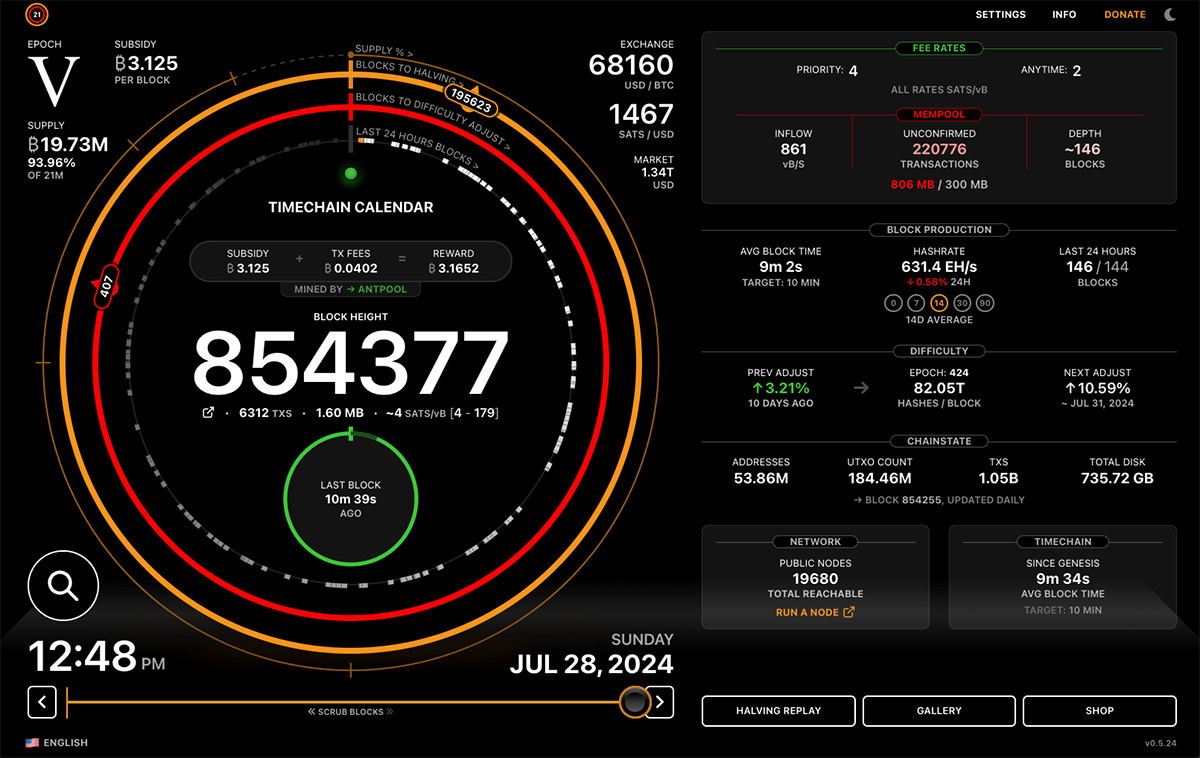 [5]
[5] 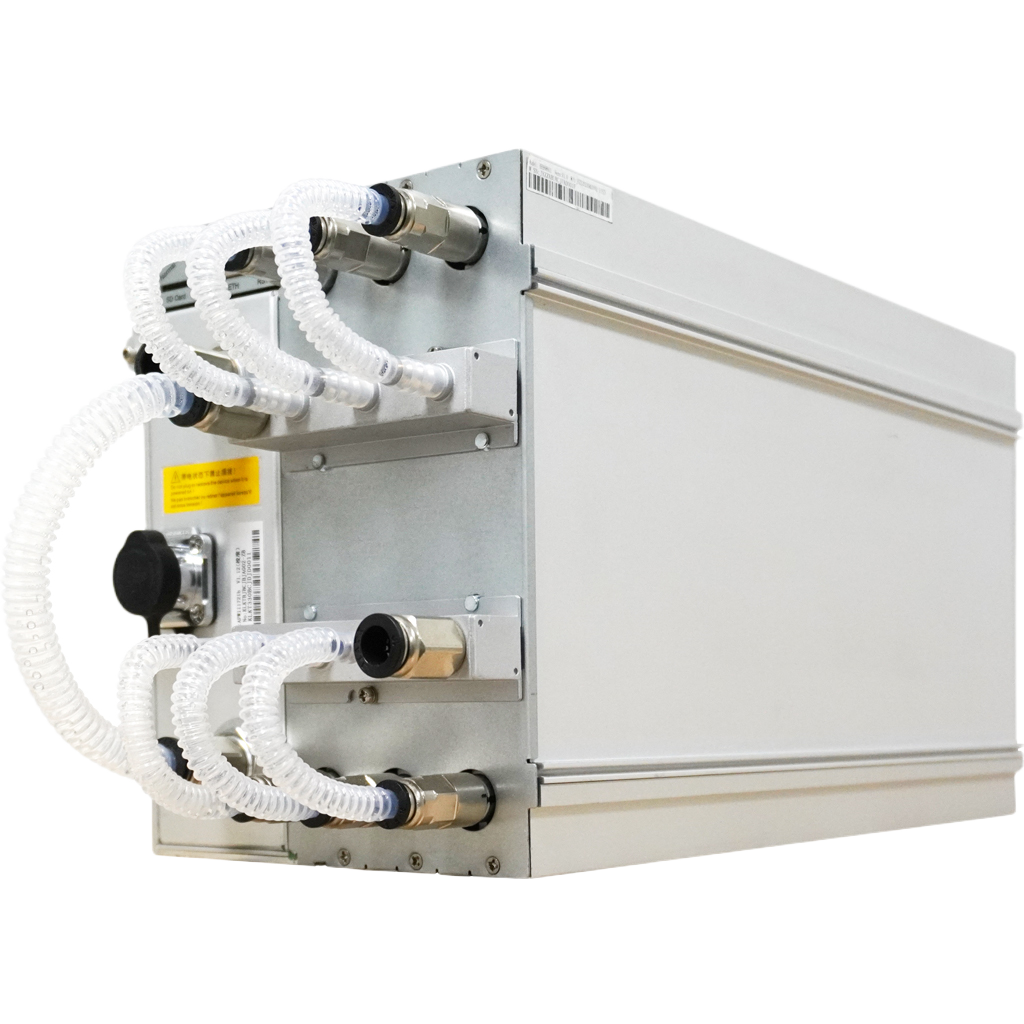 so its 175x times more expensive to just buy this stuff...
is this calculation correct? i don't know tbh ... seems not too much 1003 such miners.. also there are prob a lot of other factors we should consider.. as said, many have thought and discussed this..
we're not talking about a coordinated attack here or a consliracy of bad actors or something but about one actor starting from scratch...
but IMO thats exactly the point.. do you think AWS/MS/Google/NSA have those 7527 cpus (or an equivalent to the hashingpower they bring) lying arround right now?
i think each of them have... at this very moment... and could simply do it because there's no need to invest in specialized hardware.. thats the protection that asics give..
so its 175x times more expensive to just buy this stuff...
is this calculation correct? i don't know tbh ... seems not too much 1003 such miners.. also there are prob a lot of other factors we should consider.. as said, many have thought and discussed this..
we're not talking about a coordinated attack here or a consliracy of bad actors or something but about one actor starting from scratch...
but IMO thats exactly the point.. do you think AWS/MS/Google/NSA have those 7527 cpus (or an equivalent to the hashingpower they bring) lying arround right now?
i think each of them have... at this very moment... and could simply do it because there's no need to invest in specialized hardware.. thats the protection that asics give..
Altcoin Mining Pool for GPU and ASIC - 2Miners
Cryptocurrency mining pool for beginners and professionals. Regular payments, tutorials, reliable servers, rig monitoring. Solo mining is also avai...
RandomX Benchmark - XMRig
TIMECHAIN CALENDAR
Live data from the Bitcoin timechain with past block lookup and other calendar features.
BITMAIN Shop
Antminer S21 Hyd.
The Antminer S21 Hyd Bitcoin Miner delivers 335 TH/s. This hydro-cooled unit offers 16 J/TH efficiency and 5360W power for high ROI.
