
Now, a bit over 2 years ago, I embarked on a journey that would ruin my life in the best way possible. I collected my courage and set foot at the Pacific Crest Trail, a 4200km, 30cm wide path, swerving around mountains and crawling it's way to Canada.
It was an adventure because the only thing I knew was which direction to go. Not what the conditions would be, not which wildlife I would encounter and neither how far I'd get. But fuck I knew it was a 100% the right way to go.
I think I found the same thing applies to digital networks like Nostr, I don't know where it's gonna go. But I know it will crawl it's way forward in the right direction. And I've only slowly started to figure out why.
The common principle
Inventions that fundamentally changed our world have always had one commonality: They were dead simple.
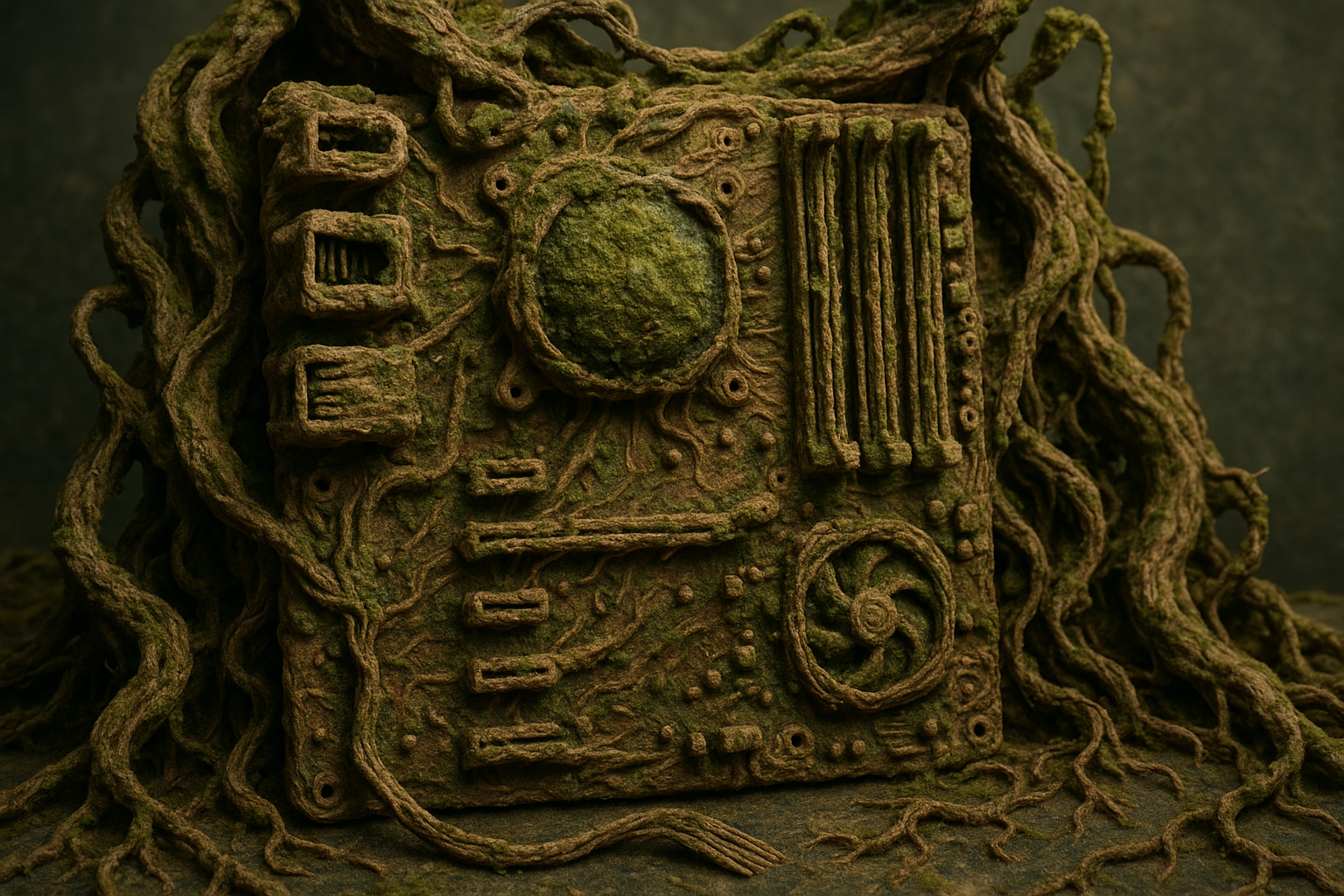
With simple I don't mean naive, I mean small, elegant and made in such a way that it can be combined together in countless ways, creating new complex structures. Like DNA.
In backpacking terms: Keep it light, keep it simple. There is a certain amount of complexity you can handle before it becomes too much to carry.
It is in this simplicity that I see natural patterns emerge. For example, I don't think it's a coincidence that Nostr works in streams, it's a natural pattern that is most efficient and occurs in nature all the fucking time.
A tree leaf doesn't send something to go out fetch a nutrient it needs from the ground each time it needs it. Trees have juices that flow through natural forces. Carrying upwards just the things that it needs and ignoring the stuff that it doesn't.
In this light, why would you go and fetch data (http) from a place, on the other side of earth, every time you'd want to look at it. And why does the person (leaf) sitting next to you that wants the same information then need to make that same trip!? It's such a waste of energy!
I understand that there's reasons that made our networks work the way they do, and that exactly that centralising weakness is what is exploited and used against us. But why continue to think in those terms?
Working with nature
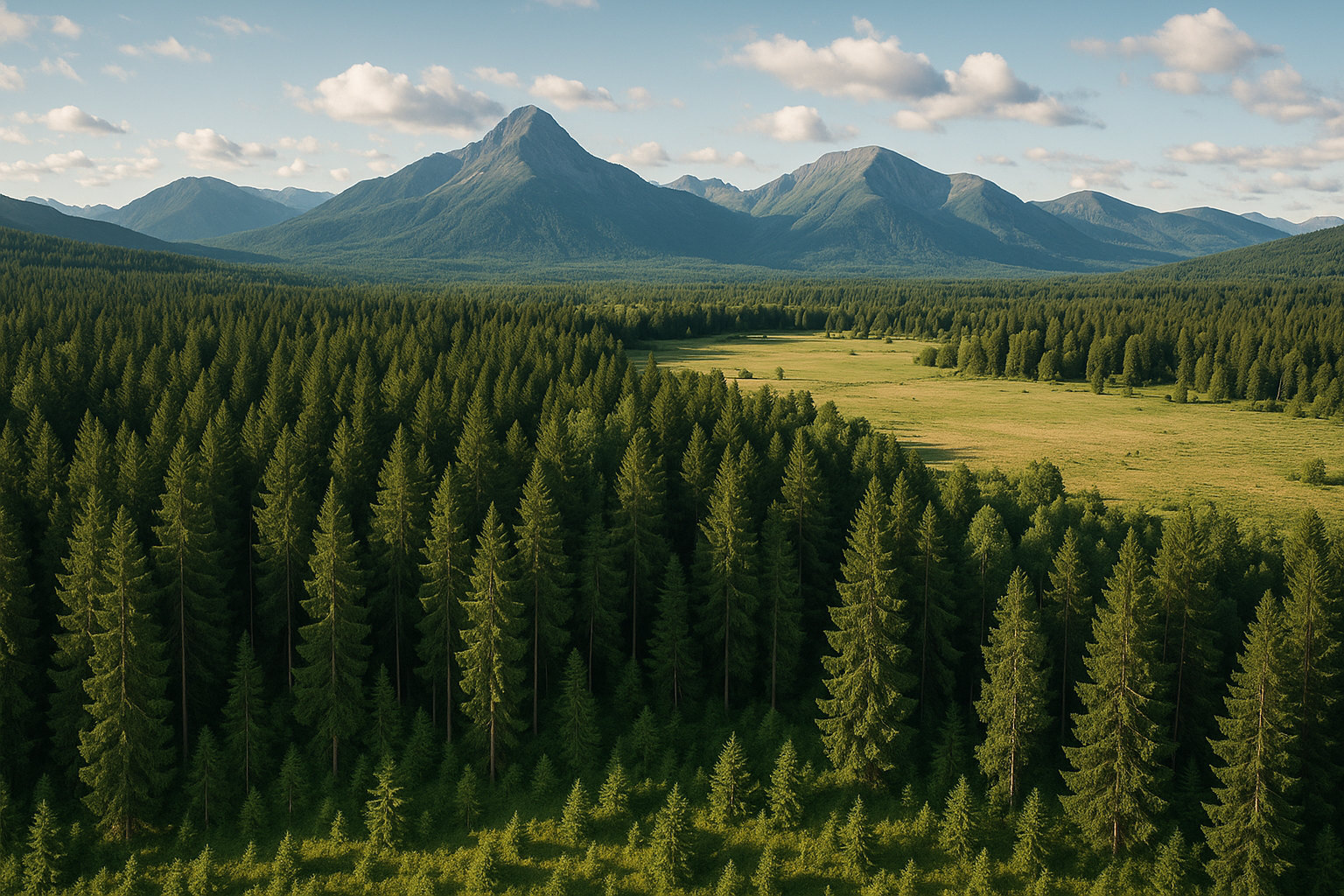 Instead of working against nature we should see it's patterns and adapt to it. Don't build a pumping system if you can divert the river and let part of it flow your way. Mimic nature.
Data flows
Take @hzrd's Applesauce for example. He built his nostr library on the premise of 'what if everything is a stream?'. And the result is a library that is incredibly fast, efficient and stable.
On the trail, flow decides everything — you camp near water, you break your path around rivers. The terrain teaches you that working with flow is survival, not ideology. Tech should learn the same lesson.
Cash
A similar flow shows up in Cashu and how it moves value between people. Cashu's elegance and simplicity (of use) flows from it's physical properties, making it easy to reason about. It's not that different from reasoning about physical bills. If I owe you $17 and I give you a $20 bill we both understand what needs to happen with the change. And we can do all that peer to peer, like we do at the farmer's market.
Webs of Trust
Establishing trust follows a similar pattern. It is social, organic, it's how we've operated as humans for millennia. It's incredibly fascinating that we've been able to recreate this Web of Trust in the digital world. It's the filter that protects us from overwhelm of inputs and if needed, from each-other.
No start, No end
Another pattern is that Nostr has no start and no end. You can point at some spots, but it's like pointing at the end of the forest. Which tree is in the forest and which one is not?
Traditional software development goes against this principle. It tries to define a start and end very strictly, often struggling to maintain the separation. Think about test environments, where it's hard to mimic the real production environments. Or firewalls where it's a full-time job keeping this distinction between inside, and outside the network.
Homegrown software
I believe software in the future will be grown, not written. LLM's and the tools we connect to it will not go away and we're seeing early signs of how future software development will look. It works like DNA, where you take helpful properties of one piece of software and combine it with another, creating a new version that was better than the previous.
I don't think that software will be contributed back to the source anymore, except in the case of some primitives we all use. Like protocols and libraries (nostr, bitcoin, cashu).
Growing the new web
We should be growing this new version of the web, no fertilizer, let it find it's own flows, take what you need but don't try to control it or work against it. Find the natural patterns and links to how we've lived for a thousand years and build your tools around it.
If we follow nature, failures will be local and not kill or disturb the whole organism. There will be balance. 'Online' and 'Offline' will be two ends of a spectrum, not a binary.
Through building our way forward with simple building blocks, we will build things that are more complex than we can possibly imagine right now. As long as we keep thinking about it as an organism that grows, and we tend to it, it will win.
End
We should not submit to runaway growth of just some parts of it at the cost of the rest of this organism. We'd end up in the same place we find ourselves now, it'd kill the host.
It can grow based on the needs of those who participate and care for it, not those who try to command it.
We have a choice. The choice to step away from existing ways of building software and work on something that grows in a natural way. I'm not saying that everything about nostr, cashu and bitcoin is easy. Just like how crossing thousands of kilometers of land is not easy. But it's SIMPLE.
Lean in to nature...
