
On a tour of Unitree's factory in Hangzhou, it was revealed that despite widespread assumptions, Chinese robot factories are not highly automated. The majority of production, particularly in motor actuator winding, remains manual, with labor constituting only 8% of robot manufacturing costs in 2025. Unitree aims to automate motor winding to reduce labor costs by over half but estimates cost savings per robot at under 2%. Robots remain largely toys for research, with three-quarters of humanoid revenue from education and under 5% from industrial use. The unpredictability of product designs annually limits automation investment, contrasting with static components like motors, where automation is more feasible. The article argues the Western advantage lies in building the machines that automate manufacturing, aided by AI reducing programming costs and labor shortages. American factories can afford more expensive automation to save significant labor costs, and AI-driven robot programming accelerates factory adaptation. Policies like the FCC's ban on certain Chinese parts risk disadvantaging manufacturing innovation. China's factories rely on human hands while the West excels at building automation machinery.
Source: 
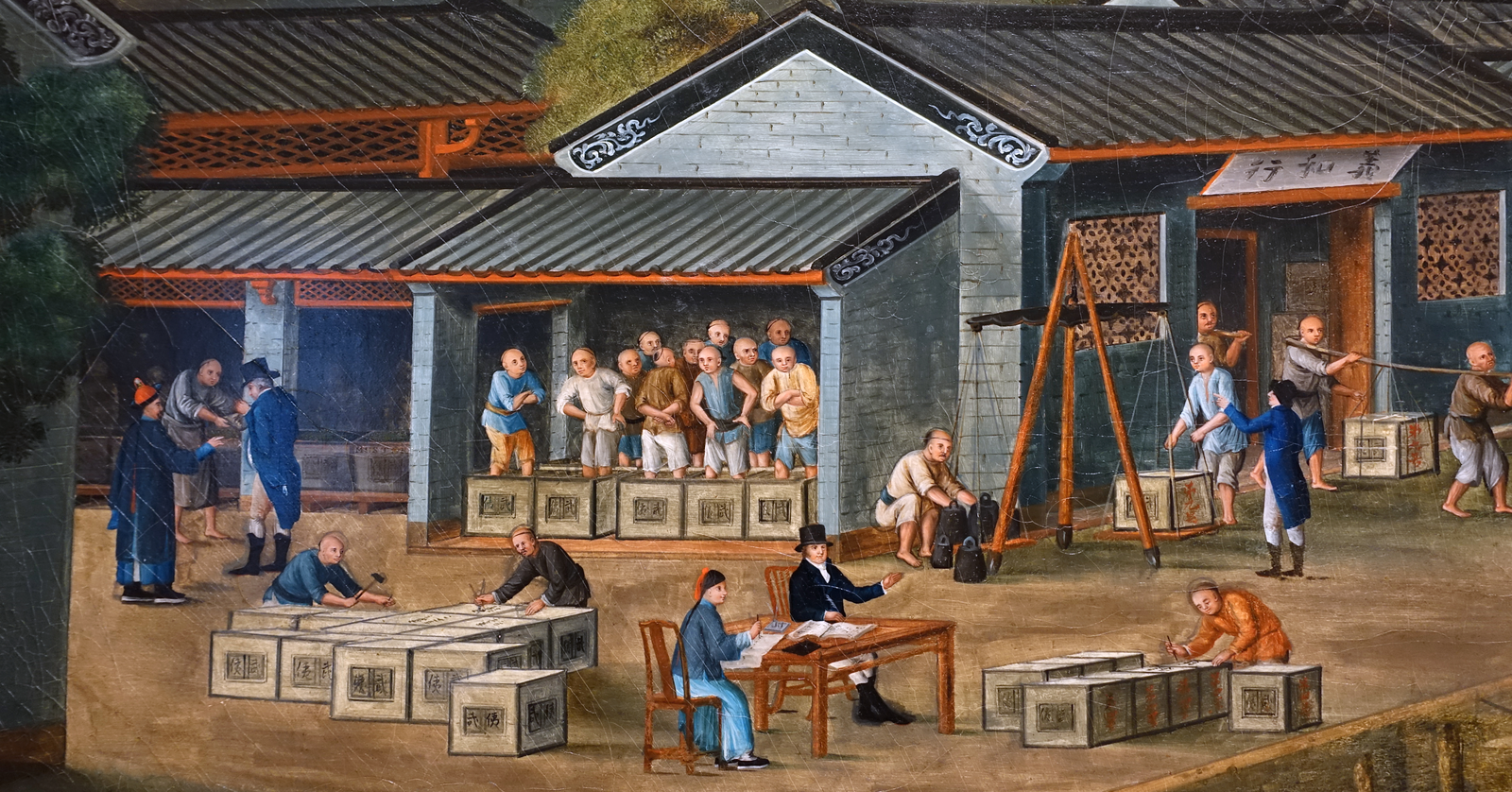 #news_en #robotics #automation #manufacturing #josef_cn
Josef Chen
Josef Chen
Cooking AI and robots for food at KAIKAKU, acquired by SoftBank-backed REEF. Born and raised in Austria, currently between SF, Boston and London.
#news_en #robotics #automation #manufacturing #josef_cn