"This means users can potentially take their accounts and content with them to other services that use the same system, rather than being locked into one platform."
I have seen the wording/framing before, and it bothers me...it is wrong.
On one level its the words used such as 'account' and 'service'. Your Nostr profile is not an account, the apps you use are not a service (they might contain services perhaps).
These words/terms subsequently omit the entire paradigm shift. I understand you somehow have to meet the reader in their understanding of the world.
Relays are services, and on that level you 'take things elsewhere', those things being your publications. But other than that, you don't 'move' when you switch clients. And it is relevant when going into the line that directly follows:
"A similar approach has been used by X rivals Bluesky and Mastodon."
But it is not. Nostr does not have a similar approach to ATproto or Activitypub. Nostr has a fundamentally different approach, and it there are hints to that in the fact the article talks about "Bluesky" and "Mastodon" in the first place.
There are still people that don't fully realize what is going on, and think "Nostr" as a term and concept can fade into the background somehow, yet i would ask those people what term they expect those type of mainstream articles to use at some point. They use Bluesky, they use Mastodon....but if you have not noticed yet, they also use Nostr.
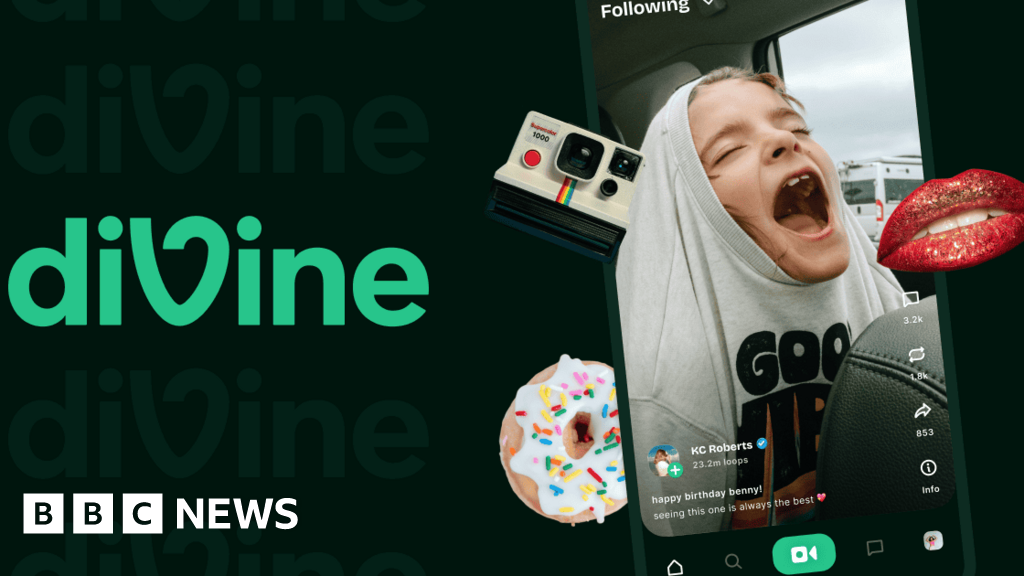
Perhaps harder to 'market', it is the only term/word that makes any sense to use. Saying Bluesky and Mastodon is 'good enough', but what would be the easy to market 'good enough' term replacement for Nostr? Tell me? 'Primal'? 'Divine'? 'Buzz'? None of those make any sense when you want to refer to the underlying concept/phenomena. I guess you could say there is 'fediverse' on the activitypub side of things, which got some traction and works. But realize that we don't have to come up with a new marketable term for Nostr, because Nostr was not dominated by a single implementation in the first place that requires 'term-circumvention'.
Anyway, i know get a lot into the semantics here, but i do so to point towards what is underlying all of that. That we should not stop trying to convey to others the actual paradigm shift that Nostr introduces. And that seems like a pointless effort with 0 results because that is inherrent to new paradigms; innitially people lack the mental framework because it simply did not exist before, so talking about it confuses them because it has nothing to land into in their heads.
That is ok. Its this stupid thing where you only get it after the fact when you already understand, much like a riddle. But it is a mistake to therefor conclude that giving the riddle beforehand is pointless, it is not. It is the combination of these injected free floating unsettled ideas, notions and terms that innitially make no sense, and a subsequent hands on experience of the new paradigm that ultimately lead towards the 'aha-moment'. If you did not provide the riddle, or worse, gave them a borked explanation because it was easier to take a bunch of shortcuts that alligned with their current understanding, you undermine the aha-moment.
And we need people to get to that insight, however hard that road may be. Because only then can they truelly start to leverage the abilities the new paradigm provides them, have compentence and therefor confidence in navigating it. It is only then they start to become real Nostr users, and as a result the real added value of Nostr as such start to manifest, its horizontal network effects start to get traction, and the only real hope we have to outcompete the legacy or alternatives out there.
Don't get me wrong, i take the win that the letters n-o-s-t-r are printed by the BBC. People having seen the word in the first place is where it all starts. But i won't stop pushing this point that our words/terms matter, and that the new paradigm of Nostr is not hard, it is just new; and that the only way to make it not-new, is by endlessly providing the correct framing, so that one day they will come to understand.
Nostr.