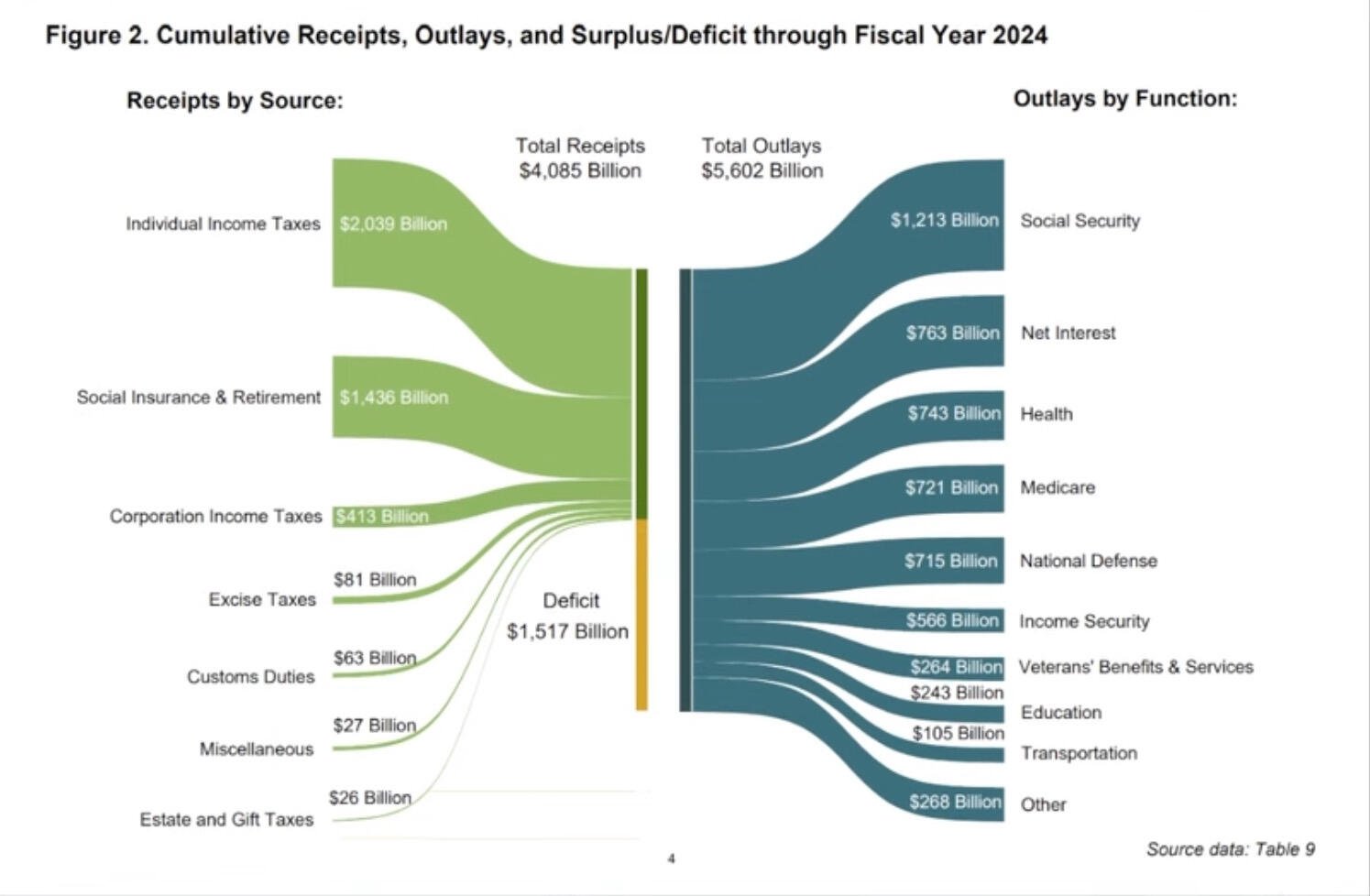
When a country's debt exceeds its GDP by 100%, it's like walking on thin ice. Imagine spending more than you earn, but on a national scale. This imbalance makes economies fragile, as they rely heavily on borrowing. It's a risky game, similar to how #Bitcoin challenges the traditional #USDollar dominance by offering an alternative without national debt issues.
Countries deep in debt face higher interest payments, leaving less for essential services. It's a vicious cycle of borrowing more to pay off existing debt, weakening their financial stability. This scenario raises questions about sustainable growth and economic sovereignty, sparking debates on fiscal responsibility versus necessary borrowing.
Curious about who's swimming in debt? Here are the top 5 countries by debt-to-GDP ratio:
1. Japan - 257%
2. Greece - 206%
3. Sudan - 196%
4. Eritrea - 175%
5. Cape Verde - 160%
Each percentage reflects not just numbers, but a story of economic challenges and resilience. What's your take on managing national debt? #EconomicGrowth #FiscalResponsibility .