Organic wine is a scam.
The label might say it’s clean.
That doesn’t mean it is.
Glyphosate still shows up in bottles labeled organic.🍷👇
Glyphosate is the main ingredient in Roundup.
It’s used in vineyards to kill weeds around the base of vines. Easy to spray. Cheap to apply. Hard to keep out once it's there.
Glyphosate exposure is linked to:
- Increased cancer risk, especially non-Hodgkin lymphoma
- Endocrine disruption
- Gut microbiome damage
Glyphosate use is off the charts in U.S. agriculture, but when it comes to wine, California is the hotspot.
It’s heavily used in conventional vineyards up and down the state. That makes California wines especially vulnerable to glyphosate residues, even when the winery itself follows organic practices.
Organic farming bans glyphosate use.
But it doesn’t stop drift from neighboring vineyards, runoff from shared water, or carryover from shared equipment.
Even if a vineyard plays by the rules, those rules have a lot of holes.
The Organic label offers comfort, but not certainty
What the Tests Say
Independent testing has found glyphosate in both conventional and organic wines.
Levels in organic bottles are often lower, but not zero.
And while these levels are well below the EPA’s legal limit of 30 parts per million, microdoses add up as newer research suggests even trace amounts can do harm.
Buying organic helps. But it isn’t enough.
Here’s what actually matters:
Shake your Producer's Hand.
Ask how they grow. Ask if they spray. Small, transparent winemakers will tell you the truth.
or choose wines from places where glyphosate is banned or restricted.
France, Austria, and Germany are leading the way. Certain parts of Italy too.
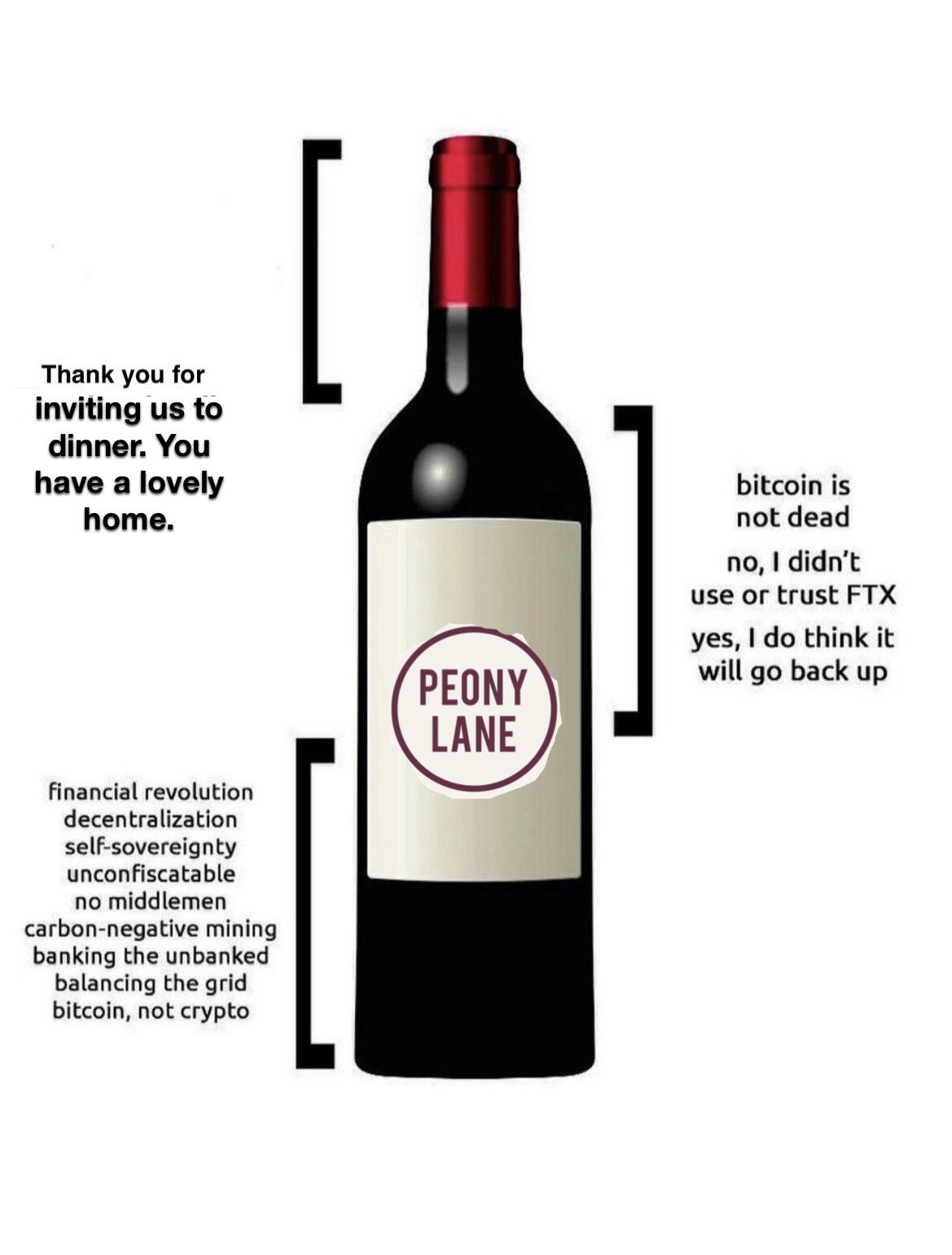
The wine industry reminds me a lot of the crypto world.
Some winemakers take the slow, grounded, Bitcoin-like approach, while others hide behind buzzwords, status, and crypto-smoke.
From the outside, it’s hard to tell the difference.
Follow along. Let’s peek behind the veil together.
Your reNosts mean the world to me.
Glyphosate is the main ingredient in Roundup.
It’s used in vineyards to kill weeds around the base of vines. Easy to spray. Cheap to apply. Hard to keep out once it's there.
Glyphosate exposure is linked to:
- Increased cancer risk, especially non-Hodgkin lymphoma
- Endocrine disruption
- Gut microbiome damage
Glyphosate use is off the charts in U.S. agriculture, but when it comes to wine, California is the hotspot.
It’s heavily used in conventional vineyards up and down the state. That makes California wines especially vulnerable to glyphosate residues, even when the winery itself follows organic practices.
Organic farming bans glyphosate use.
But it doesn’t stop drift from neighboring vineyards, runoff from shared water, or carryover from shared equipment.
Even if a vineyard plays by the rules, those rules have a lot of holes.
The Organic label offers comfort, but not certainty
What the Tests Say
Independent testing has found glyphosate in both conventional and organic wines.
Levels in organic bottles are often lower, but not zero.
And while these levels are well below the EPA’s legal limit of 30 parts per million, microdoses add up as newer research suggests even trace amounts can do harm.
Buying organic helps. But it isn’t enough.
Here’s what actually matters:
Shake your Producer's Hand.
Ask how they grow. Ask if they spray. Small, transparent winemakers will tell you the truth.
or choose wines from places where glyphosate is banned or restricted.
France, Austria, and Germany are leading the way. Certain parts of Italy too.
The wine industry reminds me a lot of the crypto world.
Some winemakers take the slow, grounded, Bitcoin-like approach, while others hide behind buzzwords, status, and crypto-smoke.
From the outside, it’s hard to tell the difference.
Follow along. Let’s peek behind the veil together.
Your reNosts mean the world to me.

What They’re Made From
Whiskey starts with fermented grains like corn, rye, wheat, or barley.
Different styles use different blends. Bourbon is mostly corn. Scotch is malted barley. Rye and Irish whiskey follow their own rules.
Once distilled, those differences mostly disappear.
Distillation strips away nearly everything except ethanol and water.
Red Wine starts with grapes and grapes naturally contain compounds that survive fermentation and end up in your glass. These include polyphenols, which have been studied for their ability to reduce inflammation, support blood vessels, and protect cells from oxidative stress.
Barrel Aging
Both wine and whiskey usually spend time in oak.
Whiskey can age for decades. Wine typically ages for a few years.
Barrel aging affects taste. It does not affect how your body processes the alcohol.
Sugar and Blood Sugar
Alcohol interferes with your liver’s ability to regulate blood sugar.
That is why drinking on an empty stomach can leave you shaky or foggy.
This effect is made worse when alcohol is paired with sugar.
Whiskey is often mixed with soda, syrup, or bottled cocktail blends and even unflavored whiskeys may contain added sugar or glycerin to smooth the taste. This spikes your blood sugar and crashes it fast.
To avoid the worst affects of whiskey:
- Skip flavored whiskeys and sweet mixers
- Look for "straight" or "bottled in bond" on the label
- Drink it neat or with water
Dry red wine has less than one gram of sugar per glass.
It will only produce a small rise with less of a crash.
Additives
There is no ingredients list required for wine or whiskey in the United States.
When you feel bad after drinking, that lack of transparency makes it hard to know what you are reacting to.
Wine can include Mega Purple, acidity regulators, gums, and excessive sulfites.
Whiskey can include caramel coloring, sugar, artificial flavorings, or texture enhancers like glycerol or glycol.
You cannot really avoid one single additive and ignore the rest.
These things tend to come together.
Tips to avoid them:
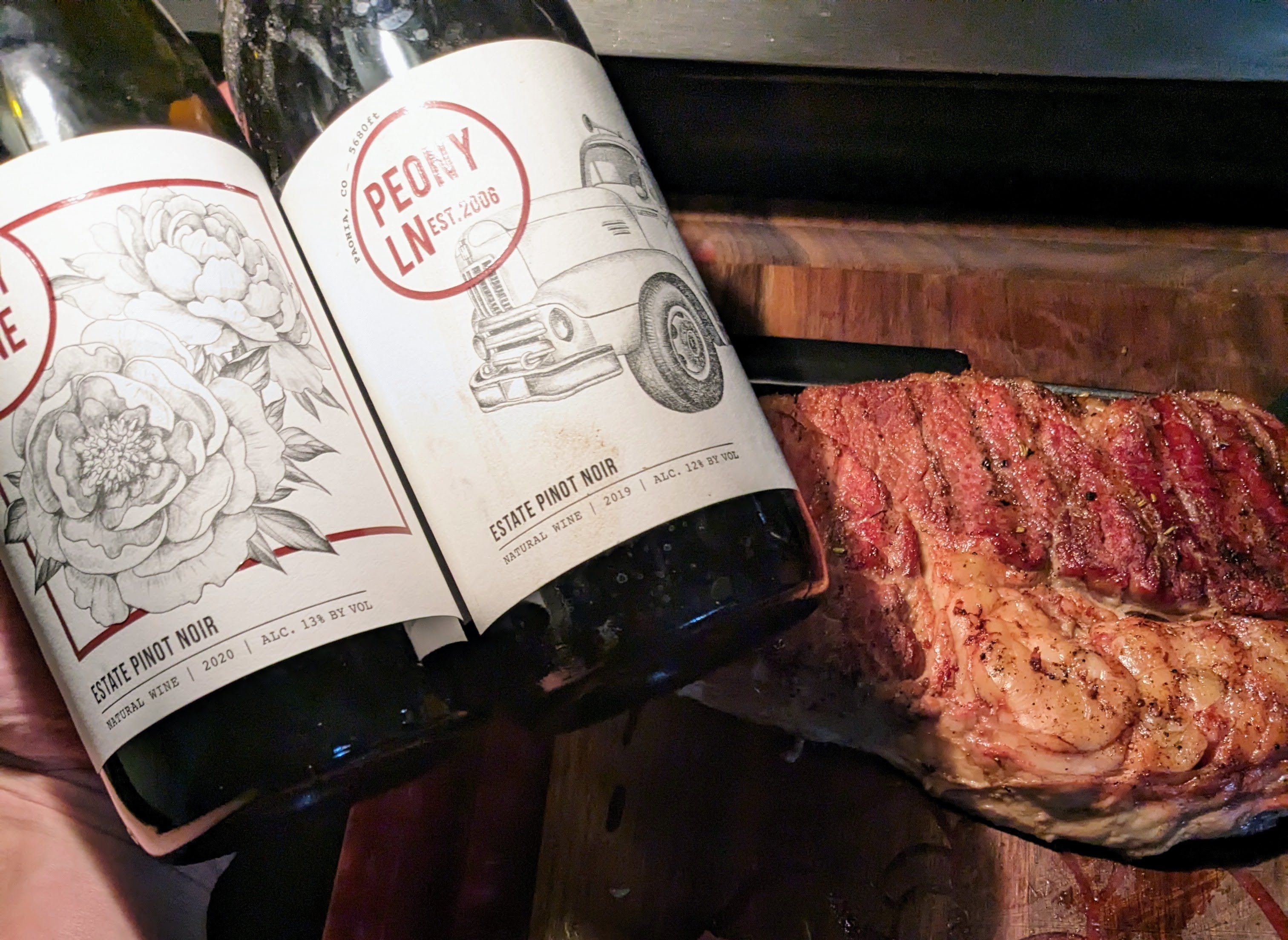
For wine, look for low-intervention producers. French and Italian bottles are often less manipulated and not hard to find.
For whiskey, get to know the producer if you can, but other than that, there's not much you can do.
Sourcing and Contaminants
Glyphosate has been found in many conventional wines, even some labeled organic.
Grapes are often heavily sprayed, and glyphosate is not routinely tested for.
Whiskey is distilled.
Distillation removes nearly all chemical residues, including glyphosate.
From a contamination standpoint, whiskey comes out ahead.
But it is not that hard to avoid glyphosate in wine.
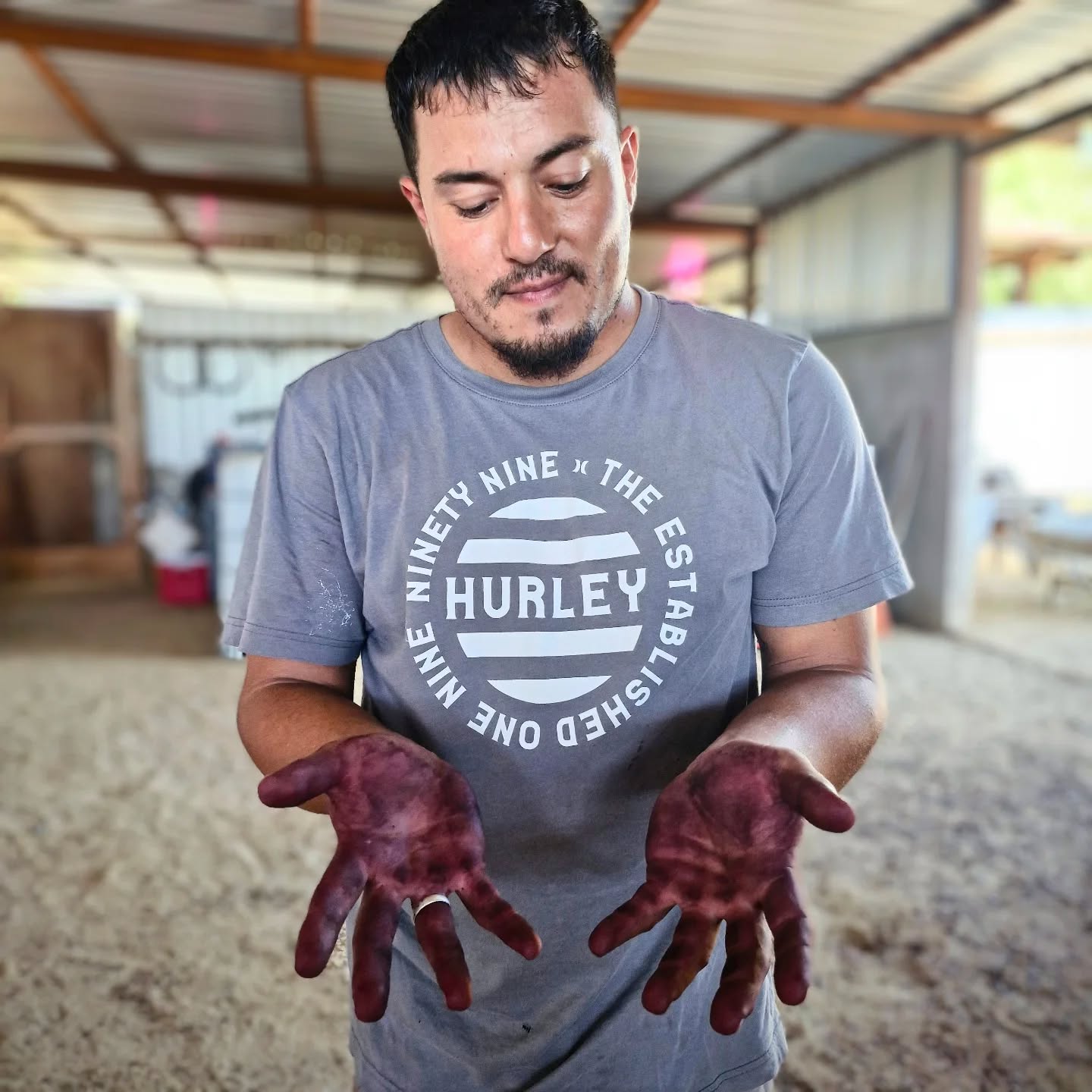
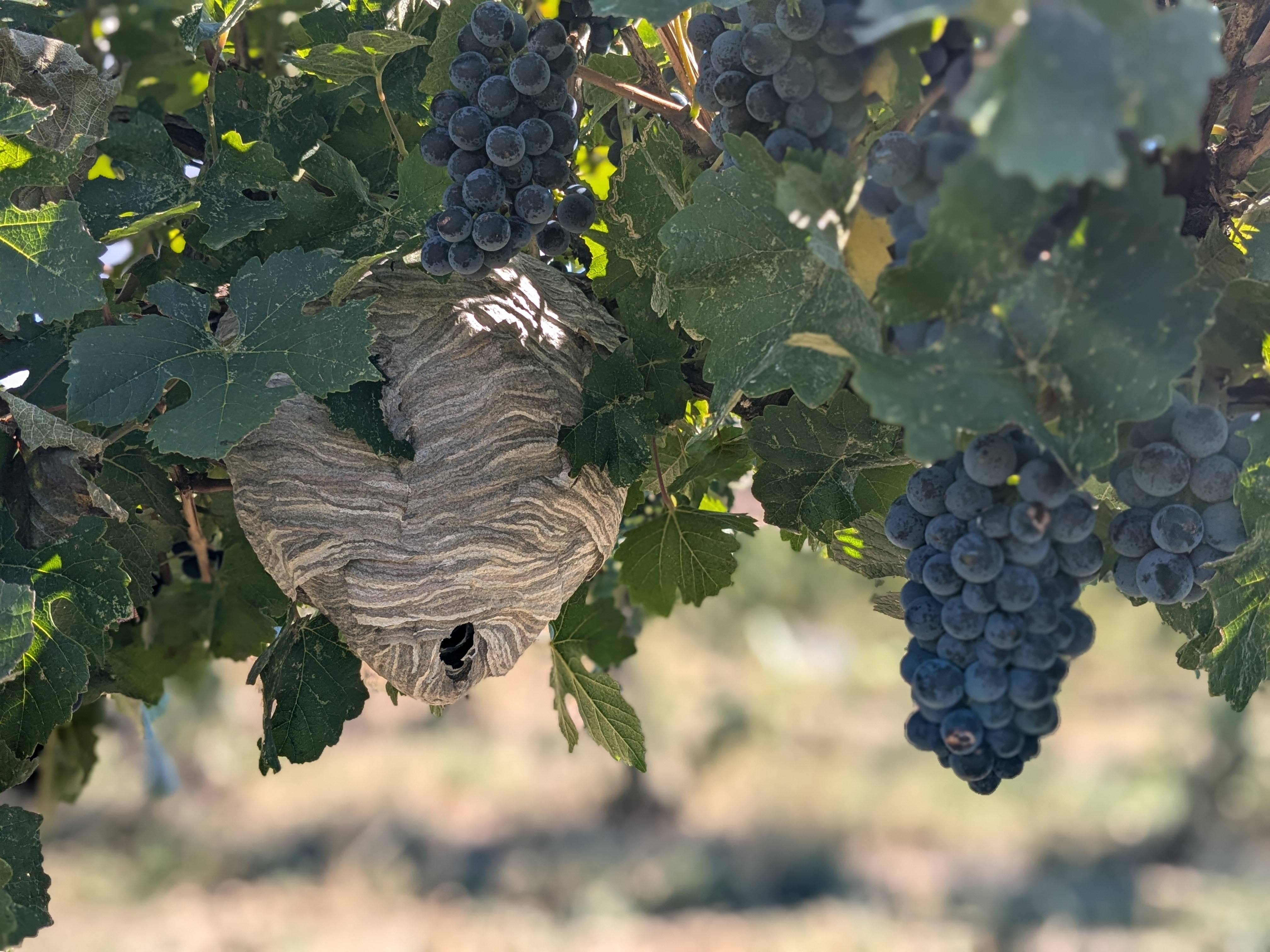
My vineyard has never seen glyphosate.
The land has been farmed organically for over 100 years.
Tips:
Either verify that your producer has a similar commitment, or default to French or Italian wines where these chemicals are banned.
Whiskey gives you the downsides of alcohol, and very little else.
But at least you can drink it without a ton of sugar.
Red wine, especially low-intervention red, brings more to the table.
It retains polyphenols, organic acids, and fermentation byproducts.
It also contains quercetin, a compound that slows the breakdown of testosterone in your body.
If you are already drinking and want to choose the lesser of the evils, drink low-intervention red wine.