
The theory of Communism may be summed up in one sentence: Abolish all private property.
Karl Marx
Our bodies, minds, and labor are the most intrinsic aspects of our existence, constituting our private property in the truest sense. They are the foundations of our individuality, autonomy, and self-determination. However, in today's world, these essential facets of our lives are increasingly subject to infringement.
Our bodies are often commodified, scrutinized, and controlled by external forces, from invasive medical procedures to data collection by technology companies. Our minds are bombarded with information, manipulated by algorithms, and sometimes even exploited for profit, eroding our mental privacy. Furthermore, labor, our source of sustenance, is subject to exploitation, unfair wages, and precarious working conditions.
Preserving the sanctity of our bodies, minds, and labor as private property is crucial for safeguarding personal freedom, dignity, and human rights in an era of increasing intrusion and surveillance.
#freedom #grownostr #communism #socialism #privacy

 Was the United States ever debt free?
For a brief 2 year period from 1835 to 1837
Andrew Jackson harbored a deep distrust of banks, most notably exemplified by his opposition to the Second Bank of the United States.
Jackson viewed banks as tools of the wealthy elite, corrupting economic and political power. He believed they concentrated too much influence in the hands of a few. His belief led to the controversial removal of federal deposits from the Second Bank, ultimately culminating in its demise.
Jackson's bank skepticism reflected his broader commitment to populism and a more decentralized economic system. His legacy includes the financial crisis of 1837, but also his enduring image as a champion of the "common man" against the perceived excesses of the financial elite.
#endthefed #federalreserve #government #inflation #debt #bitcoin
Was the United States ever debt free?
For a brief 2 year period from 1835 to 1837
Andrew Jackson harbored a deep distrust of banks, most notably exemplified by his opposition to the Second Bank of the United States.
Jackson viewed banks as tools of the wealthy elite, corrupting economic and political power. He believed they concentrated too much influence in the hands of a few. His belief led to the controversial removal of federal deposits from the Second Bank, ultimately culminating in its demise.
Jackson's bank skepticism reflected his broader commitment to populism and a more decentralized economic system. His legacy includes the financial crisis of 1837, but also his enduring image as a champion of the "common man" against the perceived excesses of the financial elite.
#endthefed #federalreserve #government #inflation #debt #bitcoin "Our purpose is to ensure that everyone has enough to eat, that there is no exploitation of man by man, that there is a fair distribution of wealth. We are not here to create emperors, kings, or gods, but to create a better life for the people."
-Mao Zedong
"People say that poverty is bad, but in fact poverty is good. The poorer people are, the more revolutionary they are. It is dreadful to imagine a time when everyone will be rich... From a surplus of calories people will have two heads and four legs."
-Mao Zedong
"When there is not enough to eat, people starve to death. It is better to let half of the people die so that the other half can eat their fill."
-Mao Zedong
The Great Leap Forward, initiated by Mao Zedong in 1958, was a campaign aimed at transforming China into a Communist utopia. However, it resulted in a humanitarian disaster of unprecedented proportions.
The policies of forced collectivization and unrealistic agricultural targets led to widespread food shortages and famine. Millions of Chinese citizens, particularly in rural areas, perished due to starvation, malnutrition, and related diseases.
The exact death toll remains a subject of debate among historians, but conservative estimates suggest that at least 15-20 million people died during this period. Some higher estimates place the number of fatalities closer to 45 million.
The Great Leap Forward's devastating consequences marked one of the darkest chapters in human history, illustrating the catastrophic impact of misguided policies on the lives of countless individuals. It also serves as a cautionary tale about the importance of evidence-based decision-making and the devastating consequences of ideological fervor at the expense of human welfare.
"Those who cannot remember the past are condemned to repeat it."
— George Santayana
#communism #socialism #grownostr #freedom #liberty #capitalism #china #freespeech #history
"Our purpose is to ensure that everyone has enough to eat, that there is no exploitation of man by man, that there is a fair distribution of wealth. We are not here to create emperors, kings, or gods, but to create a better life for the people."
-Mao Zedong
"People say that poverty is bad, but in fact poverty is good. The poorer people are, the more revolutionary they are. It is dreadful to imagine a time when everyone will be rich... From a surplus of calories people will have two heads and four legs."
-Mao Zedong
"When there is not enough to eat, people starve to death. It is better to let half of the people die so that the other half can eat their fill."
-Mao Zedong
The Great Leap Forward, initiated by Mao Zedong in 1958, was a campaign aimed at transforming China into a Communist utopia. However, it resulted in a humanitarian disaster of unprecedented proportions.
The policies of forced collectivization and unrealistic agricultural targets led to widespread food shortages and famine. Millions of Chinese citizens, particularly in rural areas, perished due to starvation, malnutrition, and related diseases.
The exact death toll remains a subject of debate among historians, but conservative estimates suggest that at least 15-20 million people died during this period. Some higher estimates place the number of fatalities closer to 45 million.
The Great Leap Forward's devastating consequences marked one of the darkest chapters in human history, illustrating the catastrophic impact of misguided policies on the lives of countless individuals. It also serves as a cautionary tale about the importance of evidence-based decision-making and the devastating consequences of ideological fervor at the expense of human welfare.
"Those who cannot remember the past are condemned to repeat it."
— George Santayana
#communism #socialism #grownostr #freedom #liberty #capitalism #china #freespeech #history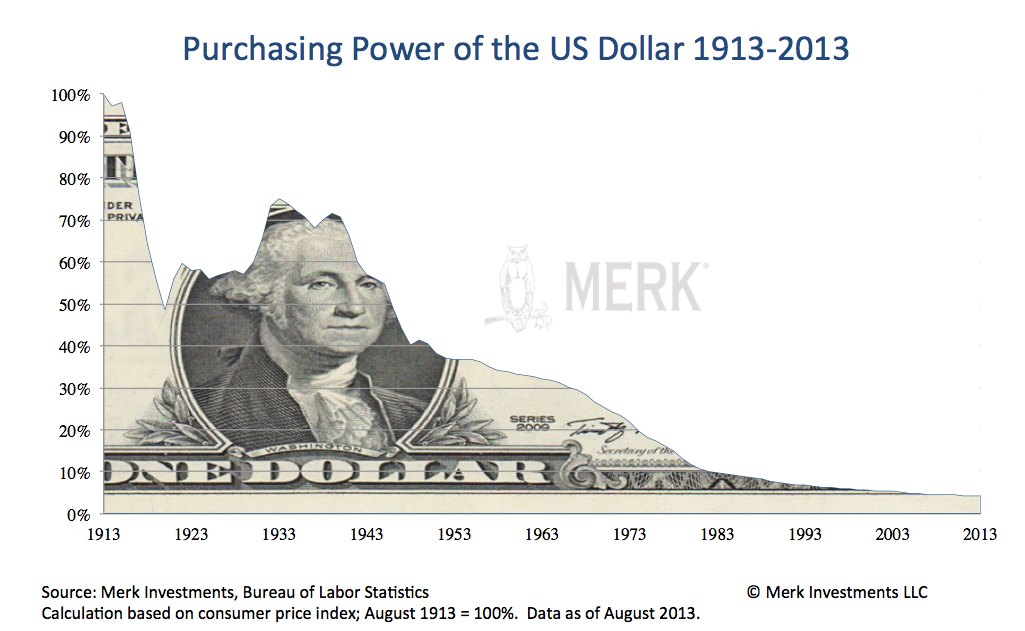 100 years of loss.
Inflation is not higher prices.
Inflation is an expansion of the currency supply. Higher prices )declining purchasing power) are the result.
Over the course of a century, the dollar has witnessed a gradual erosion of its purchasing power. Inflation, driven by increased money supply, is a key culprit. As more dollars flood the market, each individual unit becomes less valuable, necessitating larger sums to buy goods and services. The dollar's reserve currency status has allowed the U.S. to amass debt, which, while manageable in the short term, poses long-term risks to its value.
All these factors combined illustrate how the dollar has experienced a gradual diminishment in its ability to buy the same basket of goods and services over a century.
Inflation is fundamentally an expansion of a nation's currency supply. It occurs when central banks increase the money supply, leading to more dollars (or any other currency) chasing the same amount of goods and services. Higher prices, the common consequence of inflation, are a result of this surplus money in circulation, as it diminishes the purchasing power of each unit, causing prices to rise as a natural response to increased demand relative to supply.
#federalreserve #government #inflation #bitcoin
100 years of loss.
Inflation is not higher prices.
Inflation is an expansion of the currency supply. Higher prices )declining purchasing power) are the result.
Over the course of a century, the dollar has witnessed a gradual erosion of its purchasing power. Inflation, driven by increased money supply, is a key culprit. As more dollars flood the market, each individual unit becomes less valuable, necessitating larger sums to buy goods and services. The dollar's reserve currency status has allowed the U.S. to amass debt, which, while manageable in the short term, poses long-term risks to its value.
All these factors combined illustrate how the dollar has experienced a gradual diminishment in its ability to buy the same basket of goods and services over a century.
Inflation is fundamentally an expansion of a nation's currency supply. It occurs when central banks increase the money supply, leading to more dollars (or any other currency) chasing the same amount of goods and services. Higher prices, the common consequence of inflation, are a result of this surplus money in circulation, as it diminishes the purchasing power of each unit, causing prices to rise as a natural response to increased demand relative to supply.
#federalreserve #government #inflation #bitcoin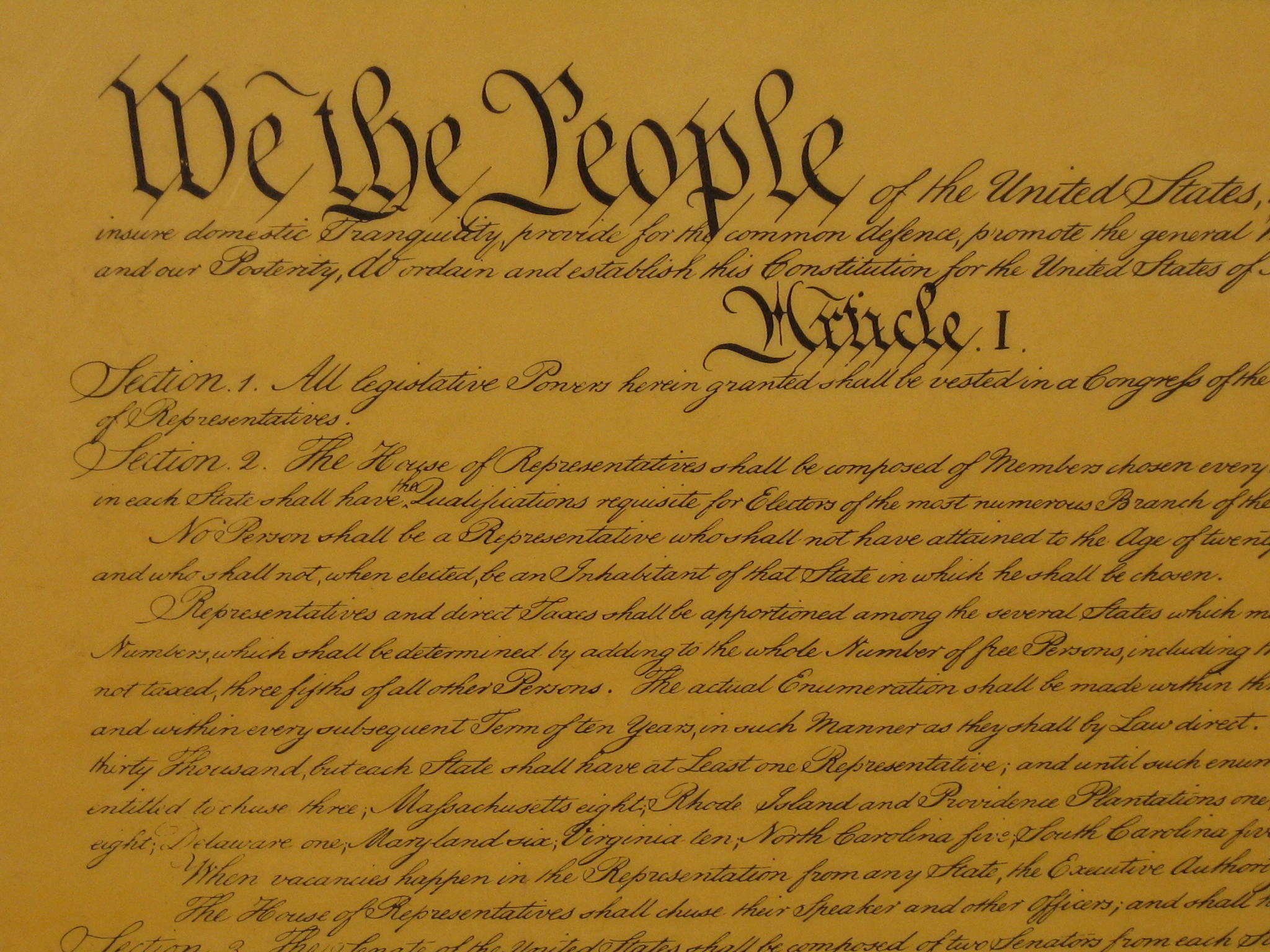 "Congress shall make no law respecting an establishment of religion, or prohibiting the free exercise thereof; or abridging the freedom of speech, or of the press; or the right of the people peaceably to assemble, and to petition the Government for a redress of grievances."
In the context of the First Amendment of the United States Constitution, the phrase "redress of grievances" refers to the right of citizens to bring their complaints, concerns, or grievances to the attention of the government and seek remedies or solutions for those issues. This phrase signifies the government's responsibility to address and consider the concerns of its citizens.
What does a citizen do when the grievance is the size of the federal government itself?
The bloated behemoth that is the federal government has imposed itself on individual states, individual people...and expanded influence across the world to nearly every country. How does one dismantle something that is hard coded into nearly everything on this planet?
#constitution #freespeech #government #freedom #grownostr
"Congress shall make no law respecting an establishment of religion, or prohibiting the free exercise thereof; or abridging the freedom of speech, or of the press; or the right of the people peaceably to assemble, and to petition the Government for a redress of grievances."
In the context of the First Amendment of the United States Constitution, the phrase "redress of grievances" refers to the right of citizens to bring their complaints, concerns, or grievances to the attention of the government and seek remedies or solutions for those issues. This phrase signifies the government's responsibility to address and consider the concerns of its citizens.
What does a citizen do when the grievance is the size of the federal government itself?
The bloated behemoth that is the federal government has imposed itself on individual states, individual people...and expanded influence across the world to nearly every country. How does one dismantle something that is hard coded into nearly everything on this planet?
#constitution #freespeech #government #freedom #grownostr