In evaluating the truth of Facebook's "fact checks" concerning the efficacy and safety of drugs, I suggest that you take the following into consideration:
### Advertising Revenue from Legitimate Pharmaceutical Companies
Meta (the parent company of Facebook and Instagram) generates a substantial portion of its revenue—over 95% in recent years—from advertising across its platforms. Pharmaceutical and healthcare companies are key advertisers, spending billions annually on digital ads to promote prescription drugs, disease awareness campaigns, telehealth services, and wellness products. This is permitted under Meta's advertising policies, which require certification (e.g., via LegitScript) for ads involving online pharmacies, telehealth, or prescription drugs, and restrict targeting to compliant countries.
Key figures and trends:
- In 2019, pharmaceutical and healthcare brands spent **nearly $1 billion** on mobile ads alone on Facebook and Instagram, nearly tripling from two years prior. This growth reflects pharma's shift toward social media for targeted outreach, such as ads for depression, HIV, or cancer treatments.
- Overall, the U.S. pharmaceutical industry spent **$5.2 billion** on direct-to-consumer (DTC) drug ads in 2016, with digital (including social media) estimated in the low hundreds of millions annually. By 2021, the number of pharma brands advertising on Facebook jumped 65% since mid-2020, with 122 brands on Facebook and 70 on Instagram.
- Platforms like Instagram Stories have become popular for pharma, allowing short, engaging formats for "swipe-up" interactions. Google still dominates search ads (336 pharma brands), but social media is closing the gap.
These payments are not "kickbacks" but standard ad buys, often using Meta's tools to target demographics (e.g., interest groups like "breast cancer support," encompassing tens of millions of users). However, HIPAA doesn't apply to Meta or pharma in this context, raising privacy concerns about inferred health data.
| Year | Estimated Pharma/Healthcare Ad Spend on Meta Platforms | Notes |
|------|---------------------------------------------------------|-------|
| 2019 | ~$1 billion (mobile only) | Tripled in 2 years; focused on prescription drug promotion |
| 2021 | Growth of 65% in advertisers | 122 on Facebook, 70 on Instagram; Stories format rising |
| 2023 | Part of Meta's $121.9B total ad revenue | Instagram: 41.5% of Meta's ad revenue; health brands key |
### Issues with Illicit Drug Ads
Despite policies prohibiting ads for illicit, recreational, or non-medical drugs, Meta has faced criticism for approving and monetizing hundreds of such ads, generating unauthorized revenue from illegal sellers. These often depict pills, powders, or bricks of substances like opioids (e.g., OxyContin, Percocet), cocaine, ecstasy, or psychedelics, linking to external marketplaces.
- A 2024 Tech Transparency Project investigation found **over 450 ads** in 15 weeks across Facebook, Instagram, Messenger, and Audience Network, violating Meta's standards (e.g., no promotion of "high-risk drugs" or prescription sales without certification).
- The Wall Street Journal reported dozens more in July 2024, including fentanyl-laced products, amid a federal probe in Virginia. Ads bypassed AI moderation via photos or redirects to other sites.
- U.S. lawmakers (19 bipartisan members) demanded answers from CEO Mark Zuckerberg in August 2024, citing risks like teen overdoses (e.g., a 15-year-old's death linked to Instagram contacts). Meta claims it rejects "hundreds of thousands" of violating ads but has reduced moderation staff post-layoffs.
This has drawn scrutiny, as Meta profits from these (estimated low but undisclosed) while pledging to "disrupt synthetic drug sales" via alliances like the U.S. Department of State's.
### Political Contributions and Donations
There is no evidence of direct political contributions or donations from pharmaceutical companies to Meta. U.S. corporations like Meta cannot donate directly to federal candidates, and pharma PACs focus on politicians (e.g., **$16 million** to candidates in 2024, split ~evenly between parties). Pharma PACs and employees donated **$12 million+** in 2023–2024 to congressional races, with leaders like Pfizer ($1.1M total, leaning Democratic) hedging bets.
Meta's own PAC contributed **$5.5 million** in 2024 to candidates aligned with its interests (e.g., tech policy), but none trace back from pharma. Lobbying is pharma's bigger tool (**$29.2 million** by PhRMA in 2022), not donations to Meta.
In summary, Meta's primary "payments" from drug companies are advertising fees from legitimate pharma marketing, totaling hundreds of millions to billions annually. Illicit ads add a controversial, smaller revenue stream under investigation. No political or other direct payments were identified.
As of May 17, 2025, Iran had amassed 408.6 kilograms of uranium enriched to 60% purity, according to the International Atomic Energy Agency (IAEA). Recent developments, particularly U.S. and Israeli airstrikes on Iran's nuclear facilities, have raised concerns about the whereabouts of this stockpile. Here's a summary of what has happened based on available information:
U.S. Airstrikes (June 2025): On June 22, 2025, the U.S. conducted airstrikes, codenamed "Operation Midnight Hammer," targeting key Iranian nuclear sites, including Fordow, Natanz, and Isfahan. These strikes involved B-2 stealth bombers and Massive Ordnance Penetrator bombs aimed at disrupting Iran's nuclear program.
Iran's Preemptive Relocation: Satellite imagery and intelligence reports indicate Iran moved significant amounts of its enriched uranium, including the 408.6 kg of 60% enriched uranium, before the strikes. Trucks were observed at Fordow and Isfahan days prior, suggesting Iran relocated the material to secret locations to protect it from the attacks. Israeli officials and the IAEA confirmed that equipment and uranium were transferred from Fordow, with evidence suggesting the stockpile at Isfahan was also moved.
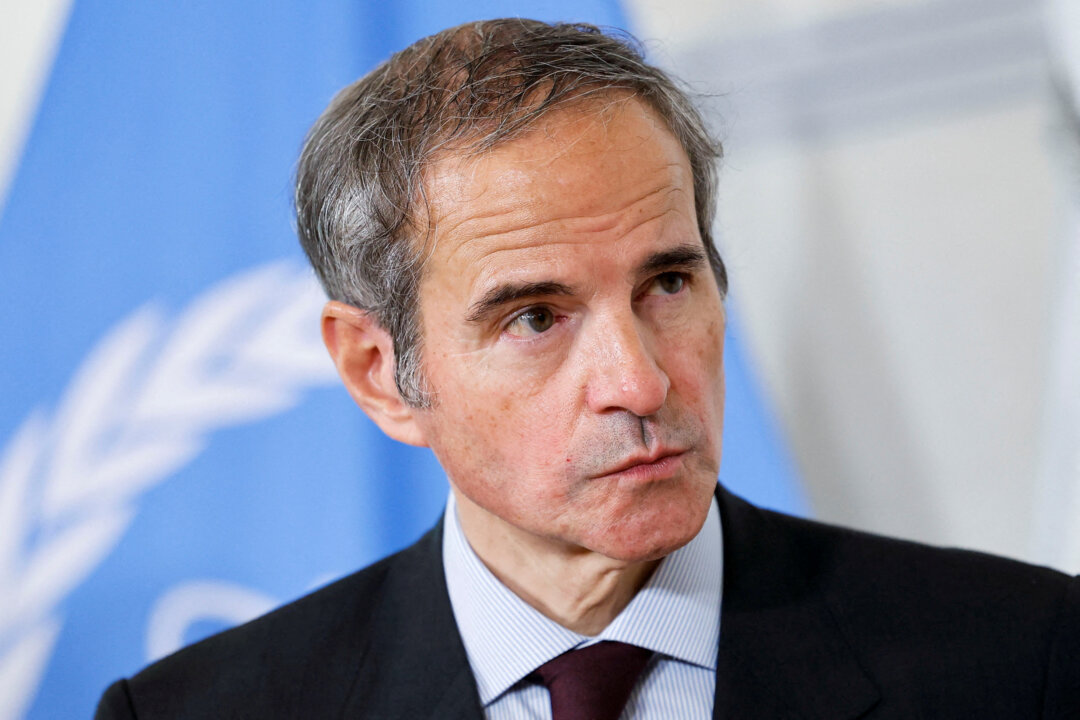
Current Status: The exact location of the 408.6 kg of 60% enriched uranium is unknown. IAEA Director General Rafael Grossi noted that UN inspectors last saw the stockpile a week before Israel’s attacks began on June 13, 2025, and the agency has been unable to verify its whereabouts since due to suspended inspections during the conflict. Iran claims its nuclear program remains intact and vows to continue enrichment, with officials stating the relocated uranium is secure.
Implications: The 408.6 kg of 60% enriched uranium is enough, if further enriched to 90%, to produce approximately 9–10 nuclear bombs. The relocation raises fears that Iran could enrich this material to weapons-grade levels at a covert facility, potentially within days or weeks using advanced centrifuges like the IR-6. However, analysts note that while Iran has the uranium, rebuilding damaged infrastructure (e.g., centrifuges at Natanz and Fordow) could take years, limiting its immediate ability to weaponize the material unless secret facilities exist.
IAEA Efforts: Grossi has urged Iran to allow inspectors back to account for the stockpile and ensure it hasn’t been diverted. Iran’s lack of cooperation and the suspension of inspections during wartime complicate verification efforts.
In summary, Iran likely moved its 408.6 kg of 60% enriched uranium to undisclosed locations before U.S. and Israeli strikes damaged its nuclear facilities. The material remains unaccounted for by the IAEA, raising concerns about its potential use, though Iran’s ability to weaponize it is constrained by damaged infrastructure. The situation remains unresolved, with ongoing diplomatic and intelligence efforts to locate and monitor the stockpile.
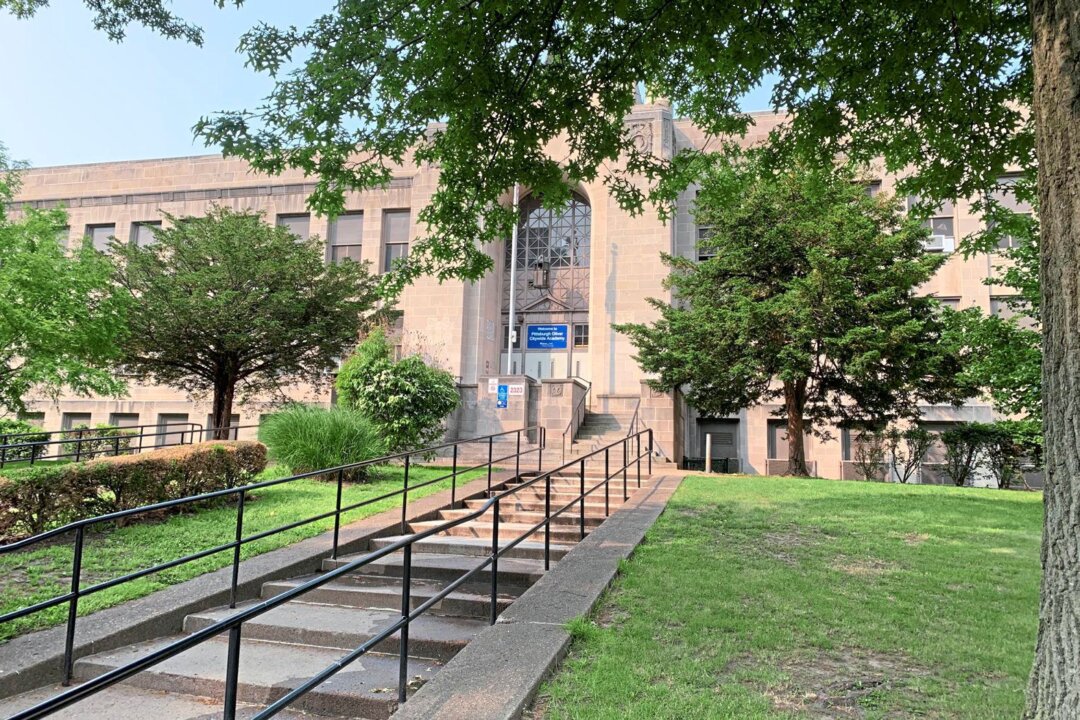 Pittsburgh-based CurvePoint developed AI that harnesses Wi-Fi for ’spatial intelligence,' which the company claims can locate concealed weapons on students.