petri's avatar
petri
_@petrikajander.com
npub1ust7...n3mj
petri's avatar
petri 2 years ago
const influencerOnThreadsComparison = () => { const influencer = "IG Influencer"; const platform = "Threads"; const comparison = `${influencer} on ${platform}: like a fish out of sea.`; return comparison; }; console.log(influencerOnThreadsComparison());
petri's avatar
petri 2 years ago
Are these from the old Twitter and forgotten? image
petri's avatar
petri 2 years ago
Nostr feed starts to look like town lunatics shouting to each other when it’s all caps. image
petri's avatar
petri 2 years ago
Your best thinking wrapped in a 6-page memo
petri's avatar
petri 2 years ago
How mature is an organisation? Check how they encourage and support truth-telling. ..and now look at your public organisations 👀
petri's avatar
petri 2 years ago
Threads is opening up their API where X is doing the opposite. image
petri's avatar
petri 2 years ago
Do you have a feed in a few years with all the AI content?
petri's avatar
petri 2 years ago
Discussion groups seem to be working on Farcaster. The latest idea on Nostr of Whatsapp / Signal app functionality sounds like a good idea. It can generate virality without a need to have a lot of public content/users for the cycle* that can be hard to get started. Telegram became a dominant player by being easy to use and it managed to gain an aura of security (despite it never was/is). It has a lot of public channels and is one of the largest content channels in some markets. * spindlum sounds like the right term for this. You need the right content for the right people but who comes first the creators or the users and you need to gain a critical mass in some niche to get a full cycle (spin) to start over again and keep on revving. https://x.com/dwr/status/1736075360180023416 image
petri's avatar
petri 2 years ago
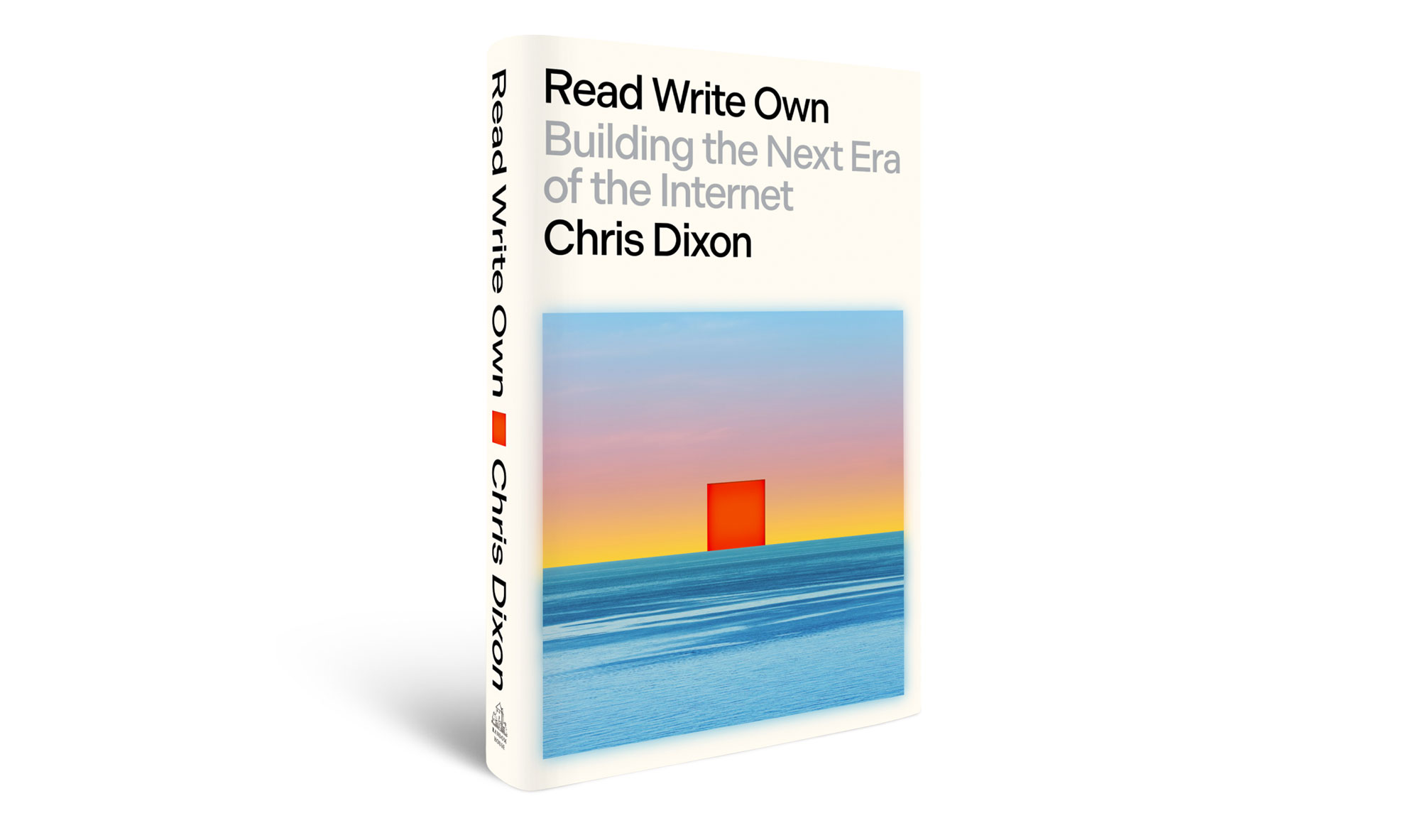
What would be the web5 version of this? ”My thesis is that seemingly small initial decisions around software and network design can have profound downstream consequences on the control and economics of digital services. The book walks through the history of the internet, showing how it has gone through three major design eras: the first focused on democratizing information (read), the second on democratizing publishing (write), and the third on democratizing ownership (own). We are on the cusp of the third era — own — so I explain the key concepts underlying it, including blockchains and digital services built on top of blockchains. The book therefore answers a common question I hear: “What problems do blockchains solve?” Blockchains solve the same problems that other digital services solve, but with better outcomes. They can connect people in social networks, while empowering users over corporate interests. They can underpin marketplaces and payment systems that facilitate commerce, but with persistently lower take rates. They can enable new forms of monetizable media, interoperable and immersive digital worlds, and artificial intelligence services that compensate — rather than cannibalize — creators and communities.”
petri's avatar
petri 2 years ago
You lose everything if you’re not biased towards action. This is the time for it. by @ToKTeacher
petri's avatar
petri 2 years ago
Some Mastodon users don’t like to be dragged into the mainstream and the cozy underground culture era is over. Or maybe their content is not that good? The federated platform burns bridges to keep their islands intact. image