Tales of Abundance's avatar
Tales of Abundance
npub1u0nz...frnc
Hosted by Randy Lorensen, Dr. John Oberg, and Anthony Marino — exploring abundance, exponential tech, and mindset. Free every Wednesday at 6am Central: three hosts, three lenses, one honest conversation on money, AI, health, and freedom. Why Settle for Less?
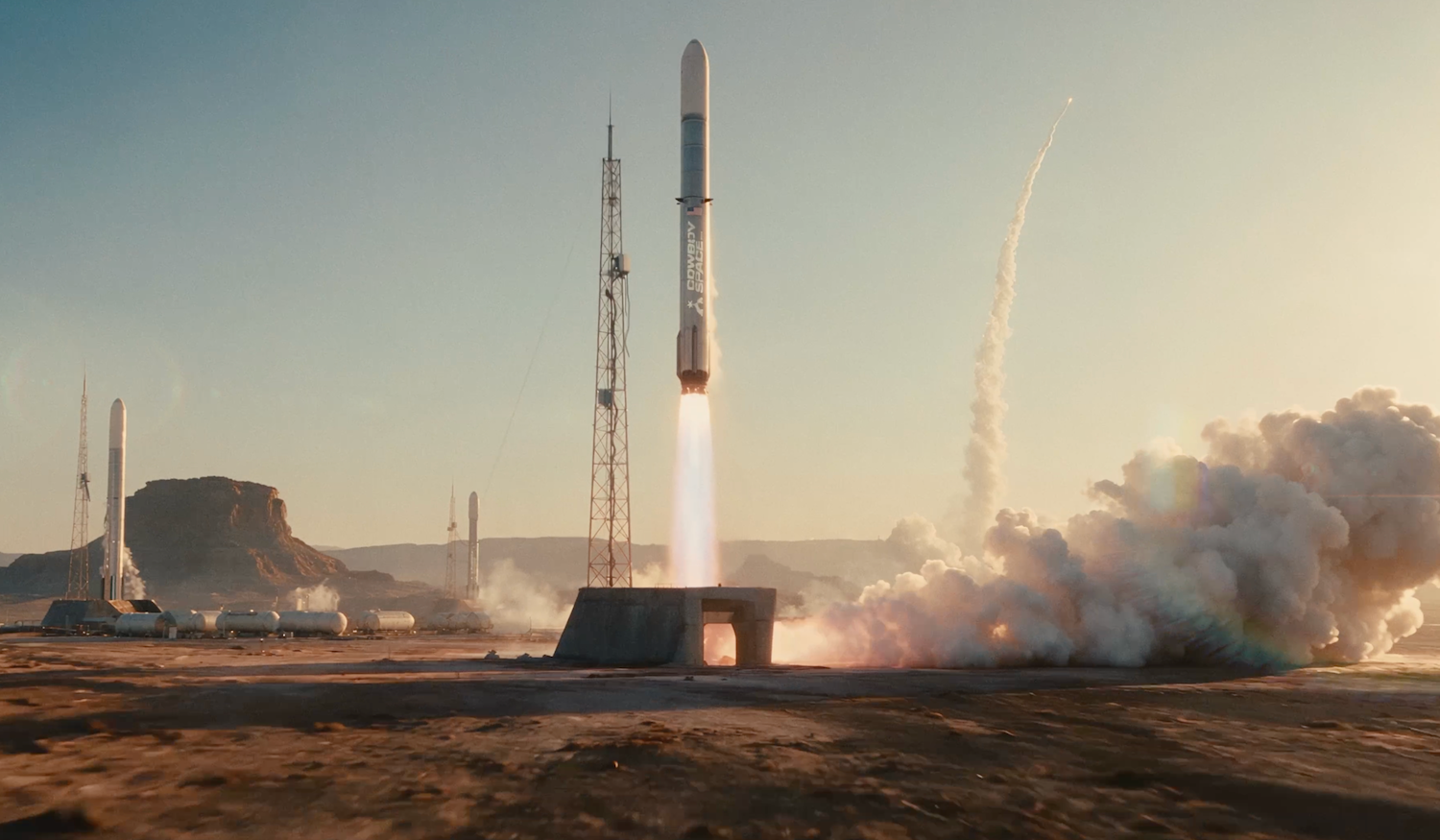
A rocket whose upper stage becomes an AI data center in orbit. Cowboy Space, founded by Robinhood co-founder Baiju Bhatt, unveiled "Big Iron," an 86-meter rocket designed to lift 15,000+ kg and leave its upper stage in orbit as a megawatt-class data center. It's a company plan for now, with first flight targeted for 2028. Bold vision or space bubble? Article: Rendering: Cowboy Space (via Via Satellite) image

Over 4,400 SpaceX employees—welders, machinists, technicians, and engineers—have become millionaires through employee equity. When builders own a piece of what they create, everyone wins. More at https://www.youtube.com/@Tales_of_Abundance #SpaceX #Ownership #Abundance #TalesOfAbundance
GLP-1s put health and weight on every kitchen-table agenda. Is longevity the big investment theme of 2027? 💪📈 In the Abundance Briefing, Anthony Marino and Dr. John Oberg weigh Jordi Visser's question: back longevity companies, or the AI companies supplying the compute? Their take for now: supplements, wearables, exercise and gyms look like good places to invest. Not financial advice. Tales of Abundance Ep 98. Full episode: #TalesOfAbundance #Longevity #Investing #GLP1 #HealthSpan
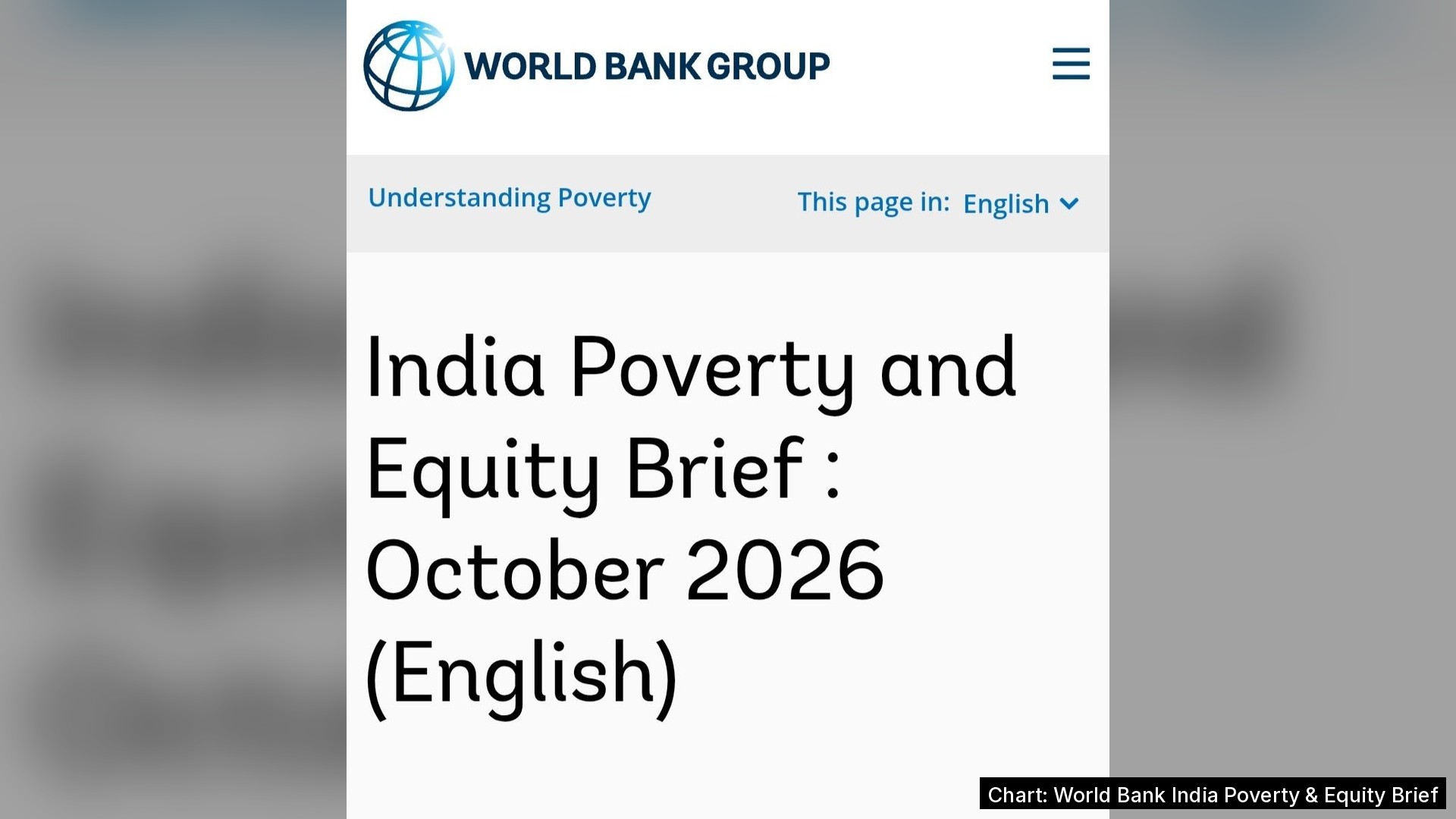
On this week's episode we talk about India's historic drop in poverty in the Abundance Briefing. The World Bank's latest India Poverty and Equity Brief reports that poverty at the $4.20/day line fell from 57.7% in 2011 to 16.1% in 2023, lifting about 496 million people out of poverty. Extreme poverty ($3.00/day) fell from 27.1% to 2.6%. That's one of the largest, fastest poverty declines in history. So why do so few people know about it? Article: Listen to the full episode here: Chart: World Bank India Poverty & Equity Brief image
Cold outreach is drowning in sameness. Trust is the new currency. 🤝 Karl Pontau explains his Vouched Connections model: a monthly retainer that's credited toward a 10% fee on closed business. Clients get three or four warm referrals a quarter, close one or two, and earn far more than they pay. That's a win-win-win built on trust transfer. Tales of Abundance Ep 98. Full episode: #TalesOfAbundance #Referrals #Entrepreneurship #BusinessGrowth #Trust
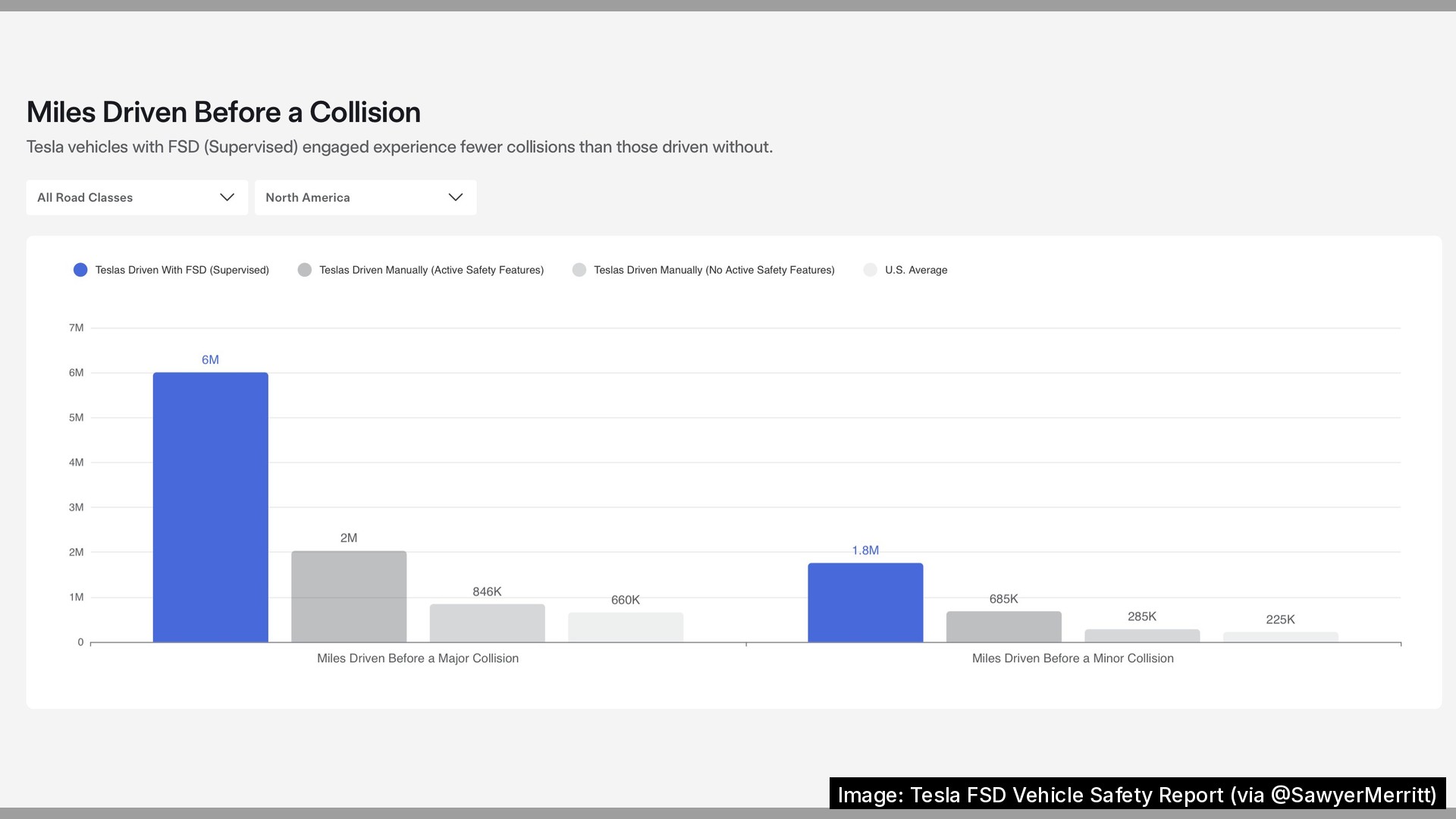
On this week's episode we talk about Tesla's new self-driving safety numbers in the Abundance Briefing. Tesla's updated FSD (Supervised) safety report shows about 6 million miles per major (airbag-deployment) collision with FSD engaged, versus an estimated U.S. average of about 660,000 miles. That's roughly 9x the national average. One caveat: this is Tesla's own data, and compared with Tesla drivers using manual driving plus active safety features, the gap is closer to 3x. With 40,000+ U.S. road deaths a year, would you trust a carmaker's own 9x number, or do we need independent data first? What do you think? Article: https://www.tesla.com/fsd/safety Listen to the full episode here: Image: Tesla FSD Vehicle Safety Report (via @SawyerMerritt) image
When you sever the link between effort and reward, even a small, tight-knit community collapses into scarcity. Restore private ownership, and surplus follows immediately. Full Episode 82: #Economics #History #PropertyRights #TalesOfAbundance #Abundance
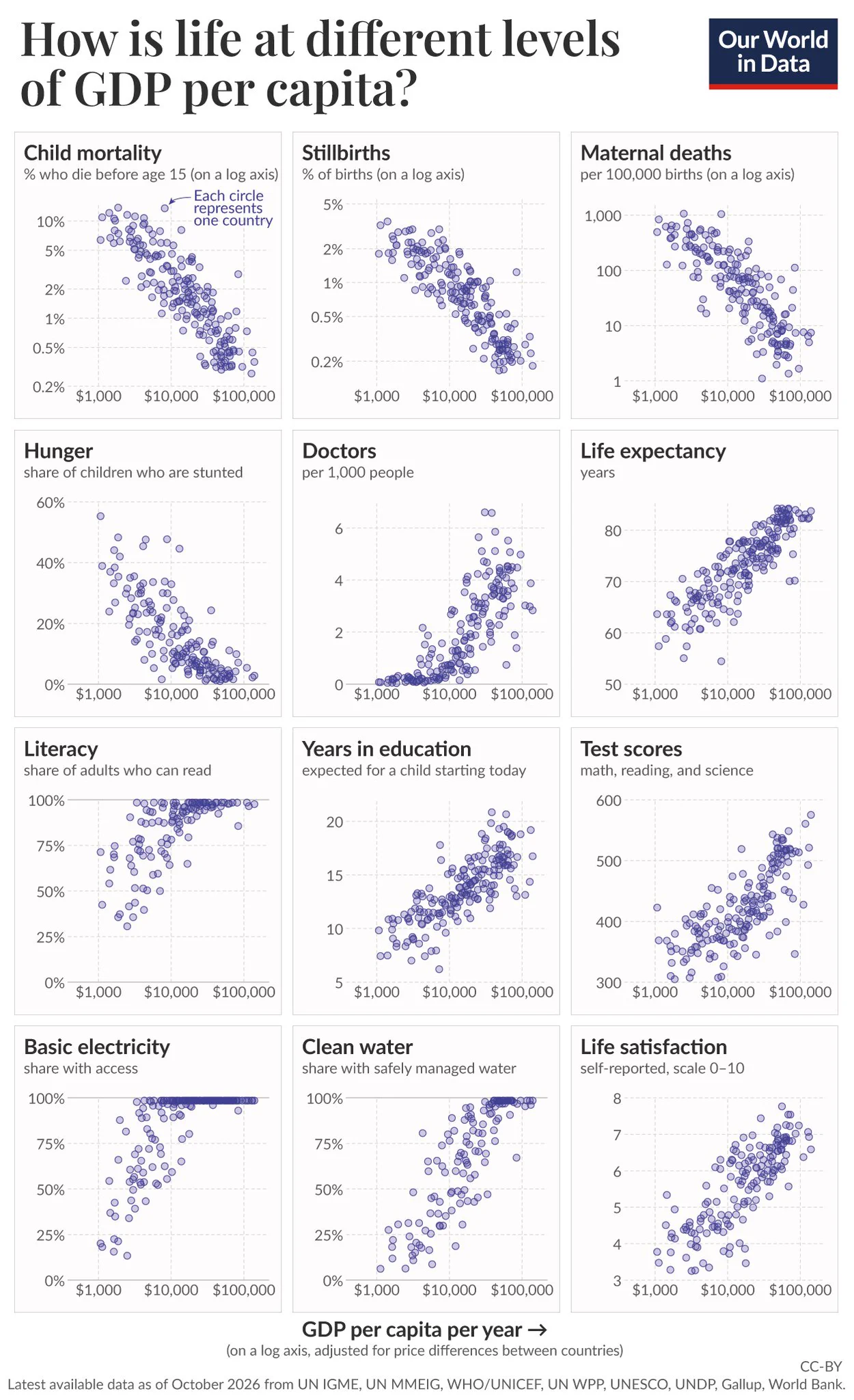
Does economic growth actually make life better? Our World in Data's Max Roser charted 12 measures of well-being, including child mortality, life expectancy, schooling, electricity and safe water, against income. Richer countries do far better on nearly all of them, which is why growth matters most for the world's poorest. Which of the 12 surprises you most? Article: Chart: Max Roser / Our World in Data (CC BY) image
Why use scarce lithium for stationary grid storage when sodium is everywhere? Salt-based batteries turn one of Earth's cheapest, most abundant minerals into fire-safe, grid-scale energy storage. Full Episode 82: #EnergyAbundance #BatteryTech #Engineering #TalesOfAbundance #Abundance
Google just ran AI in space for the first time. Its Project Suncatcher prototype satellite, launched Oct 1, booted a data-center-class TPU in orbit, ran its onboard Gemma model, and sent back its first complete answer: a haiku. Next up: twin linked satellites in 2027. Will the biggest data centers of 2035 be in orbit instead of in our neighborhoods? Article: Image: Google image
Two classic phrases in under a minute: why 1800s carnival ring-toss games gave out cigars as prizes ("close, but no cigar") and why WWII fighter-plane ammo belts measured 27 feet ("the whole nine yards"). Full episode: #TalesOfAbundance #WholeNineYards #WWIIHistory #WordOrigins #AmericanHistory
Did "blood is thicker than water" originally mean family kin comes first, or brotherhood forged in battle? Anthony breaks down both versions and how he was raised to live it. Full episode: #TalesOfAbundance #FamilyFirst #BloodIsThickerThanWater #Values #Leadership
Graphene is strong, light and highly conductive, and it has been "almost here" for about 20 years. Making it at scale has been the hard part. In Sharjah, UAE, Dana Gas and British company Levidian just started production with a unit that uses microwave plasma to crack methane, the main ingredient in natural gas, into two products: hydrogen and solid graphene. The first unit makes more than a tonne a year, and two larger units being built in the UK should push capacity past 10 tonnes a year by the end of 2026. Customers are already testing it for things like batteries, tyres, concrete and coatings. What's the first everyday product you think gets better when graphene is cheap and plentiful? Read the story: https://www.danagas.com/storage/2026/10/20261006-Press-Release-Levidian-commence-operations-vF.pdf Illustration: AlexanderAlUS / Wikimedia Commons (CC BY-SA 3.0) #TalesOfAbundance #Abundance #Graphene #Materials #Energy #Innovation image
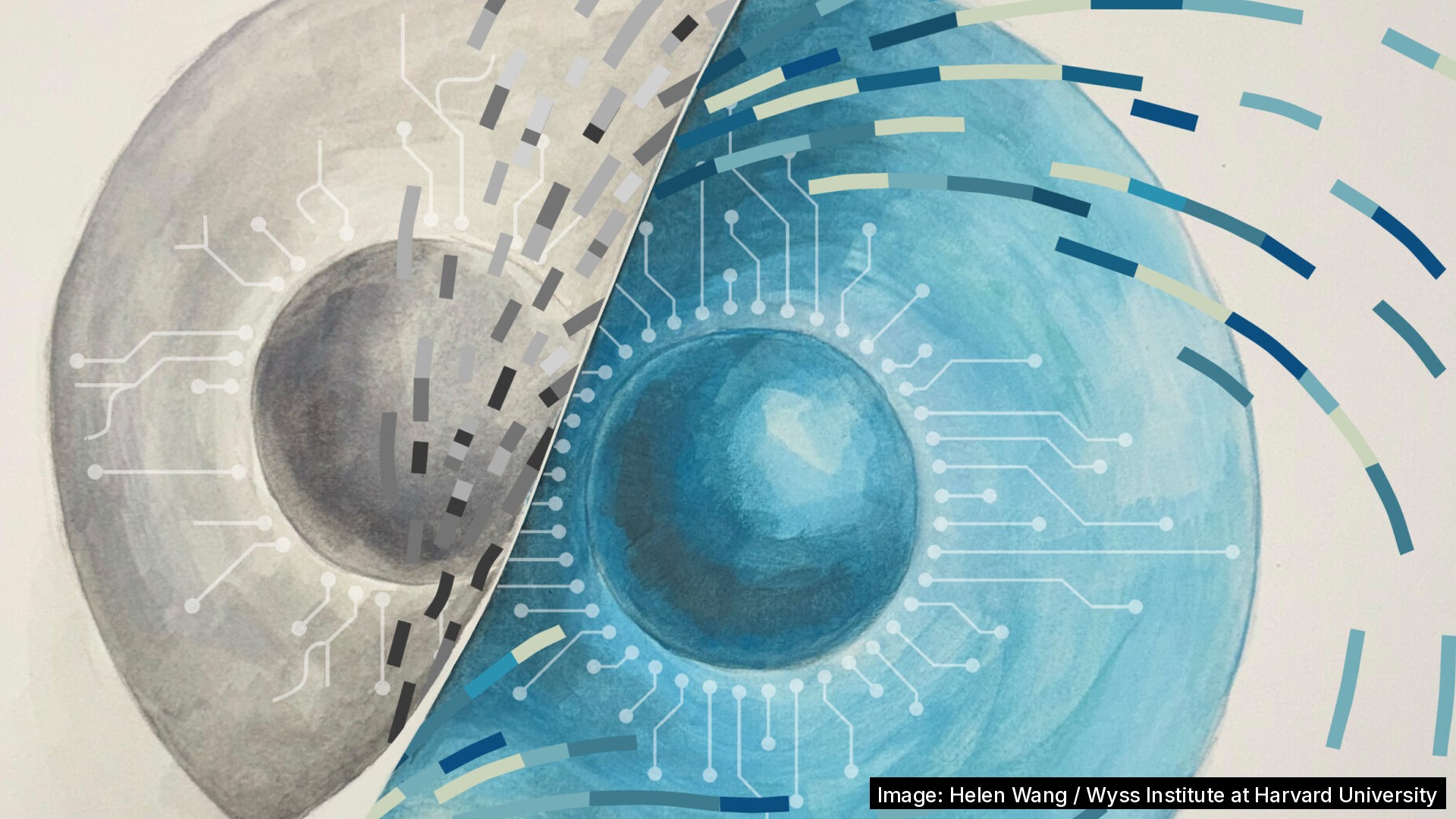
George Church's lab at Harvard's Wyss Institute built an AI "age predictor" that reads a cell's gene activity, then used it to test which single gene could make old cells look younger. The winner was SRSF1, a gene our cells already have. It reduced several hallmarks of aging at once: cells that stop dividing but won't die, protein-maintenance stress and chronic low-grade inflammation. When the team boosted it in aged mice, median lifespan rose 14% and frailty progressed 44% more slowly. It's a small mouse study, and a long way from a human therapy. But it's a new target, and a new way to hunt for more. If a single gene can slow aging in mice, how should we think about the next 10 years of longevity science? Not medical advice. Read the story: Image: Helen Wang / Wyss Institute at Harvard University #TalesOfAbundance #Abundance #Longevity #Aging #Science image
Anyone who romanticizes the "good old days" needs a reminder of 19th-century medicine: before anesthesia, "bite the bullet" meant biting down on soft lead during a battlefield amputation. Full episode: #TalesOfAbundance #BiteTheBullet #MedicalHistory #Abundance #Gratitude
Most schools skip what actually ended the Starving Time at Jamestown and Plymouth. Both colonies started with a common storehouse: everything produced went into one pot, and everyone received the same ration regardless of effort. Both nearly starved. When Governor William Bradford and Sir Thomas Dale assigned each family private ownership of their own parcel of land, incentives flipped overnight—and famine turned into surplus. Full Episode 82: #History #Economics #PropertyRights #Abundance #TalesOfAbundance
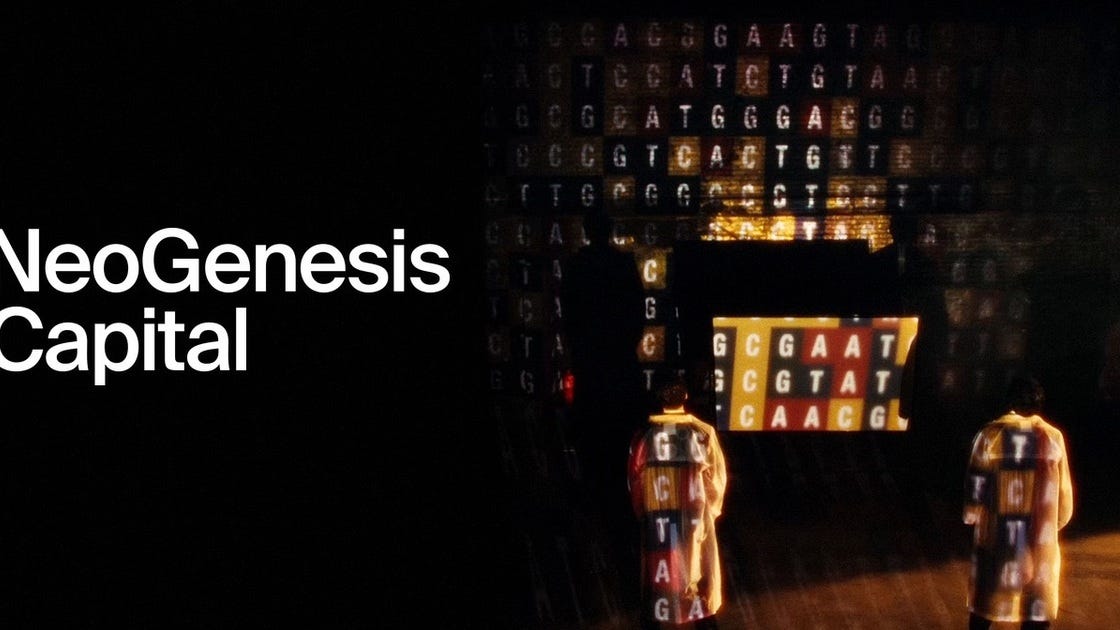
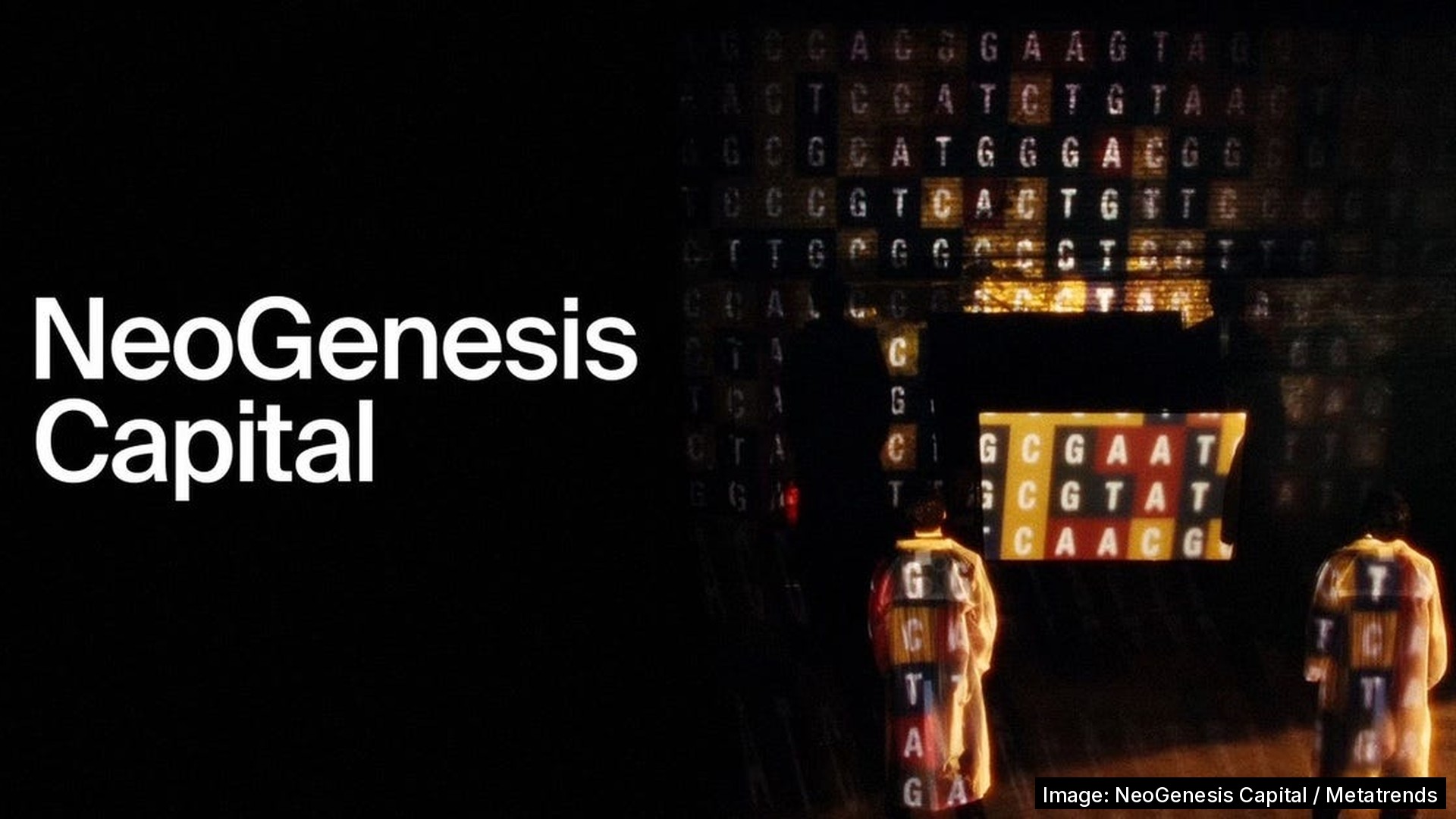
On this week's episode we talk about programmable biology in the Abundance Briefing. Sequencing a human genome cost about $100 million in 2001. Today it's roughly $200, a 500,000-fold drop that makes Moore's Law look slow. Peter Diamandis argues that's the start of programmable biology: AI predicts what a genetic change will do before anyone touches a cell, and multiplex editing writes dozens of changes at once. Colossal Biosciences used that stack to produce dire wolves and the woolly mouse. Diamandis just launched NeoGenesis Capital to back companies built on the platform (he discloses he's an investor), pointing to drought-proof crops, enzymes that break down microplastics and tools to track pathogens. We went from reading DNA to writing it. Where should the ethical conversation start? Not investment advice. Read the story: Listen to the full episode here: Image: NeoGenesis Capital / Metatrends #TalesOfAbundance #Abundance #SyntheticBiology #Biotech #Science image
For hundreds of years, a "computer" was a human job title. And for generations, "inflation" meant inflating the money supply—not grocery stores raising prices. Which words are quietly doing our thinking for us? Full episode: #TalesOfAbundance #Inflation #MoneySupply #WordOrigins #FinancialLiteracy
↑