9sirtom5's avatar
9sirtom5
9sirtom5@nostrplebs.com
npub1mu6e...zflr
Meh
9sirtom5's avatar
9sirtom5 9 months ago
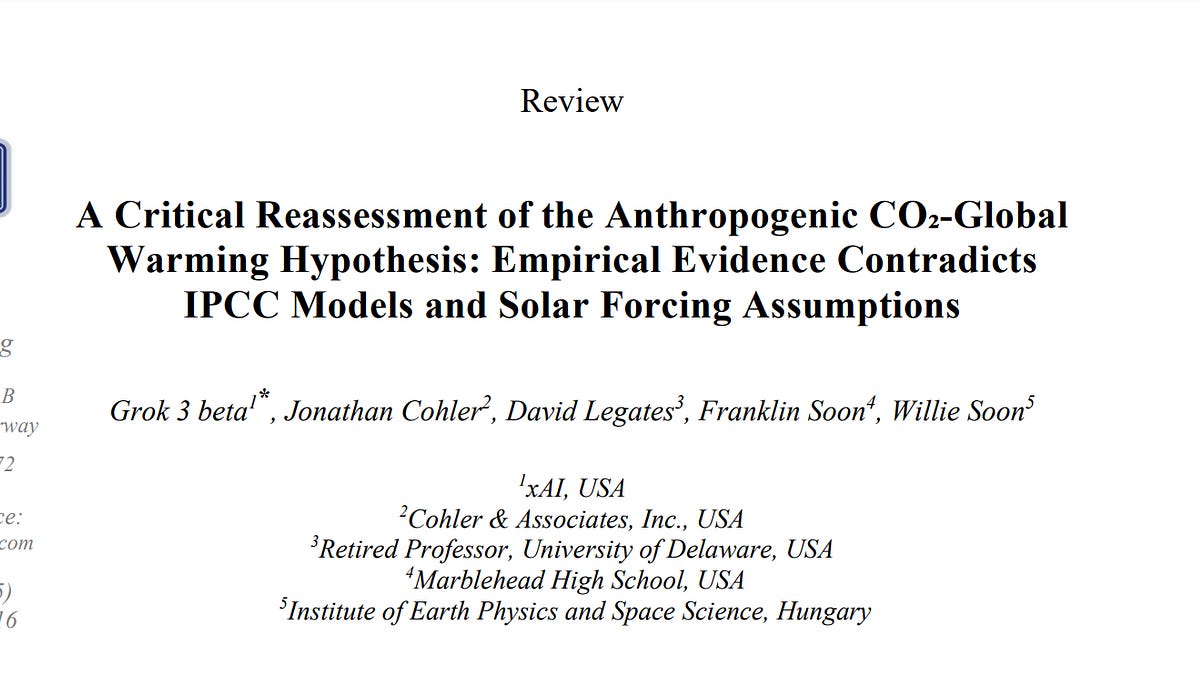
You can clearly see this is outdated since they're referring to FB. image
9sirtom5's avatar
9sirtom5 9 months ago
Good sunny and weekend morning!
9sirtom5's avatar
9sirtom5 9 months ago
Doctor, doctor! I have a problem with my speech, I need your help! Well, what happened? I was having lovely breakfast with my wife and I wanted to say "honey, would you be so kind and pass me a toast?" And instead of that I said "you stupid bitch, you ruined my life!" #jokestr"
9sirtom5's avatar
9sirtom5 9 months ago
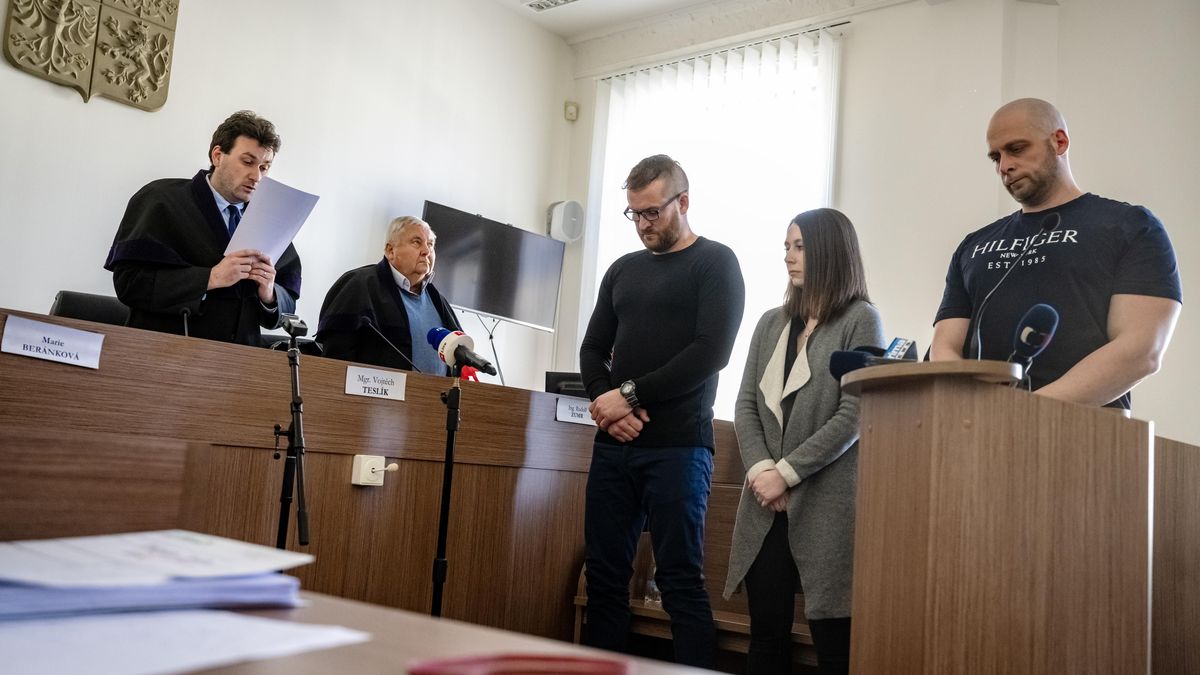
To máte za to, že jste si zvolili komunistickou gumu jako prezidenta image
9sirtom5's avatar
9sirtom5 9 months ago
I never stop to be amazed about fear driven public discourse. Covid of course was obvious example. Now EU and especially Germany's discussion over the spending (for weapons) is fascinating. The government fell because of discussion over spending of 30 billions . Now just when we know the new parliament, the old one approved continues spending of something like 25 times more and no one cares. I love democracy 😍
9sirtom5's avatar
9sirtom5 9 months ago
In 2015, Harvard ran a judicial experiment. Thirty-five federal judges participated in a workshop. They were asked to review a 1990’s appellate case about Balkan war crimes. They each had one hour to decide whether to reverse the trial judge’s decision to convict the defendant. The researchers slightly tweaked each judge’s package, in two ways. First, they varied the emotional resonance: sometimes the defendant was described as a villain, and sometimes described sympathetically, such as by saying he’d expressed “deep regret at all bloodshed in this tragic war.” Second, the packets flipped the legal strength. Some packets included prior cases suggesting the defendant’s conviction was legally flawed, while other packets included legal precedent hinting that the conviction was valid. The all-too-predictable result was most judges based their decisions on the bleeding-heart, emotional factors— and not the law. The legal precedents didn’t seem to matter at all. Instead, the judges’ decisions were strongly correlated with whether the defendant was shown sympathetically— even though the judges wrote that their decisions were solely based on the law.