Blackbelt Prepper's avatar
Blackbelt Prepper
blackbeltprep@iris.to
npub1m44j...rcah
U.S. Army (Ret.), Combat Veteran. Vetrepreneur.
Andrew explains it the best. I miss my job of collecting real intelligence, rather than analyzing dots or watching FMV feeds. Watch the entire video before questioning or debating us. #situationalawareness #NewsTalk #blackbeltprepper #blackbeltpreparedness #preparedness
Intel Update 15Nov25 #situationalawareness #IntelReport #news #intelligenceupdate #opensource
Pacific Weekly #74 Japan takes an interventionist stance against China, anti-Xi and anti-CCP protests may be on the rise, and Thailand has still suspended the peace deal with Cambodia. #opensource #opensourceintelligence #intelligence #news #situationalawareness #blackbeltprepper #blackbeltpreparedness #IntelBrief
Respect is Earned Daily. image #leadership #duty #respect #selflessservice #honor #integrity #personalcourage
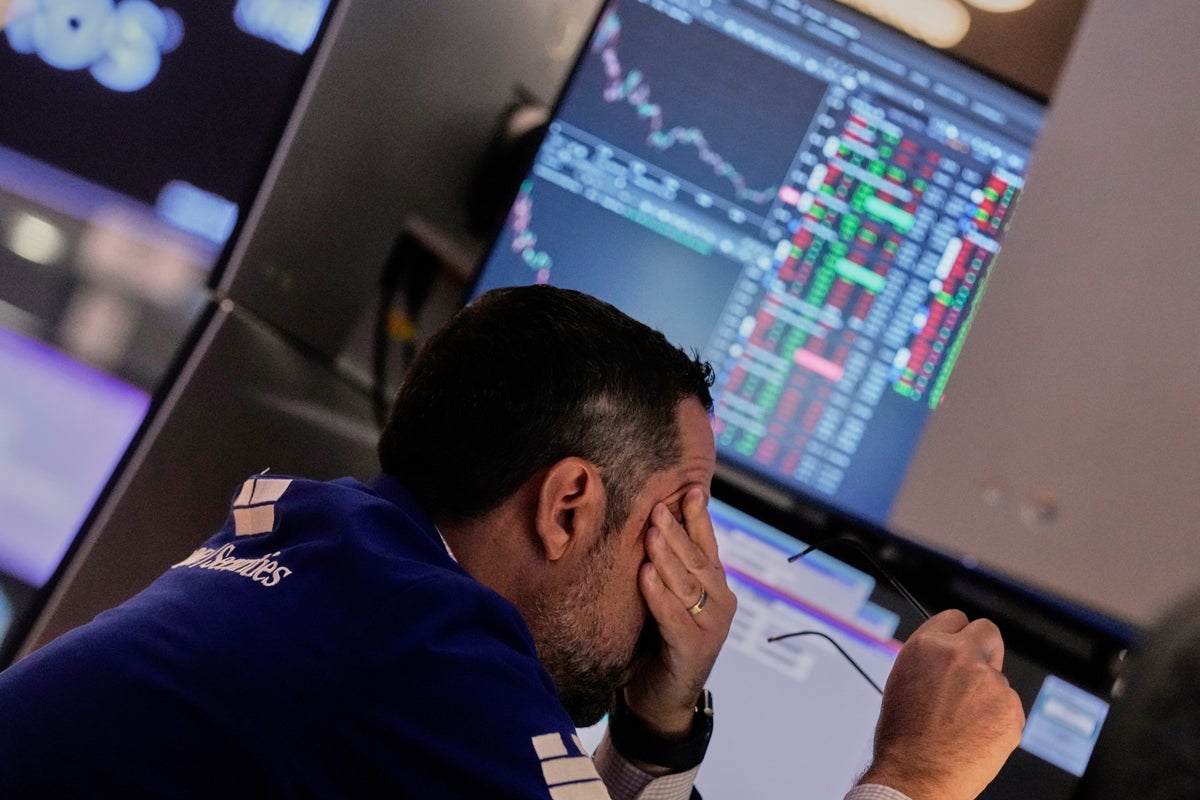
Falling bank stocks Investors once again sense not all is well with regional banks. First, Zions Bancorp reported it had to write off $50 million in bad loans tied to borrowers facing legal troubles Then, Western Alliance announced that it had filed a lawsuit in August that alleged one of its borrowers had committed fraud The two banks’ stocks fell 13.14% and 10.81%, respectively, on Thursday.  The KBW Nasdaq Bank Index declined 3.64% on Thursday, bringing its year-to-date return to 12.96%, which happens to be exactly in line with the S&P 500. That marked bank stocks’ worst day since President Trump’s “Liberation Day” tariff announcement.  The regional version of the banking index fared much worse, however, falling 6.3% Thursday. That turned out to be the KBW Regional Banking Index’s biggest sell-off against the S&P 500 since March 2023, when Silicon Valley Bank collapsed in what turned out to be the third-largest bank failure in US history.  Western Alliance said in a statement it had “sufficient confidence” in its credit portfolio to affirm its guidance, according to a Wall Street Journal report. Still, the backdrop for the banking sector was already fragile. Two auto industry companies — First Brands and Tricolor Holdings — just went bankrupt, dragging shares of Jefferies down double-digits due to its exposure to the fallout. During JPMorgan’s earnings call on Tuesday, CEO Jamie Dimon didn’t exactly calm the jitters as he discussed why he was more concerned than most about the current credit and financial outlook. “When you see one cockroach, there are probably more,” Dimon said in reference to the auto loan companies going belly-up. Wall Street banks like JPMorgan, Goldman Sachs and Citi are coming off stellar earnings results this week. That strength, however, suddenly feels less robust in light of wobbling among the smaller regional peers. "We've had a credit market bull market now for the better part of since 2010,” Dimon said. “These are early signs there might be some excess out there because of it. If we ever have a downturn, you're going to see quite a few more credit issues.”
Types of Investors In Benjamin Graham's book, he defines two types of investors based on the aggressiveness of their portfolios: • The active / enterprising investor; and • The passive / defensive investor The former requires continuous researching of stocks, bonds, and mutual funds and this type of investor exerts much time and energy, while the latter has a fixed portfolio that runs autonomously regardless of the situation. If you plan to become an investor, pick the type that best suits your personality to ensure the longevity of the approach. #veteranjaime #veteranlife #veteranstrong
Gold takes on tech Institutional investors are buying more stocks than ever and yet they have turned more bullish on gold than the Magnificent 7, according to Bank of America’s October fund manager survey. Forty-three percent of respondents ranked “long gold” as the most crowded trade this month, ahead of the 39% for “long Magnificent 7.” That’s flipped since September, when 42% of respondents said “long Magnificent 7” was the most crowded trade and just 25% said the same for “long gold.” For context, over the last four weeks: Gold: +14.3% Magnificent 7: -0.50% No wonder the latest round of fund manager respondents — who together oversee $468 billion in assets — have changed tune on the most crowded trade. Tech stocks have fueled the Nasdaq higher in 2025 (Chart courtesy of Exhibit A) The performance and survey sentiment aligns with JPMorgan’s recent report on the so-called debasement trade, which details investors’ broad rotation into hard assets like gold or bitcoin. It also tracks with the recent uptick in chatter around an AI bubble. In fact, according to BofA’s survey, the biggest tail risk for investors is an “AI equity bubble,” with one-third of respondents ranking that first. In September, that wasn’t even seen as a top-three tail risk. In a separate report published Wednesday, BofA also reported that clients bought the dip last week with the S&P 500 falling 2.4% after being net-sellers for the prior four weeks. Inflows into single stocks hit $4.1 billion, 5th highest since 2008 Institutional weekly inflows hit highest level since November 2022 Hedge funds continued to sell equities for a 5th week in a row
🚨BREAKING UPDATE: $420,000,000 wiped out from the crypto market in the past 60 minutes. 😂😂😂😂 Biggest Scam Ever!