“Guy Satoshi Daiji Bishamon Kikko PCB”
#x/21 Green & Gold
#x/21 Black & Gold
PCB 2.5” x 3.5”
(Overall size w/ acrylic case 3.5” x 5.5”)
A collaboration between artists Asanoha and Modeotec. This artwork is a study into one of the most tangible base layers of bitcoin, a printed circuit board. Created utilizing the same material, and process, that every ASIC chip currently securing your sovereignty is mounted upon. The same material contained within each of our Bitcoin nodes. The same material that lived in the computer Satoshi used to create Bitcoin itself.
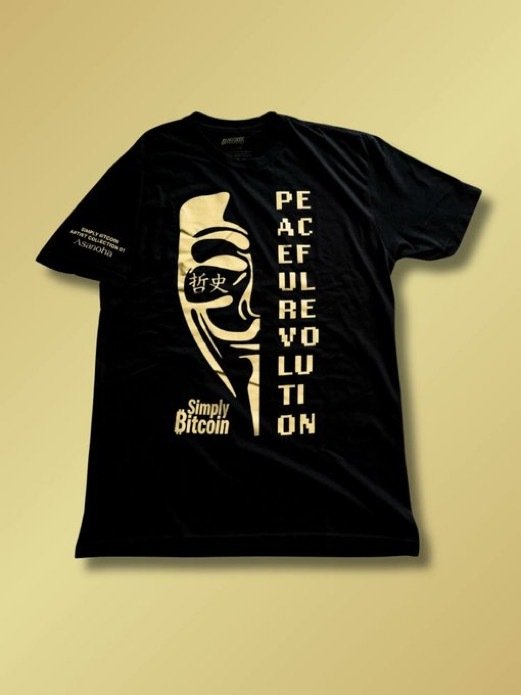
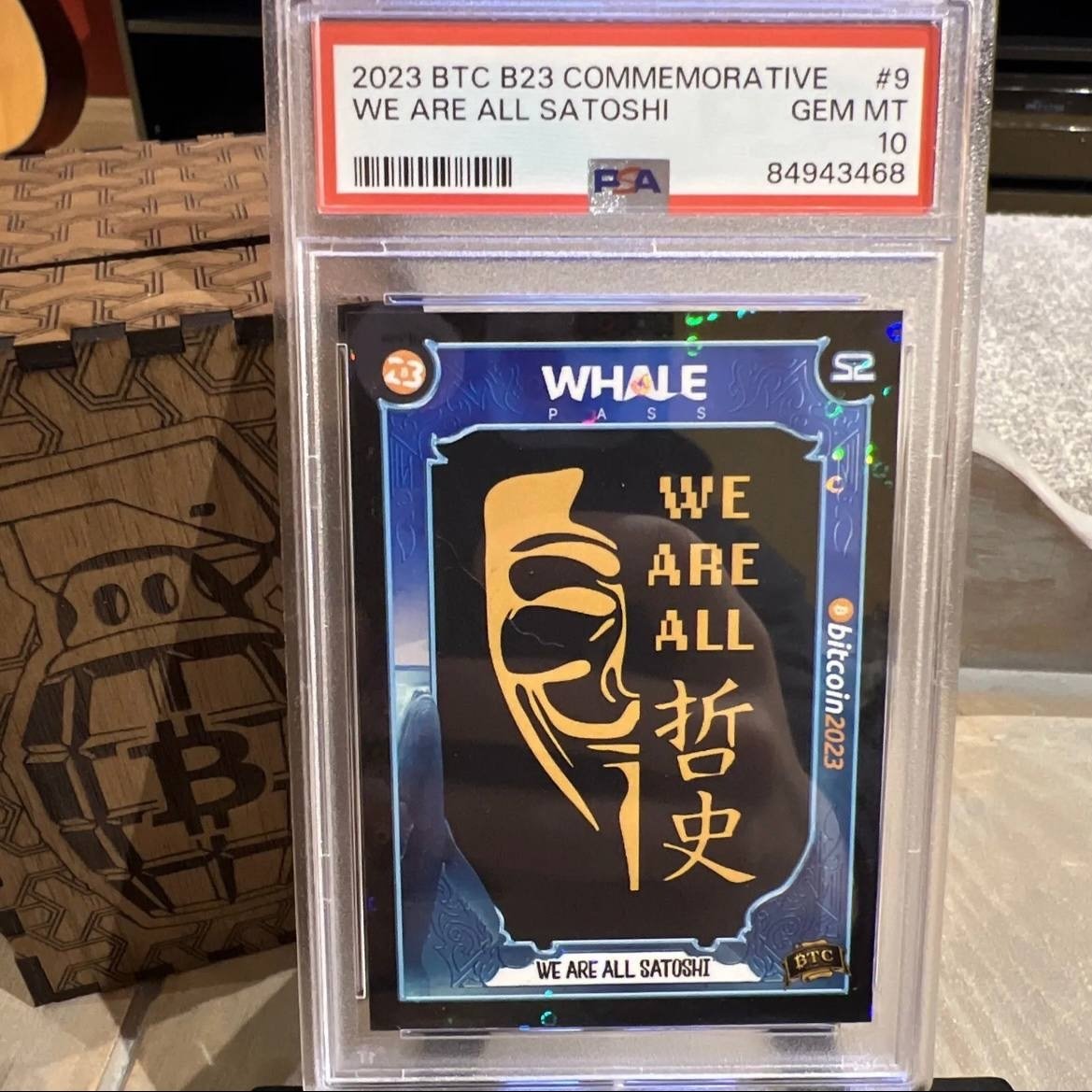
The Kanji on the top of the mask means “Satoshi”. The first character represents, “Wise, Sage, Philosopher”. The second character represents, “History, Chronicle”. These are the true kanji representations, and one of the many ways to spell “Satoshi” using Japanese kanji.
Infinity divided by 21 million.
The concept brought to us by Knut Svanholm and discussed in the video with Guy Swann and Ioni Appelberg.
‘Bitcoin: Everything there is, divided by 21 million’.
The Kanji next to “21”, represents “million”. It is written in Daiji, a more complex form of writing Kanji numbers. Used on banknotes and official documents in Japan to prevent forgers or nefarious individuals from altering the more simple Kanji numbers, by adding a stroke or two (such as turning a one into a two, or a three into a five). Just as bitcoin prevents fraud by the genius of Satoshi’s consensus protocol.
The pattern on the back of this artwork is called Bishamon Kikko. Kikko (亀甲) are small iron or hardened leather, hexagon shaped plates used in the construction of Japanese armor worn by samurai. Bishamon, or Bishamonten, is the Japanese name for the Buddhist god Vaiśravaṇa, guardian of the North, one of the Four Heavenly Kings, and a patron god of warriors in Japan. In Japanese folklore he is one of the Shichi-fuku-jin, “Seven Gods of Fortune”. Bishamon is portrayed holding a spear in one hand and a small pagoda in the other, symbolizing the divine treasure house, whose contents he both guards and gives away. He is also called Tamonten (多聞天), which means “listening to many teachings”. He is the protector of the righteous, and the protector of the places where the Buddha preaches.
The Bishamon Kikko pattern represents strength, protection, and consensus. It is also a form of sacred geometry. Sacred geometry is the oldest, and purest, form of conceptualizing precise mathematical truth. Bitcoin is the newest, and purest, form of energetic storage and transference based upon precise mathematical truth.
Vivant Reliquiae.
The Remnant Lives.
Viva La Remanente.
Long Live The Remnant.
- Asanoha & Modeotec