Finalmente CROLLA TUTTO, 💉 Pandemenza, 🏳️🌈 Woke e 🥬 Gretini Cambiamento Climatico
Zuck ha vuotato il sacco sulla propaganda asfissiante è ha ammesso di aver censurato notizie vere sulla pandemenza per conto della Presidenza Biden USA. Con il cambio di regia sono crollati anche altri miti della scienzah come Cambiamento Climatico (che è stato chiuso il rubinetto dei soldi) e la deriva WOKE DEI Inclusiva.
👉 https://s.grigio.org/lGXDS
techonsapevole ⚡
techonsapevole@iris.to
npub16wh5...u3qp
8Axy9amM5R1fMn6U1dLFpdbXJZMoGaHXzjWReZx4nU626EZmbQcvRGKKK8QbagUzwnDr5m5ApihMpAFQZGUTxu6TRwZq5N5
Tech opensource / privacy / monero / linux / ai
I TREND AI PER IL 2025. ENTUSIAMO, REALTÁ E CONTRADDIZIONI
https://s.grigio.org/7ZlAD
BITCOIN E' CROLLATO A 101K, aggiornamento sul mondo crypto e turbolenza economica globale
Sembrava una previsione assurda ma alla fine Bitcoin è arrivato a 101k, con buona pace degli economisti mainstream, la situazione non è tutta rosa e fiori, ci sono ancora molte incertezze tecniche e sociali che frenano l'adozione e per ora Bitcoin è più un sistema per gli Stati per flexare la propria ricchezza che non per le persone per proteggere la privacy e dal debanking.
👉
#bitcoin #monero
Monero increses privacy with FCMP and quantum-resistance
#monero
Impressive video this shows the bind between digital payments and woke cancel culture worldwide
https://s.grigio.org/1dhHL
#bitcoin #monero
Bitcoiners up-only maxis after Unrealized Capital Gain tax #bitcoin #monero #privacy 

#monero 199


Institutionalized Mind Control, Run by the Idiots (Who Think They are Intellectuals)
https://s.grigio.org/aetwK
#privacy
HCPP24 | Yisi Liu - Beyond the Great Firewall: Global Frontiers in Privacy Tech #privacy #bitcoin
https://s.grigio.org/JRWop
The Priv/Acc Manifesto
A new force is rising in the digital age, a force to reclaim what has been quietly stolen: privacy.
We are the Privacy Accelerationists—driven by a simple conviction that privacy is not optional, but essential for personal freedom. Surveillance capitalism, government overreach, and the culture of data extraction corrode our ability to live freely, think independently, and interact with trust.
The future of privacy is no longer something that can be delayed, debated, or dissected. It must be accelerated—now. The pace of intrusion is relentless; our response must be swifter still. The tools to protect privacy—encryption, decentralized networks, and privacy-enhancing technologies—already exist. But only decisive action can ensure these tools are put into the hands of billions.
We are not radicals for desiring privacy, but because we understand that privacy is power—liberation in a world that seeks to control us. Privacy is rebellion. In a society where thoughts, desires, and behaviors are commodified for control, privacy becomes the means by which we reclaim our lives and identities.
The systems of surveillance—corporate, governmental, and societal—are intertwined, feeding off each other in a symbiotic cycle. But as history shows, even the most entrenched systems are vulnerable to revolution. Cryptography is that revolution. Anonymous transactions, encrypted communications, decentralized data: these are not just theoretical tools but the foundations of a new era.
Governments and corporations will attempt to stop us, justifying endless data collection with claims of “efficiency” or “security.” They will argue privacy is unnecessary in a world where transparency is a virtue. They will say, "If you have nothing to hide, you have nothing to fear."
We reject these premises entirely. Privacy is not about hiding—it’s about choice. The choice of what to reveal, to whom, and when. Without privacy, there is no autonomy; without autonomy, there is no freedom. The acceleration of privacy technology is our only path forward.
We do not oppose technology—we champion it. Our fight is against the hijacking of technology to strip away privacy and autonomy. We assert our right to navigate the digital world without the oppressive gaze of surveillance. By embracing technology as a tool for empowerment, we can restore control over personal information to where it belongs—with the individual. This is our moral imperative, our stand for a future where freedom and technology coexist.
The systems of control thrive on complacency and apathy. We are here to disrupt that cycle. We will accelerate the adoption of privacy-enhancing technologies—not as a slow reform, but as a revolution. Code is our weapon, and knowledge our shield. We build not for governments or corporations, but for people.
Privacy is the cornerstone of an open society in the digital age. To build that society, we will work with cryptographers, developers, activists, and everyday users. We will create networks that resist censorship, tools that ensure anonymity, and communities that defend privacy at all costs.
We will not wait for permission. We will not apologize for defending our right to exist unobserved. We are not products. We are not data points. We are free individuals.
Join us, or stand aside. Privacy will not wait.
Onward.
contact@privacc.org
LudlowInstitute.org
https://privacc.org/

Un minuto di silenzio per il figlio di Christine Lagarde che ha perso tutto #Bitcoin #crypto #ecb 

Love Punk: Evolving from Solarpunk & Lunarpunk - A Journey of Care and Community
This presentation dissects the fascinating evolution of punk subcultures, focusing on the rise and interconnectedness of Solarpunk, Lunarpunk, and ultimately, the speaker's self-identification as a "Love Punk." Here's a breakdown of key takeaways:
1. Punk's Genesis & Diversification:
The presentation begins by grounding itself in the original punk movement of the late 60s/early 70s, emphasizing its core ethos of DIY (Do It Yourself), self-expression, personal responsibility, and direct action against mainstream commercialism.
This rebellious spirit birthed subsequent subcultures: Cyberpunk (emerging in the early 80s) tackled dystopian futures dominated by corporations and surveillance, while Steampunk explored a Victorian-era infused future with gears and mechanics.
Cipher Punk, also from the early 80s, prioritized privacy and freedom through encryption and decentralized communication.
2. The Solarpunk Optimism & Lunarpunk's Mystical Counterpoint:
Solarpunk, arriving in the mid-2010s, offered a hopeful vision of technology used for human betterment and sustainable development. It championed transparency and open-source solutions (e.g., Gitcoin, Proof of Humanity).
Lunarpunk, emerging in the 2020s, introduced a mystical dimension focused on privacy through cryptography, balancing light and shadow ("Dark Forest" concept). This sparked debate as Lunar Punk critics perceived Solarpunk's transparency as potentially authoritarian.
3. Bridging the Divide: Love Punk Emerges:
Through dialogue with key figures like Rachel (Lunarpunk founder), the speaker realized shared values between both movements: community care and a better future. Differences stemmed from nuanced interpretations of privacy and openness.
Recognizing the common thread of love underlying these ideals, the speaker coined "Love Punk" – a unifying label emphasizing empathy, connection, and collective well-being as the highest form of punk activism.
4. Key Takeaways & Call to Action:
Language Shapes Movement: Consciously crafting narratives within subcultures is crucial for accurate representation and avoiding misinterpretations.
Punk's Core Remains Constant: Despite evolving aesthetics and focuses, punk's essence – community care, rebellion against oppression, and striving for a better world – endures.
Love as the Guiding Principle: "Love Punk" transcends labels, advocating for a future built on empathy, understanding, and collective action driven by love for humanity.
The presentation encourages us to move beyond rigid categorization and embrace the evolving spirit of punk, united by a core value: love as the driving force for positive change.
source:
Deconstructing the Crypto Trading Bot Myth: Why "Get Rich Quick" Schemes Fall Flat and a Realistic Path Forward
This comprehensive analysis, based on Julian's video breakdown on Ethereal Blocks, dissects the alluring yet often misleading world of crypto trading bots. While promising passive income and effortless profits, the reality is far more complex, demanding a nuanced understanding of technical, financial, and psychological hurdles.
The Allure and Illusion:
YouTube is rife with ads showcasing crypto trading bots as silver bullets for wealth generation. The concept – automated scripts executing trades 24/7, yielding massive returns with zero risk – is undeniably appealing. However, this seductive narrative masks significant challenges faced by the average developer.
Success Stories vs. The Everyday Reality:
While firms like Jump Trading and Wintermute rake in billions through sophisticated algorithmic strategies, and flash loan arbitrage bots generate thousands per trade, these triumphs belong to heavily capitalized institutions with:
Ultra-Low Latency Infrastructure: Executing trades in milliseconds, leaving individual developers lagging behind.
Deep Industry Connections & Expertise: Teams of quant analysts, software engineers, and trading strategists constantly refining models.
Massive Capital Deployment: Enabling them to absorb market fluctuations and pursue high-risk, high-reward strategies inaccessible to solo traders.
Five Key Reasons Why Individual Developers Struggle:
Speed is Paramount: Offchain bots reliant on centralized exchanges face milliseconds delays against institutional behemoths with dedicated server infrastructure. Onchain bots compete for block space, needing premium gas fees or strategic miner partnerships – advantages big firms readily possess.
Limited Access & Network Effects: Profitable strategies are often closely guarded secrets. Even reverse-engineered ones are quickly saturated, diminishing returns as more competitors adopt them. Big players leverage their network to secure early access and exploit fleeting opportunities.
Resource Disparity: Solo developers lack the financial muscle for redundant infrastructure, diverse strategies, and risk management specialists. Crypto trading thrives on economies of scale, favoring institutional players.
Psychological Minefield: Emotional biases sabotage even the most sophisticated algorithms. Individual traders face heightened vulnerability to overconfidence, fear, and impulsive decisions without peer review or dedicated risk management.
Regulatory & Compliance Hurdles: KYC/AML requirements present significant barriers for individual bot operators. Large firms with compliance teams navigate these complexities effortlessly, leaving smaller players exposed to blacklisting and legal ramifications.
Shifting Perspectives: A Realistic Path Forward
While becoming the next crypto trading titan might be improbable for solo developers, success is achievable through a pragmatic approach:
Start Small & Manage Expectations: Focus on niche markets with modest capital, gradually scaling up as expertise grows.
Identify Unique Edges: Explore underserved areas where big players lack interest. Leverage specialization to carve out profitable niches.
Collaboration & Shared Expertise: Partner with fellow developers, pooling resources, knowledge, and mitigating individual weaknesses.
Embrace Blockchain Development: Mastering blockchain technology opens doors to freelance or full-time opportunities, offering a more sustainable career path within the ecosystem.
Conclusion: Crypto trading bots offer tantalizing possibilities but demand realistic expectations. By focusing on niche expertise, strategic collaboration, and leveraging blockchain development skills, individuals can carve out a rewarding path within this dynamic landscape. Remember, success in crypto lies not in chasing quick riches, but in building a sustainable and knowledge-driven career.
source:
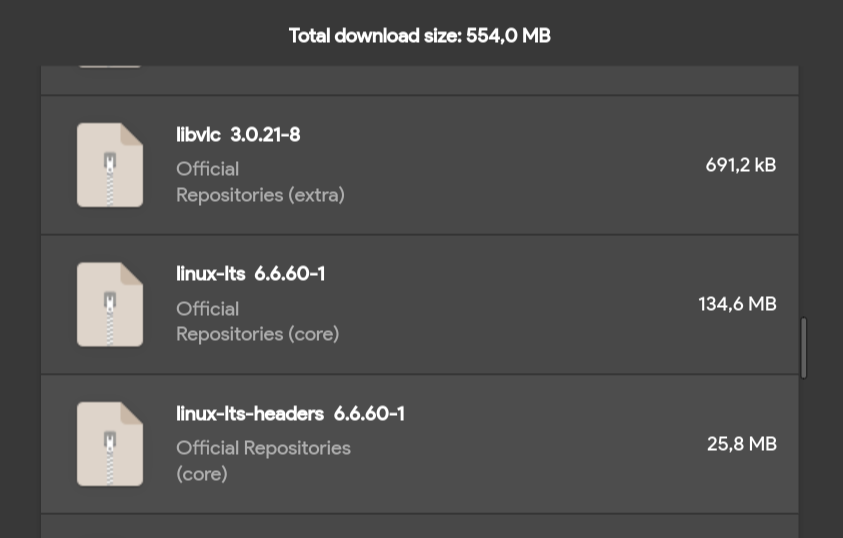
The Linux apocalypse is near 6.6.6 

Linux Foundation is Rebuilding the Berlin Wall (to Keep Russians Out of Linux)
Techrights — Linux Foundation is Rebuilding the Berlin Wall (to Keep Russians Out of Linux)
There's No Free Lunch in Video Hosting
Techrights — There's No Free Lunch in Video Hosting
Linux on Snapdragon: ThinkPad T14s Gen 6 Running Ubuntu 24.10 Concept ISO - A Promising Start
This video review explores the nascent but exciting landscape of Linux on Qualcomm Snapdragon powered devices, focusing specifically on the Lenovo ThinkPad T14s Gen 6 with its impressive Snapdragon X Elite processor. Here's a breakdown of the key takeaways:
1. Ubuntu 24.10 Concept ISO for Snapdragon: Canonical has released a dedicated Concept ISO of Ubuntu 24.10 tailored for Snapdragon platforms. This marks a significant step towards native Linux support, offering a user-friendly installation experience on devices like the T14s Gen 6.
2. Installation and Performance: The installation process is straightforward, involving dual-booting with Windows and executing specific commands to enable core functionalities. While minor glitches and occasional crashes exist due to ongoing development, overall performance is remarkably smooth. Graphical acceleration works flawlessly, touchpad gestures are responsive, and even the trackpoint functions as expected.
3. Notable Features and Functionality:
System Responsiveness: The environment is fast and fluid, handling tasks like web browsing and YouTube playback efficiently (though with occasional minor frame drops).
Connectivity: WiFi and Bluetooth work seamlessly. However, USB-C display connectivity faces limitations beyond two monitors, causing positioning issues with the third.
Power Management: While power saver and balanced modes are supported, standby consumption is surprisingly high, hinting at potential bugs requiring further investigation.
App Support: Apps like PipeWire for screen sharing function well. However, webcam and microphone support are currently absent, necessitating command-line adjustments for display brightness control. Package availability leans towards ARM-compiled versions, limiting the full Ubuntu ecosystem access.
4. Optimism for the Future: Despite these challenges, the rapid development pace and Canonical's commitment to native Snapdragon Linux support instill optimism. A future ISO with kernel 6.12, as initially envisioned, seems plausible by early 2024. This opens doors for a compelling alternative to both Intel/AMD and Apple Silicon, especially in more affordable price brackets (<€1000).
5. Conclusion: Linux on Snapdragon is gaining traction, with the ThinkPad T14s Gen 6 showcasing its potential. While ironing out remaining kinks is crucial, the progress made in just two weeks suggests a bright future for this platform, offering a viable and innovative computing experience. Continued monitoring and updates will reveal its full capabilities as development progresses.
https://s.grigio.org/CWeWq
#linux #snapdragon #arm #ubuntu
Mozilla's Pivotal Shift: From Privacy Champion to Advertising Advocate - A Risky Gamble for Survival
Mozilla, the organization renowned for its commitment to privacy and open-source software, has made a dramatic and controversial move – embracing digital advertising as its core revenue driver. This shift, spearheaded by CEO Laura Chambers since her appointment earlier this year, signals a desperate attempt to escape the dwindling dependence on Google's search engine revenue and navigate an increasingly challenging technological landscape.
The Imperative for Change:
While Mozilla boasts a healthy financial cushion of $1.3 billion in reserves, its reliance on Google's search deals poses a significant risk. Recent antitrust rulings against Google highlight this vulnerability, with the court deeming their search partnerships anti-competitive and potentially forcing Mozilla to relinquish this lucrative income stream. This existential threat necessitates a radical revenue diversification strategy.
Past Attempts & The Enthusiast Trap:
Mozilla explored alternatives like subscriptions and donations, achieving limited success. Their early foray into subscriptions with services like Lockwise and Firefox Send failed to gain traction, leaving VPN as the sole survivor. Donations, while crucial for Thunderbird's survival, fall short of Mozilla's massive needs. This highlights the "Enthusiast Trap" – catering to a passionate but niche user base who resist monetization strategies perceived as compromising their core values (privacy and ad-free experience).
Enter Anonym: A Privacy-Focused Advertising Platform:
Chambers' solution revolves around "Anonym," a newly acquired ad platform claiming to offer privacy-preserving advertising. Anonym utilizes encrypted black boxes for data processing, anonymizing user information before delivering targeted ads while supposedly protecting sensitive data from both Mozilla and advertisers. This model aims to appease privacy concerns while generating revenue through a scaled ecosystem encompassing Firefox, FakeSpot (coupon/review platform), Pocket (read-it-later tool), and Solo AI (website builder).
A High-Stakes Gamble:
This move faces significant challenges:
User Backlash: Mozilla's core users, fiercely protective of their privacy, are already vocal against ads. Balancing revenue generation with user trust is a tightrope walk.
Anonym's Efficacy: While promising, Anonym's privacy claims require rigorous scrutiny and independent verification. Advertisers must also be convinced of its effectiveness compared to traditional methods.
Industry Adoption: Mozilla's ambition to make Anonym an industry standard hinges on widespread adoption. Convincing competitors and fostering trust within the advertising ecosystem is crucial for success.
Mozilla's Future: A Crossroads Moment:
This advertising push represents a bold gamble for Mozilla. Success depends on:
Transparent & Robust Privacy Protections: Demonstrating Anonym's efficacy through audits and clear user controls is paramount.
Value Proposition for Advertisers: Offering compelling targeting capabilities and ROI alongside privacy assurances will attract advertisers.
Community Engagement: Addressing user concerns, fostering dialogue, and evolving alongside their feedback are essential for long-term loyalty.
Mozilla's journey into advertising isn't just about revenue; it's about reinventing itself in a rapidly changing digital world. Their success – or failure – will shape the future of privacy-conscious web experiences and redefine the role of "good guys" in the tech landscape. The coming years will be crucial in determining if this gamble pays off, ultimately deciding whether Mozilla remains a champion for users or succumbs to the pressures of the advertising machine.
https://s.grigio.org/M8rVs
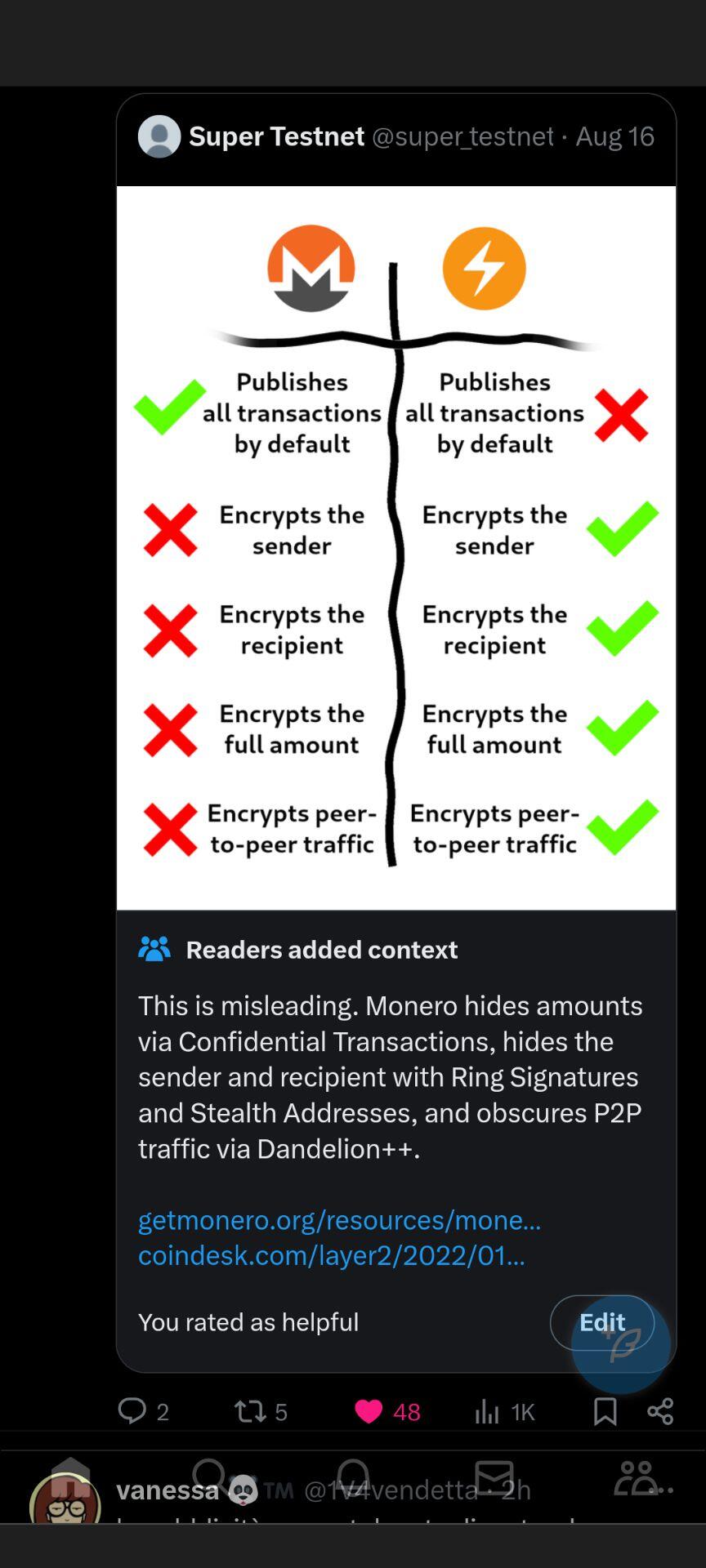
#monero vs #bitcoin lightning network got a community note on X Twitter 😄 

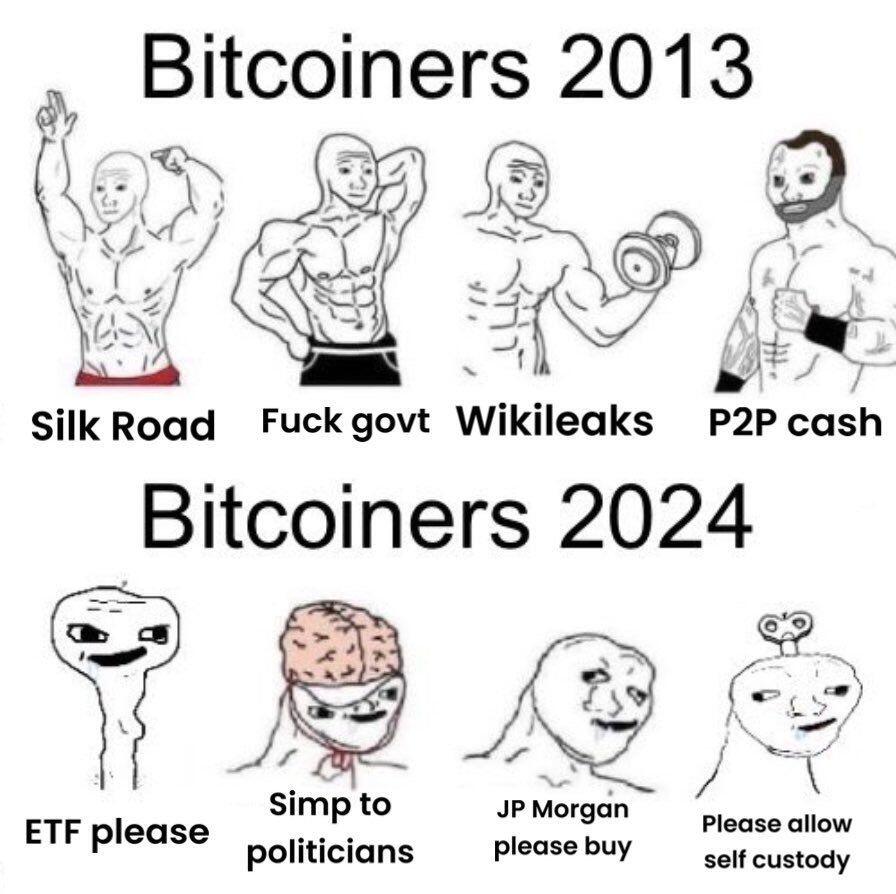
What happened to #bitcoin ?