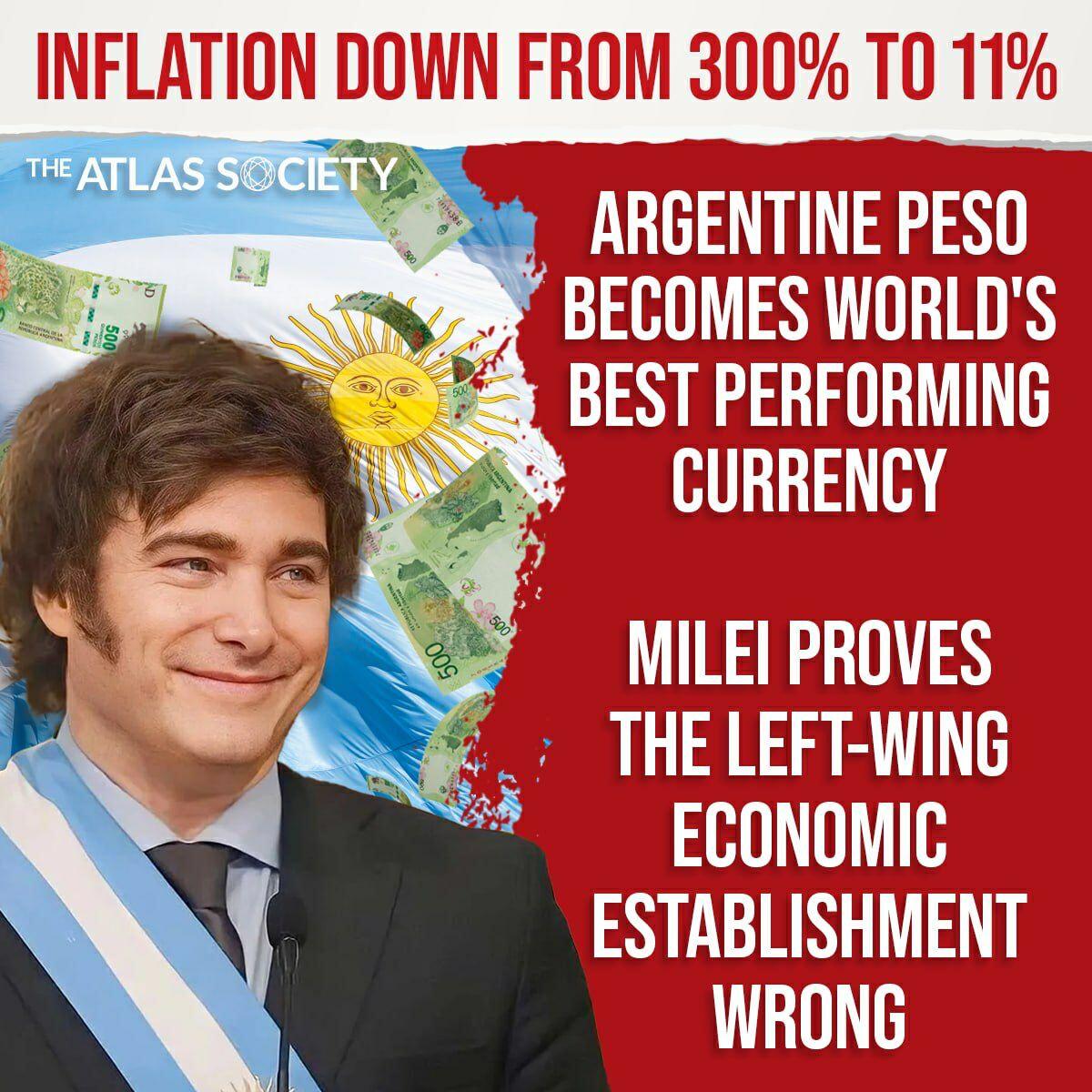
Wisconsin has made history by becoming the first state to invest in Bitcoin. The State of Wisconsin Investment Board purchased approximately $163 million worth of Bitcoin ETFs in the first quarter. Specifically, they acquired just over 1 million shares of the Grayscale Bitcoin Trust (GBTC) for a total value of $63.7 million and about 2.5 million shares of the iShares Bitcoin Trust (IBIT) for a total value of approximately $99.2 million1. This move is significant, considering the volatility of cryptocurrency investments. Could it pave the way for other state pension funds to follow suit? 🤔🌟
Read more #nostr #plebchain 👇 📈🔥
finance.yahoo.com/news/wisconsin…
The scarcity of #Bitcoin is starting to show its effects! With rising demand and decreasing supply, it's impossible for the price not to rise.
We are going higher, The most gains realized on Bitcoin always come after the halving.
If you’re a fan of BITCOIN and not following @WadeORadio1 yet, then I don’t even know what you’re doing here!
@WadeORadio1 grinds to produce top-level crypto content every day. Her threads and insights are awesome and educative, you will
learn a lot from following.
Follow @WadeORadio1

This is why I bet on #Bitcoin #nostr #plebchain 🫡
Bitcoin, often hailed as digital gold, has demonstrated remarkable growth since its inception in 2009. This upward trajectory, akin to the historical rise in gold prices, is driven by several fundamental factors that suggest Bitcoin's price will continue to climb.
### Scarcity and Demand
Bitcoin’s design inherently promotes scarcity. With a capped supply of 21 million coins, Bitcoin’s scarcity mirrors that of gold, which is finite in the earth’s crust. This limited supply, combined with increasing demand, creates a supply-demand imbalance that naturally drives prices upward. As more institutional investors, corporations, and even governments adopt Bitcoin, the demand surge further intensifies this dynamic.
### Inflation Hedge
In times of economic uncertainty and inflation, investors seek assets that can preserve value. Gold has traditionally served this role, and Bitcoin is increasingly perceived as a digital alternative. Unlike fiat currencies, which can be printed in unlimited quantities, Bitcoin's fixed supply makes it a strong hedge against inflation. As inflation concerns grow globally, Bitcoin's appeal as a store of value strengthens, pushing its price higher.
### Technological Innovation
Bitcoin is not just a static asset; it represents a revolutionary technology that underpins decentralized finance (DeFi). Its underlying blockchain technology ensures transparency, security, and immutability, which are increasingly valued in the digital age. As technological advancements continue, Bitcoin’s utility and integration into various financial systems enhance its value proposition, attracting more investors.
### Institutional Adoption
Over recent years, major financial institutions and corporations have begun to recognize Bitcoin’s potential. Companies like Tesla, Square, and MicroStrategy have made significant investments in Bitcoin, while financial giants such as Fidelity and PayPal have integrated Bitcoin services. This institutional adoption not only validates Bitcoin’s legitimacy but also boosts its price by reducing market volatility and increasing liquidity.
### Growing Acceptance
Bitcoin's acceptance as a medium of exchange and its integration into everyday transactions are on the rise. Payment processors, e-commerce platforms, and even some governments are beginning to accept Bitcoin. As its utility in everyday transactions increases, so does its demand, leading to higher prices.
### Network Effect
Bitcoin benefits from the network effect, where the value of the network grows exponentially with each new participant. As more people and institutions buy, hold, and transact in Bitcoin, its network becomes more valuable. This self-reinforcing cycle of adoption and value appreciation contributes to the continuous rise in Bitcoin’s price.
### Regulatory Clarity
Regulatory clarity around Bitcoin is improving worldwide. While regulations can pose challenges, they also provide a framework that fosters mainstream acceptance. Clear regulations reduce uncertainty and increase confidence among investors and institutions, making it safer to invest in Bitcoin. This increased confidence can lead to a more stable and rising Bitcoin price.
### Historical Performance
Bitcoin’s historical price performance also indicates its potential for continued growth. Despite periods of volatility, Bitcoin has shown a long-term upward trend. This historical resilience bolsters investor confidence and sets a precedent for future price increases.
### Conclusion
Bitcoin’s price trajectory is driven by a combination of its inherent scarcity, increasing demand, technological innovation, institutional adoption, growing acceptance, network effects, regulatory clarity, and historical performance. These factors create a robust foundation for Bitcoin’s continued rise, much like gold has experienced over centuries. As the world continues to digitalize and economic landscapes evolve, Bitcoin stands poised to play an increasingly prominent role, further solidifying its position as digital gold and driving its price to new heights.

 much love from the Emerald Isle 🇮🇪🇺🇸🫡💯 #FreeJulianAssange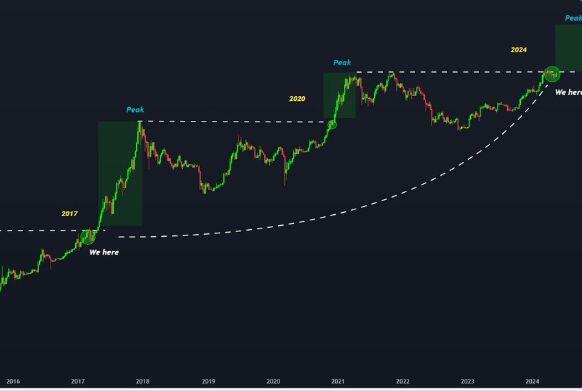



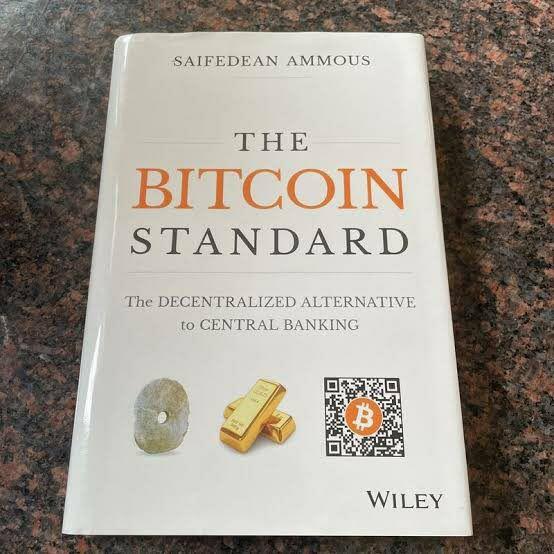 FIVE KEY FACTORS:
1. History of money.
2. Fiat currency flaws.
3. #Bitcoin 's scarcity.
4. Decentralization benefits.
5. Future of finance.
FIVE KEY FACTORS:
1. History of money.
2. Fiat currency flaws.
3. #Bitcoin 's scarcity.
4. Decentralization benefits.
5. Future of finance.