Saberhagen The Nameless's avatar
Saberhagen The Nameless
npub14a6q...z6rn
https://pubky.app/profile/egheqxn78mst7pwdshtgxmgctsqspwhzqir1nucjgc981kbj8ujy XMR: 84mAJEgdihyRHkz8fGeuqgbQ19SuGeFWbhokJG2uMNMwTkDyoyQ3H7BijQNwSriSp9hHfaRGZYpCuKvHJwTer8av845U9py SimpleX: https://smp17.simplex.im/a#R1eFufRtZcsq_c7drIpiHLhdNGaUd_lSEjW1yMY-IvY
"To be clear I've been bashing the coin, not the Monero community, which I continue to like and admire. Your average Monero person is much more likely than your average Bitcoiner to value: privacy, freedom, cypherpunk values, not bootlicking politicians, etc So take this video in that spirit. We really need you Monero people on team Bitcoin, where we're being diluted by spammers and suitcoiners and other idiots. We need your cypherpunk spirit." May still disagree on some points brought up in this video, but ok, respect. Btw it's apparent in my experience that most Monero users are also Bitcoiners. And even the ones who aren't were originally Bitcoiners. View quoted note →
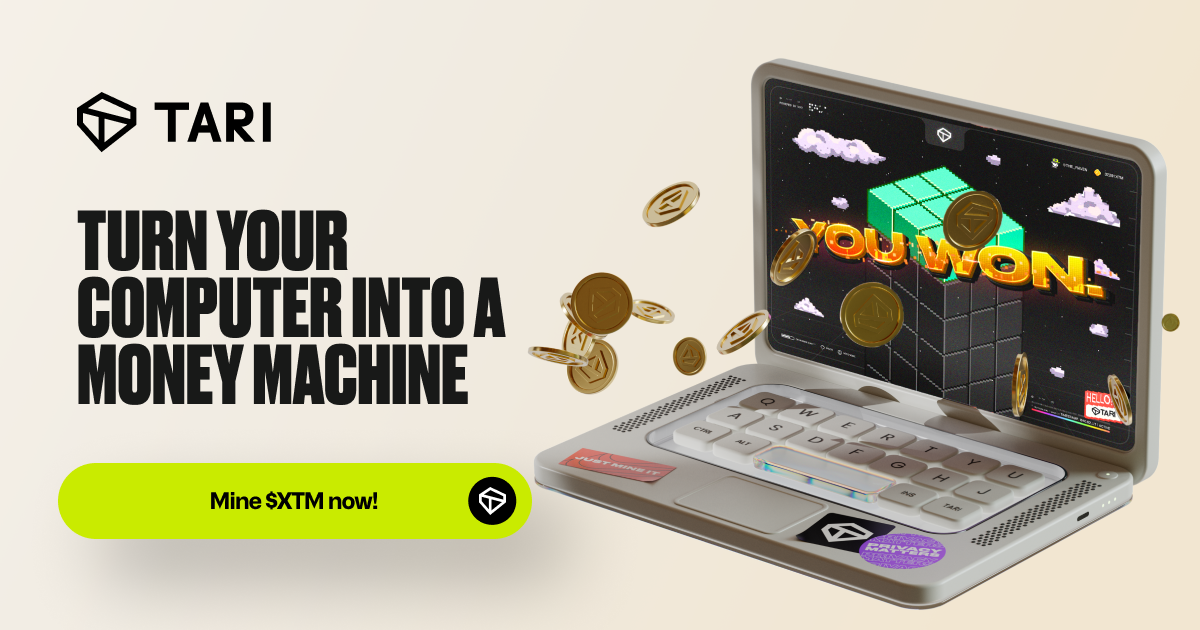
Qubic is saying they are going to do another "marathon" today. Don't want to set up a Monero node but still want to help defend Monero against these attacks? Three dead simple ways to mine Monero: 1. Tari Merge mined with Monero on P2Pool. Stupid simple. Just download, install, and let it run (adjust how much CPU/GPU power you want to use in the settings) 2. Gupax All-in-one P2Pool and XMRig GUI 3. Rent hash
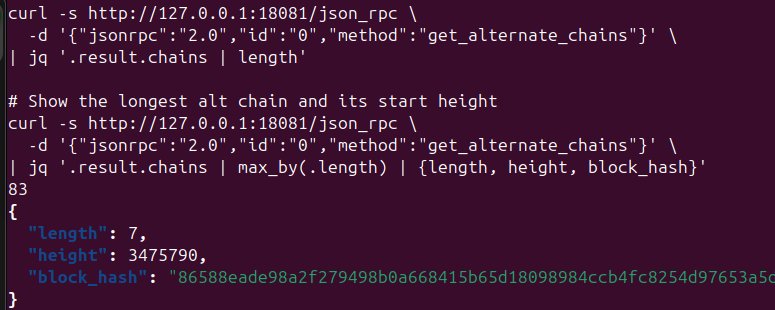
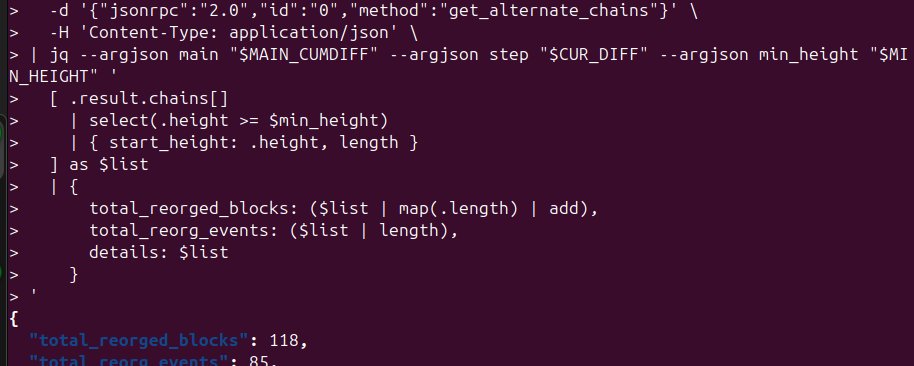
"Why Monero Reorgs Are Less Risky: 1: Smooth per-block difficulty adjustment Each new block’s difficulty is recalculated from a rolling median of recent blocks, preventing sudden difficulty drops that attackers could exploit. 2. Penalty for oversized blocks Larger-than-normal blocks reduce miner rewards, discouraging bloat tactics to push an alternate chain forward. 3. High chain density and short block time Two-minute block targets mean an attacker must outpace the honest network at a sustained high rate, making long-range catch-ups costly. 4. Privacy layer reduces targeting RingCT and stealth addresses hide transaction details, making profitable, targeted double-spend attempts harder to plan."
I was curious how many colluding mining pools it would currently take to 51% attack some of the most popular PoW coins: Bitcoin: 3 Monero: 3 Litecoin: 2 Dogecoin: 2 BitcoinCash: 2 BitcoinSV: 2 Dash: 2 EthereumClassic: 1 Zcash: 1 Ironically (and interestingly) Qubic may have further distributed Moneros hashrate and broken up the dominance of the previous three major mining pools