Architecture Daily's avatar
Architecture Daily
npub15qd4...gj2x
Your daily dose of architecture.
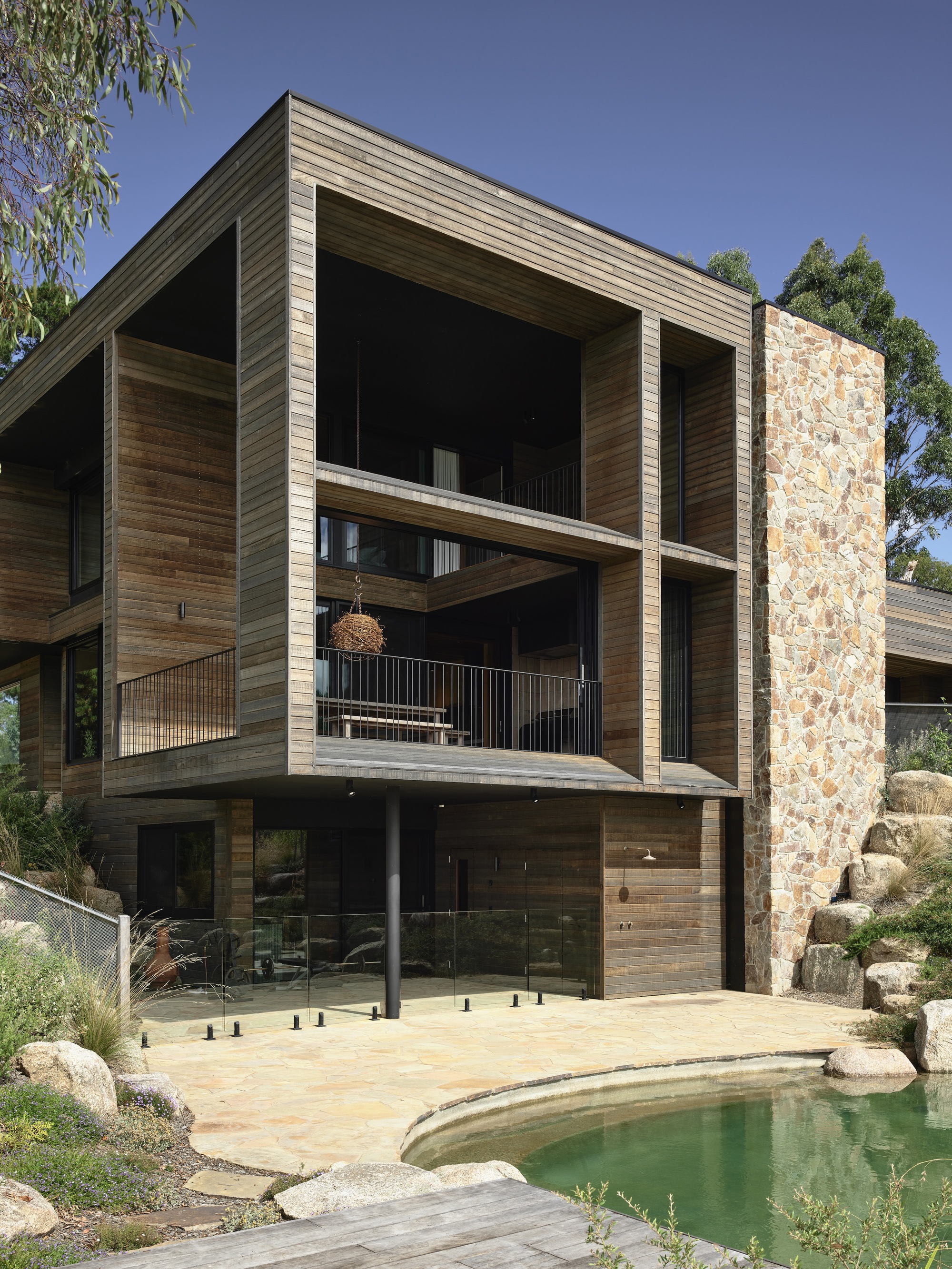
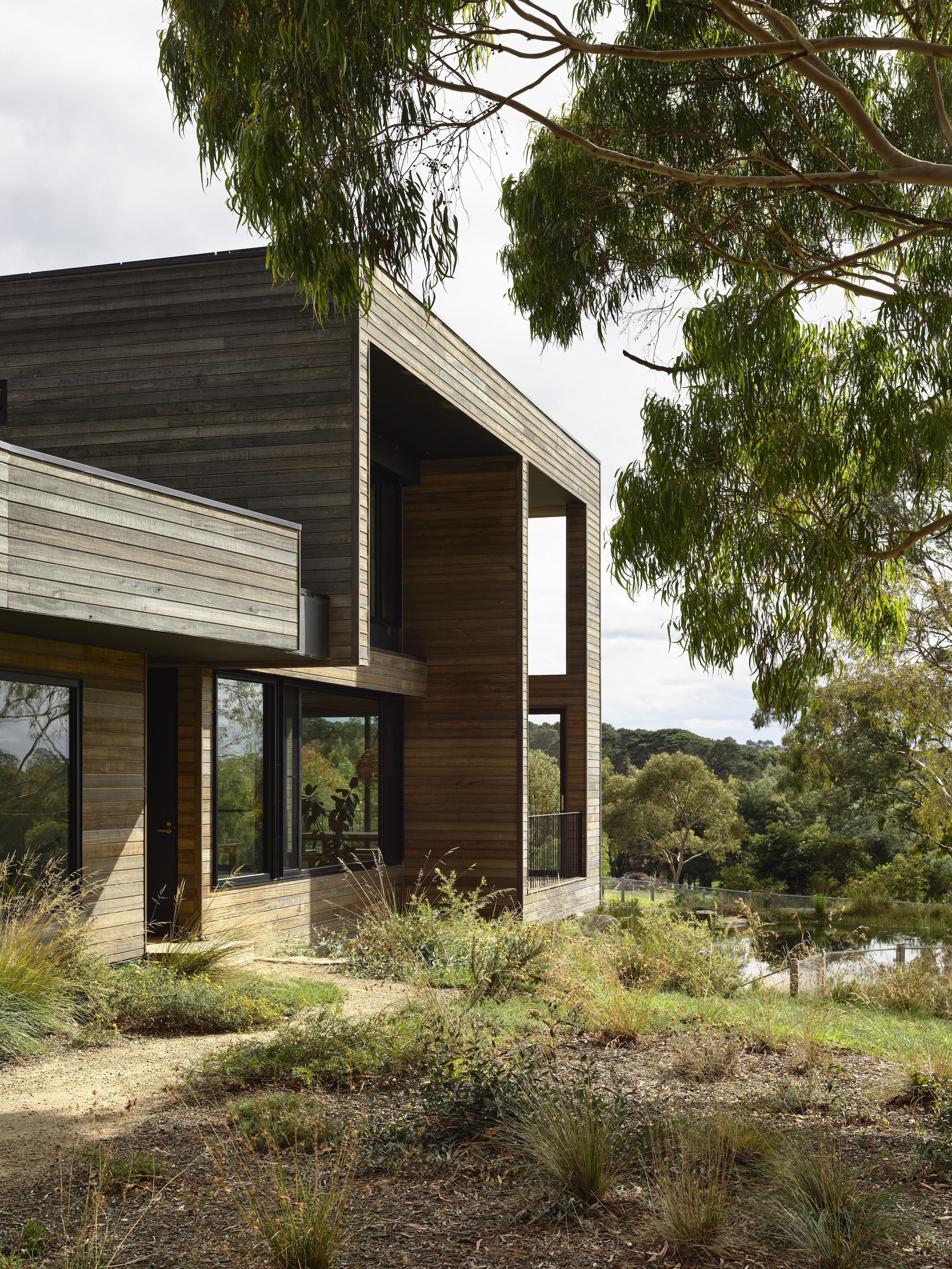
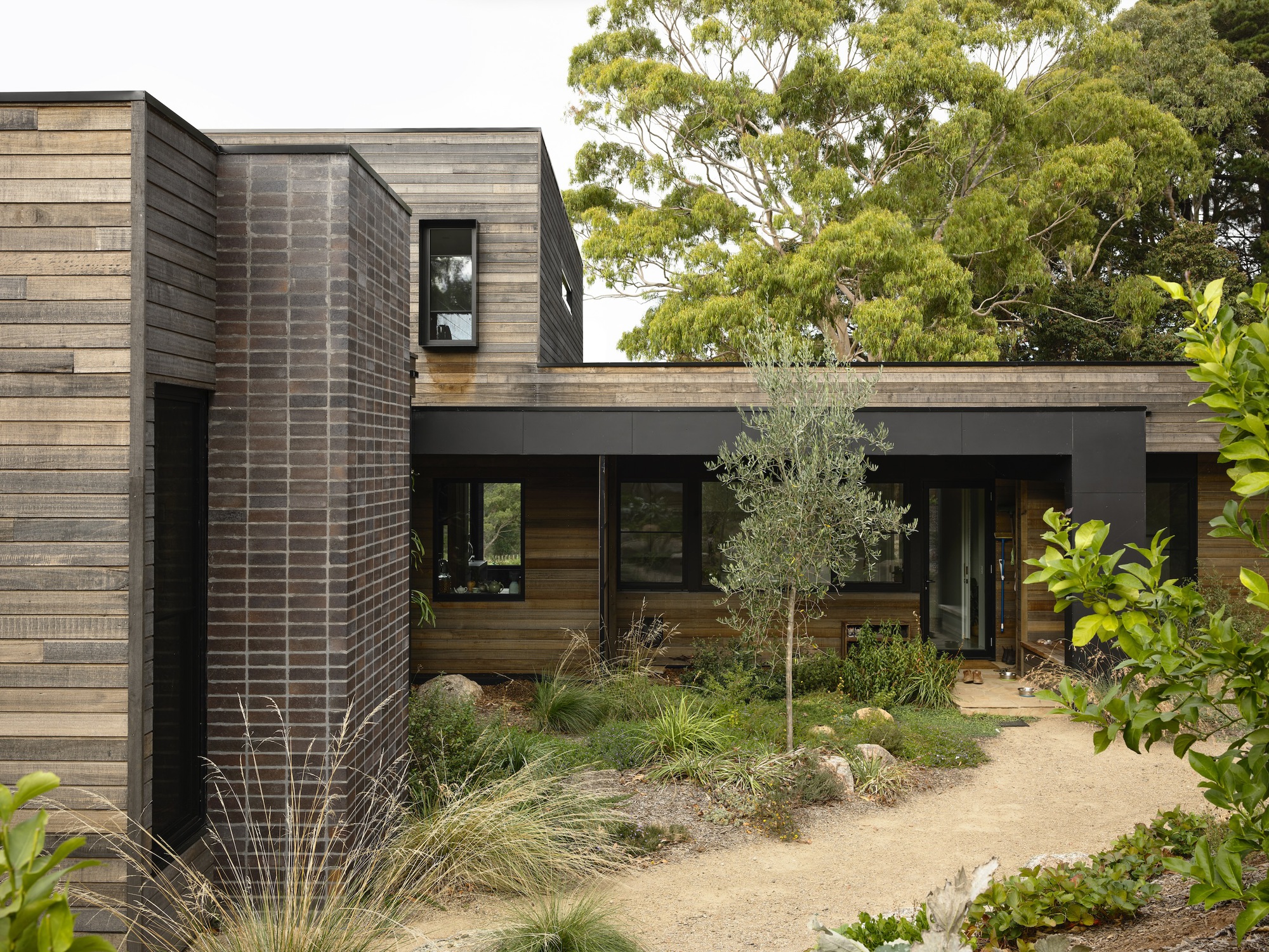
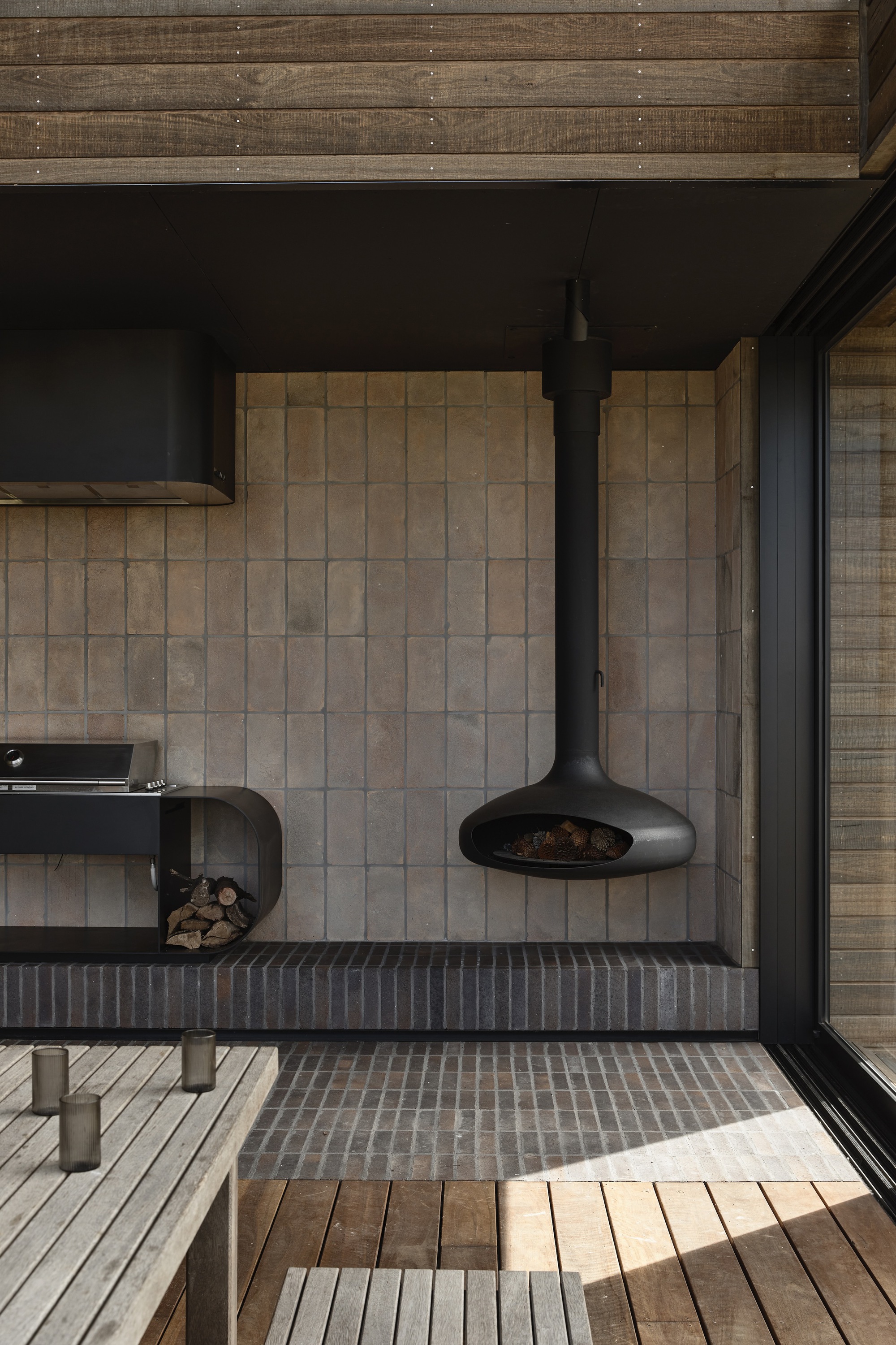
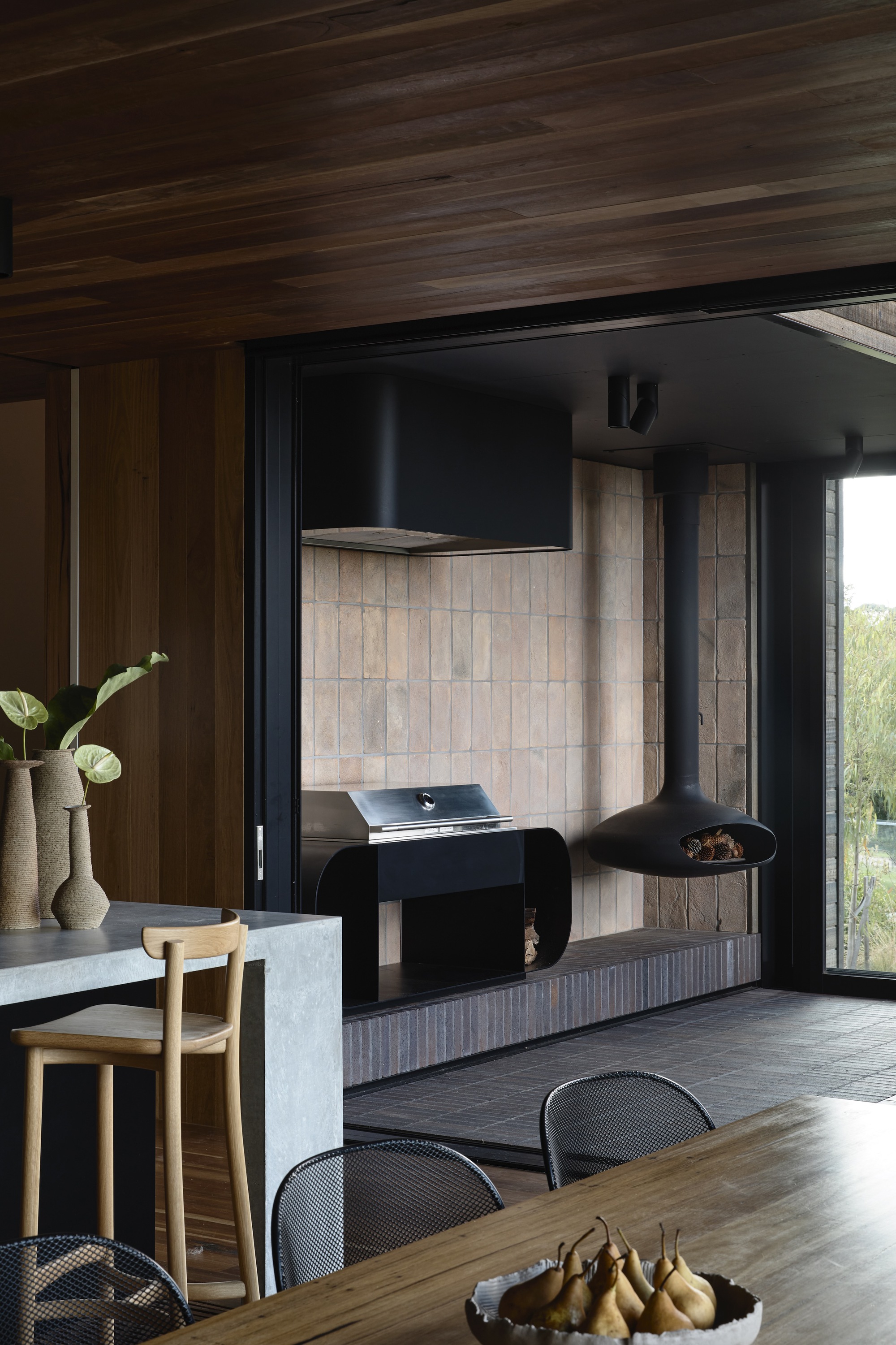
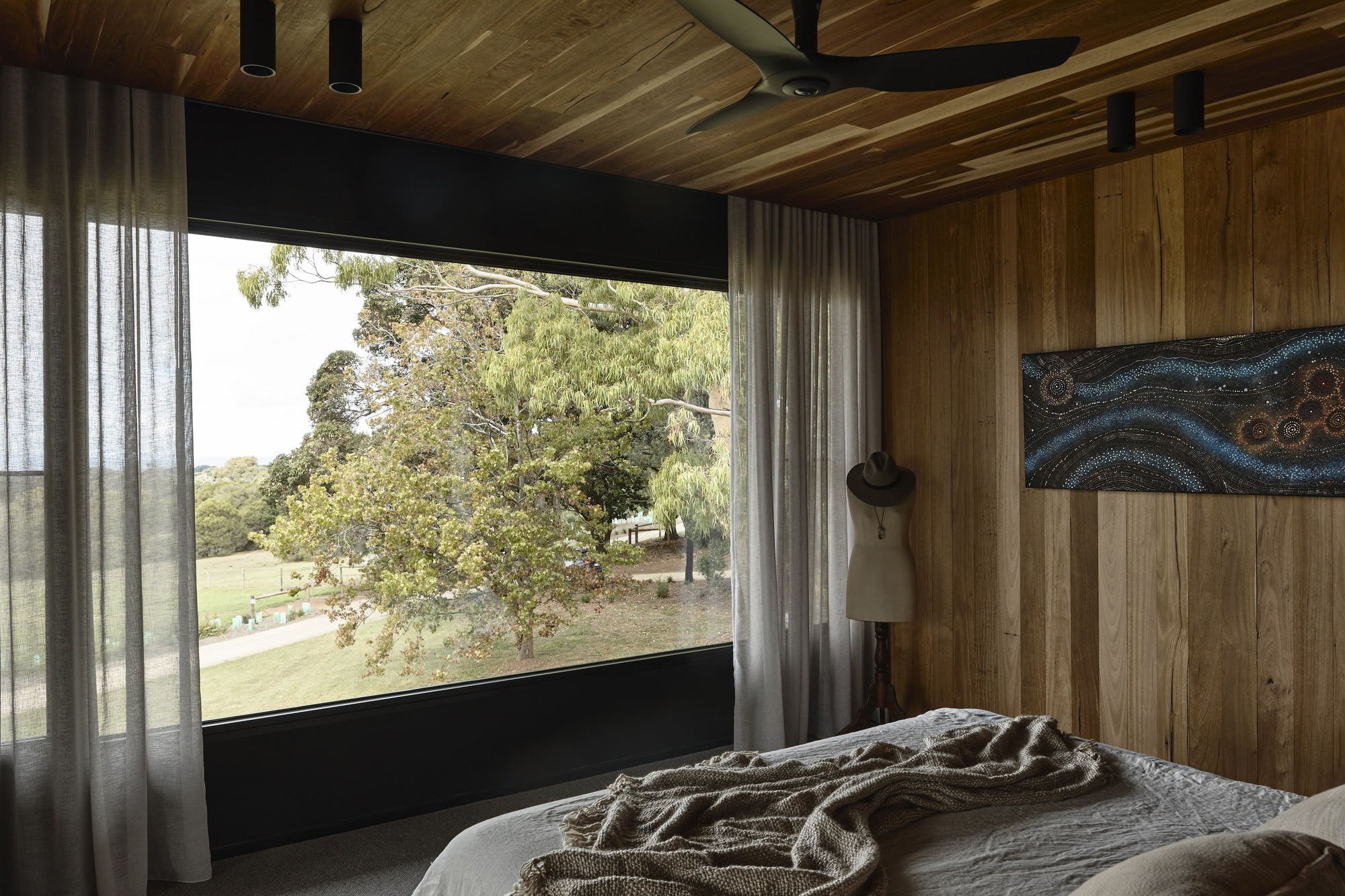
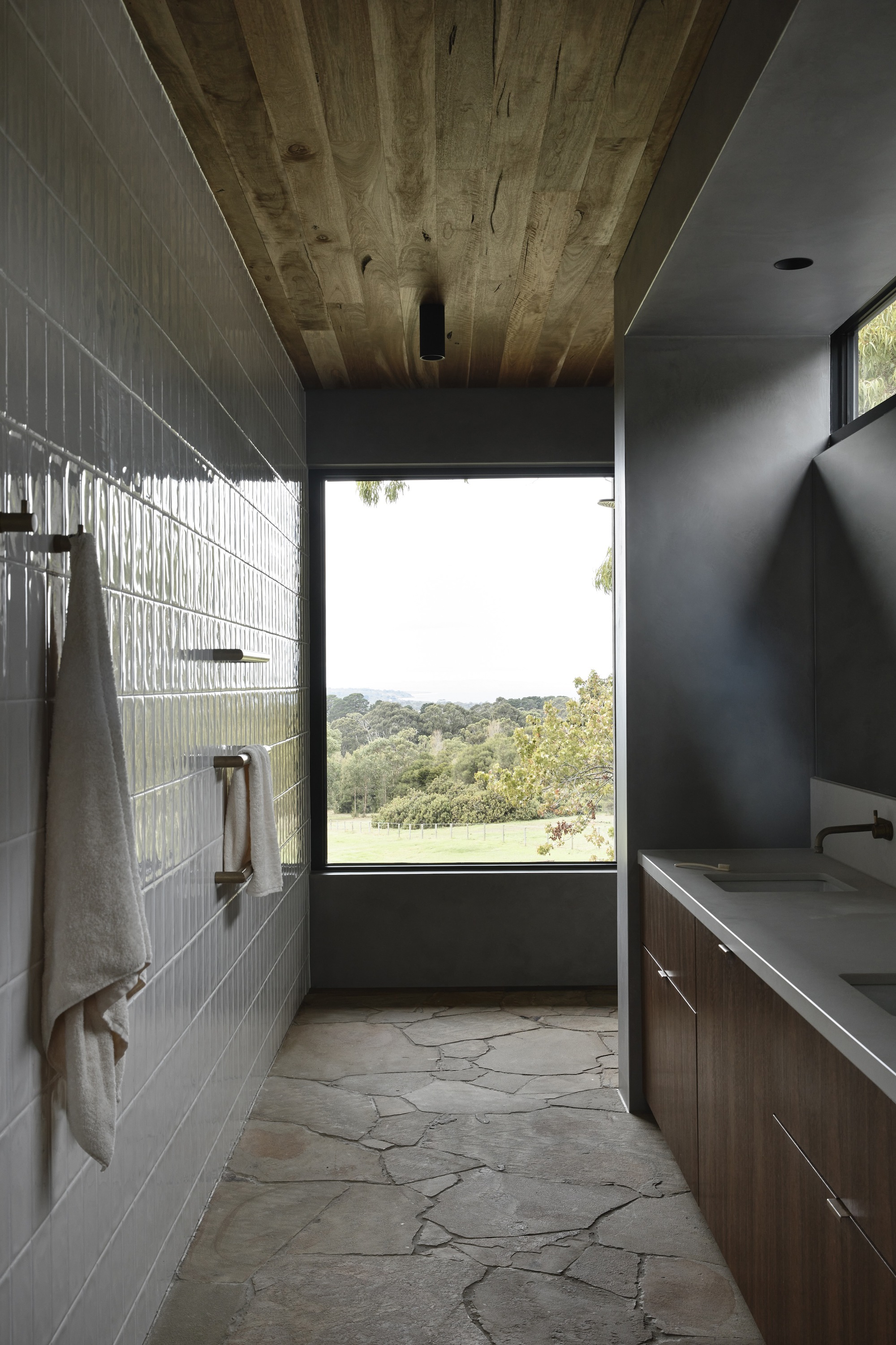
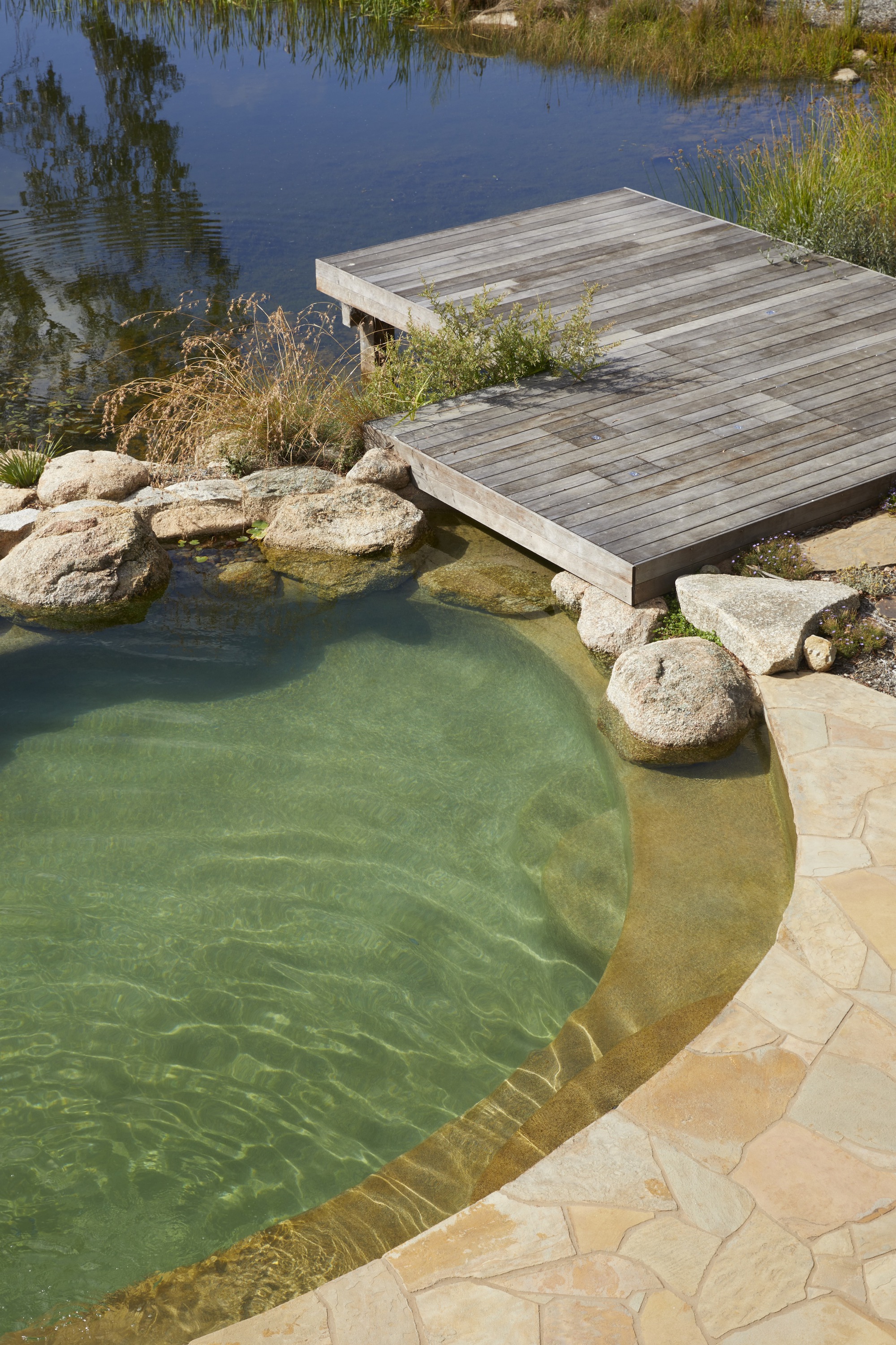
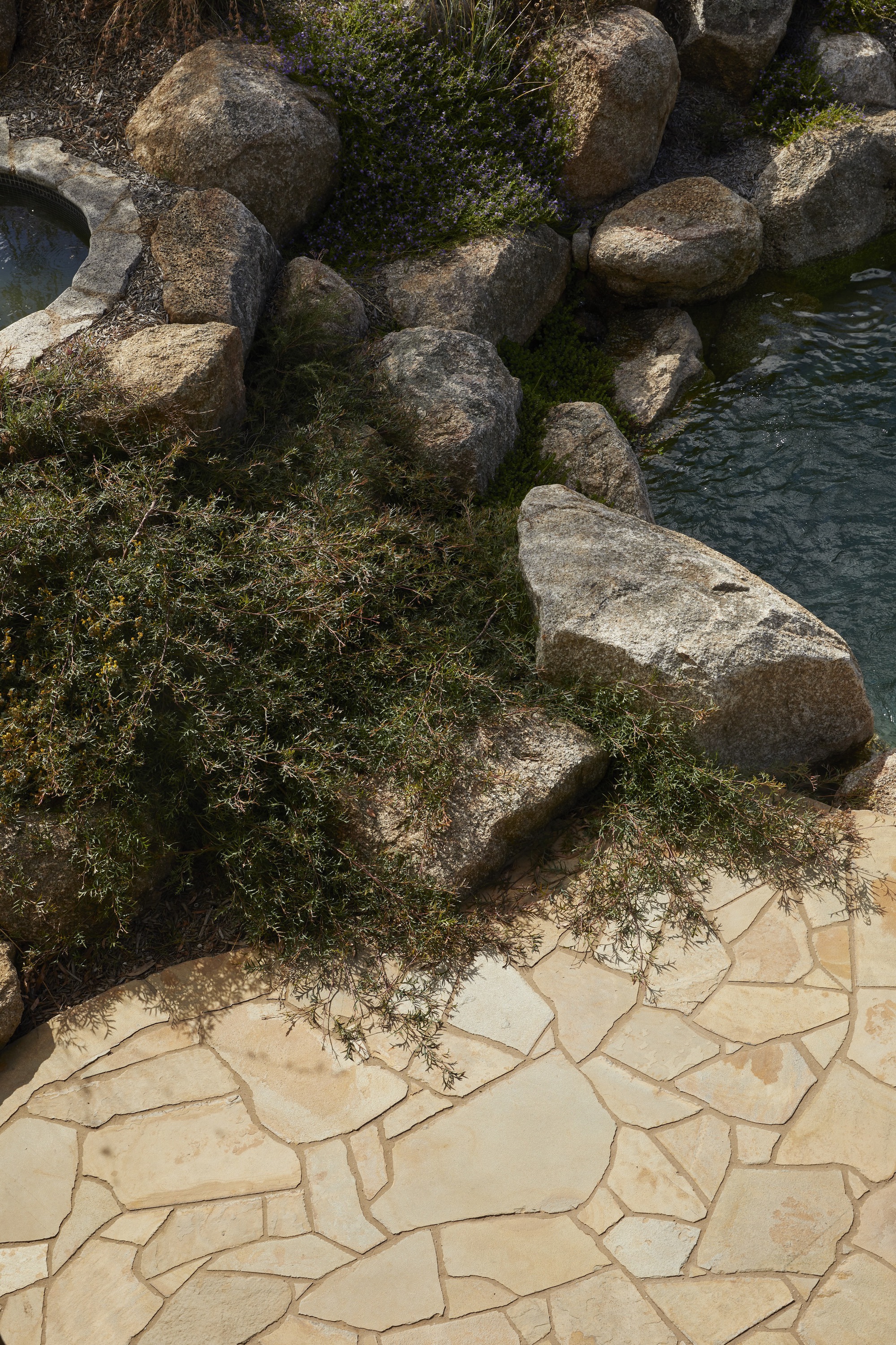
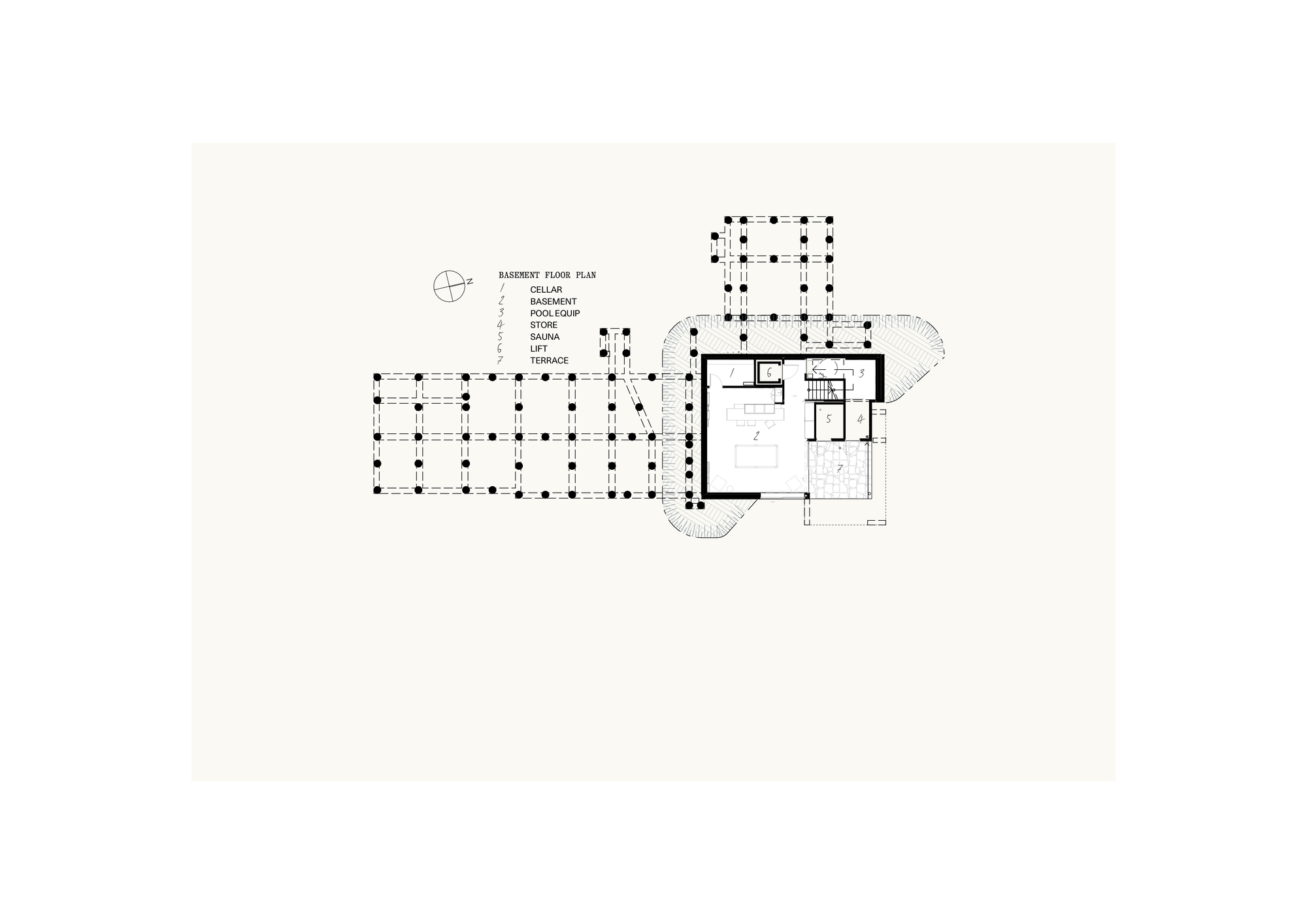
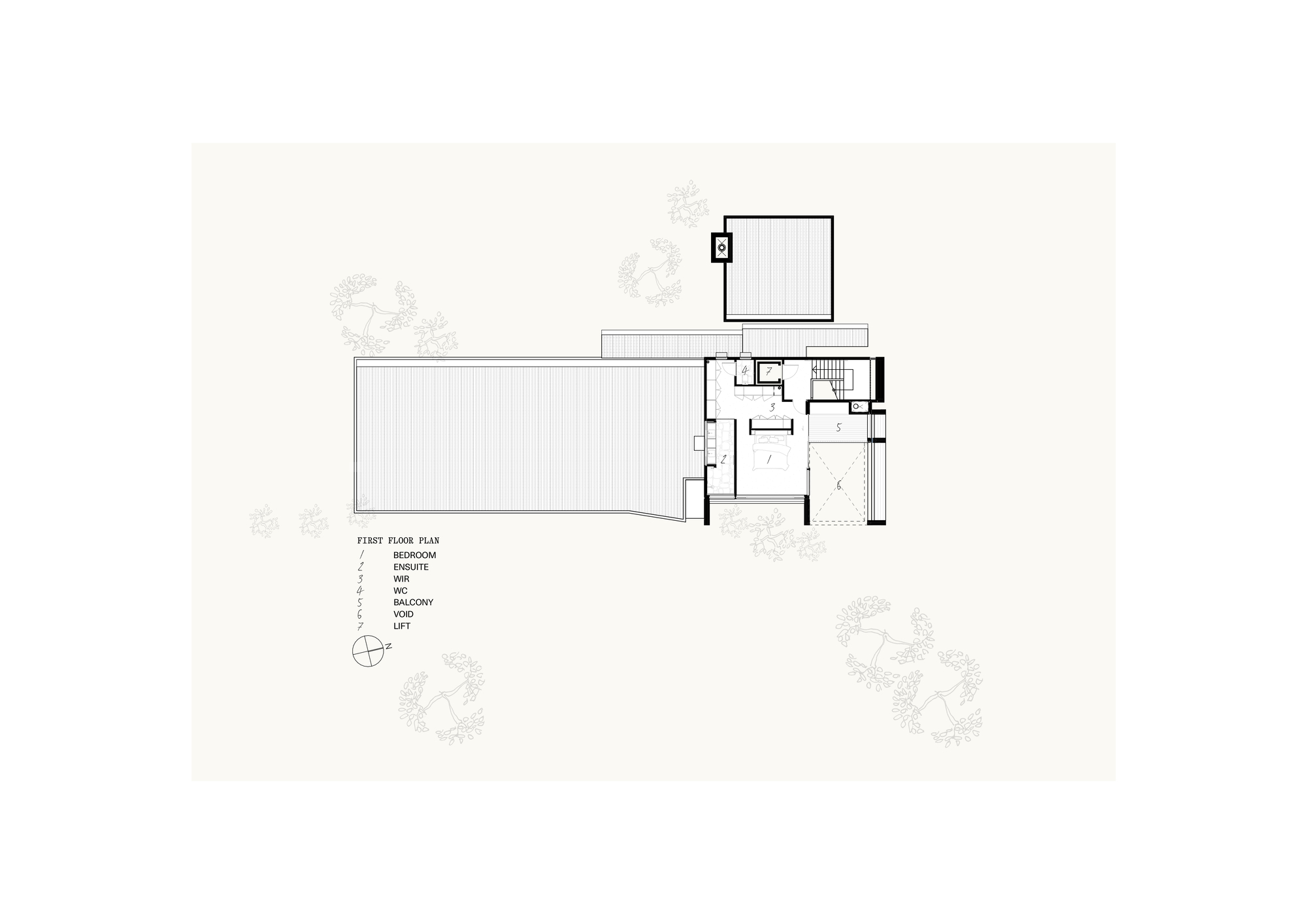
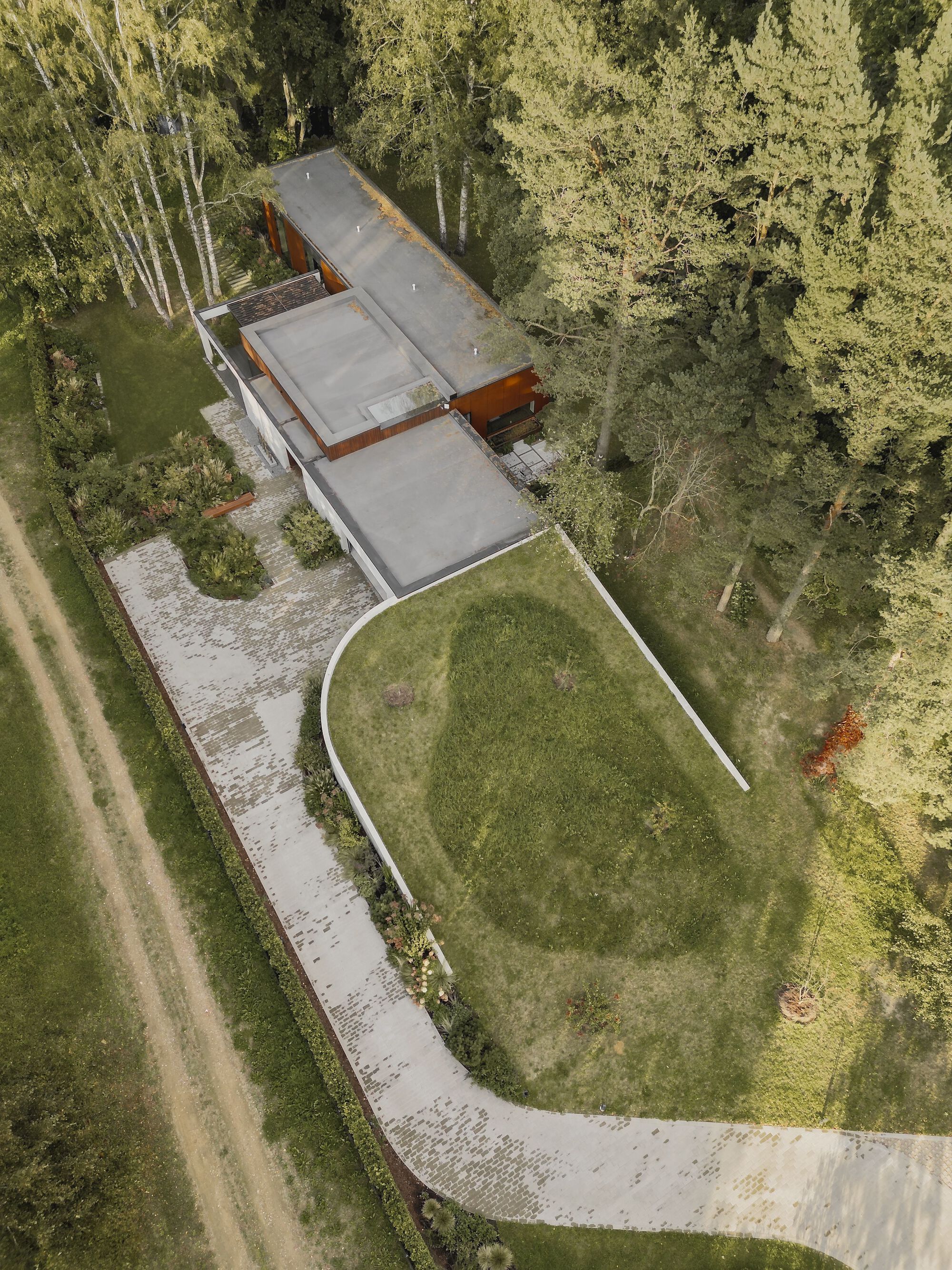
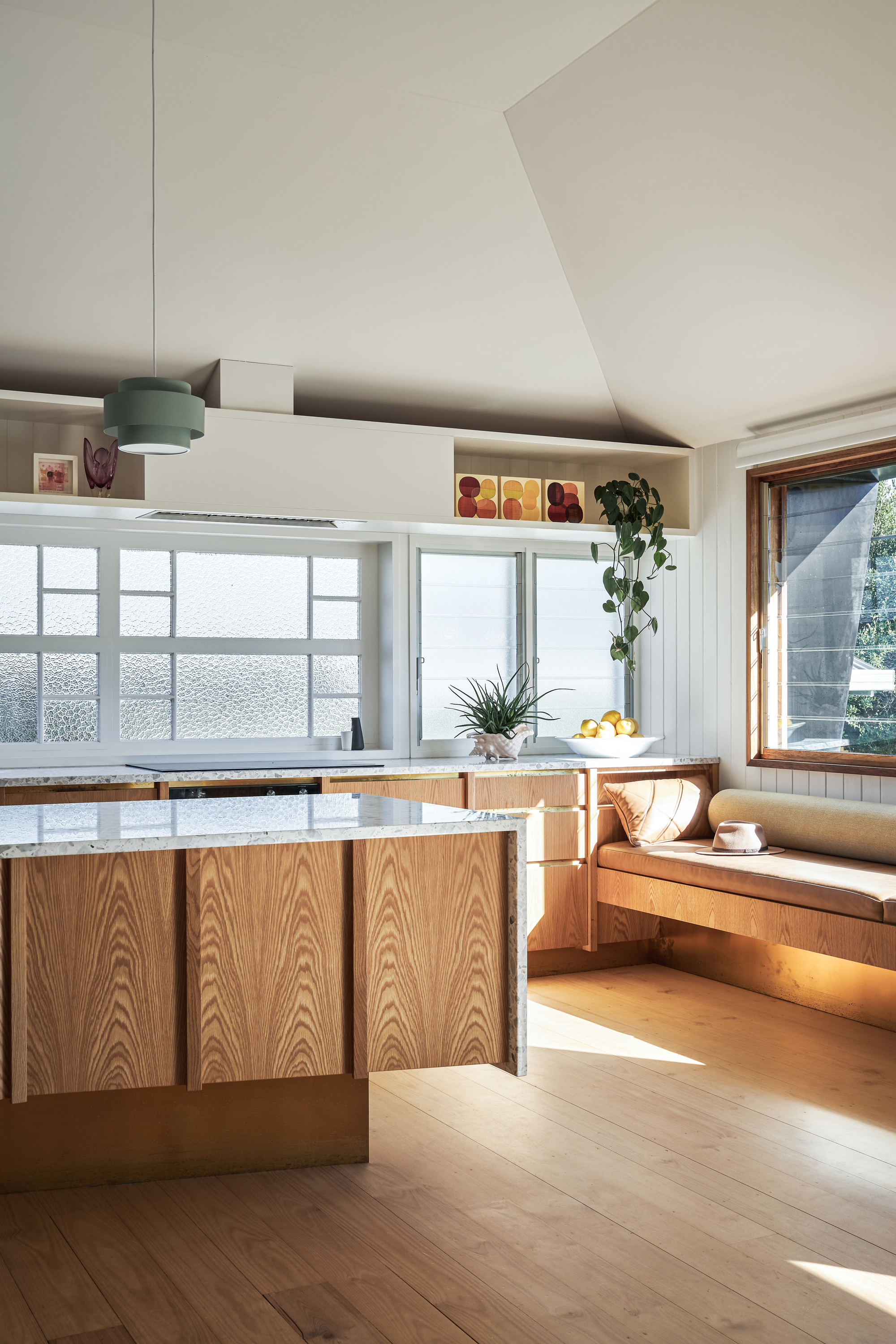
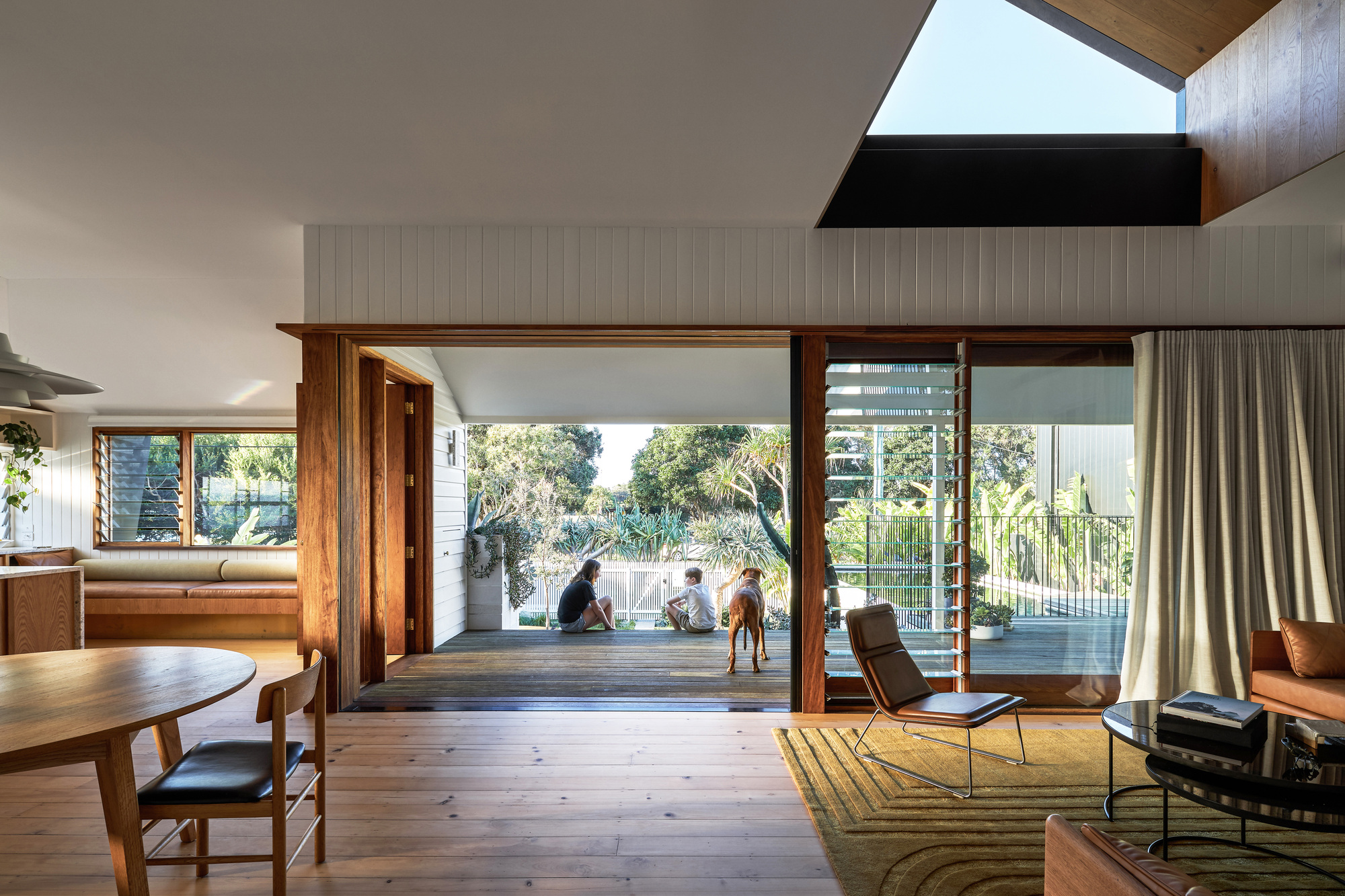
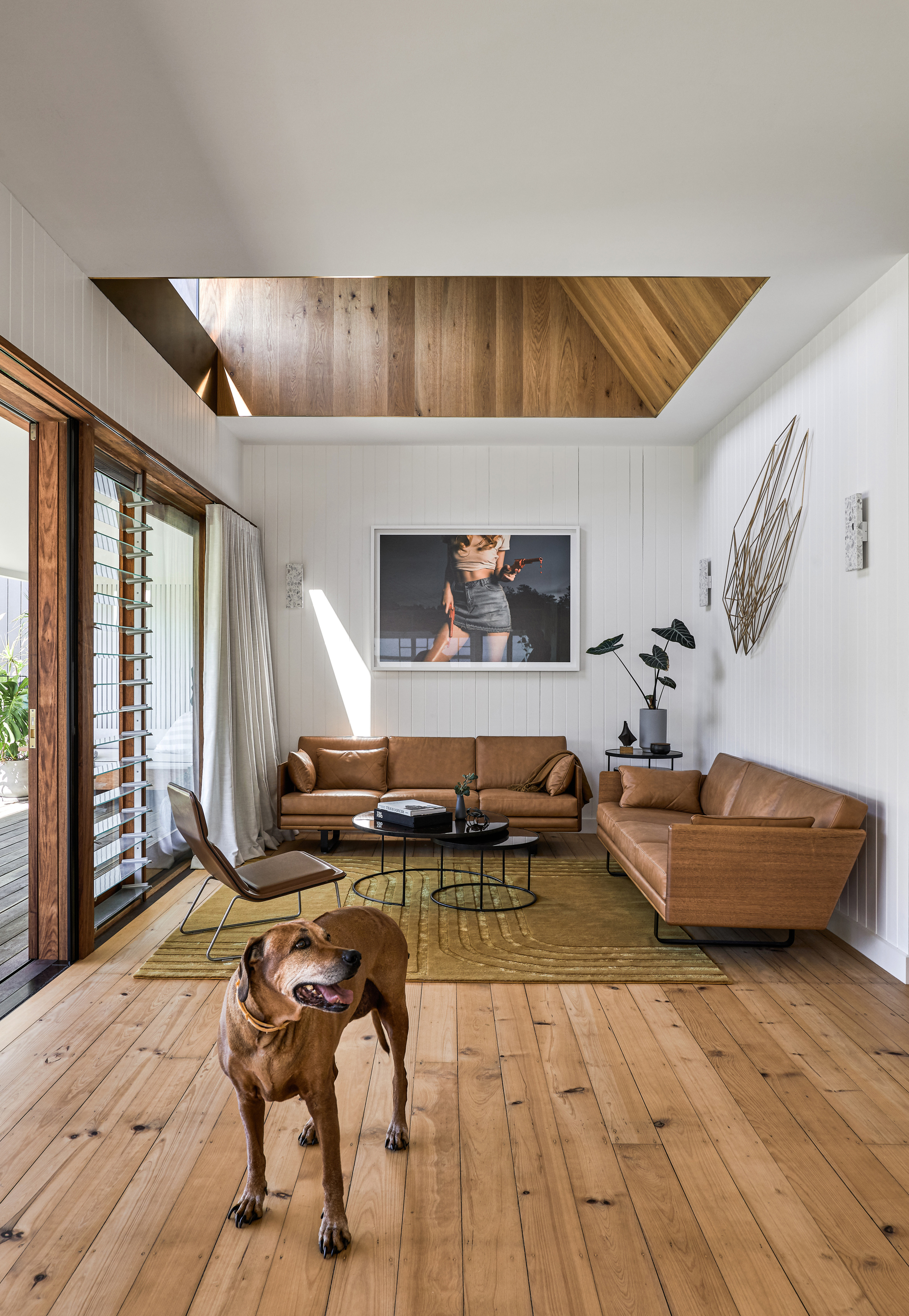
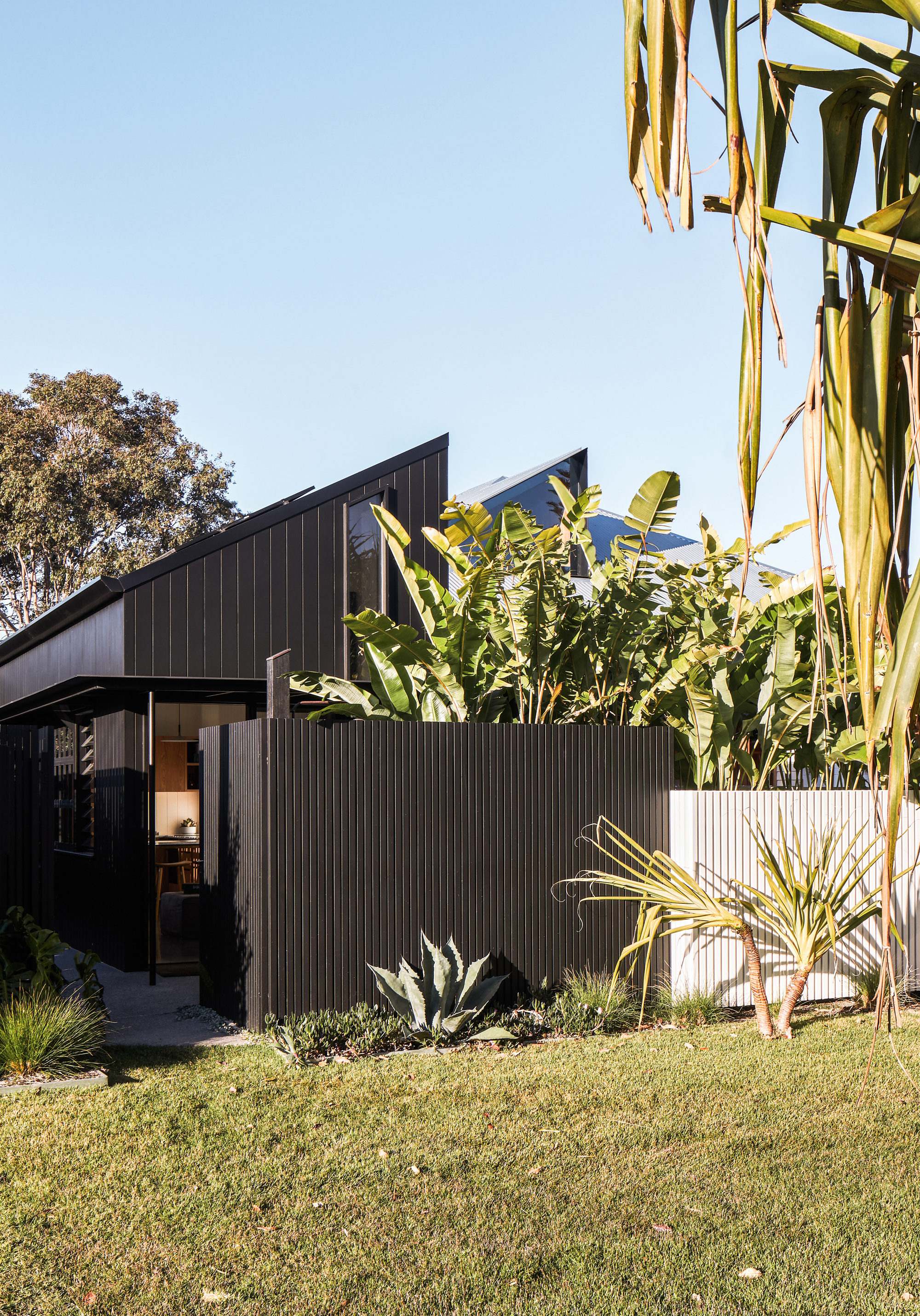
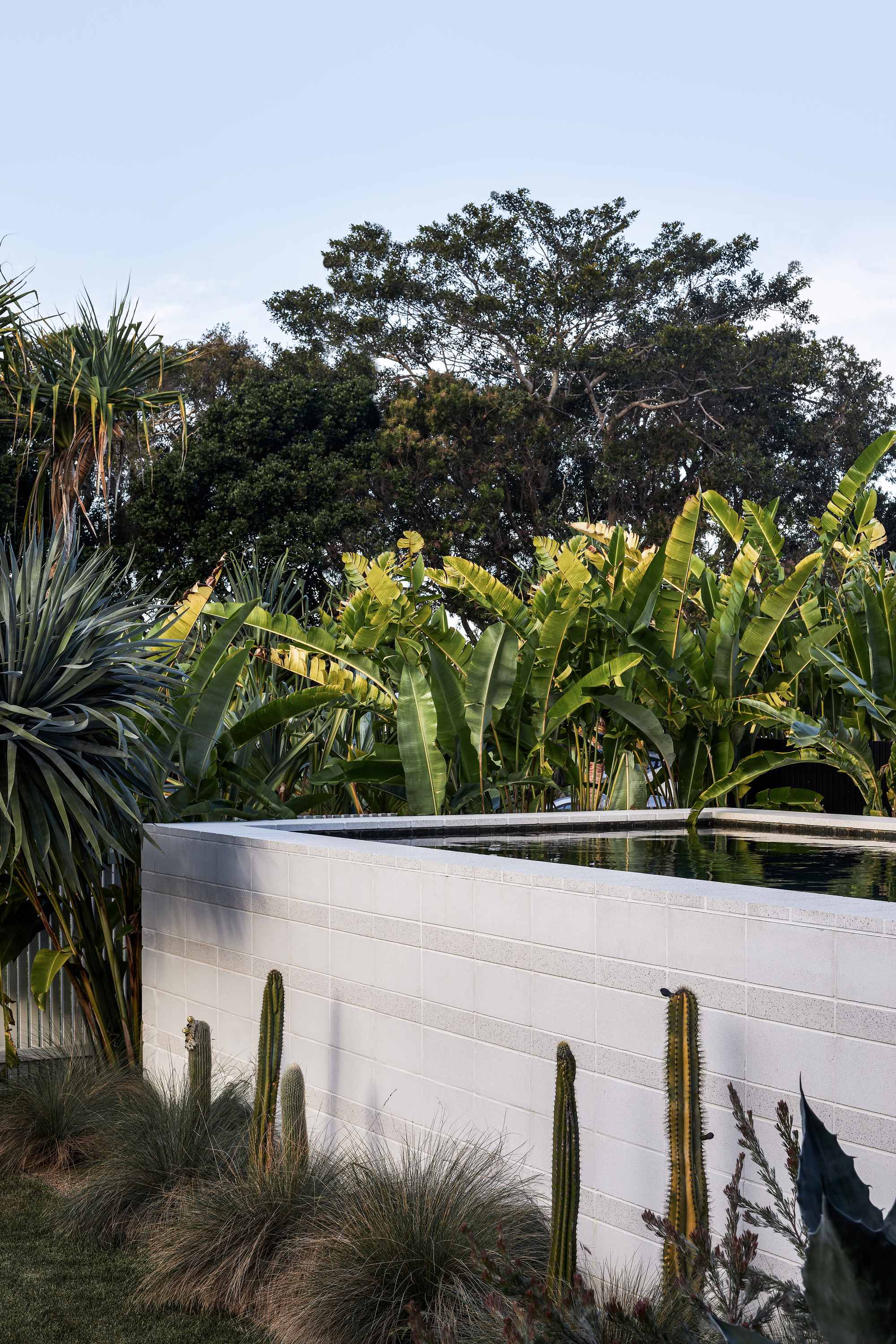
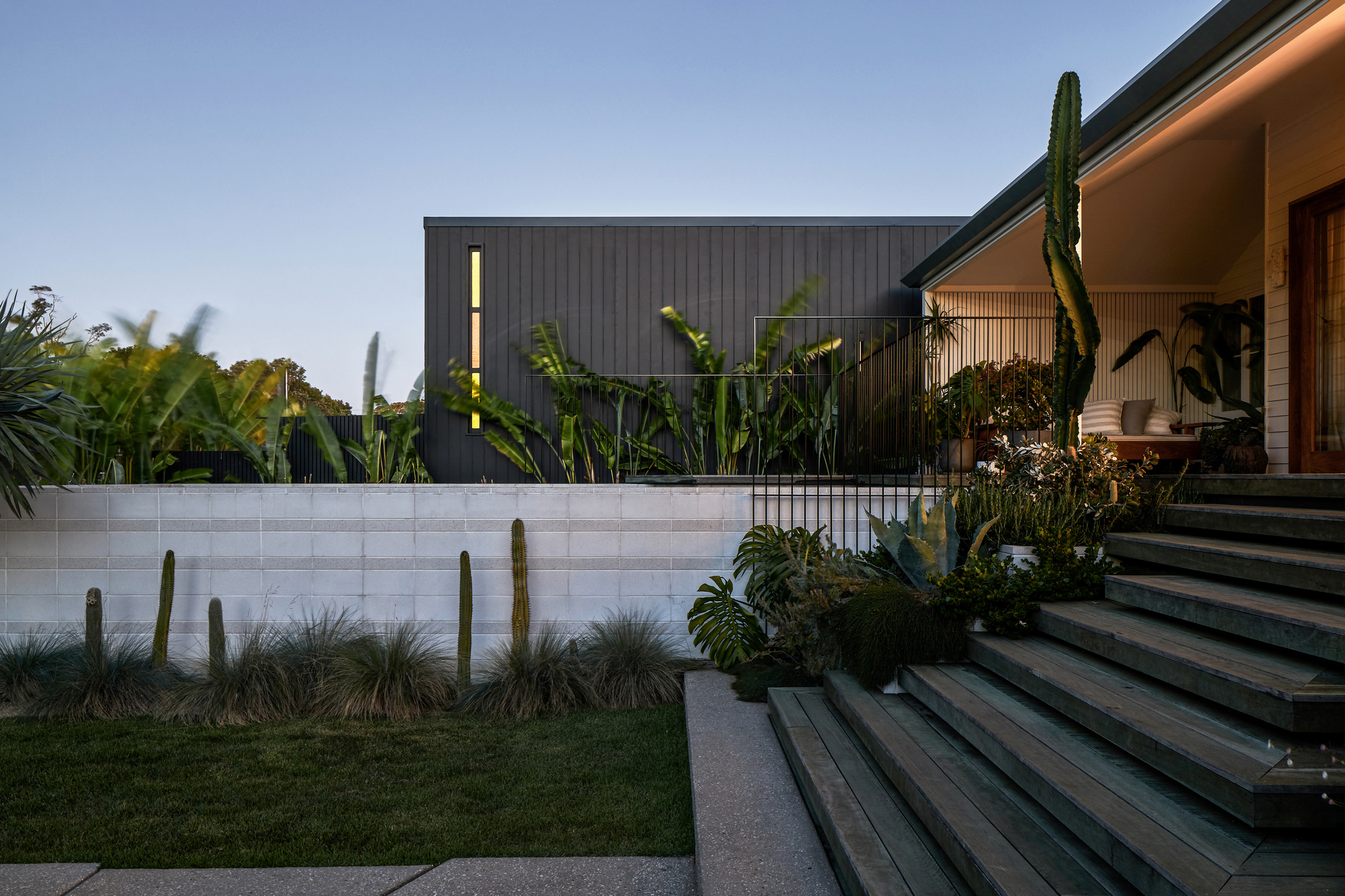
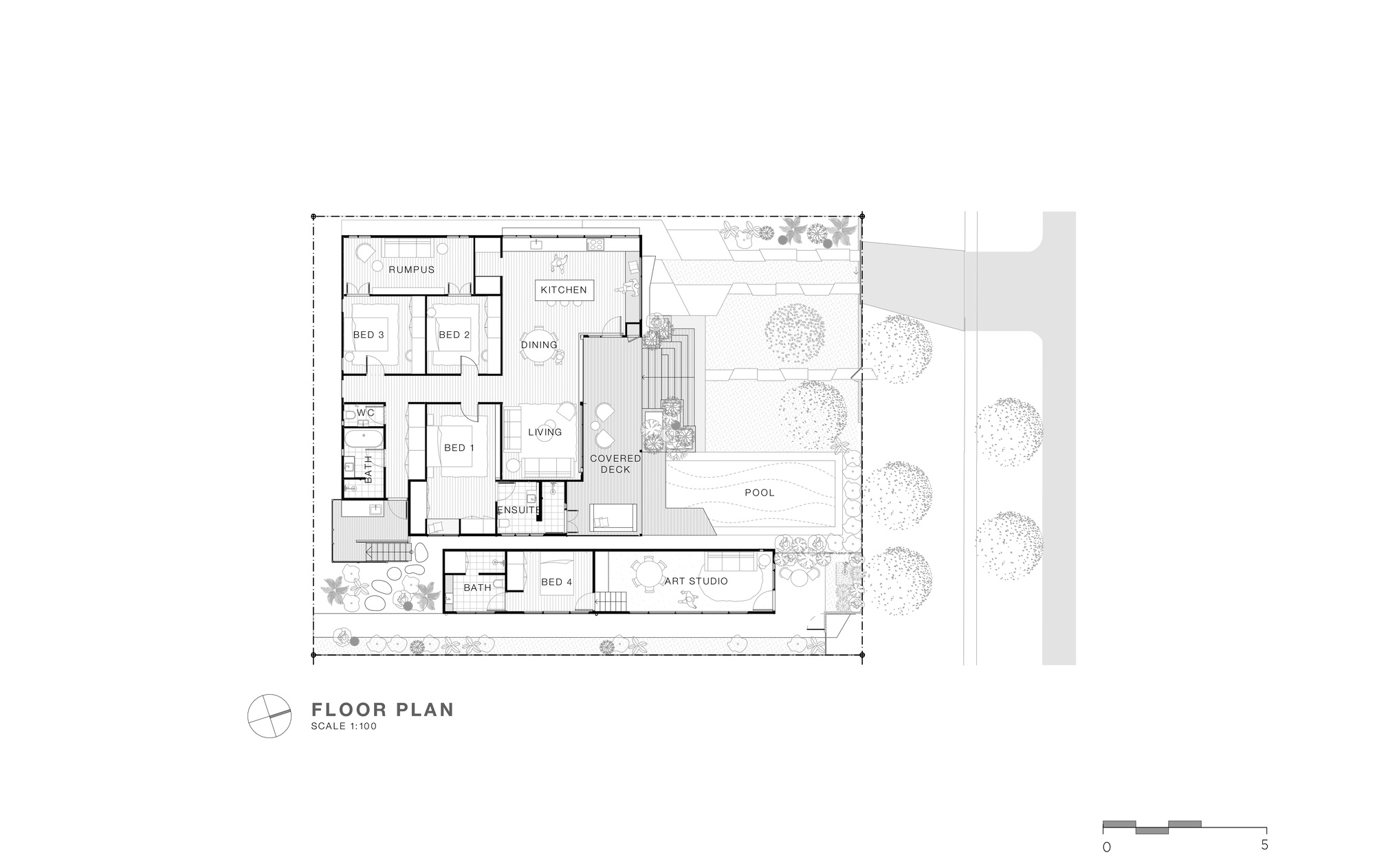
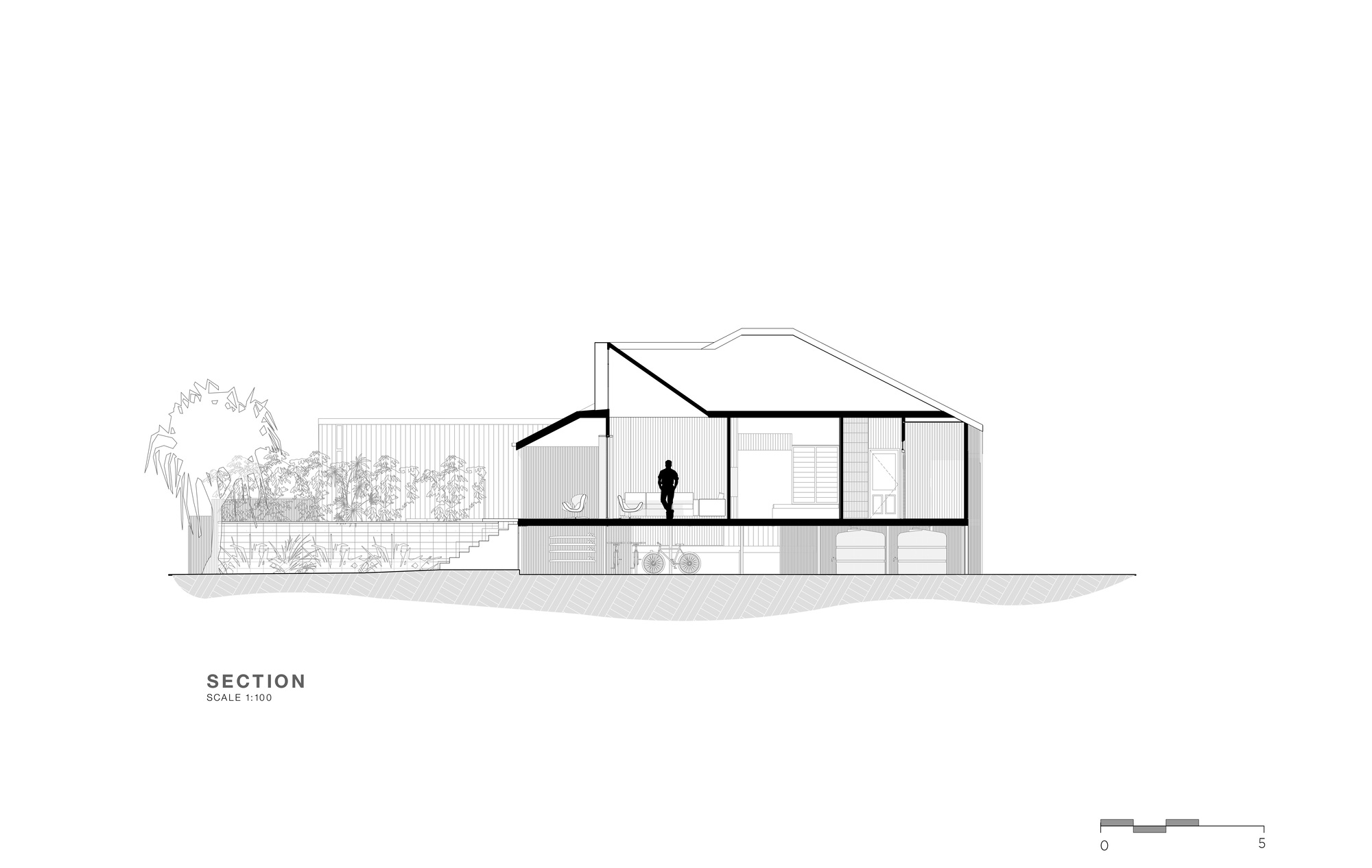
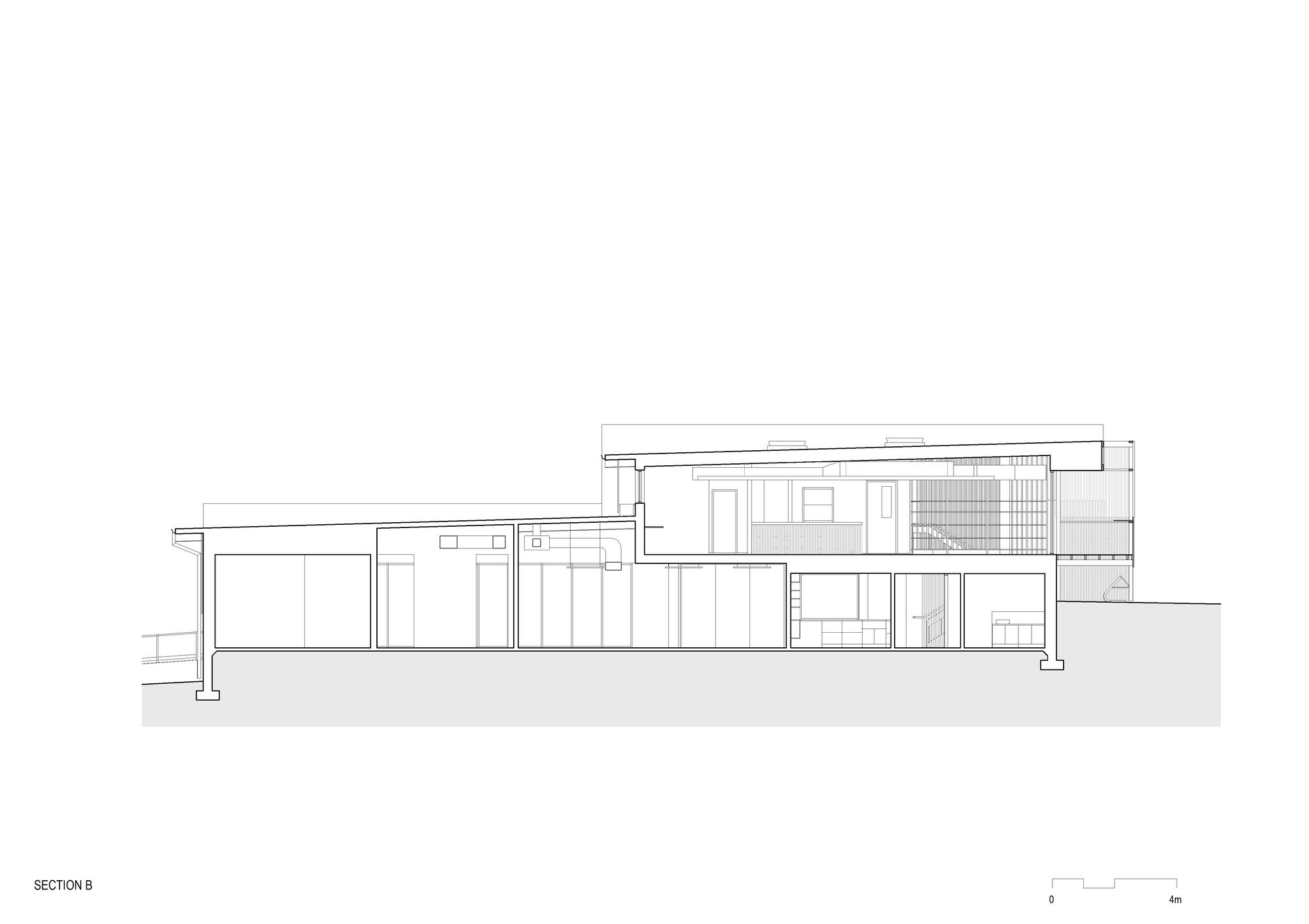
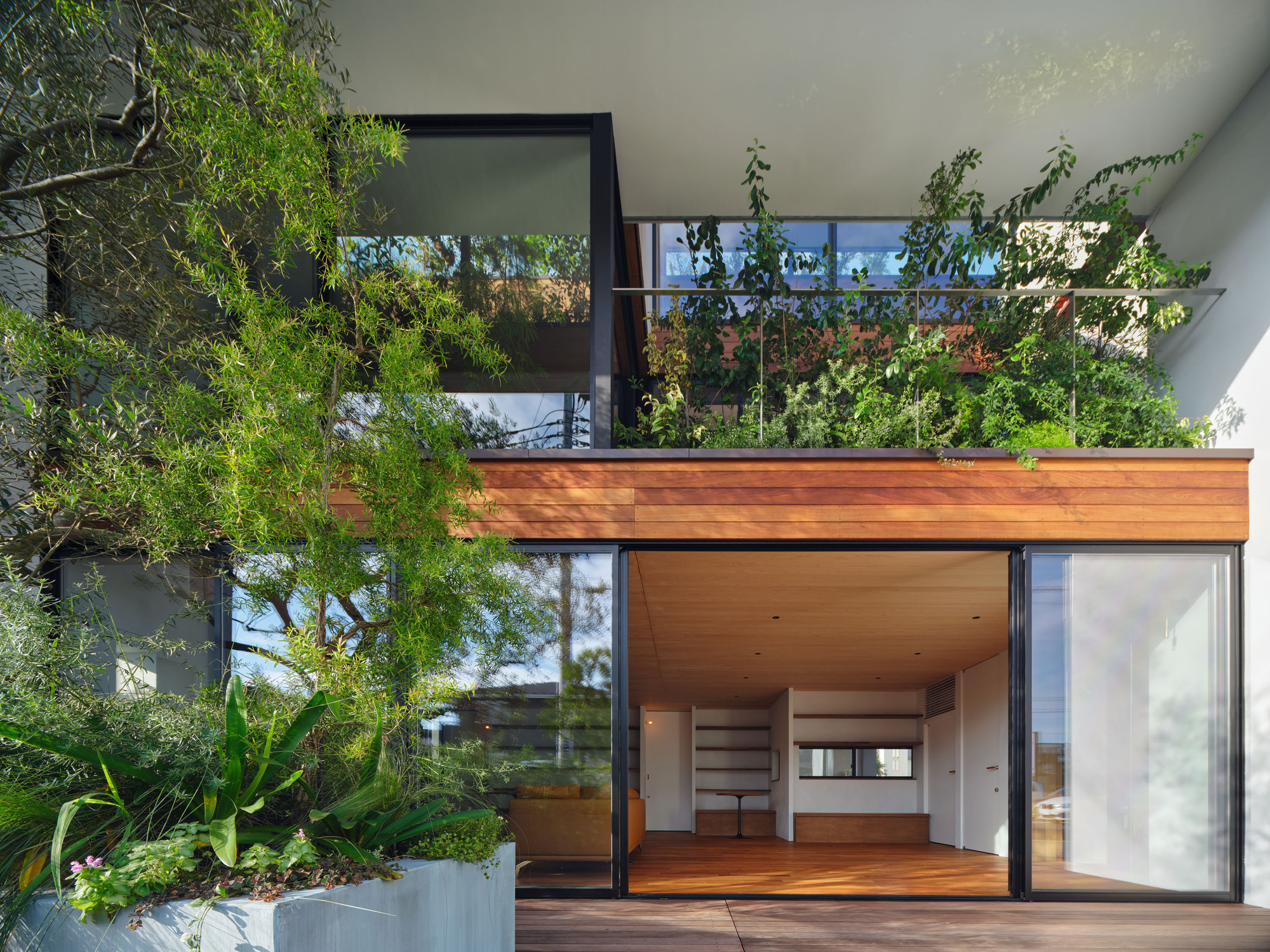
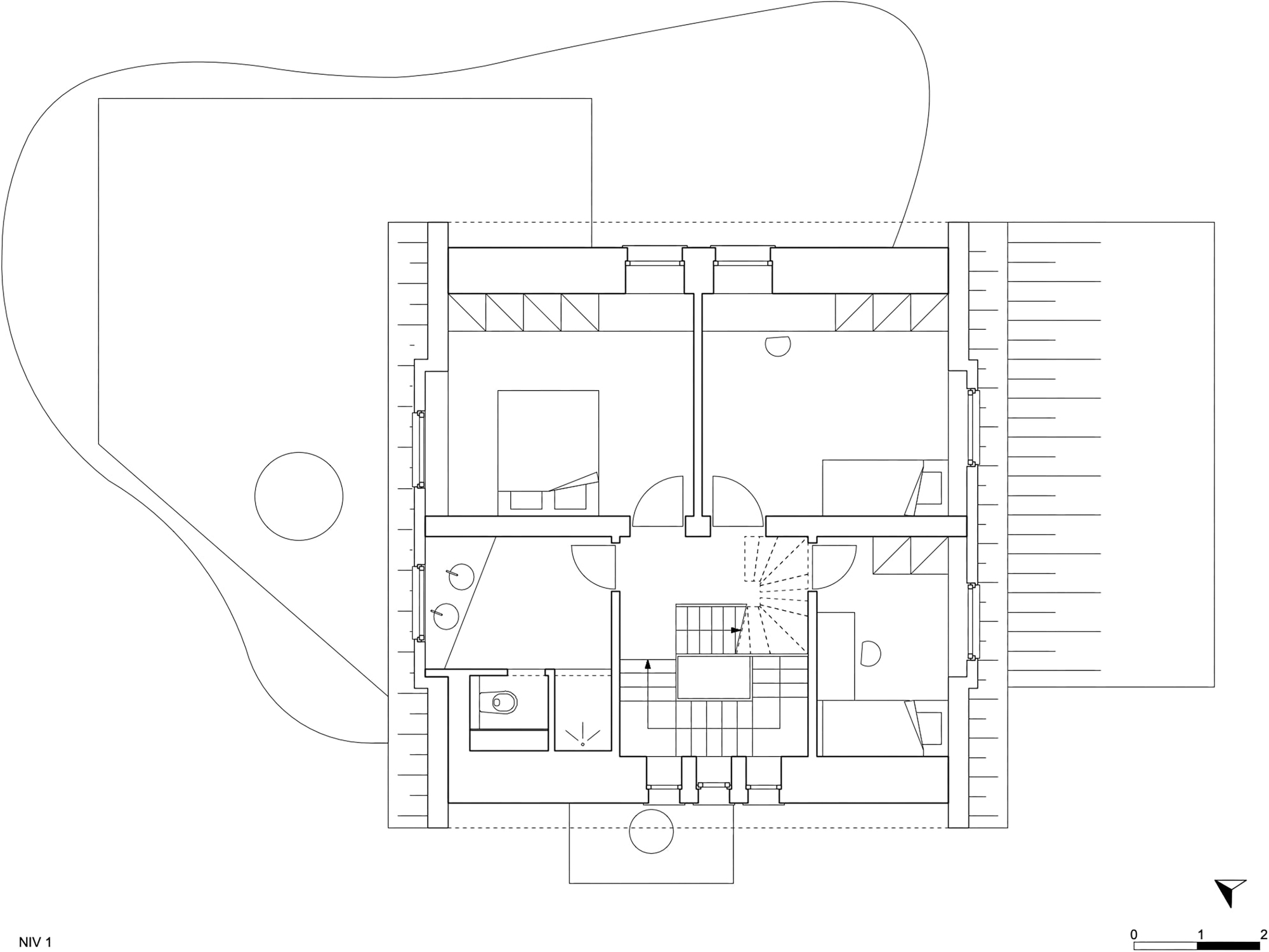
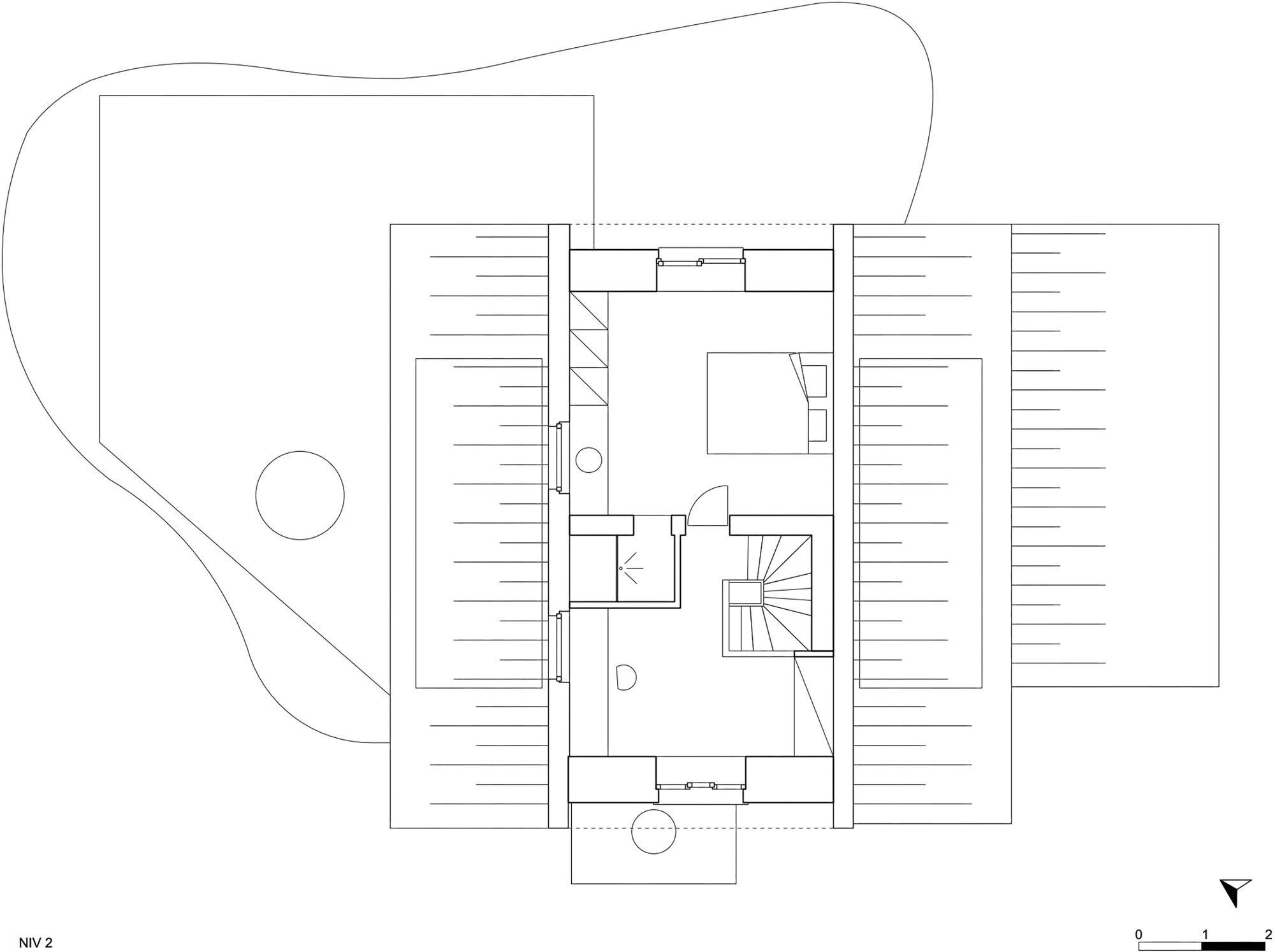
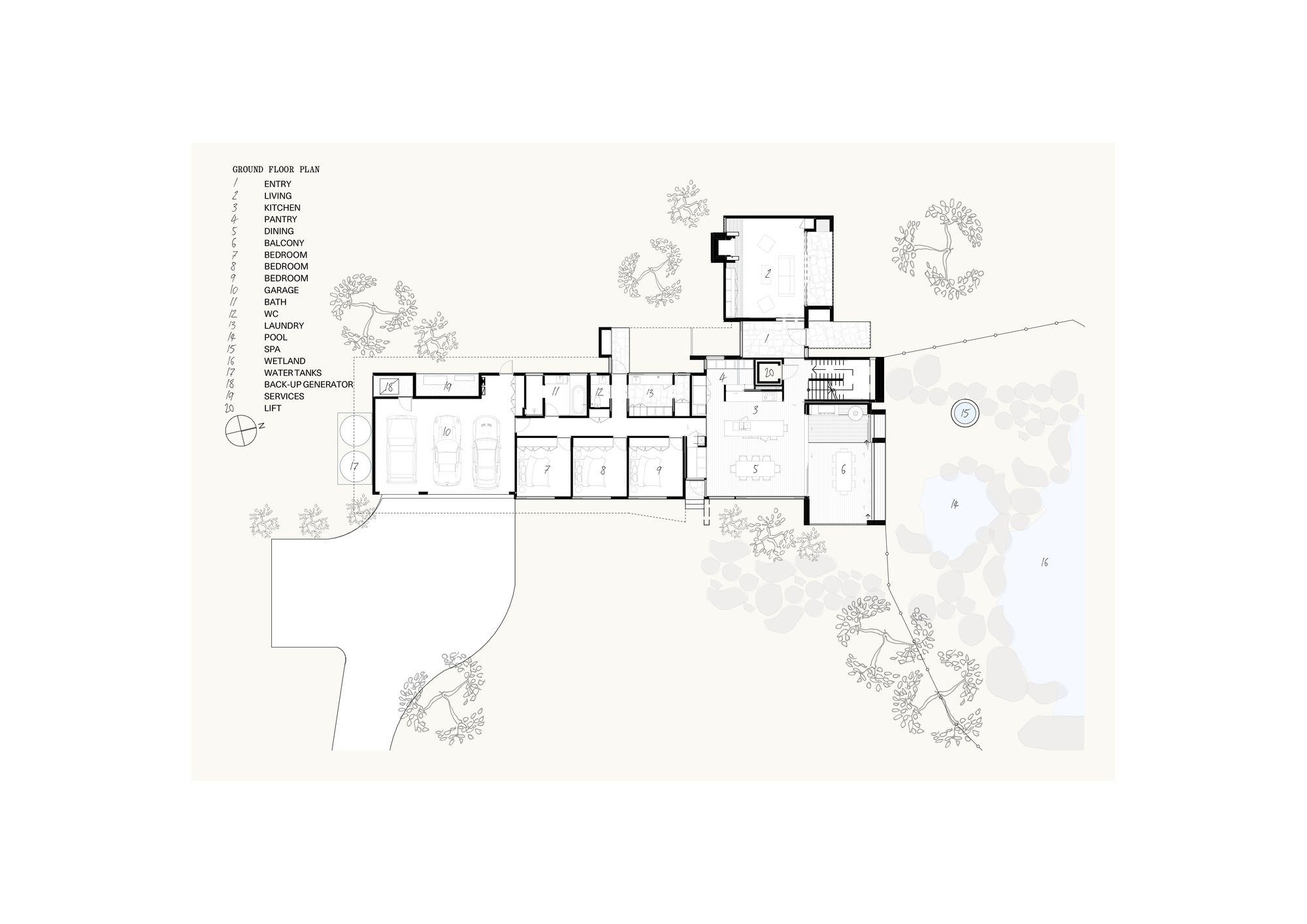
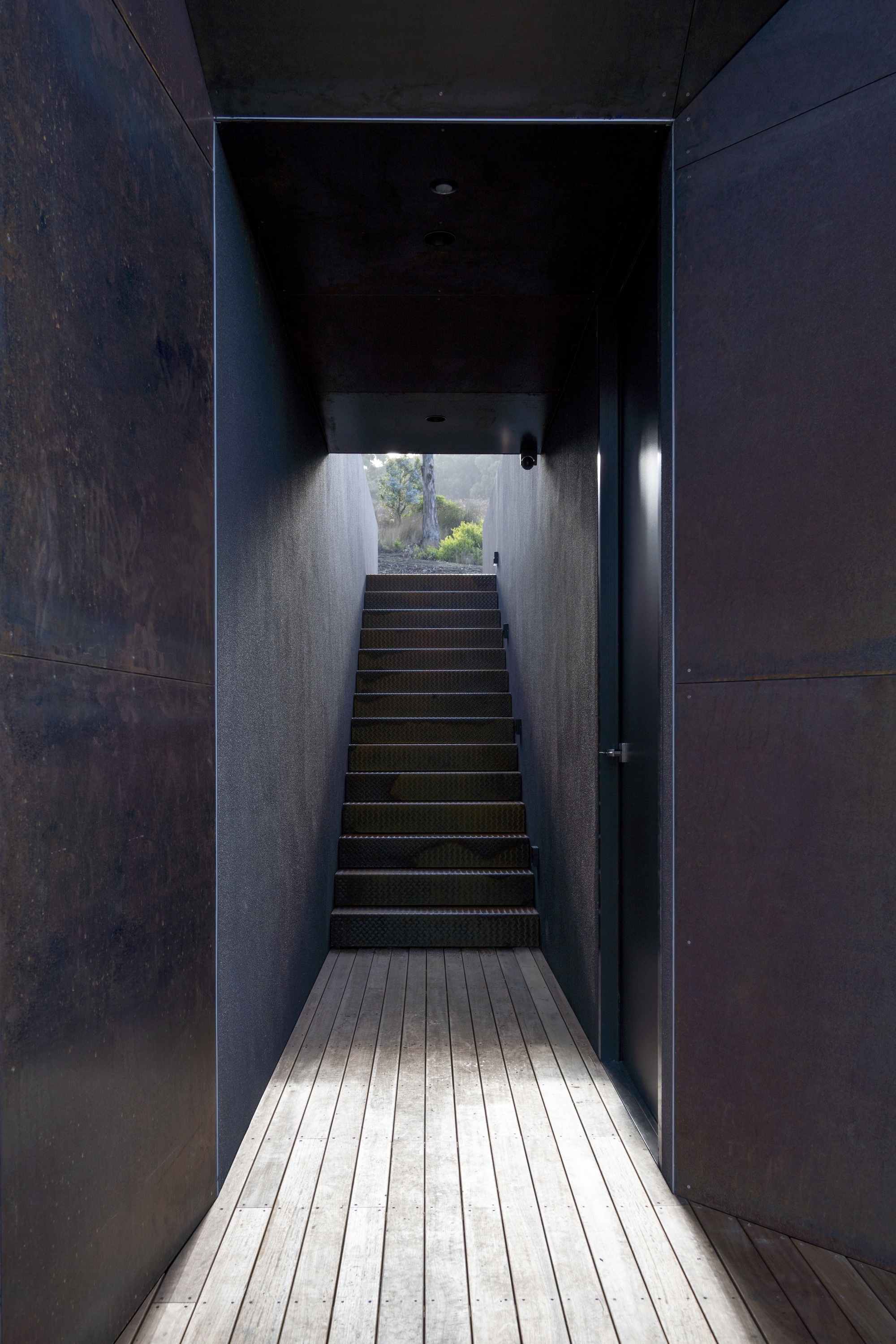
Wetlands House #architecture Architects: Wolveridge Architects Area: 372 m² Year: 2022 Photographs: Derek Swalwell City: Merricks Country: Australia The brief was constructing a new rural home for a hands-on client to replace a dilapidated farmhouse on the Mornington Peninsula in Victoria. Key to the design response is a series of sustainability initiatives, including replacing a non-permeable existing tennis court with wetlands. Sustainability initiatives were integrated into the design brief and were driven by the client just as much. Along with solar passive design principles and air-source heat pump radial heating, isolating zones with sliding doors minimizes operational energy. Natural, robust materials such as granite stone from the local Hillview quarry have been reclaimed to form the external wall of the stair void and the fireplace. Internally, rich Australian hardwood line wall surfaces minimize the use of plasterboard in the home. The artist and tradesman client couple were deeply interested in sourcing natural, robust materials such as reclaimed granite stone from the local Hillview quarry. Balanced against the dry stack stone is a ship-lap hardwood timber cladding - reminiscent of a farm cottage building tradition. The home has a generous apportionment of space. However, it was created with the empty nest in mind so it could be inhabited by a couple on one level without feeling cavernous. The floor plan's zoning around an east-facing courtyard enabled a generous range of private family and less private entertaining spaces, each offering unique garden links. The kitchen was provided separately as a cozy family space for meals and daily get-togethers. The home is on a generous allotment in an area characterized by large setbacks, established landscape, and tree-lined streets. Creating a large storage basement with a single driveway crossover and providing the main living with landscape cutouts across the site responds to the established character. These notions are further enhanced with the first-floor form comprising a minimal floor area to lessen any suggestion of bulk. The clients had lived in the existing house for many years and, therefore, were able to shed light on their experiences and local knowledge—particularly in terms of seasonal weather patterns and views. The project quickly became about working with our client's knowledge of the site and fostering a shared interest in making timeless architecture that works hard to minimize its impact on the environment.
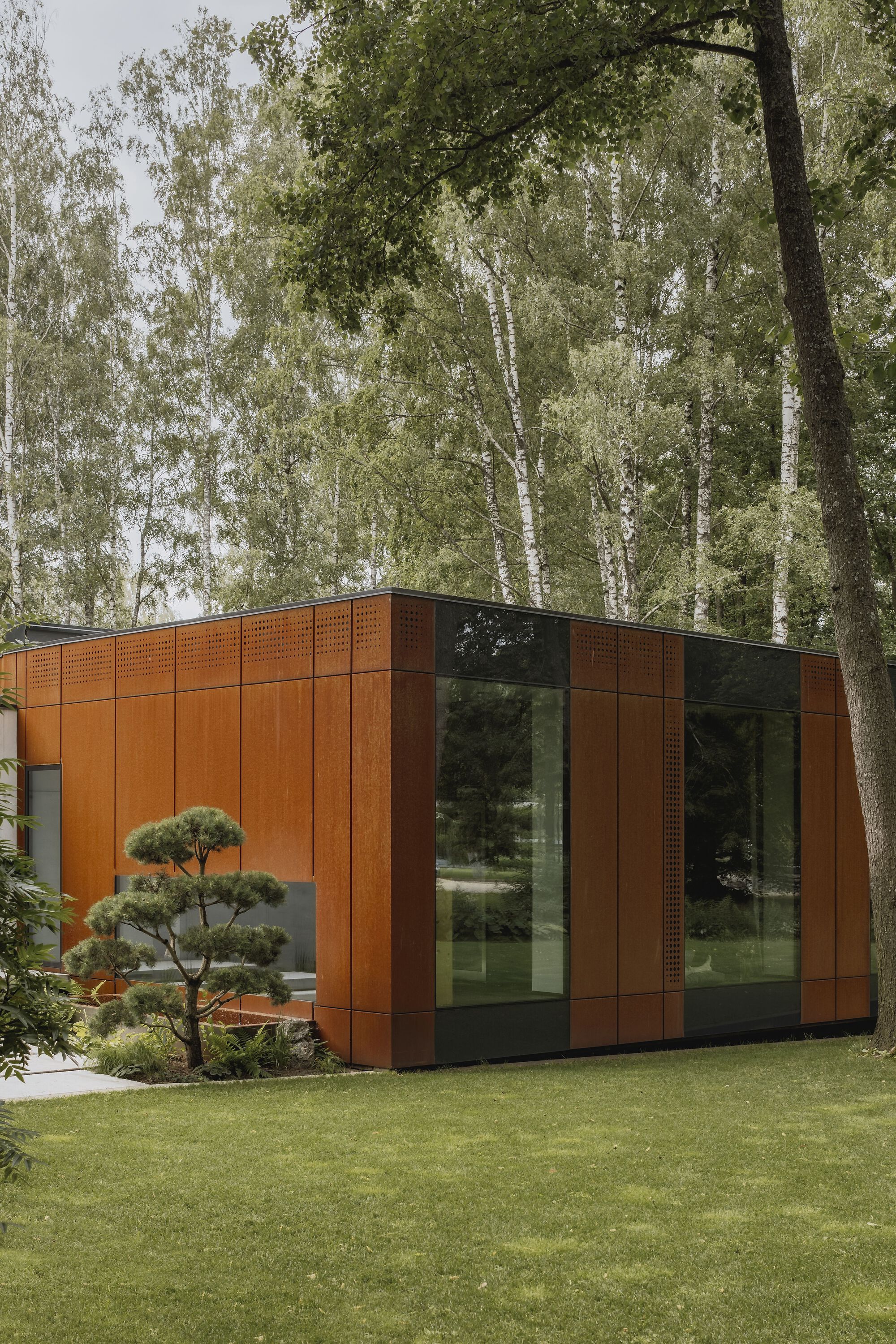
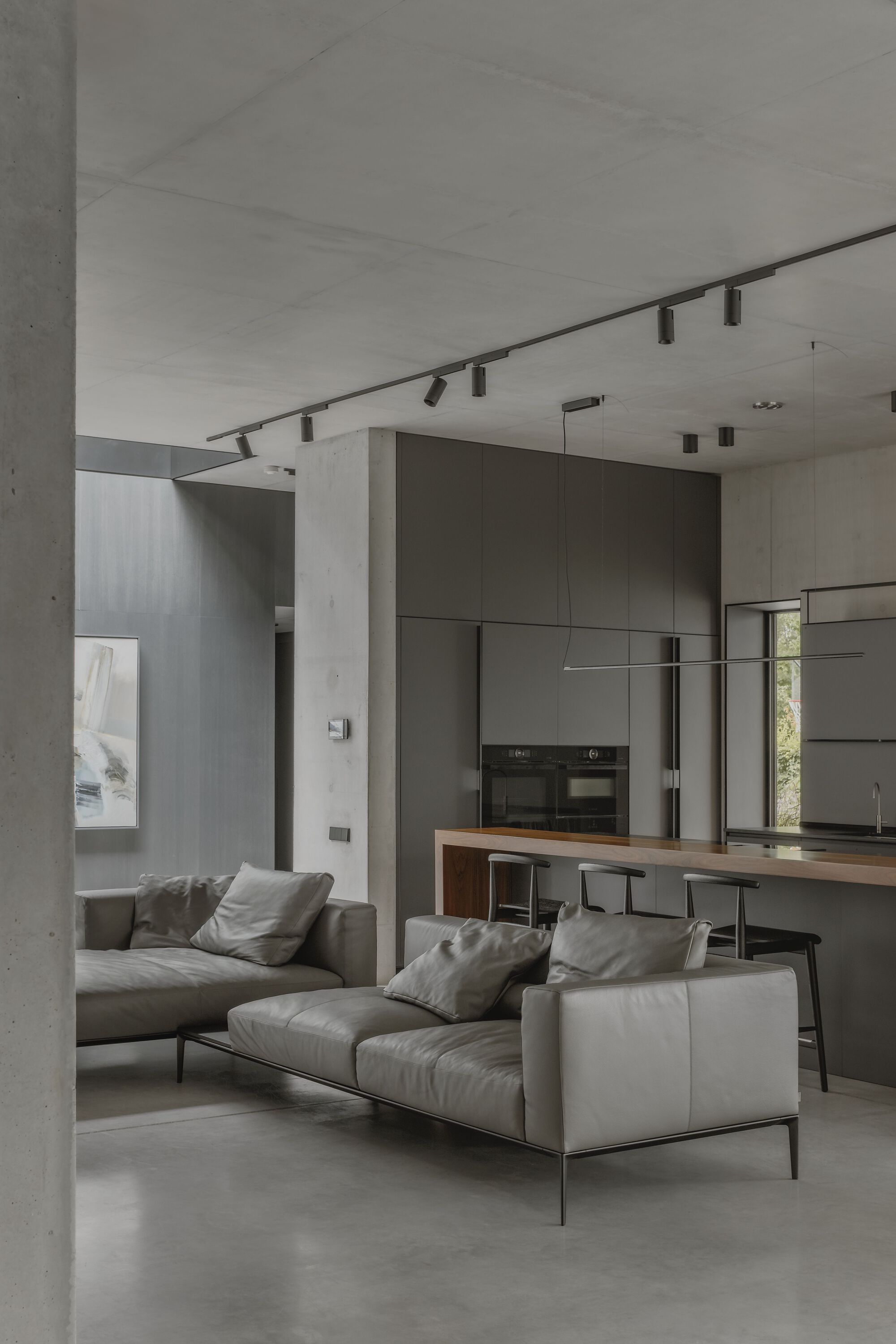
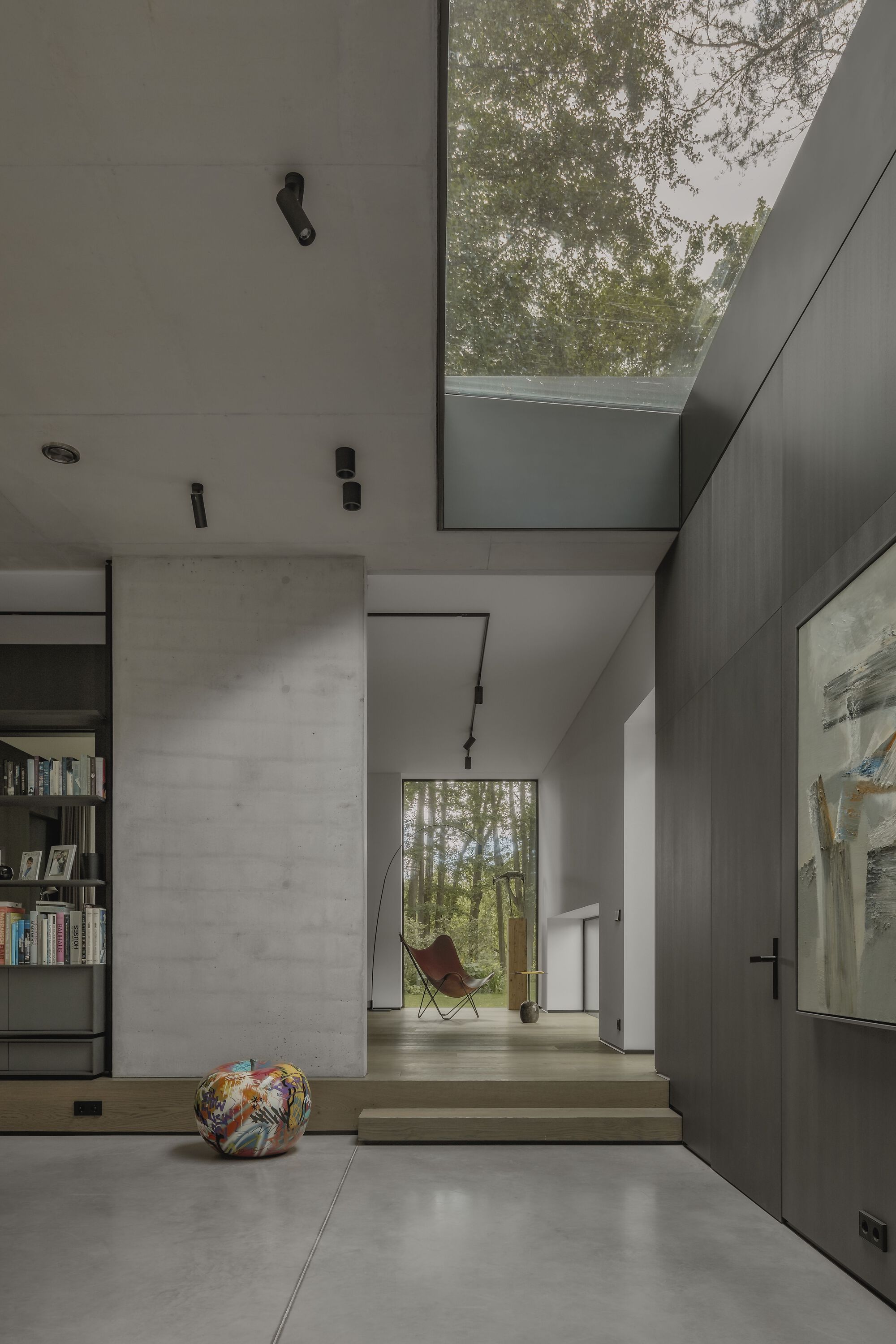
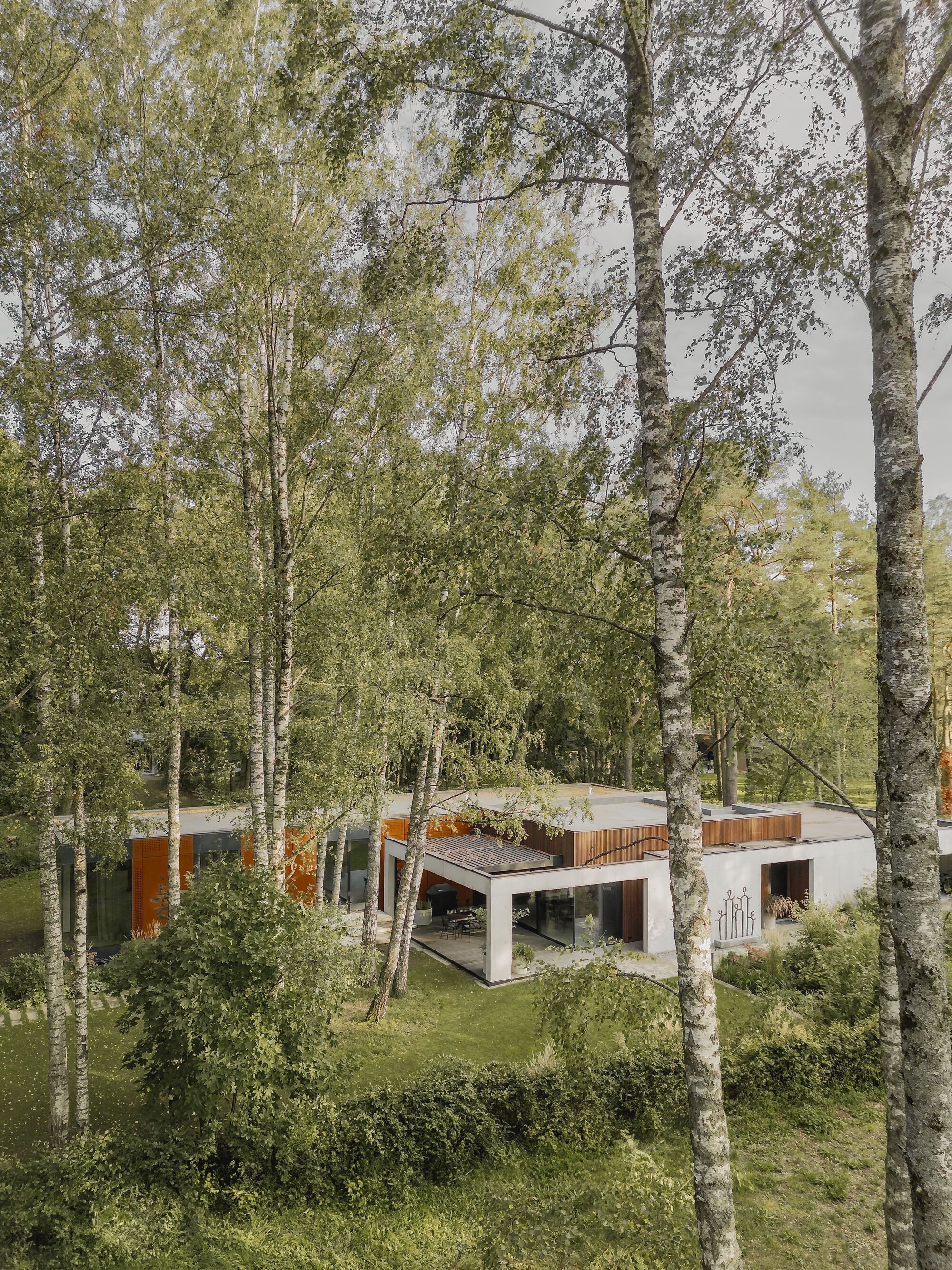
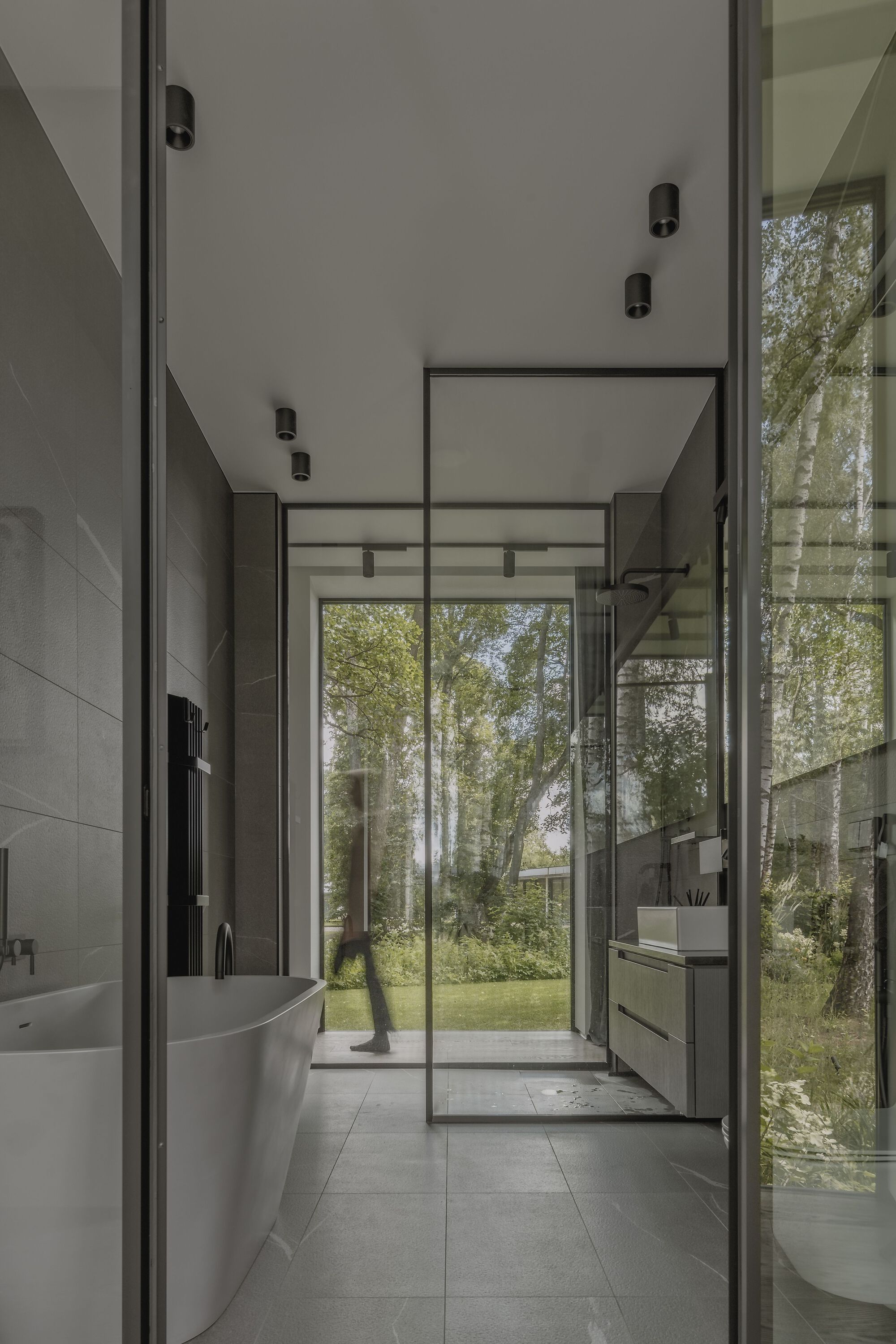
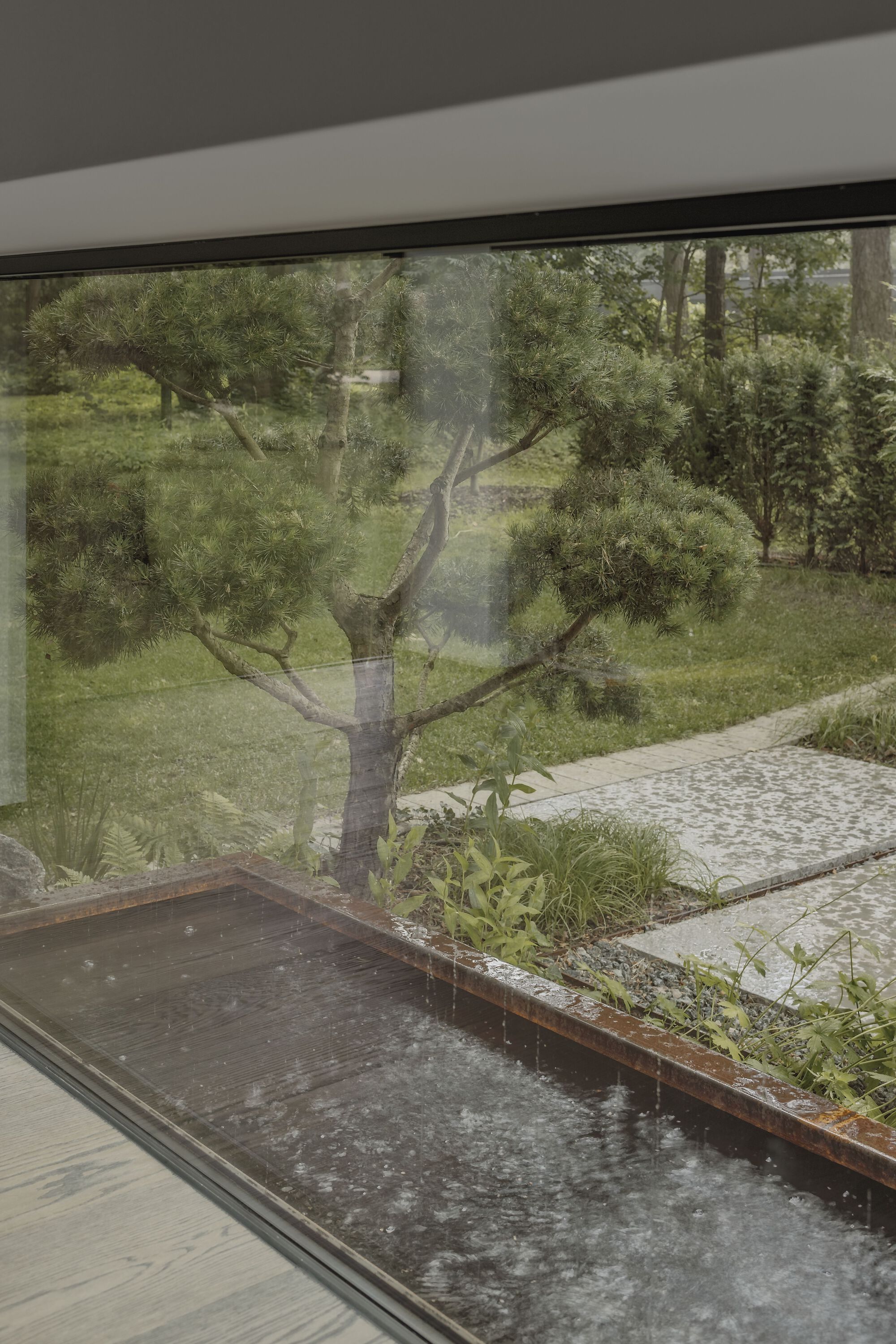
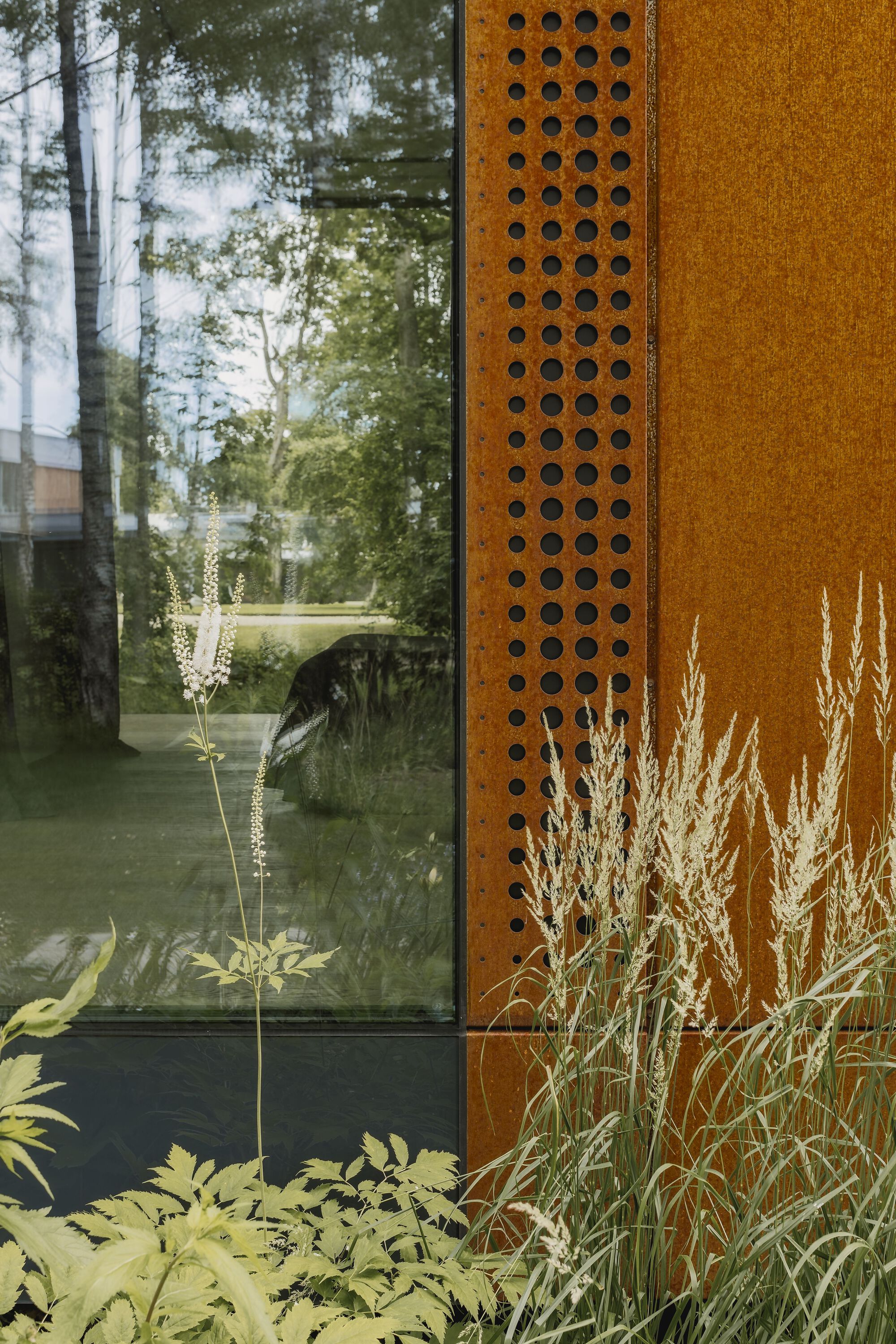
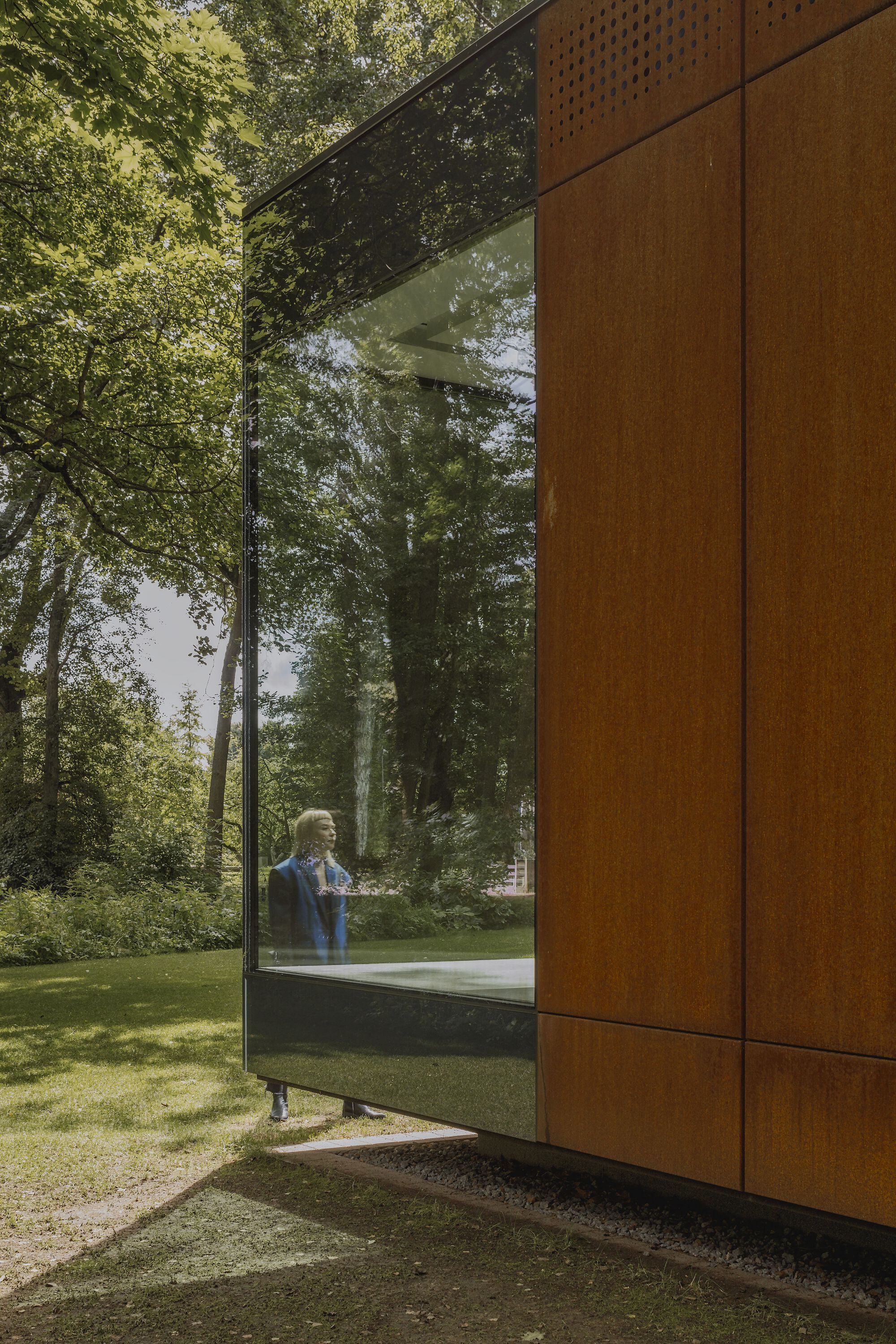
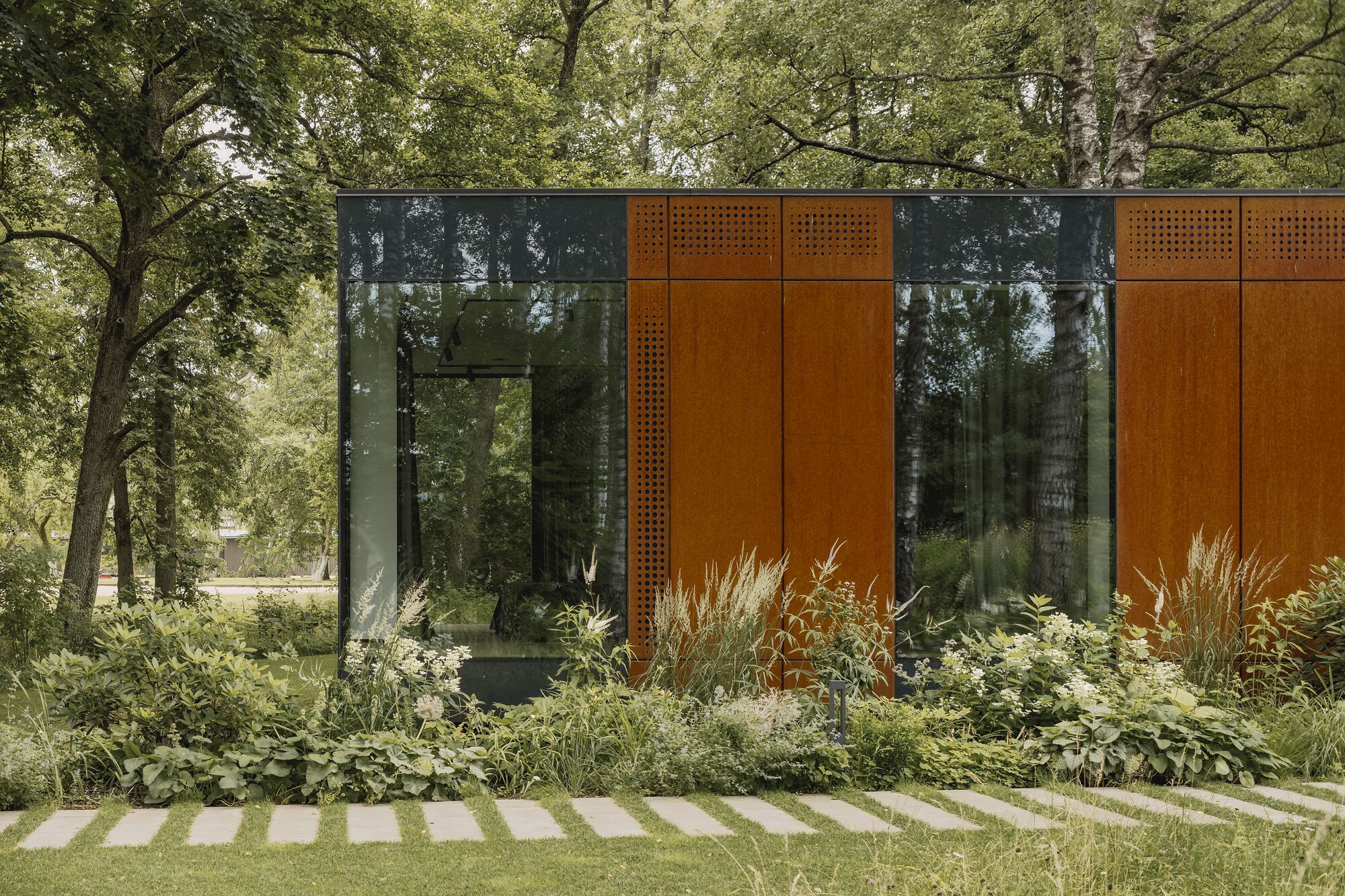
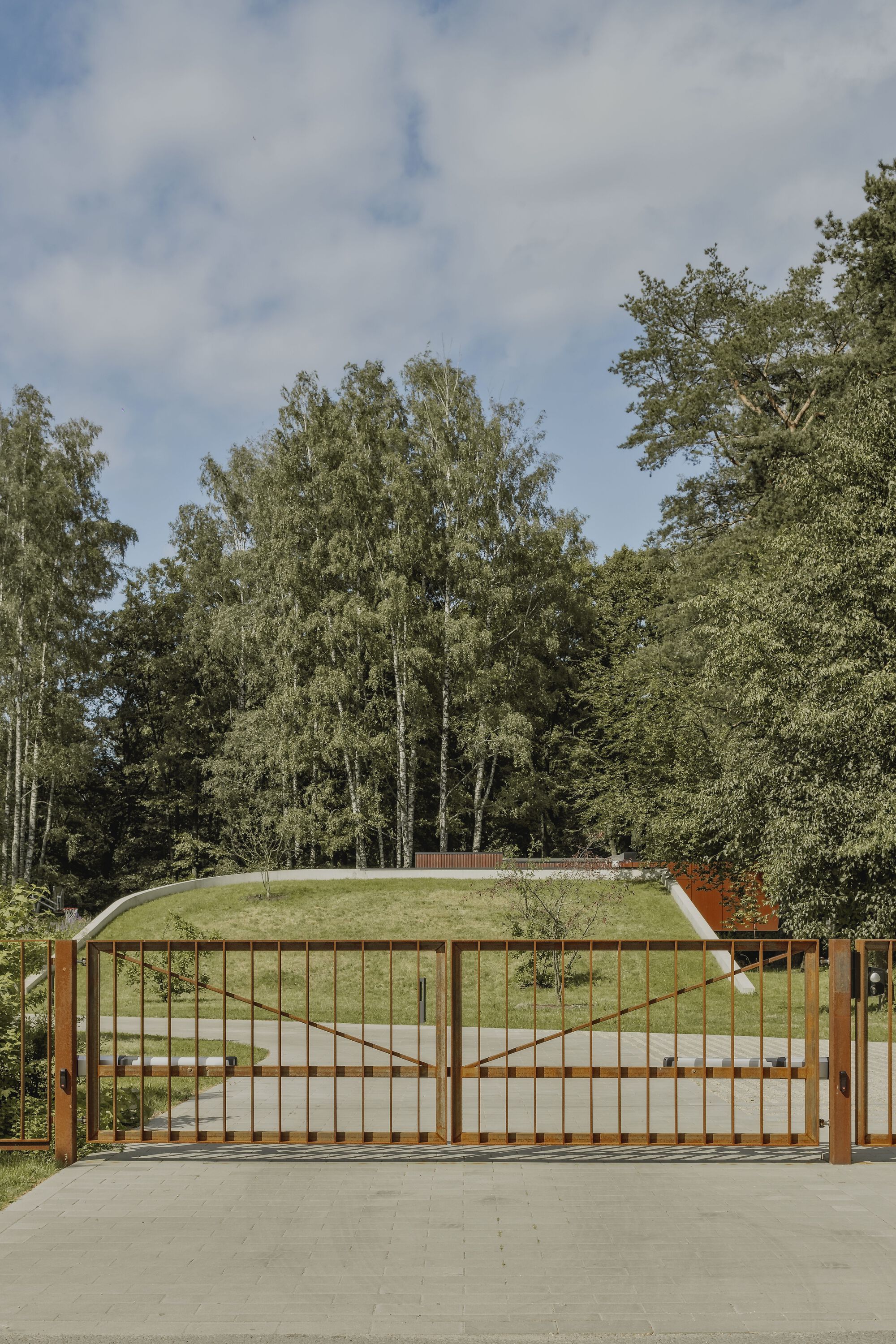
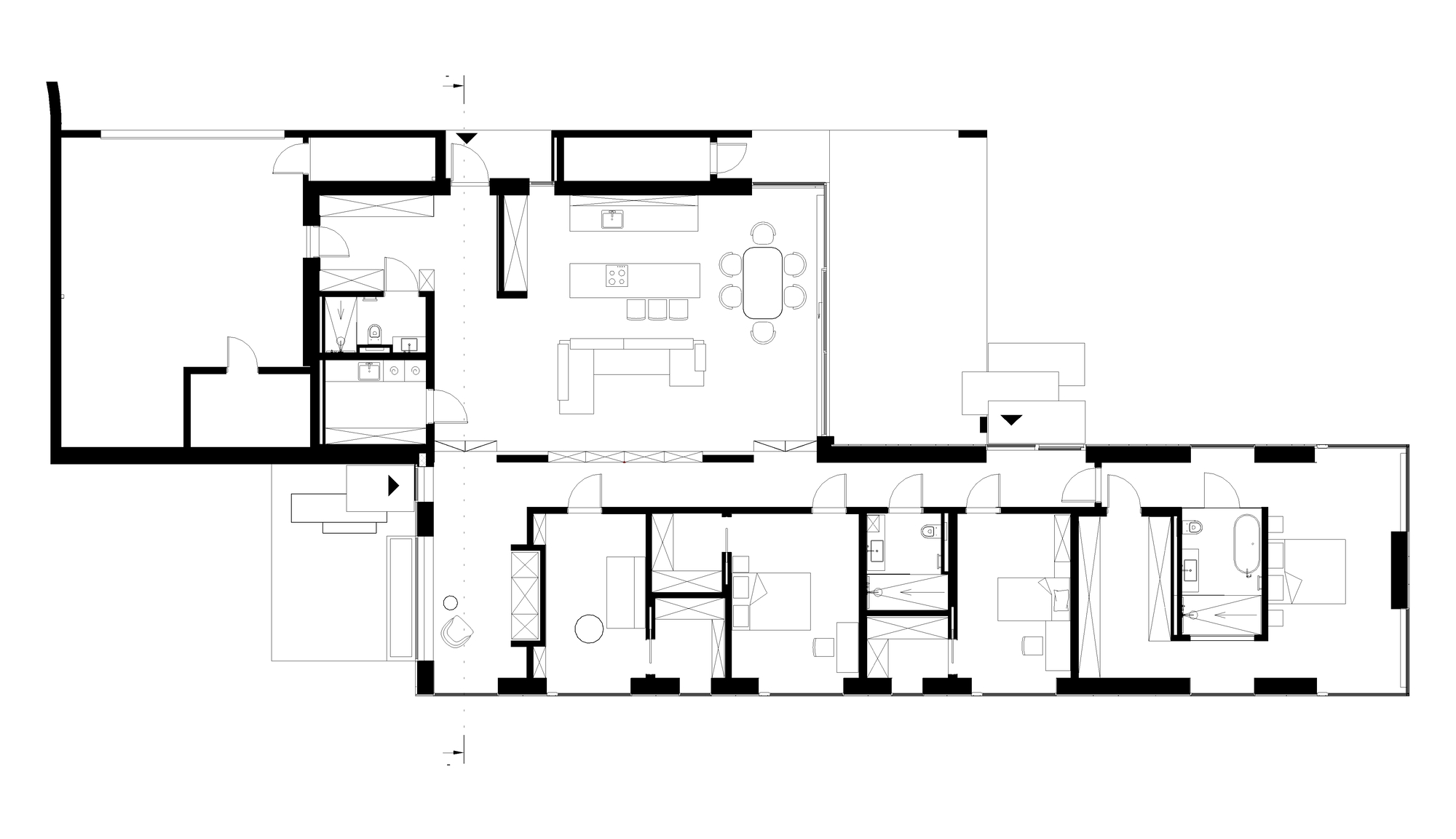
CRS79 Residence #architecture Architects: OAD - Open Architecture Design Area: 440 m² Year: 2024 Photographs: Alvis Rozenbergs City: Riga Country: Latvia
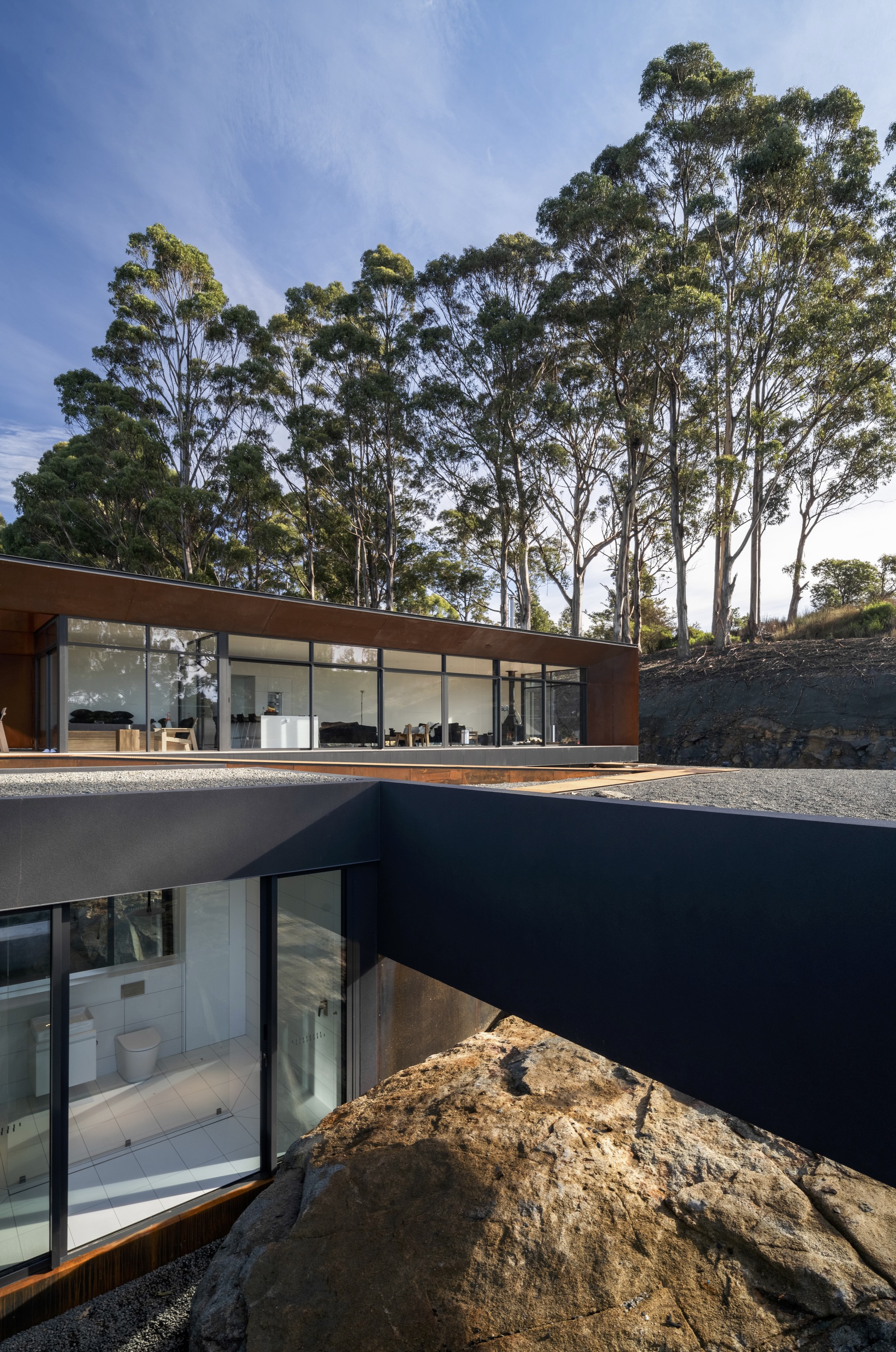
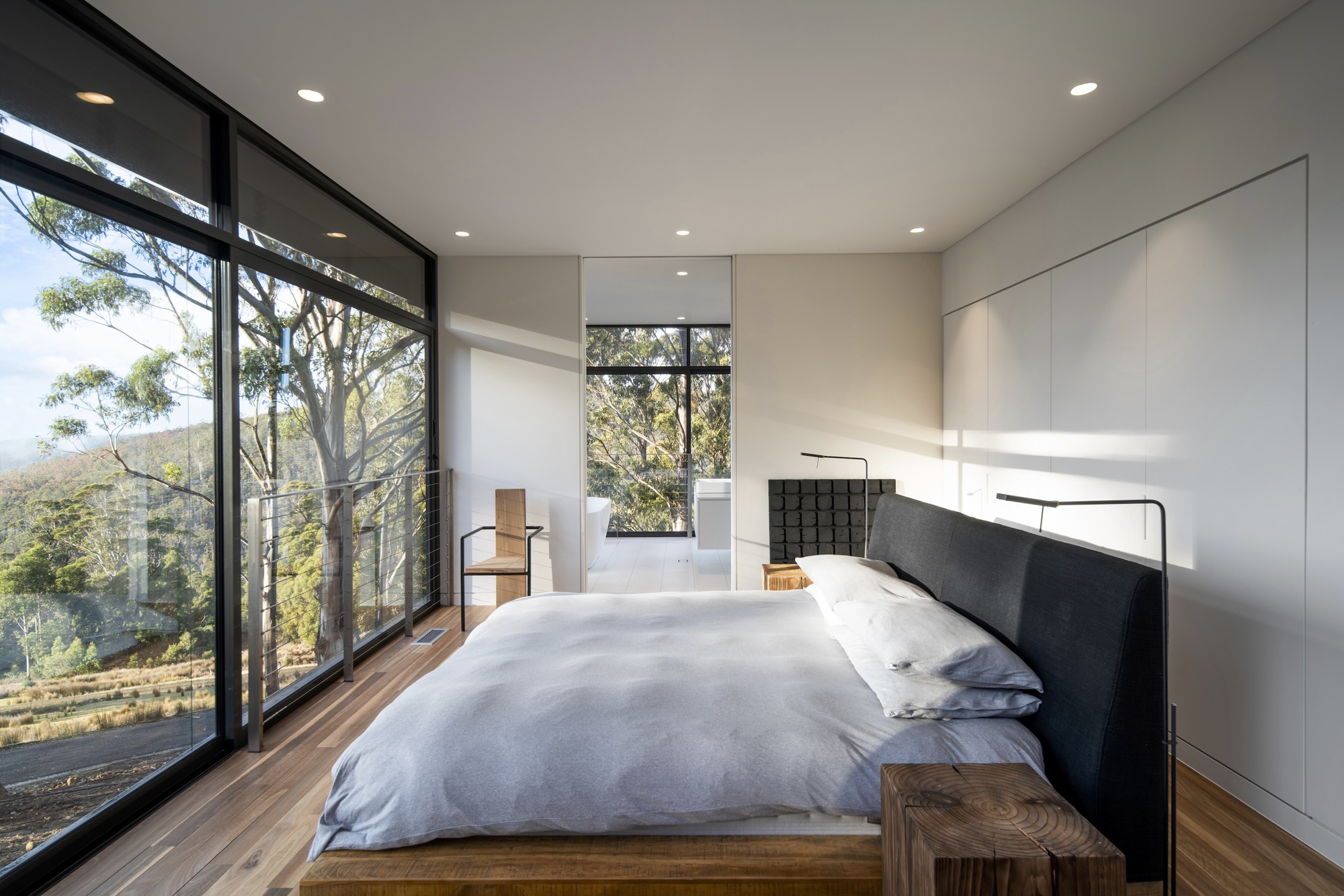
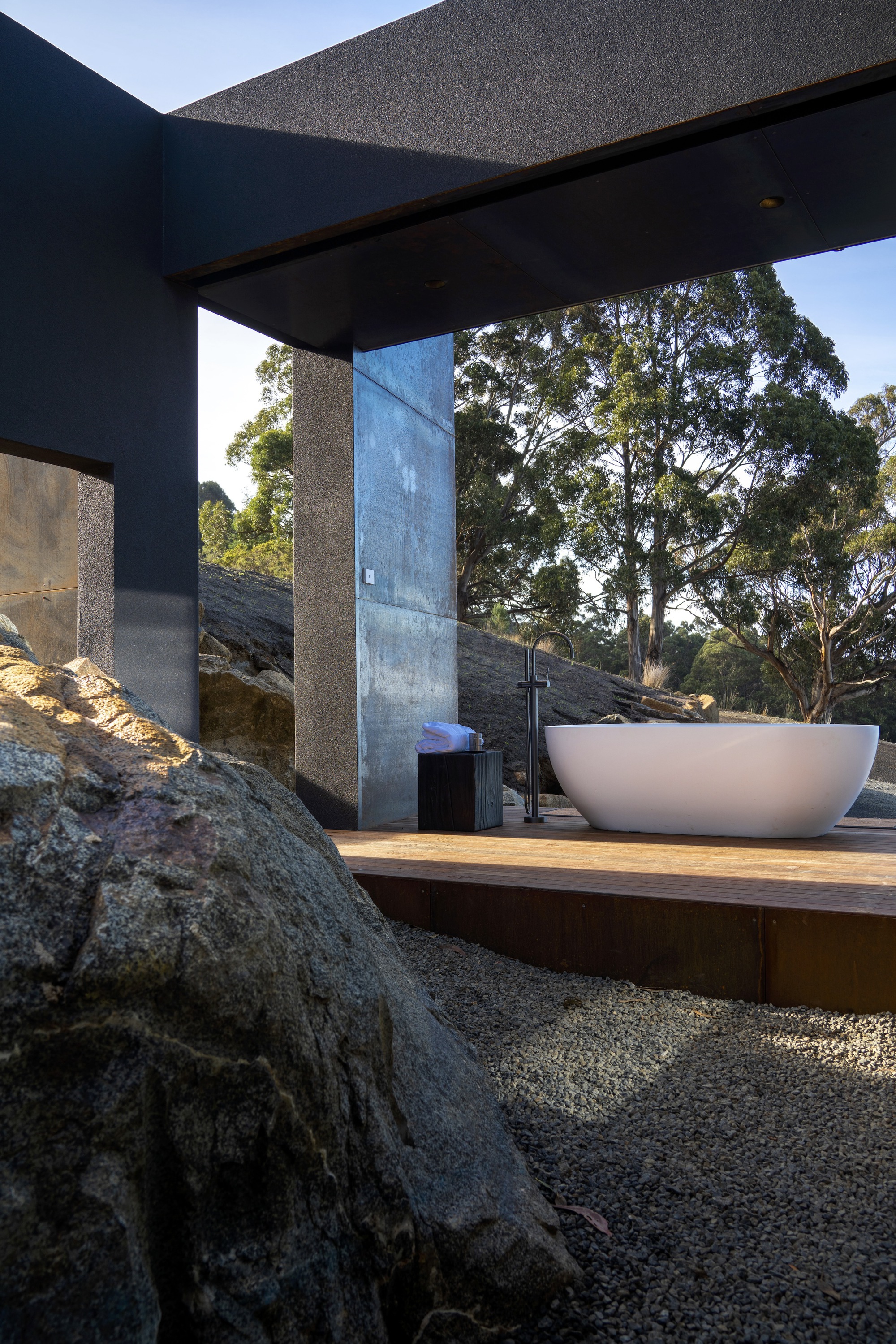
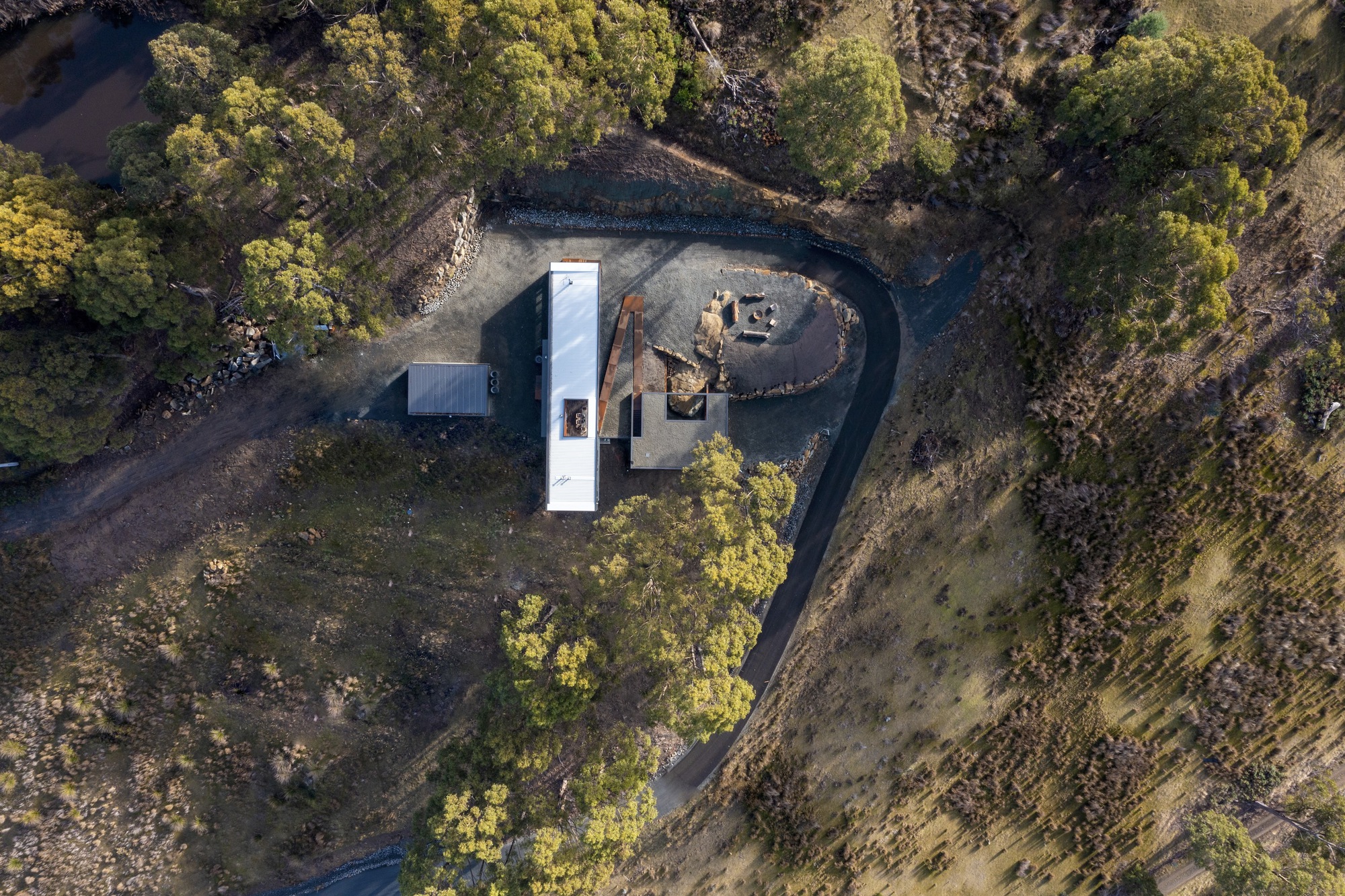
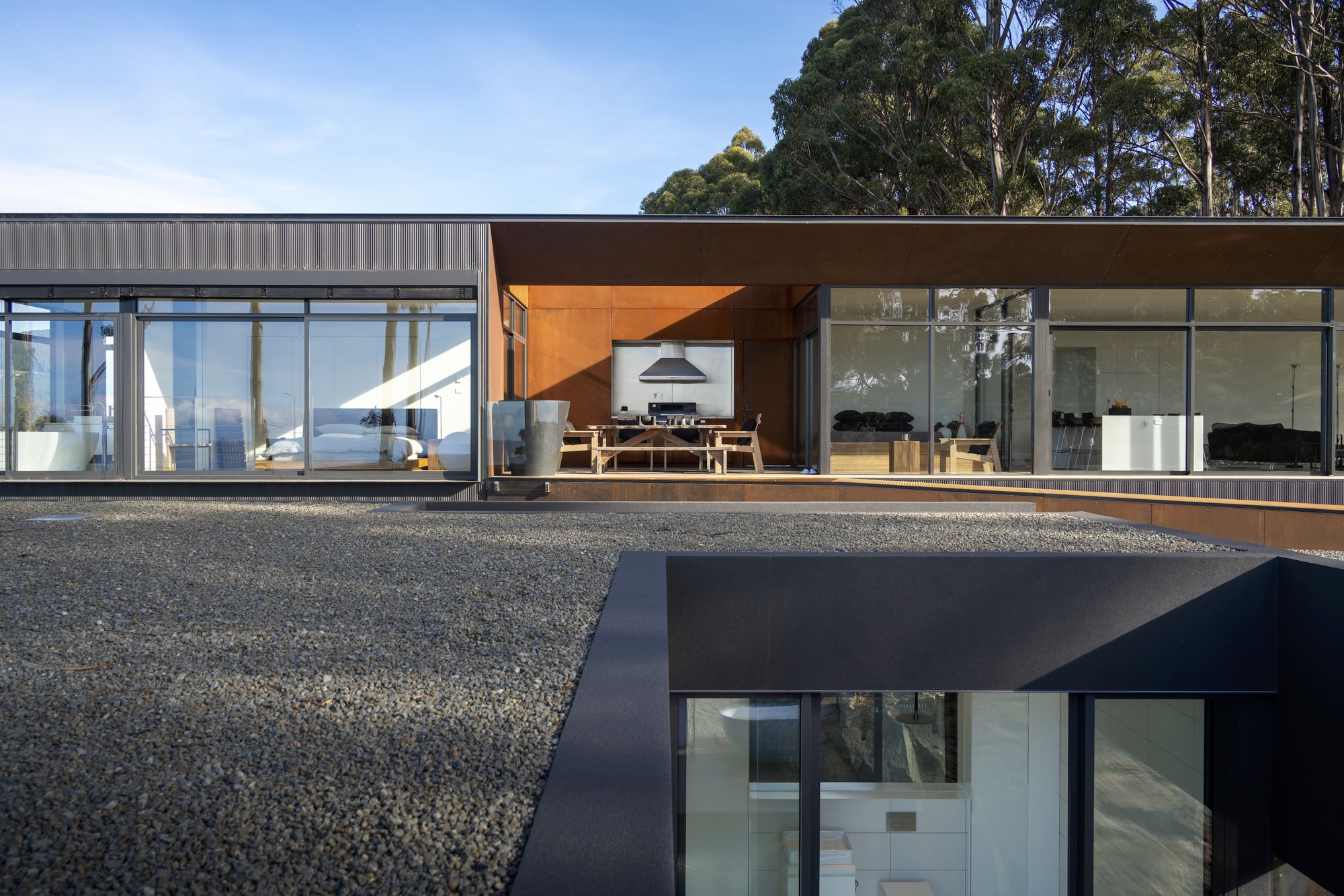
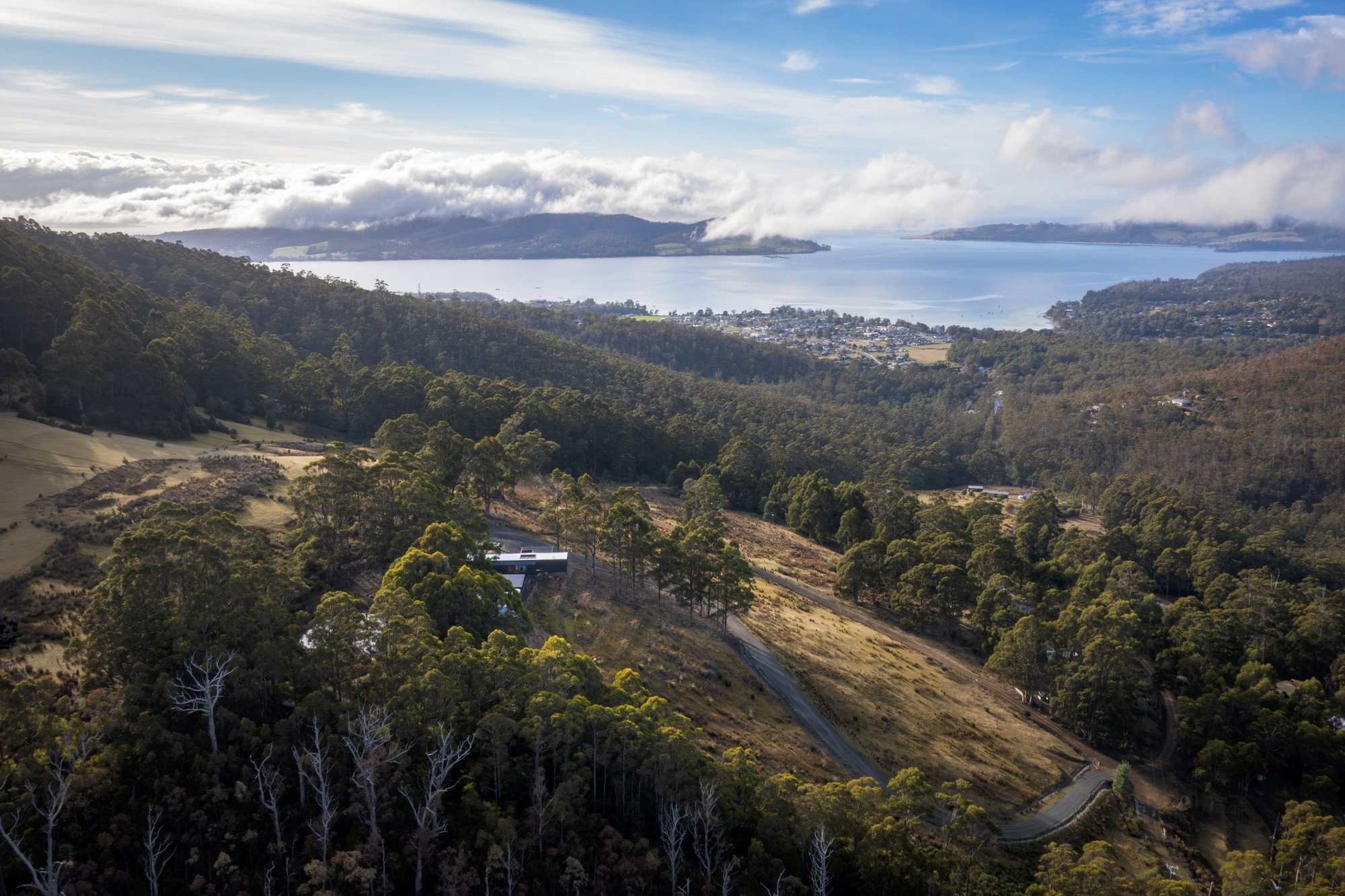
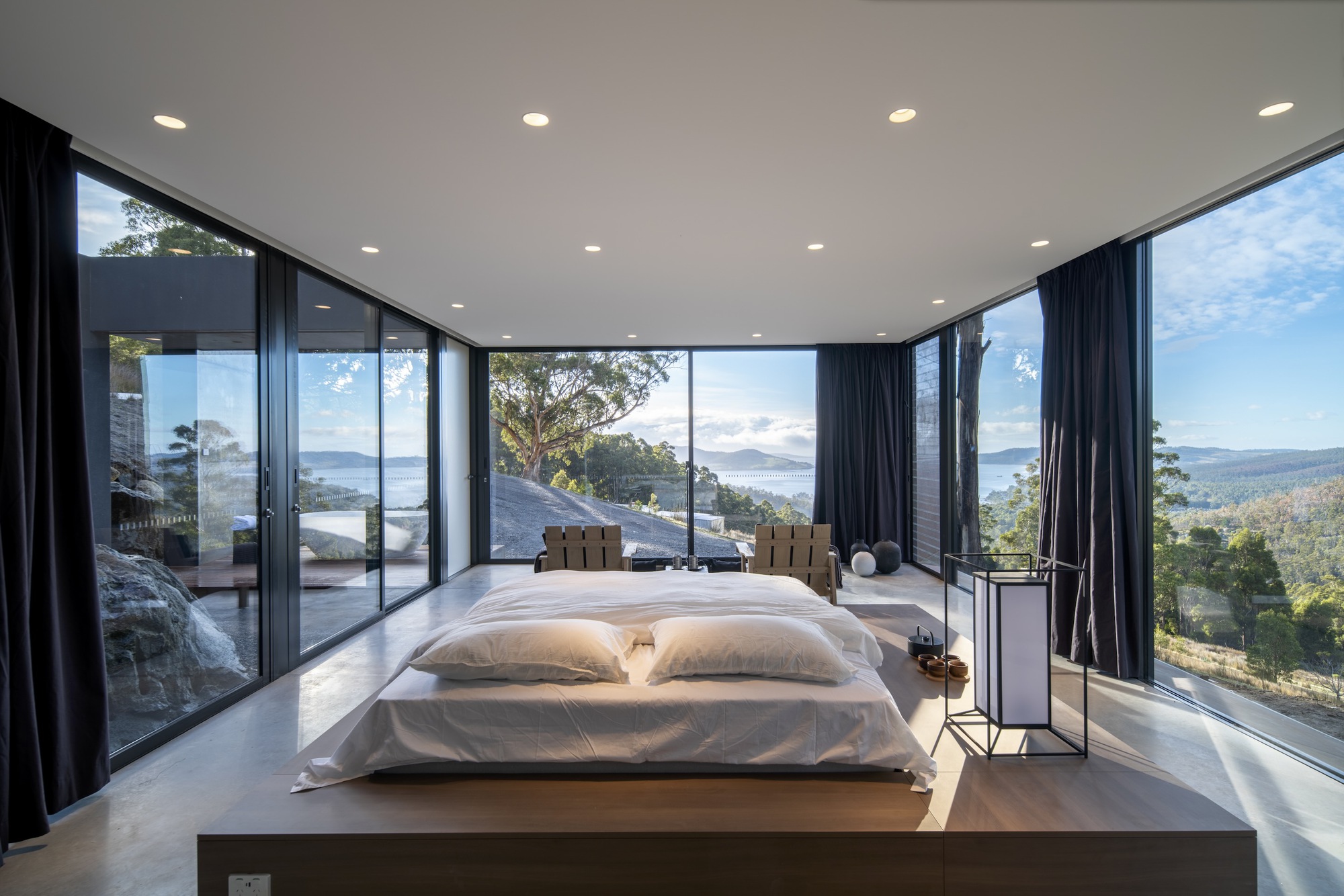
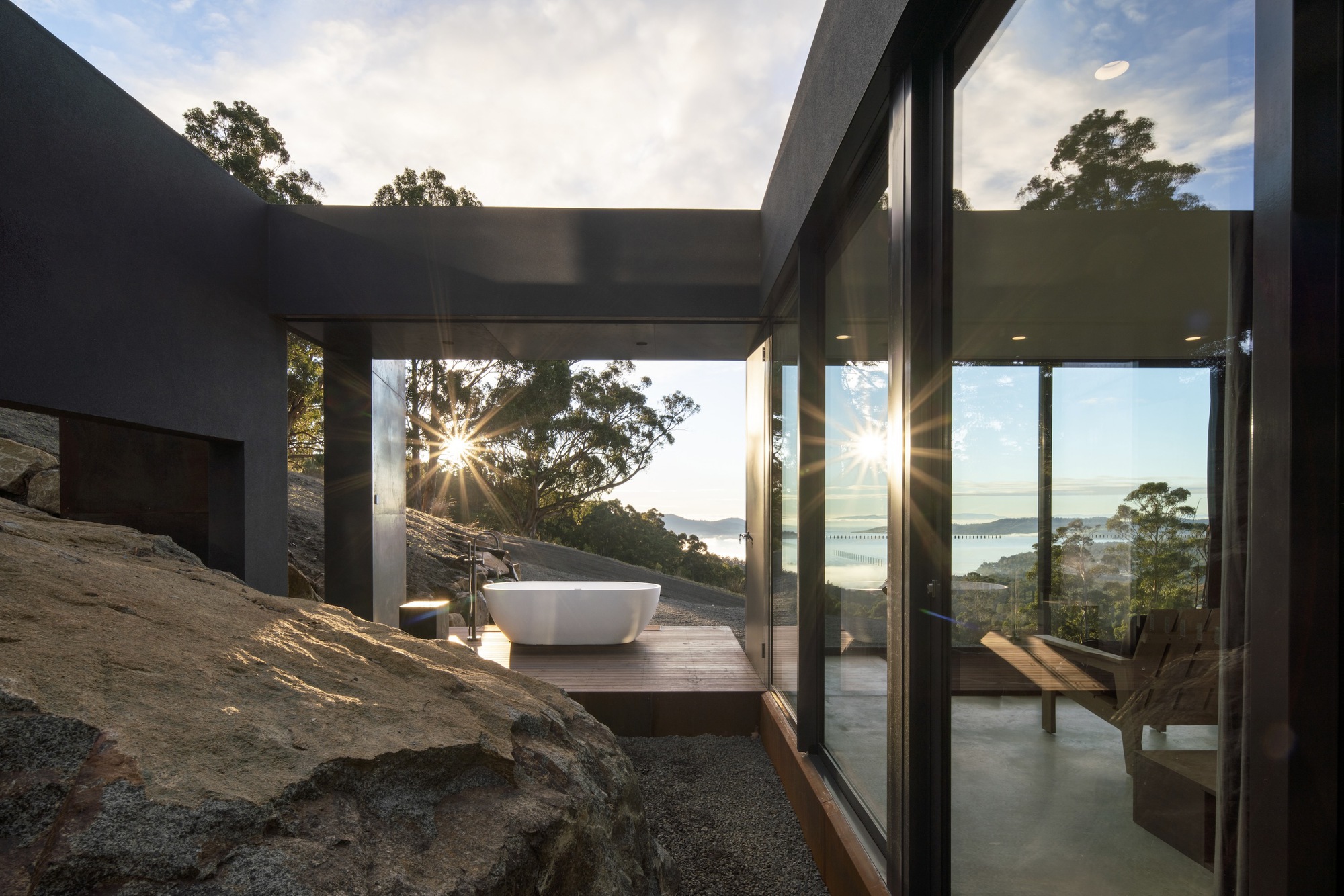
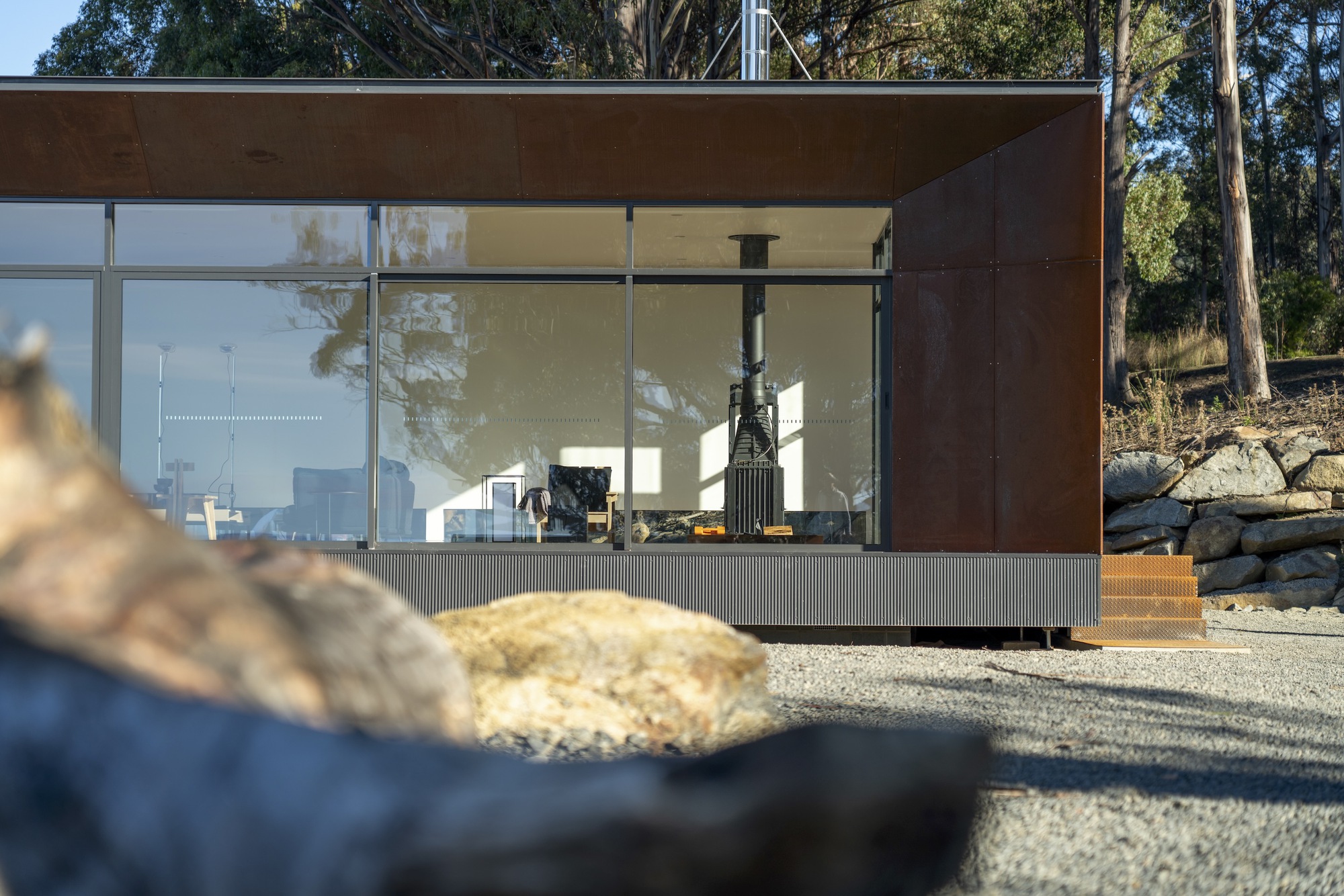
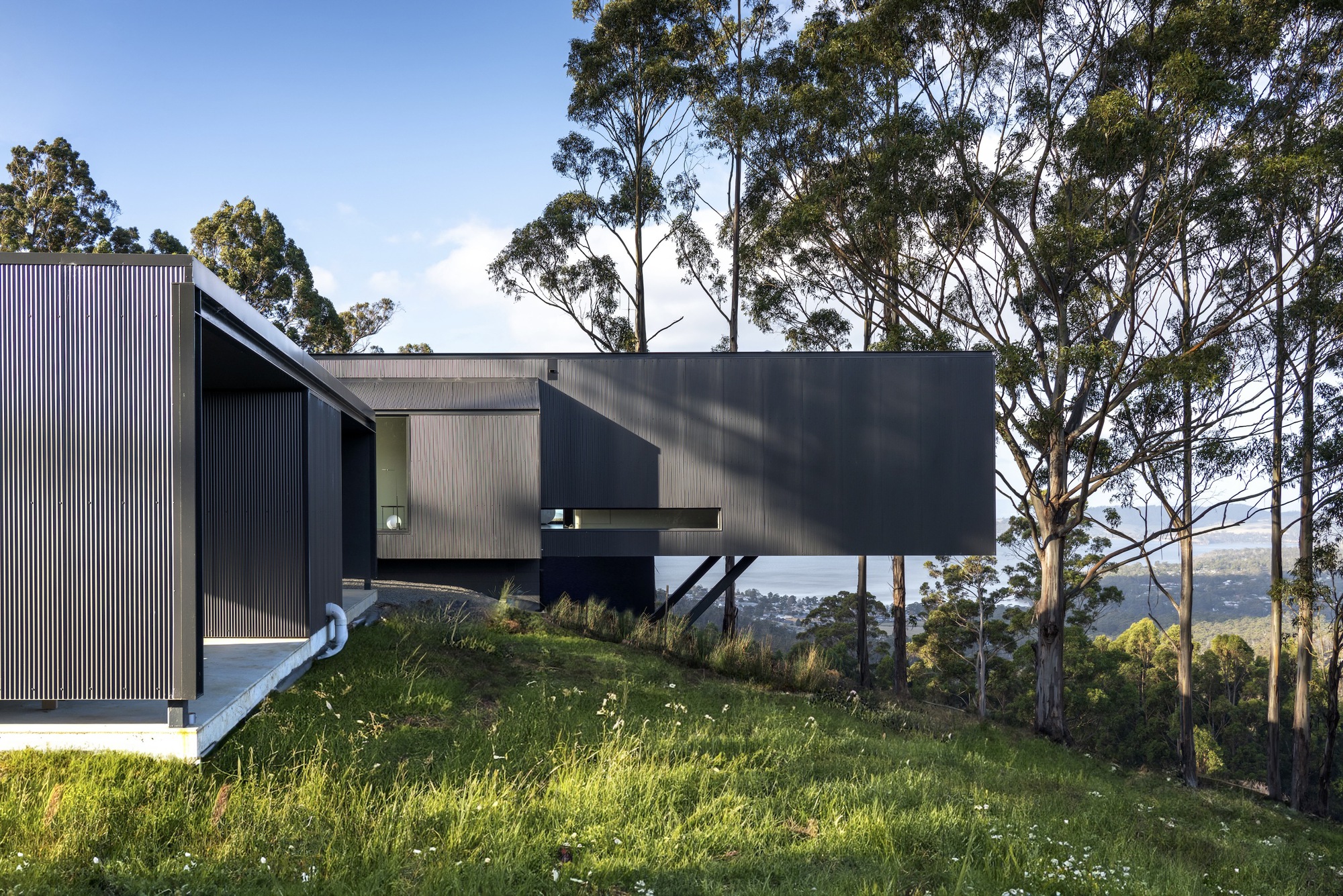
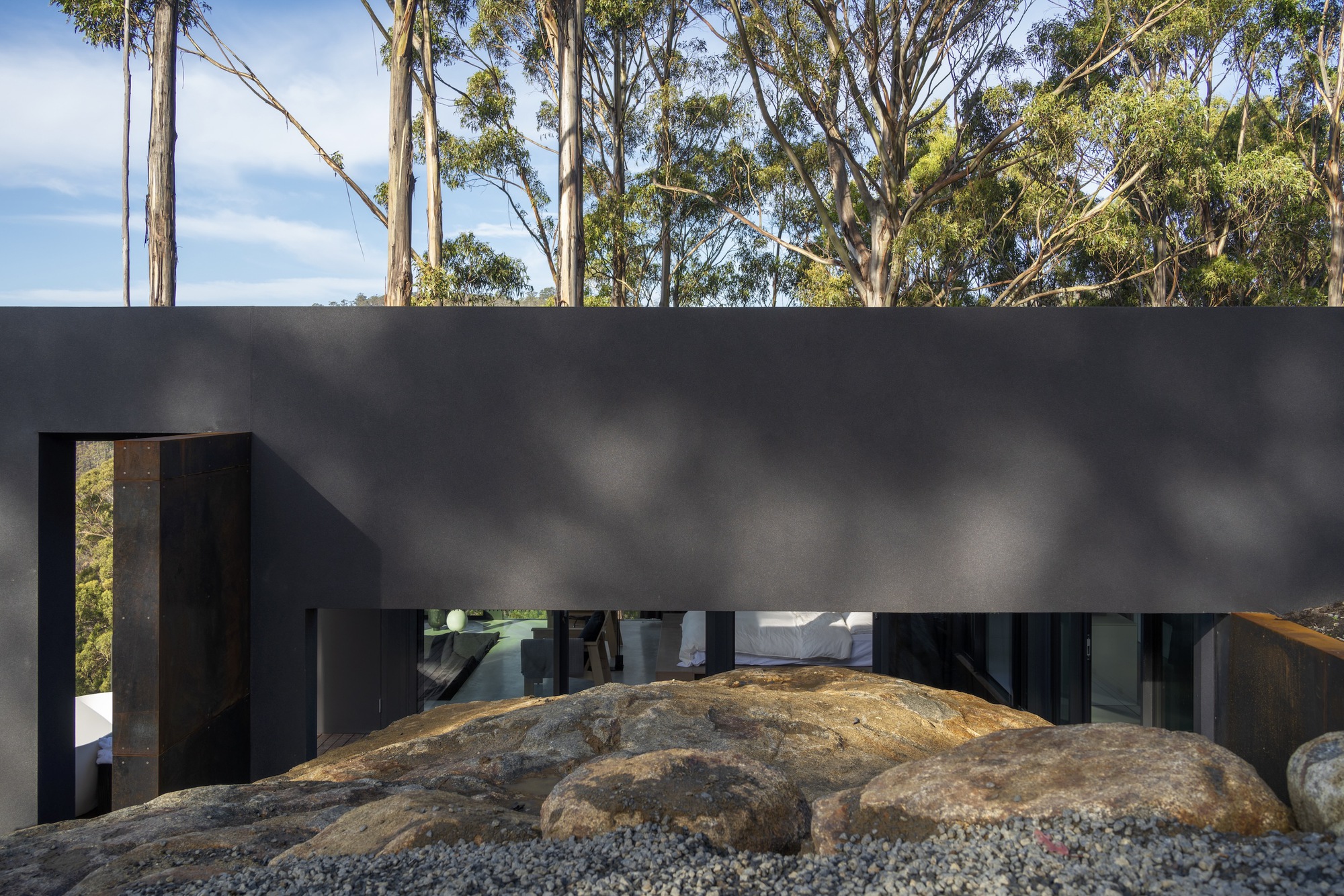
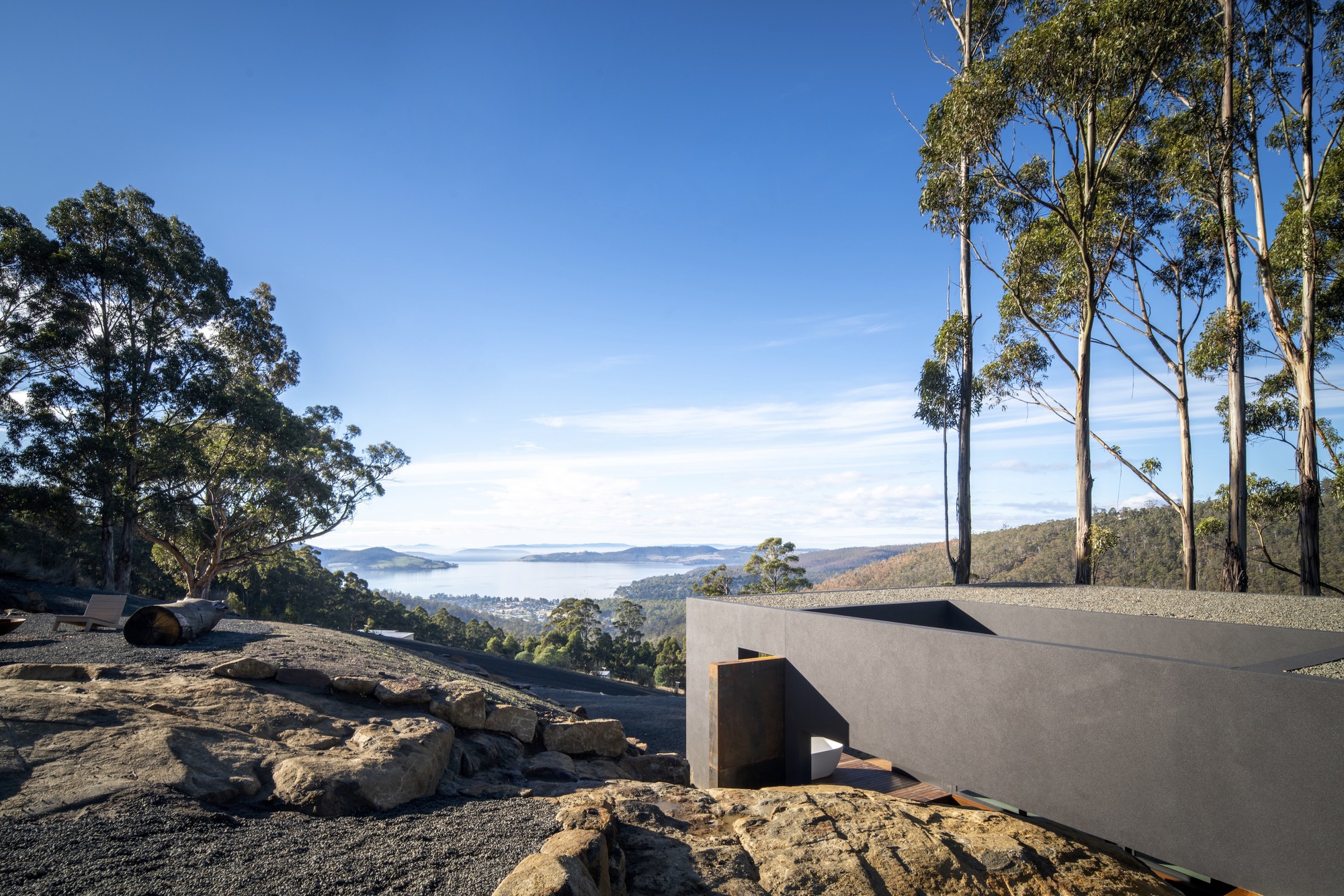
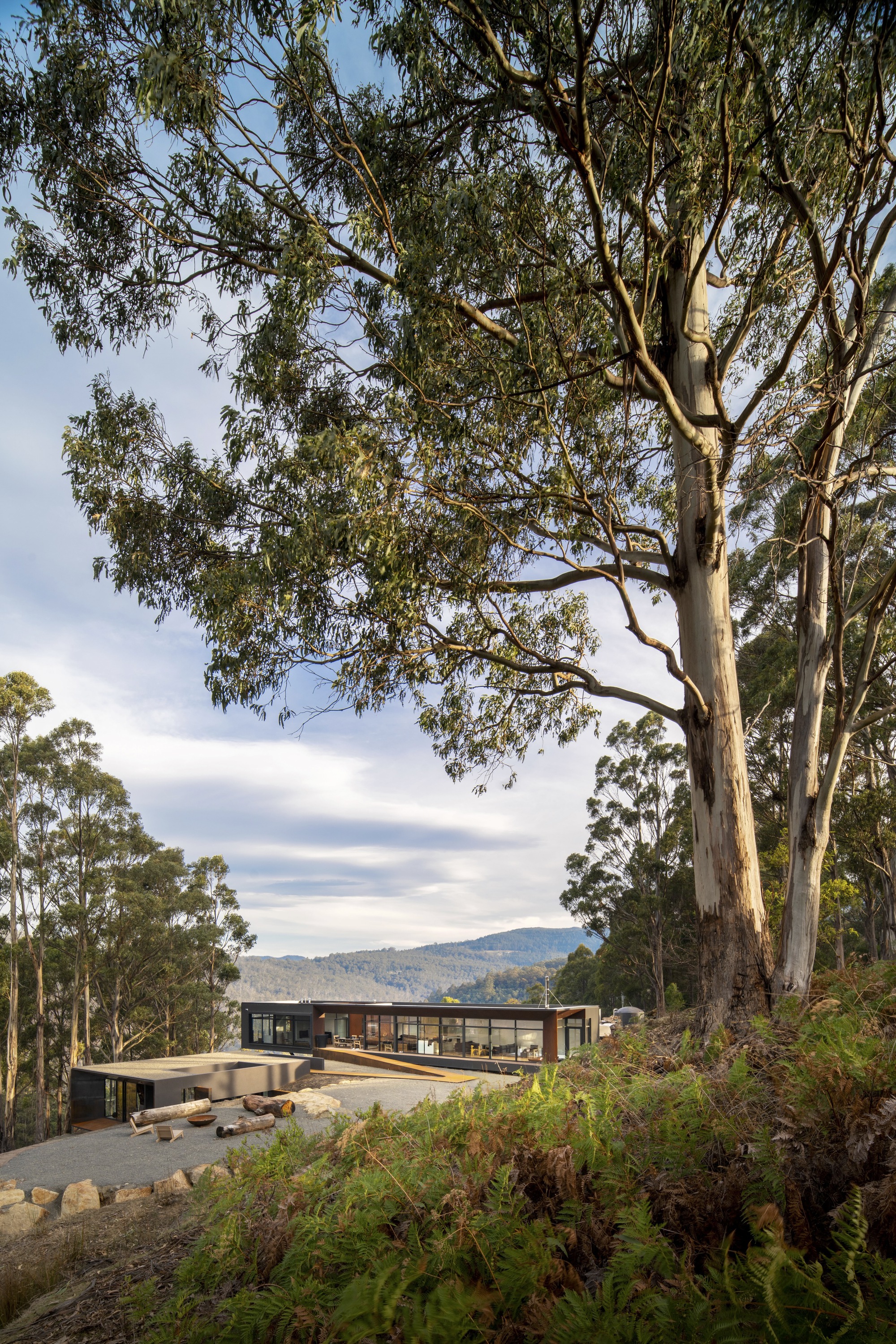
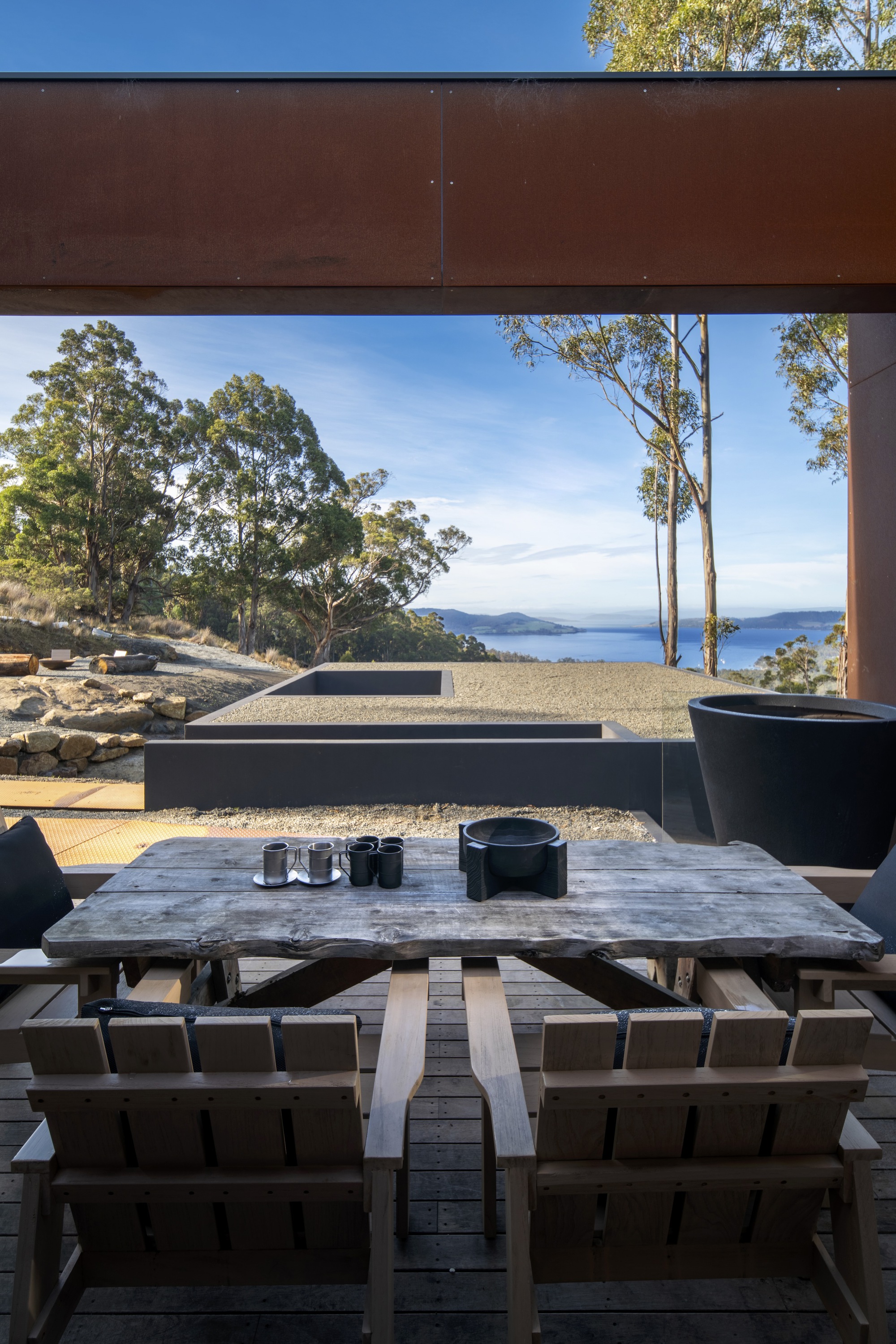
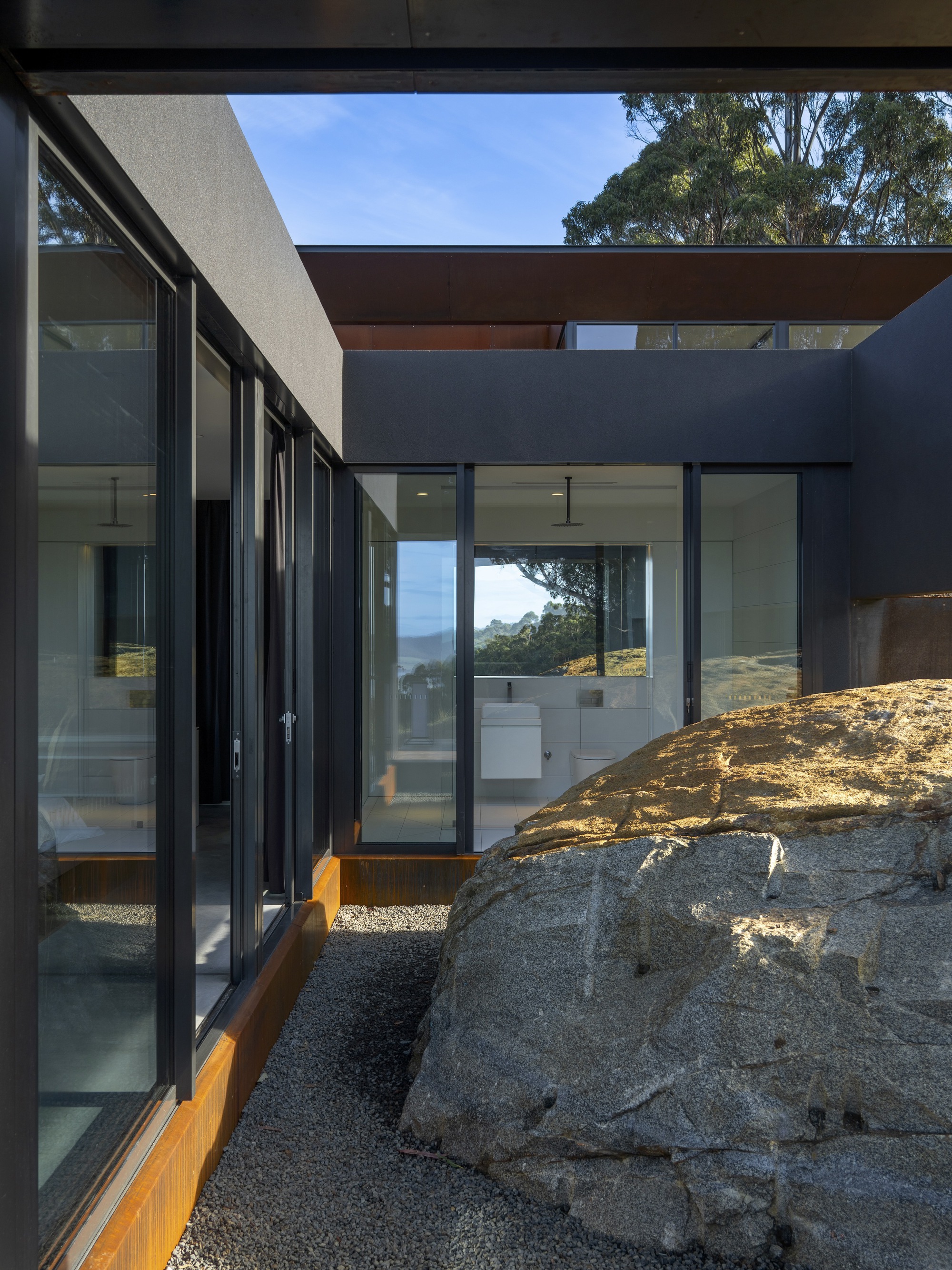
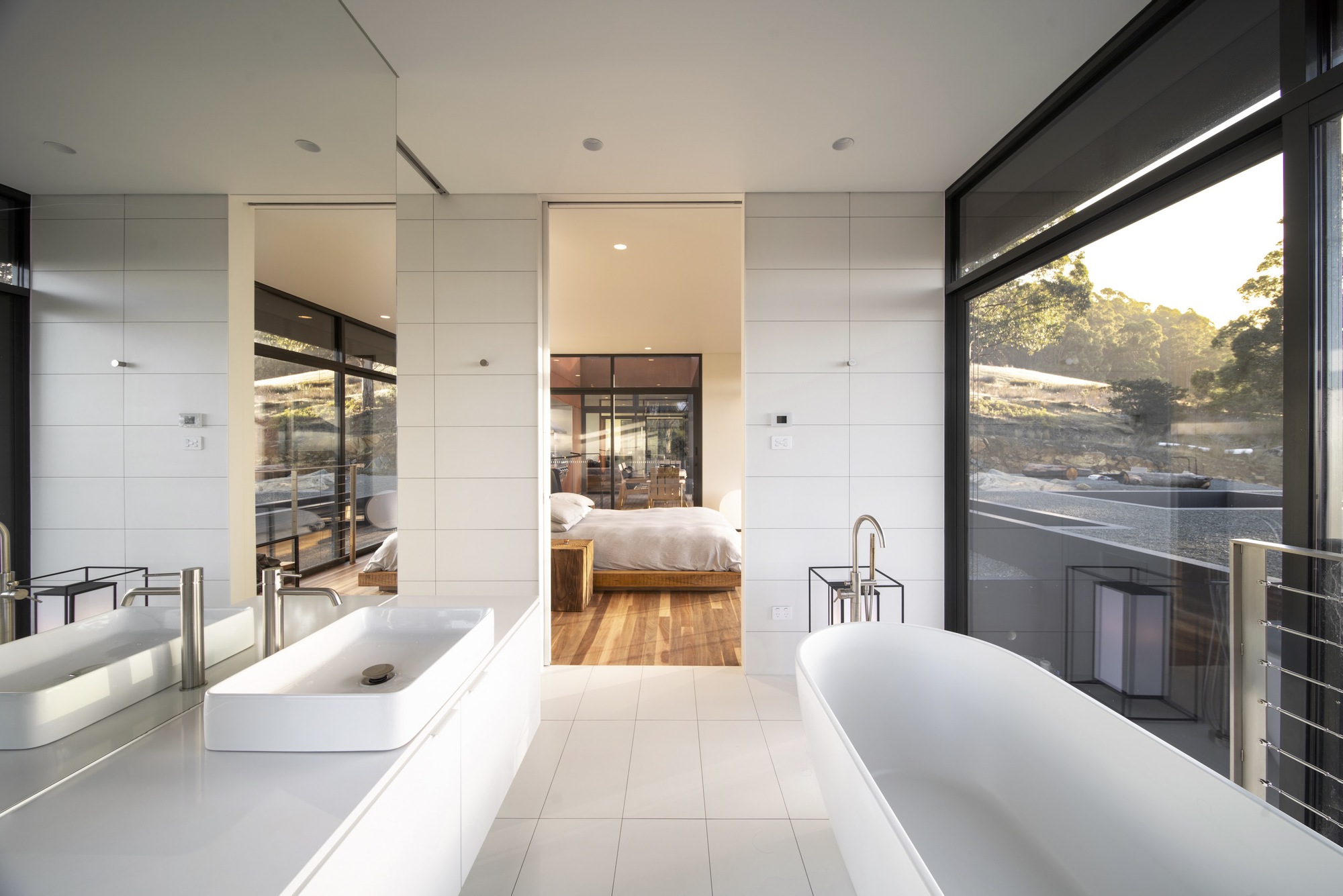
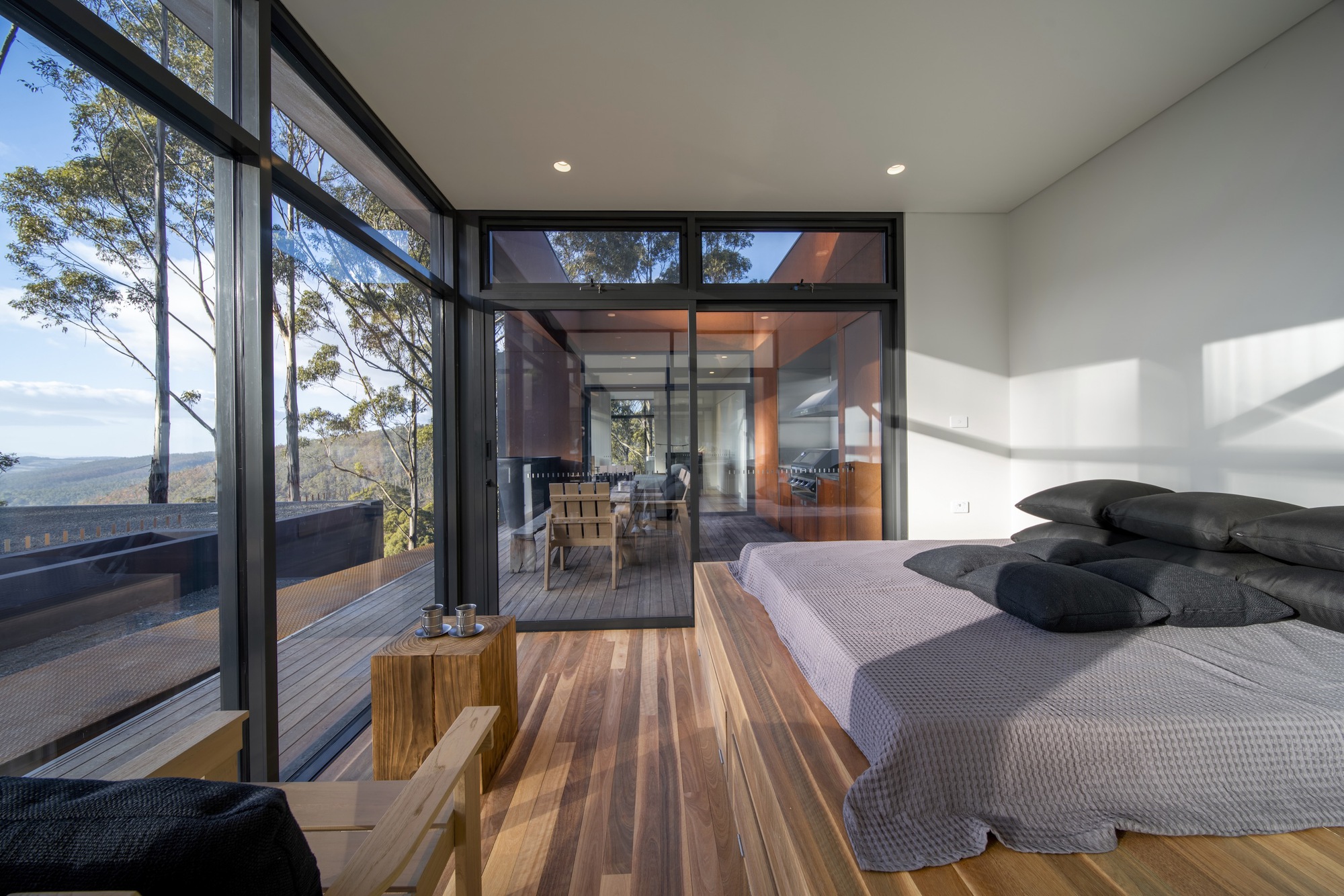
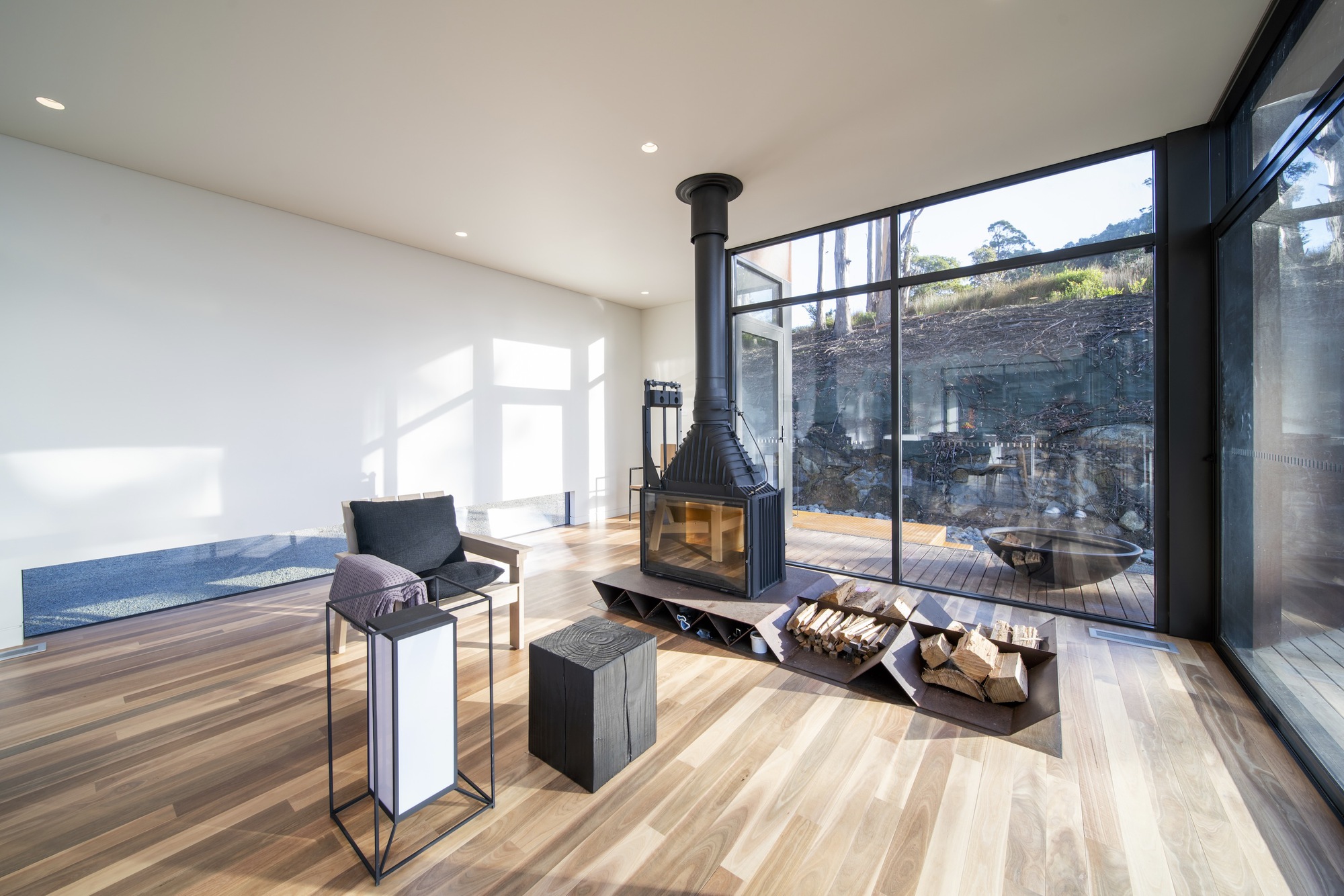
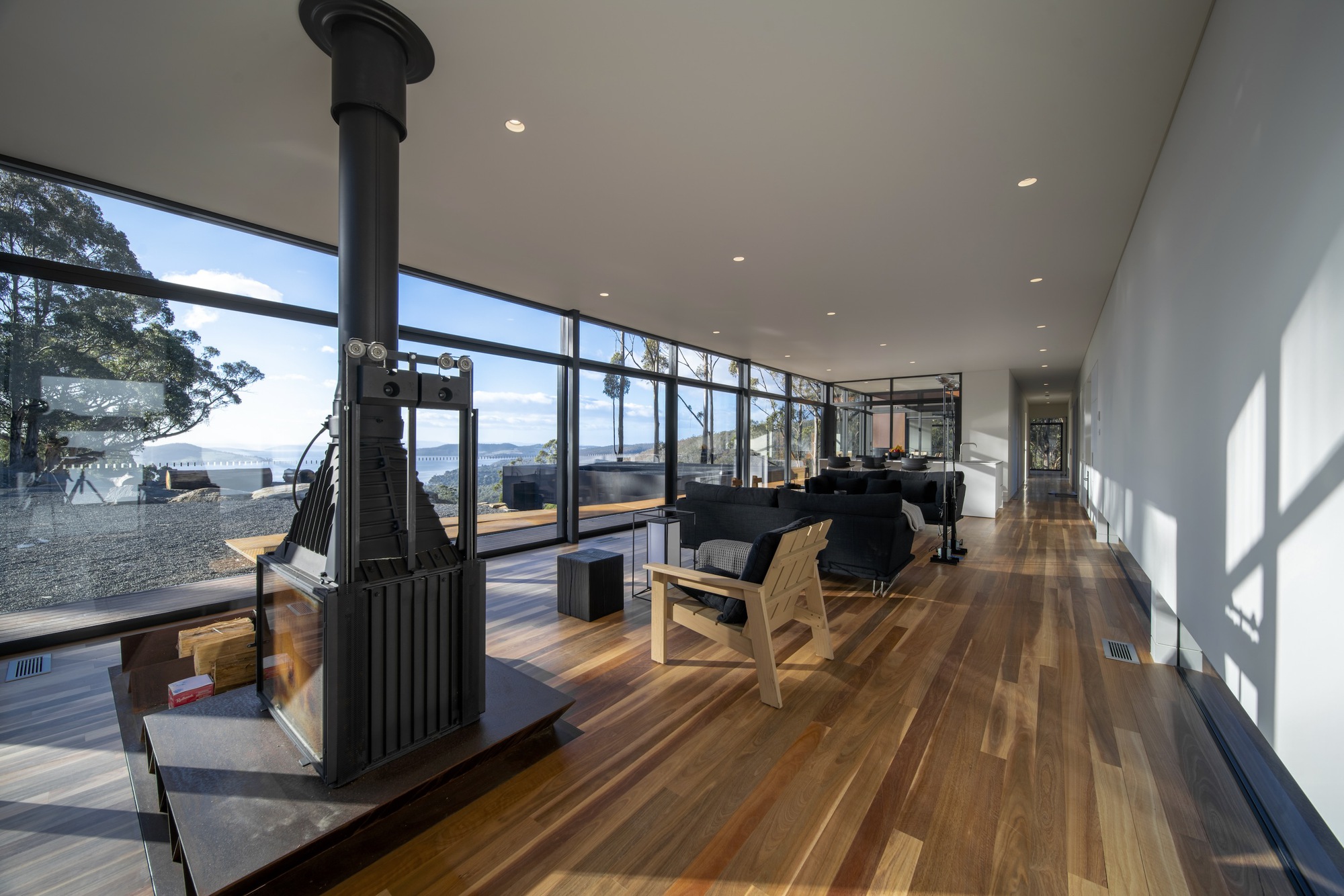
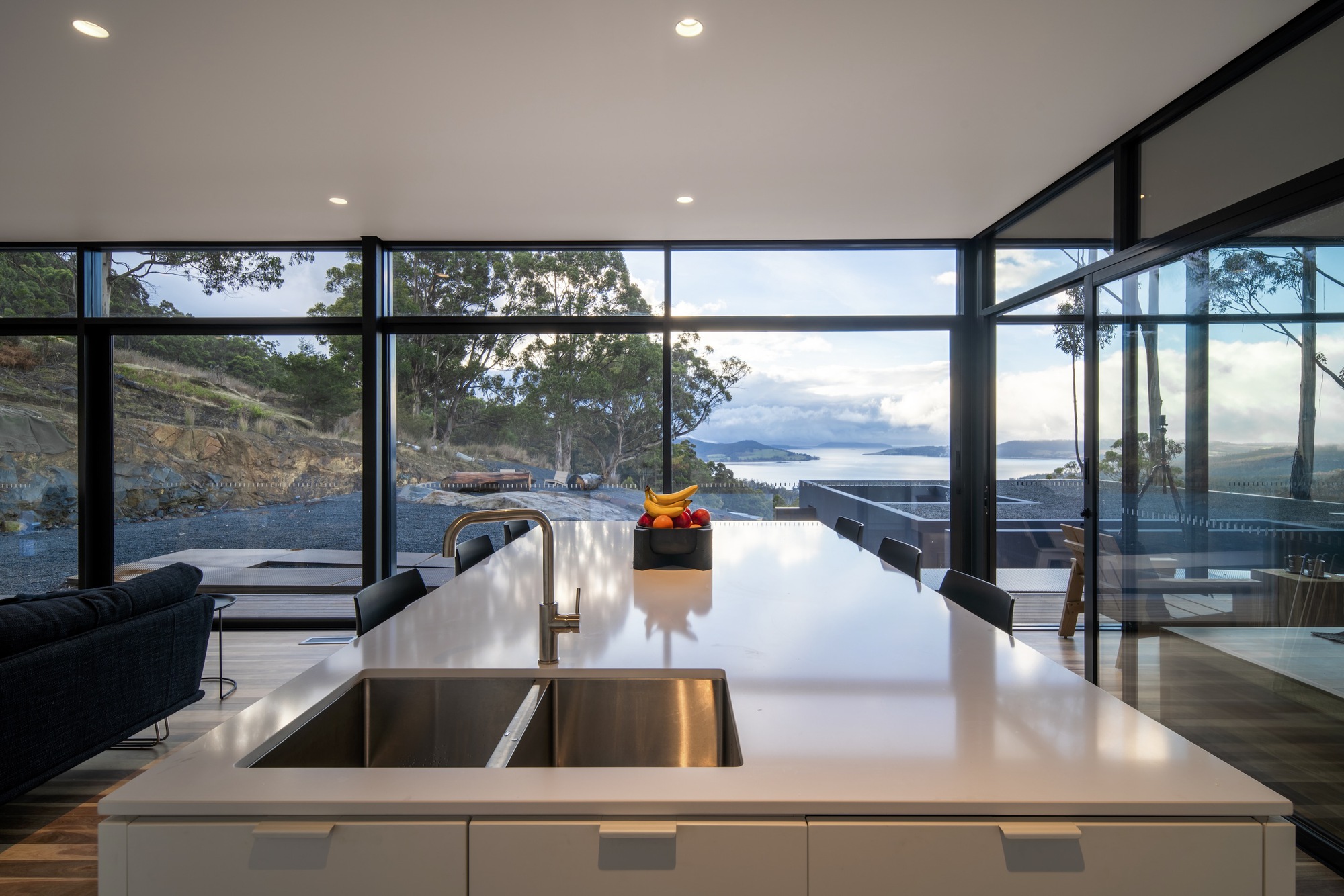
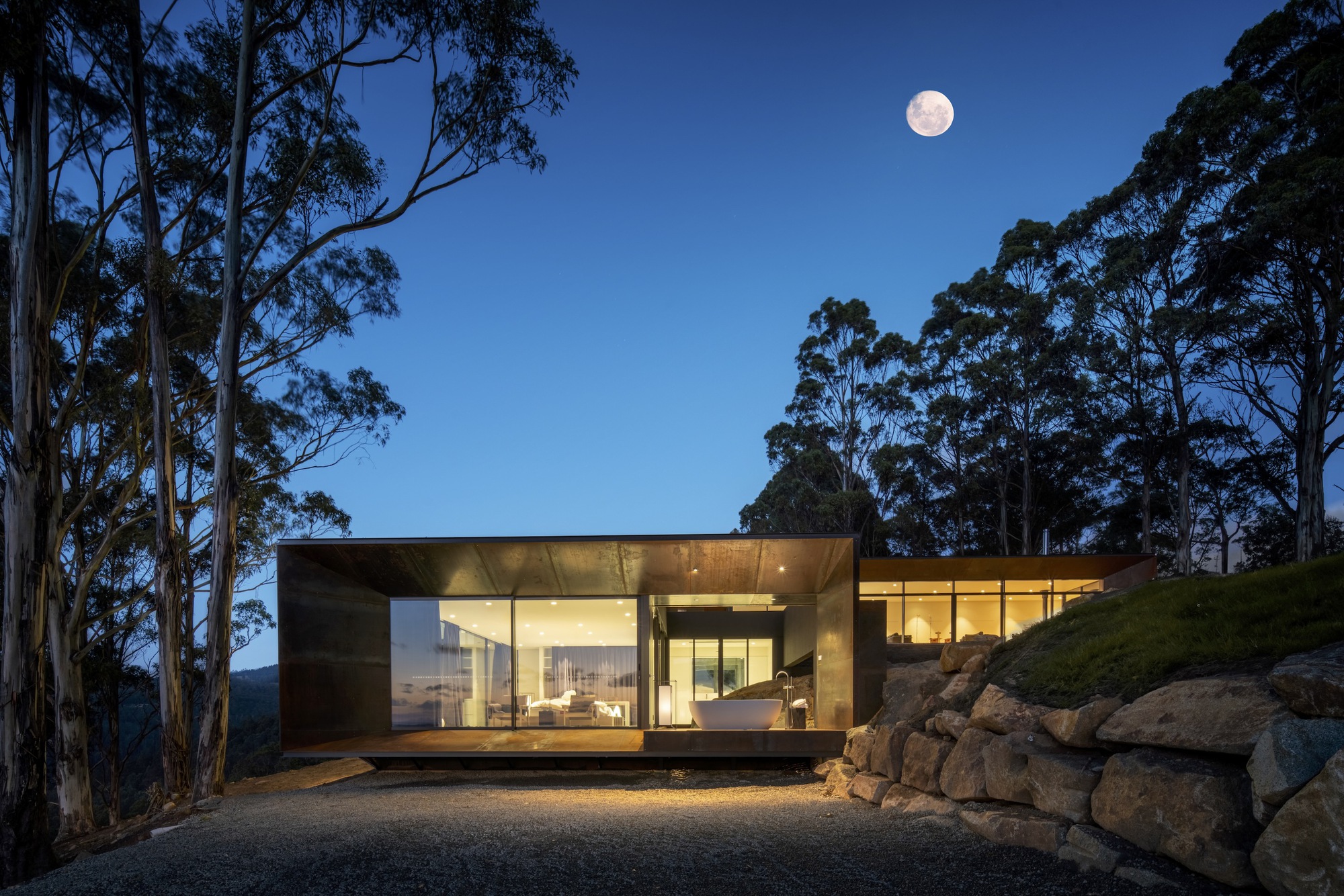
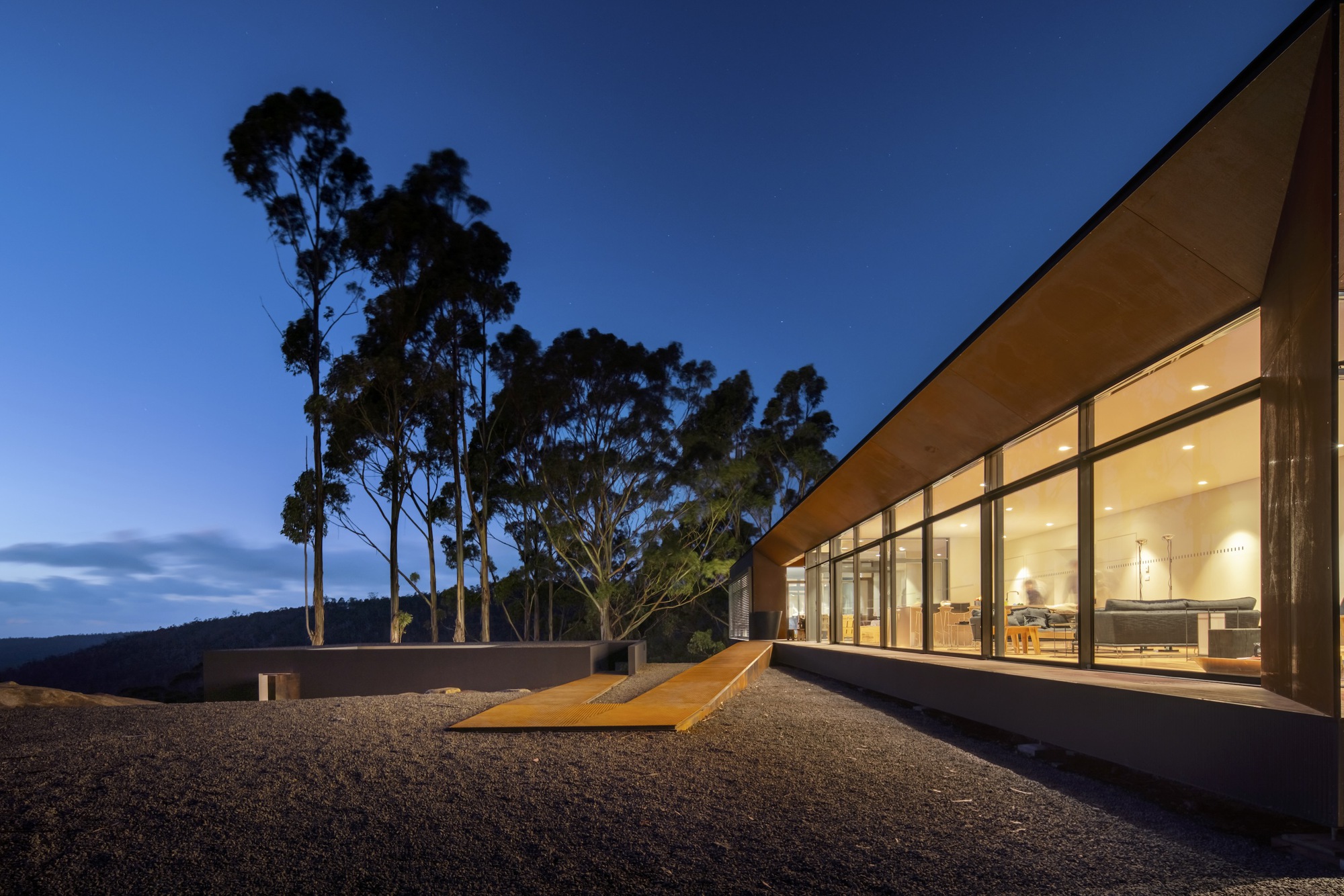
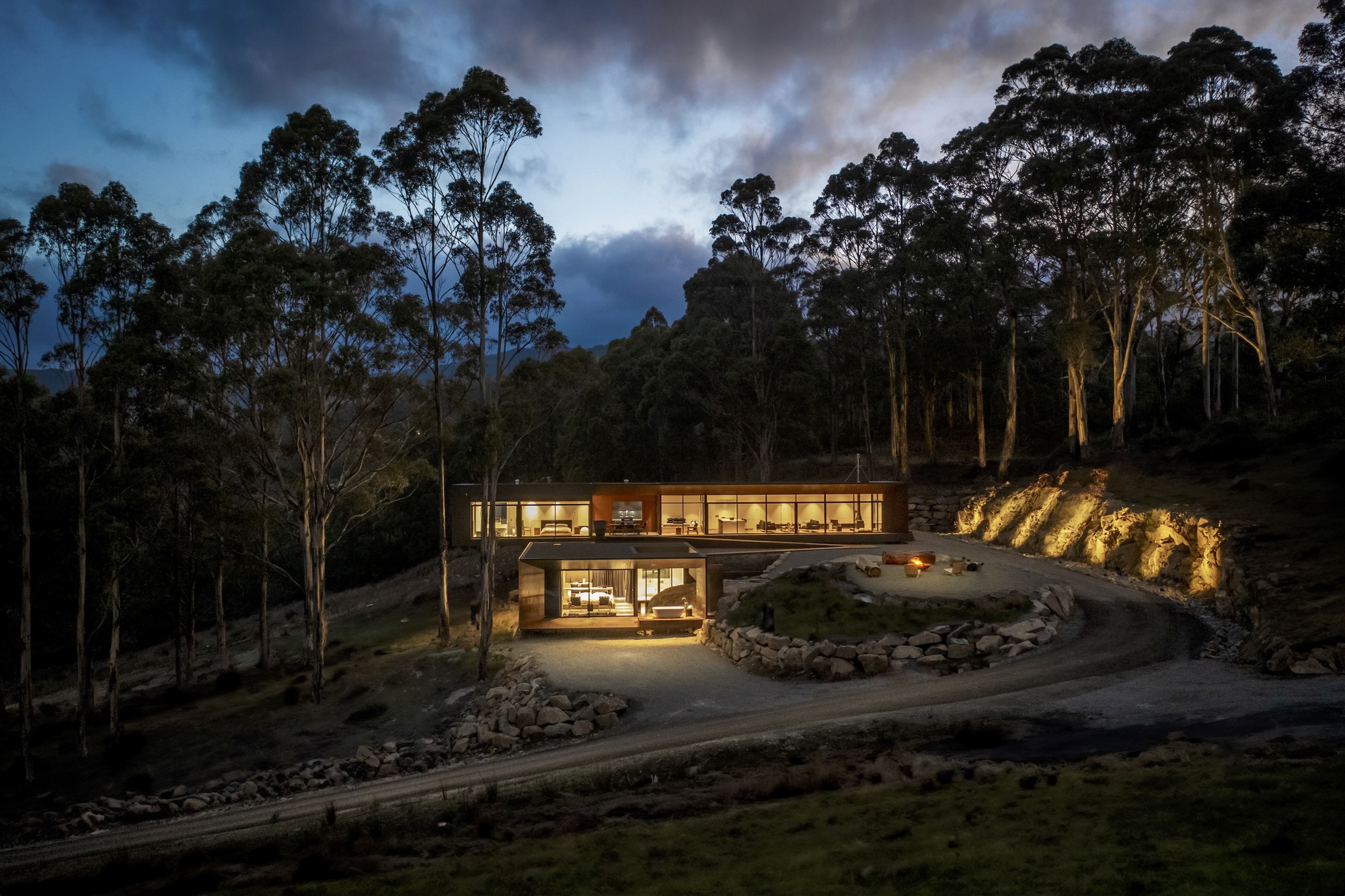
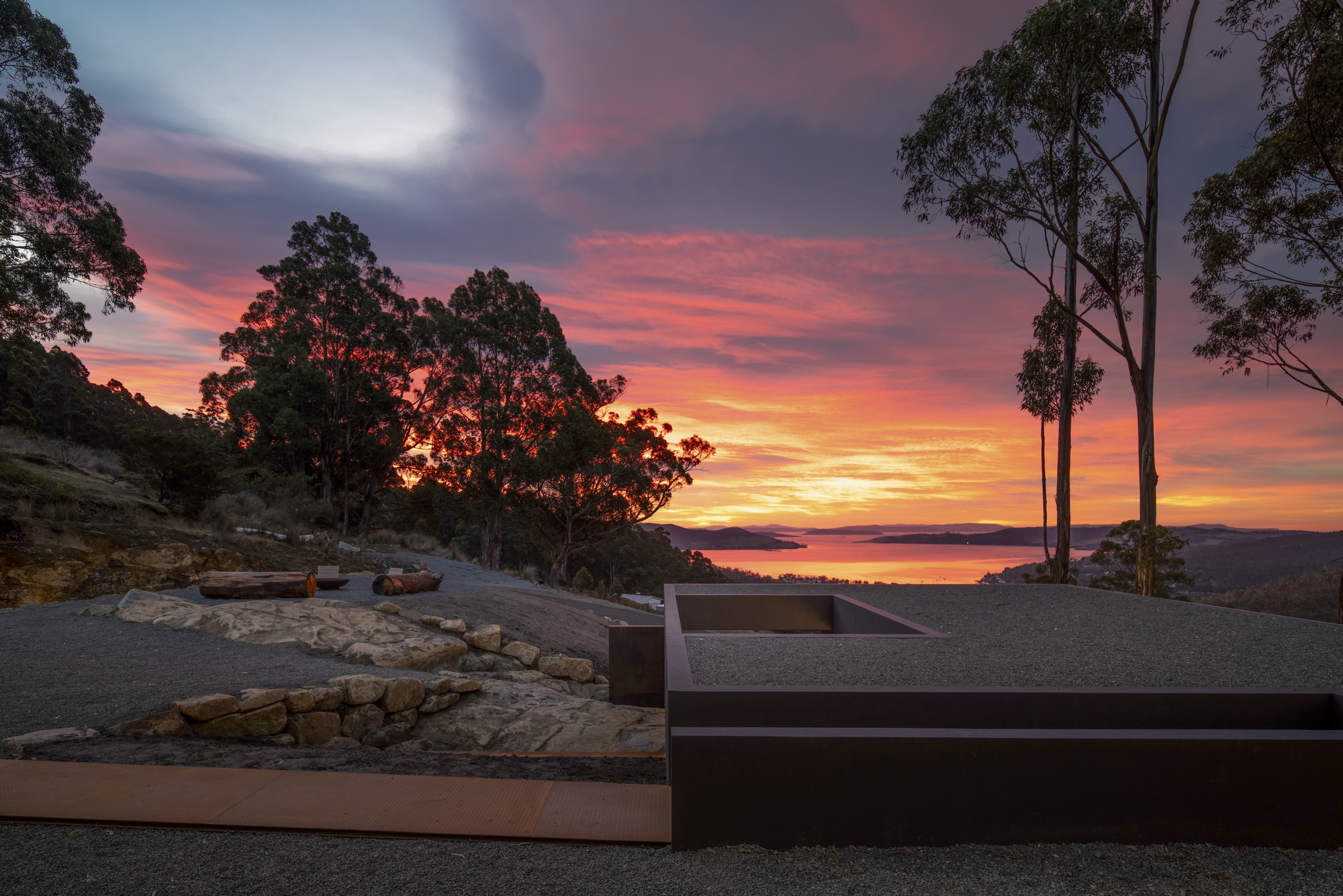
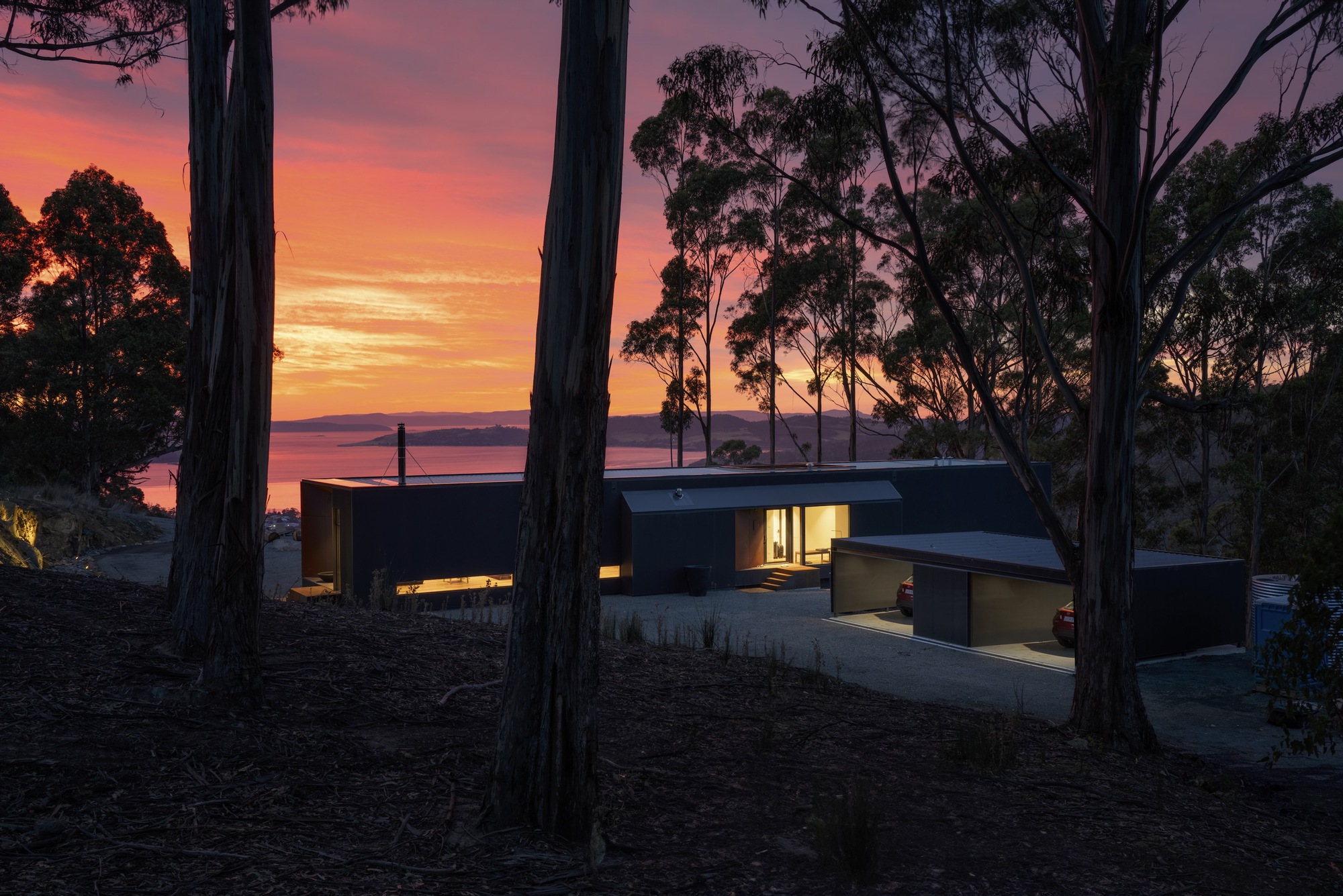
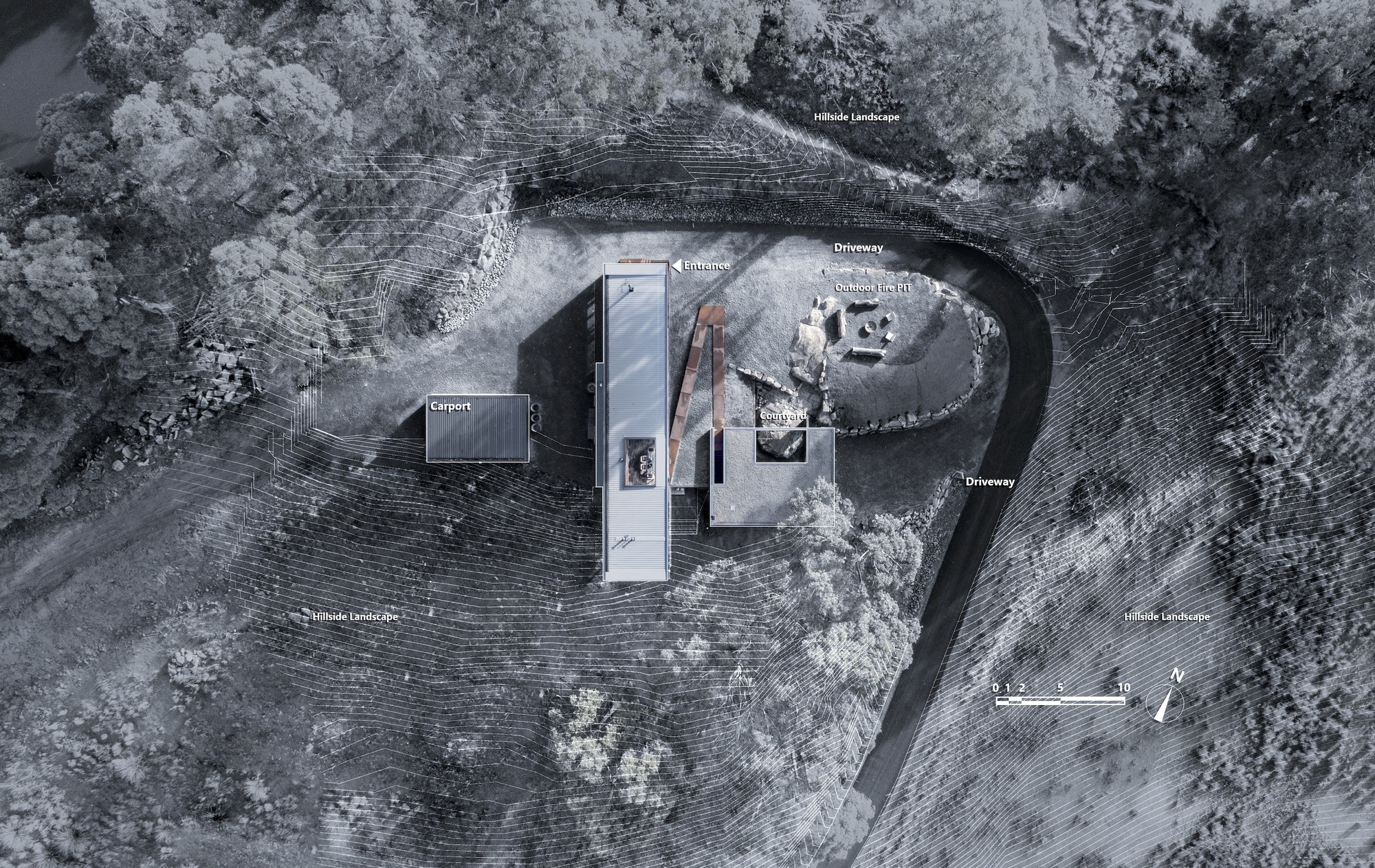
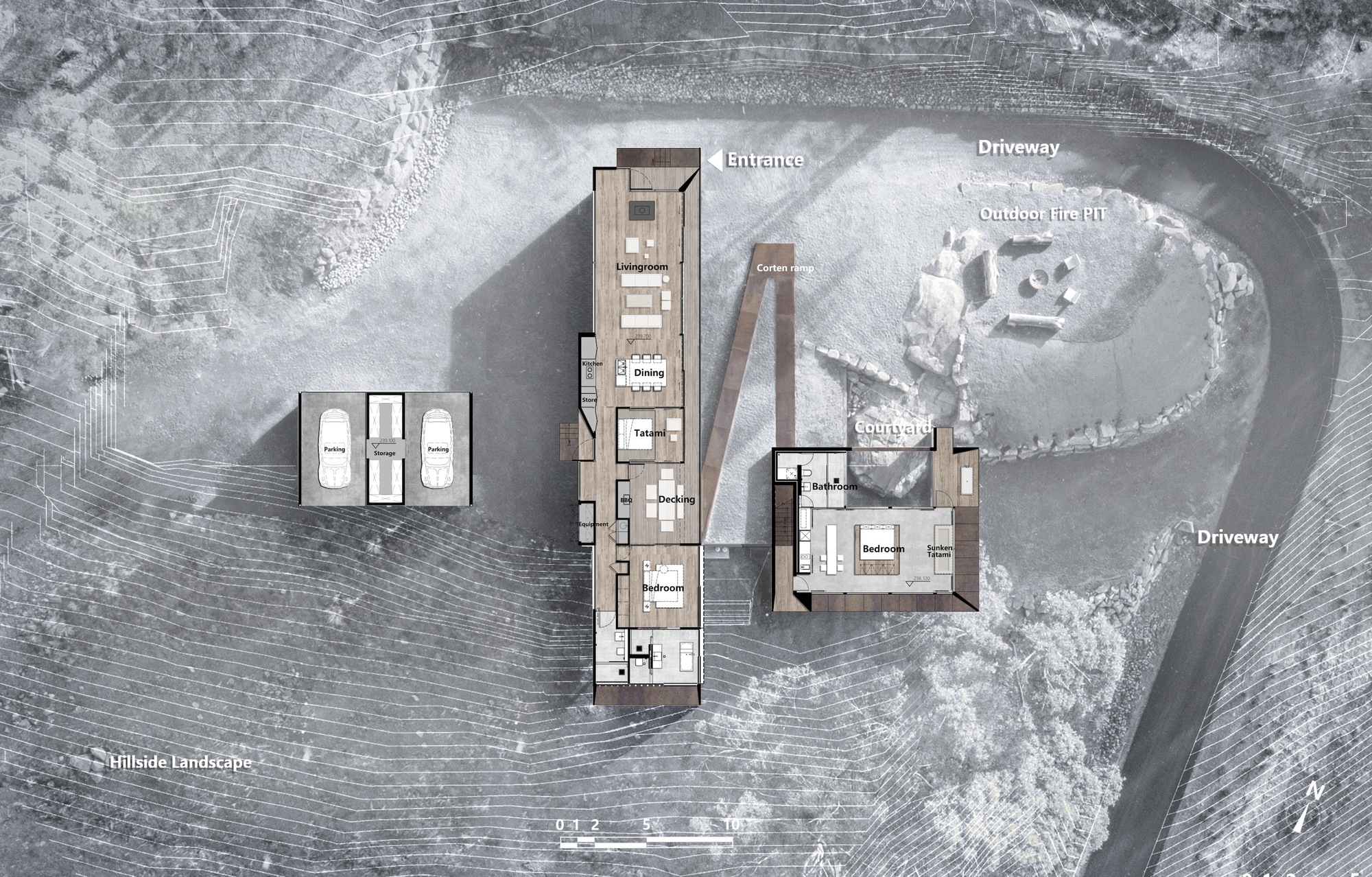
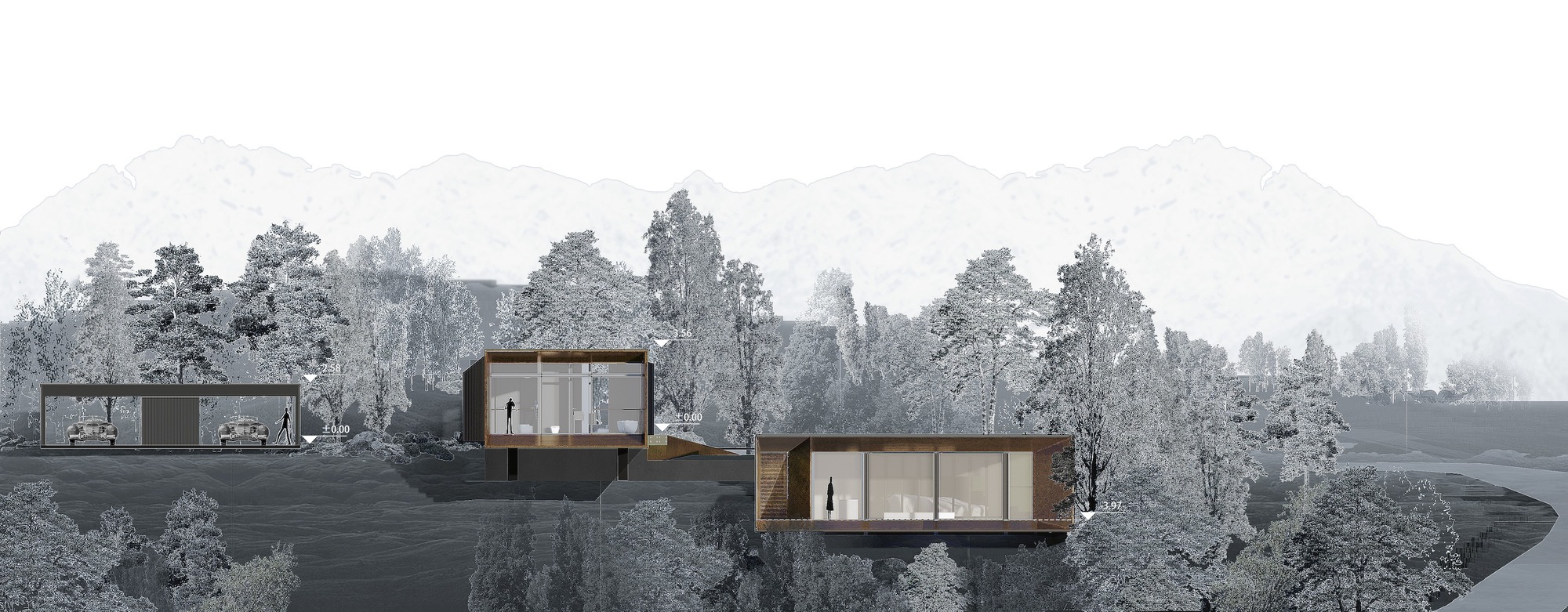
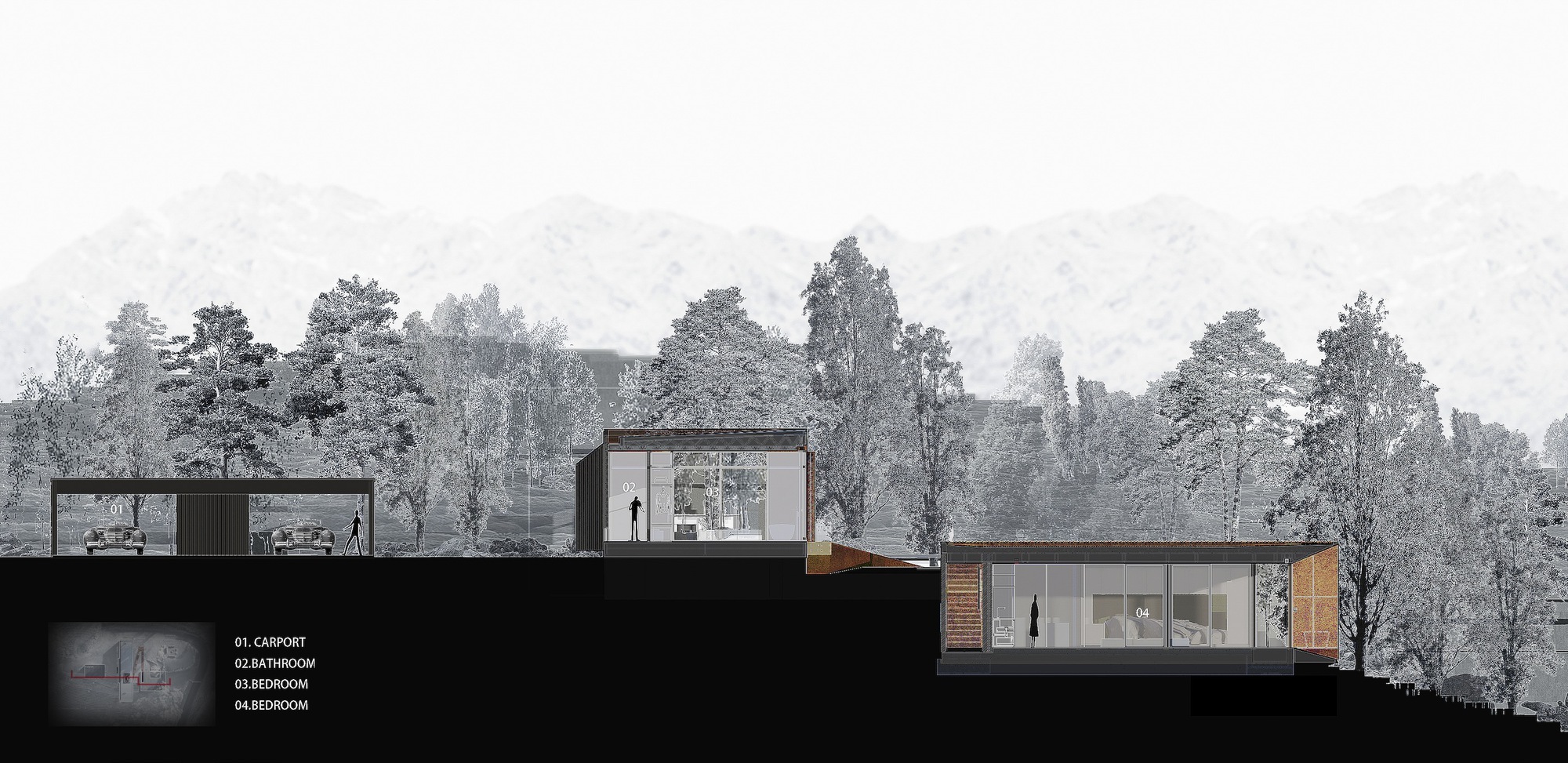
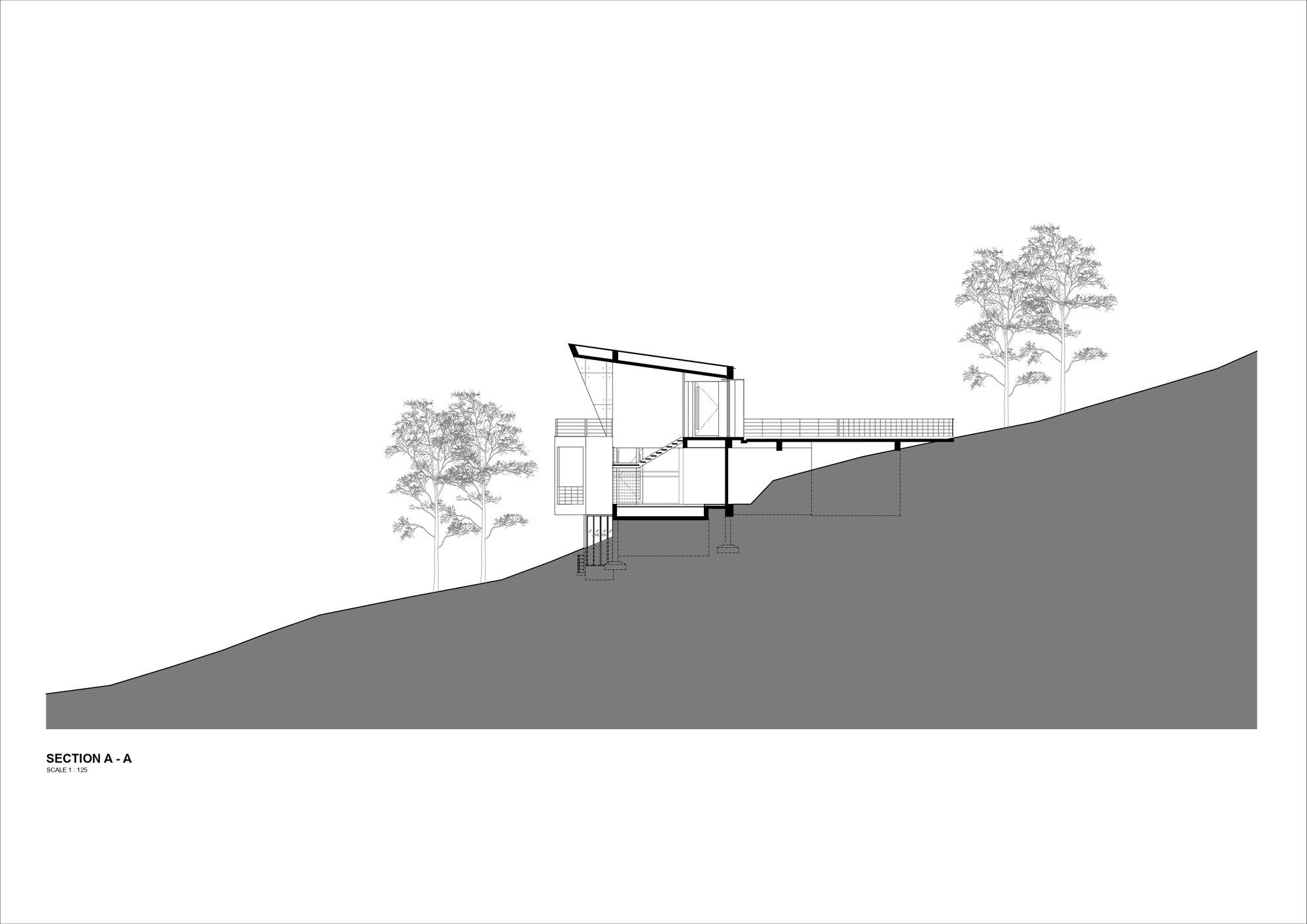
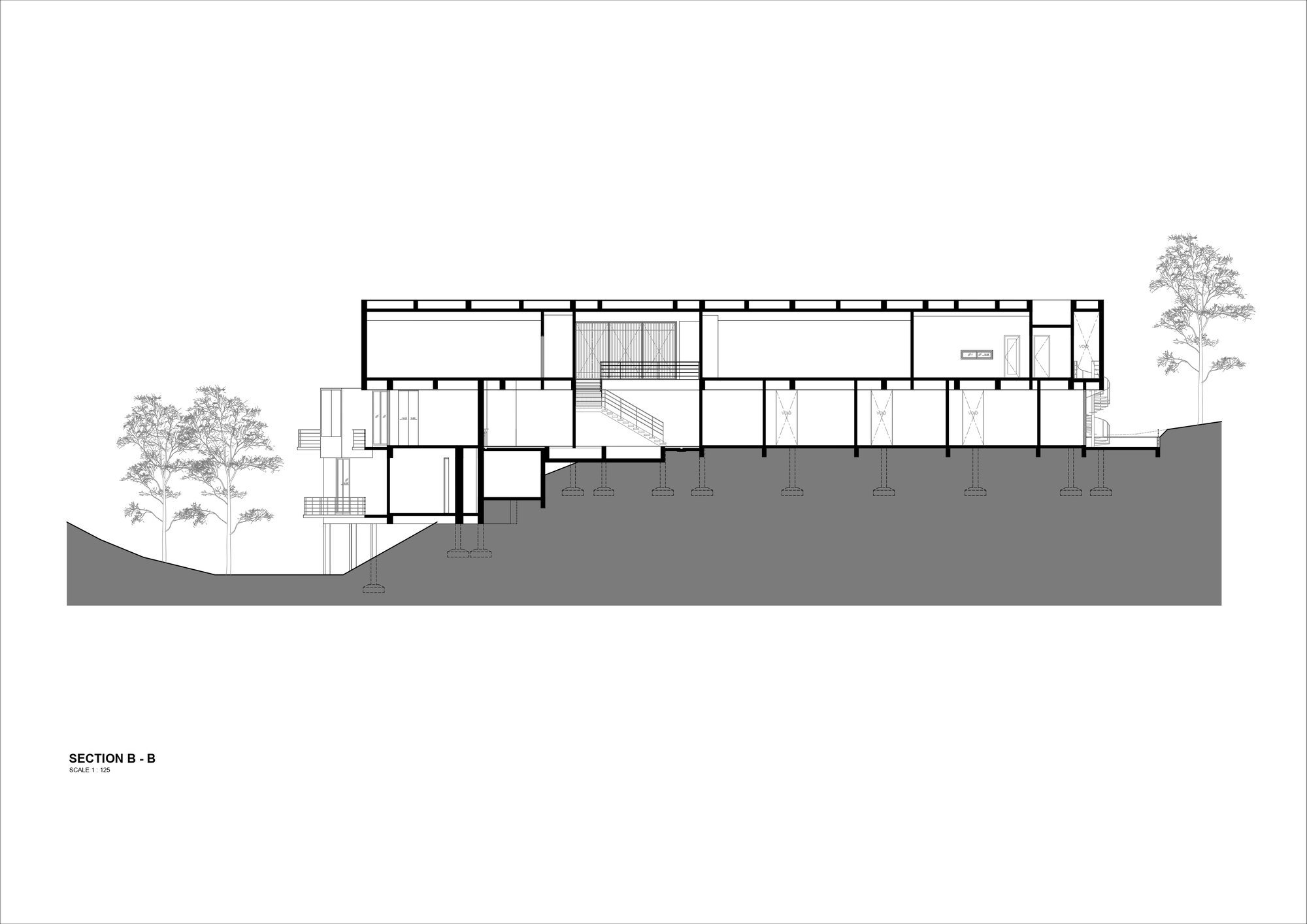
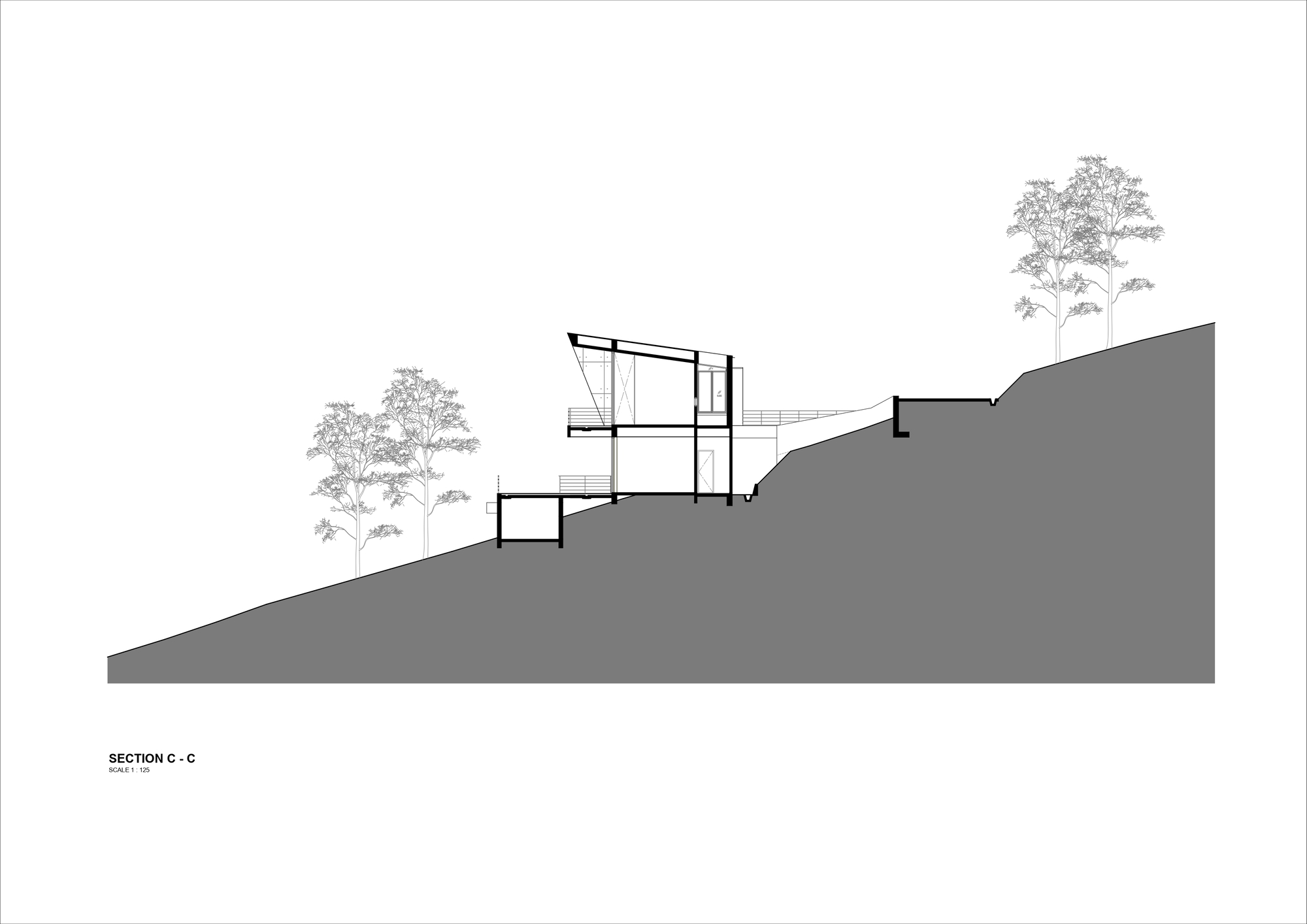
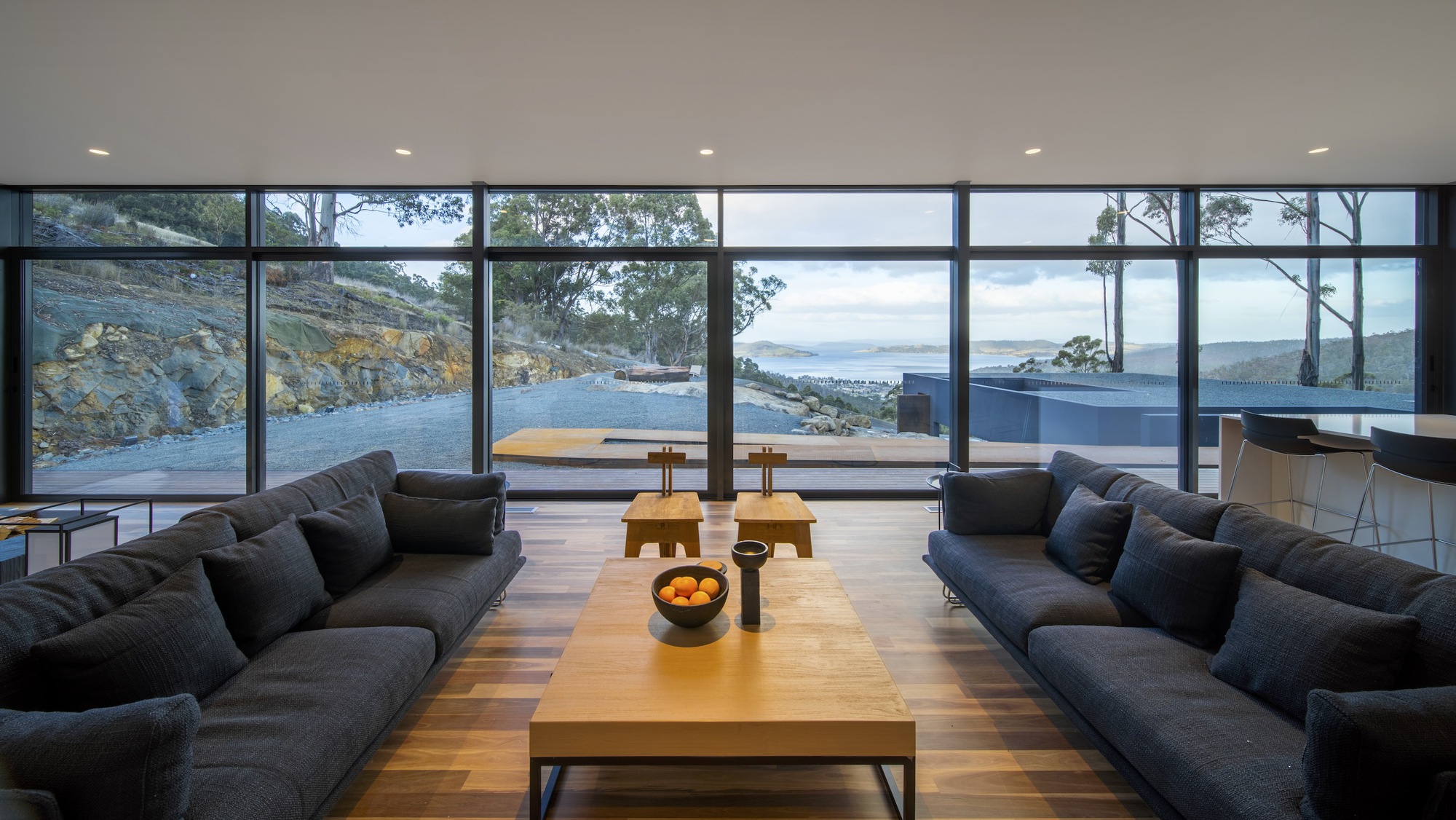
Mountain Top Snug Resort #architecture Architects: IAPA design Area: 288 m² Year: 2024 Photographs: Jing Qiu City: Snug Country: Australia MountainTop Snug Resort House is nestled in a lush forest on the hillside of Snug, just over a 20-minute drive from the center of Hobart, Tasmania’s capital city. The site area is 2.3 hectares, and from the resort house, guests can enjoy panoramic views of Snug Beach, Bruny Island North, and Tinderbox Peninsula. The resort consists of two interconnected yet independent building blocks, measuring 190 sqm and 98 sqm, accommodating 6 to 8 guests. The design of the house adapts to the terrain's constraints, with the two structures descending from west to east. The first cantilevered structure sits towards the uppermost part of the site. The second structure is nestled beside the lower rock, seamlessly integrating the natural scenery. Sunlight from the north penetrates the interior of the structures and reflects beautifully off the surrounding rocks. Utilizing the site's characteristics, the resort maximizes the experience of unobstructed outdoor views. Both houses feature large floor-to-ceiling windows that bring the eastern sea views and the sprawling southern forest scenery into every living space. The west side of the main rooms has long, low windows that allow afternoon sunlight to filter through from the treetops behind the house. Guests can enjoy the morning and evening sunlight while being sheltered from the mountain winds. There are two small outdoor activity spaces within the contours of both buildings, where guests can enjoy barbecues and the interplay of sunlight on the rocks. Upon entering the house, guests are greeted by a minimalist yet comfortable interior. The perfect blend of wooden and natural tones creates a warm and harmonious atmosphere. The living room, bedrooms, and tatami spaces are decorated with white and charcoal linen fabrics, contrasting with the pure alabaster stone used in the kitchen, dining area, and bathroom spaces. The exterior walls of the buildings are clad in monument mini-orb and rendering, helping the building integrate with its surroundings, while the transition surfaces between exterior and interior use rusted steel panels. The resort houses are equipped with modern amenities, including air conditioning, underfloor heating, stoves, refrigerators, microwaves, and double dishwashers. This allows guests to easily prepare and enjoy delicious home-cooked meals. The dining area offers stunning views through its windows, enhancing the dining experience. The spacious living room invites guests to relax with its comfortable sofas and a fireplace exuding coziness and warmth. The generous and comfortable bedrooms and tatami spaces provide excellent sleeping spaces. Each house has a sea-view bathtub, with one offering an outdoor bathtub. Watching the sunset over the sea from the outdoor bathtub while sipping champagne is a perfect way to end the day. Surrounded entirely by nature, the resort offers guests a tranquil and relaxing environment. In this serene mountaintop retreat, guests can immerse themselves in nature, away from the hustle and bustle of the city, and enjoy a unique vacation experience. They can savor their morning coffee at the dining table while admiring the scenic water and mountain views, particularly the mesmerizing sunrise over the sea. In the evening, they can enjoy the tranquility by the warm fireplace, gazing at the stars outside. MountainTop Snug Resort House is a unique getaway experience. Its design is a success in every aspect. The unique natural environment, innovative site design approach, and striking cantilevered features all make it a unique vacation destination, providing guests with an unforgettable holiday experience.
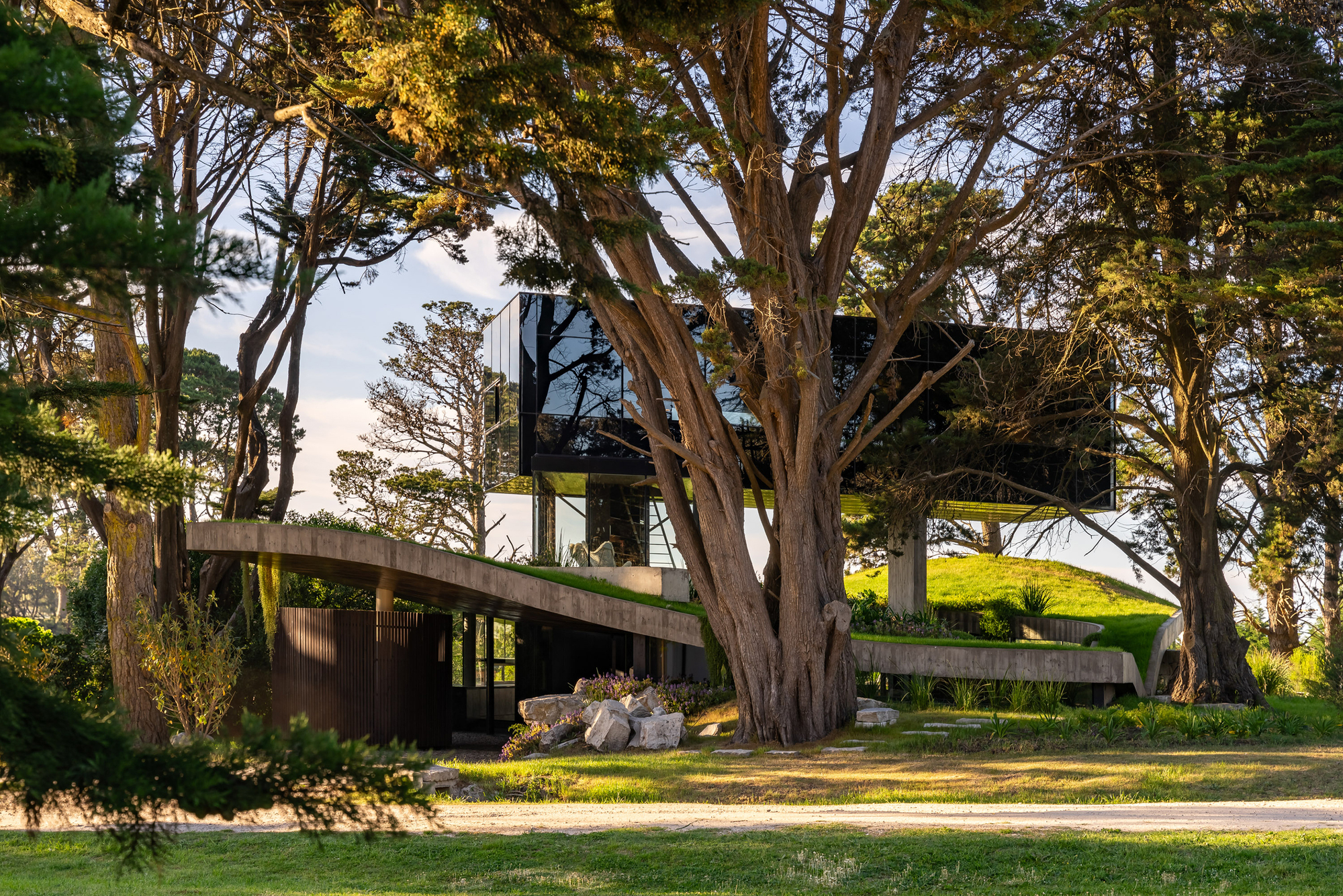
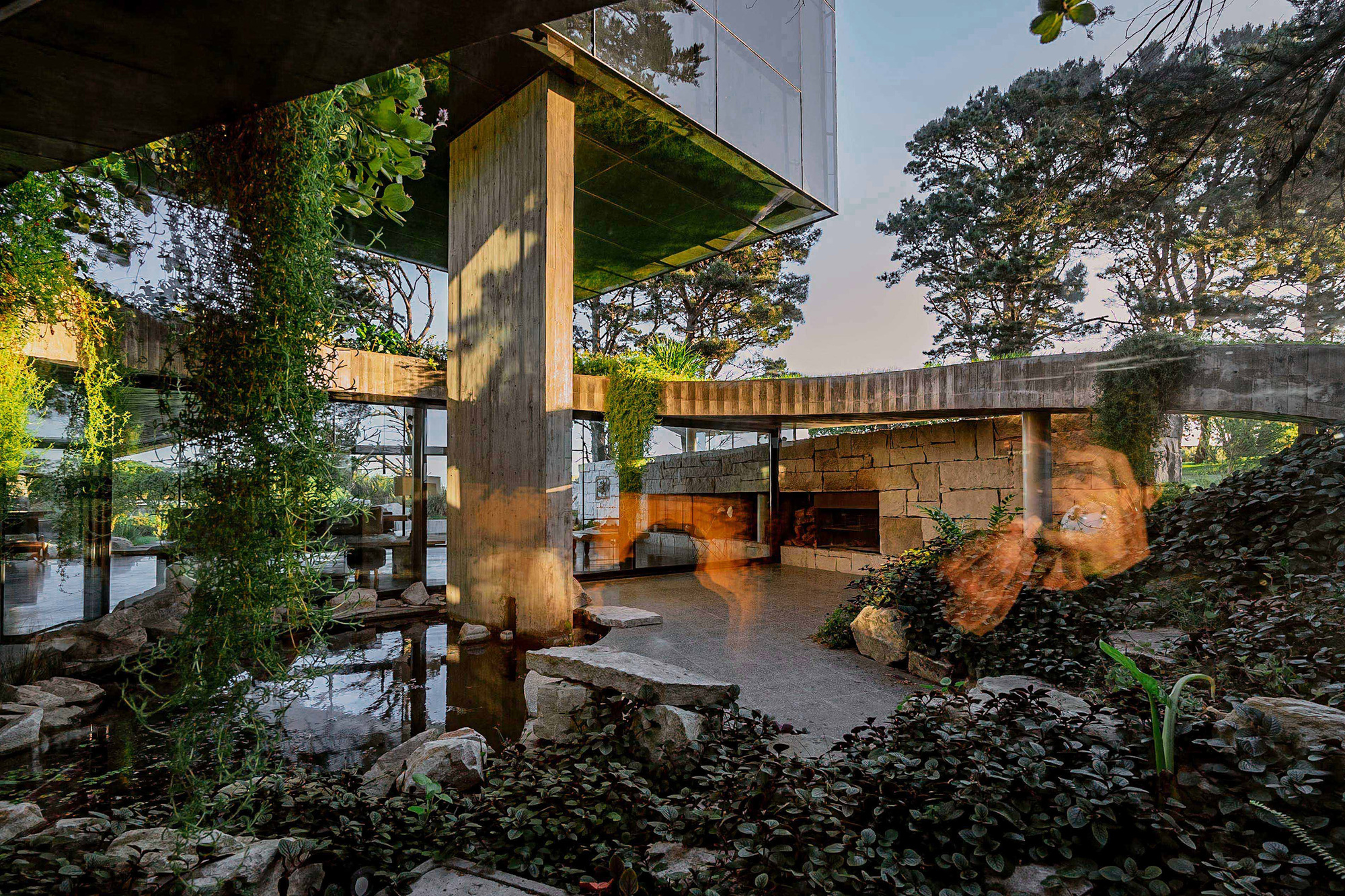
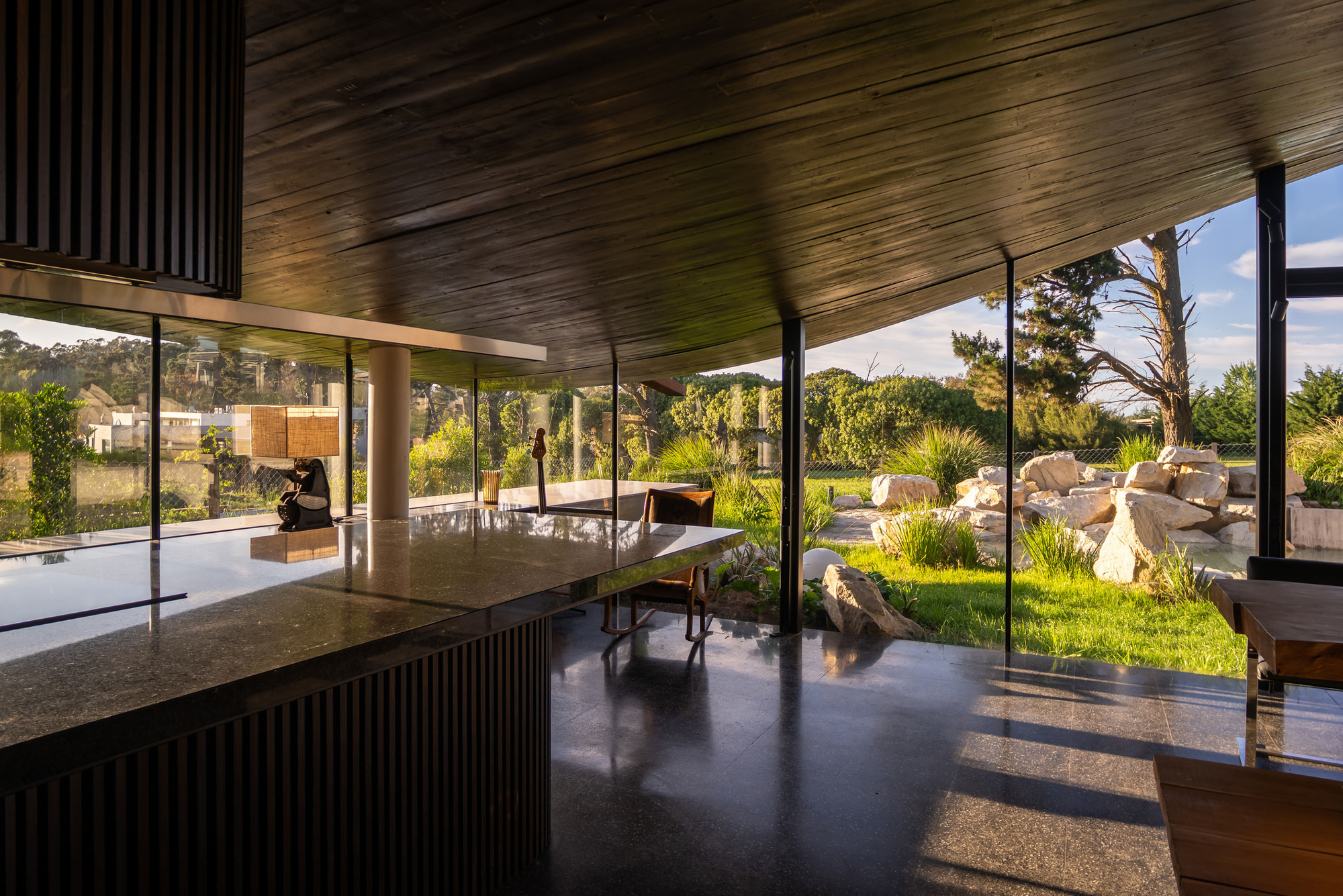
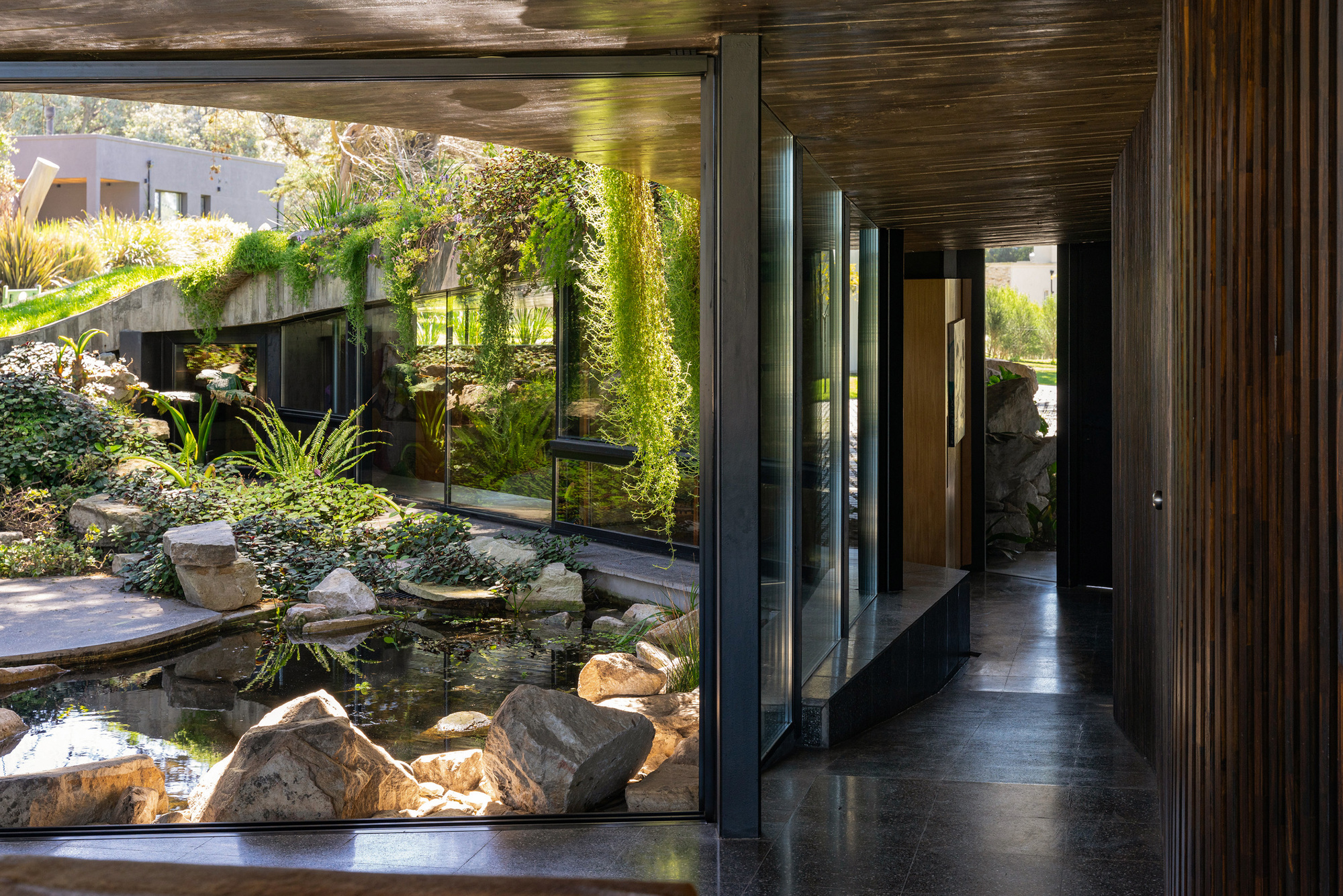
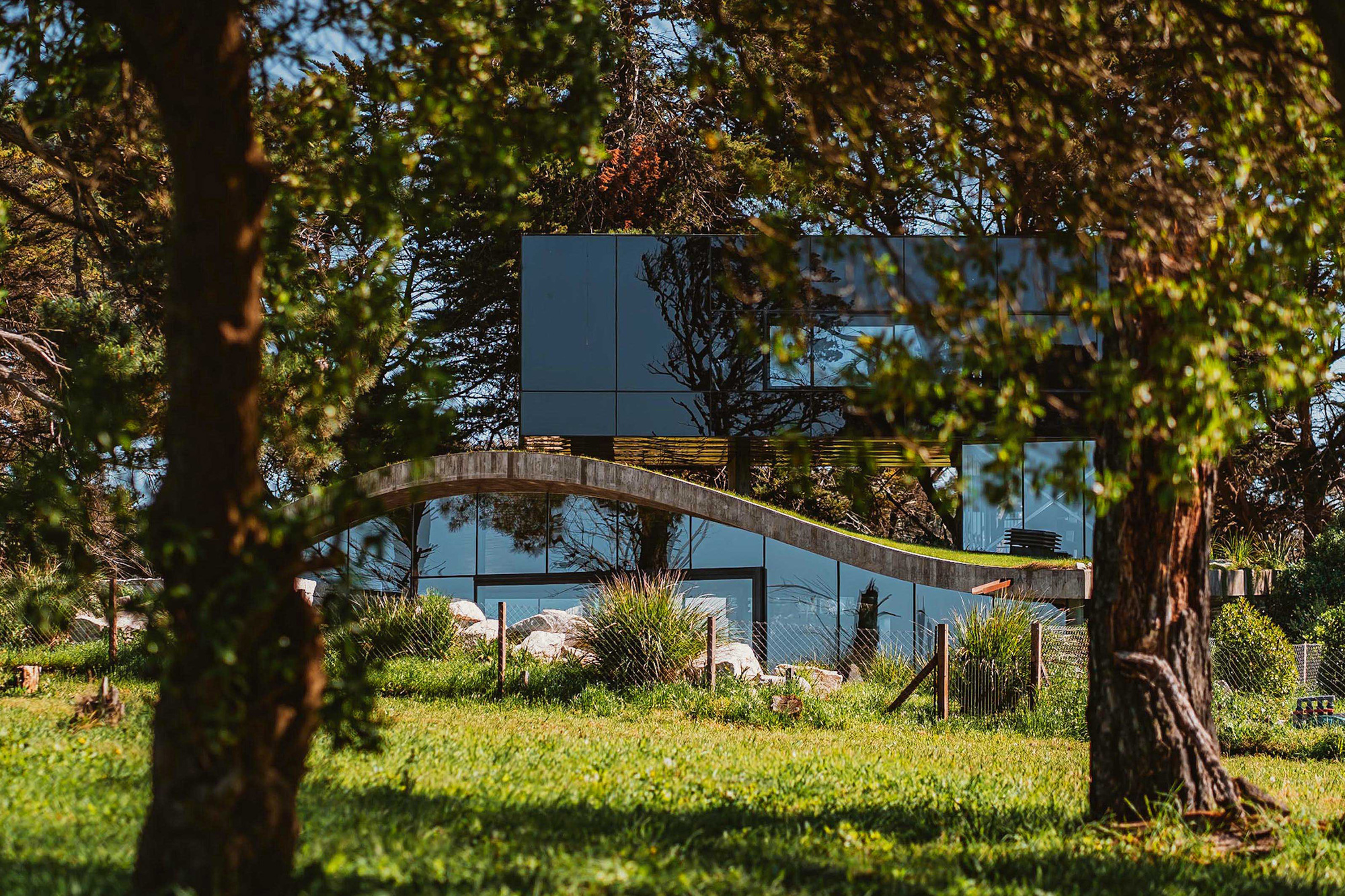
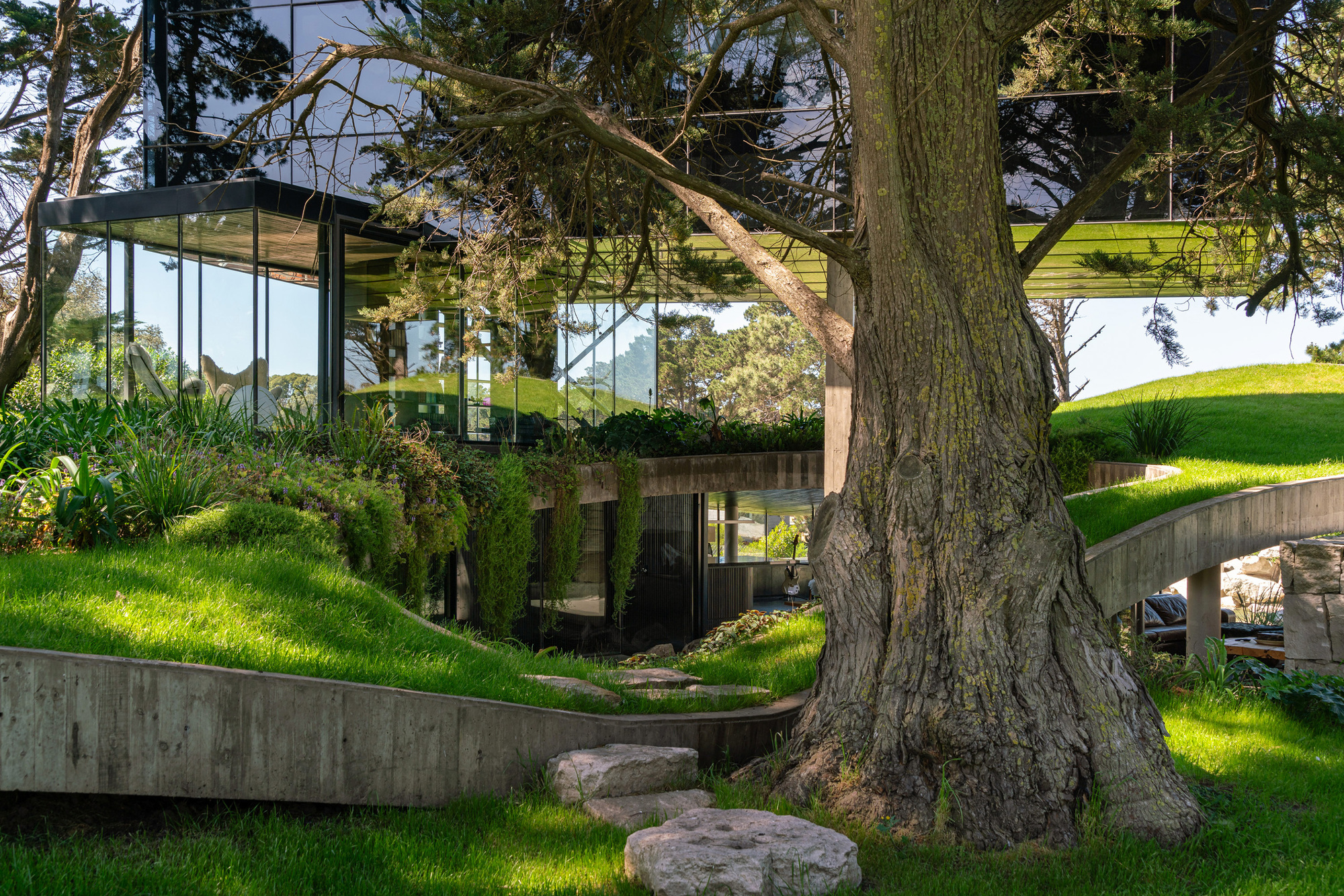
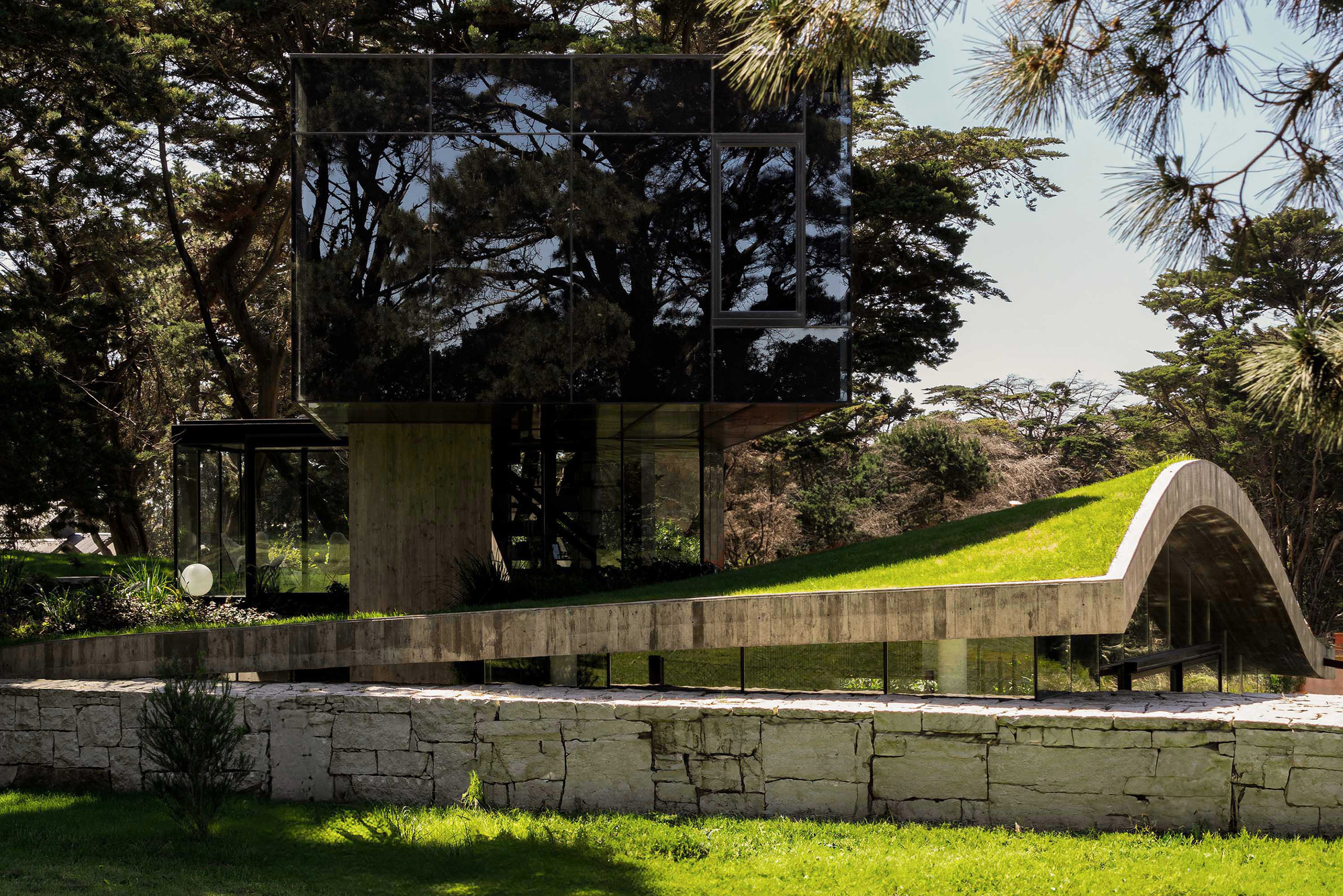
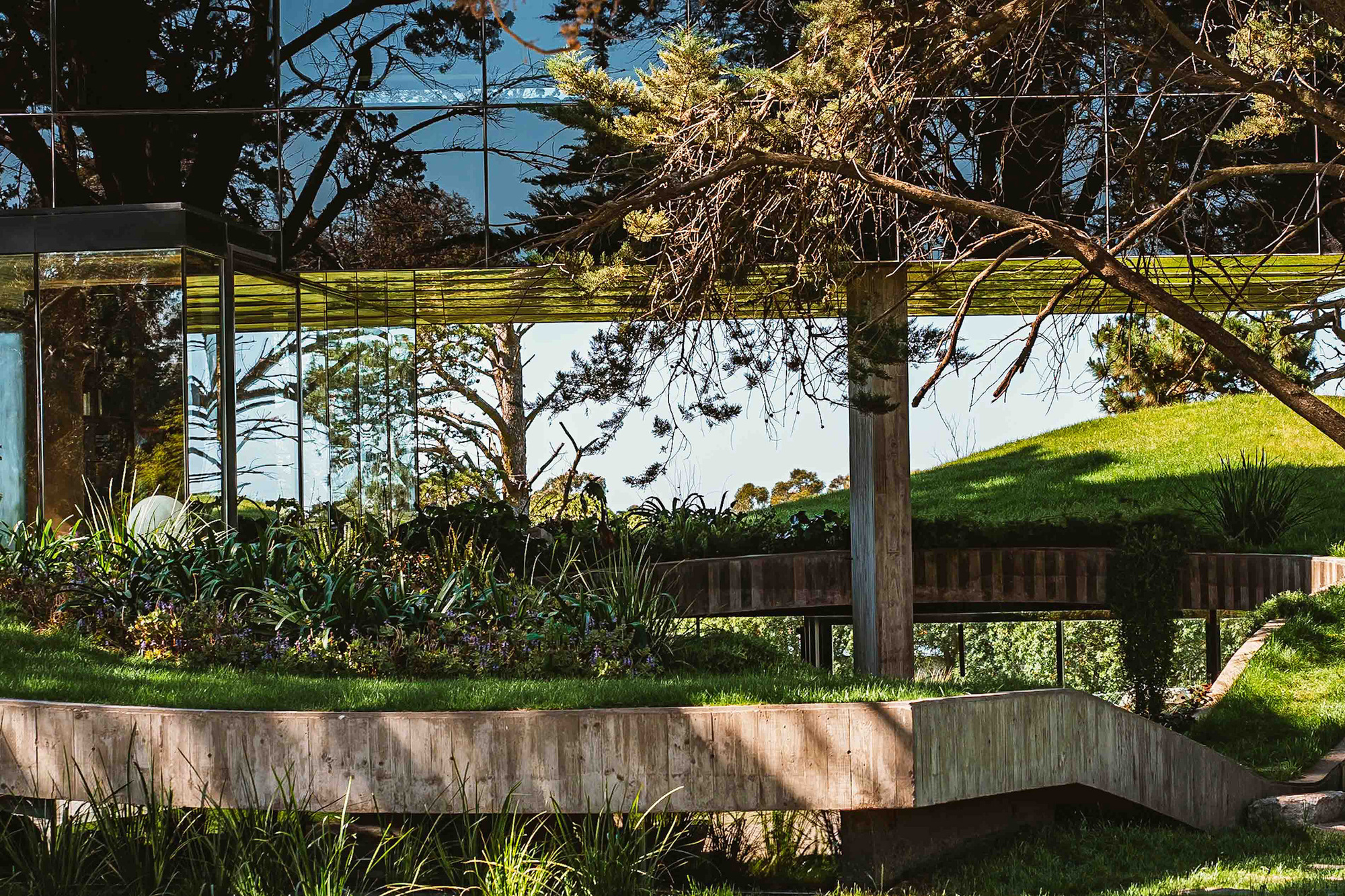
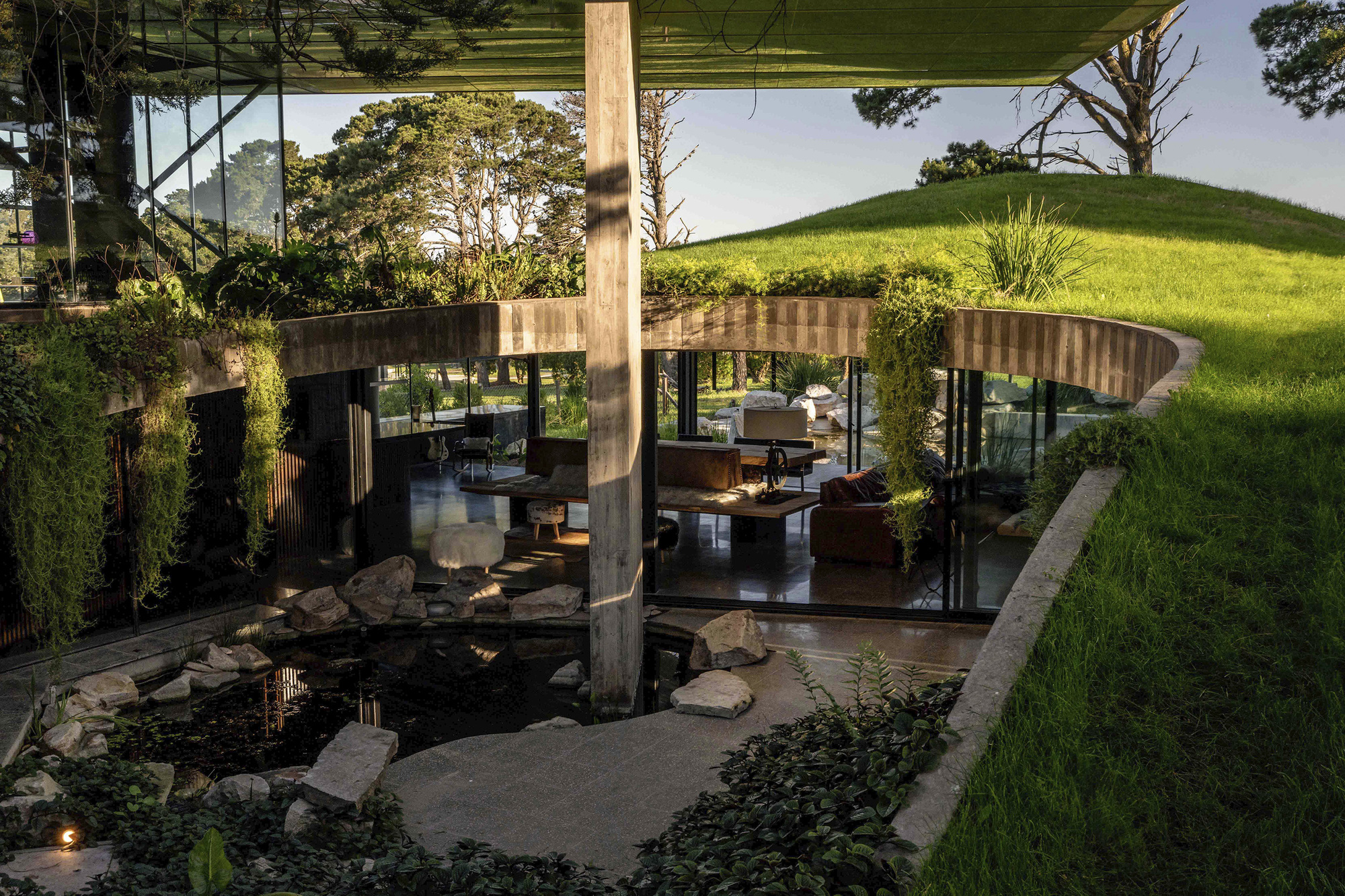
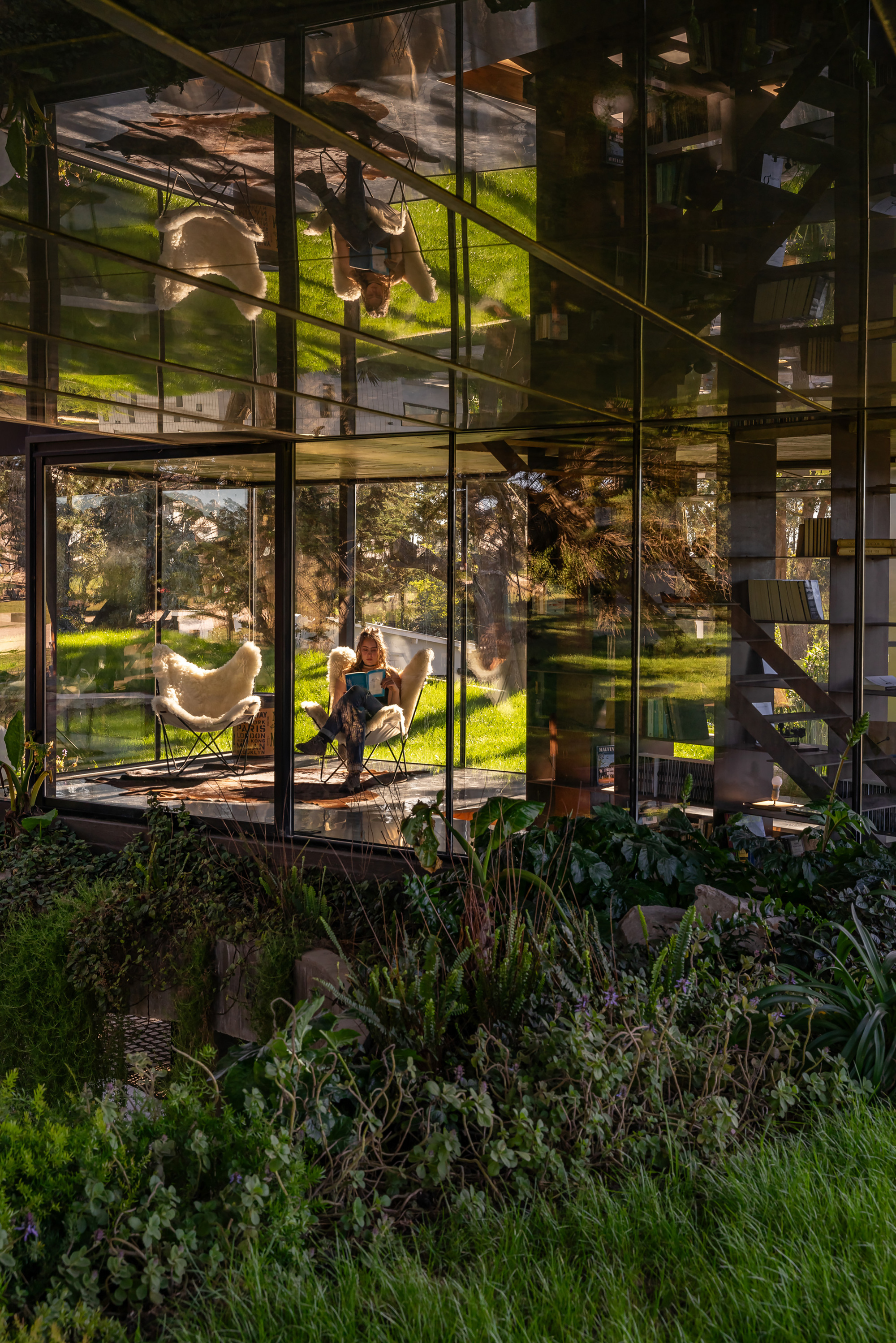
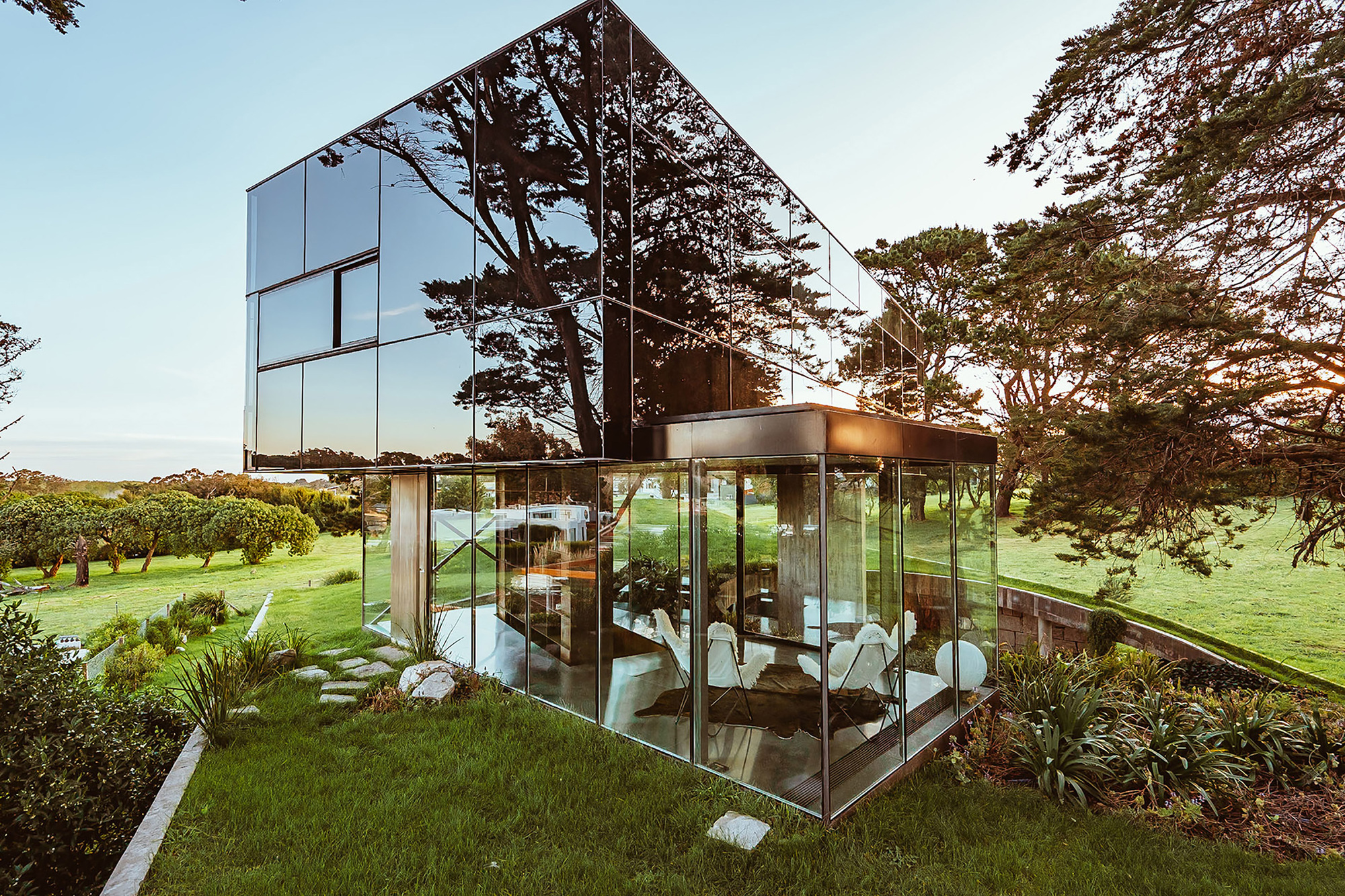
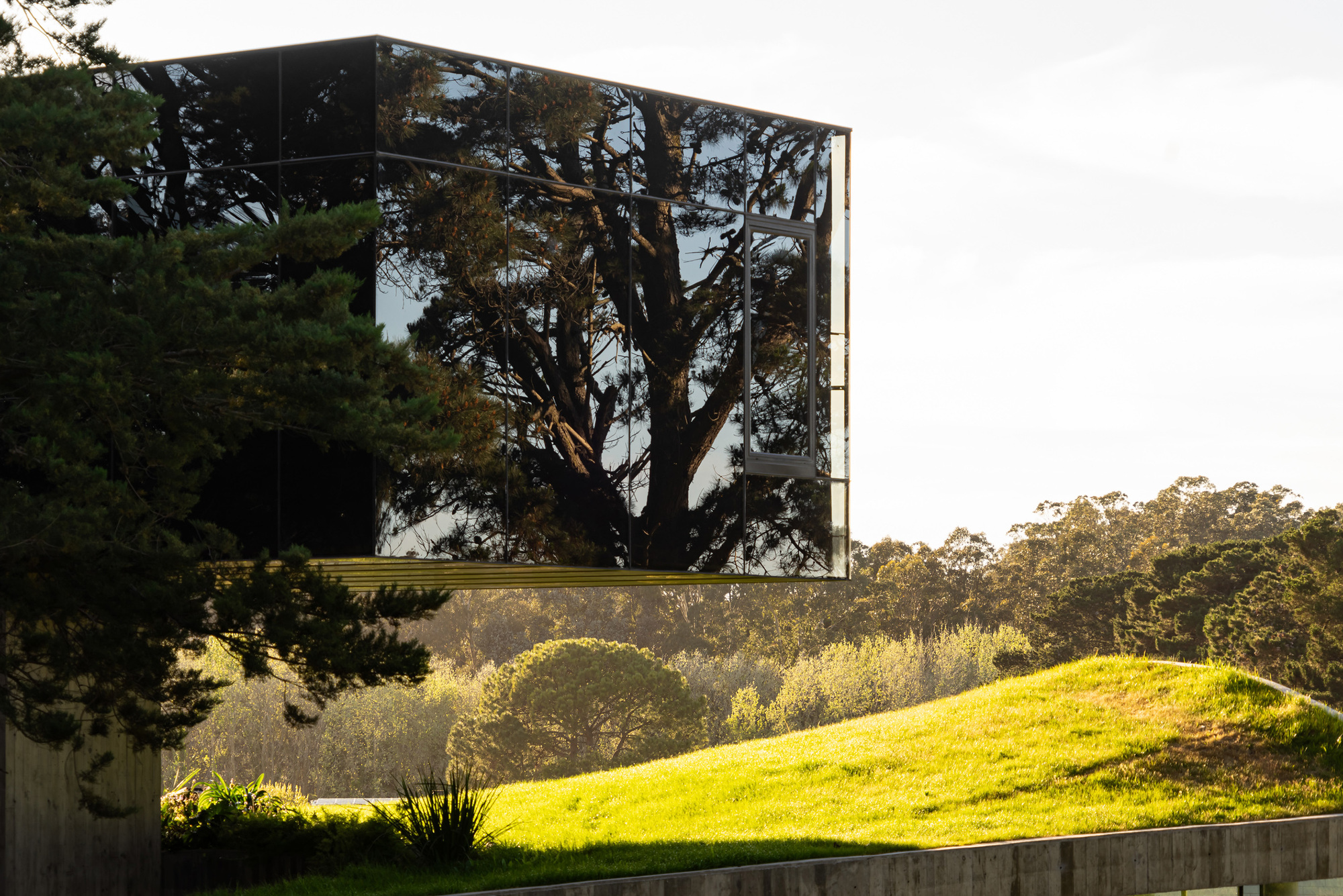
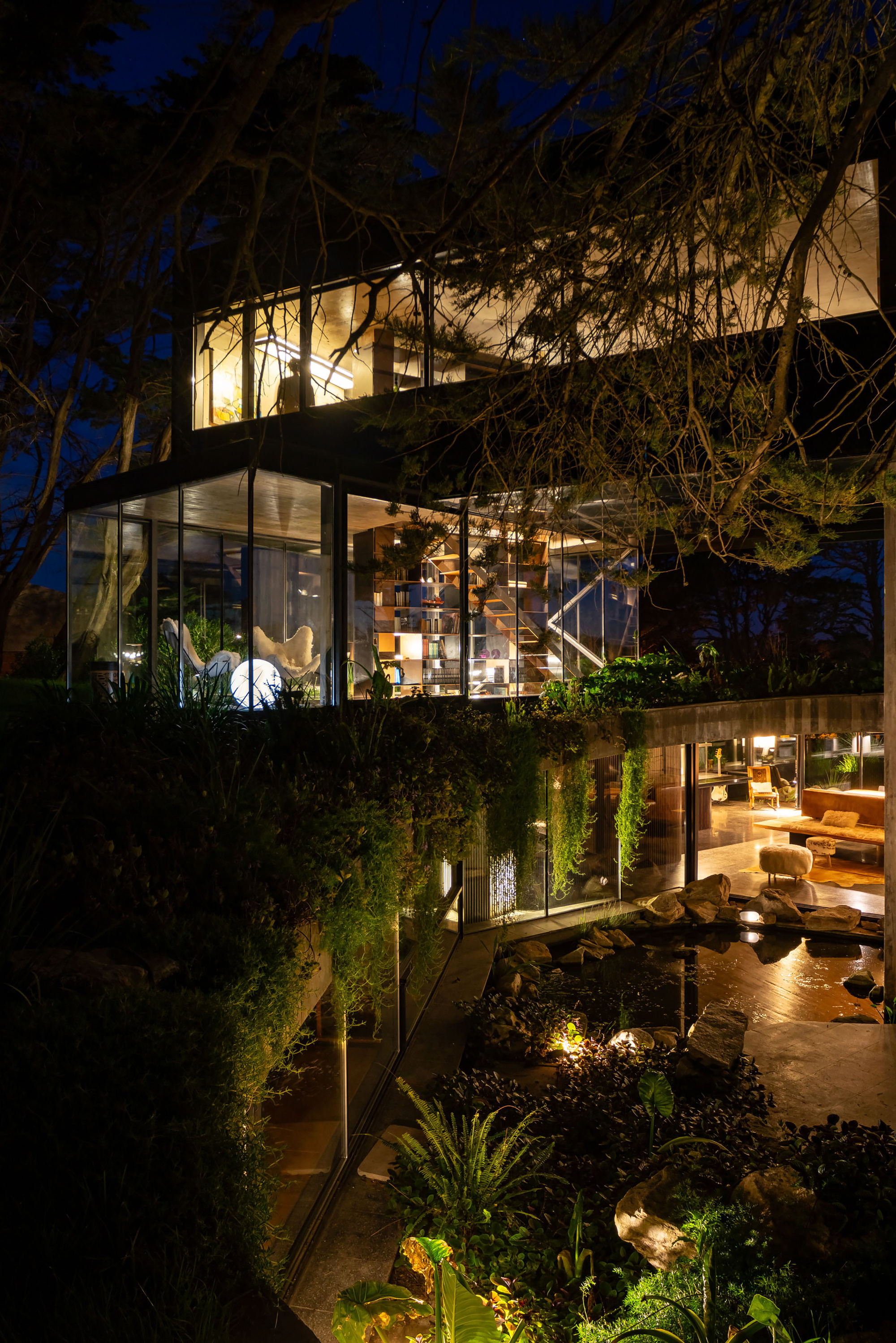
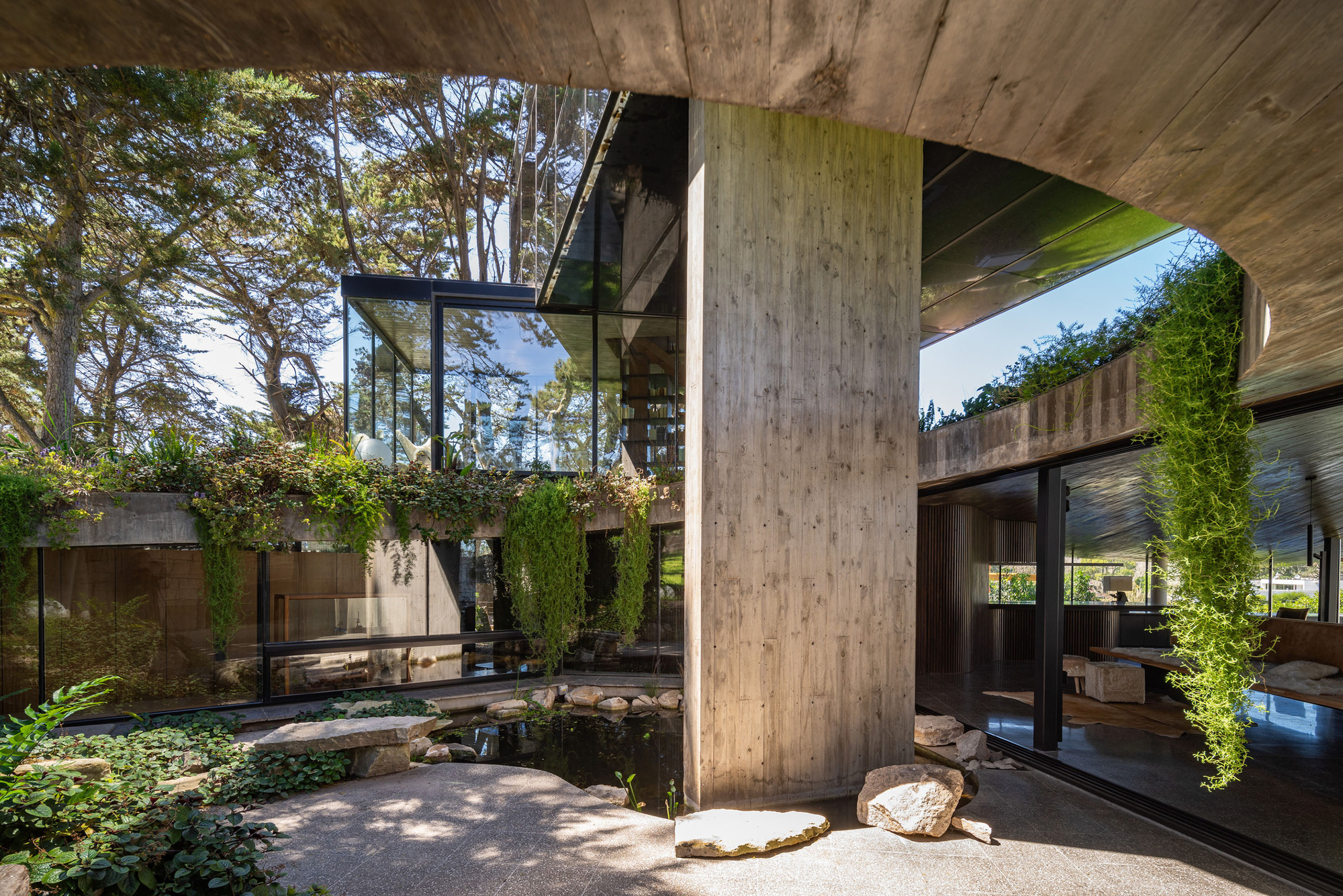
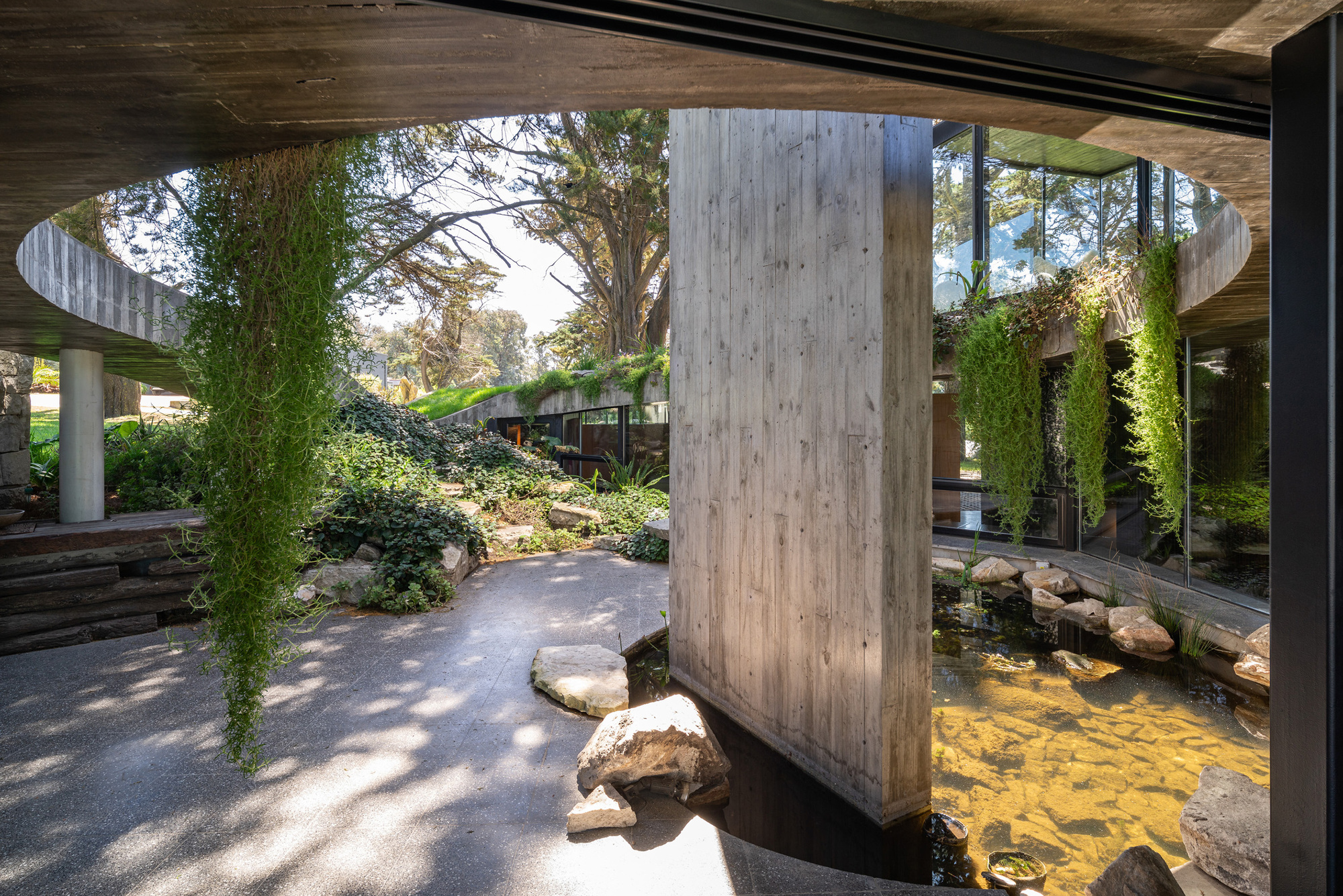
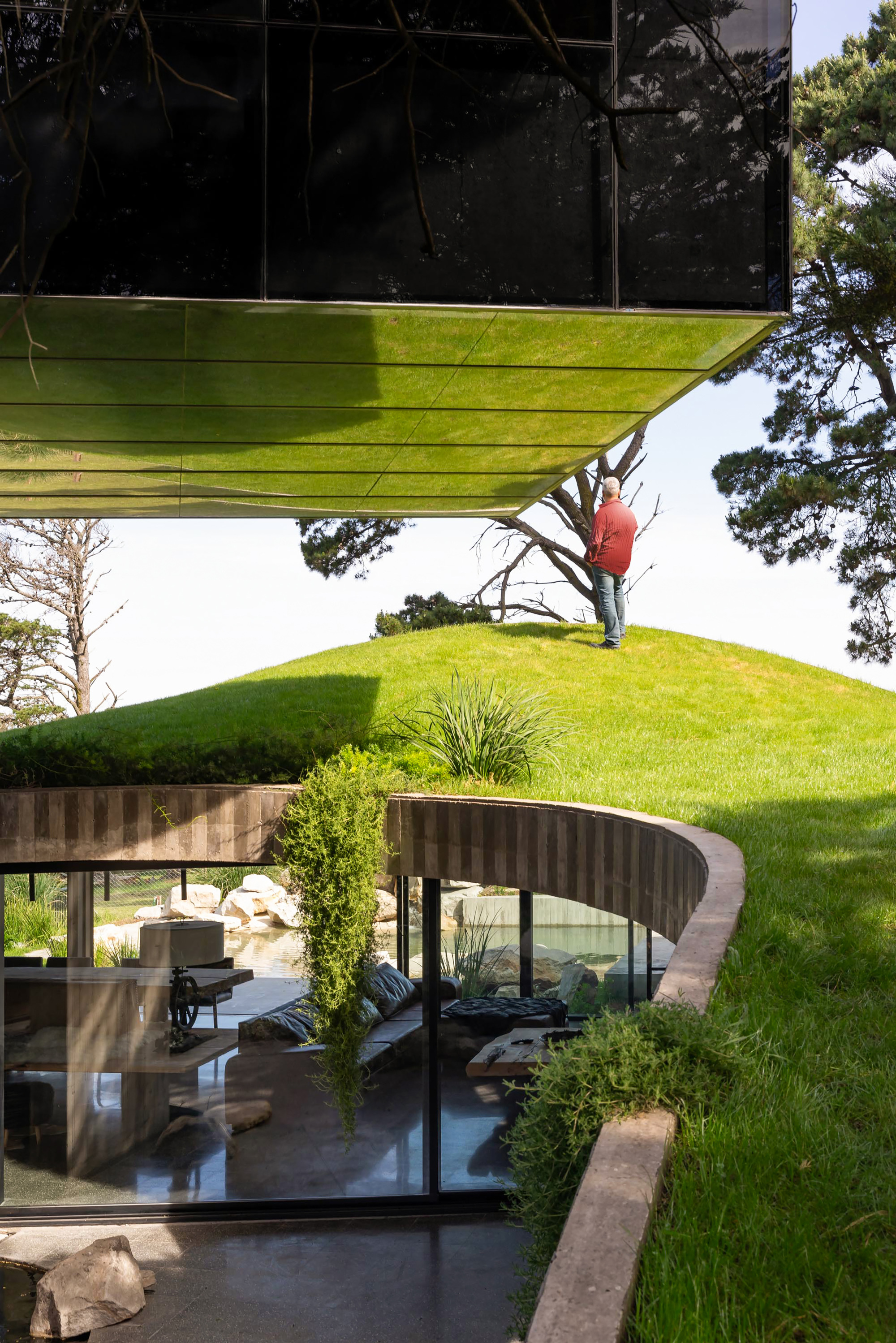
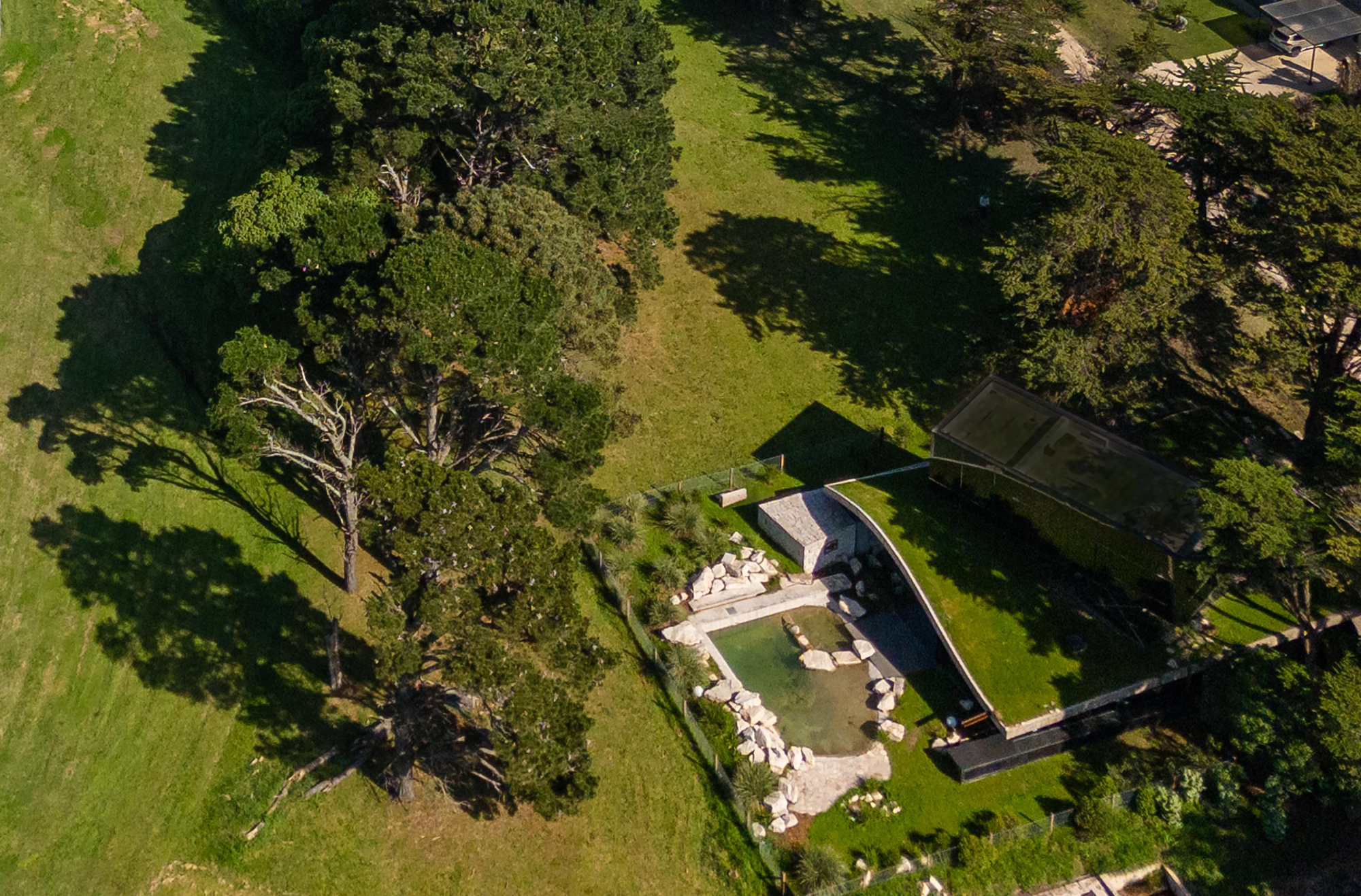
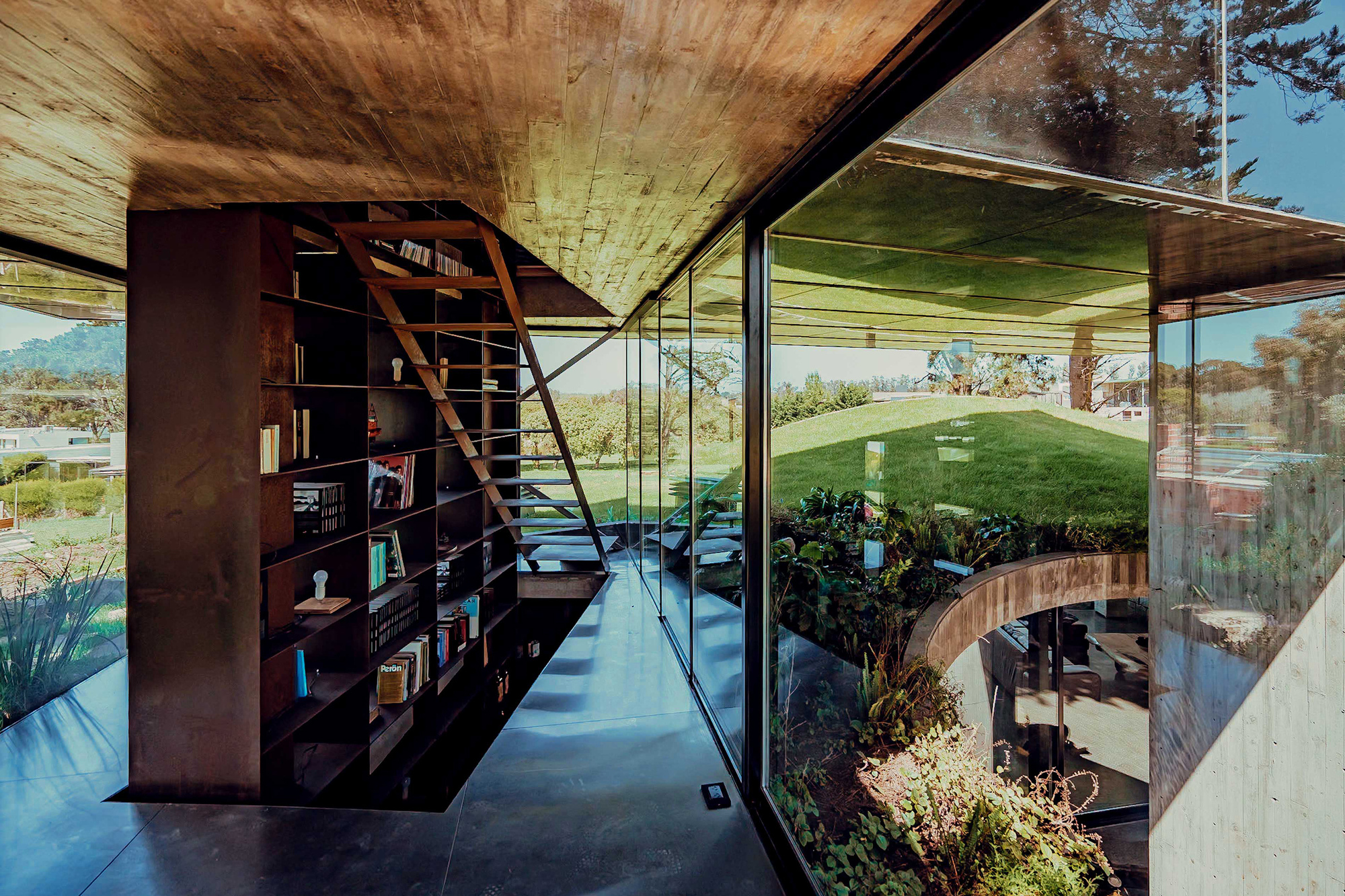
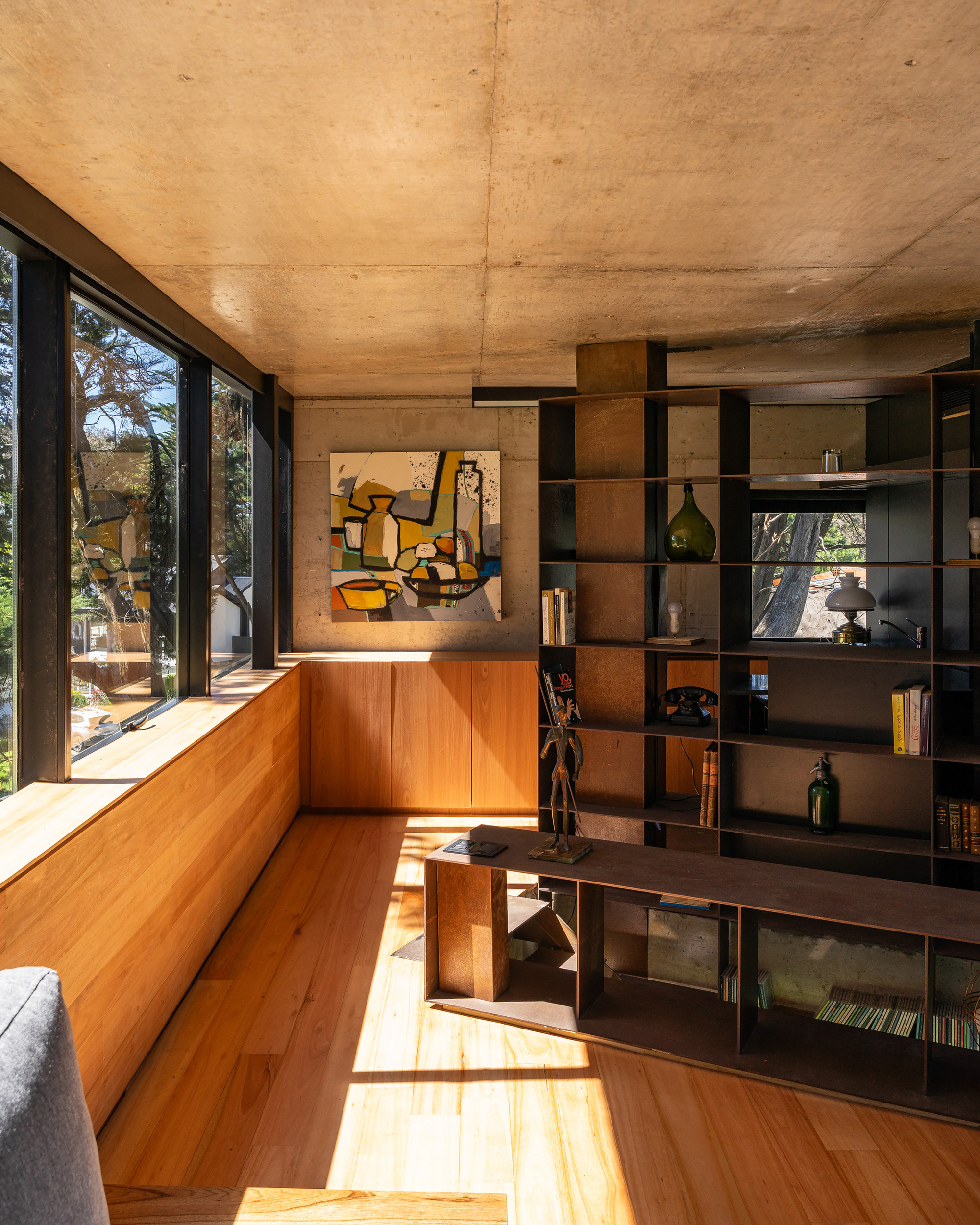
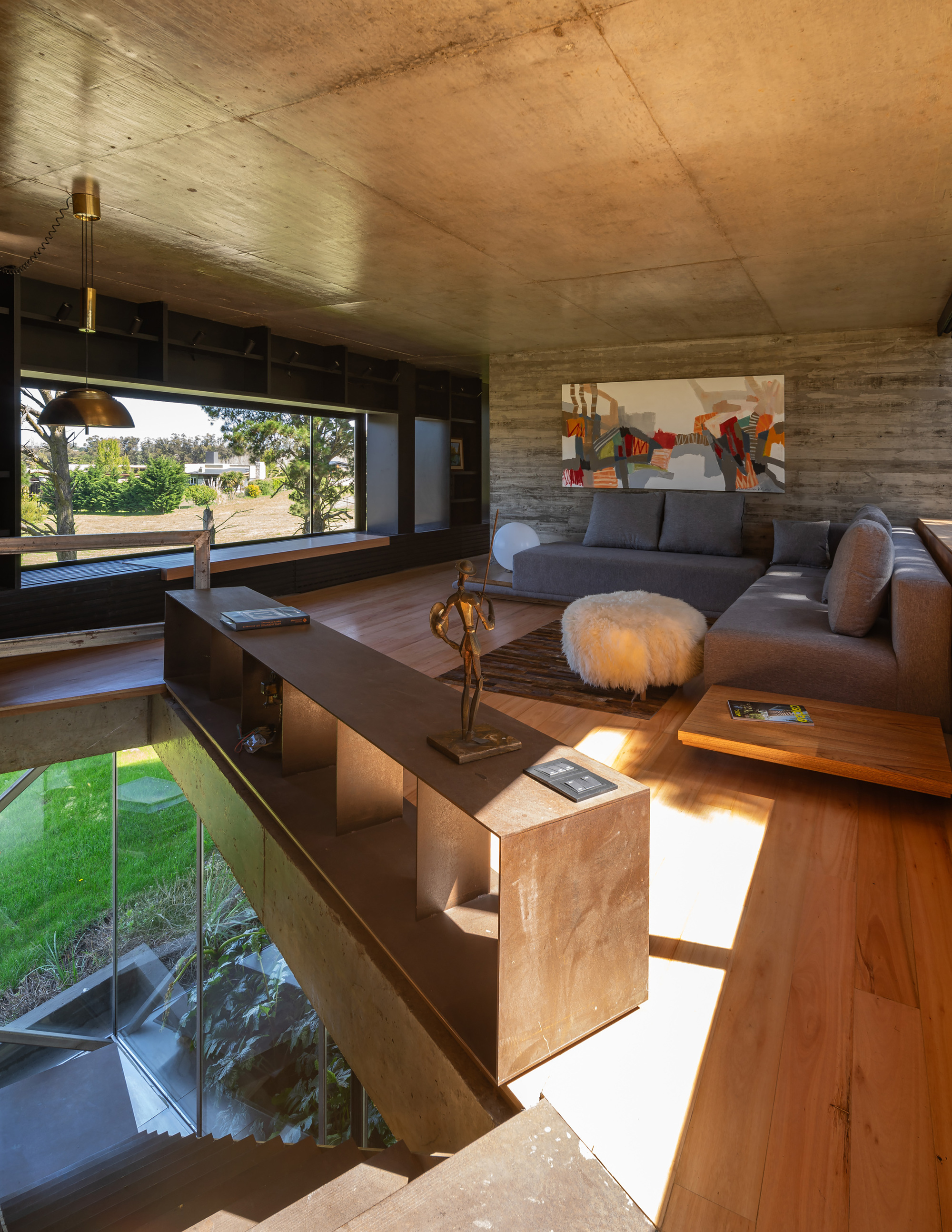
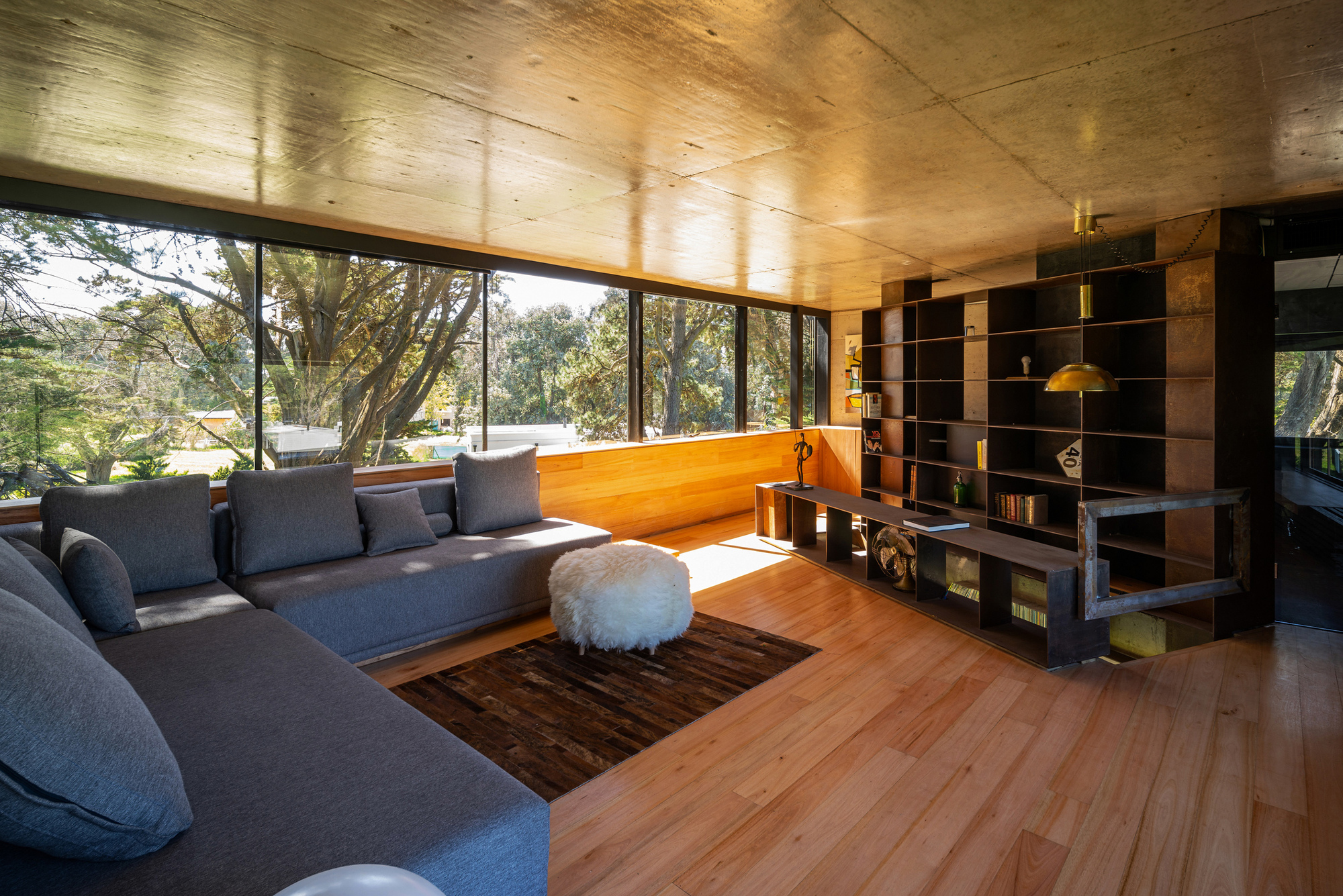
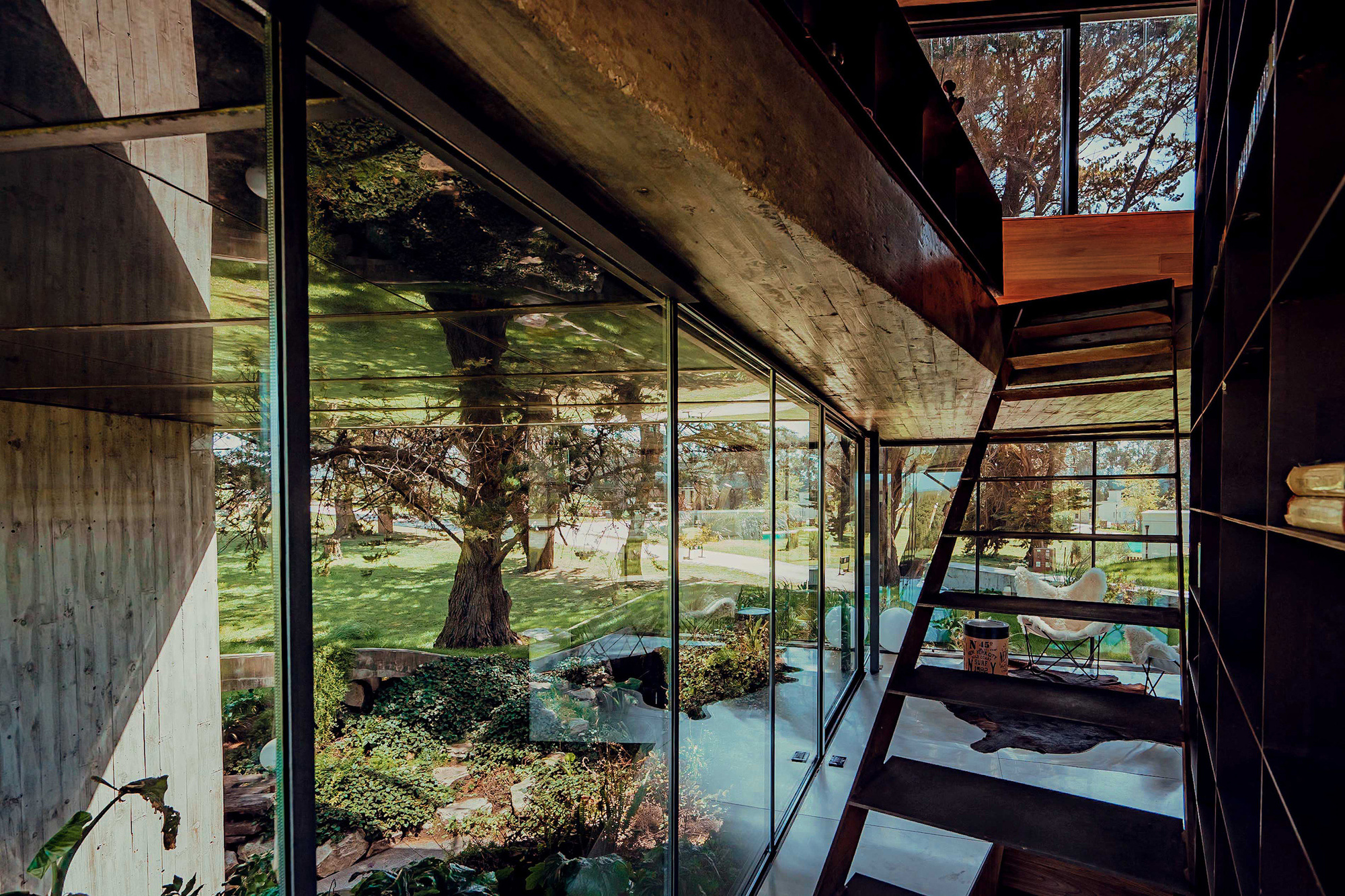
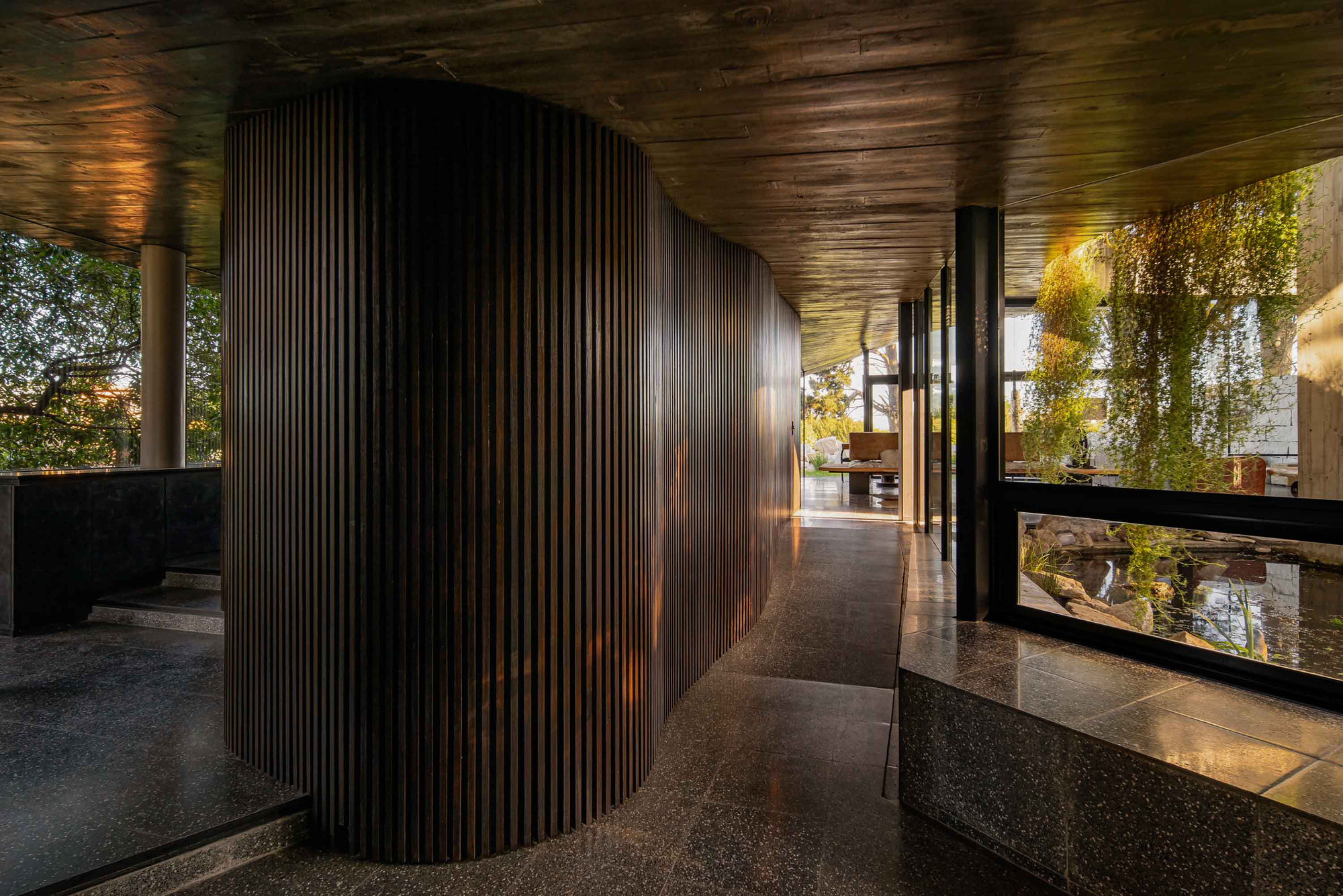
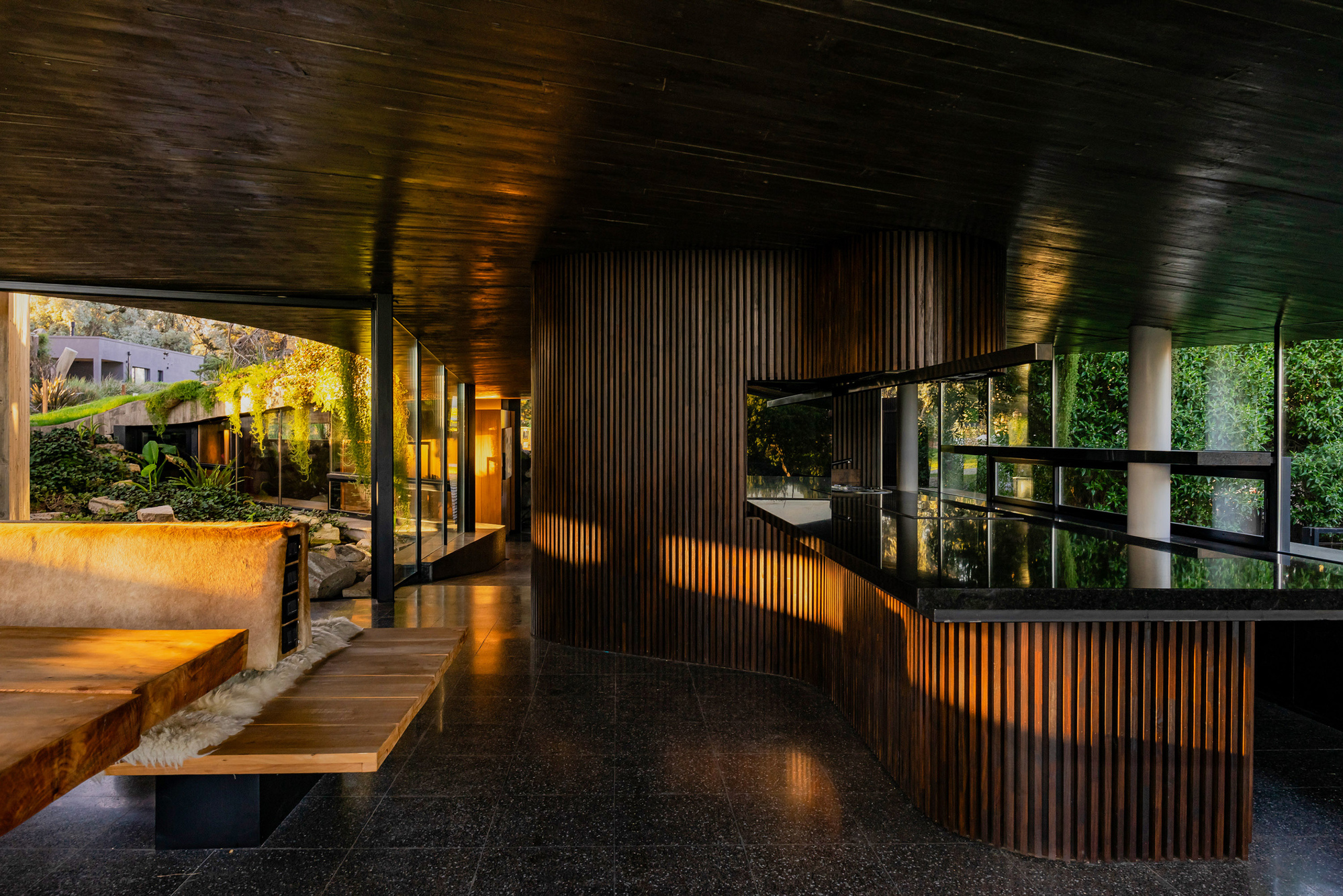
House Moro #architecture Architects: TAM - Guillermo Elgart Area: 220 m² Year: 2024 Photographs: Obra Linda, Jonathan Paz Lead Architects: Guillermo Elgart, Juan Albarenque Design Team: Juan Icarde, Delfina Diaz, Fiorela Colautti City: Mar del Plata Country: Argentina
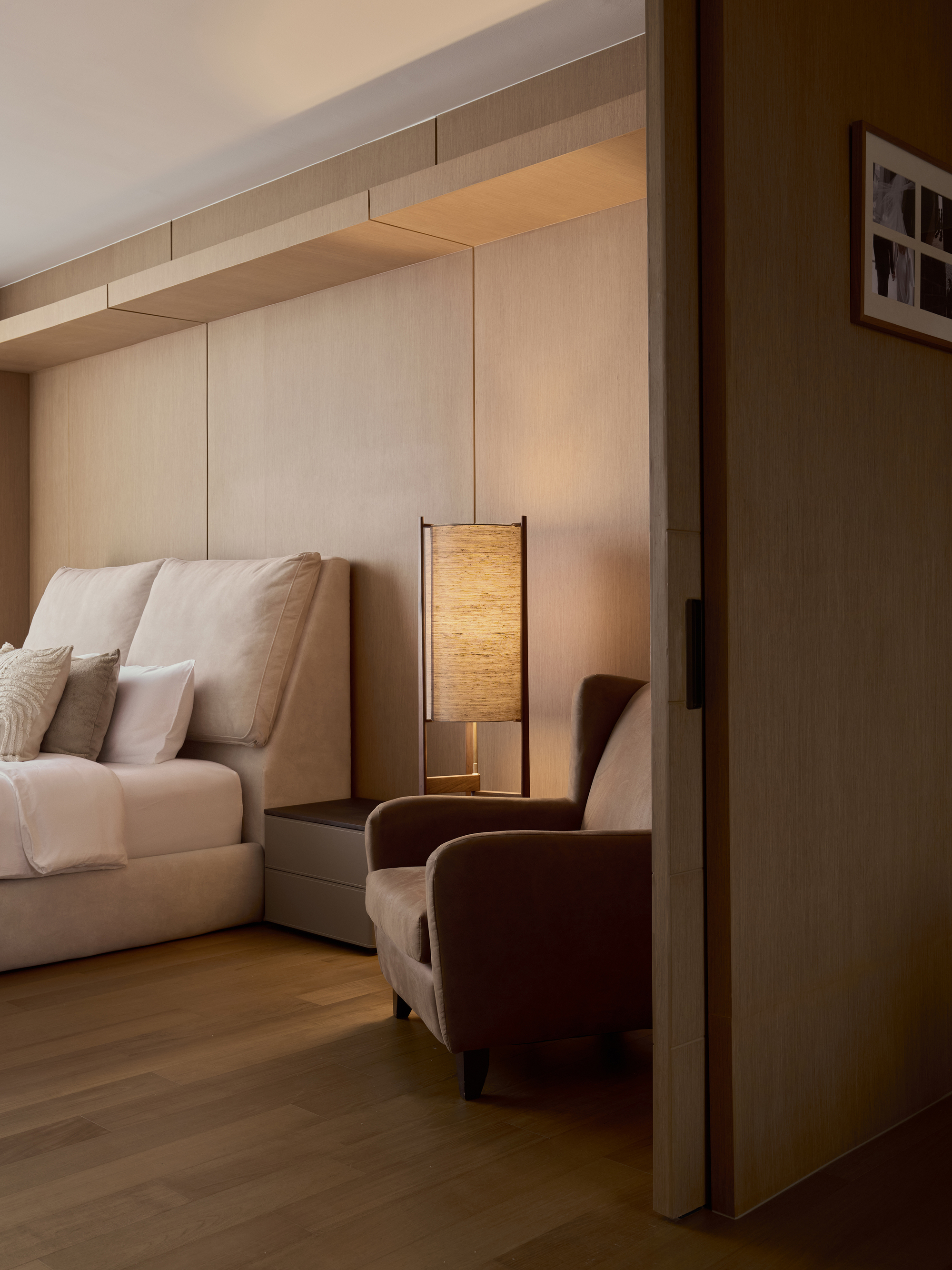
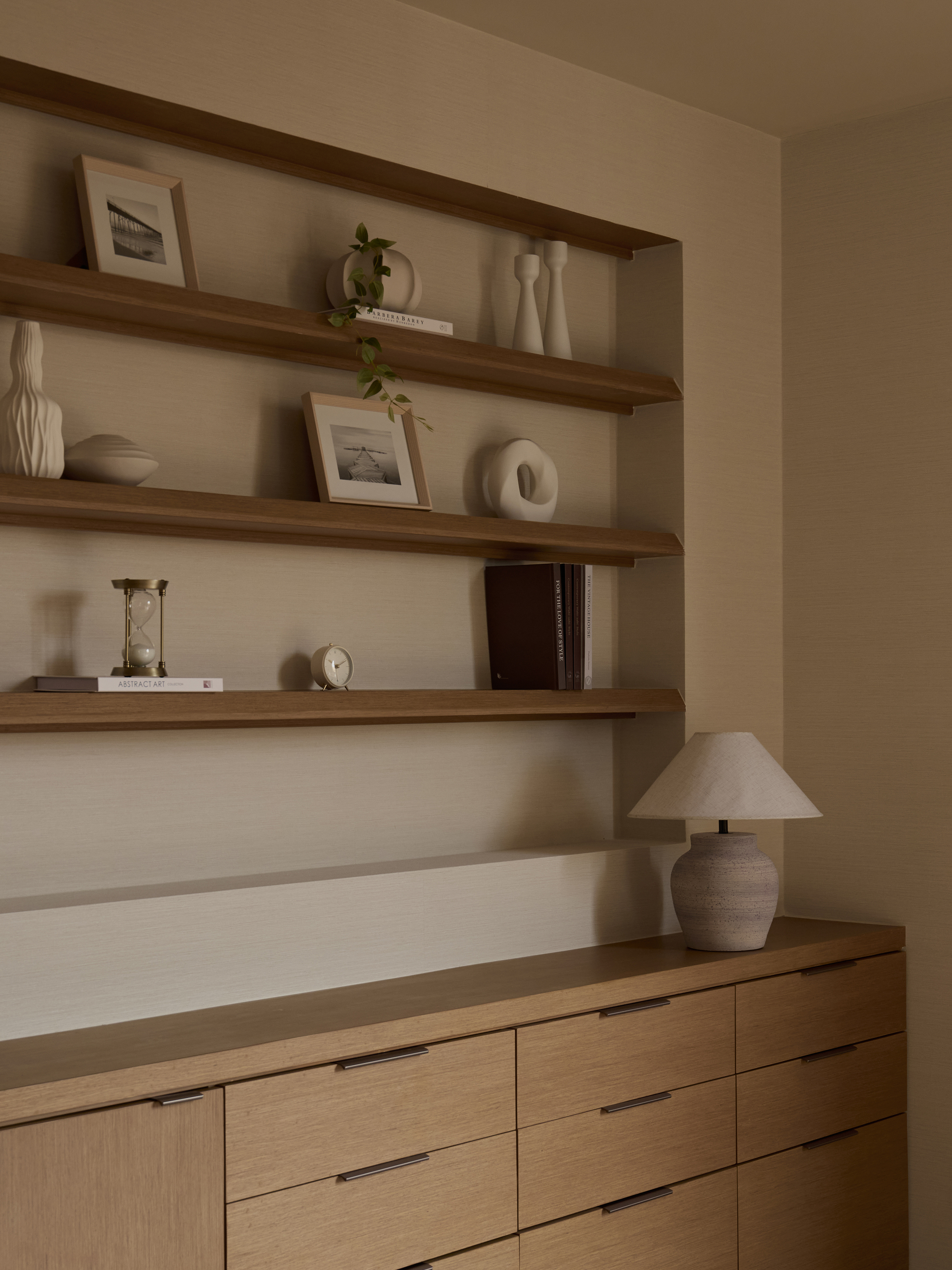
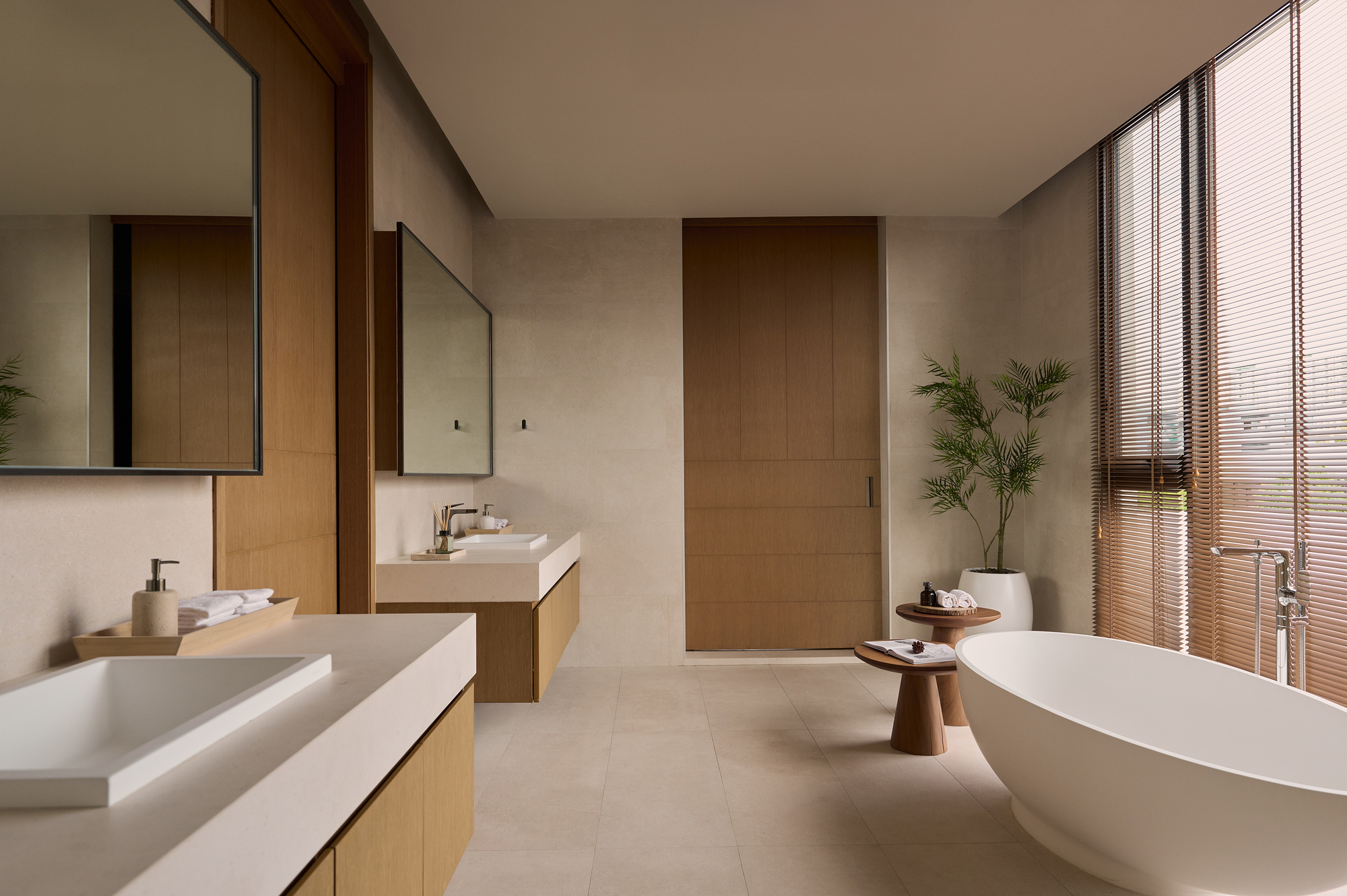
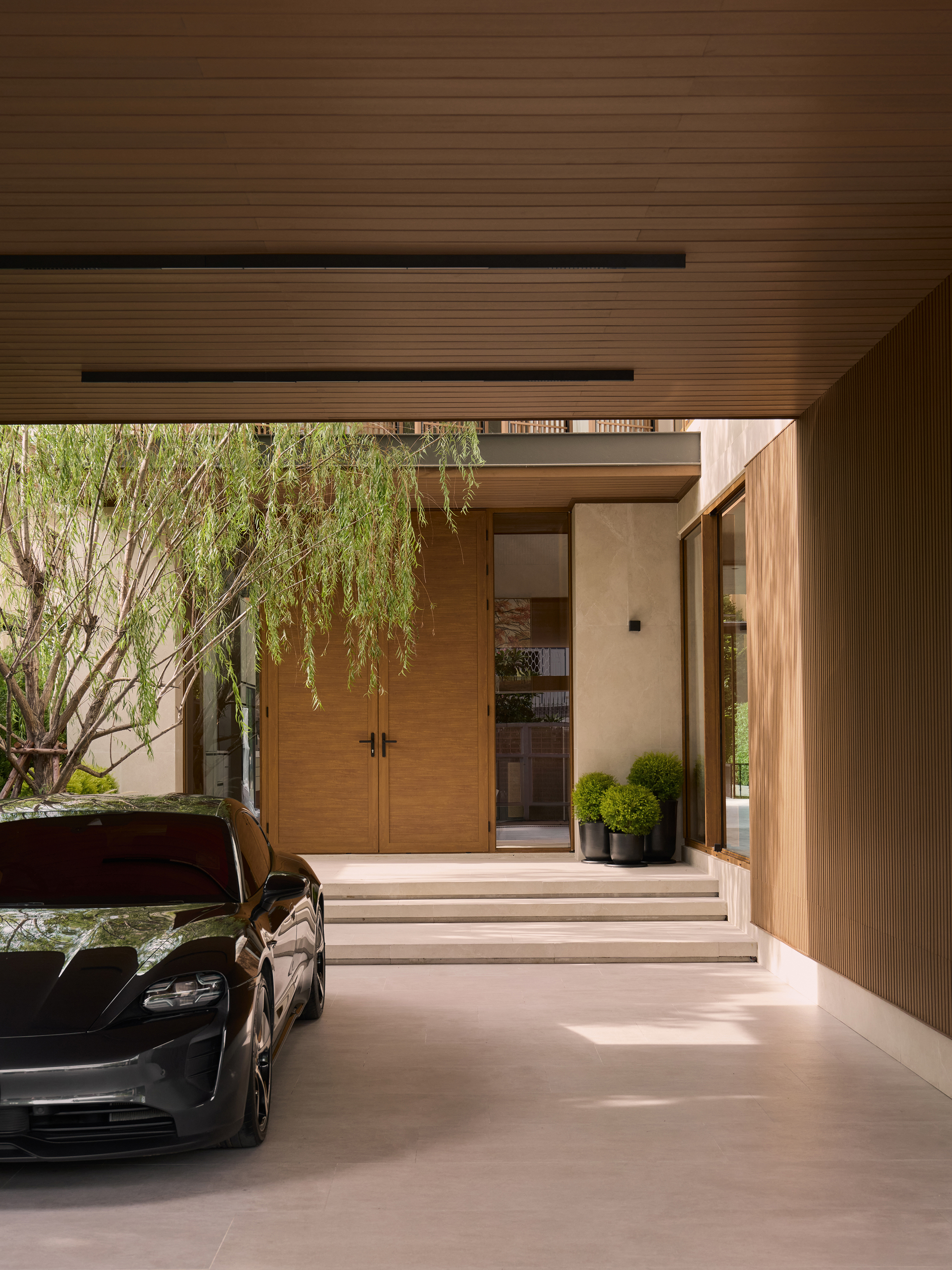
Khun Atiruj Residence #architecture Architects: PAON Architects Co.,Ltd. Area: 750 m² Year: 2025 Photographs: THANAWATCHU Lead Architects: Chanon Petchsangngam, Roongnapa Dormieu Design Team: Warichsara Panichkurkul Technical Team: Sineenart Wachirathada Engineering & Consulting > Lighting: Lightbox Lighting Co.,Ltd City: Khet Khlong Toei Country: Thailand
Phoenix House #architecture Architects: HGA.Studio Area: 140 m² Year: 2020 City: Byron Bay Country: Australia
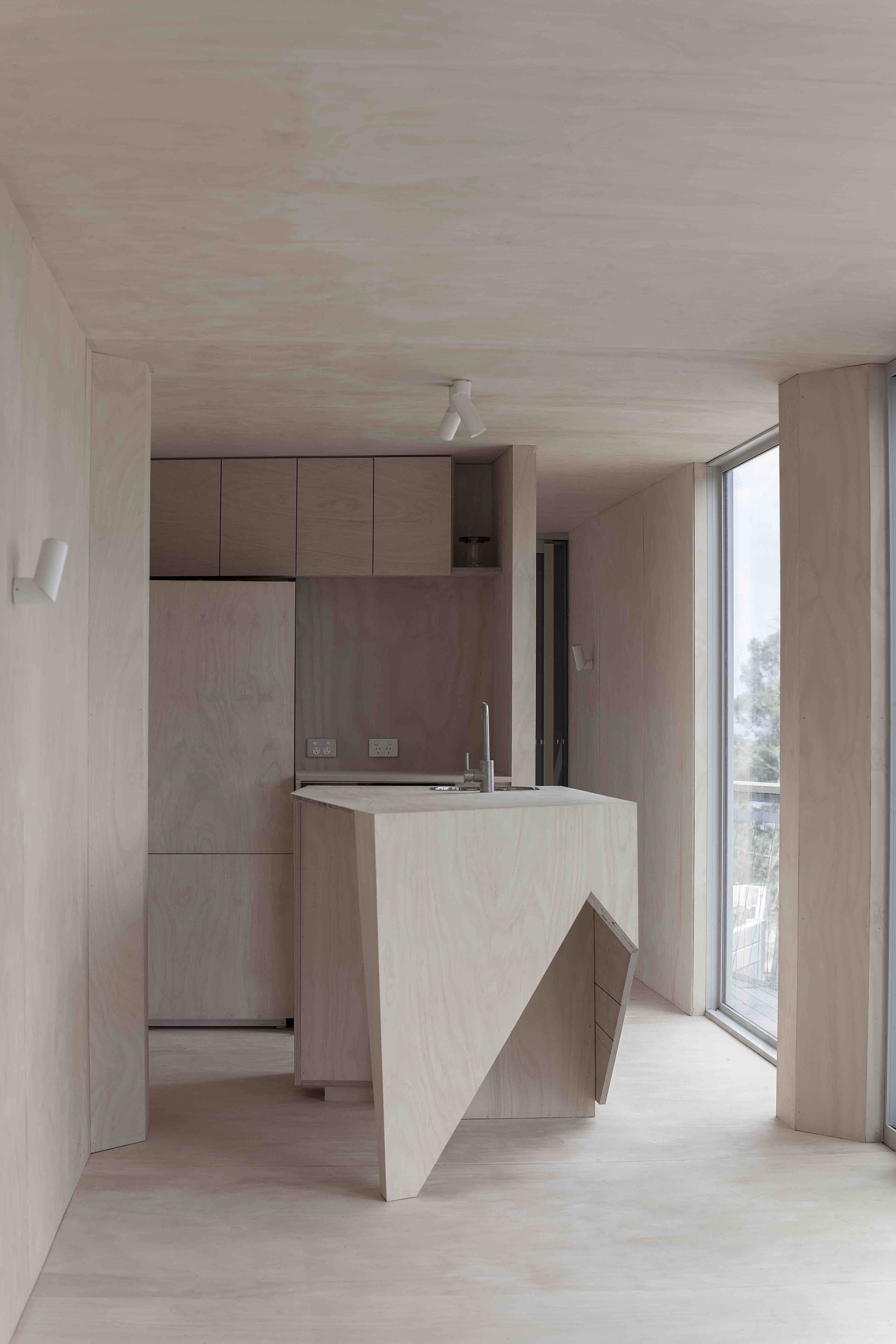
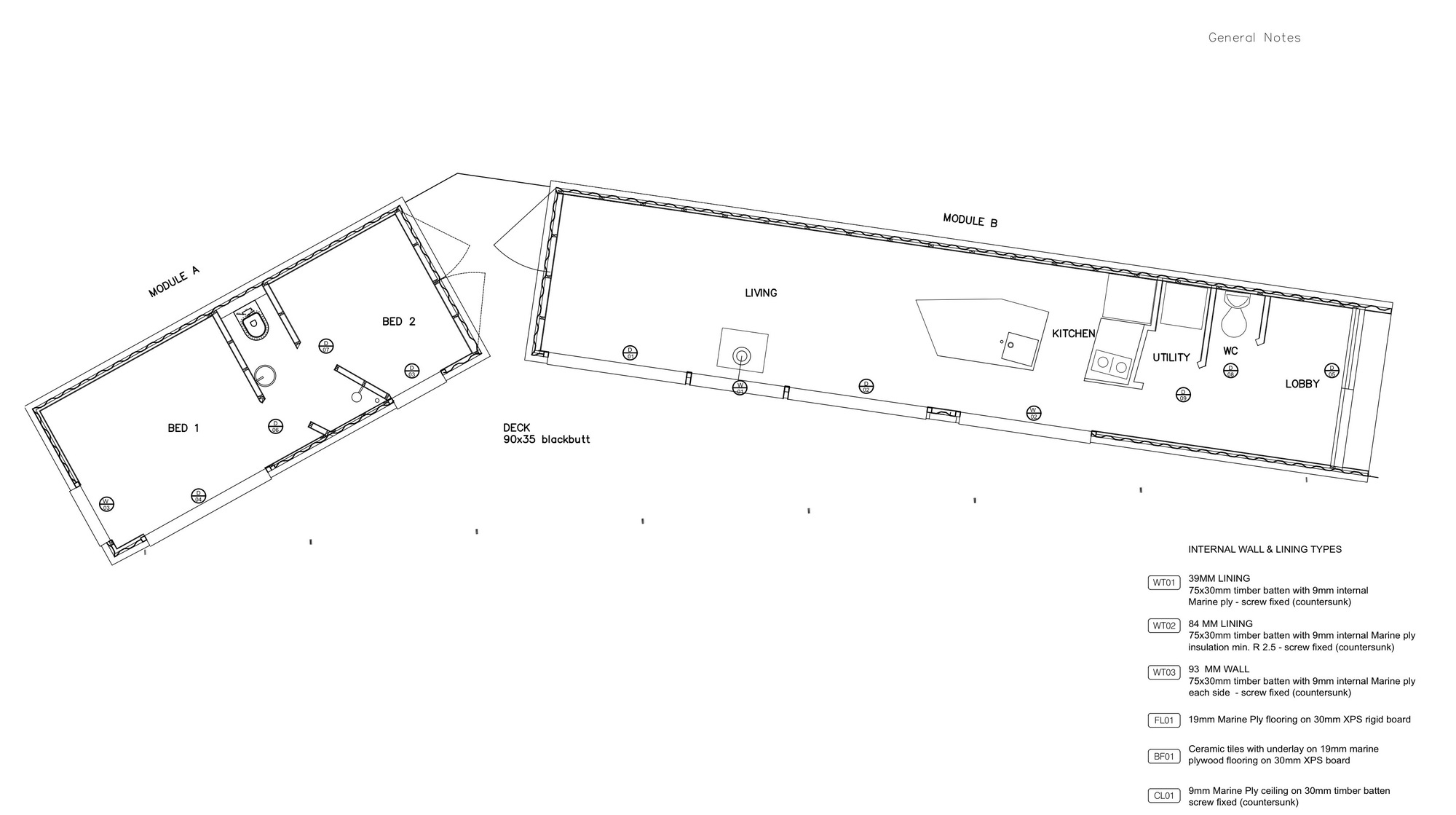
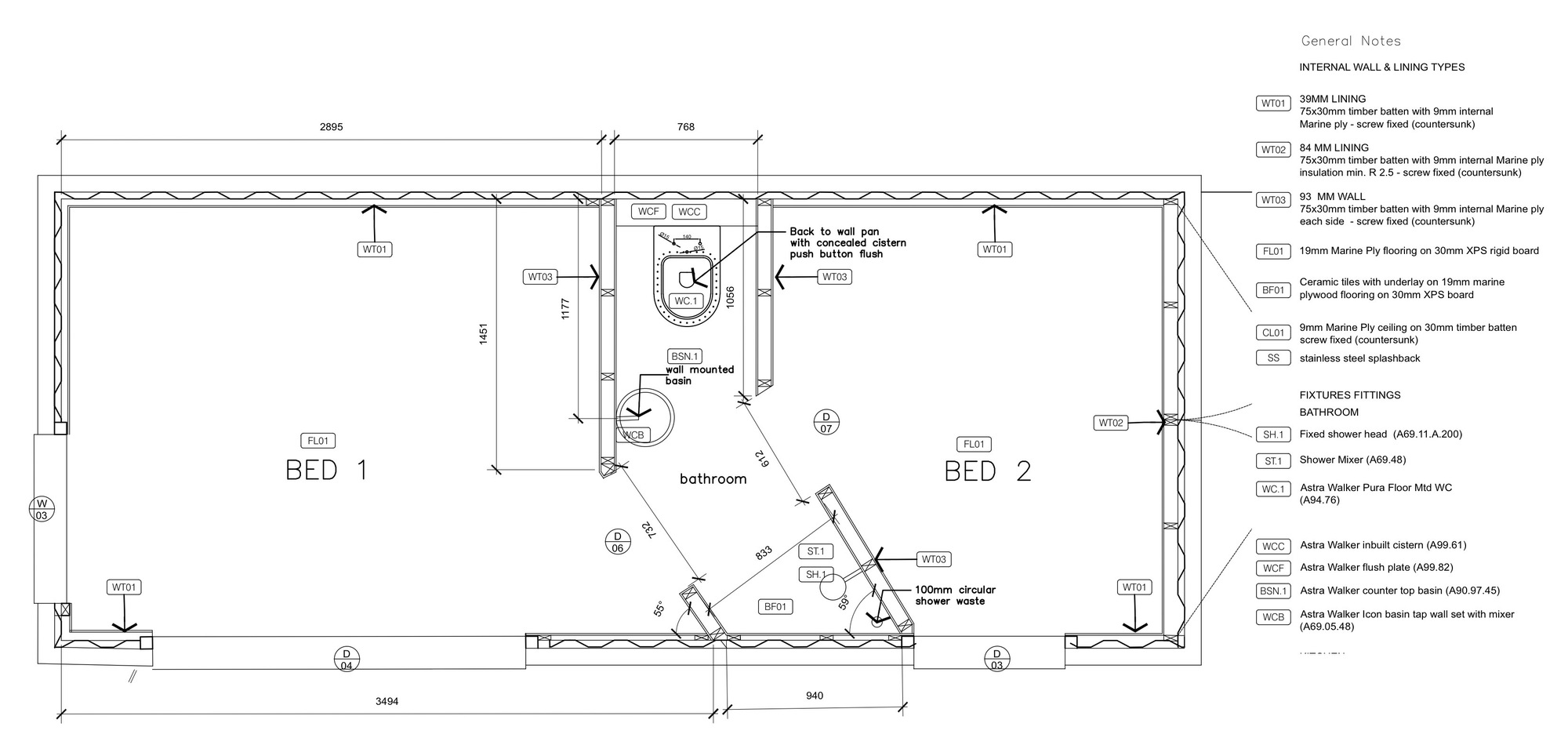
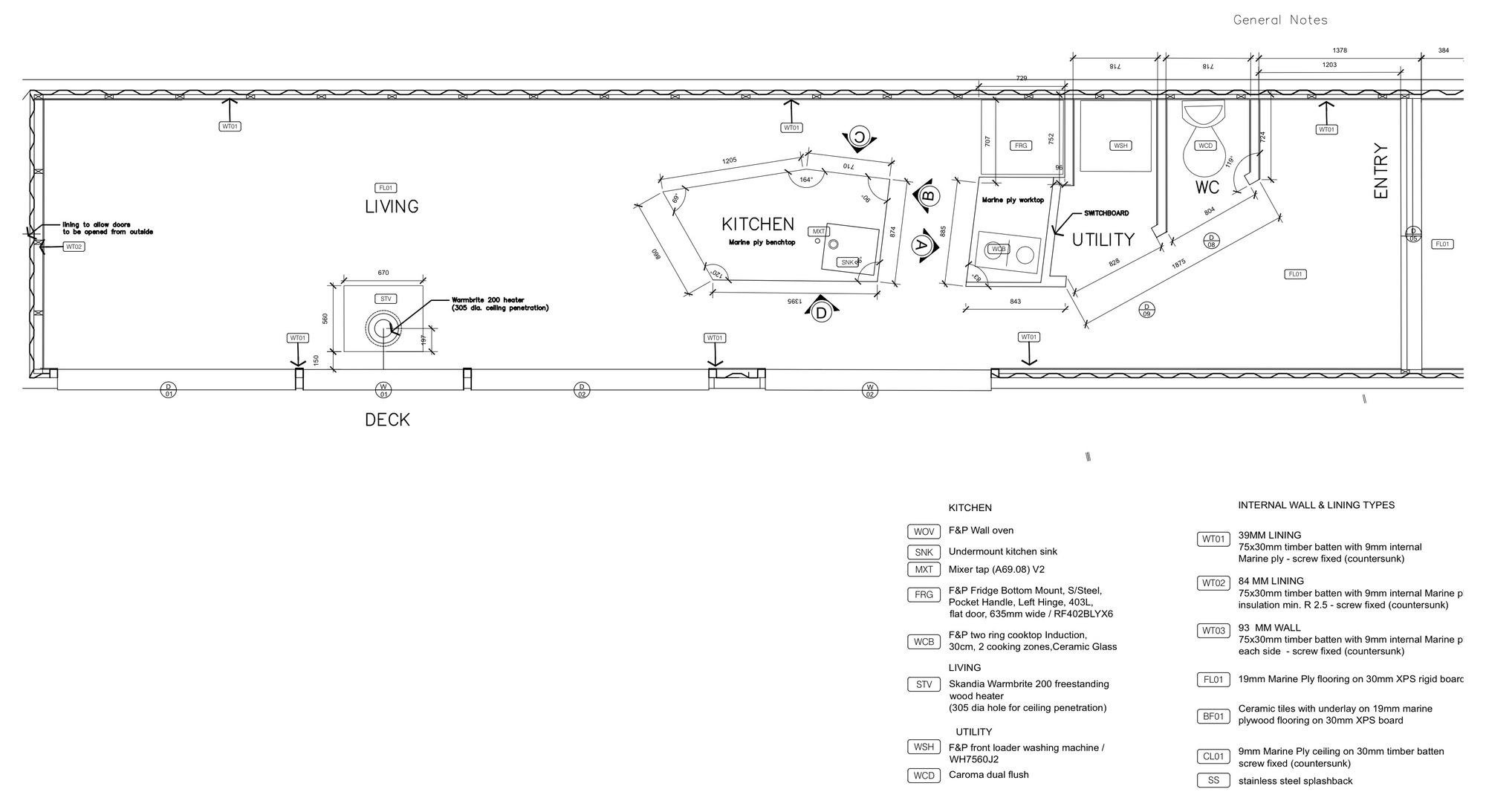
House 28 #architecture Architects: studio edwards Area: 70 m² Year: 2018 Photographs: Tony Gorsevski Location: Australia A container house on the Surf Coast in Wye River, Victoria. Designed as a weekend retreat & made from three 20ft shipping containers. Two connect to form the living space with toilet, laundry & entry. The third a sleeping wing with two bedrooms, toilet & shower. Connected by a external deck on steel stilts which sit on deep concrete pile foundations- anchoring the house to the hillside. Internally the spaces are lined with marine plywood.
Externally insulated & clad with galvanised steel sheeting.
The northern face of the house has fixings to allow for planting wires to connect to the ground, encouraging native plants to grow over the house. The Southern facade is predominately glazed with a series of double glazed doors & windows opening onto the decking which looks southwards through the trees towards the ocean. A green roof planted with native dichondra sits above, providing additional thermal insulation & rainwater filtration.
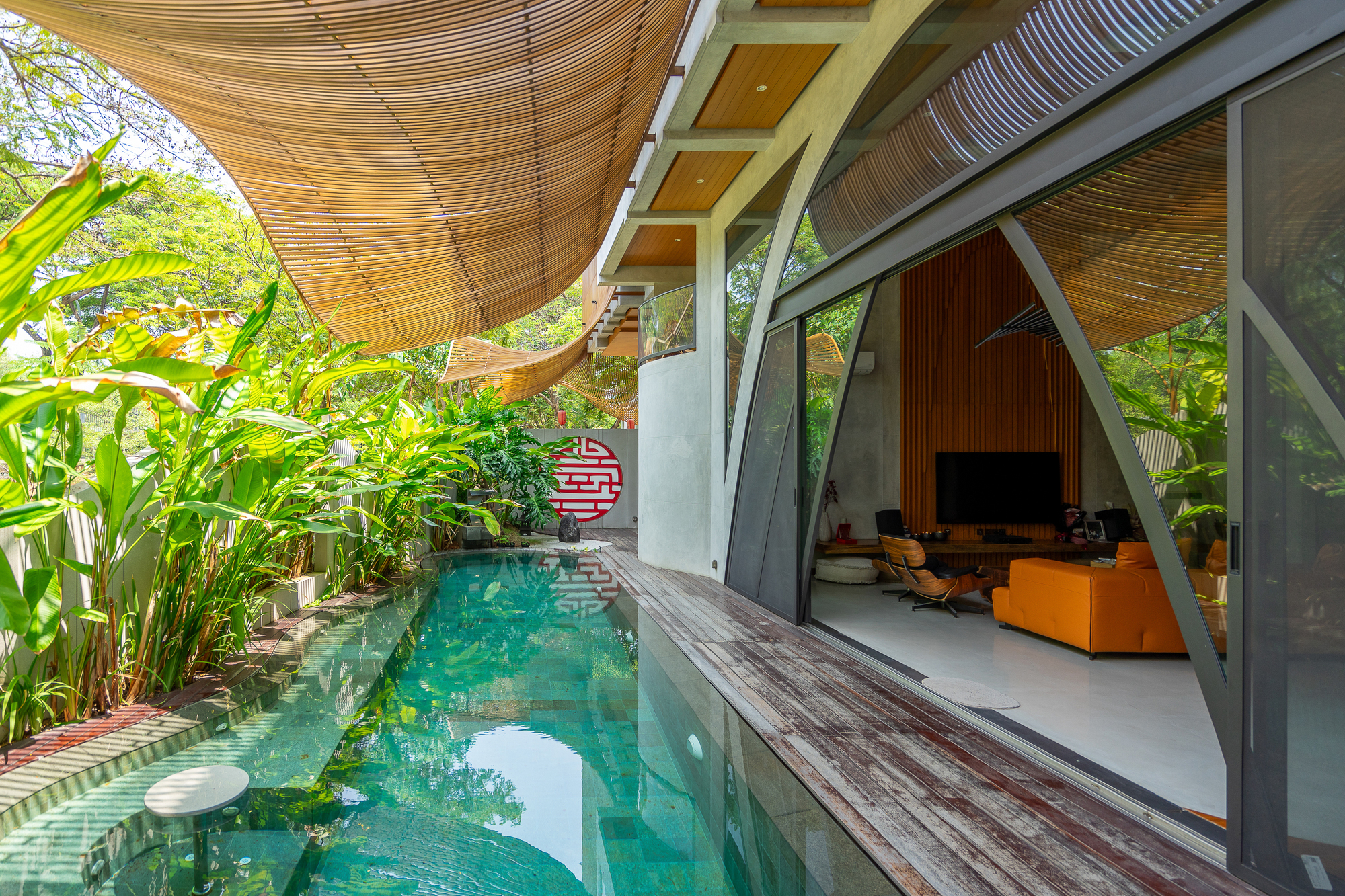
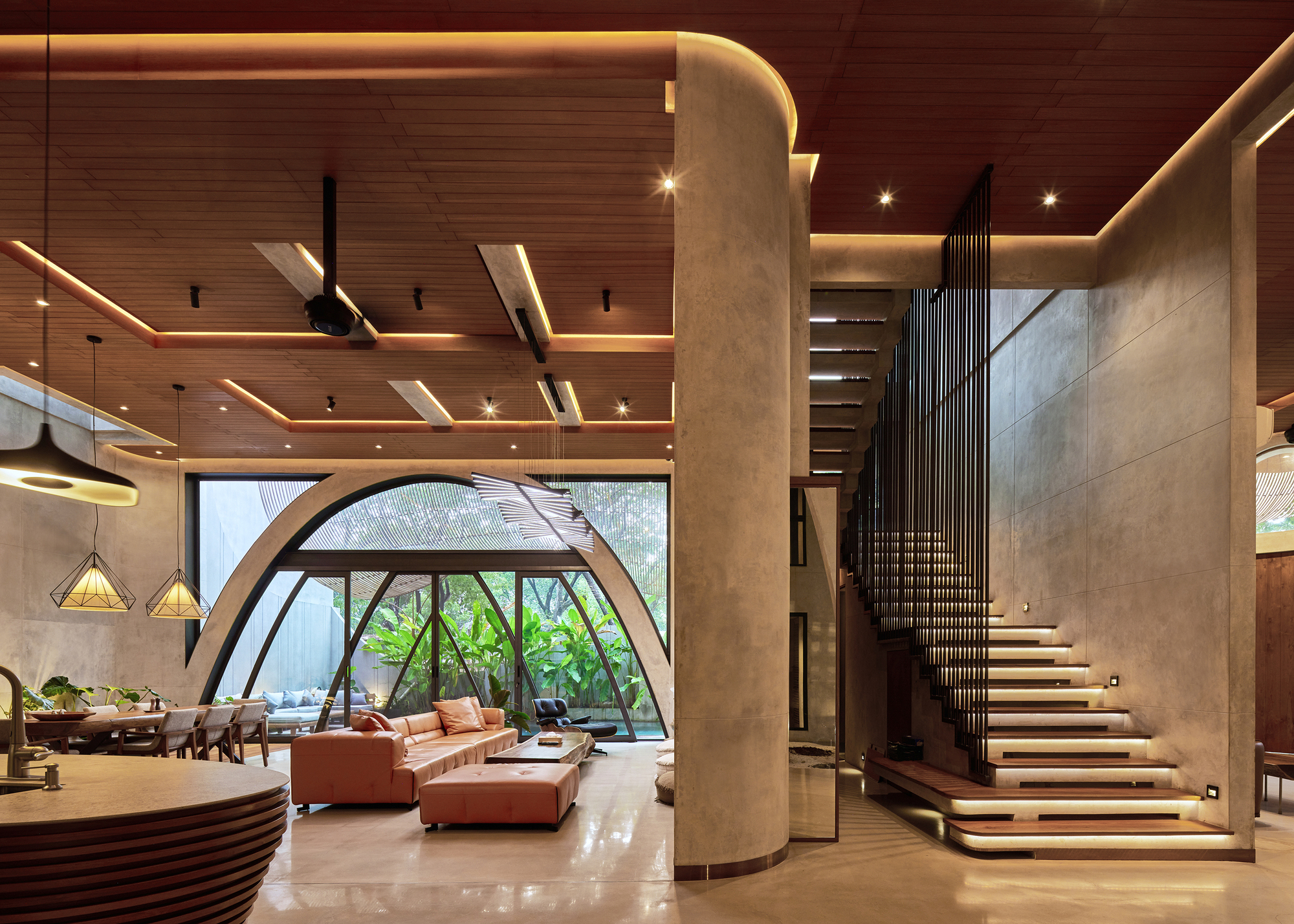
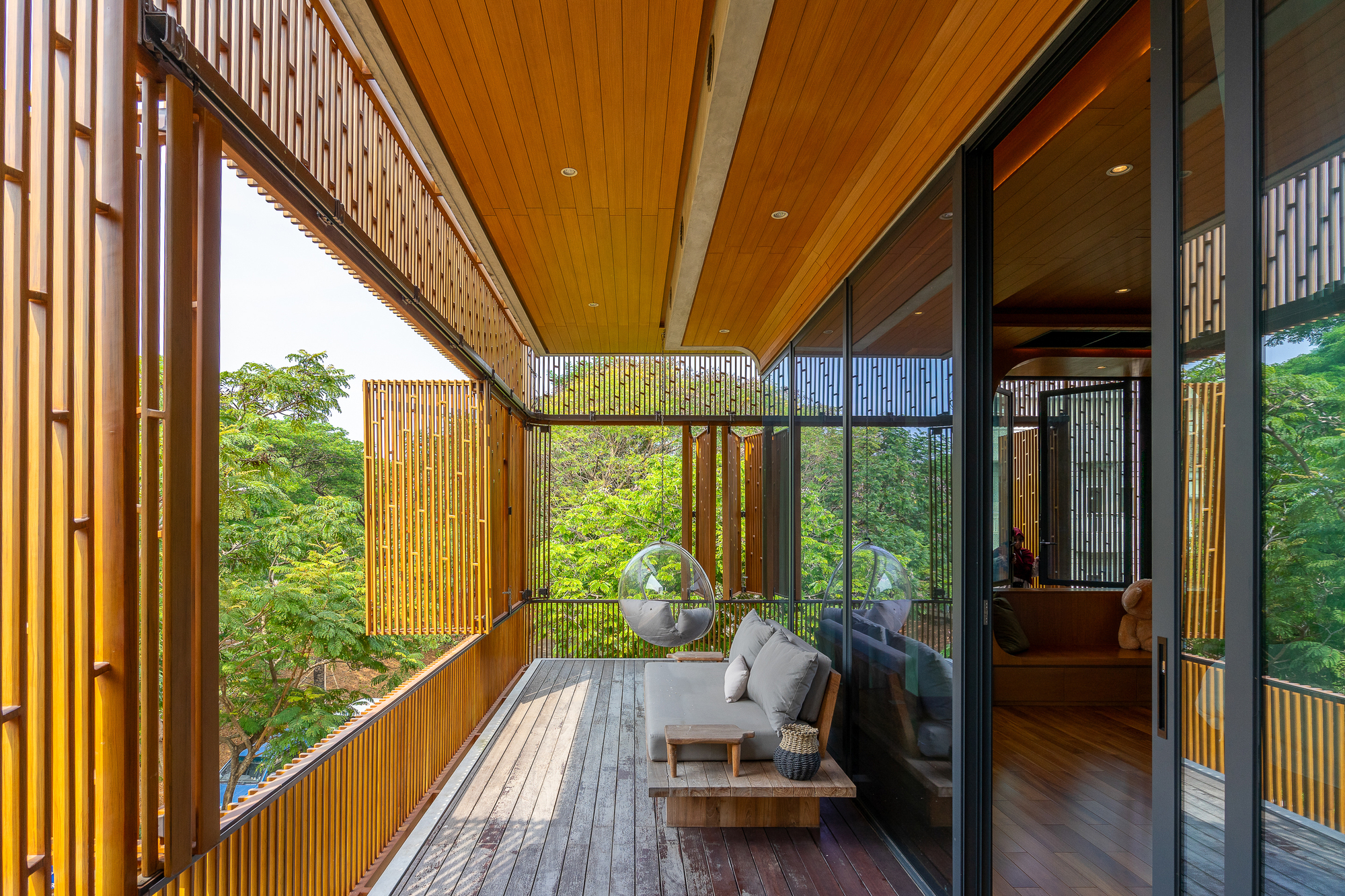
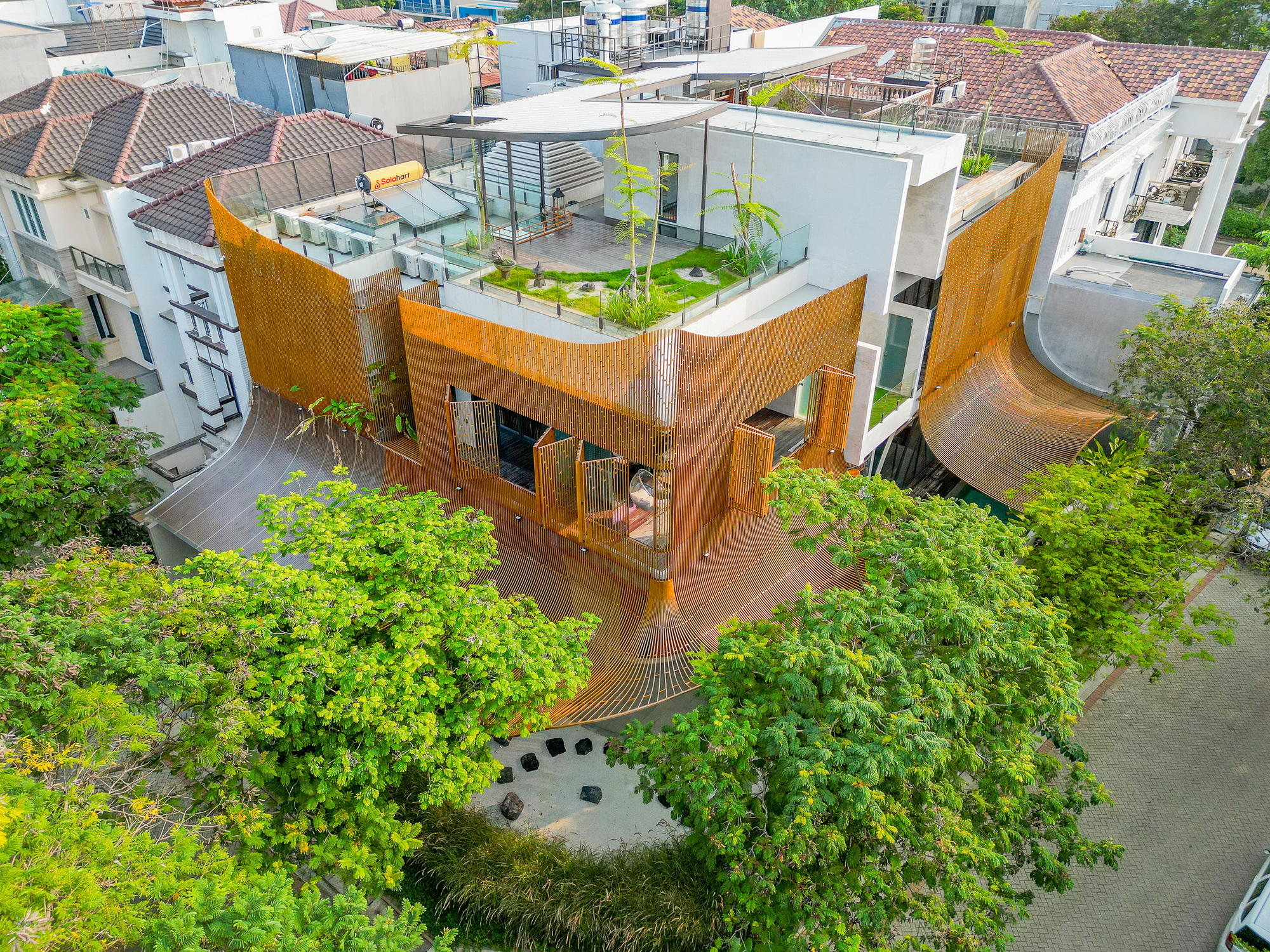
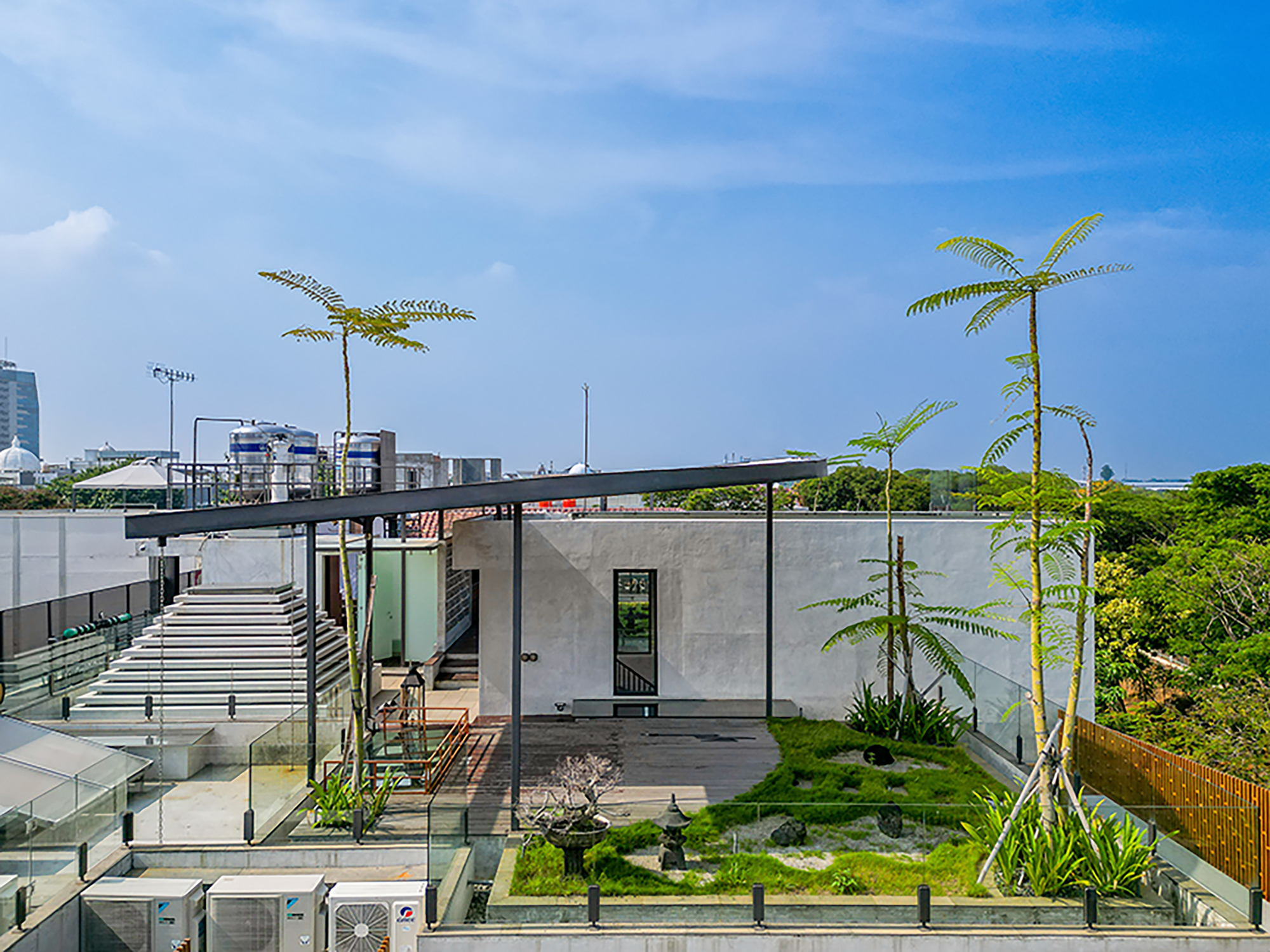
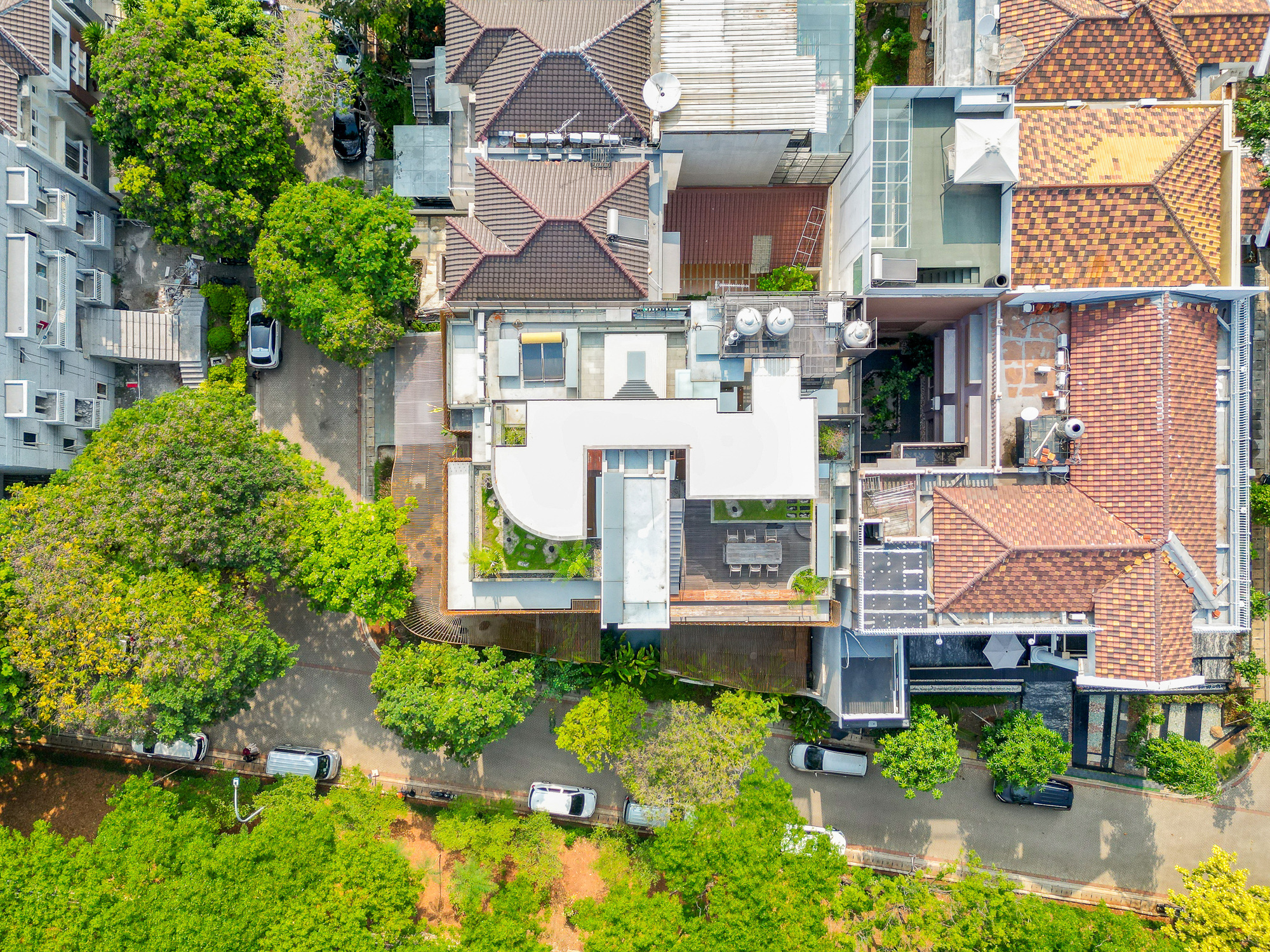
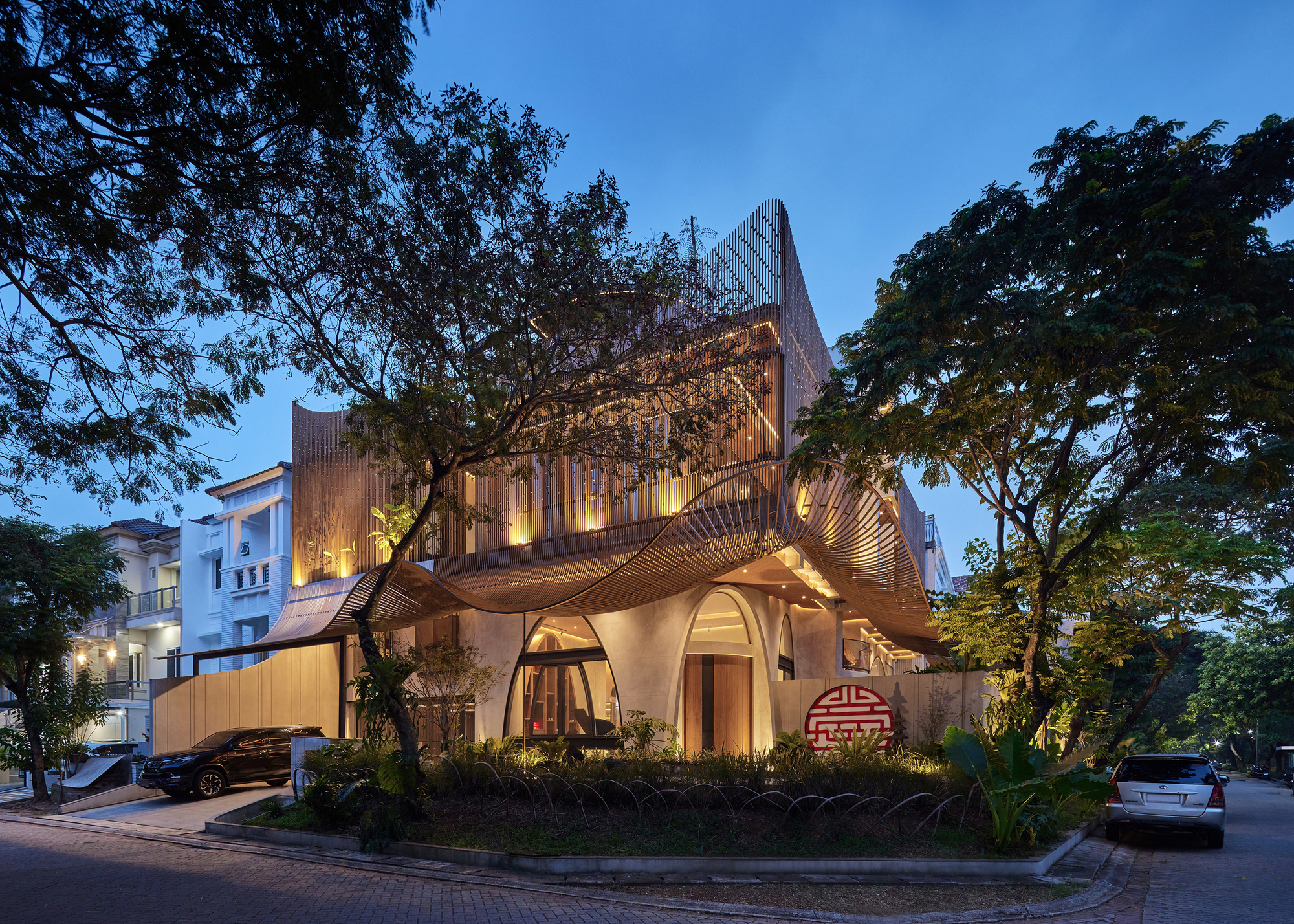
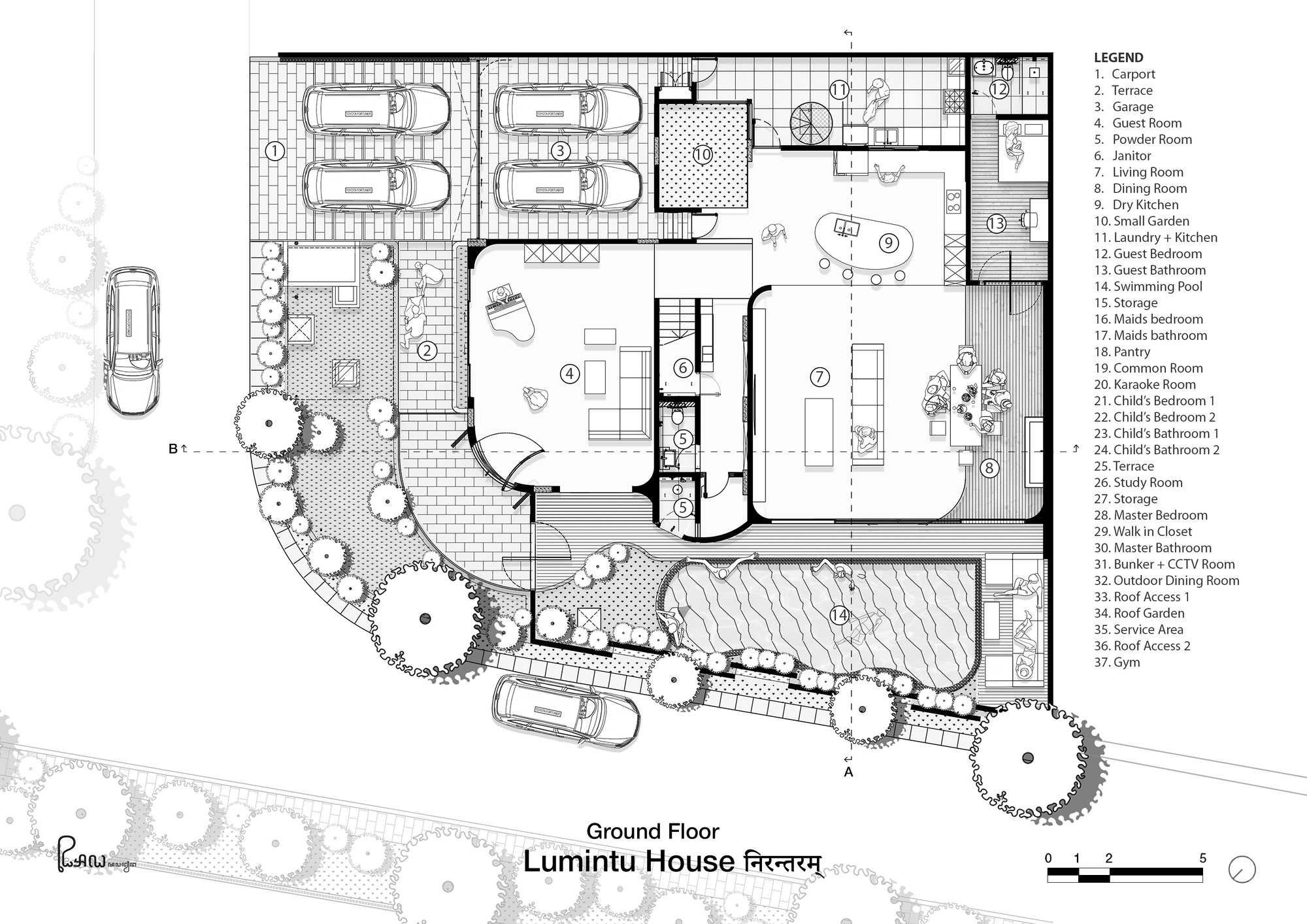
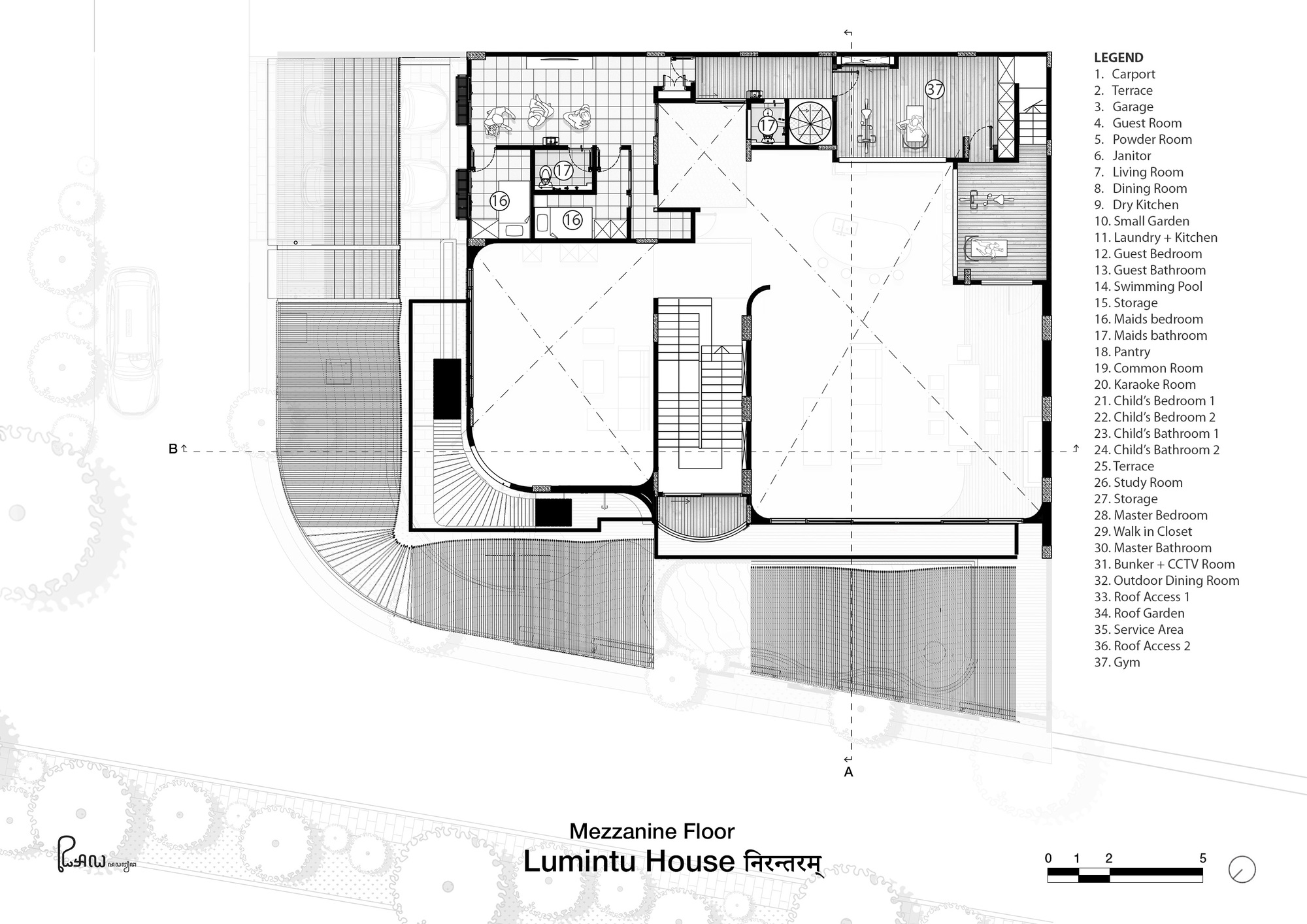
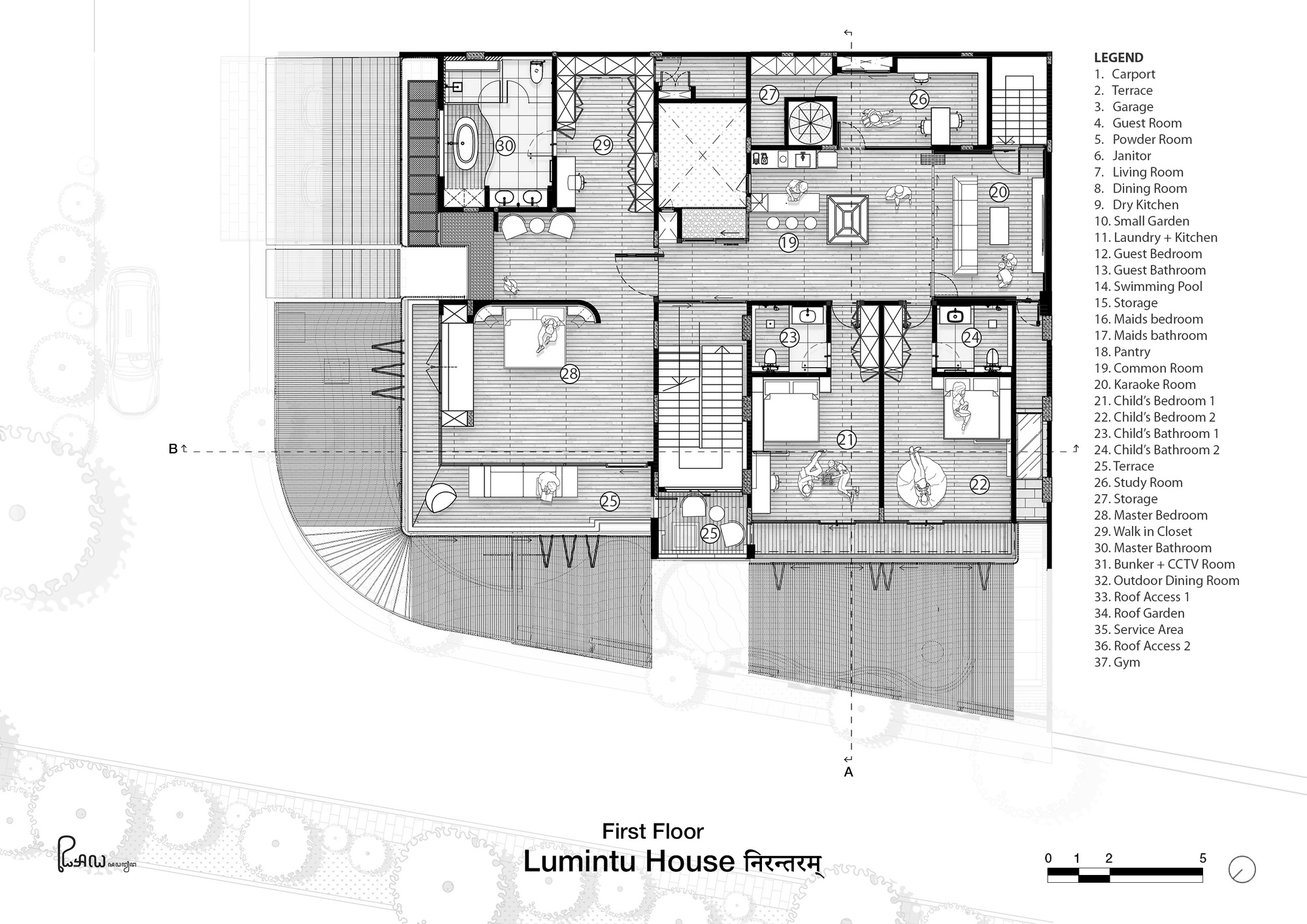
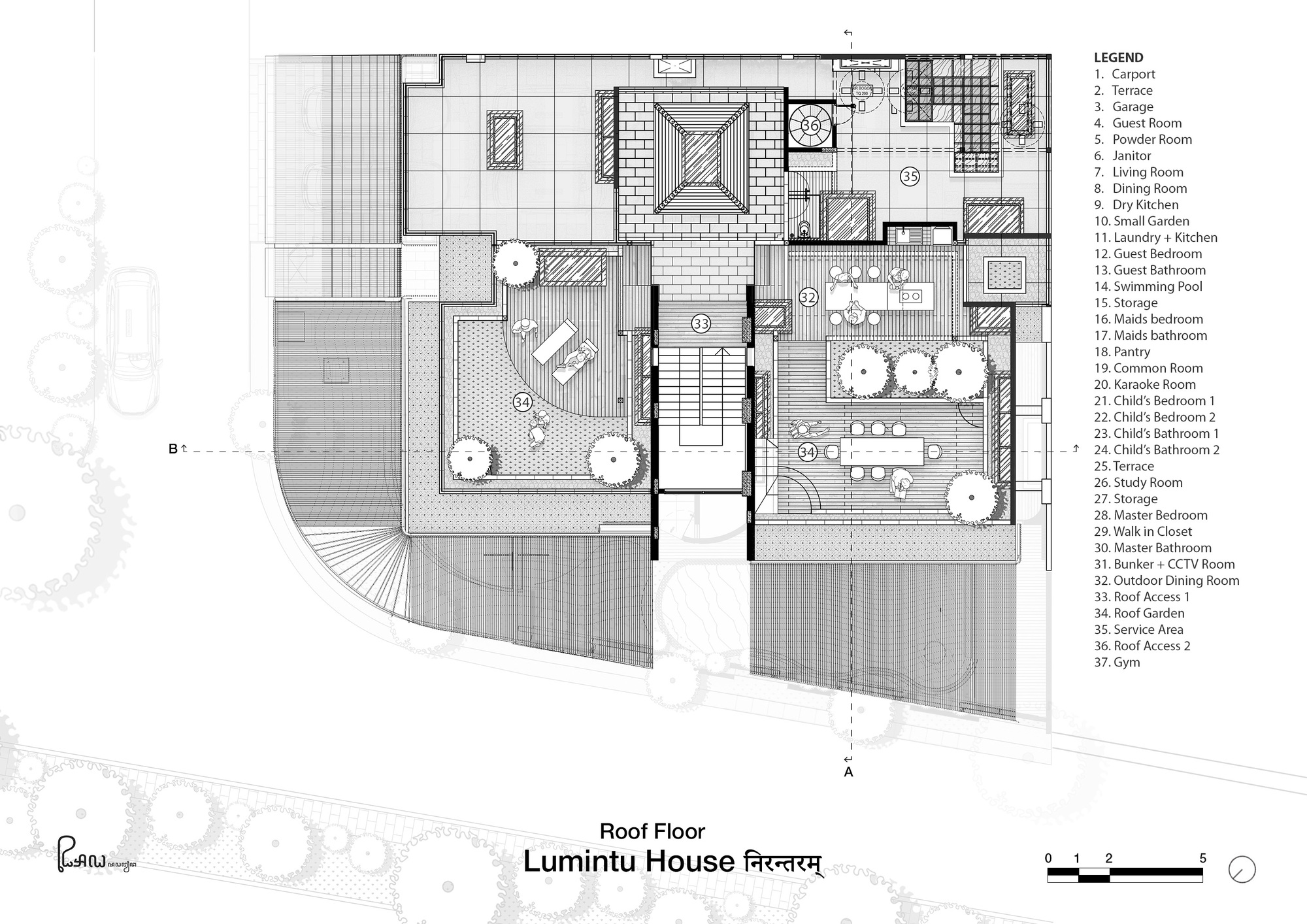
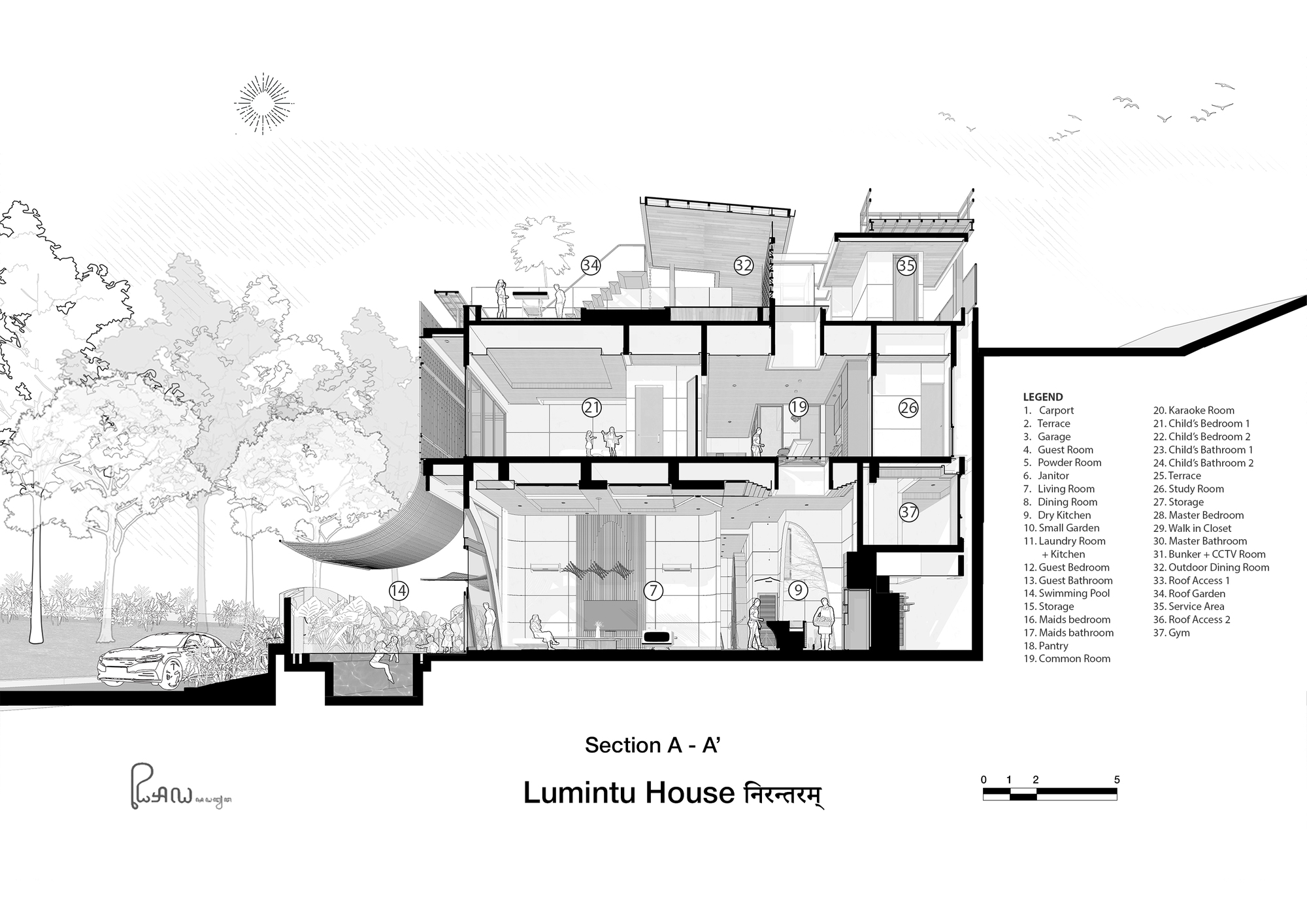
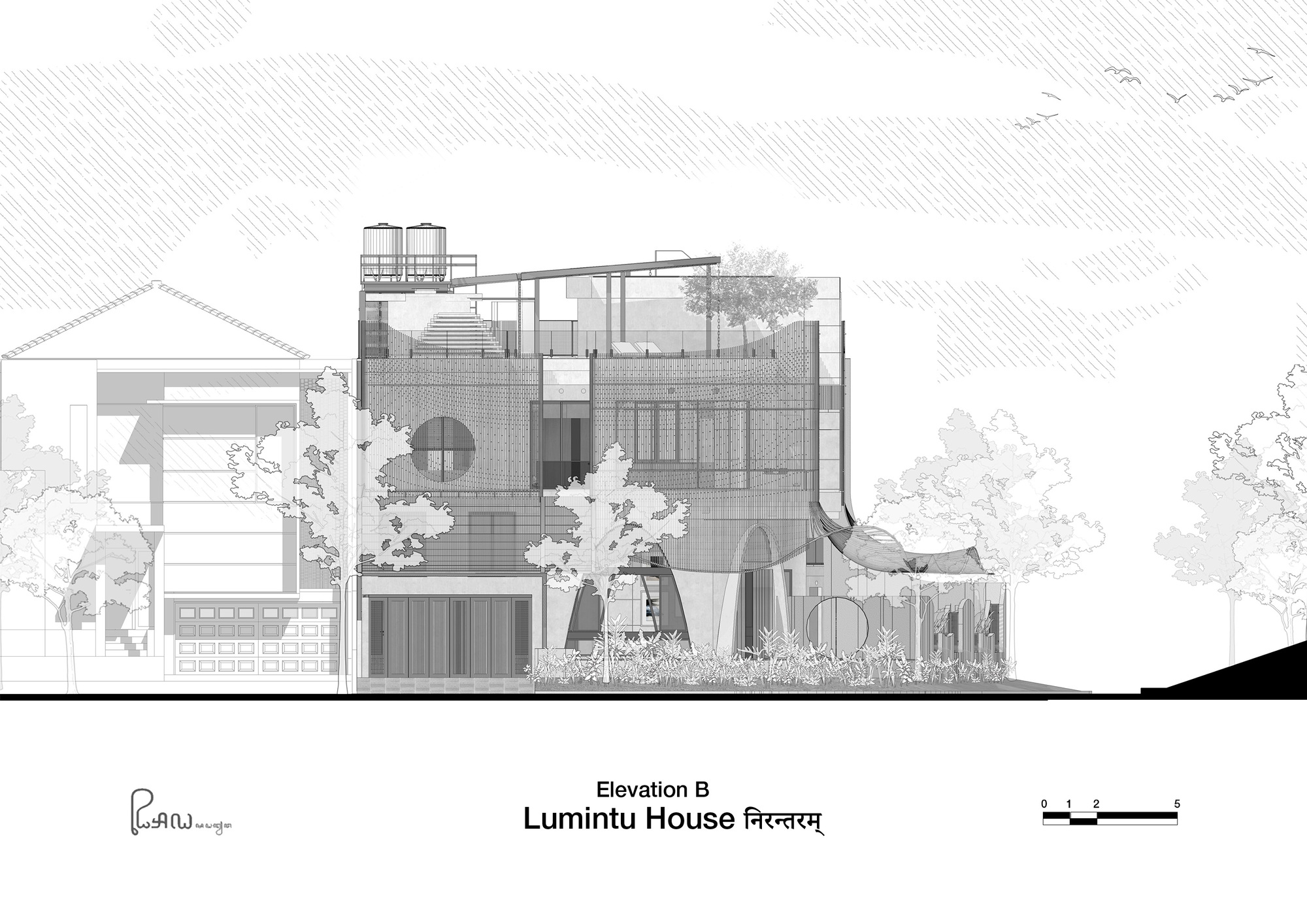
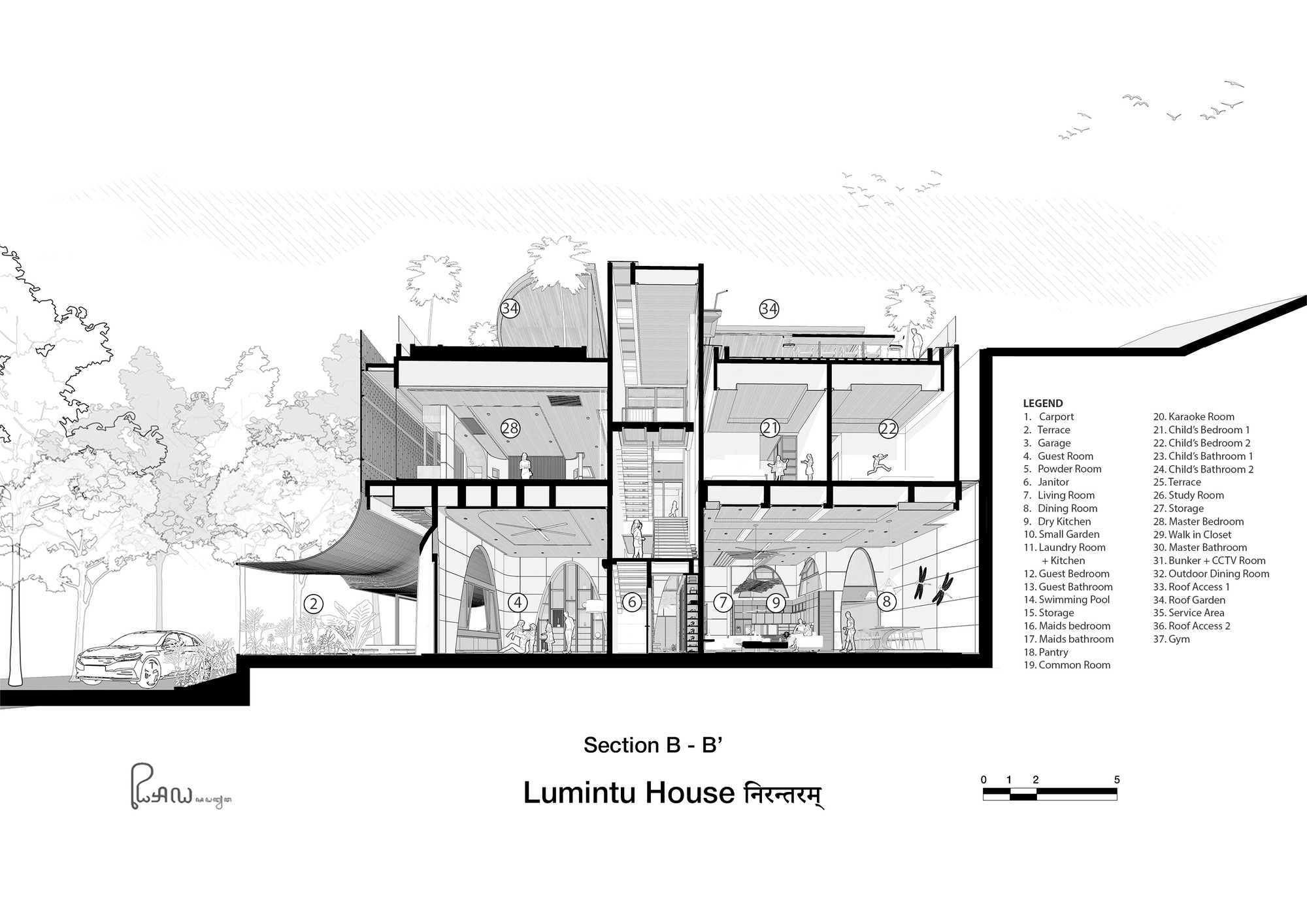
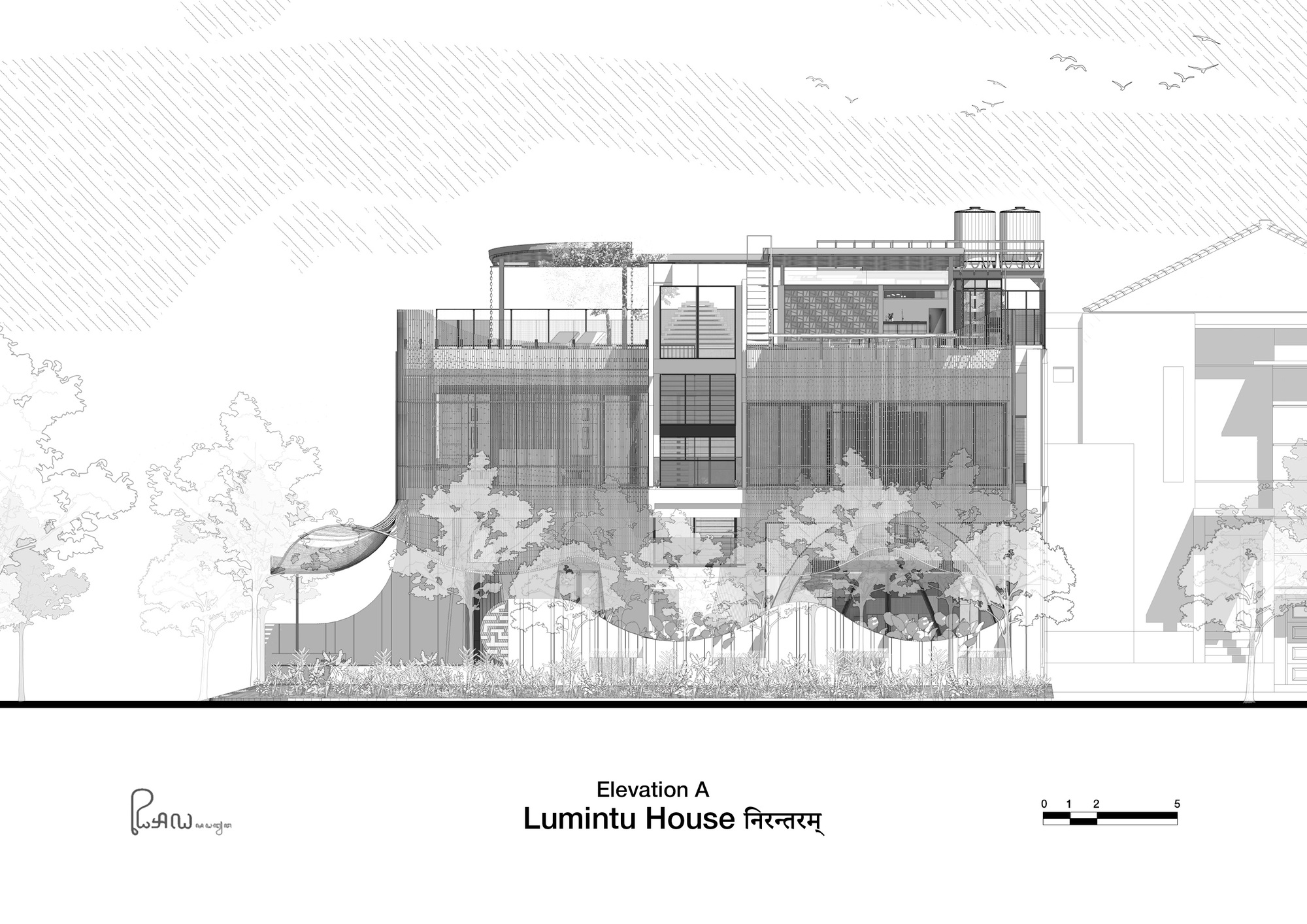
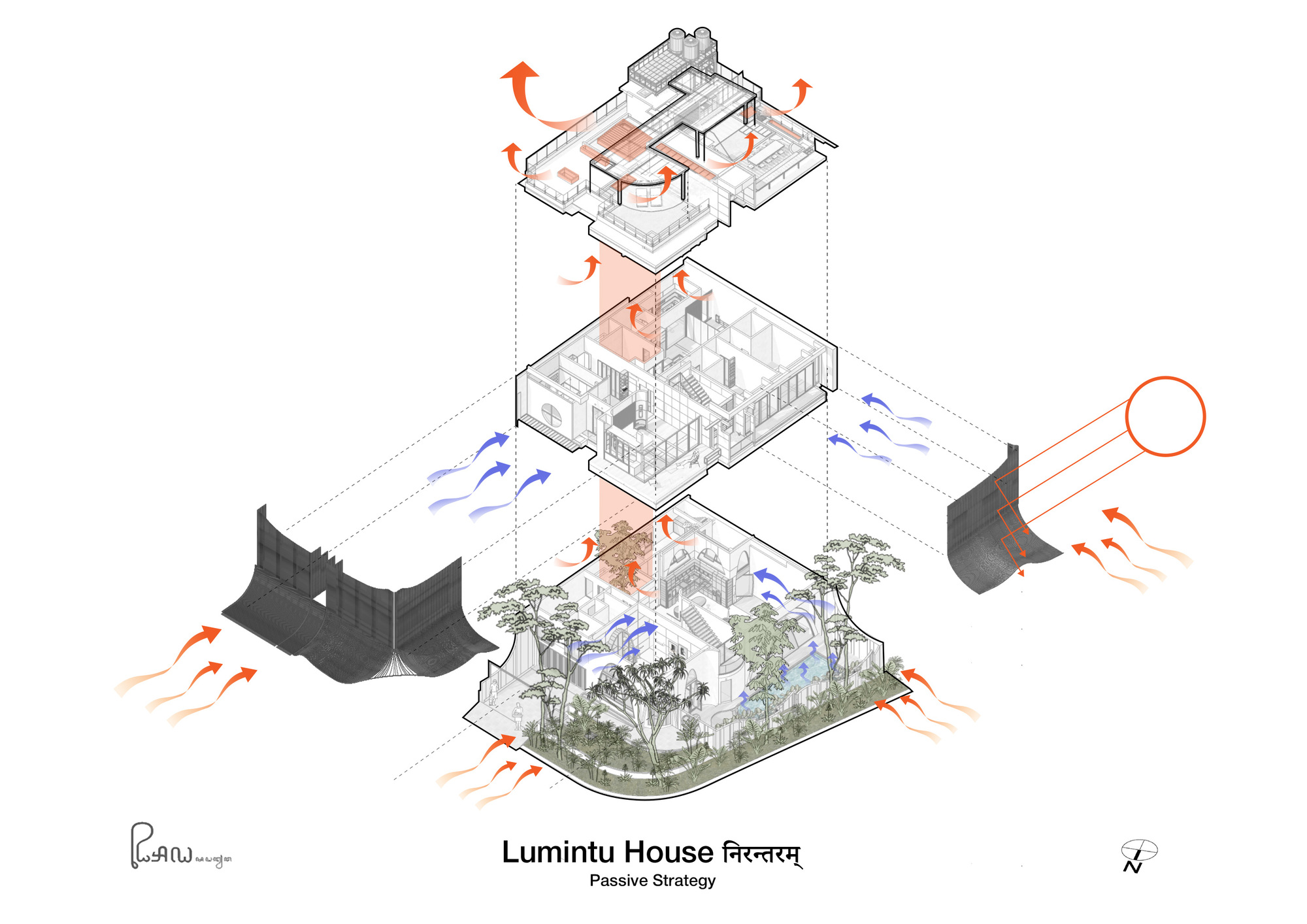
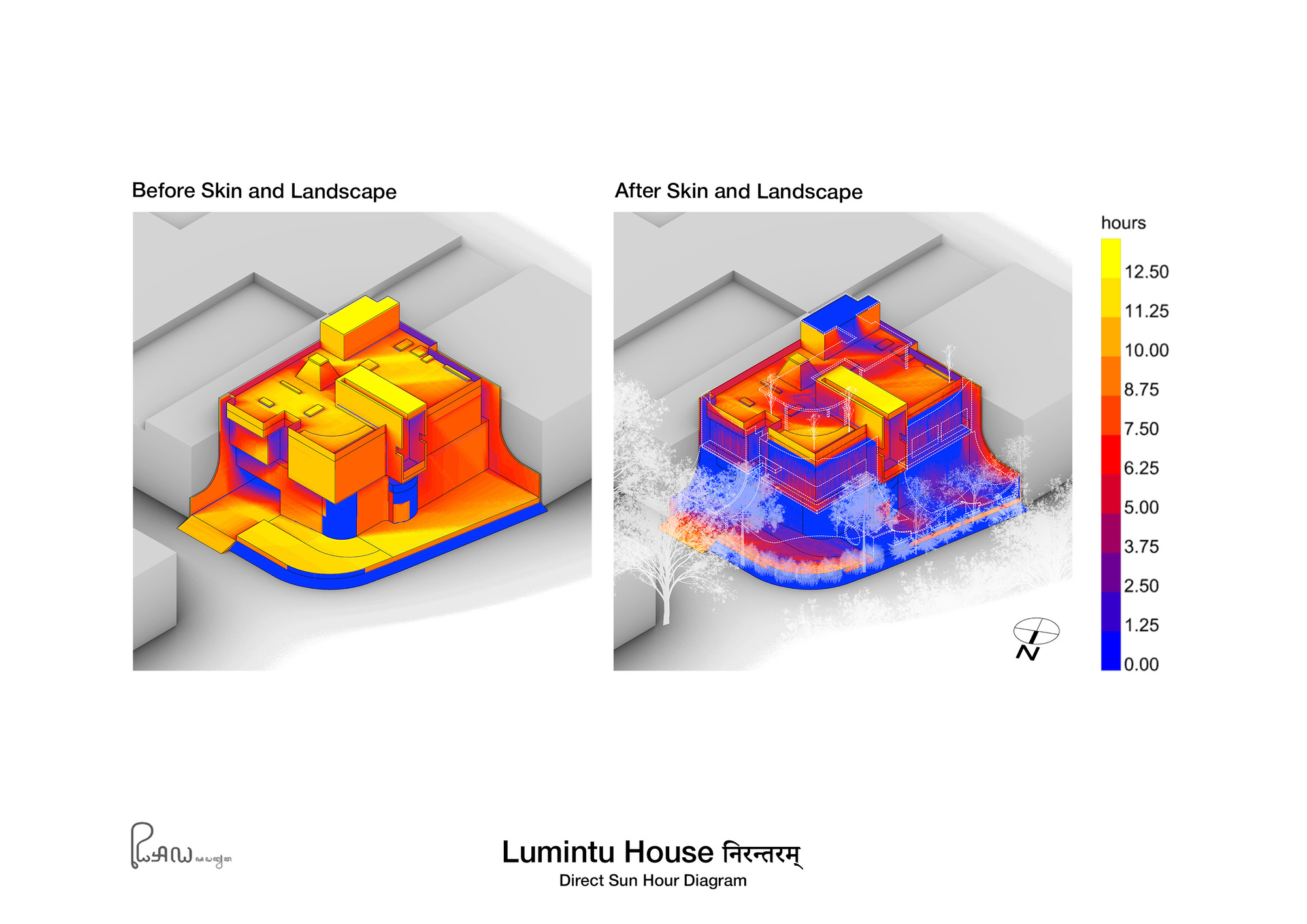
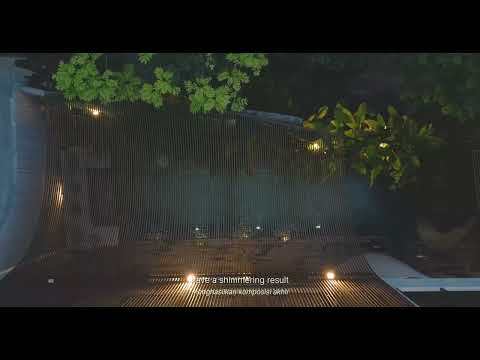
Lumintu House #architecture Architects: Realrich Architecture Workshop Area: 898 m² Year: 2022 Photographs: Aryo Phramudhito, Lu'luil Ma'nun Country: Indonesia
Big shoutout to @Laan Tungir for consistently supporting (zapping) architectural content! You're awesome! 🤩 Also @B for always chiming in in the comments section. ❤
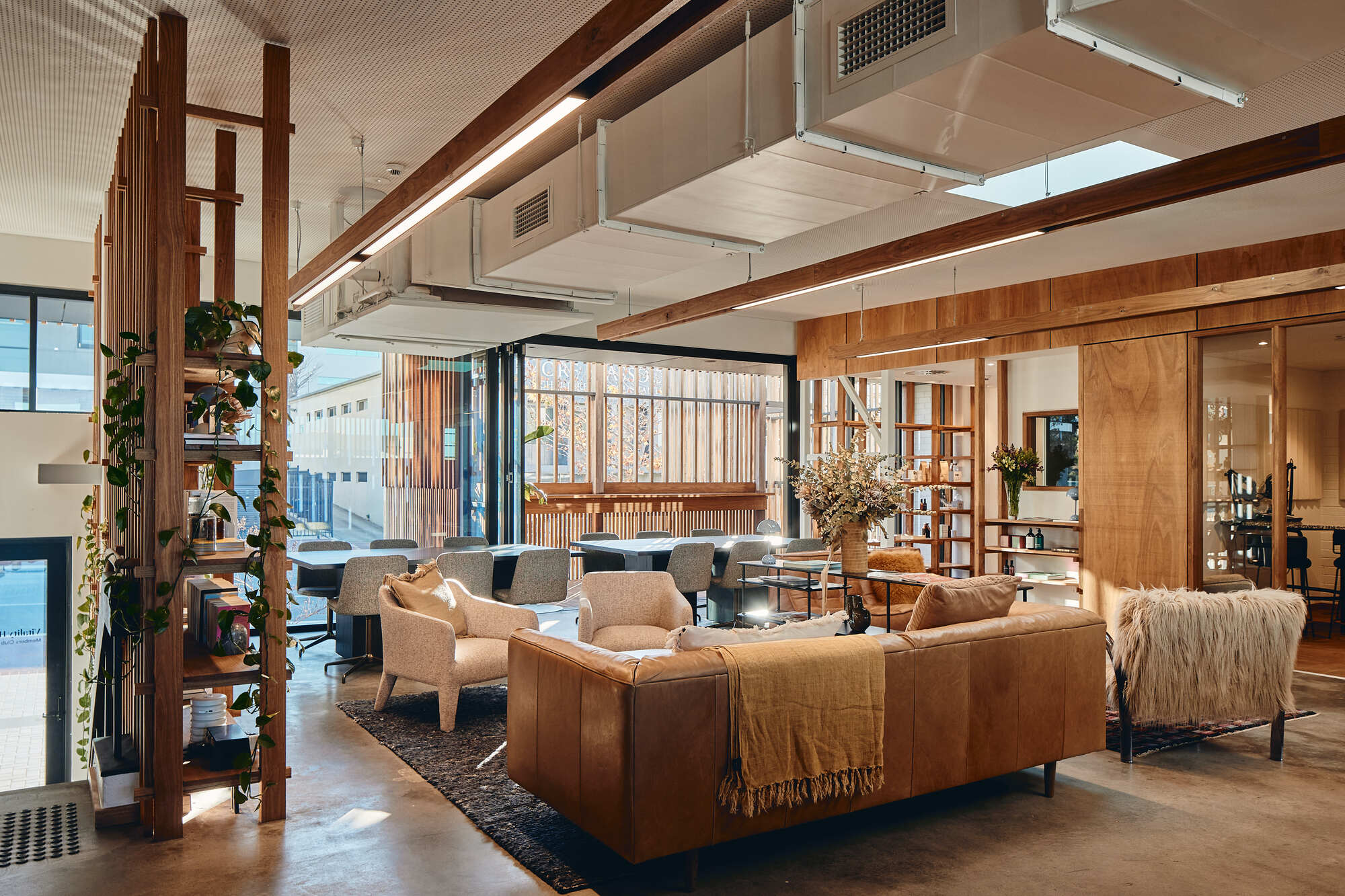
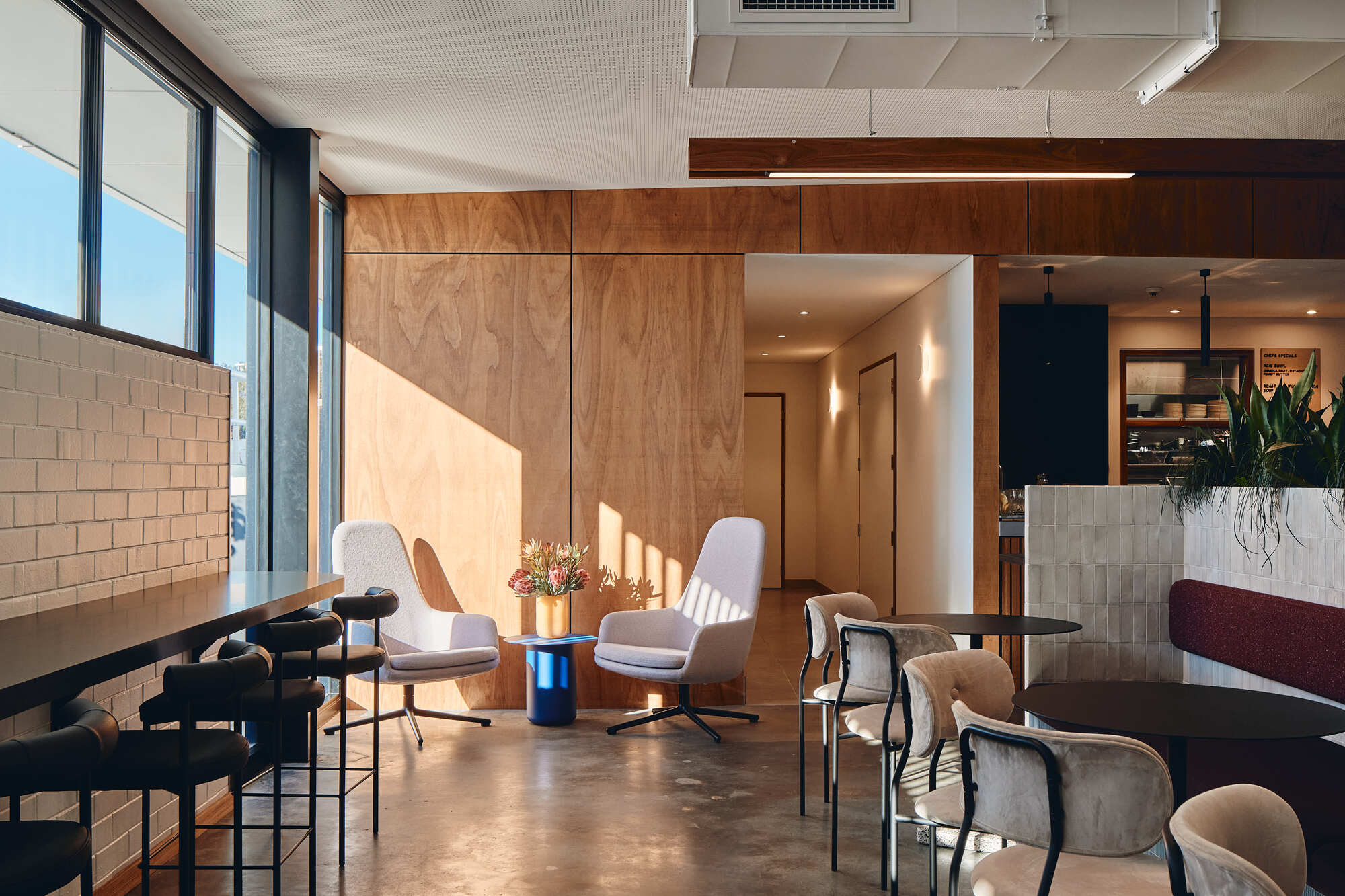
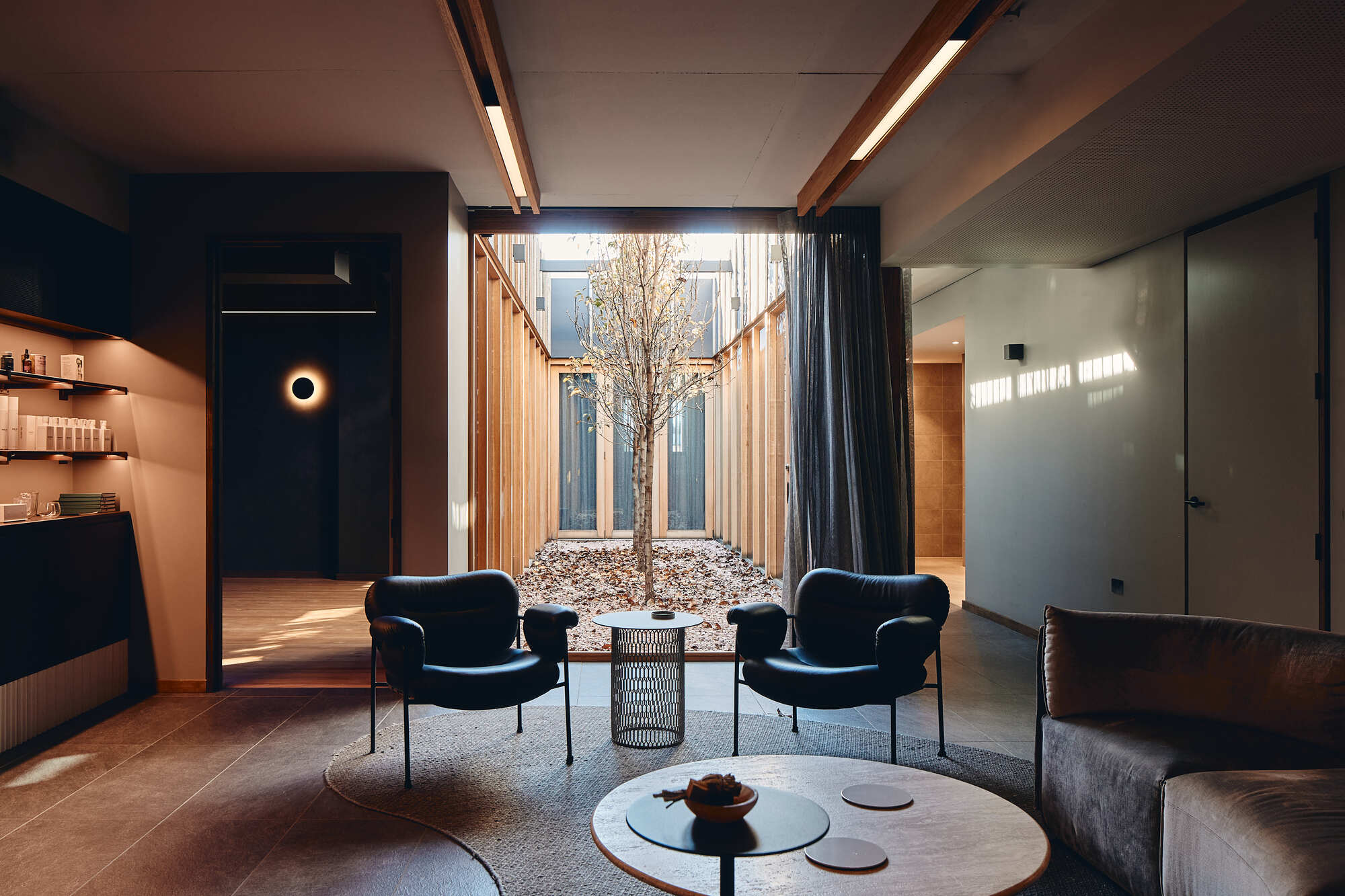
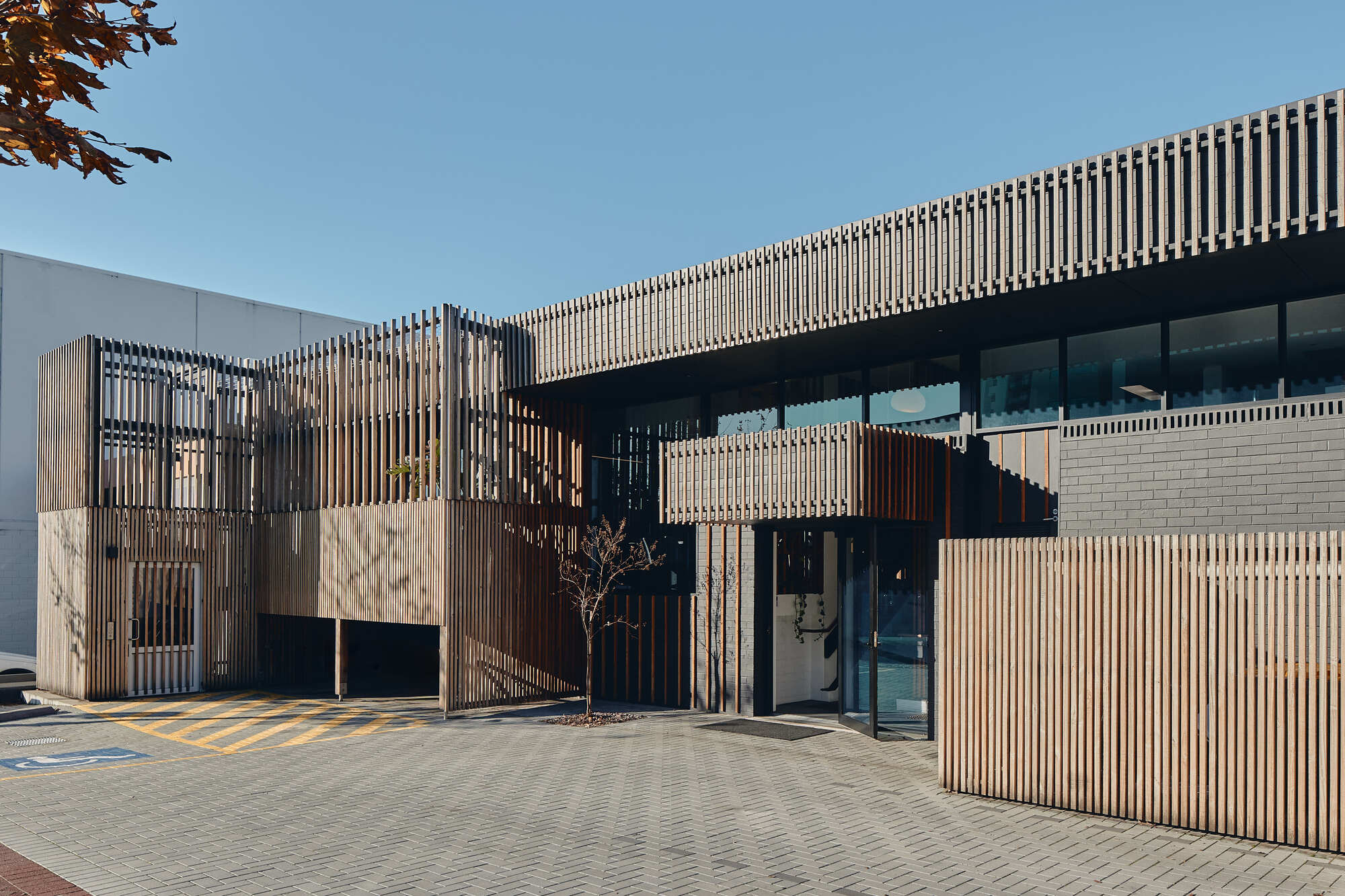
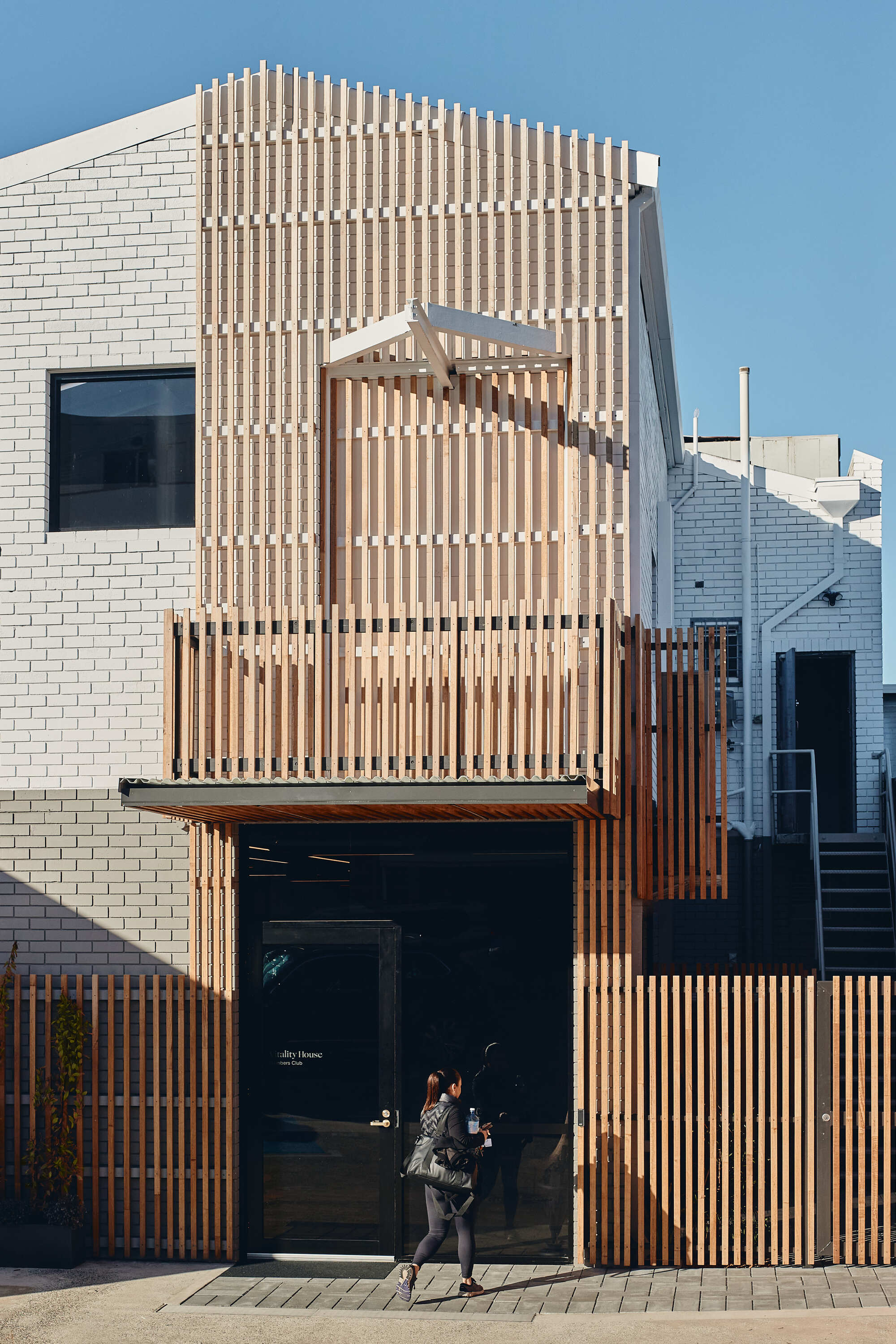
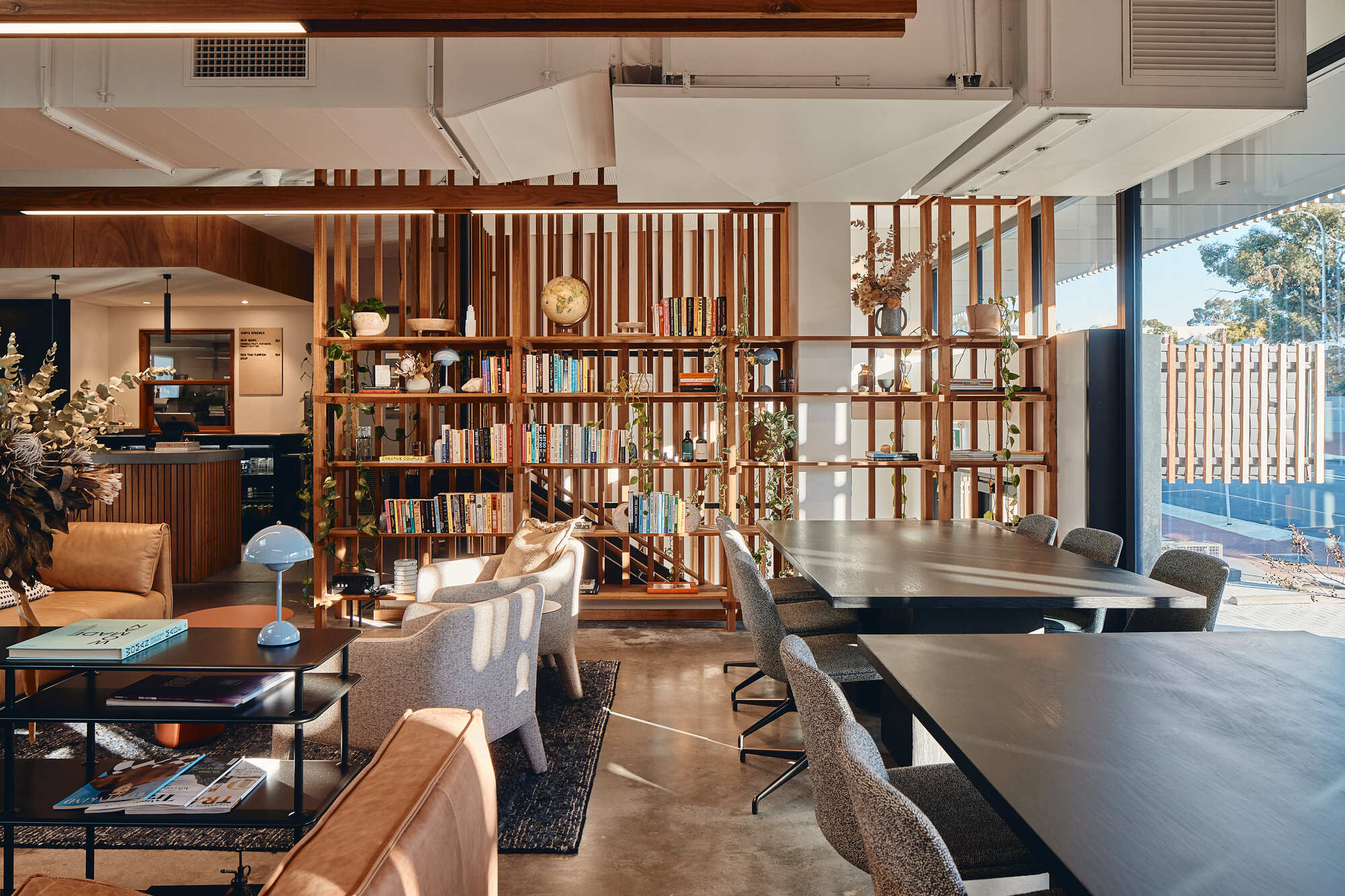
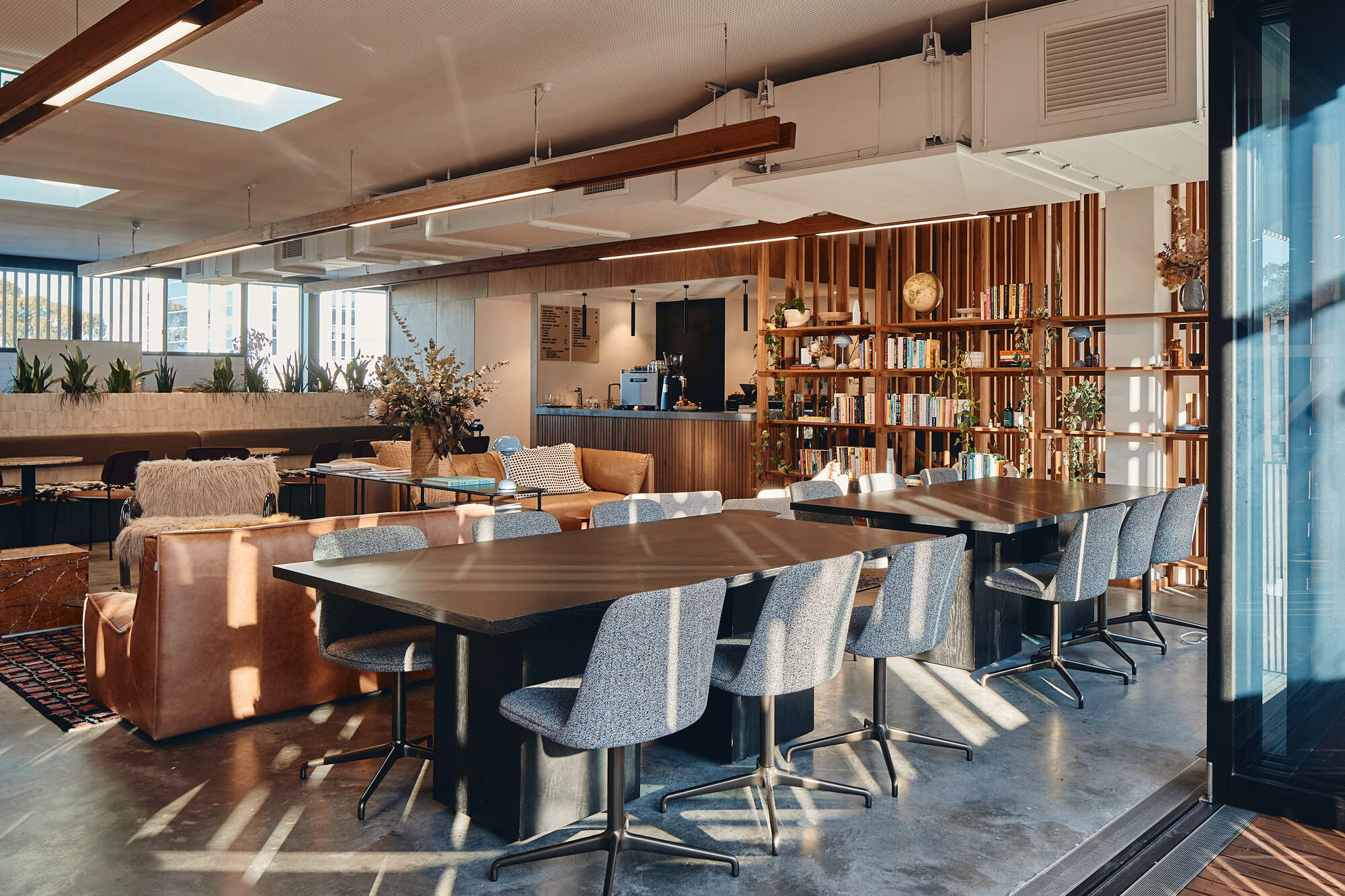
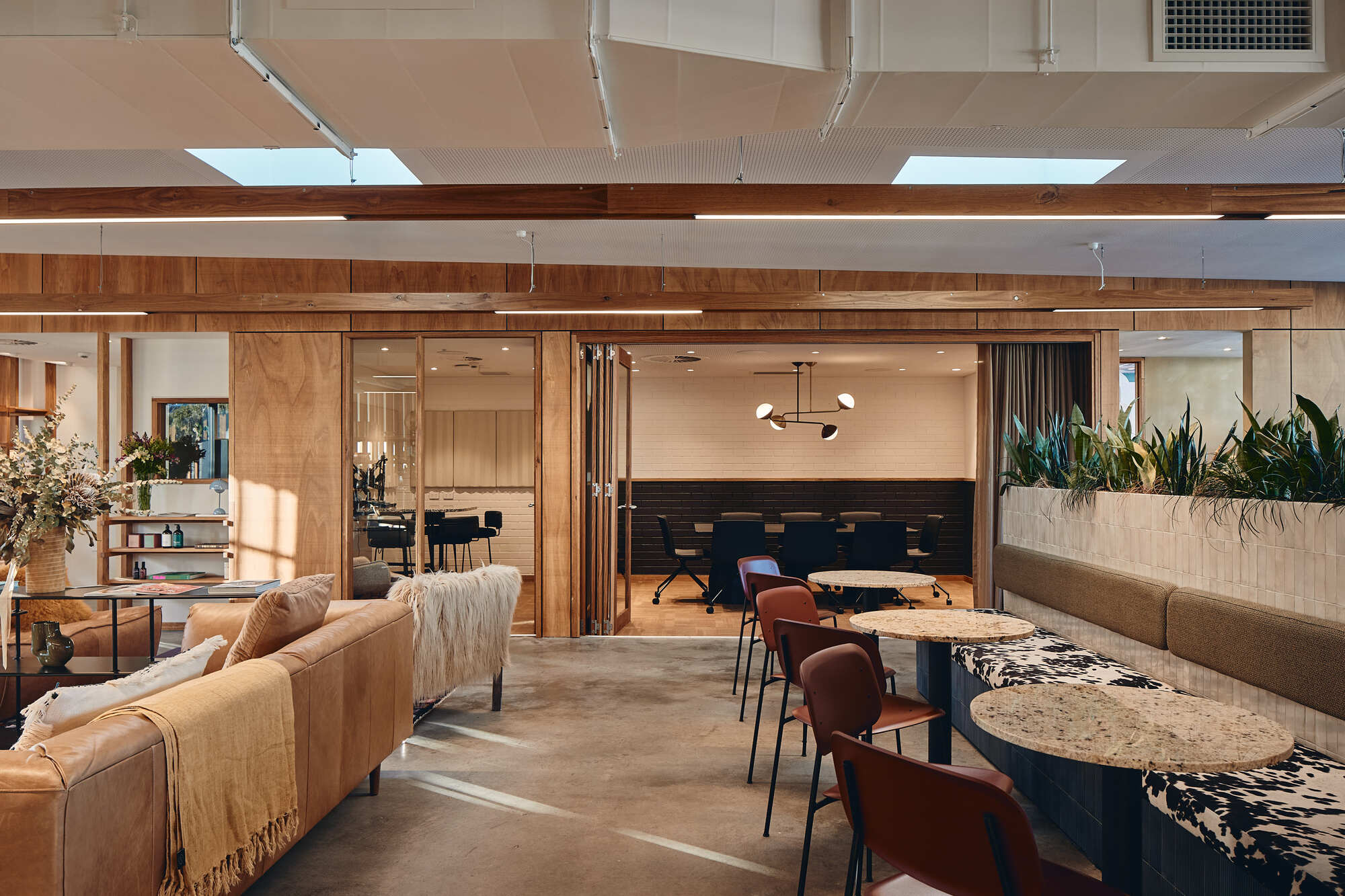
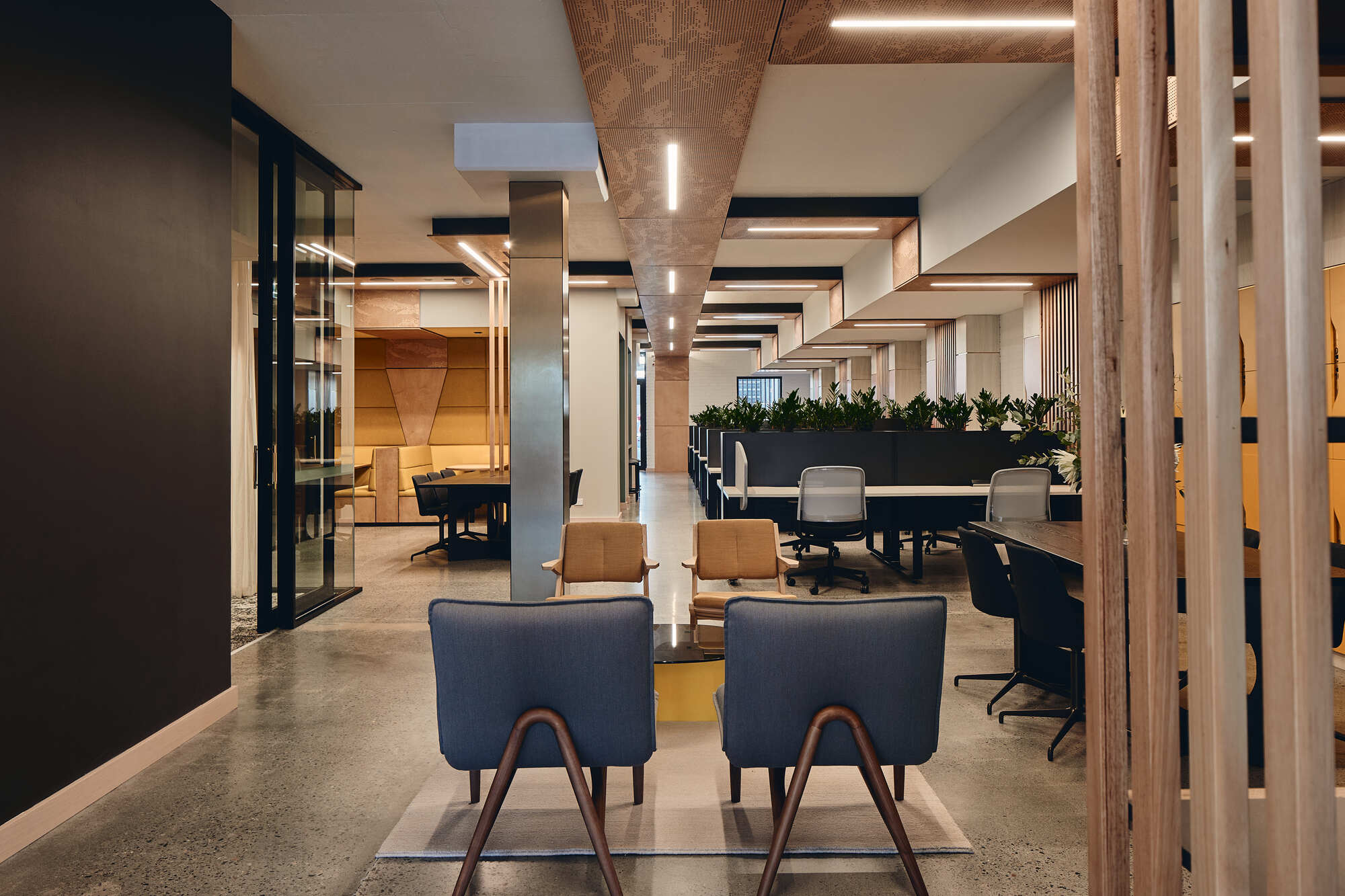
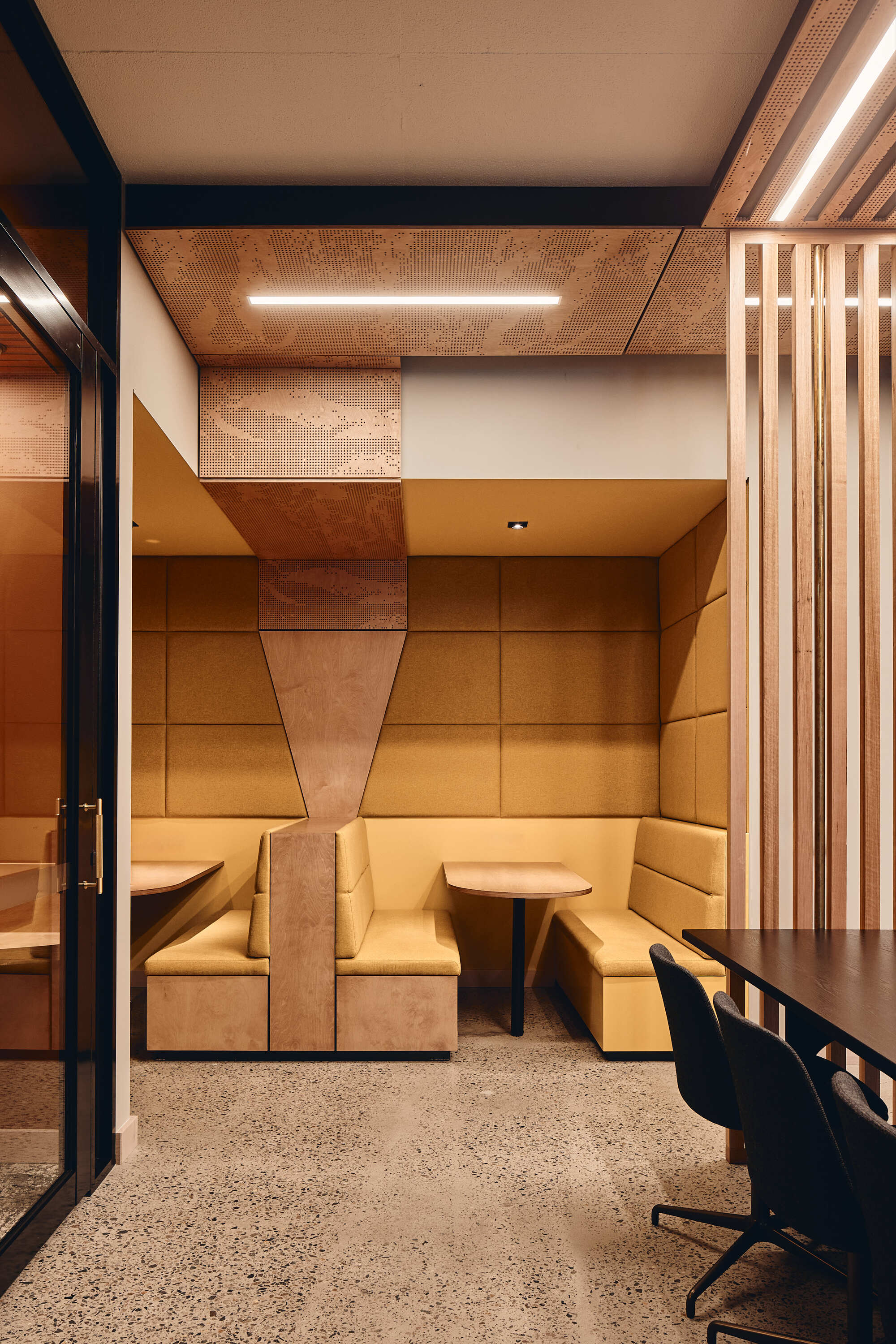
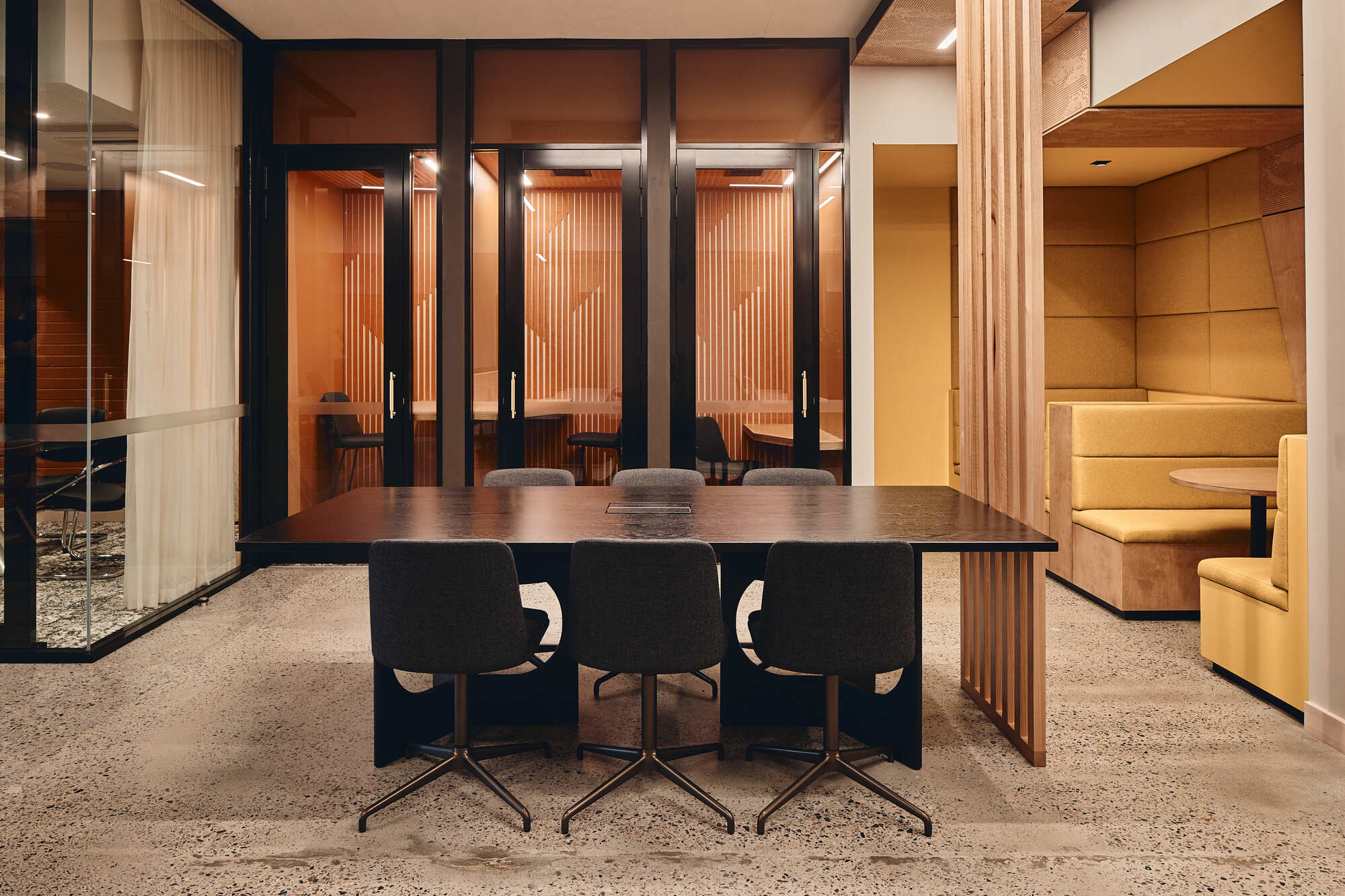
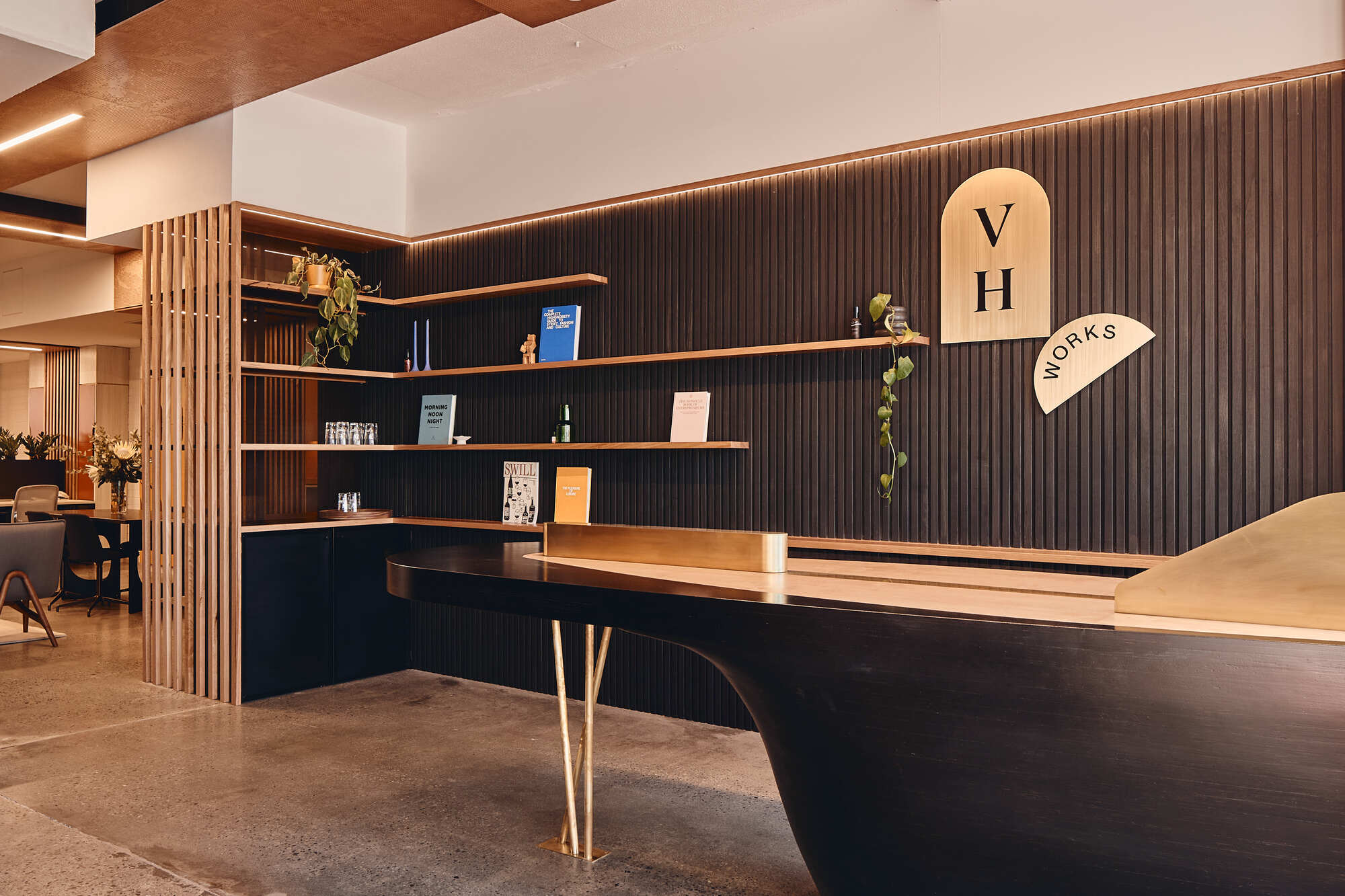
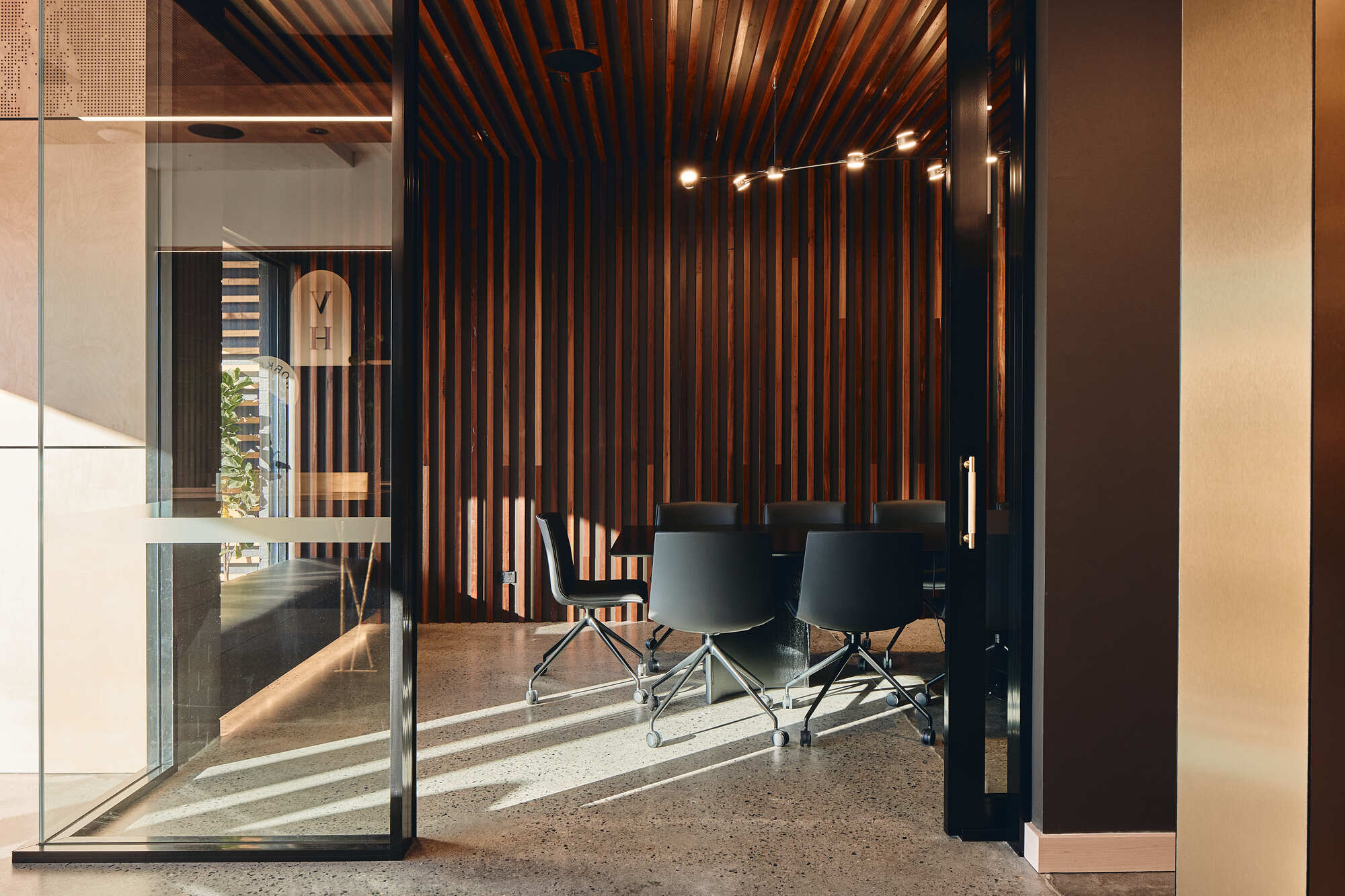
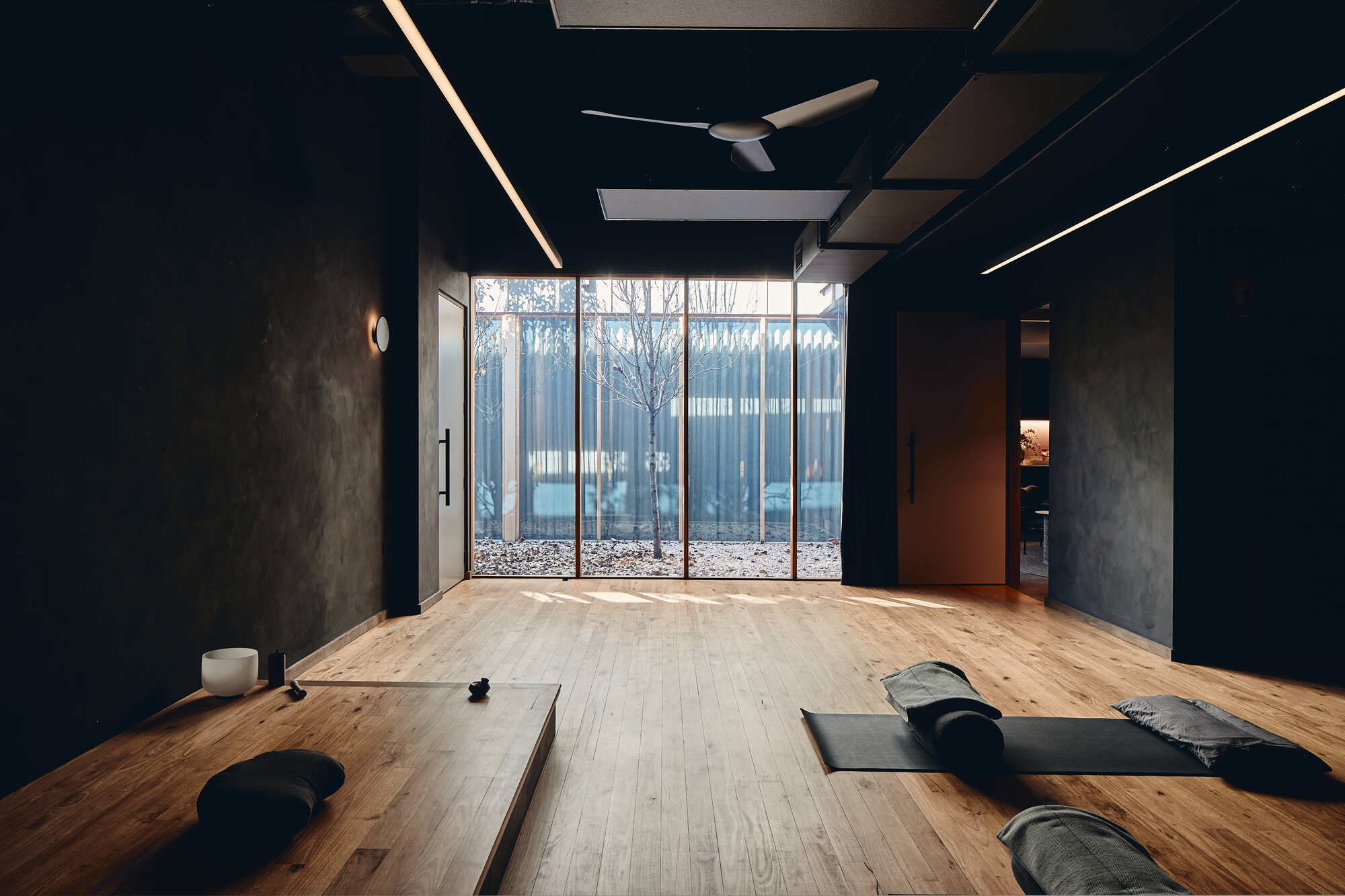
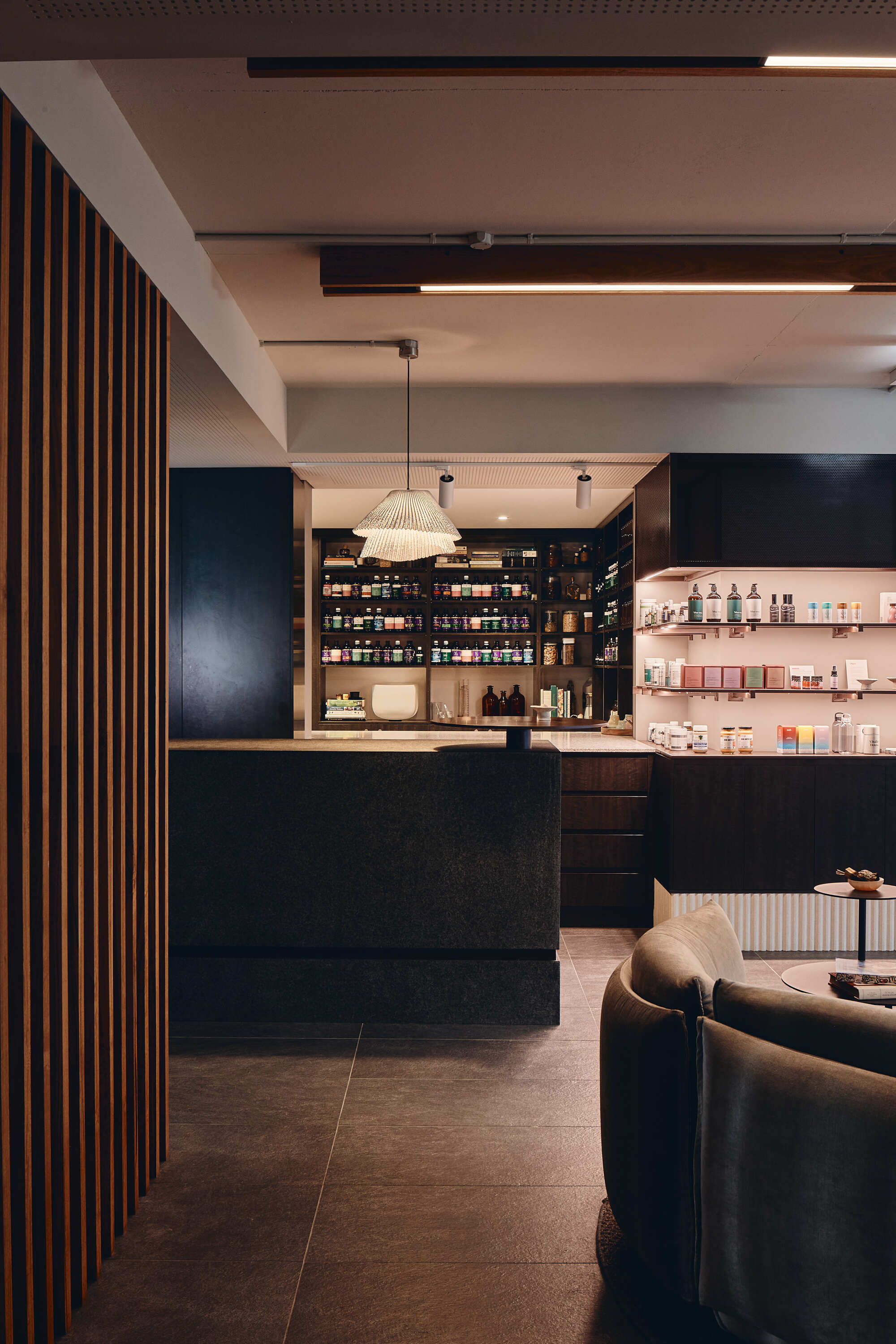
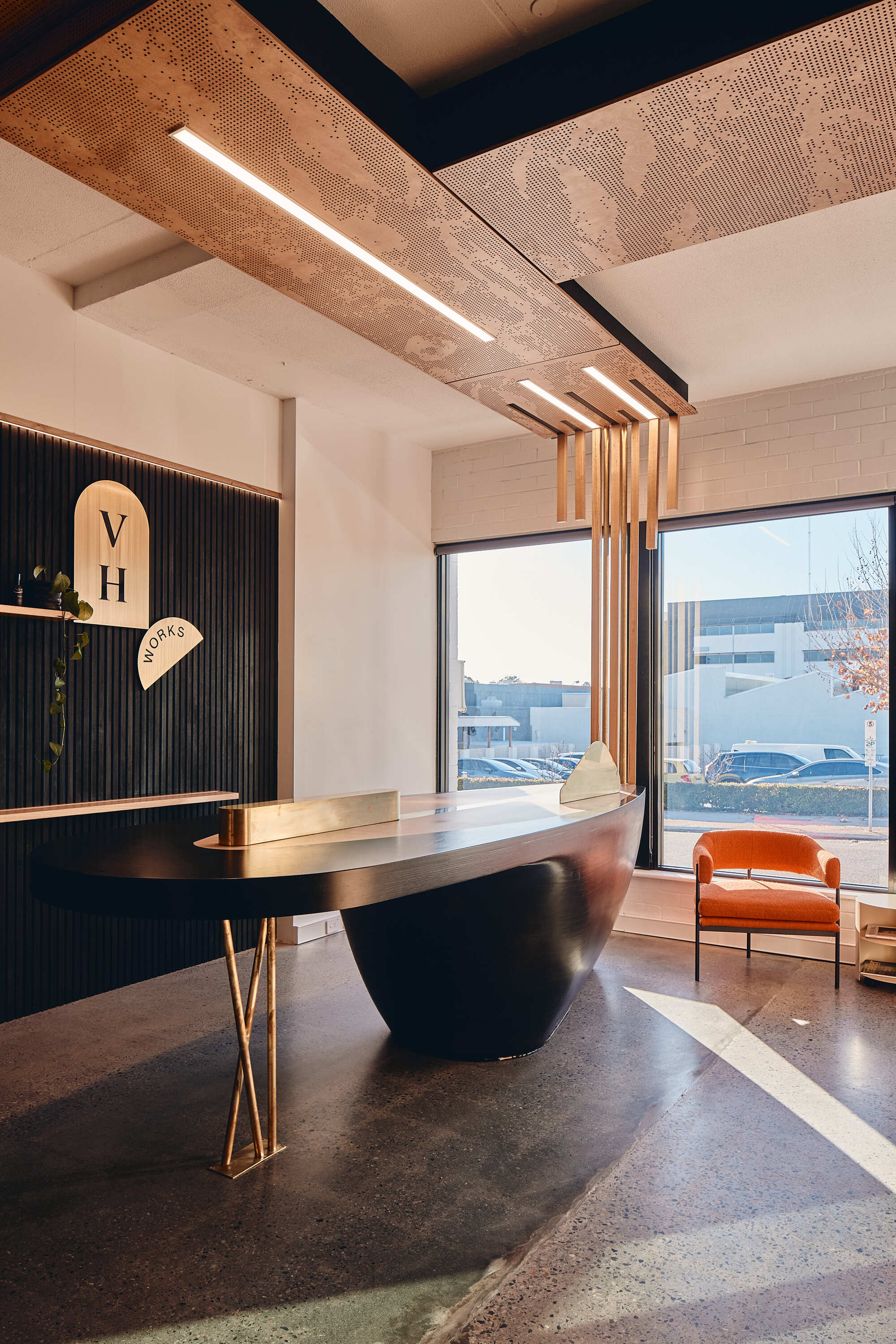
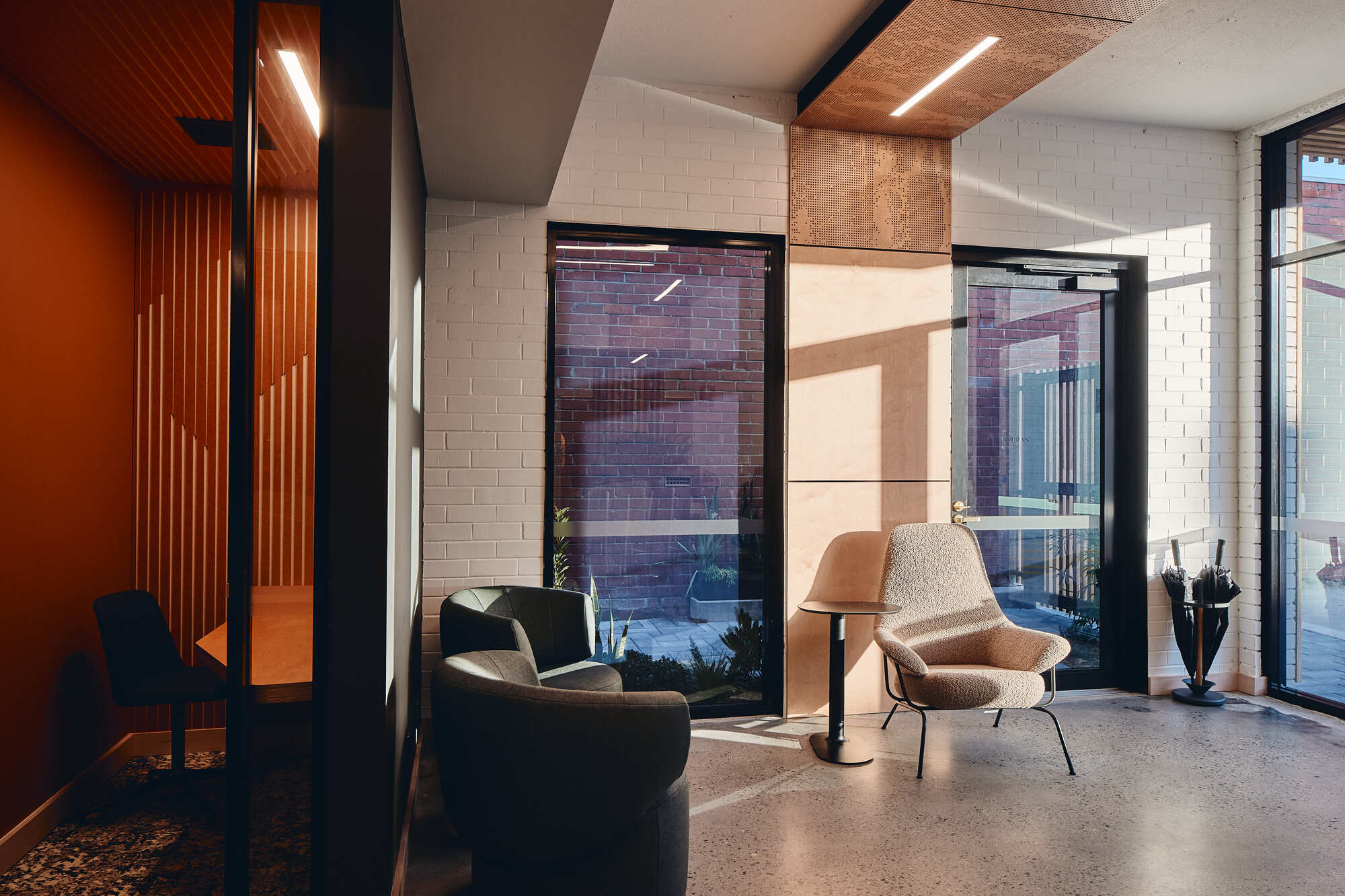
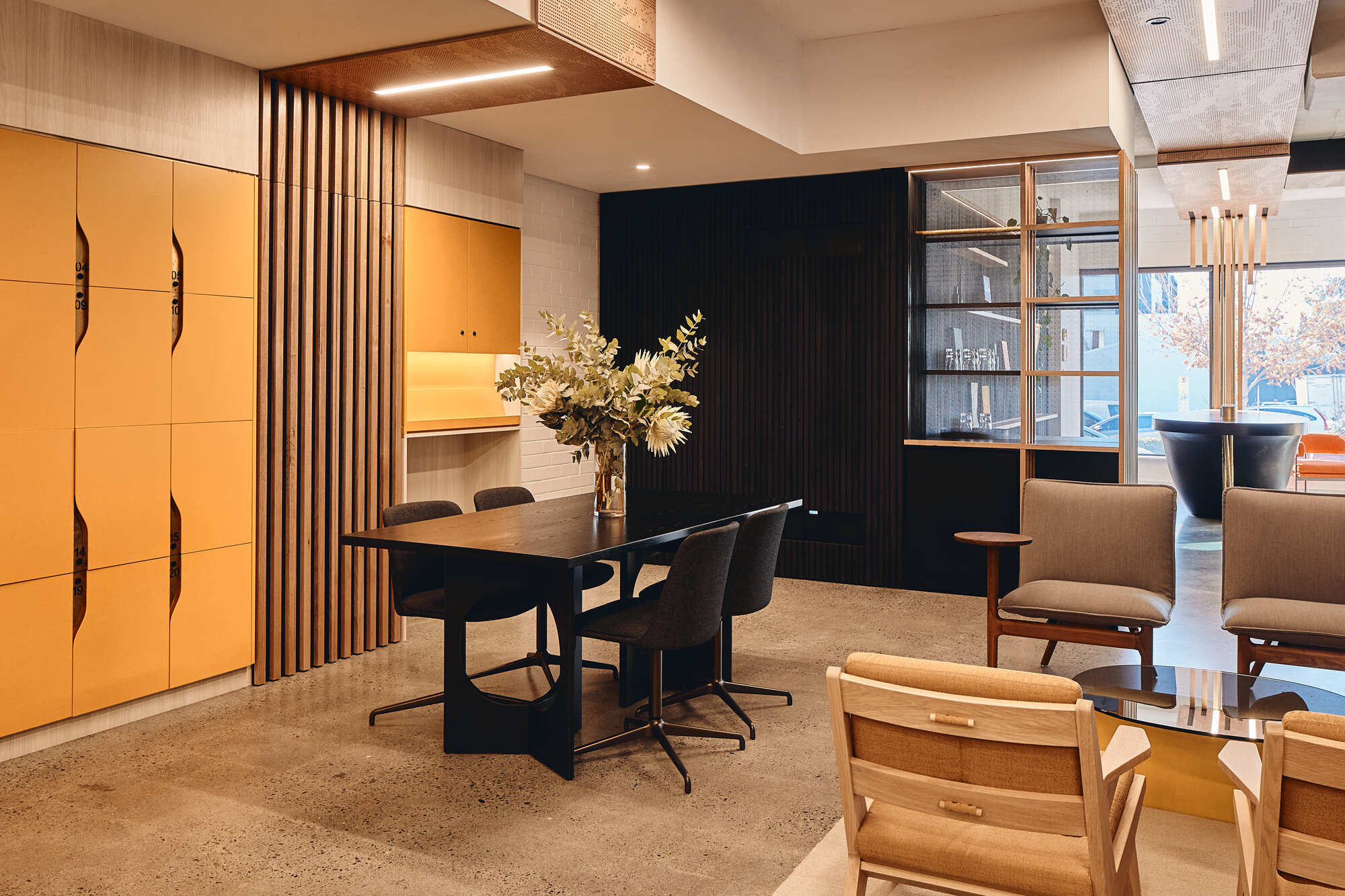
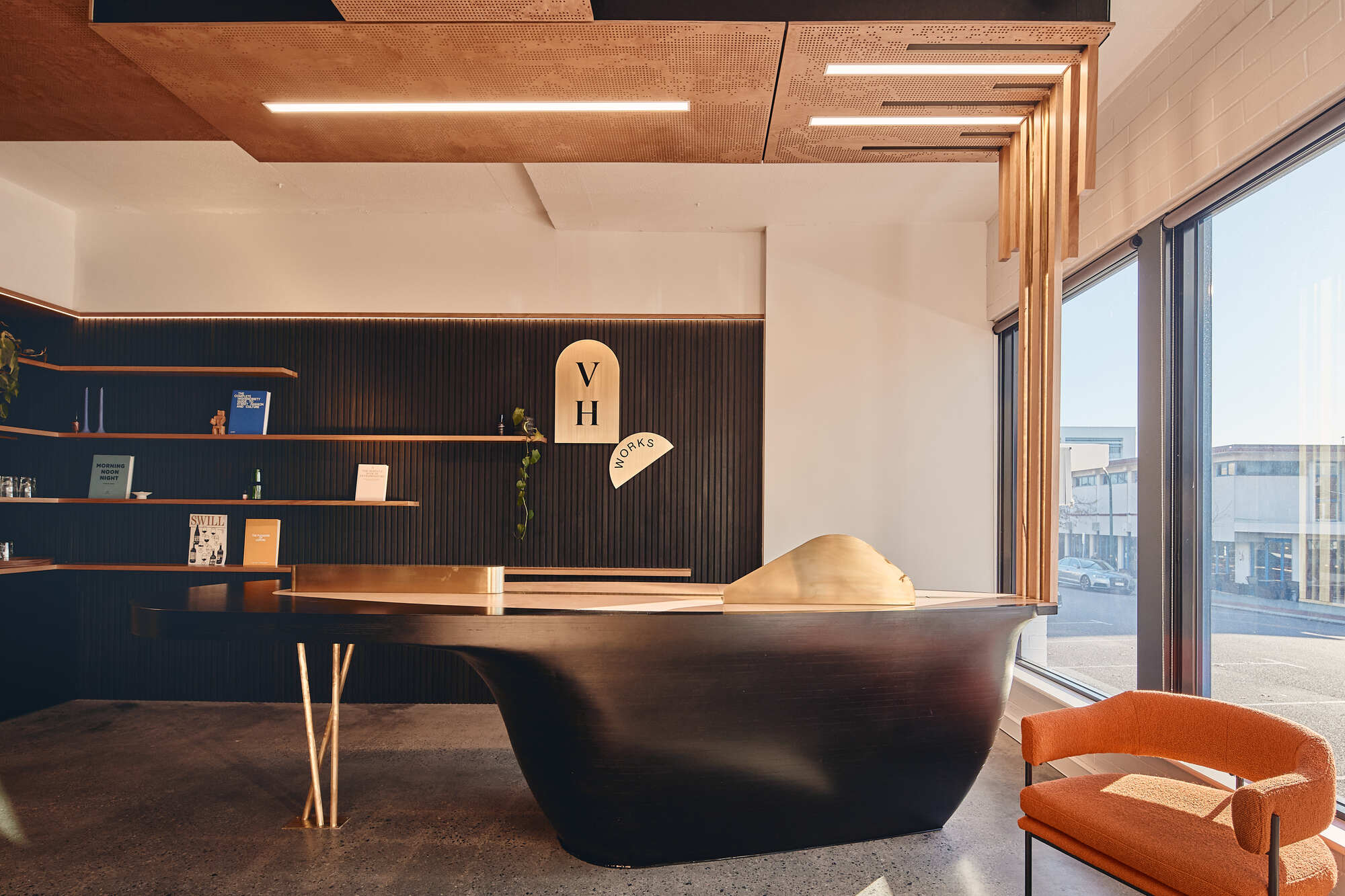
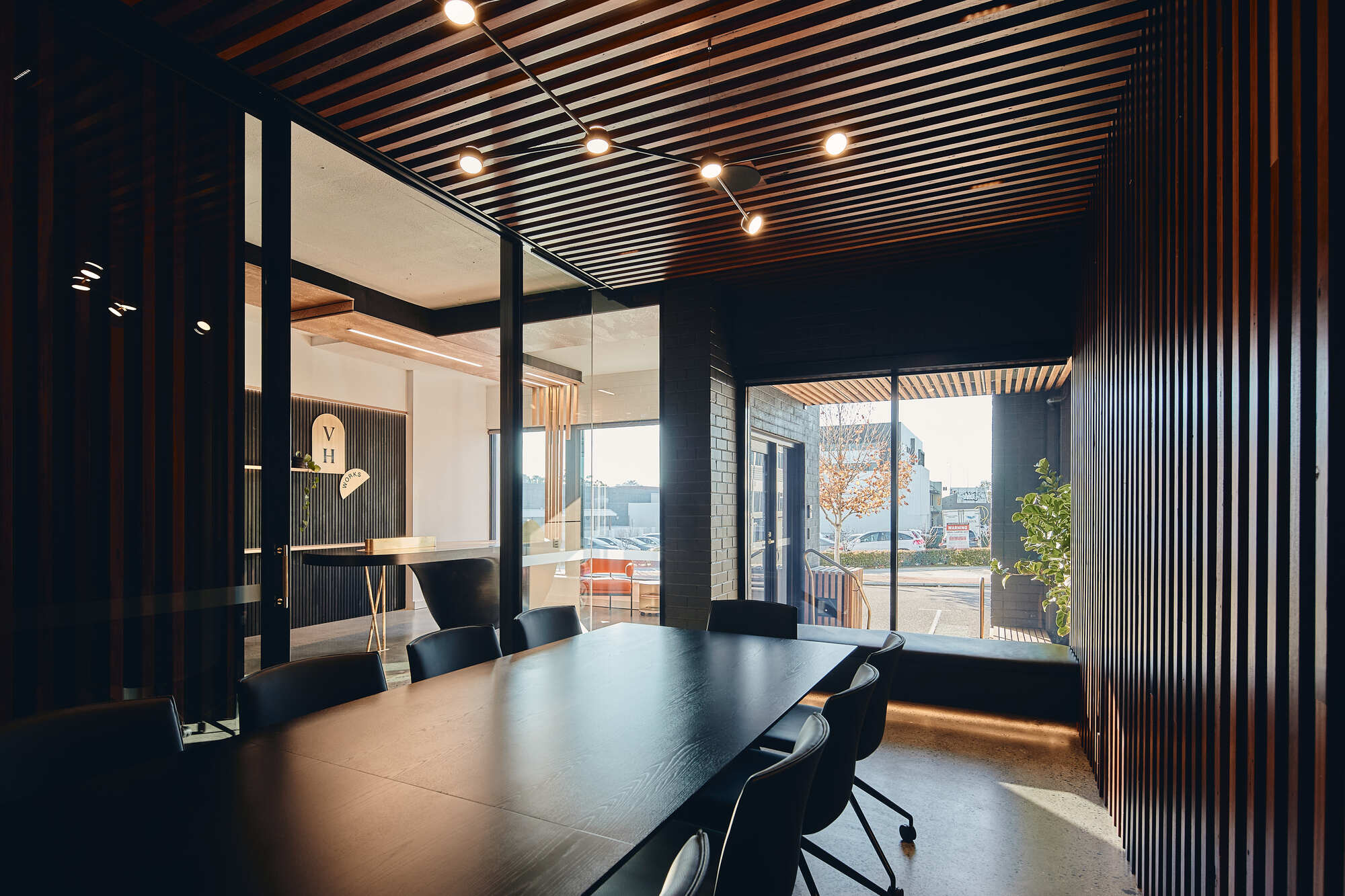
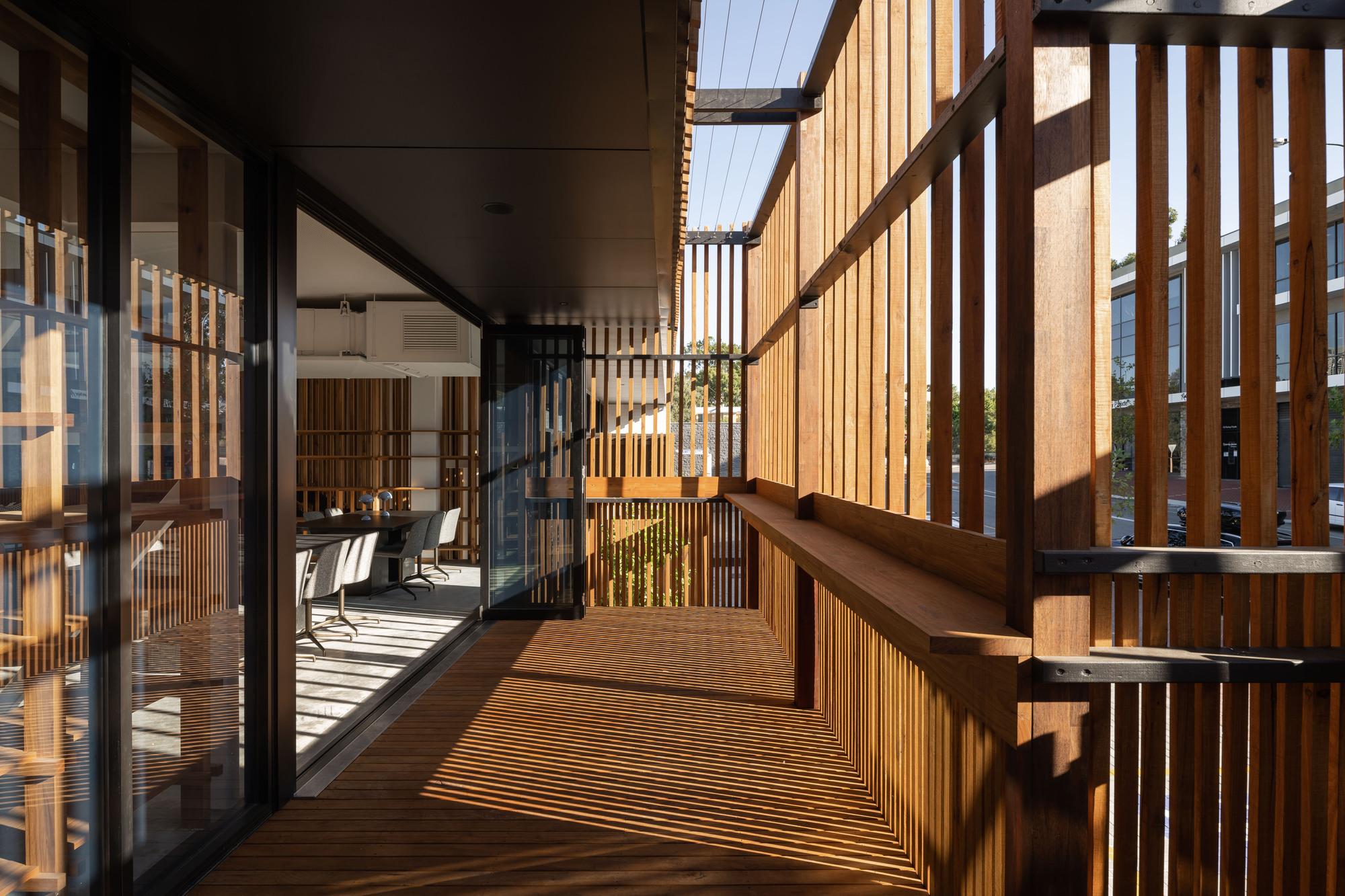
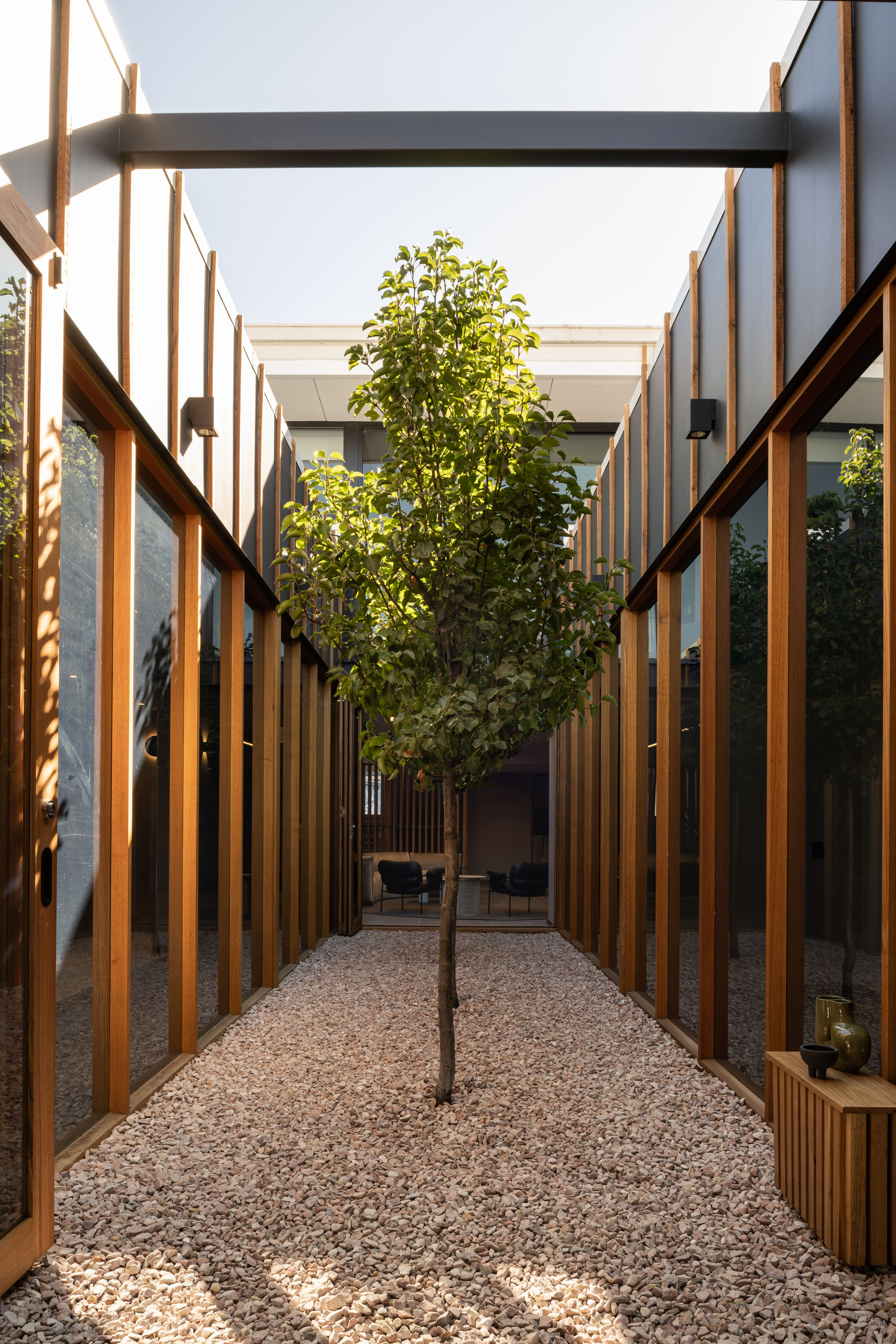
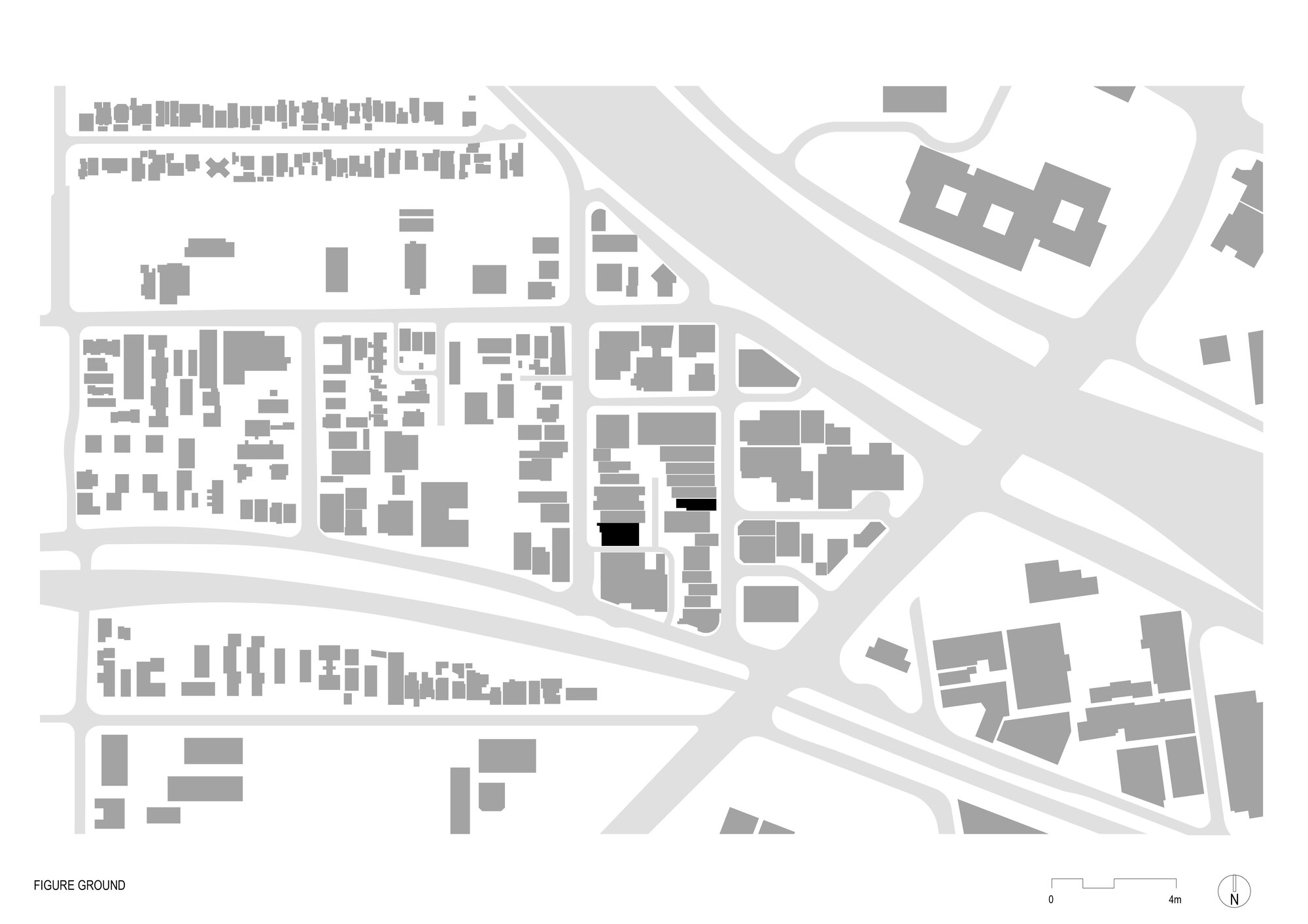
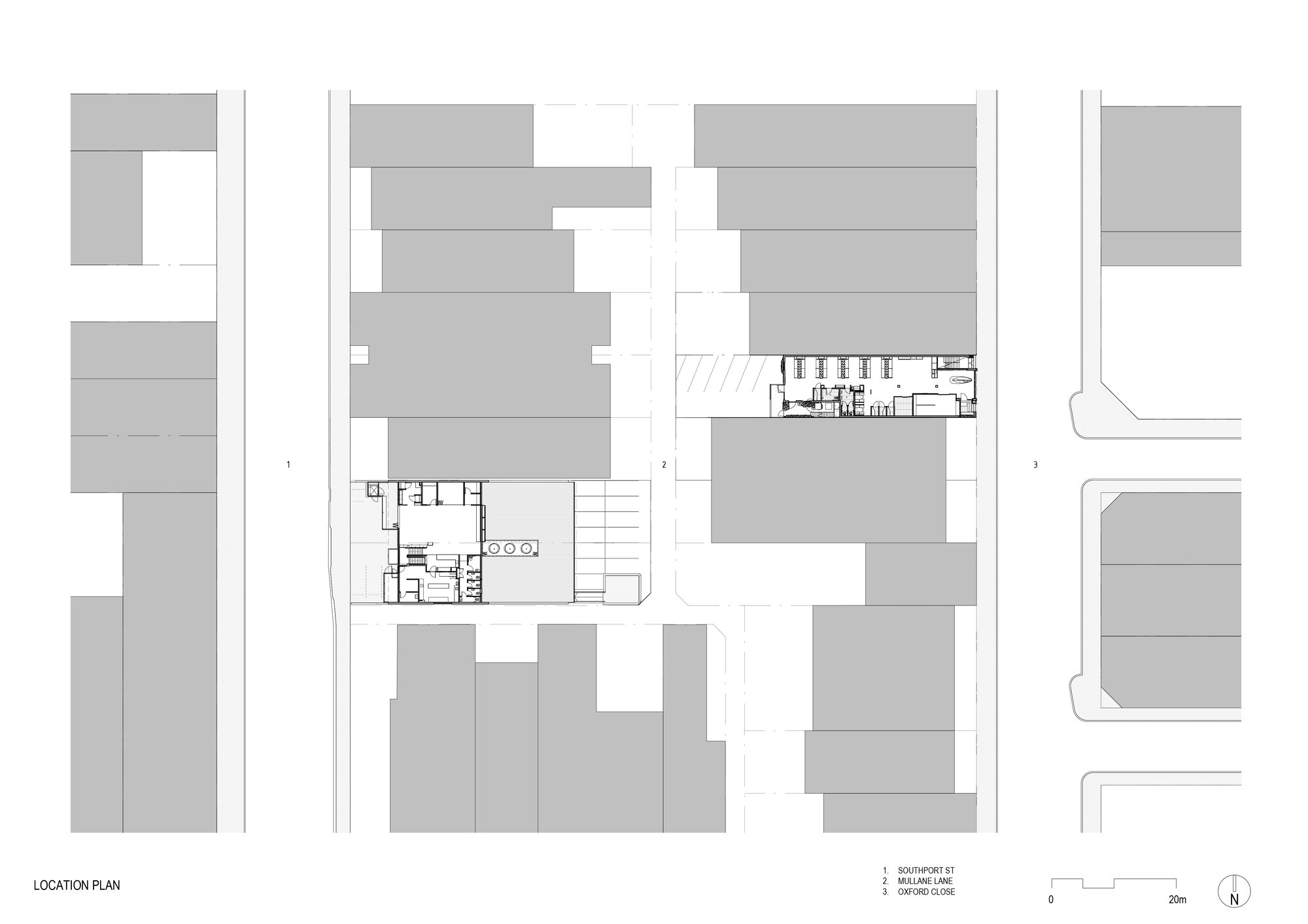
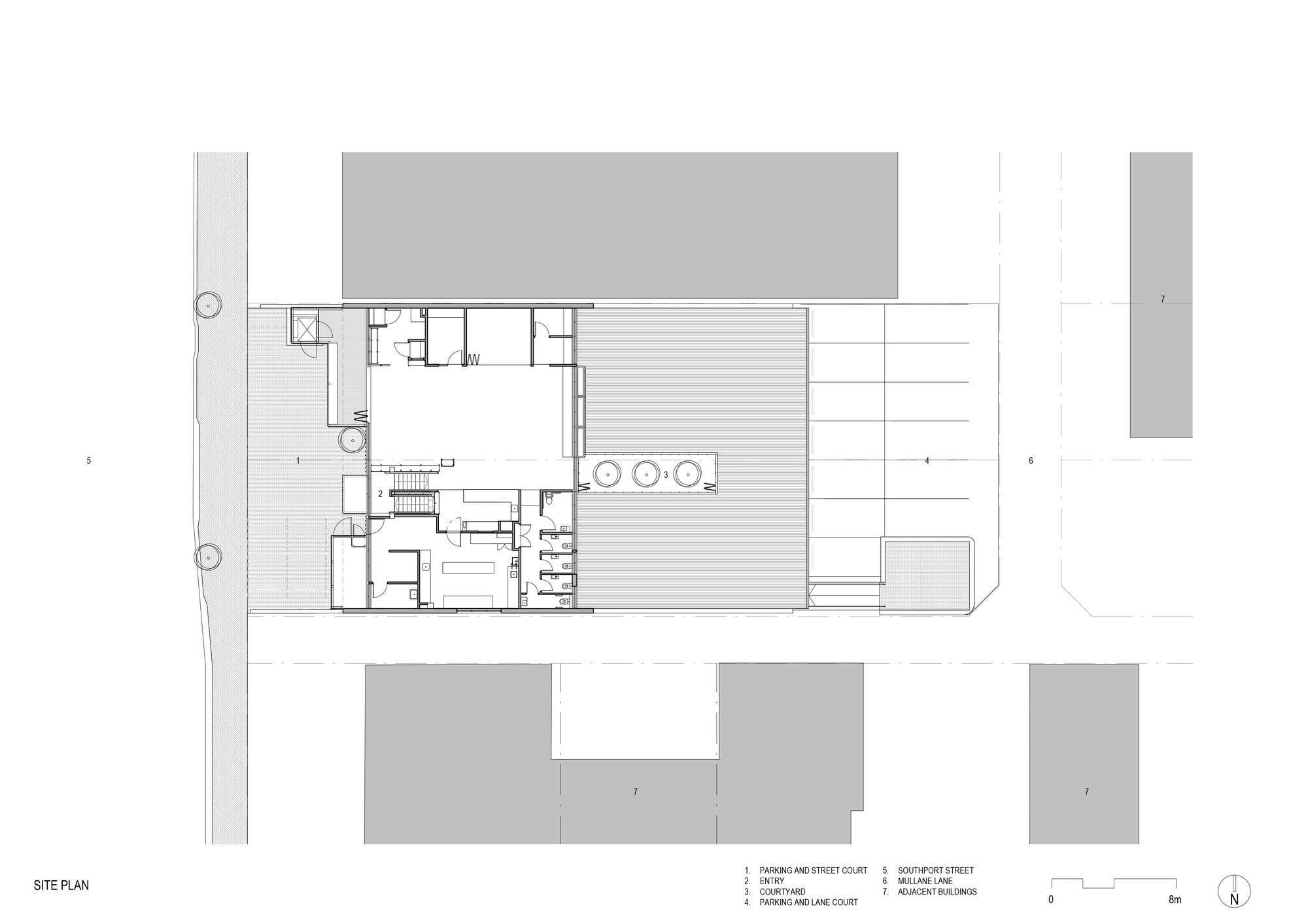
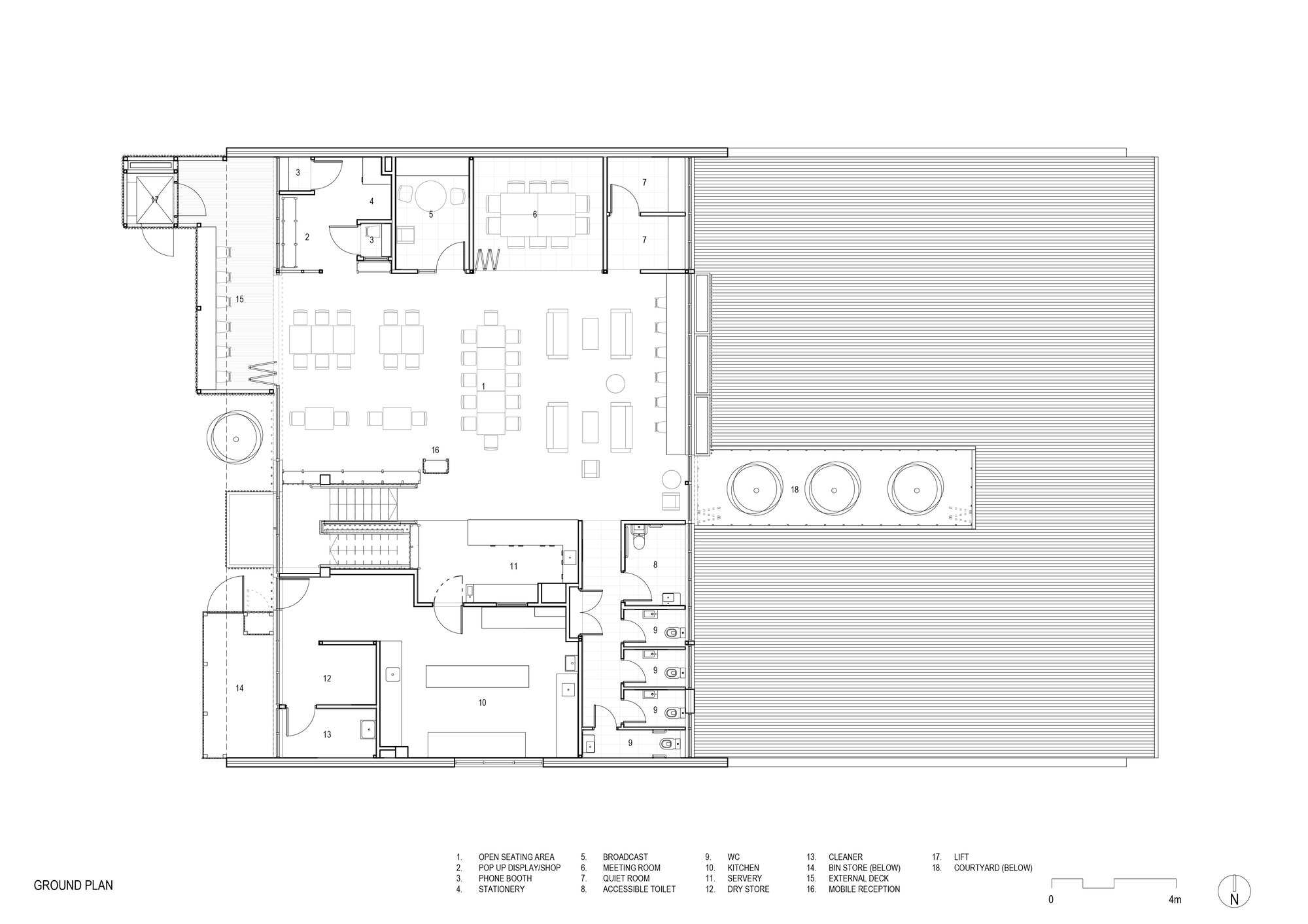
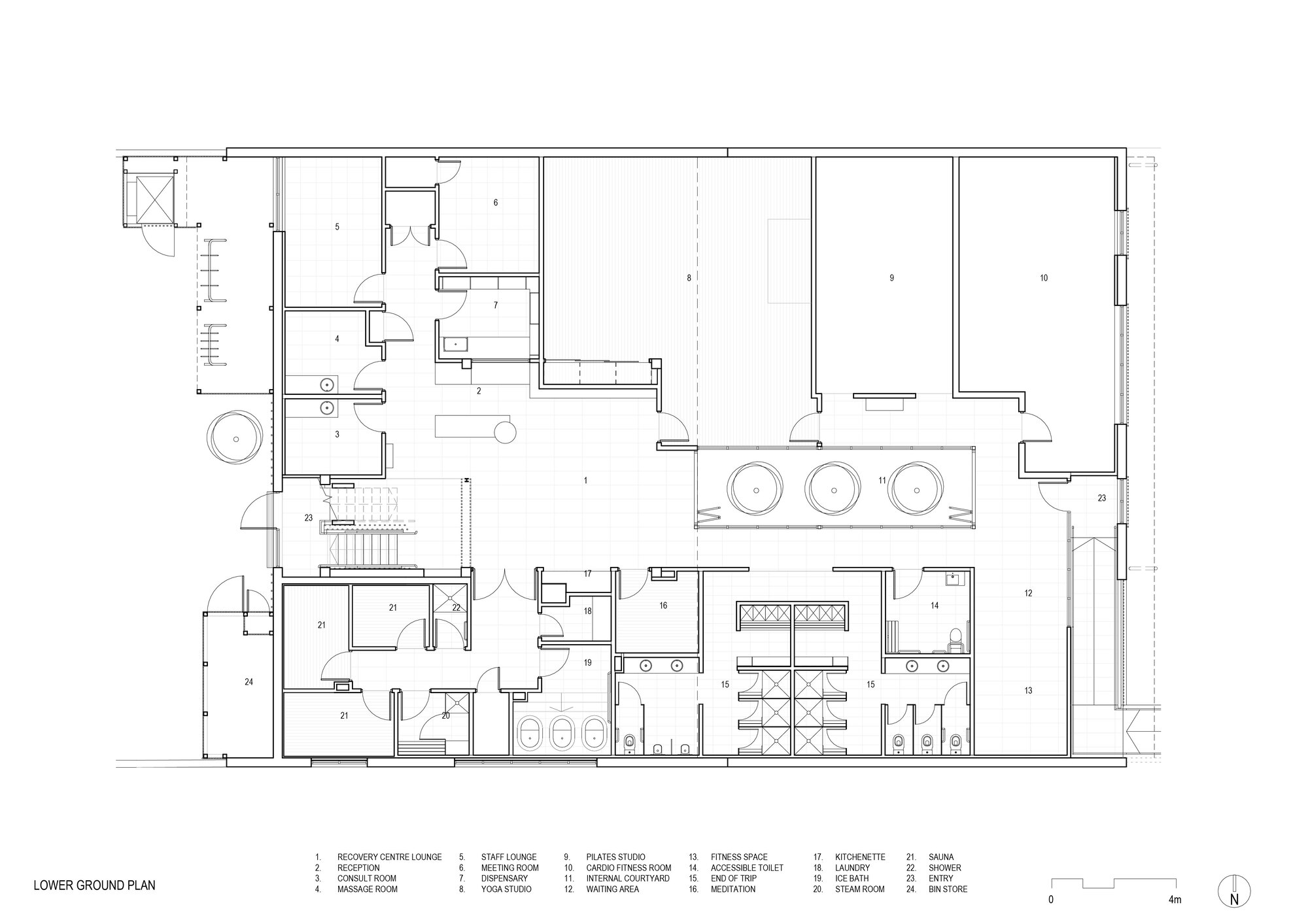
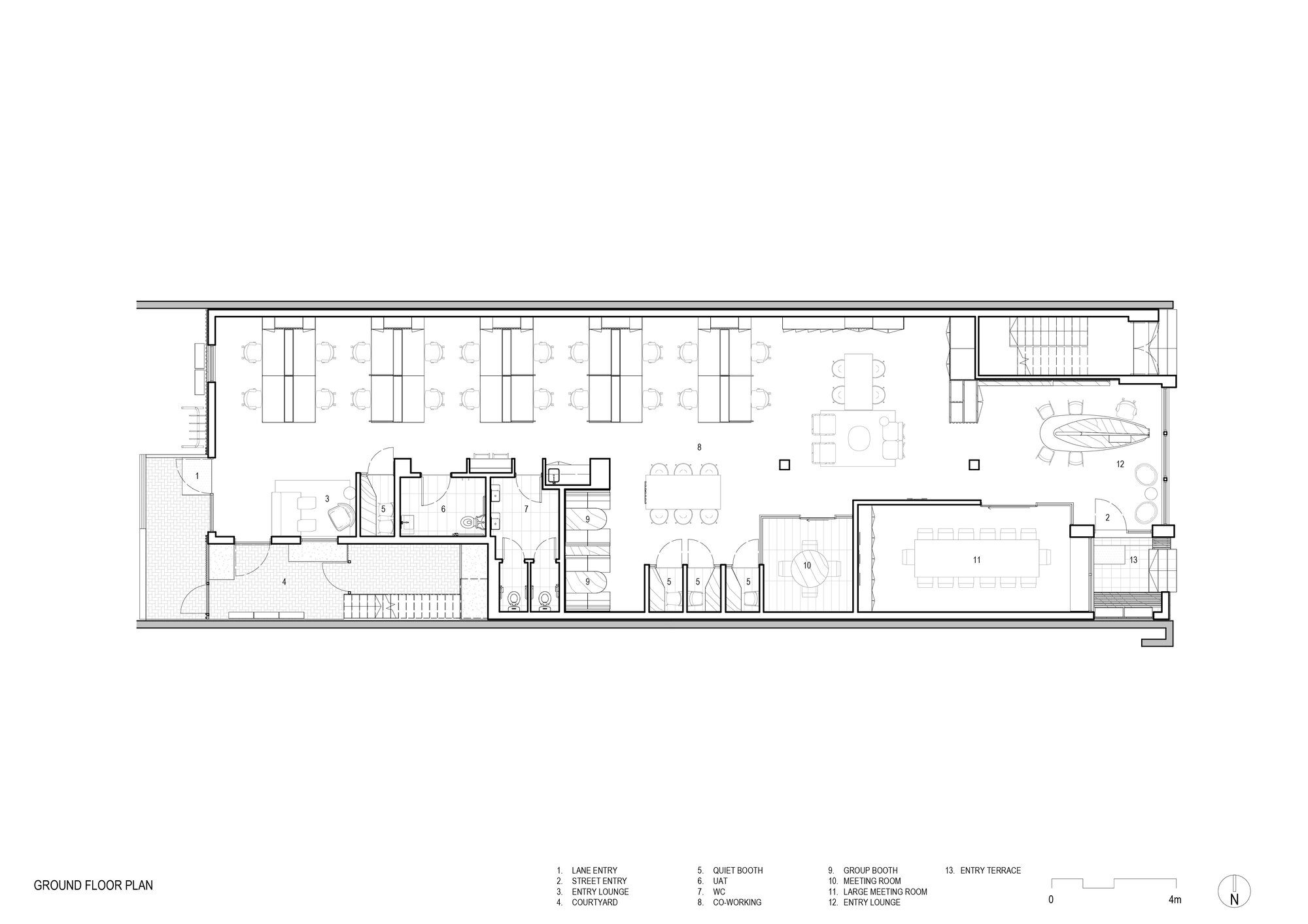
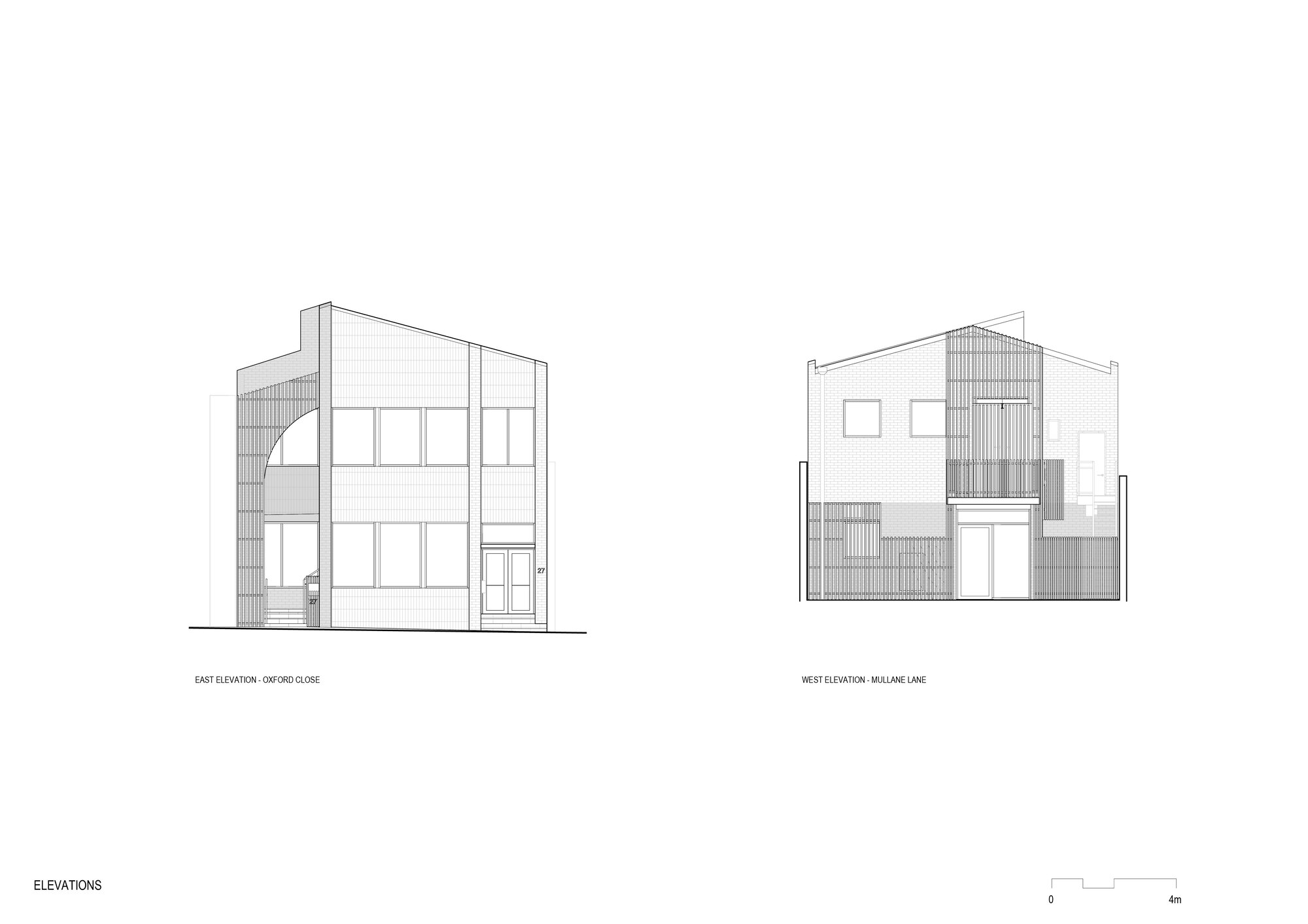
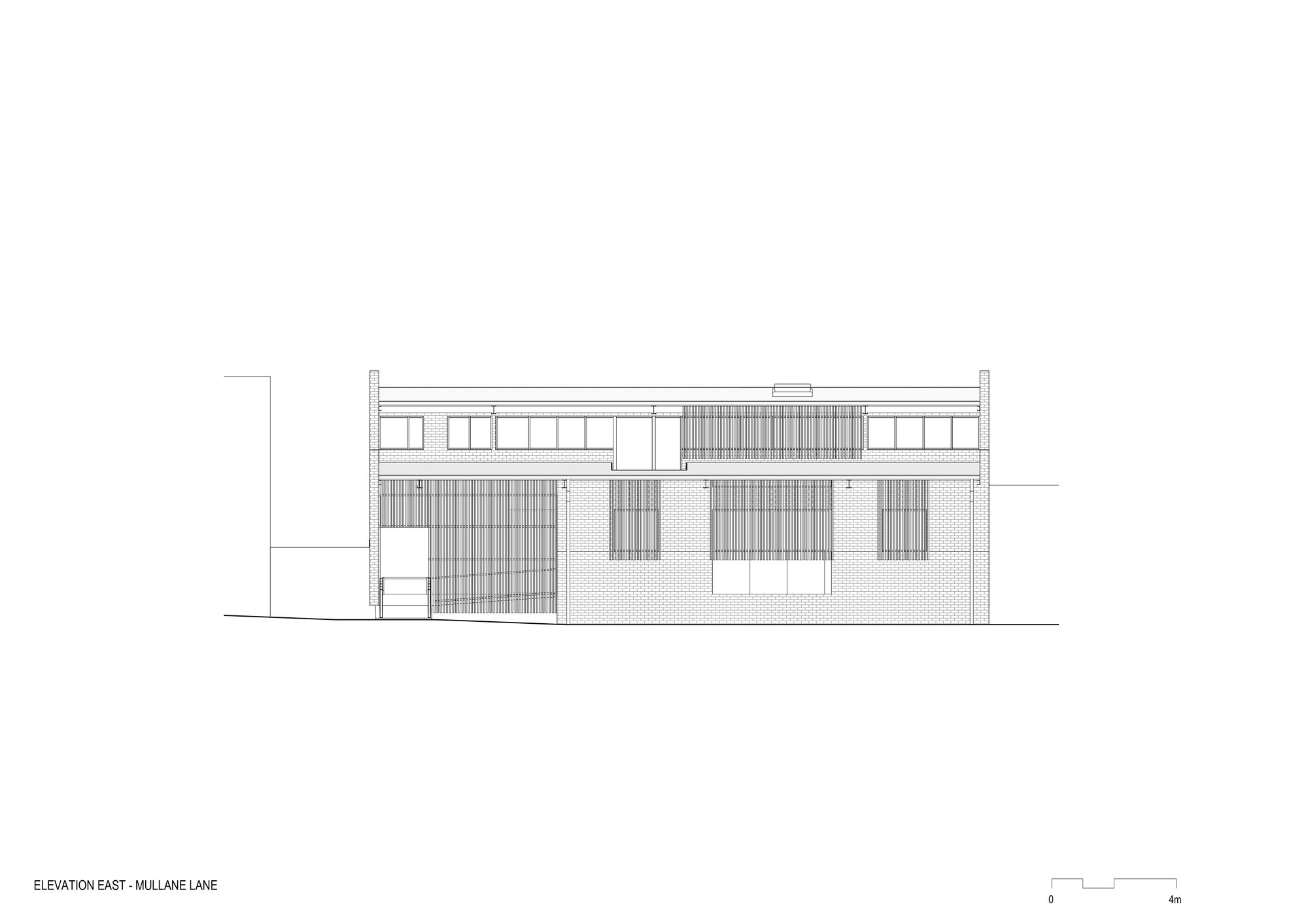
Vitality House + Works #architecture Architects: iredale pedersen hook architects Area: 1020 m² Year: 2024 Photographs: Peter Bennetts, Dion Robeson City: West Leederville Country: Australia Vitality House + Works is a collection of members-only spaces that provide a unique combination of facilities and services to support one's life and work and encourage the connection with a community of like-minded individuals. Spaces are carefully choreographed to suit individual reflection and social engagement, a sequence of atmospherically curated spaces responding to program and person. Designed to reflect the Vitality House values of Wellbeing / Purpose / Connection / Joy of Life, spaces are crafted, tactile, enriching, and engaging. Awareness of nature, the exterior, and the broader environment contributes to workplace spaces, creating a sense of mental wellness combined with immersive spaces for physical wellbeing. This is a unique proposition that enables one to combine workspace, social space, reflection space, physical and recovery space under one membership across two buildings. Vitality House and Works upcycles fatigued buildings, creating multiple frontages to engage with the street and laneway. Undercover balconies and terraces animate the public domain, challenging the anonymity of adjacent buildings. Lifts and ramps provide access to undercover verandas and primary spaces. Existing structures are layered and enriched with timber battens, oiled and weathered to indicate the marks of time. Vitality House creates an upper level of activation, a shared workspace environment with group meeting spaces and individual private spaces. A café and shop/ exhibition space, recording studio, and acoustically separated phone booths complete the work environment. The space is organised along the cardinal points with morning light activating one's senses and filtered afternoon light encouraging one to slow and complete work. Rooflights provide additional north light and large timber lights hover to gather all shared spaces. Timber battens and panelling continue from outside to maintain warmth and environmental awareness. This space encourages social interaction combined with selective privacy. In contrast, the lower level reduces illumination, introducing darker textured surfaces, creating a more reflective, contemplative atmosphere. A large void is carved out of the former music warehouse space, filled with deciduous trees and stone pebbles, allowing light to filter into surrounding spaces while remaining a focal point for the changing seasons and daily climatic conditions. Yoga, Pilates, Ice Baths, Saunas, Dispensary, and other facilities encourage reflection, recovery, and a slower-paced space is uniquely designed for each activity, creating a multi-sensory experience. Vitality Works creates a longer-term office environment, and a central symbolic tree of life grows from the street entry. A welcome desk inspired by the shape of a Hakea seed pod, anchored to the ground but balancing within the space, grows upwards and outwards, stretching to all corners of the space through timber panels embedded with Indigenous art and timber battens.  Brass fragments permeate the spaces, the vein that runs through the tree's core.  The large meeting room becomes a space of retreat, the recycled jarrah battens and dark joinery create a sense of privacy, calmness, and mystery. Pockets of colour articulate space and represent the growth of the Hakea flower, subtle at the edges but increasing in intensity as you journey further into the space. 
Ninefold Roof #architecture Architects: T2P Architects Office Area: 159 m² Year: 2024 Photographs: Vincent Hecht City: Karuizawa, Nagano Country: Japan On a site sloping down to a valley on Mt. Happu in Karuizawa, we planned a villa for four families, aiming to create a place where they can enjoy the rich nature surrounded by a forest with a view of a stream. The architecture was designed to float lightly above the ground on an independent foundation to correspond to the terrain, and to be a group of small volumes with a roof that slopes down to create a quiet appearance with minimal impact on the site. The plan is a square divided into nine sections, with common areas on the first floor and private rooms on the second floor. The first floor, enclosed by glass, is an open space with a panoramic view, and the four private rooms on the second floor, which require privacy, are laid out in a crisscross pattern, with high ceilings at the four corners of the crisscross space, creating a sense of unity on the first floor. Corresponding to the nine sections of the plan, nine small roofs with different slopes and orientations overlap each other so that they become higher toward the center. The roofs at each of the four corners protrude from the exterior wall in the shape of swastika, covering the four terraces that are connected to the entrance, kitchen, living room, and master bedroom on the first floor, extending the living space to the exterior. The living space extends to the outside. Despite its simple spatial composition, a three-dimensional and deep space is built under the nine-layered roof, creating an inclusive place where people can enjoy a variety of distances from nature. As a base for families of different generations to gather, we hope that a variety of activities in harmony with nature will develop.
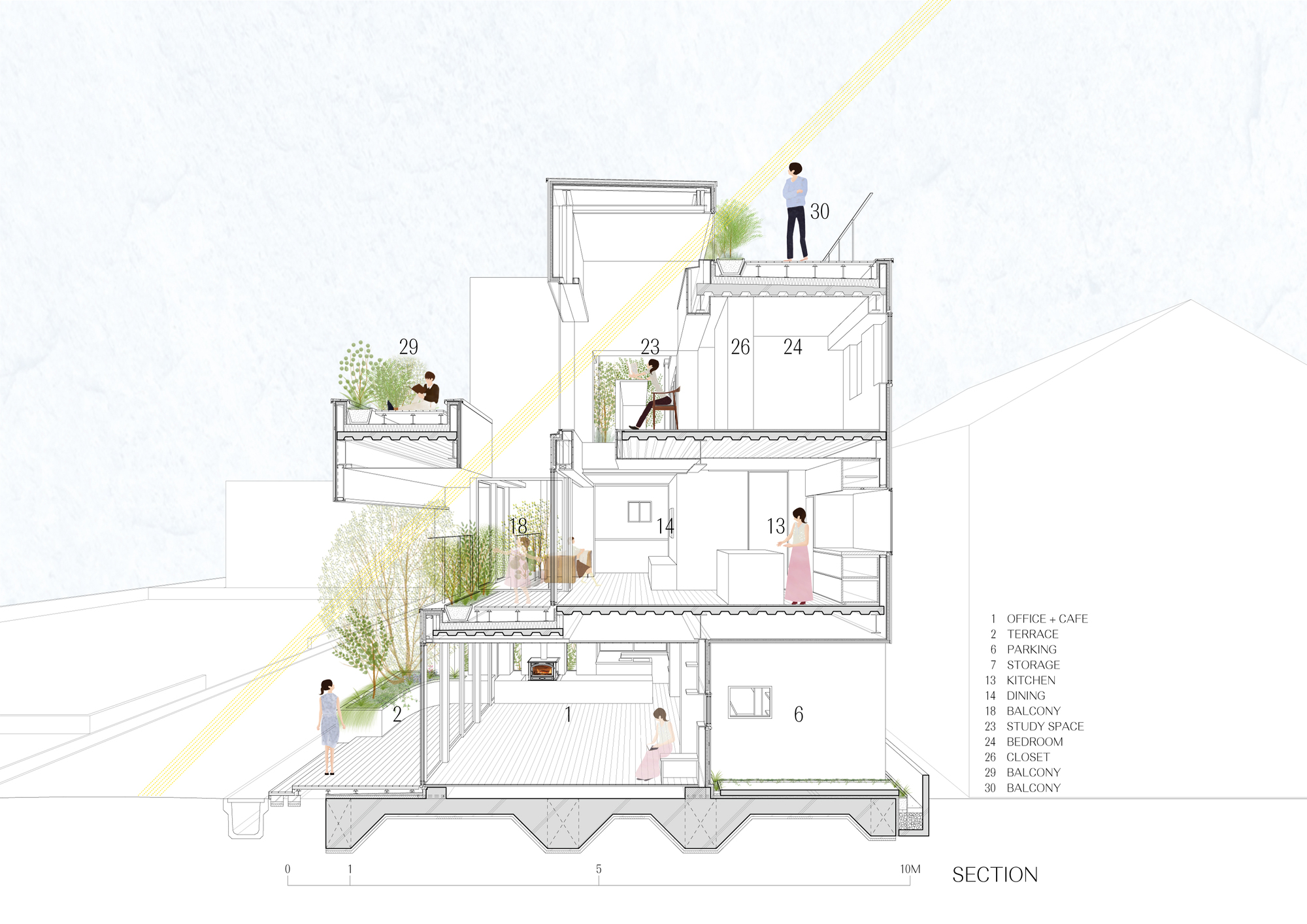
HOUSE F #architecture Architects: KamakuraStudio Area: 168 m² Year: 2022 Photographs: Koji Fujii (Torel), KeisukeFukui (KamakuraStudio) Lead Architect: Keisuke Fukui, Keisuke Morikawa Country: Japan This project serves as both the architect's residence and office. By making the first-floor office a space where people from the neighborhood can casually drop by, it aims to foster connections within the community. The site is located in a relatively new neighborhood, where 75% of the residents have moved in within the past decade. In the future, this area may face challenges such as population decline and an aging society. Hoping to avoid repeating the trajectory of past "new towns," the architect believes the key to a sustainable community lies in residents continually thinking about their city as an extension of their daily lives. The first floor features an office that also functions as an open space for the local community. 
• Brewing extra coffee and sharing it with neighbors creates a café-like atmosphere. 
• Filling a large bookshelf with books donated by nearby residents makes it feel like a library. 
• Watching a film together on a projector turns the space into a makeshift movie theater. By stacking these small ideas—"extending daily life just a little"—the project seeks to gently nurture connections between residents and the neighborhood. So that people feel they are "sharing something together whether they're inside or outside," materials, architectural elements, and floor levels are treated continuously, softening the boundary between indoors and outdoors. This seamless connection helps bring people closer, both spatially and socially. In this area, a "plant-sharing network," originally started among a few neighbors, has expanded to dozens of households. Such proactive participation demonstrates the neighborhood's vitality. In response, this project's façade features a three-dimensional planting strategy. The first floor is an open space directly connected to the street, while from the second floor upward, plants propagated through this network occupy a diagonal opening that allows southern sunlight to pass through. In both plan and section, terraces and interior rooms alternate, creating a lush environment reminiscent of living amid forest trees. By sharing spaces and everyday pleasures in this way, the architect aims to gradually build gentle, fulfilling relationships. They believe that "sharing daily life as an engaged participant" ultimately forms the foundation for sustaining a vibrant urban community. Since the completion of this building, it has hosted a variety of events, including cafés, lectures, workshops, and film screenings—activities that have generated multiple networks and begun influencing other locations as well. More communities have reached out with comments like, "We want our ground floor to be like this building," or "We'd love to implement this concept elsewhere," indicating a growing interest in similar endeavors. Small-scale, everyday activities are gradually intersecting, illuminating a future where a diverse range of people in the neighborhood connect more naturally. It will be exciting to see what kinds of new interactions and initiatives take root here and how far their influence may spread.
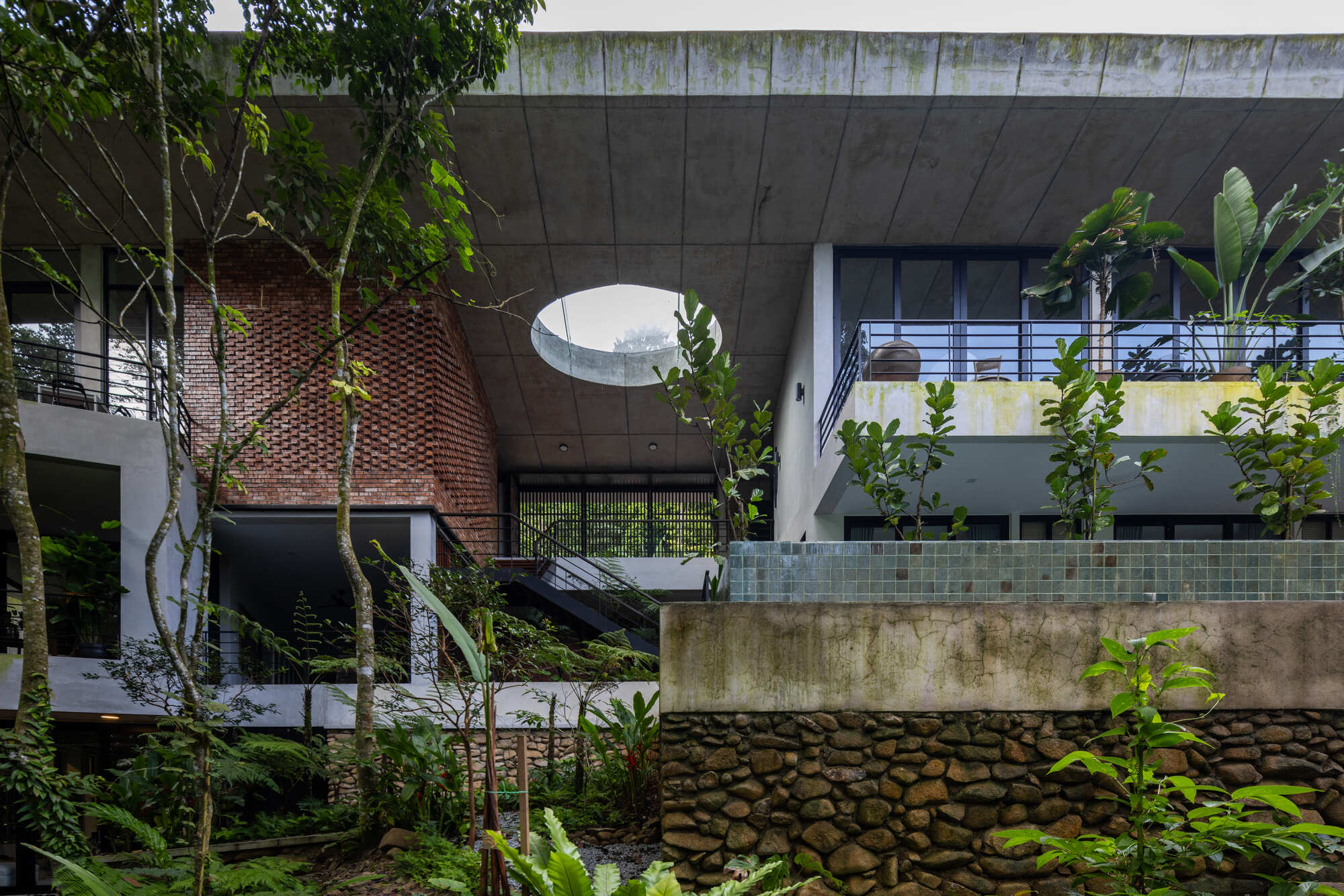
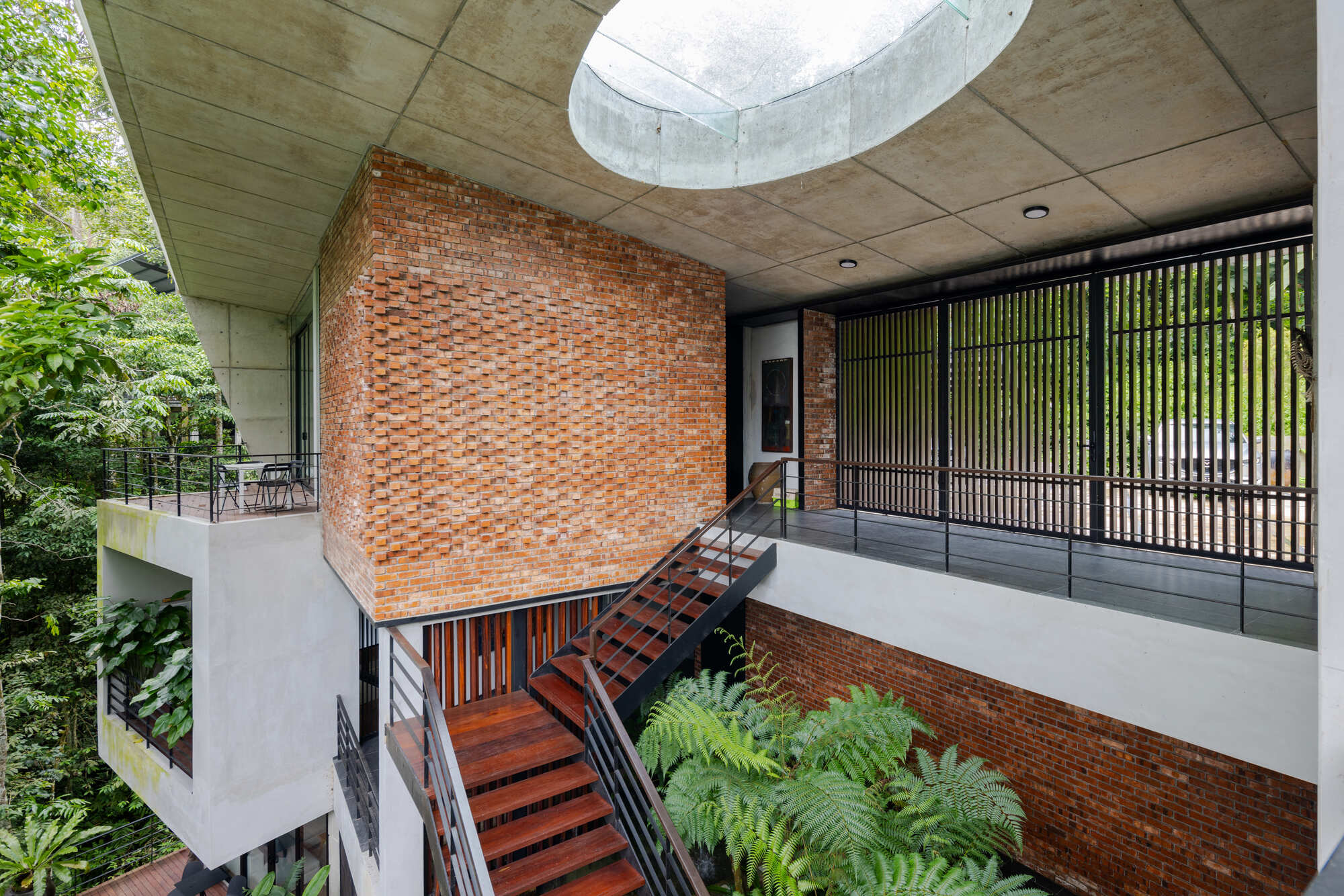
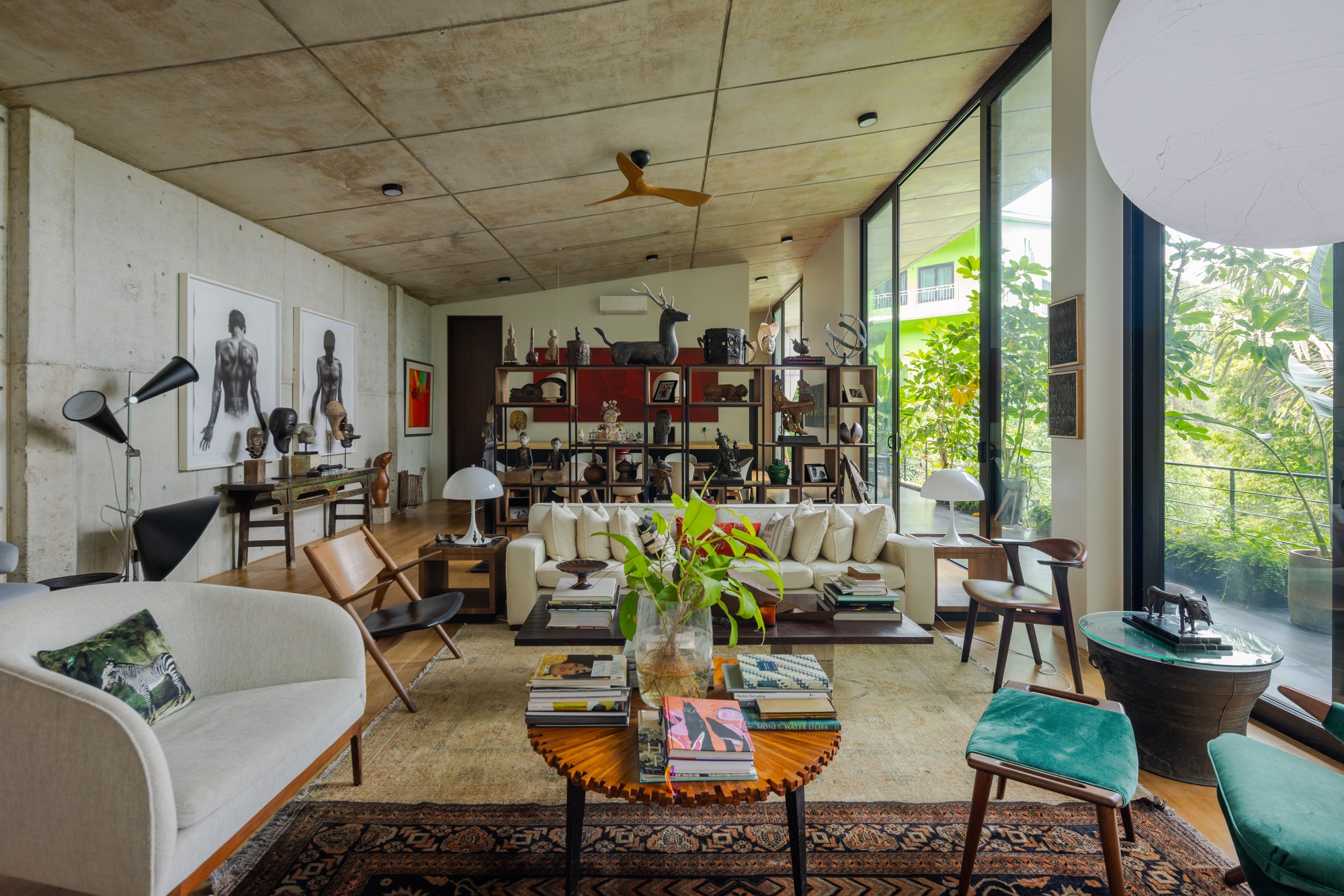
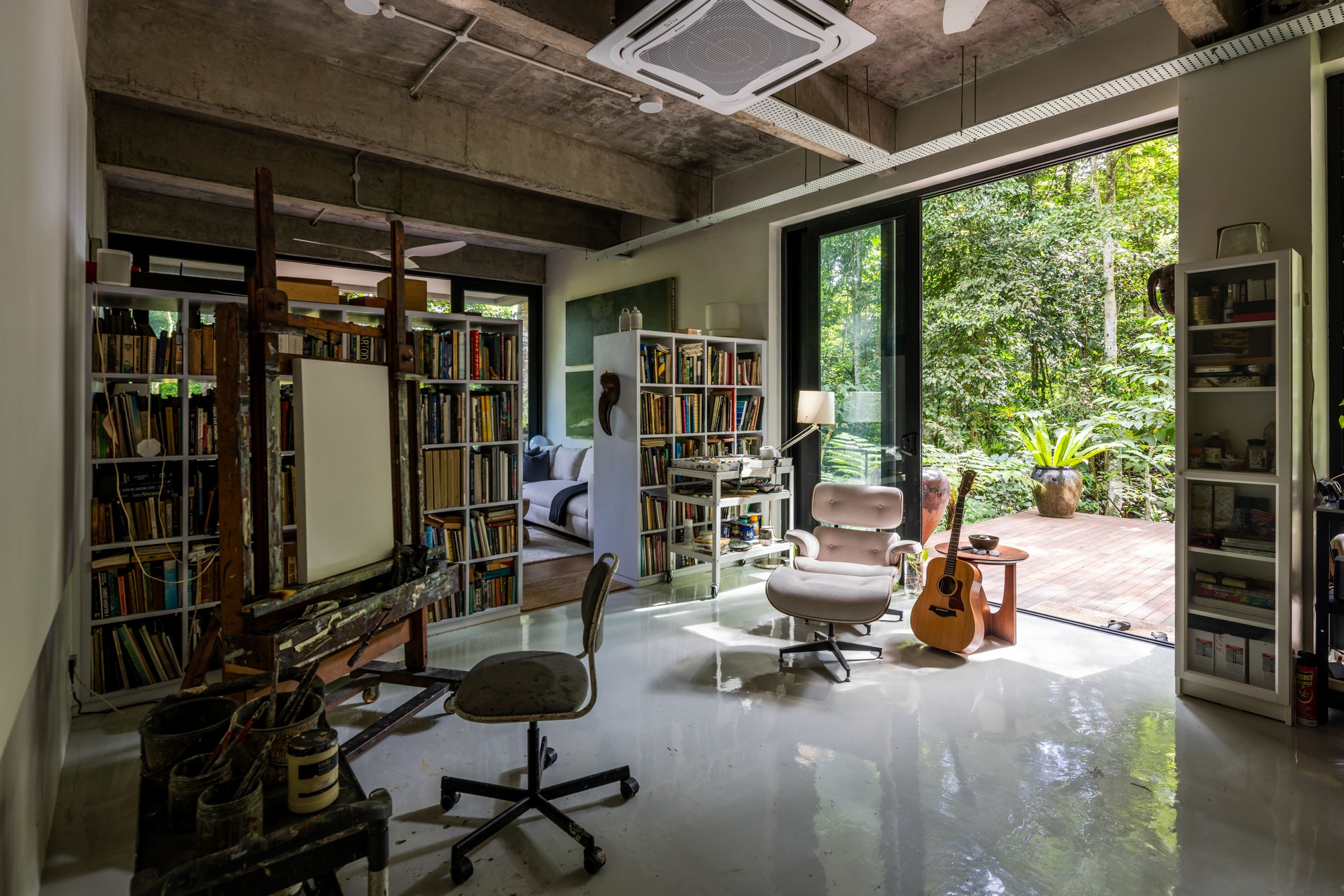
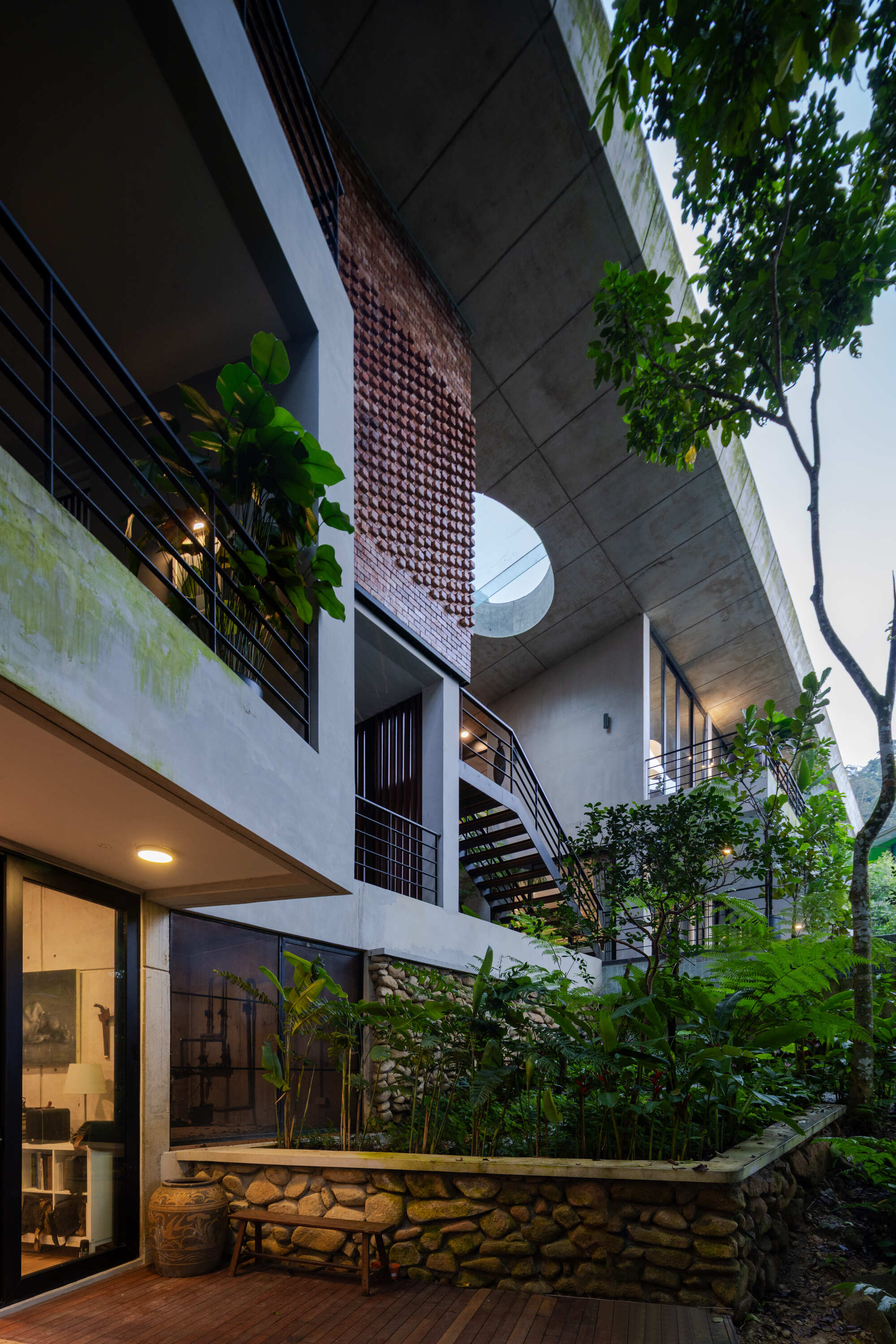
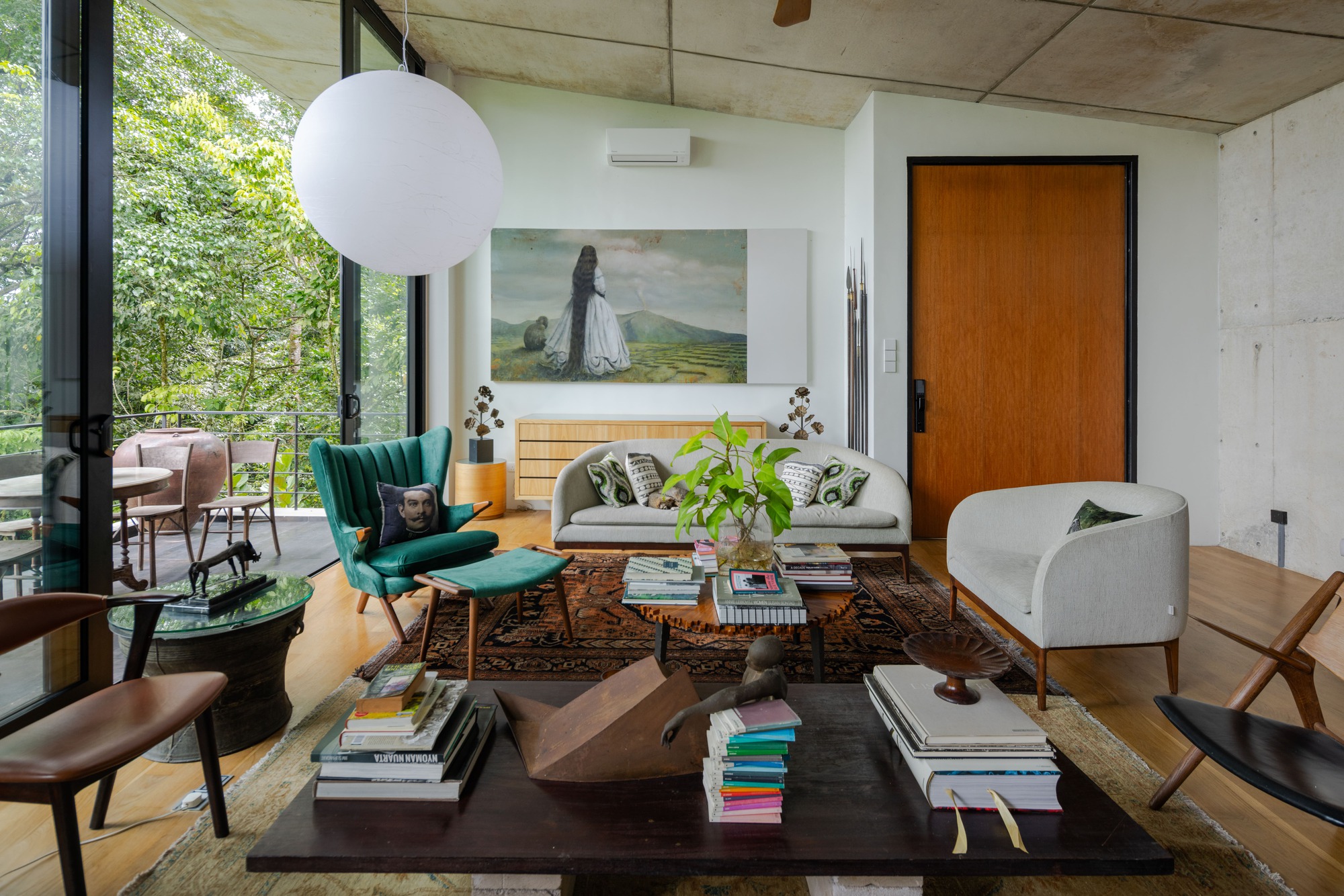
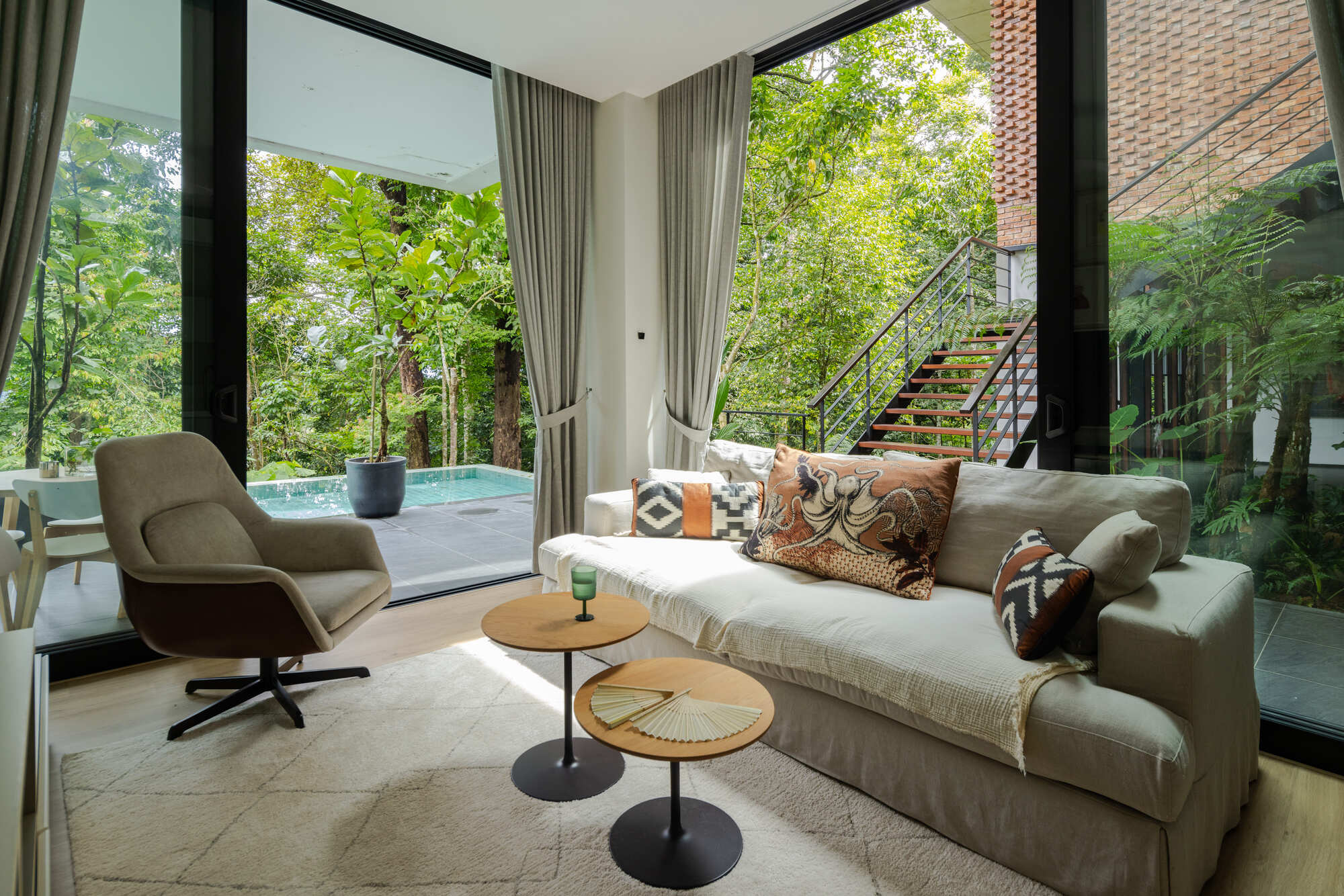
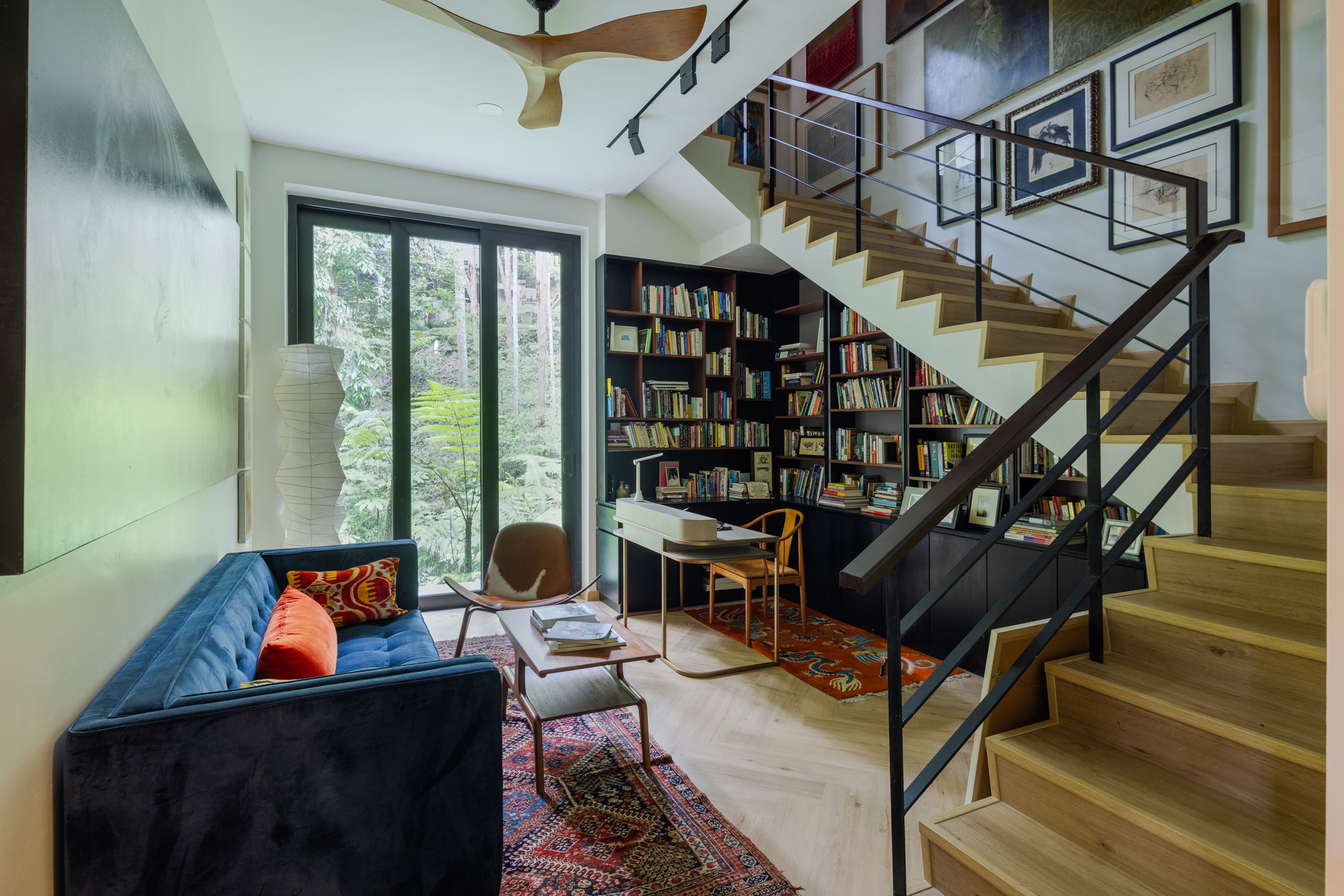
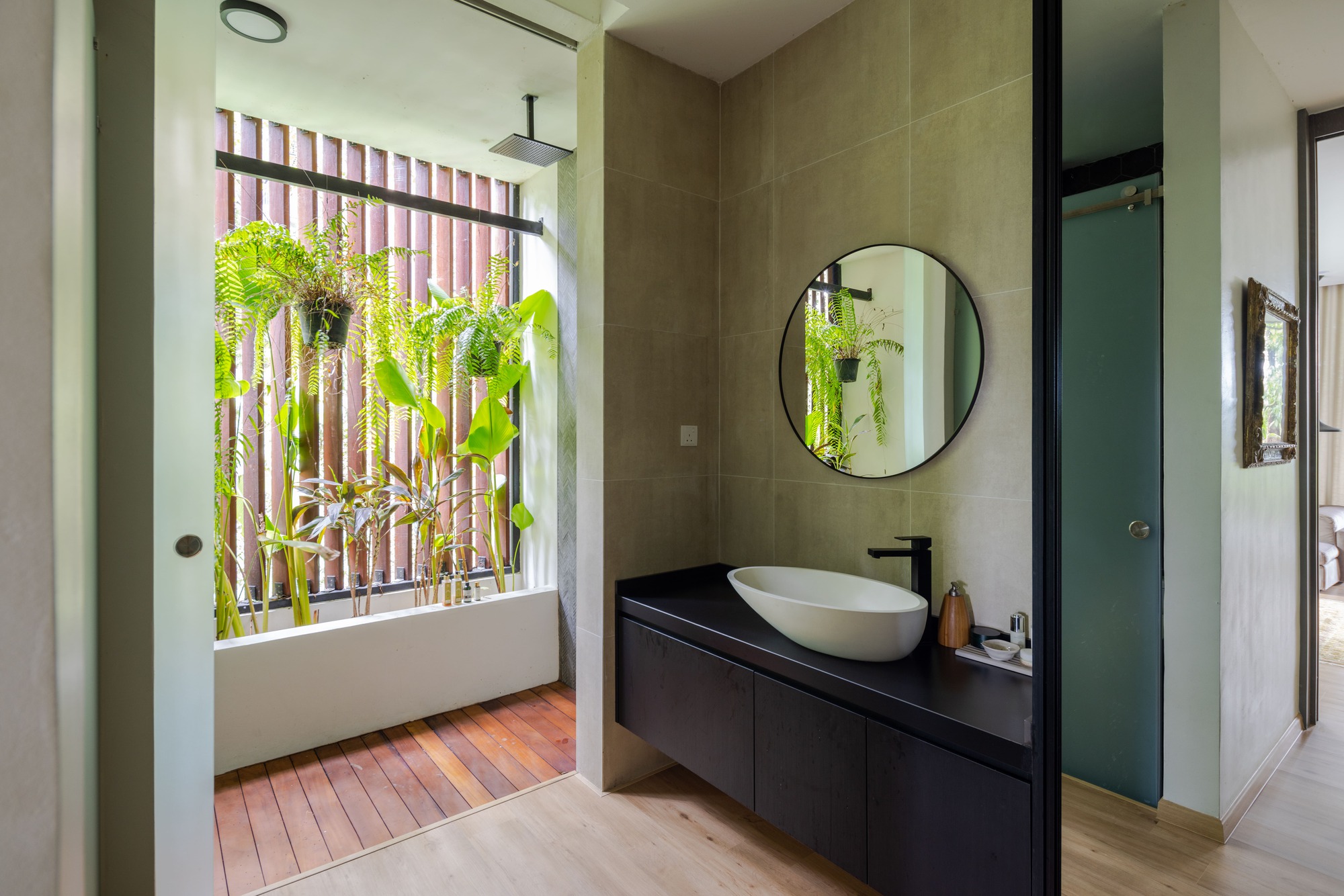
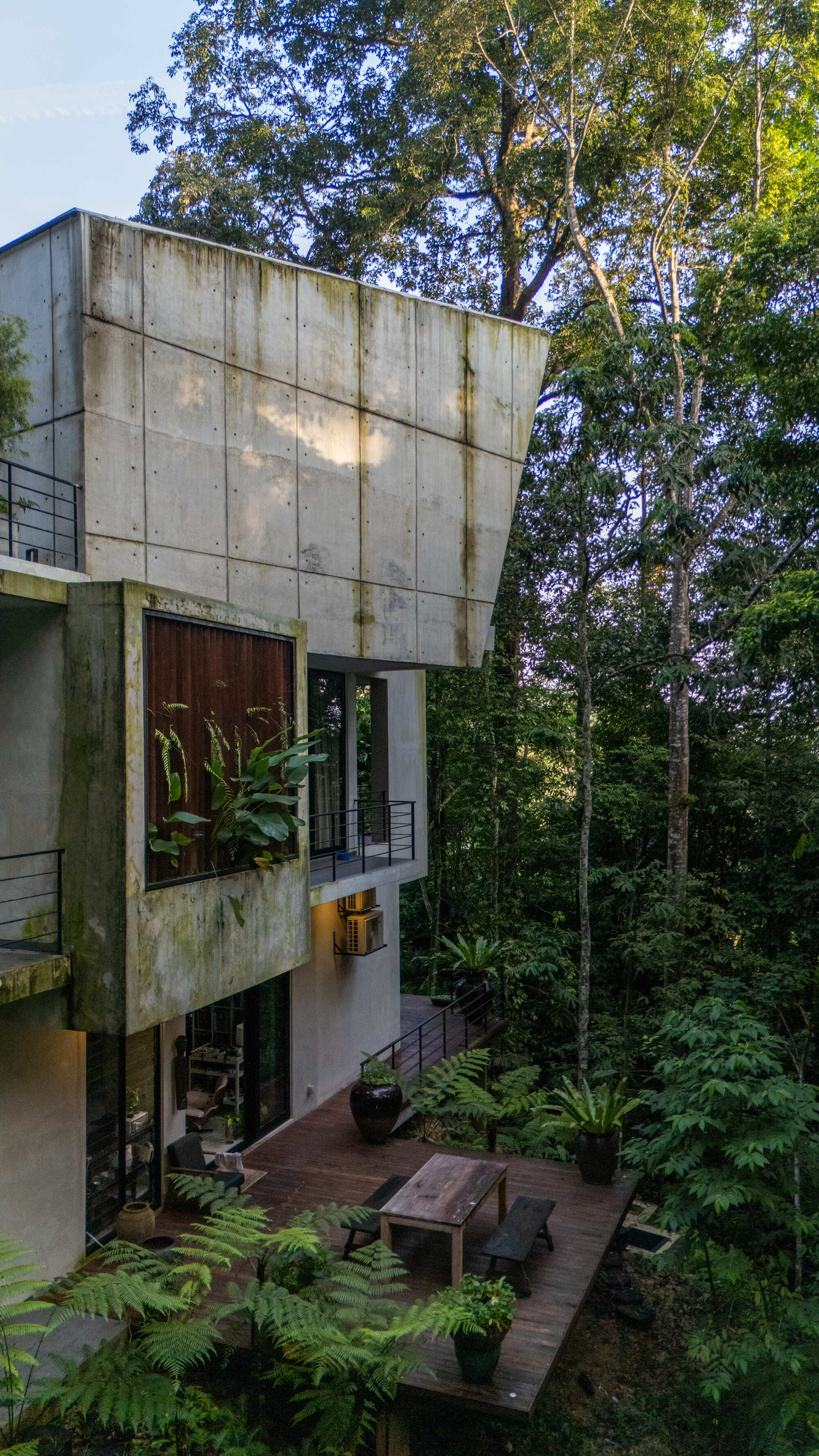
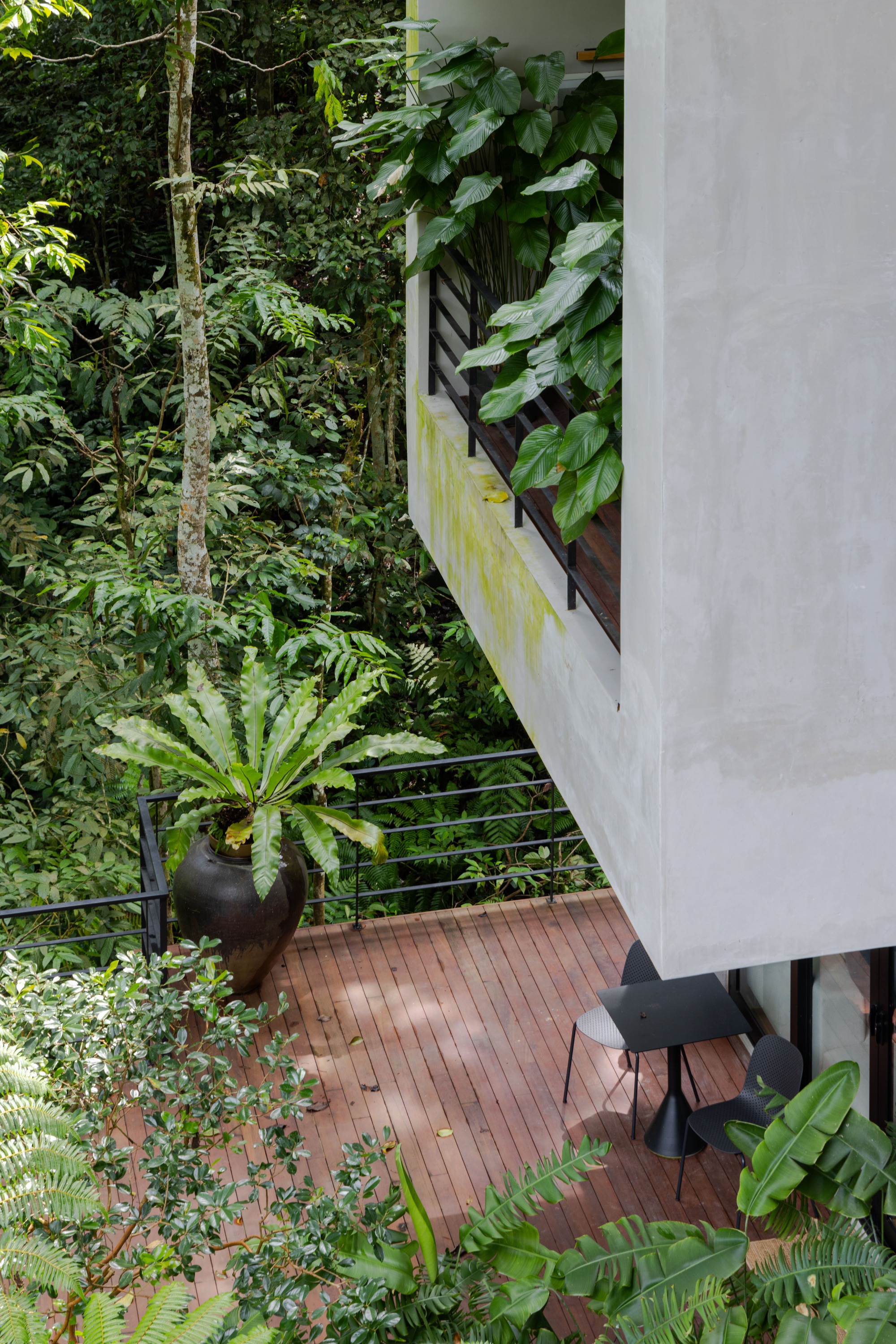
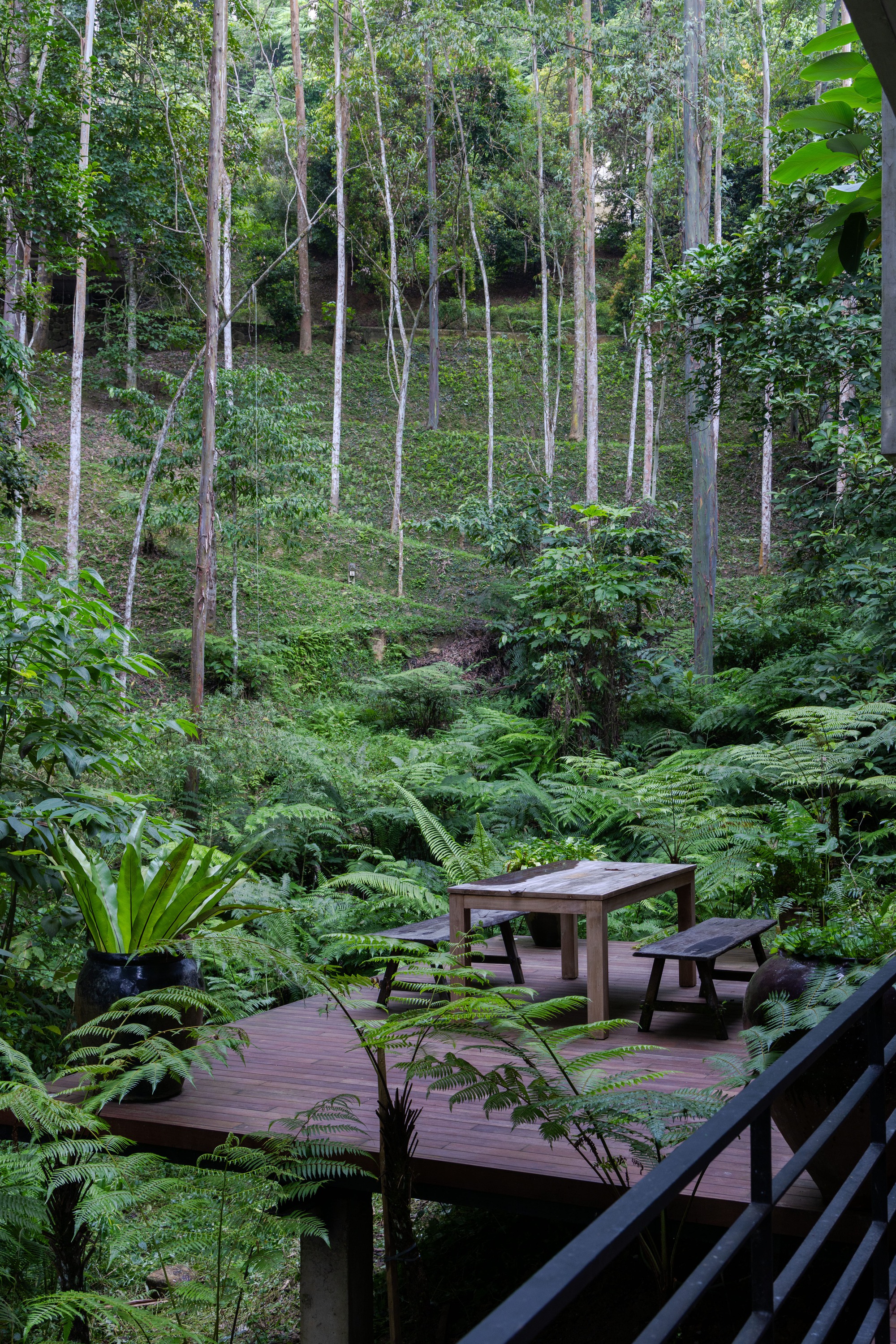
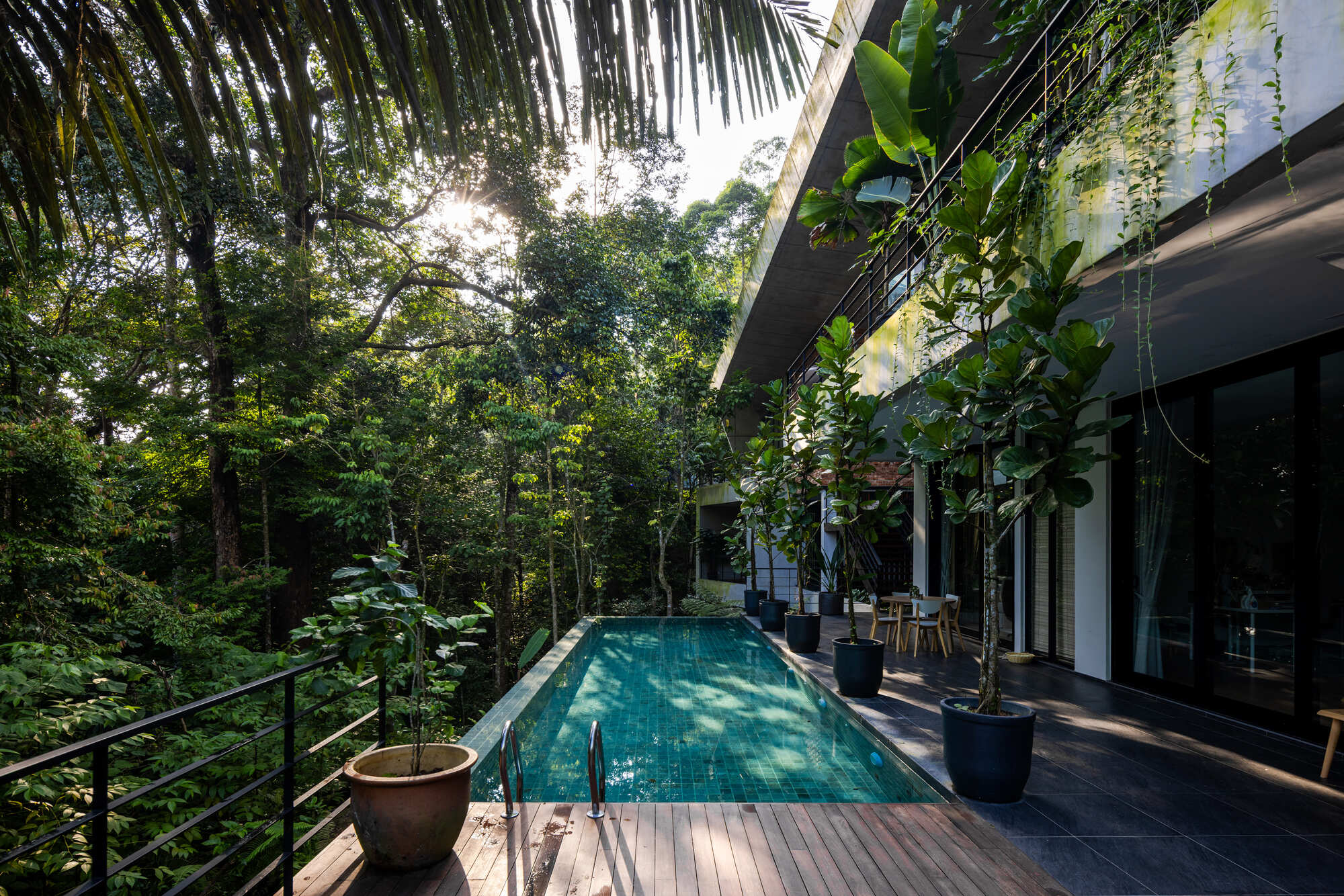
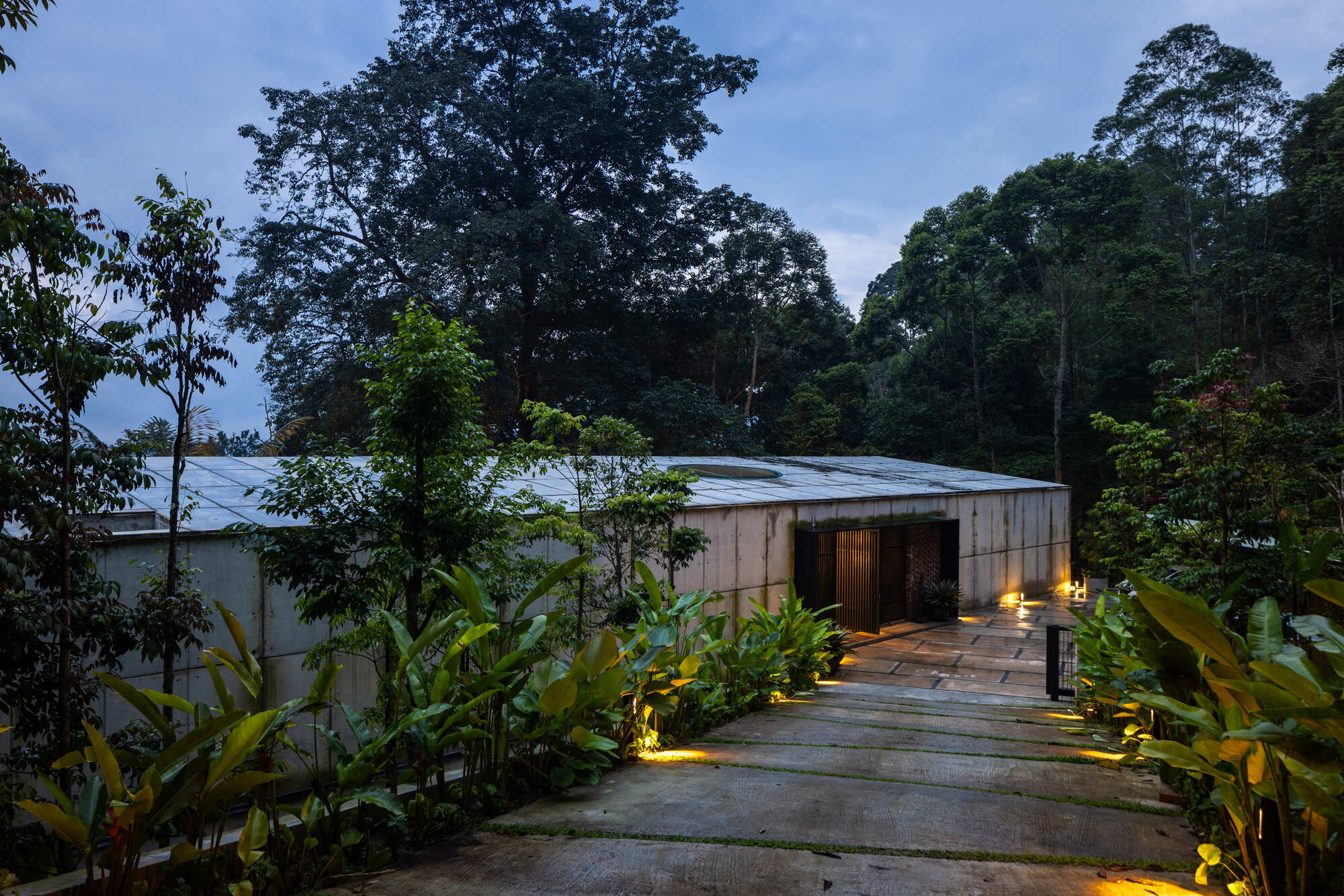
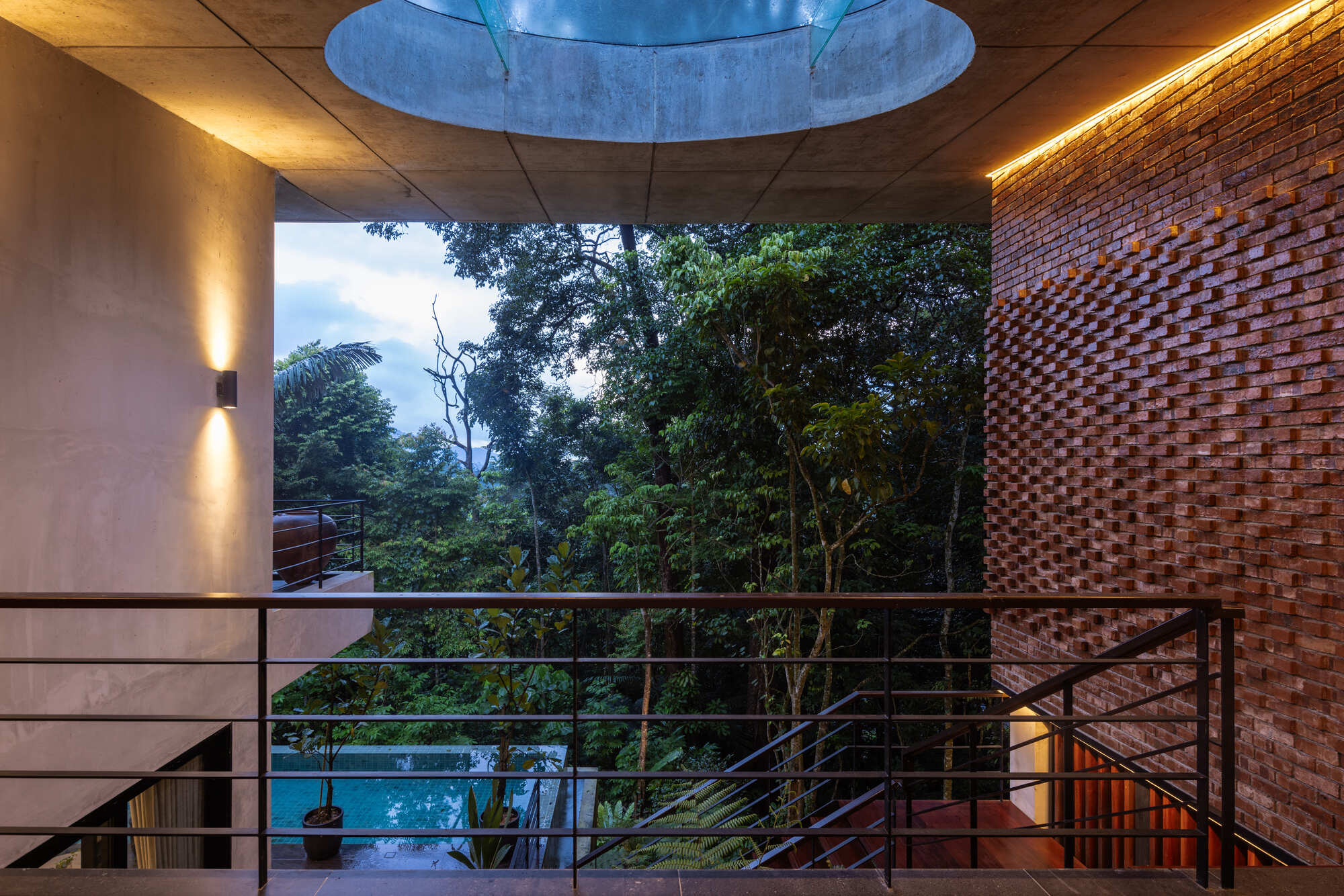
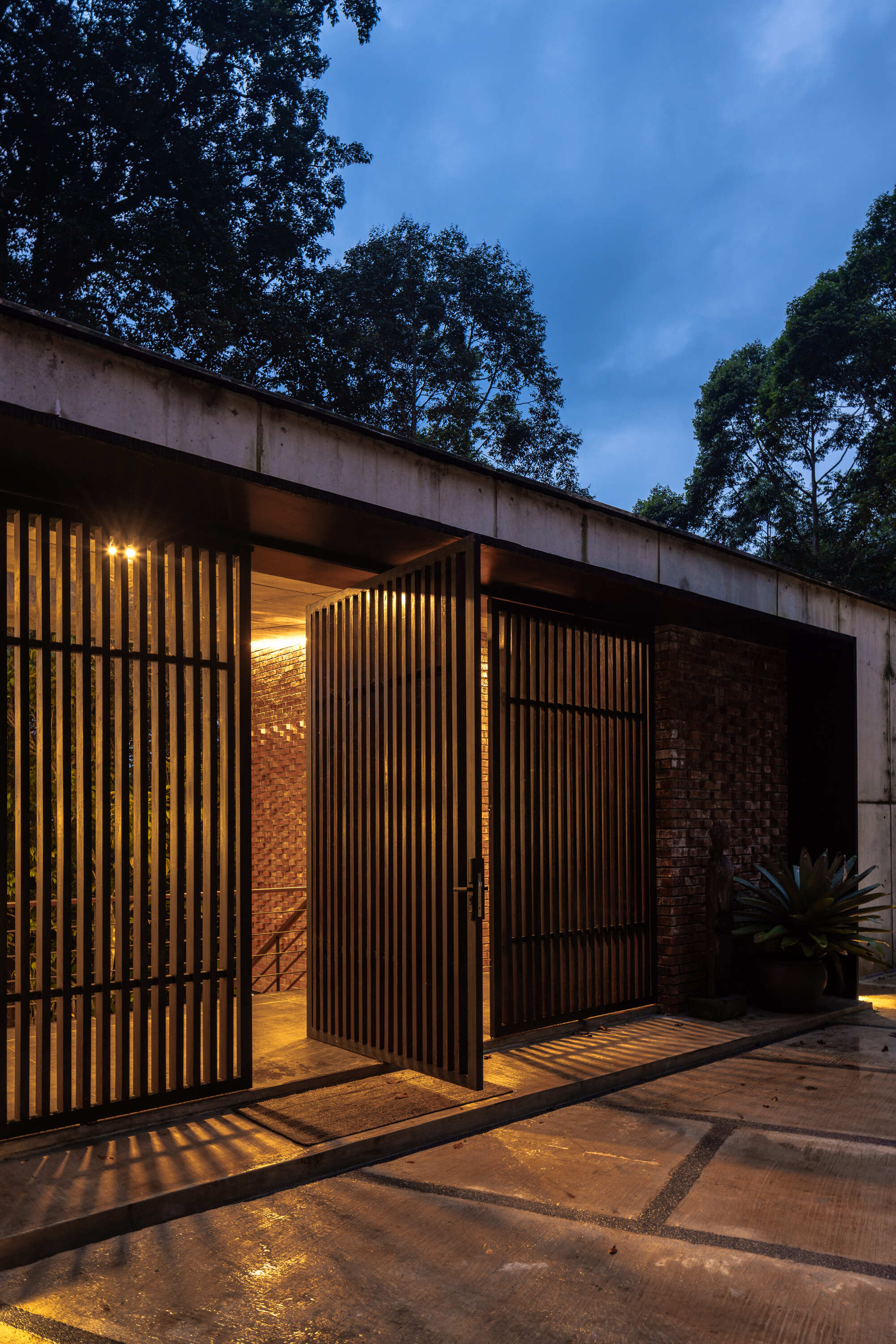
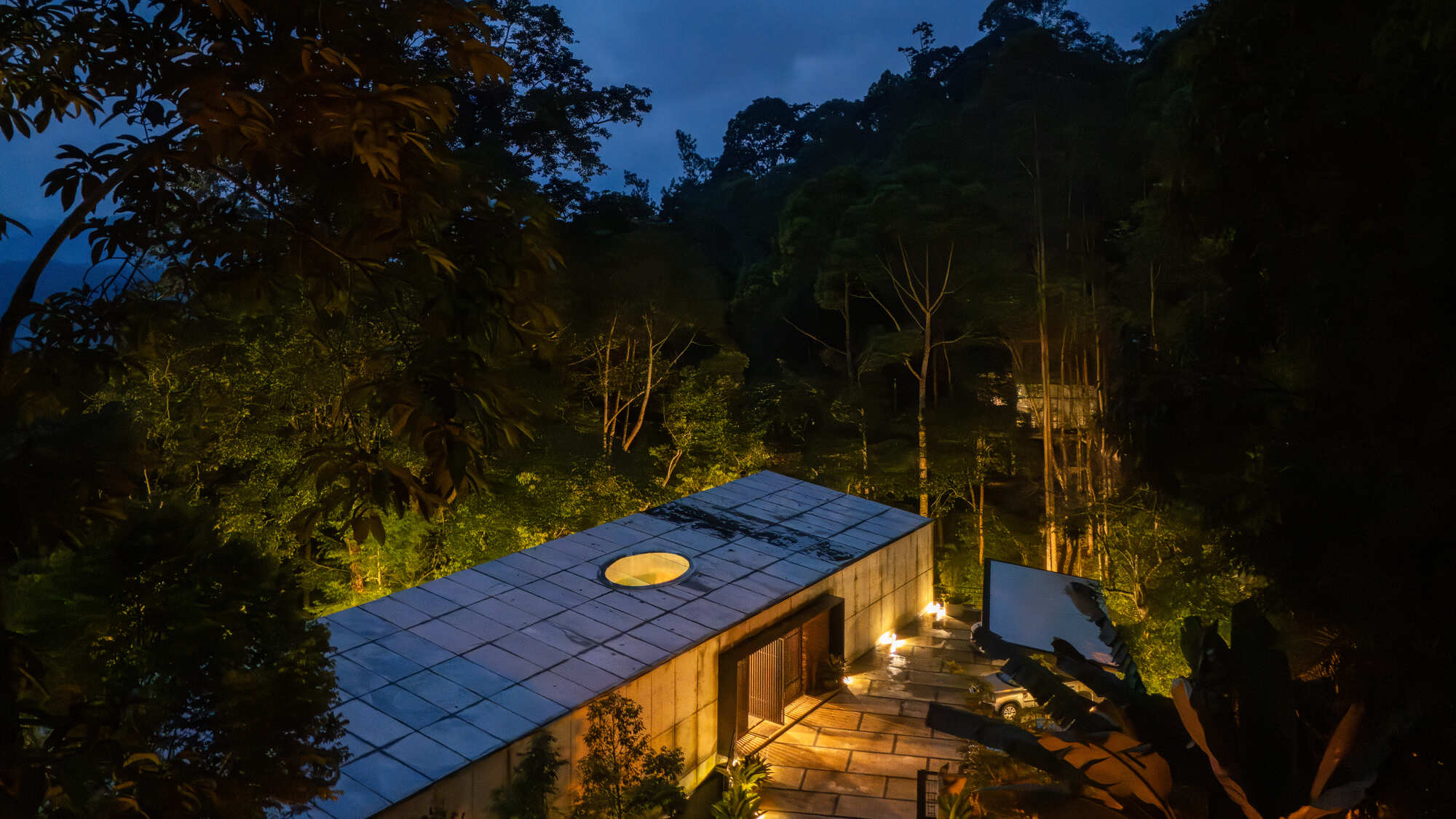
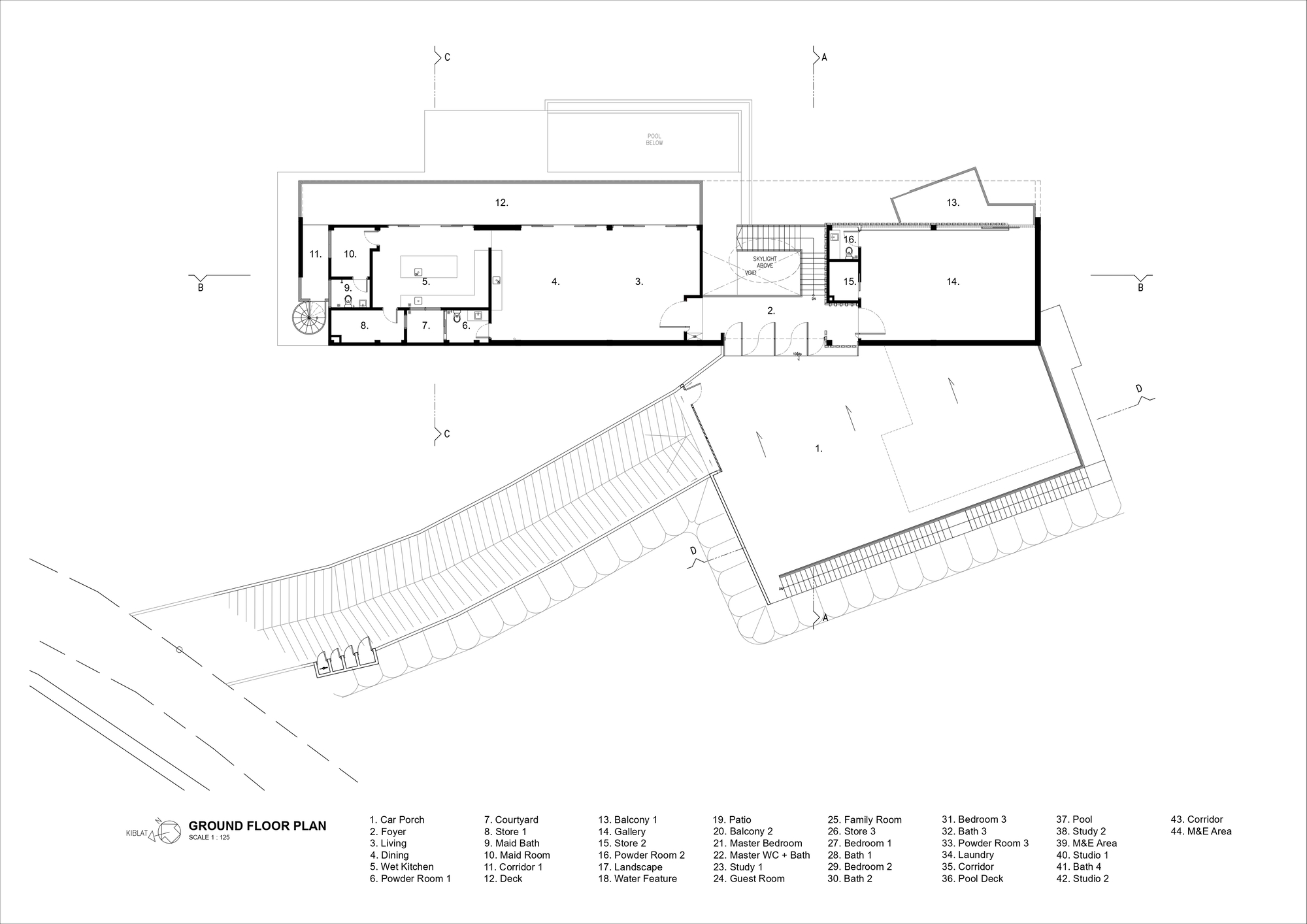
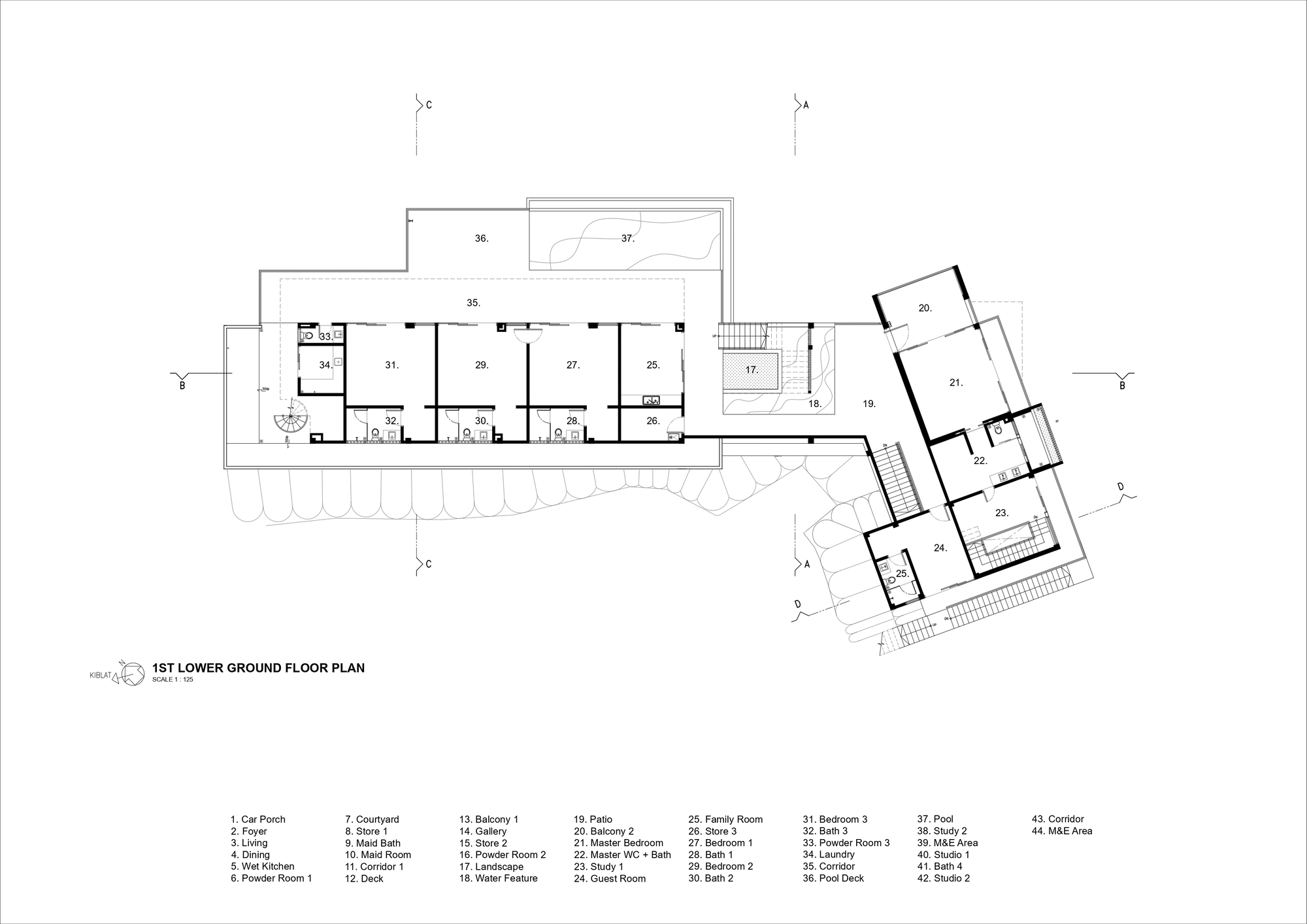
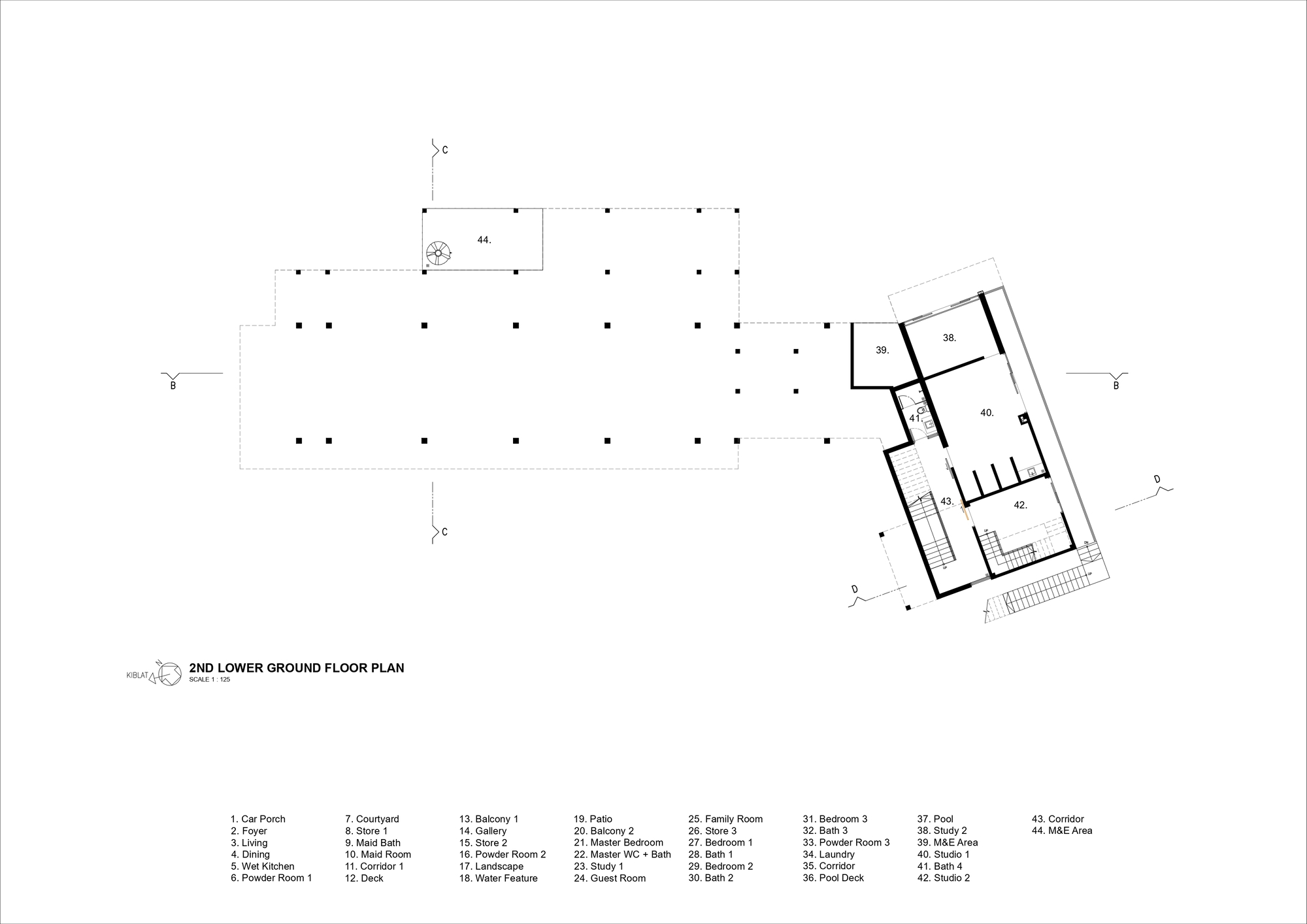
The Rainforest Residence #architecture Architects: Choo Gim Wah Architect Area: 4466 m² Year: 2025 Photographs: Lawrence Choo, Pixelaw Photography Lead Architects: Architect Choo Gim Wah City: Bentong Country: Malaysia
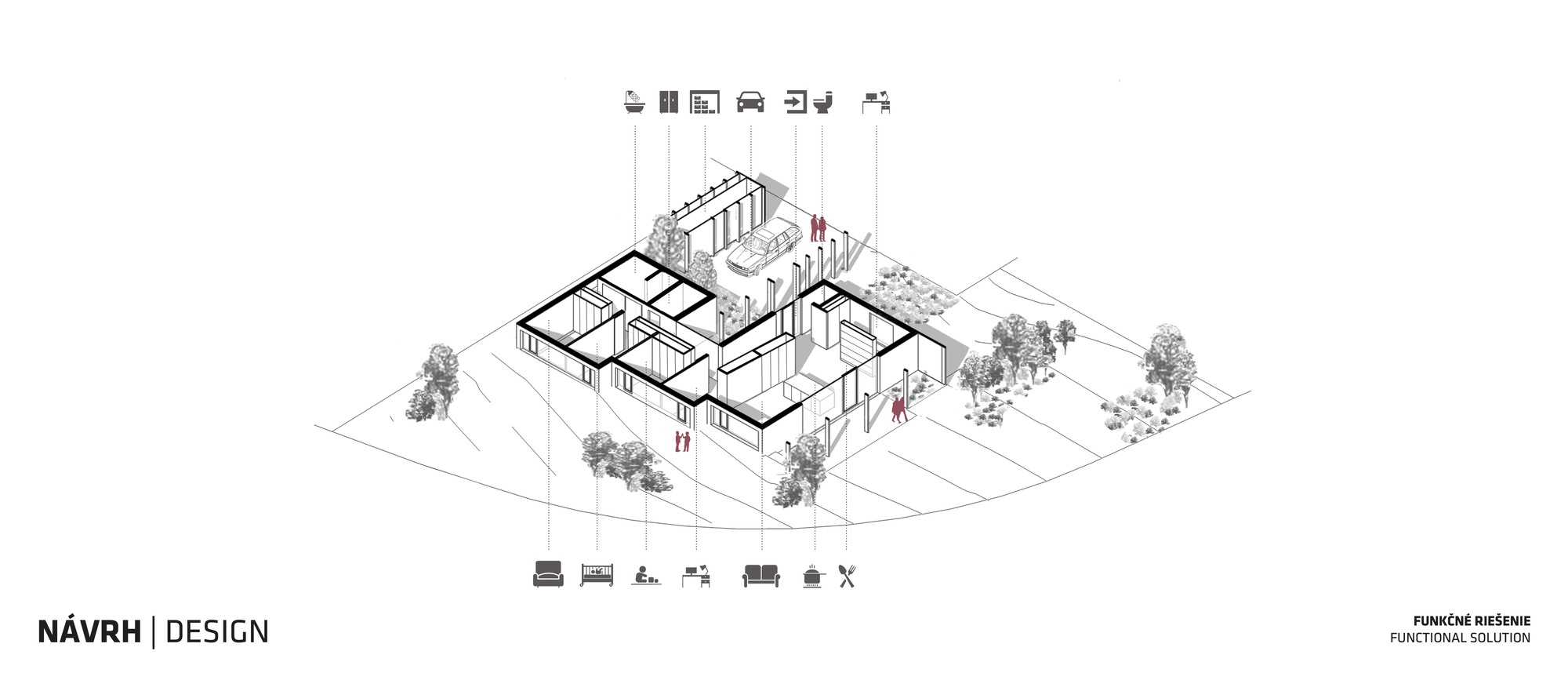
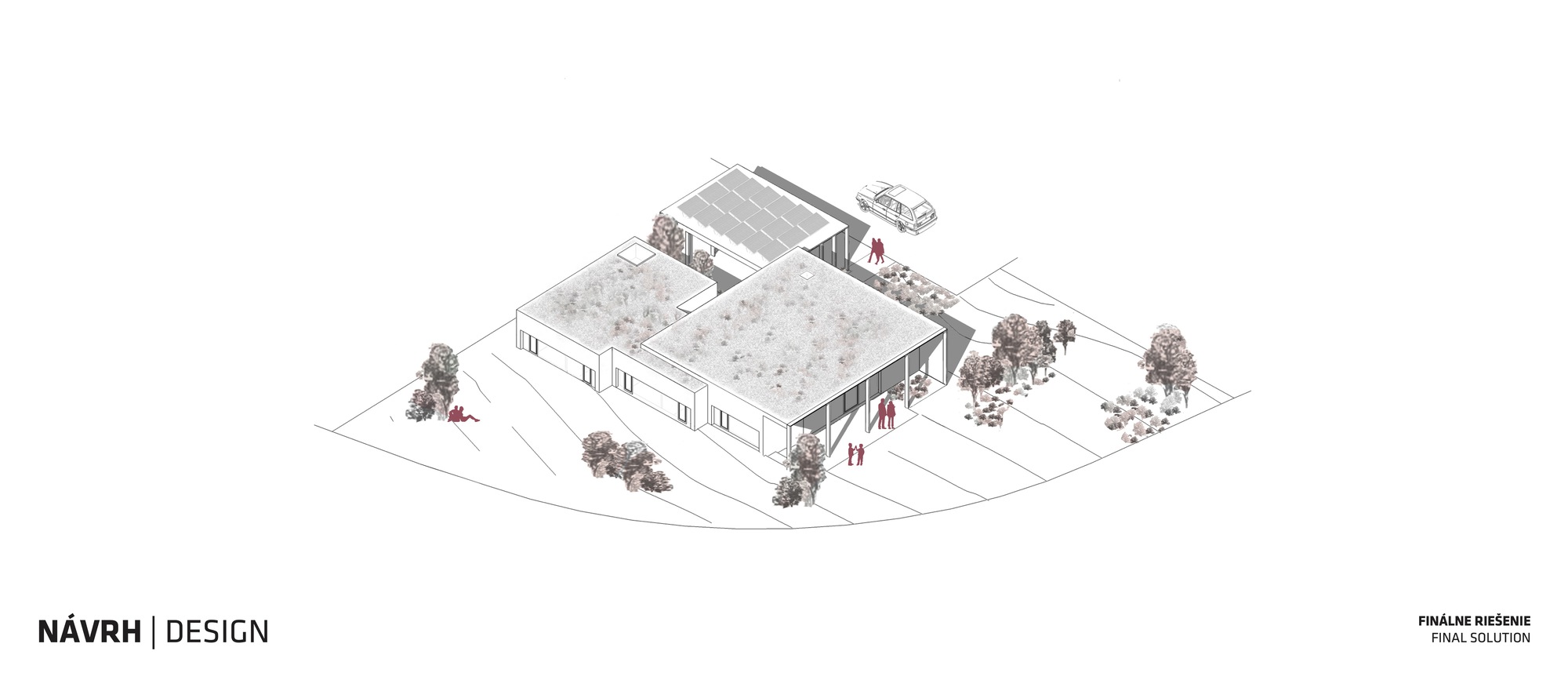
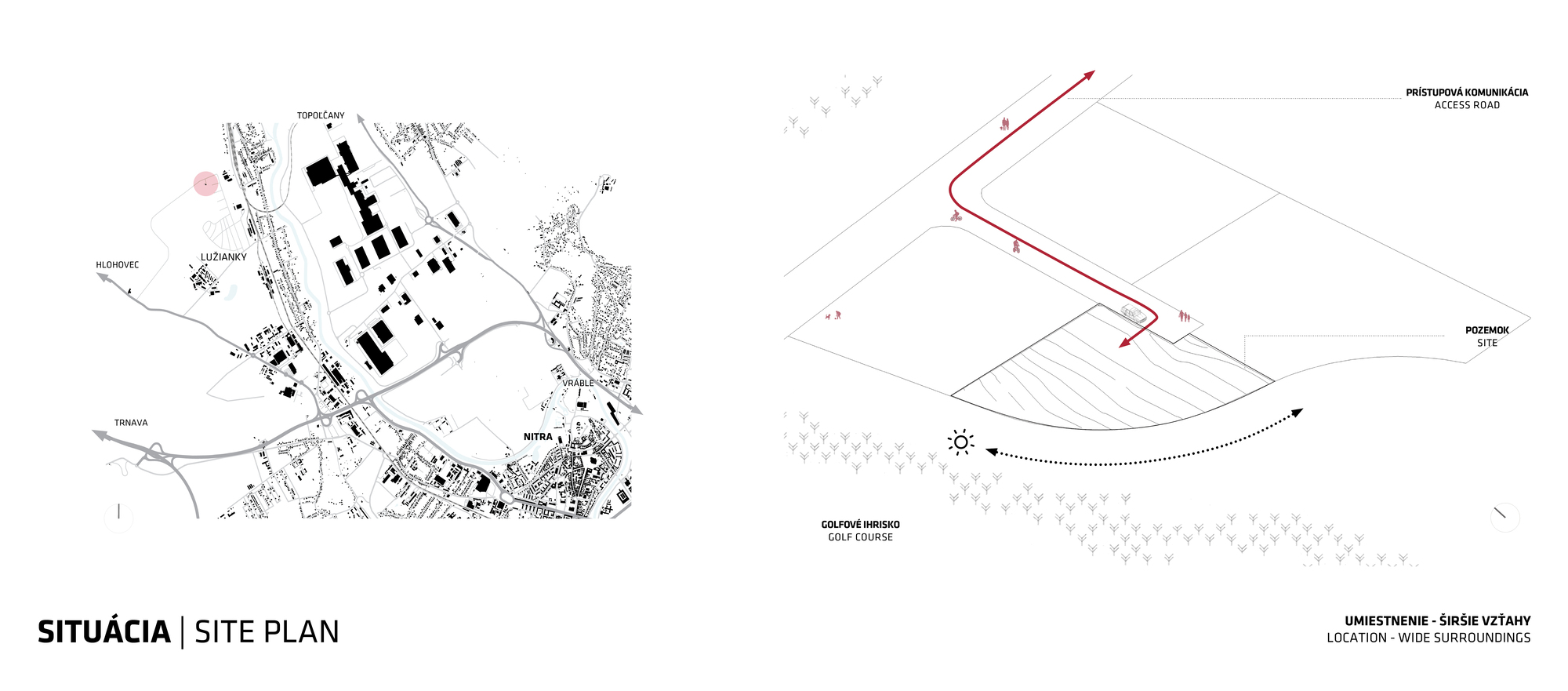
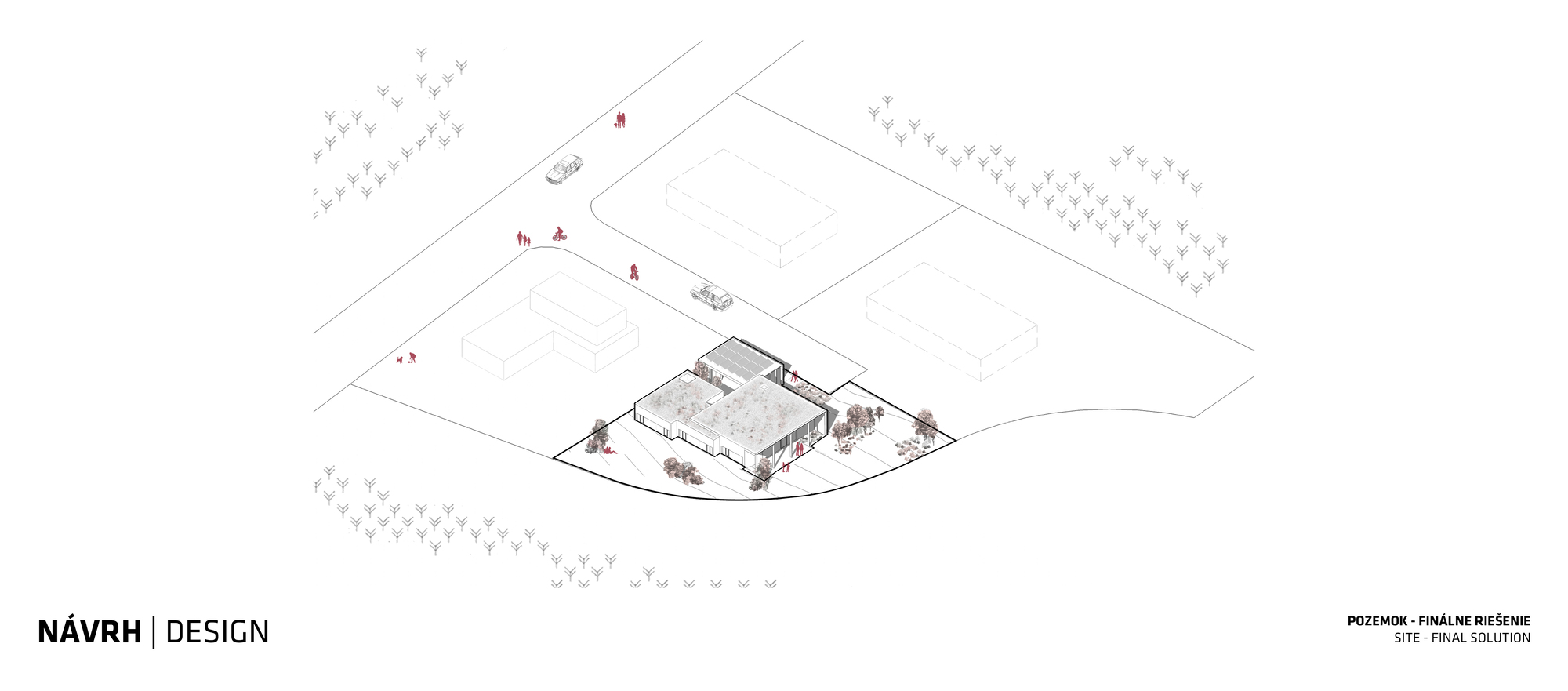
Rdom 2 House #architecture Architects: Šercel Švec Area: 266 m² Photographs: Tomáš Manina Lead Team: Andrej Švec, Peter Šercel Design Team: Jakub Kypus, Andrea Prievalská City: Lužianky Country: Slovakia
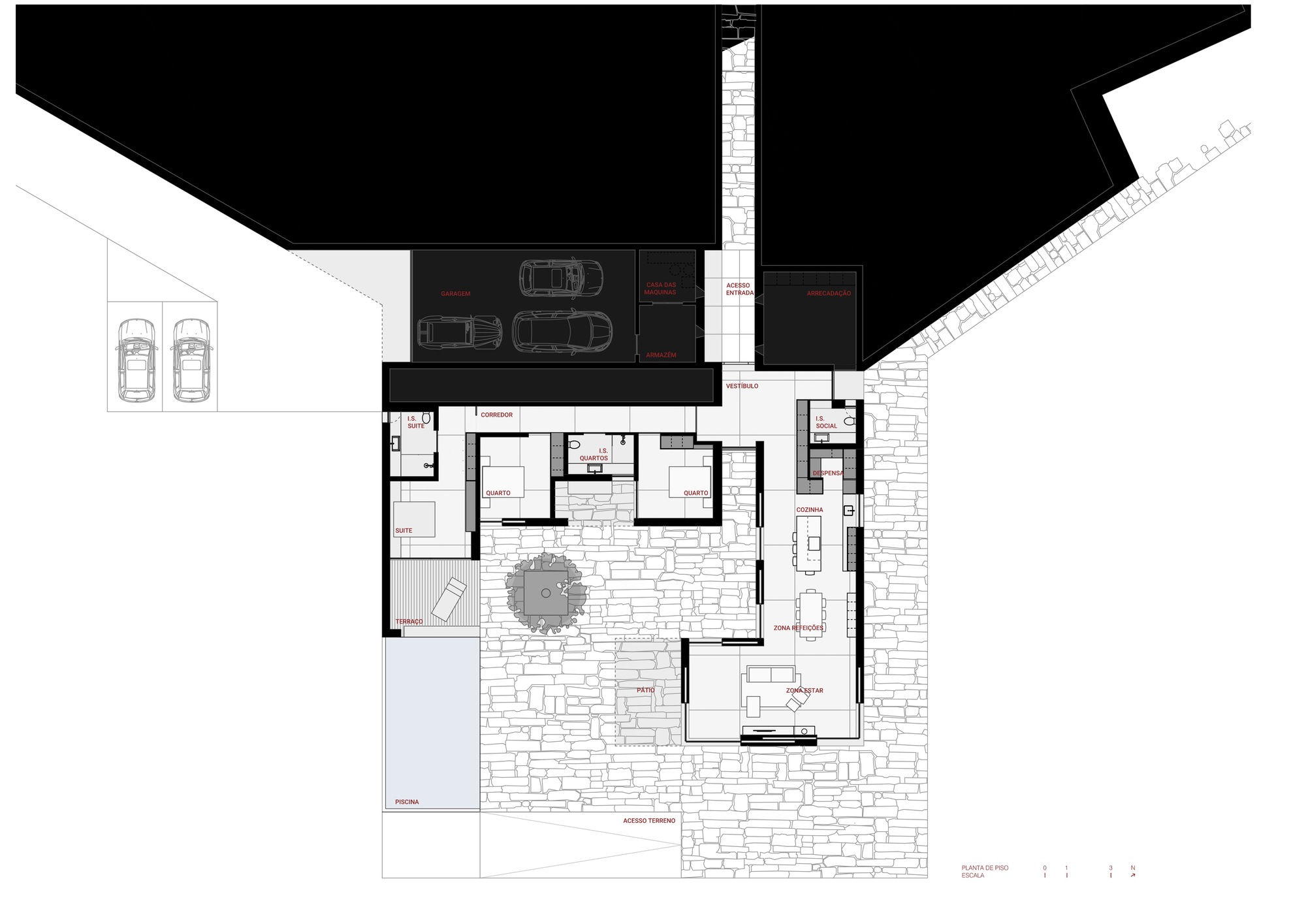
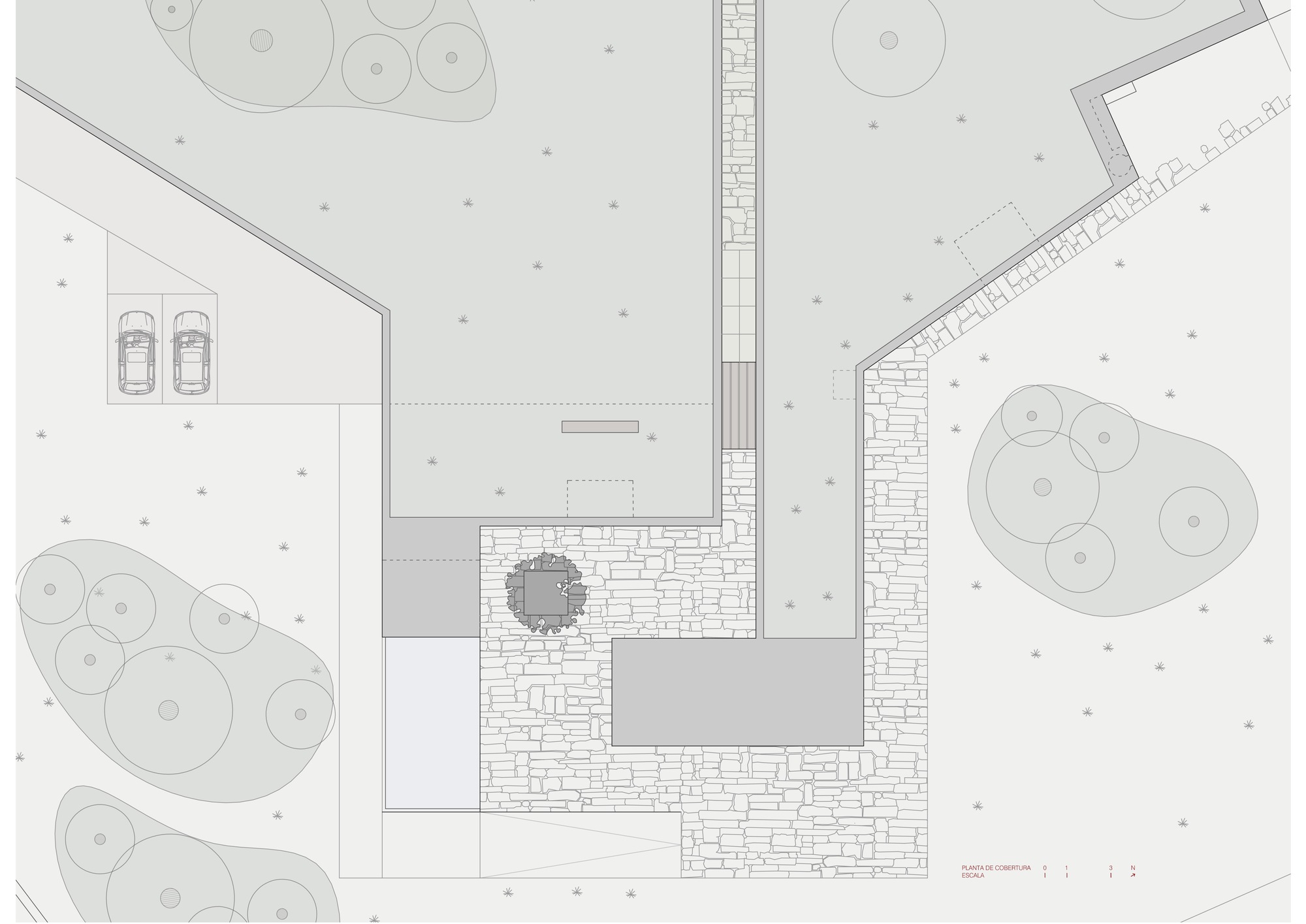
Levada House #architecture Architects: Tsou Arquitectos Area: 3229 ft² Year: 2024 Photographs: Ivo Tavares Studio Lead Architect: Tiago Tsou Country: Portugal
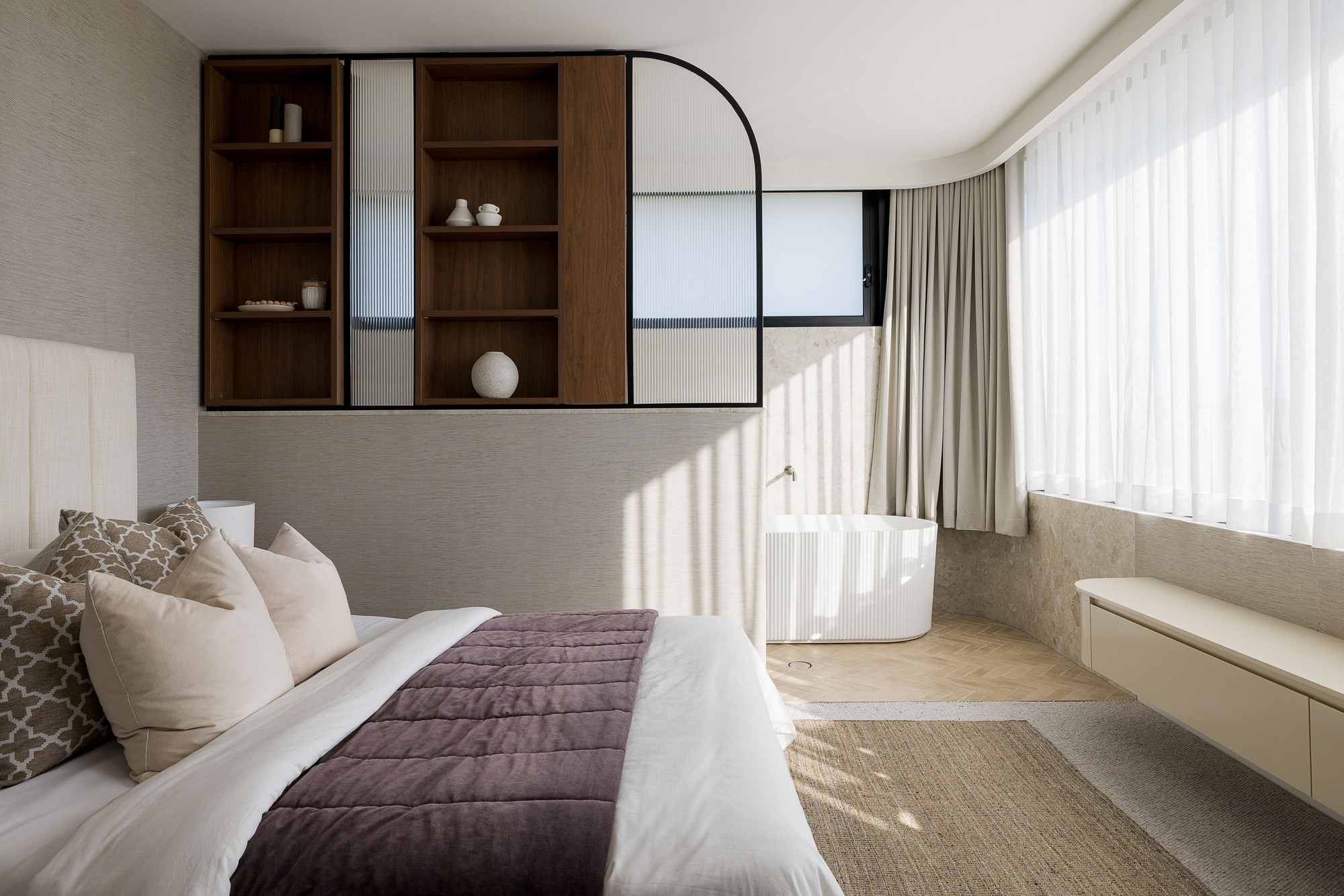
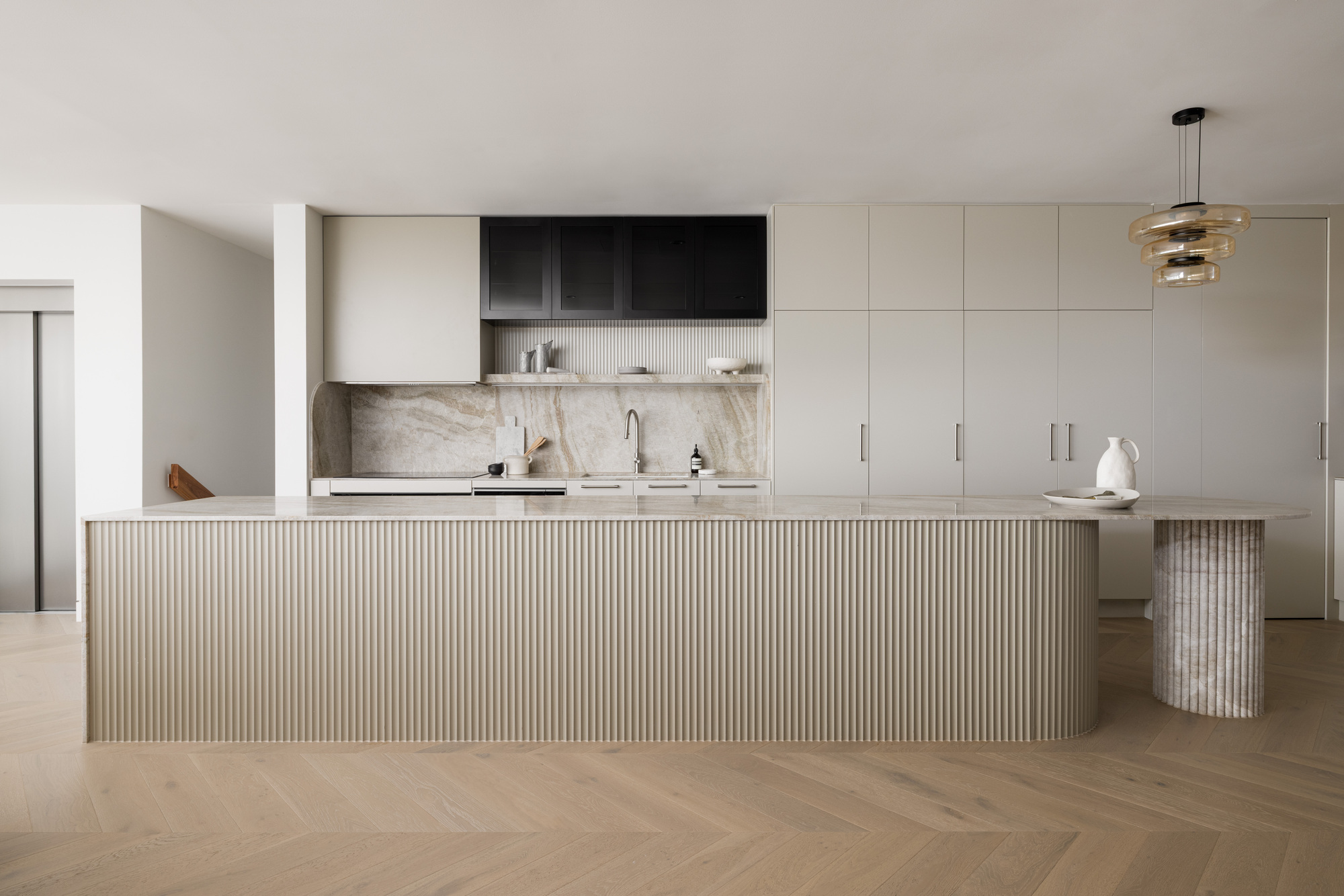
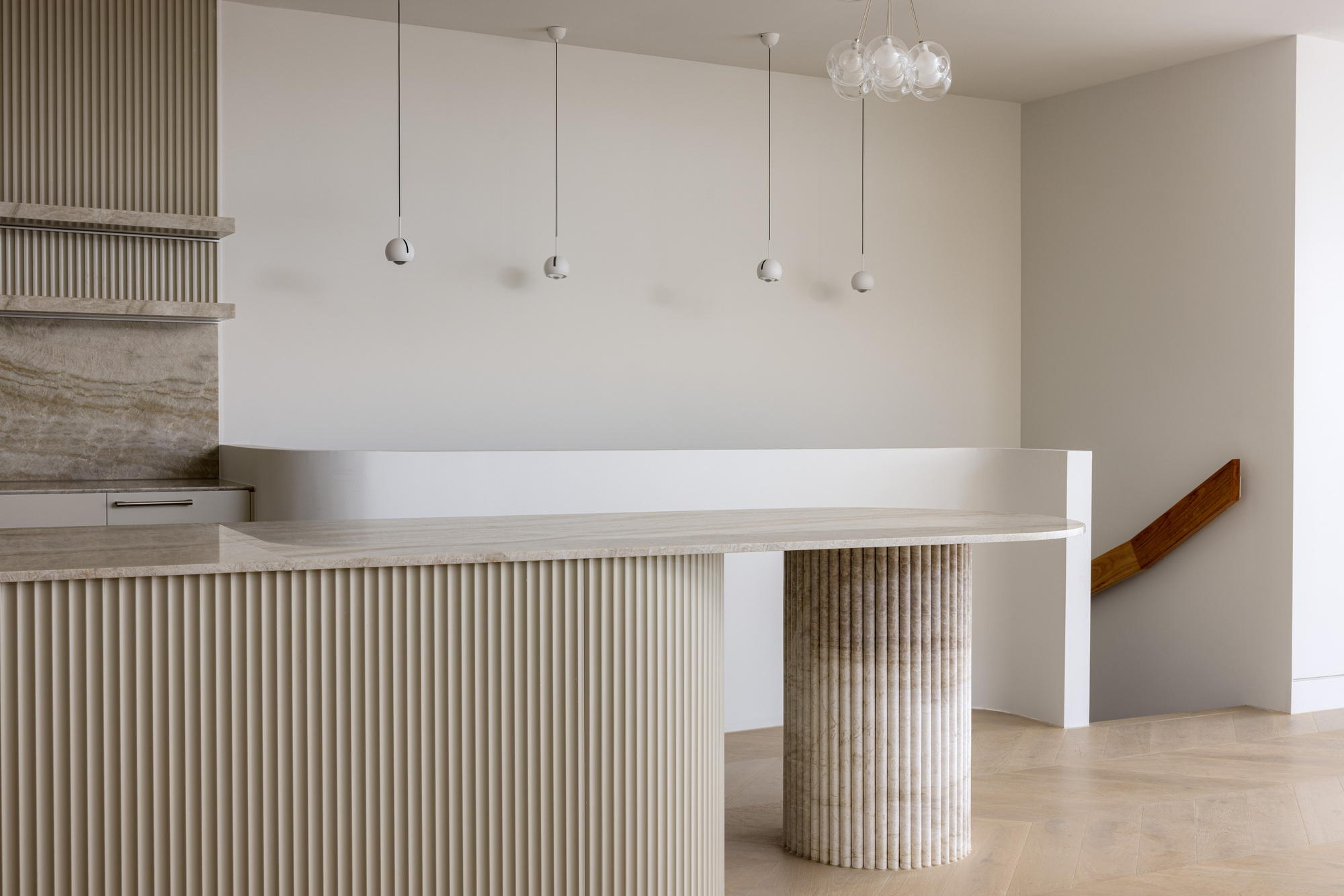
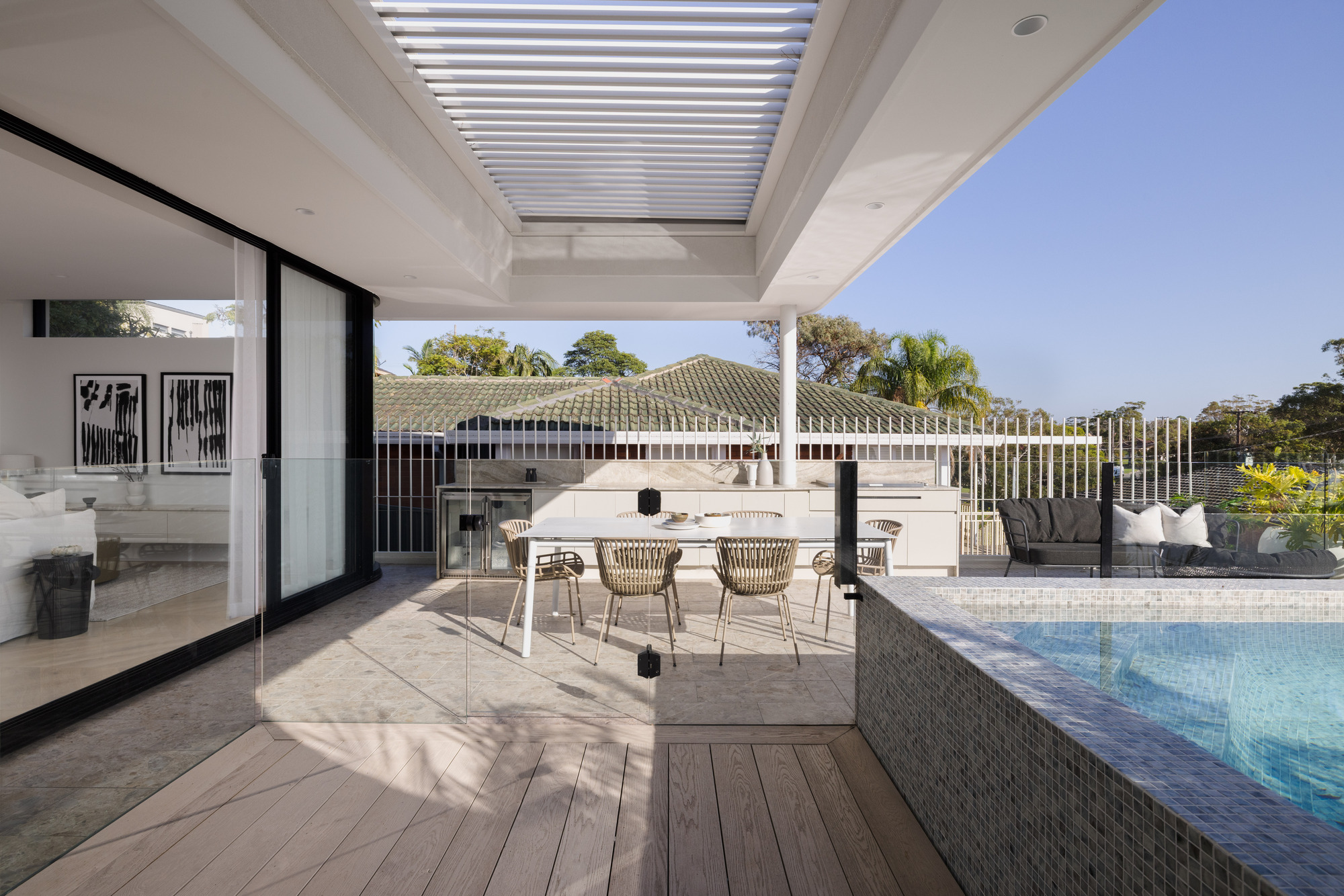
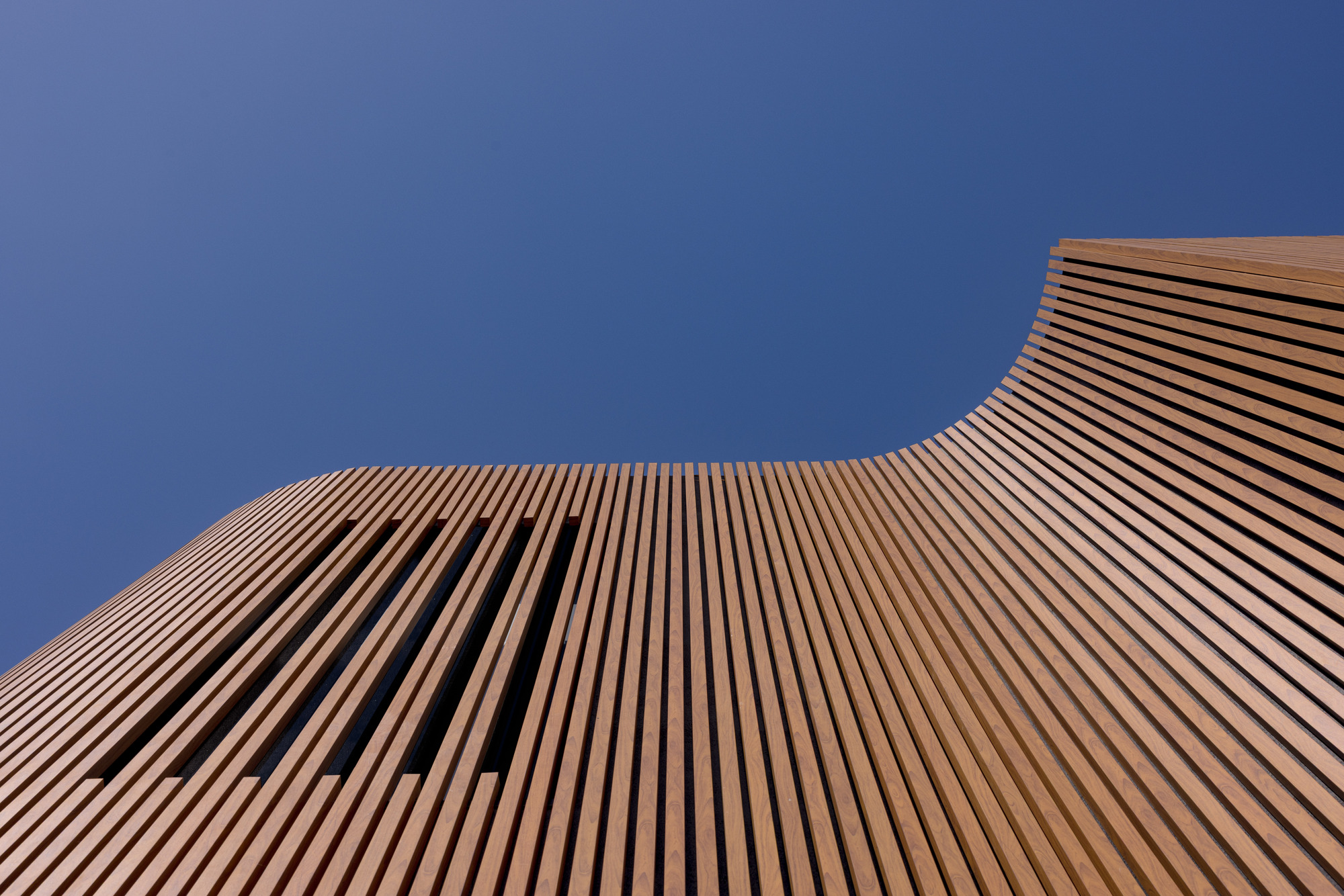
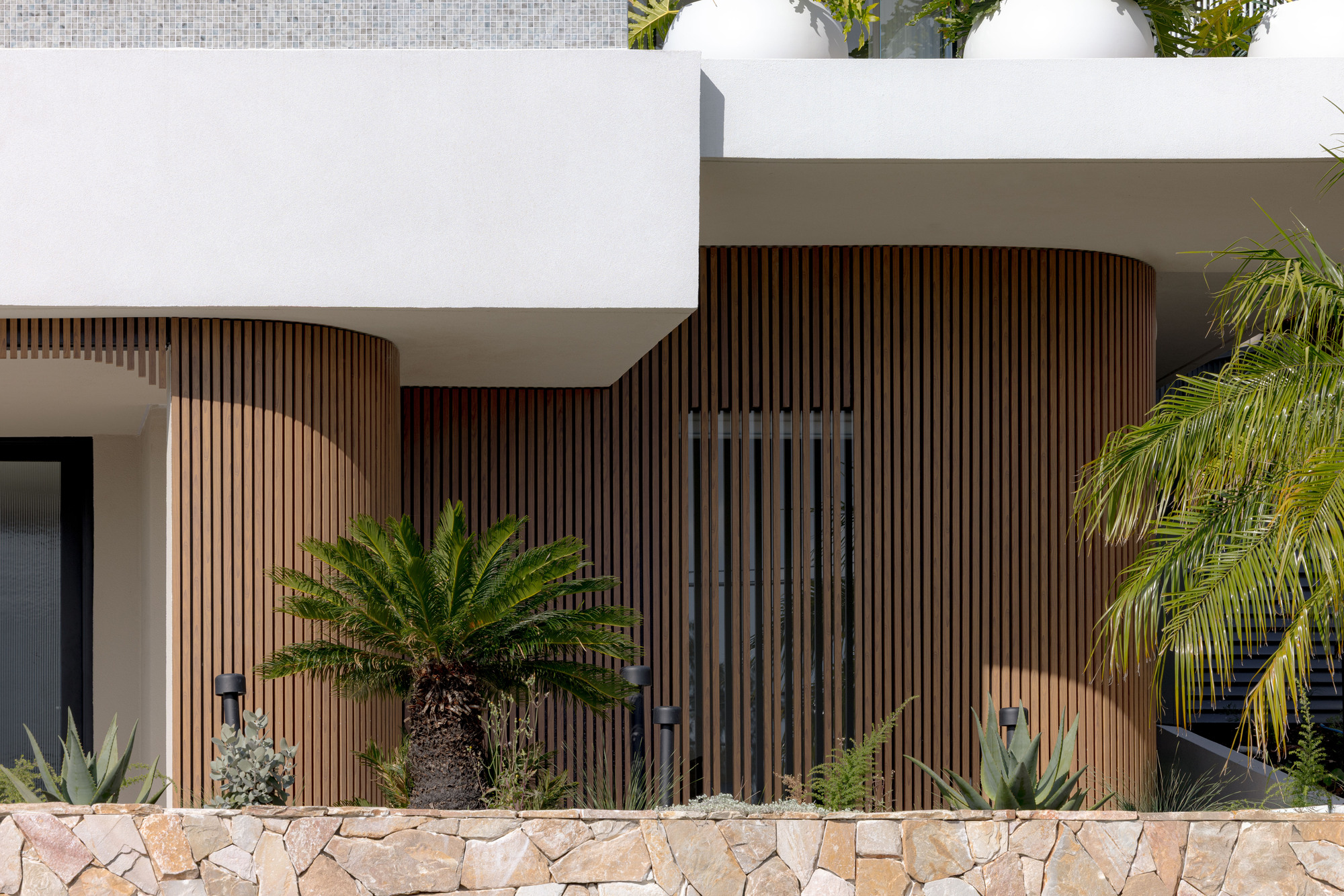
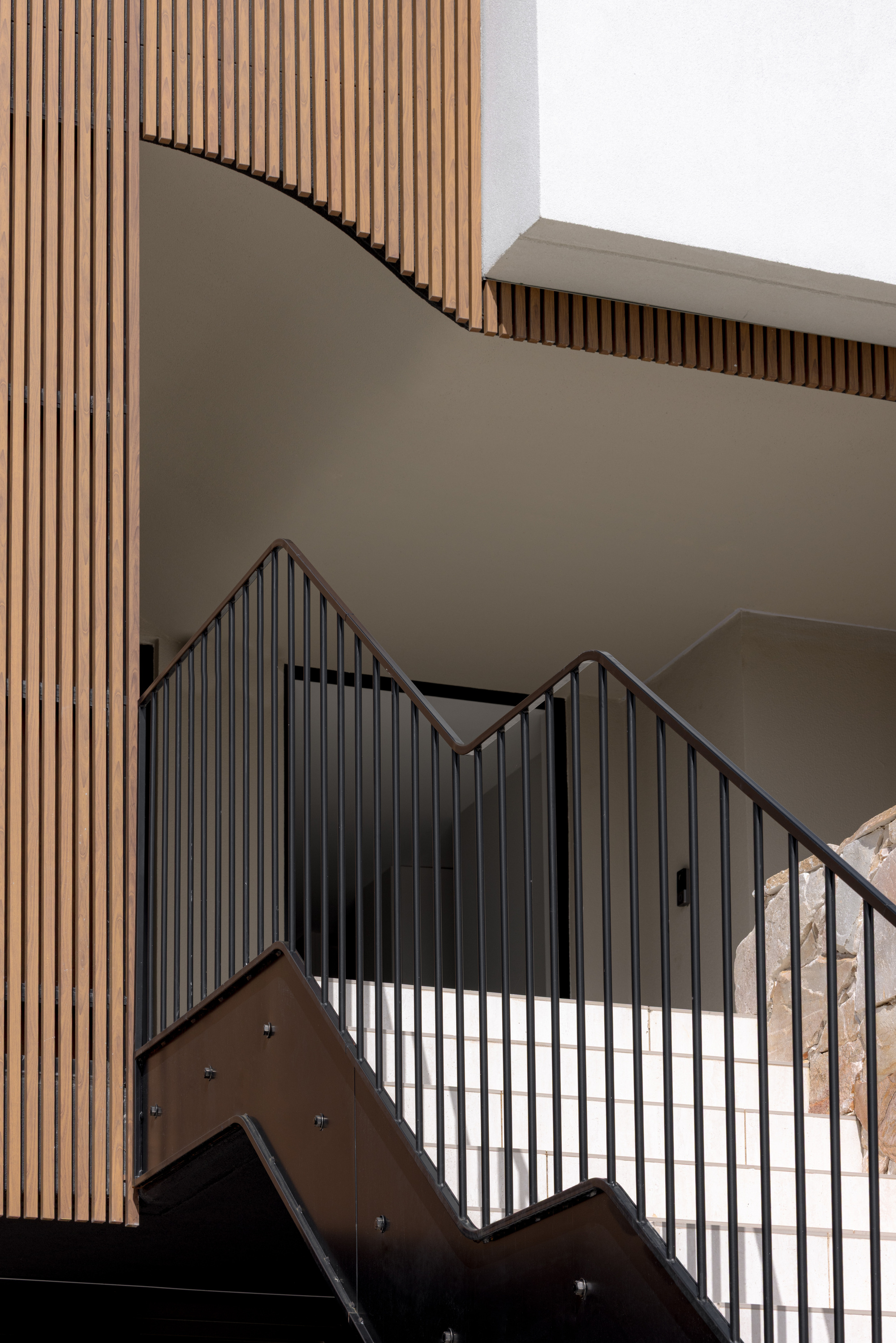
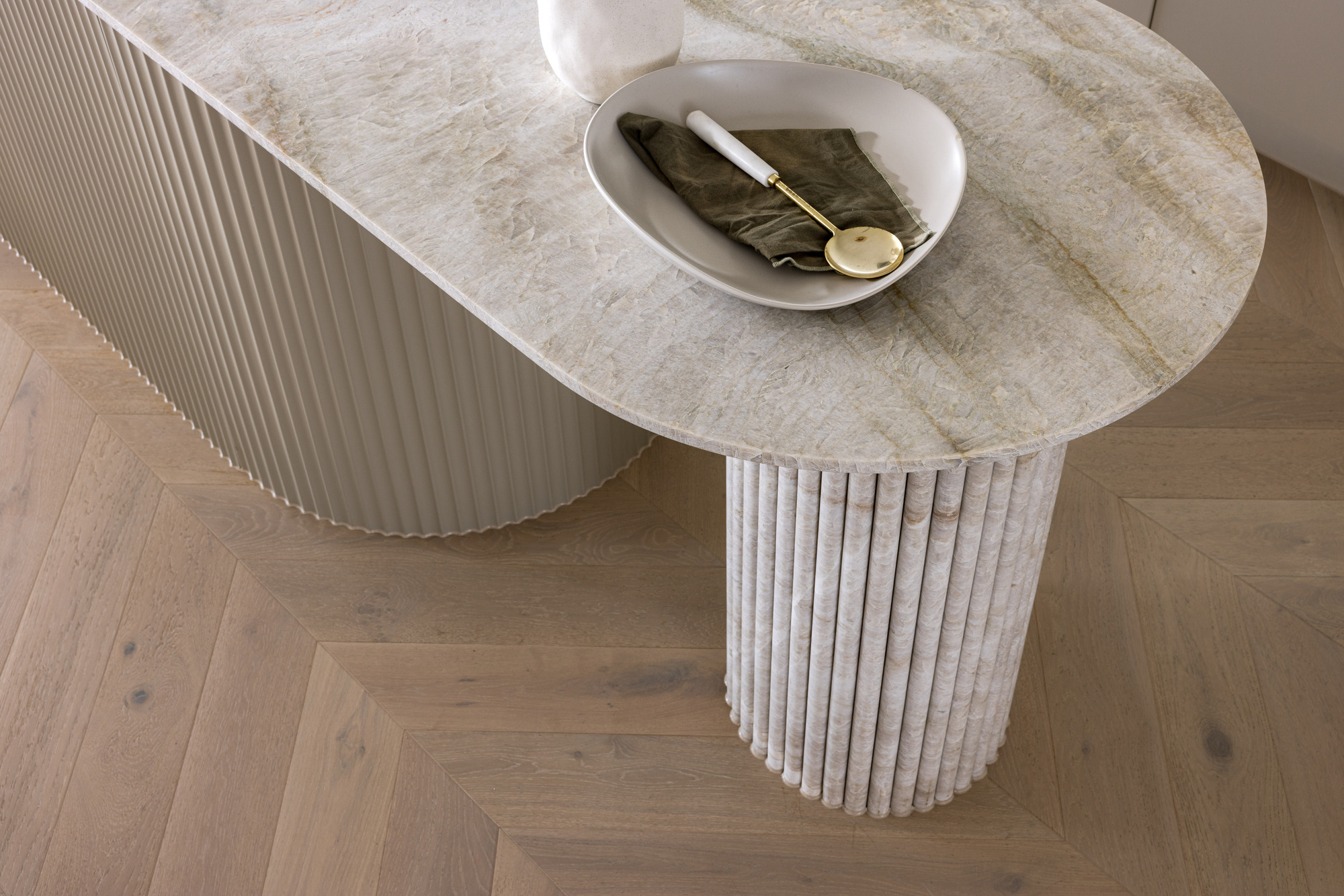
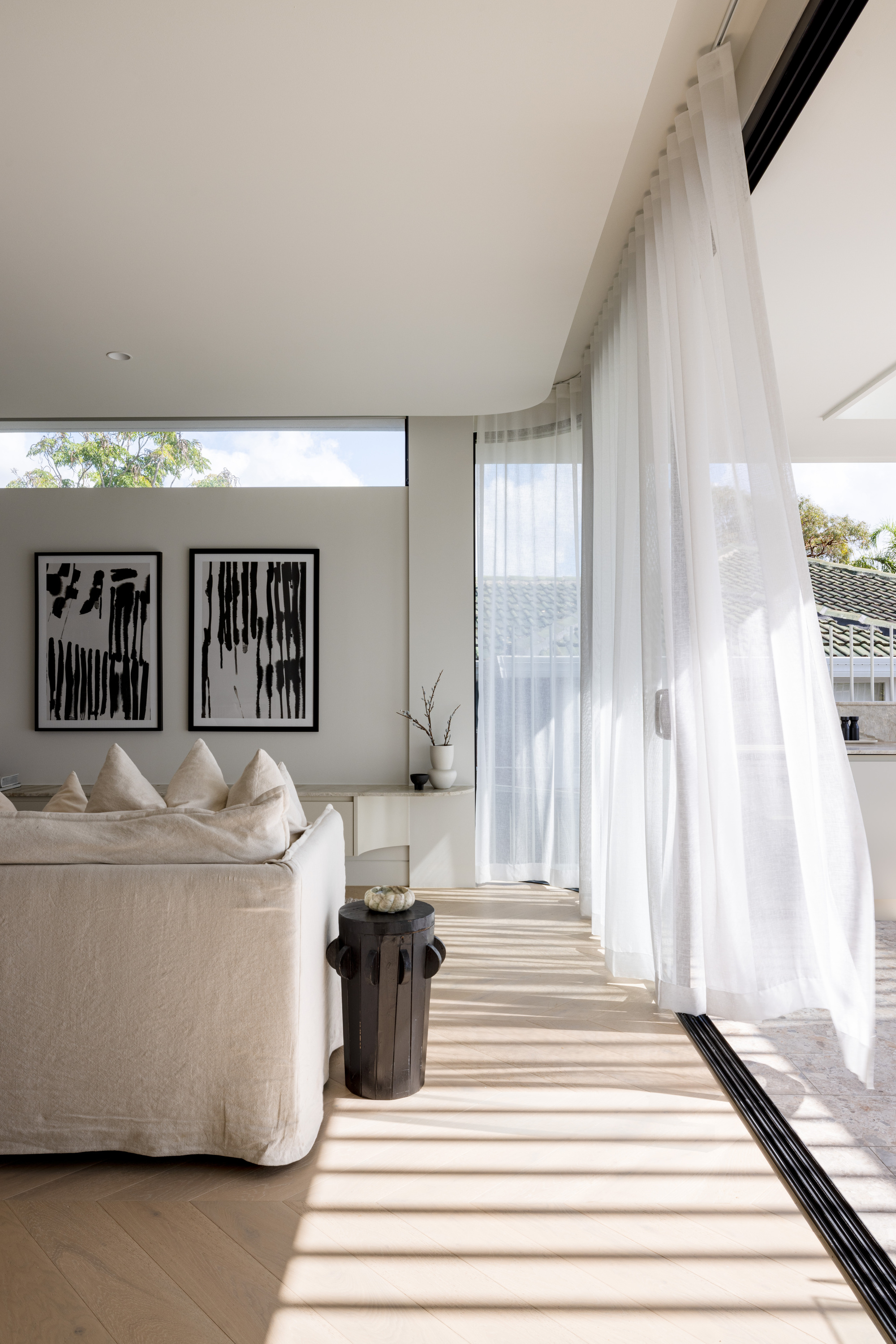
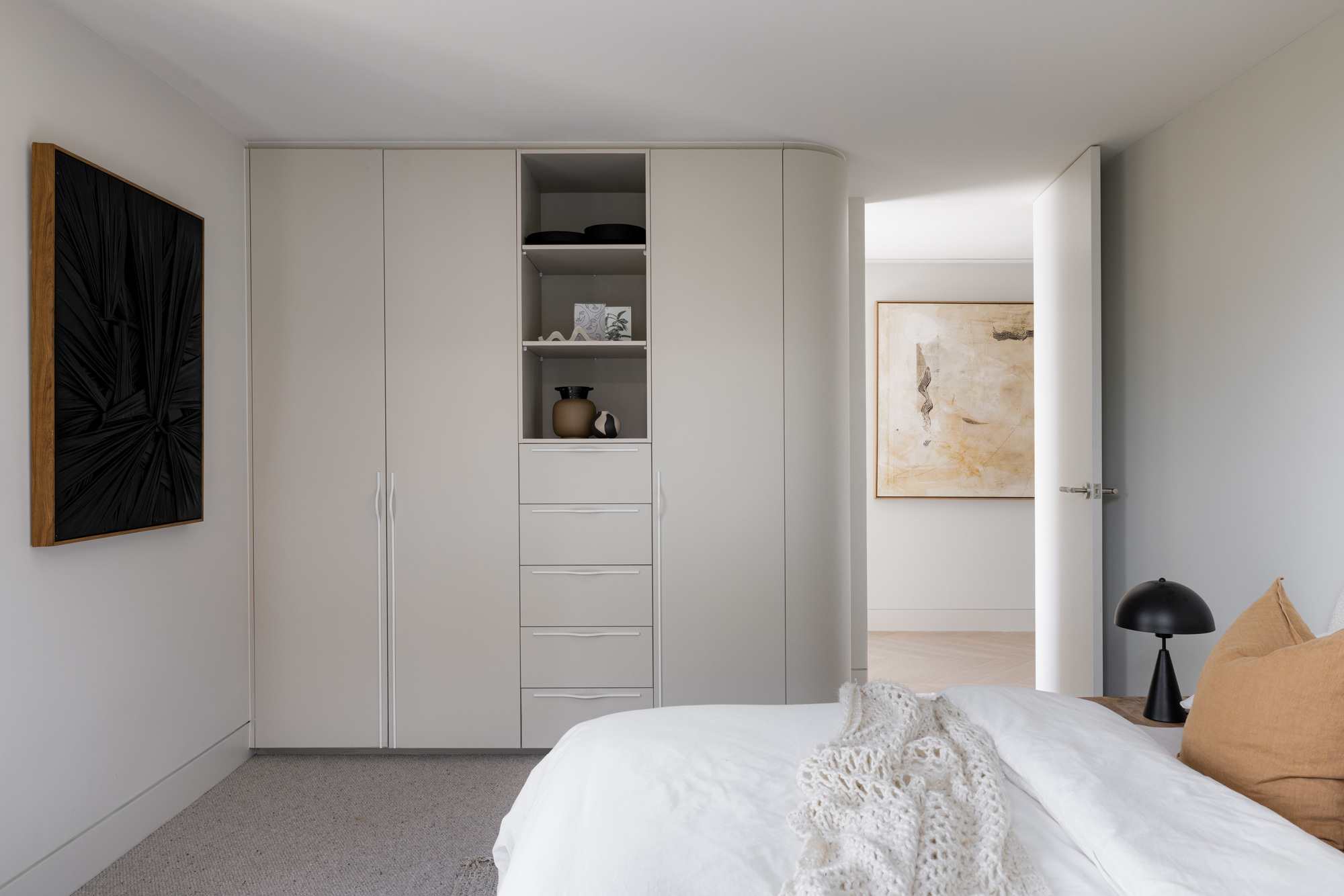
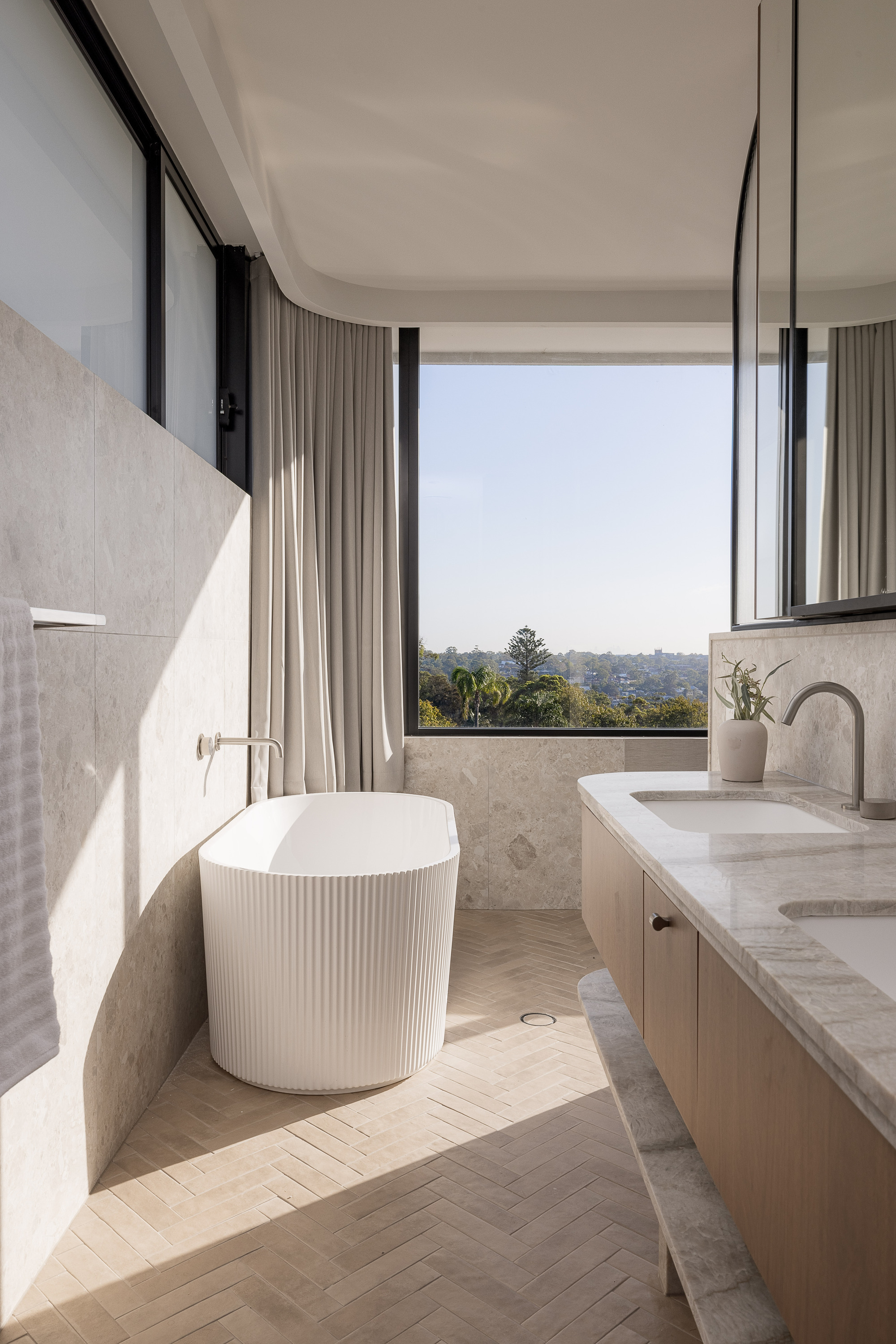
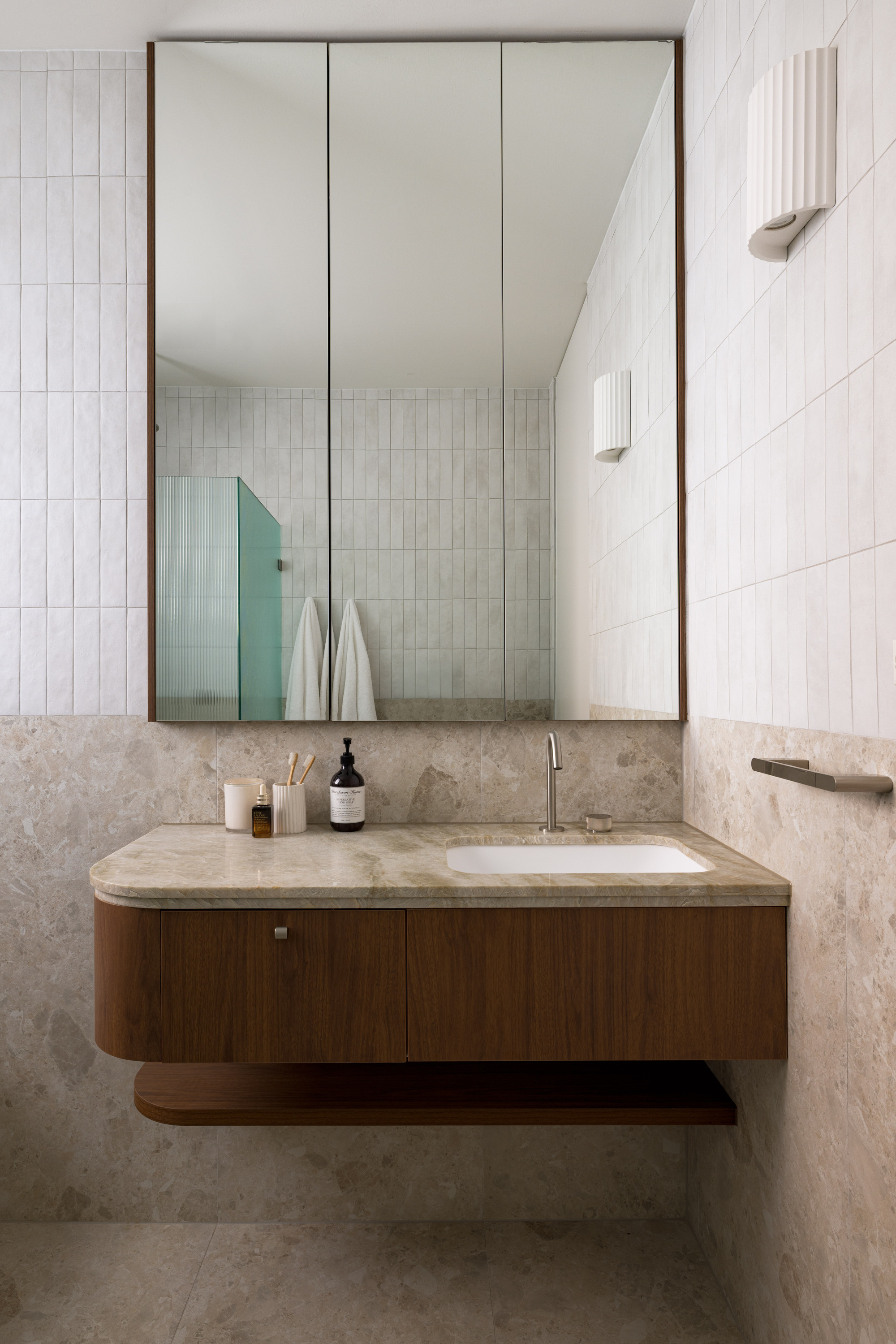
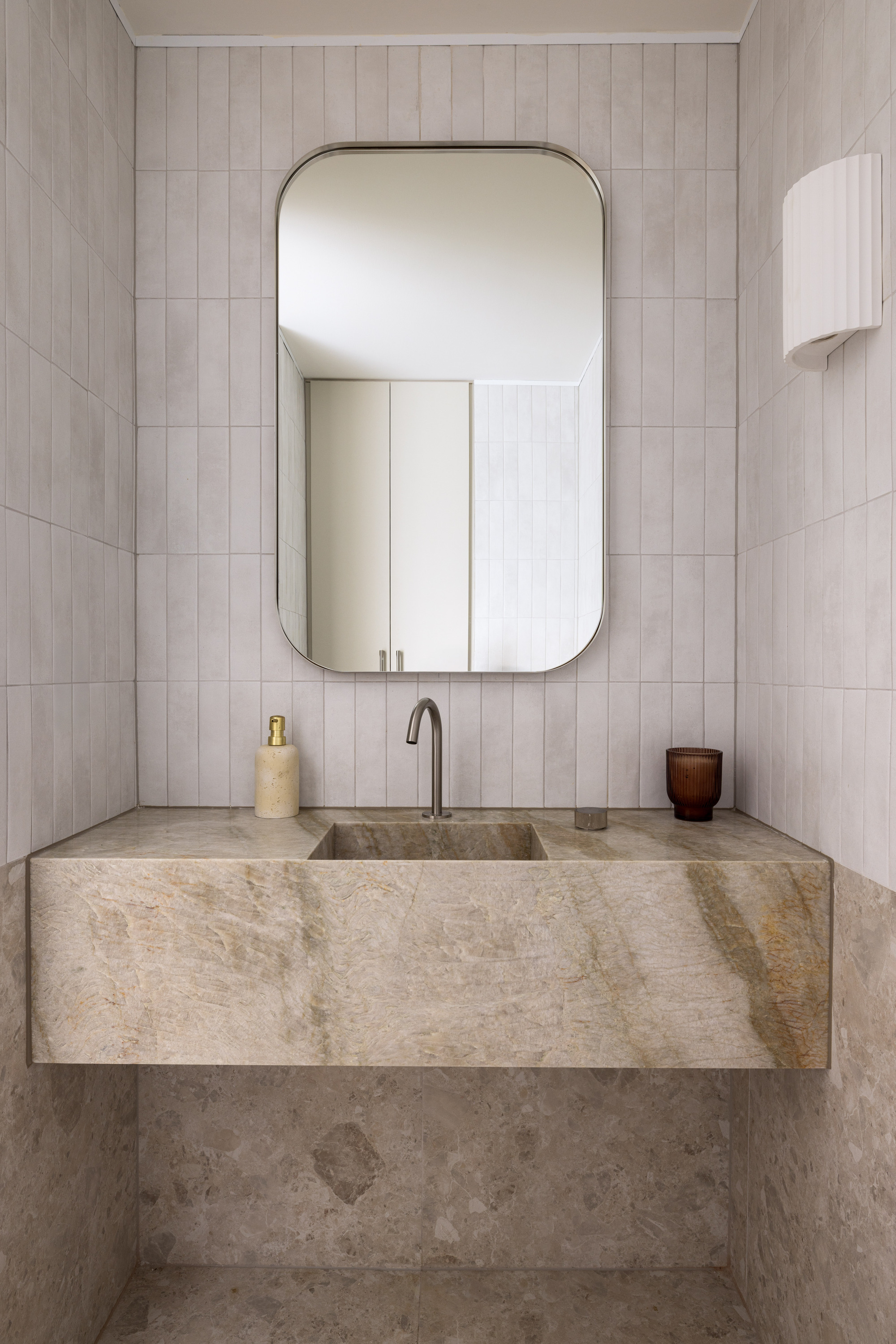
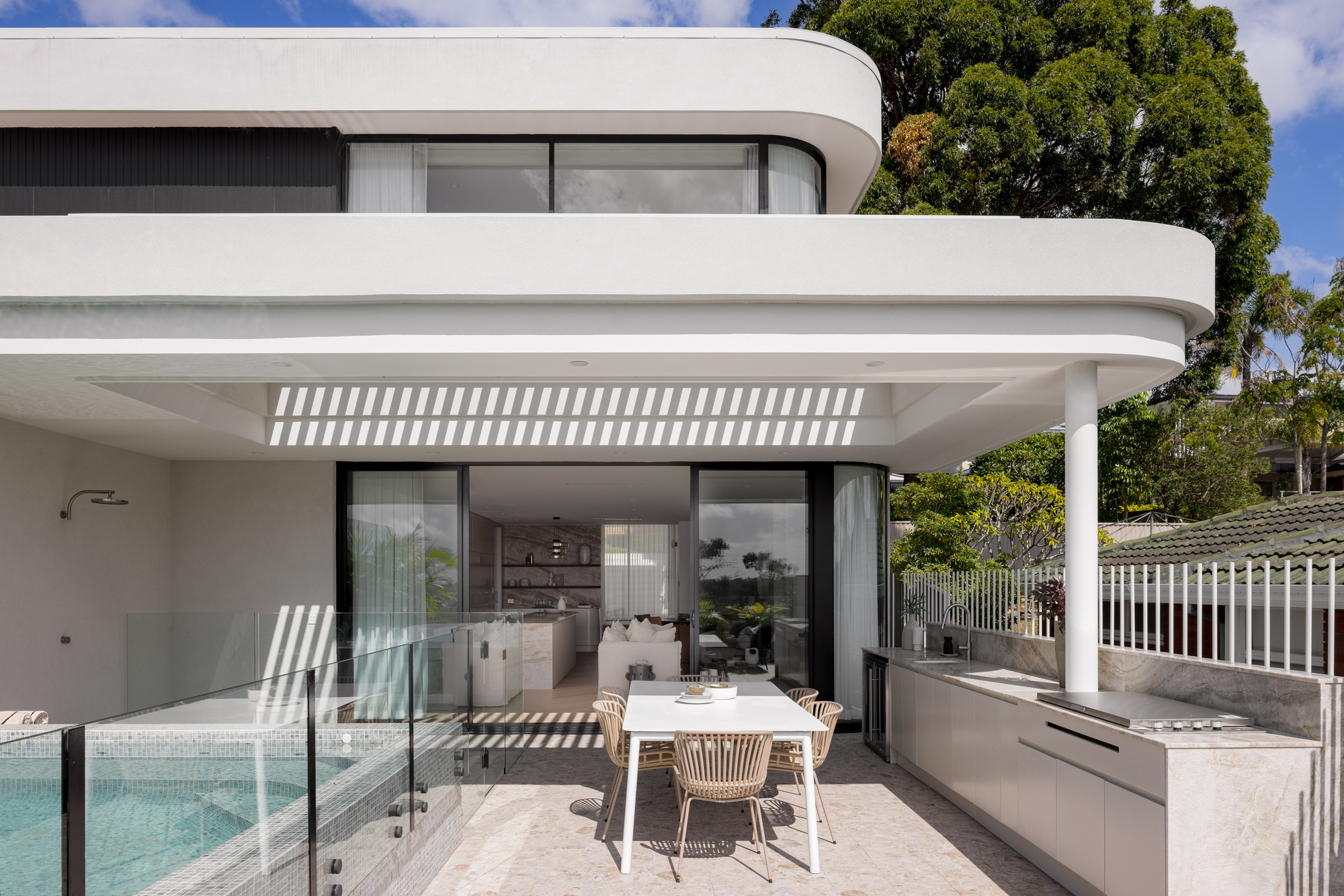
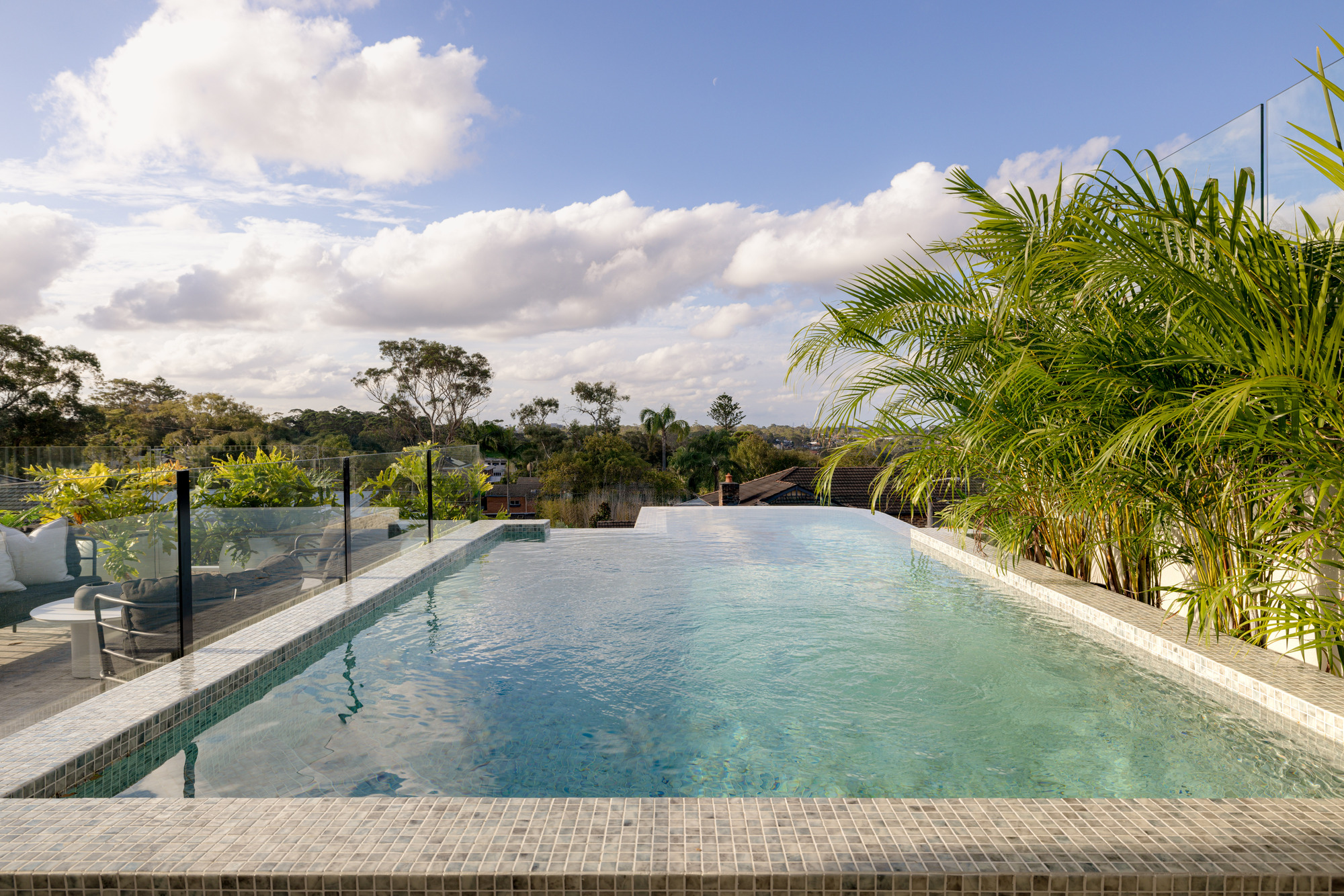
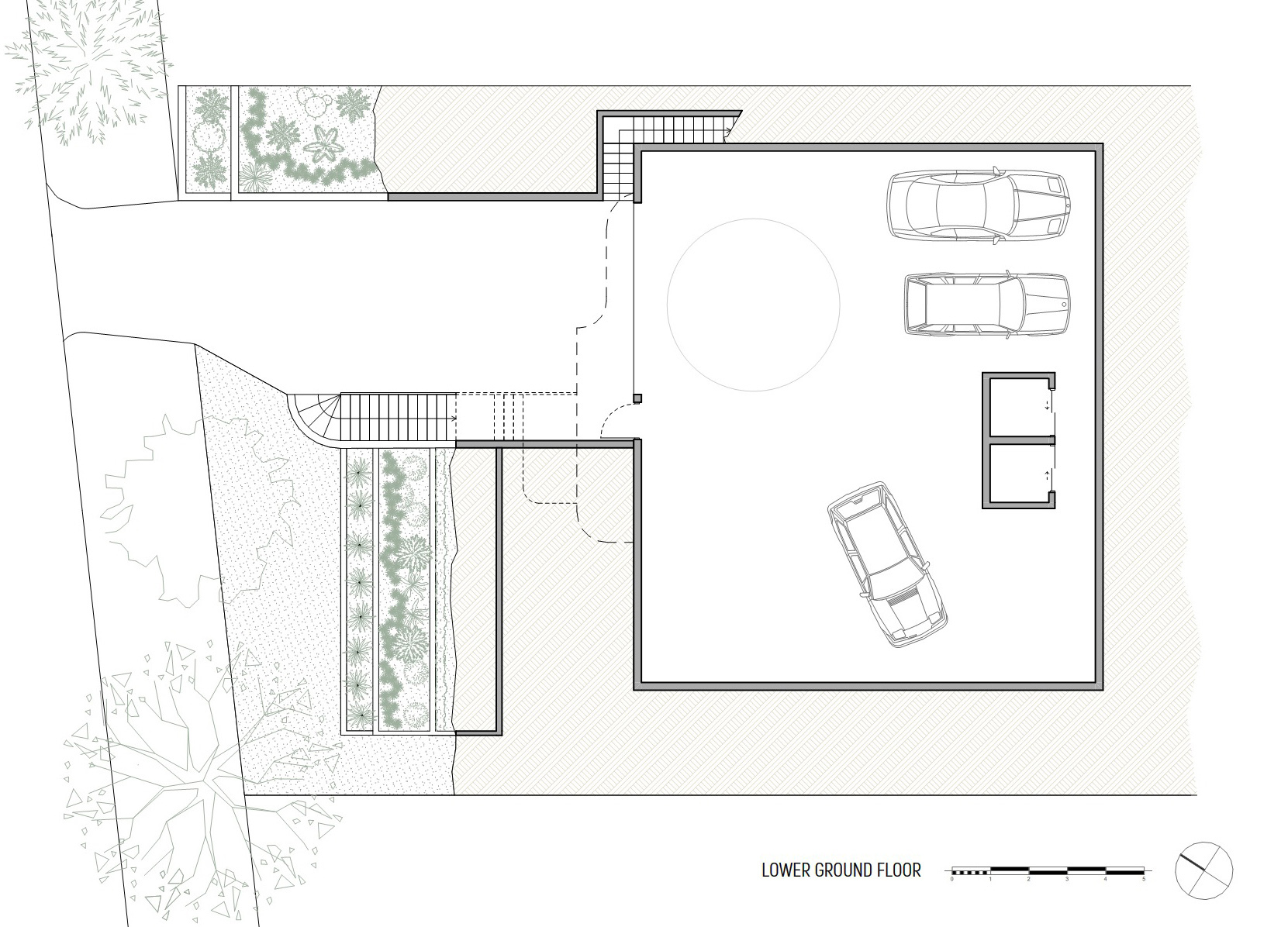
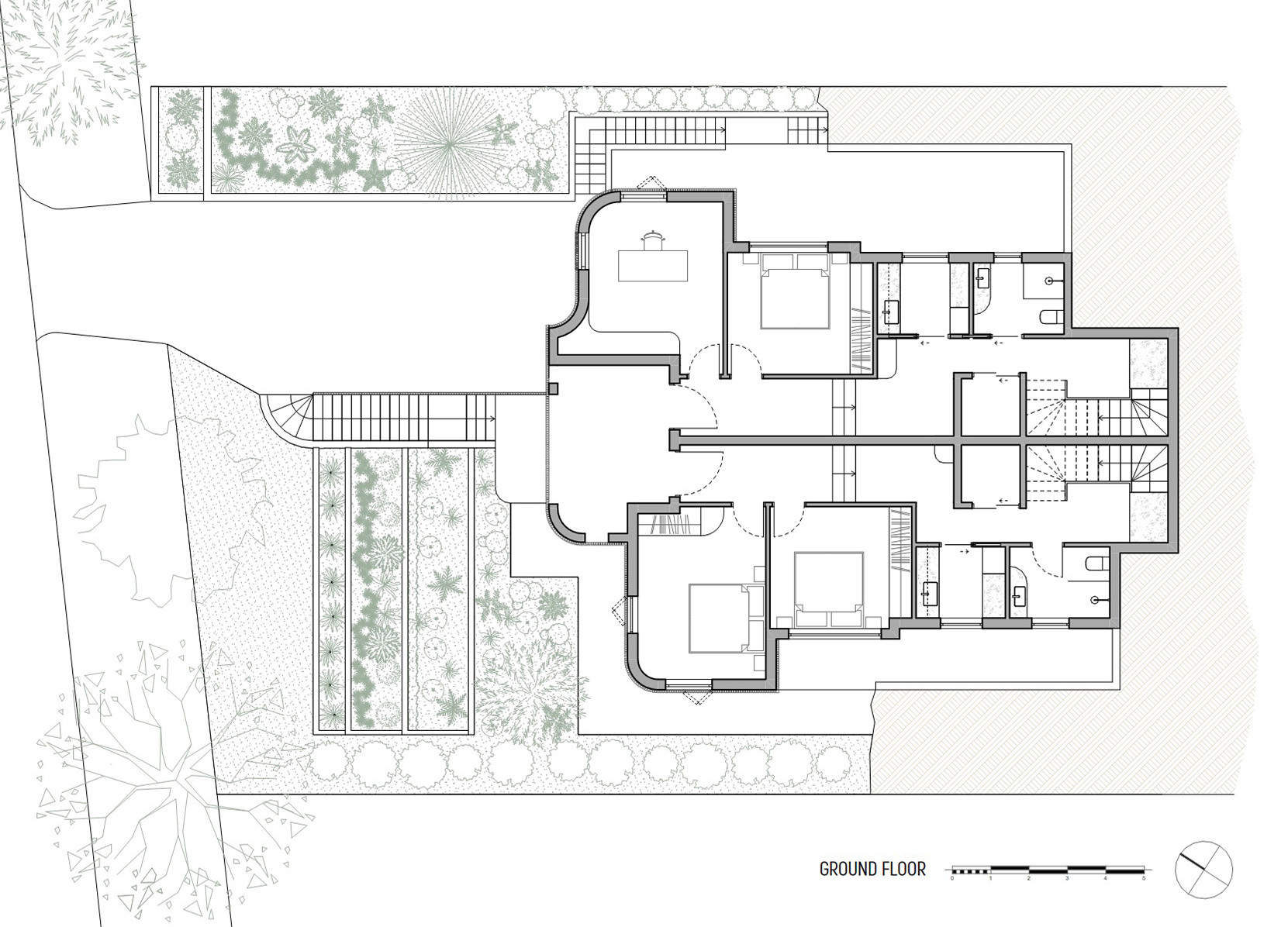
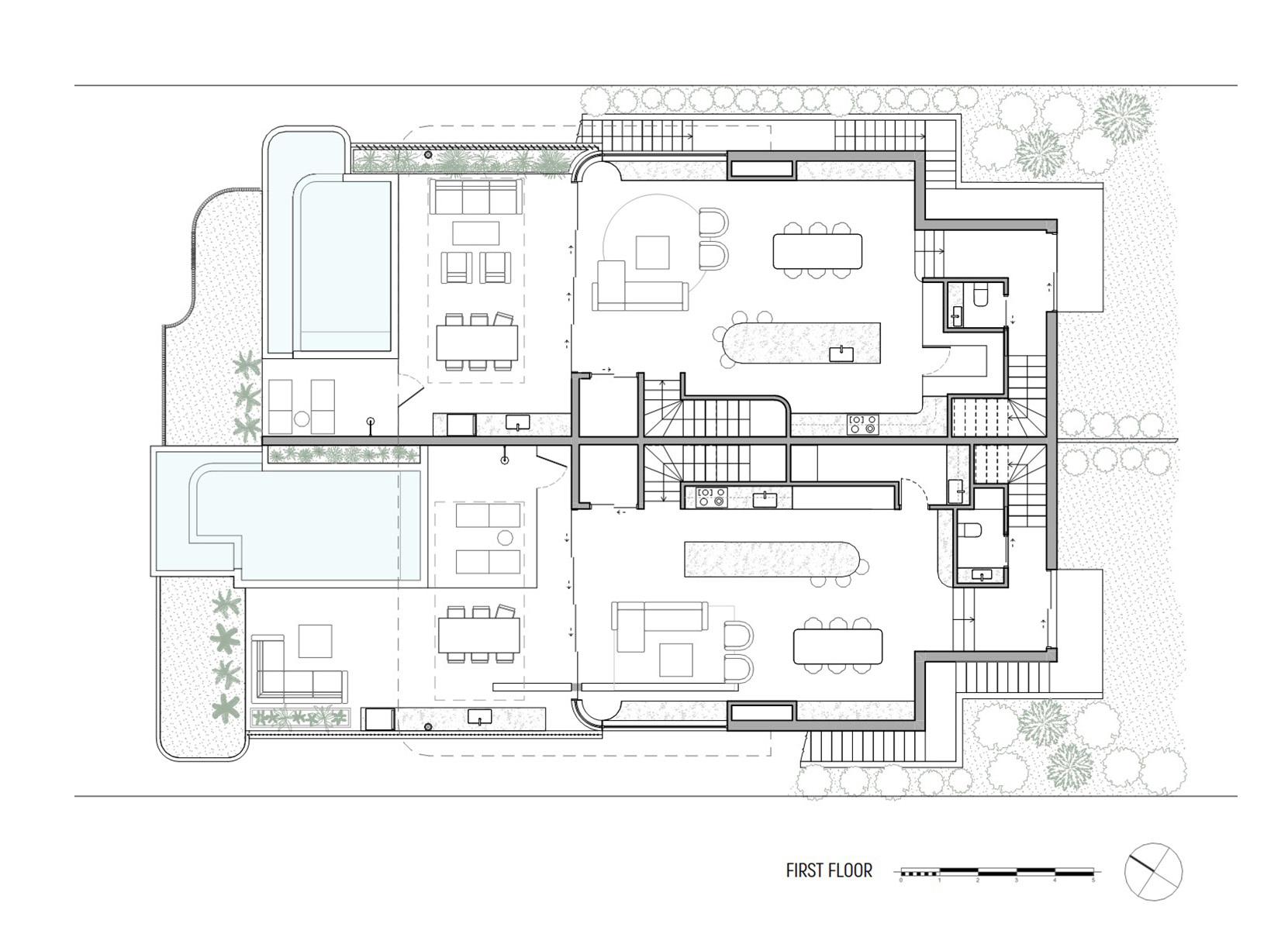
Flying Fox House #architecture Architects: George Banks Architecture Area: 550 m² Year: 2024 Photographs:Sebastian Mrugalski Lead Architects: Gorgi Gulevski Country: Australia Nestled in a bay-side suburb in Sydney, Flying Fox extends at the top of a sloped site that peers over the bay. The project's aim was to create a home that captures the northern sun and views of the bay. To address this, a large outdoor space featuring a swimming pool, outdoor living, and a kitchen was situated at the front of the site. This home layers a series of spaces that cascade along the sloped site, allowing views from the different parts of the building. The outdoor space serves as the core of the home, which connects to the main living areas. The bedroom levels are placed below and above this level, with a private office and bathrooms throughout. The client wanted to have a suspended pool that looks directly over the bay and can be accessed from the main living areas and connect with the internal space. The challenge was to create a space that could connect to the living area and provide natural sunlight to this area. The typical suburban home in Australia features a large backyard where most of the outdoor activities occur, so we decided to flip this idea and provide a front-facing space that was able to fulfill the client's demands. Large doors and windows are used on the northern elevation to provide natural light to flow through the space whilst an operable roof allows the client to control the sun in the alfresco area. The curved features of the home soften the façade and juxtapose against the cascading rock garden beds at the front of the home. The curves are also reflected inside the home with curved ceiling spaces and fluted accents through the internal joinery items. The materials used provide warm and elegant tones with the use of oak floors, wool carpet, quartzite, and limestone. Concave profiles and curved shapes used in the interior reflect on the façades shape. The light and warm colour tones were chosen by the client and provide a tranquil and calming environment.
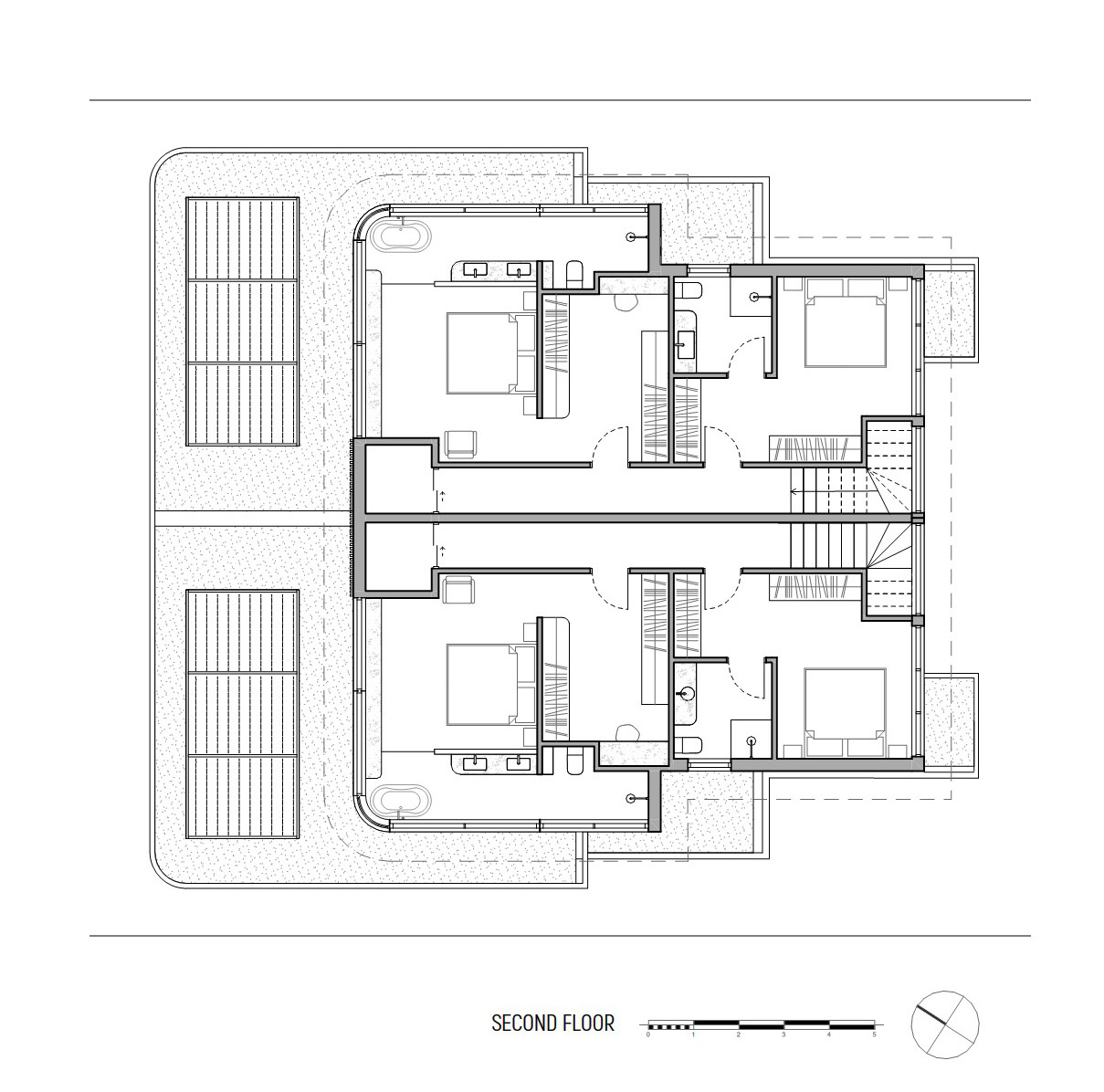
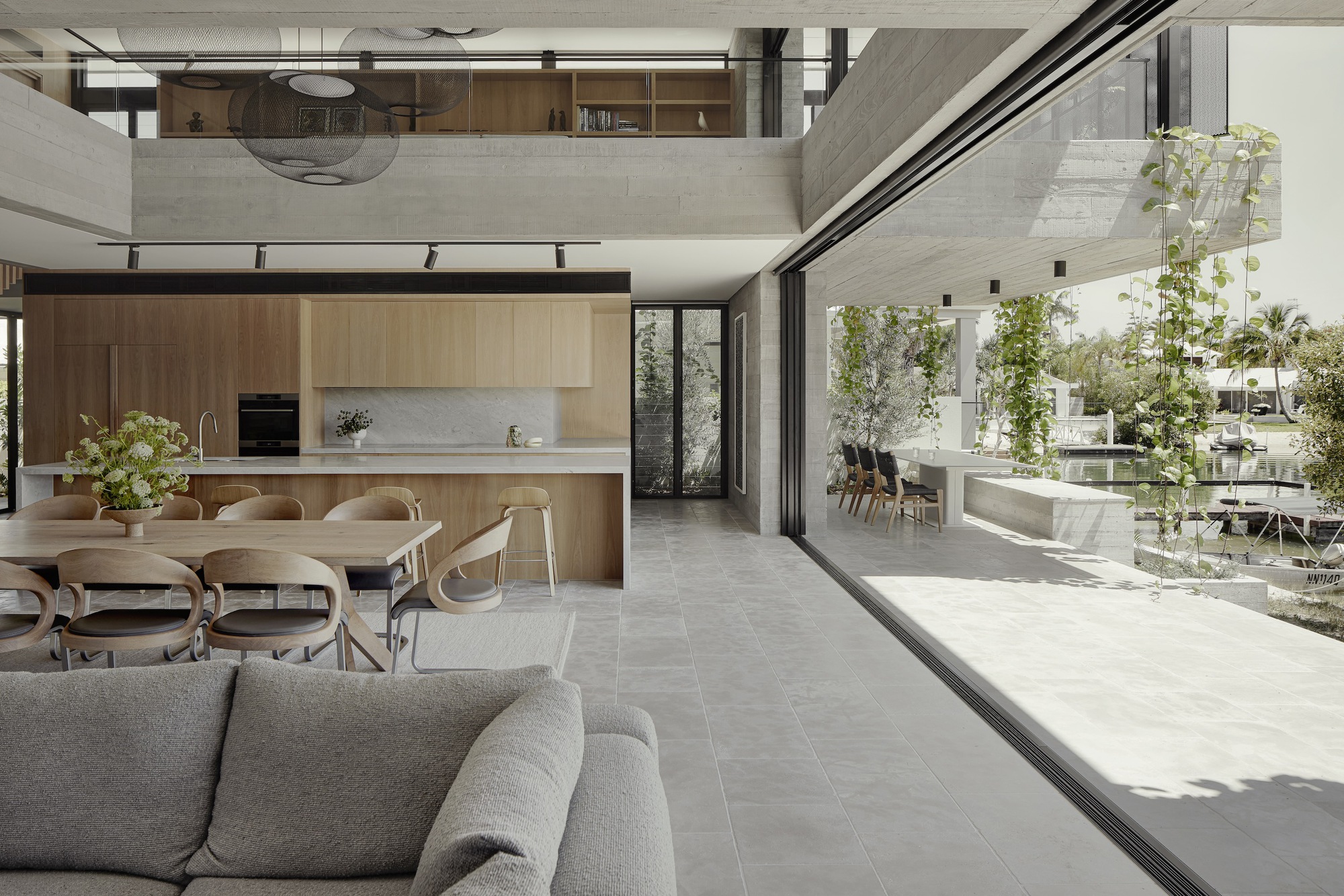
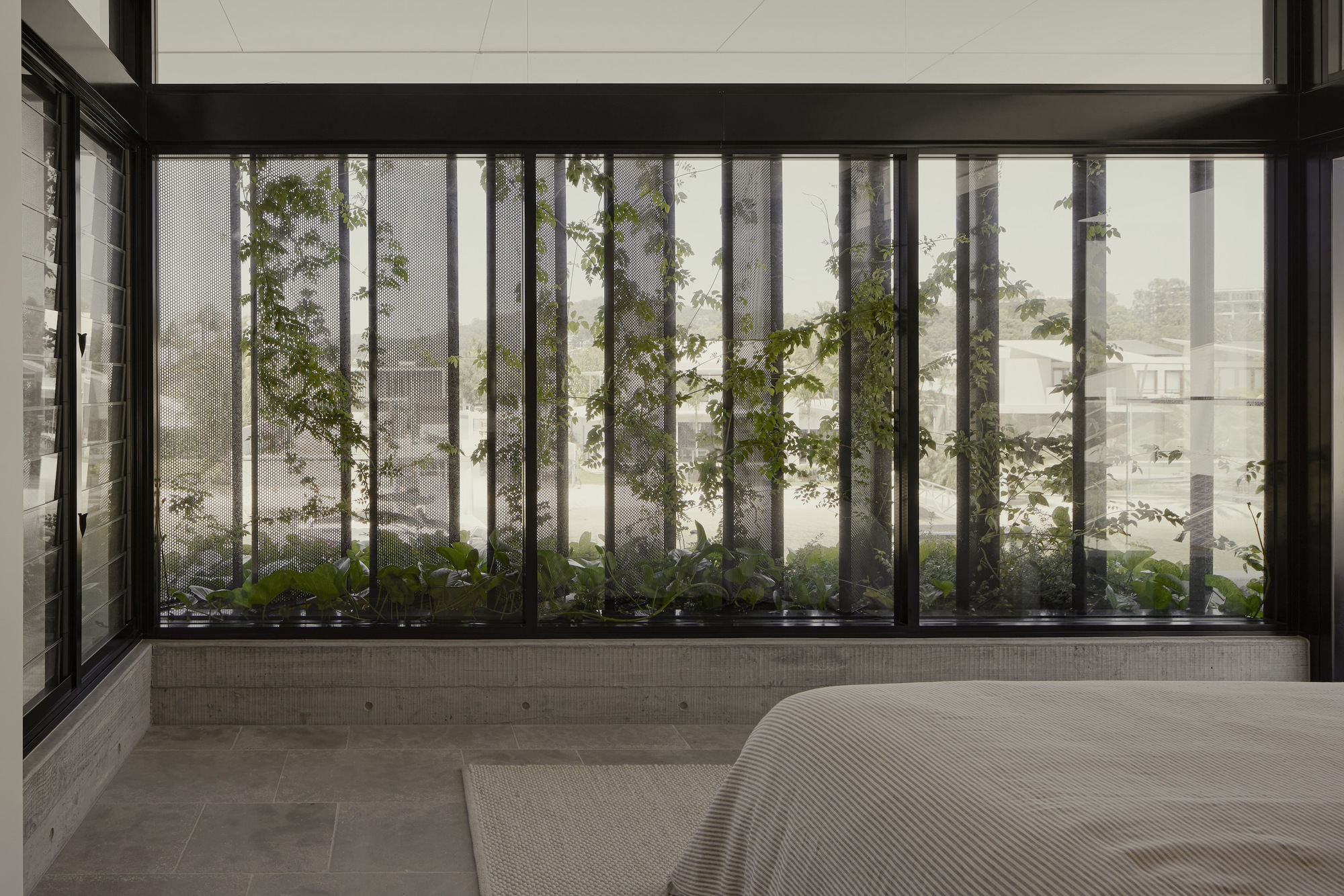
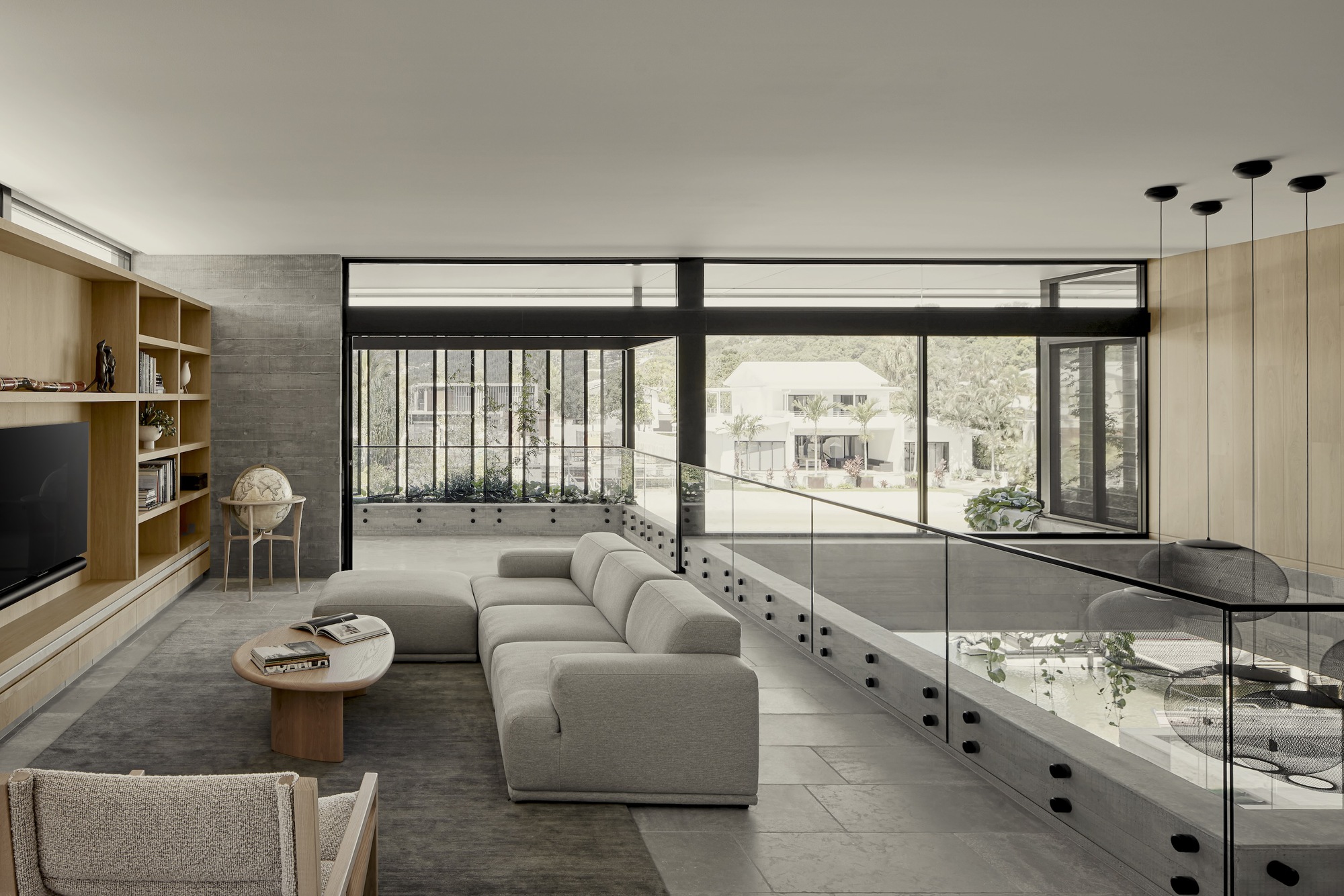
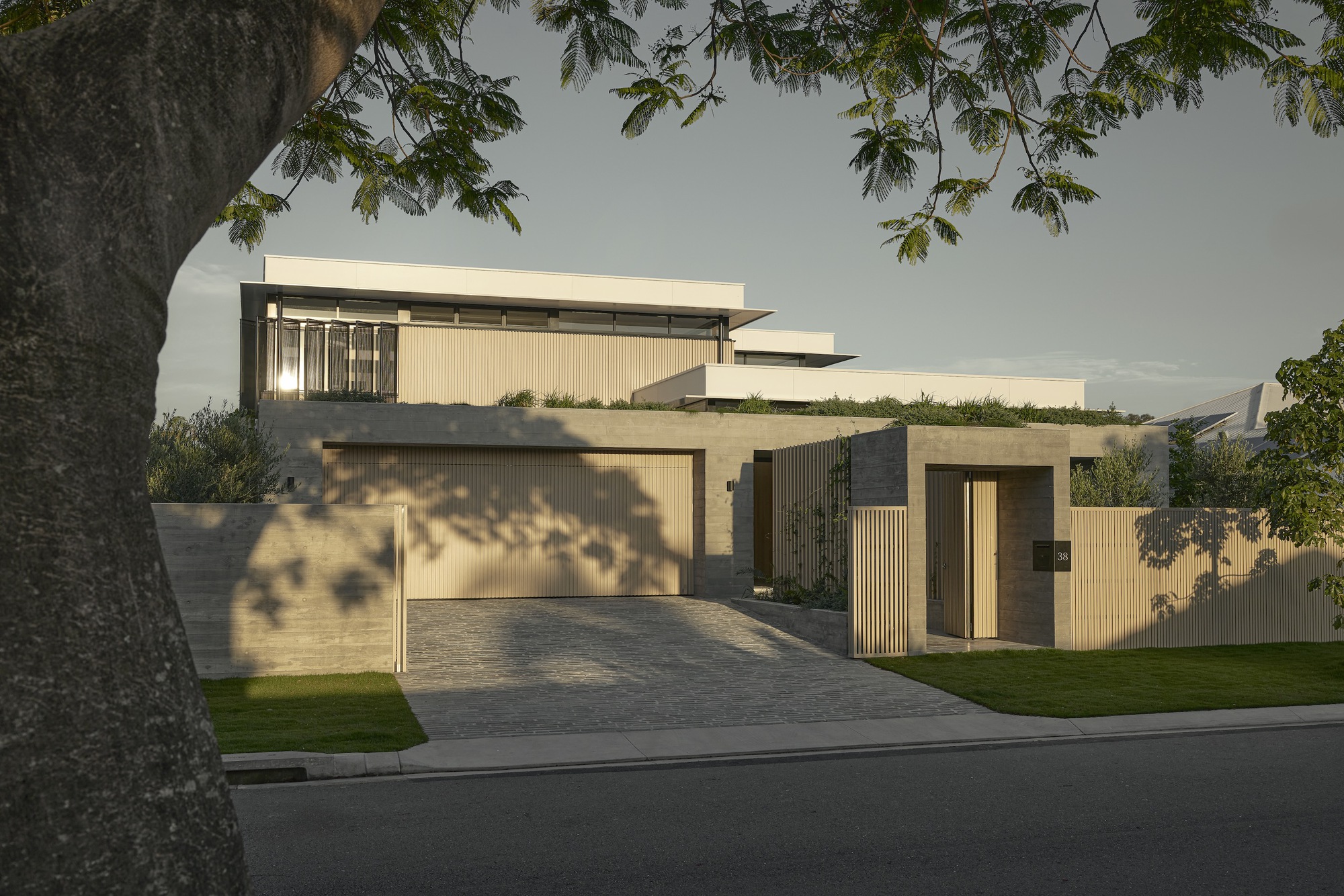
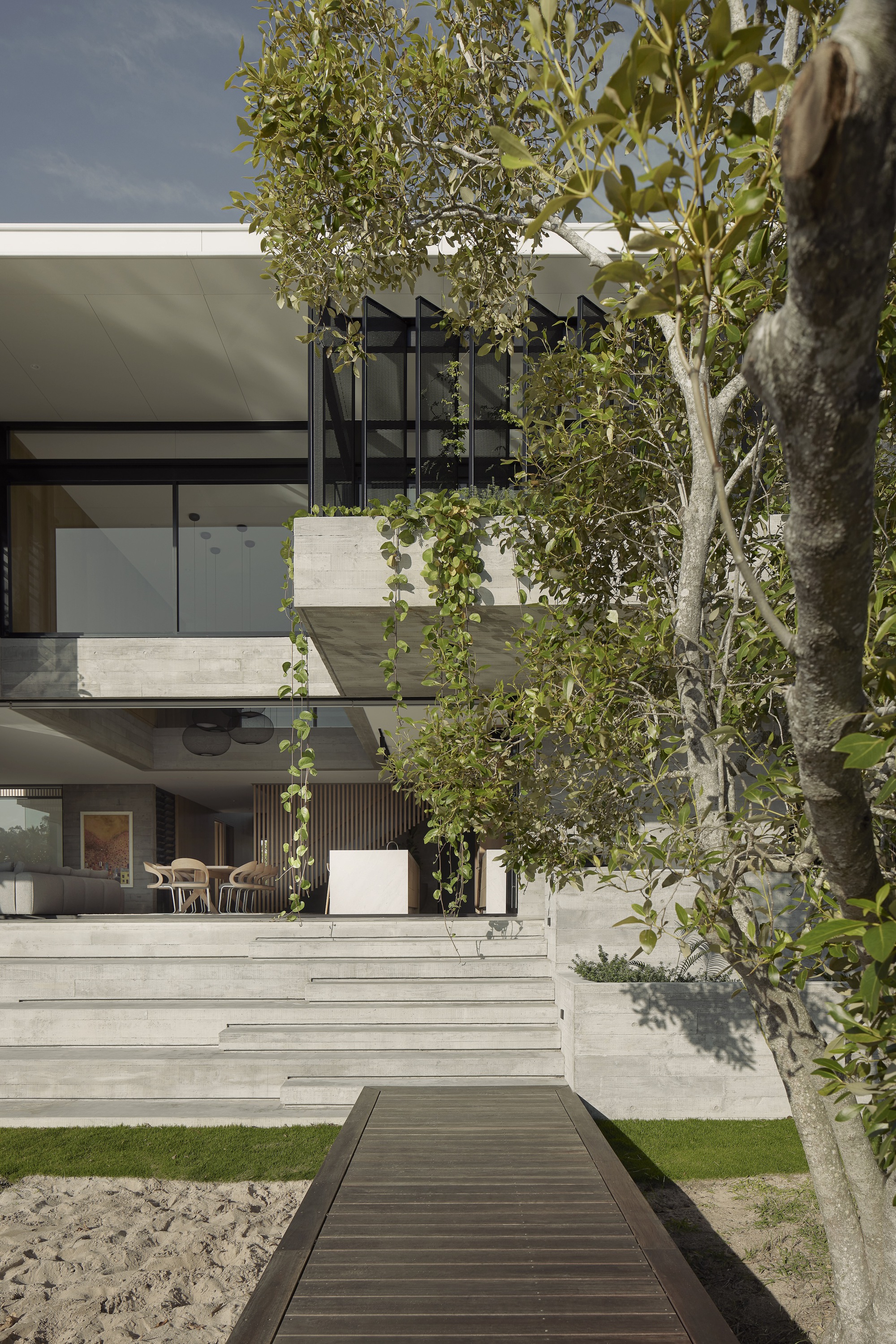
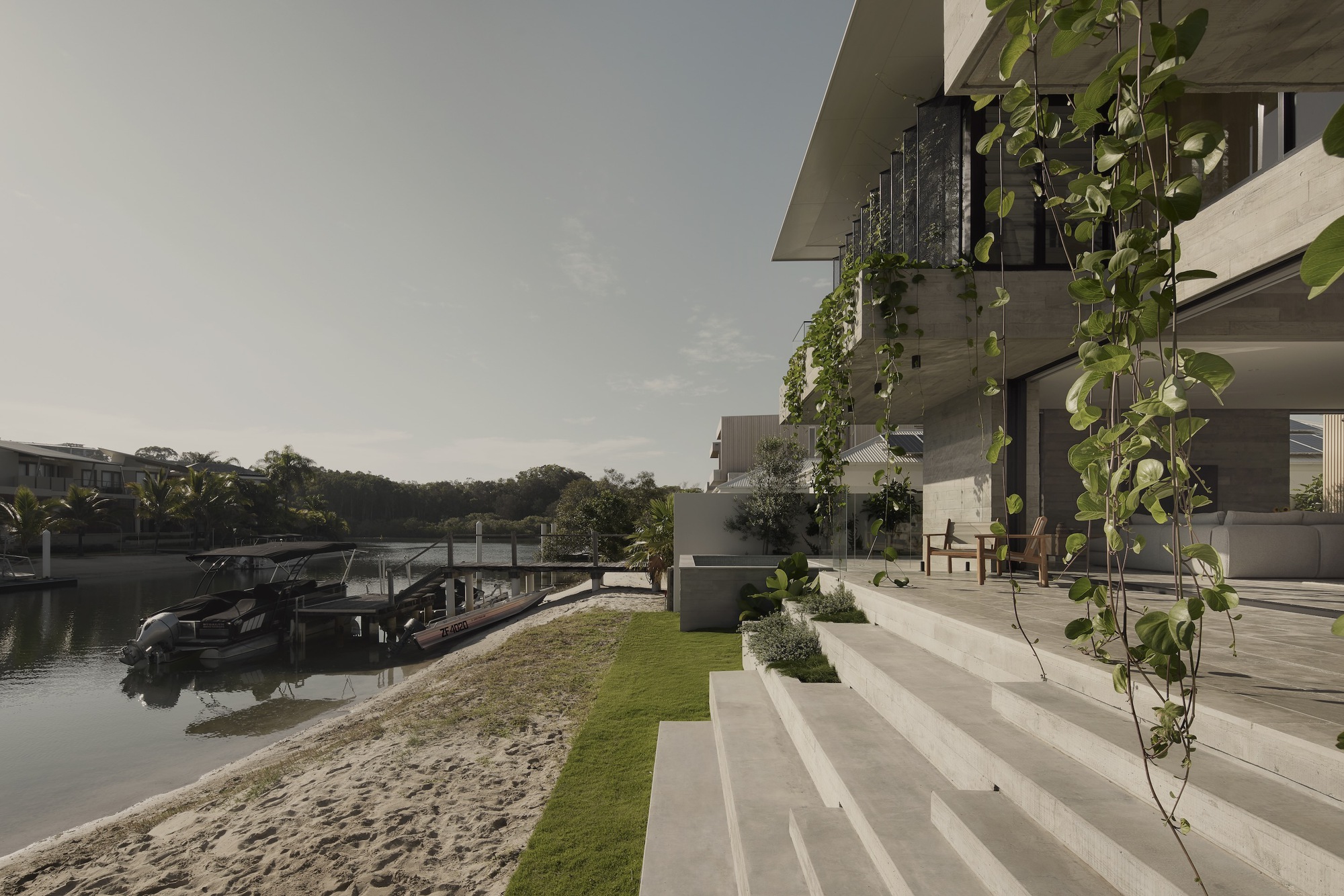
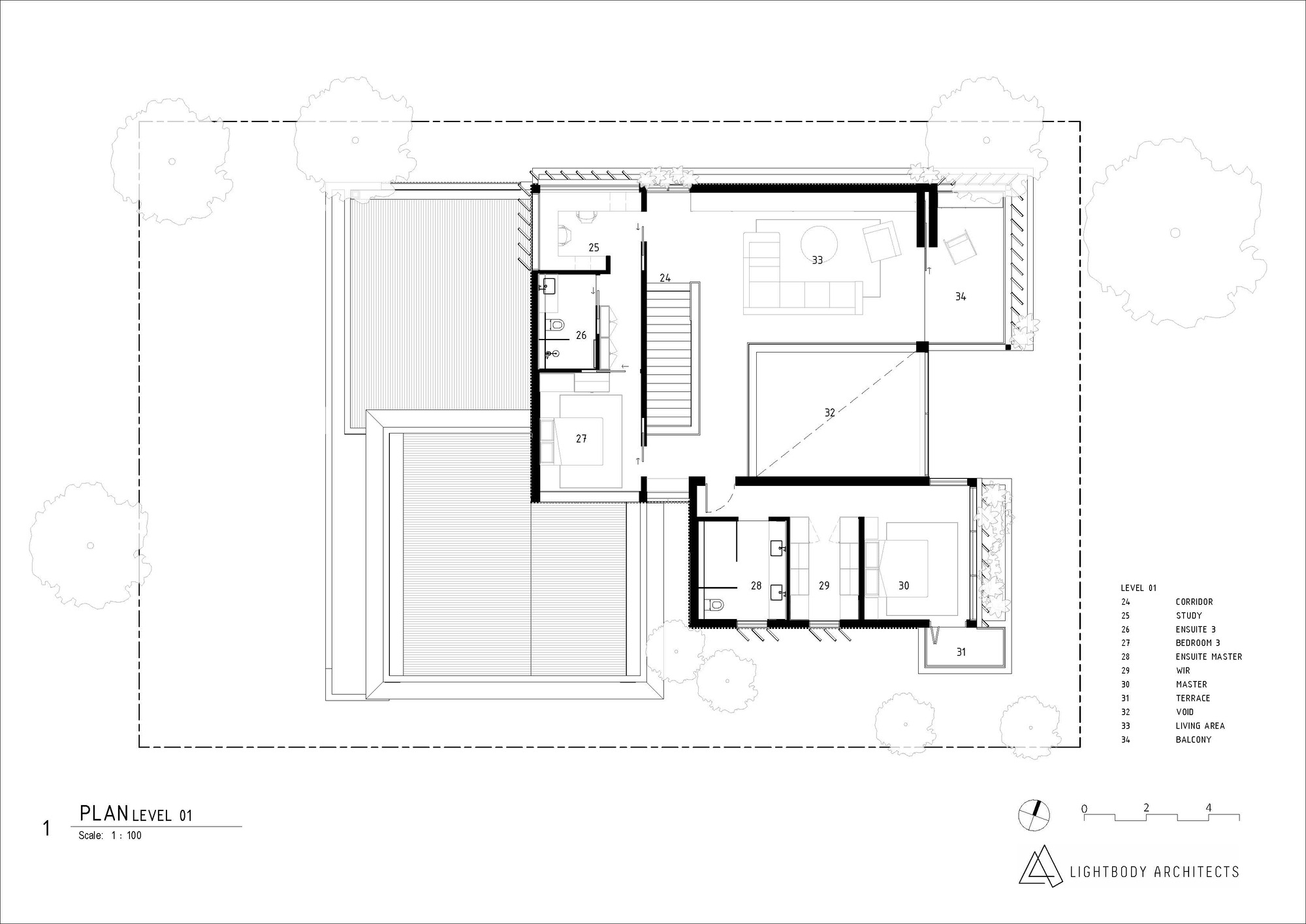
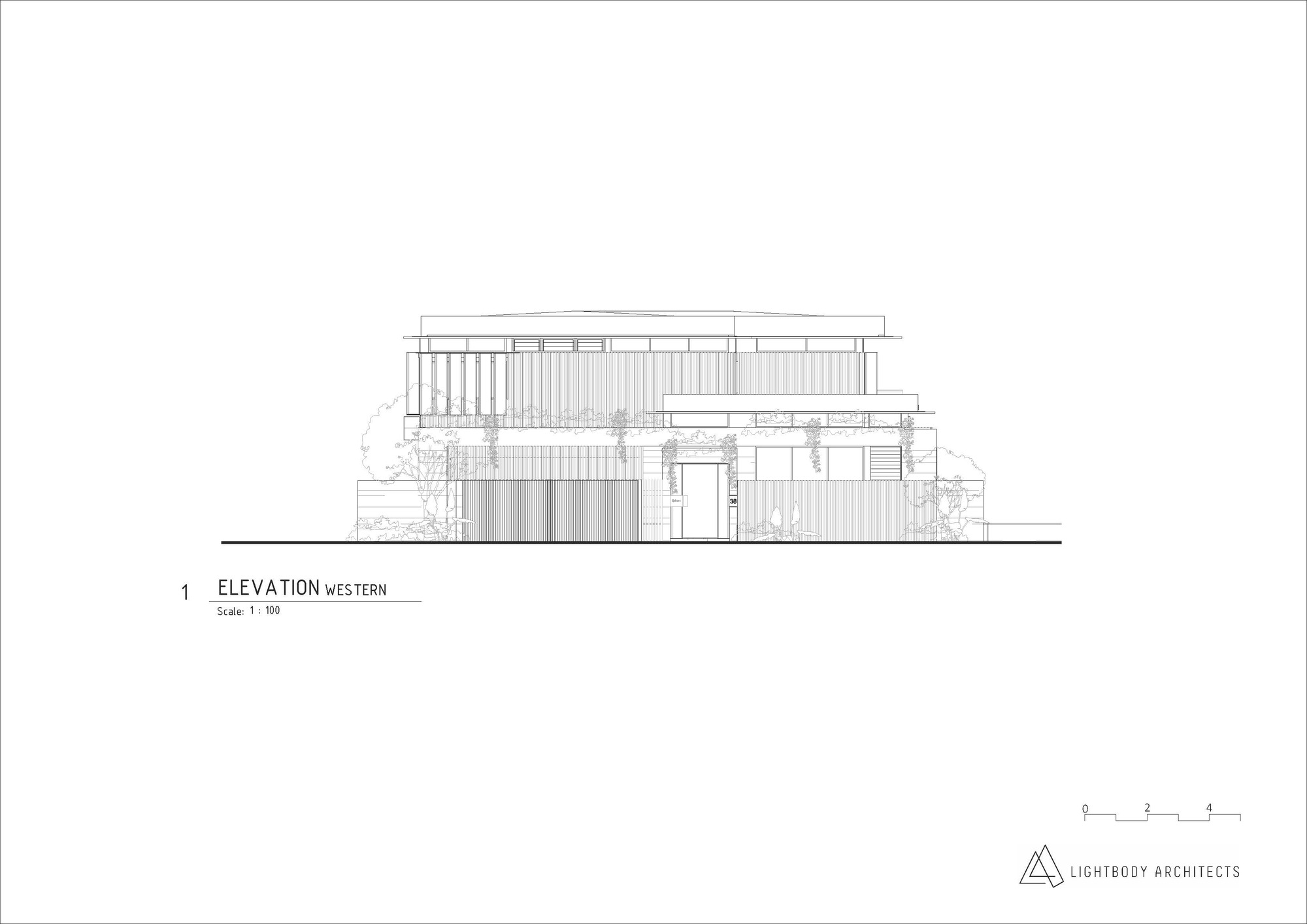
Sjøhavn House #architecture Architects: Lightbody Architects Area: 483 m² Year: 2023 Photographs: Brock Beazley Lead Architects: Jackson Lightbody City: Noosa Heads Country: Australia The name ‘Sjøhavn’ was inspired by the client’s Scandinavian origin and meant ‘Sea Gardens.’ Situated within the Noosa River network in Australia, the location is well known for being a place of leisure and relaxation for locals and tourists. Being riverfront, the house required a design response sensitive to flood levels. The underlying principle of the project was to design a family home that responded to the natural surroundings while creating an overall sense of connection and providing interstitial spaces for retreat and privacy. A connection between the ground plane and the river’s edge was an important consideration identified during the initial briefing. The client's design brief formulated the overall program for the house. Interpreting the individual functional spaces as simple volumes, the design also became about what happened where spaces overlapped and spaces in between could be occupied. Understanding the client’s design brief provided the overall functionality of core spaces within the house. These primary spaces created an opportunity for exploring the smaller ‘in-between’ or overlapping spaces as a result. These smaller intersectional areas created a sequence of threshold spaces that provide connectivity to the primary areas along with areas for occupants to retreat and seek privacy away from activity. The minimalist palette of materials creates a sense of cohesiveness in these interstitial and primary spaces while strengthening the seamless connection between the internal and external programs of this family home. The centralized double-height void creates a visual connection across the two-story home while providing a connection to the ground plane that continues through to the edge of the river. This expressive gesture creates a primary external living area with two smaller intimate spaces articulated by the cantilever above. These small spaces on either side provide opportunities for retreat, reflection, and solitude. The external area to the east and connection to the river’s edge evolved, taking reference to the traditional concept of the ‘verandah.’ Lending from the typical  Queenslander’s vernacular form of the ‘verandah,’ the external area provides occupation of edge and connection to the river and strengthens the external living area as a destination rather than simply for circulation. The use of off-form concrete as the primary material was proposed from the initial discussions with the client for its longevity, resilience, thermal qualities, and design flexibility. The materiality provided the opportunity to free the ground plane from the structure and surround the second story with extensive landscaping with suspended planters. The eastern façade incorporates the structural strategy of long spans and cantilevers that provide the opportunity for cascading landscape from above. By harnessing passive design principles in conjunction with the thermal mass of the concrete, the house works with the surrounding climate to maintain an optimal temperature internally during the course of day and night.
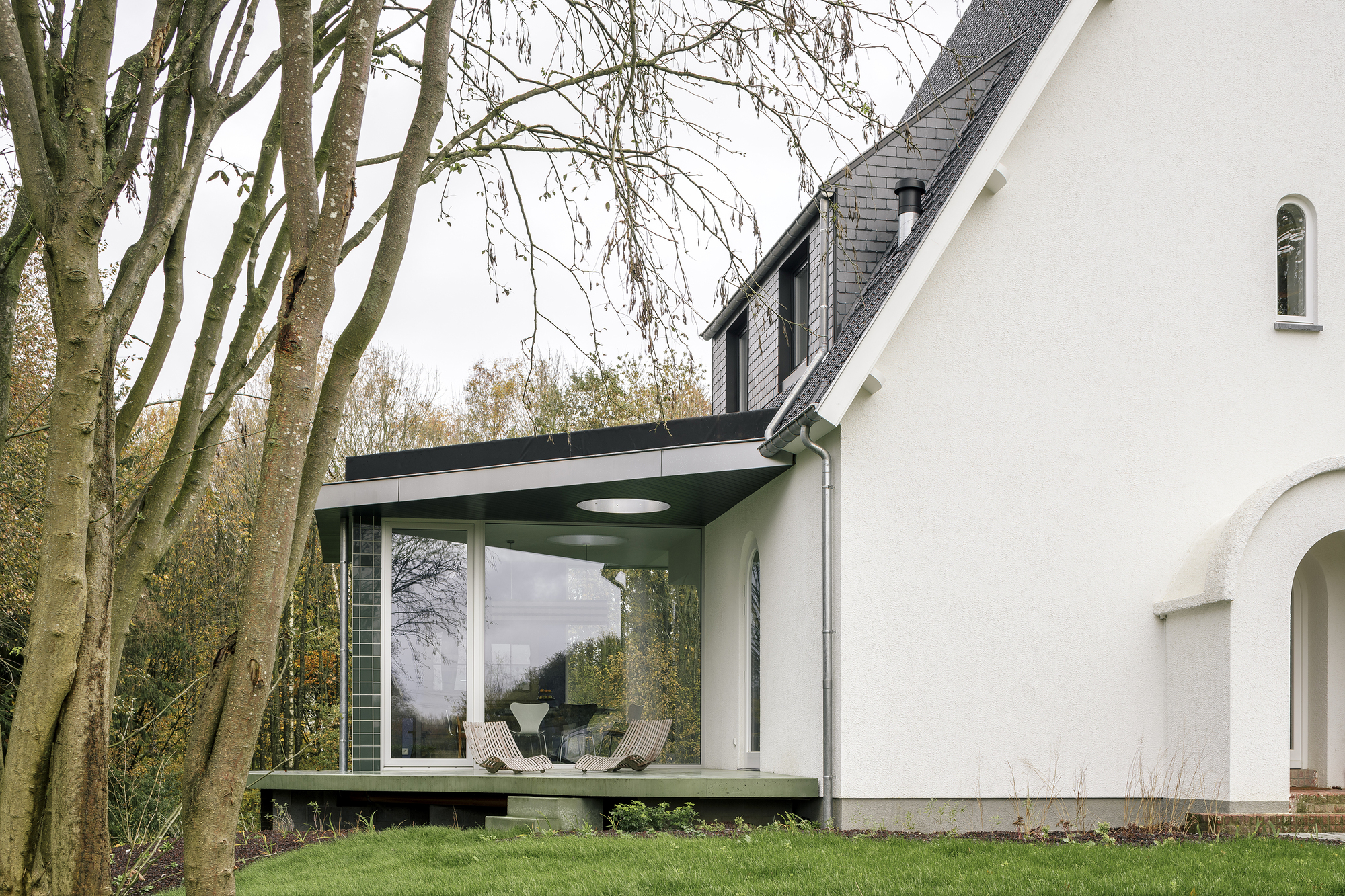
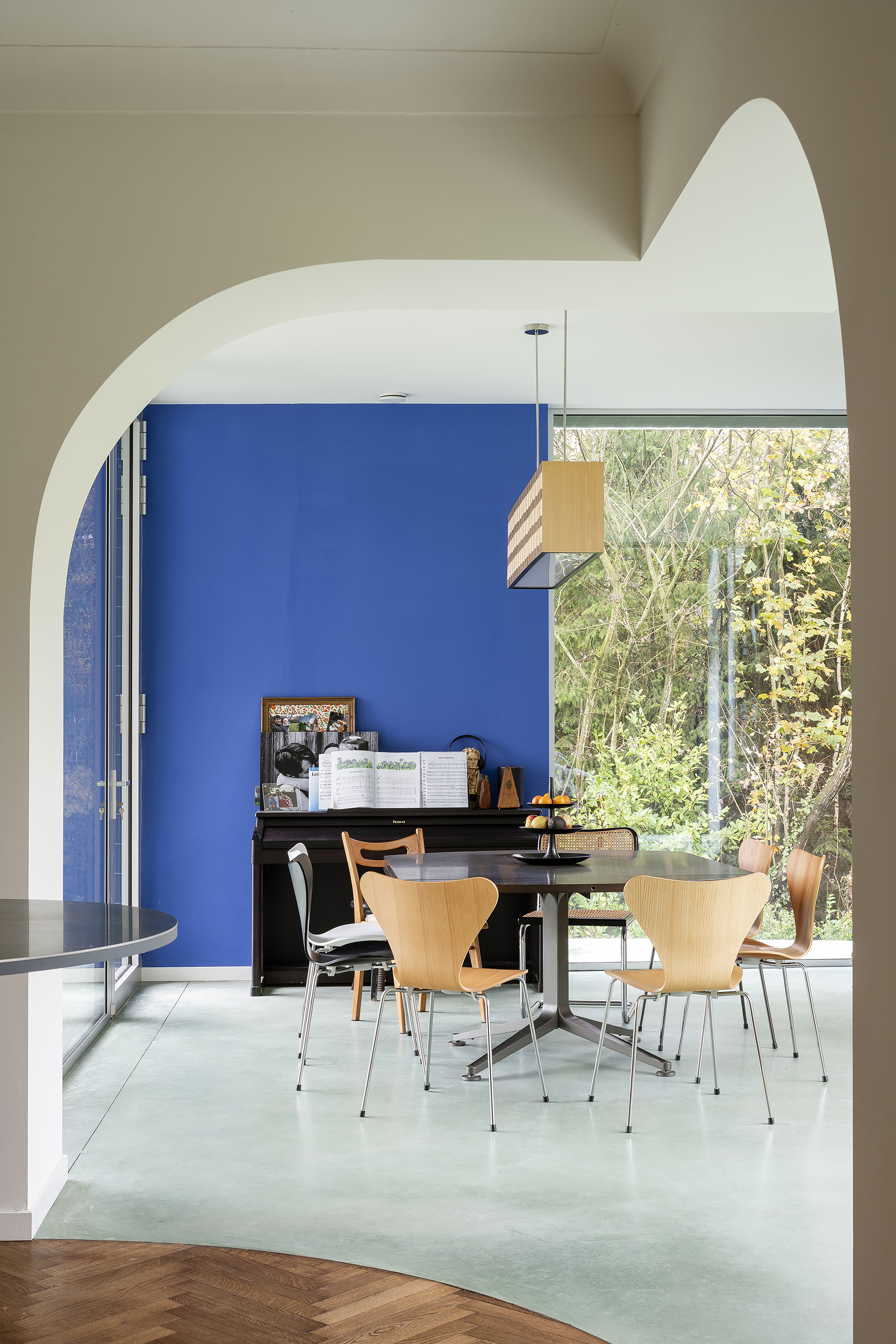
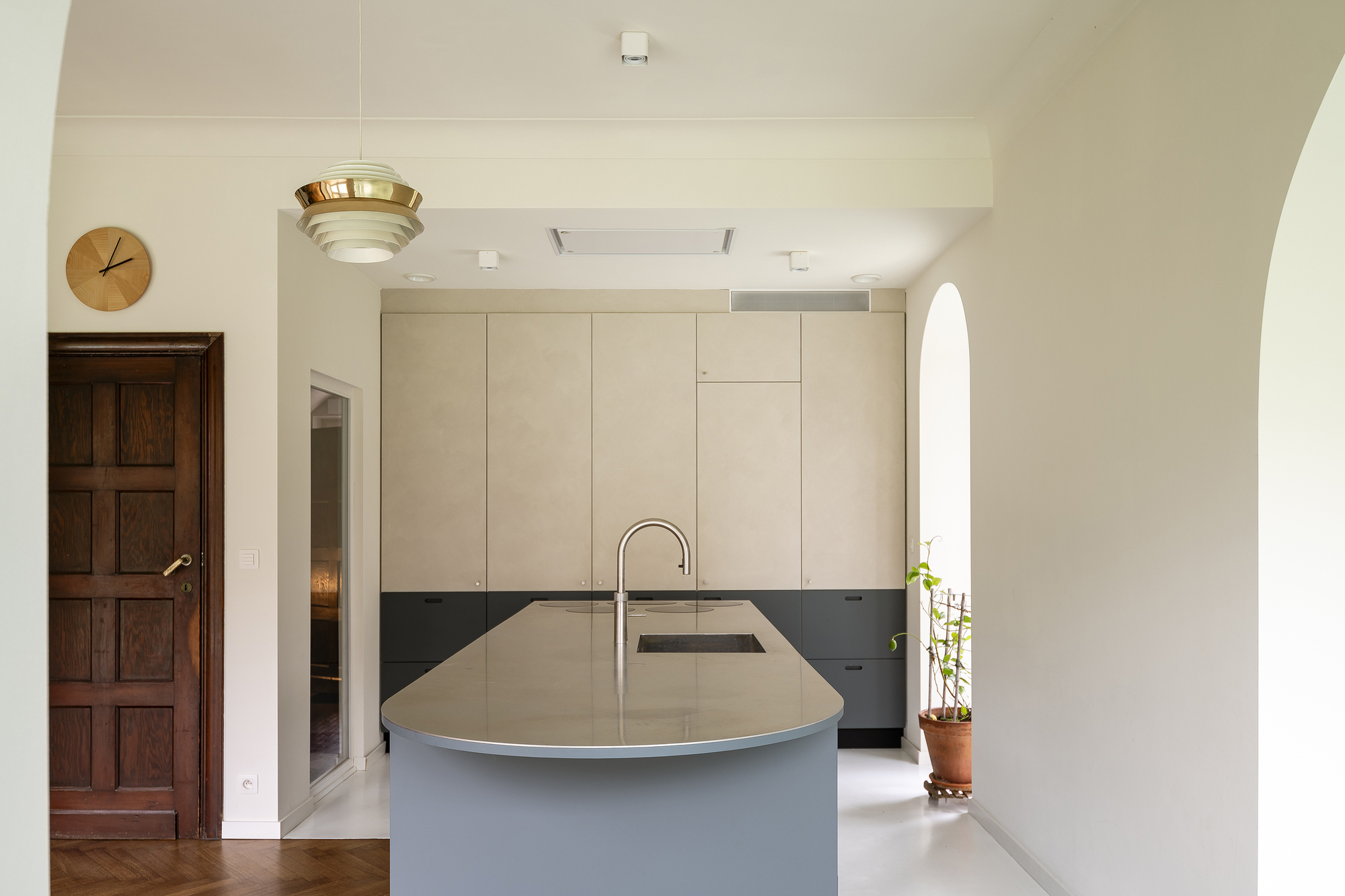
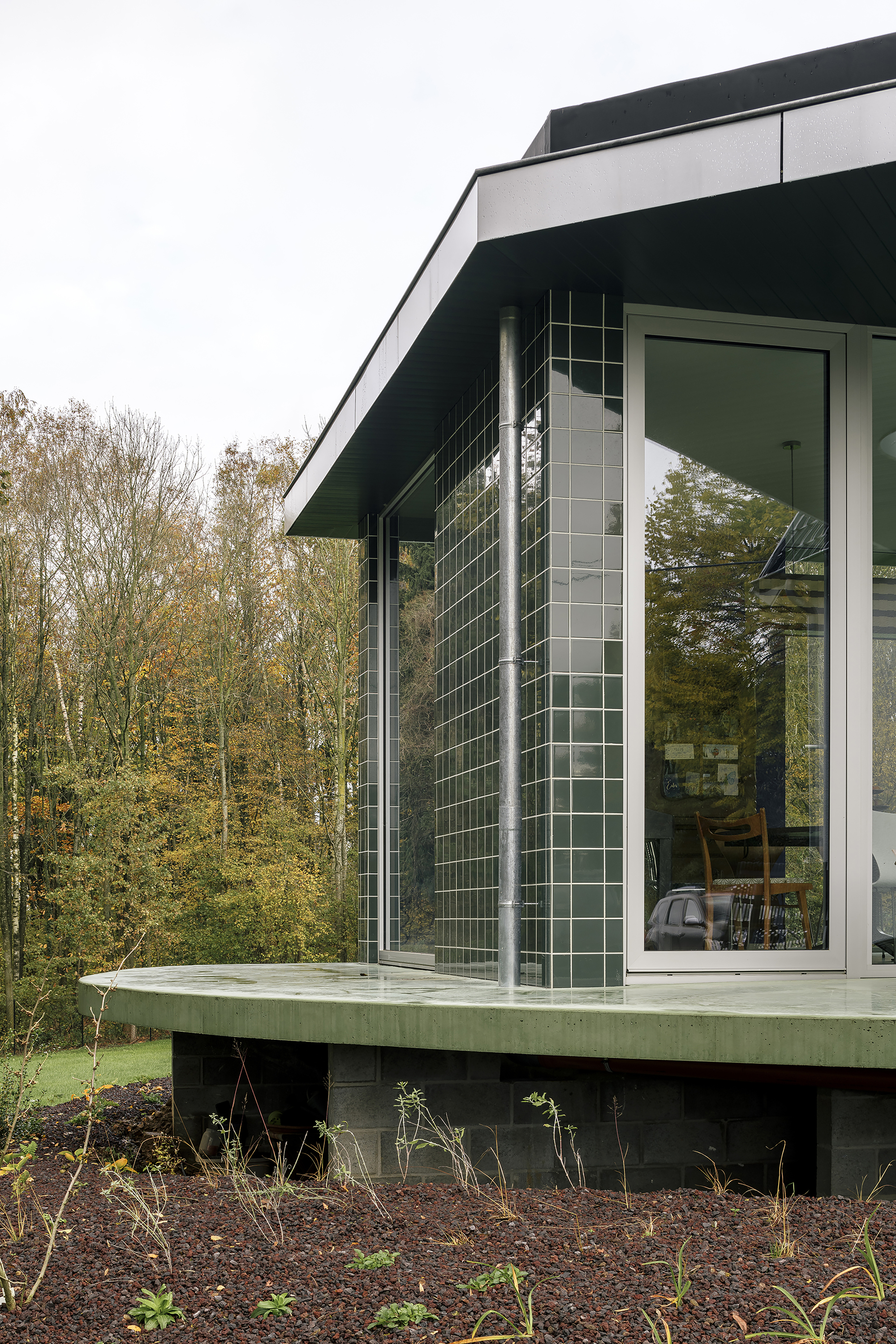
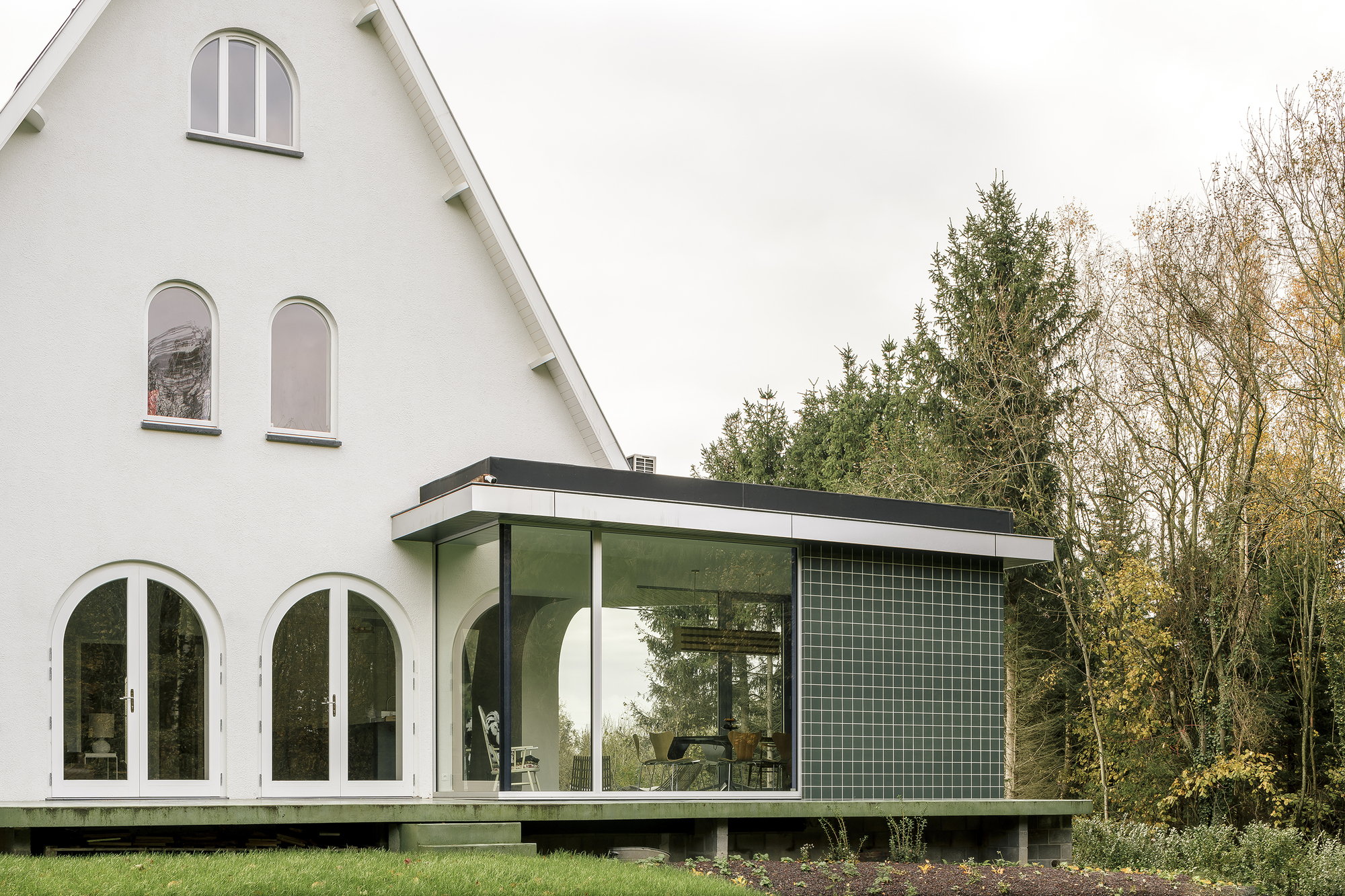
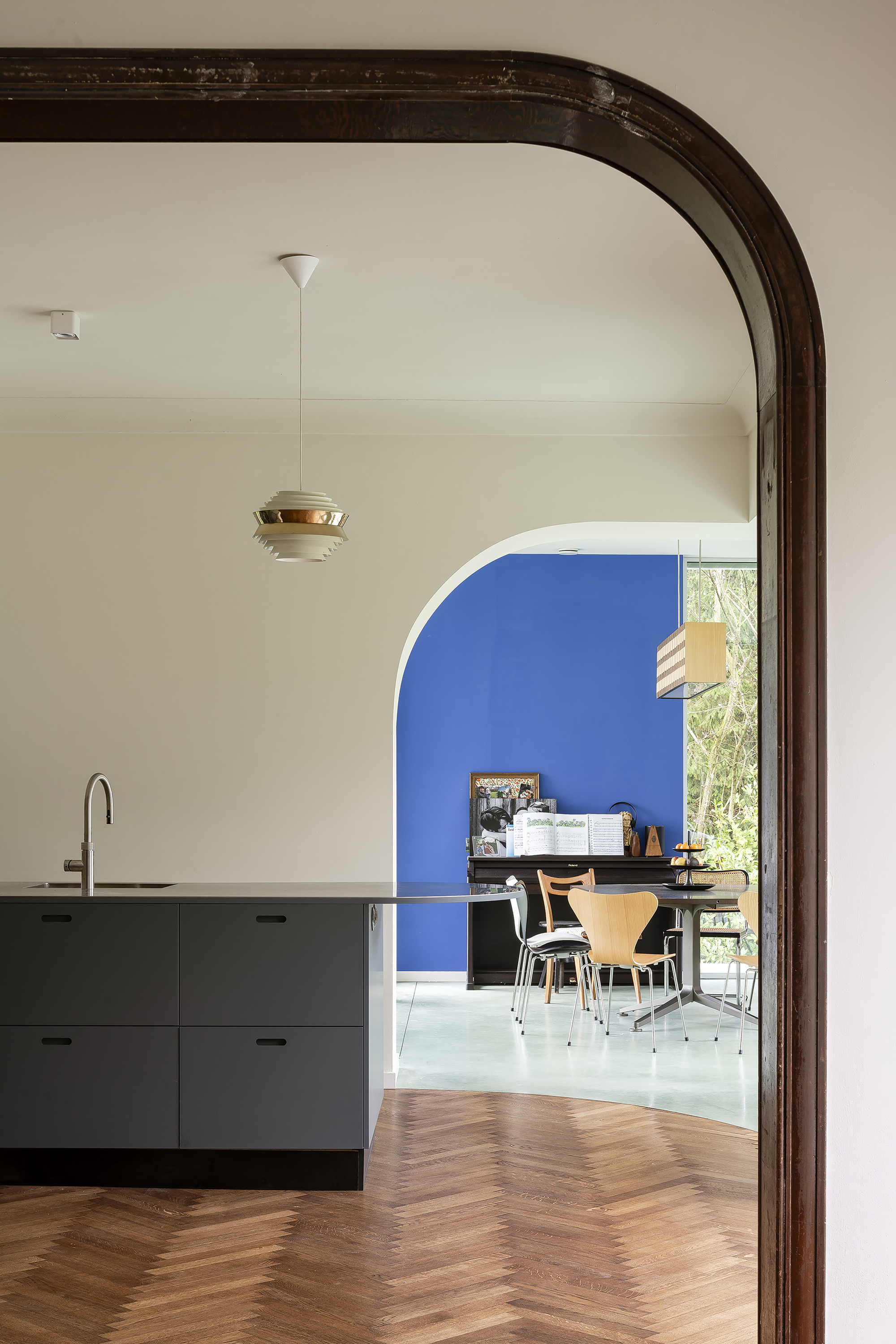
Sofie House #architecture Architects: MADAM architectuur Area: 240 m² Year: 2022 Photographs: Olmo Peeters Office Lead Architects: Door Smits, Marit Meganck Design Team: MADAM architectuur City: Dilbeek Country: Belgium
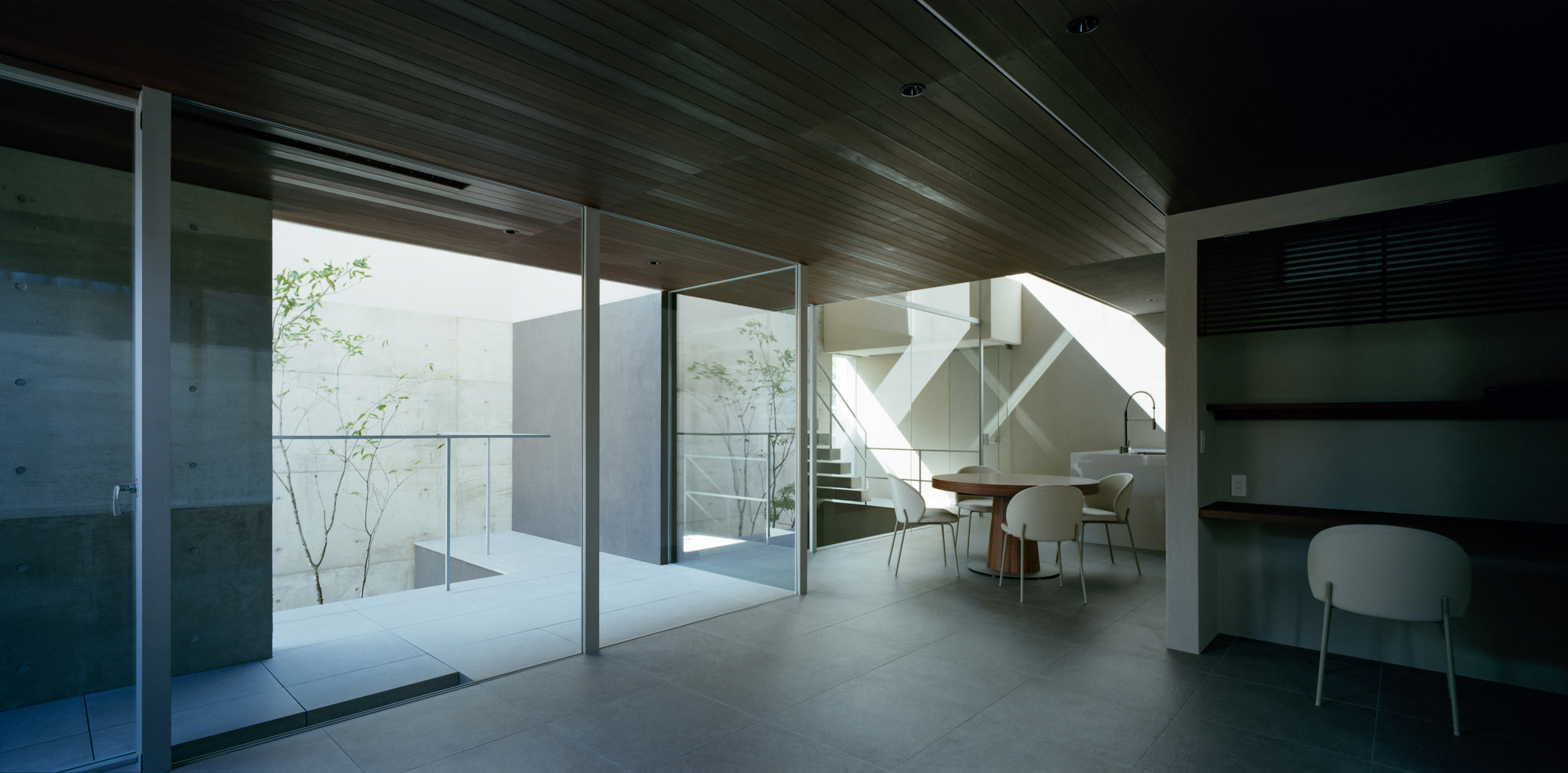
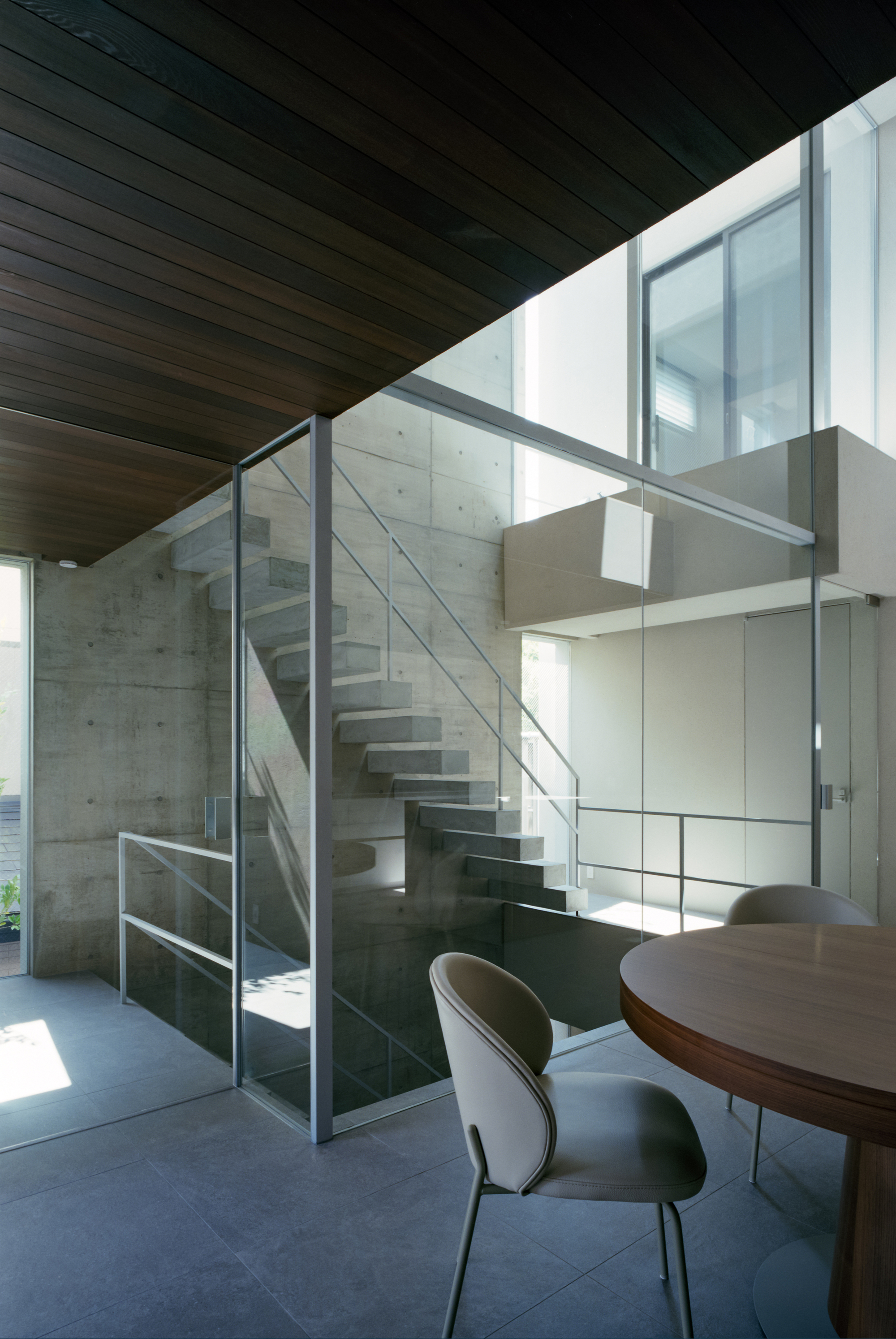
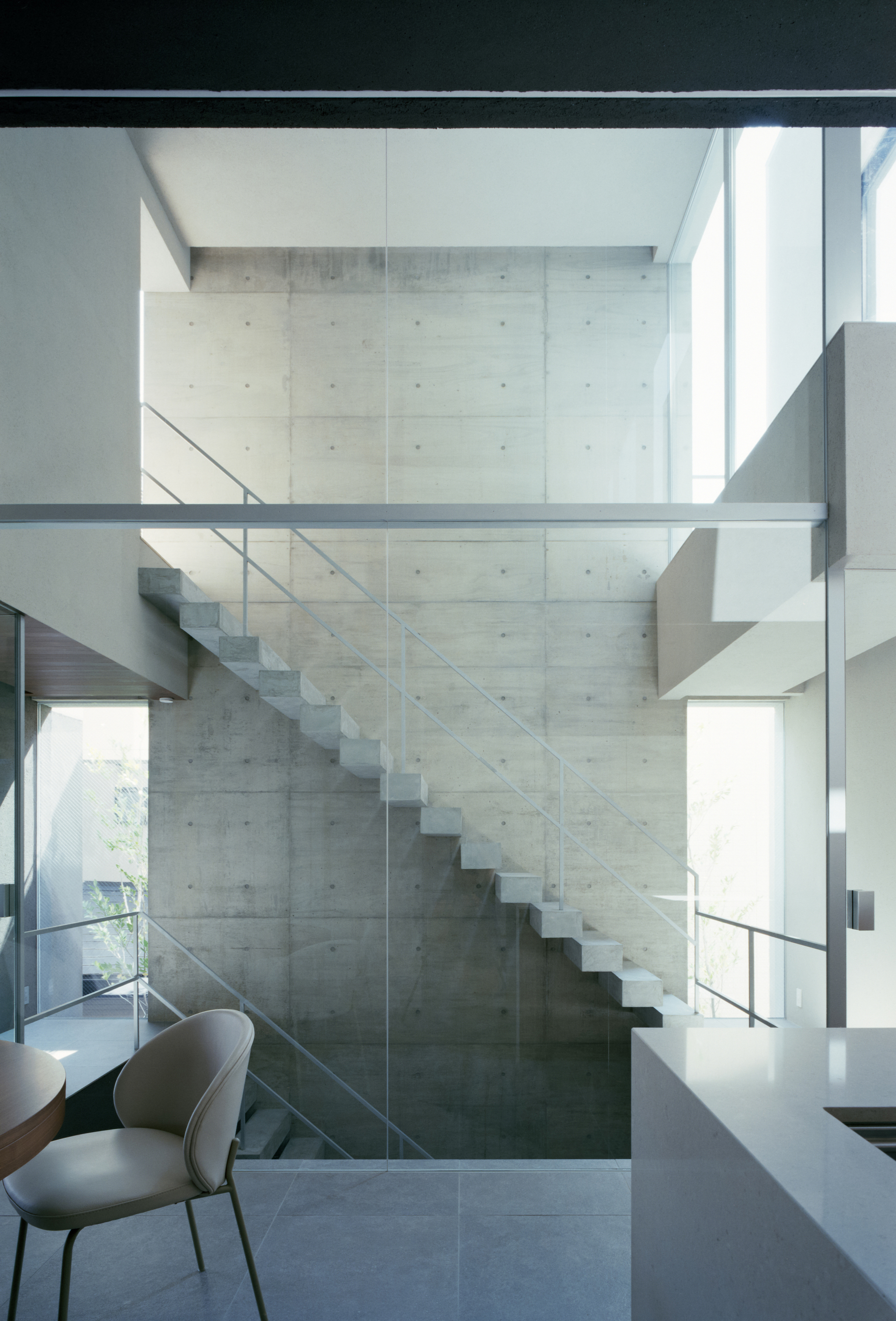
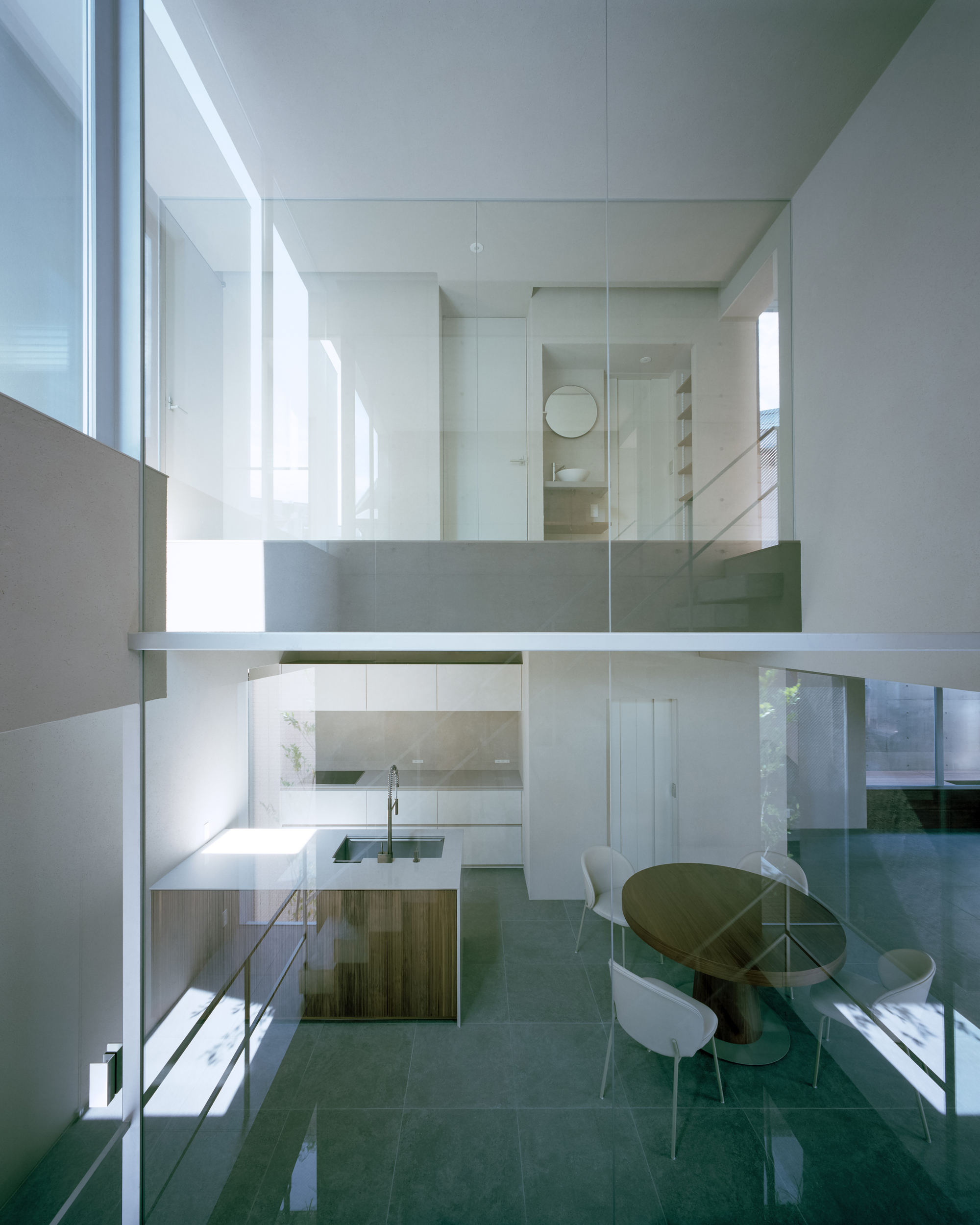
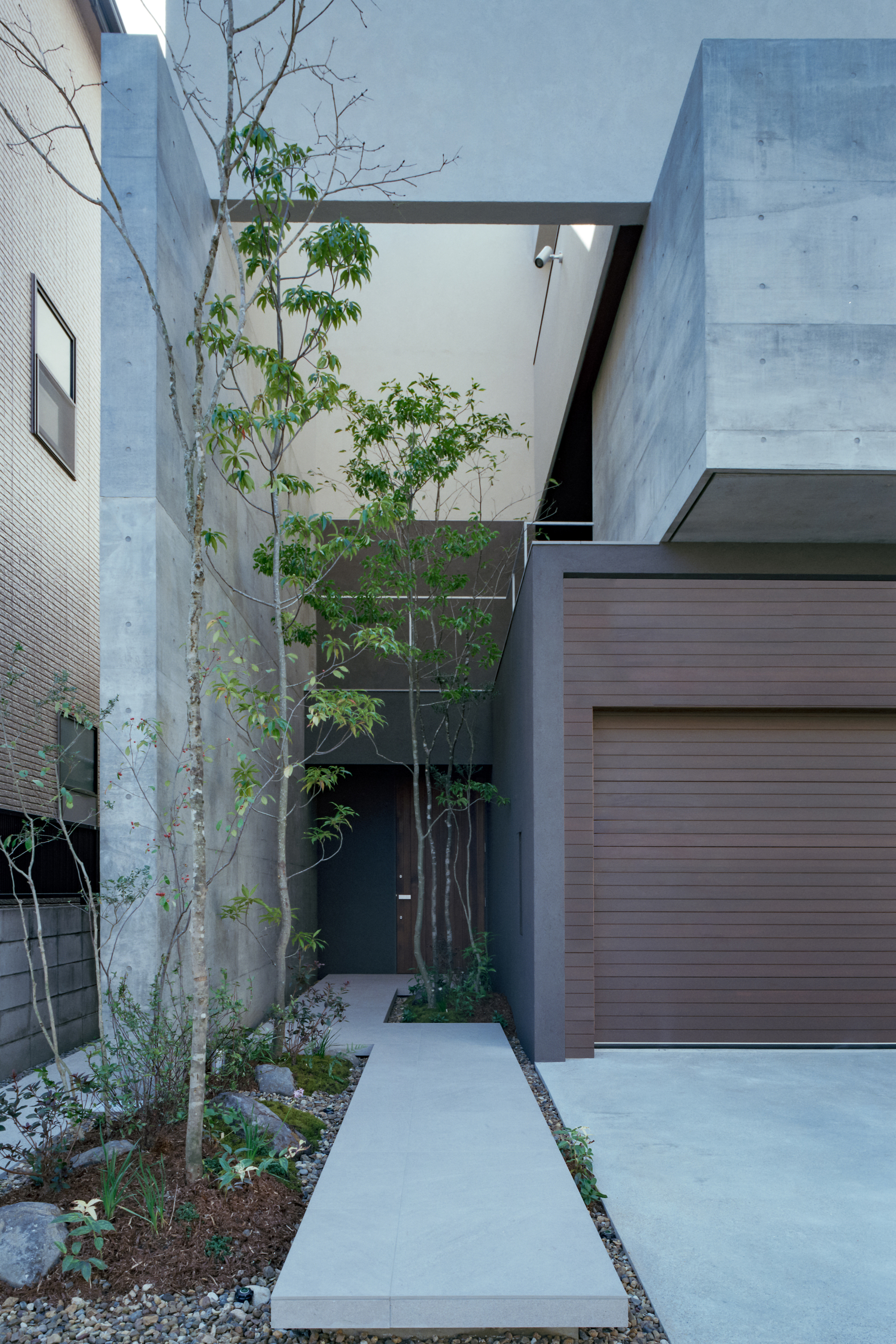
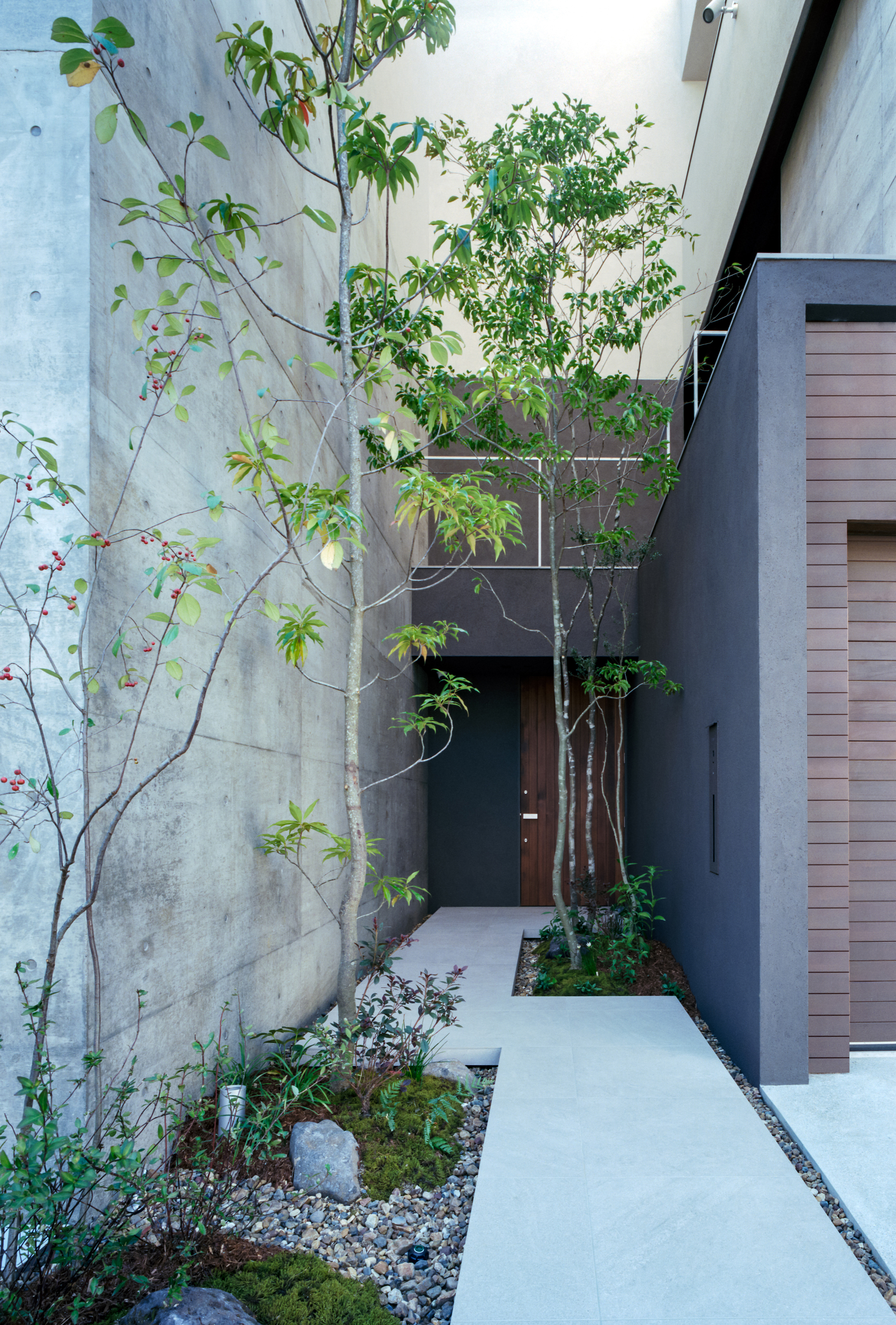
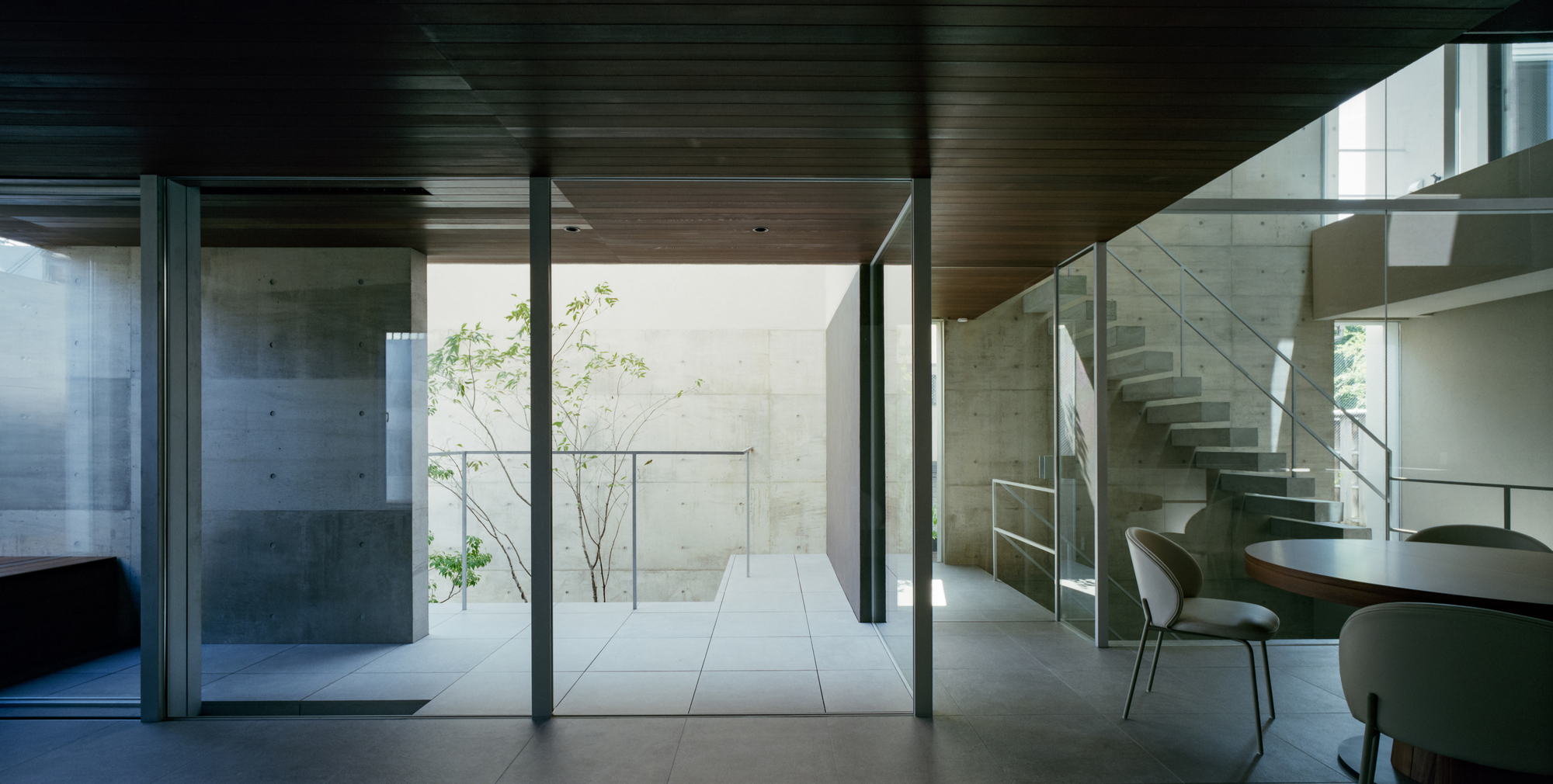
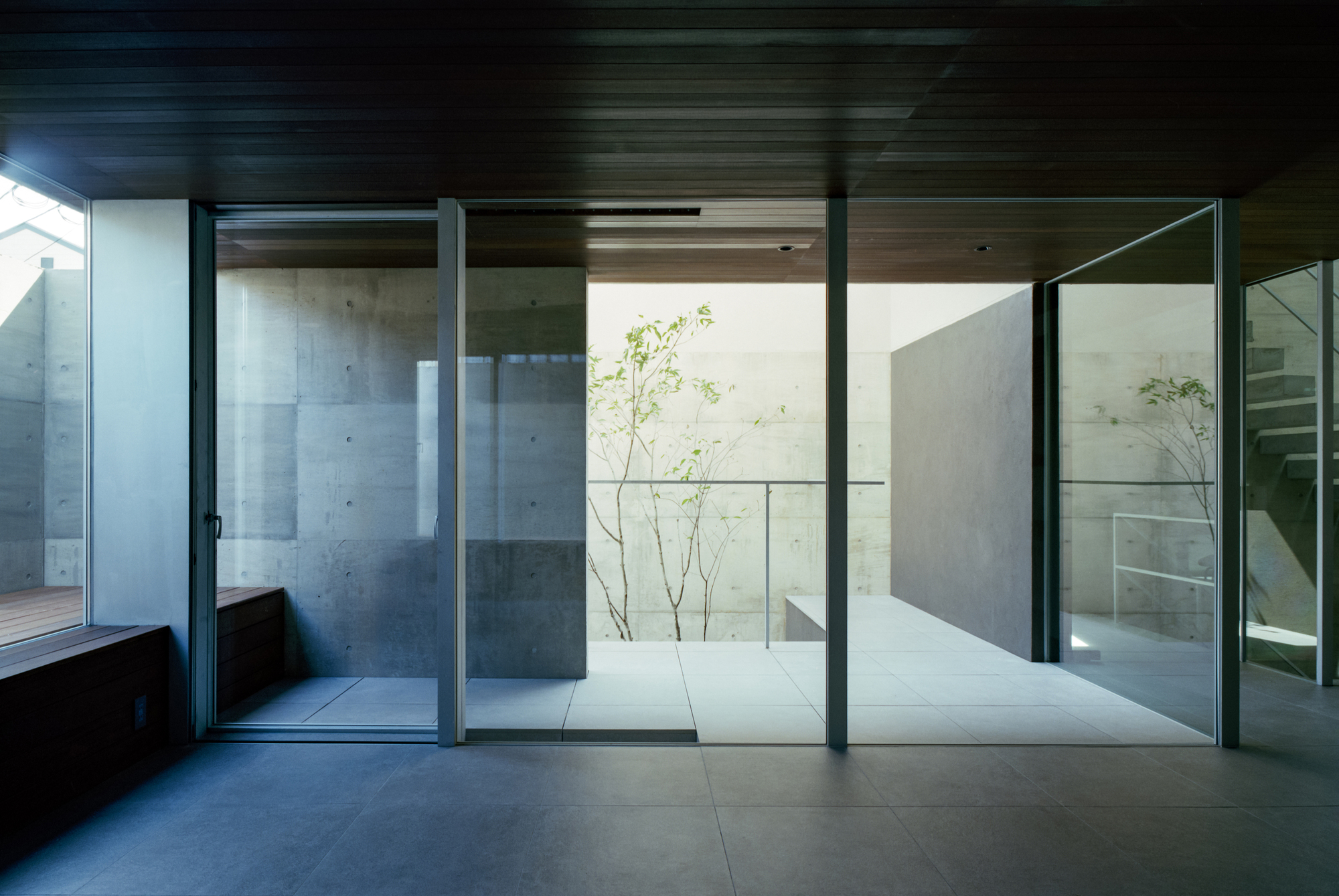
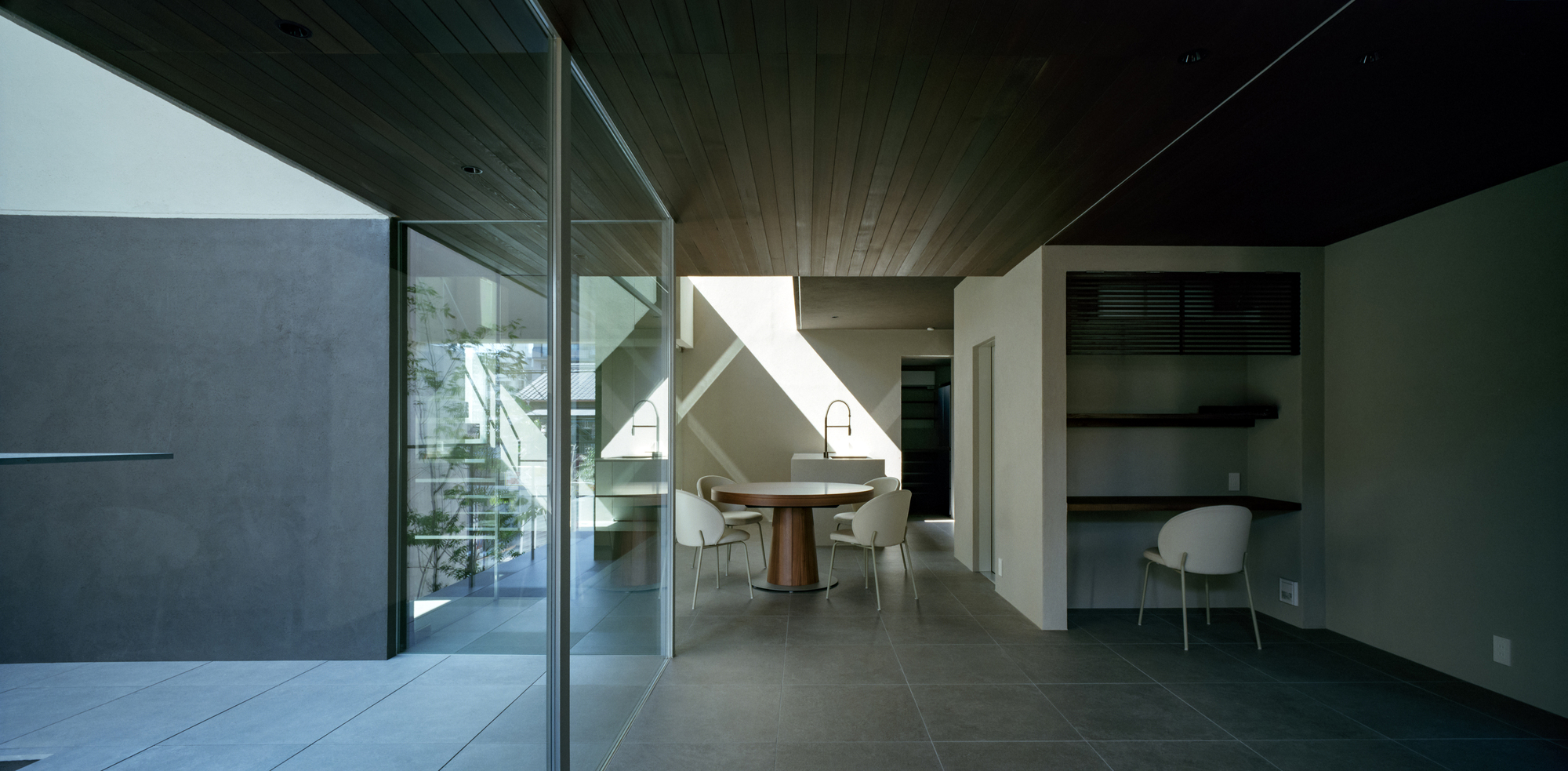
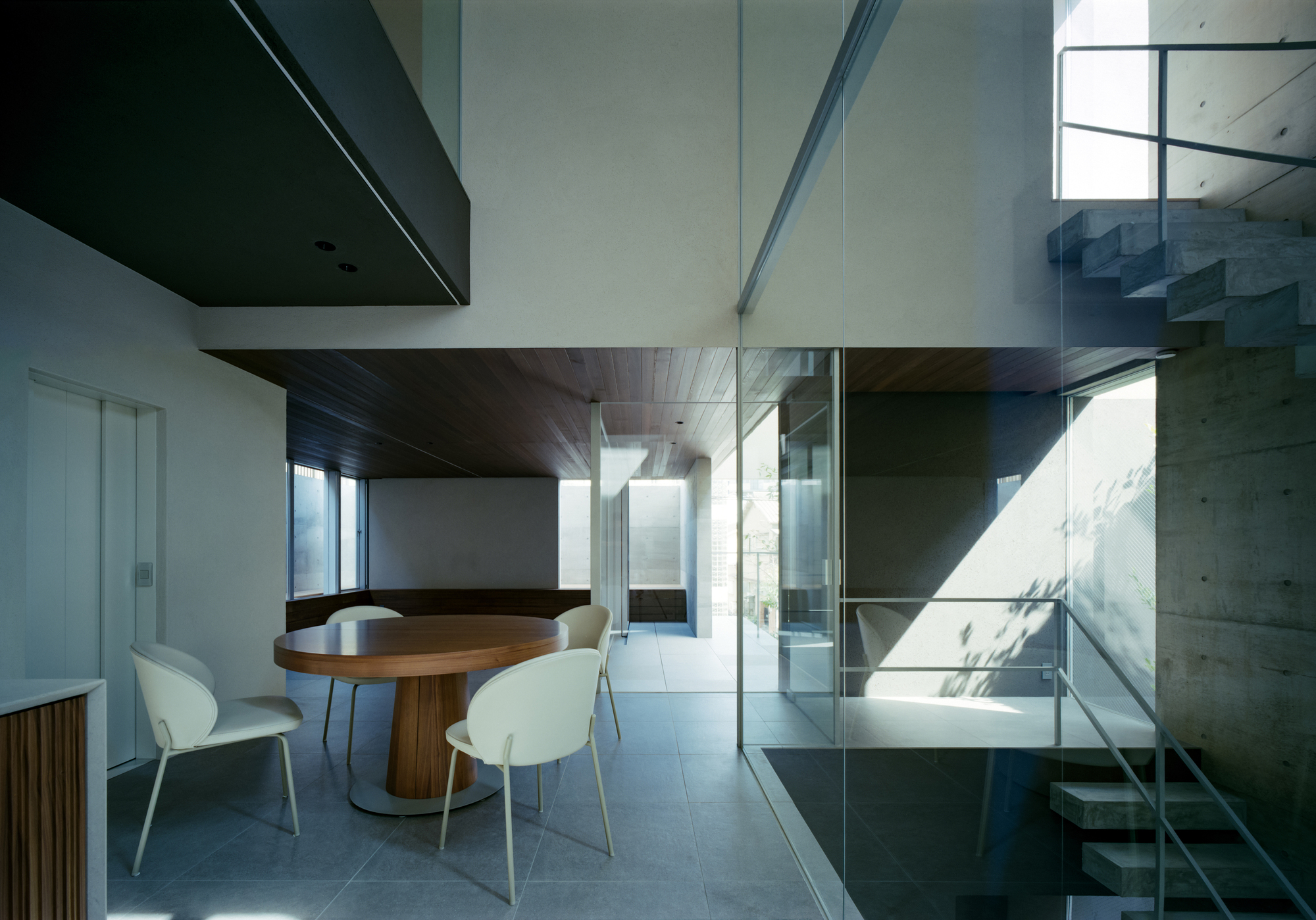
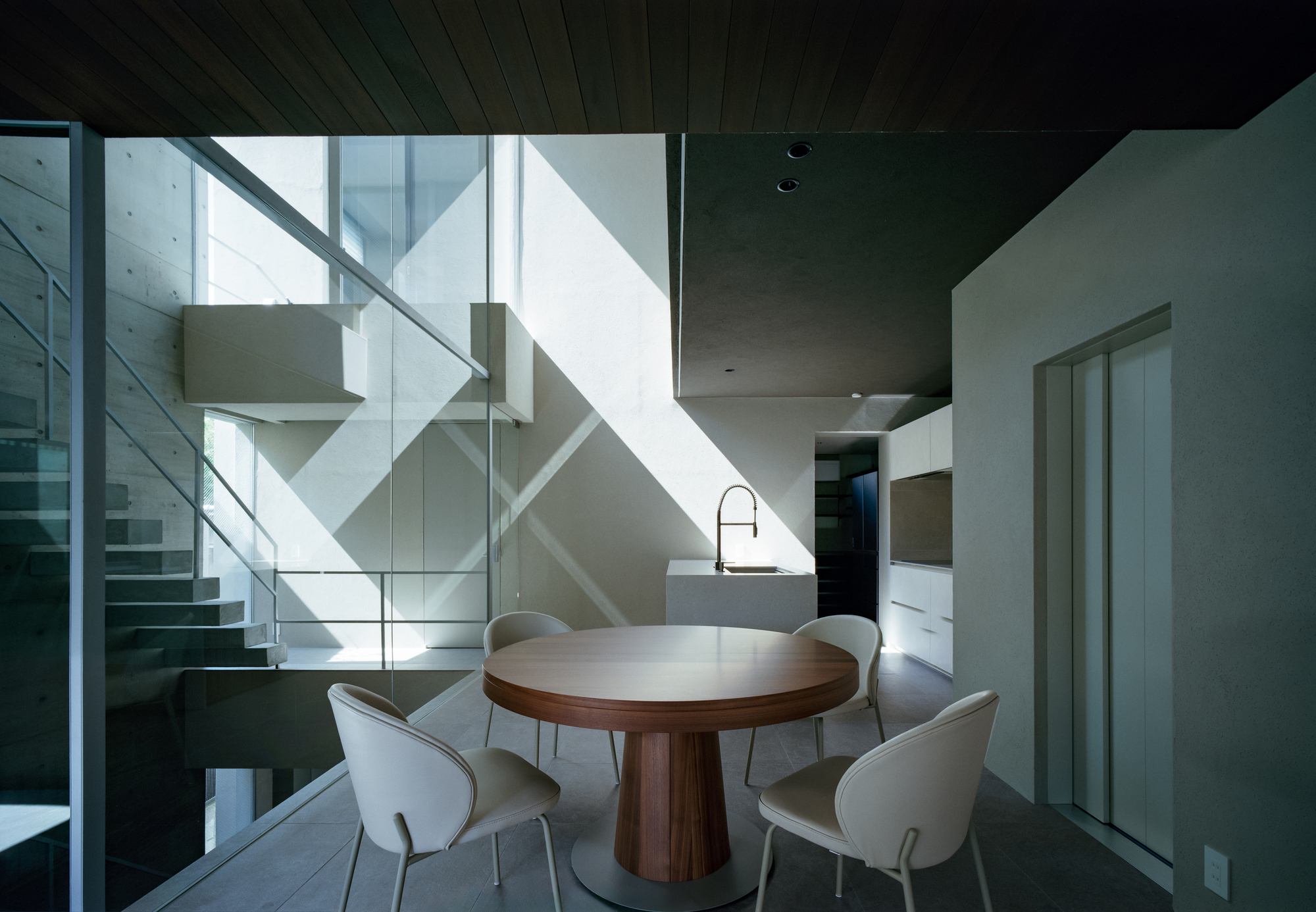
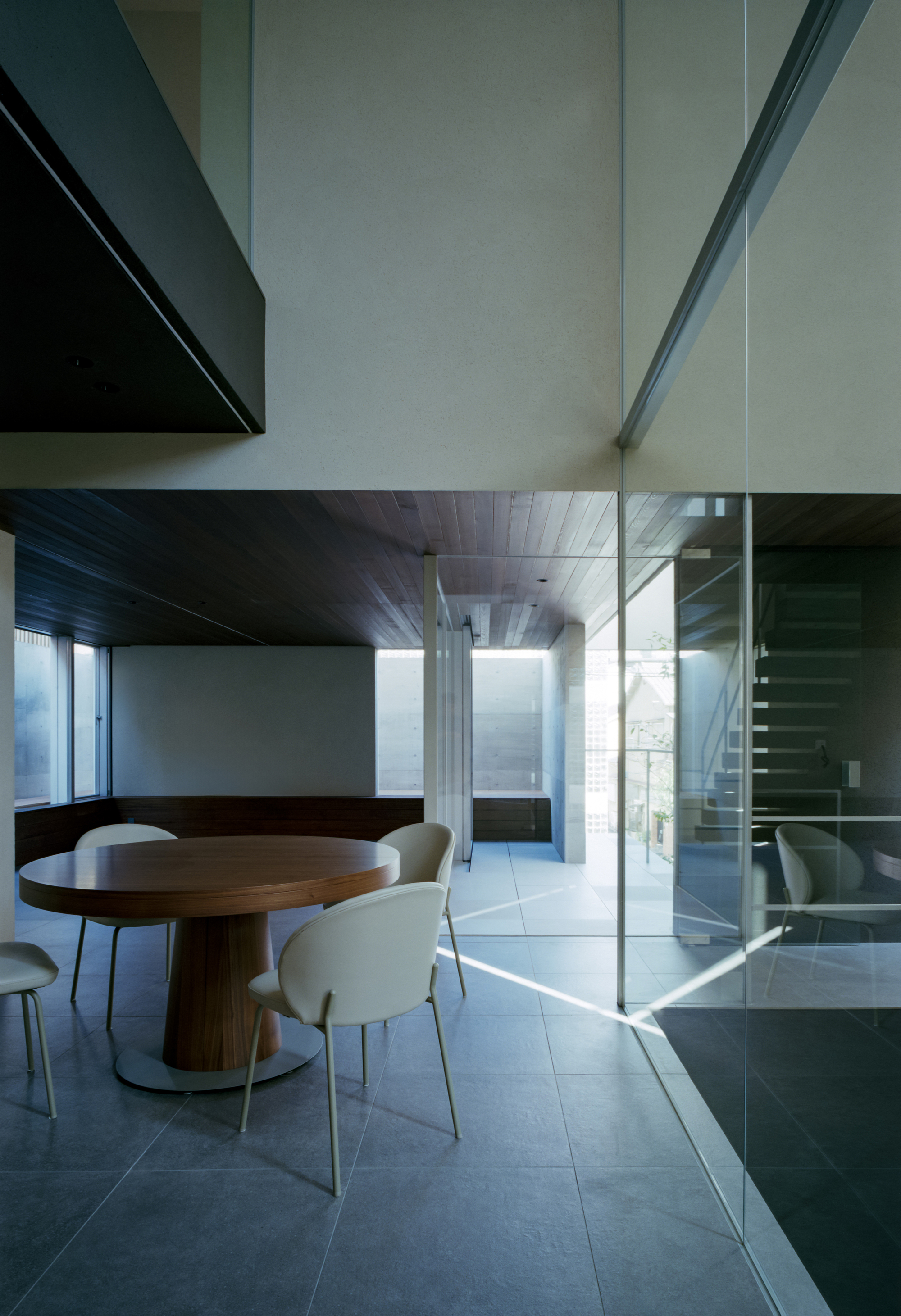
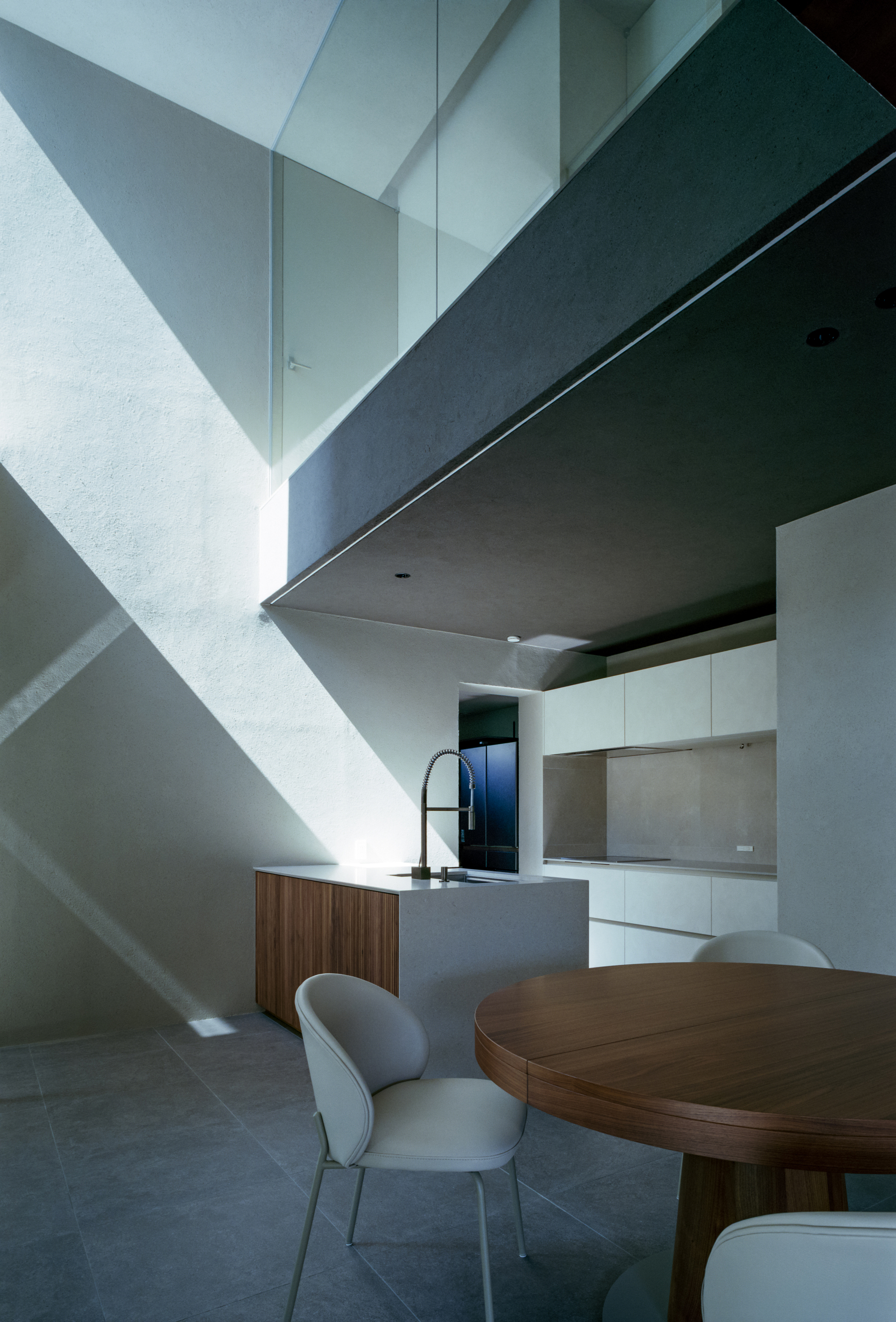
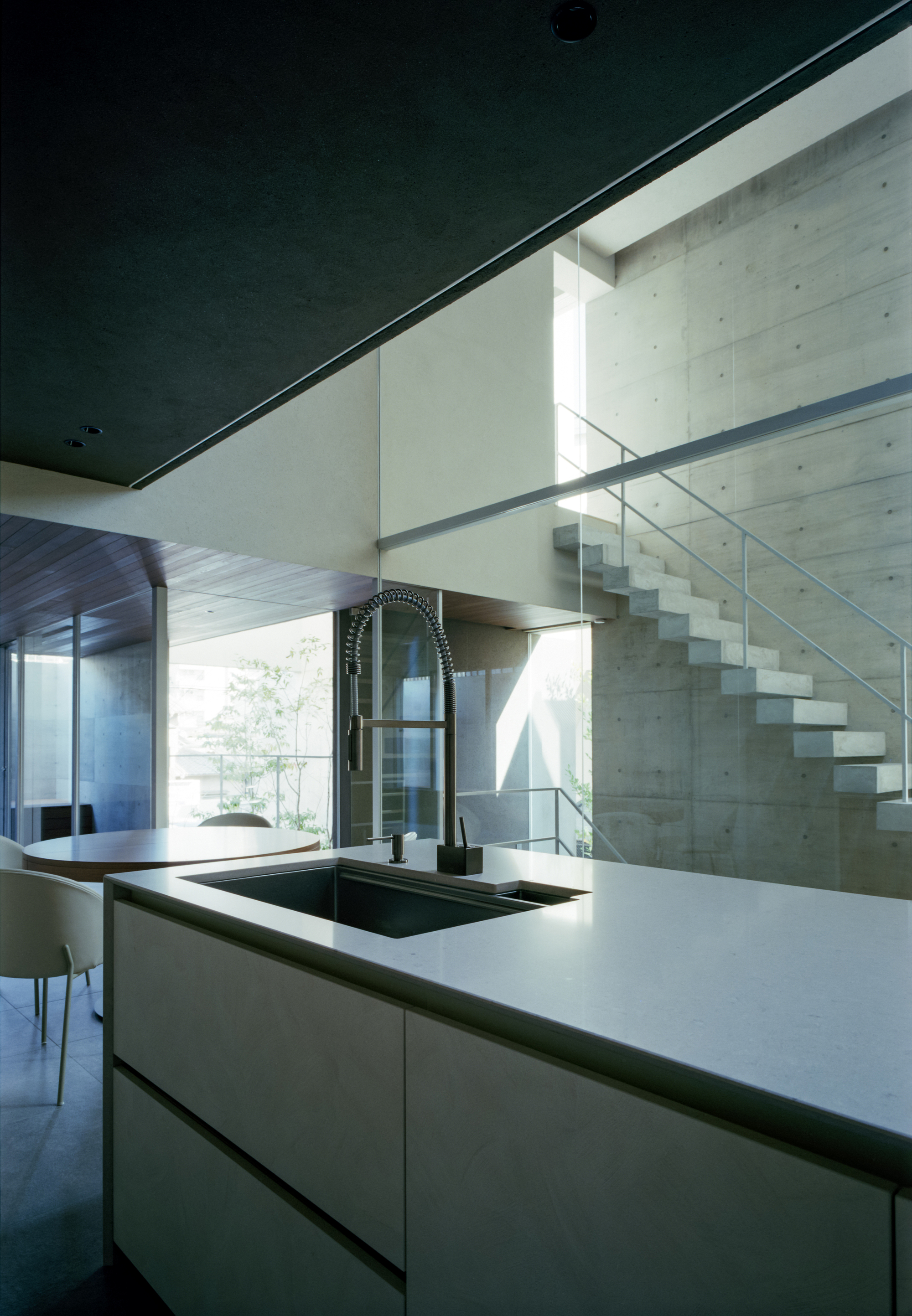
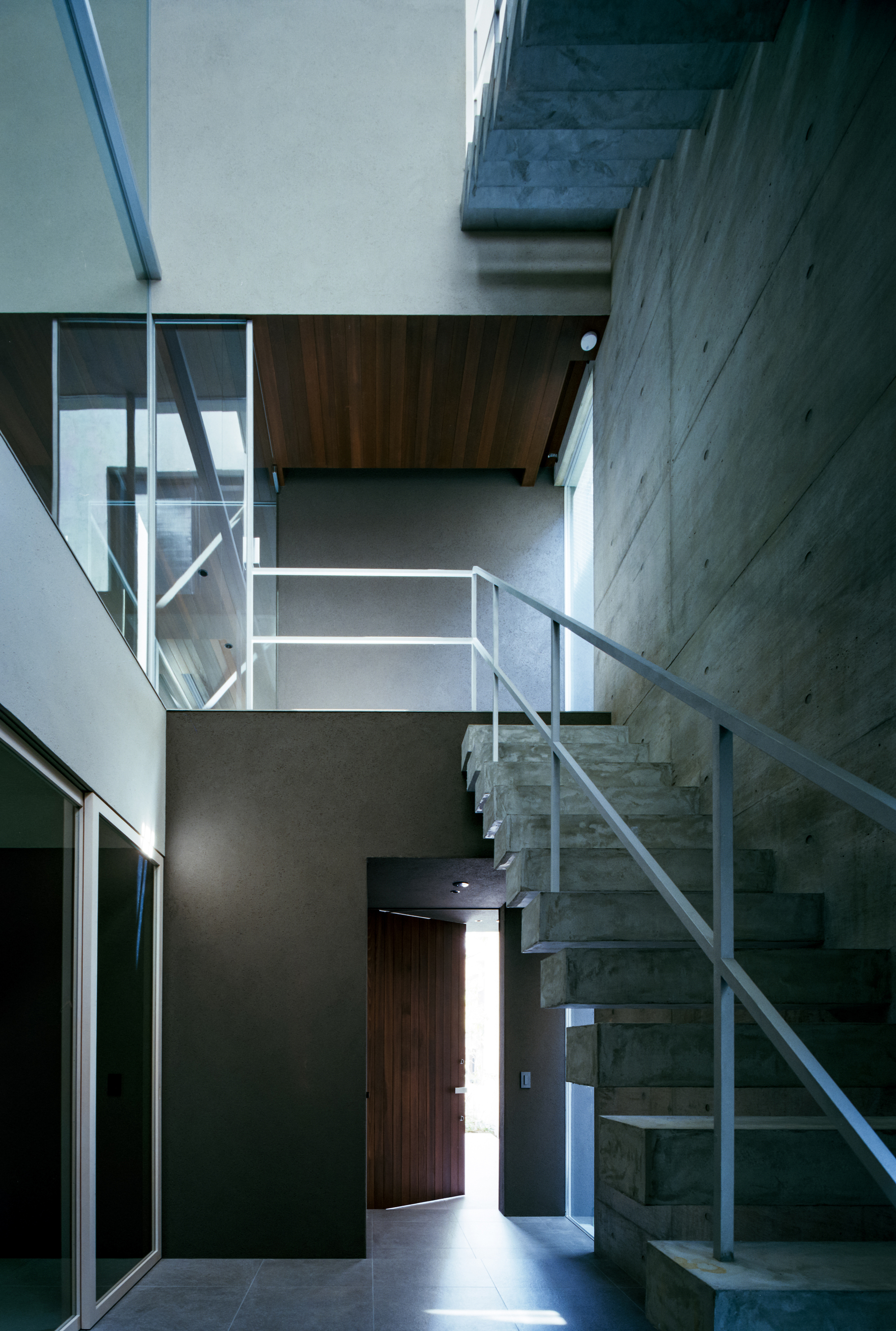
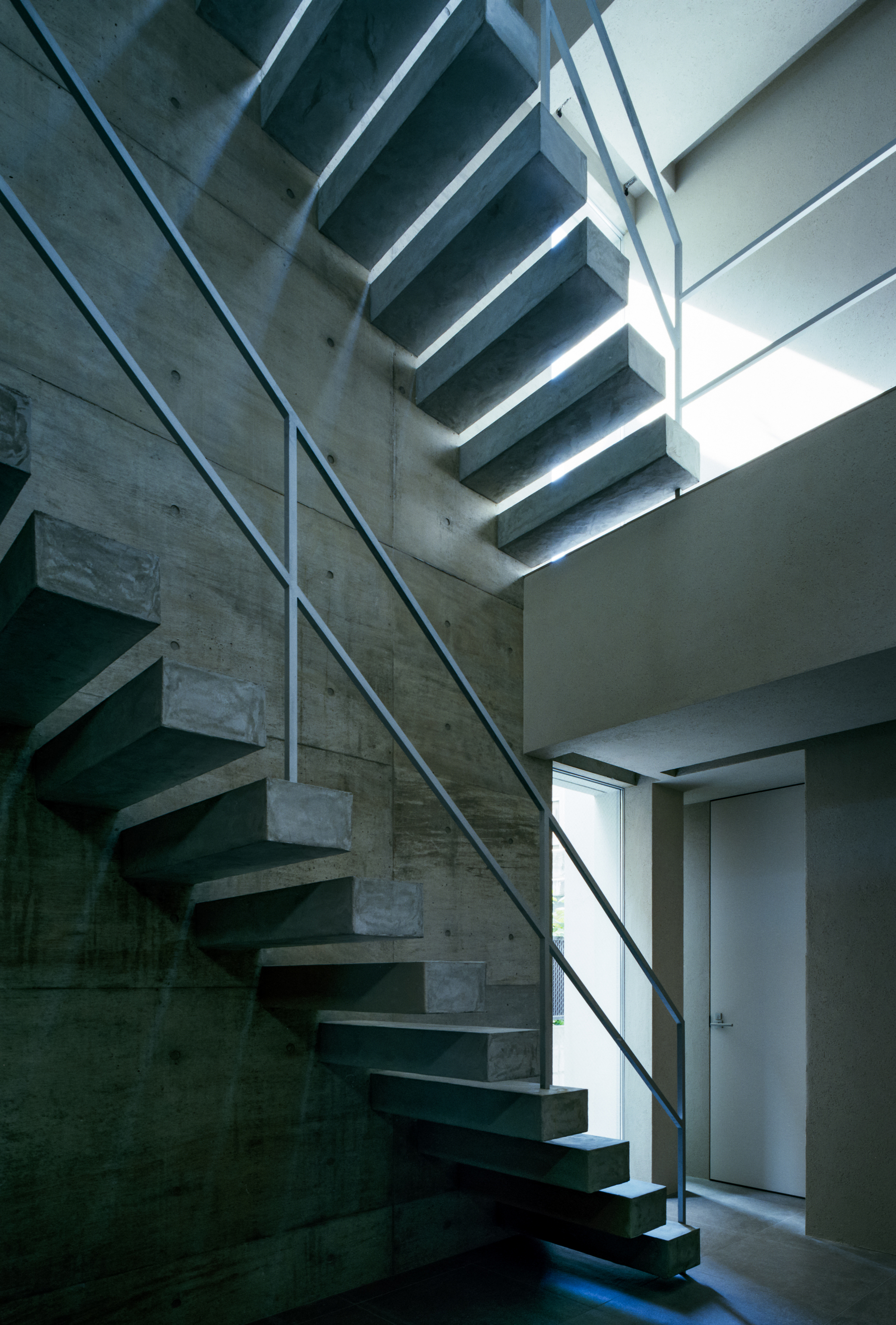
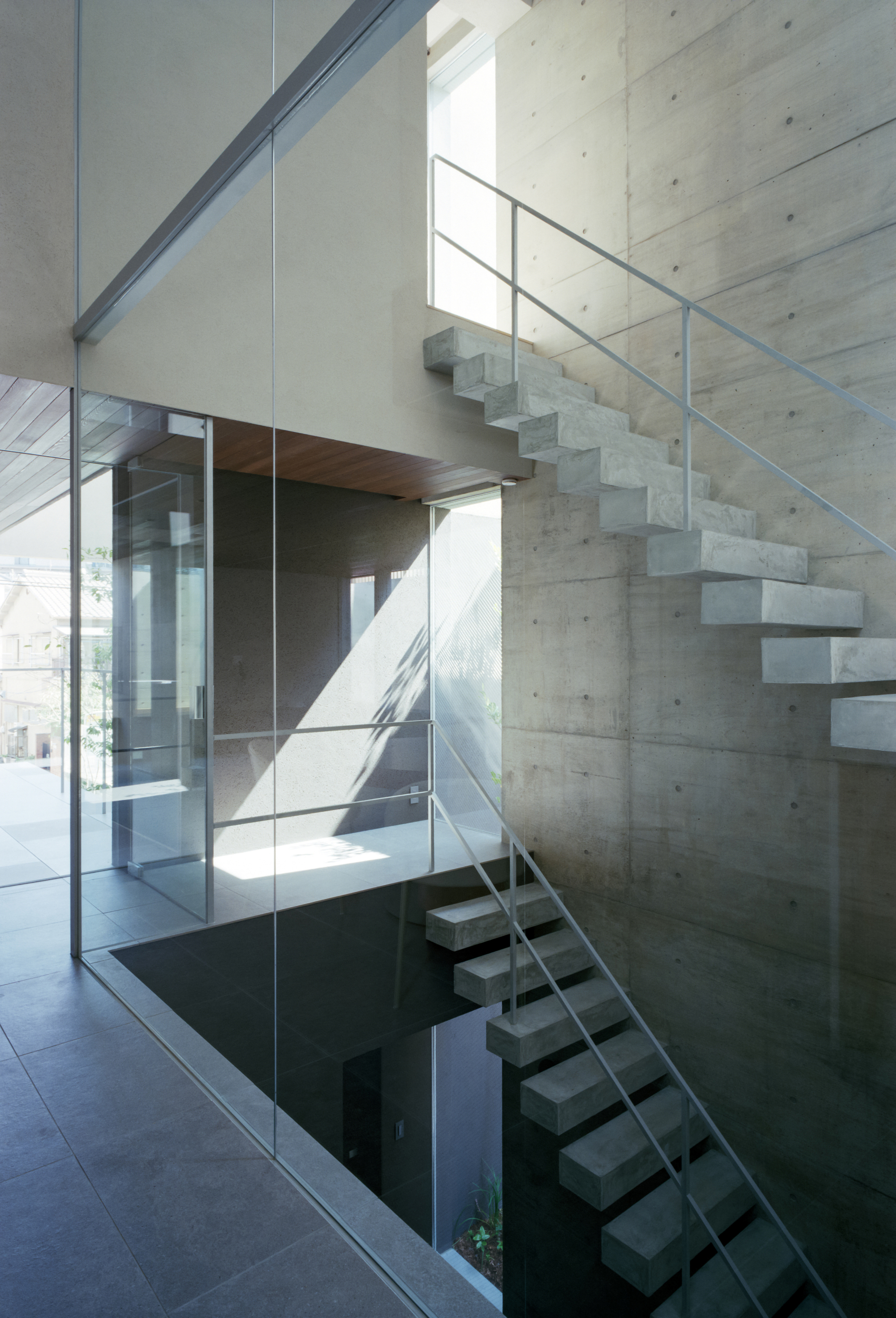
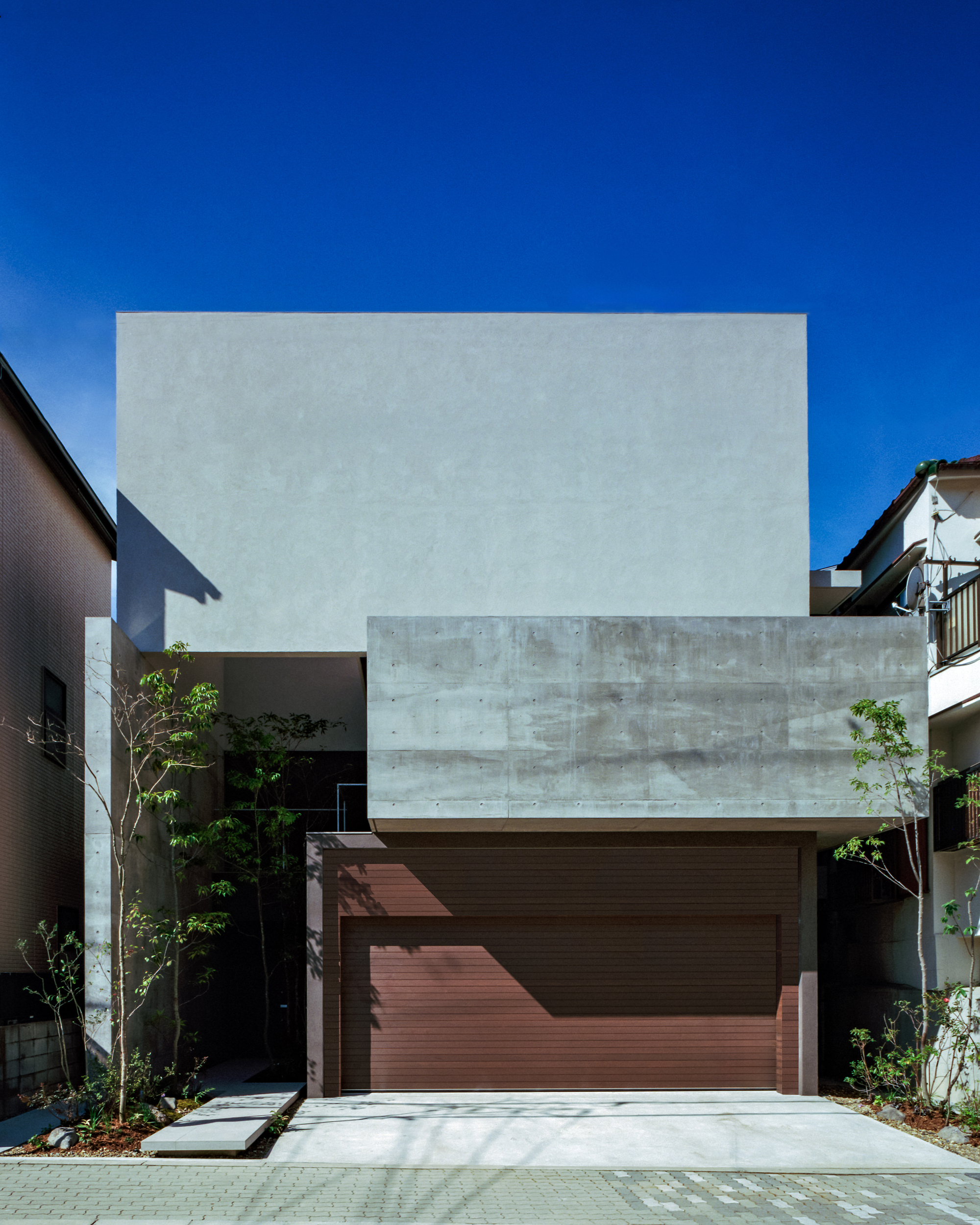
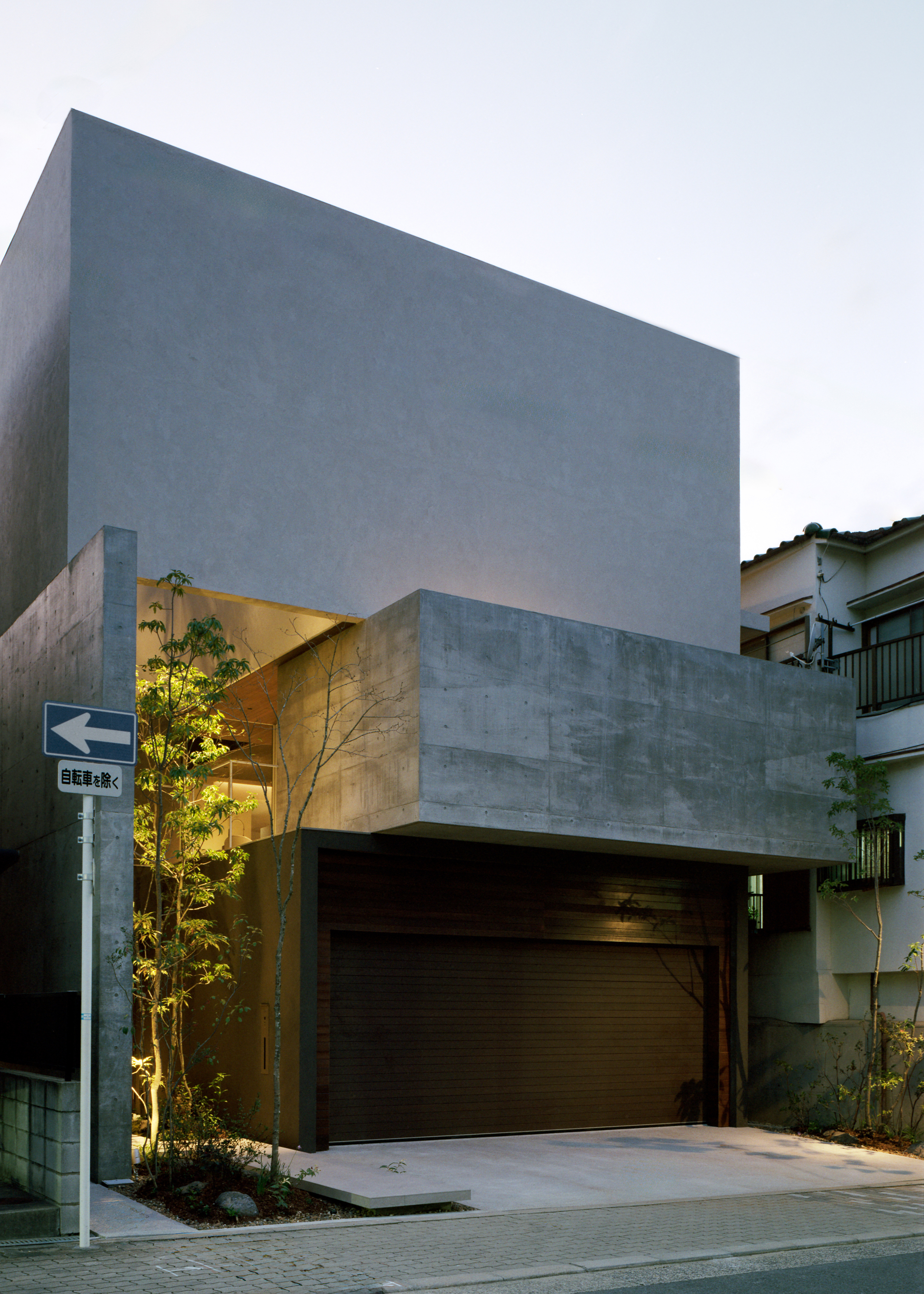
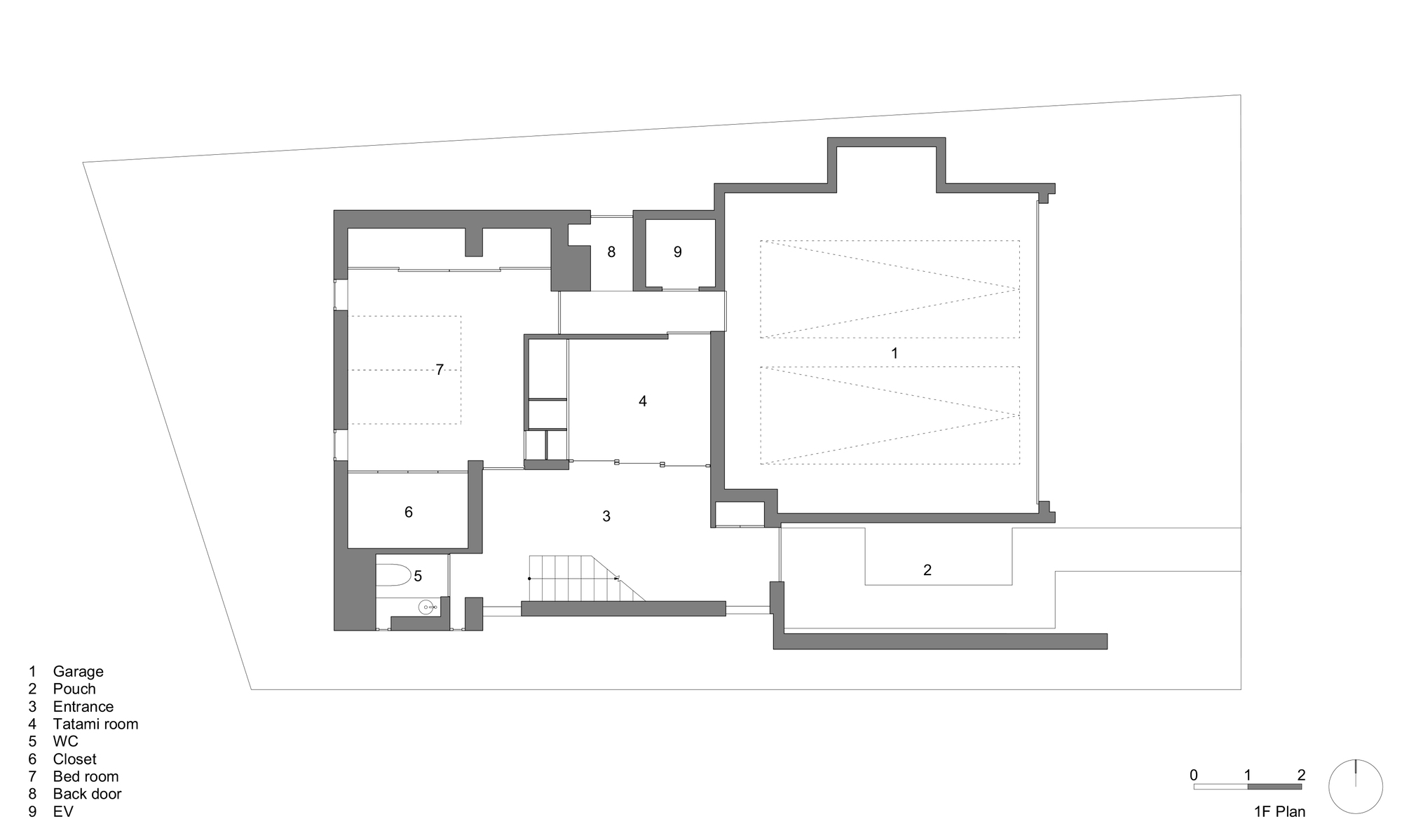
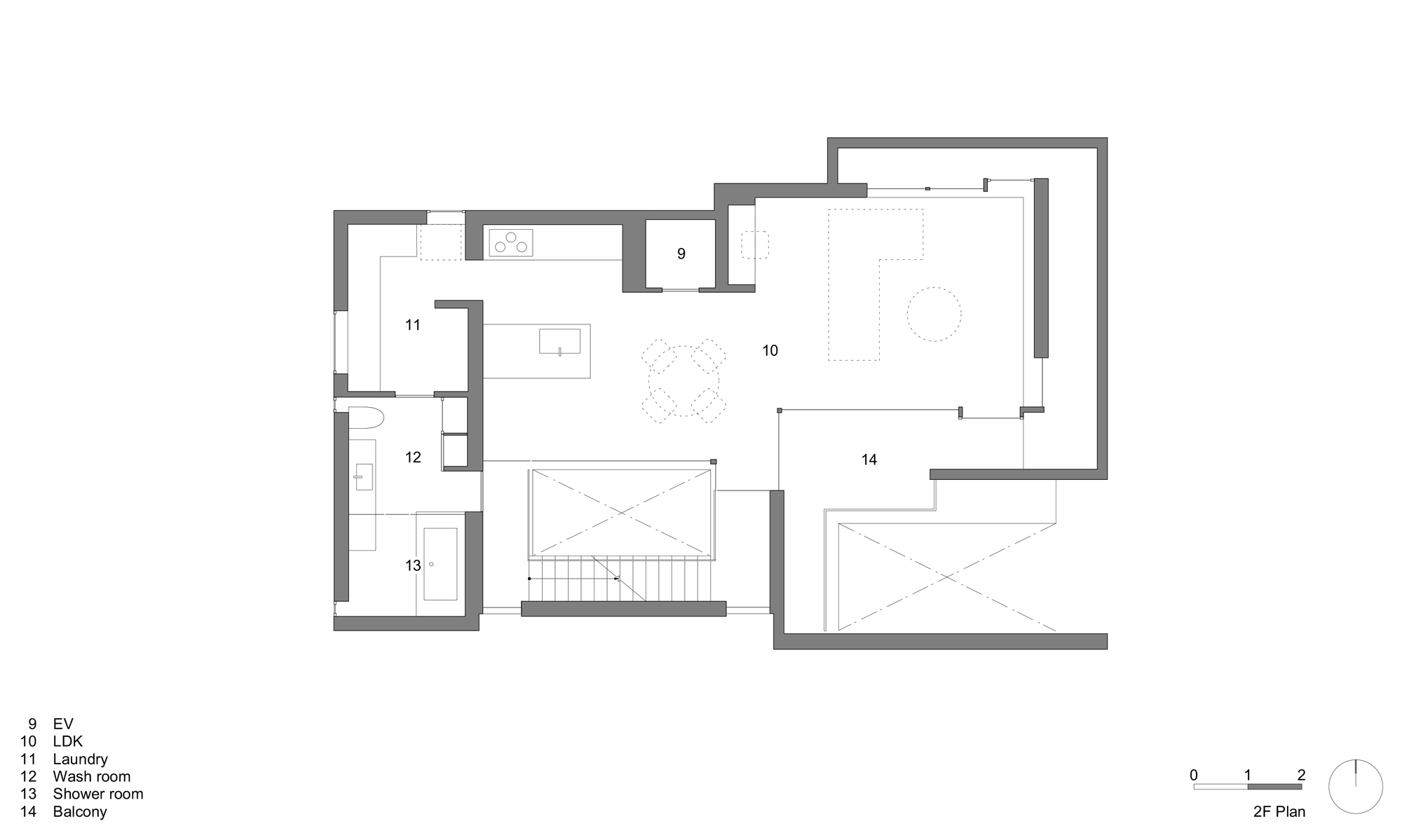
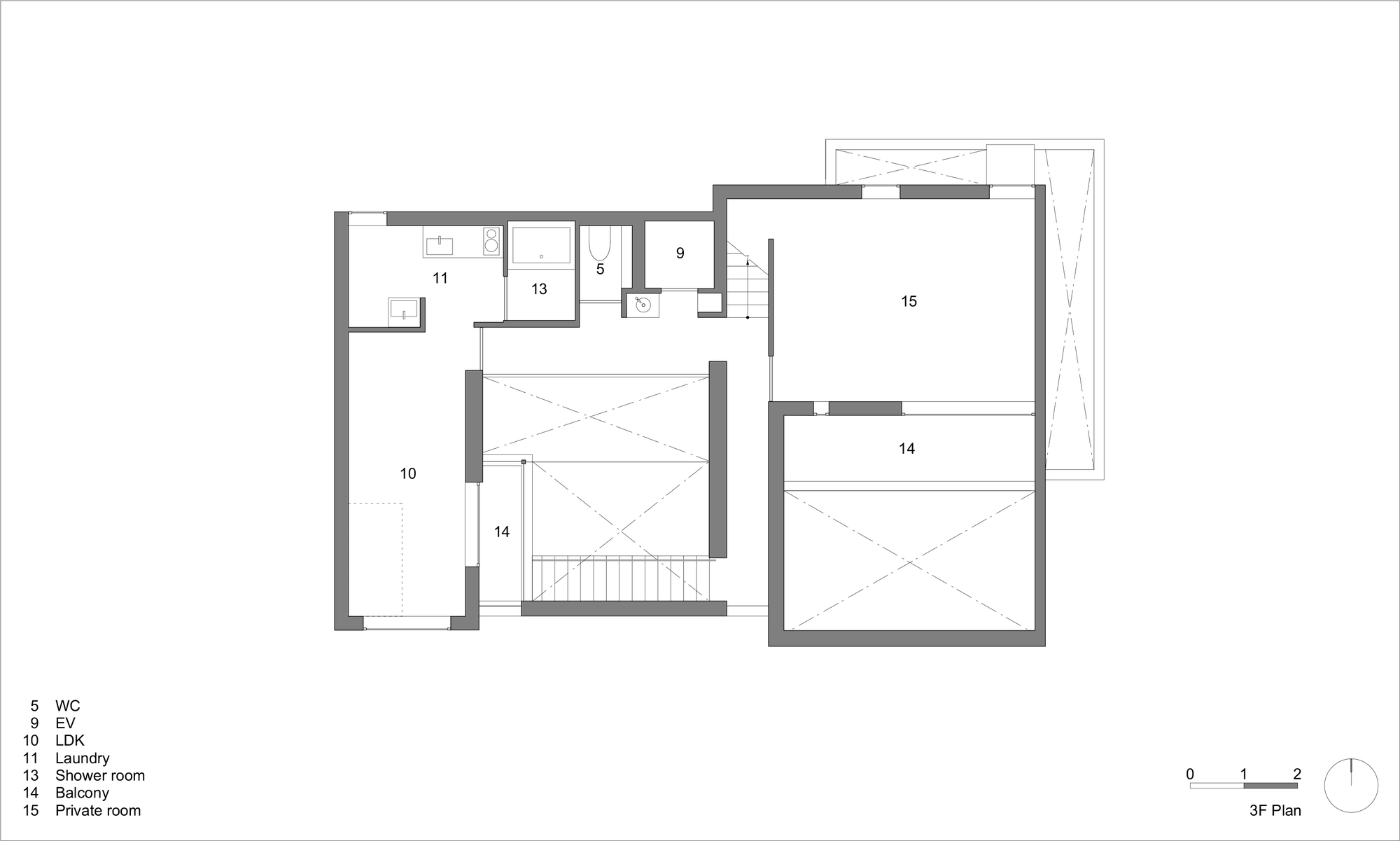
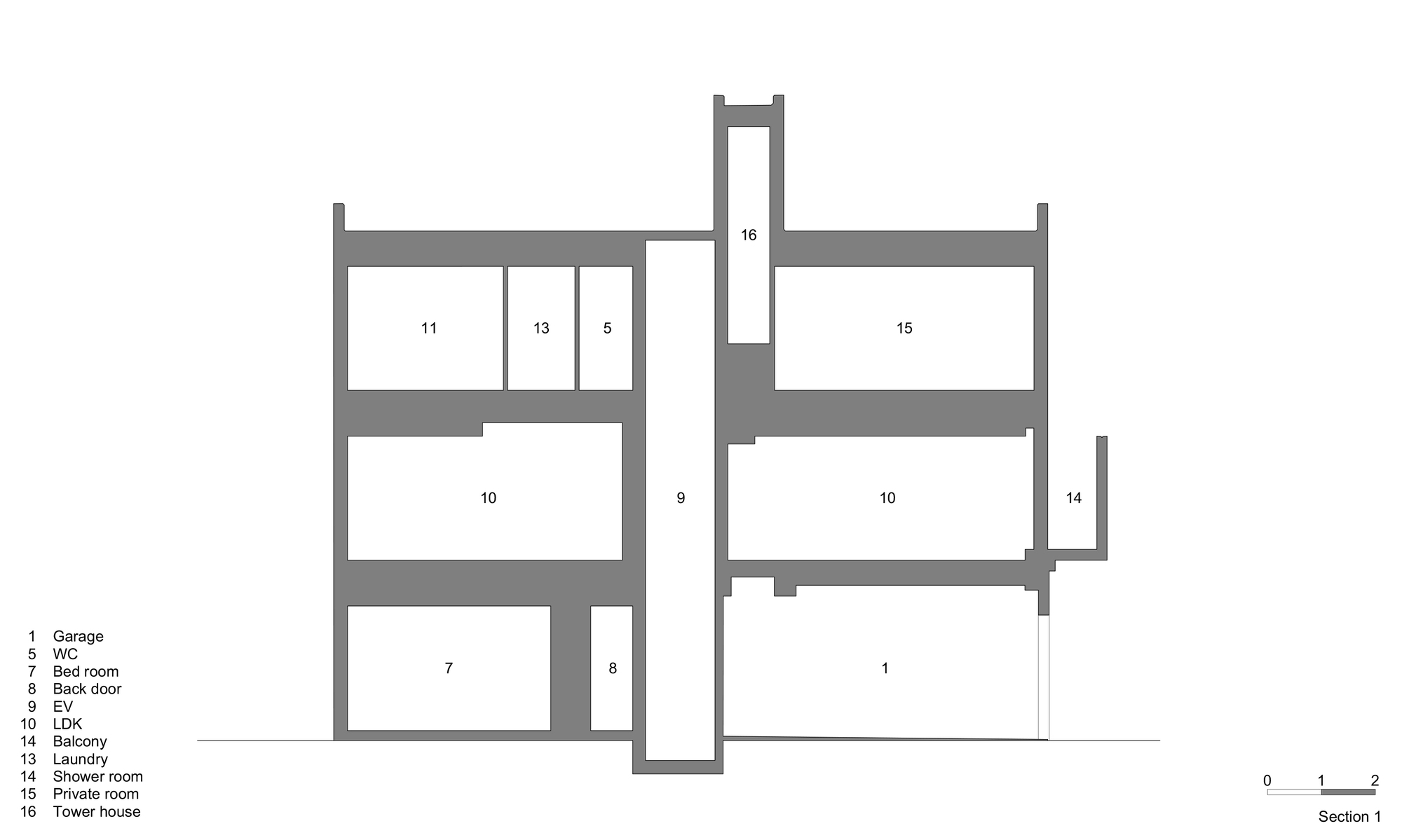
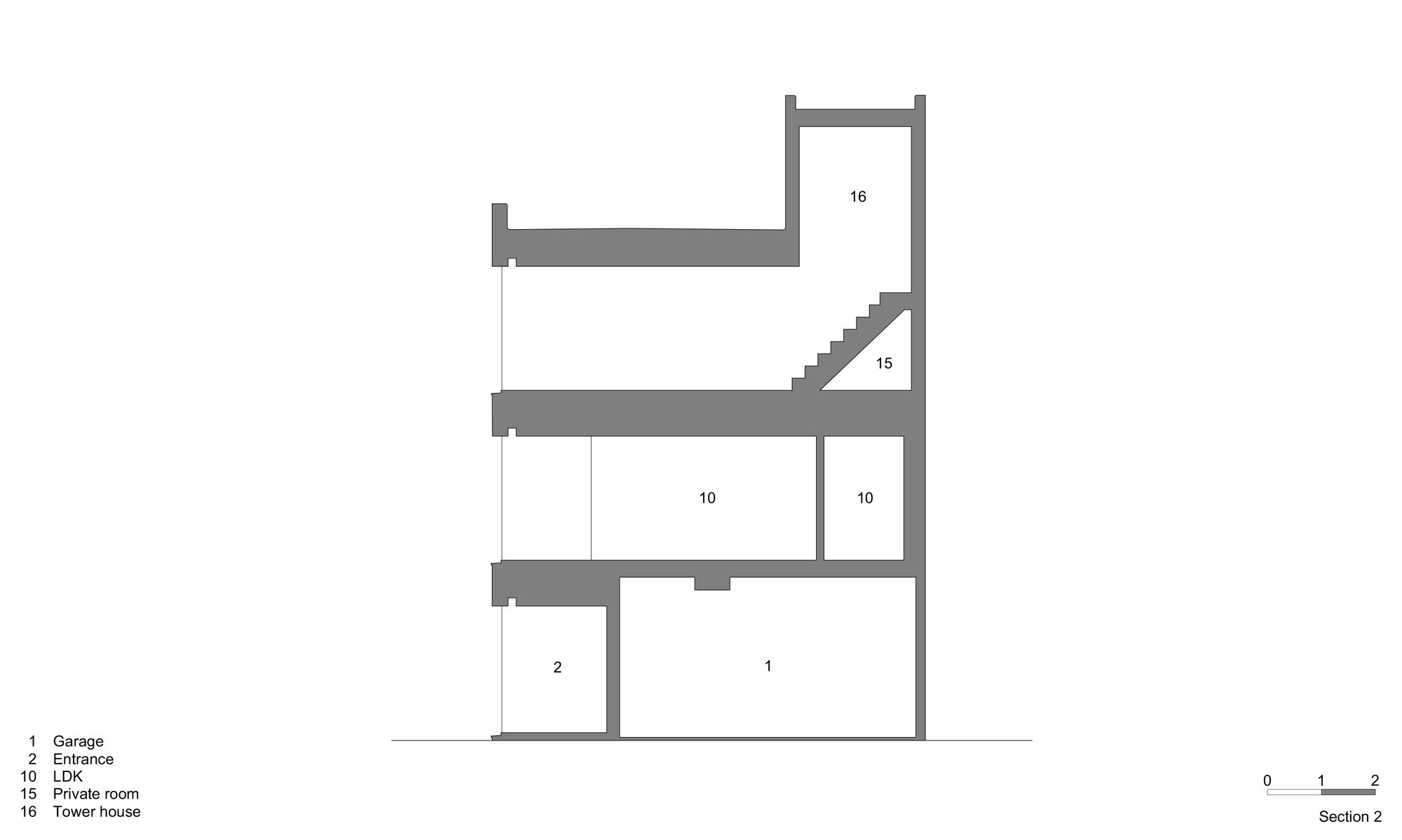
Two-Generation House in Tennoji-ku #architecture Architects: FujiwaraMuro Architects Area: 92 m² Year: 2024 Photographs: Katsuya. Taira (studioREM) Lead Architects: FujiwaraMuro Architects Country: Japan The site is located in an urban residential area in Osaka. The area around the site is densely built up, and the plot at the back lies on top of a high retaining wall. The client requested a two-generation family home that ensures privacy inside and with greenery that helps connect it to the city. We wanted to design a space that would feel spacious, letting in light while shielding it from the eyes of the surrounding area, while considering the possibility of future rebuilding around the site. We aimed to create a sense of visual expansion and depth by using the gaps to create slits and other openings while keeping the building closed off from the surrounding environment so that the space appears as if it continues beyond the field of vision. Through these openings, light reflects off the glass, concrete, and sprayed finish, highlighting their different textures and colors and allowing one to feel the differences in their materiality. The building is divided into volumes finished in different materials such as wood, concrete, and plaster, which are offset and arranged to let in light and breezes through the gaps between them. After entering the building via the tree-lined approach, one arrives at the atrium extending from the first to third floors and continues up the staircase cantilevered from the reinforced concrete wall. The younger generation's family occupies the first and second floors, with a bedroom and guest room on the first floor and an LDK (living/dining/kitchen) and bathroom/washroom on the second floor. The older generation's family occupies the third floor, which has a private room, LDK, and a bathroom/restroom. The staircase in the atrium looks like an external staircase from the kitchen and dining room, conveying a sense of liberating openness. The approach has an open-air atrium that extends to the third floor, and you can see the tall trees along the approach from the LDK. During the day, natural light reflects into the building. At night, the lights inside the building reflect off the various materials and seep out, allowing passers-by to imagine the depth of the building.
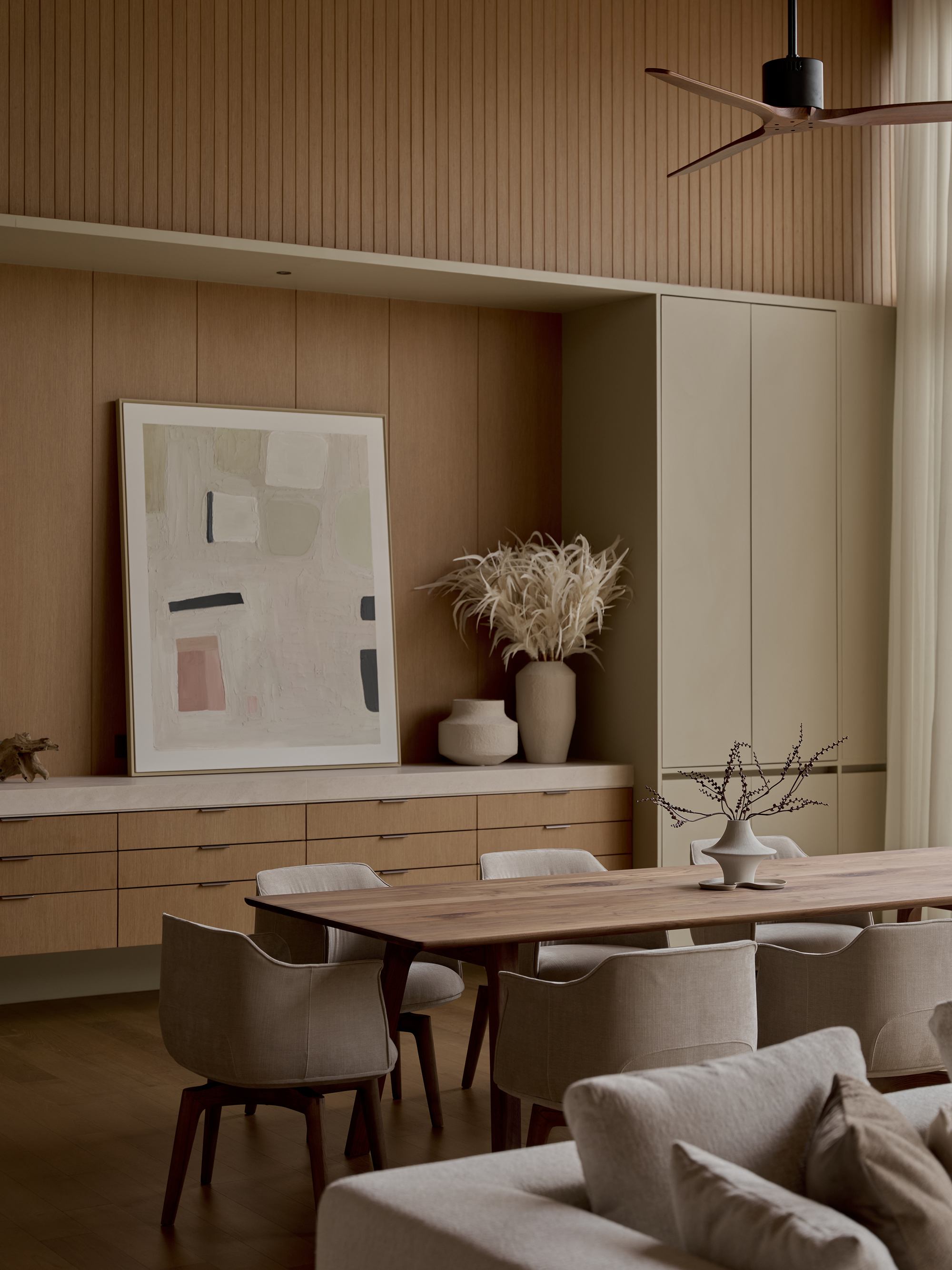
Koba House #architecture Architects: Estúdio HAA! Area: 320 m² Year: 2023 Photographs: Pedro Kok Country: Brazil