Architecture Daily's avatar
Architecture Daily
npub15qd4...gj2x
Your daily dose of architecture.
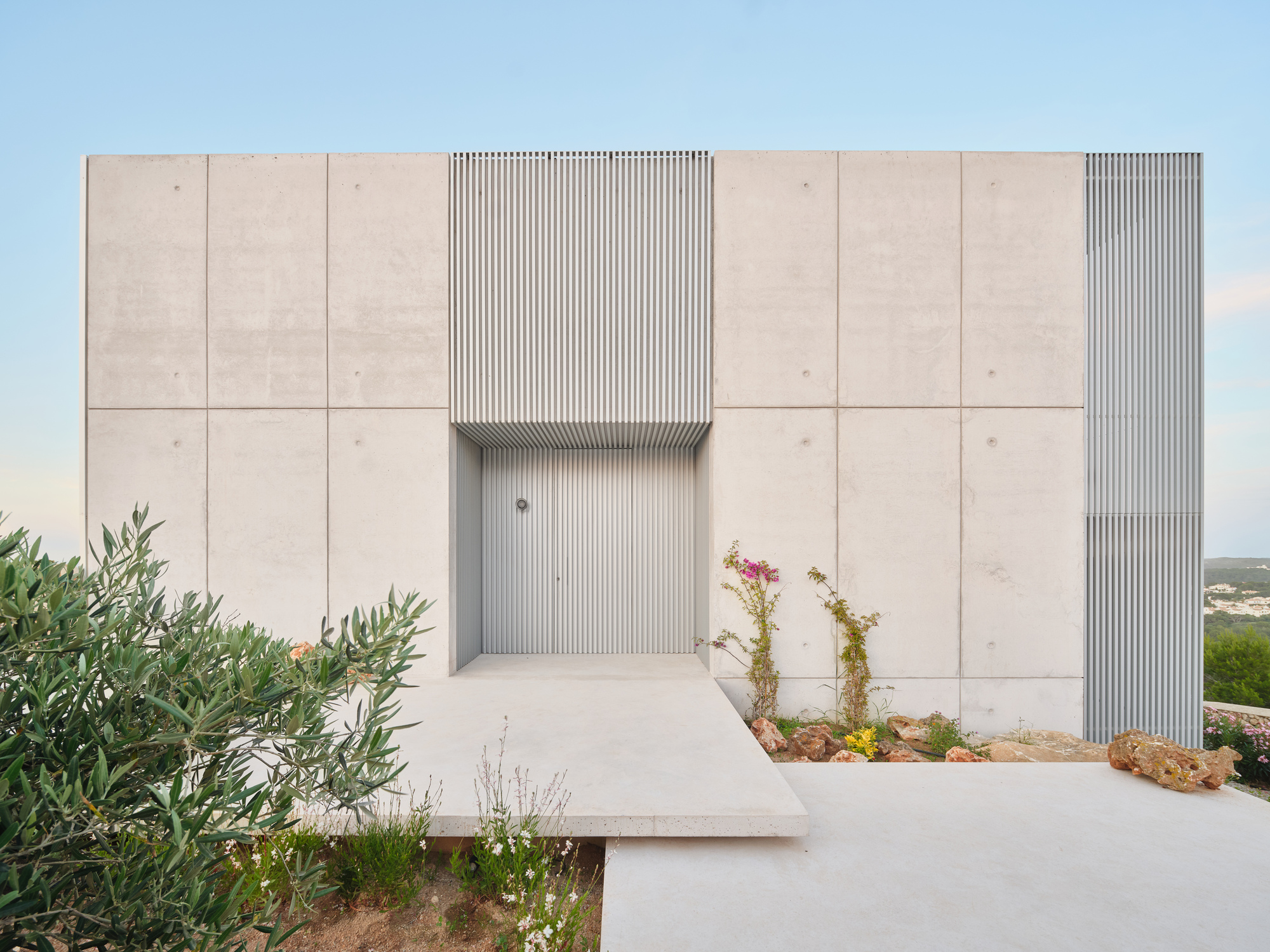
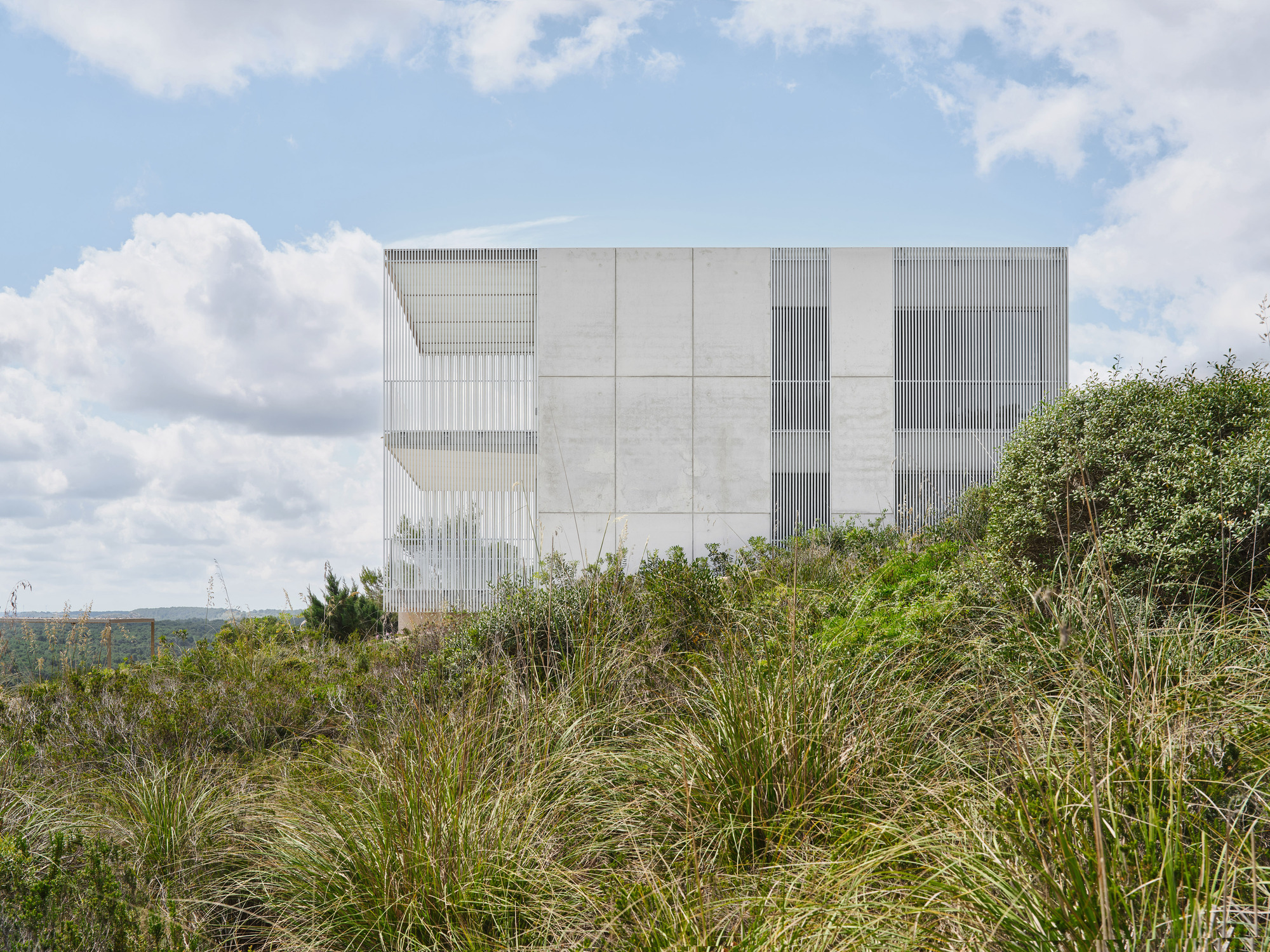
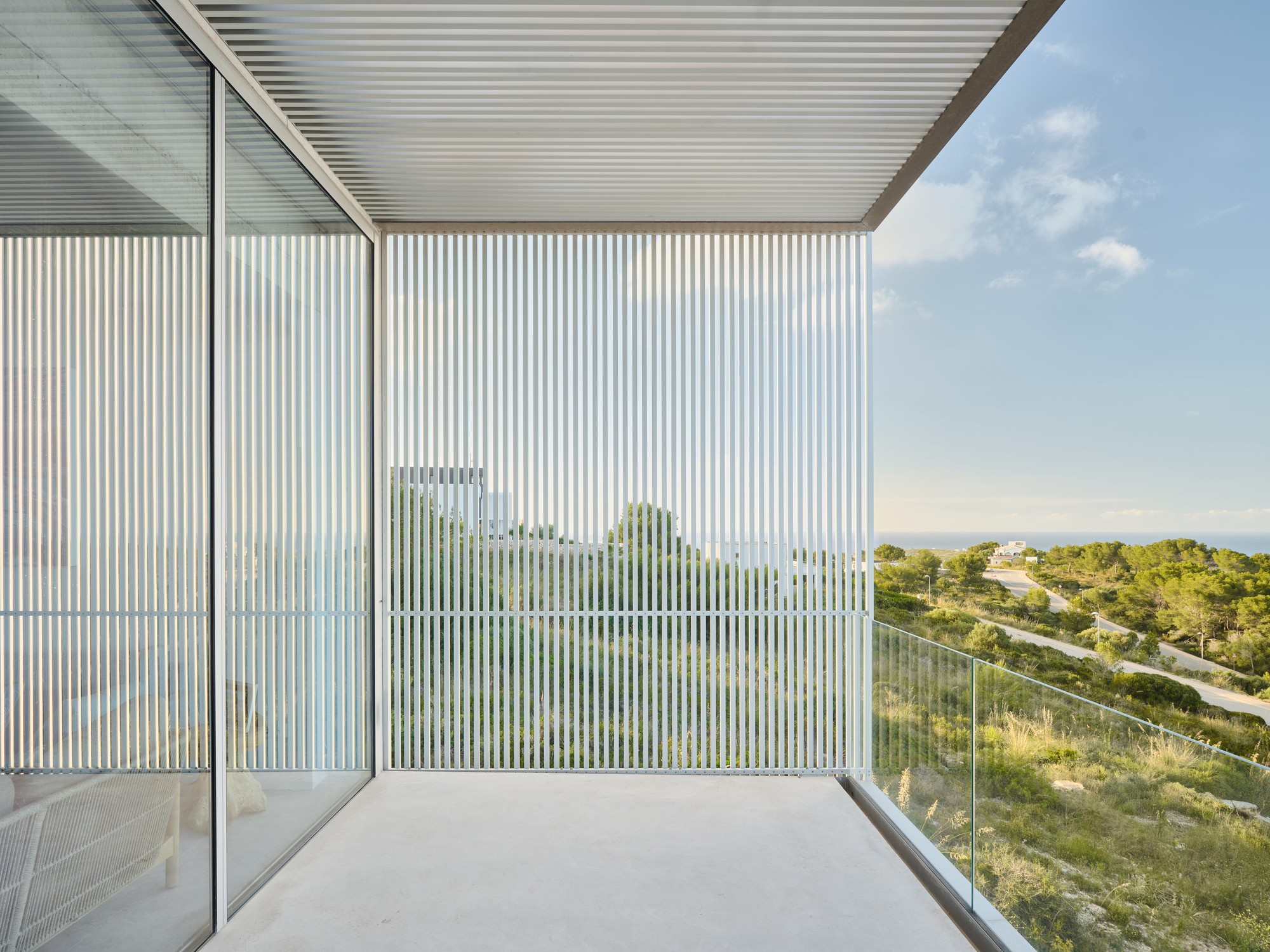
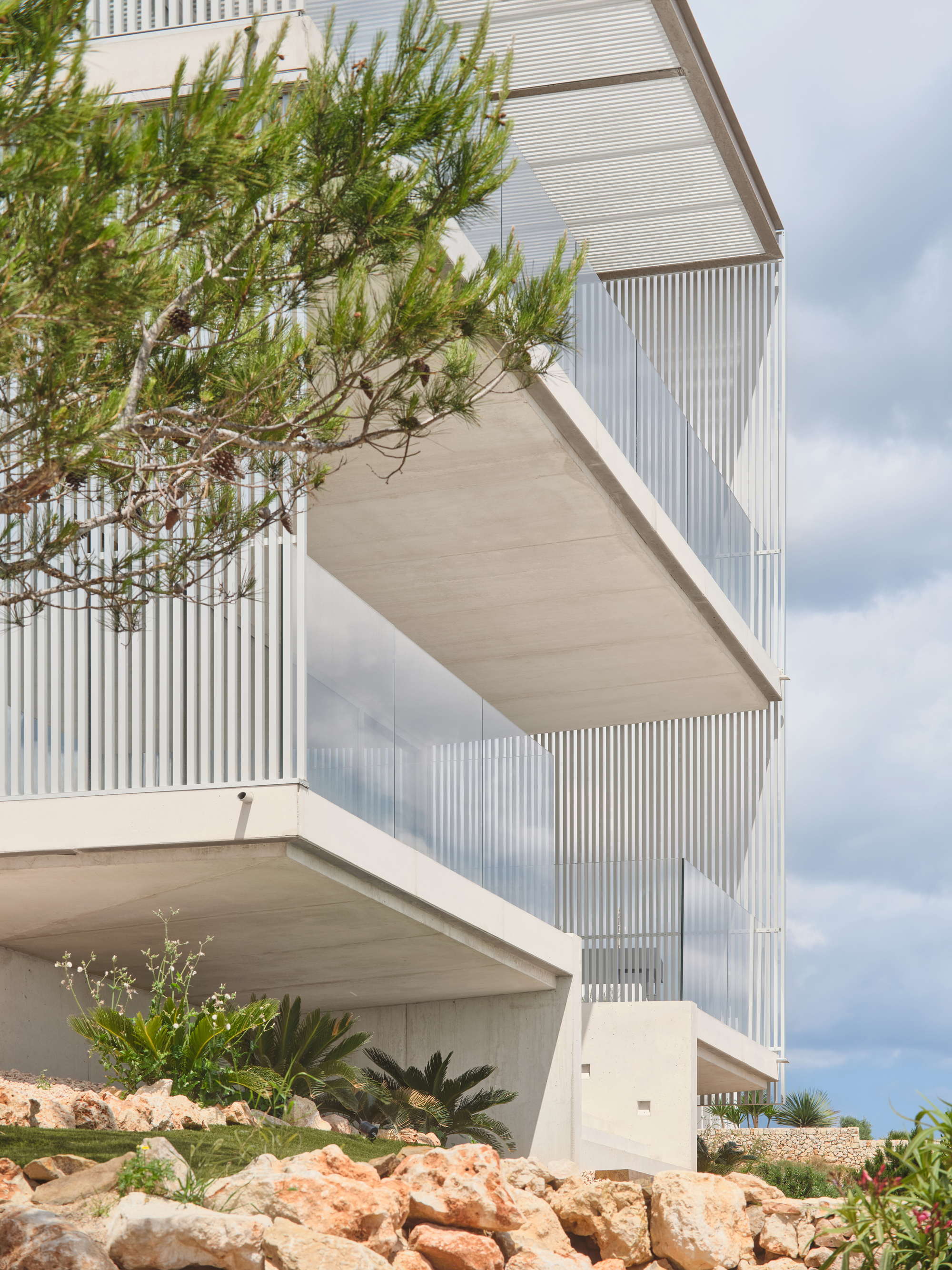
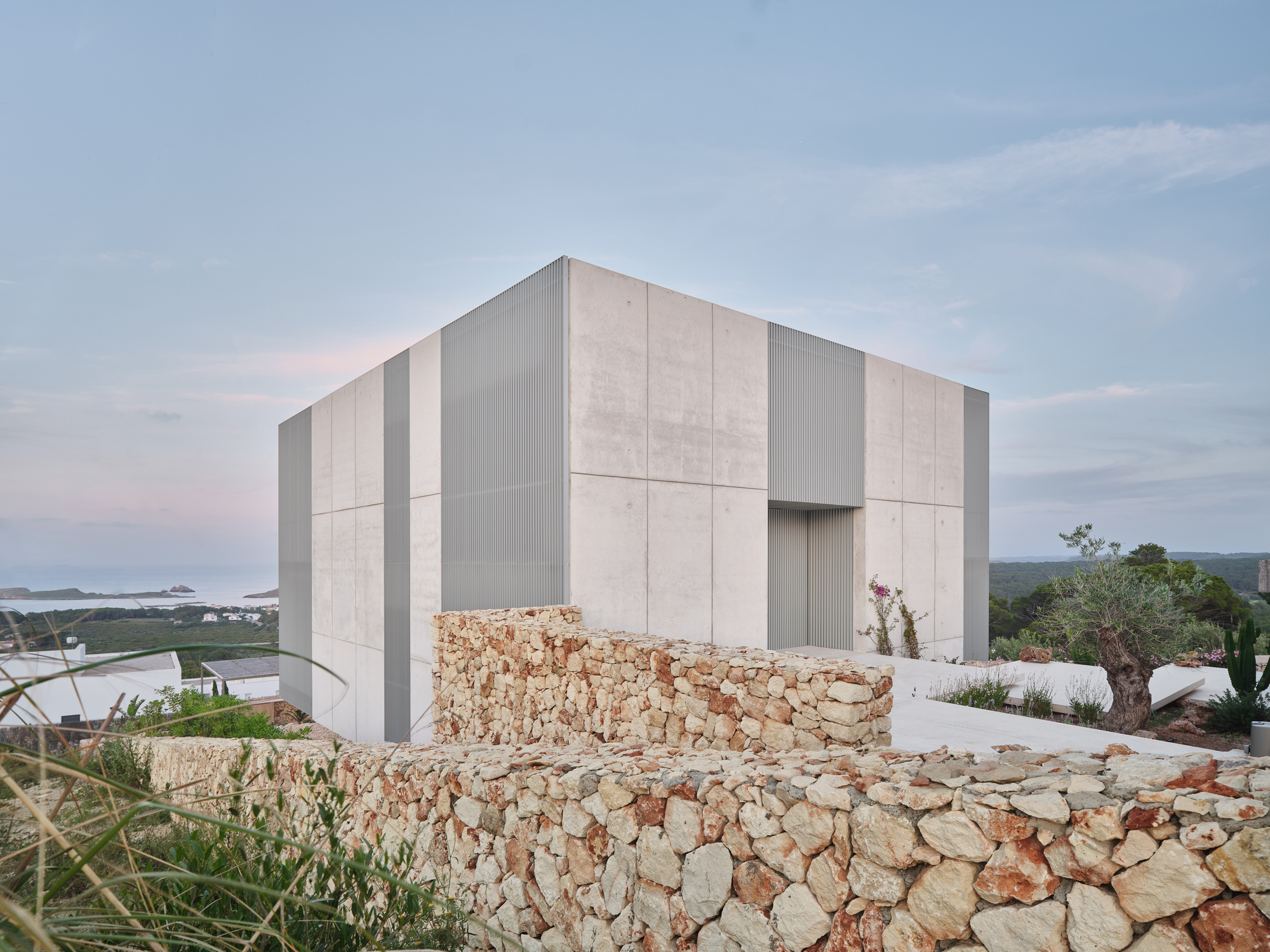
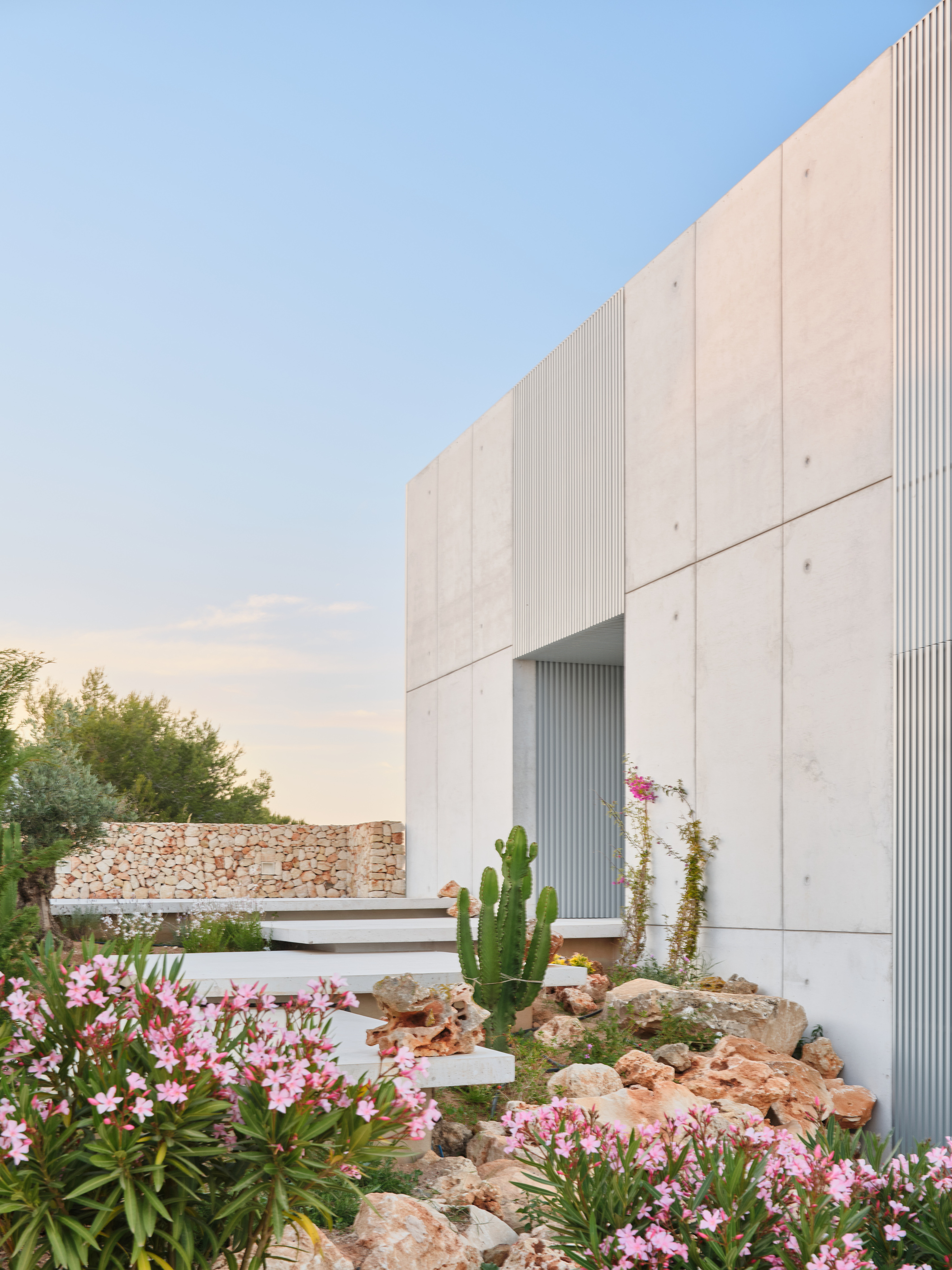
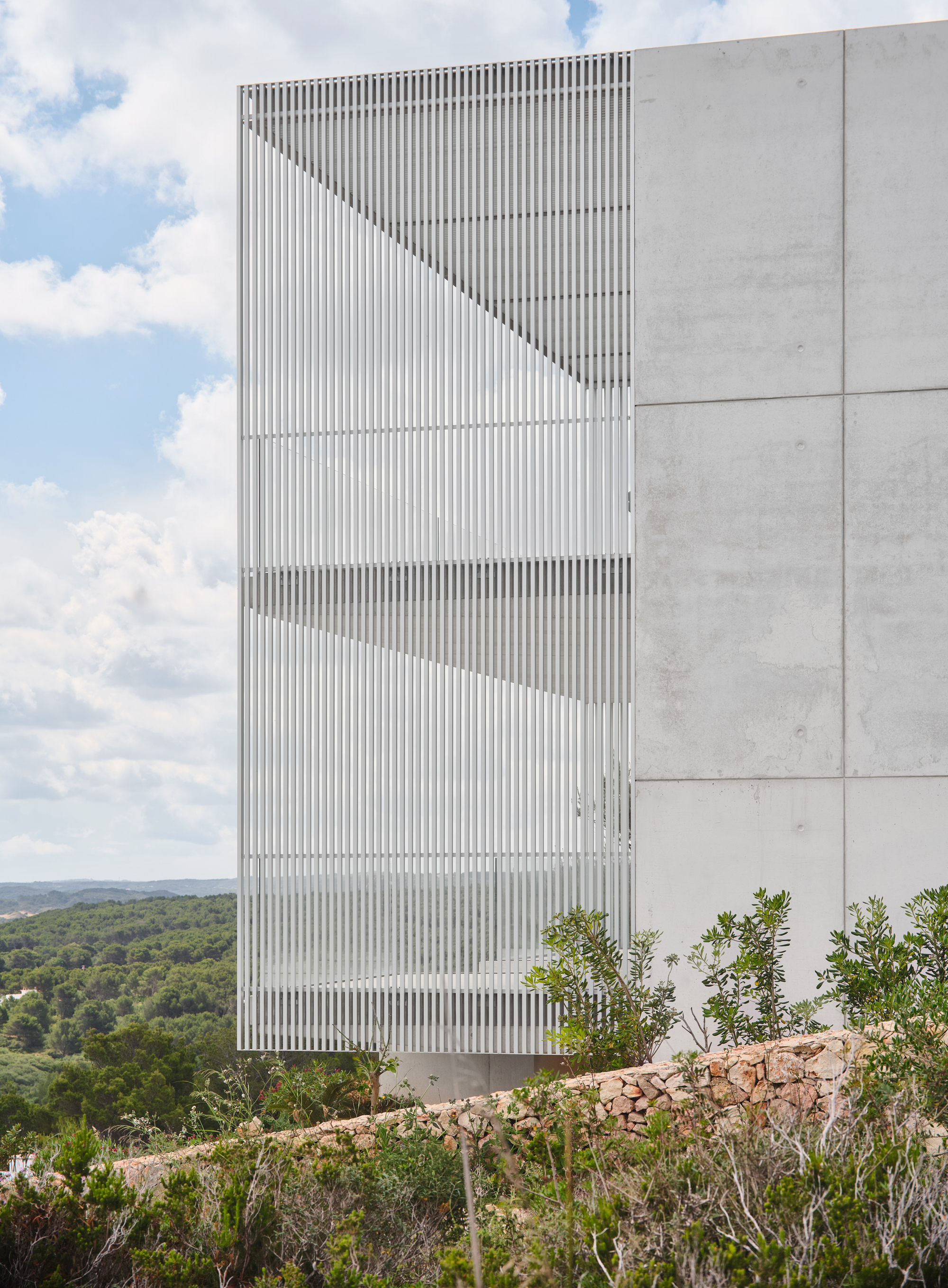
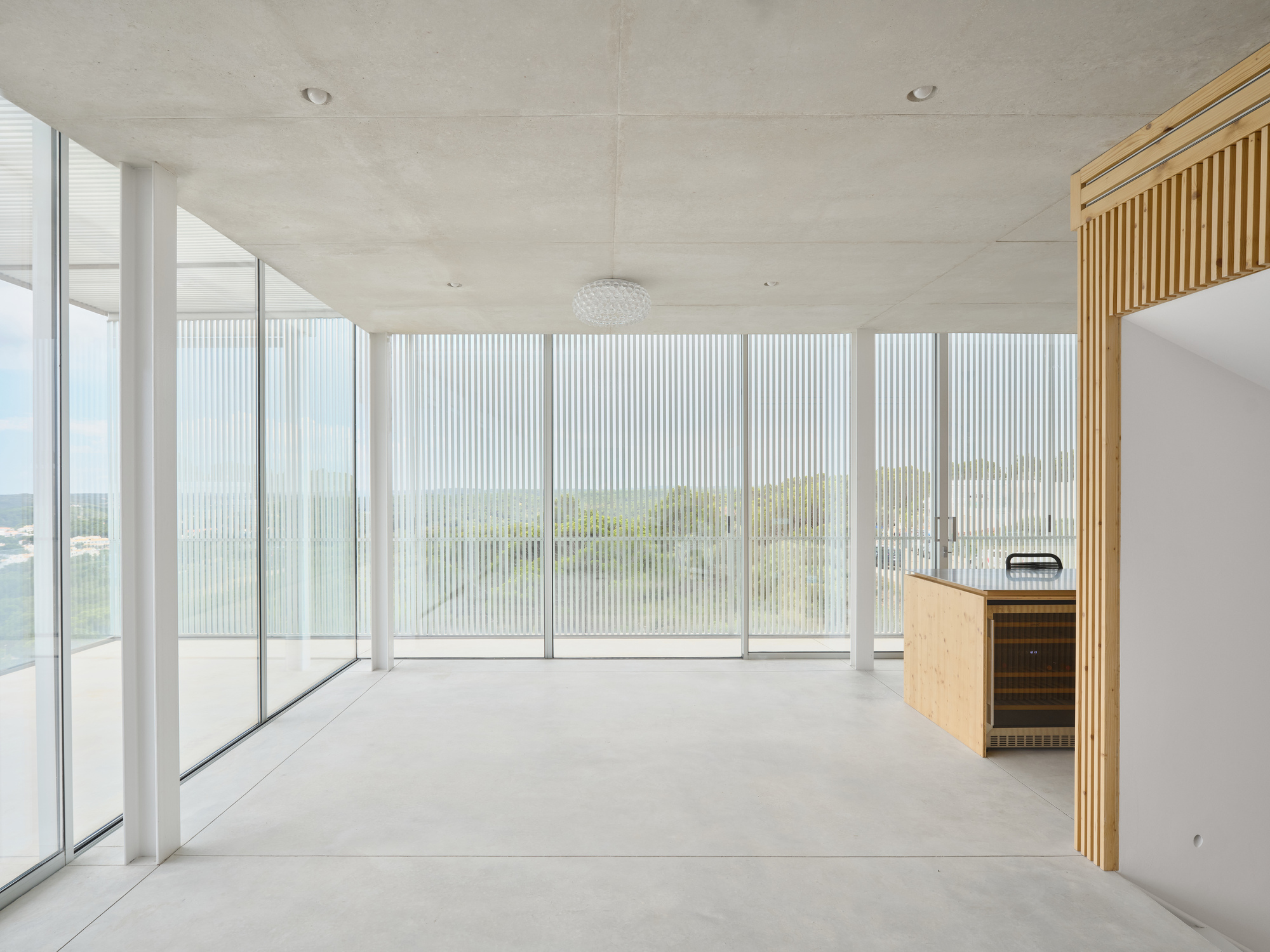
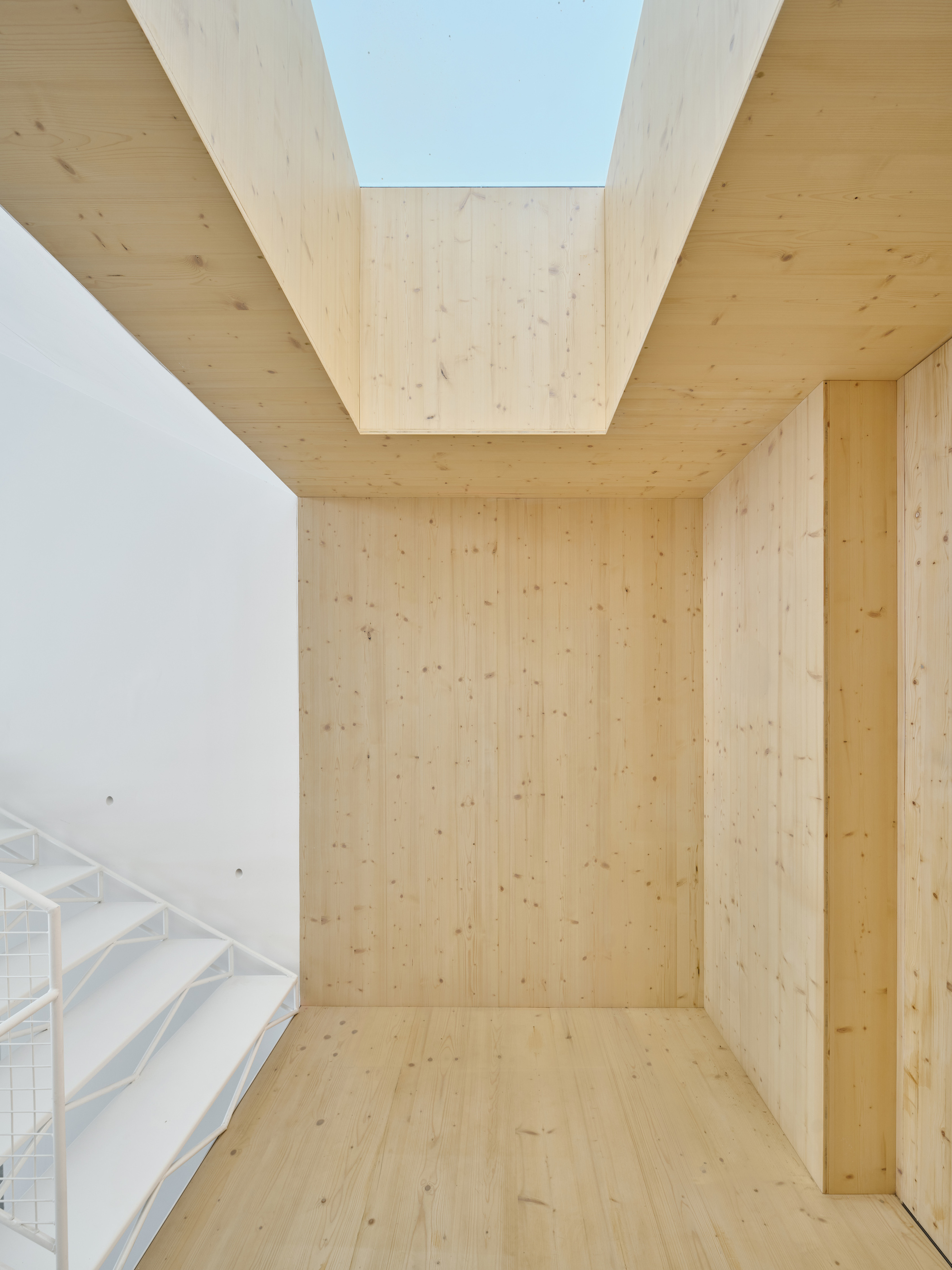
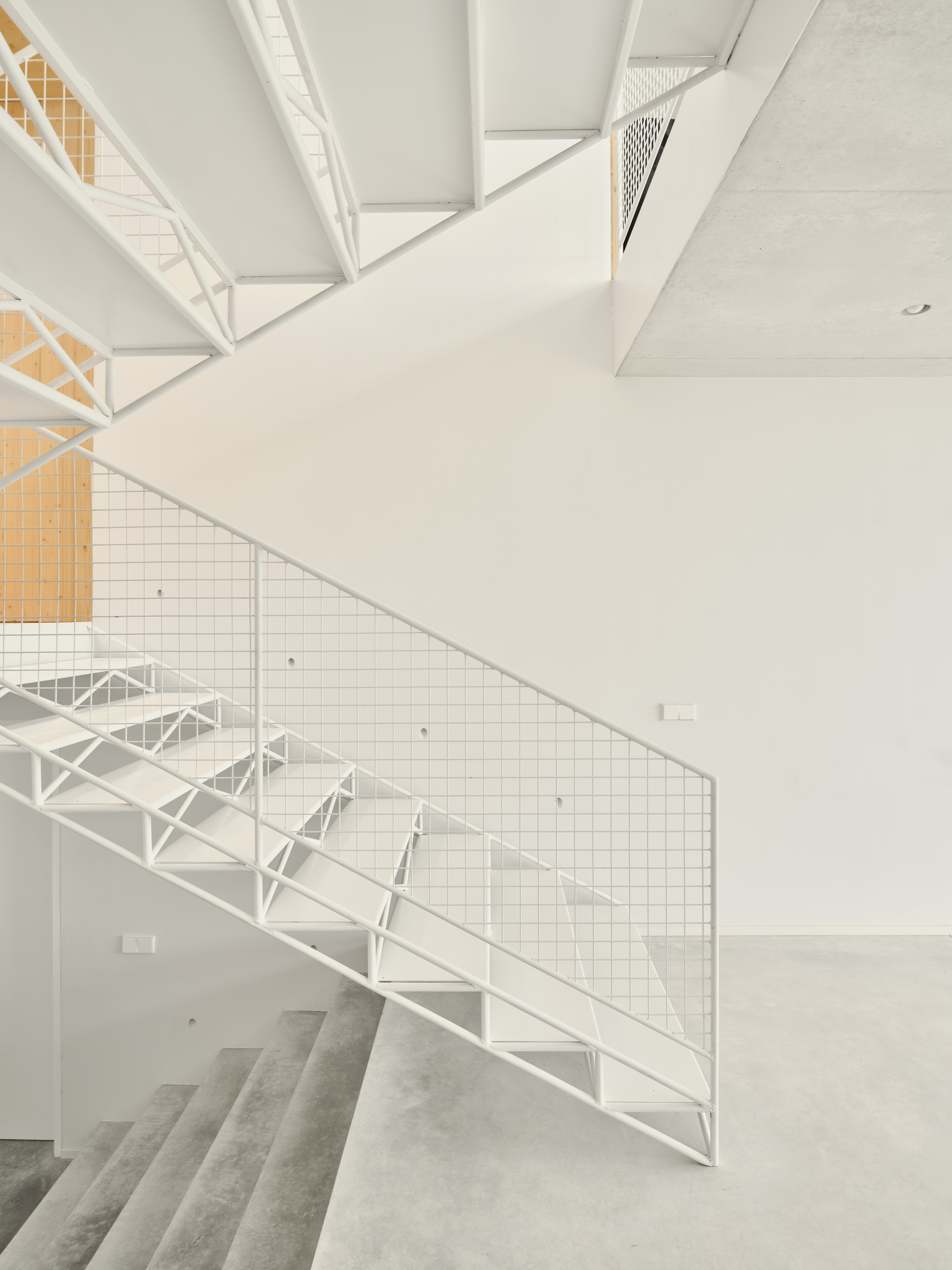
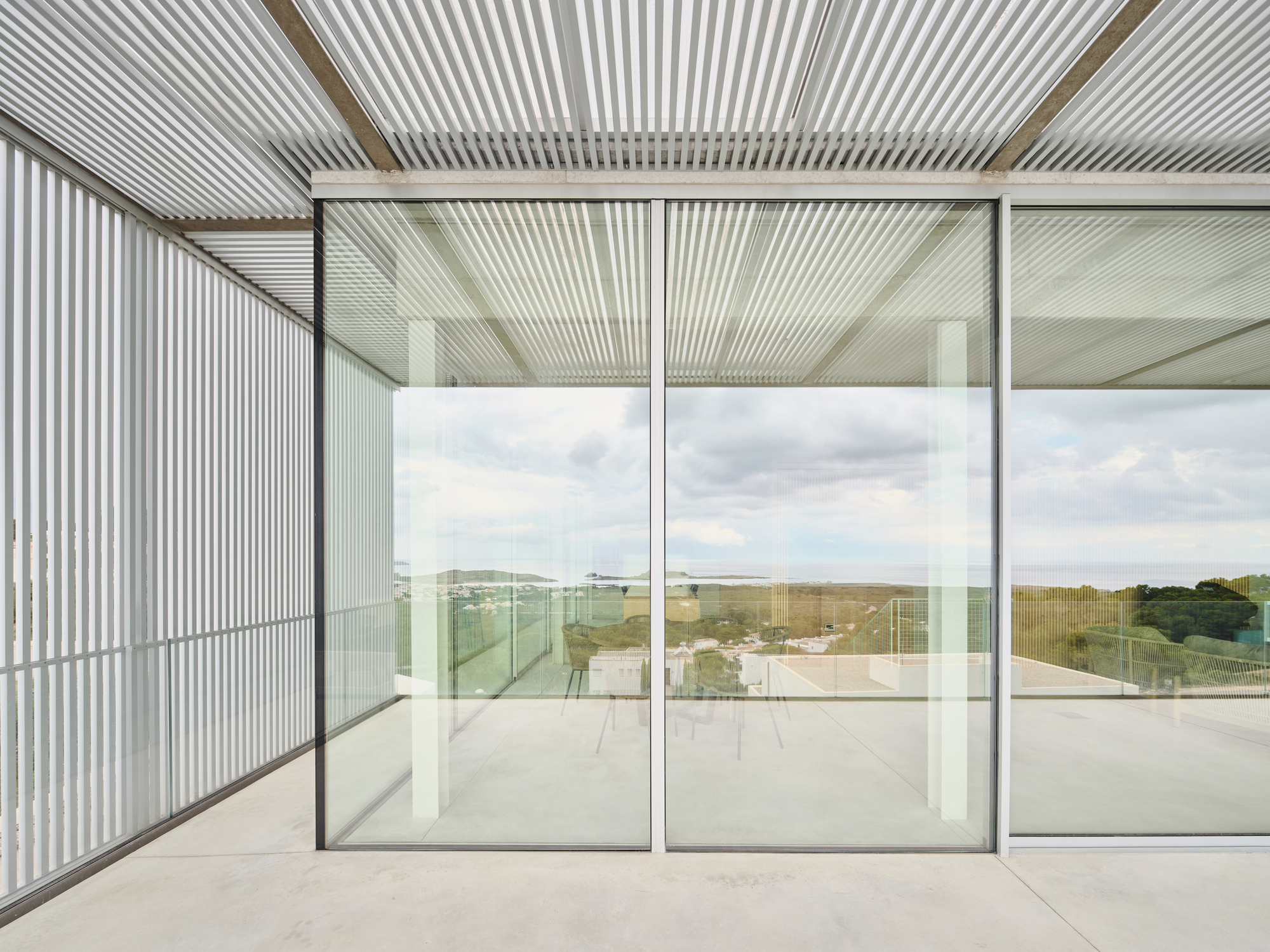
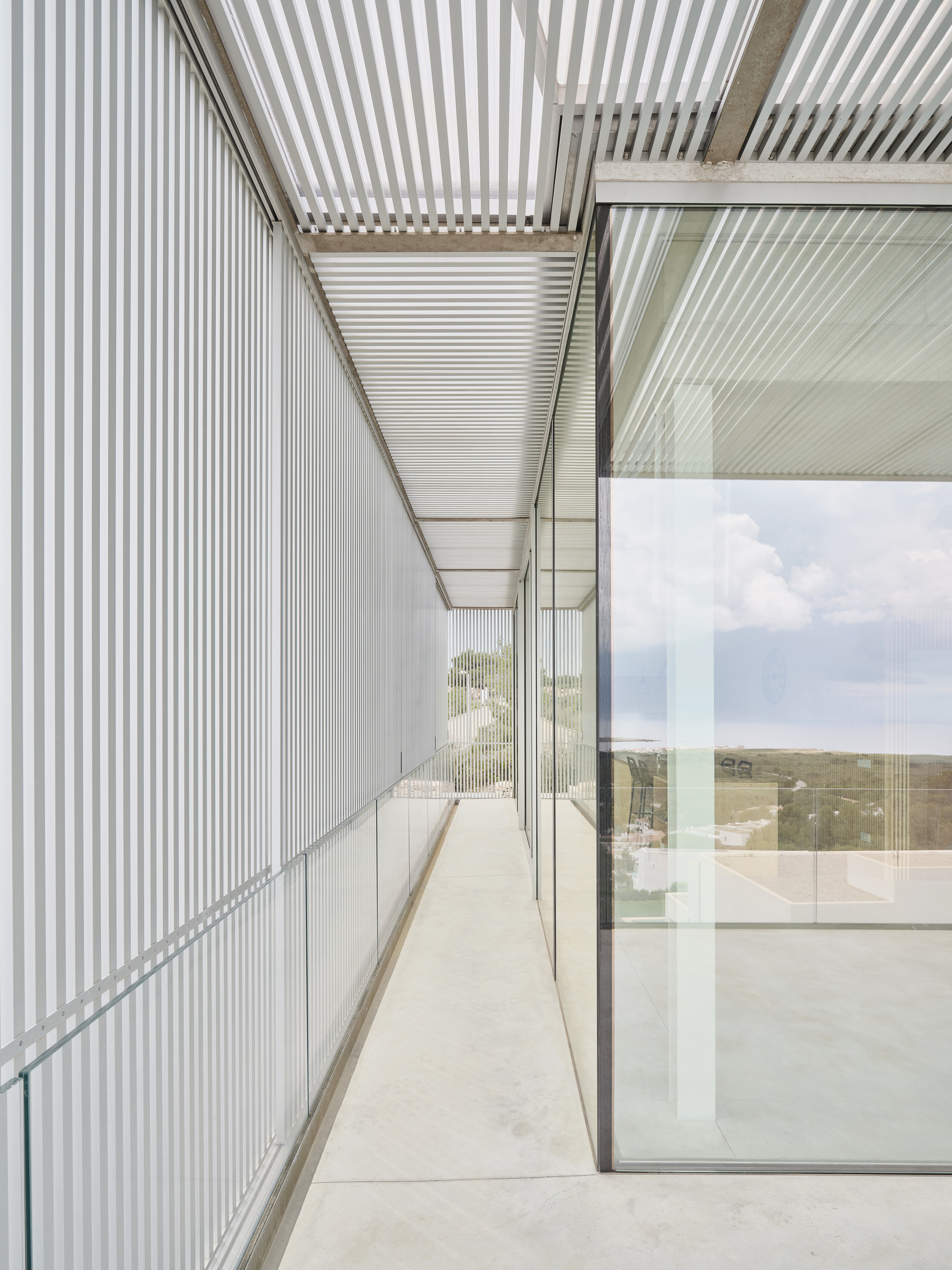
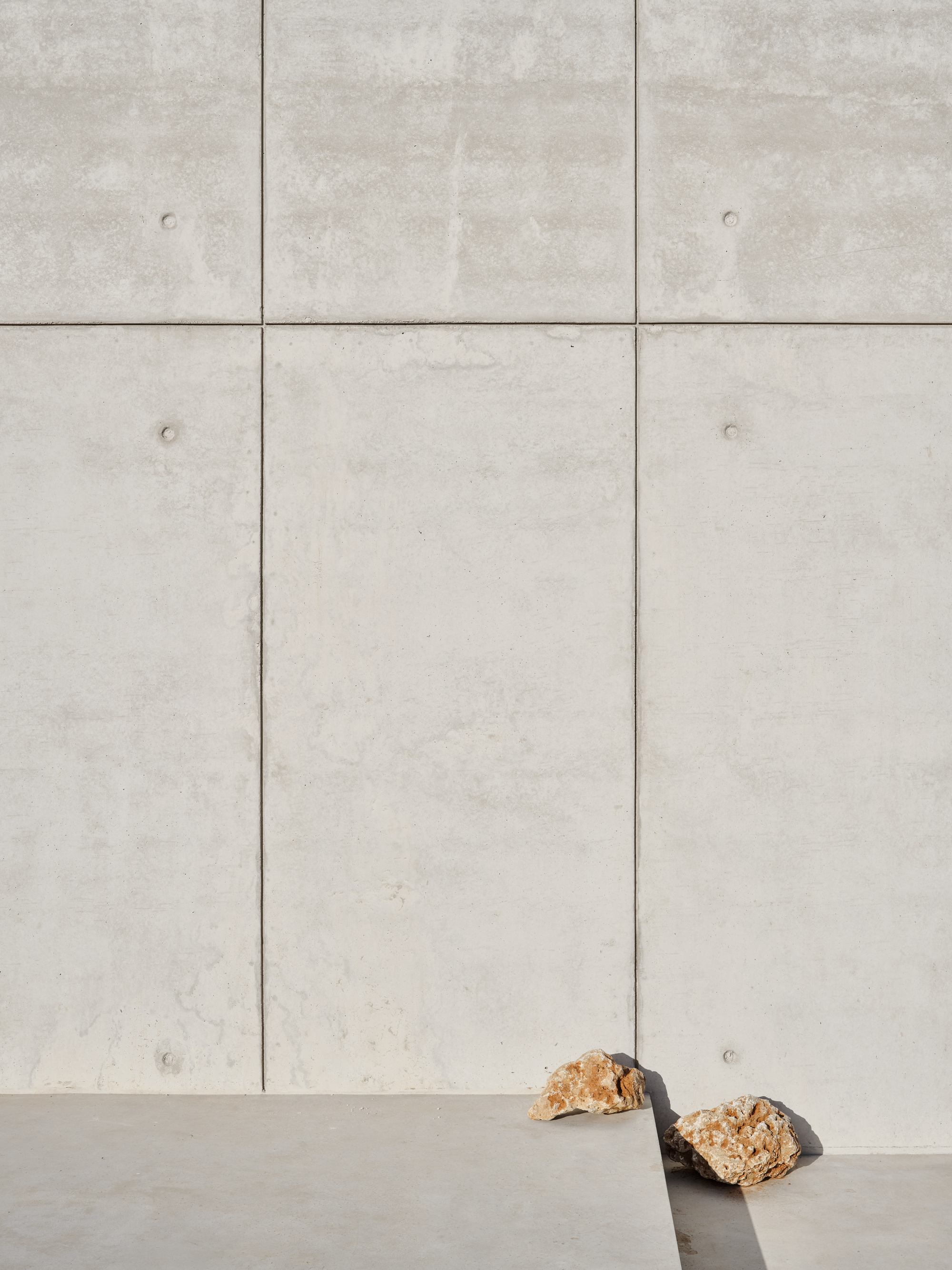
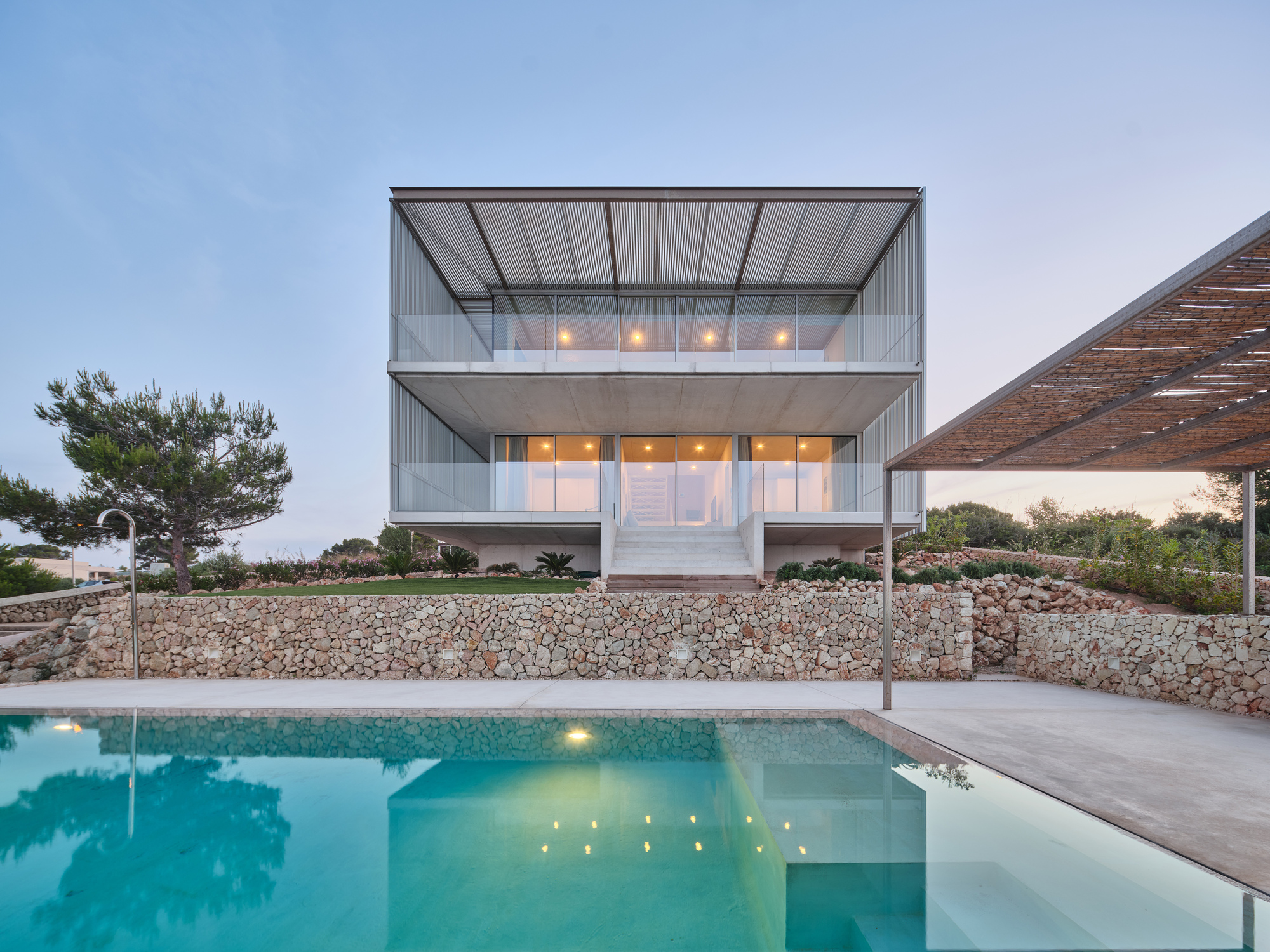
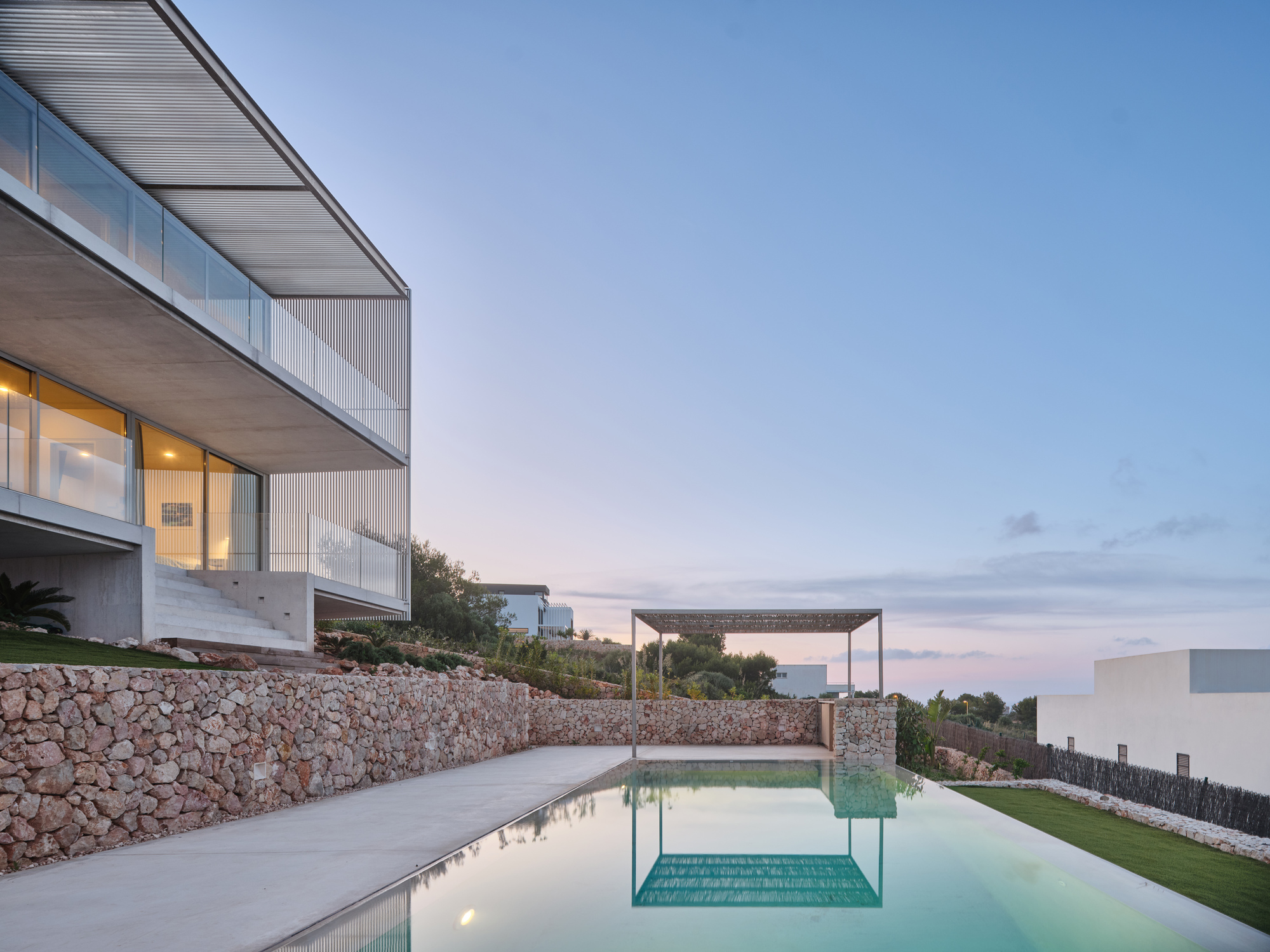
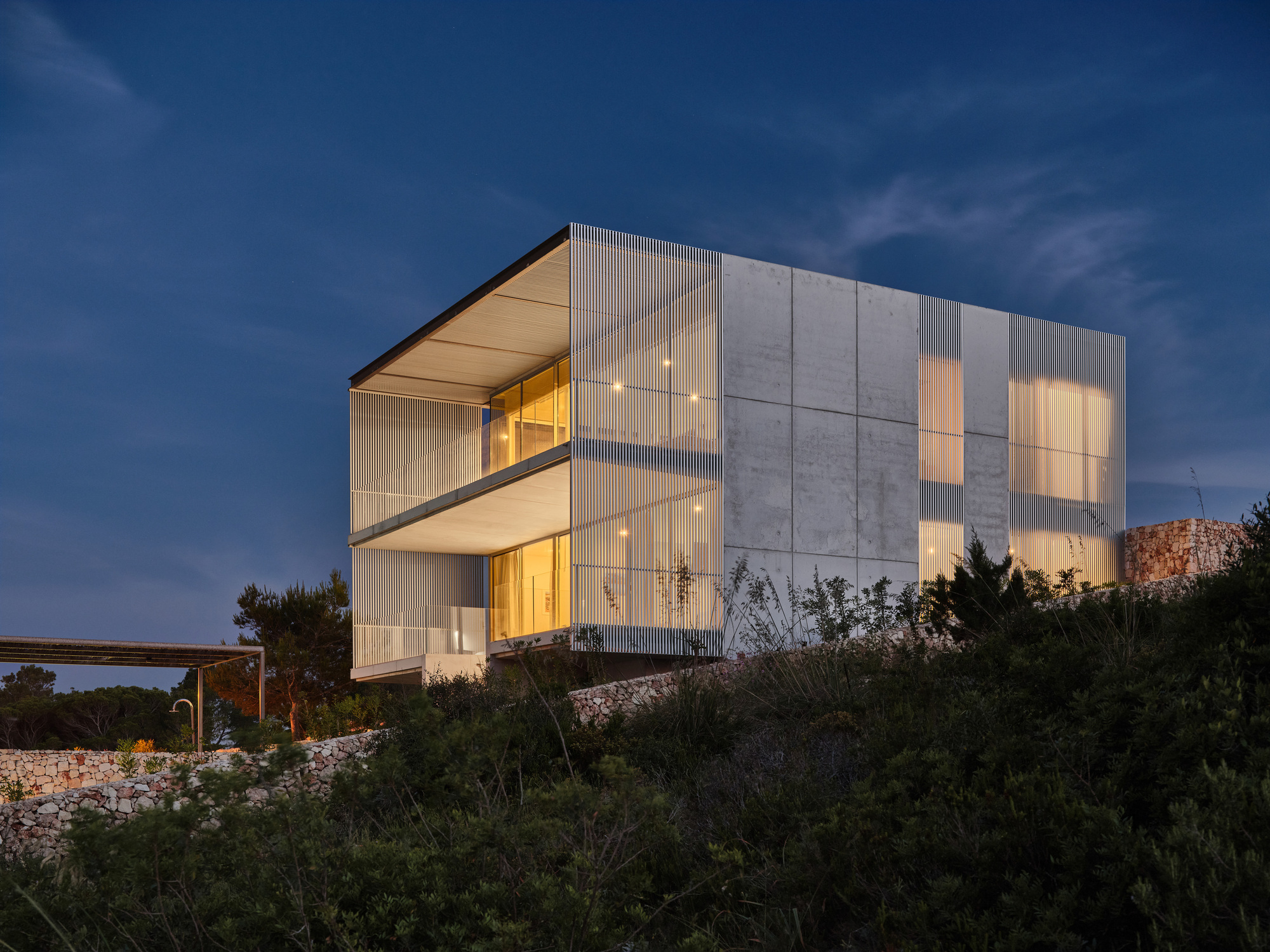
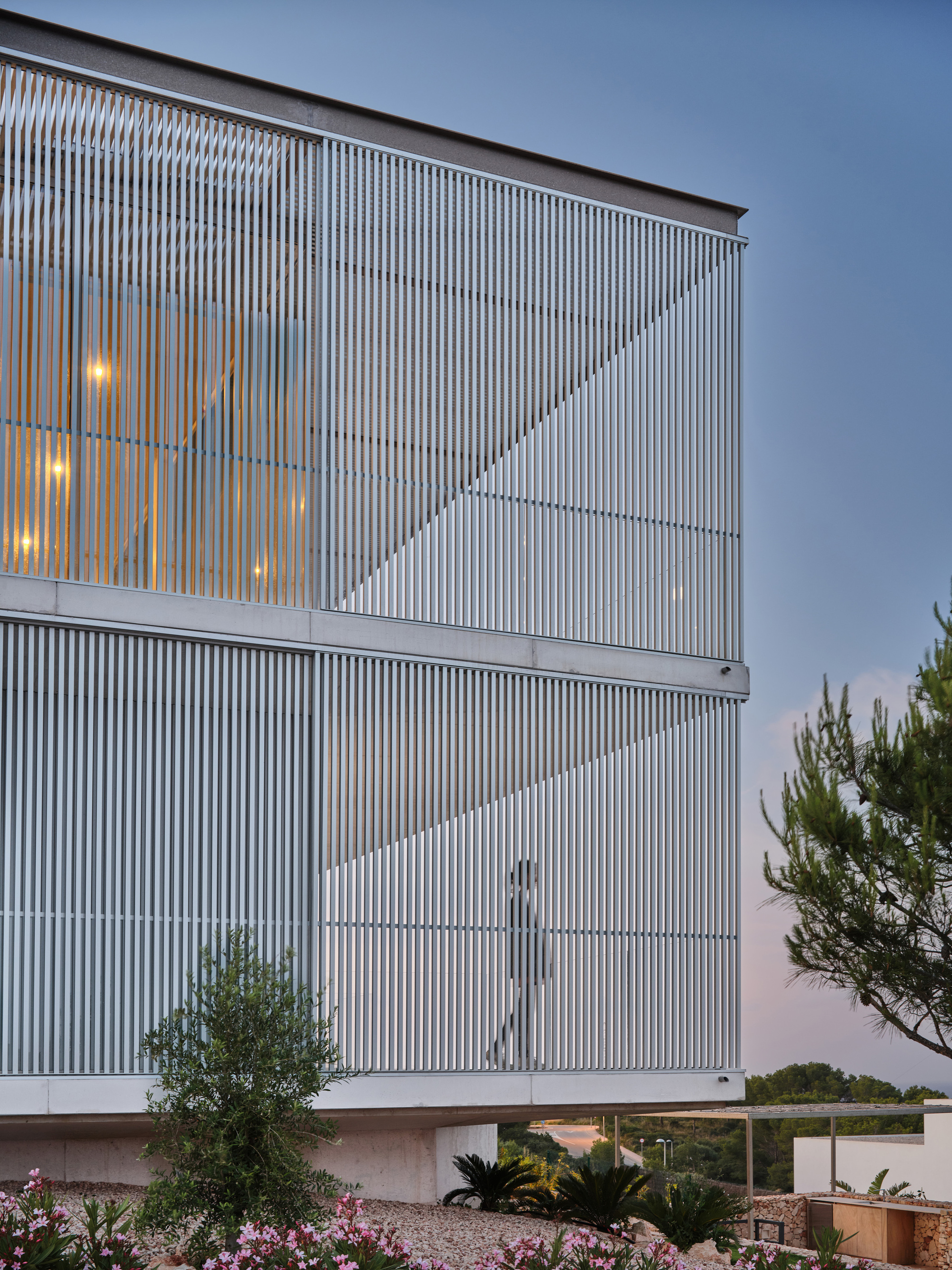
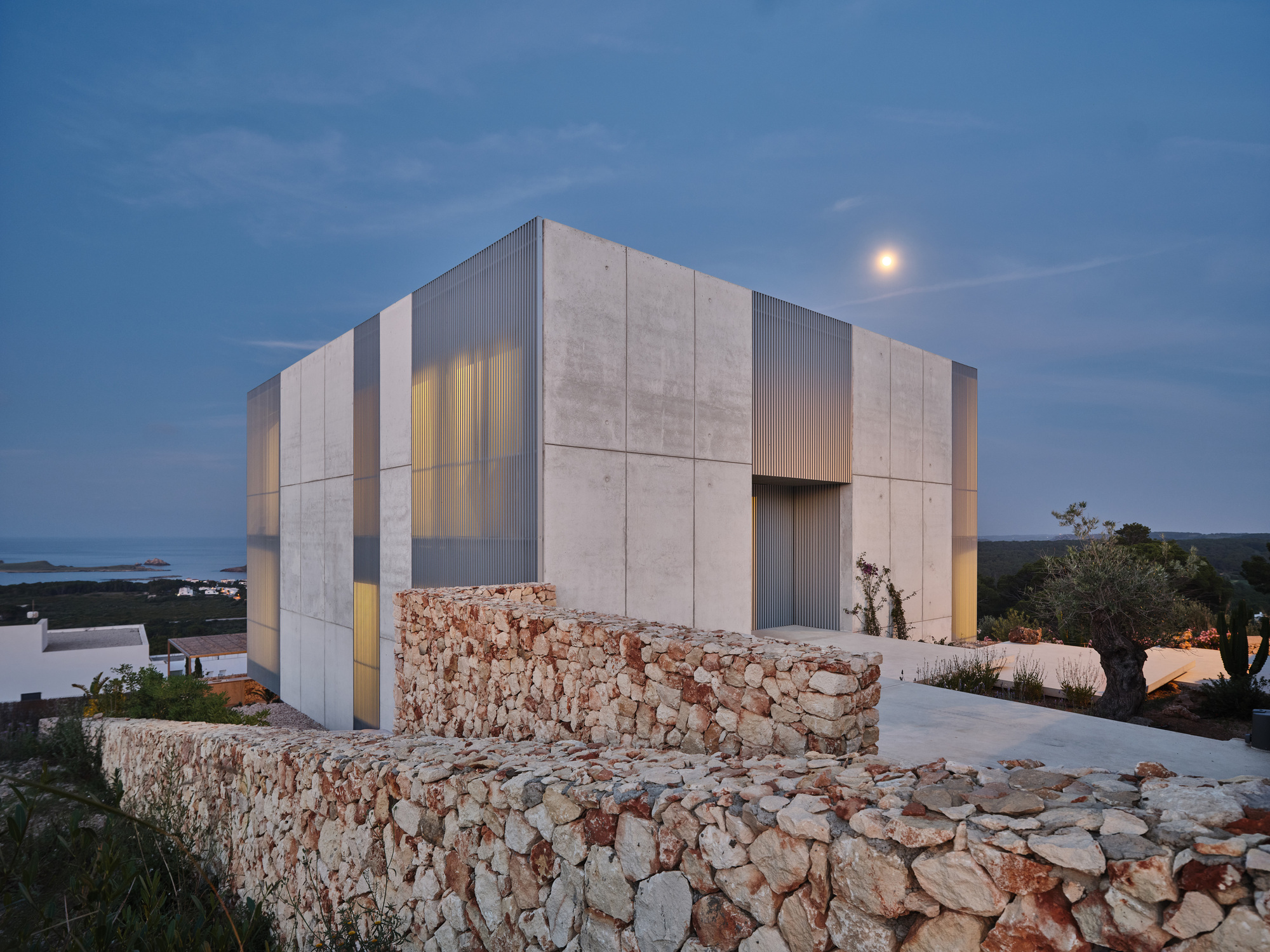
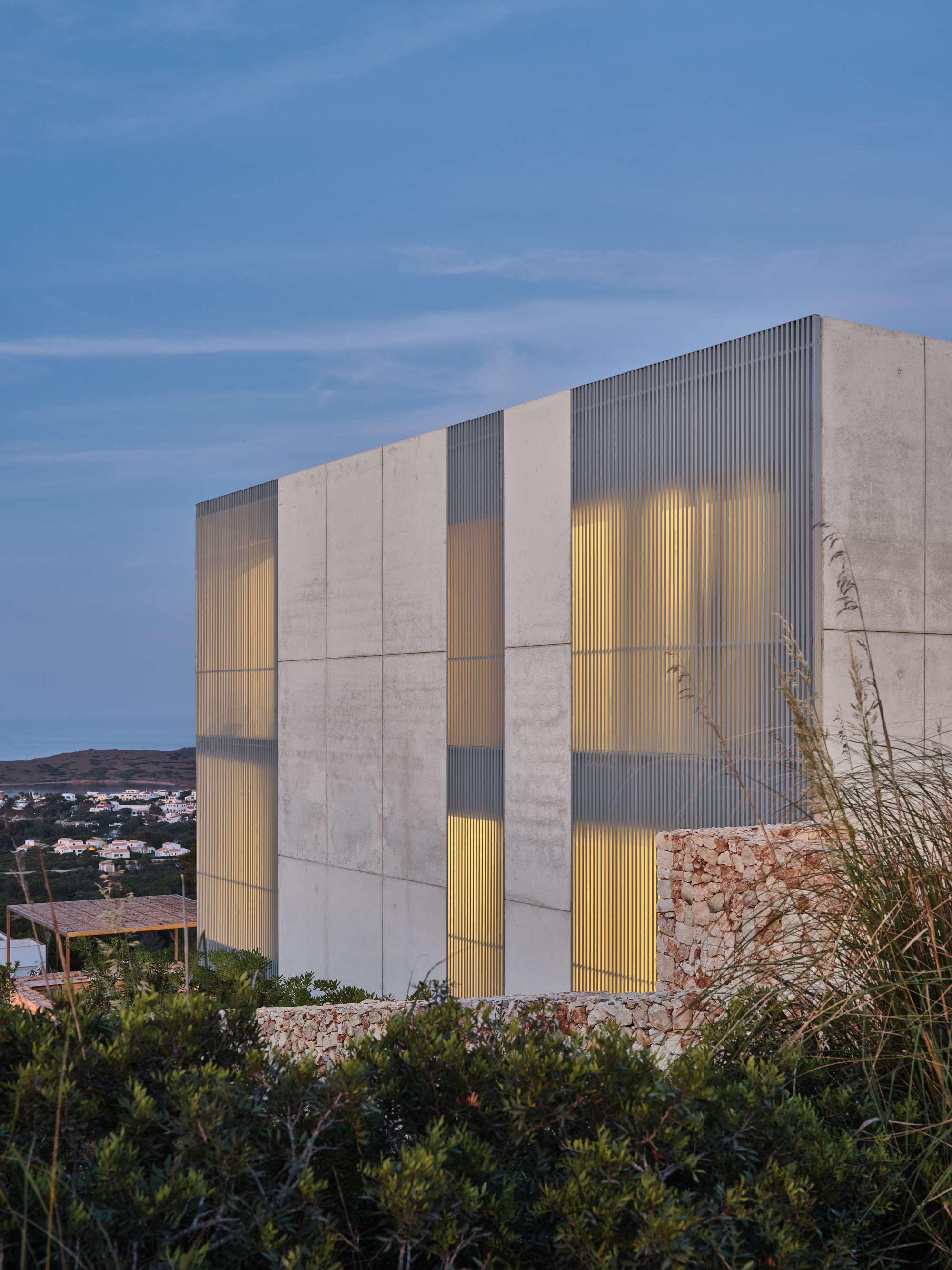
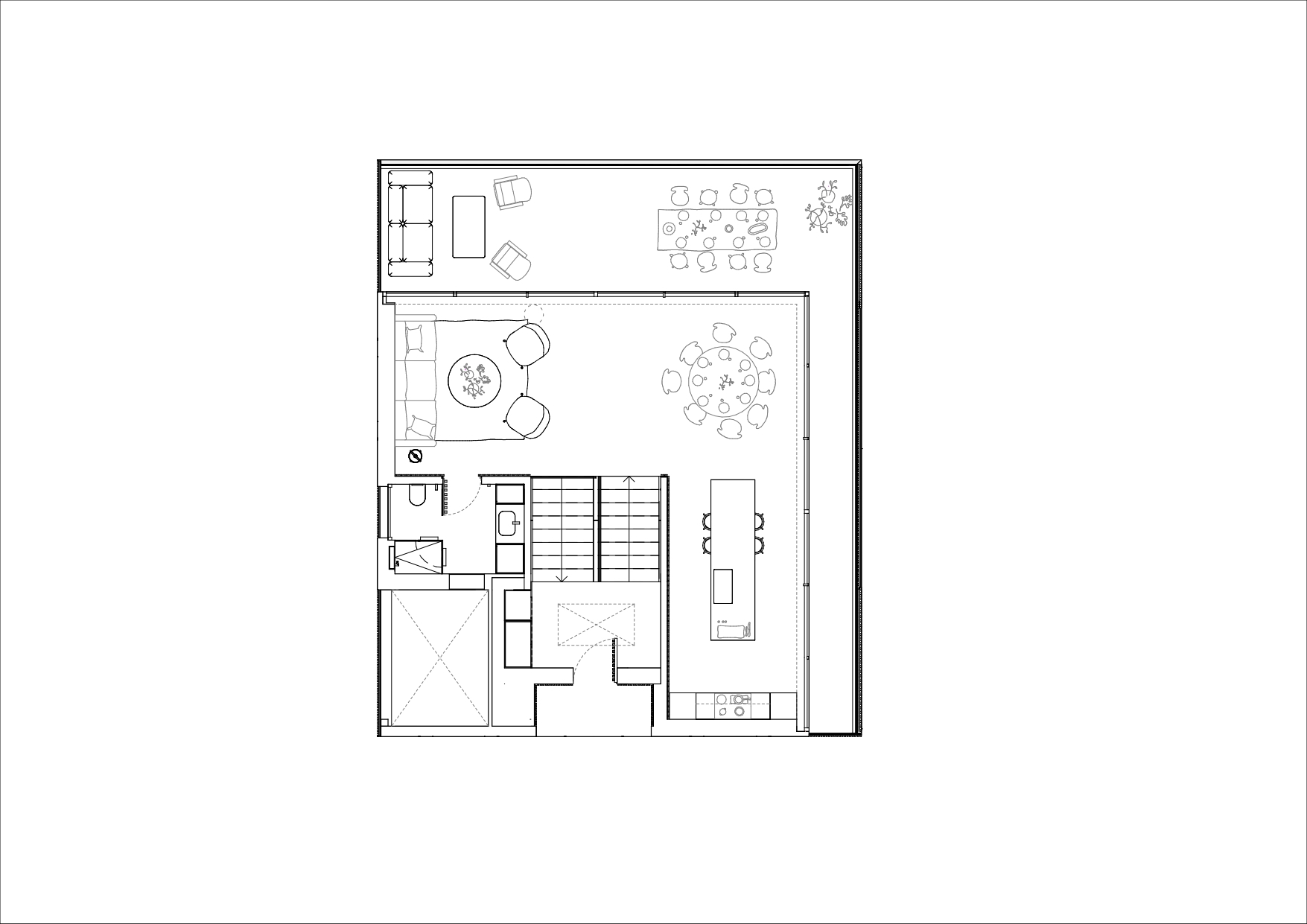
Steel House #architecture Architects: NOMO STUDIO Area: 250 m² Year: 2024 Photographs: Adrià Goula Lead Architects: Alicia Casals City: Menorca Country: Spain
Xanadu Chongchongshan #architecture Location: Chongqing, China Architects: Wilburban Architects
Area: 3800 m²
Year: 2024
Photographs: Guowei Liu, Hanfeng Zou
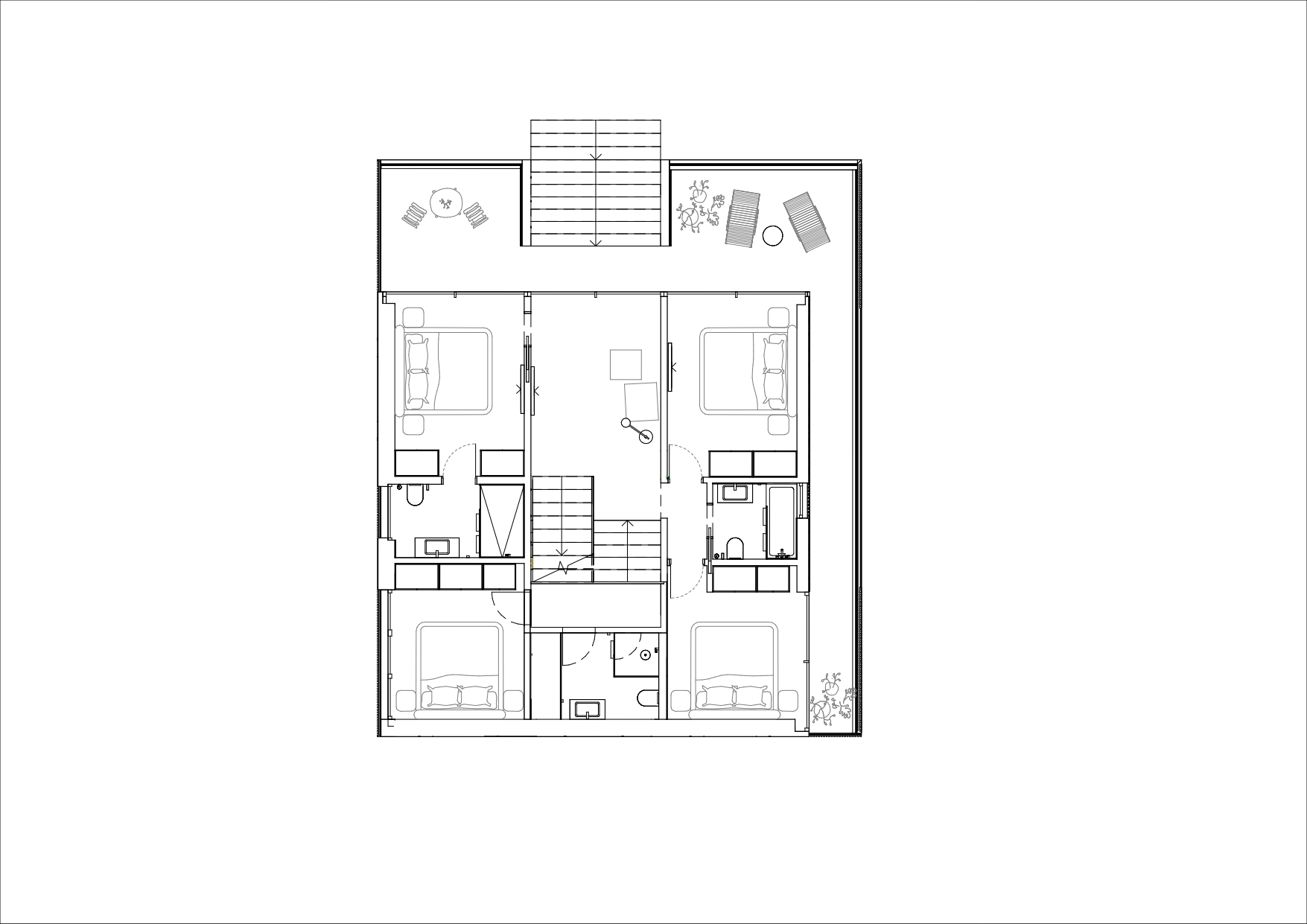
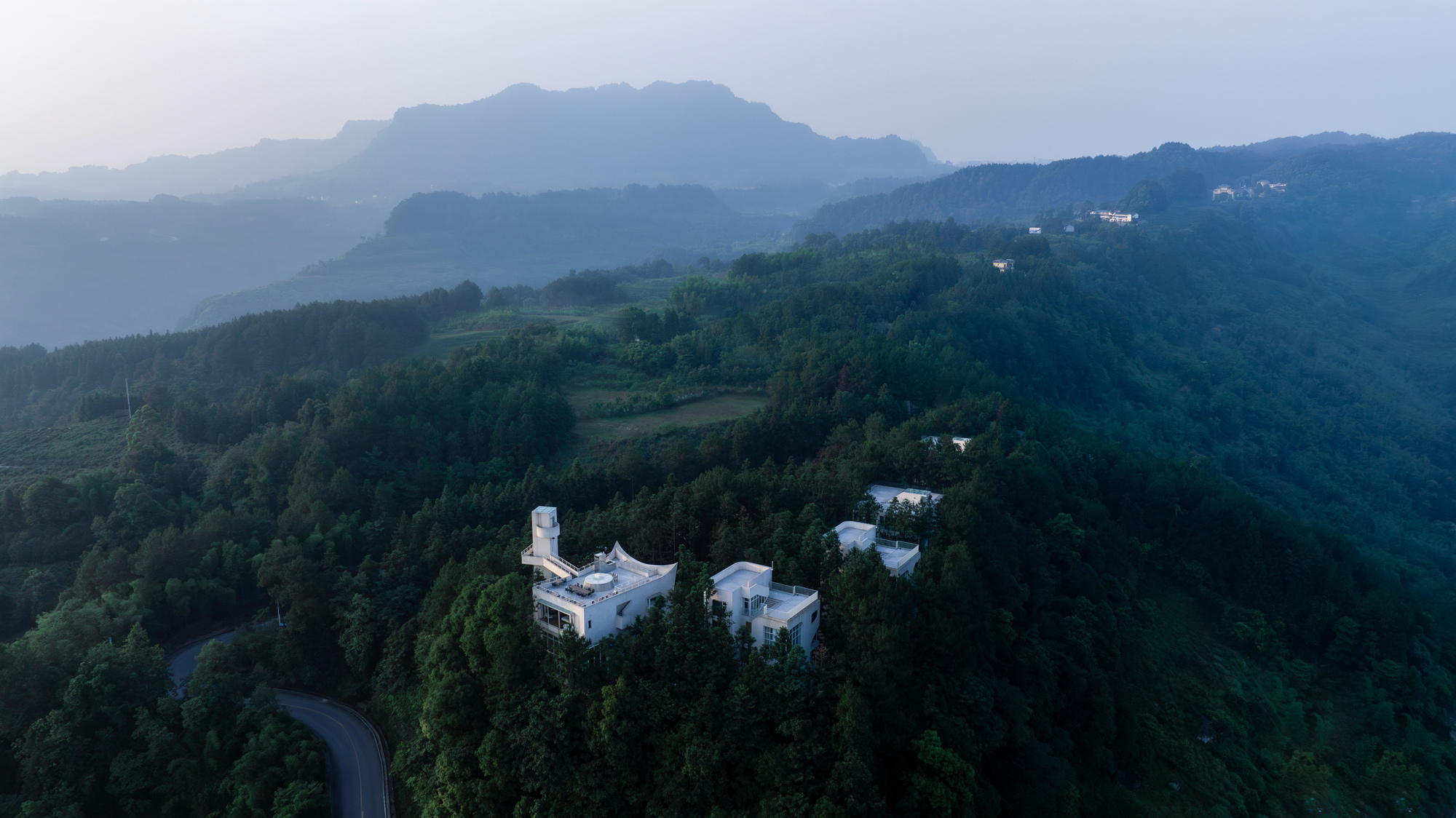
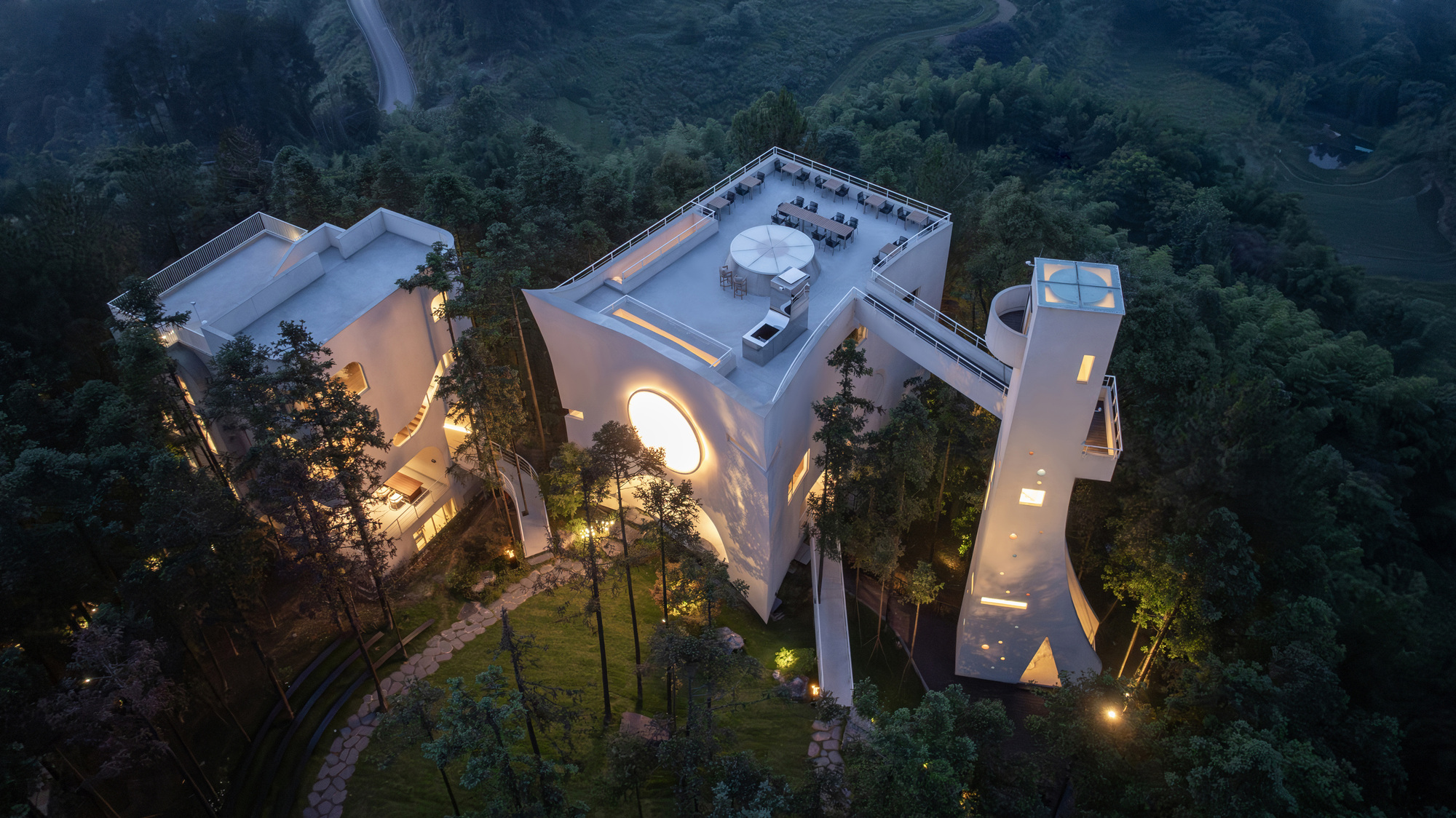
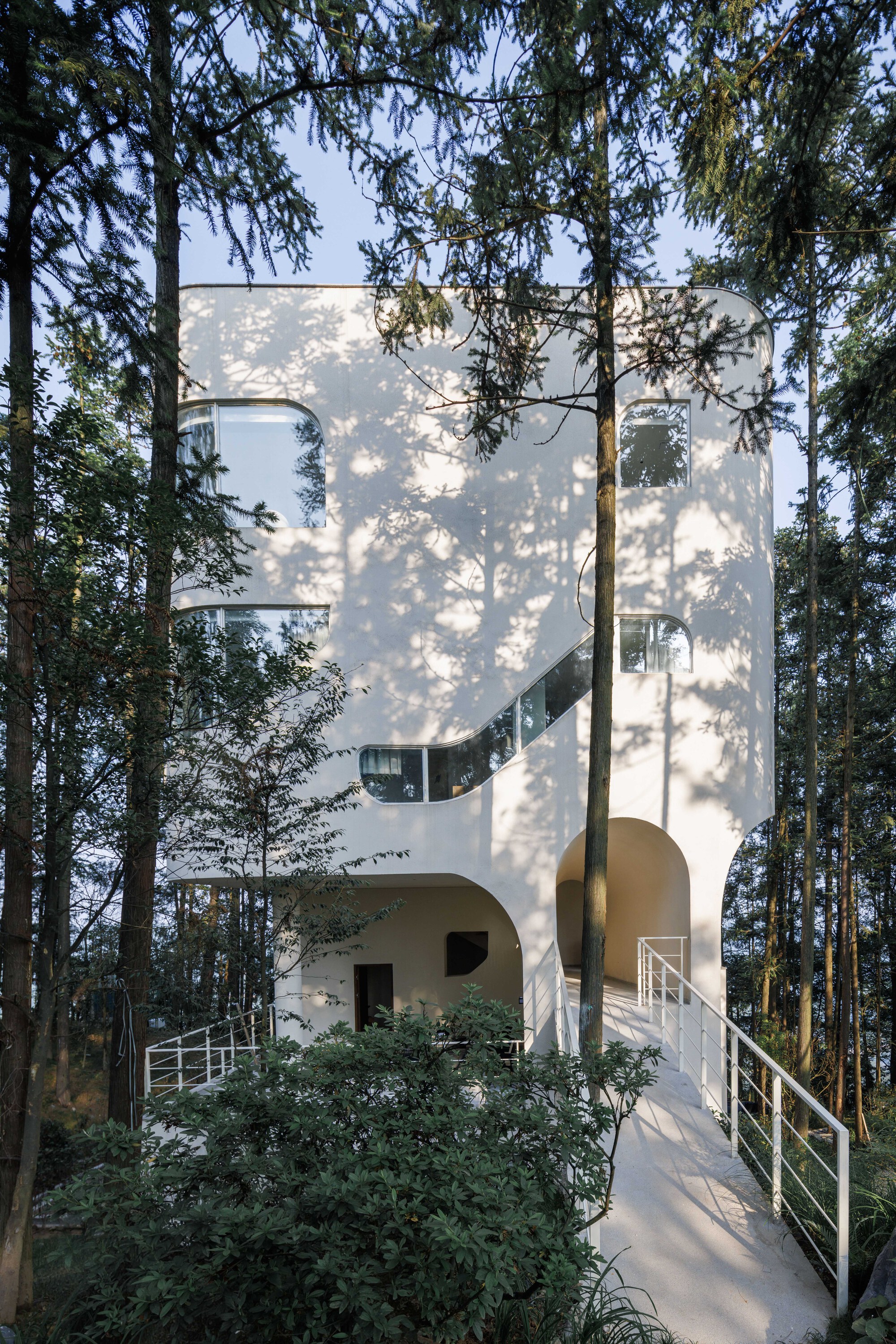
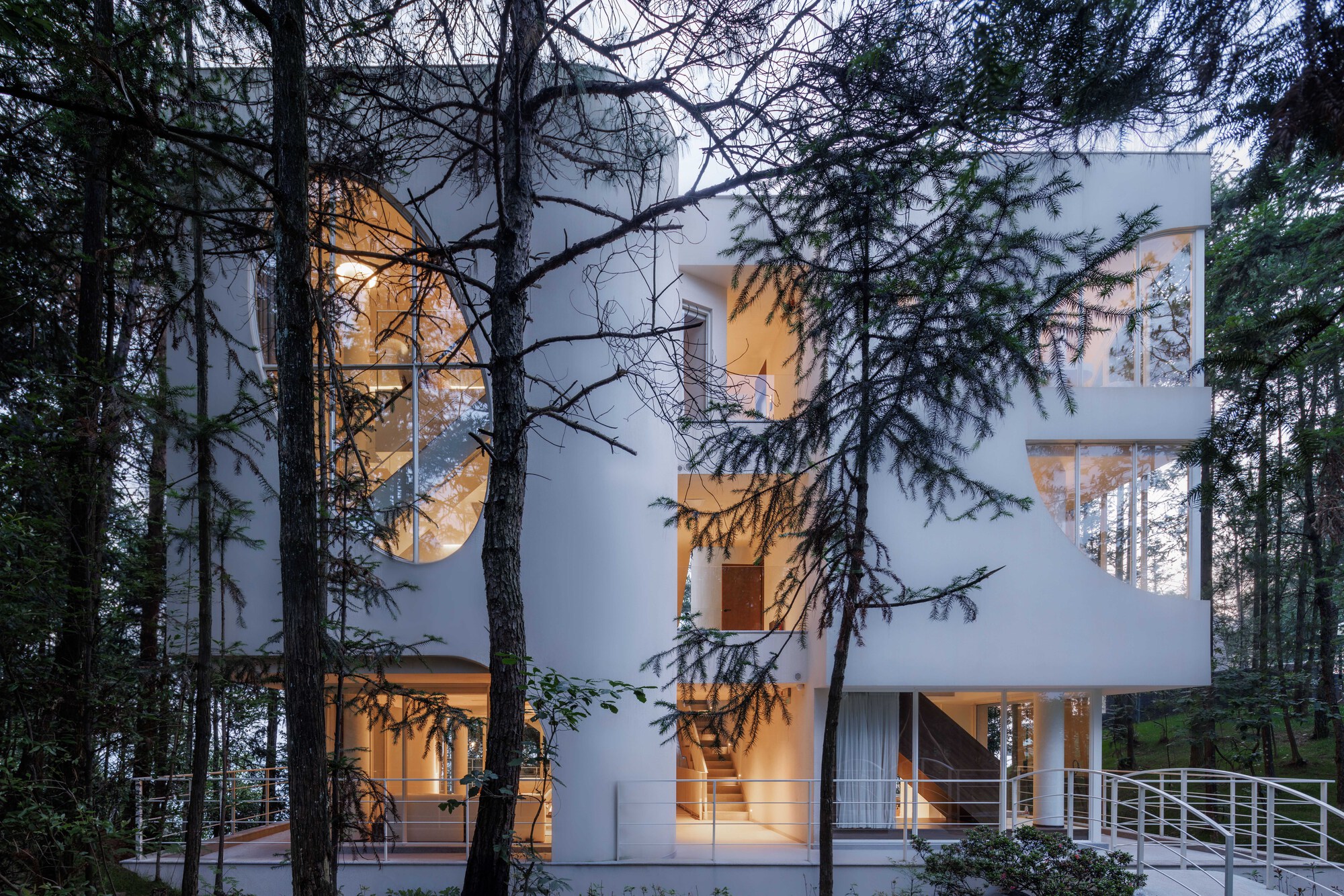
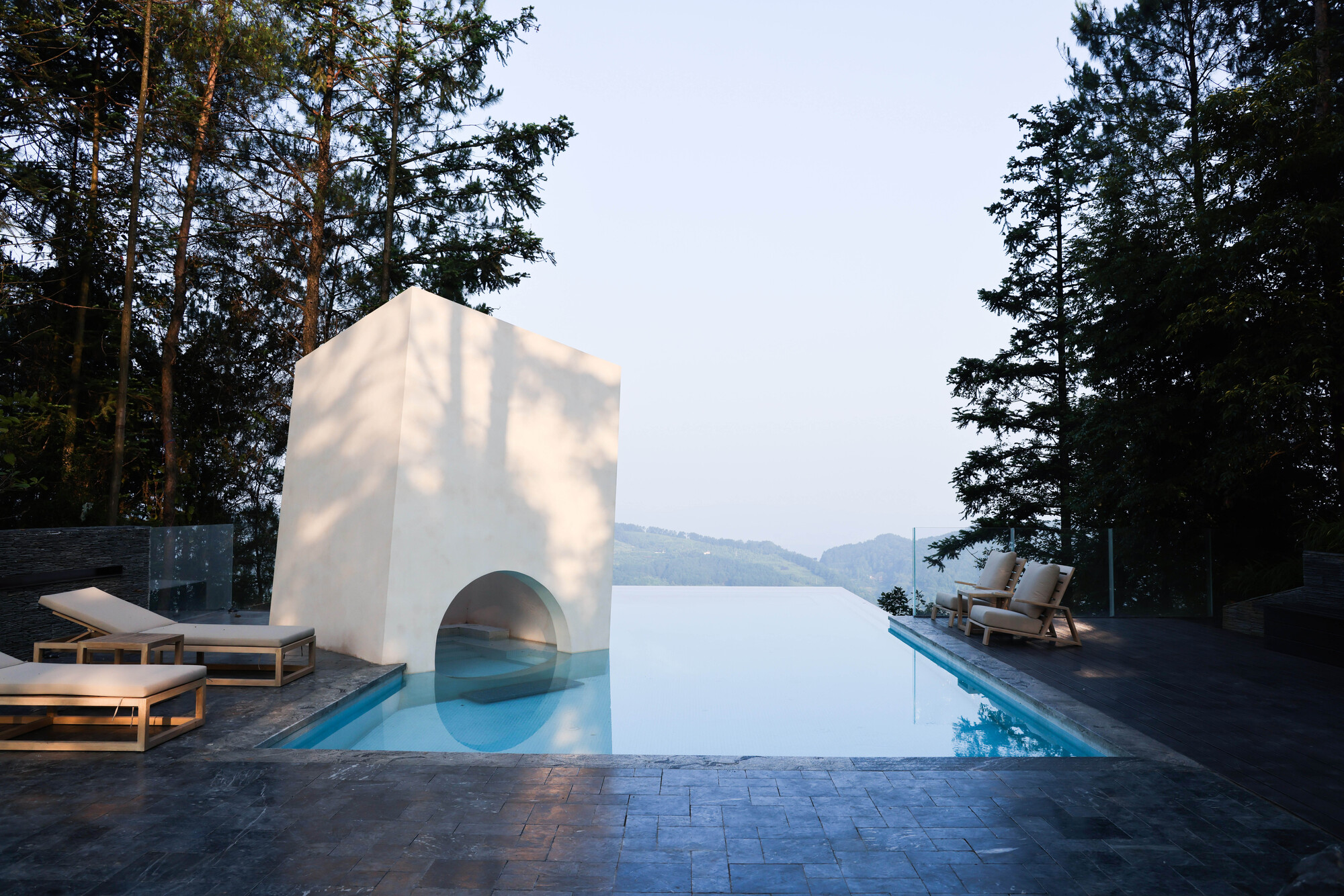
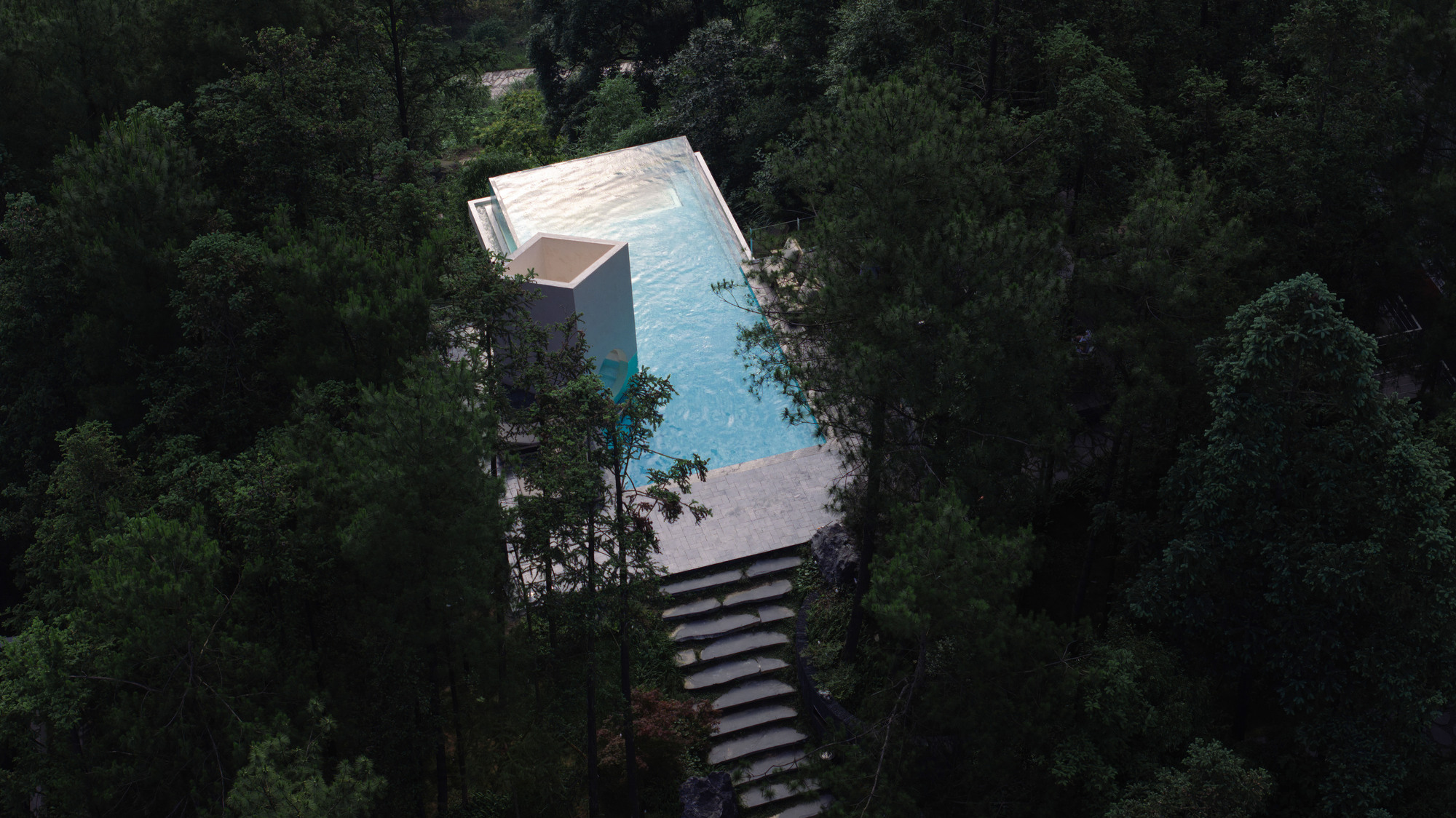
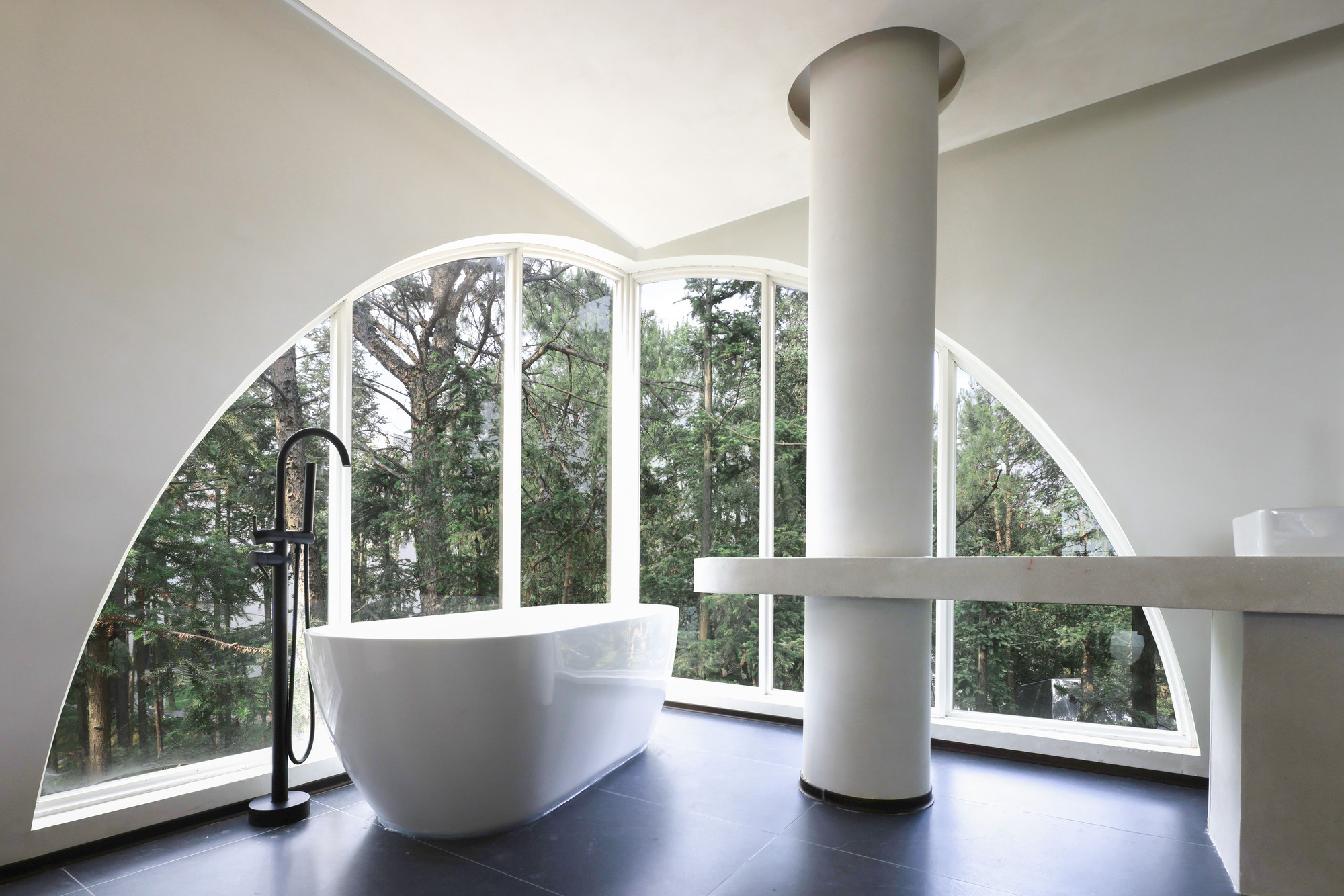
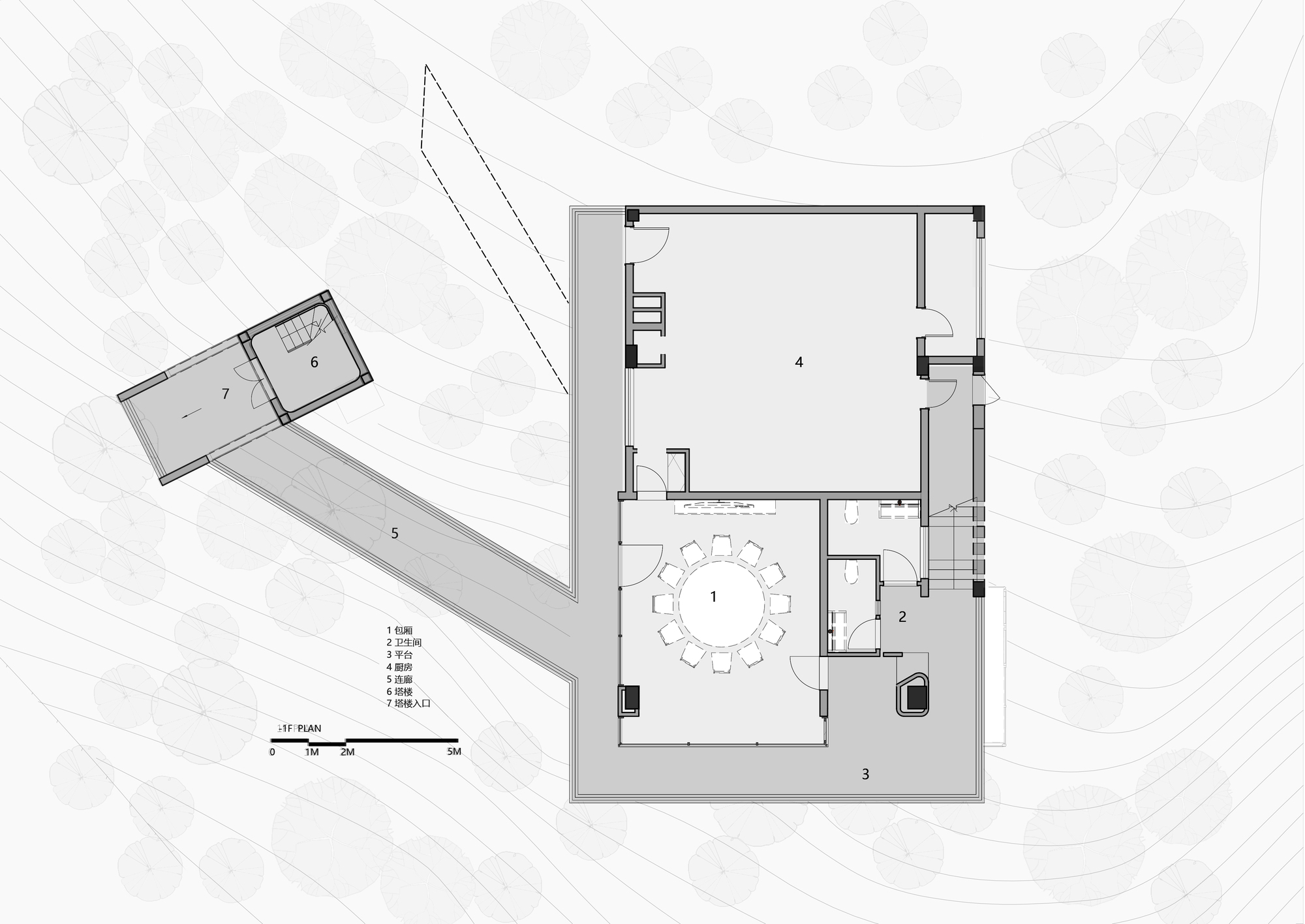
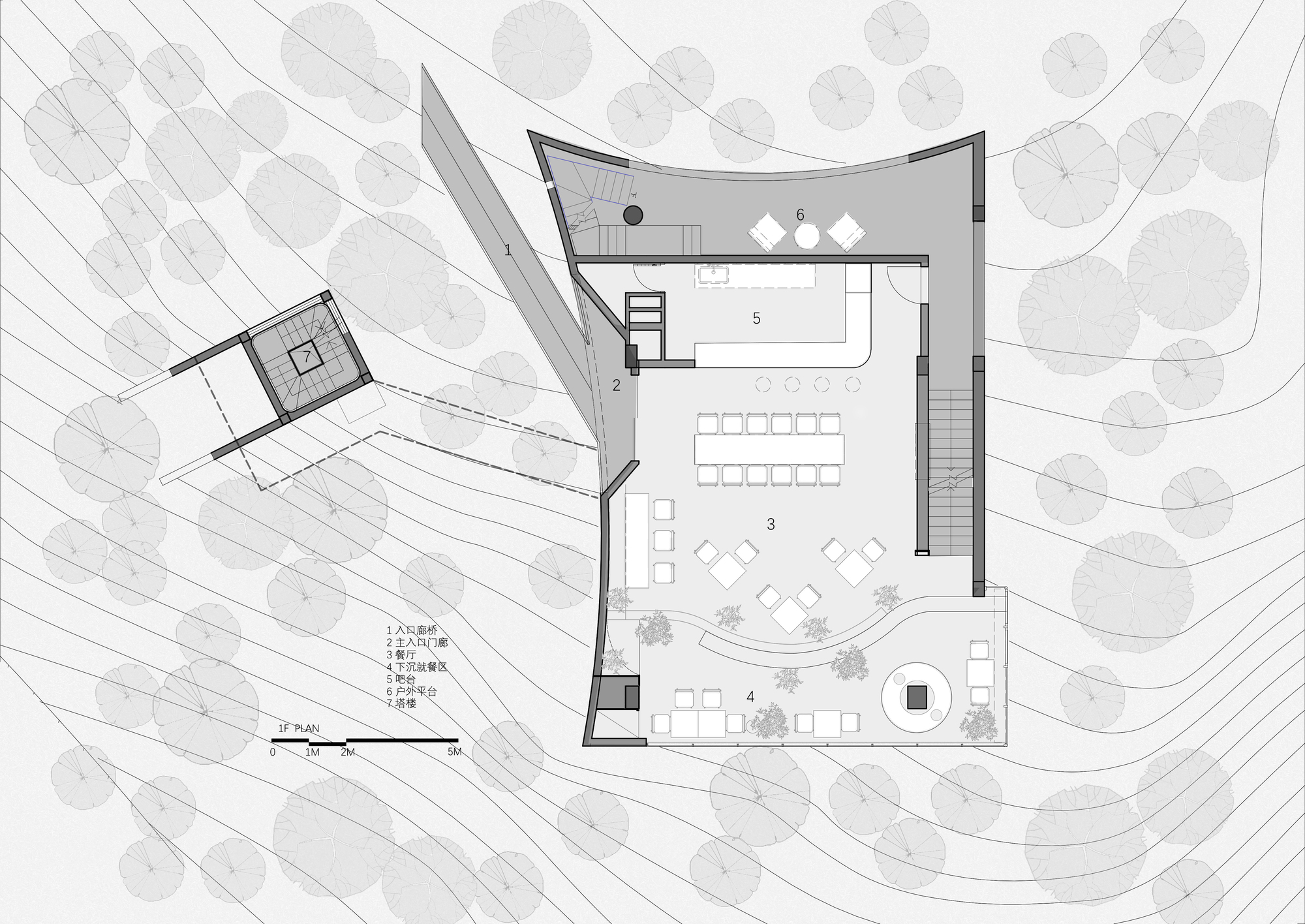
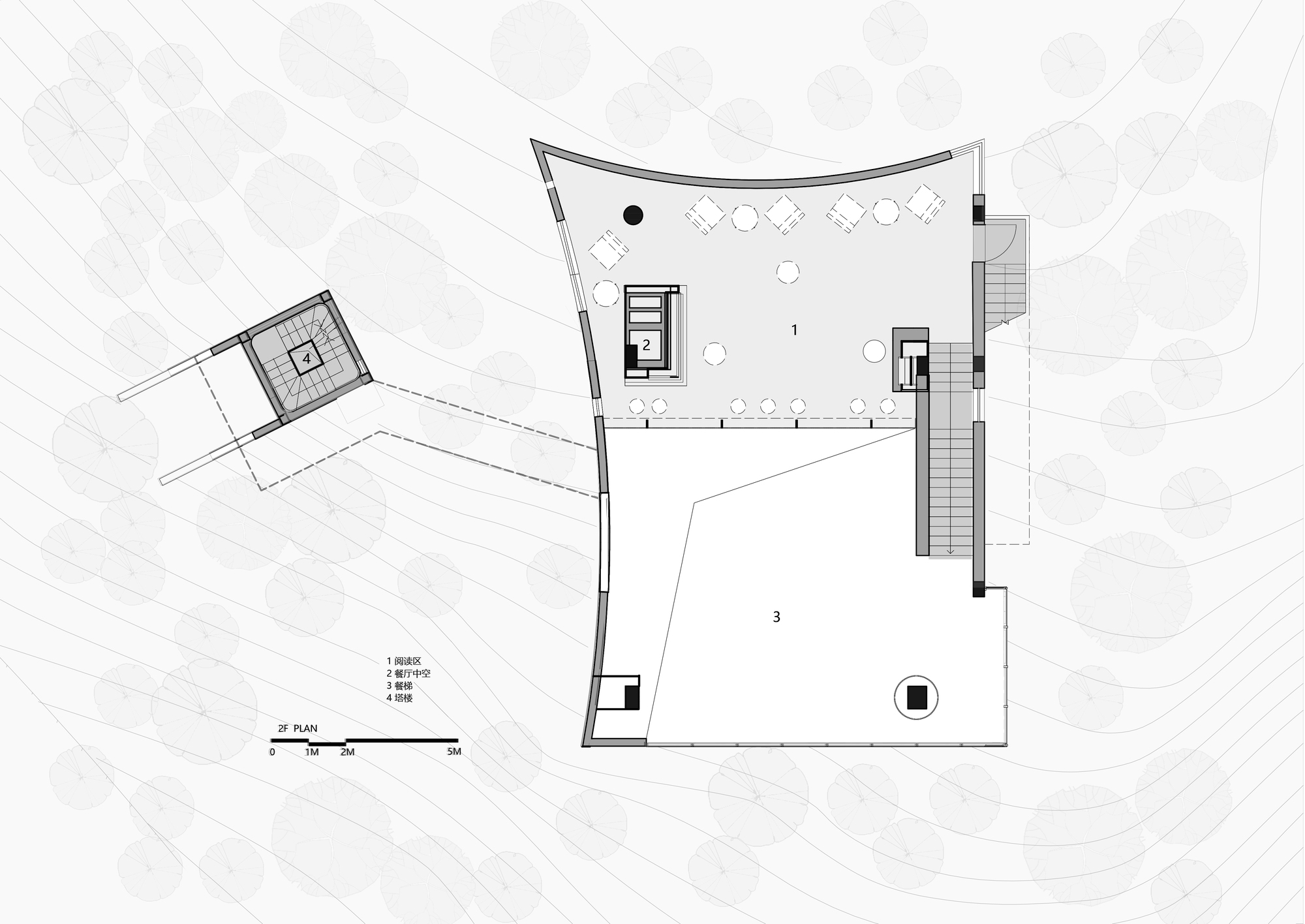
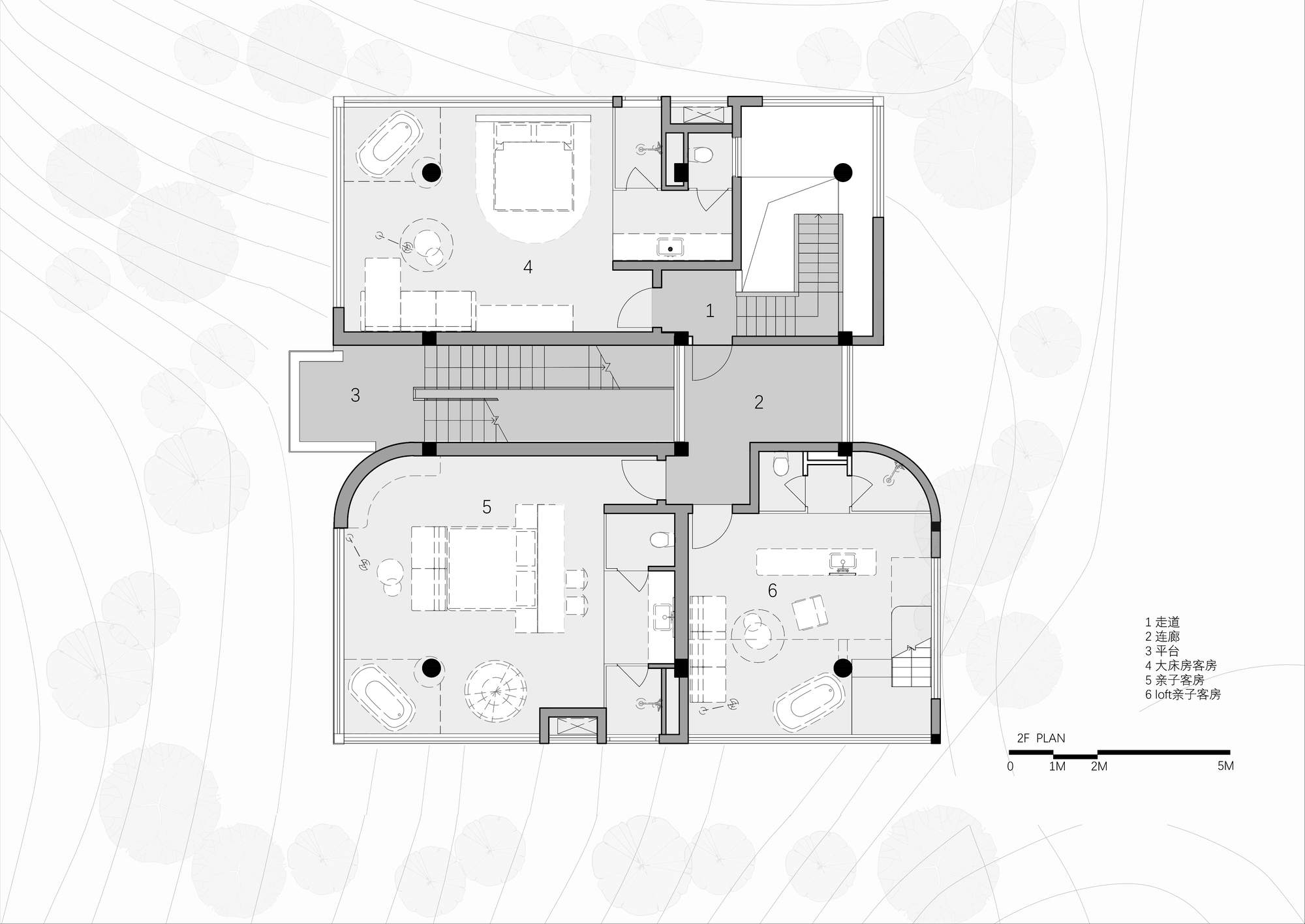
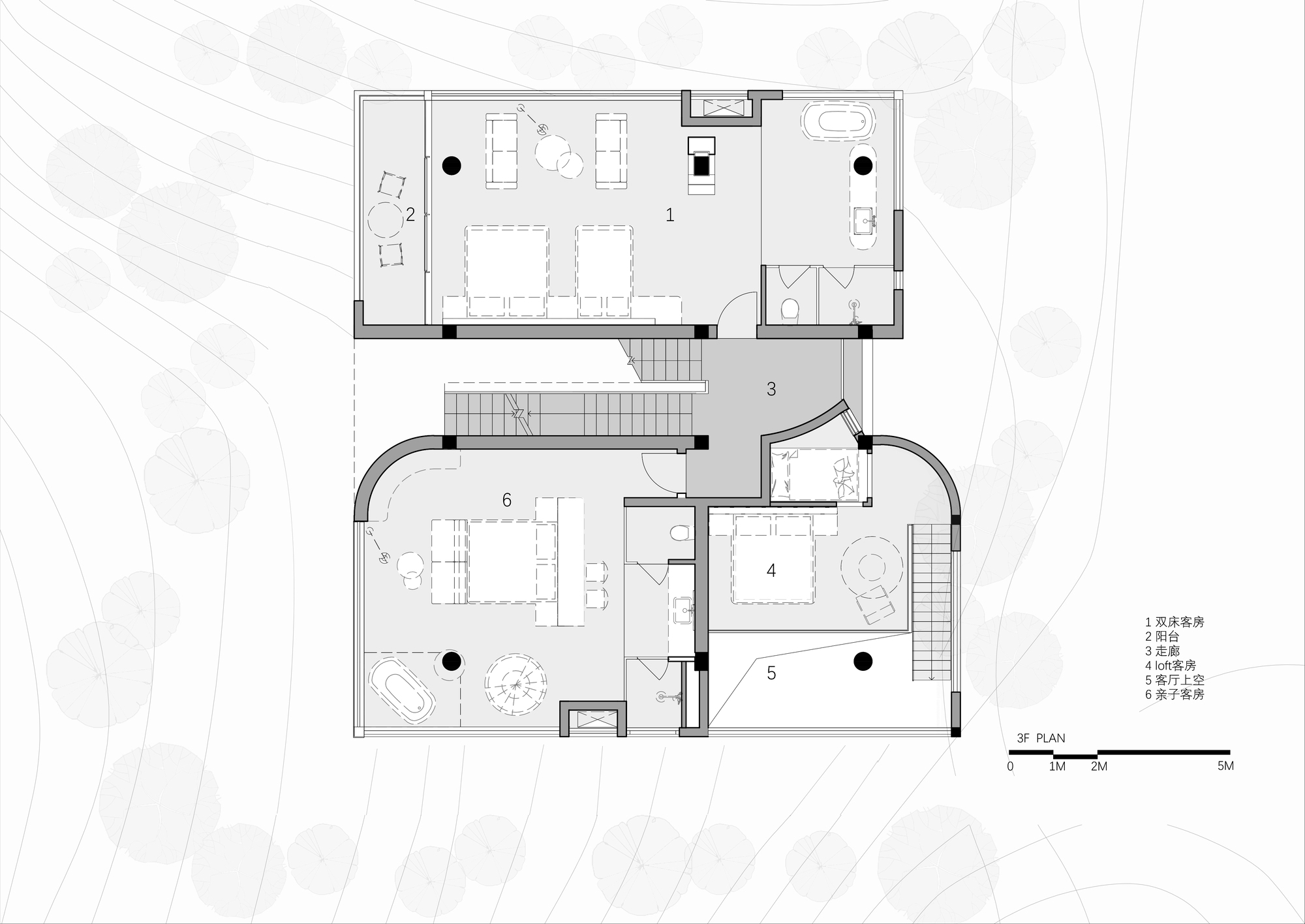
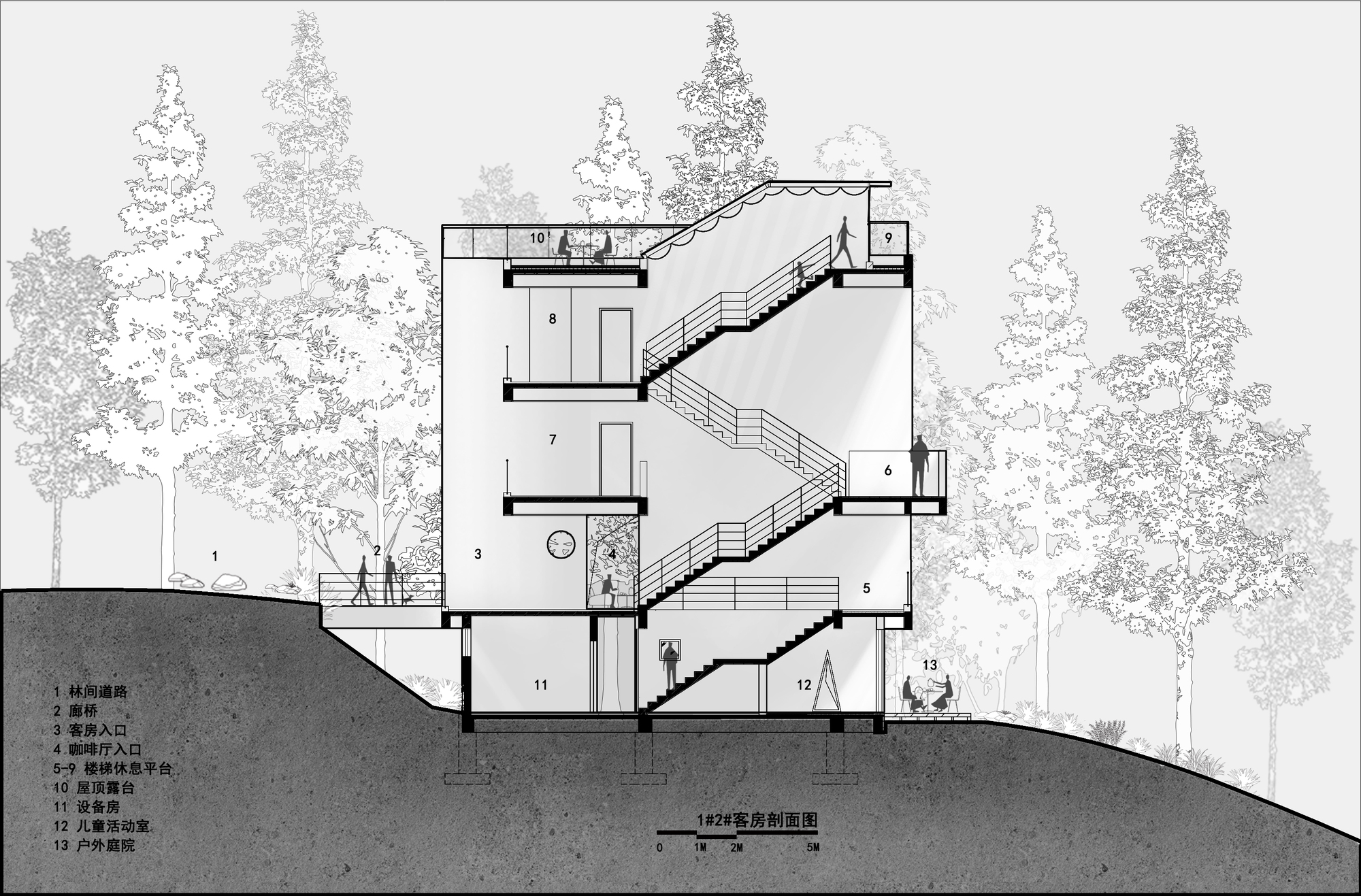
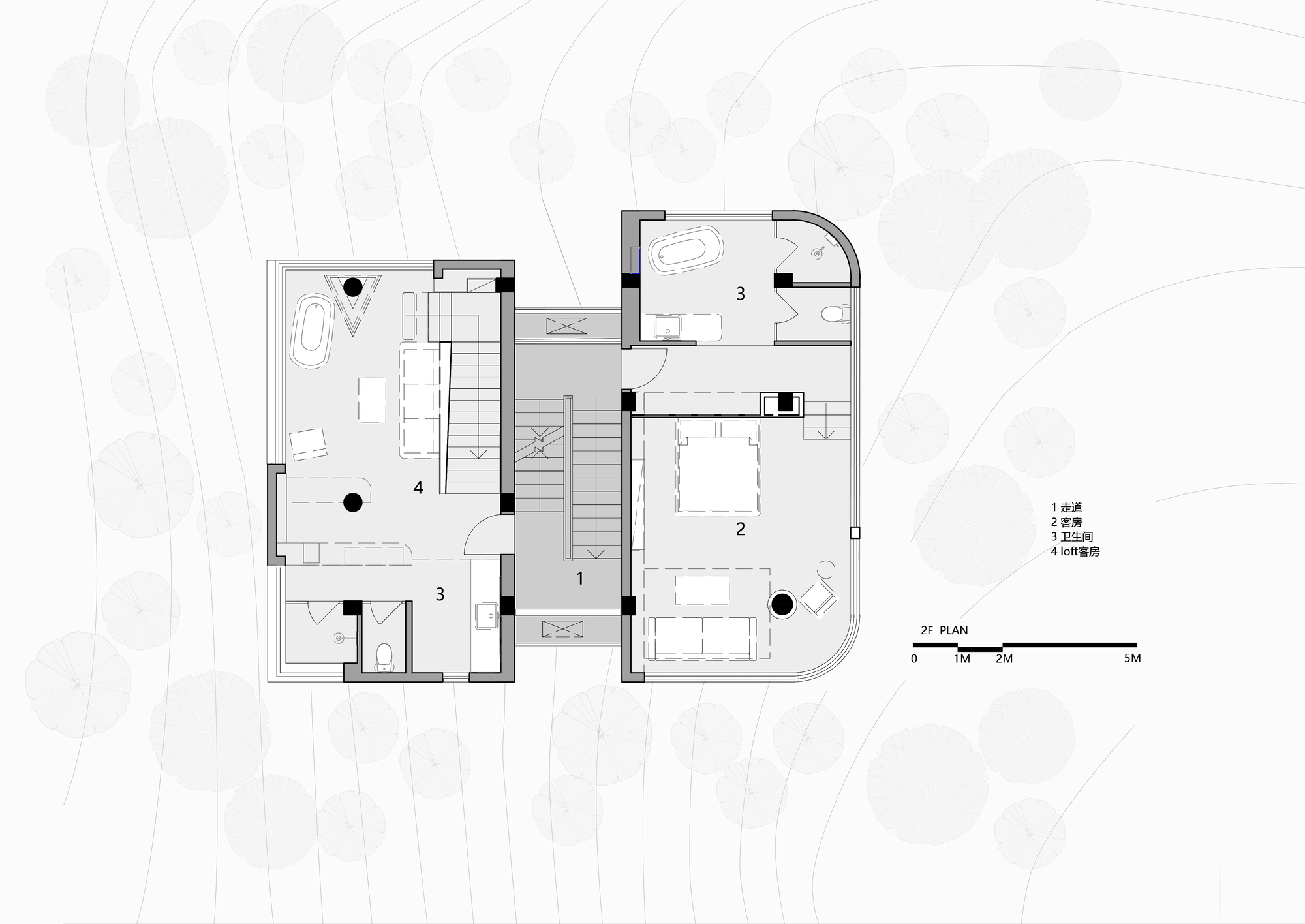
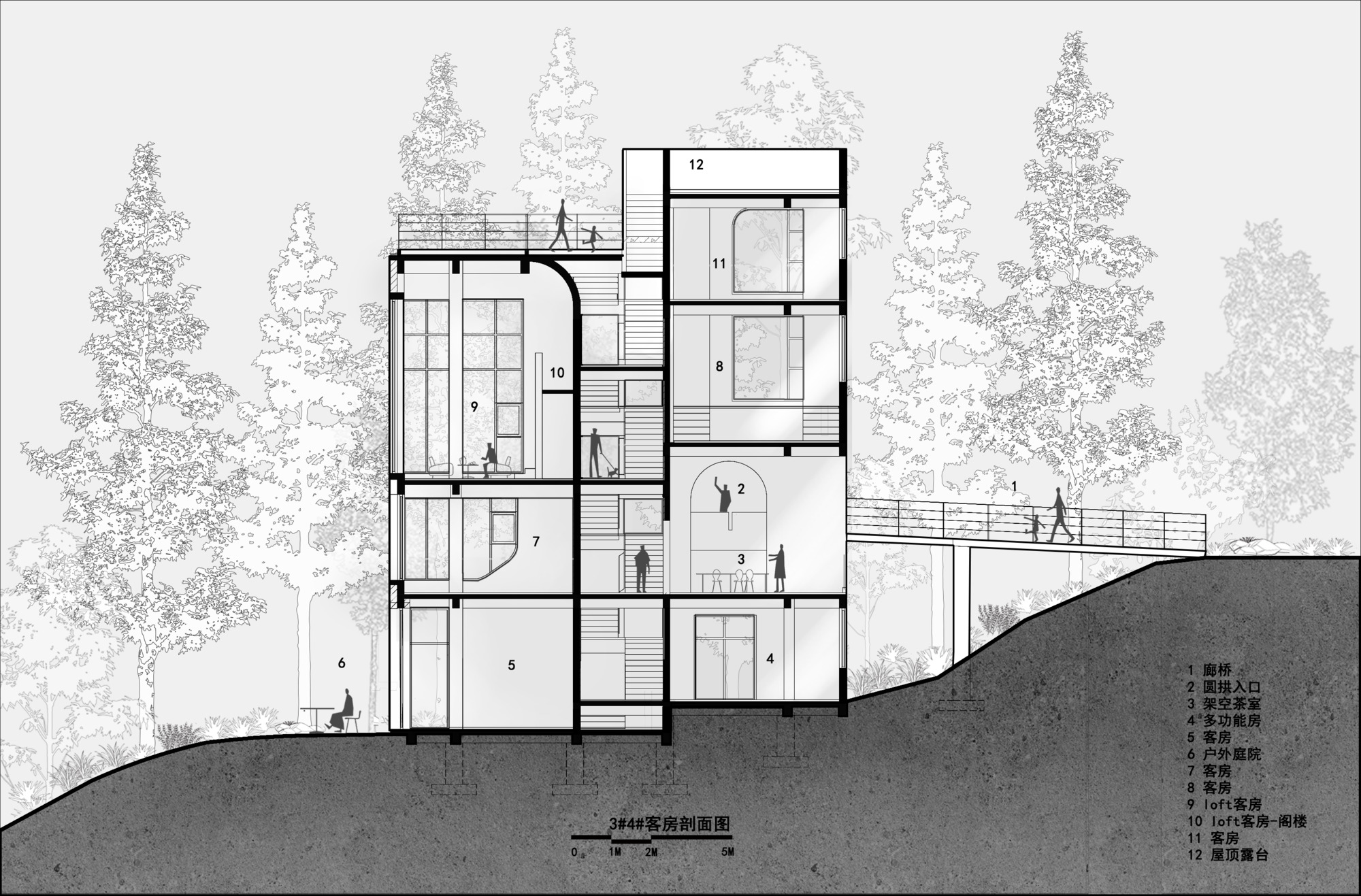
Lead Architects: Jacky Chan Type: Hotel The site is on a steep mountain peak with a large gradient, and only a gentle path at the top. Walking through, visitors are constantly surrounded by tall, slender fir trees, disorienting the sense of direction. The main building's front elevation is a spherical concave shape, echoing the circular plaza in front, transforming the building into the stage backdrop for the square and creating a three-dimensional space for activities. The main building is a space that connects the interior and exterior. Visitors can enter through a dimly lit cave, leading into the tall dining hall, wrapped by the surrounding trees. Then, by traversing an external suspended staircase, they reach the rooftop space, elevated above the treetops, offering a panoramic view of the mountains. Alternatively, visitors can ascend via a spiral tower to the highest point and cross a skybridge to reach the rooftop. These two intertwined paths allow movement between the building and the forest, offering a layered, immersive experience. Four white buildings are arranged along the mountaintop contour, while six treehouses are hidden among the pine trees, resembling an ancient matrix that encircles the central plaza, creating a surreal spatial relationship. The architecture, with its primitive geometric forms, window openings, and large blank wall surfaces reflecting the swaying shadows of the trees, becomes a part of the environment. The pavilion are located in the valley, hidden on the opposite side of the mountaintop. The pavilion retreats behind cedar trees, appearing like a fleeting white structure in the forest, with its geometric roof floating among the trees.   Architecture is more than simple construction. Through the organization of spatial forms and order, controlling the tension and release of emotions, it transcends materiality and creates poetry. We never overlook nature, allowing light and air to permeate the building.
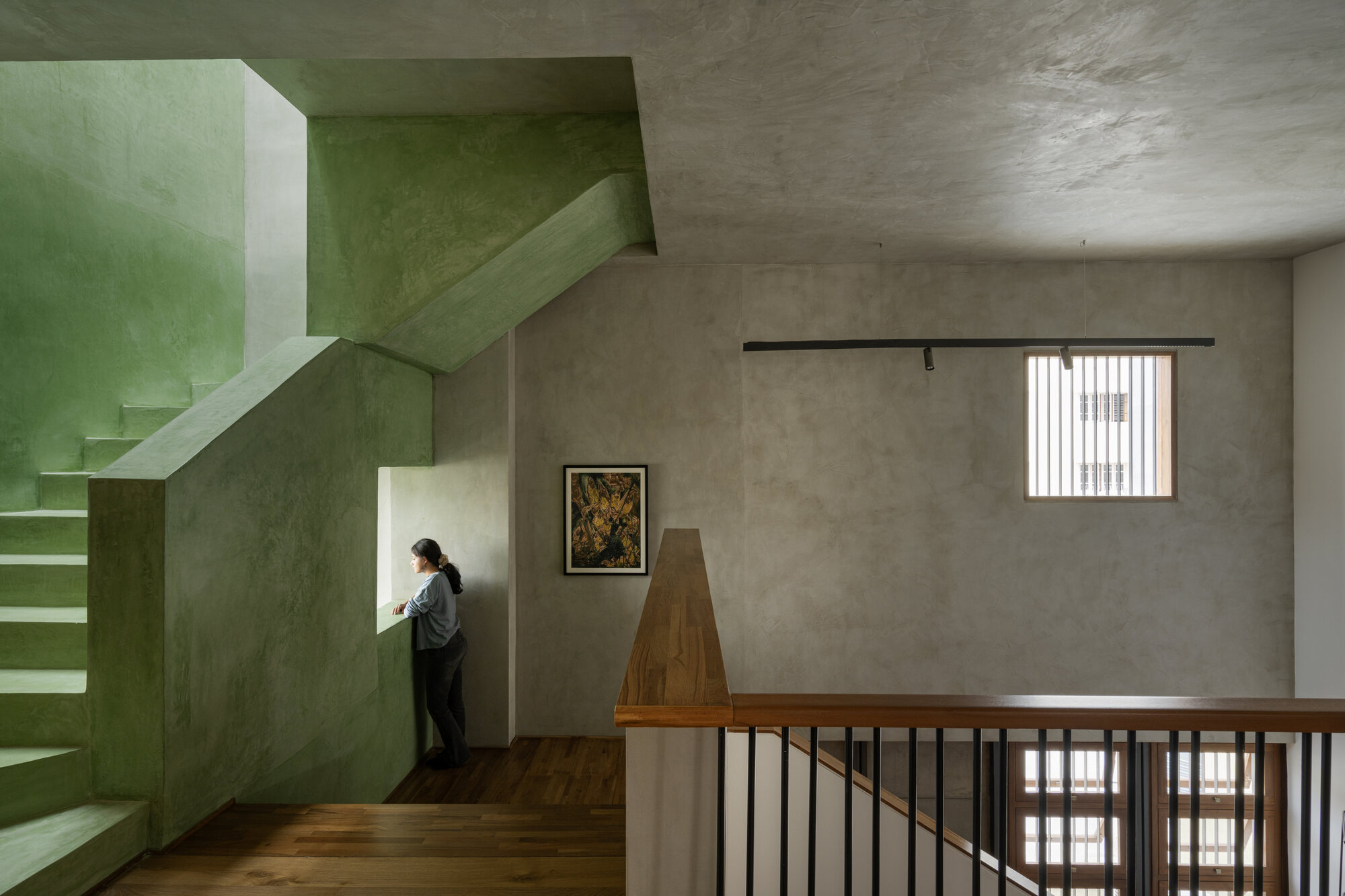
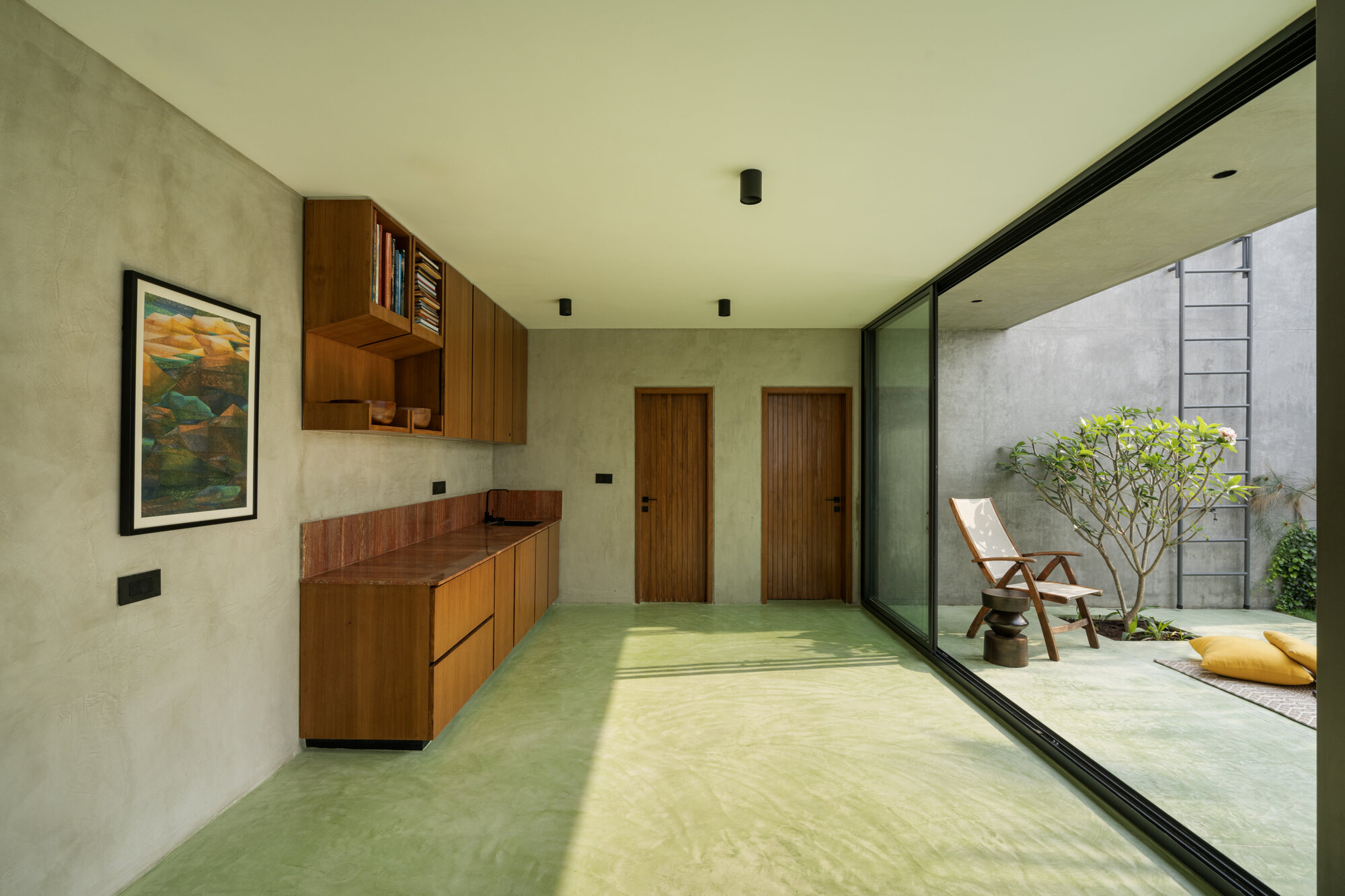
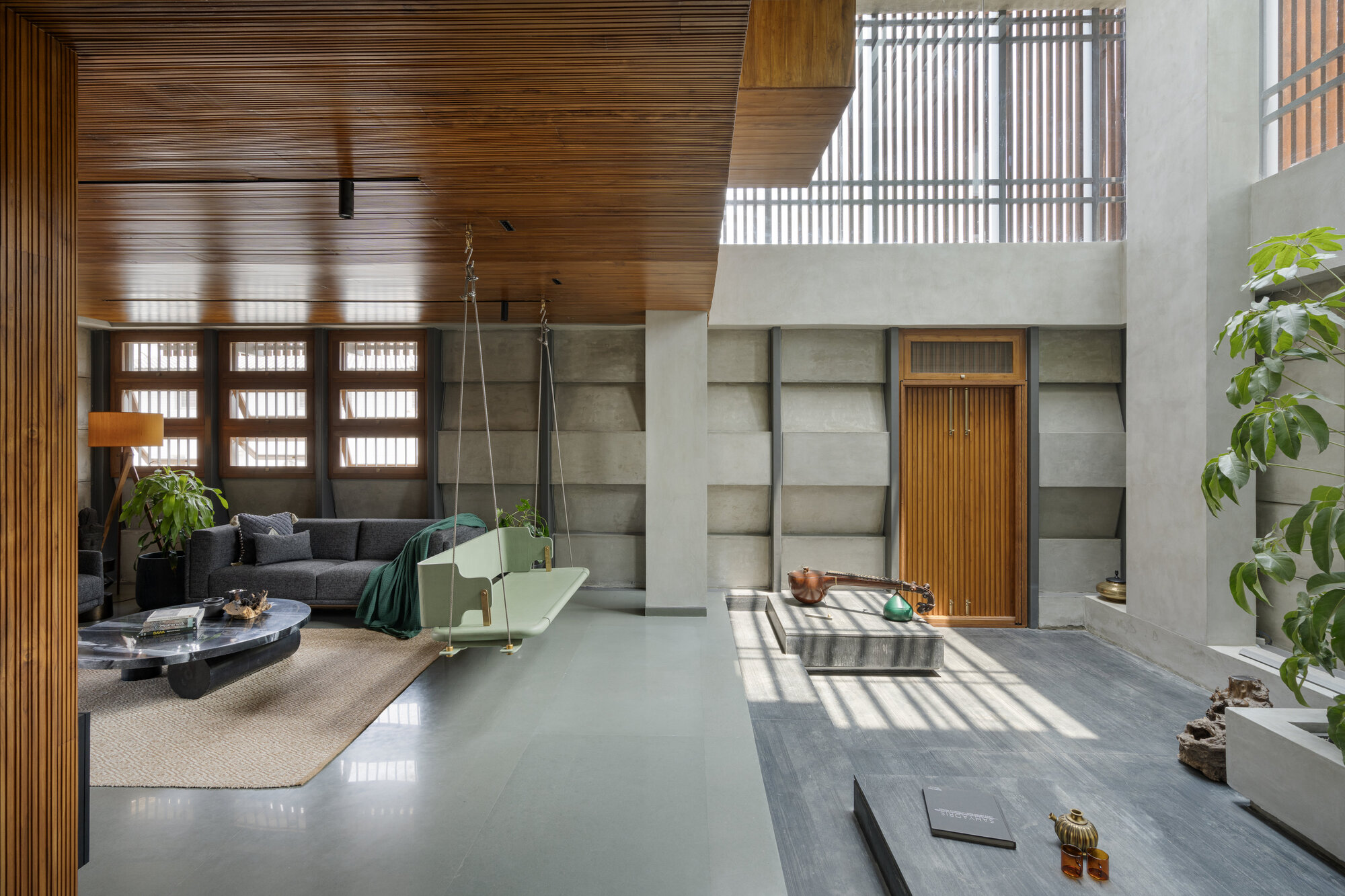
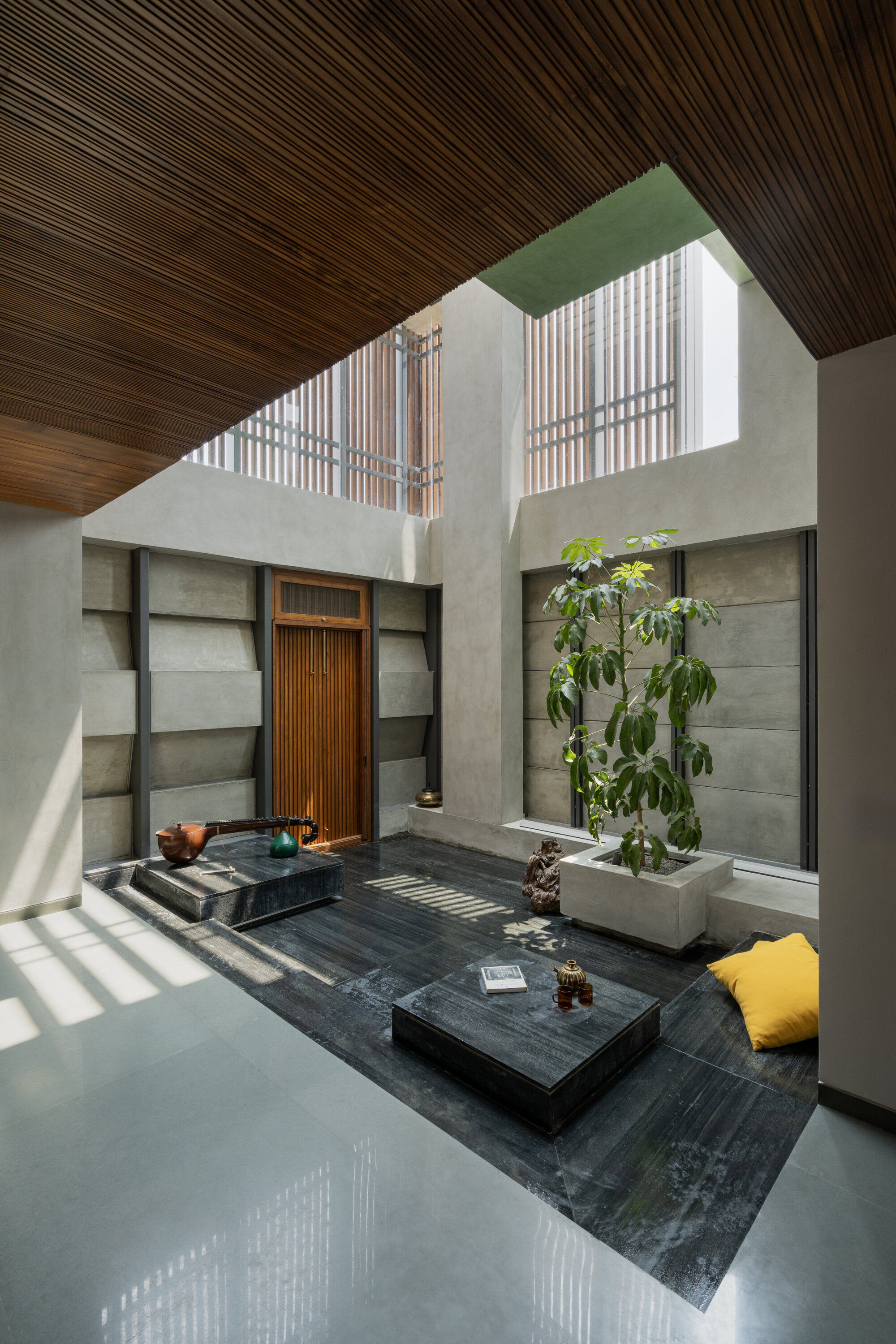
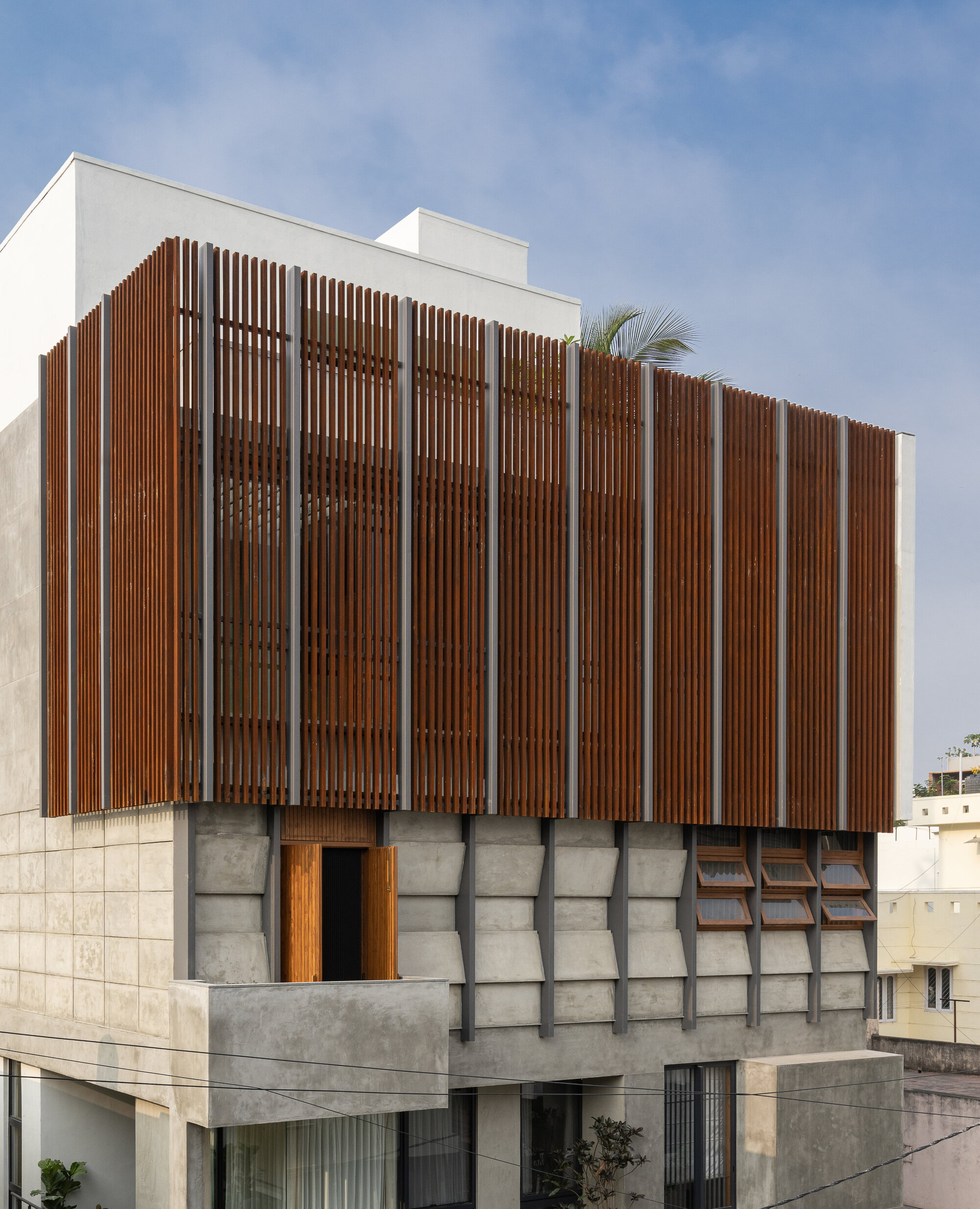
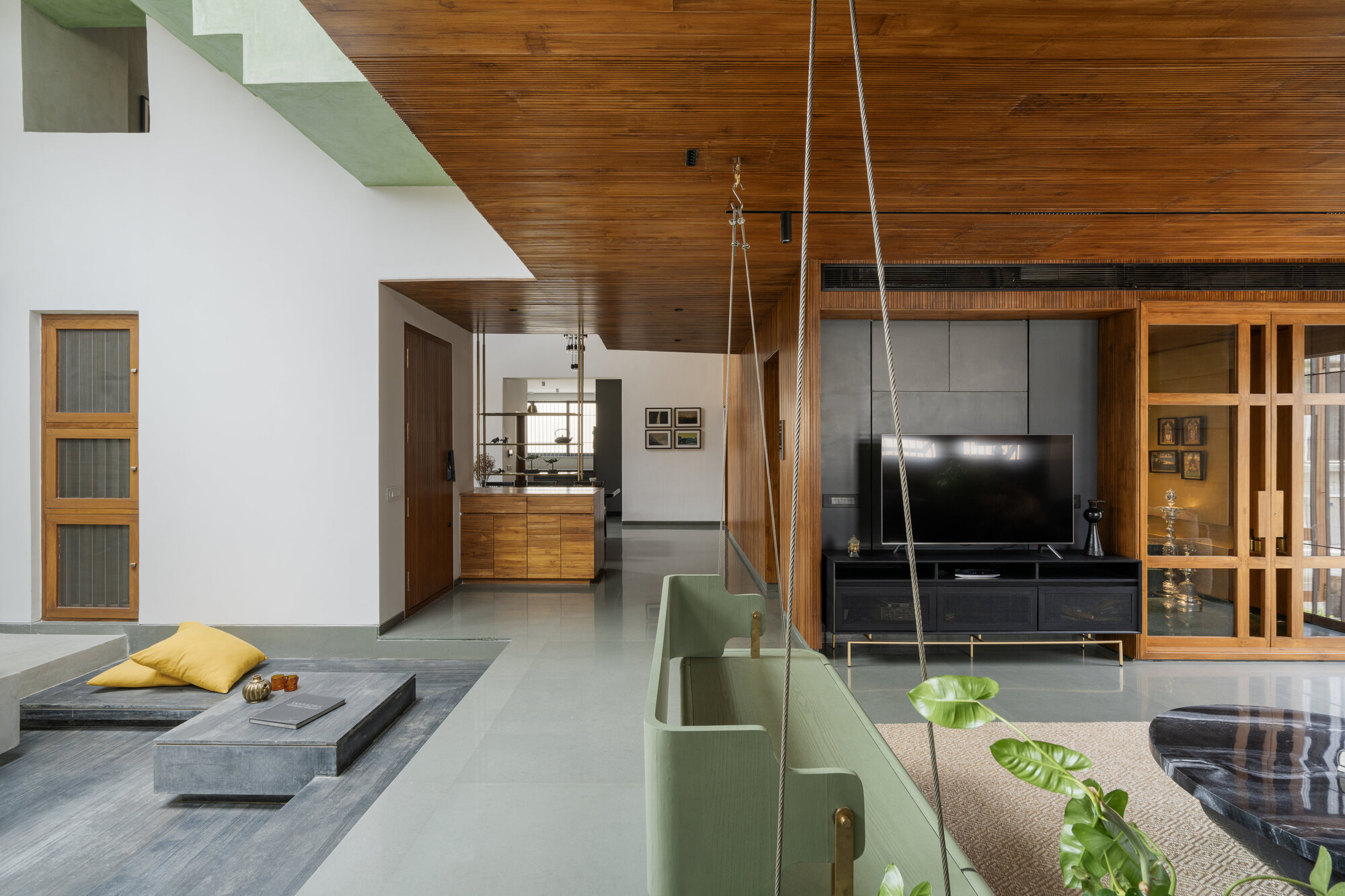
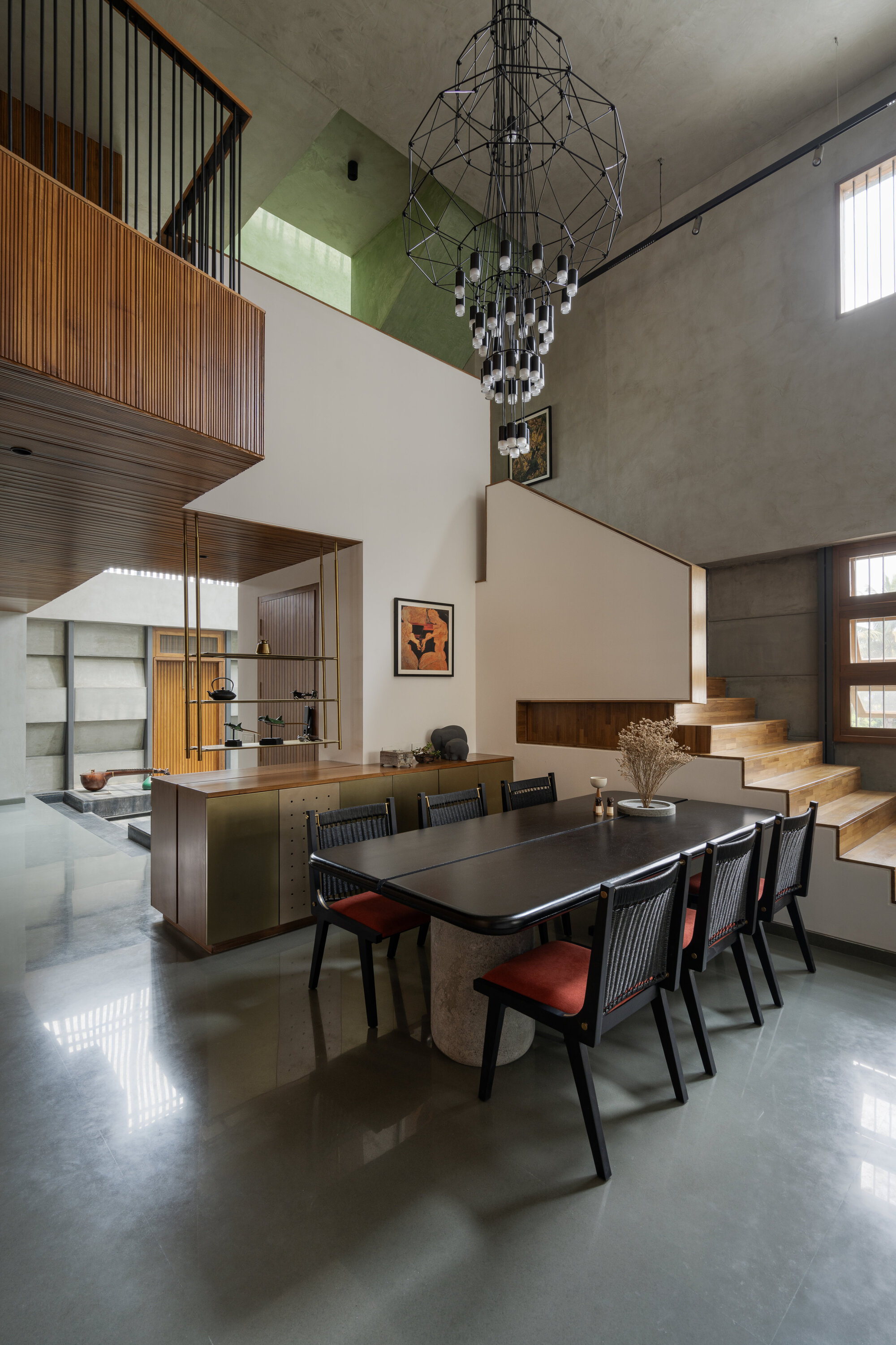
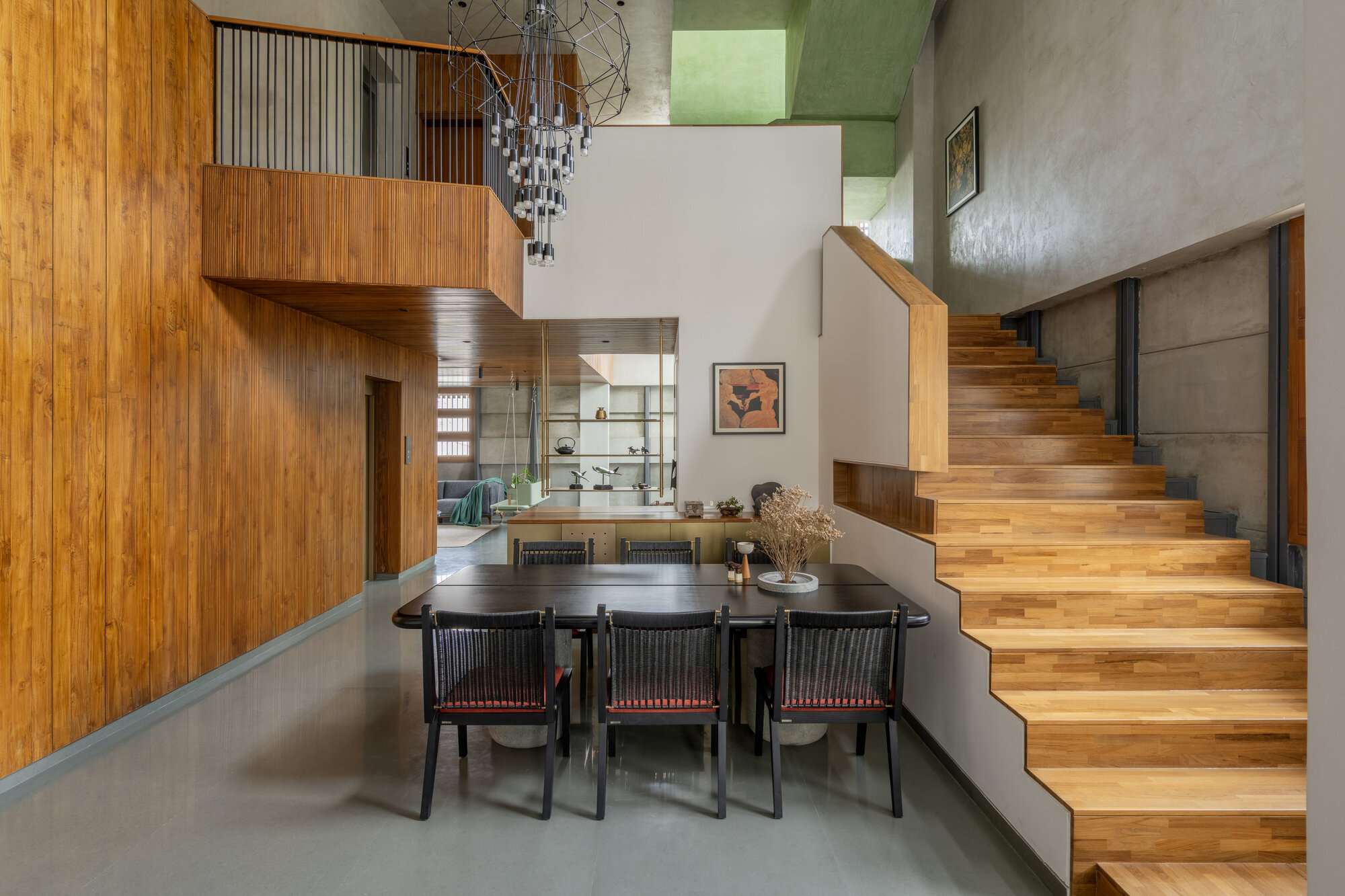
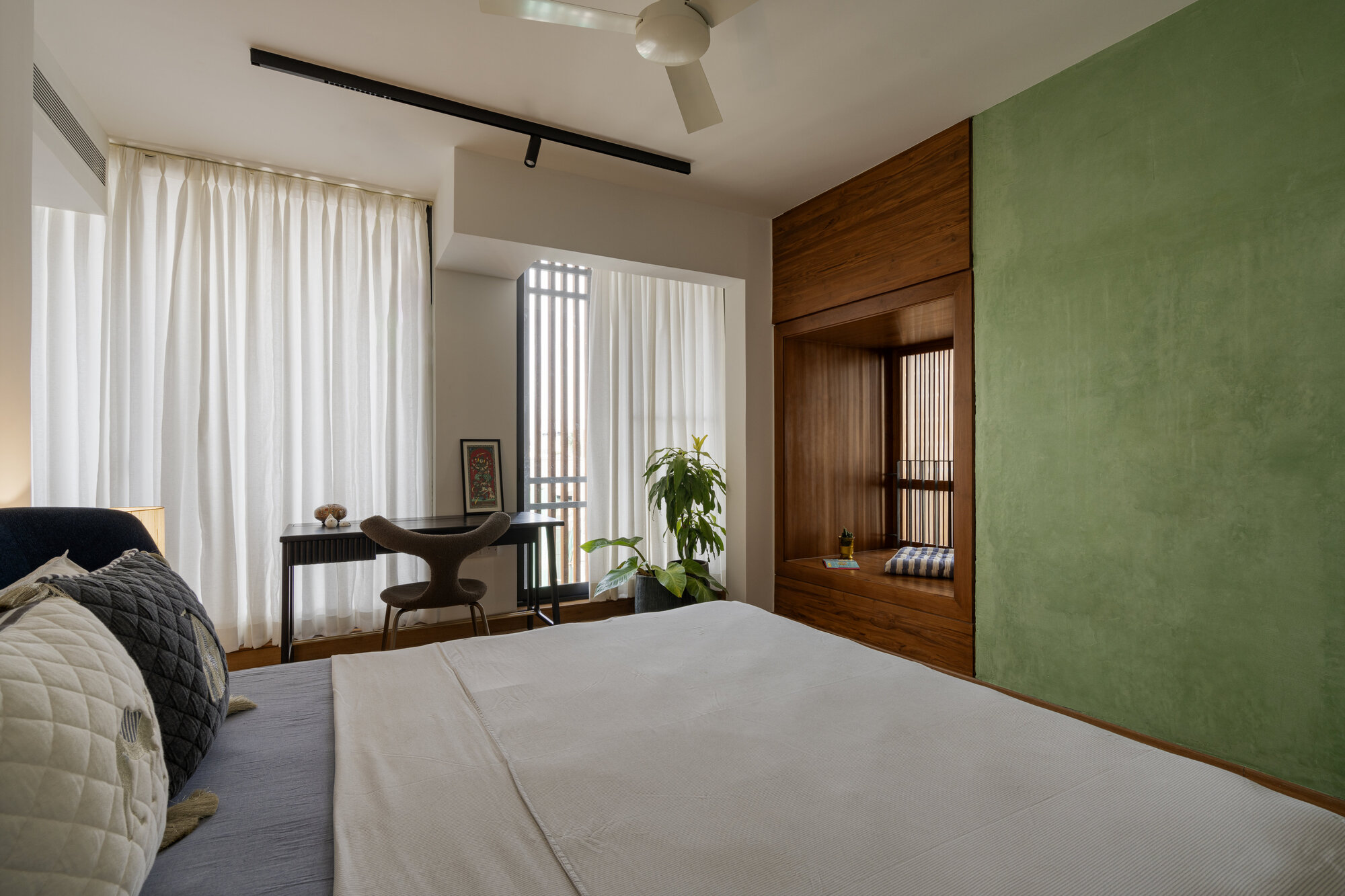
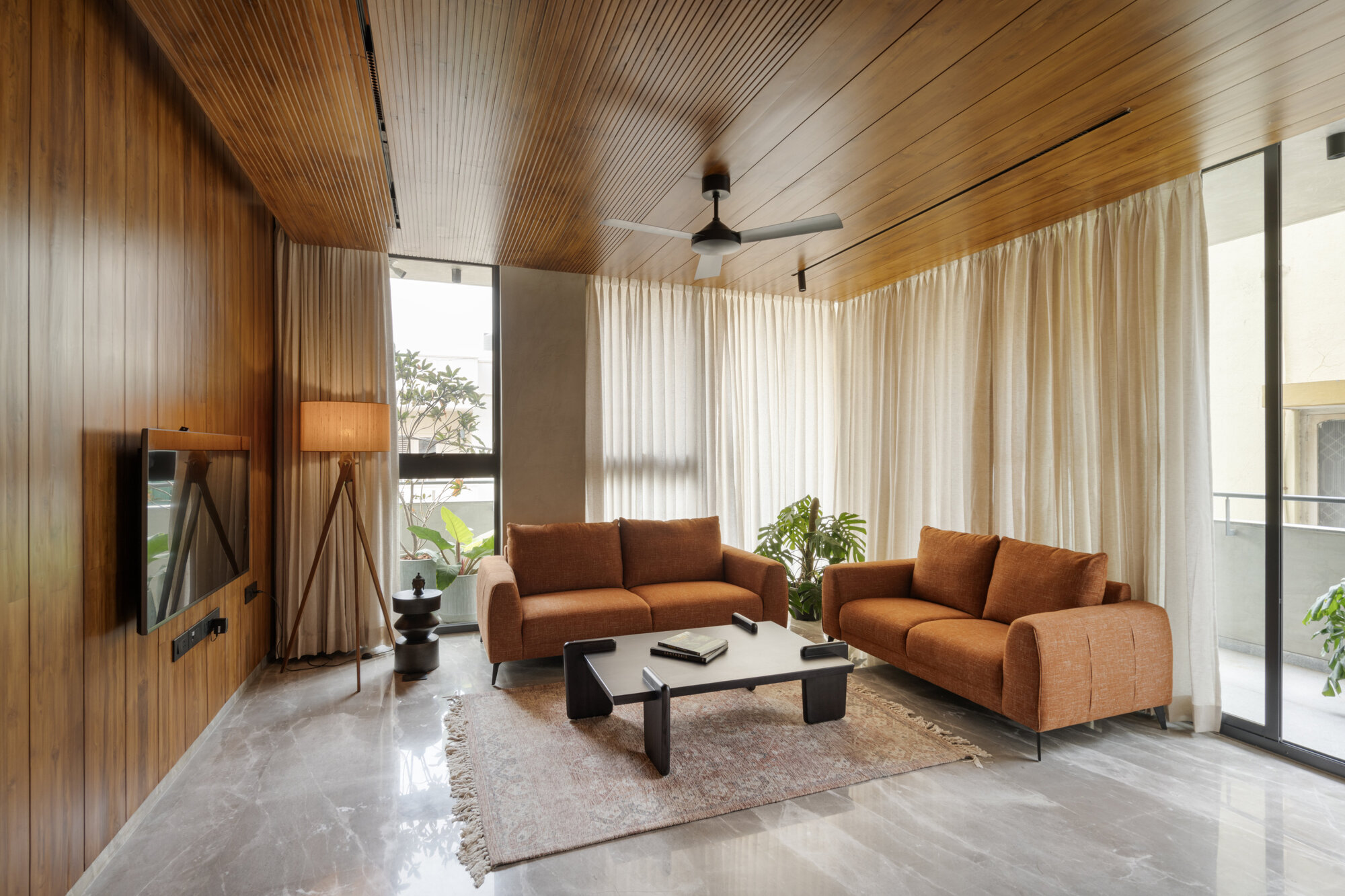
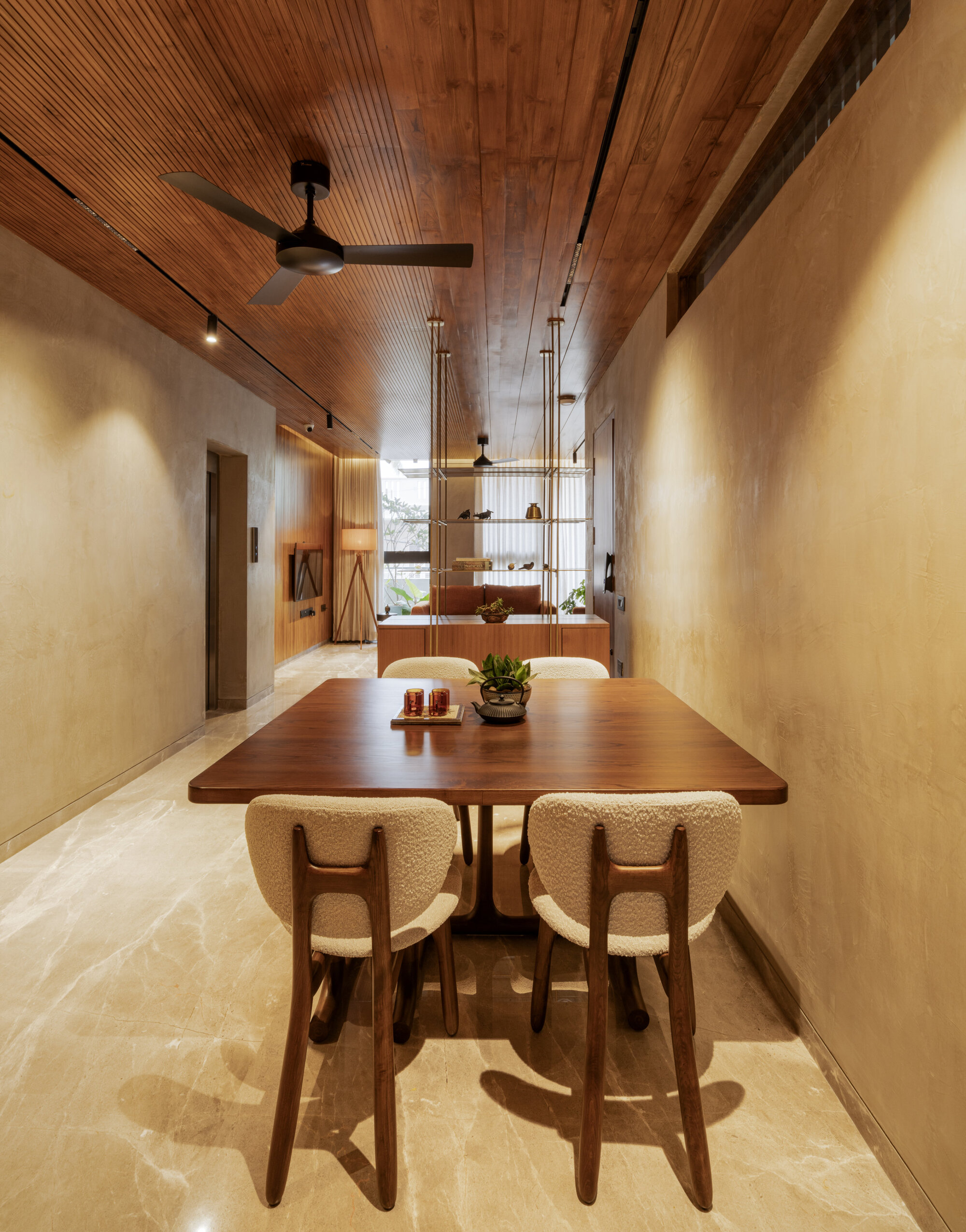
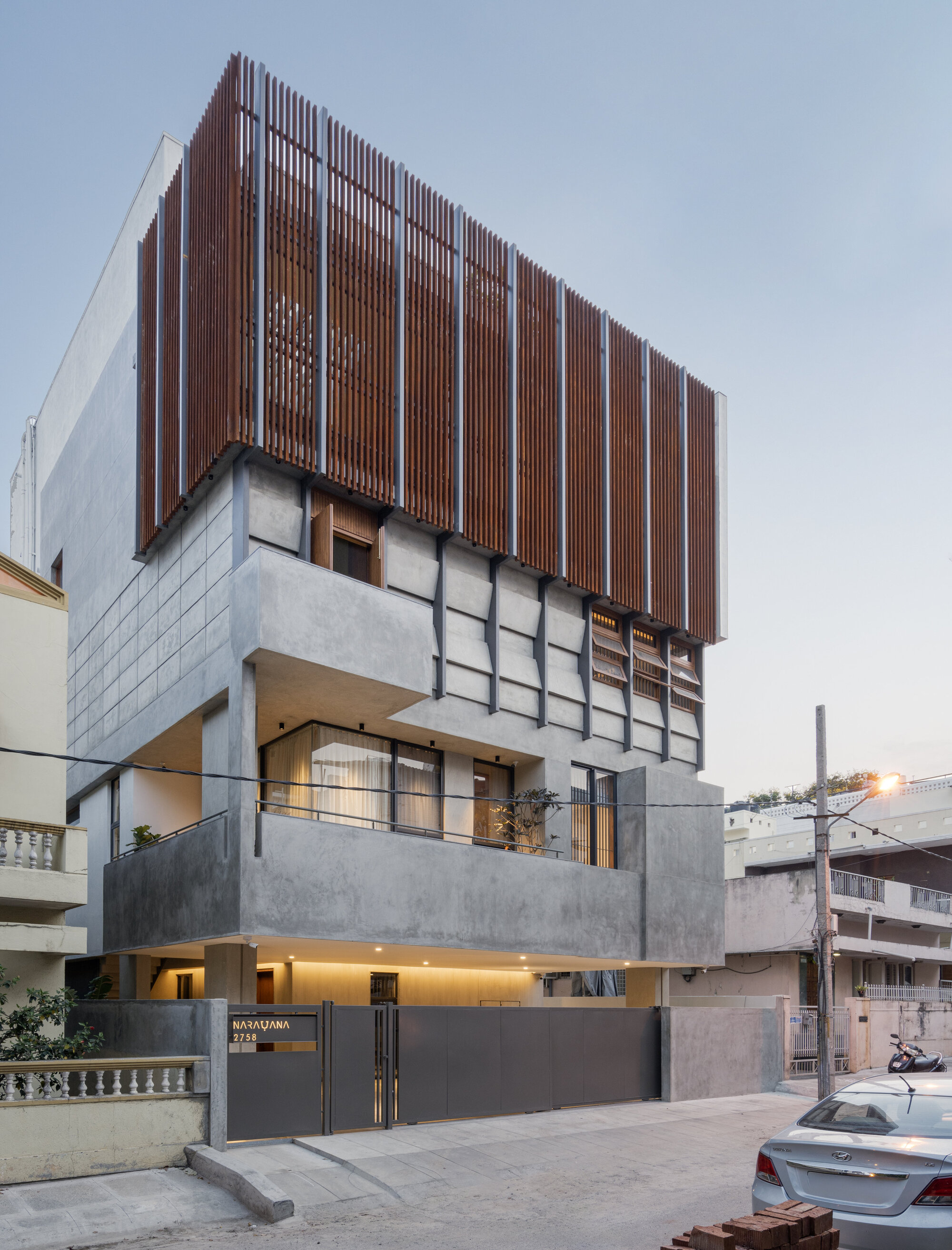
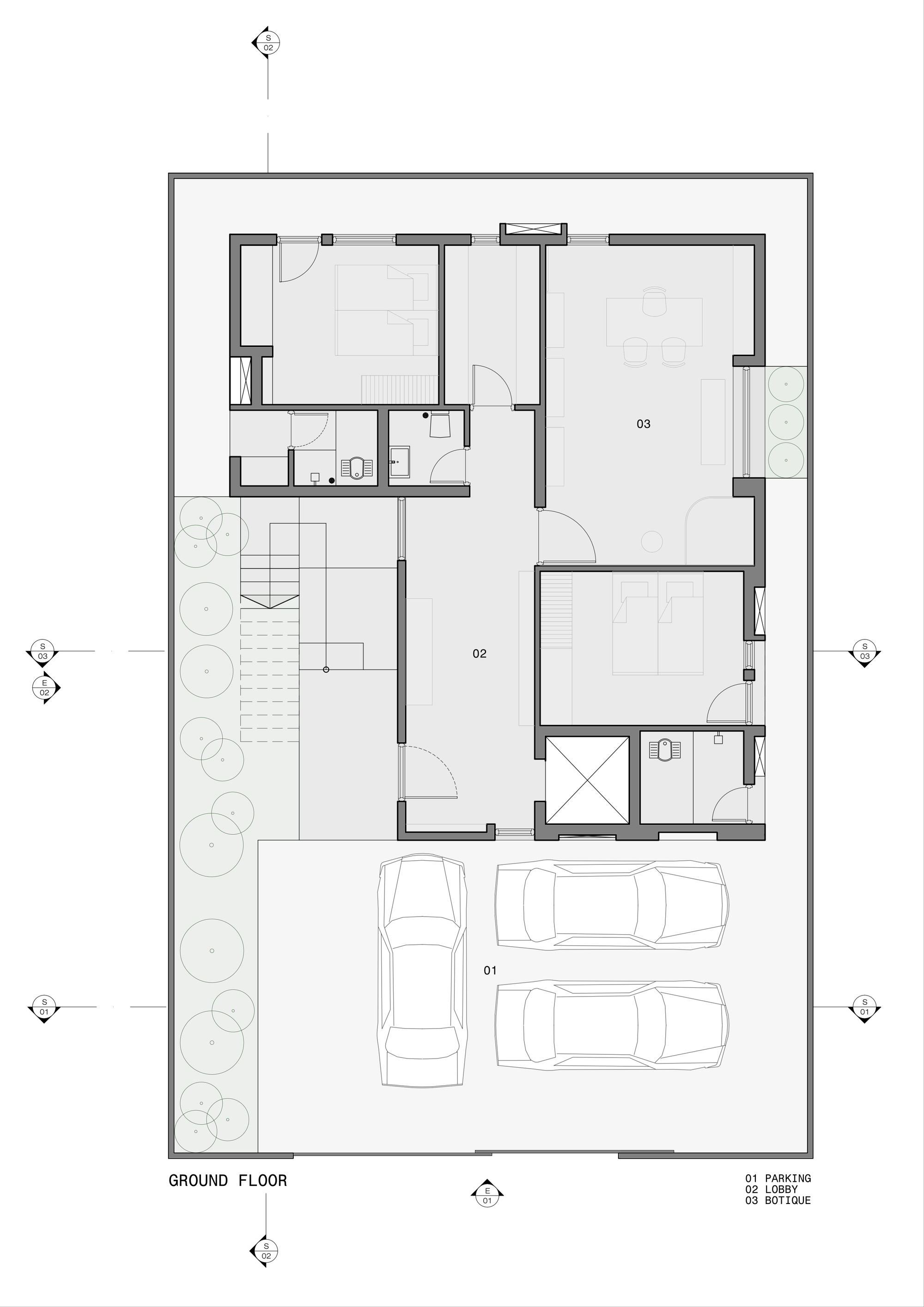
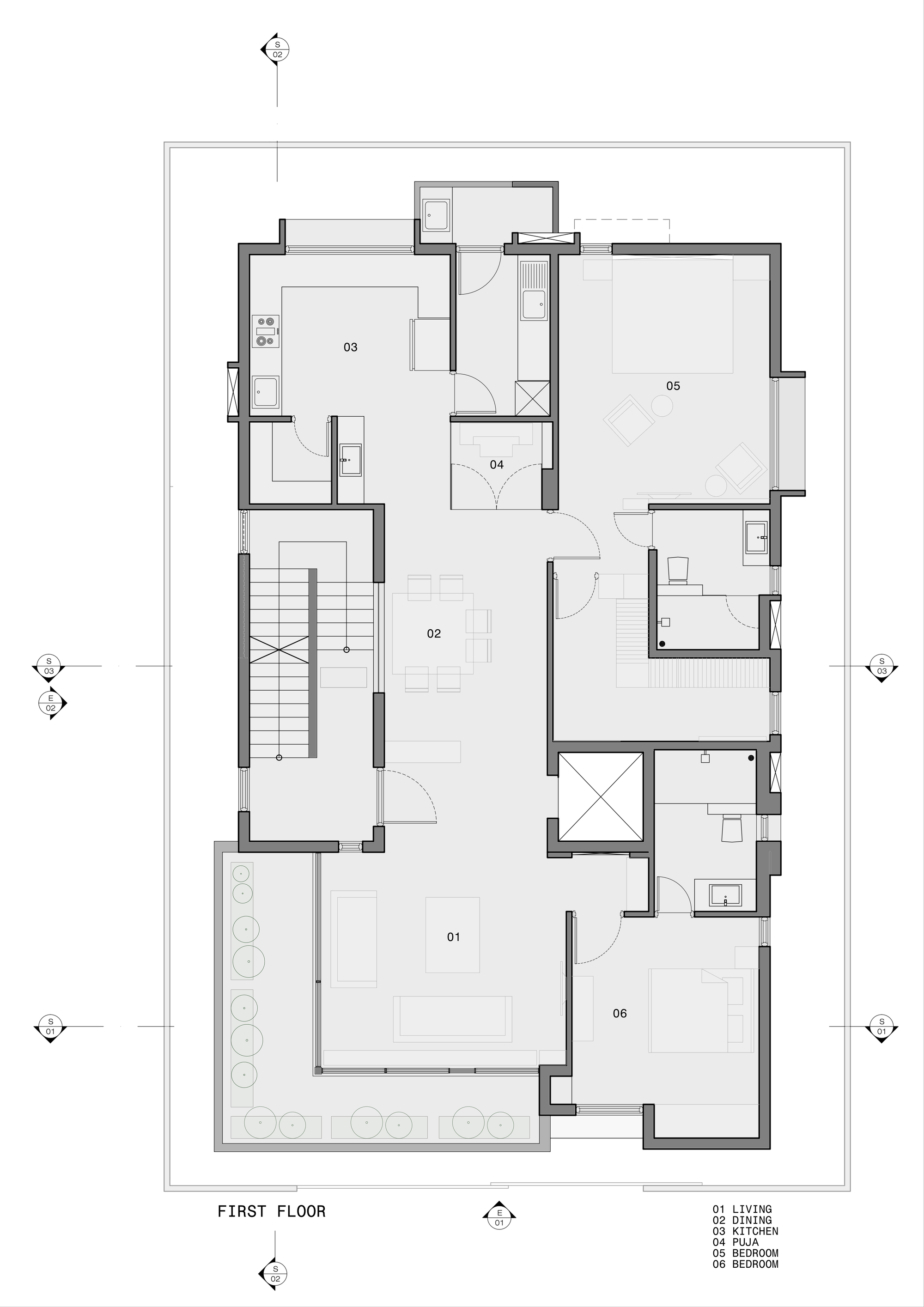
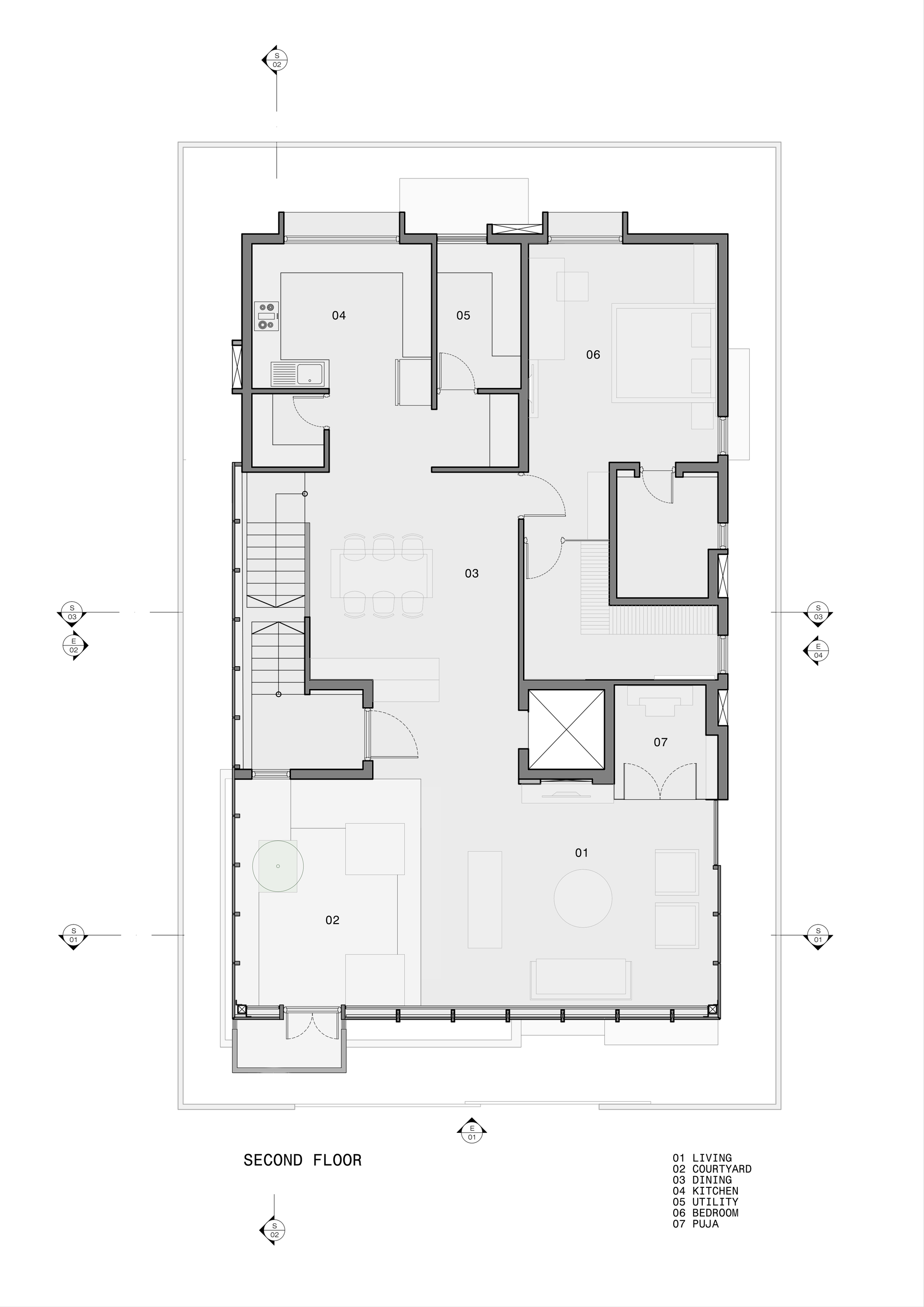
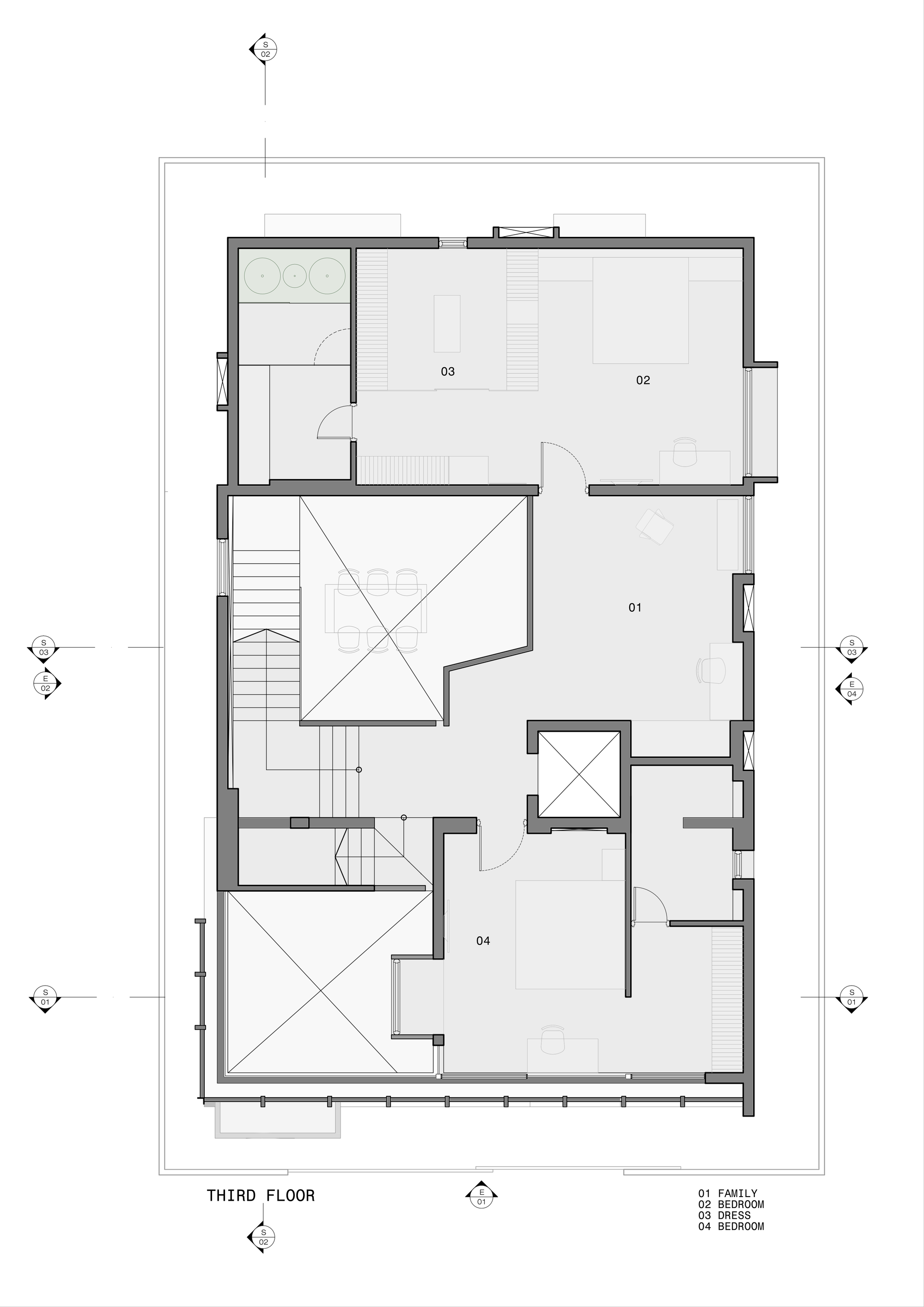
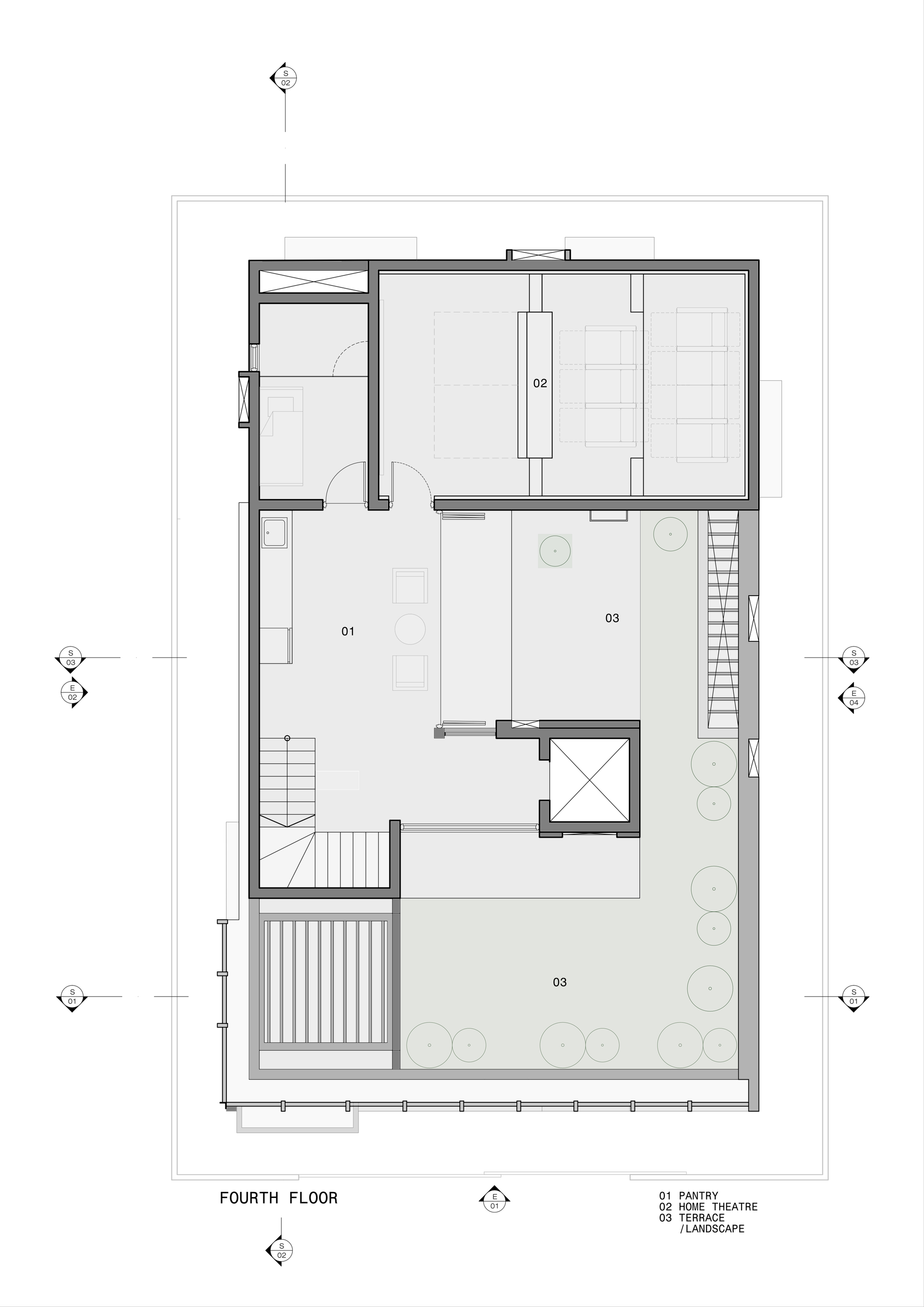
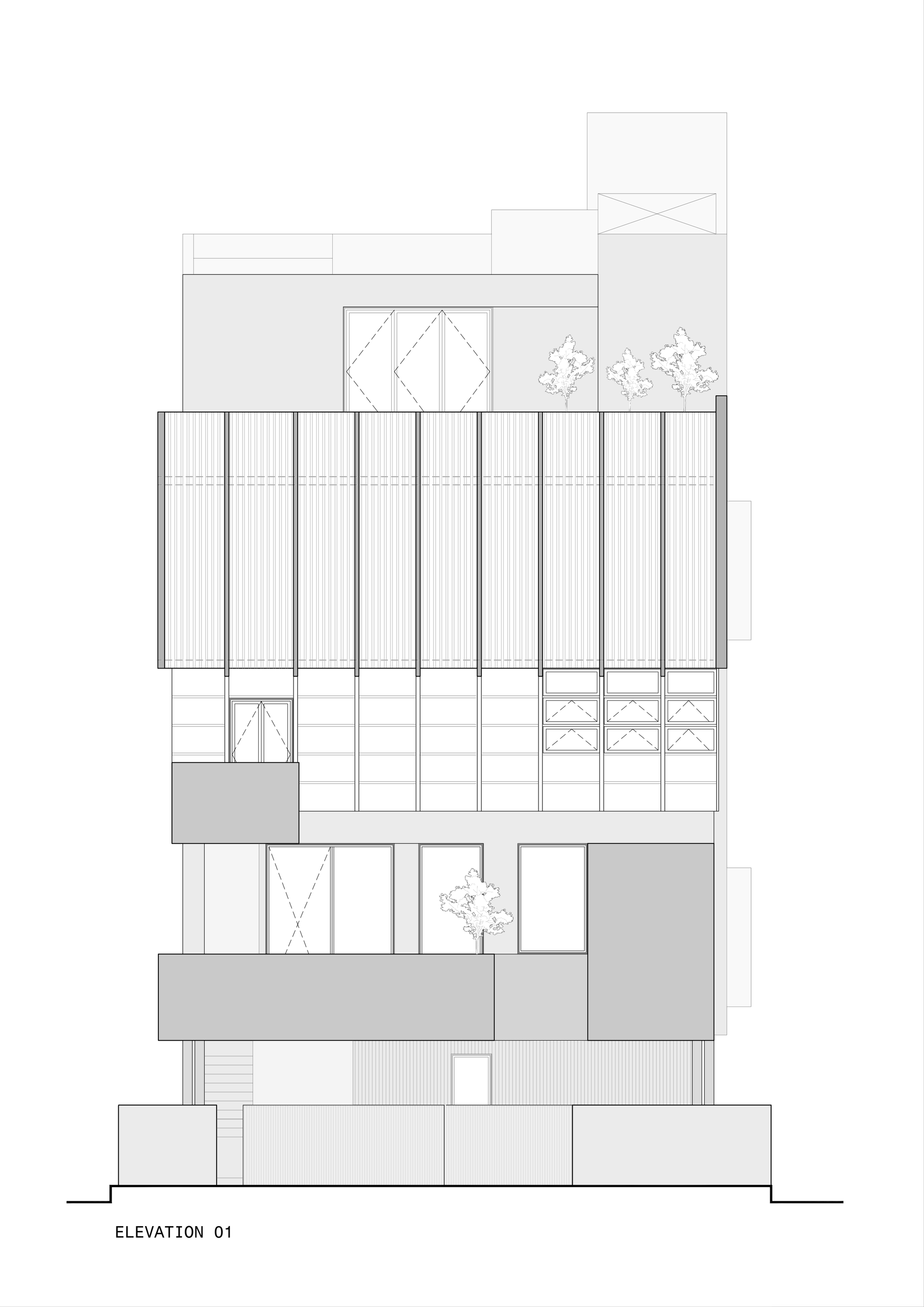
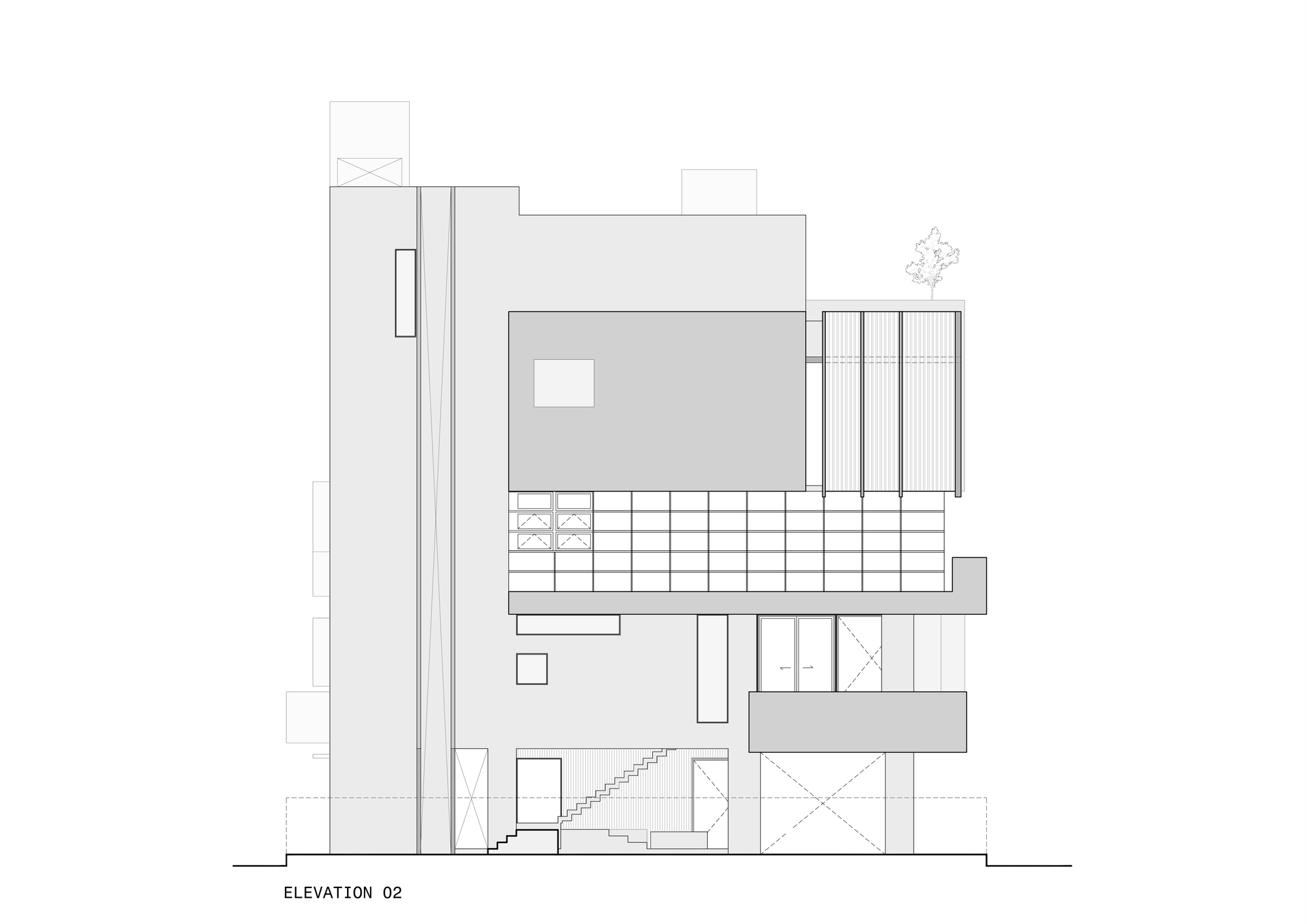
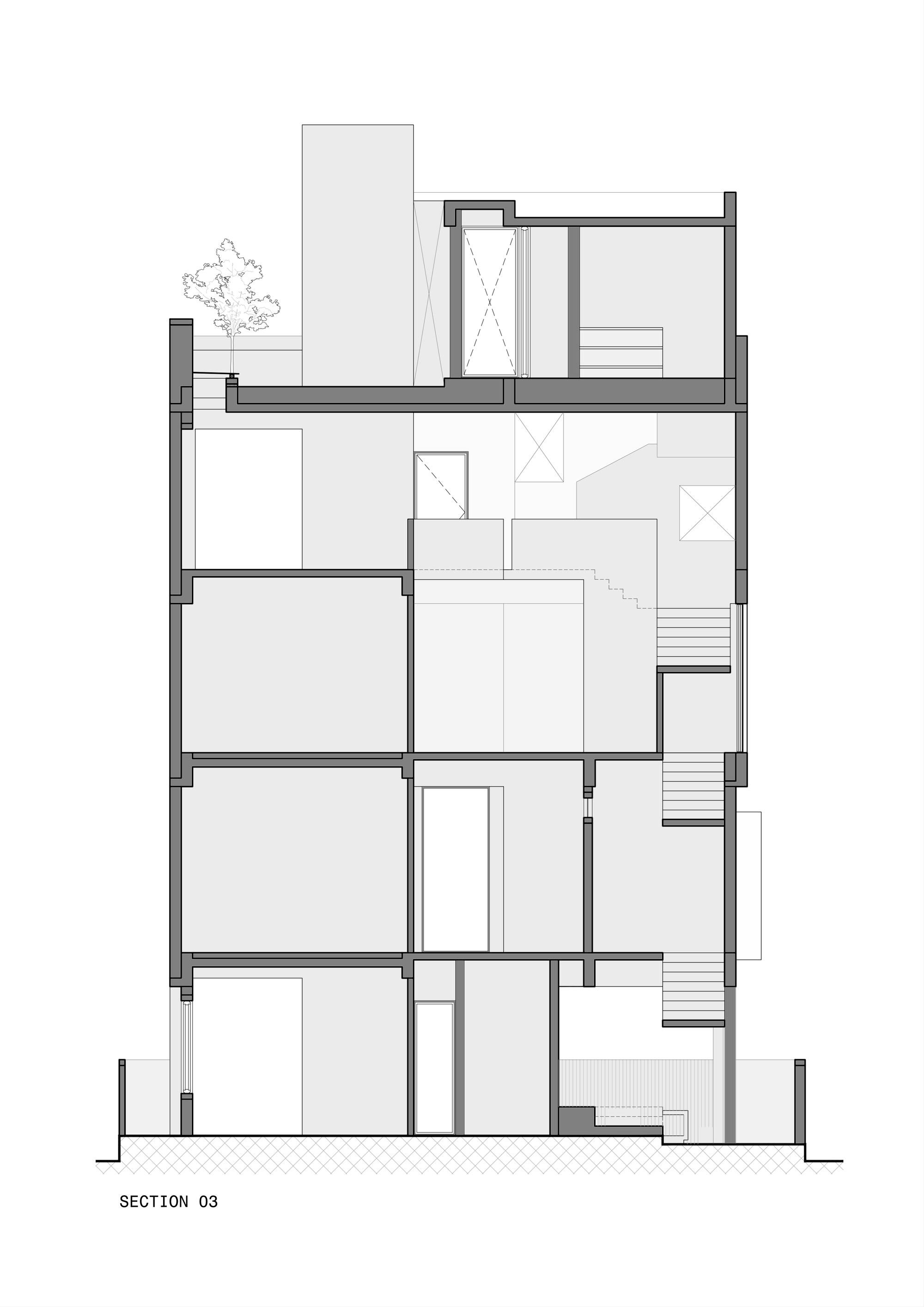
Heirlooms in Concrete #architecture Area: 5000 sq. Ft Year: 2024 Photographs: Anand Jaiu Location: India, Bengaluru Located in a longstanding residential layout of Bangalore, the site held a home that had been witness to family histories for over two decades. With generational change came shifting needs. Children had grown up, spaces had grown outdated, and lifestyles had outgrown the architecture that once supported them. The family, rather than opting for a piecemeal renovation, decided to rebuild entirely—a bold yet sentimental decision that acknowledged the limitations of the old while honouring its spirit. The brief to the architects was clear yet complex: design a home that was current, functional, and aesthetically aligned with contemporary sensibilities, but do not erase the emotional memory of the place. It had to support the comfort and routines of the older generation while embracing the pace and recluse that the younger members desired. The design response came in the form of a twin house: the older generation occupying the lower floors and the younger family living above. This vertical separation allowed both autonomy and proximity, enabling the two generations to maintain their lifestyles while staying connected. On the lower floors, proximity to the street and garden offers easy access, sociability, and rootedness—ideal for the elderly parents. The upper floors, in contrast, are introverted and sky-facing, shaped around openness, privacy, and spatial flow. Yet, these vertical divisions do not result in isolated units. One of the most memorable aspects of the project is the striking enclosing wall to the courtyard. More than a peripheral enclosure, the wall is a sculptural, kinetic surface—both a threshold and a muse in concrete. Conceived from the outset to be both secure and expressive, the client imagined a feature that could function as a fringe while also embodying the design ethos of the home—a wall that speaks as much as it shelters. Initially conceptualized as a series of sloped precast concrete panels, the early iterations felt too static. Through design evolution, the team introduced alternating slopes that create a rhythmic, dynamic illusion. The wall now feels alive—its geometry and shadows constantly shifting with the movement of the sun and the viewer. Constructed using raw, unfinished concrete panels held in a steel framework, the wall celebrates material honesty. Its imperfections are not masked; they are embraced. Dark matte-finished steel frames provide a crisp outline, while corten steel fins on the upper floor add a layer of warmth and tactile contrast. Practicality is not sacrificed for form. The wall, exposed to rain and weather, includes carefully sealed joints and an internal gutter system to channel water away and preserve visual clarity. The result is a visually commanding wall that transcends its functional role, asserting the home's evolved identity. At the heart of the house lies a two-storey-high courtyard, the anchor and pulse of the residence. Courtyards are an age-old typology in Indian domestic architecture, often serving as spatial mediators between inside and outside, private and public, communal and individual. In Heirlooms in Concrete, this central volume reinvents the traditional courtyard as a multi-sensory, cross-generational common space. A skylight above ensures the space is always filled with diffused natural light. The courtyard connects the living room, dining area, and the upper-level commons, creating seamless spatial integration across floors. It becomes the family's gathering place, a zone for conversation, play, rest, and celebration. A pastel green swing with brass detailing, suspended delicately within this space, becomes a visual and physical bridge between the courtyard and the adjacent seating areas. It is both nostalgic and modern, a symbolic reminder of how the old and the new coexist in this home. From a design standpoint, Heirlooms in Concrete emphasizes restraint, clarity, and craftsmanship. The language is contemporary and minimal, allowing the architecture to act as a backdrop for life rather than overwhelm it. Passive thermal comfort was also a key consideration—cavity walls were incorporated into the envelope to provide insulation against Bangalore's fluctuating temperatures. Skylights, fitted with discreet mesh ventilators, allow warm air to escape from double-height volumes, promoting cross-ventilation and passive cooling throughout the day. Every material, finish, and detail is chosen with a dual intent: comfort and expression. The interiors are defined by soft neutrals, exposed materials, and subtle textures. Stone and oxide flooring grounds the spaces, while timber and metal accents provide contrast and warmth. The living room opens into the courtyard, allowing filtered light to wash over its surfaces through the day. The sculptural staircase that rises from the dining area is a striking element—oxide-finished, curved and quiet in its elegance. As it ascends, it guides movement to the upper level and further to the terrace. The terrace is imagined not as a residual space, but as an active programmatic zone with a gym, home theatre, pantry, and terrace garden. This topmost floor functions as a recreational and contemplative retreat. Designed for leisure and family interaction, it offers expansive views and is wrapped in greenery. Here, architecture provides the opportunity for pause, reflection, and delight. The terrace also houses a solar installation, enabling the home to partially power itself with renewable energy, reducing its environmental footprint and marking a step toward self-sufficiency. Indian families are in a state of flux. As societal roles evolve and urban lifestyles diversify, the joint family is no longer the norm, yet the nuclear family often finds itself incomplete. Heirlooms in Concrete reflects this ambiguity. It does not impose a fixed model of family living, but instead allows for interdependence within independence. This spatial negotiation—offering connection and privacy simultaneously—is the key to the project's success. Whether it is the shared courtyard, the layered access, or the autonomous upper terrace, each design choice responds to emotional and functional needs. At its core, Heirlooms in Concrete is a story about belonging. It is about how families adapt to time while holding onto the threads of familiarity. The architecture captures this with grace—using light, volume, and material to choreograph everyday life. The project resists the temptation to be overdesigned. It does not chase architectural spectacle, but creates spaces that are warm, intentional, and adaptable. It is a reminder that homes are not static; they are repositories of time, memory, and future possibilities. In documenting the evolution of family and form, Heirlooms in Concrete offers a compelling architectural typology for Indian cities. It answers pressing questions: How do we build for the present without forgetting the past? How do we design for individuality without eroding community? How can architecture speak softly, yet profoundly? This residence does all of that. It grows with its users. It holds stories within its walls. It offers introspection and celebration, routine and surprise. It is a model of contemporary Indian domestic architecture that honors complexity, embraces change, and reimagines continuity. In the everyday lives that unfold here, in the shadows cast by the feature wall, in the laughter in the courtyard, and the solitude of the nooks—Heirlooms in Concrete stands as a built testament to the evolving spirit of home.
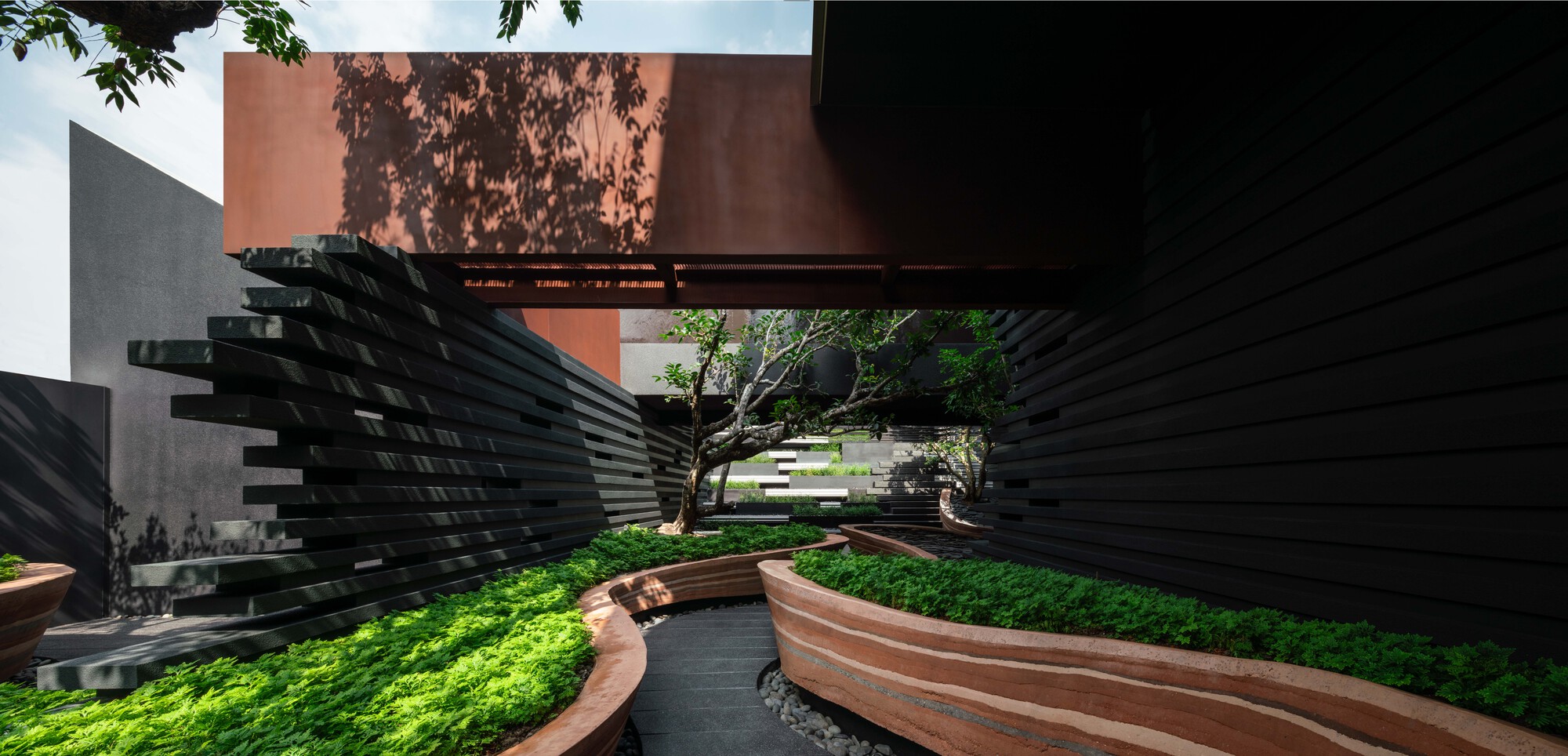
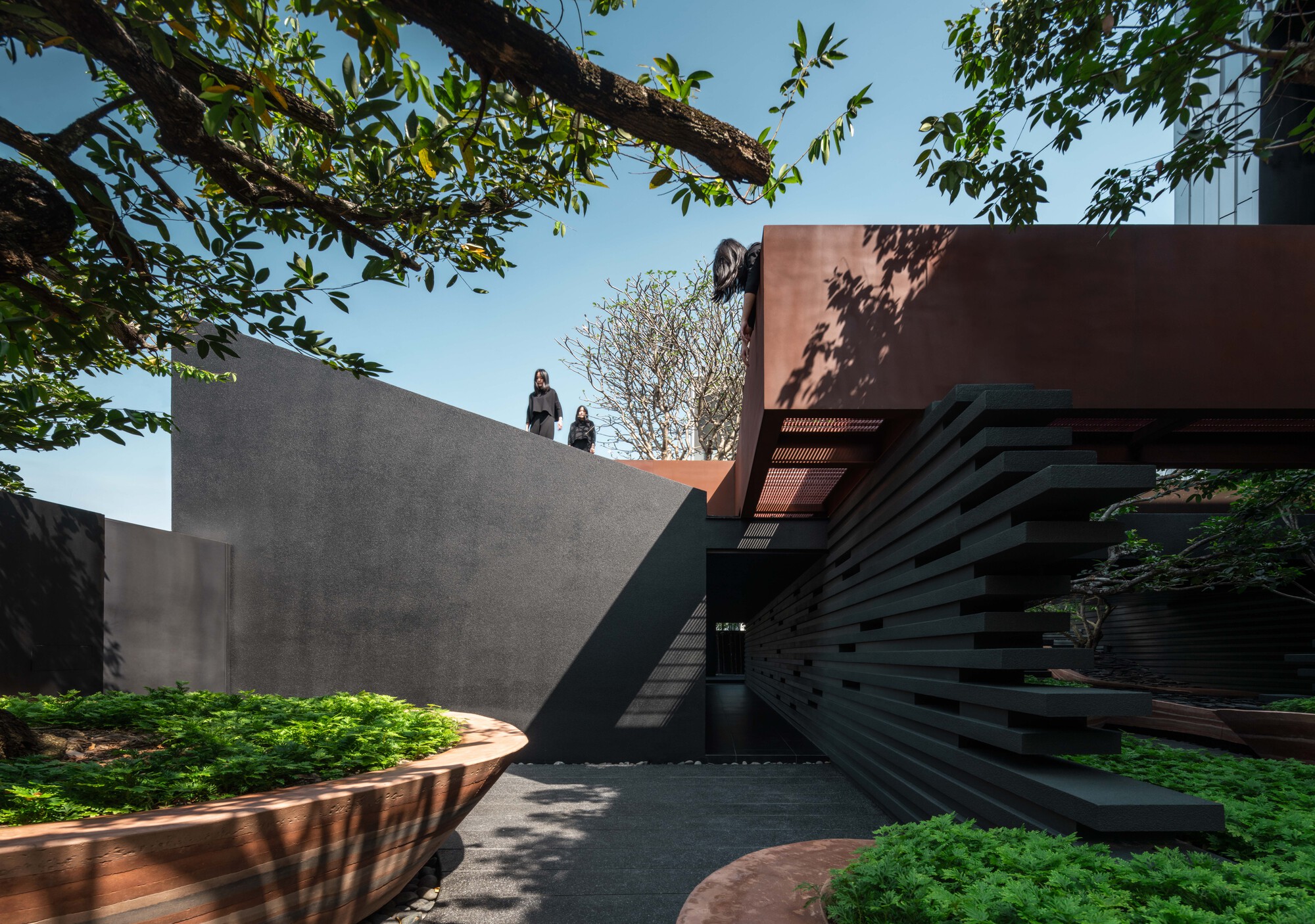
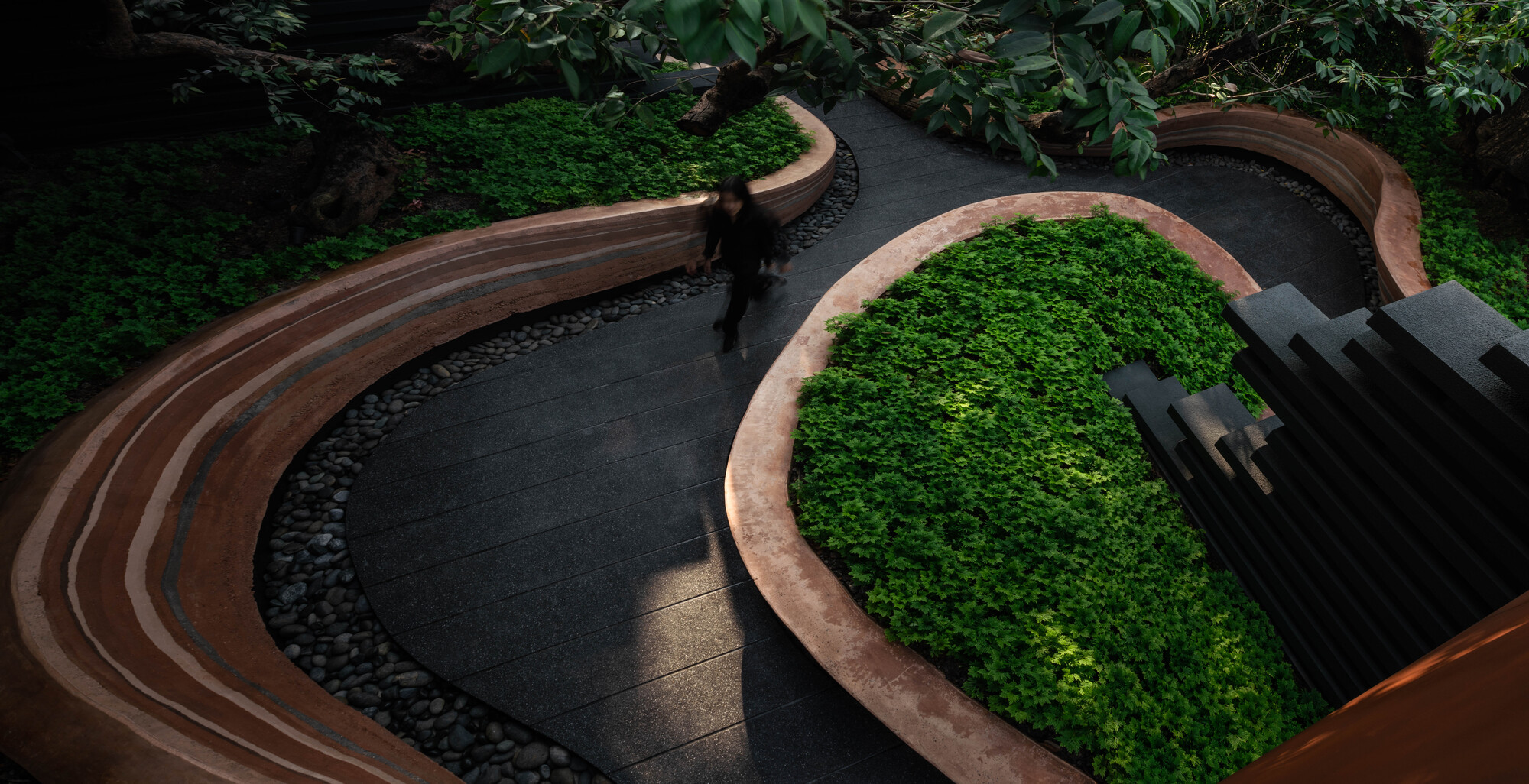
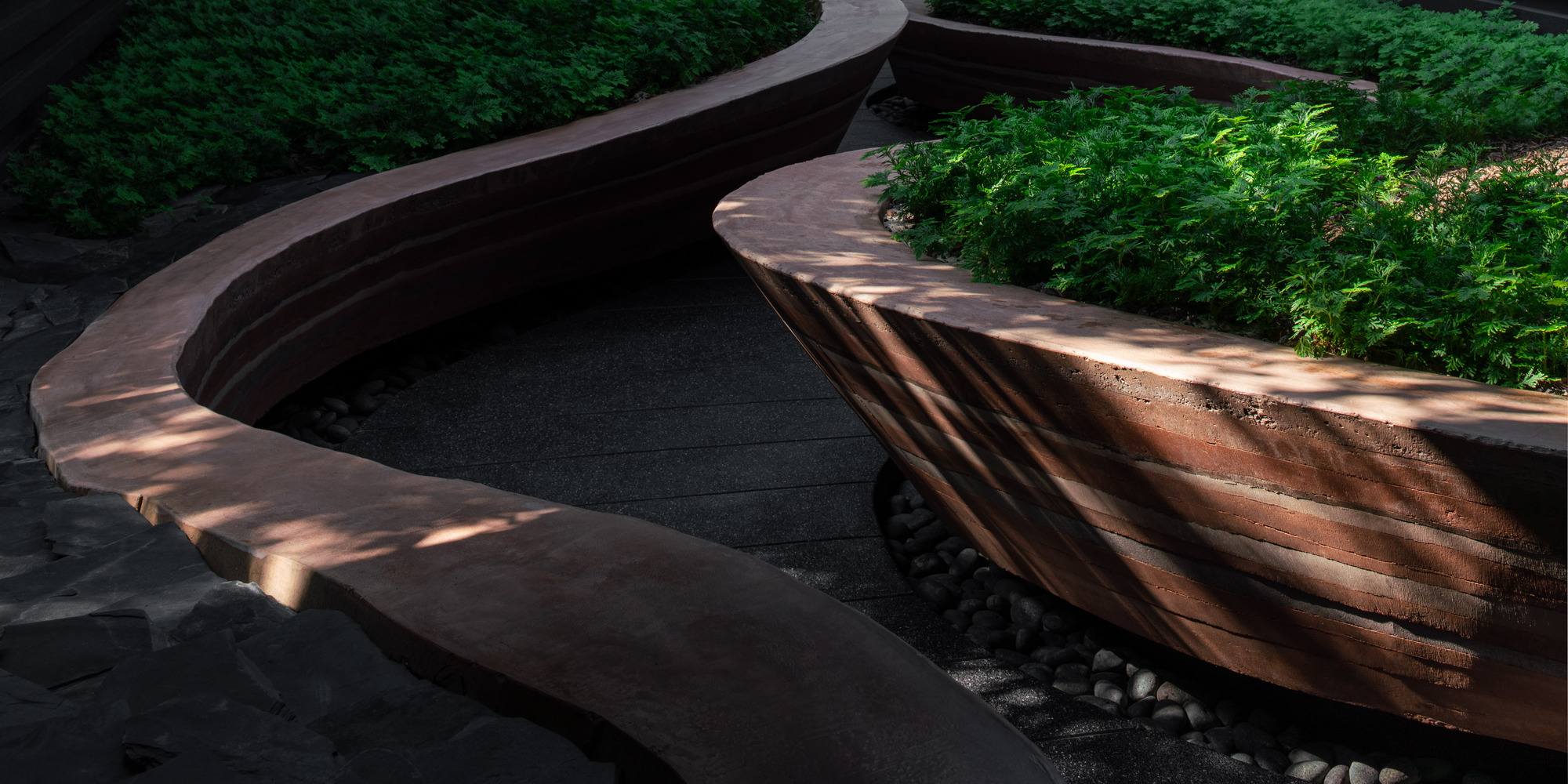
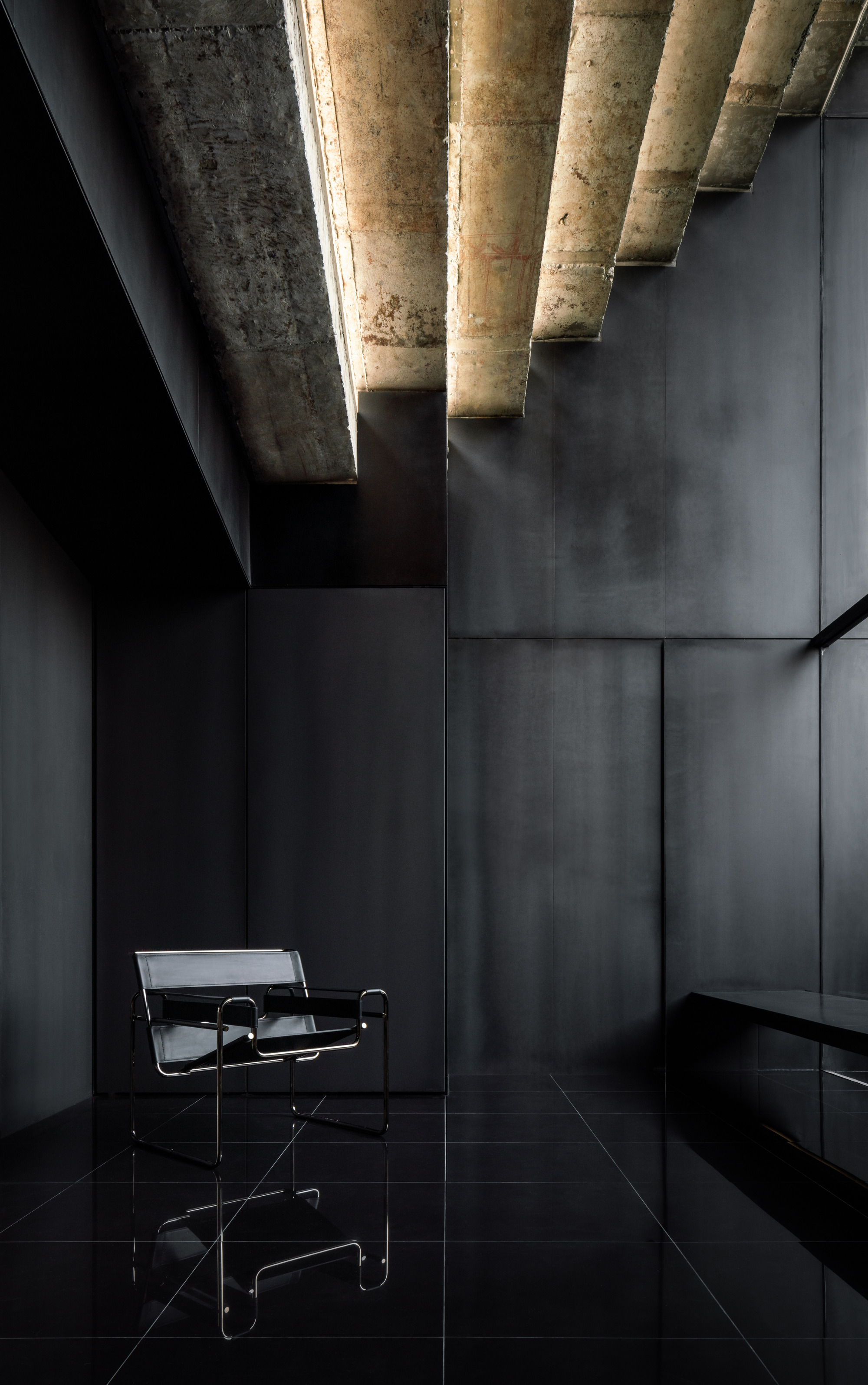
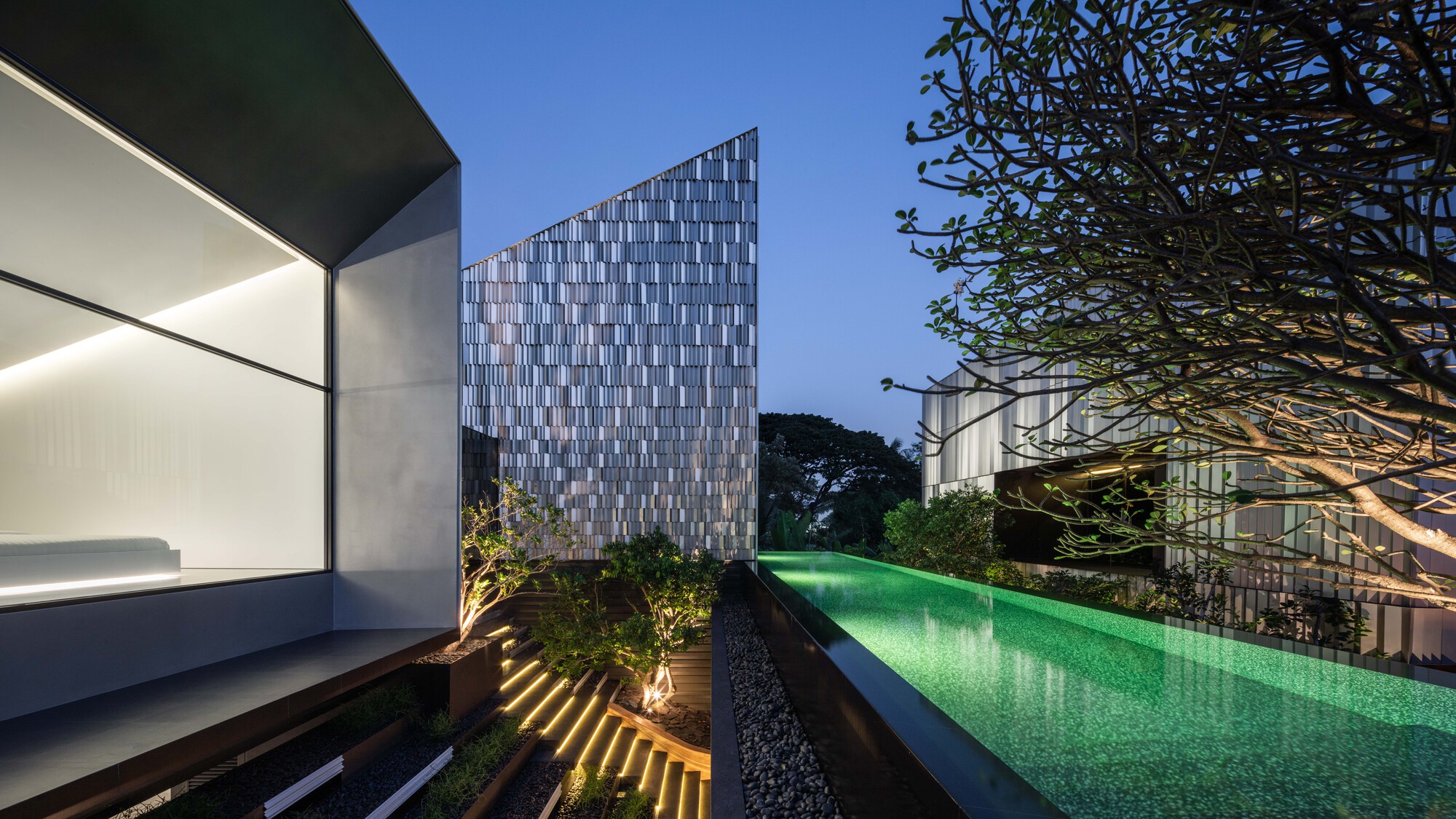
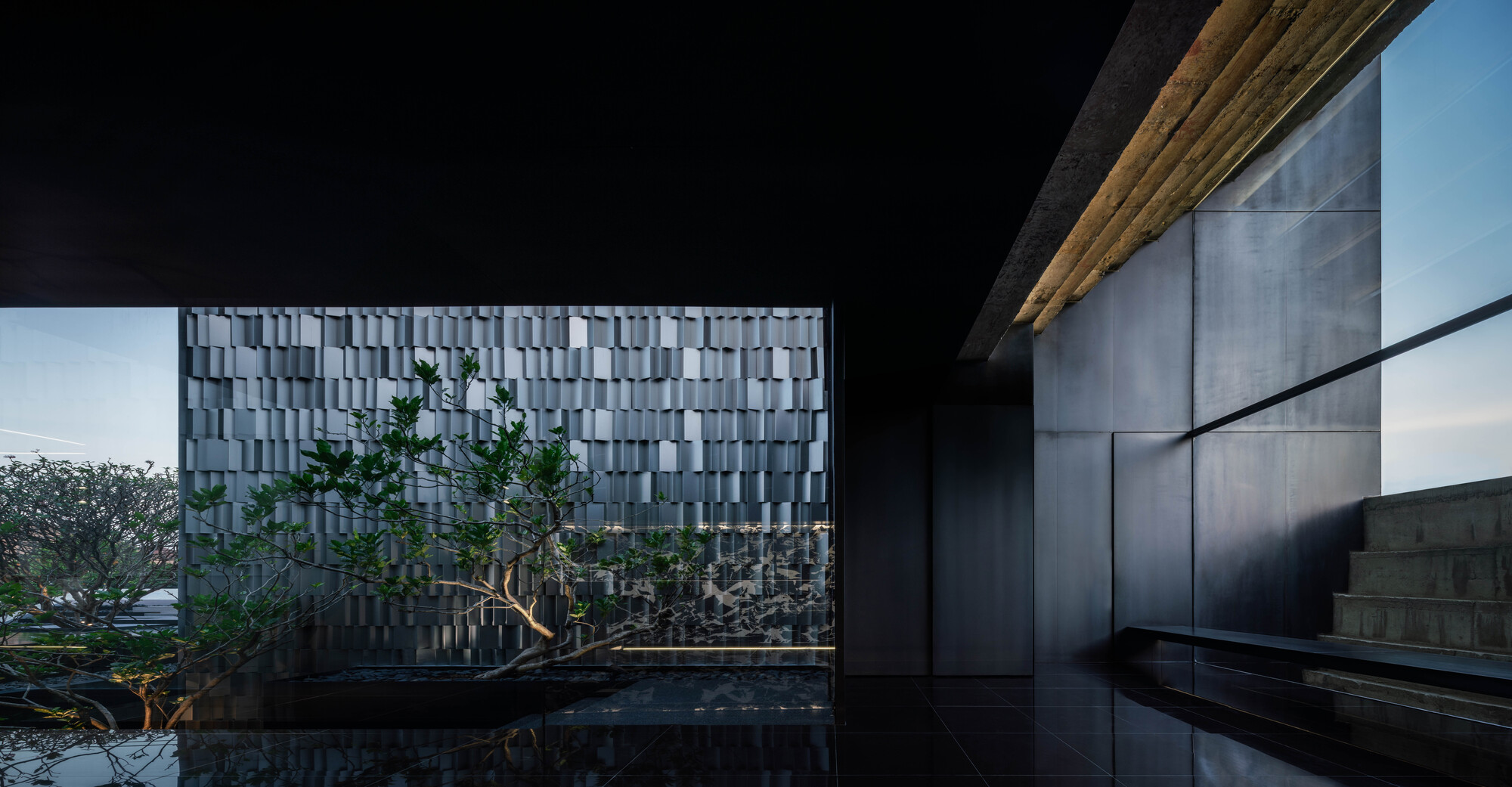
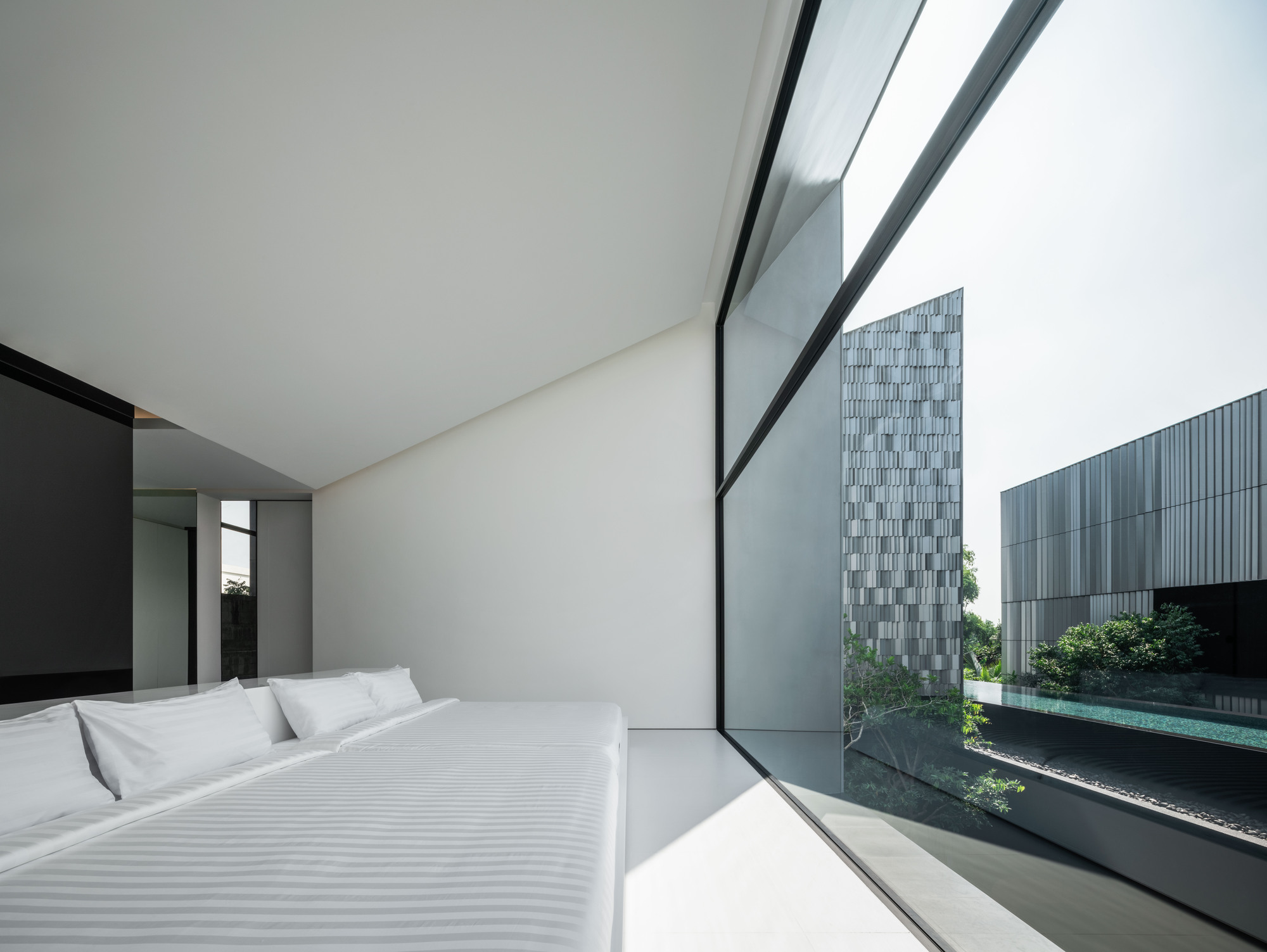
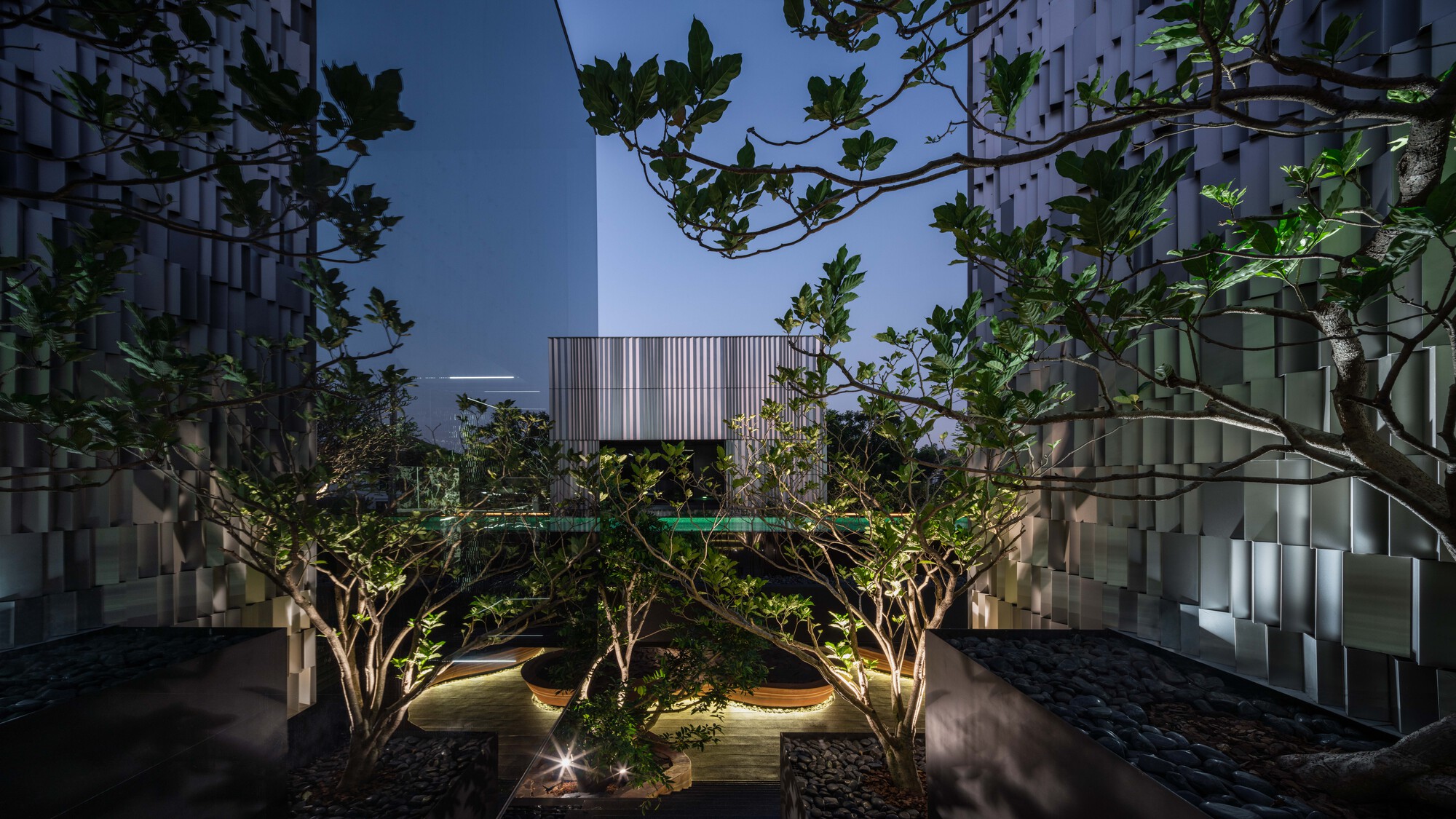
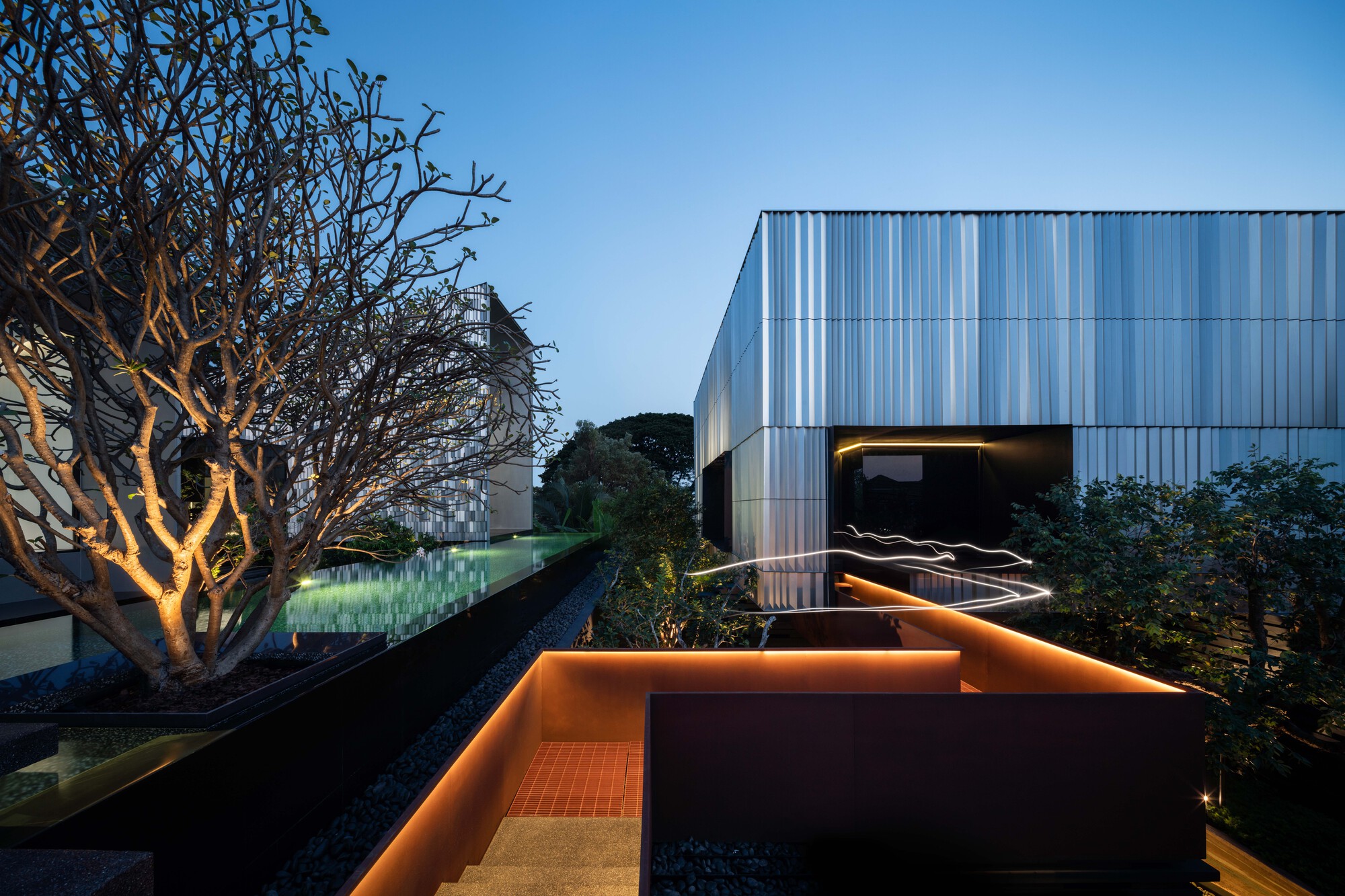
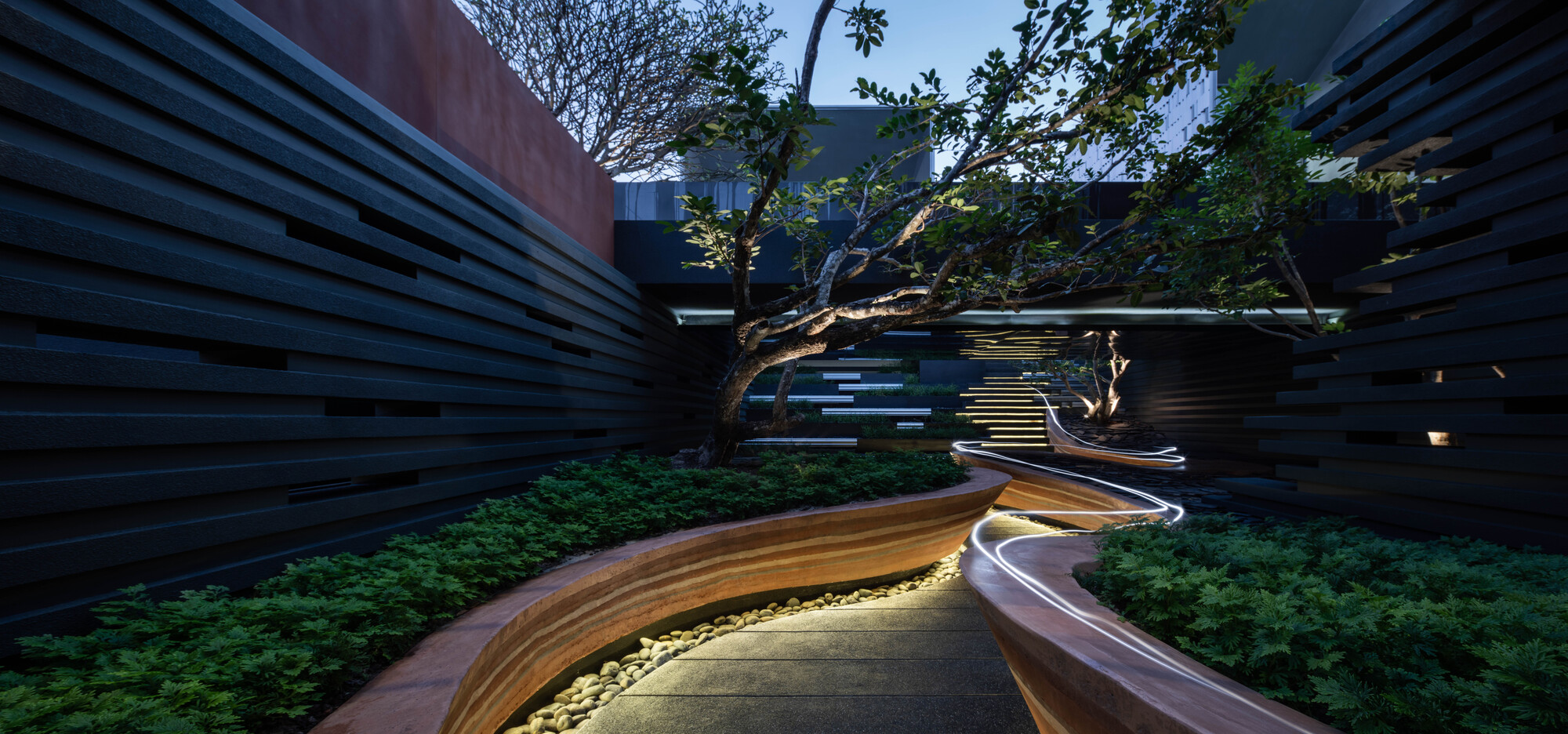
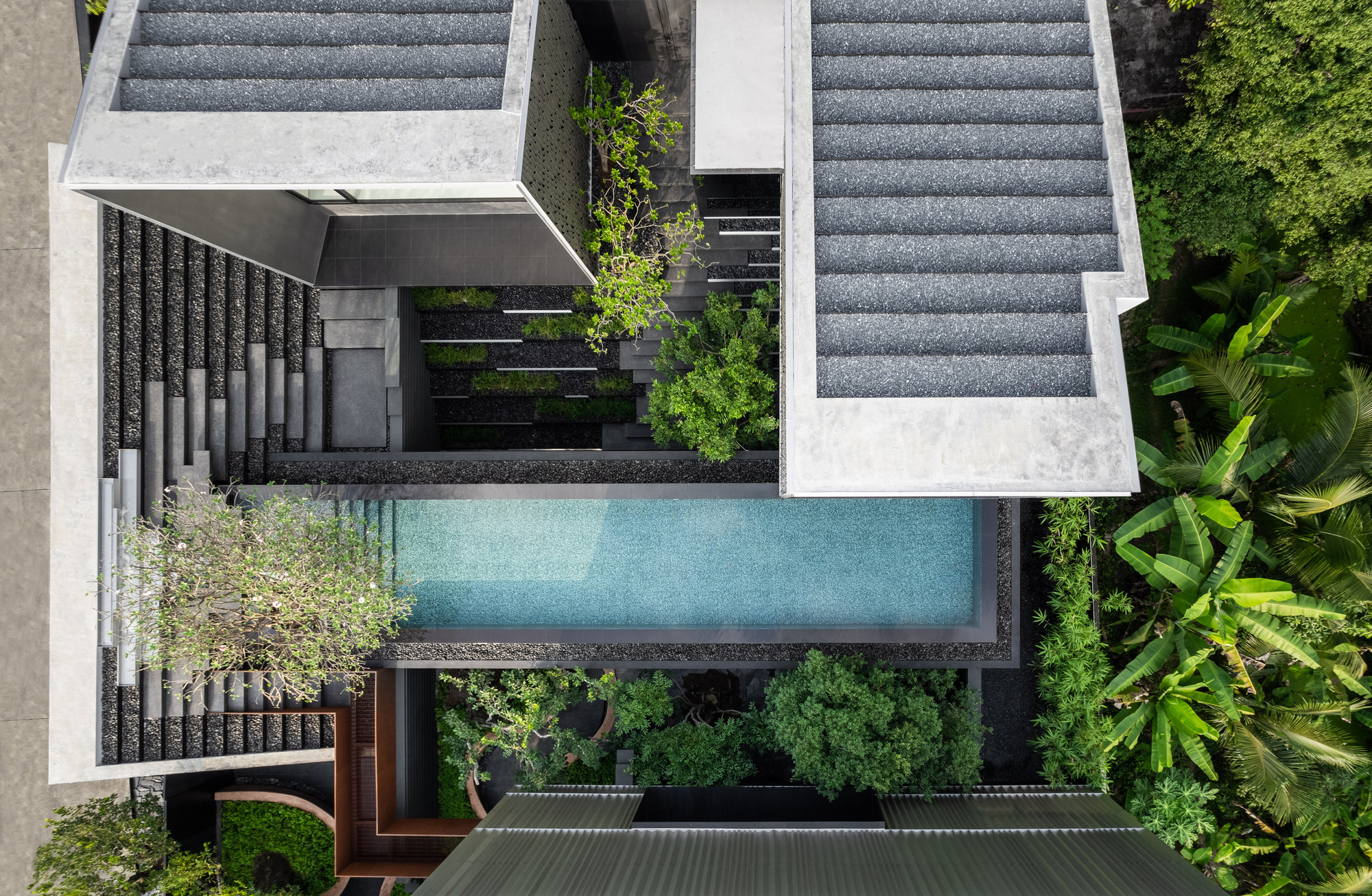
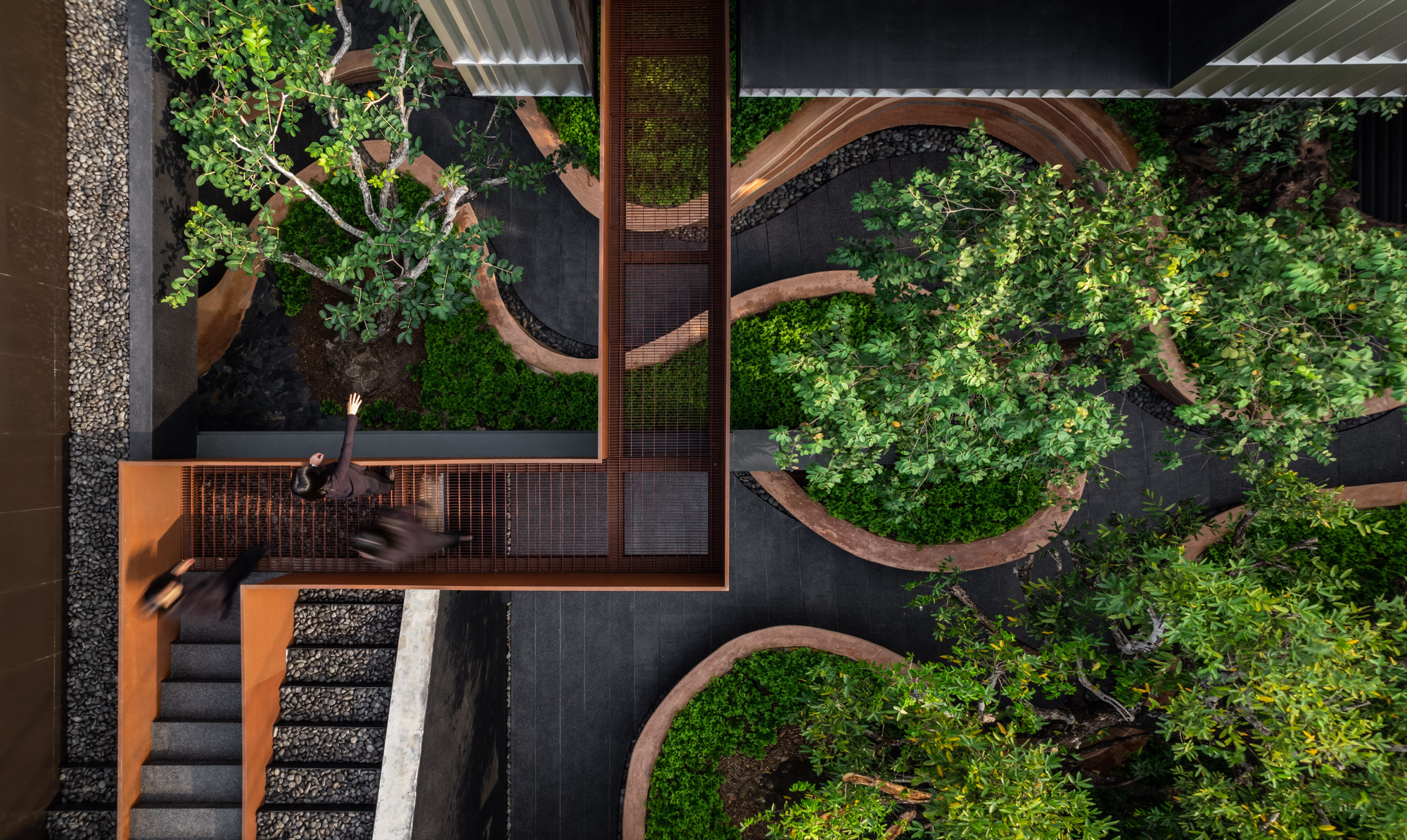
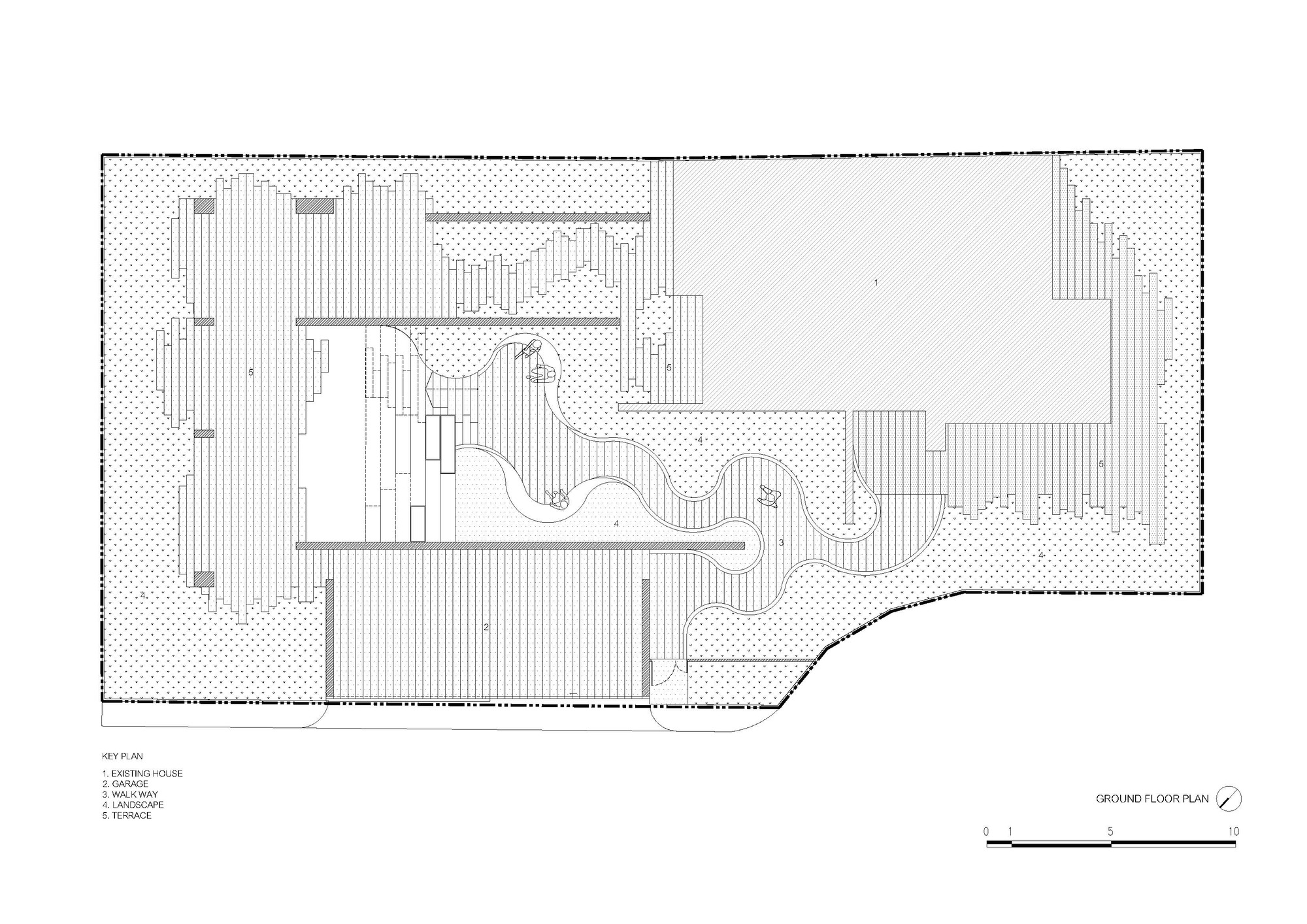
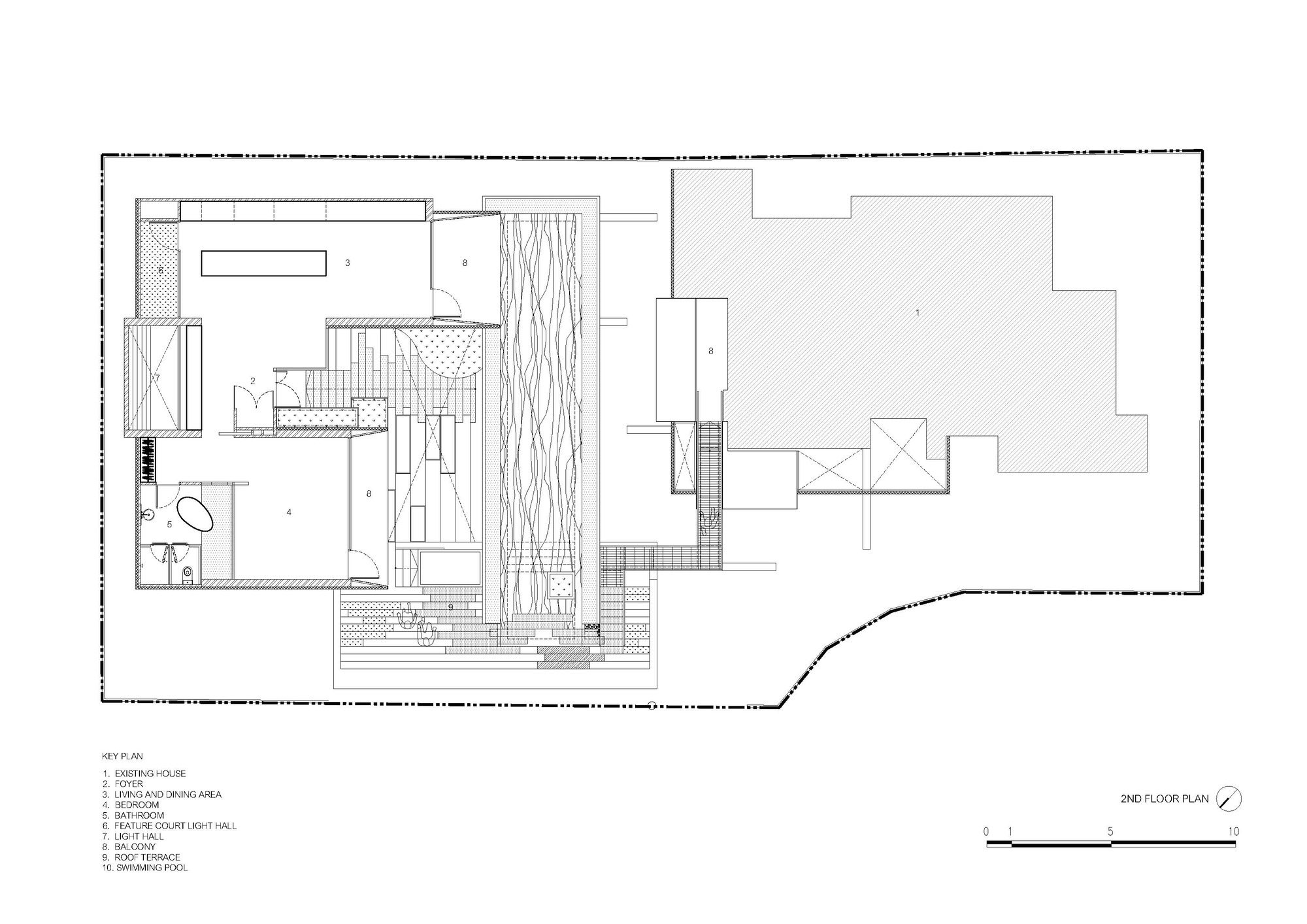
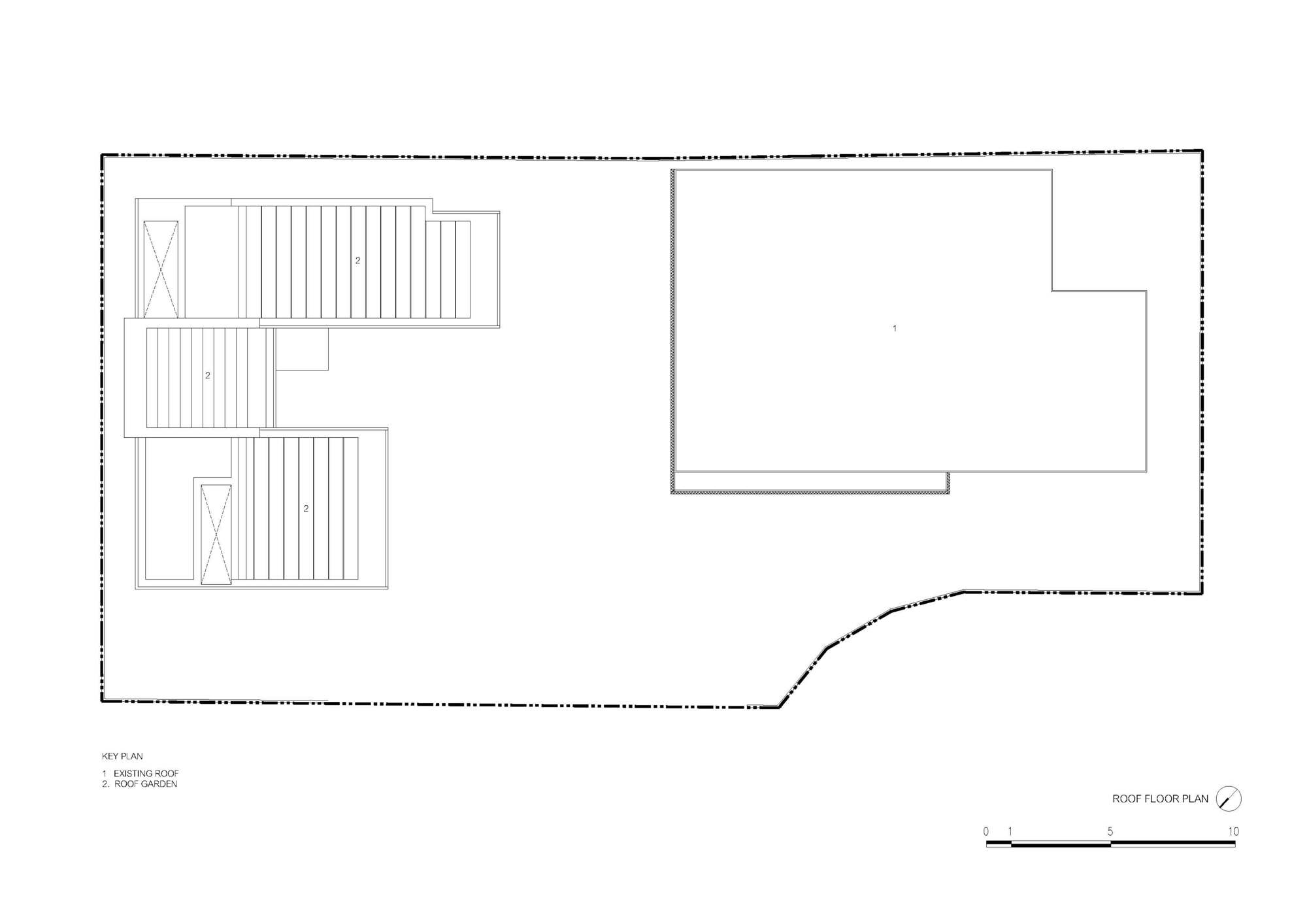
MIRIN House / Ayutt and Associates design Architects: Ayutt and Associates design Area: 600 m² Year: 2024 Photographs: Chalermwat Wongchompoo (Sofography) The house is named after the homeowner's daughter, a dedicated medical specialist whose life in the bustling city rarely offers him moments of pause. To create a private sanctuary of calm, he acquired the land adjacent to his existing home, envisioning a new dwelling where time slows down. With a swimming pool and layers of greenery, this was meant to be a retreat. But for A A D design, it became something more: an opportunity to design an immersive experience of living. Rather than designing a standard pool villa, A A D design approached the house as a narrative told through landscape, pathways, light, wind, sound, and nature, woven into a seamless whole. MIRIN House unfolds from the very first step onto the land. A gradually ascending curved pathway guides visitors inward, serving as a gentle psychological transition from the chaos of the outside world to a peaceful internal realm. Every design element, the terrain, garden, lighting, water sounds, airflow, and shadows, plays a part in shaping the mood of this arrival journey. The sloped landscape increases the surface area, allowing for more trees to be planted on the compact plot. The compressed-rammed earth walls double as planters and informal seating, inviting touch and interaction without stooping. This carefully choreographed promenade uses form, ventilation, light modulation, and sound to stimulate the senses. Even in rain, the sound of droplets hitting leaves and stone surfaces becomes part of the intended experience. The pathway doubles as a discreet water channel, reminiscent of a natural stream. Interestingly, the entrance to the house itself is hidden. Visitors instinctively understand the direction without being explicitly shown, experiencing a worm's eye perspective that makes the house feel grander and more dimensional than its modest size, one-bedroom, one-living-room function. At MIRIN House, materials are not just for building - they're mediums for sensory expression. Light and shadow shape what we see. Water and wind orchestrate what we hear. Natural textures convey temperature, dampness, and roughness. Earthy smells and edible herbs in the garden evoke scent and taste. The living quarters are lifted to the second floor, where the pool and treetop canopies define the view. Below, a shaded space echoes the underfloor openness of traditional Thai homes. From this raised vantage point, residents experience a bird's eye perspective of the landscape, contrasting with the grounded perspective of arrival. The house thus offers three distinct perceptual layers - worm's eye view, normal eye view, and bird's eye view perspective - transforming a small home into a richly spatial experience. Light is meticulously choreographed like stage lighting, manipulating contrast and rhythm. From the carport to the house, light intensity gradually changes, dilating the pupils and heightening emotional anticipation. Inside, the mood shifts: darker, quieter, cooler. Natural light is modulated with deep shadows; indirect and mood lighting inside further softens the space. The result is a gentle contrast between the stimulating exterior and the meditative interior. For the interior of the house, using dark tones absorbs light and muffles sounds, offering a cool, quiet ambiance - an antidote to Bangkok's heat and noise. Full-height glass openings invite in the trees and sky, transforming the natural landscape into a dynamic artwork that changes with the seasons. A A D design's vision extended beyond the house and into the community, and didn't create MIRIN House solely for its owner; it was designed with the surrounding community in mind. The roof was intentionally angled to avoid obstructing the neighboring houses' view of the sky, preserving their visual connection with nature. Portions of the home's greenery were also made visible from the street, allowing passersby and nearby residents to share in the serenity of the landscape. In doing so, MIRIN House becomes a link between private space and public nature, not a secluded enclosure but a gentle offering to the community. The garden doesn't stop at the boundary wall. Given the limited size of the plot in a dense suburban development, the design borrows views of mature trees from neighboring properties, weaving them into the home's visual tapestry. In return, MIRIN House gives back through rooftop gardens, a poolscape, and vertical greenery that soften the building's mass and contribute to the local ecosystem. This house does more than offer privacy to its owner; it fosters relationships between home and community, between architecture and nature, and between individual and city. It's a design that encourages a new urban mindset - one where we not only coexist with nature but actively share it. Because in the end, a house is not just architecture, but community, life, a living bond. It's not just a place to stay, but it's a relationship with everything around it.
Klåva House Location: Sweden Architects: what! arkitektur Area: 188 m² Year: 2022 Photographs: Viktor Nilsson Manufacturers: Troldtekt, Almedalsgolv, Schüco, Sioox, Westcoast Windows "Klåva" is a local word from Bohuslän, used to describe something that has been split or cleaved. It also refers to the specific topographical feature on the site, a narrow ravine nestled between two ridgelines. The property lies within a nature conservation area, characterized by granite outcrops, sparse vegetation, and a more lush, protected microclimate within the ravine itself, sheltered from the prevailing westerly winds. The architecture is guided by three main intentions: to allow the buildings to humbly defer to the landscape, to enhance the unique qualities of the green and sheltered klåva, and to capture and frame views of the sea. These principles shaped every decision throughout the design process. What was initially envisioned as a single building was eventually divided into two volumes. This allowed the architecture to follow the natural topography more closely. The buildings are gently angled to trace the site's existing contours. A concrete retaining wall creates a level plateau for the main house and its outdoor terraces. The guesthouse is a semi-subterranean structure, accessed from the lower garden area of the ravine. Together, the buildings and walls form a linking element between the upper and lower parts of the site, connecting wind-exposed and wind-sheltered zones, barren and fertile landscapes, and large and small spatial experiences. The volumes establish a subtle boundary between wind and lee, rough and lush, the vast seascape and the intimate garden. In the central spaces of the main house, these contrasting conditions are allowed to meet. Large glazed openings frame both the openness of the sea and the enclosed green heart of the site, inviting the landscape into the interior. Durable and honest materials such as wood, concrete, and limestone were selected to age naturally over time. Built-in furniture is crafted in oak. The kitchen units are made of stained oak, with a custom-mixed tone that enhances the wood grain while distinguishing it from other interior elements. A close and continuous dialogue with the clients throughout the project ensured a high level of integration between architecture and everyday life, even extending to details like a custom sleeping alcove for the family dog, seamlessly built into the bedroom wardrobe system. Rather than making a bold statement, the house quietly adapts to the site, shaped by its specific conditions and intended to coexist gently with the surrounding landscape.
MUWA NISEKO Architects: Nikken Sekkei Area: 20817 m² Year: 2023 Photographs: Forward Stroke inc. This condominium hotel is located in a prime location directly connected to the Niseko Hirafu ski slopes in Hokkaido, Japan. The architecture expresses the characteristics of Niseko and its landscape dotted with small-scale buildings, and the gabled roofs characteristic of Hokkaido's and the greater region's traditional landscape context, while also incorporating the features of "condominium-style development," where each unit has its own owner. By expressing these elements as a collection of gabled roofs, the design achieves both economic efficiency and rationality while preserving the landscape of Niseko. The hotel offers a variety of unique experiences, including guest rooms that blend seamlessly with the landscape, a lobby that frames the natural beauty of Niseko, and an open-air bath with views of Mt. Yōtei. This is an architecture that can only be found in this location. Japanese houses feature an engawa (buffer space) which gently connects exteriors and interiors. This know-how is passed down from our ancestors in order to facilitate harmonization with the harsh natural environment. It also serves as a device to delicately separate public and private spaces. Here, we have modernized the engawa by arranging it as a cylindrical balcony in each guest room, thereby balancing privacy and openness. This design also expresses the "condominium with individual owners" program as a collective of individual units, as reflected in the exterior. On the top floor, the engawa is designed in a gable roof shape -- the basic form of Japanese architecture. The exterior, which features gable roofs with varying slopes in accordance with the internal plan, resonates with the surrounding beautiful mountain range and landscape, creating a new landscape in Niseko that evokes Japanese aesthetic sensibilities. A "non-everyday" space that echoes the scenery of Niseko – The building was designed to maximize floor space within the site conditions restricted by the setback line, as stipulated by the Natural Parks Law and the nearby cliff. On the ground floor, guest rooms and an open-air bath with a view of Mt. Yotei are arranged in a square form around a courtyard at the center, designed to bring natural light to the common areas on the basement floor. The entrance is located on the basement floor, and common areas such as the reception, restaurant, spa, hot springs are arranged around the "Four Seasons Garden" (shiki-no-niwa), a courtyard in the center of the building. The Garden has a grove of Japanese maple trees native to the town, while the ground is paved with rocks excavated from the site. The courtyard captures the natural beauty of Niseko and welcomes guests with different expressions throughout the seasons. By creating a floor plan that offsets the irregular shape of the site, 34 unique guest units were created. Each unit features a three-color scheme that harmonizes with the exterior, while the penthouse units offer a variety of experiences by incorporating the recurring shape of the roof into the interior space, creating guest rooms that open up to the exterior. This architecture is unique to this location: guest units that blend seamlessly with the landscape, a lobby that showcases the changing seasons of Niseko, interiors adorned with Japanese elements such as latticework and earthen walls, and an open-air bath that offers a panoramic view of Mount Yōtei. A structural design tailored to the harsh environment of heavy snowfall, enabling an extraordinary experience – To ensure seismic performance while randomly arranging a variety of guest units, load-bearing walls were strategically balanced across the floor plan. With a basic span configuration of 3.6m, the height of perimeter beams was minimized to maximize opening height within the limited floor height of 3.1m. Additionally, by eliminating beams that cross guest rooms in the structural design, constraints on guest room layouts were removed, enabling the creation of open guest rooms with maximum ceiling heights. Furthermore, by adopting an SRC Vierendeel frame structure for the inner perimeter, seismic performance was ensured while achieving a 10.8m span on the B1 floor, creating an attractive lobby space. The sixth-floor open-air bath facing Mt. Yōtei was realized using an approximately 6m long cantilevered structure supported by wall beams on the 6th and 7th floors. While these wall beams create a different planar rigidity balance compared to the lower floors, the layout of the bearing walls was adjusted in plan to take the eccentricity into consideration. The top floor features a concrete folded-plate roof structure, eliminating some columns to create an open living space. Since the folded roof primarily supports vertical loads, load-bearing walls were arranged along doorways and corridors to ensure sufficient seismic resistance.