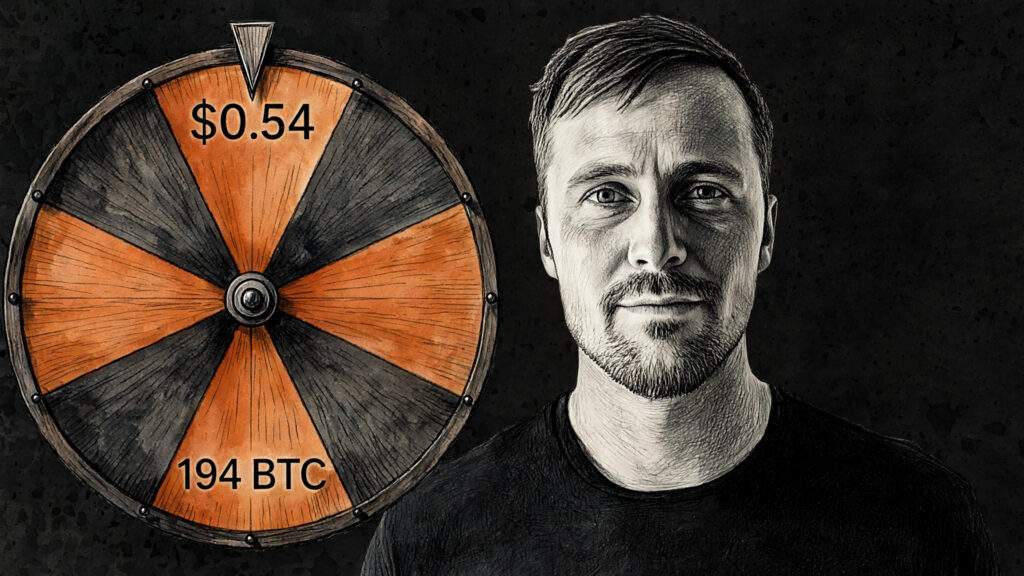
my lightning origin story: raspberry pi, 3 days of chain sync, one channel, dead within a week. what was your first node setup like? the more embarrassing the better.
lightning could not exist before segwit. the whitepaper was out in january 2016, but pre-segwit transaction malleability let anyone change a txid before confirmation, which breaks the penalty transactions that keep channel partners honest. segwit activated in august 2017. the first real mainnet lightning payment, alex bosworth paying his phone bill, landed four months later.

The bond market is not panicking. It is repricing the machine.
There are three forces pushing in the same direction, which is why the move is global and concentrated in the long end.
First, the inflation impulse has returned through energy. The conflict around Iran and the Strait of Hormuz has lifted oil, and oil feeds into prices with a lag. When inflation is above target and the cause is a supply shock rather than excess demand, central banks have less room to ease and more reason to stay tight. Markets have therefore pulled forward rate hikes and pushed out cuts. That is the short-term debt cycle turning.
Second, the long-term debt cycle is late. Across the developed world, debt is high relative to income, deficits are large, and the political system has little appetite for the austerity or tax increases that would close the gap. When the stock of debt is already large and the flow of new issuance keeps coming, the buyer has to be paid more to hold duration. That extra compensation is the term premium. It is rising because the risk is real: more bonds, same pool of savings.
Third, the private sector is now competing for that same pool. The AI buildout is being financed with a surge of corporate issuance. Governments and the hyperscalers are both borrowers at once. When two large borrowers show up together, the price of money rises almost mechanically, regardless of what any one of them intends.
Japan is the clearest illustration. Yields near 3% would have been unthinkable under the old regime of yield-curve control and negative rates. The Bank of Japan is normalizing, the debt stock is enormous, and the world can no longer treat the yen as a free funding currency. That unwind adds another seller into global bonds.
What this means is straightforward. The cost of capital is being reset higher. Existing bondholders take the mark-to-market loss. New borrowers, governments, companies, households, pay more. Debt service rises as a share of income, which either crowds out other spending or forces more issuance, which pushes yields up further. That is the classic late-cycle feedback.
Stocks have held up because earnings and liquidity are still adequate. They will not be immune if the discount rate stays at these levels. The equity market is pricing growth; the bond market is pricing the cost of funding that growth. One of them is wrong, or both are early.
The paths from here are limited.
If energy prices fall and inflation cools, central banks can pause, the term premium stops rising, and yields settle into a higher but stable range. That is a repricing, not a crisis. Money is simply no longer cheap.
If energy stays high and deficits do not shrink, yields grind higher. Growth slows under the weight of debt service, and the squeeze shows up first in the most leveraged borrowers and the longest-duration assets.
If a large sovereign loses the marginal buyer, the UK, France, Japan, or, in an extreme, the US, the move becomes disorderly. Then the central bank is forced to choose between defending the currency and monetizing the debt. History says that choice arrives later than people expect and faster than they are prepared for.
The base case is the first path mutating into the second: not a crash, a regime change. The world is leaving the post-2008 period of suppressed yields and entering one in which the price of money reflects the stock of debt and the risk of inflation. That adjustment is what the bond market is doing now.
on may 22 2010, laszlo traded 10,000 bitcoin for two pizzas. this morning i spent 12,000 sats on fees just to open a channel. inflation is just bitcoin history laughing at you.